Tag: car

  • Leo Burnett India Introduces ‘StreetEye’

    Leo Burnett India Introduces ‘StreetEye’

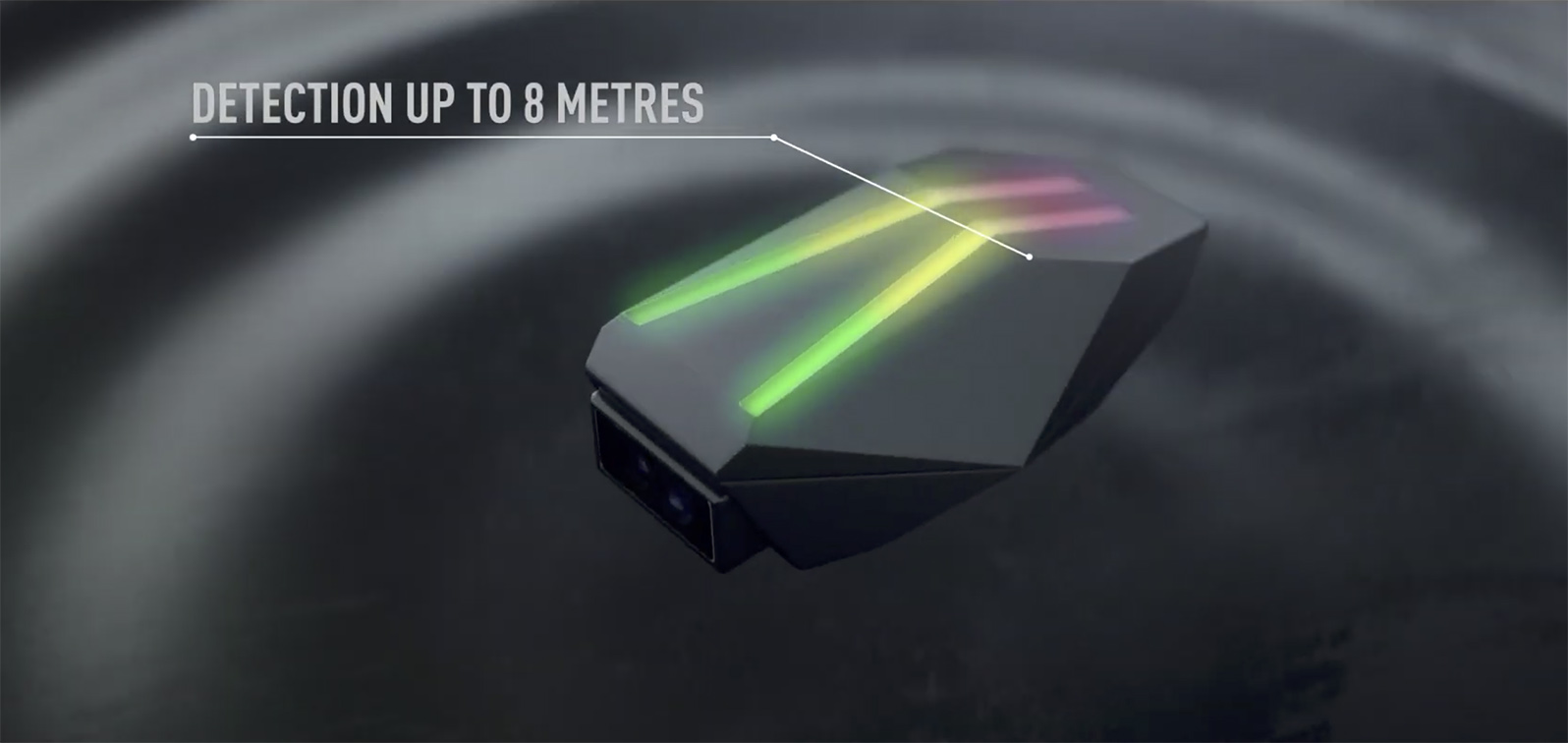
    Leo Burnett is a global multi-disciplinary consultancy firm that specializes in, advertising, brand consultancy, communication, marketing, and so on. While the company isn’t active in the business of road safety, Leo Burnett recently introduced a first-of-its-kind product in India. Called the ‘StreetEye’, this two-wheeler mounted device is designed to detect potholes and alert a two-wheeler rider of the same in real-time. StreetEye was conceptualized, designed, and manufactured by Leo Burnett and the project was sponsored by Acko Insurance.

    India has one of the densest road networks in the world. Traffic data from 2019 suggests that 4,775 road accidents were caused by pot holes, resulting in 2,140 deaths. So a device that can be mounted on a two-wheeler and alerts motorists of pot holes well in time, has the potential to save thousands of lives and even prevent injuries to two-wheeler users.

    Leo Burnett says that the StreetEye device uses stereo cameras and light detecting to map potholes on the road’s surface and alert the rider so that he/she can take adequate action to avoid the same. The device has a pot-hole detection range of up to eight meters. The device will be light and gets a sleek design. And it is encased in a weatherproof body.

    Speaking about the prospective launch Rajdeepak Das, CEO, and Chief Creative Officer, Leo Burnett said “At Leo Burnett we believe the only way to predict the future is to create it ourselves. We have always been driven by our HumanKind philosophy which puts people and problems at the center of all our initiatives. The teams at Leo Burnett have been tirelessly researching, developing, and testing various versions of StreetEye to find a solution to one of the vital problems i.e. accidents due to potholes. And we are very excited about this product and would be launching it soon in the market.”

    The StreetEye device is yet to be launched in India and so far,

  • Tesla Scouts For Showroom Space In India, Hires Executive For Lobbying

    Tesla Scouts For Showroom Space In India, Hires Executive For Lobbying

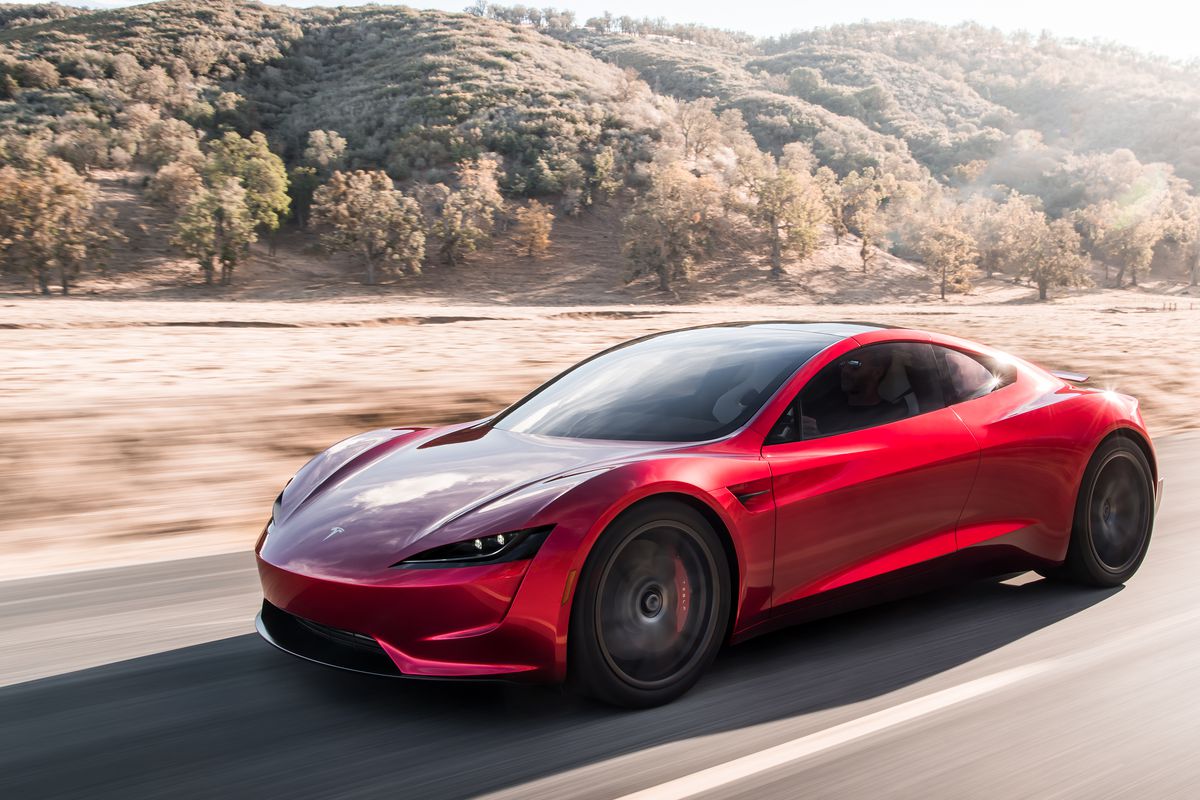
    Tesla in January registered a local subsidiary in India, which is expected to import and sell the Model 3 sedan by as early as mid-2021. Tesla has recruited Manuj Khurana, a former executive of India’s investment promotion body Invest India.

    Tesla Inc is scouting for locations to open showrooms in three Indian cities and has hired an executive to lead its lobbying and business efforts ahead of its planned entry into the country, sources familiar with the discussions told Reuters. The electric-car maker in January registered a local company in India, where it is expected to import and sell the Model 3 sedan by as early as mid-2021, seeking to target rich customers in a niche market.

    The world’s most valuable automaker by market capitalization is looking for commercial properties as large as 20,000-30,000 square feet each to open showrooms and service centers in the capital New Delhi, financial hub Mumbai in the west and tech city Bengaluru in the south, three sources said.

    Separately, Tesla has recruited Manuj Khurana, a former executive of India’s investment promotion body Invest India, in the first major hire to lead its policy and business development efforts in the country, two other sources said. Tesla did not respond to a request for comment, while Khurana declined to comment.

    In October, Tesla CEO Elon Musk said on Twitter the company will enter India in 2021 “for sure”, though the billionaire had issued similar tweets in the past. The search for showroom space and Khurana’s appointment signal Tesla is moving faster.

    Global property consultant CBRE Group Inc – hired for the showroom searches by Tesla – has been surveying places for several weeks and is focussing on locations that will give the company easier access to affluent customers, sources said.

    Some luxury car showrooms in upmarket areas of metro cities are typically between 8,000-10,000 square feet, but most showrooms are far smaller in India where high-end real estate space is usually in short supply and property prices in New Delhi and Mumbai are among the highest in the world.

    “If you look at Tesla’s showrooms globally, they are like experience centers. It would look at replicating that with some modifications for the Indian market,” said one of the sources, all of whom declined to be identified as the talks are private.

    CBRE said it does not comment “on work we may be doing on behalf of our clients”.

    Khurana has previously been on a government panel on the future of transportation led by Prime Minister Narendra Modi’s top scientific adviser. In his new role, he is also handling Tesla’s market-entry process in India, two sources said.

    But India isn’t likely to be an easy market to crack for Tesla. The country has negligible charging infrastructure and high taxes on imported cars, as well as low adoption of electric vehicles (EVs). India recorded just 5,000 EV sales out of the total 2.4 million cars sold last year, while in China new energy vehicle sales touched 1.25 million.

    However, analysts say India’s rising number of affluent consumers makes it a market the automaker can’t ignore as the government increases its focus on promoting clean cars.

    While Tesla plans to import cars at first, India’s road minister told Reuters last month that the government is ready to offer incentives to ensure the carmaker’s production cost would be less than in China if it commits to local manufacturing.

  • Tesla Tells China Car Cameras Not Activated Outside North America

    Tesla Tells China Car Cameras Not Activated Outside North America

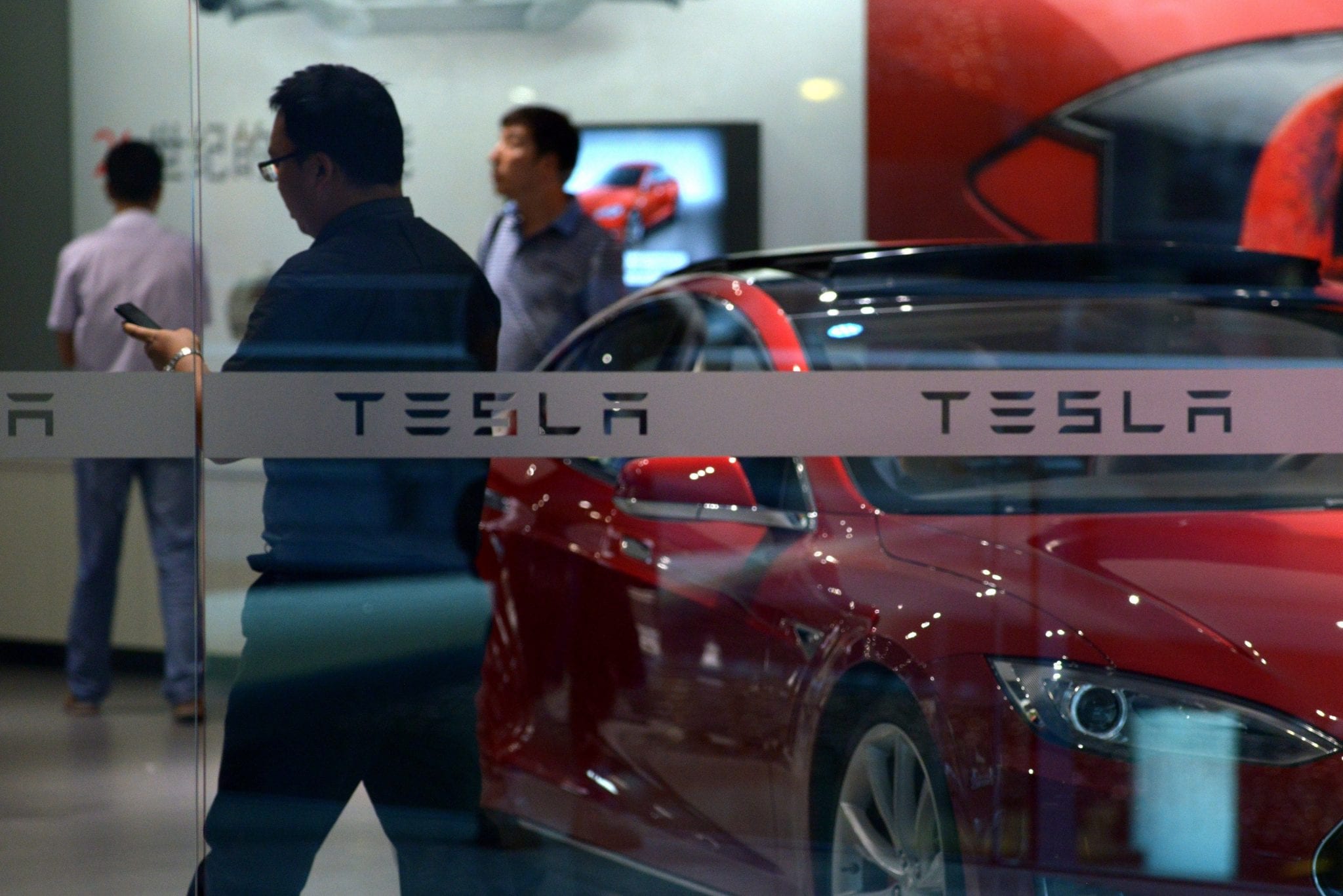
    Cameras in Tesla cars are not activated outside of North America, the U.S. automaker said on its Chinese social media page on Wednesday, seeking to assuage security concerns in the world’s biggest car market.

    Tesla faces scrutiny in China where the military in March banned Tesla cars from entering its complexes, citing security concerns over cameras in its vehicles, sources told Reuters.

    “Even in the United States, car owners can freely choose whether to turn on its (the camera system’s) use. Tesla is equipped with a network security system with world-leading security levels to ensure user privacy protection,” the electric carmaker wrote on Weibo, China’s Twitter-like social media site.

    At a virtual forum in Beijing in March, held not long after reports of the ban surfaced, Tesla founder Elon Musk emphasized the company’s business motivations for protecting user privacy.

    “There’s a very strong incentive for us to be very confidential with any information,” Musk said.

    “If Tesla used cars to spy in China or anywhere, we will get shut down.”

    China is a key battleground for electric vehicles. In 2020 Tesla sold 30% of its global total in the country.

  • Switch Mobility And Siemens Partner To Work On Electric Mobility Projects In India

    Switch Mobility And Siemens Partner To Work On Electric Mobility Projects In India

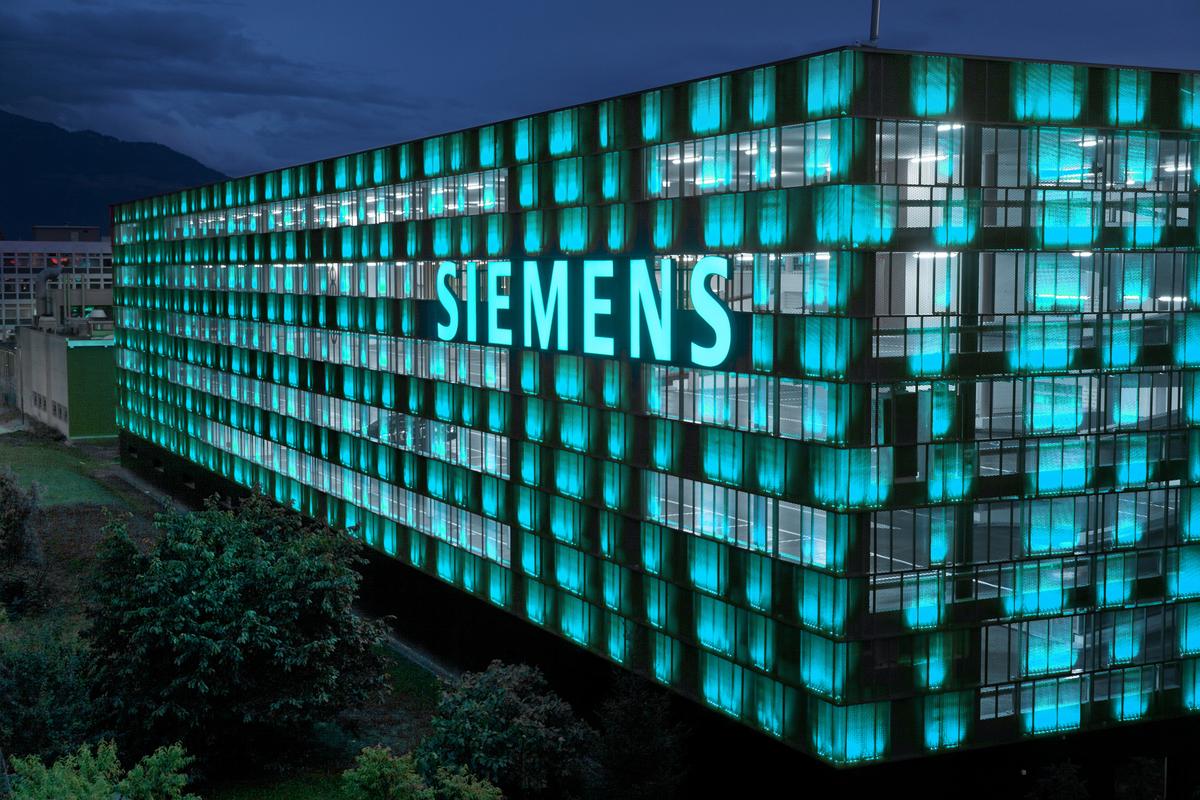
    Home-grown commercial vehicle manufacturer, Ashok Leyland’s global electric mobility arm, Switch Mobility has entered into a partnership with German technology conglomerate, Siemens Limited. The two companies have signed a Memorandum of Understanding (MOU) towards building a cooperative technological partnership in the electric commercial mobility segment and work on eMobility projects in India. The company says that the main objective of this partnership between the two brands is to offer efficient, cost-effective and sustainable e-mobility solutions to various commercial vehicle customers in India.

    Commenting on the partnership, Nitin Seth, Director, Switch Mobility said, “Our collaboration with Siemens will focus on key identified areas, which will be critical to propel ourselves as an industry, towards clean and sustainable mobility solutions. Our overarching objective is to achieve the lowest Total Cost of Ownership (TCO) and our endeavour with Siemens will focus on it to make eMobility a compelling solution for businesses and the environment in India.”

    At the same time Sunil Mathur, Managing Director and Chief Executive Officer, Siemens Limited, said, “Siemens is a global leader in e-mobility solutions for commercial vehicles. We have been implementing projects for electric commercial vehicles across the globe. Together with Switch Mobility, we intend to implement high-quality techno-commercial solutions to address the needs of the growing E-mobility market in India.”

    To achieve their joint objective, for its part, Switch Mobility will offer its strong electric commercial vehicle industry experience. Siemens, on the other hand, will bring its flexible, high-efficiency charging infrastructure technology to the table, which comes with efficient and reliable medium-voltage grid connection solutions. The company says that Siemens’ charging infrastructure management software solution would enhance the energy-efficient operations of the chargers.

    As part of the MOU, Siemens Financial Services (SFS), the financing arm of Siemens AG, will consider a minority investment in OHM Global Mobility Private Ltd., the eMaas platform company to be formed as a subsidiary of Switch Mobility Automotive Limited.

  • Tim Cook comments on Elon Musk, and AR/VR and Apple Car

    Tim Cook comments on Elon Musk, and AR/VR and Apple Car

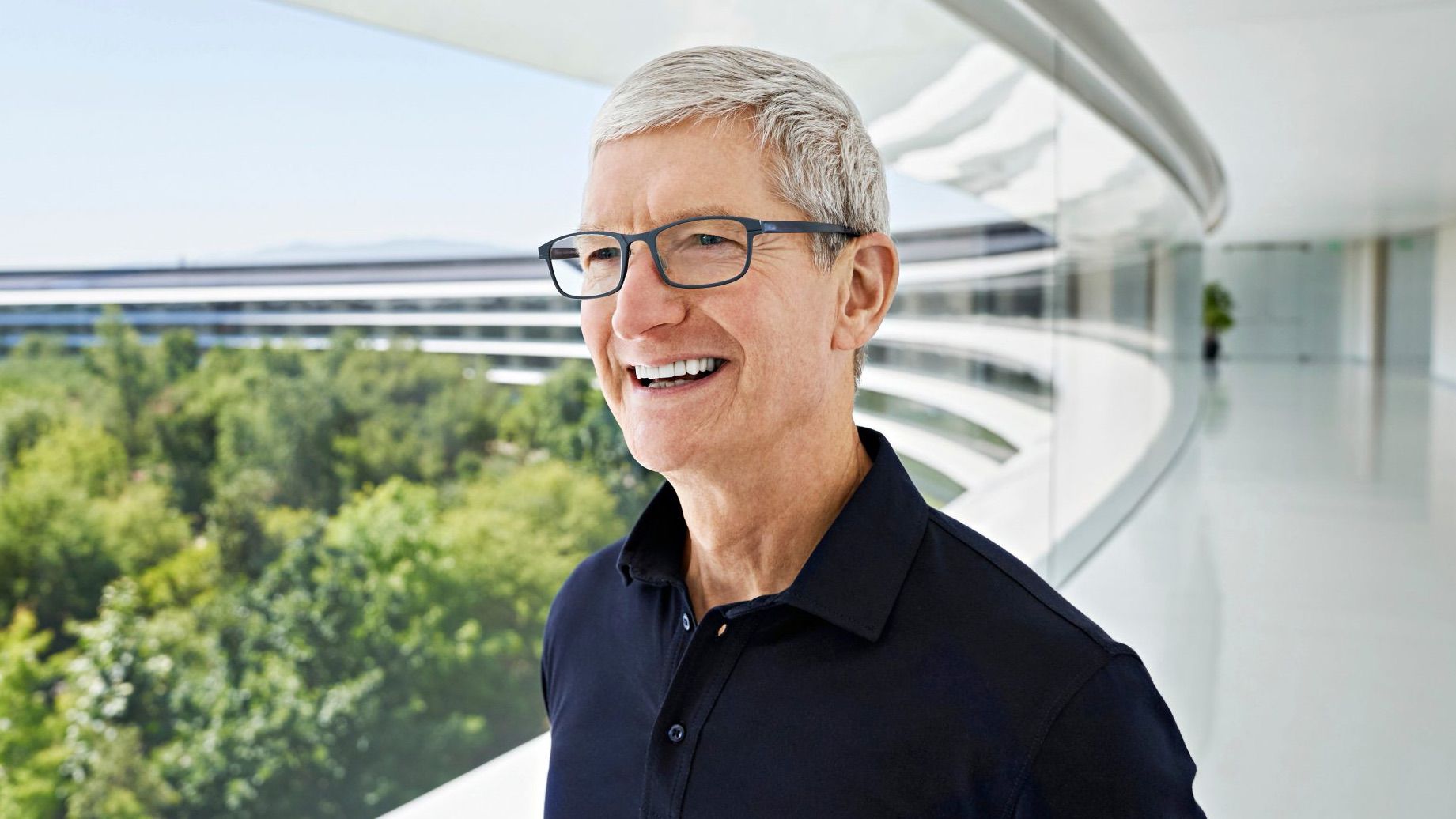
    In case you missed it, Apple’s CEO gave a 30-minute interview with Kara Swisher, which is available on all major streaming platforms in the form of a podcast.

    The majority of the conversation revolved around data privacy and security, but they also touched on other important topics for Cook and Apple.

    The boss commented on Elon Musk’s claims that Tesla’s boss offered to sell the company to Apple, but Cook ‘wouldn’t even take a meeting with him’. Apple’s head said he hasn’t met up with Musk, but strongly admires what Tesla’s been able to achieve, touching on the company’s consistency over the years.

    He finally shed some light on Apple’s own electric car! He expressed a strong opinion that ‘autonomous cars are robots’. He said there are many things that can be done with autonomous vehicles and ‘we’ll see what Apple does’.

    When Swisher asked if it is going to be ‘a technology within a car’ or a car, he laughed and avoided answering the question. He said: “We love to integrate hardware, software, and services”. This is indeed a very Apple thing to say. He added that he wants to have complete control of all of the three components, so the final product works as seamlessly as other Apple products.

    Kara Swisher mentioned the upcoming WWDC21 conference with a tagline ‘Glow and behold’, and asked if this sentence is supposed to hint at a VR headset. Cook said that he strongly believes in AR, and he’s already seeing use for it even on a smartphone. Therefore, this is definitely part of Apple’s future plans in a big way.

    When he was questioned about the new administration in the US, Apple’s boss stayed very politically correct, and said that he’ll seek involvement in policy, and not politics (if he does at all).

    The interviewer teased him with a question about people being able to vote from their iPhones, and he was positive about it, underlining the fact that most of our data is already on our phones, so using a phone for voting for the next president, might not be so far fetched of a concept.

    Yet, he doesn’t like the idea of moving into politics, but said he wants to advance work on climate change, job creation and ‘retraining’. He is willing to work with whoever is keen on helping Apple to achieve these goals.

    He also spoke about coming out as gay, highlighting the idea of being able to help young people feel safe about being themselves. He said he is going to speak out about discriminatory laws.

  • Mercedes-Benz EQS Cabin Revealed

    Mercedes-Benz EQS Cabin Revealed

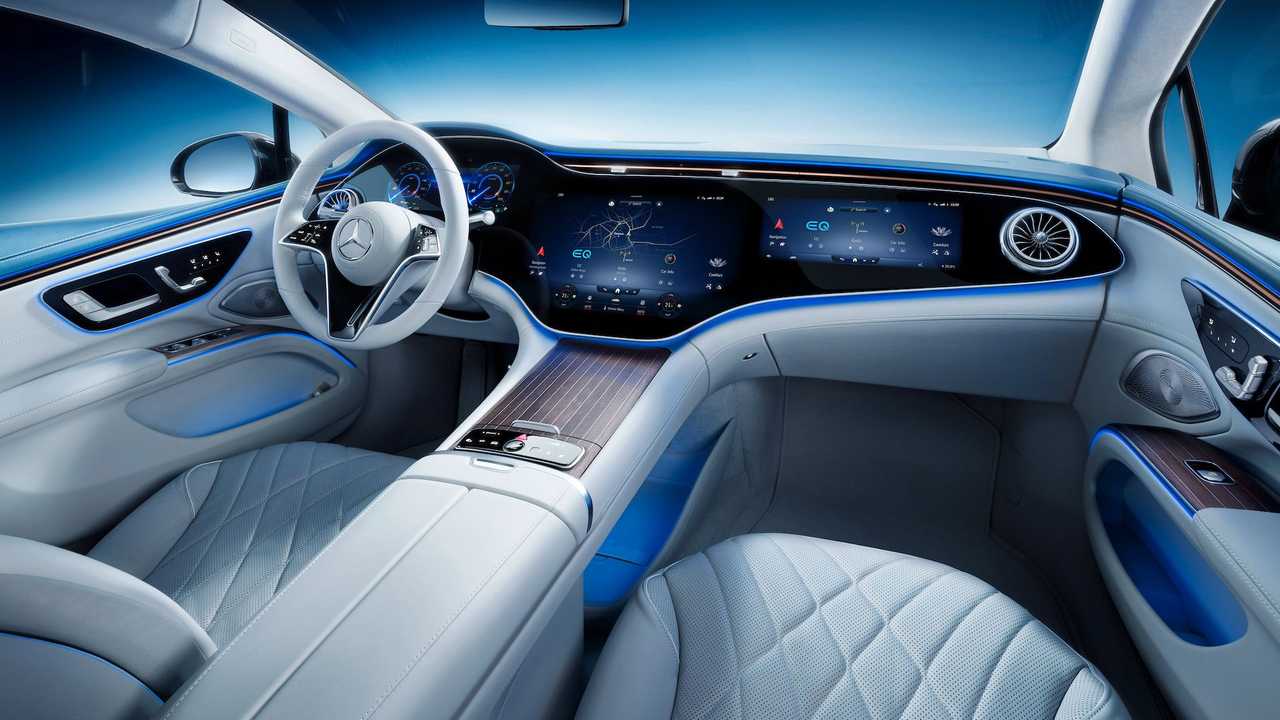
    The EQS is the luxurious and avant-garde top-of-the-range model from Mercedes-EQ and while we’ve seen teasers from the company, we are looking forward to see what the car is actually like and come April 15, we’ll see the what it looks like. But the company has now revealed what the cabin of the EQS looks like and we have to say it looks something from outer space and the reason we say this is because of the MBUX Hyperscreen that is showcased in the car.

    Though optional, the entire instrument panel is one ultimate widescreen. This determines the aesthetics of the entire cockpit and interior. The real glass appears to drape itself in three dimensions over the entire width of the vehicle like a wave – a unique feature in automotive construction to date.

    The high-resolution screens merge seemingly seamlessly under the shared glass cover. The graphic appearance of their MBUX content is tailored to each other. The MBUX Hyperscreen is integrated into the instrument panel in minimalist fashion. The MBUX Hyperscreen is surrounded only by a thin silver shadow frame, a vent band and a narrow leather frame, reminiscent of the lower volume body of classic instrument panels.

    The vent band spans across the entire width at the top and is very slim at the same time. These extreme proportions, together with the glass wave of the MBUX Hyperscreen, create the avant-garde architecture of the cockpit. For further details on the MBUX Hyperscreen, see separate chapters.

    The front section of the center console joins the instrument panel and stands freely in space. Flowing leather surfaces with intricate seam patterns create a lot of storage space in combination with a large cover made of real wood. The visual impression is both modern and luxurious.

    The base model without MBUX Hyperscreen has a slightly different center console. There is a soft armrest in the rear section. It is first visually interrupted before being transitioned into the floating central display.

    The design of the door panels borrows from the interior design of modern living spaces. Doors and their center panels emerge from behind the MBUX Hyperscreen to span the space. A surface-mounted modular body floats like a sideboard in front of the door panel. It accommodates all necessary door elements such as armrest, door module, pull handle, and map pocket. Circular ambient lighting completes this floating, avant-garde aesthetic in the dark.

    In combination with the AMG Line interior, the EQS is fitted with sports seats. They are characterized by a slim and monolithic shape. The seat surfaces are designed in such a way that they give the impression of draped-on leather blankets. The technical term is “layering”.

    Common features of the seats are the dynamic graphic patterns with highly elaborate, positioned perforations. Here, too, you will find the typical Mercedes-EQ combination of the highest standards in materials, ambiance and workmanship as well as state-of-the-art technology.

    Avant-garde, as well as traditional materials and colors, give the interior a special atmosphere. Eight coordinated color combinations in the interior emphasize the generous feeling of space. The EQS is immersed in a progressive and luxurious color world of warm and cool tones. Colors such as balao brown-neva grey and space grey-macchiato add the finishing touches to the soft and emotive design. The color rosé gold, derived and evolved from the electric coil, emphasizes the design of the vent band and is used as a contrasting color.

    The shape of both seats is outlined by illuminated piping. This creates a unique night-time ambiance. The innovative trim elements make a decisive contribution to the aesthetics in the EQS. Two examples: the anthracite 3D relief-look trim elements feature tiny metal pigments. The different lighting situations in the vehicle subtly change the appearance and create a subtle value appeal.

    Visually, all graphics are designed in a new color world of blue/orange throughout. The classic cockpit display of the two-round dials has been reinterpreted with a digital laser sword in a glass lens. All content relevant to driving can be accessed between the round dials.

    The “sporty” display from the S-Class has been converted into a three-dimensional performance bar and emotively and impressively conveys the respective driving status (Drive, Accelerate, Charge). The central object here is a “G-force puck”, which dynamically moves freely in space in line with the acceleration forces.

    The appearance of the screens can be individualized with three display styles (discreet, sporty, classic) and three modes (Navigation, Assistance, Service).

    In the EQS, the content of the displays is reduced as much as possible and coordinated with the colour change of the ambient lighting in seven screen color worlds. In “Assistance” mode, important events such as lane changes or target distance control as well as the infrastructure and detected other road users (cars, motorbikes, trucks) are displayed.

    Head-up displays are available in two sizes. They contribute to relaxed driving because the driver does not need to look away from the road. The large augmented head-up display is the highlight here, as it shows relevant information and actions three-dimensionally in the actual driving situation and environment.
  • Mercedes-Benz To Purchase Electricity From Renewable Energy Sources From 2022

    Mercedes-Benz To Purchase Electricity From Renewable Energy Sources From 2022

    Mercedes-Benz has entered into a green power supply contract with energy supplier Enovos and the Norwegian energy producer Statkraft. This means that from 2022 onwards, the company will purchase electricity in Germany which comes exclusively from renewable sources. A green power supply contract ensures the purchase of electricity from renewable energy sources at all times.

    The CO2-free electricity from solar, wind and hydro sources is generated in various power plants, most of which are located in Germany. These include a part of a solar park with the size of 60 football pitches near Ingolstadt and 24 wind farms with a total of more than 200 wind turbines. The electricity generated from this is roughly equivalent to the amount consumed by 65,000 households annually. The intelligent mix is supplemented by electricity from flexible hydropower plants.

    Generation of green electricity is synchronized to follow patterns of consumption so that a supply from the grid with green electricity can be guaranteed on a quarter hourly basis. In many previous green power contracts, feed-in to the grid takes place purely on an annual balance basis. In 2018, Mercedes-Benz was the first major industrial customer in Germany to secure the long-term continued operation of six wind farms in northern Germany after the end of the EEG subsidy through a similar concept. The first Mercedes-Benz locations are already being supplied with this CO2-free electricity.

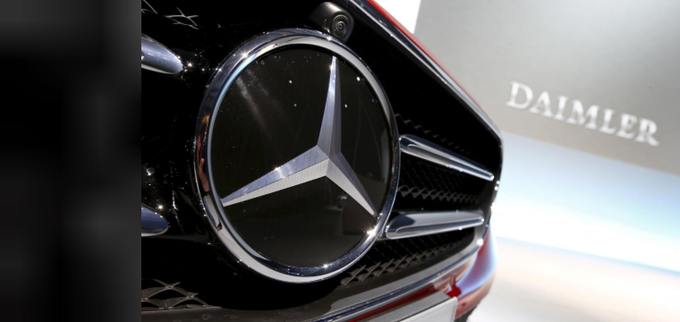
    In Germany, green electricity procurement is ensured not only for the passenger car production plants but for all Daimler locations. This also includes the German van, truck and bus plants as well as the central and administrative units – more than 100 locations in total. The company is thus making a significant contribution to the expansion of renewable energy in Germany and to the energy transition.

    With Ambition 2039, Mercedes-Benz is pursuing the goal of a fully connected and CO2 neutral vehicle fleet in 2039 – eleven years earlier than required by EU legislation. The company envisages that more than 50 percent of its passenger car unit sales will be accounted for by plug-in hybrids or all-electric vehicles by 2030.

  • Skoda To Invest 2.5 Billion Euros Over Next 5 Years On Future Technologies And EVs

    Skoda To Invest 2.5 Billion Euros Over Next 5 Years On Future Technologies And EVs

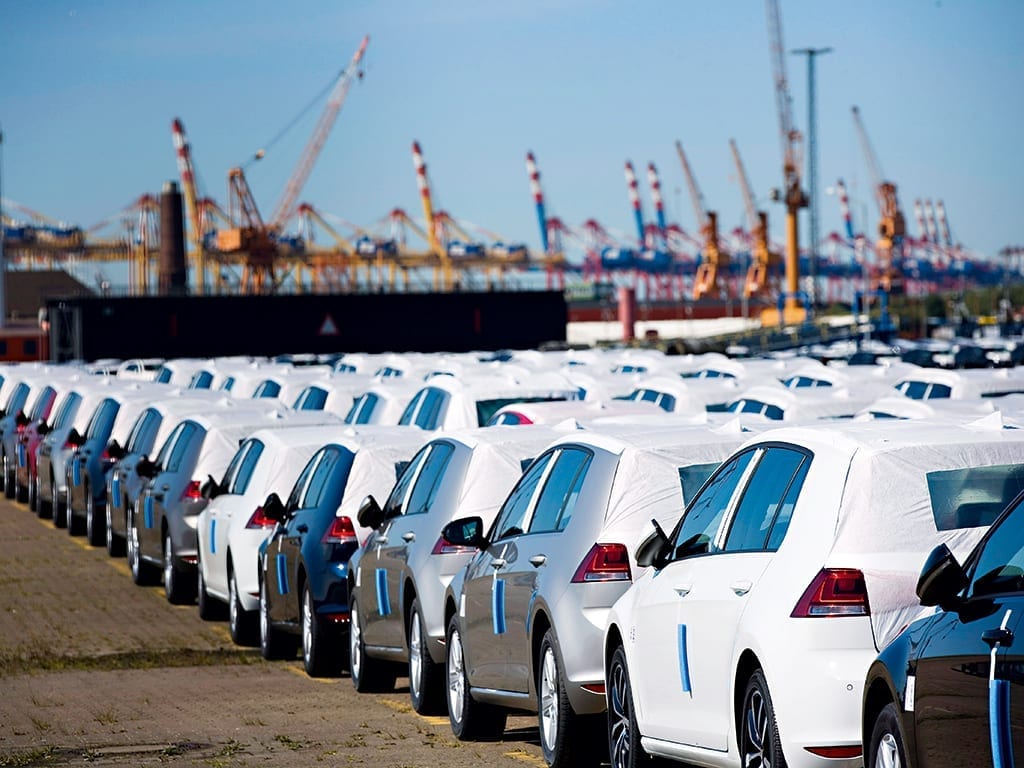
    Czech carmaker Skoda Auto, part of the Volkswagen Group, said on Wednesday it would invest around 2.5 billion euros over the next five years on future technologies, with more than half going to electric vehicle investment. The Czech Republic’s largest exporter is hoping for a rebound in 2021 from a global car sales drop but faces uncertainty over the coronavirus pandemic and a semiconductor shortage rattling the industry.

    “This year is likely to be another big challenge,” finance director Klaus-Dieter Schuermann said. “We expect Skoda Auto’s group performance to improve, with sales revenue significantly above the level of last year.”

    Skoda reported on Wednesday a 54.5% drop in 2020 operating to 756 million euros ($894 million). Sales revenue dropped 13.8% to 17.1 billion euros.

    Global deliveries remained above 1 million cars for a seventh straight year despite a 19% drop after production outages at the outset of the pandemic and a fall in China, its biggest single market.

    Chief Executive Thomas Shaefer said the car company was managing the semiconductor shortage “but it will follow us for a while” and the impact was not visible yet.

    Skoda’s core market in Europe would be electric in the future, Shaefer said, although it was still not time to completely switch away from traditional models, which include the launch last year of a new generation of its flagship Octavia model. It has also started production of the all-electric Enyaq iV model.

    Skoda plans investments of 1.4 billion euros into electromobility development as part of its five-year investment plan. Investments will also go into digitalization activities and plant modernization.

  • Lamborghini Urus Sets High-Speed Record On Ice

    Lamborghini Urus Sets High-Speed Record On Ice

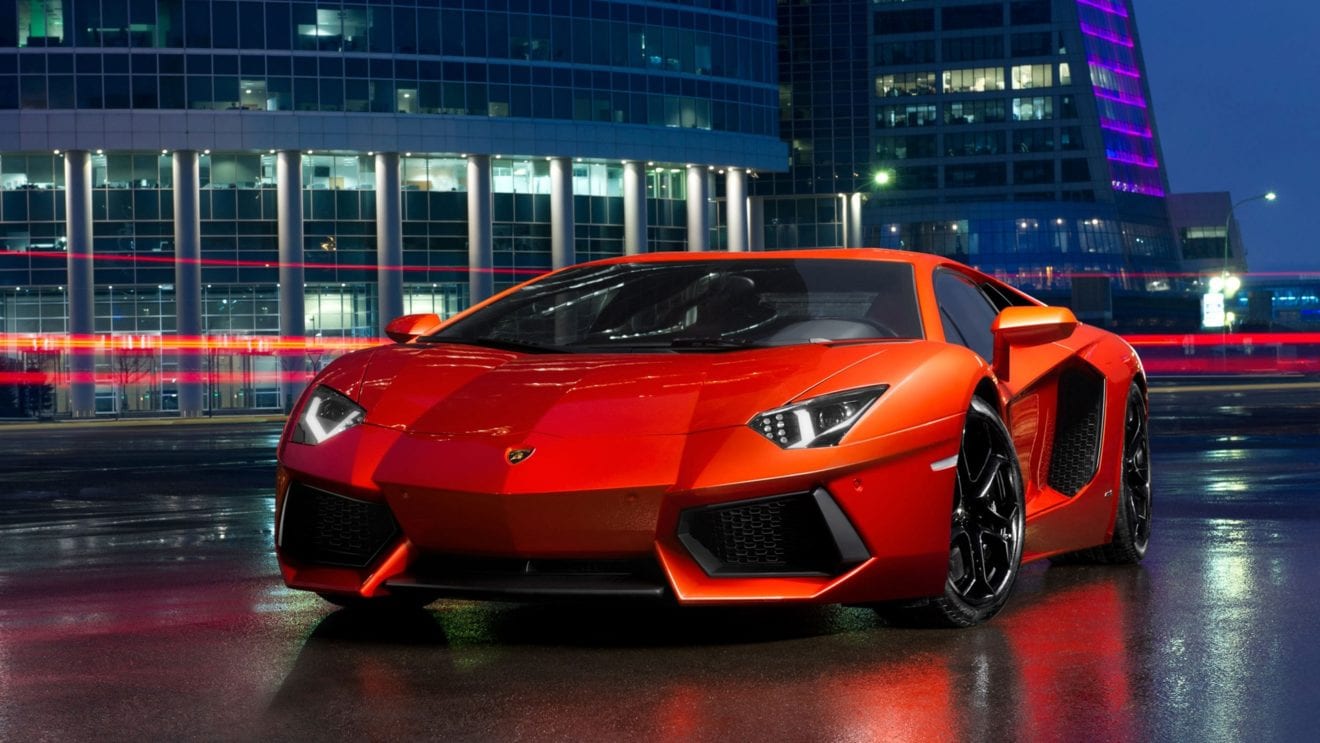
    Automobili Lamborghini took part for the first time in the Days of Speed on the ice of Lake Baikal, with the Lamborghini Urus and it set the 1,000-meter record, averaging a top speed of 114 kmph from a standing start. Piloted by the 18-time Days of Speed Russian record-holder Andrey Leontyev, the maximum recorded speed of the Urus during the record-breaking sprint was an impressive 298 kmph, despite significant warming of the ice on the world’s deepest lake. During the practice runs, the Urus even managed to reach a maximum speed of 302 kmph. Official data registered by the FIA and the RAF (Russian Automobile Federation) will be published in April.

    The annual Days of Speed festival was held between 10 and 13 March. Organised by LAV-racing company, this official sports event is dedicated to setting record speeds on ice. The event strictly adheres to all regulations of the FIA (Federation Internationale de l’Automobile) and RAF (Russian Automobile Federation).

    The Lamborghini Urus features a 4.0-litre V8 twin-turbo engine delivering 650 horses, producing maximum torque of 850 Nm at 2,250 rpm. The Urus accelerates from 0-100 kmph in 3.6 seconds, 0-200 kmph in 12.8 seconds and with a top speed of 305 kmph making it the fastest SUV in the world.

  • Maruti Suzuki To Increase Car Prices From April

    Maruti Suzuki To Increase Car Prices From April

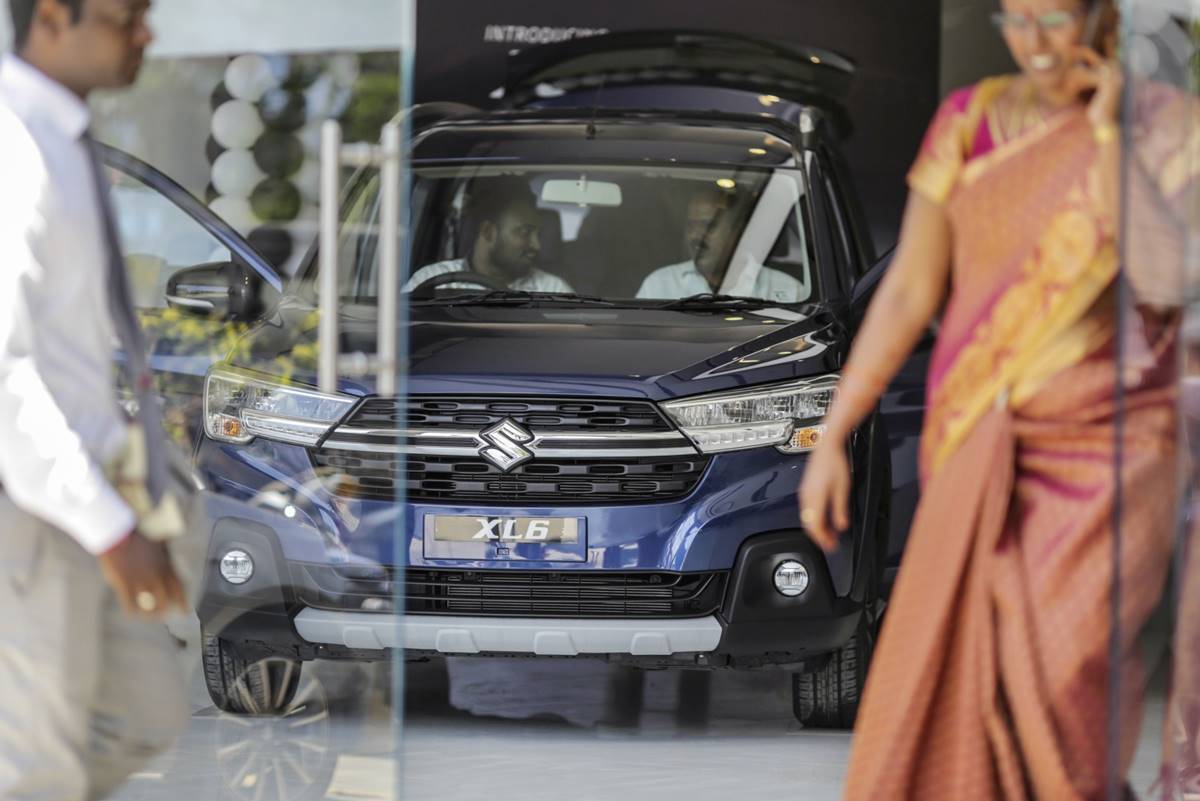
    Maruti Suzuki has announced that it will be increasing car prices across its model line-up from April 2021. In a regulatory filing, the country’s largest car manufacture said “Over the past year the cost of company’s vehicles has been impacted adversely due to increase in various input costs. Hence, it has become imperative for the company to pass on some impact of the above additional cost to customers through a price increase in April 2021.” Maruti Suzuki India has not announced the quantum or percentage of the price hike, but it has said that the price hike will vary for different models.

    It is quite common for Original Equipment Manufacturer or OEMs to increase vehicle prices in India at the start of the new financial year. In fact, Maruti Suzuki India had also increased its prices in January 2021, making this the second price revision in just three months. Among other OEMs, Isuzu Motor India has also announced its plan to the prices of its D-Max Regular Cab and the D-Max S-Cab in India, by ₹ 1 lakh, from April 1, 2021. And we expect a few other manufacturers to join the bandwagon soon.

    Currently, Maruti Suzuki India has 15 models in its combined line-up from Arena and Nexa brands. While its most affordable model, the Alto its priced between ₹ 3 lakh to ₹ 4.48 lakh, its flagship model, the S-Cross is priced from ₹ 8.39 lakh, going up to ₹ 12.39 lakh.

  • Tesla’s In-Car Cameras Raise Privacy Concerns: Report

    Tesla’s In-Car Cameras Raise Privacy Concerns: Report

    Tesla’s use of in-car cameras to record and transmit video footage of passengers to develop self-driving technology raises privacy concerns, influential U.S. magazine Consumer Reports said on Tuesday.

    Consumer Reports said the usage potentially undermines the safety benefits of driver monitoring, which is to alert drivers when they are not paying attention to the road.

    “If Tesla has the ability to determine if the driver isn’t paying attention, it needs to warn the driver in the moment, like other automakers already do,” said Jake Fisher, senior director of Consumer Reports’ auto test center.

    Tesla Inc’s use of in-car cameras to record and transmit video footage of passengers to develop self-driving technology raises privacy concerns

    Automakers such as Ford Motor and General Motors, whose monitoring systems do not record or transmit data or video, use infrared technology to identify drivers’ eye movements or head position to warn them if they are exhibiting signs of impairment or distraction, the magazine said.

    Tesla did not immediately respond to a Reuters request for comment.

    The Palo Alto, California-based carmaker’s internal cameras are also a point of contention in China, where the military banned Tesla cars from entering its complexes, citing security concerns.

    Tesla Chief Executive Officer Elon Musk said last week his company would be shut down if its cars were used to spy.

  • Japan Car Makers Scramble To Assess Impact Of Renesas Auto Chip-Plant Fire

    Japan Car Makers Scramble To Assess Impact Of Renesas Auto Chip-Plant Fire

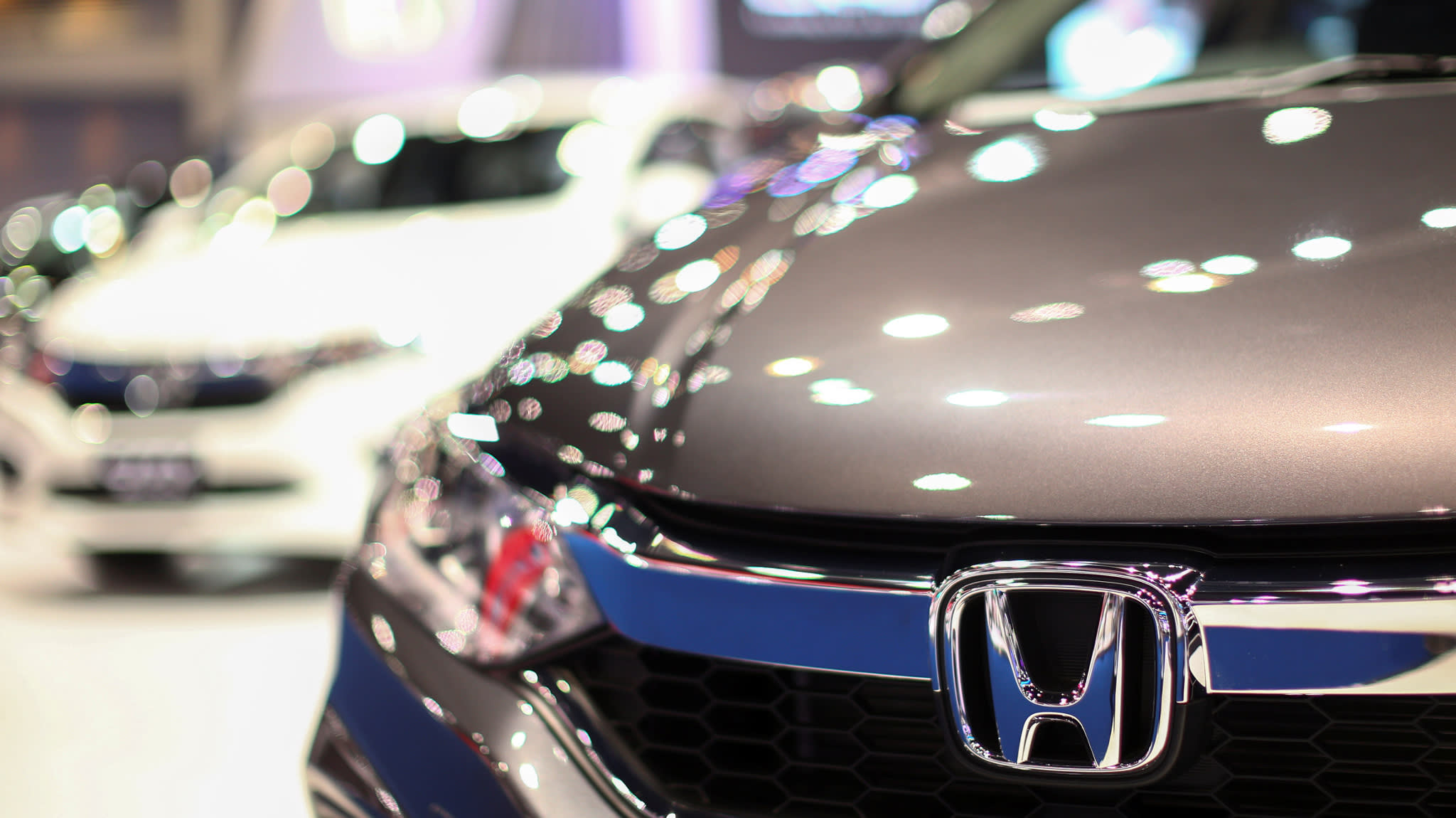
    Toyota, Nissan, Honda and other Japanese automakers scrambled on Monday to assess the production impact of a fire at a Renesas Electronics automotive chip plant that could aggravate a global semiconductor shortage. “We are gathering information and trying to see if this will affect us or not,” a Honda spokesman said. Other car makers including Toyota and Nissan said they too were assessing the situation. The effect on car makers could spread beyond Japan to other auto companies in Europe and the United States because Renesas has around a 30% global share of micro control unit chips used in cars.

    Renesas said it will take at least a month to restart production on a 300mm wafer line at its Naka plant in northeast Japan after an electrical fault caused machinery to catch fire on Friday and poured smoke into the sensitive clean room.

    Two-thirds of production at the affected line is automotive chips. The company also has a 200mm wafer line at the Naka plant, which has not been affected. Concerns on the impact of the fire on production sent auto shares sliding in Tokyo on Monday, with the big three, Toyota, Honda and Nissan, down more than 2% by the midday break. Renesas shares tumbled as much as 5.5% and were down 3.9% midday. The benchmark Topix index shed 1.1%.

    “It will probably take more than a month to return to normal supply. Given that, even Toyota will face very unstable production in April and May,” said Seiji Sugiura, senior analyst at Tokai Tokyo Research Institute. “I think Honda, Nissan and other makers will also be facing a difficult situation.”

    Semiconductors such as those made by Renesas are used extensively in cars, including to monitor engine performance, manage steering or automatic windows, and in sensors used in parking and entertainment systems.

    Nissan and Honda had already been forced to scale back production plans because of the chip shortage resulting from burgeoning demand from consumer electronic makers and an unexpected rebound in car sales from a slump during the early months of the coronavirus pandemic. Toyota, which ensured parts suppliers had enough stocks of chips, has fared better so far.

    “It could take three months or even half a year for a full recovery,” said Akira Minamikawa, analyst at technology research company Omdia. “This has happened when chip stockpiles are low, so the impact is going to be significant,” he added.

    Renesas said it customers, which are mostly automotive parts makers rather than the car companies, will begin to see chip shipments fall in around a month. The company declined to say which machine caught fire because of the electrical fault or which company made it. The Japanese government promised help for the auto industry.

    “We will firmly try to help the Naka factory achieve swift restoration by helping it quickly acquire alternative manufacturing equipment,” Chief Cabinet Secretary Katsunobu Kato told a regular news conference on Monday.

    The latest incident at the Naka facility comes after an earthquake last month shut down production for three days and forced Renesas to further deplete chip stocks to keep up with orders. The plant was closed for three months in 2011 following the deadly earthquake that devastated Japan’s northeast coast.

  • Honda Temporarily Cutting Production At All U.S., Canada Plants

    Honda Temporarily Cutting Production At All U.S., Canada Plants

    Honda Motor Co said late Tuesday supply chain issues will force a halt to production at a majority of U.S. and Canadian auto plants for a week. The Japanese automaker added the issue will result in some production cuts next week at all U.S. and Canadian plants, citing “the impact from COVID-19, congestion at various ports, the microchip shortage and severe winter weather over the past several weeks.”

    “In some way, all of our auto plants in the U.S. and Canada will be impacted,” Honda said.

    Some U.S. and Canadian plants are expected to have smaller production cuts next week, but a spokesman for Honda added “the timing and length of production adjustments could change.”

    The company declined to specify the volume of vehicles impacted but said “purchasing and production teams are working to limit the impact of this situation.”

    The company added when production is suspended Honda workers “will continue to have the opportunity to work at the impacted plants.” Honda workers were notified of the production cuts Monday.

    Sam Fiorani, vice president of global vehicle forecasting at AutoForecast Solutions, said Honda typically produces about 30,000 vehicles a week in the United States and Canada.

    The production issues are hitting Honda plants in Ontario, Ohio, Alabama, and Indiana. Honda said its Mexico operations have not announced any production cuts.

    The chip shortage, which has hit most of the global automakers, stems from a confluence of factors as carmakers, which shut plants for two months during the COVID-19 pandemic last year, compete with the sprawling consumer electronics industry for chip supplies.

    General Motors Co has cut production at many plants and warned it could shave up to $2 billion from this year’s earnings.

    GM’s U.S. rival Ford Motor Co previously said the shortage could hurt 2021 profit by up to $2.5 billion and said it had curtailed production of its flagship F-150 pickup.

  • BMW Expects At Least Half Of Sales To Be Electric Cars By 2030

    BMW Expects At Least Half Of Sales To Be Electric Cars By 2030

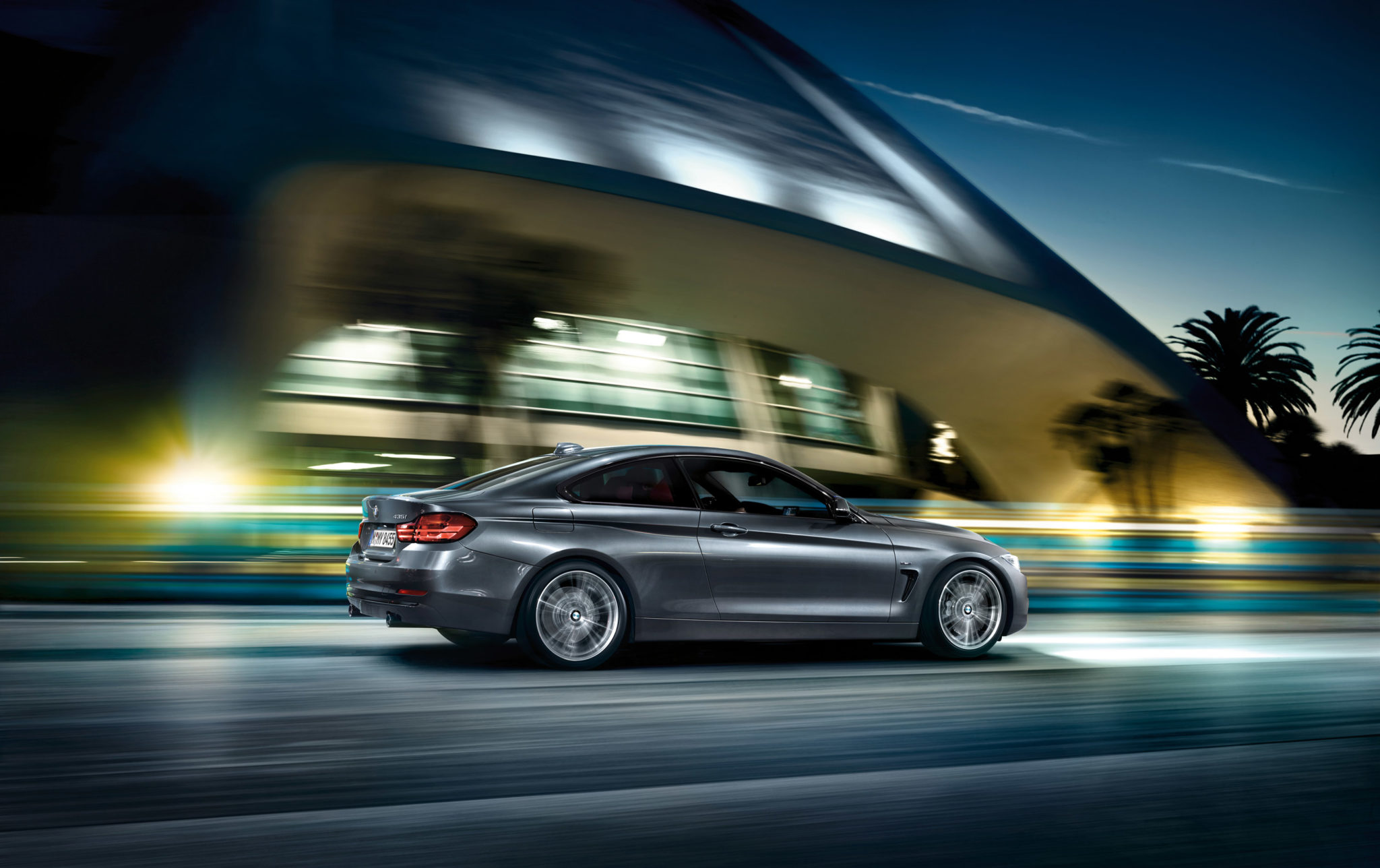
    BMW expects at least half of its sales to be zero-emission vehicles by 2030, setting a more conservative target than some rivals in the race to embrace cleaner driving. In the short term, the German carmaker forecast on Wednesday a big rise in pretax profit for this year, with a strong performance in all areas – from MINIS through its upmarket BMW brand to top-of-the-range Rolls-Royces. Its shares rose as much as 4.9% to a 2-1/2 year high of 84.42 euros, buoyed by its forecast for a strong recovery from a pandemic-hit 2020.

    BMW said around 90% of its market categories would have fully-electric models available by 2023 and the electric BMW i4 would be launched three months ahead of schedule this year.

    Bernstein analyst Arndt Ellinghorst said BMW had entered 2021 “very confidently.” “In terms of electromobility, BMW is making good progress and is taking significantly fewer risks than VW,” he said.

    Volkswagen has said it expects 70% of European sales at its core VW brand to be electric by 2030 and this week unveiled ambitious plans to expand in electric driving – including building half a dozen battery cell plants in Europe – sending its shares sharply higher.

    BMW said around 90% of its market categories would have fully-electric models available by 2023 and the electric BMW i4 would be launched three months ahead of schedule this year. The carmaker said its MINI brand would be fully electric “by the early 2030s” and electric models would account for at least 50% of group deliveries by 2030.

    When asked if BMW could set a date for ending sales of internal combustion engines, as some rivals have, Chief Technology Officer Frank Weber said: “it’s not us who decides on the end of the internal combustion engine, but it’s the markets.”

    In an industry chasing electric carmaker Tesla and facing tightening CO2 emissions standards in Europe and China, some automakers have promised a faster shift in technology, despite the huge costs and manufacturing changes involved.

    Sweden’s Volvo said this month its lineup would be fully electric by 2030, and Ford said in February its lineup in Europe would be too. Sales of electric and plug-in hybrid cars in the European Union almost trebled to over 1 million vehicles in 2020 and accounted for more than 10% of overall sales, taking zero-emission models from niche products into the mainstream.

    Chief Executive Oliver Zipse told a news conference that BMW could accelerate its plans if consumers embraced electric models more quickly than expected.

    “Should demand in certain markets shift completely to fully electric vehicles in the coming years – we can deliver,” he said.

    Last week, BMW said 2021 had started well after its profit recovered in the second half of 2020 from pandemic shutdowns, thanks largely to strong sales in China.

  • BMW’s New-Gen iDrive System To Provide Level 2 Autonomous Capability

    BMW’s New-Gen iDrive System To Provide Level 2 Autonomous Capability

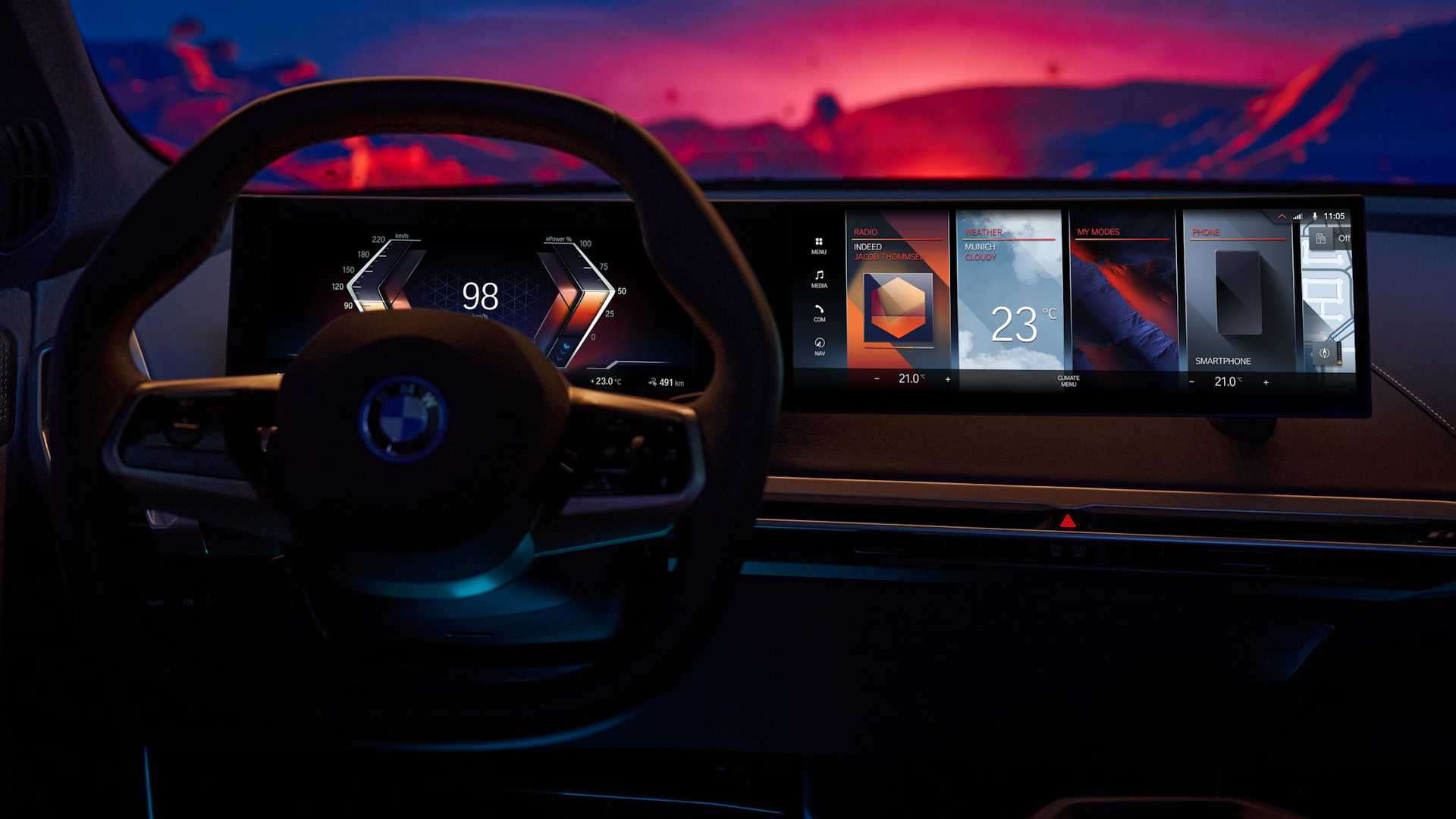
    BMW has shown off its next-generation iDrive system, which is the software and hardware platform which comprises the infotainment system and in-car experience that has been prevalent since the dawn of the new millennium. Now, approaching its eighth generation, it has a new curved display that starts behind the steering wheel extending across the dashboard.

    BMW has basically merged the 12.3-inch instrument cluster with the 14.9-inch infotainment system — curved into a single unit facing the driver. Of course, not every vehicle will have the same screen size, but the panels will have the appearance of being “floating”.

    This new system will debut on the iX electric SUV as well as the i4 electric sedan. The big deal here is that the onboard computer will be able to process 20 to 30 times, more data than the previous models. This will enable greater synergy with the sensors that the cars will come equipped with enabling higher levels of autonomy.

    BMW’s chief technology officer Franker Weber himself describes the new iDrive as a major step towards fully autonomous technology — with support for level 2 and level 3 systems.

    “It is not an evolutionary step from what we had in the previous generation,” Weber said. “It’s an all-new, all-new system when it comes to sensors, computing, and the way it was developed,” he added.

    Level 2 systems include lane-keeping, blind-spot detection, automatic emergency braking, and adaptive cruise control. Level 3 autonomous driving involves more automation called conditional automation where the driver still has to be in a position to take over the control of the vehicle when requested. This feature is however is contingent on approval from local authorities.

    Weber hasn’t confirmed whether BMW will be providing access to level 3 automation however, he has hinted that level 3 testing is ramping up on the new version of iDrive.