Tag: car

  • Hyundai No Longer In Talks With Apple On Autonomous Electric Cars

    Hyundai No Longer In Talks With Apple On Autonomous Electric Cars

    South Korea’s Hyundai Motor Co said on Monday it is not now in talks with Apple Inc on autonomous electric cars, just a month after it confirmed early-stage talks with the tech giant, sending the automaker’s shares skidding. Wiping $2.1 billion off its market value, Hyundai’s stock slumped 4.2% by 0330 GMT. Shares in its affiliate Kia Corp, which had been tipped in local media reports as the likely operational partner for Apple, tumbled 12% – a $4.3 billion hit.

    The announcement brings the curtain down on weeks of internal divisions within Hyundai Motor Co Group – parent to both automakers – about the potential tie-up, with some executives raising concerns about becoming a contract manufacturer for the U.S. tech giant.

    “We are receiving requests for cooperation in the joint development of autonomous electric vehicles from various companies, but they are at an early stage and nothing has been decided,” the automakers said on Monday, in compliance with stock market rules requiring regular updates to investors regarding market rumors.

    Apple, known to keep product plans under tight wraps, has never acknowledged talks with the automaker about building vehicles
    “We are not having talks with Apple on developing autonomous vehicles.”

    Kia shares had jumped 61% after Hyundai appeared to confirm a local media report early in January that Apple and Hyundai were in discussions to develop self-driving electric vehicles by 2027 and develop batteries at U.S. factories operated by either Hyundai or Kia.

    “Apple and Hyundai are in discussion, but as it is at an early stage, nothing has been decided,” Hyundai said, before releasing subsequent statements that removed all mentions of Apple but said Hyundai was receiving electric car cooperation requests from parties it didn’t identify.

    Reuters reported in December that Apple was moving forward with autonomous car technology and aimed to produce a passenger vehicle that could include its own breakthrough battery technology as early as 2024.

    Apple, known to keep product plans under tight wraps, has never acknowledged talks with the automaker about building vehicles and wasn’t immediately available for comment outside business hours in the United States.

    Analysts said talks might have collapsed over leaks of the partnership plan to media, or over possible insistence by Apple that Hyundai’s role in any tieup would be that of an equipment manufacturer, rather than a strategic partner.

    “With numerous news reports over discussions between the two companies, which should have been held to non-disclosure agreements, it would have been uncomfortable,” said Kwon Soon-woo, an analyst at SK Securities.

    Kevin Yoo, an analyst at eBEST Investment & Securities, said, “It seems clear that Hyundai Motor Group has not been too happy with dealing with Apple. They made it clear that they do not want to be treated just as Apple’s supplier or manufacturer.”
  • Ford Says It Will Nearly Double Electric Auto Investment

    Ford Says It Will Nearly Double Electric Auto Investment

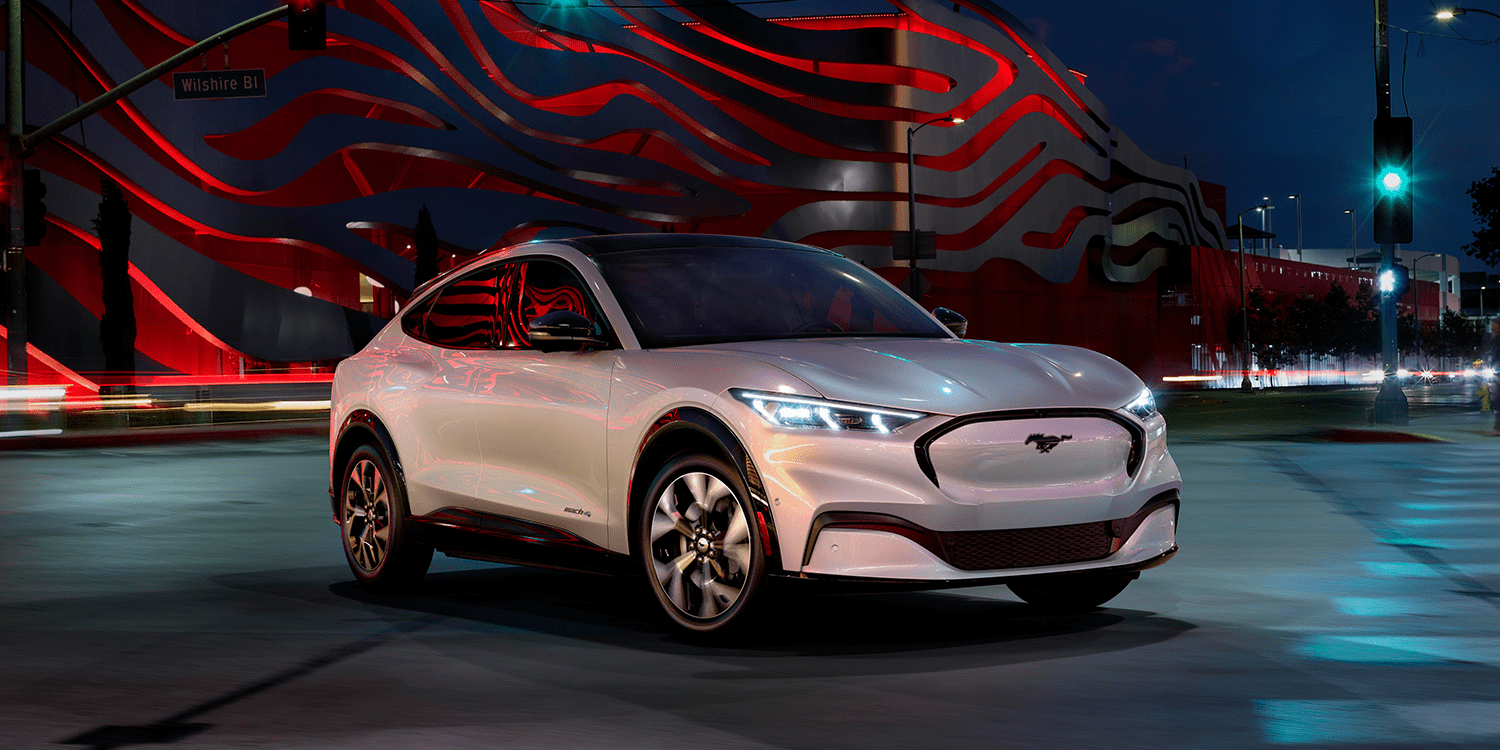
    Ford announced Thursday it is accelerating its investment in electric cars, but cautioned that the industry-wide shortage of semiconductors would pinch profits in 2021. The US auto giant, released fourth-quarter and annual results and said it plans $22 billion in electric car investment through 2025, nearly twice the earlier plan. The announcement is the latest big bet on electric autos by a legacy automaker in the wake of upstart Tesla’s growth and in anticipation of Biden administration initiatives to encourage emission-free vehicles.

    Last week, Ford’s rival General Motors set a target of having most of its fleet emissions-free by 2035. But Ford said annual operating profits could be dented by $1 to $2.5 billion due to lost auto sales connected to the semiconductor shortage.

    Earlier Thursday, Ford said it was trimming output of its F-150 because of the supply issue, following on the heels of other automakers, including GM that announced Tuesday it was shutting productions at three plants, and slashing output in half at another due to chip supply.

    Ford said it was trimming the output of its F-150 because of the supply issue, following on the heels of other automakers.

    “The semiconductor situation is changing constantly, so it’s premature to try to size what availability will mean for our full-year performance,” said Chief Financial Officer John Lawler.

    “Right now, estimates from suppliers could suggest losing 10 to 20 percent of our planned first-quarter production.”

    Ford reported a fourth-quarter loss of $2.8 billion, compared with a loss of $1.7 billion in the year-ago period.

    Revenues fell 9.3 percent to $36 billion.

  • McLaren Artura To Make World Debut On February 16

    McLaren Artura To Make World Debut On February 16

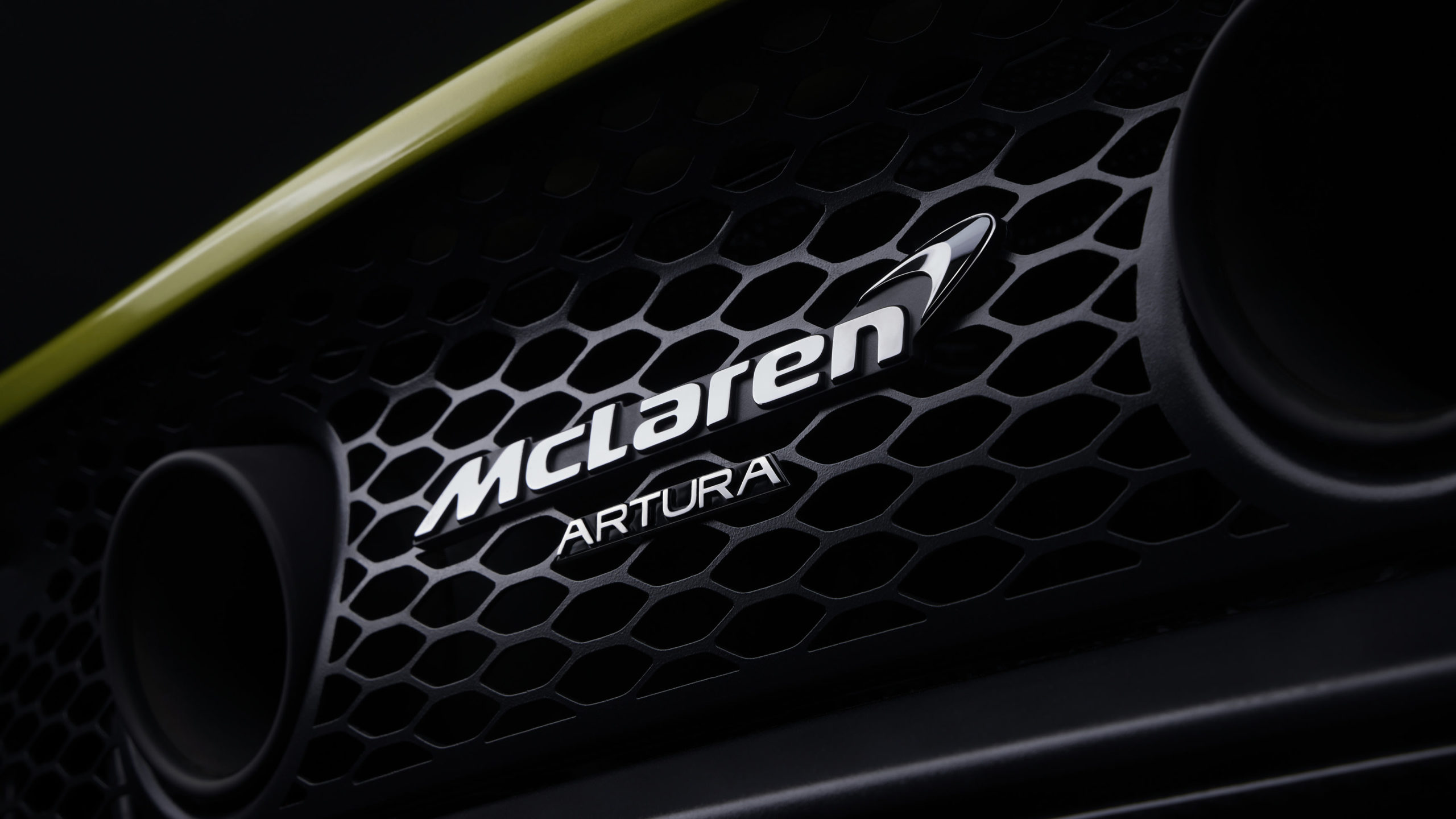
    McLaren Automotive will bring the full force of its expertise in hybrid powertrain engineering with the introduction of the new Artura. The company revealed its plans to bring the new high-performance hybrid car last year and now it’s closing in on its world debut. The company has revealed that the Artura hybrid supercar will make its world debut on February 16.

    The Artura marks the beginning of a new era for the pioneering British company. Building on the expertise in electrification first showcased in the McLaren P1 hybrid hypercar unveiled in 2012 and more recently the Speedtail Hyper-GT, which entered production this year as McLaren’s fastest ever car with a top speed of 403 kmph, the Artura is McLaren’s first High-Performance Hybrid series-production supercar.

    The new Artura marks the debut of an all-new compact twin-turbocharged V6 petrol engine, designed to combine with an electric motor in a new lightweight hybrid powertrain that retains the performance benefits of McLaren’s larger capacity V8 engines and has the additional attraction of improved torque response at low engine speeds to deliver scintillating acceleration. The Artura can also run on electric power alone for everyday emission-free urban journeys.

    The first car to be built on an all-new, platform architecture optimized for electrification and designed and manufactured in the UK at the McLaren Composites Technology Centre, the Artura furthers McLaren’s commitment to super-lightweight engineering principles that have their roots in motorsport. The additional mass of the High-Performance Hybrid system, for example, has been largely offset by the application of weight-saving technologies throughout the chassis, body and powertrain.

    Additionally, the McLaren Carbon Lightweight Architecture (MCLA) at the heart of the Artura not only enables the car’s class-leading weight advantage, it is also the base for the dynamic excellence inherent in every McLaren.

  • Ford Is Going All In On Android Automotive Starting In 2023

    Ford Is Going All In On Android Automotive Starting In 2023

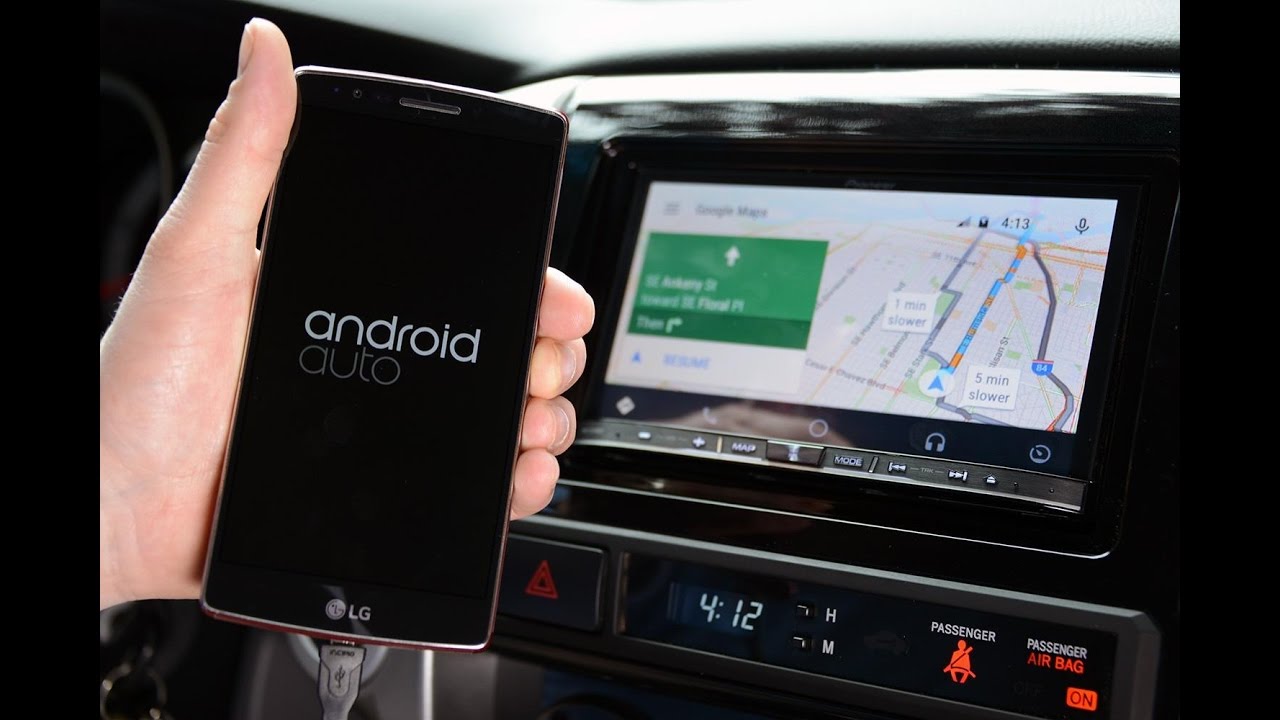
    If it often befuddled you why carmakers like Ford were developing their own car infotainment system software, then that’s about to change. Ford has stated that starting in 2023, it will be turning to Google’s Android Automotive platform for the operating system of its vehicles and this will not be a one-off thing but rather millions of vehicles will be equipped with the software.

    This will give Ford’s vehicles access to core Google services like Maps, Google Assistant, and other apps without needing an Android smartphone. Currently, via Android Auto users can mirror the features of their phones onto the infotainment system of their cars.

    This integration will be deeper than what is possible via Android Auto. For instance, users will be able to summon the Google Assistant and say “okay Google” “make it warmer”. This will also enable OTA updates for adding features or addressing maintenance issues.

    Ford is making a system that will still retain compatibility with Apple’s CarPlay and Amazon’s Alexa as options too. This will scale to millions of vehicles under the Ford and Lincoln brands, except in China where Google’s services are banned.

  • Lotus Confirms New Series Of Sports Cars

    Lotus Confirms New Series Of Sports Cars

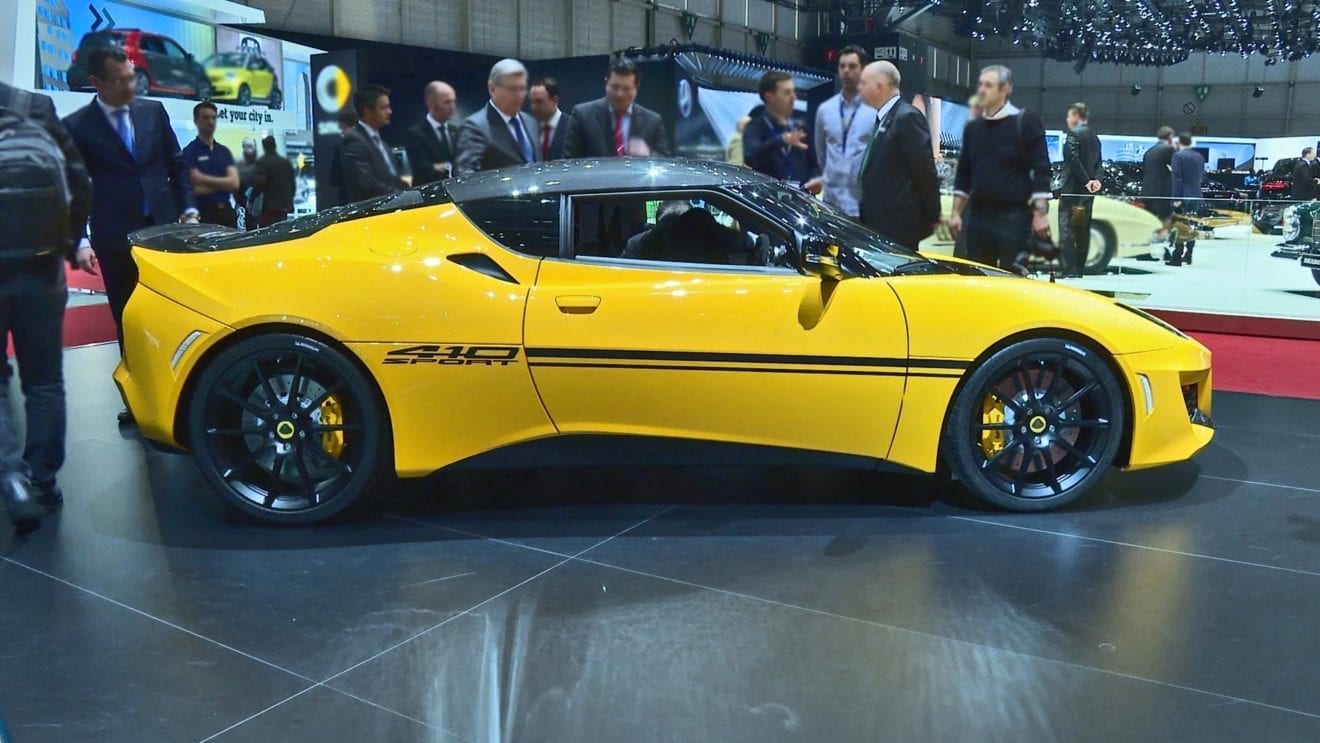
    A new series of sports cars is confirmed, with prototype production of the Lotus Type 131 to commence this year from the manufacturing facility in Hethel, Norfolk. The new manufacturing investment is part of Lotus’ Vision80 strategy, which will also see the relocation of two Lotus sub-assembly facilities into one efficient central operation in Norwich city to support higher volumes.

    To accompany the Euros 100-million-plus investment into Hethel’s facilities, Lotus will be recruiting some 250 new employees. This is in addition to the 670 to have joined Lotus since September 2017, when shareholders Geely and Etika took ownership of the company.

    Lotus has released an image that hints at the new generation of products that will follow Elise, Exige and Evora, which have entered their final year of production in 2021. A full program of activities is planned to celebrate the current range of three sports cars, starting with the elder, the iconic Lotus Elise.

    The Elise, Exige and Evora have contributed greatly to the Lotus business over the years.

    Phil Popham, CEO, Lotus Cars, said, “This year will be hugely significant for Lotus with new facilities coming on stream, a new sports car entering production and new levels of efficiency and quality that only a new car design and the factory can deliver. Despite the continuing global challenges, Lotus has emerged from 2020 strong and on track in the delivery of our Vision80 business plan.”

    The Elise, Exige and Evora have contributed greatly to the Lotus business over the years, and by the time the last of these models leaves the assembly line, they will have sold a combined circa 55,000 units.

  • Developing Original Based On F1 Featuring Robert De Niro & John Boyega

    Developing Original Based On F1 Featuring Robert De Niro & John Boyega

    Netflix has gone all-in on F1. Apart from it being the progeny behind the “drive to survive” F1 documentary series that has been airing for the last two years, it has also promised a biopic series on the legendary Ayrton Senna. More recently, it even had a documentary on the life of 5-time world champion Juan Manuel Fangio. Now, it has roped in legendary actor Robert De Niro and John Boyega of Star Wars fame to develop a fictional thriller based on F1 called the Formula.

    The story of the Formula revolves around an American F1 driver who gets involved with the mafia and is forced to serve as a getaway driver to save his family. Interestingly, the original will be written, directed, and produced by Gerard McMurray who has also worked on Burning Sands which won the grand jury prize at the 2018 Sundance Festival.

    Netflix has roped in the legendary Robert De Niro for one of the lead roles

    McMurray recently also formed Buppie productions with the intent of “developing and producing stories featuring black characters for a mainstream film and television audience.”

    “Our company is constantly reinventing itself while charting a path to influence popular culture. We are the heroes and the villains, the good guys, bad guys, femme Fatales and girls next door,” he said.

    “Feels amazing to see this idea in my head finally come to life that I’m writing, directing, and producing,” he wrote. “My new production company Buppie Productions is teaming up with Tribeca Films and Netflix to bring to you a dope original film coming soon called THE FORMULA starring two of my favorite actors, John Boyega and Robert De Niro,” added McMurray.

    “It’s the story of a young man from Detroit who becomes an international racing star in the world of Formula 1 under the tutelage of his mentor with old mob ties,” he revealed.

    Netflix is home to the new Juan Manuel Fangio documentary apart from it developing a biopic on Senna.

    Of course, the CV of Robert De Niro is unprecedented who is best known for his work in the Godfather trilogy and also movies like Taxi Driver, Casino, Heat, and more recently the Netflix original the Irishman.

    John Boyega rose to fame only five years ago thanks to his central role in the Star Wars sequel trilogy with Disney.

    In the last decade with the advent of the Senna documentary, movies about motorsports have become popular with Rush based on the Nikki Lauda and James Hunt rivalry gaining popularity in the last decade alongside Ford vs Ferrari more recently from 2019.

  • VinFast introduces self-driving car models

    VinFast introduces self-driving car models

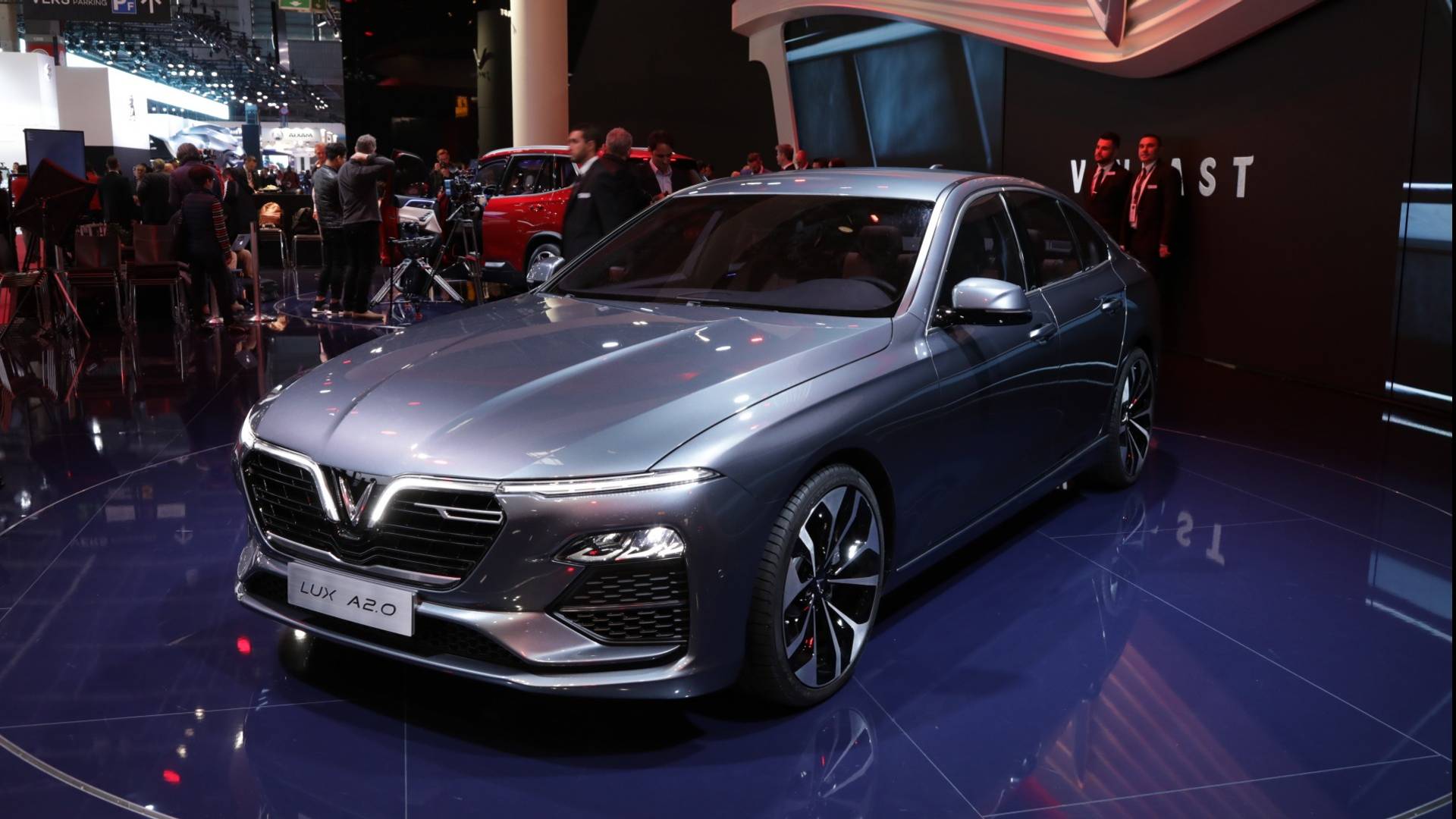
    Vietnamese automaker VinFast introduced Friday three new electric self-driving car models that will hit the market this year.

    The rollout of the new models is part of its plan to become a global major in electric car manufacturing.

    Two of the three models, all SUVs, also have a fuel version, the company said in a release.

    The cars, named VF31, VF32, and VF33, have several self-driving systems including steering assistance, adaptive lane control, and automatic parking.

    Depending on the model, the electric cars can go 300-500 kilometers per full charge.

    The premium versions of these cars have 14 cameras capable of detecting objects nearly 690 meters away, and the company claims its self-driving system is eight times faster than that of existing self-driving car models.

    The cars can find their own parking spots and can be summoned by drivers when needed.

    VinFast said the cars meet the highest safety standards in the world including a five-star rating of the U.S. National Highway Traffic Safety Administration and a five-star rating of the European New Car Assessment Programme.

    The standard version of the VF31 can be ordered in Vietnam starting this May and will be delivered in November.

    For the VF32 and VF33 models, customers can order starting September and delivery will begin in February 2022.

    The company will also sell these cars in the U.S., Canada, and the E.U. with orders opening in November and delivery in June next year.

    VinFast, a unit of Vietnam’s biggest private conglomerate Vingroup, entered the auto industry three years ago. It has an auto plant in the northern province of Hai Phong and research and development centers in Australia, Germany, and the U.S.

    The company said the manufacturing of electric bikes, buses, and cars is part of its strategy to become a favorable hi-tech auto manufacturer in the global market and to help develop green transportation by reducing emissions.

  • Citroen To Launch One New Model In India Every Year

    Citroen To Launch One New Model In India Every Year

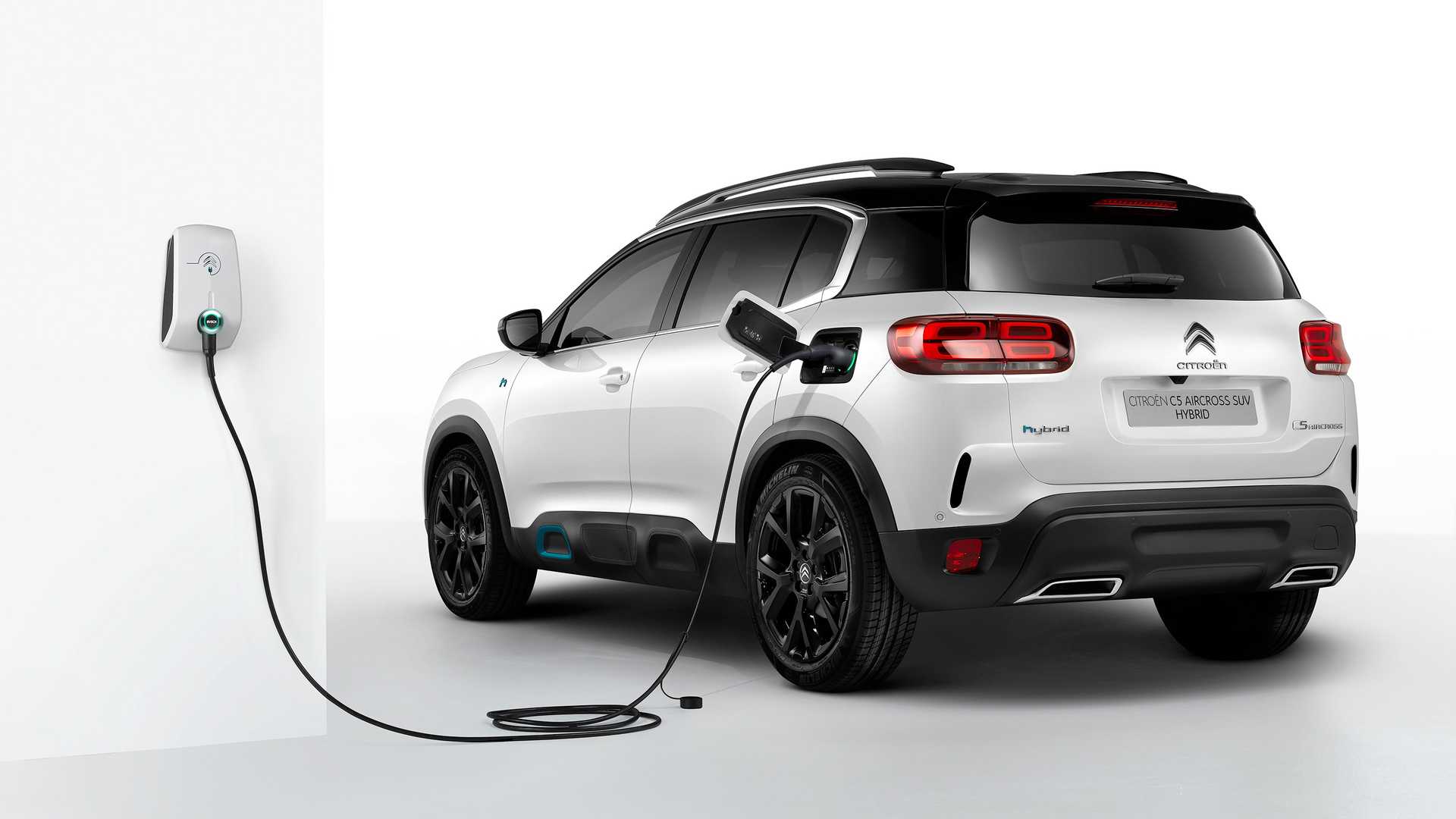
    Citroen is all set to begin sales operations in India next month which is when it will take the wrap off its first model- the Citroen C5 Aircross and it’s just the beginning of the Journey for the French carmaker in India. Citroen has inaugurated it ‘La Maison’ showroom in Ahmedabad, Gujarat, and is promising that it will keep introducing at least one new model every year, in a bid to gradually build up its product line-up in our market.

    Now a couple of models other than the Citroen C5 Aircross which will be a Jeep Compass and Tata Harrier rival, have been spotted doing rounds in India last year. The next model which most likely will hit our market by the end of 2021 or early next year will be the C3 Aircross which is a smaller subcompact SUV, taking on the likes of the Maruti Suzuki Vitara Brezza and Hyundai Venue among others. Then, the Citroen Berlingo MPV was also spotted testing in India last month, and if on its arrival, it will enter a segment where Renault had launched the Lodgy five years ago. However, we don’t have any final word from the company on its launch yet.

    Roland Bouchara, Vice President – Sales & Marketing, Citroen India, “We have a clear intention which not many manufacturers had when they entered the country. We have created an ecosystem in India. We have engineering, R&D facilities already here and we are already manufacturing the diesel engine at the Hosur plant. We are looking at localization levels of 90 percent -100 percent in our cars for India.”

    The company has also confirmed that all upcoming models will be underpinned by the C-Cubed platform and will have both petrol and diesel engine options. The Citroen C5 Aircross will also be powered by a 2.0-liter, four-cylinder diesel engine that puts out 177 bhp and 400 Nm of peak torque and will be mated to an eight-speed torque-converter automatic unit. The petrol version will be added later to the line-up. Citroen will open 10 dealerships in different cities before the launch of the C5 Aircross.

  • Skoda Auto Opens New Manufacturing Facility For Test Vehicles & Prototypes At Mlada Boleslav Site

    Skoda Auto Opens New Manufacturing Facility For Test Vehicles & Prototypes At Mlada Boleslav Site

    The technical department of Skoda Auto recently opened a new facility to manufacture test vehicles and prototypes at its Mlada Boleslav site. This new facility will ensure the development of these vehicles under one roof. The carmaker uses state-of-the-art technologies, such as robot stations and virtual reality solutions, throughout the entire production process. The Czech automaker produced some of the test vehicles for the all-electric ENYAQ iV at the new facility. The entire warehousing is incorporated into vehicle manufacture results in further savings, reducing logistics costs by more than 150,000 euros annually.

    Johannes Neft, Skoda Auto Board Member for Technical Development said, “The use of test cars allows us to draw conclusions about numerous technical parameters at an early stage of development and make the necessary adjustments long before serial production of a new model commences. We are now taking the next step. In the future, we will build 300 test vehicles and 120 prototypes per year with maximum efficiency under one roof in our new, state-of-the-art facility at the Mlada Boleslav site. We have created the ideal conditions here to develop vehicles at the highest level and that will shape the future of our brand.”

    David Vanek, Head of Model and Prototype Manufacture said, “Our new facility has three floors and houses the parts warehouse, body shop, final assembly, and paint shop, all within the smallest of footprints ensuring short distances. At the same time, the facility’s high degree of automation allows for more agile processes and a significant increase in production capacity for test vehicles and prototypes. Furthermore, the building features state-of-the-art virtual reality technologies as well as 168 workplaces in open-space offices and 13 meeting rooms. A large part of the complex 14,000 square meter is used for vehicle manufacture.”

    The ground floor at the center accommodates parts warehouse that includes a covered yard for unloading trucks. While car bodies are manufactured on the second floor, the third floor contains a paint shop and final assembly. The material is transported between floors through a freight elevator. Moreover, the proportion of automation in the body shop has increased to 45 percent from 15 percent because of two robot stations. The production capacity is now doubled to ten car bodies per week while requiring 20 percent less space.

    Additionally, weight-saving designs can be developed at the center as the carmaker has expanded its body shop to include an innovation center for testing joining techniques. It includes clinching, riveting, flow drill screw (FDS) fastening, laser welding, and composite construction.

    Workstations at the facility can be preconfigured and customized with the help of virtual reality technologies, and state-of-the-art IT systems are used in logistics. Quality control will be integrated into the production process and run parallel to the respective manufacturing steps. From an ecological point-of-view, the production facility for the new model and prototype models is very advanced. The short distances save around 1,800-litre of fuel per year, enabling a decrease in CO2 emissions of roughly five tonnes.

  • Renault & Lotus Team To Electrify Alpine Brand

    Renault & Lotus Team To Electrify Alpine Brand

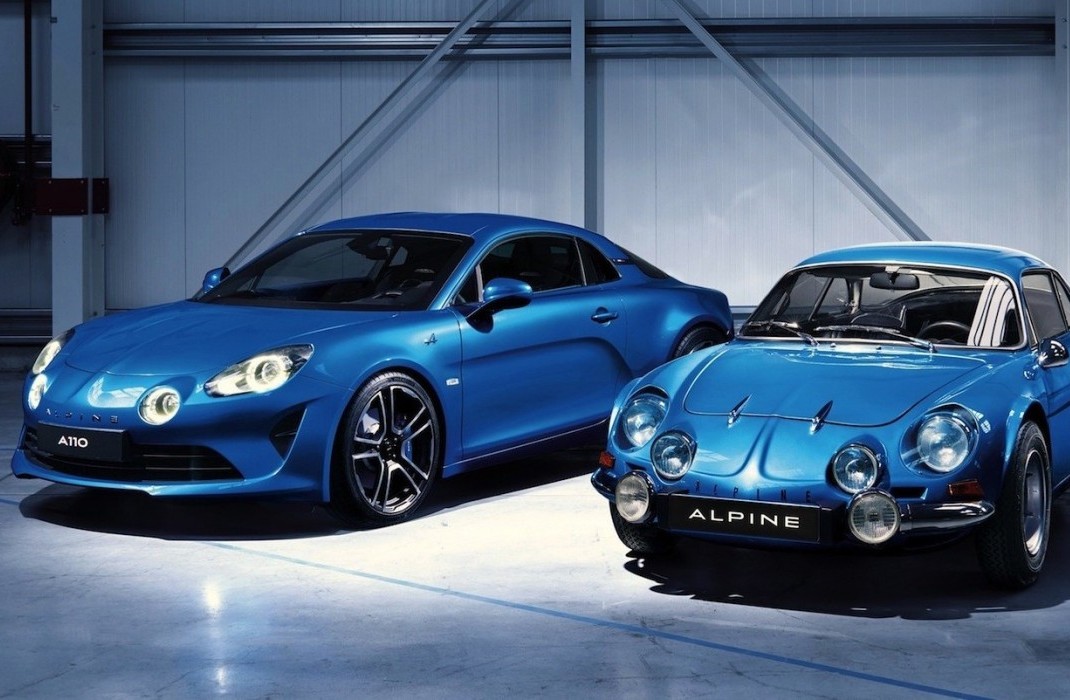
    The Alpine brand is already being re-energized as a halo sports car brand by Renault with the rebranding of its works F1 team as Alpine. Now it is teaming up with Lotus to create an all-electric Alpine car. Lotus and Renault are no strangers as Renault acquired what was the Lotus F1 team which later this year will again be rebranded to Alpine.

    This time around the intent is to create the successor to the Alpine A110 in an electric avatar. This one was announced late last week by Renault and Lotus – when both the manufacturers announced that they signed an MoU. “The signing of this MoU with Lotus shows the lean and smart approach we’re implementing as part of the new Alpine brand strategy. Both brands have an amazing legacy and we are most excited to start this work together, from engineering tailored solutions to developing a next-generation EV sports car,” said the two companies in a statement.

    The Alpine A110 has been an iconic vehicle since 1963 and the teaser also points towards the vehicle retaining its iconic design language. The A110 will be the first such electric vehicle but there are six more in the works. Renault at its Renaulution event even showed off an electric version of a car which is being called the Renault 5.

    Renault isn’t the only one all in on EVs. Like most of the auto industry, even Lotus is taking a radical approach towards electrification. It has been developing its Evija hypercar which costs $2 million. It has a 2,000 bhp all-electric powertrain which will come by 2025.

    This partnership clearly has a lot of synergies as the revival of the Alpine brand and the rebrand of the F1 project comes with the intent of creating a virtuous cycle between the popularity of the F1 team driving sales of Alpine cars which would further fuel the F1 project. It also helps that the F1 team was till 2015 the Lotus F1 team.

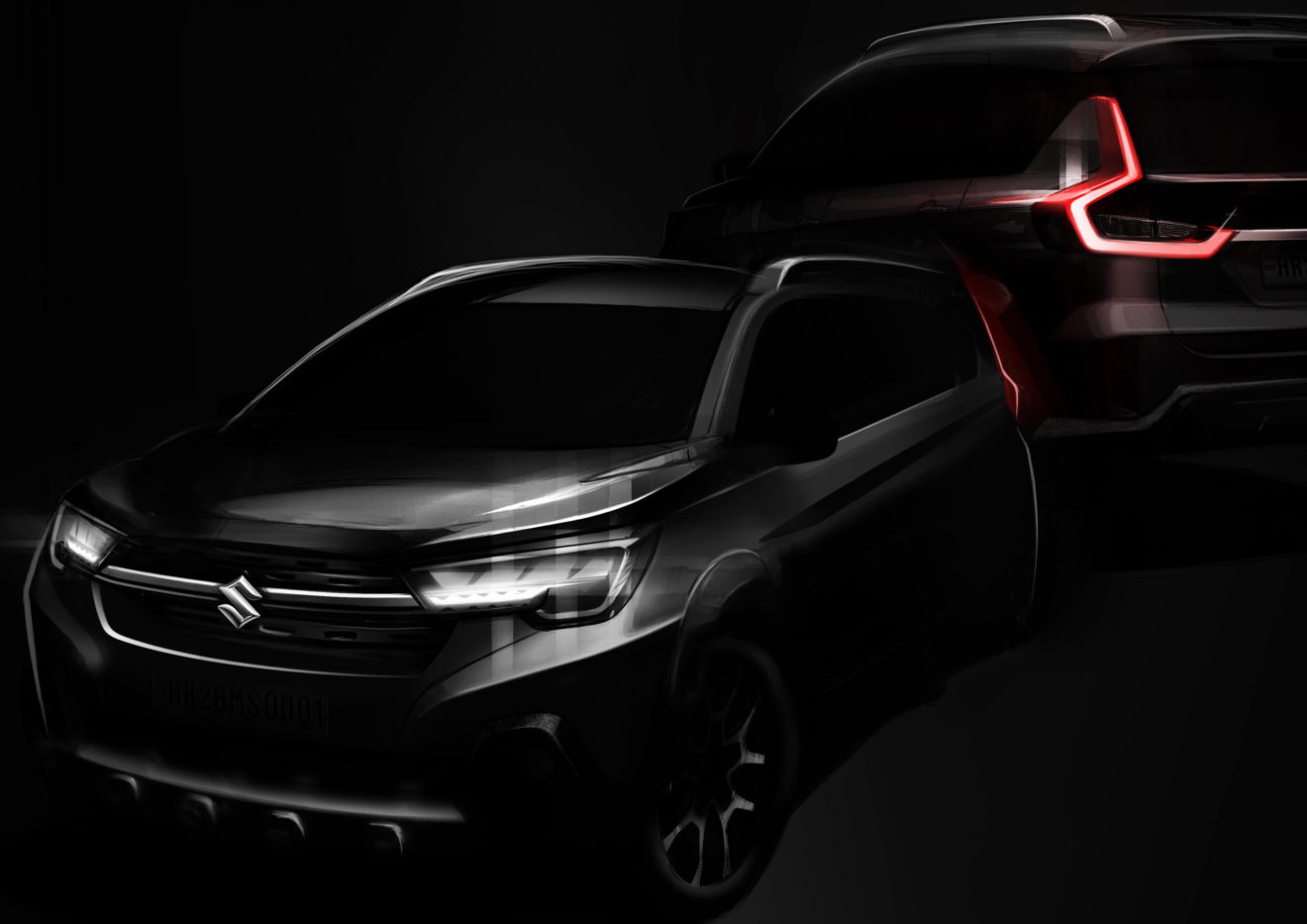
  • Maruti Suzuki Hikes Prices Due To Higher Costs

    Maruti Suzuki Hikes Prices Due To Higher Costs

    Maruti Suzuki India Ltd will raise prices for some car models to mitigate the impact of rising costs, the country’s largest automaker by market value said on Monday.

    The move comes after rival Mahindra and Mahindra Ltd increased prices of its personal and commercial vehicles by 1.9% this month due to higher commodity prices and input costs.

    Indian automakers were already under pressure due to costs and weak demand when the pandemic dealt a blow last March.

    Since then, carmakers have resumed operations and seen demand return during India’s festive season in October-November, but have warned of demand uncertainties ahead.

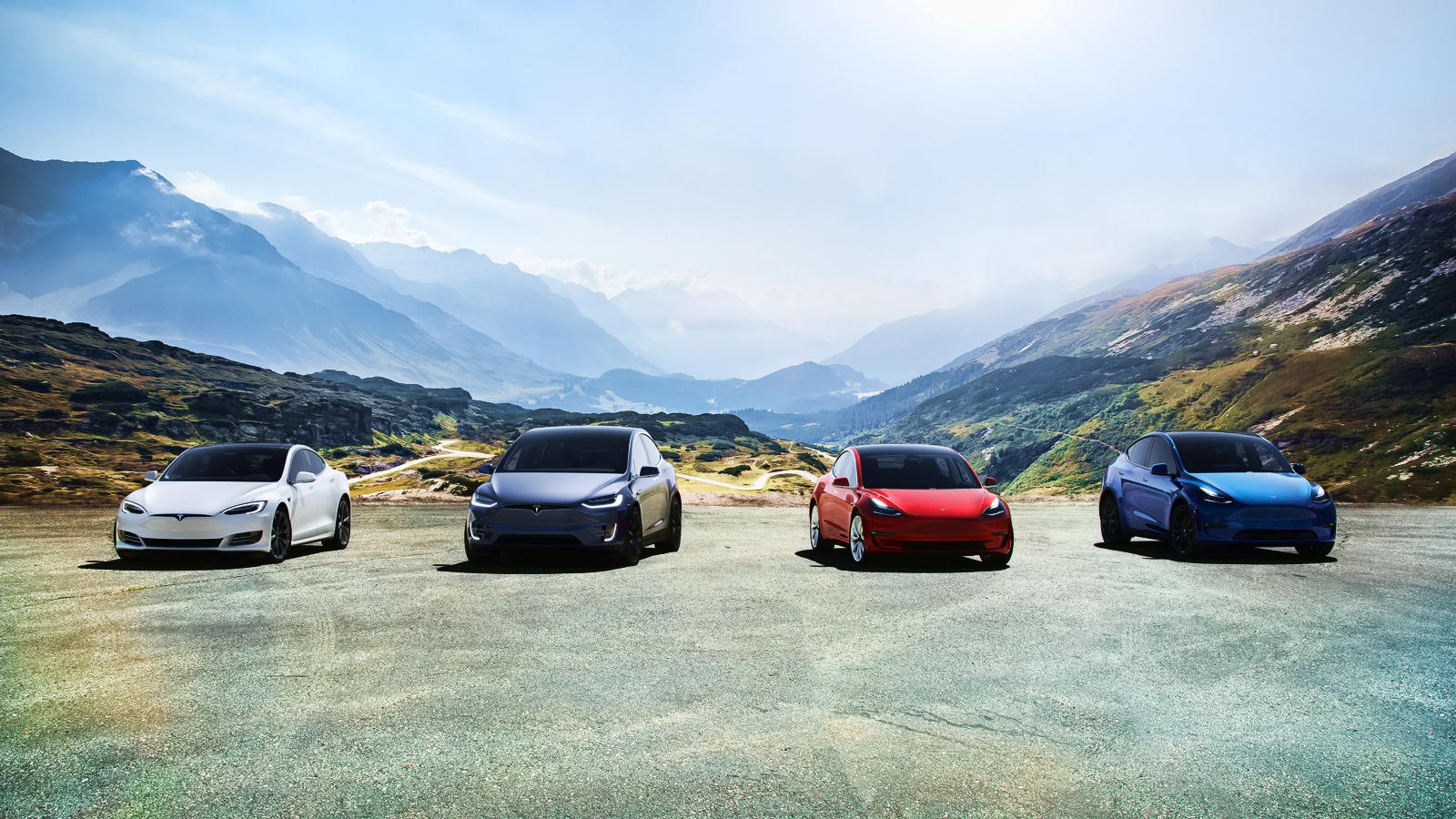
  • Tesla Asks U.S. Safety Agency To Declare Speed Display Issue Inconsequential

    Tesla Asks U.S. Safety Agency To Declare Speed Display Issue Inconsequential

    Tesla Inc filed a petition with U.S. auto safety regulators saying that 612,000 vehicles produced since 2012 do not fully comply with federal safety standards because displays can be switched from miles per hour to only metric measurements, documents released on Friday show.

    The automaker asked the National Highway Traffic Safety Administration (NHTSA) to declare the noncompliance issue inconsequential to safety, according to the agency’s filing.

    Tesla said it corrected the issue in production in September and that more than 75% percent of the affected U.S. vehicles have accepted the firmware update released in September.

    Tesla said if vehicles are set to only display to kilometers, all functions tied to speed limits like Traffic-Aware Cruise Control and Speed Assist will “convert mapped data from mph to km/h, resulting in the vehicle speed automatically matching the appropriate speed limit.”

    Tesla added that vehicle operators can change the display back to miles per hour, saying the option is “easily located in the display menu and is not buried in sub-menus.”

    Tesla said it has not received any reports of crashes related to this issue and noted that NHTSA granted two petitions for inconsequential treatment involving speedometer unit display noncompliance to Volkswagen AG in July and BMW in 2015.

  • December auto sales hit monthly high

    December auto sales hit monthly high

    Auto sales climbed to 47,865 units in December, the highest monthly number last year, according to the latest data from Vietnam Automobile Manufacturers Association (VAMA).

    It represented a 32 percent rise from November and 45 percent increase from the same period in 2019.

    The data shows 36,856 units sold in December were passenger cars, up 28 percent over the previous month, 10,673 were commercial vehicles, up 50 percent and 331 units were special-purpose vehicles, down 30 percent.

    Despite the late surge, total auto sales in 2020 still fell 8 percent year-on-year to 296,634 units due to deep plunges recorded in April and August after two major Covid-19 outbreaks.

    Local brand Truong Hai Auto (Thaco) retained the top spot in 2020 with a 35.5 percent share of the market as sales rose 10 percent to 100,727 units.

    It was followed by Toyota with 70,692 units, down 11 percent and Mitsubishi with 28,954 units, down 6 percent.
    Ford and Honda rounded out the top five.

  • Tata Puts Post-Pandemic Bet On Digital

    Tata Puts Post-Pandemic Bet On Digital

    Tata Group plans to invest in digital, high-end electronics and healthcare in a post-pandemic world, the $100 billion conglomerate’s chairman said on Thursday. Tata, whose operations span hotels, steel, airlines, electronic goods and technology services, will also place big bets on electric vehicles, renewable energy and battery storage, N Chandrasekaran, who is also known as Chandra, added.

    “When you look at trends for the future, definitely there are clear signs you can pick up. Anything that is digital, we’re making a big bet on,” Chandra told the Reuters Next conference.

    The coronavirus pandemic has accelerated the adoption of technology, changing the way people live, work and consume as well as how companies operate, he added.

    Tata has already made public its intent to launch an umbrella app enabling access to all its consumer businesses, Chandra said, in a concept borrowed from China where apps such as Alipay allow everything from hotel bookings to e-commerce. Tata is also building an online business-to-business platform.

    The owner of British luxury brand Jaguar Land Rover (JLR) is placing big bets on electric vehicles as well as on battery storage and renewable energy for consumer and industrial use.

    “We are very serious about electric vehicles,” Chandra said, adding that Tata is investing in developing clean technology cars at home through Tata Motors and at JLR.

    Automakers are investing in EVs, largely driven by tighter government regulations on polluting vehicles, with Tesla, now the world’s most valuable car company, readying plans to launch in India this year.

    Chandra said the adoption of technology and shift in consumer and corporate behavior will lead to the creation of new and shared workplaces closer to where people live.

    Meanwhile, there will be a higher degree of automation in Indian factories driven by greater use of artificial intelligence, internet of things or connected devices and data.

    With some of these changes unlikely to reverse, Chandra is looking at new opportunities for Tata, particularly as India’s economy springs back from damage during the early stages of the pandemic last year.

    “I’ve been quite surprised with the speed with which the economy is recovering and bouncing back,” he said, adding that several Tata companies are already recovering losses as demand picks up except in areas like airlines.

    COVID-19 has also forced Tata to be more resilient to disruption in the global supply chains it depends on and for Chandra, one way to do this is to be a part of it.

    “There are couple of industries we have already identified. One is electronics, high-tech manufacturing, where we’ve already started the foray and we are developing plans for the future.”

    Tata also plans to cater to growing demand for medical devices in India and around the world, Chandra said.

  • Trump’s China Tech War Backfires On Automakers As Chips Run Short

    Trump’s China Tech War Backfires On Automakers As Chips Run Short

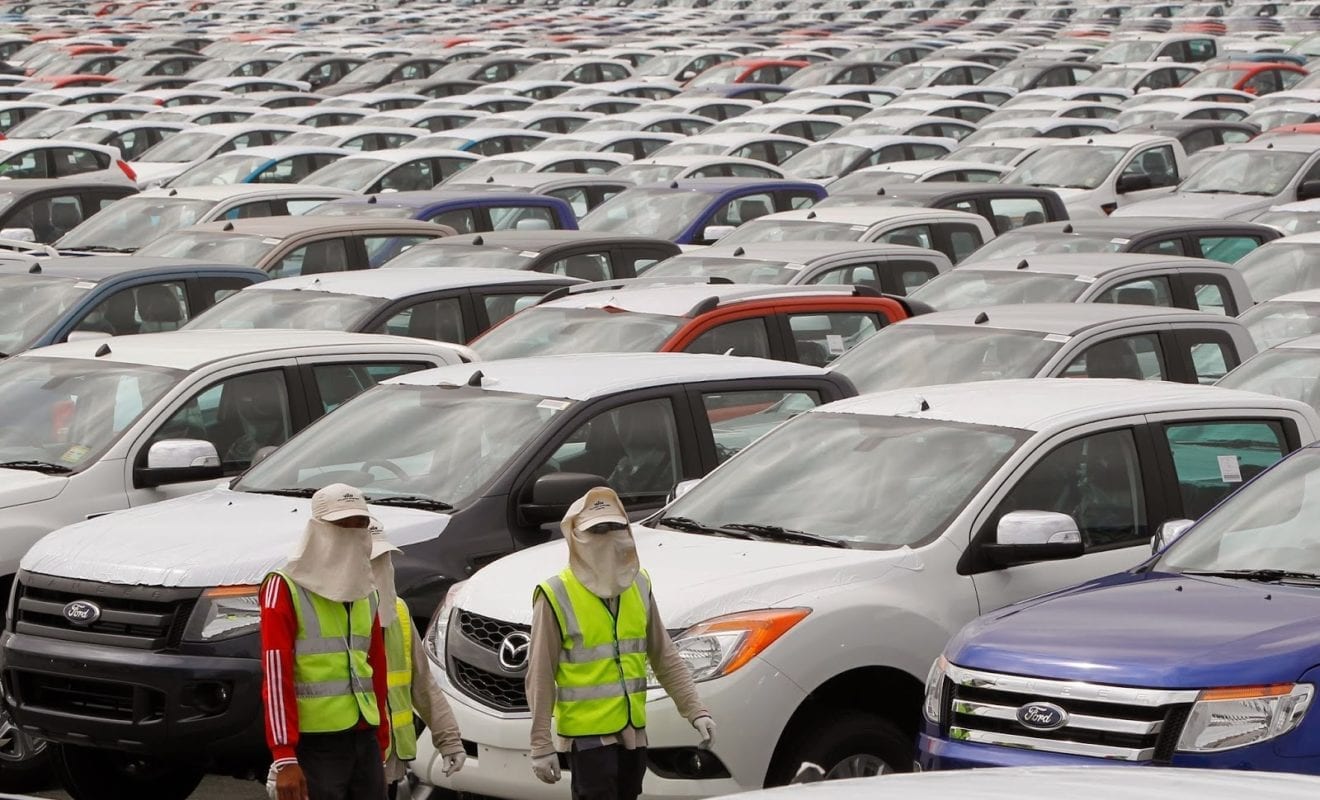
    Automakers around the world are shutting assembly lines because of a global shortage of semiconductors that in some cases has been exacerbated by the Trump administration’s actions against key Chinese chip factories, industry officials said.

    The shortage, which caught much of the industry off-guard and could continue for many months, is now causing Ford Motor Co, Subaru Corp and Toyota Motor Corp to curtail production in the United States.

    Automakers affected in other markets include Volkswagen, Nissan Motor Co Ltd and Fiat Chrysler Automobiles.

    The problems stem from a confluence of factors as auto manufacturers compete against the sprawling consumer electronics industry for chip supplies. Consumers have stocked up on laptops, gaming consoles and other electronic products during the pandemic, creating tight chip supplies throughout 2020.

    They have also bought more cars than industry officials expected last spring, further straining supplies.

    In at least one case, the shortage ties back to President Donald Trump’s policies aimed at curtailing technology transfers to China.

    One automaker moved chip production from China’s Semiconductor Manufacturing International, or SMIC, which was hit with U.S. government restrictions in December, to Taiwan Semiconductor Manufacturing Co in Taiwan, which in turn was overbooked, a person familiar with the matter said.

    Ford also will idle its Focus plant in Saarlouis, Germany, for a month starting next week because of chip shortages.

    An auto supplier confirmed TSMC has been unable to keep up with demand.

    “The systemic aspect of the crisis is giving us a headache,” said a supplier executive, who asked not to be identified. “In some cases, we find substitution parts that could make us independent from TSMC, only to discover that the alternative wafer manufacturer has no capacity available.”

    TSMC and SMIC did not immediately respond to requests for comment.

    On an earnings call with investors Thursday, TSMC Chief Executive C.C. Wei said there was a shortage of automotive chips made with “mature technology” and that it is working with customers “to mitigate the shortage impact.”

    It only takes the tiniest of chips to throw off production: a Ford plant in Kentucky that makes the Escape sport utility vehicle idled because of a shortage of a chip in the vehicle’s brake system, a union official in the plant said.

    Ford also will idle its Focus plant in Saarlouis, Germany, for a month starting next week because of chip shortages.

    The situation is unlikely to improve quickly, since all chips, whether bound for a laptop or a Lexus, start life as a silicon wafer that takes about 90 days to process into a chip.

    The chipmaking industry has always strained to keep up with sudden demand spikes. The factories that produce wafers cost tens of billions of dollars to build, and expanding their capacity can take up to a year for testing and qualifying complex tools.

    “The long and short of it is, demand is up about 50%. And there’s no asset-intensive industry like ours that has 50% capacity lying around,” said Mike Hogan, senior vice president at chip manufacturer GlobalFoundries and head of its automotive unit.