Tag: China

  • Alibaba Announces Smart Mobility Initiatives with Partners

    Alibaba Announces Smart Mobility Initiatives with Partners

    Alibaba Group Holding Limited announced a series of smart mobility initiatives in partnership with auto brands and technology service providers. The announcement was made during The Computing Conference, the company’s largest technology showcase, held over four days in Hangzhou, Alibaba’s home base.

    Partnering with Bosch on Automated Valet Parking

    Alibaba Cloud, the cloud-computing arm of Alibaba Group, and Bosch, a leading global supplier of technology services, announced plans to introduce Automated Valet Parking (AVP) solutions in China. Both parties will work together to enable the infrastructure-based, driverless parking solution. The technology is powered by software in a cloud and it will offer a fully automated valet parking service in the near future.

    As part of the cooperation, Bosch will provide its AVP technology, its experience in systems engineering and its IoT competencies. Alibaba Cloud, meanwhile, will share its technologies and its experience in cloud computing, data analysis and smart mobility. Both parties intend to explore building showcase sites to demonstrate next-generation AVP technology throughout China.The two companies are also committed to exploring future opportunities in connected mobility in China and abroad.

    AVP is an ideal accompaniment to smart cities, an area in which both Bosch and Alibaba aim to become significant players. AVP is also an important milestone on the road to autonomous driving.

    Partnering with Volvo Cars for Car-to-Home AI services

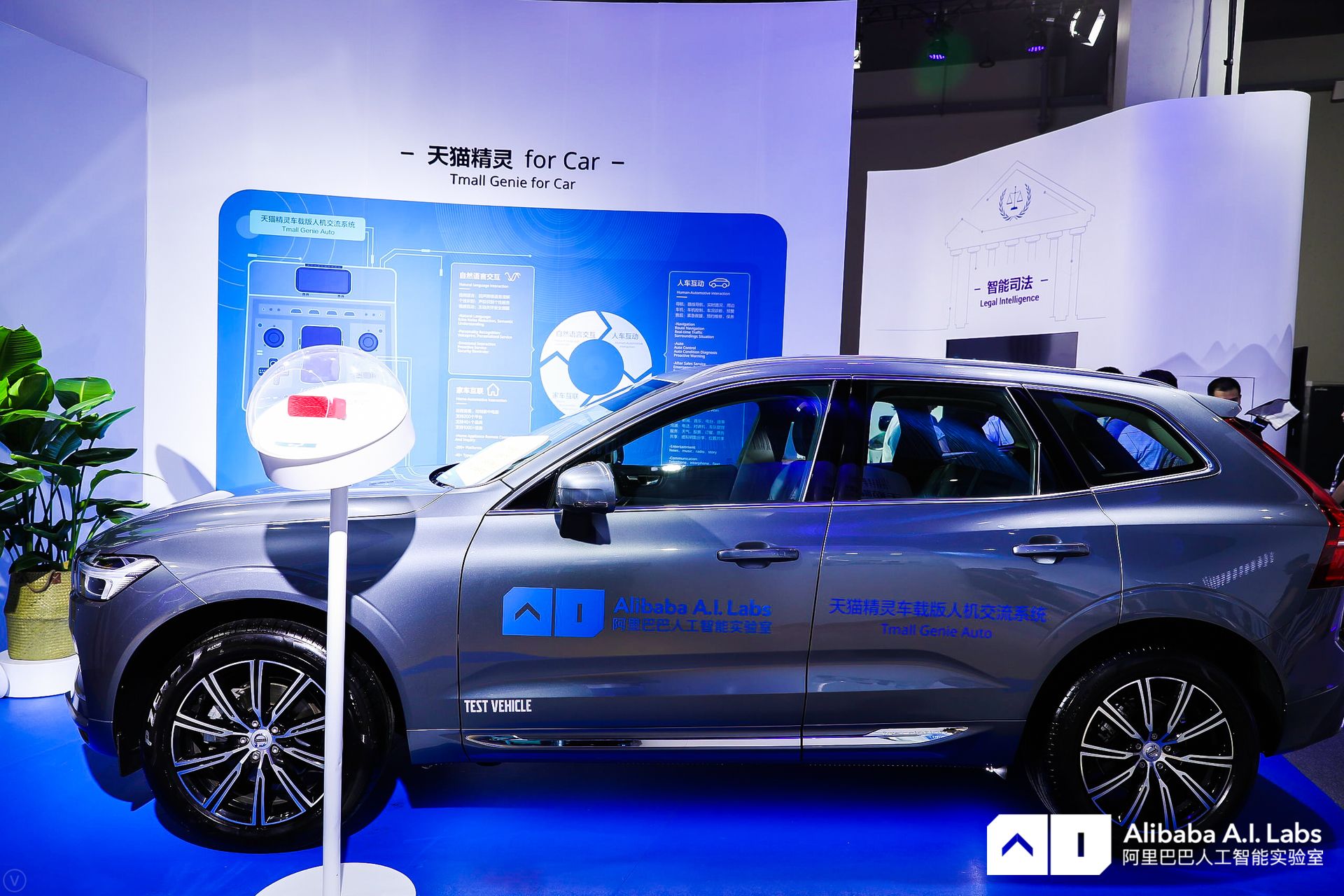
    Alibaba A.I. Labs, the department leading consumer AI product development at Alibaba, announced it is upgrading its auto Artificial Intelligence solution, Tmall Genie Auto, by partnering with Volvo Cars and adding car-to-home AI services. Tmall Genie is an AI-powered smart assistant developed by the Labs. Through the upgraded solution, Volvo Cars drivers with a Tmall Genie-compatible device will be able to monitor and control their smart-home devices from their cars, starting next year. Some of the newly added services include:

    · Running a status check on humidity, temperature, light and air conditioning at home, as well as the on and off status of smart home appliances;

    · Controlling appliance functions, including turning on the heater, air conditioning, door lock and air purifier;

    · Turning on the “home model” when drivers are 10 minutes away from home, which readies smart appliances for your arrival while you’re still in the car.

    Over 90 appliance brands are already in the Tmall Genie ecosystem, enabling over 600 smart home appliances to be easily connected for car-to-home AI services.

    Last June, Alibaba A.I. Labs partnered with Daimler, Audi and Volvo Cars to offer home-tocar AI services through Tmall Genie Auto. The Labs also rolled out in-car AI services by integrating the speech-interaction and Natural Language Processing features of AliGenie, the AI platform behind Tmall Genie. This technology supports voice commands for different tasks, such as identifying nearby attractions and restaurants, booking hotels and movie tickets and ordering to-go boxes by activating the cars’ navigation and infotainment systems.

    Partnering with Ford for New Internet Car

    As part of the strategic cooperation inked last December between Alibaba Group and Ford, the auto brand today confirmed that Ford Kuga SUV customers will be able to order the car which has a 10.4-inch center screen and software powered by AliOS later this year. The debut of this technology in the Kuga marks another milestone in strengthening ties between the two leaders in their respective fields, and highlights the rapid growth of internetconnected cars in China. As of today, there are over 500,000 AliOS – equipped Internet vehicles on the road in China.

  • Alibaba A.I. Labs Launches Hospitality Robot

    Alibaba A.I. Labs Launches Hospitality Robot

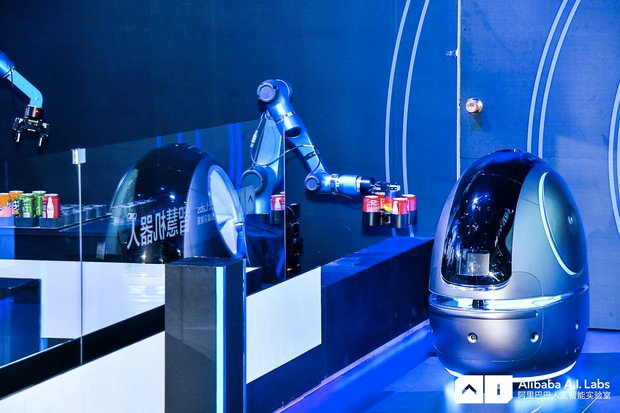
    The robotics industry is revolutionizing the world, and Alibaba A.I. Labs is raising the stakes in this cutting-edge industry with the announcement of launching service robots for the hospitality sector starting in October. Alibaba A.I. Labs is the department leading consumer AI product development at Alibaba.  Hotels have until now depended entirely on human labor. But the Labs’ service robot – from delivering meals to taking laundry to guests – demonstrates what guests can expect at hotels in the future. Guests talk to the robot via voice command, touch and hand gesture, and its responses are driven by AliGenie, the software that powers Alibaba A.I. Labs’ smart speaker, Tmall Genie.

    “We are excited by this tremendous development that is helping us bridge the gap between guest needs and the response time that they expect. Alibaba A.I. Labs’ robot is the next step in the evolution towards smart hotels. In addition, it is solving pain points in the hotel sector, such as enhancing service efficiency, with our leading AI technologies,” says Lijuan Chen, General Manager of Alibaba A.I. Labs. “The robot will be the ultimate assistant for hotel guests who want everything quickly and conveniently at their fingertips.”

    The technology that drives the Labs’ service robot is state-of-the-art, combining aluminum casing with multi-sensor data functionality and parallel computing for lightning quick responses. It also includes a semantic map, autonomous navigation system to identify obstacles, communication systems to control elevators, and identity verification via facial-recognition technology.

    The robot’s height is less than one meter, while its walking speed reaches one meter per second. After a trial at a hotel, Alibaba A.I. Labs will assess its suitability for other areas, including hospitals, restaurants and office services.

    According to the International Federation of Robotics, the global market for service robots are on the rise. The market is expected to grow from 20% to 25% from 2018 to 2020, while the sales forecast 2018-2020 indicates a cumulative volume of around 27 billion U.S. dollars for the professional service segment.

    Following the unveiling of the robot, Alibaba A.I. Labs also announced Tmall Genie Auto, the latest initiative in smart mobility and expanding the Tmall Genie ecosystem.

    Tmall Genie is the most popular smart speaker in China, with over 5 million units sold since its launch in 2017. It ranks number three in total shipments in the global smart-speaker market.

  • TIGERS to expand China and Malaysia as e-commerce booms

    TIGERS to expand China and Malaysia as e-commerce booms

    Global e-commerce fulfilment expert Tigers has opened an office in Suzhou, China, and a new fulfilment centre in Selangor, Malaysia, as part of ongoing expansion plans to serve the region’s booming e-tail market. The new e-Fulfilment Logistics Centre in Selangor is Tigers’ second Malaysian operation, after the automotive fulfilment centre in Kota Kinabalu, East Malaysia.

    The new Suzhou office is located 30 minutes from Shanghai, China, where Tigers has recently opened a new facility to meet growing e-customer demand in both the business-to-business (B2B) and business-to-customer (B2C) sectors.

    “China and South East Asia are two of the fastest growing regions in the world for online retail, and we will continue to support that growth by providing state-of-the-art facilities to meet customer demand,” said Andrew Jillings, Chief Executive Officer and Group Managing Director, Tigers.

    Tigers specialises in e-commerce fulfilment, transportation, and supply chain solutions across a wide range of industries, including automotive, fashion, outdoor and active lifestyle, health, technology, wine, and perishables.

    “Suzhou is the perfect location for Tigers, and our historic city is fast becoming a hub for international logistics organisations,” said Edison Zhang, General Manager – Sales, China, Tigers.

    “We are experiencing strong sales activity in Suzhou, and there are plans for further expansion into the Chinese market, where we already have 15 locations.”

    The 10,000 sq ft Selangor facility will operate as a headquarter for sea freight, e-commerce, and logistics, and is located 20 minutes away from Port Klang, 40 minutes from Kuala Lumpur International Airport, and one hour from Kuala Lumpur city centre.

    The automotive fulfilment centre in Kota Kinabalu is a 12,000 sq ft (1,115 sq m) facility, which supplies the entire East Malaysia region with a spare parts delivery service on a B2B basis.

    The new facilities in Asia follow the opening of a new office at Frankfurt Airport in Germany in July, which will act as a gateway to Europe by creating a trade lane between Germany and South Africa.

  • DB Schenker launched new service at China’s 1st International Import Expo

    DB Schenker launched new service at China’s 1st International Import Expo

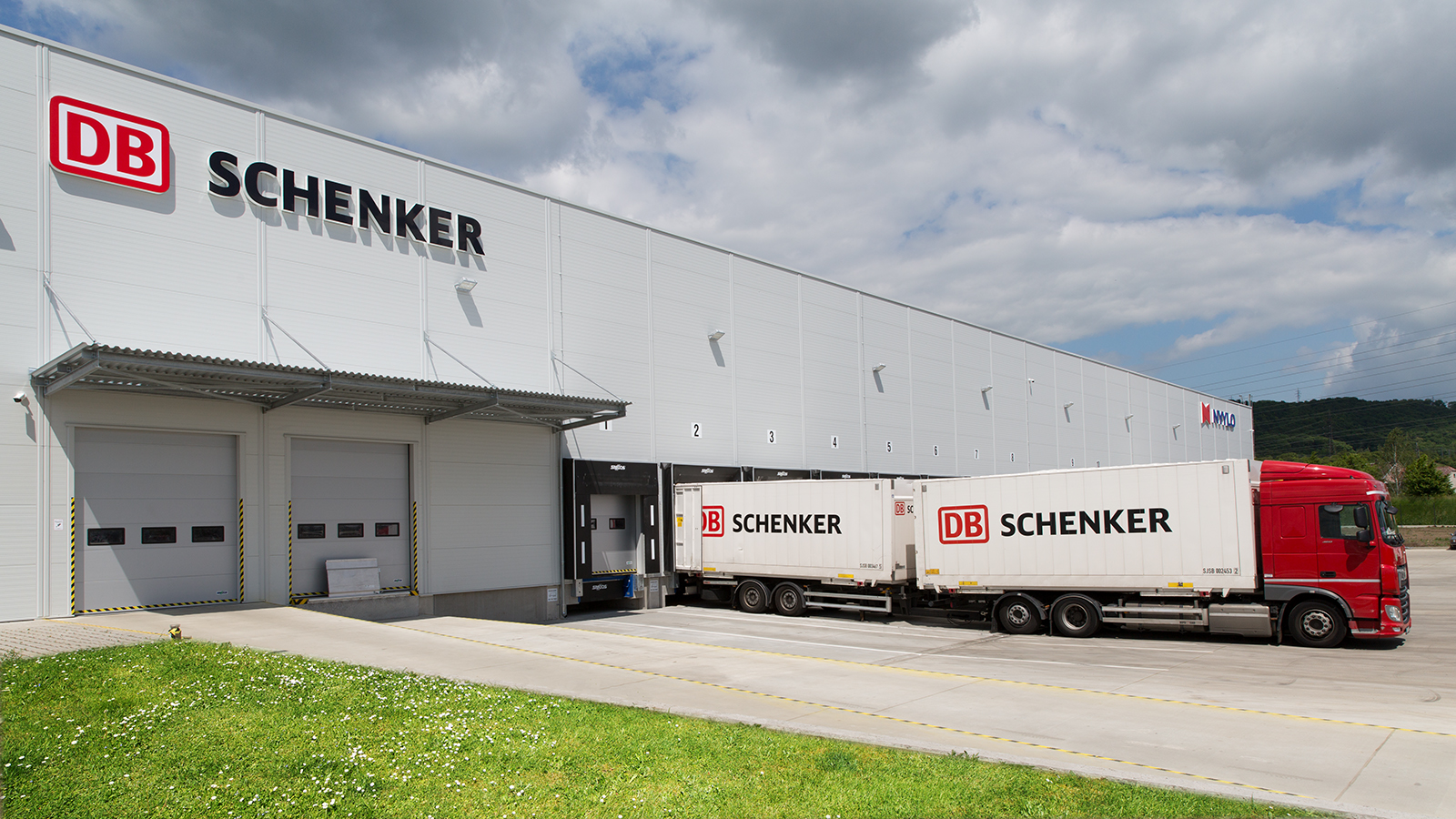
    DB Schenker, one of the world’s largest logistics service providers, will showcase its range of logistics services for various industries at China’s 1st International Import Expo (CIIE) in Shanghai from November 5-10, 2018 (hall 1H, booth 1B2-004).

    China is transitioning from being an export orientated country to becoming the world’s largest importer. With a presence of over 50 years in China, DB Schenker has been deeply involved with this market transformation since, and is in an excellent position to catalyze this shift.

    “We are excited to demonstrate our strong network in China and internationally which enables us to provide reliable and high-quality logistics services to our customers worldwide, who are increasingly importing to China”, says Chris Pollard, DB Schenker’s Chief Executive Officer for the Greater China Cluster.

    DB Schenker will also present its customized industry solutions for the growing industries in China, including automotive, consumer products, retail and e-commerce. Logistics experts for specific trade routes to and from China, industries and product areas, including air, ocean and rail freight, as well as contract logistics and supply chain management, will be on site introducing DB Schenker’s services as well as providing extensive information to visitors.

    “Our fair appearance at CIIE will focus on modern and innovative logistics solutions for import shipments to China from any industry and trade, involving smart ways of connecting our different modes of transportation – air, ocean, land and rail, which are tailored to the specific needs of our customers,” says Pollard.

  • DFS in exclusive launch of latest Michael Kors capsule collection

    DFS in exclusive launch of latest Michael Kors capsule collection

    DFS Group, the world’s leading luxury travel retailer, is excited to announce the launch of an exclusive Michael Kors capsule collection available only in DFS and T Galleria by DFS stores this October. Inspired by the jet-set lifestyle and designer Michael Kor’s take on luxury, the exclusive DFS x Michael Kors collection features thirteen handbags, three wallets, a watch with three straps and a pair of chic sunglasses.

    Building upon a history of successful collaborations, this capsule marks the third exclusive collection Michael Kors has launched with DFS Group. Starring influential Chinese actress Yang Mi and photographed by renowned Chinese photographer Chen Man, the campaign spotlights the actress and fashion icon showcasing the limited-edition styles on the chic streets of Shanghai.

    The DFS x Michael Kors collection includes the Whitney Large Shoulder Bag with quilted stitching and a detachable crossbody strap, the Whitney Medium Backback with sleek push-lock gunmetal hardware and chain-trimmed shoulder straps, the Benning Medium Messenger Satchel in two toned leather with polished hardware, as well as the Lauryn Three-Hand Watch Set with a pearlescent dial and two additional straps and classic rounded Aviator Sunglasses. The DFS x Michael Kors collection is available in an array of smooth and metallic jewel tones and prices range from USD$88 – USD$378.

    The exclusive DFS x Michael Kors collection will be available in 19 DFS and T Galleria stores across 13 counties beginning October 1 and offered while supplies last.

  • Funan set to open Singapore’s first O&O shopping mall ahead of schedule in 2Q 2019

    Funan set to open Singapore’s first O&O shopping mall ahead of schedule in 2Q 2019

    Funan is racing ahead to open Singapore’s first online-andoffline (O&O) shopping mall integrating online, offline, data and logistics aimed at empowering retailers’ omnichannel strategy and transforming the customer experience. The retail as well as its office components are now slated to open in 2Q 2019, instead of the earlier announced 3Q 2019. The opening of lyf Funan Singapore, a coliving serviced residence component within Funan, managed by The Ascott Limited, has also been brought forward from 2020 to 4Q 2019.

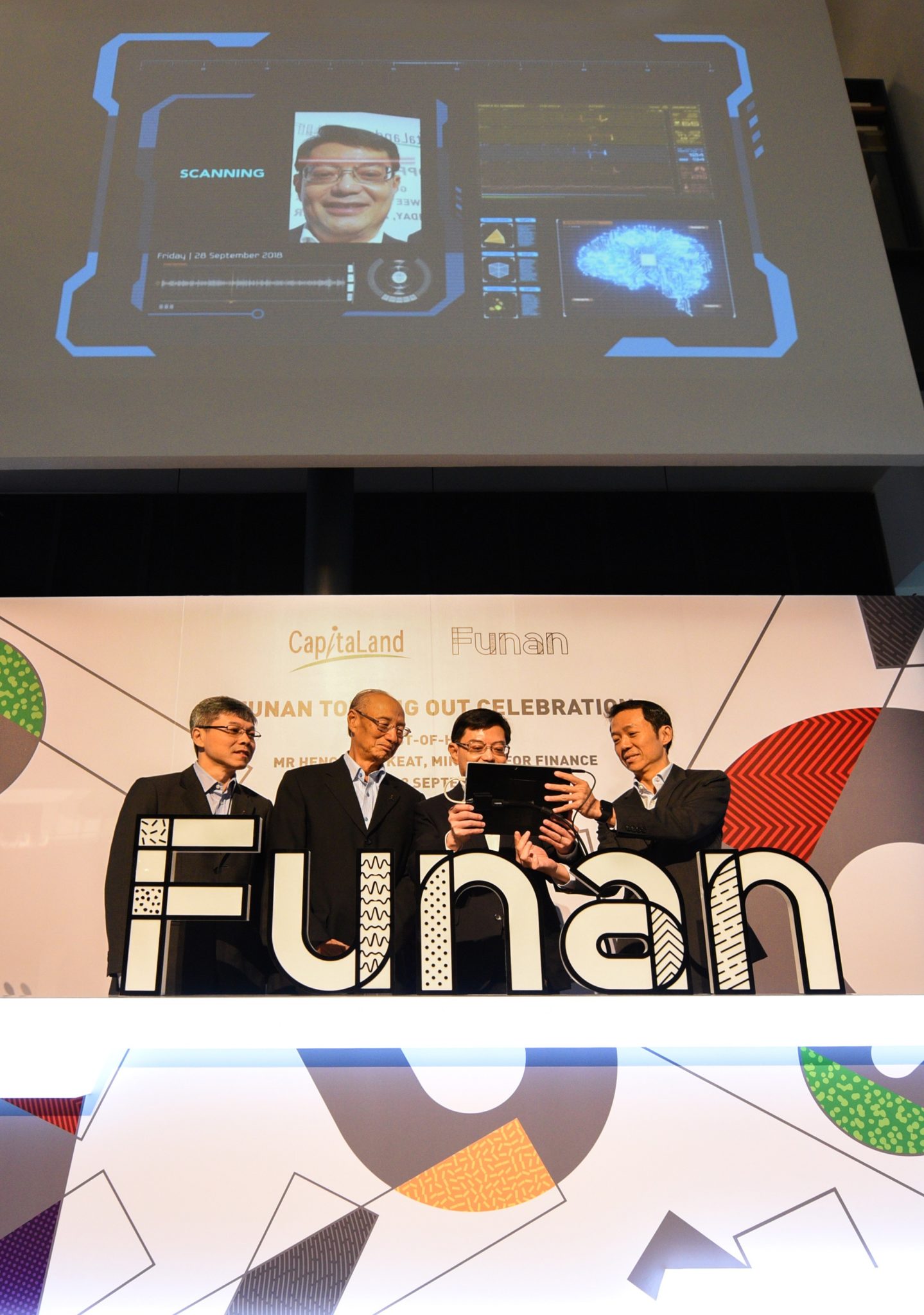
    Owned by CapitaLand Mall Trust and managed by CapitaLand Retail, Funan celebrated its structural completion ahead of schedule. The topping out ceremony held at Funan Showsuite was officiated by Guest of Honour Mr Heng Swee Keat, Singapore’s Minister for Finance. From groundbreaking to structural completion, Funan took about 19 months. To date, 72% of the overall construction has already been completed.

    Mr Lee Chee Koon, President & Group CEO of CapitaLand Group, said: “To succeed in tomorrow’s economy, all players must find a way for the physical and digital realms to coexist. While the current market share of online sales is small, its pace of growth will only speed up as tomorrow’s consumers enter the market. Brick-and-mortar businesses must thus go beyond passively selling products and services, to generating quality retail experiences and emotional connections that are ‘on-brand’ with consumers. Against this backdrop, CapitaLand is committed to help our current and future tenants stay ahead of the curve. We have conceived Funan to embrace new opportunities, with a focus on gathering and building a young and vibrant community by integrating an experiential mall with dynamic coworking and coliving spaces. This starts with top quality building design and space planning, complemented by the right mix of tenants and partners who can breathe life into the building. A digital layer of techenabled customer experience further enriches Funan’s offerings.”

    Mr Lee added: “As Singapore’s largest mall owner and manager, CapitaLand knows that past success is no guarantee of future success. We are taking a close examination of our retail portfolio, in Singapore and abroad, to identify areas for reinvention. The location and catchment of Funan make it the ideal test bed for an O&O mall, where tomorrow’s consumers can shop, sweat, work, bond, live and play. Funan demonstrates CapitaLand’s commitment to reinvention, to always retain our market leadership. As ecommerce becomes a reality, CapitaLand will continue to ensure that the real estate we develop is conducive and complementary to tomorrow’s consumers and economy.”

    Mr Tony Tan, CEO of CapitaLand Mall Trust Management Limited, said: “Including leases signed and in advanced negotiations, the leasing for Funan’s retail and office components has already reached 70% and 60% respectively. Such early commitment of a strong slate of partners from diverse fields, many of whom CapitaLand is working with for the first time, marks a very encouraging start for Funan’s mandate to inspire innovation and create a unique lifestyle proposition for digitally savvy customers in an experience economy. What is even more heartening is that many of these partners have committed to push the boundaries by experimenting with new-to-market experiences at Funan. The significant interest in Funan points to the continued market demand for centrally-located and well-designed retail spaces that enjoy inherent shopper traffic as part of a quality integrated development.”

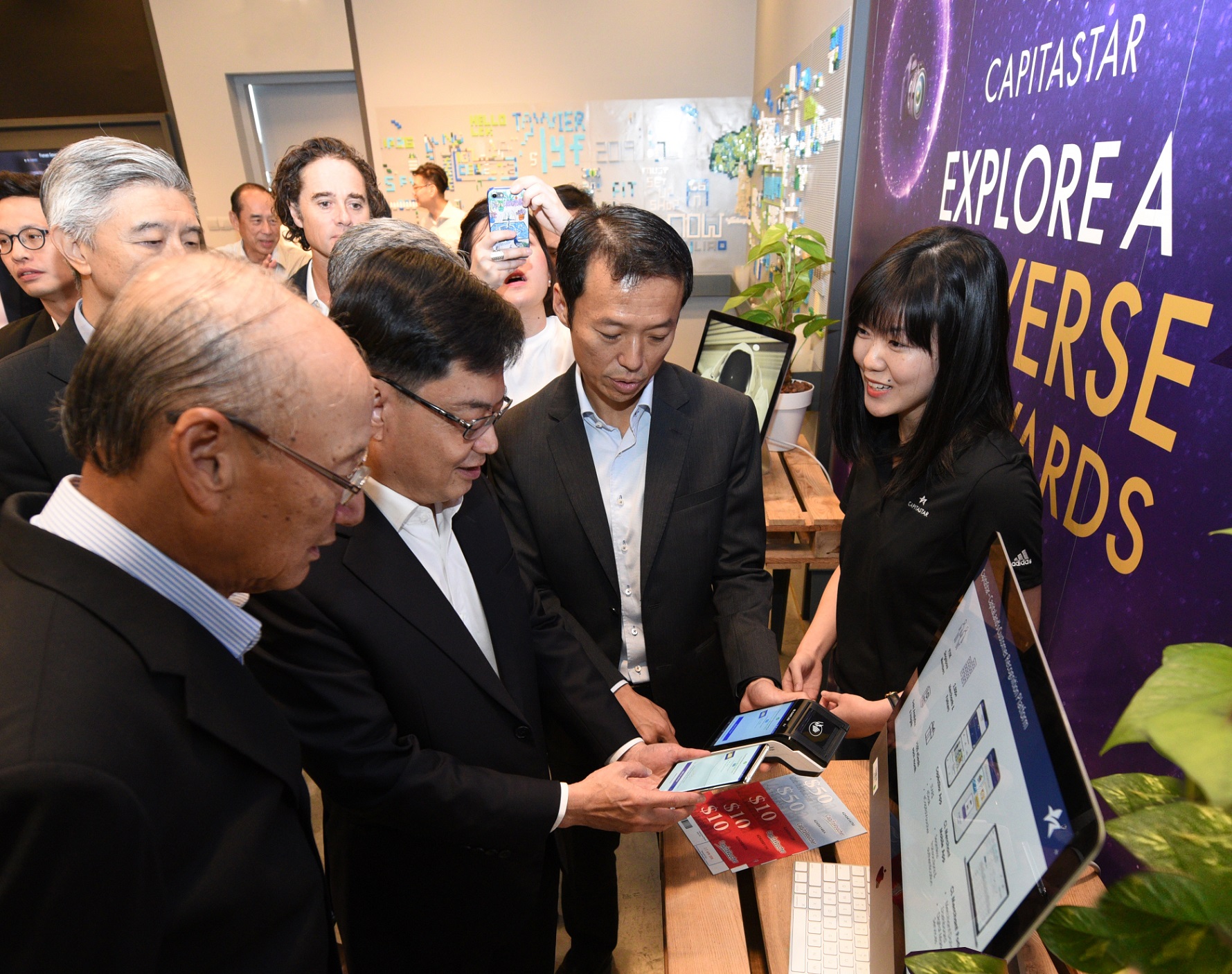
    At the topping out event, Minister Heng Swee Keat was given a preview of a range of digital innovations coming up at Funan. These include a smart interactive directory that uses facial recognition to provide shoppers with customised recommendations, video analytics that studies shopper traffic and crowd density and an all-in-one app for Ascott’s lyf coliving serviced residence – the first app by a serviced residence company that will allow social networking and room booking; and will also serve as a mobile key. CapitaLand also showcased its groupwide innovations as part of its digitalisation strategy, including a merchant dashboard that enables retailers to tap consumer insights generated by CapitaLand’s CapitaStar loyalty programme and eCapitaVoucher, the digital version of CapitaVoucher – Singapore’s most popular shopping mall voucher – launching this November.

    Funan’s innovation journey has scored several “firsts” in Singapore. These include the first to deploy automated guided vehicles to provide shoppers with a hands-free shopping experience and the first to utilise a robotic arm for its twenty-four-hour drive-through click-and-collect service. As part of Funan’s tech-enabled user experience, building users can also expect conveniences such as app-based booking of facilities within the development, video-based smart carparking facilities and facial recognition turnstiles at its office towers.

    Adopting smart construction technologies

    Despite challenges such as a tight site with limited access, time savings are achieved through innovation in construction methods, and the choice of building materials and equipment to avoid redundancies and inefficiencies in Funan’s construction process. These include applying Virtual Design and Construction at the onset, and adopting a top-down construction method, which allows for the building’s basement and superstructure to be built concurrently. Precast concrete structural building components are also used to further reduce the construction time.

    In addition, the construction of the underpass connecting Funan and City Hall MRT station will deploy the Rectangular Tunnel Boring Machine as it saves time and manpower, and minimises traffic disruption. The underpass is targeted for completion in 2021.

    Upcoming experiential offerings at Funan

    As Singapore’s first commercial development to allow cycling through the building at Level 1, Funan will bring to life cycling amenities and end-of-trip facilities such as cafés and shower facilities. English premium folding bike brand Brompton Bicycle has chosen Funan to be the location of its first flagship store in Singapore. Cycling enthusiasts can take the bikes out for a spin along the cycling lane within Funan before deciding on their purchase.

    Strengthening the tech cluster that already comprises local consumer electronic goods stalwarts Newstead Technologies, AddOn Systems and T K Foto, well-established homegrown gaming store GamePro will be hosting eSports tournaments in a dedicated eSports zone at Funan. Aspiring chefs can whip out their best dishes at a new concept by ABC Cooking Studio, which allows members to conduct their own classes and collaborate with others. On Level 7, diners can look forward to a farm-to-table dining experience by Spa Esprit Group. Edible Garden City will be operating Funan’s rooftop urban farm, with plans to host workshops for the community.

    Ark Futsal has committed to operate the only futsal court in the CBD at Funan, complementing the offerings from Climb Central, the largest rock-climbing facility in the CBD. These new names will synergise with and complement the previously announced tenants including Golden Village cineplex, Kopitiam foodcourt, W!ld Rice theatre and flagship of Carrie K. and Keepers.

  • Tmall and L’Oréal China Deepen Partnership

    Tmall and L’Oréal China Deepen Partnership

    Alibaba Group’s Tmall, and L’Oréal China said today they’ll work closely together to find new ways for the beauty group to tap into the Chinese market, leveraging data-driven consumer analytics and a new value chain that better connects consumers, products and channels.

    Tmall Innovation Center (TMIC), the retail innovation arm of Tmall, will work closely with L’Oréal China to catalyze the consumer-to-business (C2B) approach, based on insights and trends generated from the 600 million-plus customer base across Alibaba’s marketplaces.

    “We have been very happy to ride the wave of the digital transformation together with Alibaba Group’s Tmall. As the number-one beauty company in the China market, L’Oréal China will continue to deepen collaboration with innovation partners locally to unleash the value of data insights and create value for our consumers,” said Stéphane Rinderknech, CEO of L’Oréal China. “With our ‘Beauty for All’ mission and consumer centric strategy, our ultimate goal is to bring personalized products, services and experiences to each and every Chinese consumer.”

    The partnership’s first initiative will focus on China’s male-grooming industry. According to a white paper co-developed by TMIC and L’Oréal China Consumer Intelligence Team, online sales of men’s grooming products have increased by more than 50% in each of the past two years. In the past year, 62% of the male consumer pool between the ages of 15 and 50 said they used male-specific facial skincare products, showing a massive addressable market for male grooming products.

    “With Tmall’s unparalleled customer insight, we are committed to helping L’Oréal China offer its customers best-in-class personalized product experiences. Tmall has transformed product development in every area, from product innovation and brand building to consumer assets and channel management. We help brands discover new demand and markets as well as offer completely new customer experiences,” said Jet Jing, President of Tmall.

    TMIC and L’Oréal China precisely identify five profile groups of customers with specific preferences, such as those who go for men-only personal care products; those who need a full range of products and those only seeking face, hair and basic products.

    Based on the findings of the white paper, L’Oréal China and Tmall will co-host a consumer-oriented marketing campaign, “Super U Carnival,” both online and offline from September 25-30. Male consumers will be able to discover suitable grooming products with the help of data insights. At a pop-up store in Hangzhou, five immersive show rooms are tailored to customers’ unique styles and preferences.

    L’Oreal China is one of the international groups that has benefited from these consumer insights generated by TMIC. Established in April 2017, TMIC’s mission is to

    help brands explore new ways to tap into the Chinese market by using precise market analysis, real-time consumer insights and test models. Including L’Oreal China, TMIC has already collaborated with 62 companies.

    Earlier this week, L’Oréal China launched House99 flagship store on Tmall, together with David Beckham, the founder of House99. A full range of high-end male grooming products, including skin and body care, hair and shaving products, are now available on House 99’s Tmall store.

  • Alibaba’s Jack Ma opens tech institute in Indonesia

    Alibaba’s Jack Ma opens tech institute in Indonesia

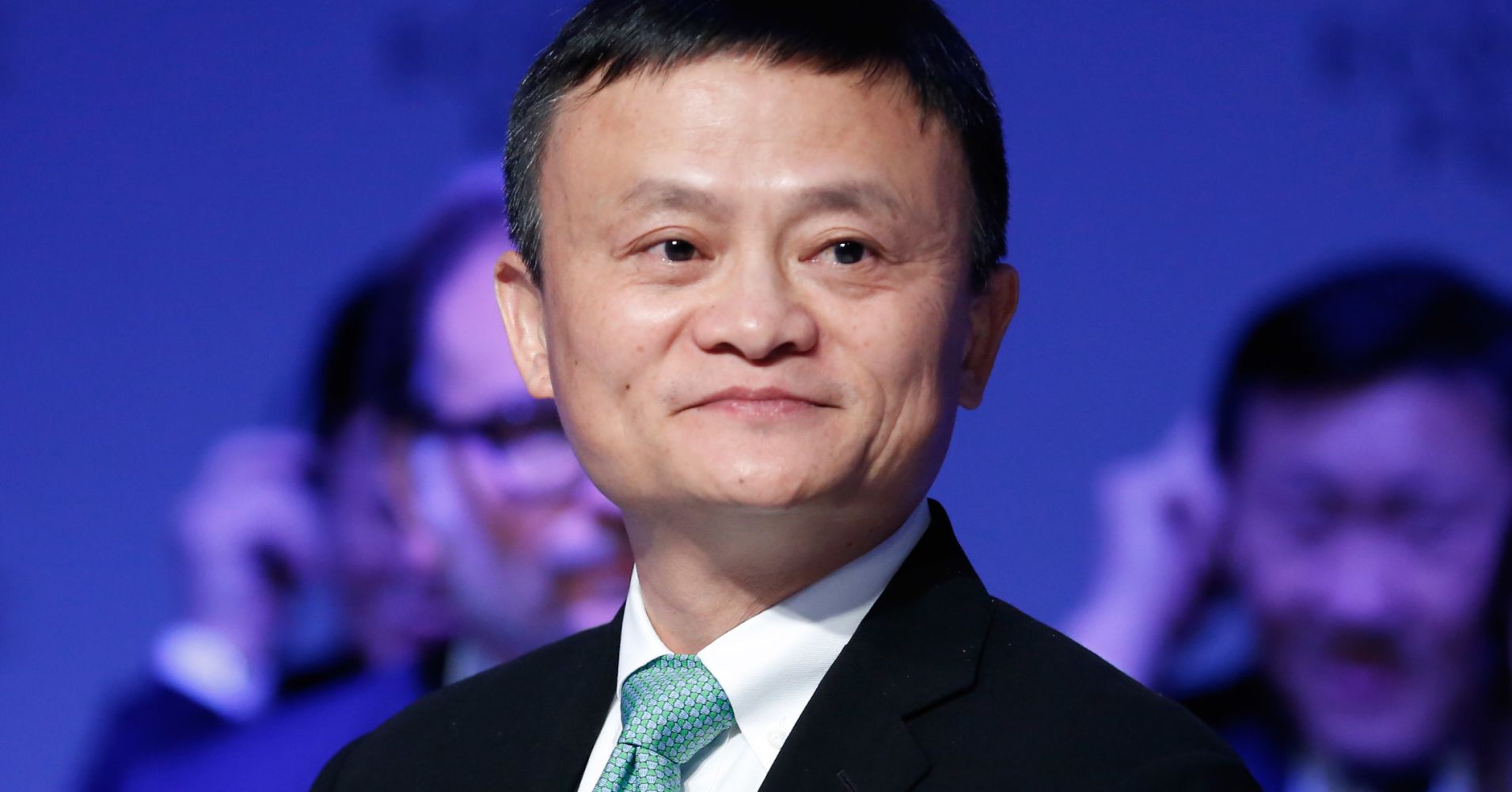
    Jack Ma, executive chairman of China’s Alibaba Group Holding, plans to open an institute to train thousands of tech entrepreneurs in Indonesia, where he is already an adviser to the government on e-commerce.

    Ma did not say when the Jack Ma Institute of Entrepreneurs would launch, but said the aim was to train 1,000 tech leaders a year over the next 10 years.

    “We’re giving a lot of opportunities for young Indonesian people to learn,” Ma said after meeting Indonesian ministers on the sidelines of the International Monetary Fund and World Bank meetings being hosted by Indonesia.

    The co-founder of Alibaba, China’s biggest e-commerce firm, said it is important for Indonesia to invest in human capital because “only when people improve, when people’s minds change, when people’s skills improve, then we can enter the digital period”.

    Indonesia has a shortage of trained engineers in technology and the institute will also train hundreds of developers and engineers on cloud computing to help make Indonesian businesses more digital-savvy.

    The country is a key market for Alibaba, whose cloud computing arm Alibaba Cloud launched a data center in Indonesia in March.

    Ma said his company would continue to invest “not only on e-commerce, but also cloud computing, logistics and…infrastructure” in Indonesia, while also helping local businesses to grow.

    Indonesian Communications Minister Rudiantara stated last month that Indonesia was partnering with Ma to look into ways to harness Alibaba’s businesses to increase its exports, particularly to China.

    McKinsey estimated in a report released on Aug. 30 that the value of Indonesia’s e-commerce market will surge to at least $55 billion (£42 billion) by 2022 from $8 billion in 2017.

    Last week, Ma told a panel discussion at the IMF and World Bank meetings that “the internet is designed for developing countries”, with “great opportunities in Africa” also.

  • Furla growth report slowing down

    Furla growth report slowing down

    Italian handbag label Furla has posted a 5.8 per cent rise in sales for the first half of the year, down from 23.5 per cent growth during the same period last year.

    Furla sales growth in Asia has similarly slowed, showing a 27 per cent growth in the Asia-Pacific region as opposed to last year’s 63 per cent increase. Furla recently assumed direct control of retail distribution in the greater China region.

    Furla generates 23 per cent of its sales in Japan against 7 per cent in the US. Revenue growth for Japan was 9.5 per cent, while growth for the US market was 24.2 per cent. E-commerce sales are up 24.1 per cent.

    Furla’s GM Alberto Camerlengo said: “For us, 2018 is a year of consolidation.” He described the firm’s plans to strengthen its delivery organisation via the adoption of a more advanced IT system as better suited to the company’s increased size.

  • New Product Debuts on Tmall to Reach 20million in 2018

    New Product Debuts on Tmall to Reach 20million in 2018

    Alibaba Group’s Tmall, China’s largest B2C marketplace for brands, has fast become the “go-to” platform for Chinese consumers who want access to new gadgets and products from around the world.

    In 2017, 12 million products debuted on Tmall, a number expected to exceed 20 million this year, as global brands respond to the array of innovation capabilities available to them.

    “Inspiring millions of Chinese consumers to pursue better lives, Tmall aims to help every brand speed up its product R&D, innovation process and time-to-market, reducing the risks faced by introducing a new product. This also allows more new categories and products to feature in Chinese consumers’ lives at a much faster pace,” said Tmall President Jet Jing.

    By marrying the platform’s valuable consumer insights with analytical and research capabilities, Tmall Innovation Centre (TMIC), the dedicated retail innovation arm of Tmall, is focused on improving the effectiveness and efficiencies around launching new products. TMIC has collaborated with 81 leading enterprises over the past year, covering 600 individual brands. The household names which have already benefited include P&G, Unilever, L’Oréal, Estee Lauder, Shiseido, Mars and Samsung.

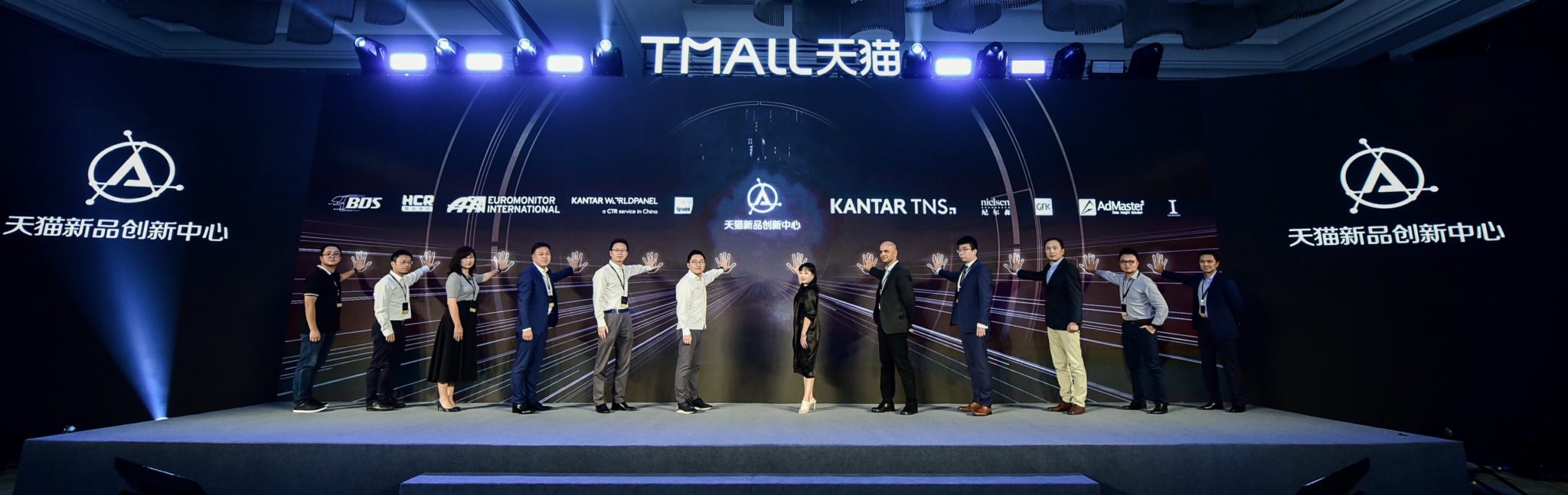
    TMIC has announced an alliance with 10 leading research and data technology firms to extend the capabilities of the ecosystem. Through this, TMIC is now joining with the industry to provide brands the necessary insights and analysis to supplement their research and development around new products, which will shape their China strategy. Partners include global market-research firms, The Nielsen Company, Ipsos, Kantar TNS, GFK and Euromonitor International, along with Kantar Worldpanel, which specializes in consumer panels and insight, and AdMaster, a Chinese marketing data technology company.

    This alliance pairs TMIC’s consumer reach and insights with the methodology and knowledge of its partners. Solid models will be built that cover the end-to-end process of product development, from R&D to precision marketing.

    Statistics from Alibaba have shown that brands working with TMIC have managed to cut the length of their product development cycle in half, at the same time mitigating the risks of misjudging consumer tastes and preferences.

    For example, with TMIC’s discovery of younger women’s preference for mouthwash products with flower and fruit flavors, Listerine, Johnson & Johnson’s oral care brand, will launch two mouthwash products in China during this year’s 11.11 Global Shopping Festival targeting women. Using the insights from TMIC, Listerine have only needed around five months to complete the “idea-to-shelf” journey.

  • Theory Expands Footprint in China with Tmall Debut |

    Theory Expands Footprint in China with Tmall Debut |

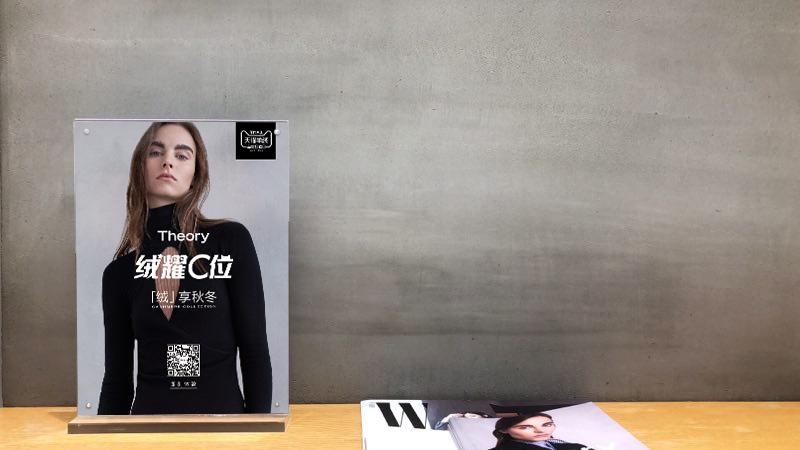
    New York-based clothing label, Theory, known for its minimalist, precisely tailored wardrobe essentials, has opened its first online store in China on Alibaba’s Tmall e-commerce platform and its dedicated site for high-end shoppers, Tmall Luxury Pavilion. The stores offer all items in Theory’s womenswear and menswear collections available in its brick-and-mortar stores, including its newest Good Wool and autumn-winter 2018 lines. Offline, the brand currently counts 33 stores across 17 cities in China, a number it expects to double in three years.

    “Tmall’s partnership with Theory is a milestone in our continued market leadership in China as the premier B2C platform for fashion. We will empower Theory through our unparalleled data-driven consumer insight and New Retail technology to serve and discover fashion consumers across China, as well as build lasting relationship with customers,” said Jessica Liu, president of Tmall Fashion and Luxury.

    As part of the partnership agreement, Theory and Tmall will work more closely to leverage consumer insights and offer personalized New Retail experiences, starting with providing the same bonus points, sales benefits and exclusive birthday perks to Theory’s hundreds of thousands of VIP loyalty club members, both online and offline, for a more-seamless shopping experience across all channels.

    Tmall also provided the brand with marketing support, such as promoting its popular merino wool and cashmere clothing on Tmall Cashmere Category Day, an online-to-offline, multi-brand marketing event that ran from Sept. 24 to 26. The category is specially highlighted because of growing popularity of cashmere goods among the 30-40 age group on the platform, with the most rapid sales growth coming from younger consumers under 30 years old, the e-commerce platform said.

    “We will continue to roll out similar campaigns with Theory. At the same time, the brand has already merged its online and offline membership system to ensure the most complete set of rewards and services for its customers across all its online and offline channels,” said Anita Lyu, vice president of Tmall Fashion.

    Owned by Japan’s apparel giant Fast Retailing, Theory has pioneered a new category in the market now known as contemporary fashion — garments and accessories with designer aesthetics and premium quality, but sold at more-affordable price points. Contemporary fashion labels include Massimo Dutti, Charles & Keith and H&M Group’s COS.

    Aside from Theory, Fast Retailing also owns fashion brands, including Austrian contemporary label Helmut Lang, Los Angeles-based demim brand, J Brand and French lingerie brand, Princesse tam.tam, as well as premium fashion brand Comptoir Des Cotonniers. Two of its brands, Uniqlo and GU, have already opened flagship stores on the Tmall platform.

  • Major trade mark victory for Alfred Dunhill in China

    Major trade mark victory for Alfred Dunhill in China

    Alfred Dunhill has announced it has won a major victory in a long-running trademark battle in China. In a ground-breaking decision, the luxury brand has been awarded RMB 10 million (USD 1.47 million) after the Foshan Intermediate People’s Court, Guangdong Province, ruled that rival menswear brand Danhuoli was guilty of both trademark infringement and unfair competition practice.

    In a rare move for Chinese courts, the judge also deemed that the individual responsible for the company was personally liable for the infringement, giving extra teeth to the court’s decision and strengthening China’s growing reputation for intellectual property protection.

    The trademark infringement centred around Danhuoli’s illegal imitation of the ‘long tail mark’ of Alfred Dunhill’s globally recognised logo.

    Danhuoli had originally registered the ‘Danhuoli’ trade mark in plain font, but had for several years used the mark in a manner bearing striking similarities to Alfred Dunhill’s signature elongated lettering and black and white colour palette.

    The budget clothes company had also established a shadow company named ‘Dunhill Group’ in Hong Kong, to manage corporate business activities for the brand. Alfred Dunhill had previously been successful in shutting down the shadow company in Hong Kong; however, it had continued to trade across the Chinese mainland.

    Danhuoli operates more than 200 franchisee stores across 61 cities in China, claiming to generate annual turnover of RMB 100m (USD 14.7m).

    The case represents a landmark trade mark victory in China for any global brand, given the scale of the damages awarded. The RMB 10 million awarded is significantly larger than the average ruling in trade mark infringement cases in China.

    The ruling is another key milestone in China’s continued crackdown on IP infringement. Over the past decade China has made significant strides in developing and enforcing a robust IP rights regime, bringing the Chinese IP landscape in line with other developed systems in the US and Europe.

    Alfred Dunhill were supported by international IP consultancy Rouse and its Chinese law firm partner, Lusheng Law Firm.

    Commenting on the ruling, Andrew Maag, CEO at Alfred Dunhill said:

    “Today’s ruling demonstrates Alfred Dunhill Ltd.’s unequivocal resolve in tackling infringement of our IP rights in China and globally. Our system of IP management and enforcement is second to none. With the support of Rouse and Lusheng Law Firm, we’ve secured a fair and proportionate ruling.”

    Luke Minford, Global CEO of Rouse, said:

    “This win for Alfred Dunhill is just reward for all their hard work protecting their brand in China. The decision should reinforce to other brand owners that China is finally getting serious about protecting foreign brands.”

  • Blockchain Yet to Prove Its Use to the World according to Jack Ma

    Blockchain Yet to Prove Its Use to the World according to Jack Ma

    Alibaba chief Jack Ma thinks blockchain tech is pretty meaningless – unless it helps us transform the manufacturing industry and protect the environment.

    In a keynote at World Artificial Intelligence Conference in China, the star entrepreneur shared his beliefs that budding technologies like blockchain, artificial intelligence (AI), and the Internet of Things (IoT) have yet to prove their utility to the world.

    For the record, while he did touch on blockchain, Ma focused his speech on some common misconceptions about AI and what role the technology can play in the future.

    Although the entrepreneur stopped short of revealing whether and how Alibaba intends to integrate blockchain into its services, it appears the company is no stranger to distributed ledger tech (DLT). Indeed, reports suggest Alibaba and IBM hold 90 percent of all DLT-related patents worldwide.

    “The data age is major opportunity for manufacturers to reform the industry,” Ma said at the conference. “But blockchain and IoT will be meaningless tech unless they can promote the transformation of the manufacturing industry, and the evolution of the society towards a greener and more inclusive direction.”

    Still, it turns out that wasn’t enough to stop Alibaba – and fellow Chinese tech giants Baidu and Tencent – from banning all cryptocurrency-related activities from its platform. A search for the two forums named “Digital Currency Bar” and “Virtual Currency Bar” shows that they have been temporarily closed in accordance with relevant laws, regulations, and policies.

    On the other hand, Alibaba and Tencent are cracking down on cryptocurrency transactions on their mobile payment services.

    WeChat, Tencent’s social media, messenger services, and mobile payments app, banned a series of cryptocurrency media outlets for spreading hype in violation of Chinese law.

    Now, Tencent has said in a statement that the company will also ban cryptocurrency trading on WeChat. The company will monitor daily transactions in real-time and block any cryptocurrency trading related activity.

    Alibaba Group’s Ant Financial said that it will take similar measures on its mobile payments app Alipay. The company will restrict or block all accounts that indulge in cryptocurrency trading.

  • Restructuring for Tencent as challenges rise

    Restructuring for Tencent as challenges rise

    Facing increased challenges from tighter government regulations, the Chinese internet giant, Tencent Holdings, announced last week its first restructuring in six years.

    The reshuffle comes as Tencent Holdings, which has seen a hefty fall in market value this year, is facing fresh criticism from analysts and investors unnerved by regulatory roadblocks, a fuzzy overseas strategy and growing debt.

    The gaming and social media firm is one of a number of Chinese internet companies whose prospects are in question after years of spectacular growth.

    The Shenzhen-based and Hong Kong-listed company said in Sunday’s statement that it will consolidate three content business groups to one unit and create a new group for cloud and smart industries.

    The move is seen at improving cloud-based data offering services for corporate clients, which rival Alibaba Group dominates in China, and boosting its content offering capabilities for a wide range of services such as WeChat, music, games and other entertainments.

    Tencent commented and said it will “further explore the integration of social, content and technology that is more suitable for future trends, and promote the upgrade from consumer internet to industrial internet.”

    The company said it will also set up a technology committee to help strengthen its research and development and promote collaboration and innovation.

    Founded in 1998, Tencent enjoyed uninterrupted growth from when it went public in 2004 until this year. Its shares surged more than 88 times after its IPO, and its market value hit a peak of US$578 billion in January this year.

    On Friday, Tencent shares in Hong Kong closed at HKUS$323.20, compared with HKUS$406 at the end of 2017.

    The company’s biggest money-maker is gaming. However, its most popular game this year is PlayerUnknown’s Battlegrounds Mobile (PUBG Mobile), and Chinese authorities have yet to approve the in-game purchases that allow Tencent to make money.

    Hit by China’s intensified crackdown on online gaming, Tencent has reported its first quarterly profit fall in nearly 13 years.

    The main business of Tencent is video games but the company also runs China’s dominant social network, WeChat, with more than 1 billion users.

  • Li-Ning launches outlet in Lahore Pakistan

    Li-Ning launches outlet in Lahore Pakistan

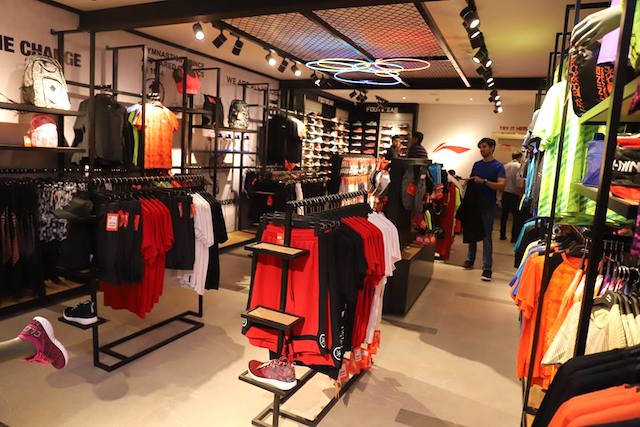
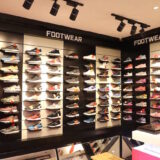
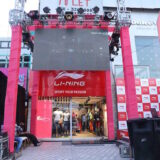
    Li-Ning Pakistan has made its debut with a flagship in the capital city of Lahore.

    The Chinese sportswear and accessories giant says the new Gulberg flagship, opened late last month, signals a nationwide expansion in the territory following the introduction of Li-Ning products in resellers earlier this year.

    Pakistan’s international badminton champion Mahoor Shehzad has been made the face of the brand in this market.

    Li-Ning was founded by its namesake, a prominent Chinese gold medallist athlete in 1990, before becoming one of the world’s largest sports apparel brands.

    Li-Ning operates more than 6400 stores and outlets worldwide.