Tag: China

  • Is it the end of cosmetics testing on animals for China?

    Is it the end of cosmetics testing on animals for China?

    It has been little more than a year since French cosmetics firm NARS’ controversial decision to sell its make-up in China caused a major rift in the global cruelty-free beauty scene.

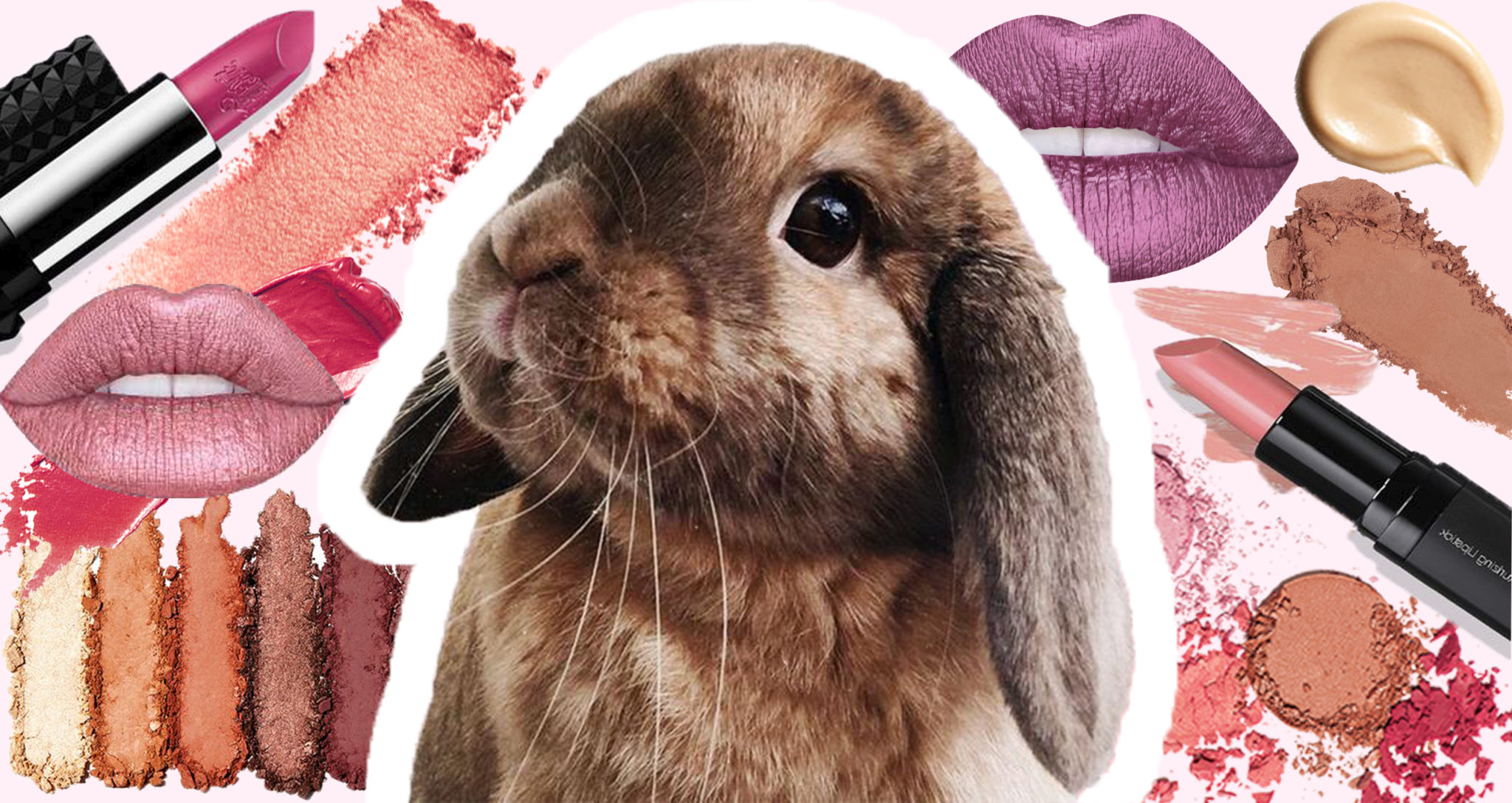
    Fans of the brand and animal-lovers may soon be able to make peace. China is mooting a change in its policy of testing cosmetics on animals which could pave the way for cruelty-free brands to tap into the country’s US$33 billion cosmetics market.

    China’s National Institute for Food and Drug Control (NIFDC) recently issued a statement about its commitment to overhauling testing in the cosmetics industry and exploring viable alternatives to animal tests that are commonly used in countries where the practice is banned. The NIFDC emphasised that research, development, and the standardisation of testing methods that don’t use animals are its top priorities.

    Animal-protection organisations have been working closely with Chinese stakeholders to replace animal testing – which, for cosmetics alone, requires the use of an estimated 500,000 animals per year around the world – with more modern and predictive technologies.

    Notable progress has been made in recent months.

    Troy Seidle, vice-president of research and toxicology for Humane Society International, said that the recent NIFDC statement, published on its official WeChat account last week, is particularly promising.

    “It would be the first time the authority has publicised its view towards cosmetic alternatives with a future strategy so clearly articulated,” Seidle says. “Chinese authorities and stakeholders are actively working to embrace validated alternatives to strengthen international regulatory alignment and trade in the cosmetic sector.”

    China’s cosmetics testing laws require all foreign cosmetics products to be tested on animals before they can be sold in the country. In 2014, China began to soften its stance, allowing domestic cosmetic brands to sell products not for “special use” (make-up, skincare, and fragrances) without the need to test them on animals, but only so long as they adhered to strict standards and a list of pre-approved and tested ingredients. This also applied to foreign cosmetics brand that chose to manufacture products in China for sale locally.

    However, the 2014 rule change was not enough to convince organisations campaigning for cruelty-free cosmetics that selling in China was acceptable. They objected because companies that manufacture in China still face a risk that animals could be harmed via post-market testing – under which brands can have products taken off the shelves and tested on animals.

    In 2017, Nudestix was taken off the cruelty-free brands list of animal welfare website Cruelty-Free Kitty after the UK brand announced it would be producing its products domestically and selling in China.

    “Even though Nudestix does not test on animals, and has successfully bypassed any required pre-market animal testing in China, this is not enough for a “cruelty-free” claim,” Cruelty-Free Kitty author Suzana Rose wrote in a blog post last month. “Any brand that sells cosmetics in physical stores in China can potentially have their products taken down from the shelves and tested on animals.”

    Mette Knudsen, CEO of KnudsenCRC, a Shanghai-based consultancy that helps companies seeking to sell in China, wanted to help brands understand just how serious the risk was of cosmetics companies encountering these post-market tests, as they remain the “biggest barrier” to receiving cruelty-free certification.

    Usually, the post-market tests take place in response to a consumer complaint, though research commissioned by consultants Reach24H found that some Chinese municipal governments would sometimes implement mandatory post-market testing.

    Through research and talks with Chinese officials, laboratories, and UK charity Cruelty-Free International, KnudsenCRC determined that post-market testing rarely involved animals. This is because animal testing is expensive – it costs five to 10 times more than other safety assessments – and also time-consuming, taking about three months to complete.

    “If you have a product with a safety risk on the shelves, you obviously don’t have three months to see if it poses a safety risk or not; you have to react immediately,” Knudsen said.

    SEE ALSO : Makeup brand Nudestix enters China

    KnudsenCRC is teaming up with Cruelty-Free International on a pilot project designed to help cosmetics brands ensure no animal testing has occurred throughout their supply chain, and is working closely with authorities in Shanghai to eliminate the risk of post-market tests.

    “Although we have a lot of assurance from the Shanghai authorities,” Knudsen says, “it’s important to have the pilot because we need to be able to say this is a route we can recommend.” Knudsen says that many brands have already expressed interest and sent in applications for the pilot. Five brands will take part in the first stage of the project, due for completion in early spring 2019.

    It could take years to implement a complete shift away from cosmetics testing using animals. But some milestones towards ending the practice have already been attained.

    The Institute for In Vitro Sciences, a globally recognised organisation working to advance non-animal testing methods in China, announced this year that a lab it was working with in Hangzhou had officially adopted a test on artificial skin. The NIFDC has also adopted alternative tests for skin corrosion and eye irritation, as well as phytotoxicity (testing on plants), with more alternative methods to be introduced in the near future.

    “A crucial first step toward transitioning to non-animal testing approaches for cosmetics in China is for the national authority responsible for this sector to officially recognise the validated test methods as acceptable,” Seidle says. “Until this happens, companies and labs have little incentive to invest money or time to establish the infrastructures and competency necessary to carry out these tests on a regular basis, or for the industry as a whole to commission such tests within China.”

    There is pressure to move quickly. The 28-nation European Union became the first region to ban cosmetic testing on animals in 2013, prompting other countries to follow suit; and the California State Assembly has just passed a bill that will make it illegal for make-up or personal care brands tested on animals, or including ingredients that have been tested on animals, to be sold in the state. If the California governor signs the bill, the law could go into effect as soon as 2020.

    China faces a juggling act on consumer safety. Given numerous food and drug scandals in recent years, safety clearly remains the government’s top priority.

    “To balance consumer safety at a time when the market is developing at 500 kilometres an hour is a very difficult task. Getting the industry up to cruelty-free standards is not something they do overnight,” Knudsen says. “I’d say the minute they can make absolutely sure that consumer safety is not in danger, obviously they would allow these alternative methods.”

    It’s not just the government that is showing movement on the matter. A new generation of Chinese consumers is demanding higher levels of social responsibility from brands – the same consumers who lavish cash on their pets as if they were their children.

    “This is where the speed at which China is moving is a very good illustration because in just 10 years, pets are everywhere. It’s a completely new mindset,” Knudsen says. “Pets have definitely spurred an interest in everything in regards to cruelty-free. This is where you see a deeper and sincere interest in not harming animals.”

    Animal-rights organisations and beauty brands such as Lush have taken the opportunity to educate consumers about cruelty-free practices to inspire more ethical choices. Humane Society International provided funding to the Dalian Vshine Animal Protection Association in China to carry out an extensive public awareness campaign, as part of the organisation’s global #BeCrueltyFree effort. Its initiatives included a lecture tour of 50 universities in 34 provinces, awareness videos on animal testing and alternative technologies screened at shopping centres.

    While there are no official channels for purchasing cruelty-free products in China, such brands already have a presence on direct-to-consumer commerce platforms like Taobao and WeChat.

    There’s also little doubt that there are conscious Chinese shoppers seeking out animal-friendly beauty products through travel abroad as they become more educated about their options.
  • Millennials’ love for luxury brands focuses on two brands

    Millennials’ love for luxury brands focuses on two brands

    Millennials feel better about their future earnings than older consumers and spend more on luxury goods.

    That’s according to a survey of more than 3,000 consumers across China, Europe and the US by UBS Group AG. Eighteen to 35 year olds have contributed 85 percent to growth in the luxury market last year and will represent 45 percent of total high-end spending by 2025, according to the report published Friday.

    Gucci and Louis Vuitton are millennials’ favourite brands, according to the survey and social-media data analysed by UBS.

    While the intent to buy online is higher in the age group than among older consumers, physical stores continue to feature highly among preferred places to shop.

    Chinese millennials, a major driving force behind sales growth, allocate about 20 percent of discretionary income to purchasing luxury goods, a similar share as older generations.

    Nearly 70 percent of Chinese Millennials expect their personal financial situation to improve in the next 12 months, compared to 65 percent of Chinese respondents aged 35 or more.

    That is good news for companies selling luxury goods, considering Millennials drove 85 percent of the sector’s growth last year. In fact, luxury fashion labels which have been performing well lately have a high percentage of sales from Millennials.

    For example, UBS estimates 65 percent of Saint Laurent’s revenues to have come from this age group in 2017, while Gucci’s Millennial sales were estimated in 50 percent. Louis Vuittonobtained approximately 33 percent of its profits from consumers aged 21-37, as claimed by UBS.

    Younger people in Italy and the US have higher spending budgets than their elders, according to the report.

  • Tencent, Hillhouse back MINISO

    Tencent, Hillhouse back MINISO

    Tencent and Hillhouse Capital have invested RMB1 billion (US$146 million) into fast-growing Chinese discount retailer Miniso.

    Founded just five years ago, Miniso has already grown to more than 3000 stores worldwide using what it describes as a “high quality, low price” philosophy.

    Three years ago, the China-headquartered retailer which pretends to be Japanese in its brand positioning and marketing, made its first foray abroad. One in three of its stores are now in overseas cities in 70 countries and markets, including Hong Kong, Singapore, Japan, Vietnam, Taiwan, Macau, India, South Korea, North Korea, Indonesia, Malaysia and the Philippines.

    In a statement, Miniso said the strategic investment from Tencent and Hillhouse Capital will enhance cooperation in big data analysis, smart outlets, intelligent retail and digital operations, among other areas.

    “The investment of Tencent and Hillhouse Capital will help the future development of Miniso by improving its ability in terms of information technology, capital operation, corporate governance, etc. The investment will also expand its layout in the field of intelligent retail and accelerate overseas market expansion, so as to help Miniso achieve its medium-term strategic goals.”

    That goal is to have 10,000 stores trading in 100 countries with RMB 100 billion in sales by 2022.

  • Xiaomi opens world’s largest Mi Home store in Wuhan, China

    Xiaomi opens world’s largest Mi Home store in Wuhan, China

    Chinese electronics brand Xiaomi has opened its largest Mi Home store in Wuhan.

    The new location, launched shortly after the firm reached its target of 100 Mi Home stores in China, features a smart home demo zone that showcases a range of its products in a home-use environment. Sales assistants are on-hand in Xiaomi’s stores to guide customers in the use of the devices on sale and to process payments without waiting in queues.

    Xiaomi now targets expansion to 200 Mi Home locations in China by the end of the year and 1000 by 2020. It will also bring the number of authorised dealers to 2000 over the next three months. Following the opening of the Mi Home store in Wuhan, the company aims to extend its retail network to cover all quality business districts across the country by the end of this year.

    The brand’s physical stores are seen as a move to counter those of competing brands.

    Robust handset sales have recently seen Xiaomi reverse a RMB12 billion (US$1.75 billion) loss during the fourth quarter of its financial year ended June last year to a profit of RMB14.6 billion ($2.1 billion) in the same period this year.

  • IDEAS: Lack of technology, skills transfer from China to Malaysia

    IDEAS: Lack of technology, skills transfer from China to Malaysia

    While Malaysia has benefited from China’s foreign direct investment (FDI) in terms of financing and capacity, the social and environmental impacts of these investments should be looked into as well.

    The Institute for Democracy and Economic Affairs’ (IDEAS) research paper entitled “Impacts of Investment from China in Malaysia on the Local Economy” said there is a lack of technology and skills transfer from China to Malaysia, which the think tank highlighted as being crucial.

    IDEAS director of research and development Laurence Todd said there are instances of Chinese companies favouring Chinese labour and subcontractors over local ones.

    Having said that, he noted that evidence from other countries suggests FDI is most beneficial when there is a high level of technology and knowledge transfer but this requires the involvement of human capital.

    “There are indications that Chinese firms do not always provide opportunities for such transfers, particularly to local SMEs,” he said.

  • Alibaba invests in clothes sharing platform Ycloset

    Alibaba invests in clothes sharing platform Ycloset

    Alibaba has invested an undisclosed figure in Chinese garment-sharing platform YCloset.

    The site’s strategic fundraising round that secured the Alibaba funding will be used to expand its data analysis functions and physical operations centres.

    The Beijing-based service allows users to rent clothes and accessories for a monthly subscription fee. It has more than 15 million registered users and provides a range of subscription plans and options to purchase garments.

    YCloset CEO Liu Mengyuan said wearing fashionable clothes will “always top the agenda of almost every woman”.

    “Compared with buying items in a store, clothes rental services will allow women to update their looks more frequently and wear more dresses that they could not afford to buy.”

    He added that the company will cooperate with a number of e-commerce platforms including Xianyu, Taobao, Tmall and Alipay.

    Alibaba Innovation Ventures was among the investors who raised $50 million for YCloset last year in a series C fundraising round.

  • Adore Me Announces its Launch in China

    Adore Me Announces its Launch in China

    US lingerie brand Adore Me has announced its expansion into China.

    The online brand, which currently delivers throughout the US, will be offering its full range on the Chinese market via interactive livestreams and the global shopping platform ShopShops. The move follows a hundredfold growth in revenue since first launching in 2012.

    Adore Me founder and CEO Morgan Hermand-Waiche said the company has been experiencing a growing demand from Chinese shoppers, so it was exciting to be able to make its products available to them online.

    “We’re introducing innovation and affordable, fast-fashion intimates to even more women around the world.”

    Lingerie brand Adore Me retails bras, panties, lingerie, sleepwear, loungewear, and activewear.

  • Tmall and L’Oréal China strengthen partnership

    Tmall and L’Oréal China strengthen partnership

    Alibaba Group’s Tmall, and L’Oréal China said today they’ll work closely together to find new ways for the beauty group to tap into the Chinese market, leveraging data-driven consumer analytics and a new value chain that better connects consumers, products and channels.

    Tmall Innovation Center (TMIC), the retail innovation arm of Tmall, will work closely with L’Oréal China to catalyze the consumer-to-business (C2B) approach, based on insights and trends generated from the 600 million-plus customer base across Alibaba’s marketplaces.

    The partnership’s first initiative will focus on China’s male-grooming industry. According to a white paper co-developed by TMIC and L’Oréal China Consumer Intelligence Team, online sales of men’s grooming products have increased by more than 50% in each of the past two years. In the past year, 62% of the male consumer pool between the ages of 15 and 50 said they used male-specific facial skincare products, showing a massive addressable market for male grooming products.

    “With Tmall’s unparalleled customer insight, we are committed to helping L’Oréal China offer its customers best-in-class personalized product experiences. Tmall has transformed product development in every area, from product innovation and brand building to consumer assets and channel management. We help brands discover new demand and markets as well as offer completely new customer experiences,” said Jet Jing, President of Tmall.

  • AirAsia begins first direct flight between Taipei and Chiang Mai

    AirAsia begins first direct flight between Taipei and Chiang Mai

    Malaysian low-cost airline launched its first direct flight between Taipei and Chiang Mai on September 30th, the only budget airline route available in Taiwan connecting to the city in northern Thailand, reports said Monday.

    As a promotion, individuals will be able to book a ticket for a single trip between Oc.t 2, 2018 and Mar. 30, 2019, at NT$930 (US$30) before tax from midnight Oct. 2 through Oct. 7.

    The Taipei-Chiang Mai route marks the seventh international route operated by the airline in Taiwan, in addition to Taipei/Kaohsiung-Kuala Lumpur, Taipei-Sabah, Taipei-Manila, Taipei-Cebu, and Taipei-Clark.

    According to Al Chen, AirAsia’s sales manager of in Taiwan, Thailand has always been one of the most popular Southeast Asian tourist destinations for people in Taiwan. Chiang Mai, crowned the Best City in Asia 2017 by Travel and Leisure magazine, caters to the various needs of tourists seeking a laid-back, adventurous, cultural, or nature-filled travel.

  • SSENSE Launches Chinese Online Store

    SSENSE Launches Chinese Online Store

    Canada’s Ssense has developed a Chinese language version of its online store as it seeks to boost sales in greater China.

    Described as a “personalised shopping experience” the site is in simplified Chinese and includes product descriptions and customer care services directly targeting customers in China.

    Mandarin-speaking customer care representatives will be available at certain times of the day to assist shoppers, and taxes or duties applicable to Chinese customers will be included on the price list.

    Chinese is the fourth language to be used on the Ssense platform.

  • U.S. Polo Assn. accelerates China growth with China Open sponsorship

    U.S. Polo Assn. accelerates China growth with China Open sponsorship

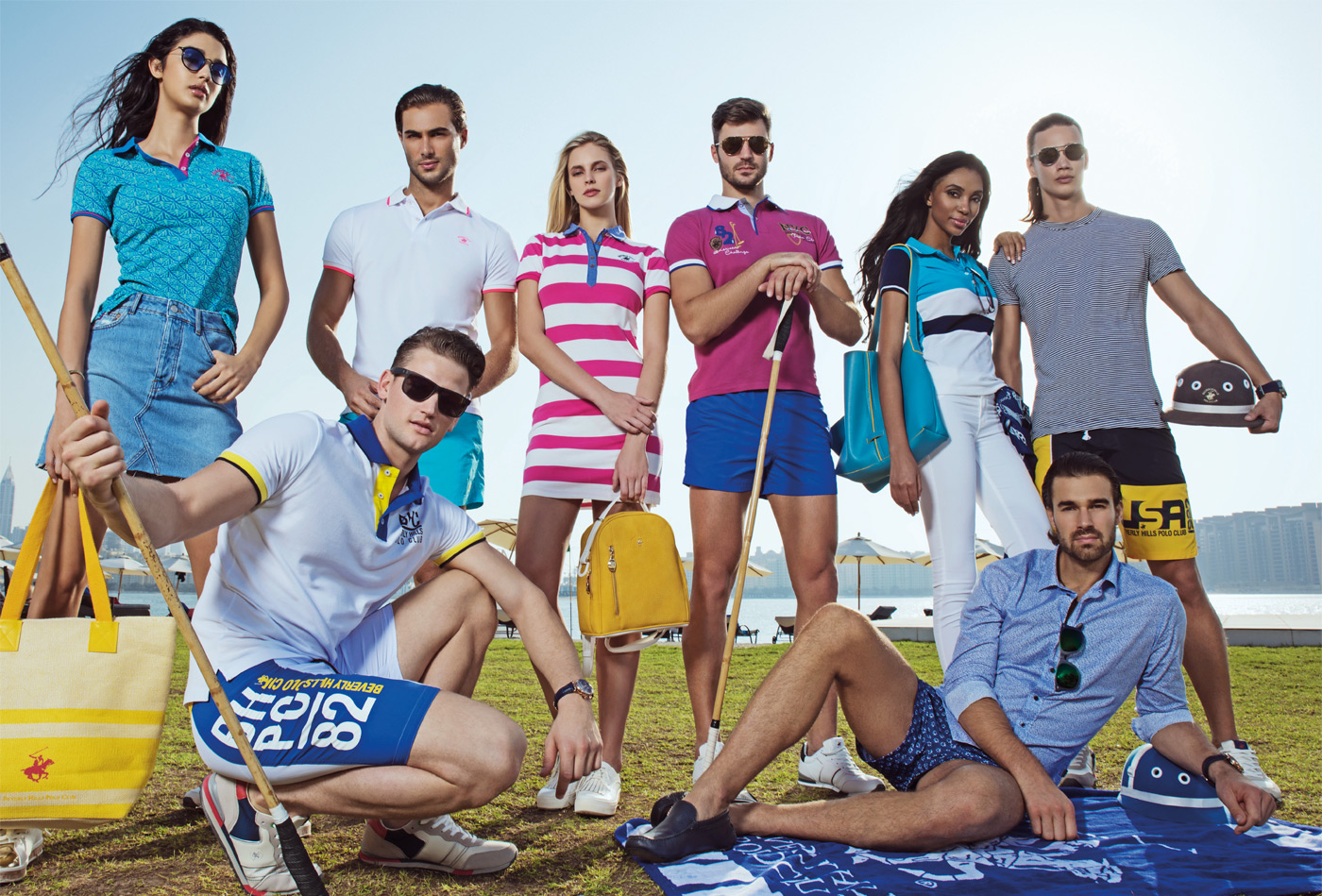
    The United States Polo Association, via its licensing arm and broadcaster — USPA Global Licensing — announced that U.S. Polo Assn. will return as the official apparel sponsor of the 2018 China Open Polo Tournament.

    Partnering with Chinese licensing partner, Yicai Brands Management, the West Palm Beach, Florida-based U.S. Polo Assn. will provide official jerseys for players and uniforms for staff of the event.

    The tournament will take place on Sunday, September 30, at the Tang Polo Club in Beijing and is recognised as one of the largest and most watched international polo tournaments in China. This year, four international polo teams will participate including Brunei, England, Malaysia and China.

    “We are excited to be the official apparel sponsor for the prestigious China Open Polo Tournament,” said USPAGL President and CEO, J. Michael Prince.

    “This will be another opportunity to build global brand awareness while also engaging consumers and sports fans in the sport and lifestyle of polo in one of the most important markets in the world.”

    With a global footprint worth $1.6 billion in retail sales and a presence across 166 countries, China has become the American brand’s premier market for growth, as it eyes a $2 billion dollar global sales target.

    In the next five years, U.S. Polo Assn. plans to have over 300 retail stores in China, representing one of the largest retail footprints for an international apparel brand in the Chinese marketplace. Earlier this year, the company also relocated its Chinese operations to the city of Changshu (nicknamed “Apparel City”) at the Changshu Brand Operations Centre, which specialises in product design, research & development, marketing, social media and e-commerce.

    “With our amazing partner, Yicai, U.S. Polo Assn. is building a significant brand presence in China while also driving tremendous long-term growth,” added Prince.

    The Chinese agreement comes after the brand announced expansion plans for the UK and Ireland, as part of a new strategy under new creative director Craig Prest. Earlier this year, the brand also inked a sponsorship deal to dress the U.S. national team at the 2018 Westchester Cup in the UK.

  • Nike’s China sales booms in latest report

    Nike’s China sales booms in latest report

    Booming sales by Nike China helped the sportswear giant record a 10 per cent rise in global revenues in the first quarter.

    Footwear sales in greater China soared 26 per cent, apparel sales by 23 per cent and equipment sales by 8 per cent. Combined sales growth for the region was 24 per cent, from US$1.11 billion last year to $1.38 billion this year.

    Nike China profit rose 27 per cent to $502 million, while combined Asia Pacific and Latin America sales rose 7 per cent to $1.27 billion.

    “Nike’s consumer direct offense [program], combined with our deep line up of innovation, is driving strong momentum and balanced growth across our entire business,” said Mark Parker, chairman, president and CEO at Nike.

    “Our expanded digital capabilities are accelerating our complete portfolio and creating value across all dimensions as we connect with and serve consumers.”

    Revenues for the company’s Converse division rose 7 per cent to $527 million, mainly driven by growth in Europe and Asia.

    Net income increased 15 per cent to $1.1 billion driven primarily by strong revenue growth and improved gross margin.

  • Activewear retailer Lorna Jane expands in China

    Activewear retailer Lorna Jane expands in China

    Australian activewear retailer Lorna Jane is expanding into greater China as more than 10 potential investors are seeking a majority shareholding.

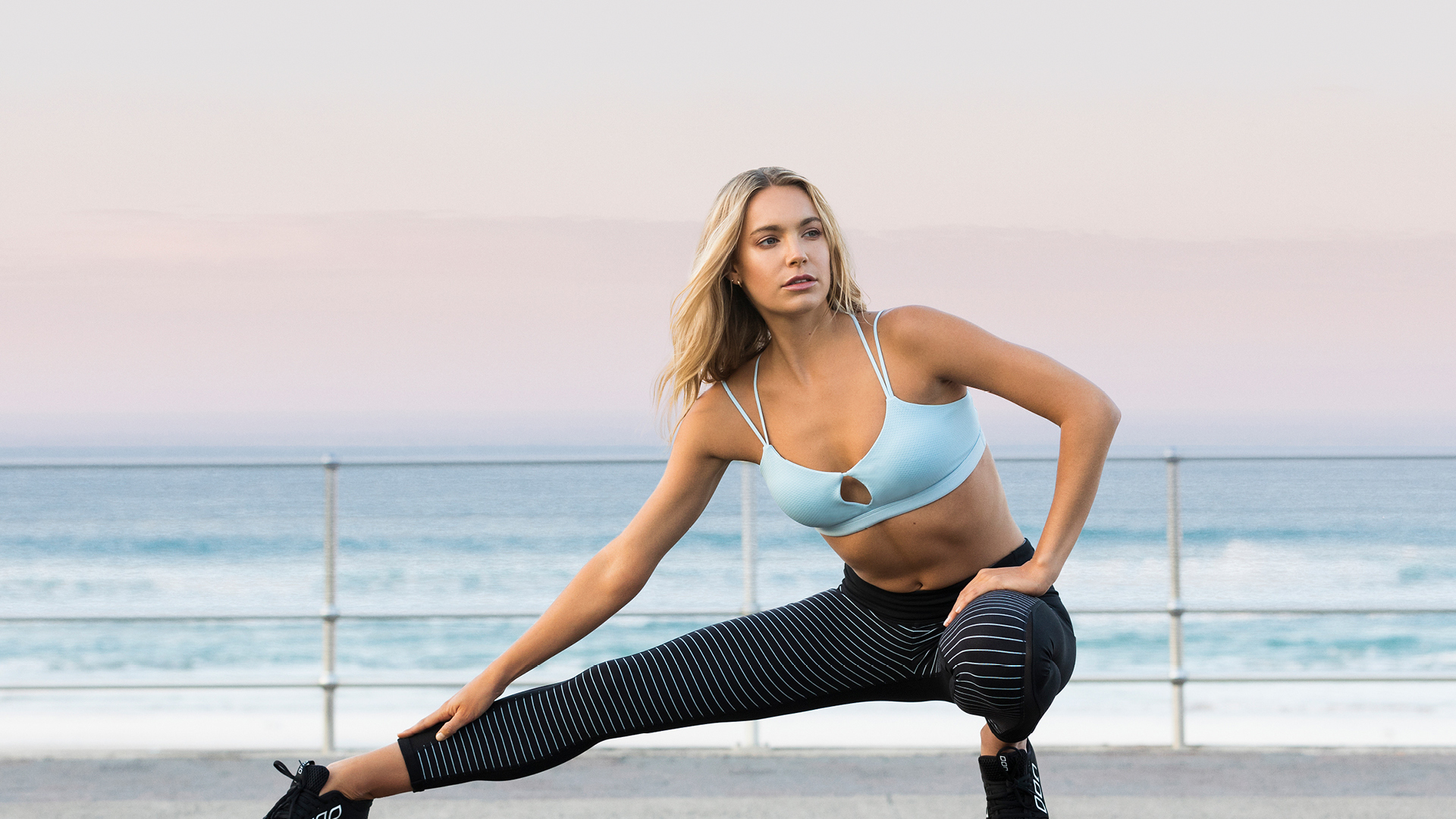
    Around 30 per cent of Lorna Jane’s more than $200 million in annual revenues comes from its online platforms in China. Its sports bra product is the top seller in its category there. It currently has 2.5 million followers on social media.

    The business is currently assessing its options, while announcing last month the hire of KPMG to review the company’s strategies. KPMG has commented that the business is “performing extremely well”.

    The company is facing competition from gym-wear retailers such as Gymshark and the increasing shift in society of people wearing sportswear as streetwear. Co-owner Lorna Clarkson says activewear has now become ready-to-wear. “There’s now a blurred line between fashion and sports apparel.”

    CEO Bill Clarkson said that most likely within the next 12 months “our aim is to eventually open stores in China and Hong Kong,” depending on who the firm’s partner ends up being. It is currently in the process of reducing its physical store network in Australia due to high rental costs.

  • SK-II opens ‘shop of the future’ in Shanghai

    SK-II opens ‘shop of the future’ in Shanghai

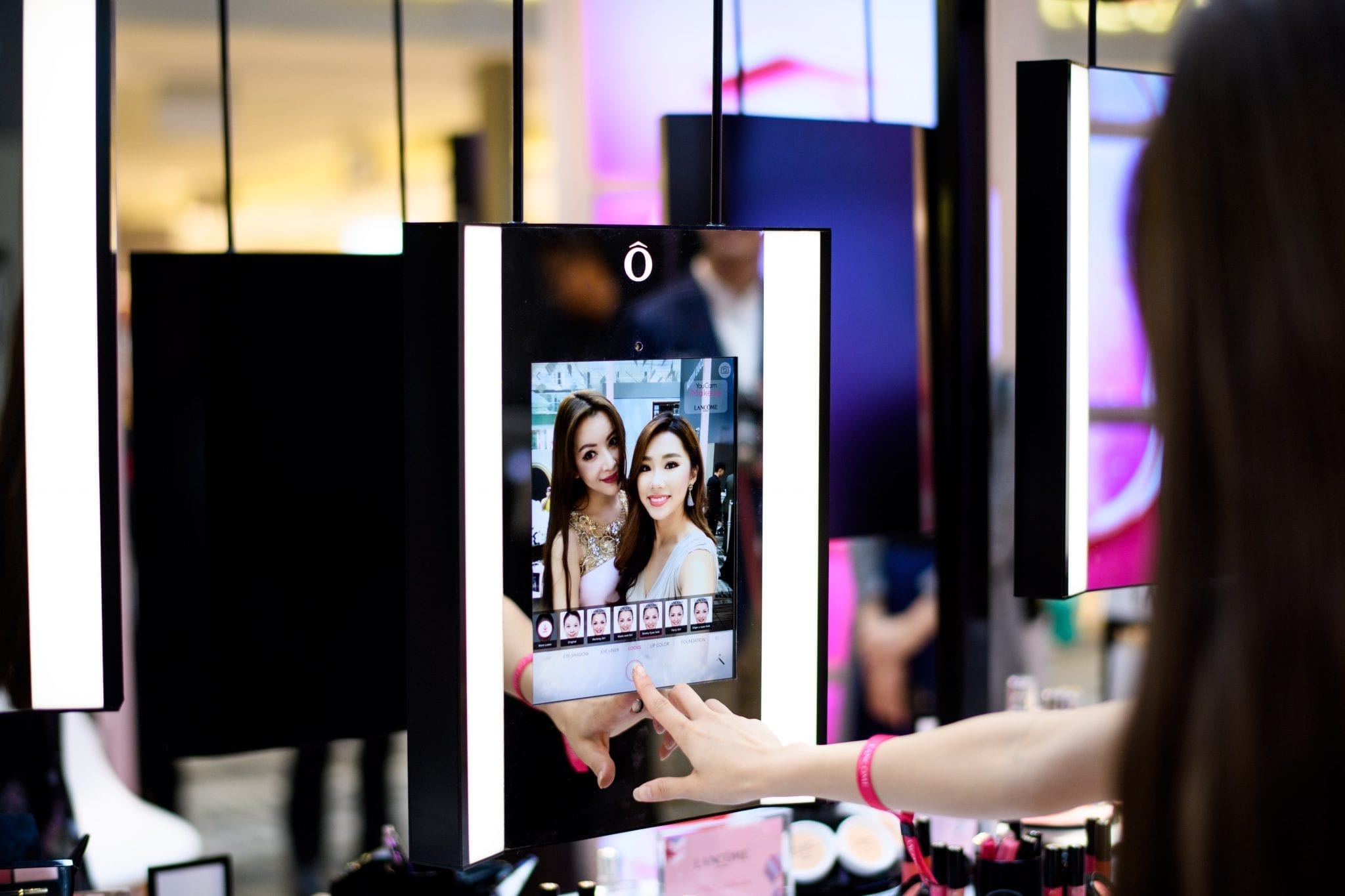
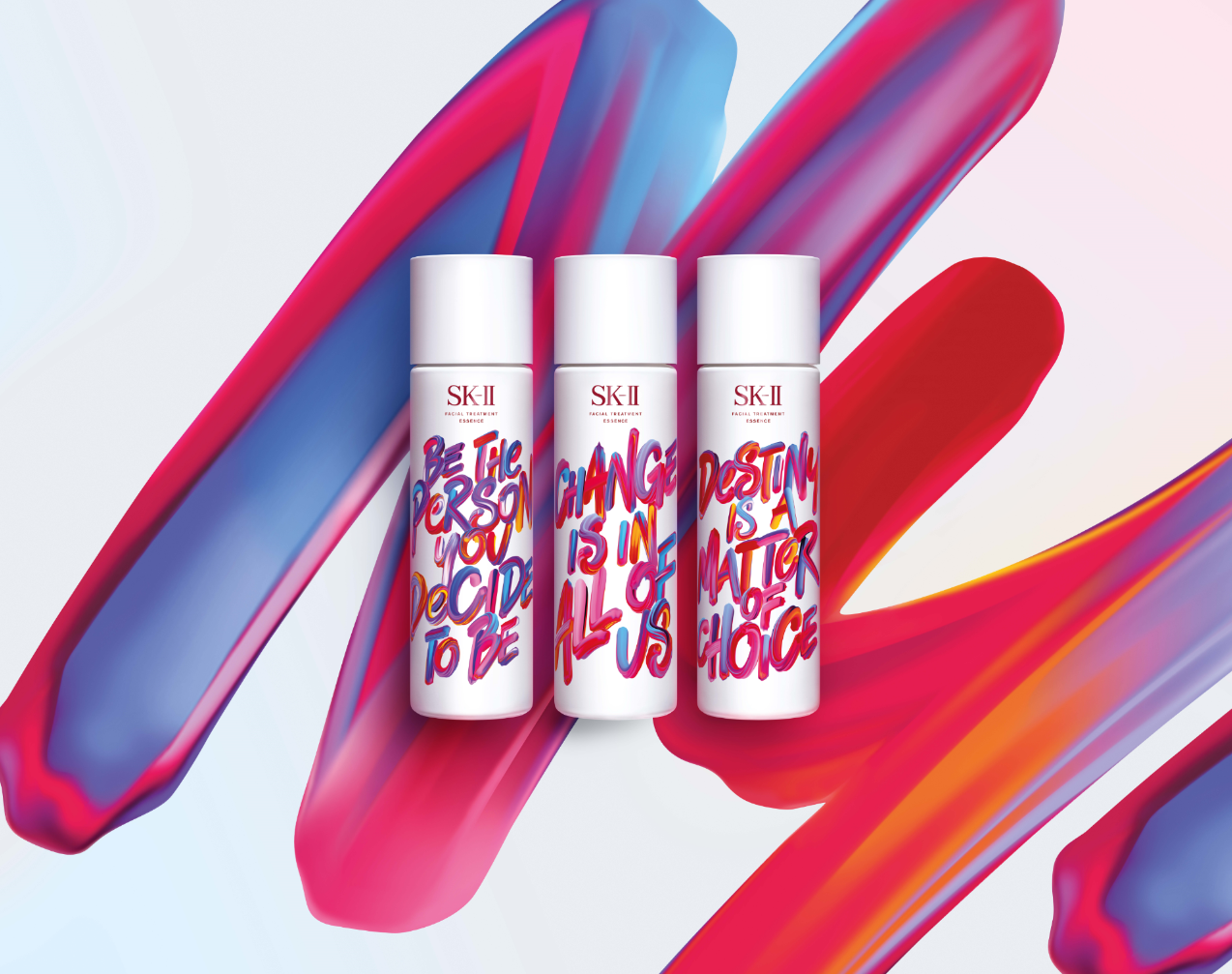
    An SK-II smart store has opened in Shanghai, an enhanced version of the global beauty brand’s technology-packed showcase which opened in Tokyo in May.

    The SK-II Future X Smart Store features facial recognition, computer vision, and AI technology augmented by the brand’s proprietary skin science and diagnostics. The store employs an algorithm that supports self-service shopping to provide consumers with a personalised and immersive experience.

    The experience begins with a large-scale digital wall that reads visitor’s facial expressions as well as head, eye and mouth movements. Each expression correlates to a different colour scheme, while eye blinks trigger energy lines to pass across the screen.

    Visitors can also explore the “Miracle Water” Lab, which offers an immersive experience of how SK-II Facial Treatment Essence works on the skin. They can also use a proprietary skin scan that performs its analysis while customers sit in a booth. An interactive skincare wall will then display a comprehensive analysis of each user’s skin condition, together with a set of tailored recommendations based on the results.

    Using a special bracelet designed in cooperation with e-commerce channel One Jingdong, consumers can purchase the products they need by just waving their wrists on a scanner, without the need for a mobile application on-site.

    The Shanghai store will also see the debut of the Facial Treatment Essence Smart Bottle, a new packaging feature that interacts with a companion app to enhance consumers’ skincare regimen at home.

    CEO Sandeep Seth said the role of retail in driving how consumers experience products in today’s post-digital world is vastly different than when the company started, especially in the rapidly evolving Chinese beauty market.

    “In shifting our focus to bring innovation to consumers around the shopping experience versus product technology, SK-II is leading the way to create a new model for how we build and evolve our relationship with our consumers in China and globally.”

  • Alibaba invests in China’s YCloset

    Alibaba invests in China’s YCloset

    Chinese e-commerce giant Alibaba Group has invested for a second time in fashion rental platform YCloset, injecting an undisclosed sum.

    The Beijing-based YCloset is set to use to funds plans to expand its current team, upgrade the recommended algorithm system and continue to build its warehouse and cleaning operation centre.

    The start-up will also cooperate with Alibaba’s used goods platform and social media outlet Xian Yu.

    This is the second time Alibaba has closed on an investment round in YCloset. The first, back in September 2017, saw Alibaba join fellow investors SB China Capital and Sequoia Capital to complete a $50 million series C round in the start-up.

    Founded in 2015, YCloset charges users a monthly subscription fees (RMB499 or US$72.3) to rent clothes and accessories, and stocks hundreds of fashion and luxury brands such as Kenzo, Acne Studios and Self-Portrait.

    It claims to have more than 15 million registered users across 40 cities in China including Beijing, Shanghai, Guangzhou and Shenzhen.

    The news follows Alibaba’s ceding control of its Russian business to form a new venture with a state fund and two technology firms, and news that chairman Jack Ma plans retire in September 2019.

    Alibaba’s revenue rose 61% to 80.9 billion yuan ($11.77 billion) in the April-June period.