Tag: China

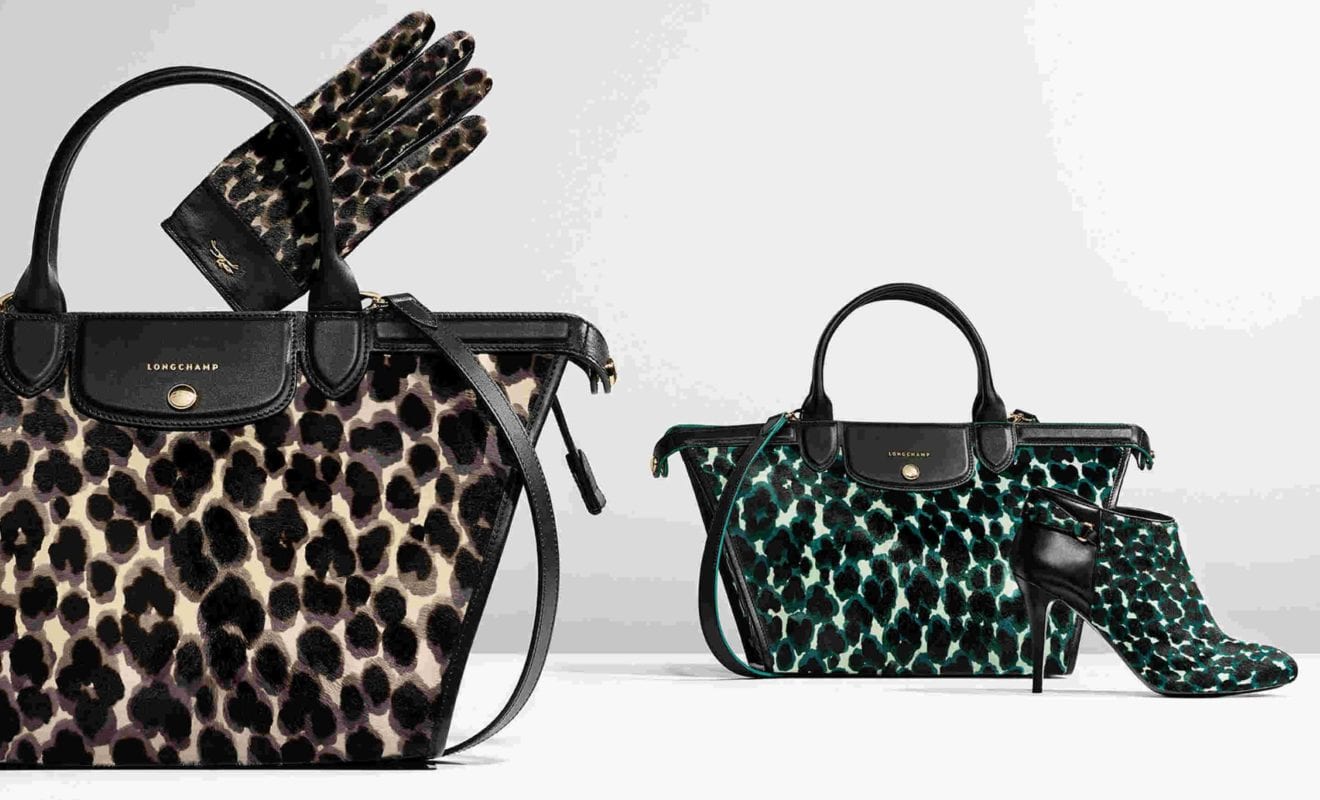
  • Longchamp to invest in China

    Longchamp to invest in China

    French handbag label Longchamp sees the China and US markets as key in boosting its global sales.

    Facing sluggish traditional European markets, the company is looking to celebrity endorsements and online opportunities to drive growth, according to CEO Jean Cassegrain.

    “We’re entering a different phase of growth, it’s no longer about store openings but about improving the performance of our current network,” Cassegrain said in an interview.

    China is already Longchamp’s second biggest market, behind France, where turnover took a hit as tourist numbers dived in the wake of terror attacks on Paris in 2015.

    However Cassegrain said in the interview he expected the privately owned company would outperform the wider luxury industry by next year.

    While the firm does not traditionally reveal sales or profit data, it did report sales of US$658.11 million in 2015 and independent analysts estimate turnover remains close to that.

    Longchamp China currently sells products through Tencent’s WeChat social media platform with the brand planning its own direct e-commerce platform soon.

    In the US it plans to open several more stores within the next 12 months, but beyond that believes its global retail footprint is relatively mature.

  • House of Garrard debuts in Beijing

    House of Garrard debuts in Beijing

    British jeweller House of Garrard is set to launch in Beijing.

    The new 100sqm outlet opens this month in a prestigious location in centrally positioned landmark Emperor Group Centre skyscraper on Chang’An Street. It is the brand’s second boutique in China, featuring three private VIP rooms where prospective buyers can examine items away from prying eyes.

    Garrard’s creative director Sara Prentice said: “It’s been a pleasure creating jewels for customers in China since we opened our Shanghai flagship last year. Now with a presence in Beijing, we’re in an even better position to explore how our heritage and craftsmanship can come to life for the sophisticated women who want to wear our designs.”

    The heritage brand has been manufacturing bespoke jewellery since 1735. It was famously commissioned to design Princess Diana’s sapphire cluster engagement ring.

    A rare 118.88 carat sapphire will be on show at the store’s launch event.

  • Spring REIT Buys Guangdong Mall from Huamao Property

    Spring REIT Buys Guangdong Mall from Huamao Property

    Hong Kong-listed Spring REIT has agreed to buy the Huamao Place shopping centre, located in Huizhou, Guangdong Province.

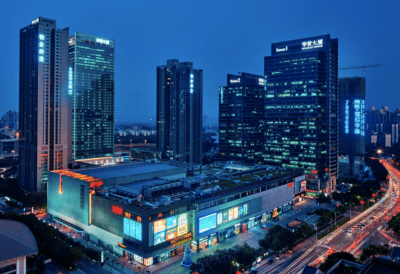
    Spring will pay RMB1.65 billion (US$241 million) for the mall, a seven-storey property, part of the larger integrated development by Beijing Guohua Real Estate, known as Huizhou Central Place (pictured), which also includes three Grade-A office towers, three residential buildings and a serviced apartment complex.

    Located in the Huizhou CBD, the mall is surrounded by major roads, the Huizhou People’s Government complex and other public facilities and attractions, such as the Huizhou Convention & Exhibition Centre, the Huizhou Stadium, the Huizhou Museum and the Huizhou Science & Technology Museum. It is accessible by expressways and intercity railway to the rest of the Greater Bay Area.

    Current tenants include international and local fashion retailers, jewellers, chain restaurants, personal care and cosmetic shops, a supermarket and a cinema.

  • JD to expand 7Fresh grocery chain across China mainland

    JD to expand 7Fresh grocery chain across China mainland

    JD is expanding its 7Fresh grocery store chain across Mainland China.

    The e-commerce and tech company has signed agreements with 16 real estate companies including China Poly Group, Joy City, Vanke, Yuexiu Property and Greenland Holdings to expand the supermarket chain, which was launched earlier this year.

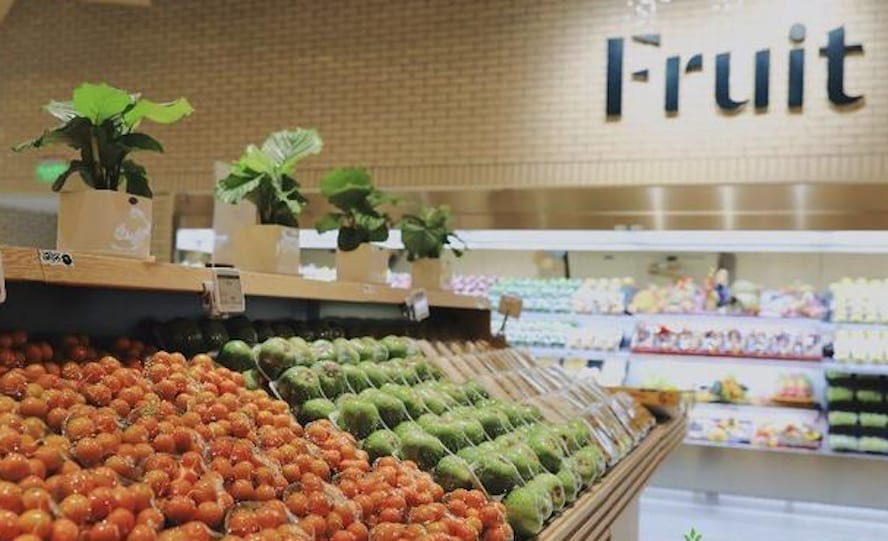
    Consumers in Shanghai, Guangzhou, Shenzhen and Chengdu will be next in line to experience the e-commerce platform’s premium offline stores focused on fresh food. Fresh produce makes up more than 70 per cent of the brand’s offerings.

    Twenty per cent of 7Fresh products are directly sourced from vetted overseas suppliers in response to Chinese shoppers’ increasing focus on food safety and sourcing. All leafy green produce is restocked within 24 hours, and selected produce can be cooked on site.

    CEO of 7Fresh Xiaosong Wang said 7Fresh redefines the offline retail experience by combining the best parts of fresh grocery markets and top-quality restaurants with cutting edge e-commerce technology.

    “With the expansion of 7Fresh into more cities across China, we are bringing ‘Boundaryless Retail’ to even more shoppers for an incredibly convenient and enjoyable way to buy fresher, safer and more reliable products.”

    JD’s own advanced technologies are central to the rollout of the 7Fresh brand. Through the building of customer profiles, JD can determine optimum store locations and layouts. Data analysis also helps improve inventory management by selecting the most appropriate amounts and types of SKUs from JD’s vast selection of goods, according to each store’s unique needs. Meanwhile, ‘Magic Mirrors’ automatically provide product information on a screen when they sense that customers have picked up fresh produce.

    JD’s logistics capabilities enable 30-minute delivery from the stores for online shoppers.

    Korean office

    Meanwhile JD is expanding its international footprint with a new office in the centre of Seoul’s CBD. The office will help JD with outreach to South Korean brands that are highly sought-after in China. It will significantly increase the company’s procurement power in the region, reducing the threshold for Korean brands to enter the Chinese market and tapping JD’s more than 300 million customers.

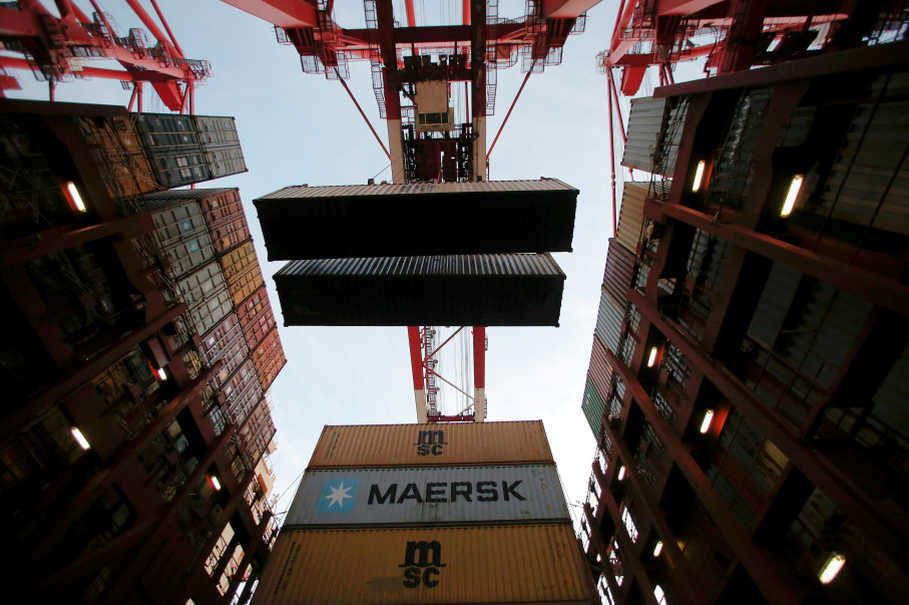
  • China might avoid Trump tariffs by exporting via Vietnam

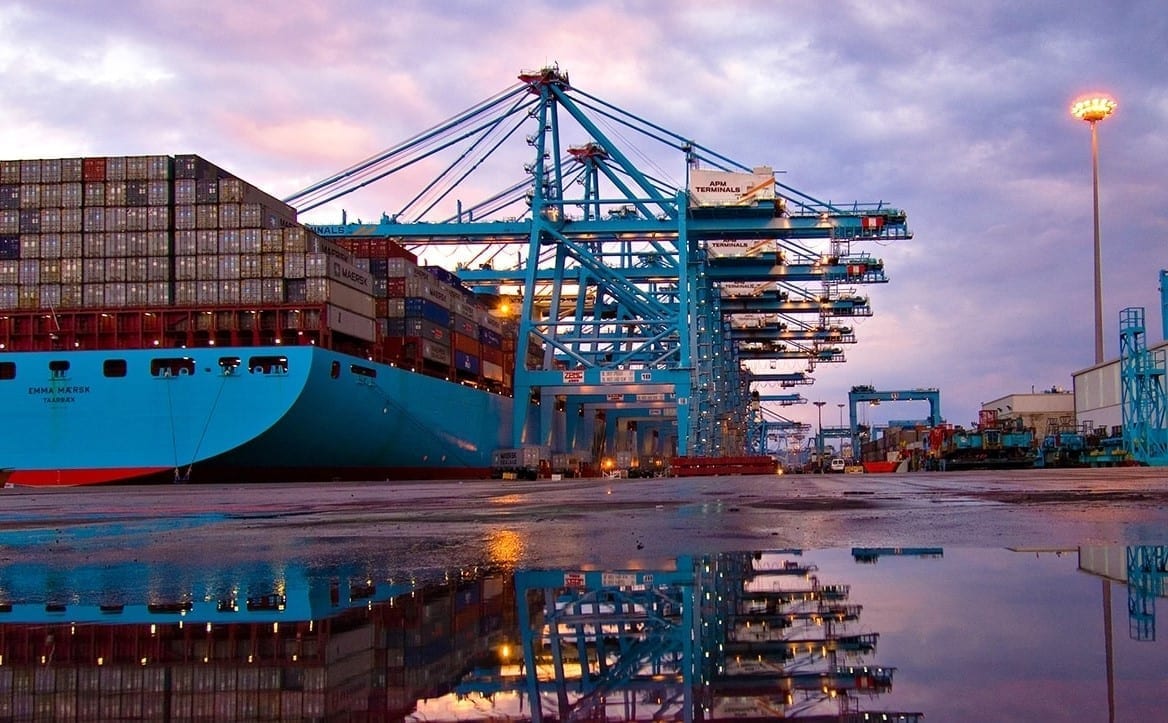
    China might avoid Trump tariffs by exporting via Vietnam

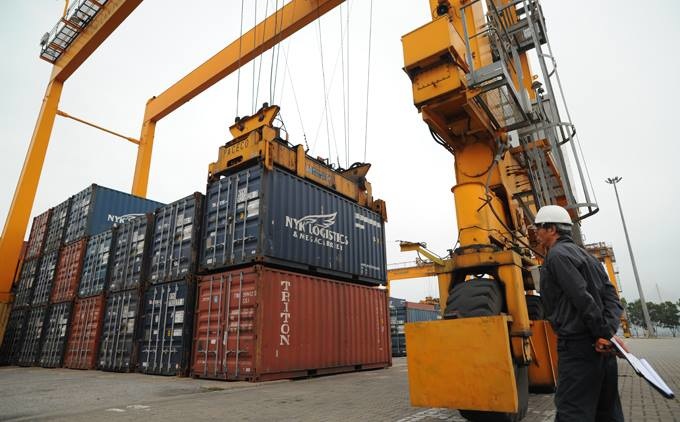
    Vietnam could suffer collateral damage if Chinese businesses use made-in-Vietnam labels to avoid U.S. tariffs, experts warn.

    Economist Vu Dinh Anh said it is “highly possible” that Chinese businesses would seek to export their goods through Vietnam to the U.S. amid the trade war between the world’s two largest economies.

    One way they can do this is exporting their products to Vietnam and asking a Vietnamese business to label them as “made in Vietnam,” he said.

    They can also set up factories in Vietnam and manufacture products with materials imported from China, he added.

    “This will result in bad consequences for Vietnam as the U.S. might impose the same tariffs on Vietnam as it did on China.”

    Vietnam’s textile and footwear industry insiders expressed the same concern.

    Pham Xuan Hong, chairman of the HCMC Association of Garment, Textile, Embroidery and Knitting, said it is possible Chinese garment products would be labeled as made in Vietnam and exported to the U.S.

    “We propose that the government control this situation by tracing products’ origin and severely penalizing violations. Otherwise the whole industry will have to suffer consequences,” he said.

    Diep Thanh Kiet, vice chairman of the Vietnam Leather, Footwear and Handbag Association (LEFASO), said there is a “very high” possibility that Chinese bags would be exported to the U.S. through Vietnam.

    If Chinese bag makers want to export to the U.S., they can set up a factory in Vietnam to facilitate the exports, and this can be easily done with a budget of just $200,000, he said.

    If this cannot be controlled, there could be grave consequences for Vietnamese textile firms since “the U.S. might apply the same tariffs as they have done on China,” he warned.

    This has happened before with steel. In May this year the U.S. slapped anti-dumping duties of 199.76 percent and countervailing duties of 256.44 percent on imports of cold-rolled steel produced in Vietnam using Chinese-origin substrate.

    Anh said Vietnam should not repeat this mistake twice since there is a possibility that the U.S. would conduct investigations if it has any suspicion about product origin.

    A chance to thrive

    But there are opportunities for Vietnamese consumer goods exports amid the trade war.

    About 27 percent of Chinese goods set to be affected by the new tariffs are consumer goods, and Vietnam exports many similar items to the U.S., said Can Van Luc, chief economist with the Bank of Investment and Development of Vietnam (BIDV).

    “The escalating trade war will create opportunities for Vietnamese exporters of consumer goods to expand their market share in the U.S.,” Luc said.

    A recent report by Bao Viet Securities (BVSC) said footwear and textile products have a “great opportunity” to grab U.S. market share from China.

    Since the Chinese yuan has weakened against the U.S. dollar and dong, Vietnamese businesses would be able to import garment, leather and other materials cheaper, and this would result in more competitive prices in the U.S., the report said.

    Other products to benefit from the trade war are wooden furniture, electronics, sports equipment, and toys, BVSC said.

    Viet Capital Securities (VCSC) pointed out in a report, “Vietnam will benefit from the trade war if U.S. businesses look for an alternative supply chain and Americans start buying Vietnamese goods.”

    It added that foreign direct investment might shift to Vietnam from China to avoid U.S. tariffs.

    The U.S. administration said it would begin to levy new tariffs of 10 percent on about $200 billion worth of Chinese products on September 24, with the tariffs to go up to 25 percent by the end of this year.

    China retaliated immediately with 5 and 10 percent tariffs on $60 billion worth of U.S. products.

    The U.S. has been Vietnam’s largest trading partner this year, with $30.2 billion in turnover in the first eight months, according to the Ministry of Planning and Investment.

  • Watsons Elite Membership Programme Launched

    Watsons Elite Membership Programme Launched

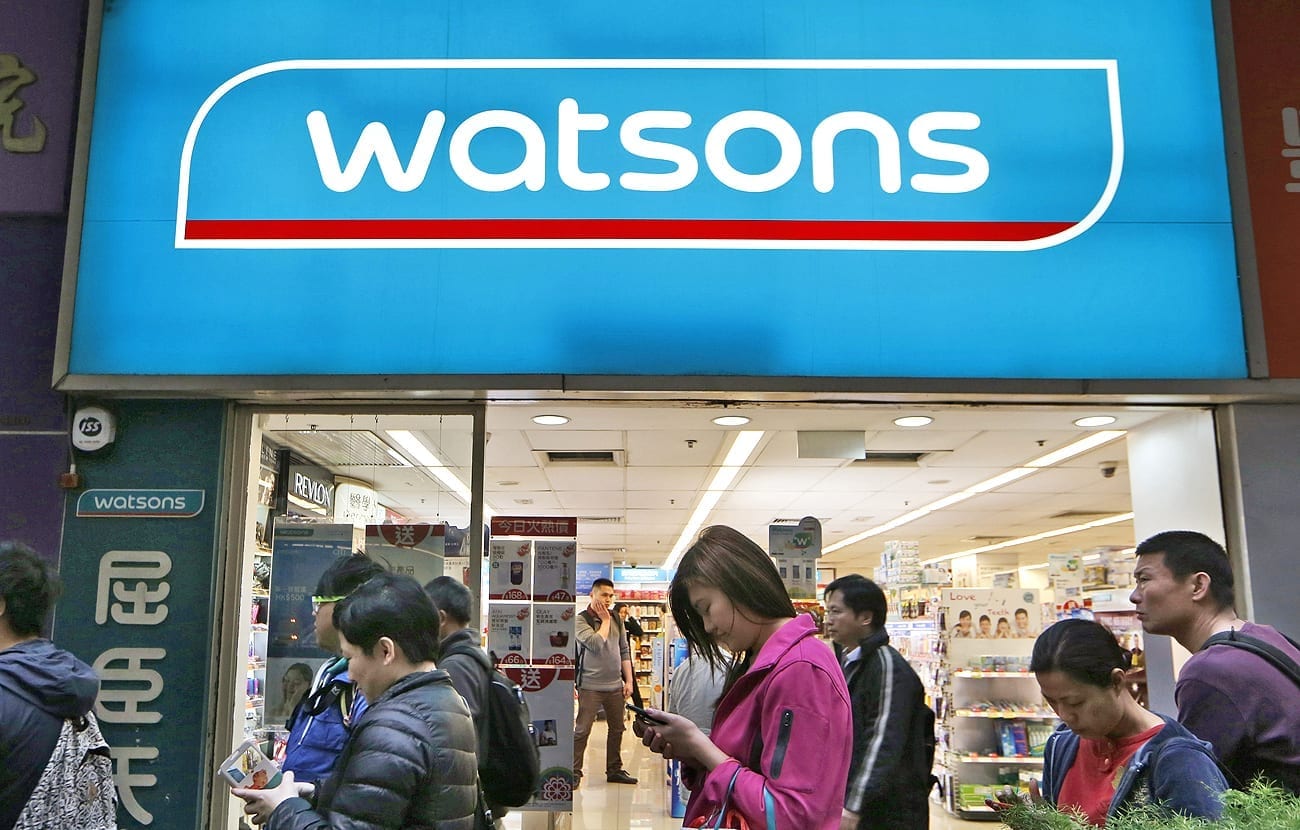
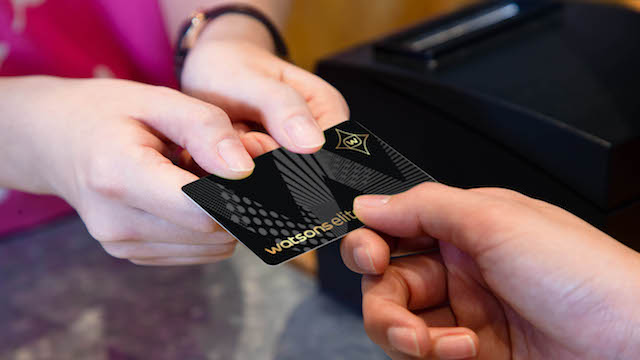
    International health and beauty retailer AS Watson has initiated a global VIP loyalty program.

    The group has announced the program to enhance its connectivity with customers, planning to extend it to all of its 130 million loyalty members in 24 markets by early next year. It is an additional and invitation-only tier of membership which aims to reward and retain top customers.

    Malina Ngai, group COO of AS Watson Group, said: “We appreciate our customers, no matter how much they spend in our stores, and we know they love to feel valued. Our existing loyalty programs reward everyone with great offers, but our VIP programs thank our most loyal customers for shopping with us with amazing benefits and even more tailored rewards.”

    AS Watson first invested in CRM programmes back in 2010. Data insights and analysis of the programs have since revealed that around two thirds of the brand’s customers who qualify as “VIP members” continue their membership in the following year. These VIP members spend up to eight times more than average members annually. This year, the newly-qualified VIP members’ spending saw a year-on-year double-digit increase.

    Many of the new advantages are personalised to the individual or otherwise considered valuable to the lifestyle of the local customer – for example, free health and wellbeing classes in Watsons China, and cooking classes for Watsons Malaysia VIP members.

    This year, AS Watson has also launched its DataLab initiative to examine its average of 4300 terabytes of customer data every three years, extracting customer insights to provide more personalised, exclusive offers.

    Ngai added: “With cutting-edge data technology, we are turning transactions to interaction and that is how we are staying connected with our customers.”

  • Asian firms shuffle production around the region as US tariffs hit China

    Asian firms shuffle production around the region as US tariffs hit China

    A growing number of Asian manufacturers of products ranging from memory chips to machines tools are moving to shift production from China to other factories in the region in the wake of US President Donald Trump’s tariffs on Chinese imports.

    Companies including SK Hynix of South Korea and Mitsubishi Electric, Toshiba Machine Co and Komatsu of Japan began plotting production moves since July, when the first tariffs hit, and the shifts are now under way, company representatives and others with knowledge of the plans said.

    Others, such as Taiwanese computer-maker Compal Electronics and South Korea’s LG Electronics, are making contingency plans in case the trade war continues or deepens.

    The company representatives and other sources spoke on condition of anonymity because of the sensitivity of the issue.

    The quick reactions to the US tariffs are possible because many large manufacturers have facilities in multiple countries and can move at least small amounts of production without building new factories. Some governments, notably in Taiwan and Thailand, are actively encouraging companies to move work from China.

    The United States imposed 25% duties covering US$50 billion (RM206.5 billion) of Chinese-made goods in July, and a second round of 10% tariffs covering another US$200 billion of Chinese exports will come into effect this week. The latter rate will jump to 25% at the end of the year, and Trump has threatened a third round of tariffs on US$267 billion of goods, which would bring all of China’s exports to the United States into the tariff regime.

    The tariffs threaten China’s status as a low-cost production base that, along with the appeal of the fast-growing China market, drew many companies to build factories and supply chains in the country over the past several decades.

    At SK Hynix, which makes computer memory chips, work is under way to move production of certain chip modules back to South Korea from China. Like its US rival Micron Technology, which is also moving some memory-chip work from China to other Asian locations, SK Hynix does some of its packaging and testing of chips in China, with the chips themselves mostly made elsewhere.

    “There are a few DRAM module products made in China that are exported to the United States,” said a source with direct knowledge of the situation, referring to widely used dynamic random-access memory chips. “SK Hynix is planning on bringing those DRAM module products to South Korea to avoid the tariff hit.”

    Most of SK Hynix’s production won’t be affected, the source added, since China’s dominance in computer and smartphone manufacturing makes it by far the largest market for DRAM chips.

    Toshiba Machine Co says it plans to shift production of US-bound plastic moulding machines from China to Japan or Thailand in October.

    The machines are used for making plastic components such as automotive bumpers. “We’ve decided to shift part of our production from China because the impact of the tariffs is significant,” a spokesman said.

    Mitsubishi Electric, meanwhile, says it is in the process of shifting production of US-bound machine tools used for metal processing from its manufacturing base in Dalian, in northeastern China, to a Japanese plant in Nagoya.

    In Taiwan, an executive at notebook PC maker Compal, who declined to be named, said the trade war’s impact had been limited so far, but the company was studying its options.

    “We can also use facilities in Vietnam, Mexico and Brazil as alternatives,” the person said. “It won’t be easy because our majority production is in China; no other country can replace that at this moment.”

    Smaller companies are exploring their options too. South Korean medical equipment manufacturer IM Healthcare, which makes products including air purifiers, is studying a move to Vietnam or South Korea if the trade conflict intensifies, a source with direct knowledge of the matter said.

    Some Asian governments hope for an economic and strategic boost from the US-China conflict. In Taiwan, the government is actively encouraging companies to move production out of China, pledging last month to speed up its existing “Southbound Policy” to reduce economic reliance on China by encouraging companies to move supply chains to Southeast Asia.

    Taiwan economics ministry official William Liu said that the trade war was “a challenge and an opportunity” for the self-ruled island. Taiwan depends on China as an export market, he noted, but at the same time could see a boost in jobs from companies moving operations back home.

    Thailand also hopes to benefit from the “flow of technology and investment leaving China during the trade war”, said Kanit Sangsubhan, secretary-general of the Eastern Economic Corridor (EEC) Office of Thailand, which is coordinating a US$45 billion project to attract investment into the country. The EEC last month took some 800 representatives of Chinese companies on a tour around the eastern industrial heartland, and the country’s Board of Investment has done seven roadshows in China this year to woo investors.
  • Citychamp eats up luxury watch brand

    Citychamp eats up luxury watch brand

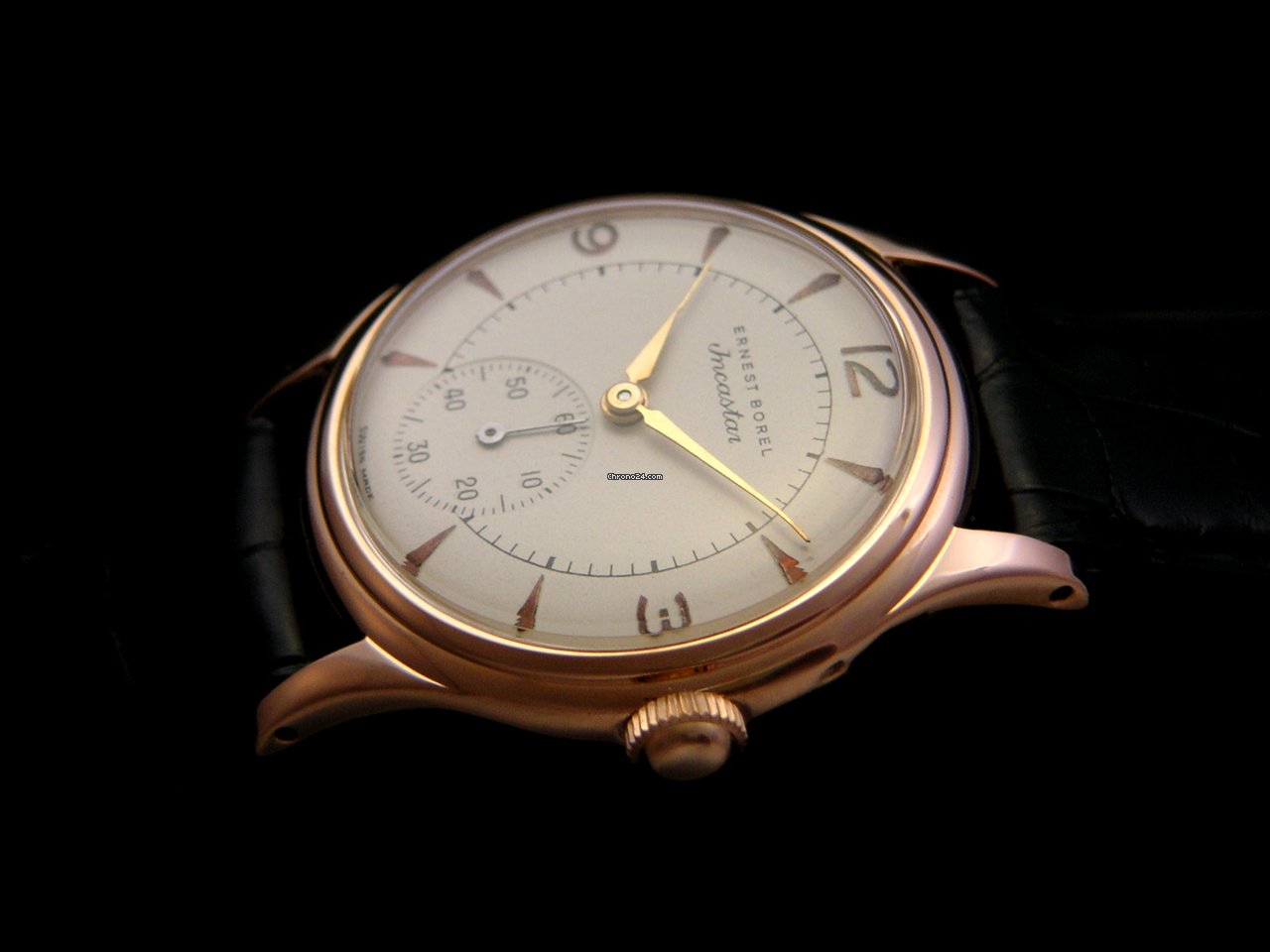
    Listed Hong Kong watch & jewellery group Citychamp has bought a majority stake in Ernest Borel Holdings.

    The transaction, which saw Citychamp taking a 58.22 per cent shareholding in the heritage Swiss watch manufacturing brand, was completed on Tuesday.

    Ernest Borel, an award-winning brand even in its early days of business in the mid to late 19th century, is noted for its traditional focus on export markets outside Europe. It was first purchased by a group of investors from China in 1997.

    Citychamp currently distributes more than 25 international brands within major cities in Mainland China. Its brands include Rossini, Corum, Eterna, Rotary, Ebohr, J&T Windmills, Kana and Dreyfuss & Co.

    The news comes just a day after international fashion brand Chanel acquired a 20 per cent stake in the parent company of luxury Swiss watch brand F P Journe.

  • Forex storm hurt Bossini further

    Forex storm hurt Bossini further

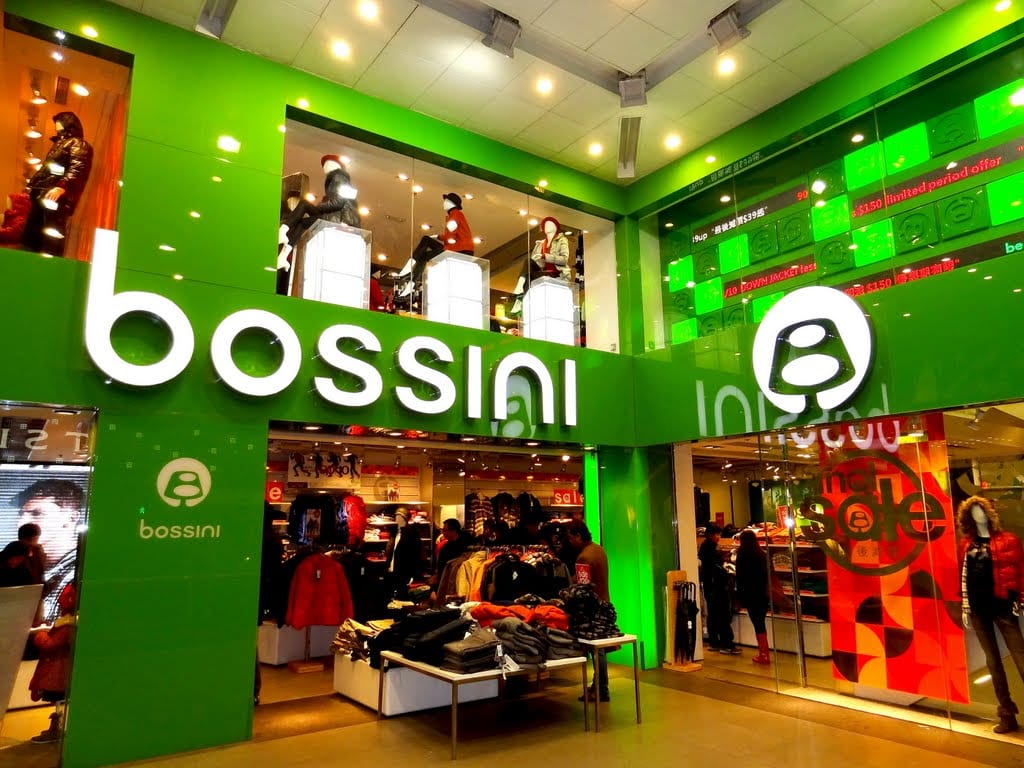
    Foreign exchange losses hobbled the recovery of Hong Kong-headquartered fast-fashion label Bossini.

    In full-year results just released, Bossini reported a 3 per cent decline in total revenue to HK$1.958 billion (US$249.6 million), largely due to a decrease in sales from the export franchising business. However gross margin rose rose two percentage points to 53 per cent.

    While same-store profit rose by 1 per cent, the company reported a loss attributable to shareholders of $29 million, compared with a profit of $5 million last year.

    Mainland China and Taiwan were standout same-store sales performers, recording 6 per cent and 3 per cent growth for the year respectively. Bossini’s export franchising business added three new markets during the year: Laos, the Czech Republic and Rwanda, taking its footprint to 25 countries.

    In a stock exchange filing, Bossini said its operating profits from its retail businesses in Hong Kong, Macau, Mainland China, Taiwan and Singapore all improved. Hong Kong and Macau account for about 50 per cent of the brand’s sales.

    “Nevertheless, the group’s profit attributable to owners posted a decline mainly due to the foreign exchange fluctuation arising from Renminbi,” wrote chairman Man Kuen Bess Tsin.

    “The decrease in the profit derived from the export franchising business, as a result of the continuously weak and competitive apparel retailing environment, was another reason for the drop.”

    Same-store sales by market

    Same-store sales in Hong Kong and Macau slipped 2 per cent and in Singapore by 5 per cent – well below the respective falls of 9 per cent and 11 per cent the previous year.

    Same-store sales in Mainland China and Taiwan grew by 6 per cent and 3 per cent, a turnaround from drops of 5 per cent and 7 per cent last year.

    Company-wide same-store sales fell 1 per cent compared with an 8 per cent drop last year.

    As at June 30, Bossini had 938 stores internationally, 284 directly managed and 654 franchised. Its Hong Kong and Macau network held steady at 40.

    During the year, it opened one new store in Taiwan, taking its network there to 64, and it closed two in Singapore, for a net 16.

  • US-China trade war boon for Malaysian exporters

    US-China trade war boon for Malaysian exporters

    As US is imposing new tariffs on US$200 billion (RM828 billion) worth of Chinese goods, local exporters are expected to see some increase in orders from the affected players in the two big economies over the next few months.

    It is understood that the US tariffs will take effect on almost 6,000 goods from Sept 24, starting at 10% and increasing to 25% from the start of 2019. Items taxed include everyday items such as suitcases, handbags, toilet paper and wool; and food items from frozen cuts of meat, to almost all types of fish, soybeans, various types of fruit and cereal and rice.

    Sunway Business School Economics Professor Dr Yeah Kim Leng said that he believes the affected firms in both respected countries will be looking at sourcing for other countries and relocate part of their production plants to other countries including Malaysia.

    “Of course they will be exploring and we (Malaysia) already seeing some inquiries. Based on their feedbacks, they are seeking on how they can divert some of their orders to Malaysian companies.

    “Now that the lists of goods are much more wider, they (local firms) are likely to see greater inquiries and look into securing some of the production contracts,” Yeah said, as affected companies are looking to reduce their costs due to the additional tariffs.

    He opined that while the 10% tax is less damaging, the 25% tax will add to the cost pressures for both consumers and businesses in the respective industries.

    Yeah however believes that the slowdown in global growth may deter the affected players from expanding their capacities or relocating their plants to other countries, and instead have them look at existing companies to supply their orders for those affected goods.

    “In the short term, Malaysia may also not be able to capitalise on that given our full capacity constraints.

    “There might be a capacity constraint for Malaysian companies to ramp up production but those with spare capacities will stand to benefit to complete some of the orders,” he added.

    Meanwhile, FXTM global head of currency strategy & market research Jameel Ahmad said that the US’ new tariffs has encouraged further risk aversion across the markets as expected.

    Jameel opined that this move will make investors more sensitive to the ongoing uncertain external environment and expects those currencies belong to markets with weaker external positions to be hit hardest in the aftermath of this decision.

    “The US dollar has once again strengthened on increased trade tensions, while a wide basket of different emerging market currencies is once again on the back foot due to a lack of risk appetite for emerging market assets.This probably means another blow for the likes of the Indian rupee, Indonesian rupiah and South African rand.

    “The outcome is negative for the Chinese yuan, however it has been priced in throughout recent weeks and the reaction in the yuan has not been as negative as would have been first feared. The yuan is down just over 0.10% at time of writing.
    “The ringgit and rupiah are example of two Asian currencies that are trading more negatively than the Yuan, in reaction to this news,” Jameel added.

    The local note was down to 4.146 to the dollar. The FBM KLCI was down about 10 points to 1,792.94 points.

    On another matter, Yeah said the escalating trade war will likely give greater impetus for both China and US to pursue on their respective regional trade agreements and divert them from each other economies.

  • Go-Jek launches services in Hanoi amid $500 million overseas expansion drive

    Go-Jek launches services in Hanoi amid $500 million overseas expansion drive

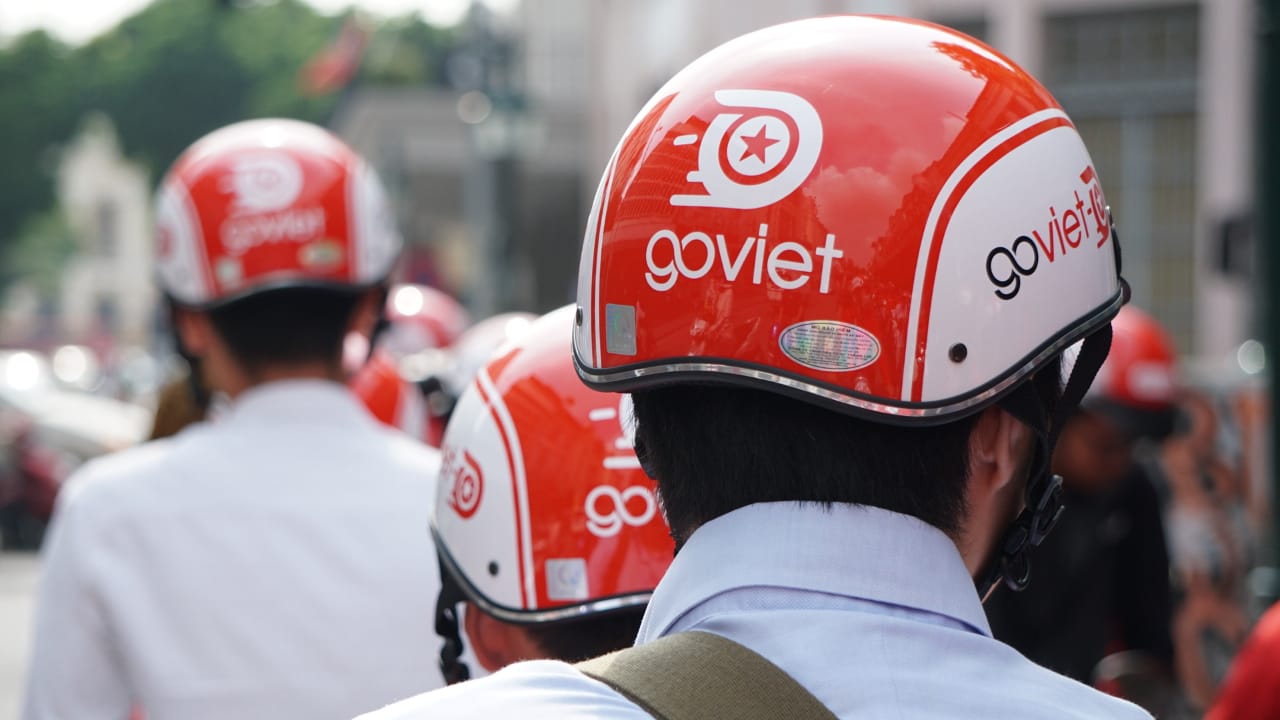
    Indonesian ride-hailing firm Go-Jek on Wednesday launched its services in Vietnam’s capital of Hanoi under the brand Go-Viet.

    The move is part of Go-Jek’s $500-million international expansion.

    The app-based on-demand service Go-Viet, driven by a Vietnamese founding team, with Go-Jek providing technology, expertise and investment, offers services ranging from transport and logistics to food-delivery and mobile payments.

    Go-Viet grabbed a 35 percent share of the market for motorbike ride-hailing services in the economic hub of Ho Chi Minh City just six weeks after launching there on August 1, Go-Jek founder and chief executive Nadiem Makarim said.

    “We are proud to have seen positive development in Ho Chi Minh City market, and this paves the way for us to expand our services to Hanoi,” Go-Viet co-founder and managing director Nguyen Vu Duc said at Wednesday’s launch.

    The launch followed an announcement by the company in May that it would invest $500 million to enter the Philippines, Singapore, Thailand and Vietnam, following Uber’s deal to sell its Southeast Asian operations to bigger regional player Grab.

    On Tuesday, Grab announced a partnership with Vietnam’s MOCA Technology and Service company (Moca) for a mobile payment service, as the ride-hailing firm pushes to cement its position.

    The launch was attended by Indonesian President Joko Widodo, who is in Hanoi for an official state visit and a meeting of the World Economic Forum.

    More Indonesian businesses are seeking to expand their operations in Vietnam, Widodo told reporters on Tuesday, after a meeting in Hanoi with his counterpart Tran Dai Quang.

    “We expect bilateral trade to reach $10 billion a year by 2020…and I hope president Tran Dai Quang would work to remove trade barriers for Indonesian products, including automobiles,” he said.

    Trade between the countries rose to $6.5 billion last year from $5.6 billion in 2016, says Vietnam, which exports rice, crude oil, cement and farm produce to Indonesia, and imports fertilizer, oil products, machinery and fabric from it.

  • JD Sports sees revenues and profits soar in ‘record result’

    JD Sports sees revenues and profits soar in ‘record result’

    JD Sports saw profits increase more than 17 per cent to £95.4 million (US$124.1 million) in the six months to August 4, from £81.1 million in the previous corresponding period.

    The sporting retailer saw gross revenue jump 35 per cent to £1.84 billion, from £1.36 billion, while basic earnings per share increased 24 per cent to 10.05p, from 8.09p.

    “This is another record result for our group demonstrating that our multibrand multichannel premium offer has resilient profitability in its core UK and Ireland market with capacity for continued growth across an increasing number of international markets,” JD Sports executive chairman Peter Cowgill said.

    “Sales to date in the second half have continued at a similar levels to those in the first half, supporting our continued confidence in the robustness of the JD proposition.”

    Cowgill reported significant positive progress in Australia, where JD Sports has opened four new stores during the period, including the conversion of three former Glue stores.

    This brings JD Sports’ total presence to six stores in Sydney and four stores in Melbourne.

    The company plans to open a further three stores in the second half, including a flagship store on Pitt Street in Sydney, according to Cowgill.

    Like-for-like store sales for the APAC region stayed flat.

    The company said it will issue a more robust trading update after the Christmas period.

  • Record profitability for Hermes after China-driven boom

    Record profitability for Hermes after China-driven boom

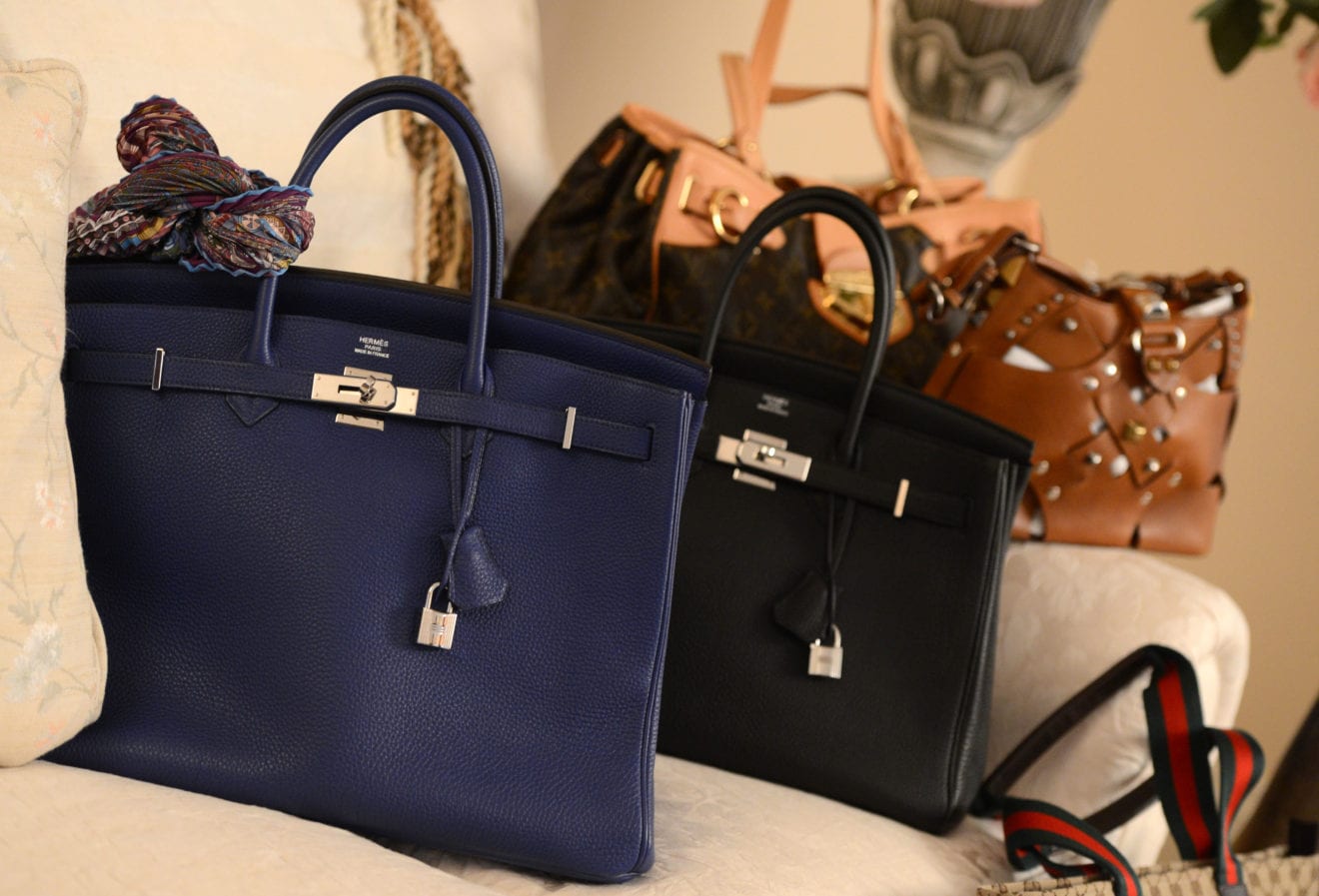
    A Hong Kong property windfall and the Hermes Asia business helped the luxury label set a record profit margin during the first half of this year.

    Hermes says recurring operating profitability reached 34.5 per cent of sales, with net profit rising 17 per cent to €708 million (US$824 million).

    And after including a capital gain of €53 million from the sale of the former Galleria store in Hong Kong, operating income reached €1.037 billion, up 11 per cent to reach 36.3 of sales.

    Hermes Asia sales – excluding Japan – rose 15 per cent, the strongest performing market internationally, continuing what the company described in a statement as “an outstanding performance, with positive momentum in continental China and the whole region”.

    During the half year, Hermes Asia benefitted from the opening of the Landmark Prince’s store in Hong Kong in January. Another new store opened in Changsha in May.

    Sales in Japan rose by 7 per cent.

    The Hermes Asia performance better that of the Americas (up 12 per cent), Europe excluding France (up 7 per cent), and France (up 8 per cent).

    Hermes global sales reached €2.853 billion, up 11 per cent at constant exchange rates and by 5 per cent at current exchange rates.

    “Hermes achieved an exceptional performance in the first half of the year,” said Axel Dumas, executive chairman. “Our commitment to the quality of know-how, the spirit of innovation as well as the creativity, always renewed, and the dedication of the women and men of Hermes, base the singularity and the integrity of our economic model; a strong model in a worldwide context that remains uncertain and unstable.”

    By product category, ready-to-wear led the way rising 17 per cent, thanks to broad acceptance of its “pertinent and bold” designs, the company said. Fragrance sales rose 15 per cent, watches by 9 per cent, leather goods and saddlery sales rose 8 per cent and silk and textile sales by 7 per cent.

    Other Hermes business lines, which include jewellery, art of living and Hermes Table Arts, grew by 24 per cent.

  • First Chinese airport store for Daniel Wellington

    First Chinese airport store for Daniel Wellington

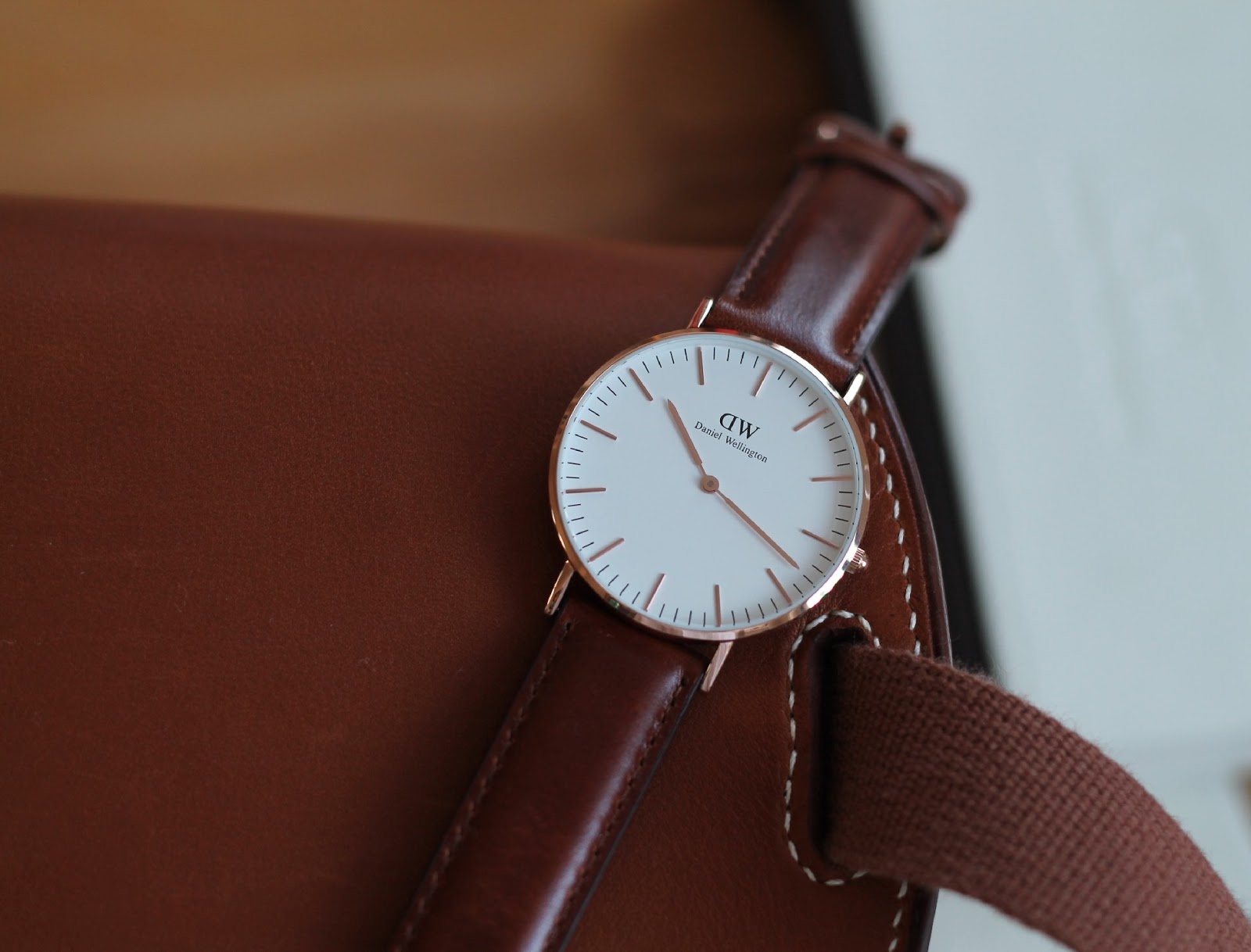
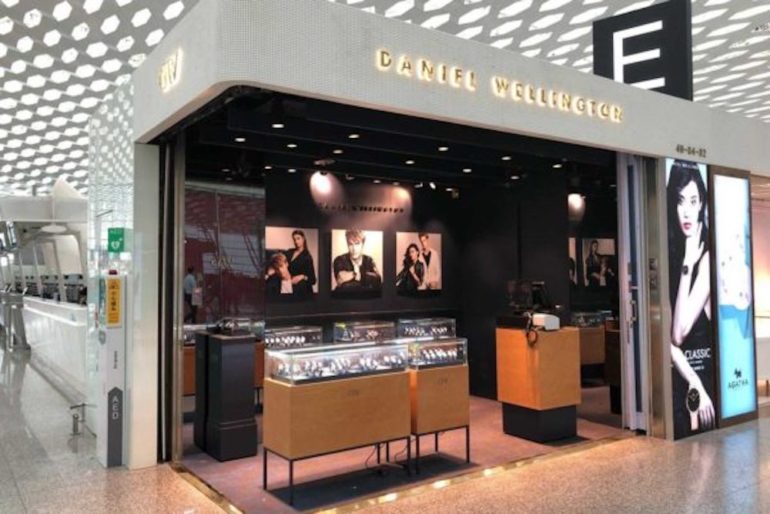
    Daniel Wellington has now opened its third travel retail location in Asia this year.

    Located in Shenzhen Bao’an International Airport Terminal 2, the Swedish watch brand opened its first boutique in a Chinese airport. The new store highlights Daniel Wellington’s travel shopping-exclusive lines, among which lies its three key products: the Cambridge Combo set, the Cambridge stand-alone 36mm set and the keyring set.

    Asia-Pacific travel retail locations are an increasingly important retail strategy for the contemporary watch brand, according to Daniel Wellington’s Head of Travel Retail Asia Pacific, Helen Wong.

    The new store opened on September 9 and showcases exclusive travel retail product offers for passengers that do not need to show a boarding pass.

    Helen explained Daniel Wellington’s strategy in choosing Shenzhen as a location for the store as it possesses a ‘young-spirited’ customer base and is a ‘key development’ for the brand’s boutique sales, especially for its top-tier Chinese city status.

    The Swedish brand had opened its first travel retail boutique in the region in July 2017  in the CITS Haitang Bay Duty Free Shopping Complex. It followed the same year with the opening of a second store in Malaysia’s duty free-zoned Forest City in October.

  • Finland’s Amer Sports gets US$5.3 billion bid interest from China’s Anta

    Finland’s Amer Sports gets US$5.3 billion bid interest from China’s Anta

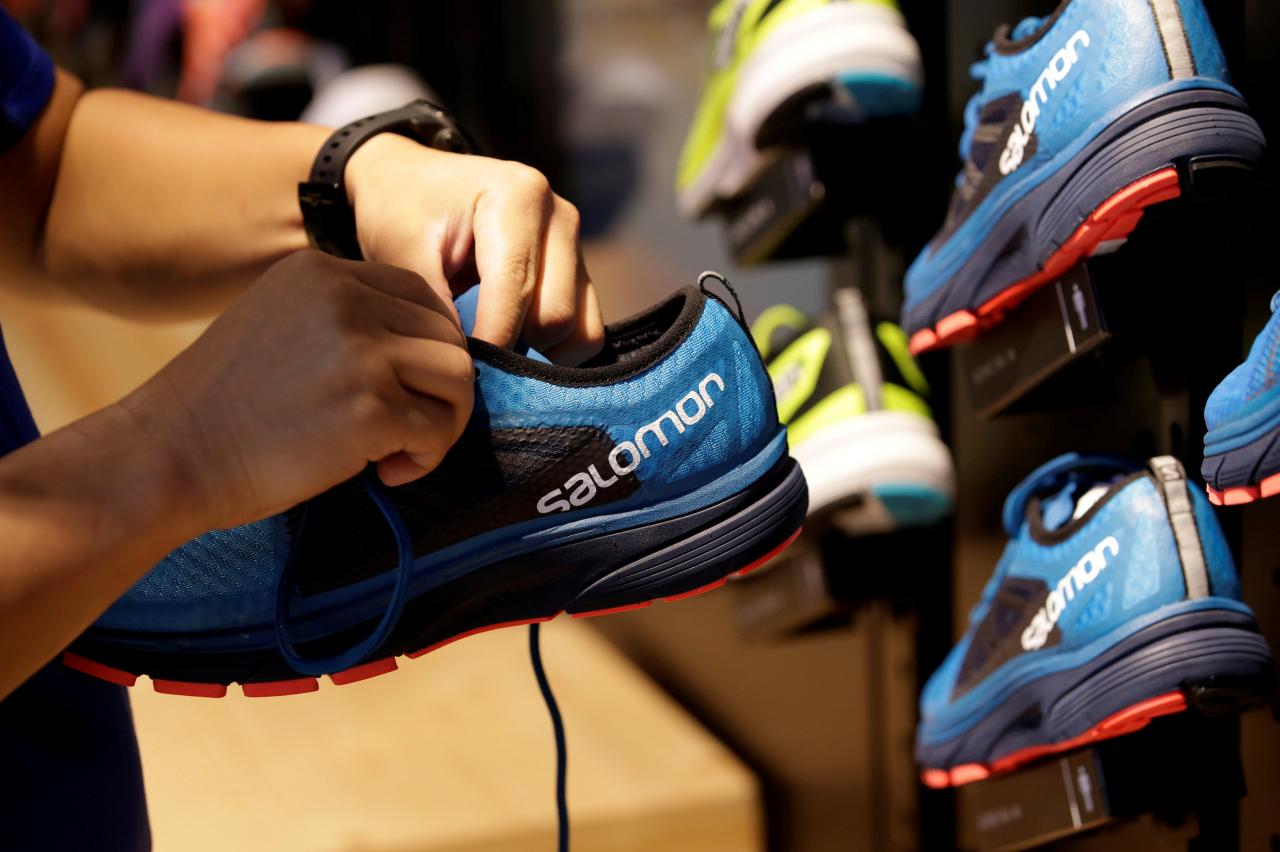
    China’s Anta Sports has lodged a US$5.3 billion bid for Amer Sports, which owns Salomon, Wilson, Arc’teryx, Suunto, Peak Performance and Precor, among other brands.

    Anta Sports has teamed with Hong Kong-headquartered private-equity group FountainVest partners in the bid, offering a 40 per cent premium over the target company’s share price before the bid was disclosed.

    Amer Sports appeared somewhat taken aback by the bid, issuing a statement saying it was “not engaged in any negotiations with the consortium and has made no decisions in respect of the Indication of Interest”. The company noted the bid was conditional on 90 per cent shareholder approval, board approval, financing and other conditions.

    “Amer Sports will release further information at an appropriate time if an agreement is reached with the consortium in respect of a transaction or any negotiations are terminated or abandoned.”

    Anta Sports, listed on the Hong Kong stock exchange, was founded in 1991 as a manufacturing supplier to the footwear industry. Since then it has grown to become China’s largest domestic sportswear brand and industry analysts estimate it is the world’s third largest by market capitalisation after Nike and Adidas. Besides its own Anta-branded goods, it owns the rights to Fila in greater China and in 2016 formed a joint venture with Descente Japan and Itochu, which has resulted in the opening of 85 Descente stores in China and early last year another joint venture with South Korea’s Kolon Sport led to a network of 189 stores. Childrenswear business Kingkow followed last September, which now numbers 63 stores in Mainland China, Hong Kong, Macau and the US.

    Sales last year grew 25.1 per cent to RMB16.69 billion (US$2.43 billion), following increases on 20 per cent in 2016 and 25 per cent in 2015. In the six months to June 30, year-on-year sales soared 44 per cent and profit by 34 per cent.

    As of June, the company had 9650 retail stores in Mainland China.

    In February, chairman and CEO Ding Shizhong said the company was actively seeking to buy “high-end international sportswear brands” with strong growth potential.

    Amer Sports opportunity

    Amer Sports posted sales last year of €2.69 billion ($3.12 billion) with 43 per cent of its revenue coming from Europe, Middle East and Africa and just 14 per cent from Asia. Sales in China have expanded from 1 per cent of total turnover in 2010 to 6 per cent this year and the company is eyeing 10 per cent within several years.

    The company has recently been targeting growth in Mainland China and Anta Sports’ obvious market knowledge and footprint in the country would significantly boost those opportunities.

    Amer’s fastest-growing division is softgoods, headed by the Salomon and Arc’Teryx brands.