Tag: China

  • Boneshaker burger to open more stores in China

    Boneshaker burger to open more stores in China

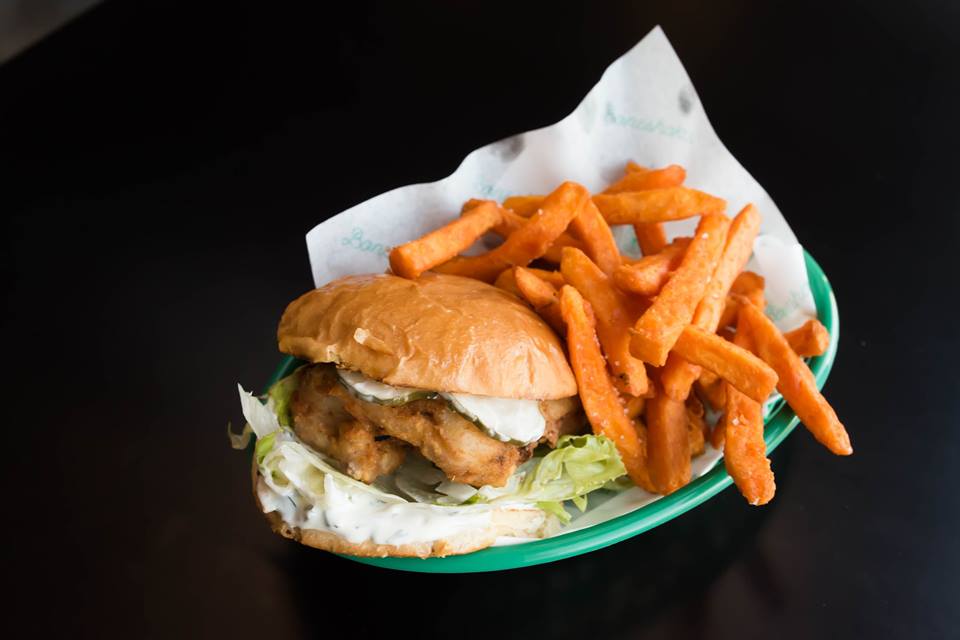
    Australian burger bar Boneshaker has opened three stores in Shenzhen and now plans 20 in greater China, given the strong response to date.

    Boneshaker describes its offer as “an Aussie burger with the lot” featuring beetroot, egg and pineapple, which is a new burger variation for China.

    Owner Billy Petropoulos opened the first Boneshaker in Shenzhen in March last year, refining the format to the local market, before two more stores followed. The remaining 17 planned will open progressively over the next five years.

    Petropolous said in an interview in his hometown of Adelaide that the market in China is young, and Shenzhen itself is just 40 years old.

    He said the burgers appeal particularly to the 20-40 age group. “They love it.”

    Boneshaker makes its burgers using fresh, healthy organic ingredients. It also offers local menu items such as the recently launched Peking duck fries and serves South Australian beers.

  • BMW plans to take control of China joint ventures

    BMW plans to take control of China joint ventures

    German luxury carmaker BMW announced a plan to take control of its China joint-venture, the first foreign automaker to take advantage of Beijing’s new ownership rules for the sector. BMW will acquire a further 25 per cent stake in the venture with Brilliance China Automotive for €3.6 billion (US$4.2 billion), the company said, bringing its stake to 75 per cent by 2022.

    Foreign automakers have long been restricted to holding no more than a 50 per cent stake in their China operations, but Beijing decided to relax the ownership caps this year.

    The reforms are part of Beijing’s plan to further open its economy to foreign business, after years of facing pressure from the United States and Europe.

    But US and European business groups say the reforms have still not gone far enough, and have pushed for further opening.

    To force the issue, and to hit back at China for alleged theft of American intellectual property, US President Donald Trump has slapped tariffs on roughly half of the imports from China.

    The joint-venture “is the cornerstone of the BMW brand’s sustained success in its largest single market,” said Harald Kruger, BMW’s chairman.

    “BMW Group and Brilliance continue to set a good example of successful cooperation in China,” he said.

    TRADE WAR EFFECT

    The changes in ownership rules are a boon for foreign automakers which will gain a greater share of control and profits from their China operations, but hurt prospects for their Chinese partners.

    Brilliance China’s shares in Hong Kong have plummeted this year, and were suspended from trading on Thursday.

    The two companies had extended their joint venture contract until 2040 and announced a plan to pump €3 billion (US$3.5 billion) into expanding their auto plants in northeast Liaoning province – ramping up production capacity to 650,000 cars early next decade while creating 5,000 new jobs.

    BMW has been hit particularly hard by the US-China trade war with many of its SUVs imported from the US facing new 25 per cent taxes, while cars imported from other countries have benefited from China’s tariff cut for vehicles from 25 per cent to 15 percent.

    With the new production capacity, the China joint-venture will start to produce BMW vehicles like fully-electric BMW iX3 for export globally from 2020, BMW said.

    China’s auto market, the world’s largest, has faced headwinds this year as the economy slows.

    In August, China’s new vehicle sales continued to fall, following a drop in July.

  • Jumbo China sets plan for more store

    Jumbo China sets plan for more store

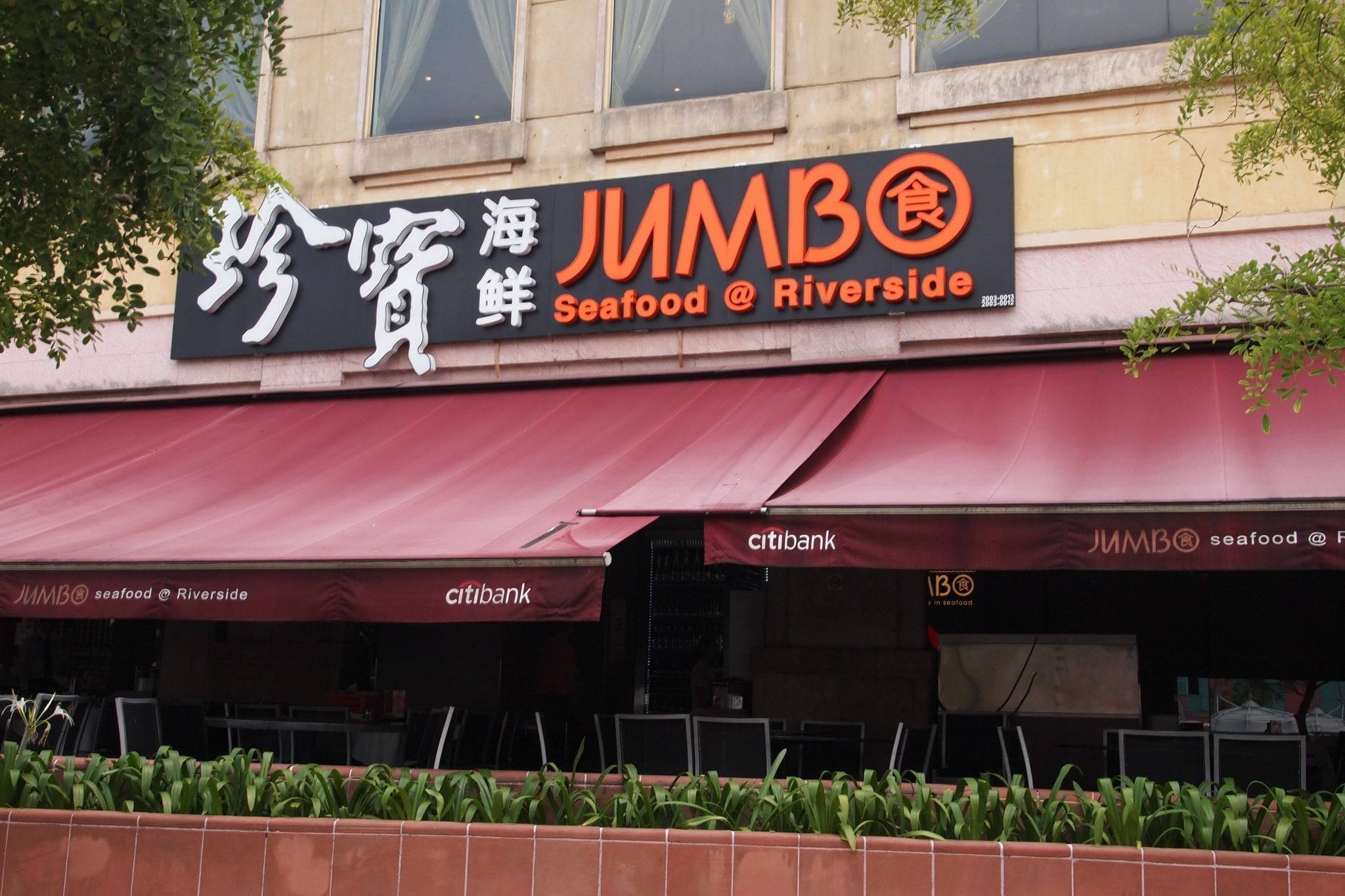
    Restaurant operator Jumbo Seafood has opened its first franchise in Mainland China, in the city of Fuzhou.

    The move signals the onset of a period of Asian expansion for the brand, which has announced plans to open five to six new franchise outlets each year, targeting Shenzhen, other mainland cities, South Korea, Hong Kong, Macau and Indonesia.

    The new 13,000sqft venue at the Dongbai Centre is Jumbo’s fourth franchised Jumbo Seafood restaurant since last year, and follows the recent opening of Jumbo Seafood in Taichung City.

    Other targets for immediate expansion include Thailand and Singapore. A spokesperson for the brand noted:

    “We project that Jumbo would add two new Jumbo Seafood outlets in Singapore – one Jumbo Premium Seafood outlet in Ion Orchard shopping mall and another potentially in the upcoming Jewel Changi – and one new Chui Huay Lim Teochew Cuisine outlet over the next 12 months.”

    Jumbo operates 15 Jumbo Seafood restaurants across Asia.

  • Indonesia Central Bank says Alipay, WeChat non-compliant with e-transaction rules

    Indonesia Central Bank says Alipay, WeChat non-compliant with e-transaction rules

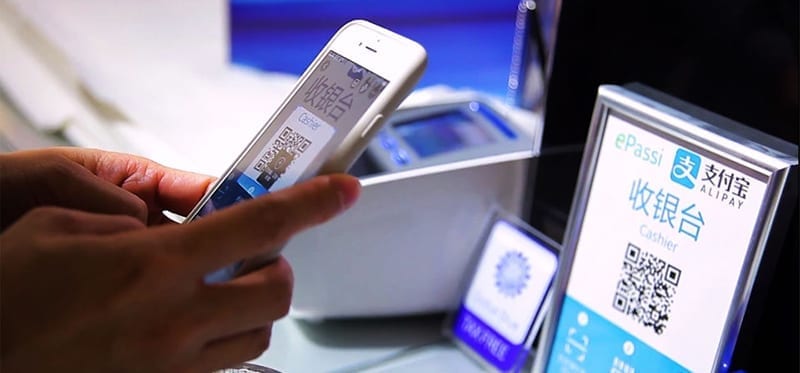
    Bank Indonesia has said that foreign consumer payment applications, like China’s Alipay and WeChat that Chinese tourists reportedly used in Bali, are not approved for local use.

    The central bank said the applications did not comply with regulations, in particular because they did not have a cooperation with local payment systems.

    BI payment system policy executive director Onny Widjanarko said in Jakarta on Thursday that all foreign payment applications, including Alipay and WeChat, were required to comply with Indonesian regulations. “Any payment system should be adjusted to existing regulations,” he said.

    Under the National Payment Gateway (GPN) system, any foreign principles involved in retail transactions are required to cooperate with local switching companies.

    Onny said foreign payment applications must meet two requirements to be approved for conducting transactions in Indonesia: establish cooperation with a local switching company and be connected to major Indonesian banks.

    “So far we have found two cases. The foreign payment apps have cooperated with local switching companies, but they are neither connected to nor are cooperating with Book 4 major banks,” Onny said. He also stressed that all transactions in the country were required to use the rupiah.

    He said BI had halted any transactions made through foreign payment apps that did not have a cooperation with local companies.

    Onny said the central bank would monitor the situation to ensure that all transactions were made through local switching companies in compliance with regulations.

  • Small Chinese cities in China are the future for luxury

    Small Chinese cities in China are the future for luxury

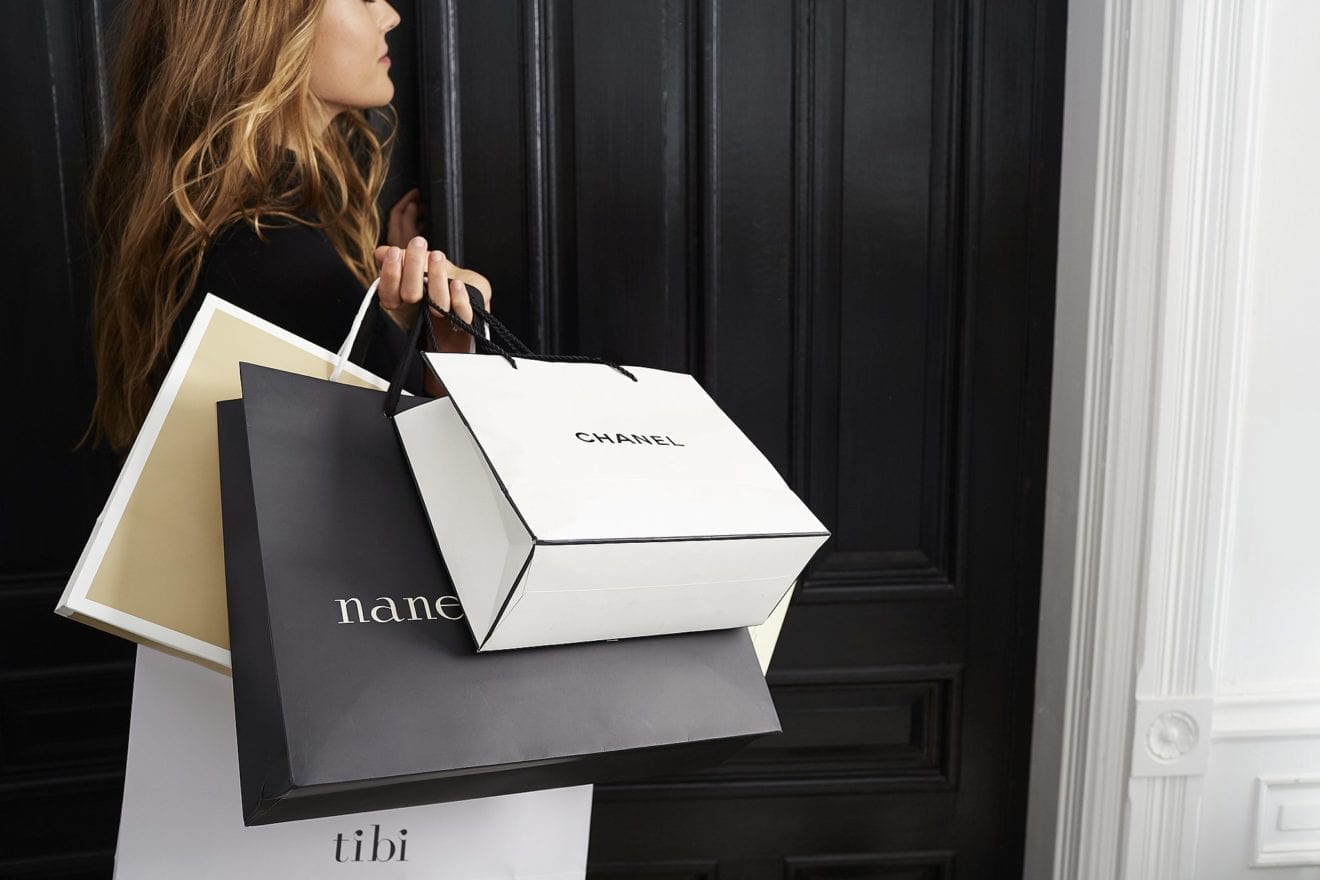
    In China, luxury goods are no longer exclusively for well-heeled city folk. In fact, the future of brands like Louis Vuitton, Chanel, Gucci and Prada may lie in smaller cities like northern China’s Hohhot, which is 10 hours by rail to the capital of Beijing and has a population of three million.

    More than half of all luxury consumers in China live outside the top 15 cities, in so-called second- and third-tier cities and other less developed ones, according to a report jointly released last week by Boston Consulting Group and Chinese internet giant Tencent.

    Luxury goods, more often associated with sophisticated city dwellers, have become commodities to be bought by the aspirational classes and strivers from the boondocks.

    Such a fragmentation was made possible after brands digitised the marketing and purchasing process, and as Chinese consumers increasingly obtained information about luxury goods online, especially via smartphones. Mobile apps and content take up more than half the online attention of luxury buyers, through engagement by social media accounts of key opinion leaders and the brands themselves, and via apps, advertisements and third party e-commerce platforms, the report shows.

    However, 58 per cent of consumers still prefer the old-fashioned way of buying in bricks-and-mortar stores after doing the research online, and around half choose to make their purchases while travelling overseas.

    “The battle for luxury consumers will shift swiftly from offline to online, and in five years, we will enter the age of Luxury Digitisation 2.0 where online and offline [marketing and sales] will knit together closely,” BCG partner Wang Jiaqian said in a statement.

    In tier-three and lower-tier cities that do not have physical luxury stores, buyers are twice as likely to make purchases online as those in the top 15 cities, but nearly 80 per cent of them said they would not mind making the trip to a physical store to shop.

    Chinese consumers have been the key target for global luxury brands for their deep pockets and the sheer size of the country’s market. China’s personal luxury goods market, worth €105 billion (US$122 billion) in 2017, is expanding at 6 per cent annually, and is expected to reach €162 billion in 2024, according to the report. By then, 70 per cent of all new growth in the world’s luxury market will be driven by China, which will account for 40 per cent of the global market.

    Chinese luxury goods buyers are mostly young and well educated – and 70 per cent are female. The average age among both genders is 28 years, and two out of three are aged 18 to 30 with a bachelor’s degree or above, the report found.

    Chinese e-commerce platforms account for half of the country’s online luxury purchases, driven by the launch of Luxury Pavilion by Alibaba Group Holding’s Tmall and Top Life by JD.com.

    However, social commerce – a new form of e-commerce that incorporates social interactions among consumers via social media such as Tencent Holdings’ WeChat – is also on the rise and currently accounts for 11 per cent of all luxury online purchase.

    The concept of social commerce has exploded in popularity over the past two years, especially among young consumers. The new model gamifies shopping so that the more friends you share the deal with, the deeper the discount. It also involves creating a platform where users share photos and videos, write posts and tag items in their pictures that link to e-commerce listings.

    The pervasive use of smartphones among mainland China’s population is a key factor enabling social commerce. Research firm eMarketer forecasts that the total number of smartphone-based online shoppers in the country will reach 443.3 million this year, making up more than three quarters of China’s online retail sales.

    The BCG/Tencent report was based on data collected from 1.8 million Chinese luxury consumers identified by BCG and Tencent, as well as a poll of 2,620 consumers who bought luxury goods in the past 12 months.
  • Shanghai Disney Resort opens out-of-town store in Suzhou

    Shanghai Disney Resort opens out-of-town store in Suzhou

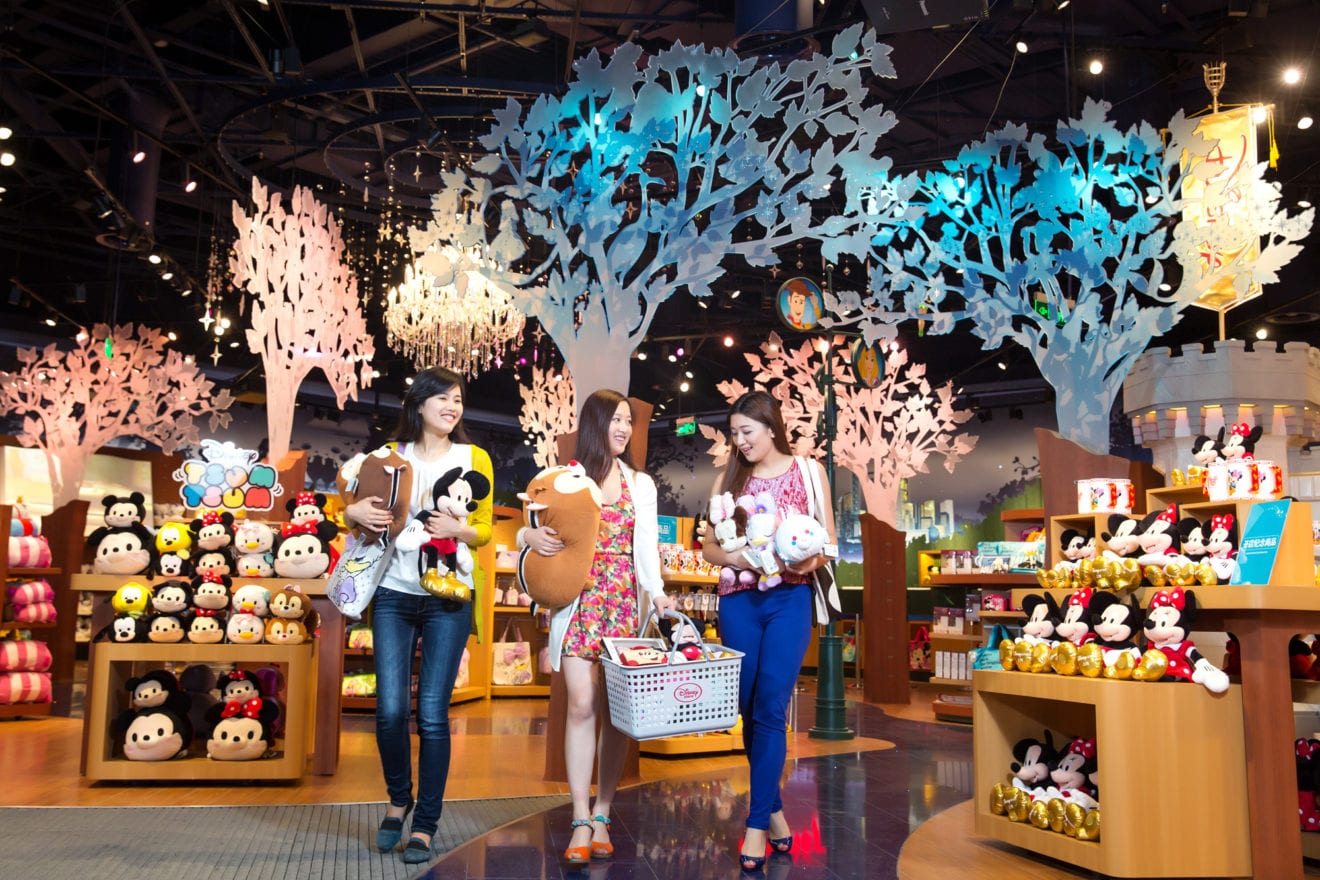
    Shanghai Disney Resort has opened its first retail store outside of Shanghai in nearby Suzhou.

    The Suzhou Village Shanghai Disney Resort Store offers more than 500 items of merchandise (some of it exclusive to the Shanghai location), immersive ambience and entertainment, with a focus on extending the brand’s current market.

    The Suzhou store is the third Disney Resort location outside of the main resort premises.

    Shanghai Disney Resort comprises a Disneyland theme park and two themed hotels, as well as a Disneytown dining and retail district and Wishing Star Park recreation area.

  • Golden Week : Chinese Millennials go for Insta-spots in HK

    Golden Week : Chinese Millennials go for Insta-spots in HK

    Hong Kong had its own influx of tourists from Mainland China. But they were not all in search of the city’s more well-trodden sights.

    Media used to report about facts and figures related to shopping expenses and how Chinese travelers were making the fortune of retailers. This year, Millennials and GEN Z contributed to HK differently.

    Tourism Board would be happy to know that HK’s Instagram spots were shared and re-shared on social media framing HK as much more than a shopping destination.

    Among the preferred spots:

    • The Rainbow Thief : When captured at an appropriate angle, a colorful building opposite with a mural design titled the “Rainbow Thief” forms the perfect backdrop.
    • Montane Mansion : The claustrophobic 46-year-old Montane Mansion is an urban photographer’s dream, as it seemingly melds into the Oceanic Building and the Yick Cheong Building on either side, forming a mishmash of juxtaposing windows, air conditioning vents and hanging laundry.
    • The Choi Hung Estate : The fresh palette of paint tones that fade into each other on the facade lives up to its namesake, and has pulled in the social media-savvy crowds.
    • The Sai Wan Swimming Shed : only one swimming shed remains in Hong Kong, on the far western edge of the island.
  • Nike’s new House of Innovation in Shanghai

    Nike’s new House of Innovation in Shanghai

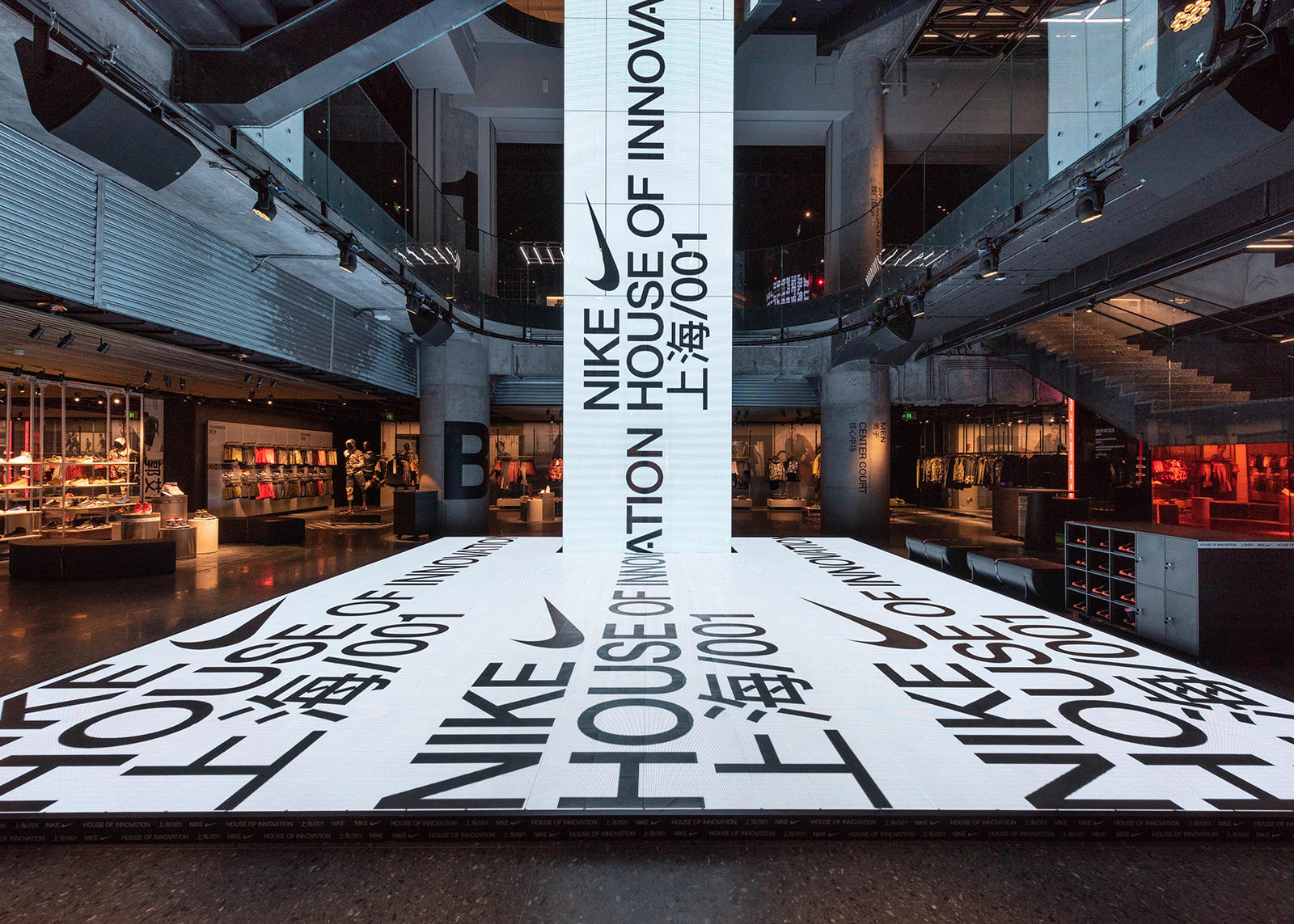
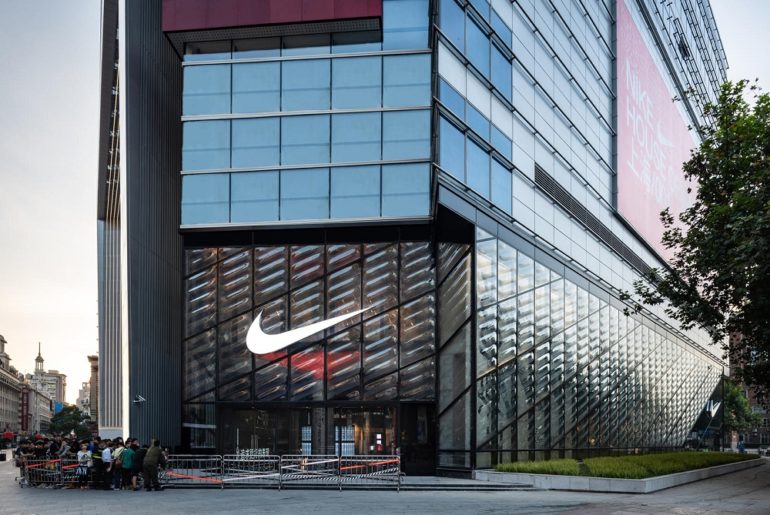
    Nike unveiled its first “House of Innovation”, located in Shanghai.

    The new store concept celebrates the brand’s innovations with rotating art installations, workshops, lectures and digitally-led trialing sessions. It also offers visitors exclusive products and collectibles that can’t be found anywhere else.

    On its website, Nike defined the retail space as “cross-category”, “consumer-focused” and “hyper-local”.

    Located in the Nanjing East Road shopping district, the store occupies four floors, spanning over more than 41,000 square feet.

    Access to the Nike Expert Studio, located on the top floor, is restricted to members of the brand’s membership club, NikePlus. There, they have access to even more exclusive items, personalized product picks and private sessions with athletes. NikePlus members can also have one-on-one sessions with a designer to customize select shoes by adding dip-dye, embroidery and other embellishments.

    The sportswear giant intends to launch several Houses of Innovation around the world, with a second store opening planned for New York City this fall. The company did not disclose where future shops will be located.

  • Fung partners with French fashion label Ikks

    Fung partners with French fashion label Ikks

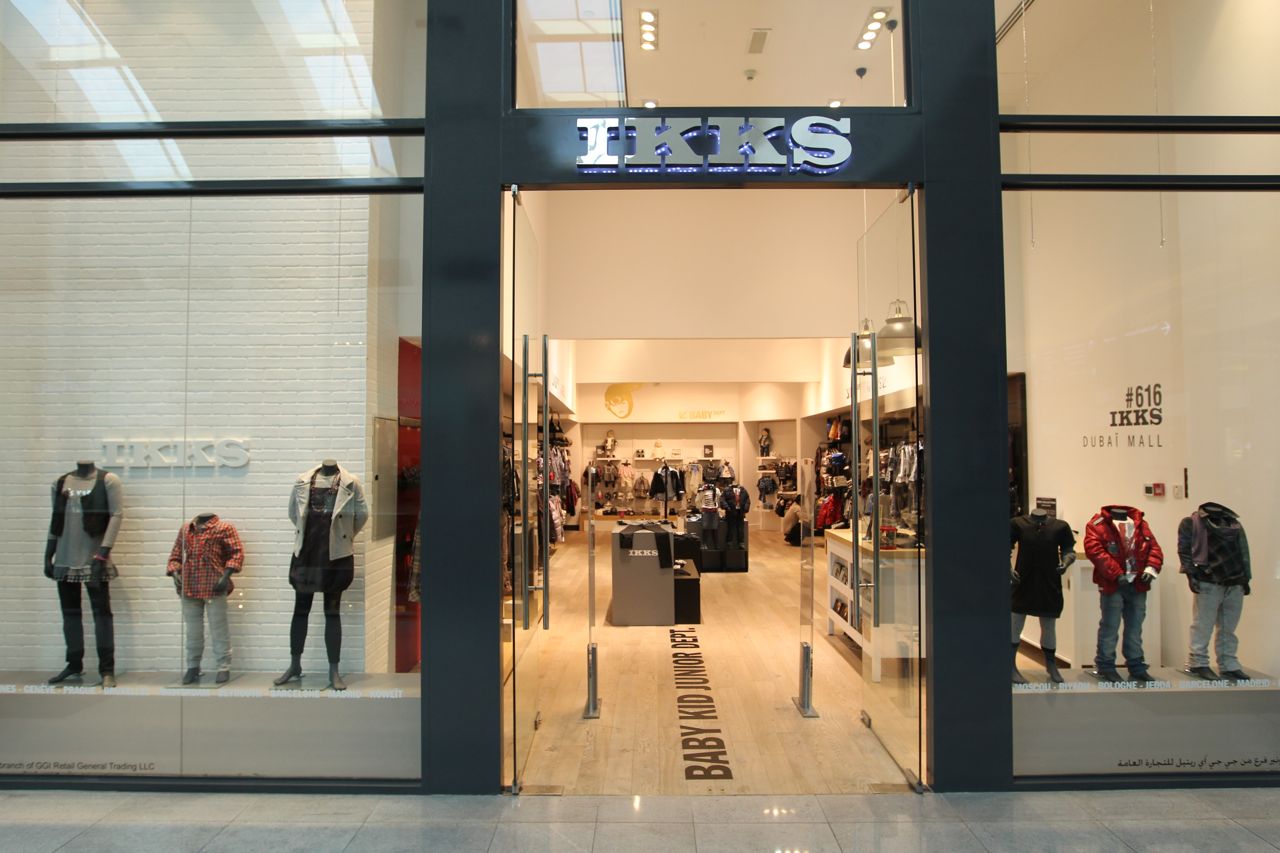
    French fashion label Ikks has launched in Mainland China after forming a partnership with Fung Kids.

    Four stores have been opened in Shanghai and Beijing focusing on the brand’s new childrenswear line, with more planned on both the mainland and in Hong Kong in advance of a wider Asian expansion.

    Ikks Group has 3600 outlets in 45 countries and reportedly plans to open 50 Ikks Paris Junior stores across China within the next four years.

    Childrenswear is a new category for Ikks, founded in 1987, which has previously specialised in womens fashion. The new range was launched last month, after being developed with the help of Fung Group.

    Ikks Group CEO Pierre-Andre Cauche said he hopes the Fung JV will help the brand expand its awareness in greater China.

    “Developing children’s clothing in China is a long-term project. We are certain that Chinese parents will appreciate the brand’s disruptive positioning which – it should be remembered – was the first label 30 years ago to have re-imagined kids fashion to copy the adult wardrobe,” he said.

  • DHL E-commerce Makes it Easier to Ship from China to Australia

    DHL E-commerce Makes it Easier to Ship from China to Australia

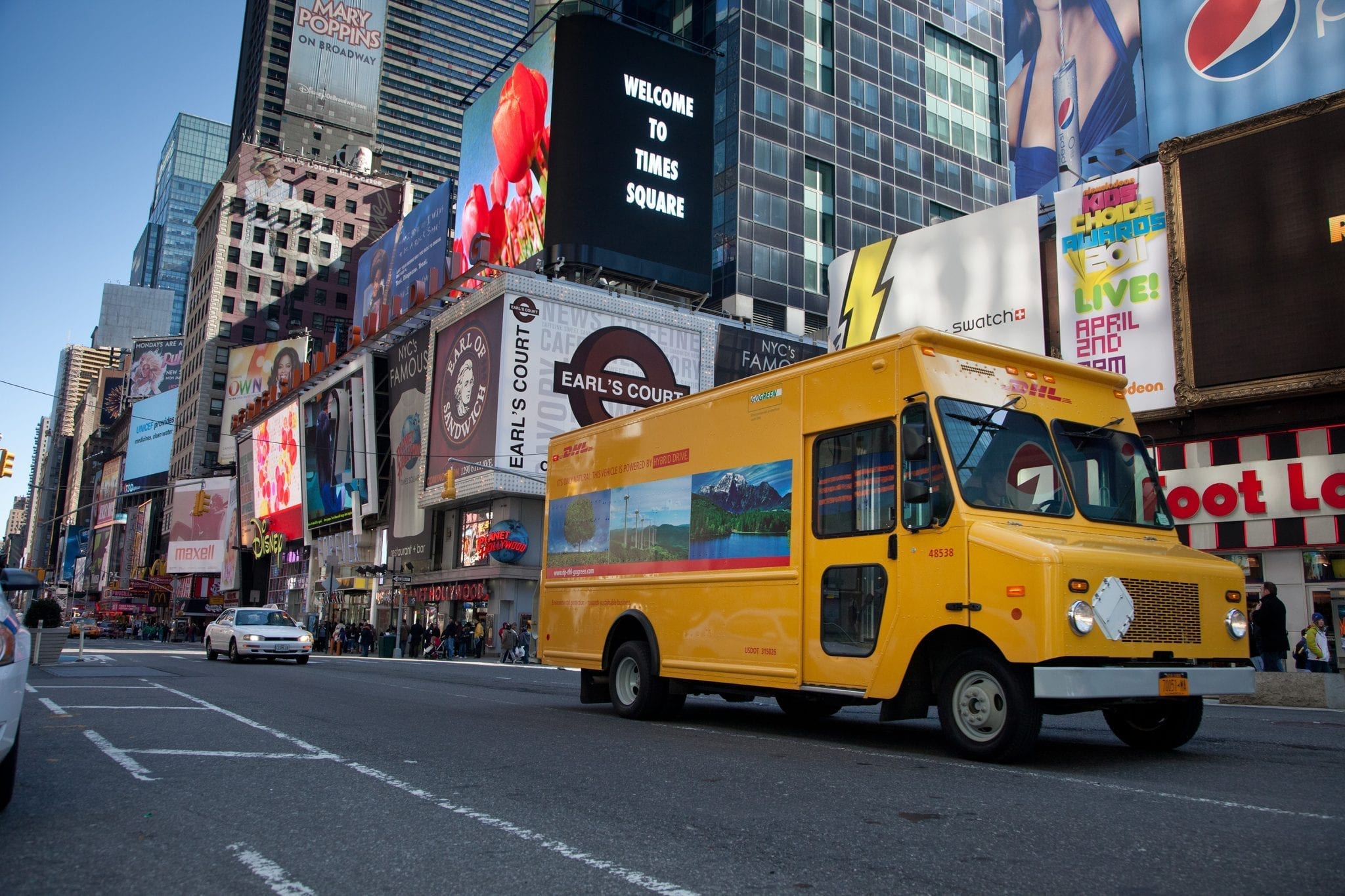
    DHL eCommerce has partnered with AuMake, an ASX listed retailer connecting Australian suppliers directly with Chinese consumers, to enable quality deliveries direct from Australia to China, starting today. AuMake’s growing database of over 80,000 members will now be able to ship direct to China with DHL eCommerce Parcel International Direct shipping solution, a high quality and affordable tracked solution with fast transit times of 5-7 days.

    “We’re proud to partner with AuMake to offer Parcel International Direct China to their customers and provide reliable and high quality direct shipping solutions. We understand that trust is highly important for Chinese shoppers particularly in the delivery process. Our shipping solution offers great transit times, high quality handling and tracking visibility to connect Australian brands to Chinese consumers,” said Denise McGrouther, Managing Director, DHL eCommerce Australia.

    Australian products are highly sought after by Chinese online shoppers, contributing to 20% of cross-border purchases into China in 2017, up 9% from 2016[1]. In addition, there are an estimated 400,000 ‘daigous’ operating in Australia who act as an overseas personal shopper to buy and ship products from Australia to China.

    Through its growing footprint of showroom-style stores, AuMake and Kiwi Buy across Sydney, Australia, customers can easily make purchases and arrange a pick up by DHL eCommerce for international deliveries from AuMake’s retail stores with the launch of the new service.

    “The demand for Australian products from China is insatiable and through AuMake’s retail stores and the collaboration with DHL eCommerce, we are making it easier to ship from Australia to China. AuMake’s customers can shop and ship with the additional choice of using a well known and trusted logistics provide like DHL eCommerce, providing peace of mind that their purchases will be safely and quickly delivered,” said Joshua Zhou, Managing Director, AuMake International Limited.

  • Huawei invited to participate in India’s 5G use case trials

    Huawei invited to participate in India’s 5G use case trials

    Huawei has reportedly received an invitation from the Indian government to participate in the telecom ministry’s 5G technology trials, after being initially left out of the list of vendors asked to take part.

    Huawei India CEO Jay Chen told that the company has received an invitation after approaching the government to express an interest in taking part.

    The telecom ministry’s earlier decision to exclude Huawei and ZTE from the list of vendors approached to take part in the trials led to speculation that India could follow Australia and the US in preventing Chinese vendors from participating in their respective nation’s 5G rollouts.

    But after Huawei expressed an interest in participating in the trials, the telecoms ministry announced that it will evaluate the vendor’s proposal and consider including Huawei in the planned 5G field trials.

    According to Huawei’s Chen, Huawei has a collaborative relationship with the Indian government and has already been working with various Indian operators in laying the groundwork for 5G deployments.

    The vendor has expressed an interest in running 5G trials in two Indian cities, including Delhi, and plans to partner with operators, academia and companies in adjacent industries to identify relevant 5G use cases for the Indian market.

    According to the report, ZTE has yet to receive an invitation from the ministry.

  • New CEO for DHL Global Forwarding to drive Growth in North Asia

    New CEO for DHL Global Forwarding to drive Growth in North Asia

    Charles Kaufmann has been appointed by DHL Global Forwarding as CEO, DGF North Asia South Pacific with effect from 1 October 2018.

    Kaufmann brings more than 40 years of logistics experience to the new regional cluster, most recently serving as the leader of DHL Global Forwarding’s operations in North Asia and Japan as well as Head of Value-Added Services in the Asia Pacific region.

    “Charles understands the nuances of trade and freight forwarding in North Asia like no one else, and has shown remarkable ability to continuously improve operational standards and customer satisfaction with each passing year,” said Kelvin Leung, CEO, DHL Global Forwarding Asia Pacific.

    “His experience lies at the intersection of logistics innovation and sustainable, efficient freight solutions, making him our obvious choice to tackle the rapidly evolving needs of both North Asia and the South Pacific.”

    Since joining Deutsche Post DHL in 1973, Kaufmann’s expertise has steadily broadened from air and ocean freight into fields like customs brokerage, integrated warehousing, and international supply chain solutions. As CEO of DHL Global Forwarding North Asia, he led the enhancement of innovative products in the division’s core businesses of air and ocean freight, as well as the development of new multimodal services by sea and rail from Korea and Japan via China to Europe.

    “Despite volatile rumblings in the global trade environment, the future for North Asia’s economic powerhouses like South Korea and Japan continues to look bright, and I’m looking forward to further building on the strong network and service standards that we’ve established in the past few years to give the region’s industries a stable platform for growth no matter the headwinds,” said Kaufmann. “At the same time, we see significant opportunities to help businesses in the South Pacific to grow internationally in a sustained and cost-effective manner.

    “Even as Australia and New Zealand remain on track for steady economic growth, emerging countries like Papua New Guinea and Fiji are beginning to build stronger links to the world’s biggest markets, giving us a clear mandate to support these developments with more cost-effective freight connections, streamlined logistics solutions, and market-leading service at every customer touchpoint. I’m excited about taking up this expanded remit, and look forward to working with our extremely accomplished teams in North Asia and the South Pacific as best I can.”

    Kaufmann takes over from Tony Boll, outgoing CEO of DHL Global Forwarding South Pacific and Country Manager for DHL Global Forwarding Australia, who enters retirement in February 2019 after more than 52 years in the Deutsche Post DHL Group.

  • Richemont in Talks to Buy Buccellati from Chinese Owner

    Richemont in Talks to Buy Buccellati from Chinese Owner

    Swiss luxury holding firm Richemont is in talks to acquire jewellery manufacturer Buccellati from Chinese holding company Gansu Gangtai.

    The Chinese company took an 85 per cent shareholding in the Italian company a year ago for US$226 million, but the brand has performed poorly during the first half of this year. Gansu Gangtai’s initial plans to invest further in the brand have been scuttled by new restrictions in Chinese foreign investment and reported management difficulties.

    The company is currently valued at $313 million under the proposed deal, in which a Qatari investor, Mayhoola, has also expressed interest.

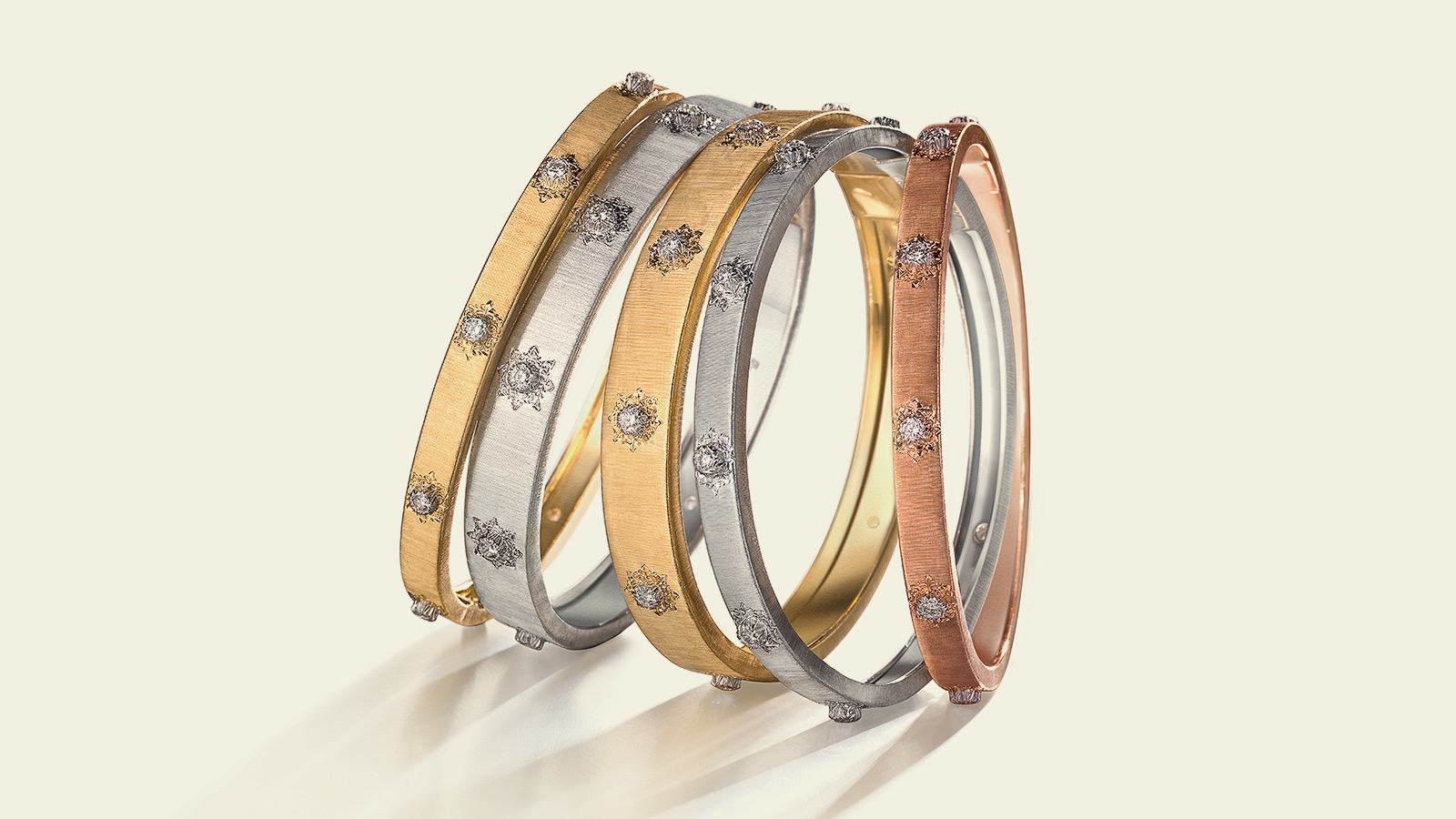
    Buccellati turns 100 next year and is known for its ornate, lush jewellery designs and bejewelled, golden iPad covers.

    It operates physical stores in Shanghai and Beijing, as well as retailing online on JD.com.

  • Ted Baker Asia sales free falls

    Ted Baker Asia sales free falls

    Ted Baker Asia sales slipped in the 28 weeks to August as the UK brand trimmed its store network in Hong kong and Mainland China.

    According to its latest results filing, Ted Baker Asia sales fell 1.8 per cent in real terms, however in constant currency they rose 1.8 per cent, to £11.2 million.

    Sales per square foot excluding e-commerce sales decreased 4.4 per cent.

    “We continue to refine and develop our strategy for success in Asia,” said chairman David Bernstein.

    In China, Ted Baker closed one store, one concession and one outlet store. It closed another store in Hong Kong.

    But Bernstein said the company’s e-commerce concession businesses in China and Japan performed well with sales of £1.7 million (up by £600,000 compared with last year) which expressed as a percentage of total Ted Baker Asia retail sales came to 15.2 per cent.

    In Asia, Ted Baker licensees opened new stores in India, Malaysia, Singapore and Taiwan during the period.

    Globally, Ted Baker retail sales, including e-commerce, rose 1.1 per cent to £220.1million. Group revenue, including licensing, rose 3.5 per cent to £306 million.

    “Ted Baker has continued to develop and expand as a global lifestyle brand across its markets and distribution channels despite challenging external trading conditions,” said founder and CEO Ray Kelvin. “This continued growth is testament to the strength of the Ted Baker brand, the design and quality of our collections as well as the dedication and talent of our teams.

    “Whilst we believe that the second half of the year will remain challenging due to external factors, we are well positioned to continue Ted Baker’s long-term development. Our flexible business model ensures that our customer has multiple channels to engage with Ted Baker and our global e-commerce business continues to expand, supported by our digital marketing strategy and unique stores that showcase the brand.”

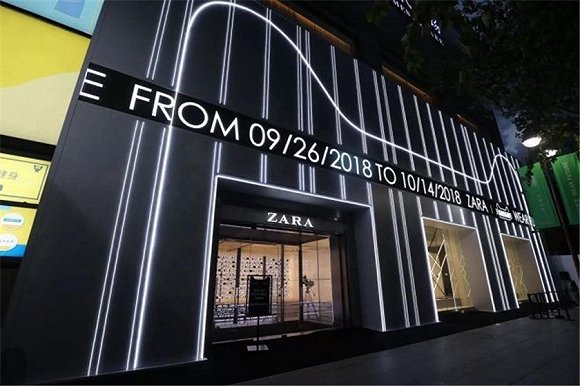
  • Zara Opens Its First Concept Fashion Store in Shanghai

    Zara Opens Its First Concept Fashion Store in Shanghai

    Fast-fashion retailer Inditex has opened its first Zara China concept store, in Shanghai’s CBD.

    The store features digital services provided in collaboration with Alibaba’s Tmall platform to allow customers to buy limited-edition items via their mobile phone. Visitors can scan product barcodes to signal an attendant to bring clothes to a fitting room, and then make a digital payment if they decide to purchase.

    Following lacklustre earnings last year, Zara is refocusing on digitisation, O2O services and social influencers to reach its target demographic.

    Zara China was launched in 2006 and now operates more than 180 stores. China is home to Inditex’s second largest retail network after its home territory of Spain.