Tag: China

  • Shanghai crowned most expensive city for luxury jewellery in Asia

    Shanghai crowned most expensive city for luxury jewellery in Asia

    The Cartier Love Bracelet has been a benchmark to compare luxury jewellery prices across Asia. Made of 18K white gold with 204 diamonds, the bracelet’s price varies from one Asian cities to the other.

    The Julius Baer Wealth Report Asia revealed Shanghai to be once again the most expensive city to purchase the Cartier Love Bracelet, at USD 48,143.

    High import tariffs on luxury jewellery were the main driver behind the exorbitant price. Conversely, Kuala Lumpur is the most price competitive at USD 41,818.

    On average, prices in the region were flat year-on-year, although certain cities witnessed significant fluctuations.

    Hong Kong saw the most significant price gain, whereas Mumbai experienced the biggest decline.

    What is the justification behind the price tag of a luxury jewellery piece? A prestigious brand, the intricacy of the craftsmanship as well as the quality of the precious stones all enhance its desirability.

    In auction markets, rarity and provenance stand out. Globally, Hong Kong is one of the top three jewellery auction hubs for Sotheby’s, driven by solid demand from Chinese HNWIs. Many mainland Chinese continue to invest in rare pieces such as top-of-the-line
    diamonds, coloured gemstones and jadeite as part of portfolio diversification.

    Noting the discerning taste of buyers across the region, Sotheby’s Deputy Chairman, Asia, and Chairman of International Jewellery, Mr Quek Chin Yeow says: “Asian buyers have always been focused on quality. They would rather have a 10-carat D-flawless diamond instead of a 20-carat F-VVS one. They go for quality instead of size.”

    Cindy Tang, Managing Director Senior Adviser at Bank Julius Baer, comments: “From our conversations with clients, high net worth individuals allocate part of their wealth to jewellery assets such as high-end diamonds.”

    Nevertheless, caveat emptor applies. Returns from collectables may be hard to realise, while the market for precious stones is difficult to predict.

    In conclusion, Asian buyers have proven to be a dominant force in the global high-end jewellery auction market. Remarkable auction results in recent years are testament to the buoyancy of the Asian market.

    Luxury jewellery will clearly not be losing its lustre in the region.
  • Apple to open significant new Chinese retail store in Suzhou

    Apple to open significant new Chinese retail store in Suzhou

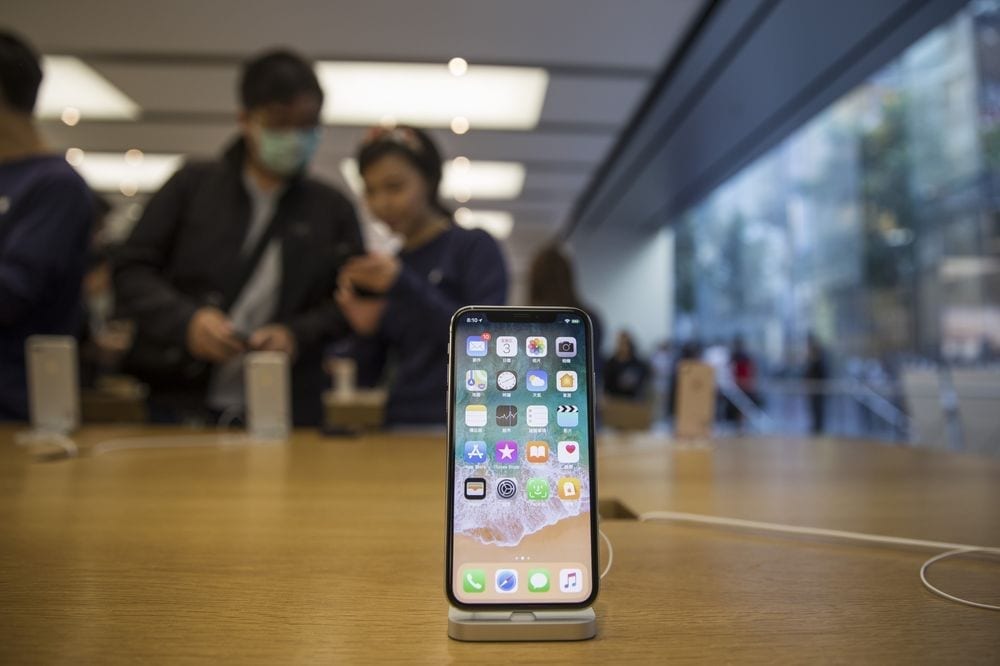
    Apple China is set to open a new retail store in the Chinese city of Suzhou.

    Roughly coinciding with the imminent launch of the new iPhone and Apple Watch models, Apple’s 505th retail outlet will open beneath the city’s tallest building, Gate to the East, adjacent to Suzhou’s largest shopping centre Suzhou Center Mall.

    It is the second new location for Apple in greater China this year since opening in Macau a few months back.

    Mystery surrounding the developing store under construction was cleared when its facade was recently revealed to bear the chromed Apple logo.

    Suzhou, along with Shanghai, was recently announced as a target location for new Apple R&D facilities.

  • Lego’s big prospects in China

    Lego’s big prospects in China

    Danish toymaker Lego Group said it plans to ramp up its China retail rollout, with two new flagship stores poised for Shanghai and Beijing by mid-2019.

    The Copenhagen-based Lego, which recorded double-digit revenue growth in China in the first half of the year, said a new store is slated for Shanghai as soon as this month, in the city’s downtown district, while the Beijing boutique is planned for early 2019.

    For the first six months of the current fiscal year, Lego’s total sales hit 14.3 billion Danish kroner ($2.2 billion), a 5% drop from last year’s performance. Operating profit declined 4% to 4.2 billion Danish kroner, while net profit dropped 10% to 3 billion Danish kroner.

    But China, which recorded double-digit growth for the brand, was a bright spot.

    Jacob Kragh, senior vice-president at Lego, told China Daily that China has much room to grow, especially through the learning through way toy category, as parents focus on construction-based toys.

    In May, Lego inked a video channel deal with Tencent Holding’s to appear on the media giant’s streaming platform.

    Moving forward, Lego plans to invest more in innovative products and enhance its digital, alongside its physical presence in China.

    Lego first entered mainland China two years ago, with a flagship store opening at Shanghai Disney Resort in 2016.

    Most recently, in August, Lego opened four certified Lego stores in Wuhan alone, via retail partnerships in China, taking its total to 36 partnership stores.

    By year-end, Lego is planning to have up to 60 stores across 15 Chinese cities, with the new stores mostly located in second and third-tier cities.

    Lego also recently joined forces with IKEA to encourage more play. The collaboration aims to increase the opportunity for more play, and the first step is to try to make the home a better functioning and more fun place as IKEA believes play to be an ‘essential part of a better everyday life’.

  • Burberry is launching ‘See Now, Buy Now’

    Burberry is launching ‘See Now, Buy Now’

    British luxury fashion house Burberry is releasing a see-now, buy-now collection exclusively on Instagram and WeChat.

    Limited-edition pieces from the collection, the first released under the Burberry label by designer Riccardo Tisci, will be made available through 24-hour product releases on the two platforms. The inclusion of WeChat on the see-now, buy-now program illustrates the importance of the Chinese market for the brand.

    A physical sale for the collection will be held in the Regent Street, London flagship store at 5.30 pm on September 17, immediately after Tisci’s runway presentation at London Fashion Week. The store will be visually transformed under a Tisci-designed concept for the 24-hour sale.

  • Chow Tai Fook Held Crossover Art Exhibition at NYFW 2018

    Chow Tai Fook Held Crossover Art Exhibition at NYFW 2018

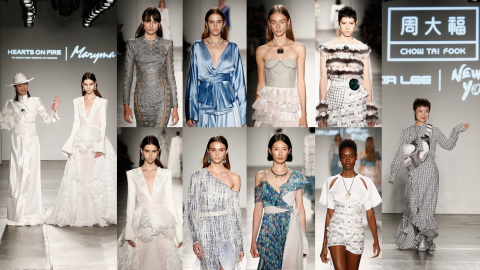
    Chow Tai Fook has mounted a New York – New York art crossover exhibition for New York Fashion Week, taking the company’s brands and Chinese art and design into the international arena.

    Chow Tai Fook unveiled its high-end jewellery brand Hearts On Fire, as well as the latest New York – New York jewellery series in the art-crossover exhibition, created by Chinese students Scynge Xing, Zhang Mengtai, Wu Tianran and Chen Yihan from the top four art schools of the US, Parsons School of Design, Columbia School of the Arts, School of Visual Arts, and NYU Tisch School of the Arts.

    Chow Tai Fook also cooperated with Graduates Art Fair to provide a platform for outstanding Chinese graduates to showcase their talents. Chow Tai Fook selected five young artists – Fu Qiang, Cheng Xiaofang, Zheng Jiahao, Ren Xiaofang, Ma Shaoning – from China’s top eight art schools to display their works at the exhibition.

    Ma Yanli, Lan Xi, Jiang Zixin, Zhang He, Qiao Dawei and Tan’ai attended the event as charity ambassadors to show their support.

    Chow Tai Fook says the New York – New York Art Crossover Exhibition is dedicated to promoting the development of Chinese art design, providing young artists with a platform to show their talents and using the brands’ influence to help more artists realise their dreams.

    After debuting at New York Fashion Week Preferred Show Pier 59 Studio on Sunday, Chow Tai Fook’s New York, New York jewellery series is on pre-sale at major e-commerce platforms in China and North America, including Amazon, JD, Suning, Tmall and Chow Tai Fook’s own site.

  • Sephora’s new omni-channel retail concept for China

    Sephora’s new omni-channel retail concept for China

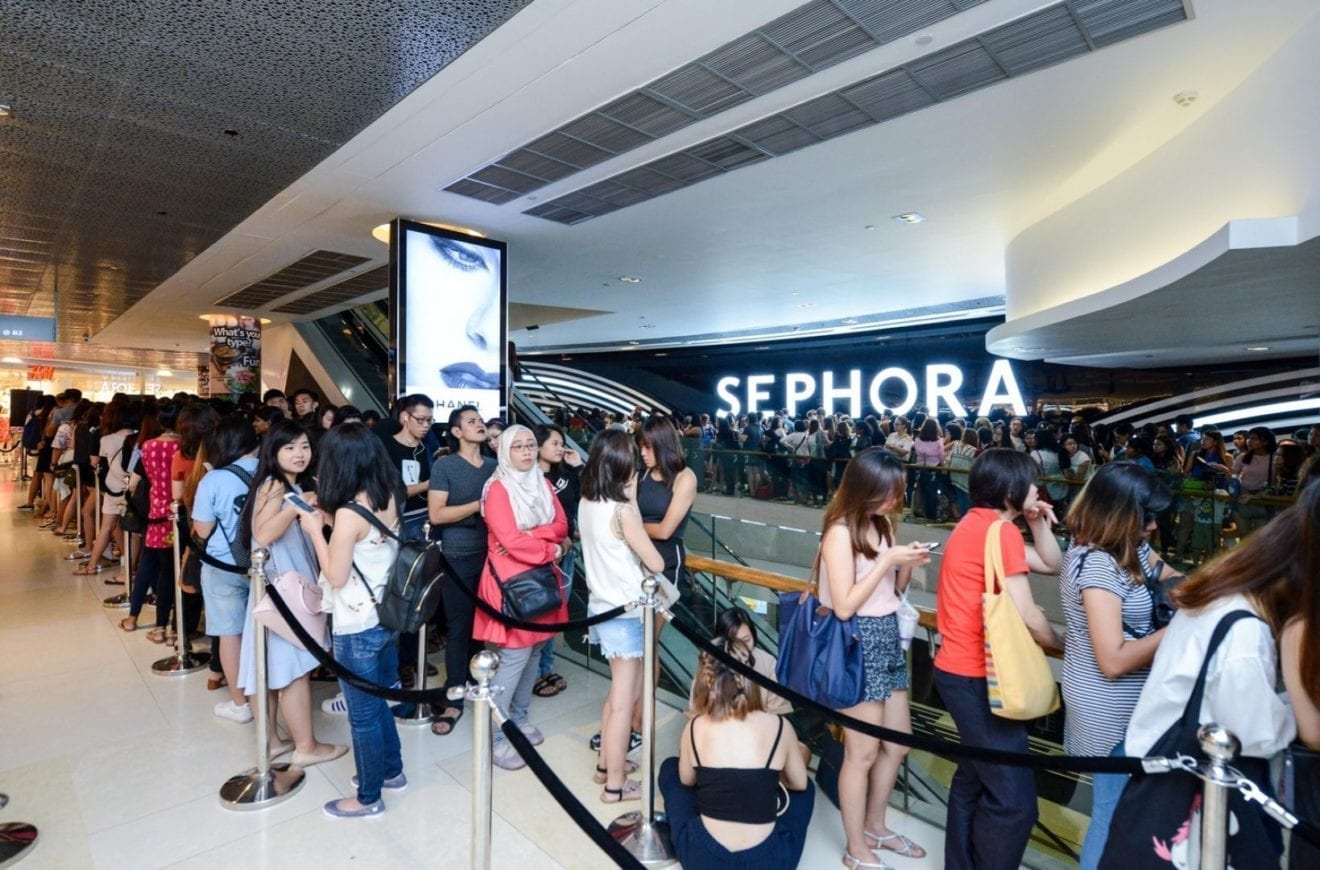
    French cosmetic retailer Sephora unveiled plans for new retail experience in China on August 31, coinciding the announcement with news of its next Chinese brand ambassador.

    Sephora announced its new concept “My Beauty Power Turn It On” at a press conference at the Shanghai Film Plaza late last month, saying the initiative is designed to help shoppers discover an individual and unique beauty, “and rediscover, lead
    and create a new meaning of beauty that is distinct to them.”

    The make-up brand introduced its new Sephora mini program, offering a new experience of omni-channel social retailing to Chinese shoppers.

    Increasing the Millennial appeal, Z.TAO, a famous Chinese singer and actor, was also named a brand ambassador.

    “This is an attempt by Sephora to embrace Chinese social culture and become the first comprehensive vertical beauty retailer to offer a full social shopping experience,” said Sephora China, in a statement.

    Sephora’s first ‘Asian New Concept Store’ will be rolled out in Shanghai in September.

    “The fully upgraded Asian New Concept Store will give every consumer a chance to confidently create their own beauty power,” said Sephora.“We believe that the unrelenting pursuit of beauty, the constant exploration and leadership in beauty trends, along with the continuous innovation of experiential sales are the best ways for Sephora to fulfill its commitment to Chinese consumers.”

    Sephora currently has 228 physical stores in China, covering 74 cities.

    The French retailer also operates a Sephora app and official website in China, as well as its Tmall flagship store and JD flagship store.

  • China’s cross-border e-commerce turnover

    China’s cross-border e-commerce turnover

    China’s cross-border e-commerce is forecast to see turnover top 9 trillion yuan (1.3 trillion U.S. dollars) in 2018, according to a report released by the China E-Commerce Association.

    The report, released on Sunday at the ongoing 20th China International Fair for Investment and Trade (CIFIT), held in Xiamen, east China’s Fujian Province, said that the top 10 import sources of China’s cross-border e-commerce trade in 2017 were Japan, the United States, the Republic of Korea, Australia, Germany, New Zealand, the Netherlands, France, Britain, and China’s Hong Kong Special Administrative Region.

    Cross-border e-commerce is most active in south China’s Guangdong Province, followed by Beijing, east China’s Zhejiang and Shandong provinces and central China’s Henan Province for exports via e-commerce.

    Tong Xiaomin, chief engineer at the Information Center of the Ministry of Industry and Information Technology, said that the Chinese government supports cross-border e-commerce with policies and infrastructure building.

    Globally, however, trade protectionism in forms of tariff barriers and anti-monopoly investigations has posed negative influence on the development of cross-border e-commerce, Tong said.

    He suggested that Chinese e-commerce firms and importers should heed turbulence in the international trade environment and improve their global competitiveness. Meanwhile, the e-commerce platforms should explore new market and adopt new technologies and applications to ensure the high-quality development.

  • Walmart’s mini program “Scan to Buy” has attracted over 10 users in China

    Walmart’s mini program “Scan to Buy” has attracted over 10 users in China

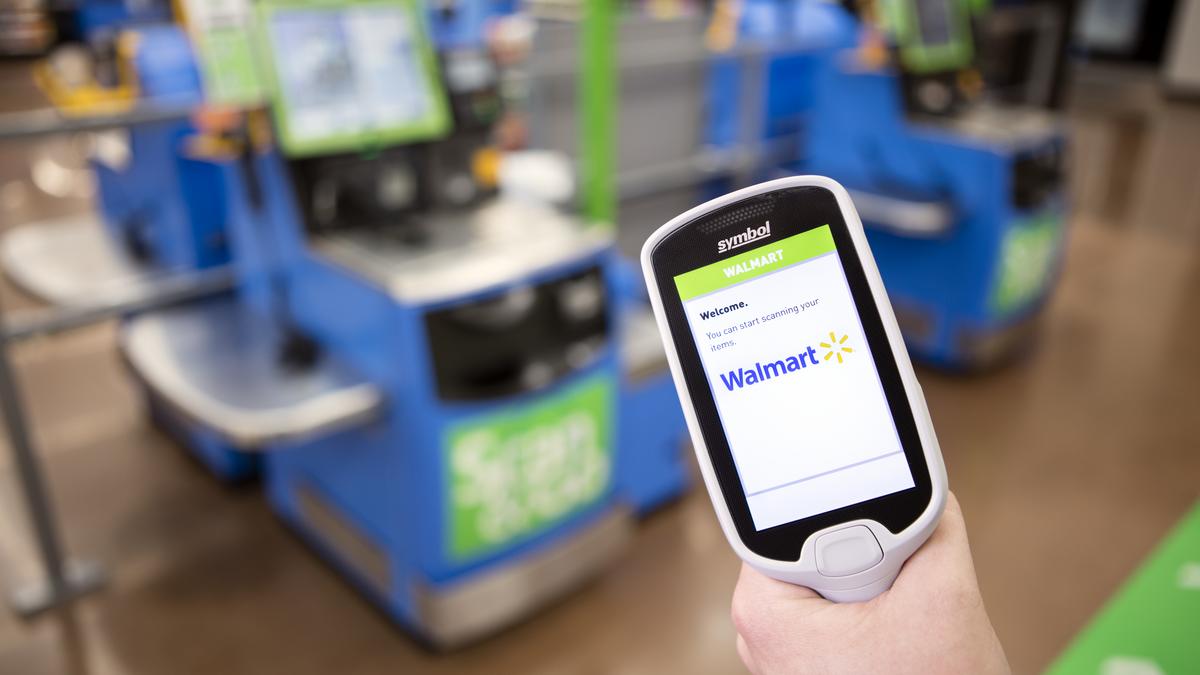
    Walmart Scan & Go use in China has broken through the 10 million-users barrier, the first mini-program in the retail industry to reach such a broad user base.

    Since launching last April, Walmart Scan & Go – which allows customers to scan their own items and complete payment on their mobile phones for in-store purchases – has been promoted in nearly 300 Walmart stores in more than 50 cities. By the end of the year, it is expected to be available in more than 400 Walmart stores across the country.

    In the two-month tryout period in some Walmart stores, Scan & Go reached a penetration rate of up to 30 per cent of in-store customers choosing to use the mini-program to make payment. About 95 per cent of those users said they were willing to continue to use this new self-help checkout method.

    The mini-program also features an electronic mapping service called “Find My Item”, which provides customers with an electronic map-based shopping guide service helping in-store customers to quickly locate the products they need.

    Jordan Berke, Walmart China Hypermarket’s VP of e-commerce said: “Walmart Scan & Go is one of our important initiatives to deliver innovation and omni-channel experiences to our customers… We believe that innovative technologies provide a more convenient experience to customers and enhance customer loyalty.”

    Cecilia Tian, head of smart retail strategic partnership at Walmart’s partner Tencent, said: “Scan & Go meets the customer’s needs by shortening the checkout time. For retailers, Scan & Go helps anchor their digital assets and improve the digitalisation and CRM capability. It brings positive impact on O2O business. Tencent hopes to collaborate with retail partners such as Walmart, who are able to build a holistic, seamless O2O experience with digitalisation tools, improve the operation efficiency and drive business growth.”

  • Chinese hotpot giant Haidilao preparing for Hong Kong IPO

    Chinese hotpot giant Haidilao preparing for Hong Kong IPO

    The Beijing-based firm, known for serving Sichuan-style spicy hotpot, is in the process of the pre-deal investor education (PDIE), during which analysts discuss the company’s valuation with potential investors.

    It will take orders from institutional investors today, according to people familiar with the matter. The IPO will be opened to retail investors on Wednesday.

    The hotpot company generated a first-half revenue of 7.3 billion yuan (US$1 billion) this year, up 54.4 per cent year on year, its listing prospectus showed. Net profit increased 17 per cent to 647 million yuan during the six month period.

    Funds raised from the IPO would be used to finance the company’s next three years of expansion, develop new technology and projects to enhance food safety and customer experience, as well as repay debt, it said.

    Haidilao, which owns 362 restaurants, has expanded its operations rapidly to cater to a growing middle class population whose consumption is considered an integral part of the country’s new economy sector.

    Recent volatility in the Hong Kong stock market, no thanks to the US-China trade war, currency turmoils in emerging markets and fear of further interest rate hikes, have dampened interest for new listings. This compared with the boom in the first eight months in which funds raised from IPOs totalled HK$187.6 billion (US$23.9 billion), representing a 161 per cent surge from the year-earlier period, according to data from the city’s stock exchange.

    By Friday’s market close, the 10 biggest IPOs in the past year – including China Tower, Xiaomi, ZhongAn Online P&C Insurance – all traded below their offer prices. The Hang Seng Index fell on Friday, posting a weekly loss of 3.3 per cent as a new round of US tariffs that could hit US$200 billion of Chinese goods looms.

    Other upcoming IPOs include investment bank China Renaissance, which aims to raise as much as US$400 million. It will begin its PDIE next week.

    Meituan Dianping, China’s largest on-demand online service platform, launched its offering this week in an attempt to raise US$4.4 billion. The stock is expected to start trading on September 20 on Hong Kong’s main board.

  • Lego China plans major expansion

    Lego China plans major expansion

    Lego China to accelerate its expansion following double-digit revenue growth in the first half of this year.

    The toy maker and retailer will open two new flagships in Beijing and Shanghai respectively within the next few months. Lego’s first mainland flagship launched at the Shanghai Disney Resort two years ago, and the company hopes to have 60 locations running before next year.

    Lego’s senior VP Jacob Kragh expressed significant optimism for the company’s potential in China, stating that there was “no limit” in what Chinese parents might be prepared to pay for educational toys.

    The move comes in the wake of Lego’s new video channel partnership with tech giant Tencent Holdings, which will release a game later in the year.

    Lego China’s growth has already exceeded that in both Europe and the US and is accordingly the focus for Lego’s immediate expansion.

  • Pandora’s 2018 achievements

    Pandora’s 2018 achievements

    Environmental, social, and governance concerns are growing everyday and progressively taking a e prominent place in business decisions across all industries.

    The demand for investing strategies based on ESG, factors is being driven by women and millennials, who, by 2025, will make up three-quarters of the workforce.

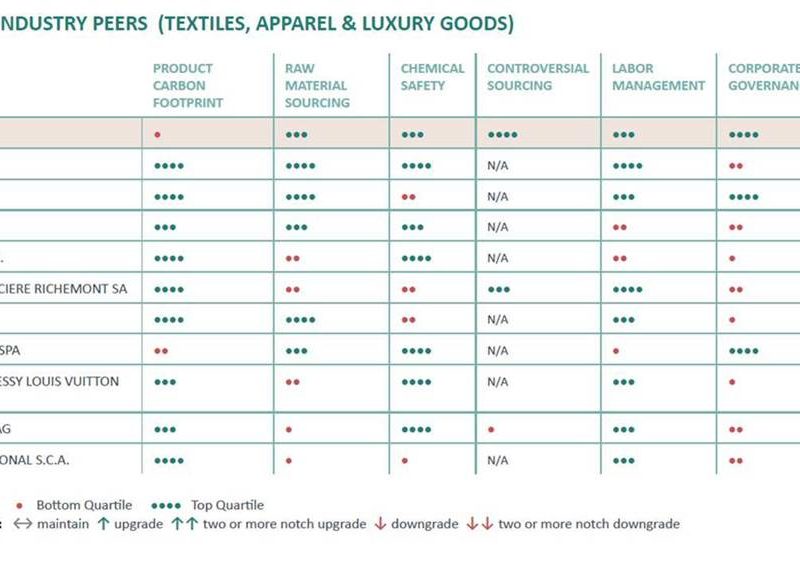
    Morgan Stanley’s annual ESG rating of the fashion industry once again found Pandora ahead of the heard. Indeed, for the second year in a row, the Danish jewellery manufacturer and retailer ranked ahead of renowned companies such as Kering, Adidas, Nike, LVMH Moët Hennessy Louis Vuitton, Dior and Hermes.

    Source: Morgan Stanley

    Pandora is praised for their responsible purchasing of gold and silver and for excellent labour conditions.

    Trine Pondal, Pandora’s Head of Sustainability, renewed the company’s wish to make “jewellery as sustainable as possible, while also making sure that our employees all over the world enjoy good working conditions”.

    “We believe that our initiatives in this area not only benefit Pandora but also our suppliers and the rest of the jewellery industry”, he said.

    Pandora’s work in the ESG field has been made possible through close monitoring of the company’s process from manufacturing to distributing.

    As part of the company’s strategy to increase its own operated retail footprint in important markets, Pandora is taking back complete ownership of the brand in Greater China as it today signed an agreement with Carrera Corporation to acquire its Pandora store network in Taiwan on 1 January 2019.

    With the agreement, Pandora will add five concept stores and 14 shop-in-shops to its retail network giving the company complete ownership of the brand and distribution in Greater China (Mainland China, Hong Kong, Macau and Taiwan).

    Pandora will pay approximately HKD 120 million (DKK 100 million) in cash for the assets. The sell-out revenue in Taiwan was HKD 240 million in 2017.

    Kenneth Madsen, President of Asia Pacific in Pandora, believes “having complete ownership in Greater China will support Pandora’s growth and development strategy in the entire Asia Pacific region”.

  • Nine West Closes Last Beijing Shoe Shop as It Retreats From China Market

    Nine West Closes Last Beijing Shoe Shop as It Retreats From China Market

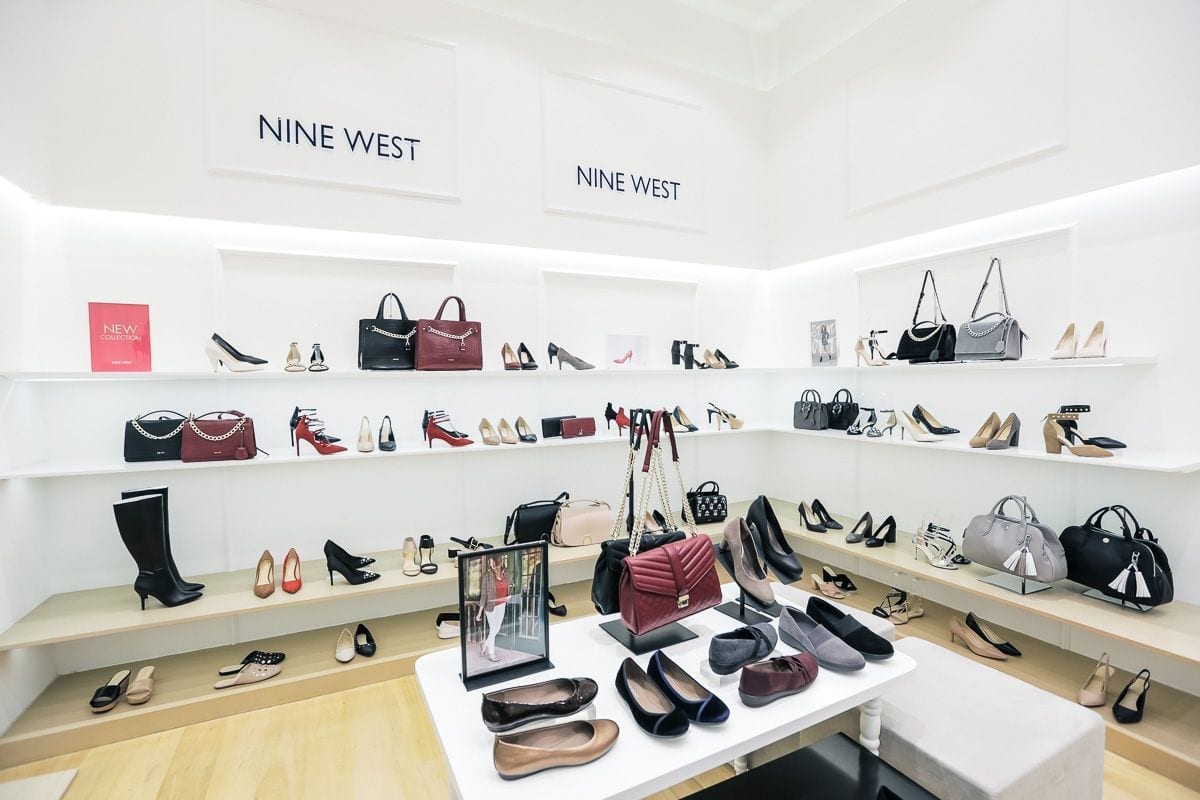
    Nine West China has closed its last Beijing store.

    The New York-headquartered women’s footwear retailer, which filed for bankruptcy in April, was popular in China from the mid-90s but has struggled with increasing competition. It is now pulling out of the region entirely, citing poor management of its stores. It closed its online store last month.

    Nine West China’s regional agency GRI Group has reported financial difficulties and withdrawn from Taiwan and Hong Kong.

    Nine West Holdings is now focusing on jewellery and apparel, rather than shoe retailing.

    Its Nine West and Bandolino footwear brands were sold to Authentic Brands Group in June for US$340 million.

  • ‘US-China trade war will calm down’

    ‘US-China trade war will calm down’

    The burgeoning US-China trade tensions will calm down sooner or later, despite the additional tariffs counterattack between the world’s two largest economies, according to the US leading strategic consultant David Morey.

    “I think the trade war is going to calm down, but as to when it will happen, it is hard to tell as our President (Donald Trump) is rather unpredictable,” Morey said at a press conference in conjunction with the Malaysia Retail Chain Association’s (MRCA) CEO Night recently.

    “But my guess is that we are going to have some change, because the US-China relationship is too important (for them) to be yelling at each other,” he added.

    Morey also opined that the North Korea’s nuclear weaponry issue would have not been solved if not because of the cooperation between the two big economies.

    “And it better calm down because we need to get to more serious trade issues,” Morey said.

    Meanwhile, commenting on the challenges faced by the local companies to reach to the giant companies level, Morey said these companies need to deal with the anti-corruption, bureaucratic, as well as the status quo issues, which takes every government or organisations around the world.

    “Bureaucracy has no political label, it seems to enjoy every political system and you gotta fight that. You gotta fight people that are looking out for their own interest versus the people.

    “But I sort of look at the glass half full when it comes to Malaysia. Sure you have a lot of challenges ahead, but you have made a lot of progress along with Singapore and Korea.

    “I’m not saying everything is perfect in Malaysia, but there is a hunger that the Malaysians have. We can’t give people that hunger but you have it as a nation. People want to get better, they want to learn, they value education for their kids, and not all countries have that same hunger that you have,” Morey said.

    Asked on the challenges faced by the new Malaysian government, Morey said he opined that the challenge for Prime Minister Tun Dr Mahathir Mohamad is the obstacle that every change leader faces in staying relevant.

    “He won by being a change candidate, now can he continue to be the change leader as he was for so many years and decades? That’s the question.

    “And there’s the difference between campaigning and governing. Governing is a lot harder today but I wish him luck. I think he’s doing a lot of right things and we’re all worried about the geopolitical change that’s happening. We are in a dangerous complicated world so we need great leadership,” he added.

  • Smart vending machine sells a lot in China, Japan

    Smart vending machine sells a lot in China, Japan

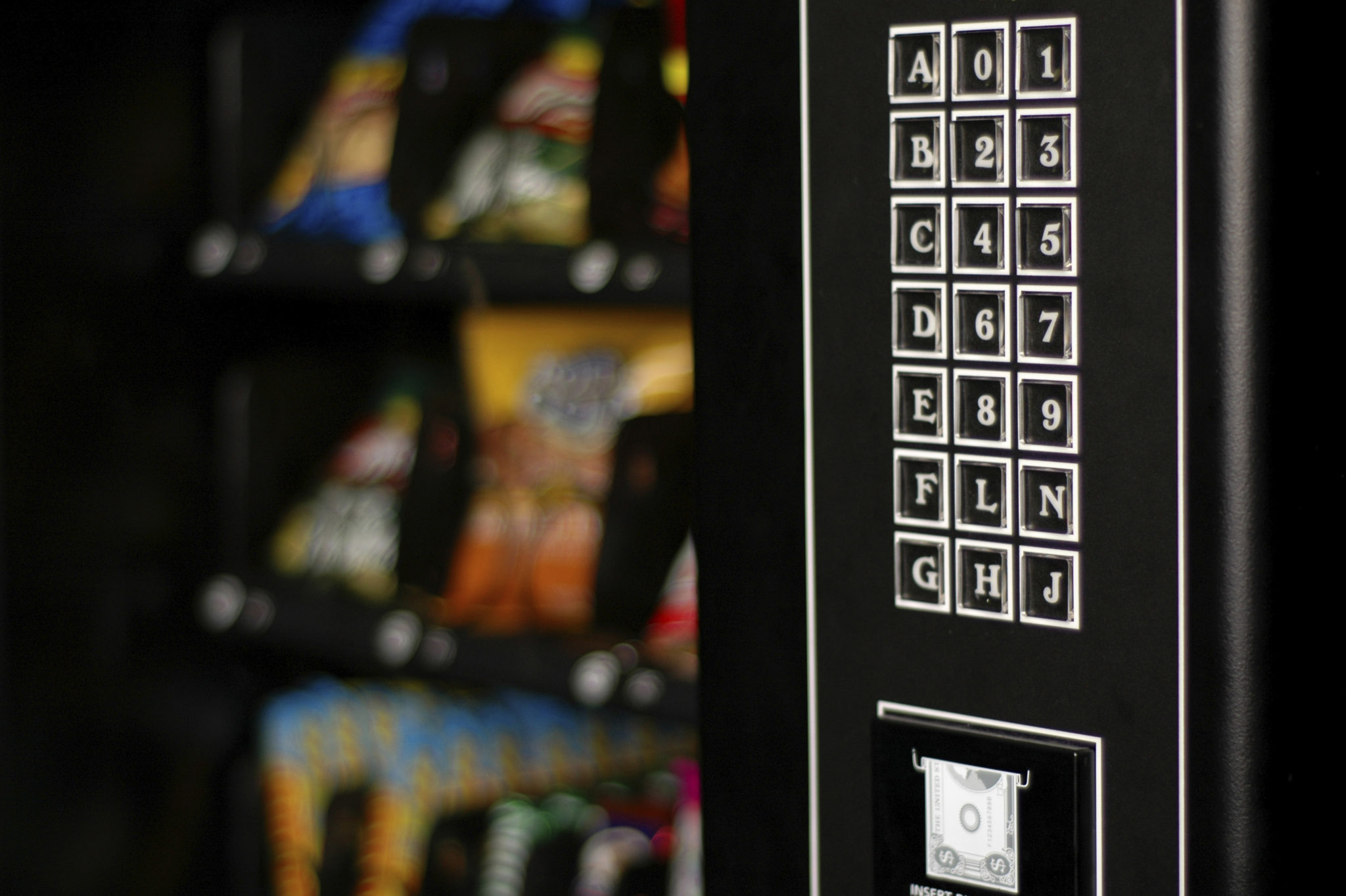
    The deployment of smart vending technologies will surge in the Asia-Pacific as high-tech unmanned retail continues to attract major investment.

    The demand for technology-driven frictionless retail experiences, combined with cheap production costs and limited data privacy barriers, is driving rapid adoption in China, Japan, and South Korea, leaving the rest of the world behind, according to a report by ABI Research.

    By 2023, the Asia-Pacific will be home to more than 1 million automated retail units and 4.5 million smart vending machines, the market-foresight advisory firm concludes.

    “The initial growth rate of automated retail units in the Asia-Pacific market, driven primarily by China, has already been astonishing and will continue to grow exponentially over the next five years,” said Nick Finill, senior analyst at ABI Research.

    “This will create a vast regional disparity in adoption figures, largely a result of technological and societal factors. Ultimately it signals a strong future for smart retail in East Asia,” he said.

    But the unprecedented growth of automated retail units in Asia is just half of the smart vending story. Intelligent vending machine trends also indicate how the wider smart vending market is gravitating eastwards. While North America is currently home to 76 per cent of total smart vending machines, by 2023 China will become the primary market for intelligent vending machines.

    Smart vending is emerging as an additional retail channel offering unique benefits versus traditional brick and mortar retail and e-commerce. Intelligent vending machines and automated retail units, equipped with advanced customer and operational analytical capabilities, offer immediate convenience to the customer while enabling additional revenue streams to be exploited by operators and partners.

    “Successfully entering new markets, attracting new customer segments, monetising data, and cutting operating costs can all be achieved simultaneously in addition to profiting from direct product sales,” said Finill.

    “Smart vending is therefore not just a powerful retail channel for the customer, but also potentially a valuable marketing tool for retailers and brands.”

    The combination of mobility and smart vending is also suggesting that further innovation is around the corner for the unattended retail market. Several proofs of concept have emerged which enable autonomous vehicles to act as mobile vending machines, opening up new opportunities for customer-focused operators to better adapt to consumer needs.

    The traditional smart vending market is being transformed by established market leaders such as Intel, Swyft, Nayax, and Sierra Wireless; in addition to emerging players such as Invenda, DeepMagic, and DeepBlue Technology.

    The findings are from ABI Research’s report Smart Vending Trends and Market Opportunities.

  • US, China dig in as Trump prepares to impose fresh tariffs

    US, China dig in as Trump prepares to impose fresh tariffs

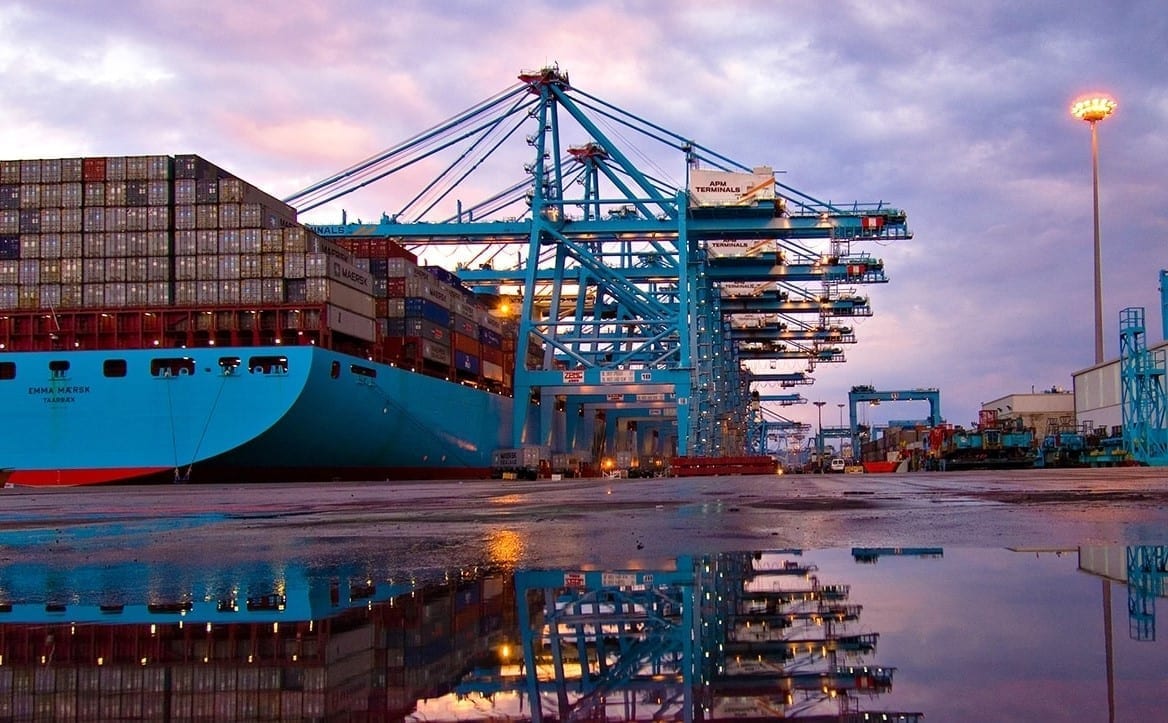
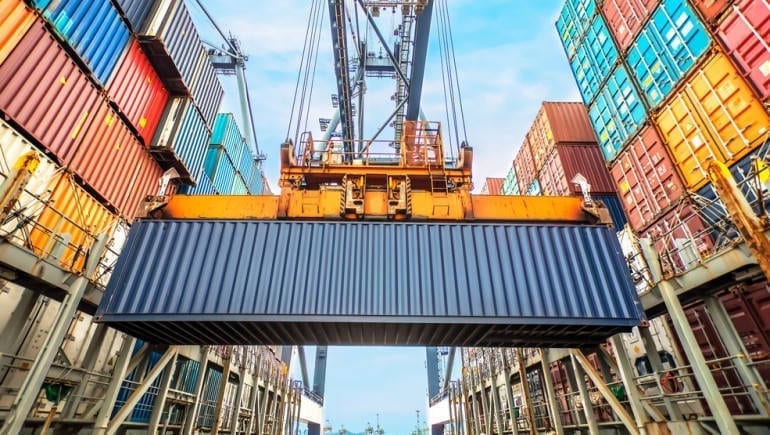
    With US President Donald Trump gearing up to impose tariffs on US$200 billion (RM828 billion) on Chinese goods and Beijing certain to retaliate against any measures, the world’s two biggest economies are locked in an escalating trade war, with no resolution in sight.

    The United States is negotiating with Canada this week to try and finalise a deal to modernise the North American Free Trade Agreement (Nafta), an outcome some in the White House say will allow Washington to turn up the heat on Beijing.

    “The hope is that this (Nafta) puts a lot of pressure on the Chinas of the world to help us negotiate better reciprocal trade deals,” Kevin Hassett, chair of the White House Council of Economic Advisers said.

    The world’s two largest economies have already applied tariffs to US$50 billion of each other’s goods. Talks aimed at easing tensions ended last month without major breakthroughs, and Washington appears emboldened by a sell-off in Chinese markets and a weakening economy.

    China is planning two choreographed celebrations of free trade – a major import fair in November and the 40th anniversary in late December of its move towards market reforms. However, Chinese government advisers are tamping down expectations either occasion will yield measures that could defuse tensions.

    “China seems unable or unwilling to announce major liberalisations that could be termed ‘confidence building
    measures’ or ‘down payments’ on expected near-term reforms,” Craig Allen, president of the Washington-based US-China Business Council, said in a letter to members over the weekend.

    “We know that the President has received reports that the Chinese economy is struggling – reports that we believe are overstated – and thus he may believe that additional pressure might be effective in the short-term,” Allen said.

    Washington is demanding Beijing improve market access and intellectual property protections for US companies, cut industrial subsidies and slash a US$375 billion trade gap.

    The Trump administration is ready to move ahead with a next round of tariffs after a public comment period ends at midnight in Washington on Thursday (Friday afternoon Malaysian time), but the timing is uncertain, people familiar with the administration’s plans said.

    The new duties will start to hit consumer products directly, including furniture, lighting products, tyres, bicycles and car seats for babies.

    Trump said he was not prepared to make a deal with China “that they’d like to make”.

    “We’ll continue to talk to China,” he said at the White House on Wednesday. “But right now we just can’t make that deal. In the meantime, we’re taking in billions of dollars of taxes coming in from China, with the potential of billions and billions of dollars more taxes coming in.”

    Given the smaller amount of goods China imports from the US on which it could slap duties, Beijing has vowed to hit back with unspecified “qualitative” and “quantitative” measures, actions perceived within the US business community as likely to be increased customs and regulatory scrutiny.

    Beijing appears to be bracing for a long fight.

    Official Chinese media is asserting that Trump’s trade war is aimed at containing China’s rise, a perception solidifying Beijing’s resolve not to buckle under US demands.

    In light of such a US agenda, China should “maintain strategic determination” and “take care of our own matters”,
    Long Guoqiang, vice-president of the State Council’s Development Research Centre said.

    “The Soviet Union was pulled into an arms race in the Cold War. Japan’s economy became a bubble in a trade war. These profound lessons are close at hand,” Long said.

    While US businesses in China do not yet appear to face widespread retaliation, some company officials have said they are bracing for blowback. Some are shifting supply chains to avoid tariffs.