Tag: China

  • Gome Retail restructure ends up disappointing

    Gome Retail restructure ends up disappointing

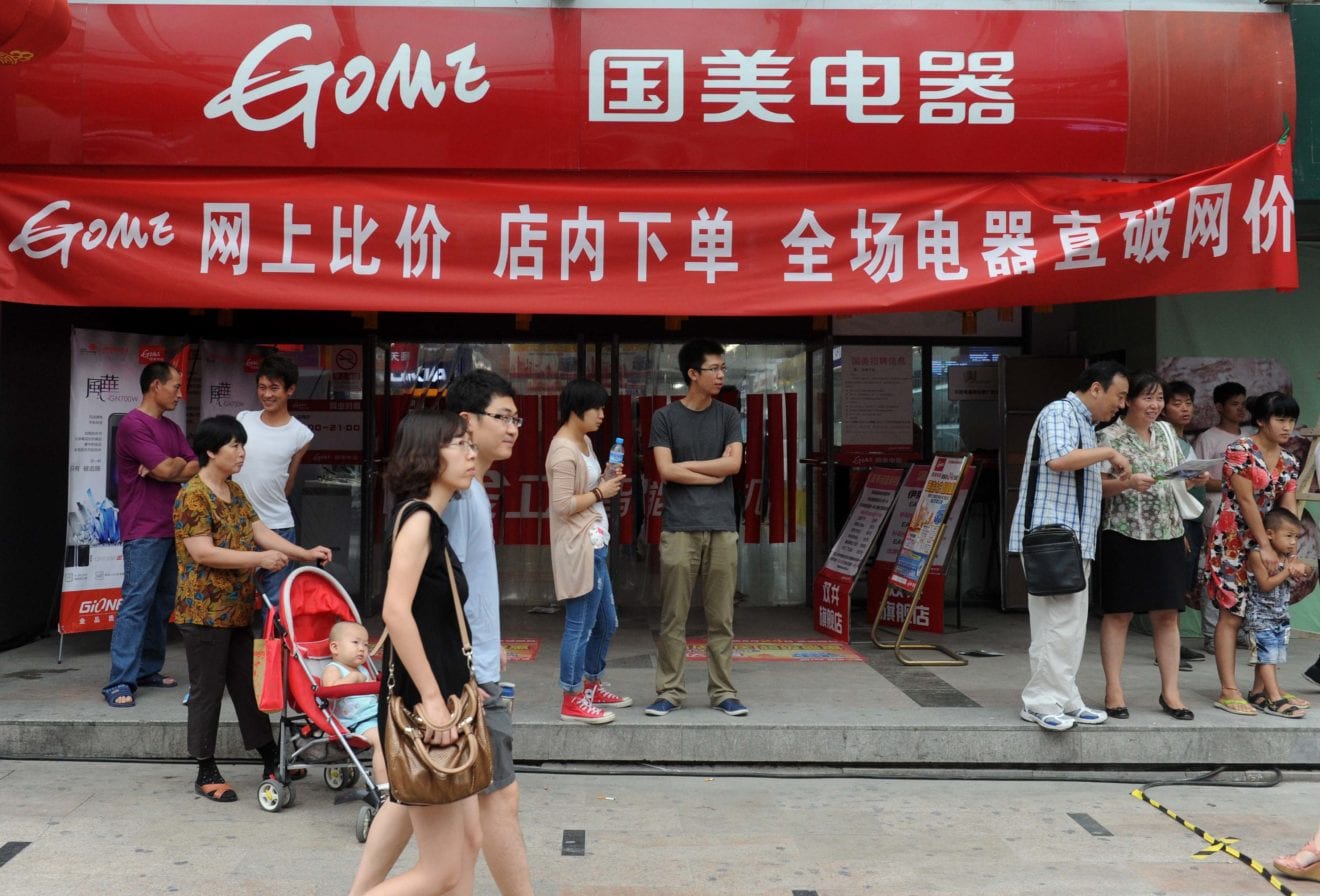
    Gome Retail Holdings has posted a loss attributable to shareholders of RMB457 million for the first half of this year as it continued with implementation of its Home – Living strategic restructure.

    The loss was a contrast to the profit of RMB122 million in the same period last year.

    Gome Retail chairman Zhang Da Zhong said the group accelerated its transformation into “a one-stop home solution provider. At the same time, it promoted the overall integration of its online to offline businesses, aimed at raising management efficiency and enhancing consumer experience.

    Gome is combining its electrical appliances, home decoration, household systems and supermarkets to create sizable “experiential stores” in tier 1 and 2 cities. The group is also optimising its platform to include the Xiaomei Net Café, VR Cinemas and Gome esports.

    During the six months, the group’s total gross merchandise volume (GMV) for both online and offline operations increased by 14.94 per cent year on year, with 67.39 per cent growth in the GMV from the marketplace of the e-commerce business.

    As a result of the implementation of the strategic transformation plan, the group recorded sales revenue of RMB34.706 million, representing a decrease of 8.84 per cent when compared with RMB38.073 billion for the corresponding period last year.

    Gome proposed the ‘Triple New’ initiative of ‘New Business, New Market, New Technology’ to rapidly open county-level stores in tier 3-6 cities, and introduced new service initiatives including the integration of kitchen cabinets and electrical appliances, home furnishing/kitchen cabinet and kitchen interior design services.

    “The Triple New initiative proposed by Gome not only represents an operational shift of focus from products to users, but also demonstrates Gome’s determination to attract customers with quality services,” said Zhong.

    In the months ahead, he says the group will continue to open county-level stores at a quicker pace and work on merging its online and offline operations.

  • Emperor Watch & Jewellery profit jumps high

    Emperor Watch & Jewellery profit jumps high

    Emperor Watch & Jewellery cites “strong momentum in luxury consumption” as the reason for a massive profit boost in the first half of this year.

    Total sales surged 34.3 per cent to HK$2.454 billion (US$312.6 million), as inbound tourism arrivals from the mainland recovered and Hong Kong retail sales rose.

    Revenue from its core, home market Hong Kong was up 42.8 per cent to $1.908 billion, accounting for 77.8 per cent of total sales.

    “The improvement in consumption sentiment has supported robust demand for watches,” the company said in an announcement. Hence, revenue of the watch segment, the group’s largest revenue contributor, rose 32.1 per cent to $1.942 billion, accounting for 79.1 per cent of total revenue. Revenue from the jewellery segment increased by 43.6 per cent to $512.5 million.

    Gross profit grew 39 per cent to $677.3 million, with gross profit margin rising from 26.7 per cent to 27.6 per cent, due to stronger demand for watches.

    Group net profit more than quadrupled year on year to HK$157.2 million.

    “Given the favourable fundamentals of Hong Kong luxury watch sector, we are cautiously optimistic about our long-term business prospects albeit market volatility,” said Emperor Watch & Jewellery CEO and chairperson Cindy Yeung. “We remain committed to respond proactively to the market dynamics and leverage on our core competencies.” As at June 30, the group operated 84 stores – four more than at the end of last year – in Hong Kong, Macau, Mainland China and Singapore.

    After a successful launch in Singapore in 2013, the group now plans to expand into Malaysia. Yeung said the company will also continue to eye further expansion opportunities globally.

  • Tao Heung sales improved as visitors increases

    Corporate restaurateur Tao Heung is reporting improved sales in both its core Hong Kong market and on the mainland as people dine out more often and the average tab increases.

    Tao Heung operates 60 restaurants under its own brand, two RingerHut eateries focused on non-Chinese cuisine, and 18 Tai Cheong Bakery stores.

    In the half-year to June 30, consumption sentiment improved both in Hong Kong and Mainland China, the company said. Its strategy to strengthen its culinary portfolio to attract a more diversified customer base, and right-size its operations led to a 5.4 per cent increase in year-on-year sales to HK$2.08 billion.

    “The increase was principally driven by same-store sales growth, in turn the result of the rise in per-head spending particularly for seafood and including late night dining – “all you can eat hotpot”,” the company said in its results commentary.

    Profit attributable to shareholders rose to $51.3 million (from $40.8 million in the same period last year) and would have been up by 53.7 per cent to $62.7 million had it not been for a one-off expense relating to the government-enforced closure of the company’s pig farm during the period.

    In Hong Kong, which accounted for 61.7 per cent of the company’s sales, the company says it faced “fierce competition” rebuffed by several seasonal marketing strategies. “All these helped to further drive same-store sales growth as well as increase per-head spending.”

    Eight Hong Kong restaurants were renovated during the six months, including Tao Heung – The Pier Market Store in Mong Kok which opened in June, specialising in seafood. It is targeted towards affluent customers – “a segment that not only appreciates fine Chinese cuisine but also a suitably sophisticated ambience”. Other restaurants were either closed or right-sized, leaving a net reduction of six outlets since the end of last year.

    As the company looks to diversify its restaurant portfolio, several collaborations were realised, with more partnerships in the pipeline. Du Hsiao Yueh, which specialises in Taiwanese cuisine, which opened its first Hong Kong branch in Tsim Sha Tsui in June last year, now has a sister restaurant in Causeway Bay. Another collaboration involves Flamingo Bloom, a modern, chic Chinese tea salon that opened at IFC mall in July.

    “Management trusts that such collaborations will not only broaden the group’s portfolio, but also provide it with greater flexibility in terms of business development,” the company said.

    Tao Heung is also exploring overseas partnership opportunities for its Tai Cheong Bakery, after achieving success in Singapore.

    “Besides consolidating its bakery network, further efforts will be made at increasing distribution channels through collaboration with different brands and supermarkets.”

    Mainland China operations

    On the mainland, the group operates an integrated complex business model, comprising Chinese restaurant, self-owned supermarket, indoor playground, museum, shops and parking facilities covering over 22,000sqm. The company said the three family-oriented complexes it operates continued to deliver stable income during the period, attracting the patronage of middle-to high-income families.

    The company’s packaged food business on the mainland also experienced strong growth. Sales of frozen food increased by 26.3 per cent, largely due to e-commerce partnerships with online platforms such as Tmall.com and JD, which give the group access to customers nationwide. Takeout services like Dianping.com, Meituan and ele.me also boosted sales.

    As at June 30, Tao Heung operated 46 restaurants in Mainland China, along with 26 Bakerz 180 outlets during the period.

  • L Brands slides as sales slumps for Pink lingerie

    L Brands slides as sales slumps for Pink lingerie

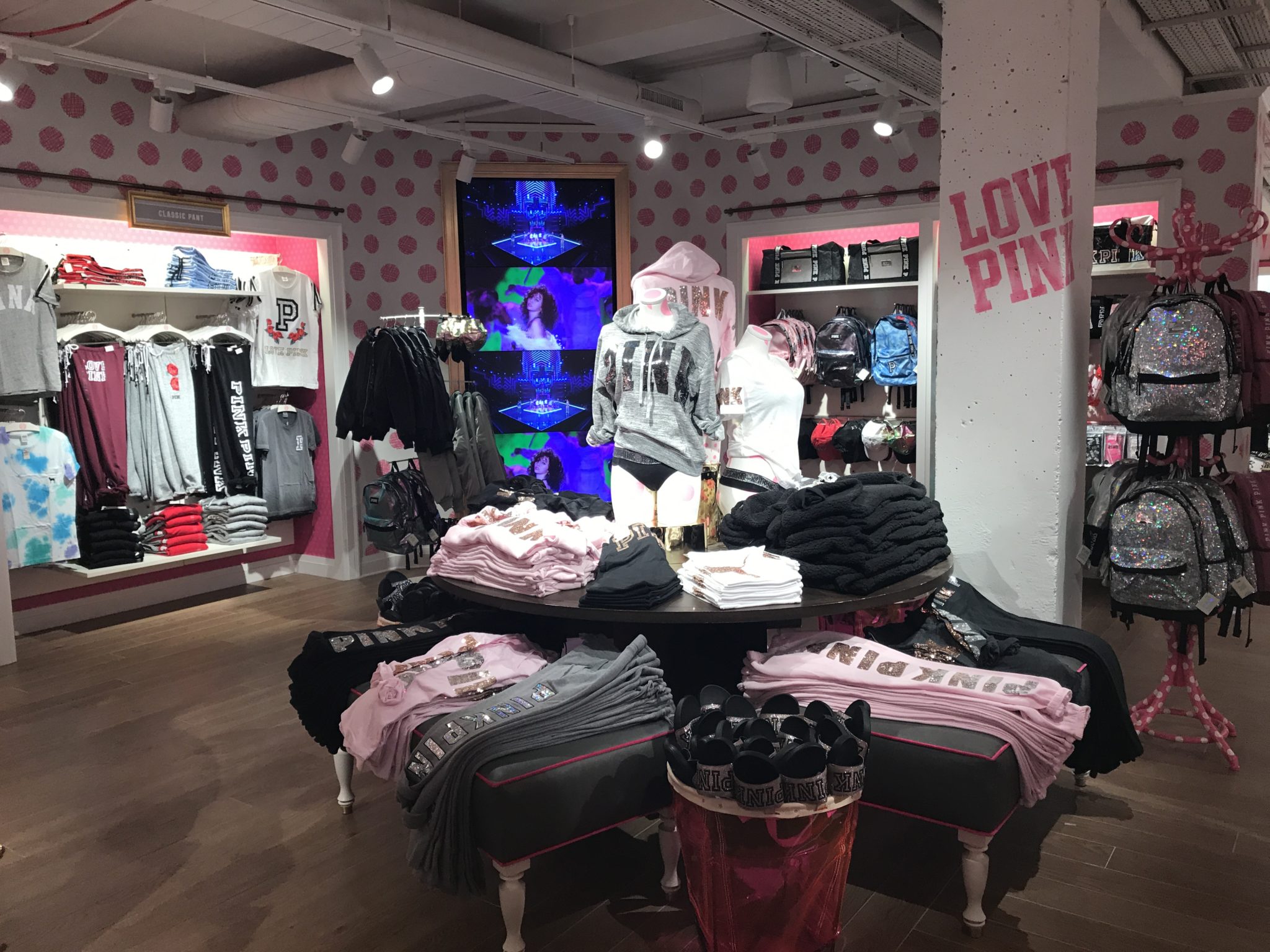
    L Brands, parent of Victoria’s Secret, Pink, La Senza and Bath & Body Works, has reported a drop in sales and earnings for the second quarter.

    Teen-focused diffusion-brand Pink, now a US$3 billion business which achieved $12 billion in sales last year, is suffering from decline in its core US market, where it seems exposed to rival brands like American Eagle’s Aerie and the Adore Me and ThirdLove.

    The company confirmed in an earnings call that Pink’s same-store sales declined by a vague mid-single digits during the quarter to August 4, adding to challenges the company has with its flagship Victoria’s Secret brand, where same-store sales declined 1 per cent. Bath & Body Works restored some respectability to the company’s figures, with sales up 10 per cent.

    Pink CEO Denise Landman announced her retirement after the results were released, and will be replaced on October 1 by Bath & Body Works president for merchandising and product development, Amy Hauk.

    L Brands executives deny that Pink is losing touch with its customers.

    “I do not think nor do I think anyone in this room believes that Pink has lost its ability to connect with customers and drive excitement in our core constituency,” said Landman during an earnings call.

    L Brands’ reported net sales of US$2.984 billion for the quarter to August, down from $2.755 billion in the same period last year. The group’s comparable sales increased by 3 per cent overall. Second-quarter operating income was $228.1 million compared to $300.9 million last year, and net income was $99 million compared to $138.9 million last year.

    After blaming Pink for reducing the company’s full-year earnings guidance, management watched as L Brands’ share price fell to its lowest point since 2011.

    Addressing her retirement, Landman said she felt “incredibly fortunate” to have been part of the brand since its inception and for her nearly 20 years with L Brands.

    “It’s been a privilege to lead and be surrounded by such incredible talent, thinking and creativity. It inspires me every day. I have great respect for Amy and know that I will be leaving the business in good hands.”

    Leslie H Wexner, chairman and CEO of L Brands, said: “Denise has always been a curious student of the business, focused on the customer and driven by her entrepreneurial spirit. Her contagious passion for the brand has built a true “Pink Nation” experience among college-age women and created one of the fastest growing specialty retailers of all time.

    “Amy too is a master merchant with deep knowledge and capabilities. She is well-equipped to lead the Pink team.

    She has a track record of accurately identifying what’s next in the market, is curious and action oriented. She leads with pace and energy. Since joining Bath & Body Works 10 years ago, she has built a solid, talented merchant team which is well prepared to continue the momentum in the business.”

    L Brands operates 3076 company-owned specialty stores in the US, Canada, the UK and greater China, and its brands are sold in more than 800 additional franchised locations worldwide.

  • New China chief for Pandora

    New China chief for Pandora

    Only two weeks after the official announcement of Anders Colding Friis’ resignation as Pandora’s CEO, the Danish jeweller seems to be on a roll to bring some changes to the company .

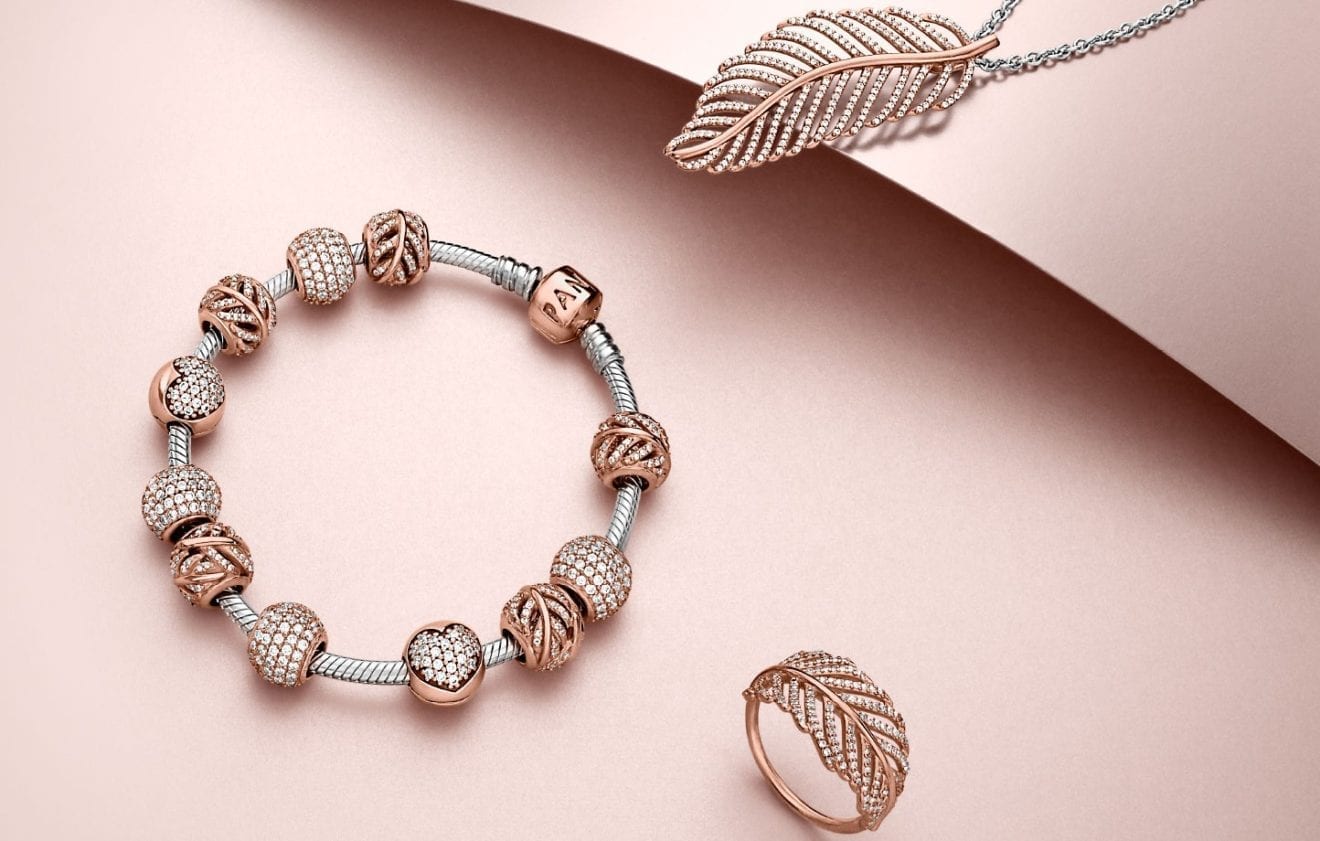
    The company tapped former Nike employee Geena Tok to head its business in China, where the Danish company has been challenged by a rise in sales on the grey market where an increasing number of jewellery pieces are being imported from other markets and sold online.

    Indeed, earlier this May, the Danish Jeweller announced a surprising slowdown in China, which accounted for about 12 percent of its total sales.

    With over 200 stores in the region, Pandora is striving to stay competitive and, in this scope, announced it would lower retail prices in the country by an average of 15 percent.

    Tok joins from Nike where she was leading the sports retailer’s stores and e-commerce business. In her 17-year tenure, Geena worked in the United States, Thailand, India and now China. She will now take over Anthony Asinas’ position following his appointment as Pandora’s Hong Kong and Macau chief.

  • Alibaba Group revenue jumps high

    Alibaba Group revenue jumps high

    Alibaba Group revenue soared 61 per cent in the second quarter as the behemoth achieved a record 576 million active annual consumers in its marketplace – 24 million more than three months earlier.

    Total revenue was RMB80.92 billion (US$12.229 billion), with revenue from core commerce increasing by the same rate to RMB69.188 billion (US$10.456 billion).

    Cloud-computing turnover rose 93 per cent, entertainment and media by 46 per cent and revenue from innovation initiatives and other activities by 64 per cent.

    The number of mobile monthly active users on China retail marketplaces reached 634 million in June 2018, up 17 million on three months earlier.

    Adjusted earnings before interest tax and amortisation for Alibaba’s core commerce operations was RMB32.797 billion (US$4.956 billion), an increase of 22 per cent year on year, representing a margin of 47 per cent. Net income attributable to shareholders was RMB8.685 billion (US$1.313 billion), down on the same period last year due to a one-off accounting adjustment relating to Ant Financial. Without that, profit would have risen about 33 per cent.

    “Alibaba had another excellent quarter, with significant user expansion and even more robust engagement across our growing ecosystem,” said CEO Daniel Zhang. “Our China retail marketplace business continues to gain share, with New Retail initiatives driving further revenue growth and enabling our retail partners to seamlessly serve customers.

    “We are executing our plan of providing more value and choice to users along the consumption continuum, with digital entertainment and local service offerings that tap into big addressable markets beyond core commerce,” he said.

    “We will continue to invest in strategic business opportunities and innovation to sustain our competitive advantage and for long-term growth.”

    CFO Maggie Wu said the company was pleased with the strength and rapid growth of its business at such significant scale.

    “The exceptional growth across our major segments of core commerce, cloud computing and digital media and entertainment validates our strategy of investing in customer experience, product, technology and infrastructure for the future. We remain confident

    in our ability to continue to gain market leadership by delivering unique value propositions to our business customers, partners and consumers,” said Wu.

    Taobao growth

    Alibaba Group says growing use of its Taobao app helped grow the number of active monthly users on the Taobao platform rise by 17 million during the quarter, taking the total to 634 million.

    “Ongoing improvements in search and personalised recommendations on the Taobao App supported the acceleration of Taobao paid gross merchandise volume (GMV) growth during the quarter,” the company said. “During the quarter, around 80 per cent of the increase in annual active consumers were from lower tier cities as the platform broadened its offerings and services into those regions.

    Tmall gains wallet share

    Tmall, meanwhile, continued to gain wallet share and expand Alibaba Group’s B2C market leadership, the company said.

    Excluding unpaid orders, physical goods GMV grew 34 per cent year on year during the quarter. “The robust growth was driven by continued increases in conversion rates and average consumer spending with strong performance from FMCG, consumer electronics, apparel and home goods categories.

    “Tmall gained further mindshare among domestic and international brands as the leading brand-building and distribution platform that is capturing increasing consumer exposure and spending by users in China. During the quarter, international brands such as MCM, Moschino and Giuseppe Zanotti launched flagship stores on Tmall and joined the Luxury Pavilion, its customised and premium shopping experience for consumers.”

  • Alibaba signs new deal that speed up cosmetics certification in China

    Alibaba signs new deal that speed up cosmetics certification in China

    Alibaba Group has signed a deal with Zhoushan Free Trade Zone, in China’s eastern Zhejiang province, that speeds up the cosmetics certification in China for Tmall brands who want to import non special-use cosmetics.

    This agreement, signed between the Hangzhou-based e-commerce giant and two Zhoushan City government agencies, cuts the approval time down from a typical six to eight months to just three months, Alibaba said.

    The expedited service could be a major boon for brands that wish to accelerate the launch of their products in China, as they move to keep up with the rapidly changing tastes of the Chinese consumers, said Jet Jing, the head of Alibaba’s B2C marketplace Tmall.

    According to Chinese regulations, non-special-use cosmetics are products that do not have any specialty functions, such as lipstick and eyeshadow. Specialty items, such as sunscreen or freckle-removal cream, are not included in this agreement. Currently, nearly 80 per cent of the cosmetics sold on Tmall are non-special use, Alibaba said.

    The deal, effective immediately, is result of a policy enacted in March last year through which the China Food & Drug Administration accelerated the approval time for first-time imported non-special used cosmetics at the Shanghai FTZ. Since then, 11 FTZs nationwide, including Zhoushan, have been granted permission to offer the same expedited approval by centralising all the necessary testing agencies in one location.

    In China, only the very first shipment of non-special-use cosmetics undergoes this kind of testing. After that initial approval, all other testing is random in order to ensure that the quality of imported cosmetics is maintained. Alibaba emphasised that all required documentations and testing remains the same under the new scheme.

  • US-China trade war escalates as new tariffs kick in

    US-China trade war escalates as new tariffs kick in

    The United States and China escalated their acrimonious trade war today, implementing punitive 25% tariffs on US$16 billion (RM65.6 billion) worth of each other’s goods, even as mid-level officials from both sides resumed talks in Washington.

    The world’s two largest economies have now slapped tit-for-tat tariffs on a combined US$100 billion of products since early July, with more in the pipeline, adding to risks to global economic growth.

    China’s Commerce Ministry said Washington was “remaining obstinate” by implementing the latest tariffs, which kicked in on both sides as scheduled at 12.01pm in Beijing (11.01pm Malaysian time).

    “China resolutely opposes this, and will continue to take necessary countermeasures,” it said in a brief statement, adding that Beijing will file a complaint over the latest tariffs with the World Trade Organisation.

    US President Donald Trump has threatened to put duties on almost all of the more than US$500 billion of Chinese goods exported to the US annually unless Beijing agrees to sweeping changes to its intellectual property practices, industrial subsidy programmes and tariff structures, and buys more US goods.

    That figure would be far more than China imports from the US, raising concerns that Beijing could consider other forms of retaliation, such as making life more difficult for American firms in China or allowing its yuan currency to weaken further to support its exporters.

    Economists reckon that every US$100 billion of imports hit by tariffs would reduce global trade by around 0.5%.

    The tariffs took effect amid two days of talks in Washington between mid-level officials from both sides.

    Washington’s latest tariffs apply to 279 product categories including semiconductors, plastics, chemicals and railway equipment that the Office of the US Trade Representative has said benefit from Beijing’s “Made in China 2025” industrial plan to make China competitive in high-tech industries.

    China’s list of 333 US product categories hit with duties includes coal, copper scrap, fuel, steel products, buses and medical equipment.

  • BreadTalk high expectation on its tea brands

    BreadTalk high expectation on its tea brands

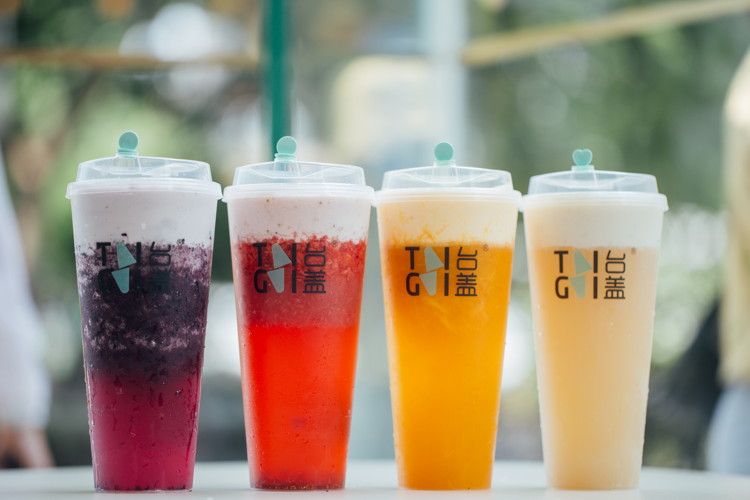
    Bakery franchise BreadTalk Group has brought two Shenzhen-based specialty tea brands – Nayuki and TaiGai – into Singapore.

    BreadTalk will operate and manage both brands in its joint venture with Shenzhen Pindao Food & Beverage Management. The agreement marks both tea brands’ first overseas stores, which will open this year. They enter a market in which tea drinks are an increasingly popular beverage product.

    Both the Shenzhen-based tea brands have been successful in China. TaiGai operates 60 stores on the Chinese mainland, while Nayuki has 100 new stores planned in China by end of this year – it made national news when it opened three stores within 33 days, earning it the label “veloci-tea”.

    Their signature offerings feature healthy tea options using mainly fresh fruits and premium-quality teas. While Nayuki is known for its “soft-euro bakes” cake products, TaiGai is best known for its signature fruit-blended milk cheese crowns, which it terms “fruity milky kisses”.

  • Inditex’s Uterqüe arrives in China in partnership with Tmall

    Inditex’s Uterqüe arrives in China in partnership with Tmall

    Zara sister label Uterque has opened a flagship on Alibaba’s Tmall to build brand awareness in China’s premium fashion market.

    Uterque has yet to open any physical stores in China, but the company’s parent Inditex says China is definitely on the radar in the near future.

    According to Alibaba Group news site Alizila, Uterque will continue its tradition of renewing the product selection in stores and online twice a week in China as well and customers of Tmall, Alibaba’s B2C marketplace, will have immediate access to all of the label’s newly launched clothes.

    “With the rapid growth of the market for high-end goods on Tmall, more and more premium fashion brands from Europe and North America have joined the platform, even opening a store on Tmall ahead of its brick-and-mortar roll-out,” said Anita Lyu, VP of Tmall Fashion.

    She said launching online in advance of opening physical stores helps brands understand the market first.

    “Through partnering with Tmall, brands can receive accurate feedback from Chinese users and leverage that to design an overall strategy that suits the China market,” Lyu said. “Meanwhile, tapping Tmall can help boost brand awareness and open up markets more quickly.”

    Inditex operates more than 7448 stores worldwide under eight brands, including Zara, Zara Home, Massimo Dutti, Bershka, Pull and Bear, Stradivarius, Oysho and Uterque. Uterque is the last to open an official store on Tmall.

  • Estee Lauder Hong Kong, China show good numbers

    Estee Lauder Hong Kong, China show good numbers

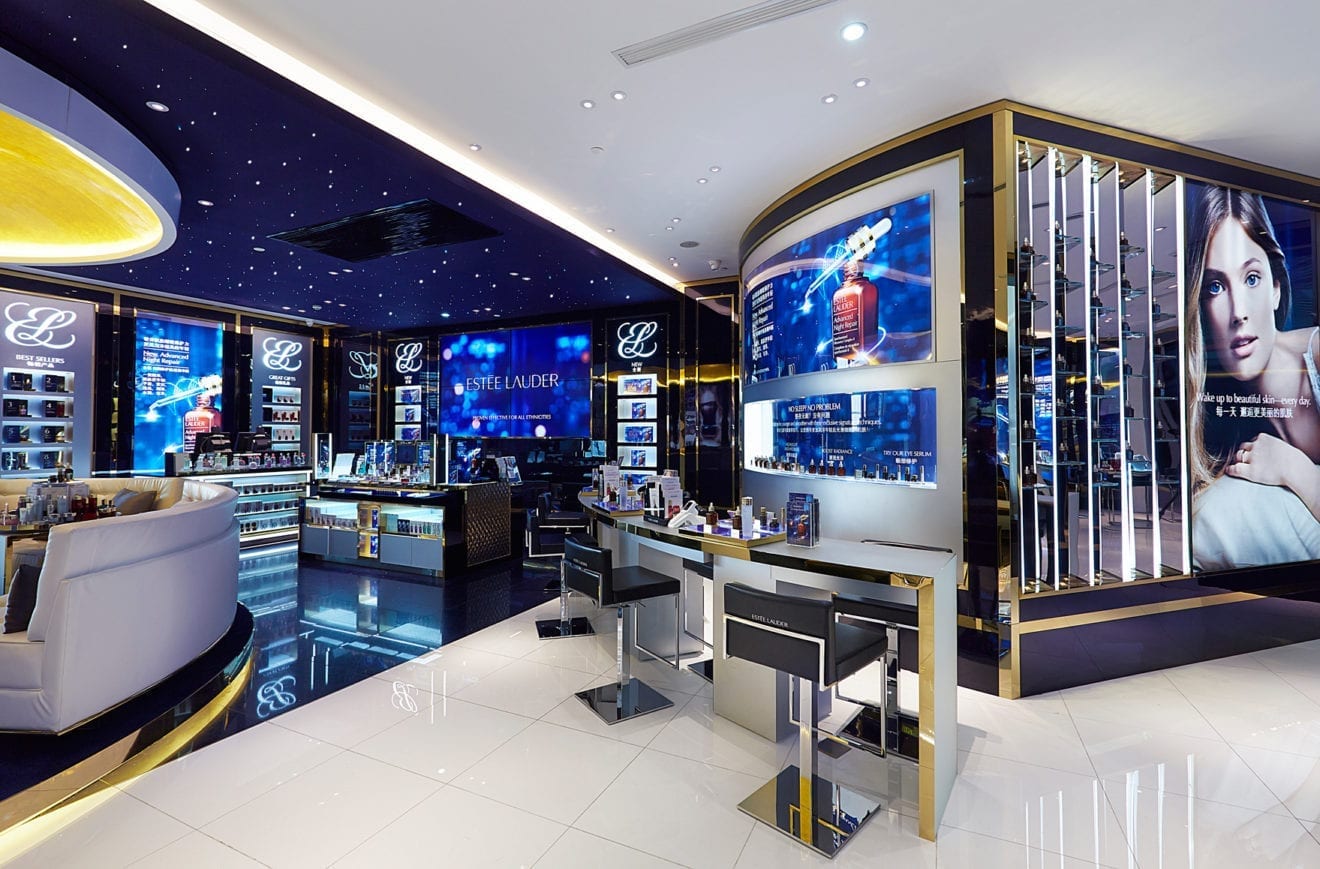
    Cosmetics giant Estee Lauder says it achieved sales growth in every global market last financial year, led by strong double-digit increases in China and Hong Kong.

    Every single category posted growth as well.

    Globally, Estee Lauder sales reached $13.68 billion, a 16 per cent increase on last year.

    Operating income of $2.05 billion, was up 21 per cent from the prior year, while net earnings of $1.11 billion, was down 11 per cent.

    President and CEO Fabrizio Freda said the results reflect, in part, the company’s strategy to drive growth by targeting its investments to shifts in consumer and market dynamics across product categories, geographic regions, brands and distribution channels. That strategy positioned the company well for the resurgence in global prestige skin care growth as well as the strong increase in demand among Chinese consumers.

    “Sales climbed in virtually all our brands and we hit milestones along the way. Among the top four brands, our flagship Estee Lauder brand achieved record global sales and grew 22 per cent in constant currency, demonstrating the amazing equity of the brand. La Mer became the fourth brand in our portfolio to contribute well over $1 billion in net sales, and we increased sales at Mac and Clinique globally.”

    He said product innovation and creativity were strong across brands and boosting investment in digital advertising helped accelerate sales growth.

    Freda concluded: “In fiscal 2019, we will continue to create products that appeal to a more diverse and growing middle class around the world.”

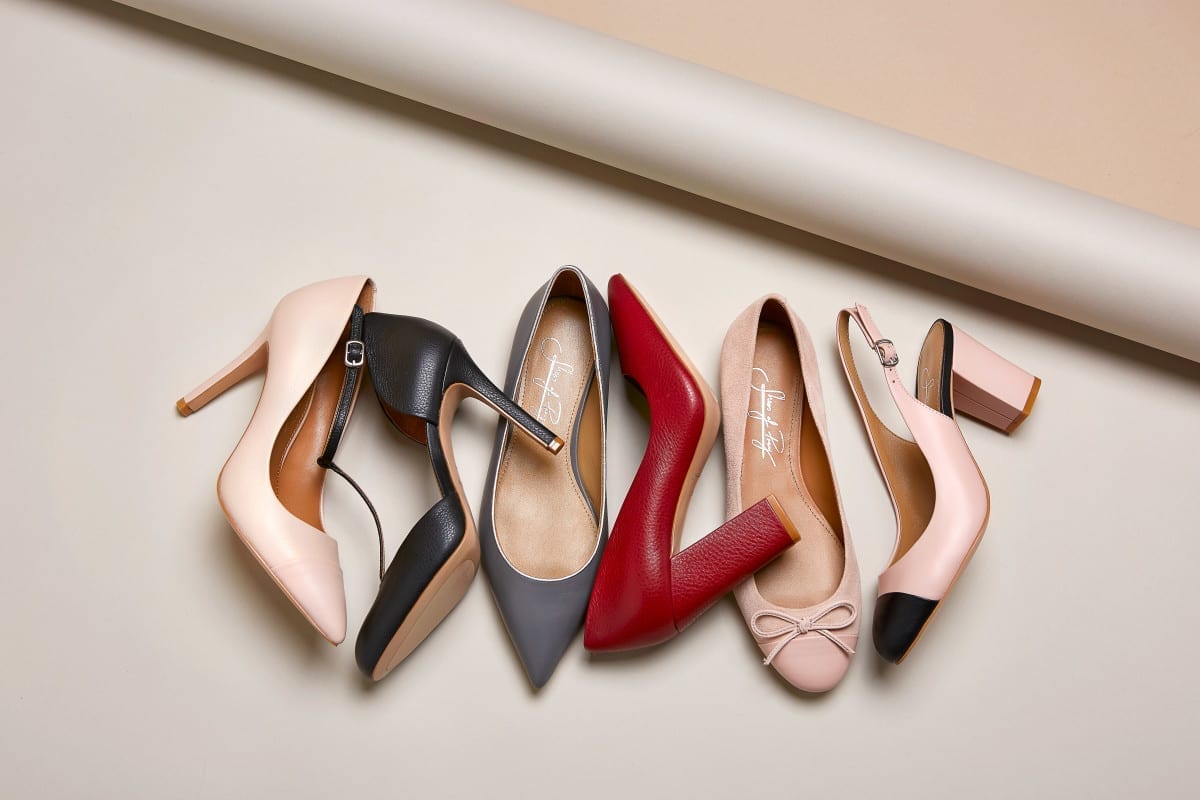
  • Luxury shoes are never enough for Chinese consumers

    Luxury shoes are never enough for Chinese consumers

    As the Chinese economy slowly exits the slumber of recent years — and as the anti-corruption campaign implemented by President Xi Jinping subsides — the retail industry is seeing remarkable growth across first- and second-tier cities, as well as the autonomous territory of Hong Kong.

    The development is part of a larger trend, according to a recent report from the consultancy Bain & Co. The firm noted that sales of luxury goods in mainland China are forecast to grow by 20 to 22 percent this year, and that has piqued the interest of Western shoe brands, both big and small.

    Thibaud André, senior consultant and marketing manager of Beijing-based market research company Daxue Consulting, pointed out that luxury shoes are a booming sector in the region.

    “A survey we ran in 2016 indicated that footwear was worth an estimated RMB 370 billion ($54 billion),” he said. “We expected it to increase to an average rate of 7 percent yearly, but I am quite confident that rate will soon hit the double-digits realm instead.”

    Although shopping overseas is still very important for Chinese buyers, the gap between domestic and international purchases is not as wide as it used to be. “The reason for that is a reduction in the price differentials between outside and home markets,” André explained. “Consumers aren’t as averse to spending their money here anymore, which means sales are looking rather robust.”

    And though the trade war between the U.S. and China continues to escalate, André predicted it will have little impact. “Big spenders don’t care about tariffs. They are well-versed in price differences across the globe, and if they want to buy something, they’ll just go for it.” Also working in their favor: Many luxury shoe brands are based in or produced in Europe, so they have escaped the import tax increases — at least for now.

    Chasing Exclusivity

    Experts said a combination of factors are driving sales. Evolving taste is one of them, according to Chloe Reuter of Reuter Communications, an intelligence, digital, communications and marketing agency with offices in Hong Kong and Shanghai that connects luxury brands with Asia’s well-heeled consumers.

    “The luxury sphere has become incredibly sophisticated in China,” she said, “and that applies to high-end footwear, too. There’s an undeniable thirst for [uniqueness], and increasingly, consumers are moving away from the more obvious names of the industry and shifting toward more niche labels.”

    Specialized footwear brands such as René Caovilla, Gianvito Rossi and Nicholas Kirkwood are decidedly becoming the go-to names for many shoe enthusiasts in place of fashion powerhouses peddling a wider gamut of items.

    “Chinese wealthy shoppers are really hard to excite these days,” Reuter said. “Indie or heritage brands with a long history of craftsmanship have a competitive edge because they feel truly different and original.”

    Amy Gu, GM of JD Footwear, a subsidiary of online retail giant JD.com, agreed: “Whereas traditionally, Chinese women focused mostly on big-name brands, we are now seeing an increasing interest in niche brands.”

    Irene Yu, senior director of merchandising at Lane Crawford, which is present both in mainland China and Hong Kong, noted that the specialty department store has seen a change in shopping habits over recent years.

    “Chinese luxury consumers are global, fashion-savvy, well-traveled,” she said. “They have access to a lot of information through social media, and that means they are very educated when it comes to luxury brands. They know their Gianvito Rossis and their Manolos. Of course, they are still very much willing to spend on the more established brands but are also looking for something that feels more prestigious. They are craving newness, and that’s opening the market to a wider net of players.”

    Getting Younger

    While older shoppers — usually categorized as Gen X — are still playing a significant role in the luxury market, millennials and Gen Z account for the larger growth in the footwear category (85 percent, according to another Bain report from last year).

    That has led to the rise of new spending habits: faster, more frequent, trend-driven — and mostly geared toward online shopping and influenced by digital social media platforms.

    “More and more consumers outside of China’s top-tier cities are using e-commerce to access guaranteed-authentic luxury products,” said Gu, noting that luxury shoe sales on the platform have grown continuously year over year. “Customers who buy high-end shoes are generally 18 to 35 years old and are largely brand-conscious. They focus on fashionable footwear.”

    The footwear segment is performing equally well for Lane Crawford, particularly online. “[Customers] still come to the stores to try on shoes, but it’s online that we get a lot of purchases,” said Yu. “To that end, the whole in-store visit is adapting to complement the digital sphere. It’s becoming more experiential to offer a 360-degree approach to the products.”

    Lane Crawford’s business strategy relies on collaborations, exclusive capsule collections and pop-ups, as well as a highly curated floor design. “We make sure each brand is presented in a way that reflects its ethos: cool urbanite for Nicholas Kirkwood, party girl for Aquazzura, for instance,” said Yu. “Clients are very receptive to that. And they do like coming in to check out limited-edition collabs: Off White x Yeezy 350 did very well for us. But we are always thinking of the link between online and offline.”

    Similarly, JD.com has hosted online pop-up stores by brands such as Fendi and Christian Louboutin to engage its young audiences. It also launched JD Delivery Express, a service in which specially trained JD employees hand-deliver packages while wearing distinctive uniforms, complete with white gloves, and they drive environmentally friendly electric vehicles rather than the company’s usual tricycles and scooters. “[Luxury] consumers place tremendous value on the shopping experience,” Gu said.

    Changing Trends

    A change in lifestyle — from unashamedly opulent to more wellness-oriented — is another key element in the country’s booming footwear sector.

    “The rise of the athleisure movement has been particularly significant for shoe retail,” Yu said. “Only a few seasons ago, it was all about the stilettos and the high-heels. Now designer sneakers make up a really big chunk of the market. Models like Balenciaga’s Triple S — we can’t keep them in stock. They are constantly sold out.”

    But again, it’s the smaller brands such as Golden Goose and Comme des Garçons that are drawing the attention of shoppers. “They are considered younger and a bit cooler compared with the Valentinos and the McQueens,” said Yu. “They speak directly to the consumers’ demographic.”

    Outside the sneaker realm, female buyers are going for chunkier block heels, slides and mules. “[Those looks are] less casual than a trainer but not as committing as a stiletto,” Yu explained.

    It is in the fashion arena in particular that the quest for distinctiveness shines brightest. And labels such as René Caovilla are tapping into that opportunity.

    “We tell a story, and our Chinese clients appreciate that,” said Edoardo Caovilla, the third-generation creative director and COO. “They are yearning for high-quality and long-lasting gratification, and they know they can get it with a company that’s been making only shoes since it was first established 90 years ago. They also respect our philosophy. That’s the essence of why we’re doing so well in the country: We’ve gained the trust of the market.”

    The brand has accomplished this feat without opening a standalone store; instead, it is distributed through Lane Crawford, where it is one of the best-selling labels. Helping to build buzz are high-profile endorsements — Caovilla shoes have been seen on the feet of Gigi Hadid, Rihanna and Jennifer Lopez, as well as Chinese stars such as Yao Chen, Shu Qi and Ming Xi.

    “For lasting success, it’s essential that we collaborate with the right kind of public figures,” Caovilla said. “Buyers are picky. They want to feel understood and for their wardrobe to express a very specific kind of luxury.”

    High-end French footwear label Robert Clergerie also has found a welcoming audience in the region. Though the brand is available only in department stores in China, it is performing remarkably well among consumers, particularly with tourism shopping.

    “[Chinese] millennials have a sense of independence and a unique style. They value heritage, quality and provenance,” said CEO Perry Oosting.

    He added, “We are working to improve all the touch points with Chinese clients traveling abroad across all our stores, such as integrating WeChat in the retail shopping experience. We also have our own WeChat platform, for which we create localized content and work with [key opinion leaders] in China to build engagement and relevance among our target audience.”

    Collaborating with influencers is an increasingly important strategy for brands if they aim for long-term sales results in the country. “KOLs are the most effective product marketing here. And they can help with sales abroad, too, if the brand hasn’t entered China yet,” said André of Daxue Consulting. “Besides exclusivity, social media is the biggest determinant for success.”

    Reuter believes that the country’s young, digitally savvy consumers are painting a new landscape for the global luxury industry. “Chinese shoppers are five years ahead of their counterparts,” she said. “The way they approach shopping is set to become the norm for the rest of the world’s wealthy.”
  • Alibaba cloud eyes retail sector with 9 new product launch

    Alibaba cloud eyes retail sector with 9 new product launch

    The Retail industry in China has experienced some significant changes over the past few years.

    New Retail is trending as players in the industry are striving to bring customers an unique omnichannel experience. Shoppers can now buy anything, anywhere, anytime.

    The online-offline shopping experience has been strongly supported by digitalization. Alibaba, China’s e-commerce powerhouse, has been offering a wide range of services to support retailers. However, the latter were only available in China.

    Earlier this week, Alibaba has launched its suite of cloud-computing solutions globally. Among them are a smart access gateway that enables retailers to connect their data from different shops to a single cloud platform, data lake analytics, or a serverless, high-performance query service that analyses historical inventory and sales data. To prevent retailers from data loss, Alibaba Cloud also launched its Anti-Bot Service, a software solution that protects users from online scalpers and crawlers.

    Alibaba’s cloud-computing unit’s chief solution architect, Derek Wang said “This new suite of offerings includes products that are highly efficient, cost effective. Some of them are the first of their kind in the industry.”

    He said that all products have specific features meeting some identified need within the flourishing retail market in the Asia Pacific region, allowing retailers for a more effective deployment of their resources and deeper consumer insights.

    If the New Retail concept has been around in China for a while, Alibaba’s move aims at expanding it across Asia, specifically Southeast-Asia.

    Ng Yu Xuan, a Frost and Sullivan industry analyst, said Asia-Pacific’s cloud computing market is highly price-sensitive, giving Alibaba Cloud an opportunity to expand its footprint in the region through its aggressive pricing strategies.

    However, as AI and machine learning isn’t quite widespread in the developing countries, Ng said that should it want to succeed, Alibaba will have to build an extensive partner ecosystem outside China.

    As more ASEAN businesses are adopting a multi-cloud strategy to avoid supplier lock-in and reap the benefits of the latest innovations in the industry, Alibaba started an ASEAN partner alliance program. The program will allow the e-commerce giant to fuel growth in his Asian ecosystem as it aims to recruit 150 solution partners and train 600 sales and technology personnel in the following 12 months.

  • PE takes stake in China’s Leyou

    PE takes stake in China’s Leyou

    US private equity firm Warburg Pincus has signed on to buy a majority stake in Beijing baby products retailer Leyou, according to a report.

    Warburg’s acquisition – valued at between US$200-400 million, is a brand with a 580-store strong network of self-operated and franchised outlets operating in 150 cities. The deal was handled by investment bank BDA Partners.

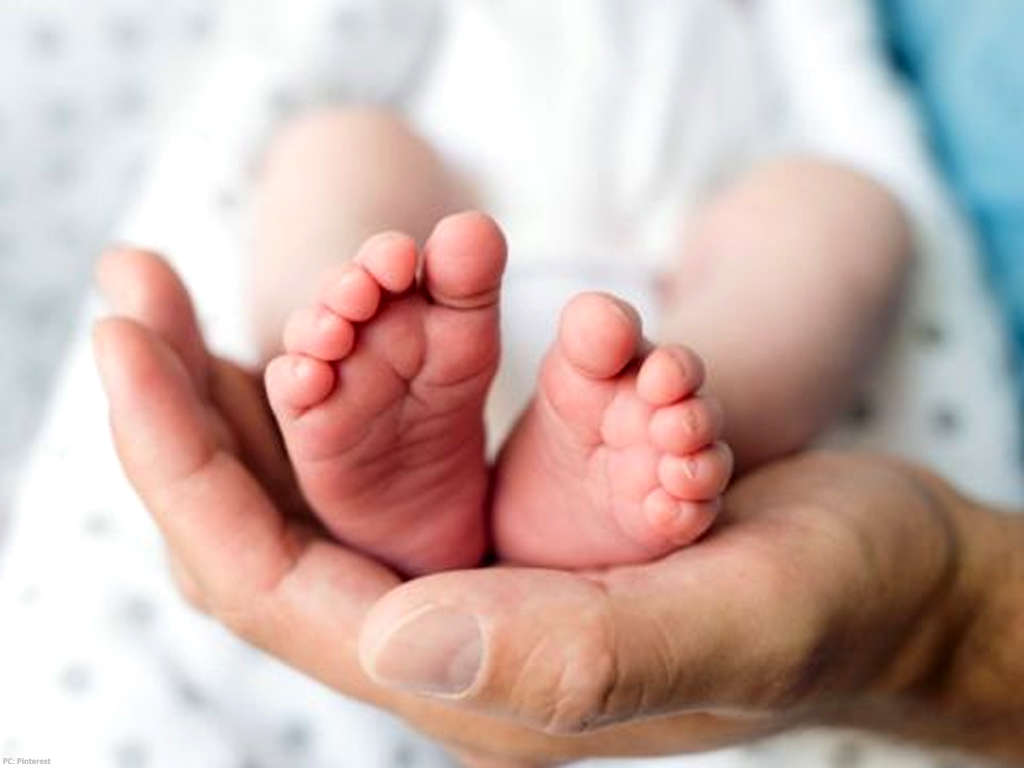
    The revoking of China’s One Child Policy has prompted many investors to expect a Chinese baby boomer market on the way. Warburg has invested in a number of similar industries in the PRC.

    BDA Partners MD Anthony Siu said: “With the relaxation of the one-child policy, there is potential for an uptick in mother-and-baby retail sales… for retailers that have well-established brands, we expect to see more majority buyout transactions. The market is maturing.”

    Previous investors into Leyou have included Goldman Sachs, WI Harper, Deutsche Bank, AsiaVest Partners, and the Carlyle Group. Carlyle remains an investor in Leyou.

  • Tiffany & Co to launch a pop-up store on Luxury Pavilion

    Tiffany & Co to launch a pop-up store on Luxury Pavilion

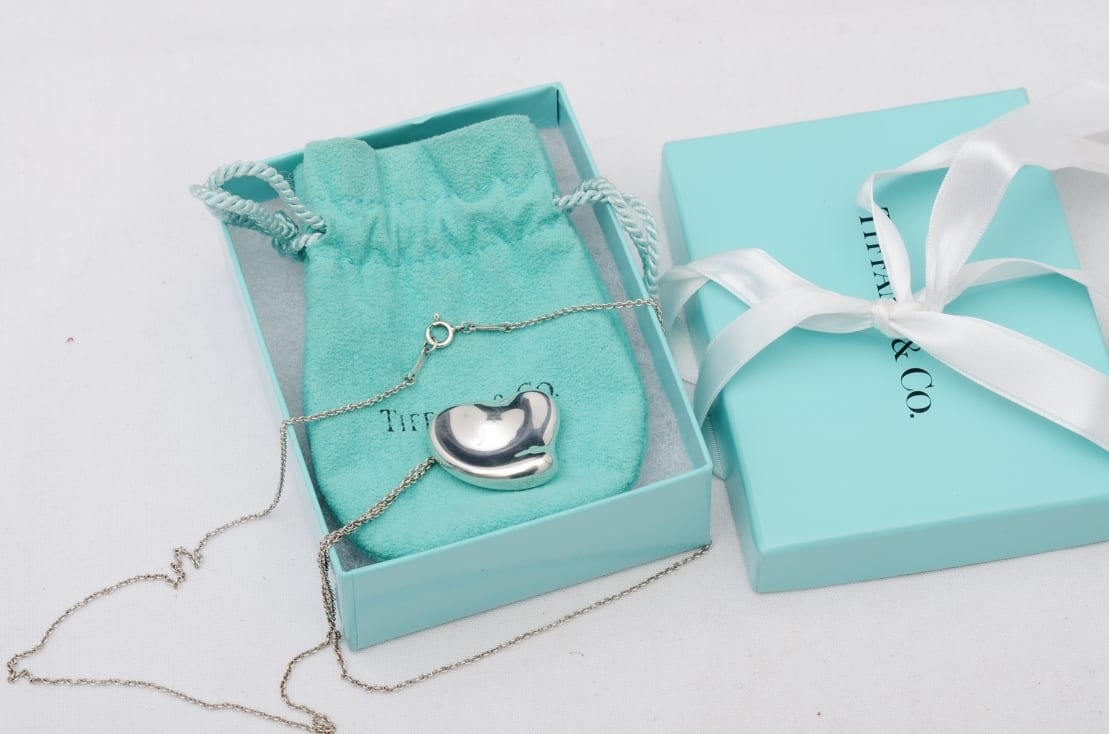
    Iconic jewelry house Tiffany & Co. will release its latest “Tiffany Paper Flowers” collection in China exclusively on the Luxury Pavilion, Tmall’s invite-only platform for luxury brands.

    New York-based Tiffany will launch a virtual pop-up store on the Pavilion, with pre-sales beginning Aug. 16, the Alibaba Group-owned B2C marketplace said. That will give Pavilion shoppers a two-week head-start to purchase the new collection before it hits brick-and-mortar stores in China on Sept. 1.

    During the pop-up, Tiffany will leverage augmented reality-powered technology to engage China’s tech-savvy consumers, as well as offer perks to top shoppers in the platform’s loyalty program, the Luxury Pavilion Club.

    Select members can receive rewards, including a high-end delivery experience and an invitation to an exclusive party in Shanghai to celebrate the collection’s official launch next month, with complimentary stays at the St. Regis Shanghai hotel.

    The Pavilion pop-up is the latest experiential campaign Tiffany has rolled out globally to engage younger consumers. The brand gave New York bodegas, taxis and steps to the NYC Metro a “Tiffany blue” paint job and opened a new concept shop in London that features a fragrance vending machine and a personalization bar for on-the-spot jewelry engraving.

    “Today’s Chinese consumer has many choices when purchasing luxury goods,” said Philippe Galtié, executive vice president of global sales at Tiffany & Co. “[We are] embracing China’s digital innovation as we continue to seek new platforms to deliver a seamless experience to customers in China and around the world.”

    The brand’s platinum-and-diamond range, designed by new Chief Artistic Officer Reed Krakoff, includes necklaces, pendants and bracelets inspired by the idea of flower petals cut from paper and delicately pinned back together.

    Catering specifically to the Pavilion’s high-end Chinese consumers, Tiffany has selected eight pieces from Krakoff’s new collection to launch on the platform. Prices range from RMB 22,400 ($3,253) to RMB 673,000 ($97,926).

    Tiffany reported a strong first quarter, which it said was fueled by China-led growth in Asia and strong sales in North America. Worldwide net sales rose 15% to $1 billion, with sales growth in the Asia-Pacific market growing 28% to $329 million.

    Chinese consumers, particularly millenials, currently account for the lion’s share of sales growth for an industry that is expected to reach $444 billion globally in 2025, according to a June report from management consulting firm Bain & Company.

    “Chinese consumers continue to stand out as a growth-driver for the industry and are more fashion-savvy and digitally advanced than ever before, accelerating the shift of the industry to the millennial state of mind,” wrote lead author of the study, Claudia D’Arpizio.

    Last year, Chinese consumers represented 32% of global luxury consumption, Bain estimated.

    Nearly half of Pavilion shoppers were born after 1990, with millennials making up its core consumer base, said Lili Chen, general manager of the Luxury Pavilion.

    “The Pavilion is not only a shopping platform for luxury goods, but a unique, single destination for luxury, high fashion and lifestyle,” she said. “It is the ideal platform for brands to speak to younger customers.”

    Launched in August last year, the Luxury Pavilion now offers nearly 70 brands, including Burberry, Versace, Moschino, Marni, Tod’s, Giuseppe Zanotti, Qeelin, MCM, La Perla, La Mer, Maserati, LVMH-owned Guerlain, Givenchy, Tag Heuer and Zenith. Products range from apparel and beauty items to watches and luxury cars.