Tag: China

  • China is now the largest market for Samsung

    China is now the largest market for Samsung

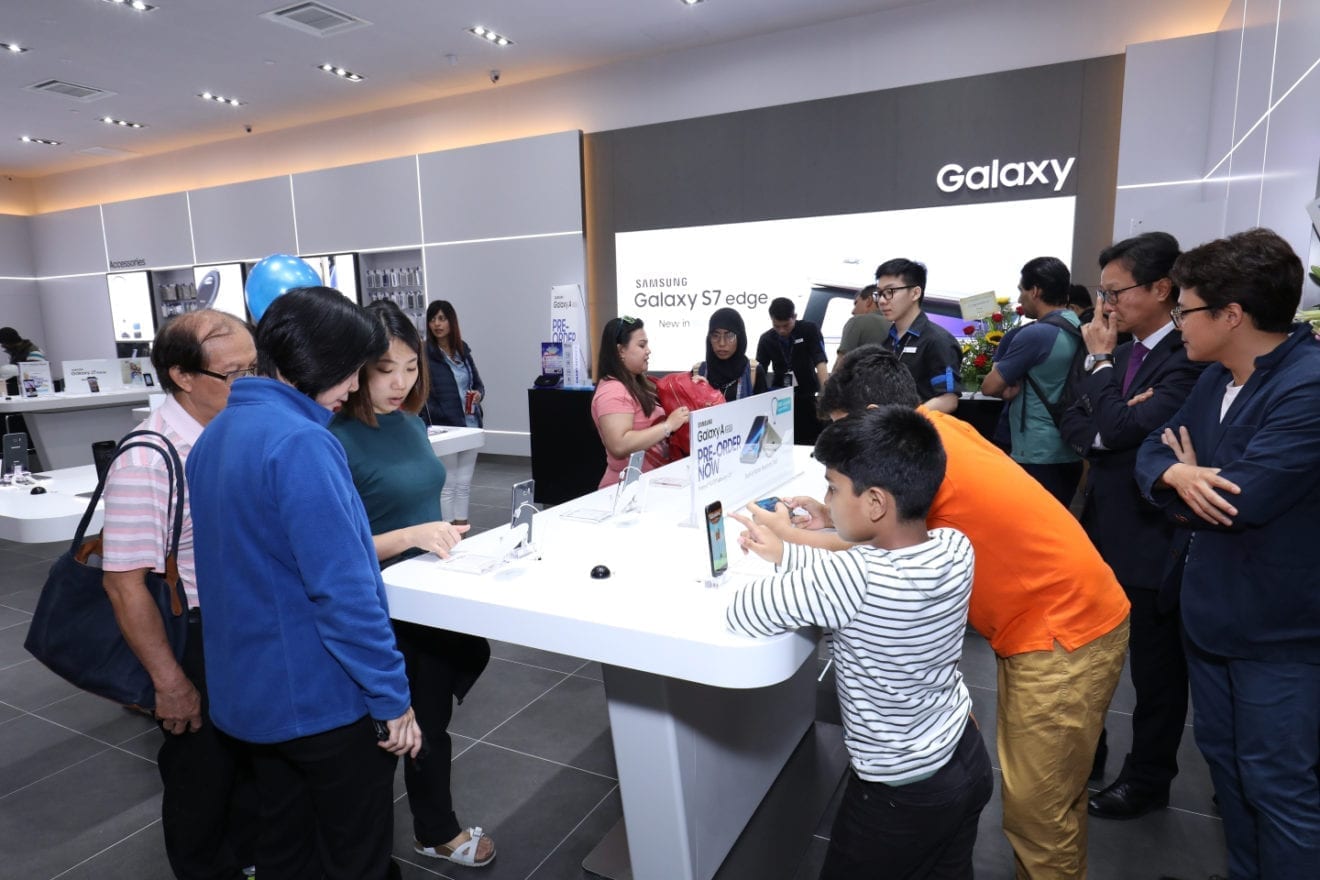
    China accounted for more than 30 percent of Samsung Electronics’ overall sales over the January-June period, industry data showed Monday, emerging as the company’s largest market and outpacing the American continents for the first time.

    The South Korean tech giant, which posted sales of 83.9 trillion won ($74.6 billion) over the first six months of 2018, raked in 27.4 trillion won, or 32.7 percent, from China, the corporate data showed. It marked a sharp rise from 18.5 percent tallied in 2013.

    Asia’s top economy accounted for 20.6 percent of Samsung’s sales in 2014, with the number rising to 28.3 percent for the whole of 2017.

    In contrast to its rising dependency on the Chinese market, Samsung’s latest data sales to the Americas was equal to 26 percent of the total in the first six months of this year, falling from 31.8 percent posted for all of 2016.

    Industry watchers said the increase apparently came as Chinese tech giants’ demand for Samsung’s chips increased sharply. The U.S. government’s protectionism policies also weighed down on Samsung’s sales in the key North American market, they added.

    Samsung’s business report showed Chinese tech giant Huawei Technologies was included as one of the South Korean firm’s top five clients. Other major buyers of Samsung products were Apple, Verizon Wireless, Germany’s Deutsche Telekom AG and Hong Kong’s Techtronics.

    The company said five firms accounted for 11 percent of its first-half sales, without providing further details. The latest list is significant as Chinese and Hong Kong firms joined the top five.

    In 2017, Samsung’s five major buyers were Apple, Best Buy, Sprint, Verizon and Deutsche Telekom.

    Experts said Samsung Electronics should take a careful approach to the Chinese market at the same time, as Beijing’s latest push to foster its own semiconductor industry may adversely impact the company.
    China accounted for more than 30 percent of Samsung Electronics’ overall sales over the January-June period, industry data showed Monday, emerging as the company’s largest market and outpacing the American continents for the first time.

    The South Korean tech giant, which posted sales of 83.9 trillion won ($74.6 billion) over the first six months of 2018, raked in 27.4 trillion won, or 32.7 percent, from China, the corporate data showed. It marked a sharp rise from 18.5 percent tallied in 2013.

    Asia’s top economy accounted for 20.6 percent of Samsung’s sales in 2014, with the number rising to 28.3 percent for the whole of 2017.

    In contrast to its rising dependency on the Chinese market, Samsung’s latest data sales to the Americas was equal to 26 percent of the total in the first six months of this year, falling from 31.8 percent posted for all of 2016.

    Industry watchers said the increase apparently came as Chinese tech giants’ demand for Samsung’s chips increased sharply. The U.S. government’s protectionism policies also weighed down on Samsung’s sales in the key North American market, they added.

    Samsung’s business report showed Chinese tech giant Huawei Technologies was included as one of the South Korean firm’s top five clients. Other major buyers of Samsung products were Apple, Verizon Wireless, Germany’s Deutsche Telekom AG and Hong Kong’s Techtronics.

    The company said five firms accounted for 11 percent of its first-half sales, without providing further details. The latest list is significant as Chinese and Hong Kong firms joined the top five.

    In 2017, Samsung’s five major buyers were Apple, Best Buy, Sprint, Verizon and Deutsche Telekom.

    Experts said Samsung Electronics should take a careful approach to the Chinese market at the same time, as Beijing’s latest push to foster its own semiconductor industry may adversely impact the company.

    “Samsung Electronics, whose dependency on China has significantly increased, may become the victim of the irrational trade dispute between Washington and Beijing, which is ignoring the existing international system,” an industry watcher said.
    “Samsung Electronics, whose dependency on China has significantly increased, may become the victim of the irrational trade dispute between Washington and Beijing, which is ignoring the existing international system,” an industry watcher said.


  • Little B store China is pumped up with white-glazed tiles and neon lights

    Little B store China is pumped up with white-glazed tiles and neon lights

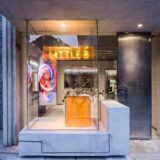
    Nestled in an alleyway in Shanghai’s historic Xintiandi district, a high-end convenience store like none other has opened its doors.

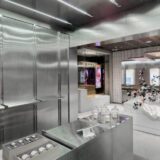
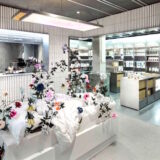
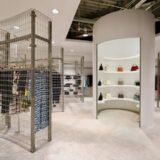
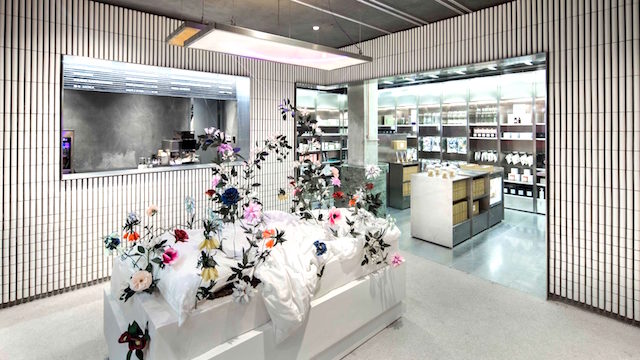
    Little B was designed by Chinese studio Neri&Hu, which mixed curved white-glazed tiles with stainless steel to create what resembles more of a science fiction movie set than a conventional cluttered c-store.

    Unlike the usual stores, each item in Little B is sourced from various high-end brands that, according to its owner, lifestyle brand The Beast, have been curated to suit the “culturally astute and increasingly discerning taste of Chinese consumers”.

    As reported, Neri&Hu wanted to preserve the store’s light grey concrete exterior, given the area comprised reconstructed mid-19th Century Shikumen – stonegate – houses.

    Neri&Hu wanted their design to reflect this exclusivity of the store, and took inspiration from the aesthetic of pop-up shops to give the space a “spontaneous” feel by leaving the entrance relatively empty.

    Similarly, they avoided cluttered shelves and crowded aisles to truly set the concept – and its stock – apart.

    “We encouraged the client to not just fill the entire space with products, but instead to leave some undefined space as an extension of the public realm,” Neri&Hu said.

    “This area is left raw with concrete floors, in the spirit of the temporary nature of pop-ups. It’s a blank space that allows for any possibility,” they said.

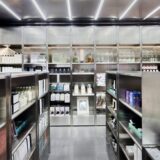
    In the retail area of the store, display and shelving fixtures made from stainless steel wrap around the perimeter.

    “Stainless steel, a rather sterile material, is brought to life by the layering various finishes: including brushed and polished, perforated and bump textured,” said the designers.

    “The vibrant packaging of the products, the colours and shapes from the feature artwork, as well as the signage lighting begin to reflect off of each other, blur boundaries, and activate the space,” they continued.

    View the full gallery below (6 images) :


  • JD quarterly report leaves some concern

    JD quarterly report leaves some concern

    Chinese e-commerce company JD boosted second-quarter revenue by 31.2 per cent, but losses ballooned nine-fold.

    JD quarterly sales reached RMB122.3 billion (US$218.5 billion) for the three months to June 30, with net service revenues of RMB11.8 billion (US$1.8 billion), up 51 per cent year on year.

    On a rolling 12 month basis, annual active customer accounts increased by 21.5 per cent to 313.8 million in the year to June 30.

    The operating margin of JD Mall was just 1.1 per cent, although that was an improvement on the 0.8 per cent of the same period a year earlier.

    JD chairman and CEO Richard Liu said the e-commerce business was continuing to win over new personal customers. “We are also seeing more corporate clients, both Chinese and international, leveraging JD’s superior technology and retail infrastructure to help take their businesses to the next level. We will continue to prioritise technology innovation to empower our partners with enhanced capabilities and improved efficiency, helping us to realise our ‘Retail as a Service’ strategy, and driving our next phase of growth.”

    The net loss from continuing operations attributable to shareholders was RMB2.213 billion (US$334.4 million), compared to RMB287 million for the same period last year.

    Despite continuing losses in what is  along-game business, JD is attracting investment. In June, Google invested $500 million as part of a new strategic partnership.

    “We are pleased to see continued healthy performance in the second quarter, with solid revenue growth and improved margins in our core JD Mall business,” said Sidney Huang, CFO, in a statement “Our new business initiatives continue to gain impressive traction across the industry. We will maintain a balanced, long-term approach to investing in the technologies that will define the future of retail.”

    During the second quarter, JD expanded its leadership position in fulfillment capabilities among China’s e-commerce companies. As of June 30, JD operated 521 warehouses covering an aggregate gross floor area of 11.6 million sqm in China.

    The company had more than 170,000 merchants on its online marketplace, and 173,904 full-time employees at the end of the quarter.

  • China expansion gives good result for Jumbo Group

    China expansion gives good result for Jumbo Group

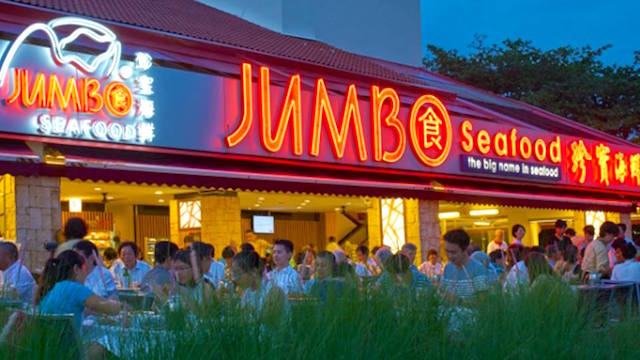
    Singaporean restaurant chain Jumbo Group has announced sales of S$35.8 million for the three-months to June 30, boosted by new outlets in China.

    Two new restaurants opened in Beijing and Shanghai, combined with a recently opened venue in Xi’an’s SKP luxury mall, increased revenue for the quarter by $1.8 million comparative to last year’s figures for the corresponding period. The group has also recently launched one of its franchises in Taiwan.

    Despite the revenue growth, overall profit attributable to owners of the company showed a decrease of $1.2 million from the same quarter last year, down to $2.2 million. This was attributed to the closure of two outlets in Singapore, rising costs of materials and fresh seafood, and staffing and promotional costs for launching the Chinese stores.

    The firm’s gross profit margin was correspondingly lower at 62 per cent during the quarter, compared to 62.7 per cent last year.

    The group’s executive director and CEO Ang Kiam Meng said he was heartened the business’s expansion in the region has borne fruit.

    “On the domestic front, we see an overwhelming response at the new Tsui Wah outlet at Clarke Quay. This is in line with our strategy to increase the vibrancy of our business and Singapore’s food and beverage landscape. As a growing business, there will be a gestation period as reflected in our latest set of financial results. We are confident that we will be able to produce a sustainable performance as we expand our footprint regionally and strengthen our position.”

    The group will continue to expand across the region in the coming year, with new outlets planned for Thailand, Taiwan, China and Singapore.

  • Louboutin’s first online pop-up store on Toplife

    Louboutin’s first online pop-up store on Toplife

    Christian Louboutin’s signature red-soles have tiptoed their way onto Toplife.

    Joining numerous international leading luxurious brands such as Fendi, Saint Laurent, Alexander McQueen or Oscar de La Renta, Christian Louboutin has partnered up with JD’s luxury e-flagship platform Toplife earlier this July to make its debuts on the Chinese e-commerce platform scene. Its online pop-up store features the full offering from the brand’s most recent collection.

    JD President of International Fashion and Head of Toplife, Xia Ding, said “No matter where you are, Christian Louboutin’s signature creations are ubiquitous with style, poise and individuality,”. In this effort to bring a seamless omnichannel experience, clients can enjoy JD’s signature white glove service, JD Luxury Express. Rounding out the online luxury experience with an offline, personal touch, customers can have their goods hand-delivered to their homes by professionally-dressed couriers driving electric cars.

    Leveraging its RaaS capabilities, JD has supported many brands in their debuts on the Chinese e-commerce scene. The company is expecting to welcome more international luxury brands on its luxury e-flagship platform Toplife.

    Christian Louboutin’s signature red-soles have tiptoed their way onto Toplife.

    Joining numerous international leading luxurious brands such as Fendi, Saint Laurent, Alexander McQueen or Oscar de La Renta, Christian Louboutin has partnered up with JD’s luxury e-flagship platform Toplife earlier this July to make its debuts on the Chinese e-commerce platform scene. Its online pop-up store features the full offering from the brand’s most recent collection.

    SEE ALSO: JD.com debuts Toplife, its ecommerce ecosystem for luxury brands

    JD President of International Fashion and Head of Toplife, Xia Ding, said “No matter where you are, Christian Louboutin’s signature creations are ubiquitous with style, poise and individuality,”. In this effort to bring a seamless omnichannel experience, clients can enjoy JD’s signature white glove service, JD Luxury Express. Rounding out the online luxury experience with an offline, personal touch, customers can have their goods hand-delivered to their homes by professionally-dressed couriers driving electric cars.

    SEE ALSO: Red soles are Christian Louboutin’s trademark

    Leveraging its RaaS capabilities, JD has supported many brands in their debuts on the Chinese e-commerce scene. The company is expecting to welcome more international luxury brands on its luxury e-flagship platform Toplife.

  • Vietnam to expand banana farming for China export

    Vietnam to expand banana farming for China export

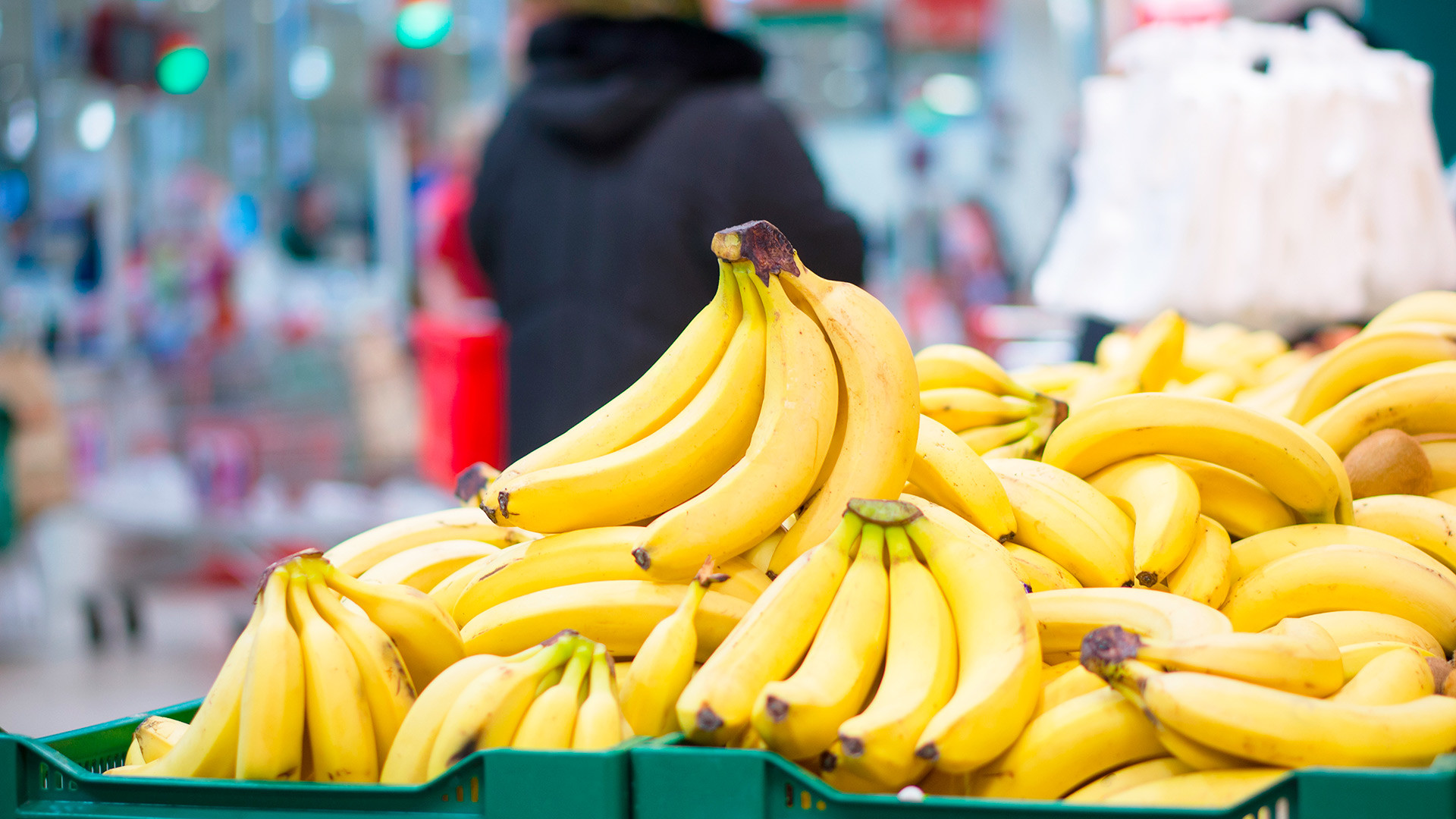
    A Vietnamese agriculture company, Hoang Anh Gia Lai Agriculture Jsc, is set to invest in another 5,000 hectares of land in Cambodia to grow bananas for export to China.

    It will invest VND976 billion ($42 million) in the project, the company said in a recent statement.

    Most of the bananas will be exported to China by ship or road. They will fetch VND22,000-23,000 (95-99 cents) per kilogram from September to March and VND13,000-14,000 (56-60 cents) at other times.

    While China has a demand for 15 million tons of bananas a year, the company has only been supplying 240,000 tons, Doan Nguyen Duc, CEO of Hoang Anh Gia Lai (HAGL) Agrico, said.

    But to reduce its excessive reliance on the Chinese market, Duc is also hoping to shift 20 percent of the company’s banana exports to South Korea and Japan.

    It expects to harvest over 106,000 tons of bananas and earn revenues of around VND1.7 trillion ($73 million) and VND983 billion ($42 million) in gross profit this year.

    The company already possesses 13,500 ha of farmlands in Vietnam, Laos and Cambodia. It is also a major producer and exporter of dragon fruit and chili.

    HAGL used to be a leading property developer in Vietnam, but restructured in 2010 to focus on rubber and livestock farming.

    HAGL Agrico has been growing fruits since 2016, and last year its passion fruit, banana, chili, and dragon fruit crops fetched revenues of VND1.6 trillion ($71 million), accounting for around 49 percent of HAGL’s total revenues.

    This year, the firm expects sales of VND3.7 trillion ($164.4 million) and gross profits of VND1.67 trillion ($74.2 million).

  • Creamistry China to open 100 more stores as mid-term plan

    Creamistry China to open 100 more stores as mid-term plan

    Californian ice cream chain Creamistry has opened its first franchised store in China.

    And the local franchisee, HZ America Corp, plans to open more than 100 Creamistry China outlets within four years.

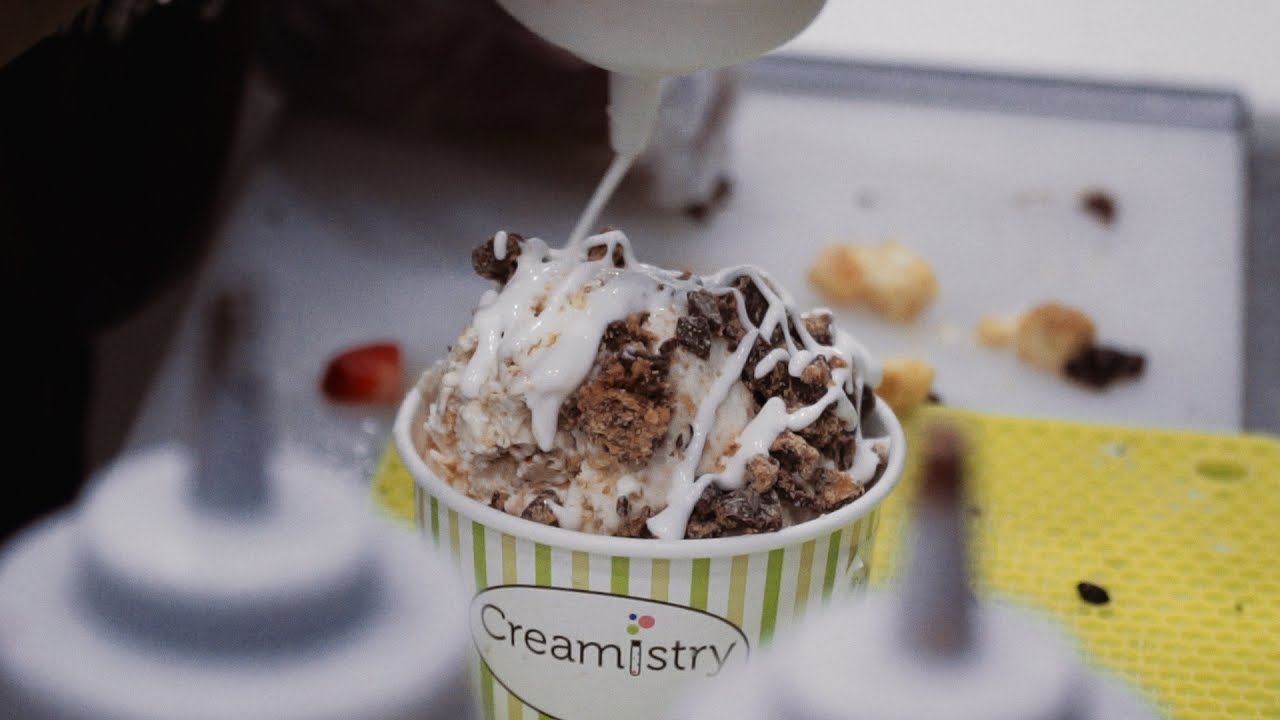
    Creamistry specialises in made-to-order liquid nitrogen ice cream using all-natural and organic ingredients, adding theatre to the retail sale of ice creams and frozen desserts.

    The inaugural Creamistry China store opened on South Renmin Road in Chengdu. HZ America has the franchise rights to the brand for all of greater China.

    “We are thrilled to launch Creamistry in an untapped market such as China with phenomenal brand area representatives,” says Jay Yim, Creamistry’s founder and CEO.

    “Our experience with premium-quality product coupled with the operations infrastructure in place positions us perfectly to get Creamistry up and running in China.”

    Creamistry of Chengdu will sell localised flavors including Spicy Yolk, made with salty duck egg yolk and a combination of spices; Chengdu, made with the Chinese liquor Luzhou Laojiao; and Rice Wine, made with real fermented rice liquor.

    “Creamistry is far more than just an ice cream shop – it truly is an experience,” says Yim. “The brand’s wild success and rapid growth is a testament to the completely customizable product and unique atmosphere, which has proven to appeal to consumers worldwide.”

    Yim founded Creamistry in 2013 after seeing a street vendor making liquid nitrogen ice cream in South Korea.

    After two years of experimentation his family team tested more than 100 flavours before settling on the chain’s core menu.

  • Chinese brands grab 39 percent of Vietnam smartphone market

    Chinese brands grab 39 percent of Vietnam smartphone market

    Xiaomi and Huawei were the two fastest growing mobile phone brands in Vietnam in the second quarter, technology industry analyst Counterpoint reports.

    They grew respectively by 363 percent and 193 percent, according to the HongKong-based company’s recent release.

    “Further, amid the US-China trade war, the RMB (renminbi) is weakening, resulting in cheaper Chinese products in Vietnam. This will favor the Chinese brands, which now hold around 39 percent of the market in Vietnam,” said Tarun Pathak, Counterpoint associate director.

    Vietnamese smartphone brands face stiff competition from not only Chinese but also other international brands, he said.

    The report noted that Xiaomi had only 1 percent of the market share in the second quarter of 2017, but it surged to 5 percent a year later.

    Overall, Chinese brands have a market share of around 39 percent in the form of Oppo (22 percent), Xiaomi (5), Huawei (5), and other smaller names.

    Besides, the report said Huawei has tied up with local gaming firm VNG to enter the industry.

    Varun Mishra, a research analyst, added that Chinese companies such as Alibaba, JD.com and Tencent have invested heavily in the Vietnamese e-commerce market, which would give a “further boost to the Chinese players who have leveraged both offline and online platforms to sustain growth in similar markets.”

    “While the Chinese players are actively targeting mid-tier segments, local players are being pushed toward the entry level segment.”

    South Korean giant Samsung still dominates the smartphone market with a 37 percent share.

    Vietnamese conglomerate Vingroup has also entered the market. Vingroup hopes to launch its phones next year.

    By the end of March 2018, Vietnam has 118.7 million mobile subscriptions, according to official data.

  • Negative impact from regulation on Tencent Holdings growth

    Negative impact from regulation on Tencent Holdings growth

    Tencent Holdings has recorded its first quarterly fall in profits in 13 years, hampered by government delays in approving new online games.

    Second-quarter profit fell 2 per cent to RMB 17.9 billion (US$2.6 billion) on sales totalling RMB 73.7 billion ($10.65 billion).

    The company’s mobile games business revenue fell 19 per cent quarter-on-quarter to RMB 17.6 billion due to delays in the launch of new games and failure to gain approval for charging fees on popular tactical tournament games.

    “This is the worst result in recent memory from Tencent, with the first quarter-on-quarter fall in profits in 13 years and major disappointment on mobile gaming revenue and margins,” said Douglas Morton, the head of research in Asia at Northern Trust Capital Markets in an investor note.

    “The miss, however, was driven purely by regulatory delays to game approvals, meaning the long-term story for Tencent may well remain intact.”

    Another analyst, He Saiyu, from Huatai Financial Holdings, wrote that gaming revenue growth should remain positive later in the year due to increased monetisation of existing games.

    “Mini programs should help to boost Tencent’s cloud, advertising and online payments business grow.”

    He said user traffic and engagement levels across all its major platforms, including WeChat and QQ are all growing at a healthy pace.

  • Kappa parent Dongxiang embraces big growth number

    Kappa parent Dongxiang embraces big growth number

    China Dongxiang, which owns the Kappa brand rights in China, Macau and Japan, has recorded a 14.4 per cent increase in sales for the first-half year despite a restructure of its store network.

    Sales totalled RMB772 million (US$111.67 million), while profit attributable to shareholders reached RMB481 million.

    Kappa brand sales rose 10.7 per cent year on year with same-store sales rising in the mid- to low-single digits, despite a 20 – 25 per cent decline in forward orders and the closing down or upgrading underperforming stores.

    E-commerce helped boost Kappa sales and brand awareness in China, where the company collaborated with platforms, such as Tmall, JD and VIP Shop to launch promotional campaigns during popular festive seasons, and intensified promotion of new products online.

    The company’s Kappa Kids brand improved sales by 16.3 per cent and that now accounts for 7.7 per cent of China Dongxiang’s China regional revenue.

    The company ended the period with 1439 Kappa stores, including 335 trading under the Kappa Kid’s banner.

    Meanwhile, China Dongxiang’s Japan business continued to undergo reforms. The company says revenue from there grew significantly and its loss “shrank substantially” year on year.

    China Dongxiang owns Phenix, Japan’s most popular ski brand, whose market share it is now trying to expand in China and Europe.

  • L’Oreal China get fuel from Colorlab by Watsons

    L’Oreal China get fuel from Colorlab by Watsons

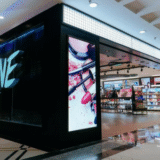
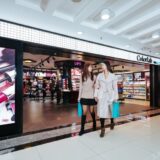
    International health and beauty retailer AS Watson has teamed up with L’Oreal to launch Colorlab by Watsons, a new concept makeup store in China.

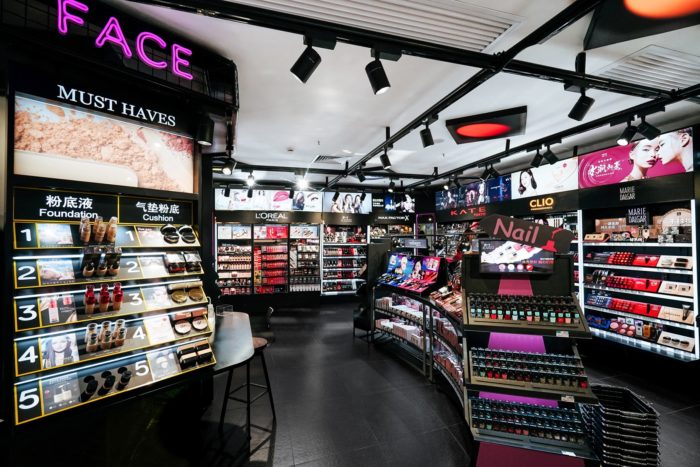
    The first Colorlab launched in Shenzhen early this year as a trial, followed by more openings in Guangzhou and Shanghai. Now the company has revealed plans to roll out a further 50 stores across China by the end of this year. The stores feature modern black interiors to convey a fashionable and trendy experience-led makeup space, with access to on-hand makeup artists.

    L’Oreal brands occupy more than 30 per cent of retail space, and such an arrangement is exclusive to Colorlab only.

    With the rise of online shopping and changing shopping behaviours of younger customers, it is expected that the focus on innovative physical spaces and refreshing shopping experiences will help attract younger buyers.

    AS Watson Group COO Malina Ngai said: “Makeup was identified as a huge growth area for Watsons, and working with L’Oreal on the development of this new store concept meant that we had the expertise of an established makeup supplier at the forefront. Colorlab stores put the customers experience first and rather than just purchasing makeup, we wanted to give customers access to advice and expertise from skilled makeup artists, as well as the opportunity to try out different looks and play about with new products.”

  • Nike drops matching “Qixi Festival” editions

    Nike drops matching “Qixi Festival” editions

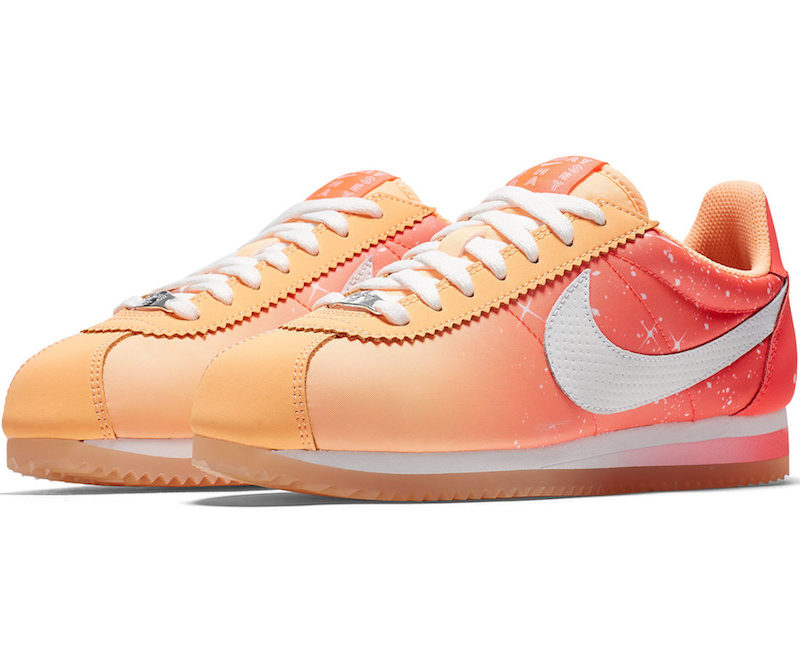
    Nike is celebrating China’s Qixi festival, taking place this Friday, 17 August, with a duo of Classic Cortez Nylon colorways for Men and Women.

    The special edition pack features two colorways inspired by the “Dusk till Dawn” Chinese folklore of Niulang and Zhinu. The Chinese Valentine’s Day celebrates the yearly reunion of the couple, banished to the opposite ends of the Sliver River, on the seventh day of the seventh lunar month through a bridge formed by magpies.

    The Men’s edition features a gradient “Dark Obsidian” hue and the Women’s version a “Flash Crimson” wash, each boasting galaxy stars to represent the fading sky of the summer night. The constellation of Vega (Zhinu star) and Altair (Niulang star) are printed on the heel counter in glow-in-the-dark ink, while a tongue tab branded with “Today is the Day” rounds out the limited edition pair.

    Nike’s Classic Cortez Nylon “Qixi Festival” pack will launch exclusively in China on August 18 via Nike’s SNKRS app and select retailers.

  • Dover Street Market Beijing launched with revamp

    Dover Street Market Beijing launched with revamp

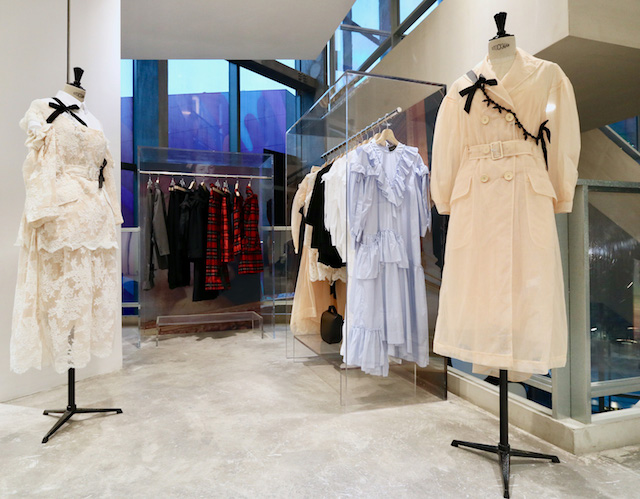
    Dover Street Market Beijing, formerly I.T Beijing Market, has opened for business with a brand-new interior.

    The four-storey, 2200sqm glass house fashion landmark was restructured and redesigned, before a soft opening in April. This week, I.T Group has formally launched the new store, with further upgrades and additions, while renewing the brands and visual displays in line with other DSM stores around the world.

    Much of the interior was redesigned by Rei Kawakubo of the Comme des Garcon team.

    New features include a “village hut” installation at the entrance as well as diverse and contrasting layouts, materials, and colors on every floor, attempting the DSM signature “Beautiful Chaos” style.

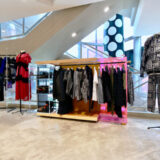
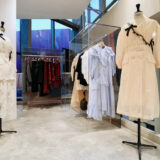
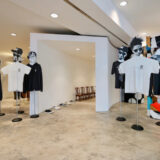
    Highlights include a Molly Goddard white dress and wooden-blind partition theme on the second floor; raw industrial metallic silver displays weaving throughout the third floor, and a dynamic white sneaker space and T-shirt space gallery on the fourth level.

    The market has released a full adjusted space and brands schedule for the Fashion Week 2018 season.

    View the full gallery below (9 picture) :

  • Topshop Topman end franchise agreement with China’s Shangpin

    Topshop Topman end franchise agreement with China’s Shangpin

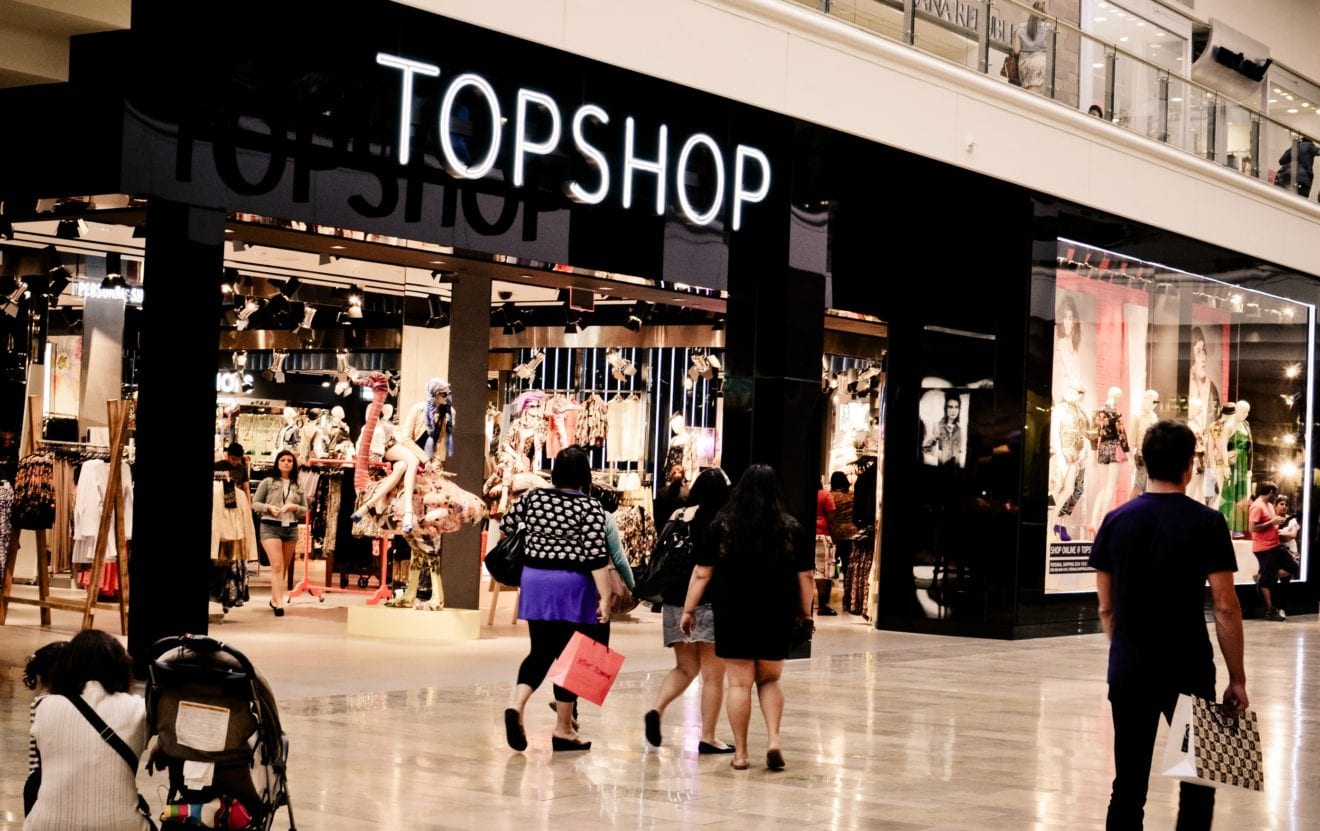
    British apparel group Arcadia has terminated its contract with Chinese franchisee Shangpin to represent its Topshop brand in the PRC.

    Arcadia chairman Sir Philip Green had announced plans to open 80 stores in the region with the Chinese franchise partner in 2016 said that it signalled “the start of a unique, exciting and exclusive partnership that will cement Topshop and Topman’s mission of becoming truly global businesses”.

    None of the planned stores eventually opened.

    A spokesperson for the brand said “Topshop, Topman and Chinese franchise partner Shangpin have reached a mutual agreement to an early termination,” but the UK company nonetheless considered China a “hugely significant market for development”.

    The company said it continues to seek opportunities to grow Arcadia’s brands in China.

  • Are automated stores the future of retail in China?

    Are automated stores the future of retail in China?

    The world seems to now follow a path aiming at the removal of the human error factor through technology and automatization. From pilot-free aircraft to captain-less ships and self driving cars, this phenomenon is rapidly spreading.

    China in particular seems to be very keen on the technology.

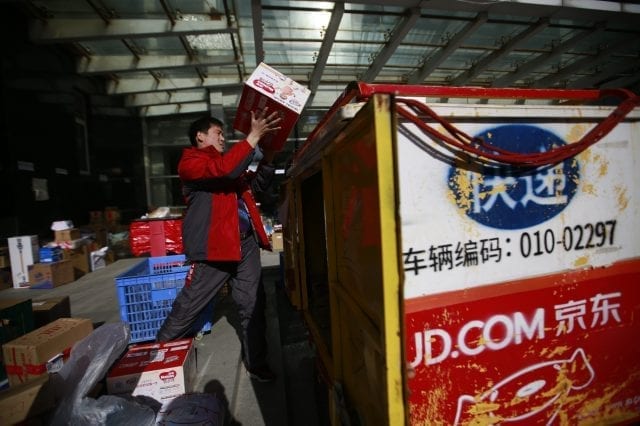
    The online retailer JD.com has now opened over 20 JD.ID X-mart, an unmanned convenience store, in the country and plans on continuing its expansion both nationwide and internationally as it recently opened its first store in Indonesia. The store allows clients to shop without having to wait in line or pay in person as their credit card is automatically being charged for what they have chosen as they exit the location.

    Shanghai has also lately seen the opening of an automated store called X-24h. Visitors are asked to step on circular panels in front of capsule-style cases filled with bakery goods such as croissants and doughnuts. They can observe robots as they are freshly baking and packing the products. This brings a whole new experience to customers. Shanghai Geant Investment, the company behind the project, aims at bringing visual entertainment to its clients in the form of robots.

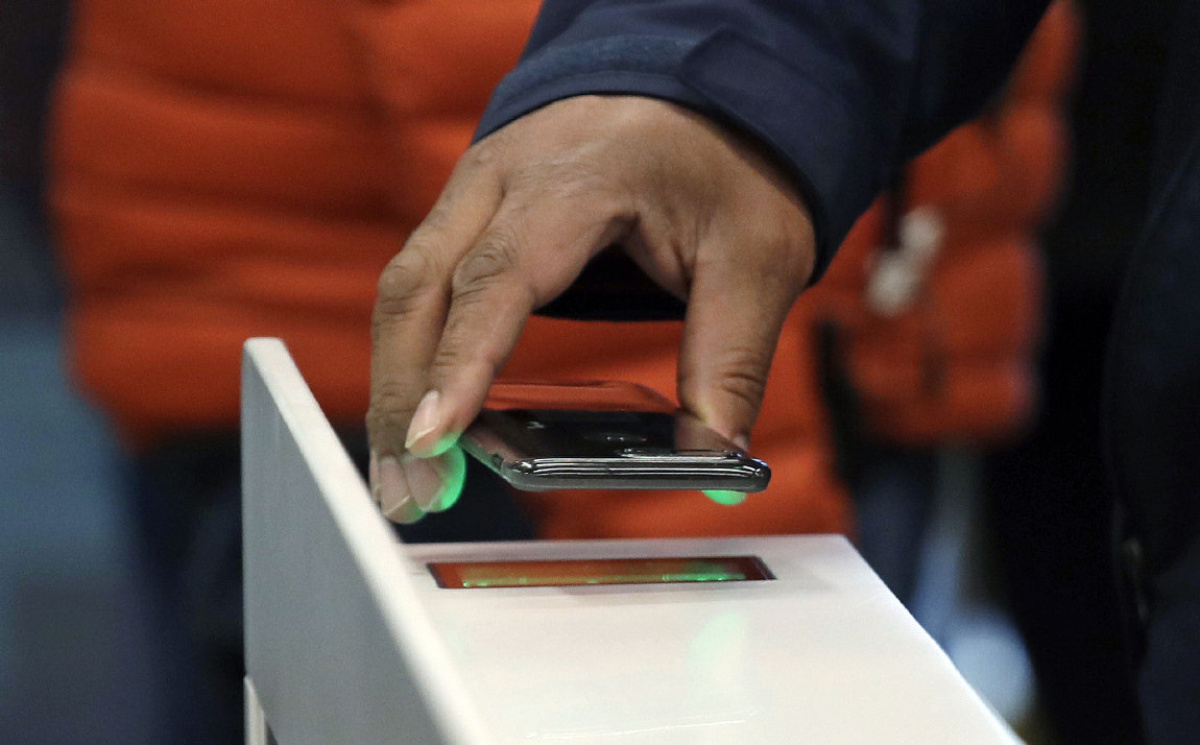
    Using artificial intelligence and mobile payments technology, visitors must scan a bar code for the case to open and leave as their phones are being automatically charged.

    China is the ideal region for these automated stores to thrive due to domestic labor force conditions. As the population in China is aging and people are fighting to escape low-end jobs, unmanned stores seem to be the solution. Moreover, Chinese consumers are open to new experiences and very fond of all technological solutions. They are more flexible and embrace new innovative options. Indeed, as of mid-2017, over 35% of all Chinese mobile phone users had often made mobile payments.

    However, the human touch lacks in those stores and technical glitches can quickly happen and hold them back.

    Some challenges still need to be overcome before technology fully takes over.