Tag: China

  • Is Google going to make it into China?

    Is Google going to make it into China?

    Google wants to get back into China, and is laying the groundwork for a key part of the initiative: bringing its cloud business to the world’s second-largest economy.

    The internet giant is in talks with Tencent Holdings Ltd., Inspur Group and other Chinese companies to offer Google cloud services in the mainland, according to people familiar with the discussions. They asked not to be identified discussing private matters.

    The talks began in early 2018 and Google narrowed partnership candidates to three firms in late March, according to one of the people. Trade tensions between China and the US now loom over the effort. It’s unclear if the plans will proceed, this person said.

    The goal is to run Google internet-based services – such as Drive and Docs – via the domestic data centers and servers of Chinese providers, similar to the way other US cloud companies access that market. In most of the rest of the world, Google Cloud rents computing power and storage over the internet, and sells a collection of workplace productivity apps called G Suite that are run on its own data centers. China requires digital information to be stored in the country and Google has no data centers in the mainland, so it needs partnerships with local players.

    Google Cloud chief Diane Greene said last week that she wants the business to “be a global cloud,” but declined to comment specifically about China. Still, the company is seeking a Shanghai-based business development manager for its cloud business. The job posting lists “experience in, and knowledge of, the Chinese market” as a preferred qualification.

    A Google Cloud spokesman declined to comment. Inspur and Jane Yip, a Tencent spokeswoman, didn’t immediately respond to requests for comment on Friday.

    A tie-up with large Chinese tech firms, like Tencent and Inspur, a major cloud and server provider, would also give Google powerful allies as it attempts a broader return to mainland China, where it pulled its search engine in 2010 over censorship concerns.

    After years of slowly rebuilding a presence in China, Google has pressed the accelerator recently. It’s building a cloud data centre region in Hong Kong this year and opened an artificial intelligence research centre in Beijing in January. Along with other Alphabet Inc. units, it has begun investing more in Chinese companies. Plans for a censored search app in China surfaced earlier this week, sparking a furious debate about whether Google is putting profit over its mission to “organize the world’s information and make it universally available.”

    A cloud partnership for Google in China would help the company compete more with larger rivals Amazon.com Inc. and Microsoft Corp. In late 2017, Amazon agreed to sell its Chinese servers and some other cloud assets to local partner Beijing Sinnet Technology Co. The move complied with laws introduced that year mandating the storage of data within the country and bolstering government control over the movement of information. The move mirrored a similar set-up between Microsoft and its local partner 21Vianet Group Inc.

    With Tencent, Google would have an even more high-profile ally – but would also go up against local competitors including Alibaba Group Holding Ltd., which operates a major cloud business in China.

    China is the second-largest cloud market, but local companies dominate, making it difficult for outsiders like Google, according to Synergy Research Group. “You can never say never, but that is an incredibly tough proposition,” Synergy analyst John Dinsdale said. A June report from Synergy ranked Google fourth in the Asian cloud market, behind Amazon, Alibaba and Microsoft.

    In January, Google struck a patent-sharing deal with Tencent. The agreement came with an understanding that the two companies would team up on developing future technologies.

    Tencent operates its own cloud service and is building an ecosystem of partners that includes Cisco Systems Inc., Nvidia Corp. and Deloitte, according to Tencent’s website. It already offers a cloud service called the Tencent Kubernetes Engine that’s based on a popular Google technology by the same name. Google could host services, such as Gmail, Drive and Docs, on Tencent’s data centers, and the Chinese company may suggest existing cloud customers try Google offerings.

    Tencent founder Pony Ma is a representative of China’s National People’s Congress, and Inspur, formerly the state-owned Shandong Electronics Devices Plant, could provide political cover for Google as it seeks to gain approval from authorities to operate more of its largest businesses in country.

    Google has touted the security and AI strengths of its cloud division. Tensorflow, a coding library for AI applications created by Google, is growing in popularity with researchers and software developers in China. While the feature is compatible with other cloud services, it’s designed to work most efficiently with Google’s cloud.
  • China boosts L’Oreal high growth rate

    China boosts L’Oreal high growth rate

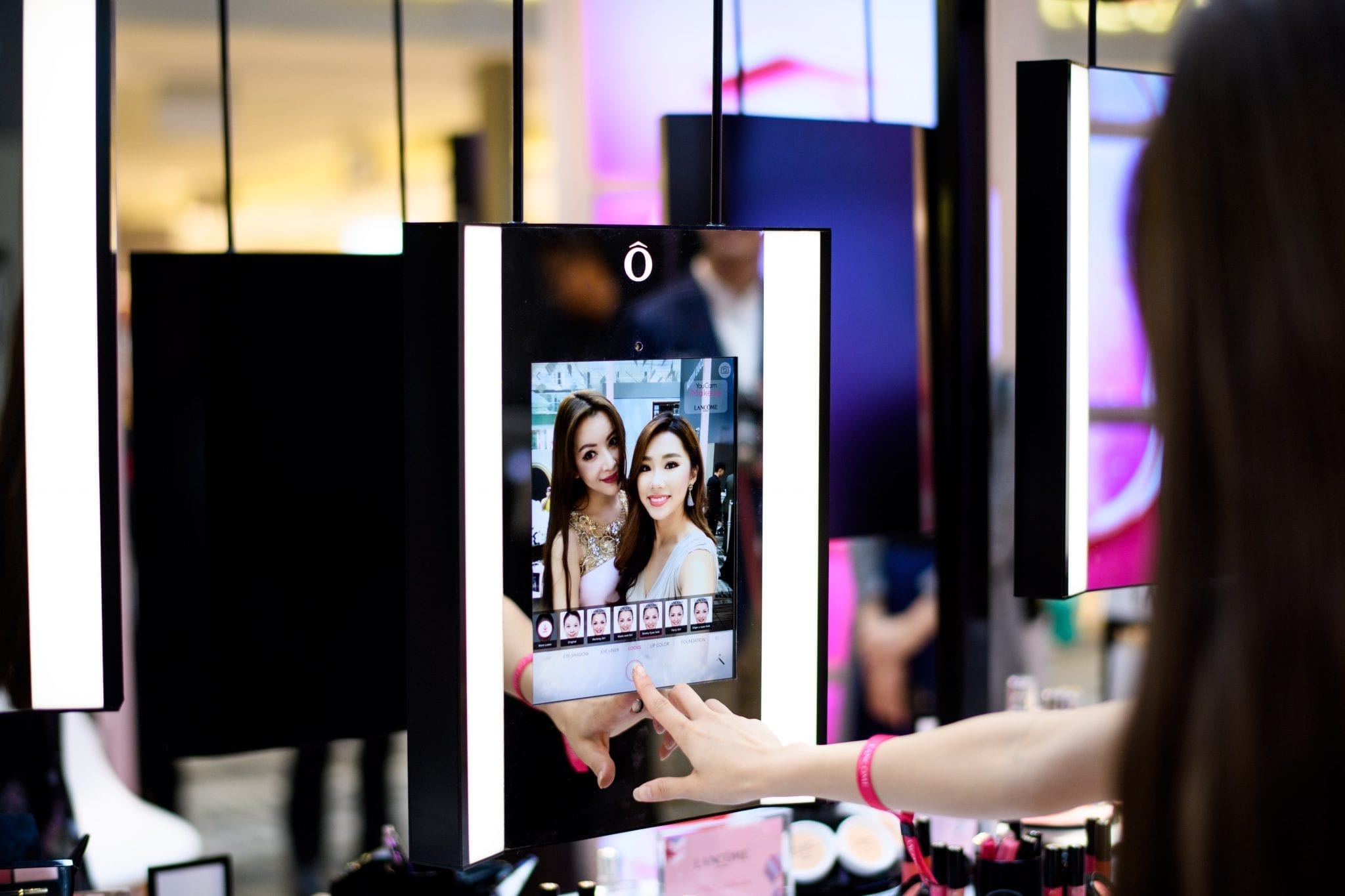
    Chinese consumers are powering massive sales growth for beauty products giant L’Oreal in Asia Pacific.

    During the first half of this year, like-for-like sales in the region soared 22 per cent and it is now on the brink of surpassing North America as L’Oreal’s second largest geographic region in sales, behind Europe.

    “This strong growth is being boosted by Chinese consumers, as reflected in the growth in China and Hong Kong across all divisions, especially for premium brands,” said L’Oreal in a statement. “E-commerce and travel retail accelerated in the first half. Southern Asia is extremely dynamic, with market share gains particularly in India and Malaysia.”

    Globally, L’Oreal achieved sales of €13.39 billion, with €3.54 coming from Asia, €3.56 billion from North America and €4.13 billion from Western Europe. Across all markets, like-for-like sales rose by 6.6 per cent. But in Western Europe, sales slipped 2 per cent in the second quarter and 0.8 per cent over the first half.

    Chairman and CEO Jean-Paul Agon said the beauty market is becoming more premium.

    “The good sales growth and the quality of the first-half results reinforce our confidence in our ability to once again outperform the cosmetics market in 2018, and to achieve significant like-for-like sales growth and an increase in our profitability.”

  • Dufry blossoms in Asia market

    Dufry blossoms in Asia market

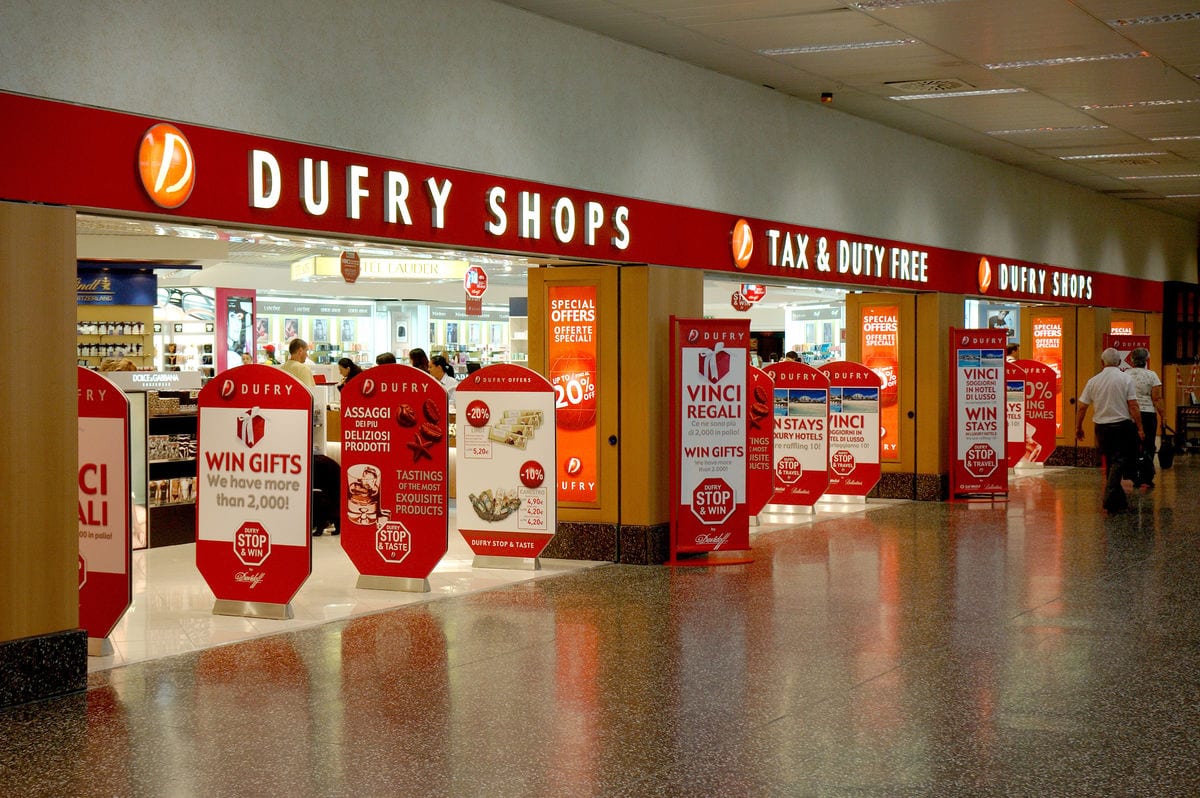
    Asia “continued to boom” for travel retailer Dufry in the first half of this year.

    Bali, Cambodia, Indonesia, Macau and South Korea all achieved double-digit sales growth during the half year, with Chinese tourists credited for much of that growth. Australia also achieved “strong double-digit performance” after the full renovation of Dufry’s stores there.

    “Eastern Europe, Middle East, Asia and Australia continued to outperform, driven by a growing number of Chinese passengers,” the company said in an earnings statement. Organic growth across Eastern Europe, Middle East, Asia and Australia rose 22.1 per cent.

    Globally, the Swiss company’s turnover grew by 7.2 per cent to CHF 4.097 billion (US$4.112 billion). Earnings before interest and tax grew 38.4 per cent to CHF 124.6 million.

    Dufry says its organic sales growth rose by 5.5 per cent thanks to an expansion and refurbishment program across the group.

    In the first half of this year, it expanded and opened 13,200sqm of gross retail space, which included new operations aboard 12 cruise ships, totalling 3500sqm across 38 stores. A further 22,400sqm of refurbishments are planned during the second half year, including the implementation of its new generation store concept at Heathrow Airport’s T3.

  • Tse Sui Luen makes big mainland expansion plan

    Tse Sui Luen makes big mainland expansion plan

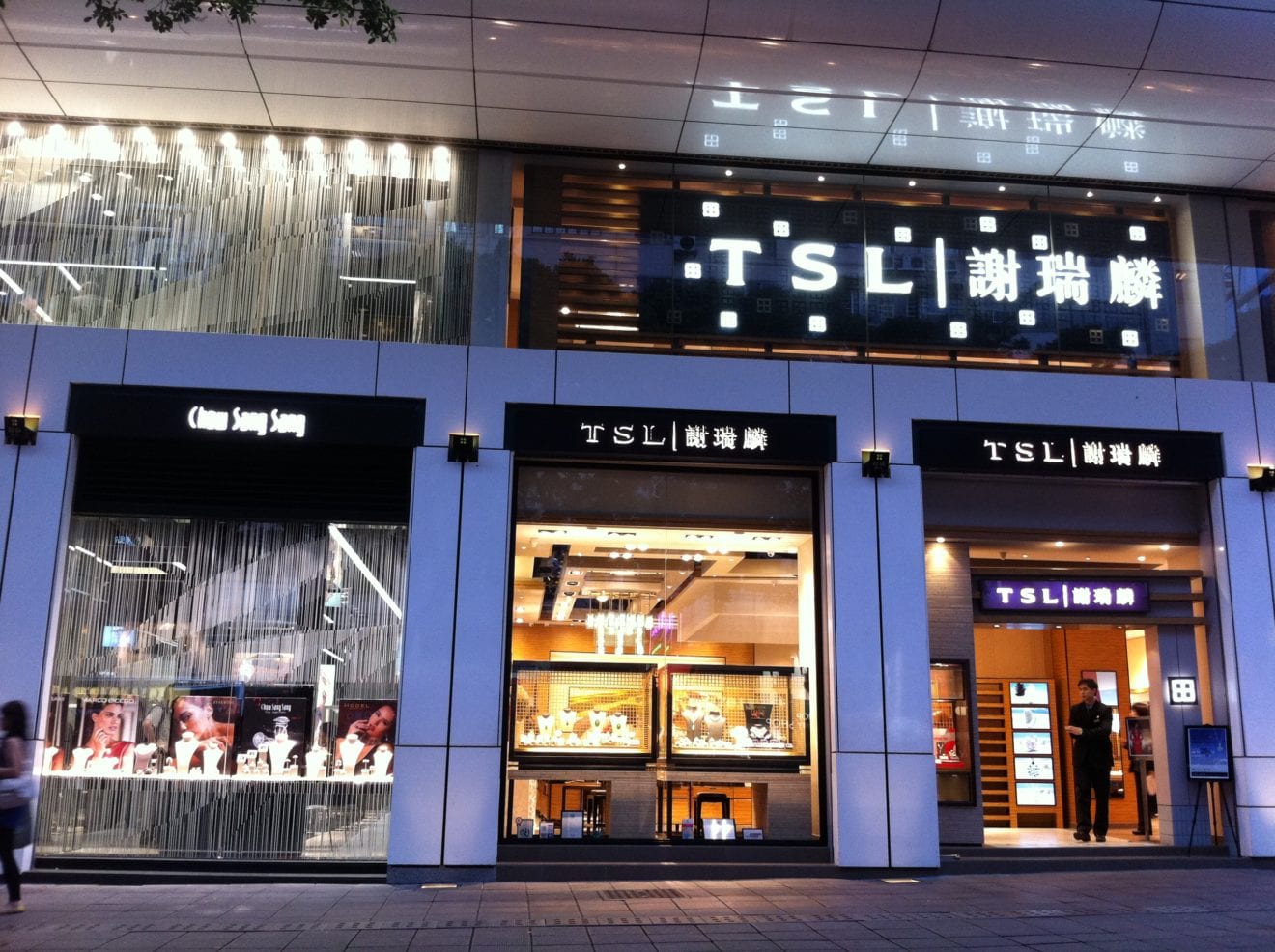
    Hong Kong Jeweller Tse Sui Luen (TSL) has moved to target the Chinese middle class, according to a report.

    TSL has announced plans to open 100 outlets in the Chinese mainland within two years, taking its total number of stores to 487.

    The firm’s deputy chairman and chief strategy officer Estella Ng Yi-kum commented that “Even though the yuan is on a downward trend, we have strategies to adjust pricing and use product designs to fit the appetite of our customers to boost sales.”

    She said that China will be “the growth engine for TSL for the coming 20 years,” attributing this to the rise of the Chinese middle class, which is expected to flourish under changes planned for China’s tax code.

    Ng did admit to concerns about the weakening of the RMB making TSL products more expensive for Chinese shoppers in Hong Kong and devaluing TSL’s assets in China comparative to the US Dollar-pegged HKD. The firm will address these issues strategically by potentially raising prices in China and focusing on smaller, more profitable diamonds.

    “We use design to make a 0.3 carat diamond look like half a carat,” Ng said. “So we can have a good margin and attract customers.”

  • Moncler sales up on China, Japan

    Moncler sales up on China, Japan

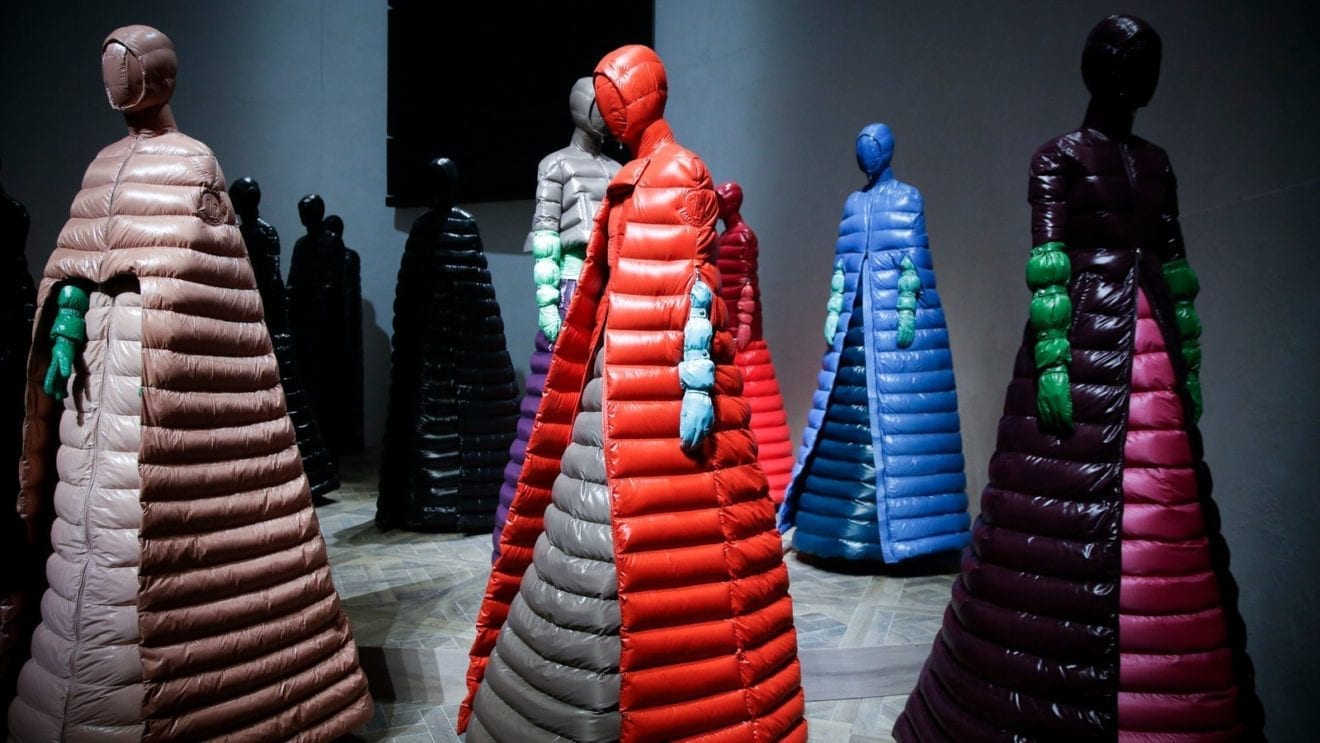
    Luxury down jacket brand Moncler reported strong double-digit sales growth in the first half of 2018, on the back of solid revenue gains in China and Japan.

    The Milan, Italy-based brand said consolidated revenues reached 493.5 million euros for the six months ended June 30, an increase of 27% (at constant exchange rates), compared to 2017.

    In outlining the results, Moncler’s CEO, Remi Ruffini, hailed “major growth across all distribution channels—retail, wholesale and digital—and across all markets.”

    The group’s retail distribution channel increased to 376.8 million euros, up 33%, while comparable sales jumped 27%. Wholesale saw a 12% uptick.

    For the six months, net income climbed 47% to 61.6 million euros for a margin of 12.5%, while operating profit increased 35% to 85.7 million euros.

    In Italy, revenues rose 9%, mainly driven by the strong growth of the retail channel, while in Asia and ROTW, revenues leaped 42, helped by Japan, which significantly accelerated in the second quarter, thanks to the launch of ‘7 Moncler Fragment Hiroshi Fujiwara’.

    Moncler said it continued to register “very good performances” in China, which saw double-digit organic growth, following the Chinese government decision to reduce import duties.

    From the beginning of July, Moncler reduced its prices in China by 3.5% on average, it added.

    Revenues in Korea recorded a solid increase, with a sales acceleration in the second quarter, “mainly due to the organic growth of the existing stores’ network.”

    In the EMEA marker, Moncler’s revenues grew 17%, while the Americas grew 29%, said the company.

    Moncler currently operates 209 retail directly operated stores globally, with 65 shop-in-shops.

    It operates some 84 points-of-sales in Asia alone.

  • Yum China sales performs growth from expansion

    Yum China sales performs growth from expansion

    Yum China sales rose 12 per cent in the quarter to June 30, boosted by more stores and currency gains.

    But same-store sales declined across both of its brands and margins contracted.

    The company reported total sales of US$2.1 billion which on a currency-neutral basis was 5 per cent better than for the same quarter last year. KFC sales rose 5 per cent, partially offset by a 1 per cent decline by Pizza Hut.

    However, same-store sales declined 1 per cent year-on-year, with flat same-store sales at KFC and a 4 per cent decrease at Pizza Hut.

    During the period, Yum China opened 164 stores, taking its network to 8198 across more than 1200 cities.

    Operating profit rose 13 per cent to $193 million (or by 5 per cent excluding foreign exchange effects).

    Joey Wat, CEO at Yum China, said the growth was driven by “solid business fundamentals and accelerated new store development”.

    “We are on track to add 600-650 new stores, led by KFC, by the end of the year. This strategy will set us up for long-term growth in both profitability and market share,” she said.

    While Pizza Hut continued to face challenges in China’s competitive casual dining space, Yum China added new talent to its team and is working on repositioning the brand with its target customers.

    “We remain dedicated to revitalising the brand and strongly believe that our initiatives including delivering more innovative products and introducing new store formats will restore the brand to the level of consistent growth that our shareholders expect,” said Wat.

    Jacky Lo, CFO at Yum China, said the company stepped up food investment and promotional activities during the quarter, which inevitably had some impact on its margins.

    “This reflects our strategic decision to invest in our brands for long-term market share gain.”

  • China says US disappoints the world by upping the ante in trade war

    China says US disappoints the world by upping the ante in trade war

    China warned the United States today that upping the ante in a tit-for-tat trade war will “only serve to disappoint” the world as Washington threatened to raise the tariff rate on the next US$200 billion (RM814 billion) of Chinese imports.

    Beijing said it would be forced to take countermeasures to defend Chinese interests, free trade and the international order.

    “The US has no regard for the world … playing both soft and hard ball with China will not have any effect, and only serve to disappoint the countries and territories opposed to a trade war,” China’s Ministry of Commerce said in a statement, adding that it still hopes to turn the situation around.

    Foreign ministry spokesman Geng Shuang called Washington’s actions “blackmail” and urged the US “to return to rationality and not act on impulse. It will only hurt themselves.”

    President Donald Trump asked the US Trade Representative to consider increasing the proposed tariffs to 25% from the planned 10%, USTR Robert Lighthizer said on Wednesday.

    “We have been very clear about the specific changes China should undertake. Regrettably, instead of changing its harmful behaviour, China has illegally retaliated against US workers, farmers, ranchers and businesses,” Lighthizer said in a statement.

    Officials, however, downplayed suggestions the move was intended to compensate for the recent decline in the value of the Chinese currency, which has threatened to take much of the sting out of Trump’s tariffs by making imports cheaper.

    The US dollar has been strengthening since April as the central bank has been raising lending rates, which draws investors looking for higher returns.

    “It’s important that countries refrain from devaluing currencies for competitive purposes,” a senior administration official said. “But I wouldn’t draw the conclusion that the announcement we’re making today is directly linked to any one practice.”

    Washington and Beijing are locked in battle over American accusations that China’s export economy benefits from unfair policies and subsidies, as well as theft of American technological know-how.

    Trump has threatened to slap tariffs on virtually all of China’s exports to the US.

    Officials said they remained in regular contact with their Chinese counterparts but could announce no new meeting.

    The US already imposed 25% tariffs on US$34 billion in Chinese goods, with another US$16 billion to be targeted in coming weeks.

    On July 10, Washington unveiled a list of another US$200 billion in Chinese goods, from areas as varied as electrical machinery, leather goods and seafood, that would be hit with 10% import duties.

    Increasing the rates to 25% could make them significantly more painful.

    The comment period on the proposed penalties, which includes public hearings where business can ask for exemptions, due to take place later this month, would be extended into September, the officials said.

    Much of American industry and many members of Trump’s own Republican Party have expressed outrage but have so far been unable to thwart Trump’s trade policies.

    The US Senate last week passed legislation which if enacted would lower trade barriers on hundreds of Chinese imports.

    Jake Colvin, vice-president of the National Foreign Trade Council, said the Trump administration could be boxing itself into a corner.

    “It’s hard to see how this action lends itself towards a resolution to what is increasingly a trade crisis,” he told AFP.

    Trump and senior administration officials believe the volume of US imports and vigorous health of the American economy give Washington an advantage in the current confrontation.

    But Fred Bergsten, founding director of the Peterson Institute for International Economics, told CNBC that China would be able to absorb blows more easily than Washington.

    “They can expand their stimulus, fiscal spending, bank lending,” he said.

    “They can compensate much better than we can. They come from a much higher base.”

    And Bergsten warned that the US economy is likely to slow and a trade war only makes that expected decline worse.

  • E-Land to stop selling Coffee Bean & Tea Leaf in China

    E-Land to stop selling Coffee Bean & Tea Leaf in China

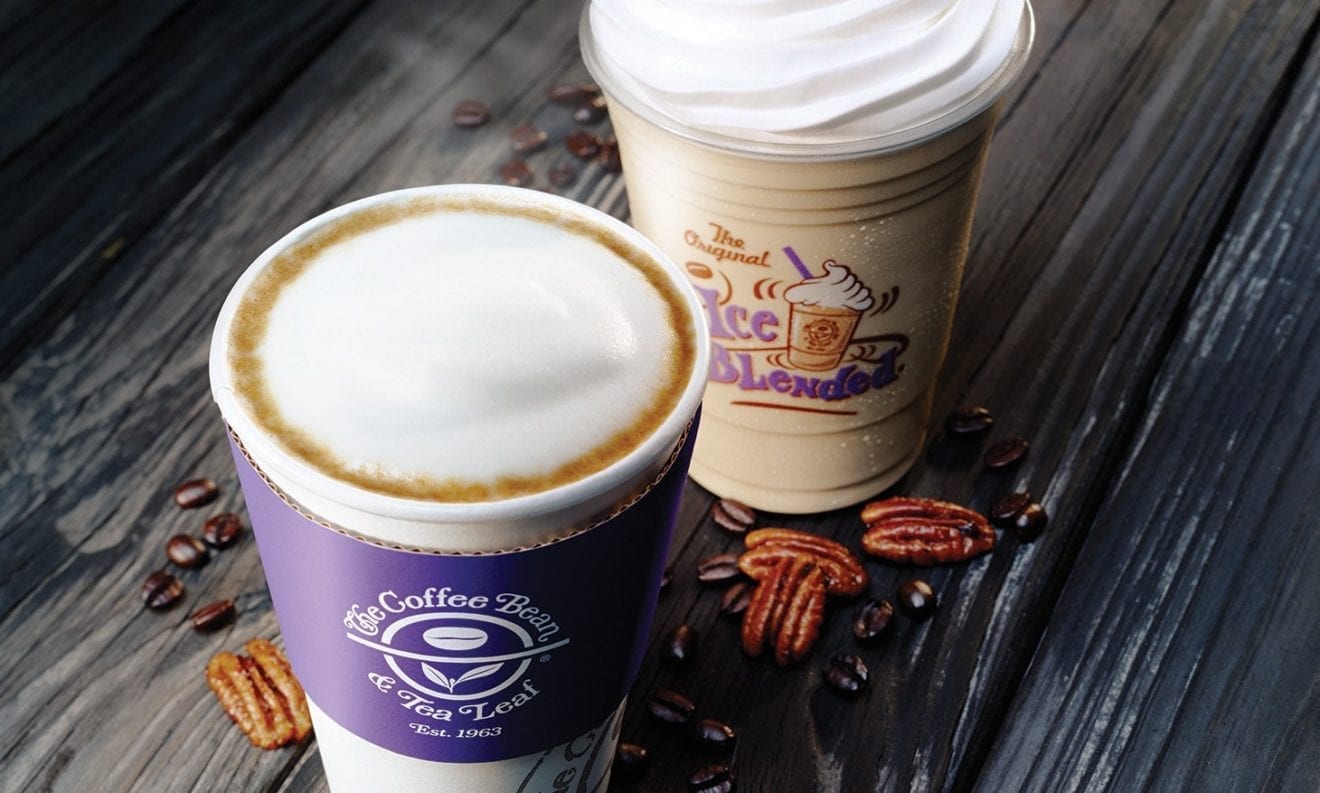
    South Korean fashion and retail group E-Land is surrendering its Coffee Bean & Tea Leaf China franchise licence.

    The move is expected to improve the conglomerate’s reportedly strained cash-flow situation and mark a more focused approach to retail. It comes after expanding the franchise to 17 locations in China over the past two years. It had originally pledged to expand the Chinese business to 1000 stores.

    The group’s liquidity has been under significant pressure in recent years, forcing it to relinquish its resorts and cruise businesses as well as other holdings. It currently runs around 250 brands spanning retail, fashion and restaurants.

  • Blow for House of Fraser as Chinese firm drops plan to invest

    Blow for House of Fraser as Chinese firm drops plan to invest

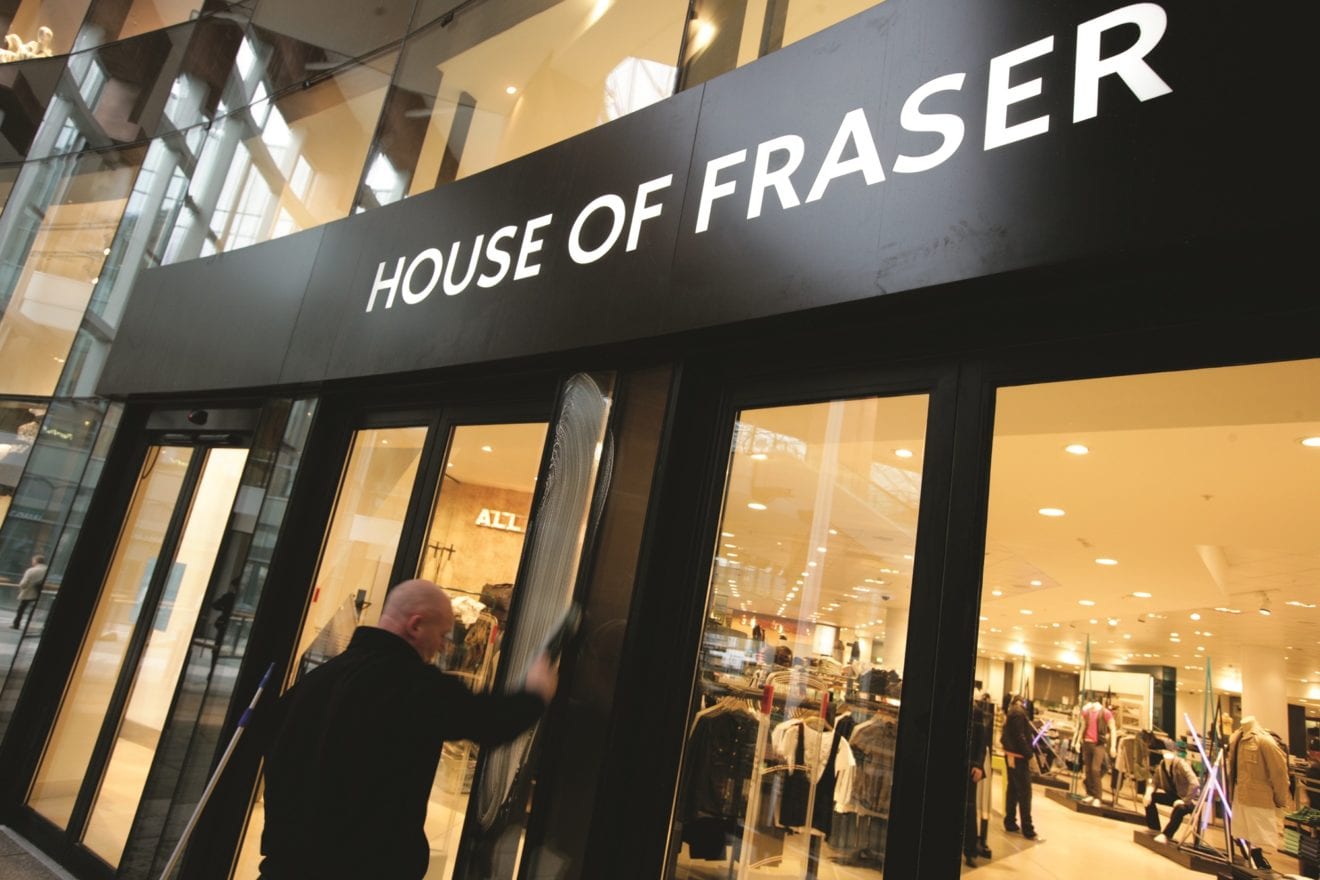
    C.banner International has dropped its House of Fraser rescue plan, dealing what some observers in the UK are describing as a potentially fatal blow.

    Hong Kong-listed C.banner, which is the parent of toy retailer Hamleys, had undertaken to invest £150 million into House of Fraser assuming control of the business.

    In June, the deal appeared to be confirmed after creditors of House of Fraser agreed to a Company Voluntary Agreement in which 31 stores would close in the UK and Ireland and 6000 jobs cut. After the downsizing, House of Fraser would have just 28 stores in the UK and Ireland. Creditor approval of the CVA was a pre-condition of C.banner’s investment.

    However in a statement issued to the Hong Kong stock exchange, C.banner has backed out.

    “In view of the fact that the recent market prices of the shares as quoted on the stock exchange have significantly dropped to a level which is far below the placing price range of HK$2.40 to $3.00 per placing share, the company and the placing agent are of the opinion that the placing has been rendered impracticable and inadvisable, and therefore no longer intend to proceed with the placing.”

    C.banner’s share price has fallen to $0.71 since June 1, when it announced the plan.

    Furthermore, C.banner has issued a profit warning, predicting a loss of RMB20 million in the six months to June, compared with a RMB39 million profit for the same period last year.

    Talks with new suitors

    Meanwhile, House of Fraser is now in negotiations with other parties, including Mike Ashley, the owner of Sports Direct, over a rescue bail-out – it needs £50 million rapidly to avoid collapse.

    As reported, the department store group is struggling to pay a quarterly rent bull of nearly £25 million due in late September and to fund the purchase of millions of pounds of stock for the peak Christmas trading period.

    And, subsequent to creditor approval of the CVA, some of the company’s landlords have launched a legal challenge against the planned store closures and rent reductions. While all creditors had a vote on adopting the CVA, it only required a majority of 75 per cent to be carried. The landlords were on the losing side of that vote.

  • Starbucks and Alibaba form New Retail Partnership in China

    Starbucks and Alibaba form New Retail Partnership in China

    Starbucks China and Alibaba have announced an alliance that stretches way beyond the latter’s online delivery platform Ele.me.

    The two companies describe their pact as “a deep, strategic New Retail partnership” that will enable a seamless Starbucks experience and transform the coffee industry in China.

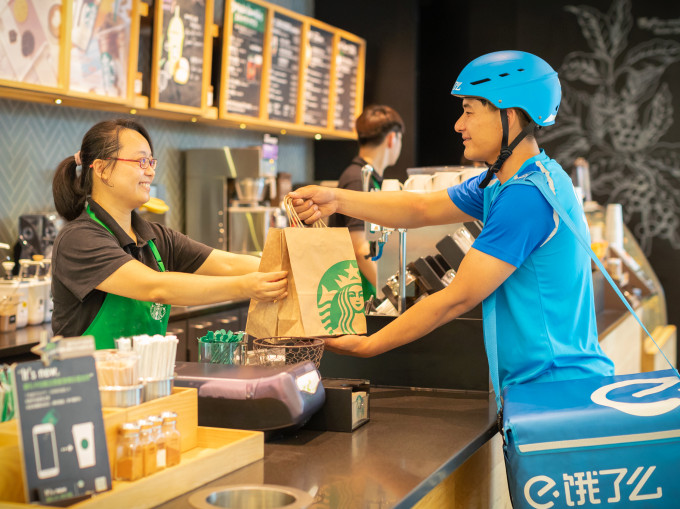
    The partnership spans Ele.me, the food delivery platform acquired by Alibaba last month, Hema supermarkets, Tmall, Alipay and Taobao. Pilot delivery services by Starbucks China will start next month with the coffee company opening delivery kitchens to fulfil orders and “co-create an unprecedented virtual Starbucks store”.

    Starbucks China CEO Belinda Wong says the partnership with Alibaba breaks the physical and virtual barriers between the home, office, in-store and digital space.

    “It will make China the first Starbucks market to deliver a seamless Starbucks experience across all facets of our customers’ lives.”

    Alibaba CEO Daniel Zhang said Starbucks is more than a destination for premium coffee “and we share the same vision to pioneer a new coffee culture and lifestyle through innovation and technology”.

    It starts with Ele.me

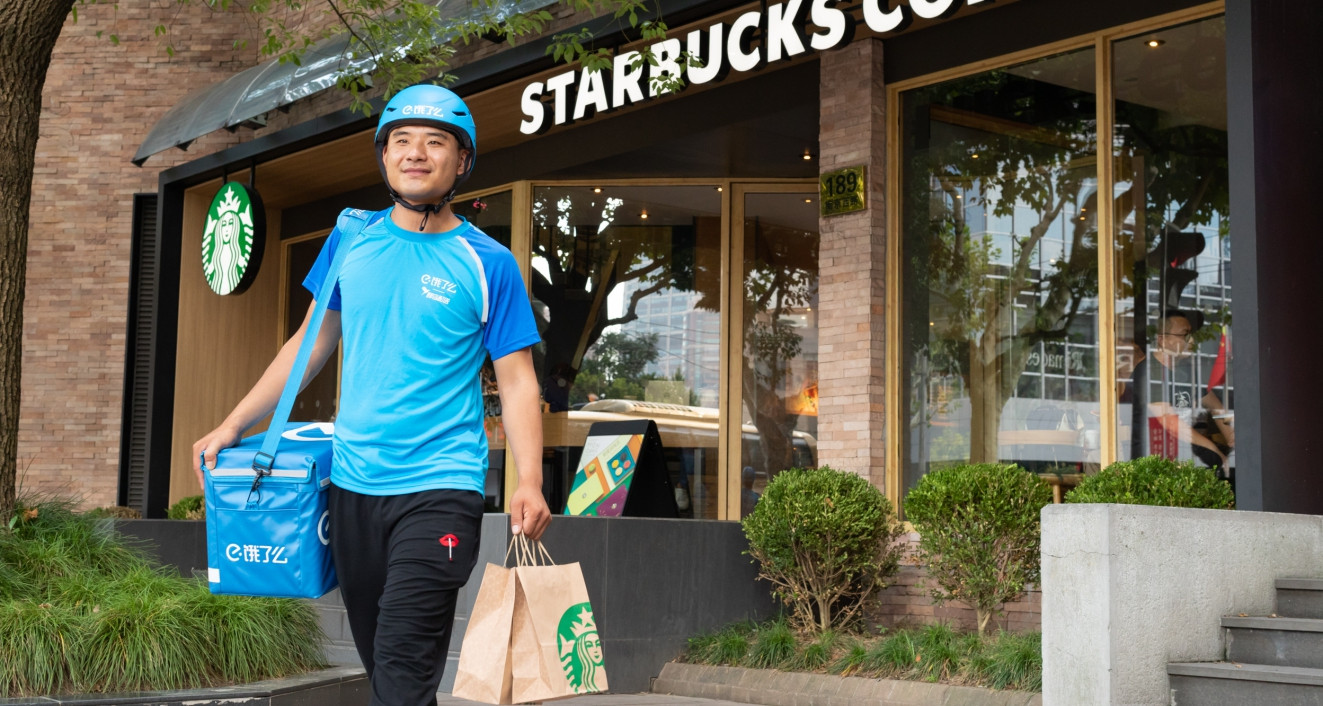
    Ele.me, China’s largest on-demand food delivery platform with 3 million registered delivery riders, will start delivering Starbucks orders from 150 stores in key trading zones in Beijing and Shanghai next month. By the end of the year, that service is expected to expand to more than 2000 Starbucks stores across 30 Chinese cities.

    The two companies have worked together to develop what they describe as “a unique, customised delivery infrastructure” including dedicated delivery riders, precise delivery times, and custom carriers. They believe they will be able to offer “a best-in-class coffee delivery service standard for Chinese customers” which could well be interpreted as a challenge to local startup Luckin Coffee which has grown into a US$1 billion company in less than a year, based on a mixed delivery and in-store model.

    Starbucks will partner with Hema supermarkets to open dedicated “Starbucks Delivery Kitchens” within stores. The kitchens will use Hema’s fulfillment and delivery capabilities to complement the delivery of Starbucks beverages offered through existing Starbucks stores. Starbucks will also use Hema’s consumer insights and fulfillment expertise to reach more communities across China.

    Data from Hema stores will be used to help plan the location of future Starbucks cafes, combined with delivery kitchens. The first delivery kitchens will open in selected Hema supermarkets in Shanghai and Hangzhou next month.

    Digital transformation

    Starbucks China and Alibaba say the creation of a ‘virtual Starbucks store’ in China is a key strategic initiative under the partnership.

    Alibaba will develop a centralised online management hub, with the capability to integrate and deliver a consistent Starbucks experience across multiple digital platforms. “This innovation will transcend the traditional limitations of a single-app visit by providing the consumer an elevated, and even more personalised Starbucks digital experience across the Starbucks app and Alibaba’s customer-facing mobile apps, including Taobao, Alipay, Tmall and Koubei,” the companies said in a statement.

    “This latest innovation will revolutionise the traditional offline-to-online model by effectively extending the reach of the Starbucks experience into the everyday lifestyle ritual of the Chinese consumer, regardless of time or place. Whether it is at home or in the office, within a Starbucks store or online, Starbucks customers will be able to access and enjoy a one-stop Starbucks experience when purchasing merchandise online, buying a Starbucks handcrafted beverage to be delivered to a friend or sending a Starbucks gift of love on the “Say it with Starbucks” social gifting platform.”

    Starbucks will progressively integrate its Starbucks Rewards membership platform onto the centralised system to use its consumer insights to deliver a personalised experience to customers.

    “Starbucks China and Alibaba are trusted business partners who share common values in the spirit of innovation and the unrelenting pursuit of product and service excellence,” the statement said.

    “Thanks to the elevated customer experience delivered by our more than 45,000 partners, Starbucks is growing and innovating faster in China than anywhere else in the world,” said Kevin Johnson, president and CEO at Starbucks Coffee Company. “Our transformational partnership with Alibaba will reshape modern retail, and represents a significant milestone in our efforts to exceed the expectations of Chinese consumers. Starbucks China is one to watch, and I have full confidence in the team that will bring the new innovation behind the Starbucks Experience to life.”

  • Flamingo Bloom plans expansion in Australia, Singapore

    Flamingo Bloom plans expansion in Australia, Singapore

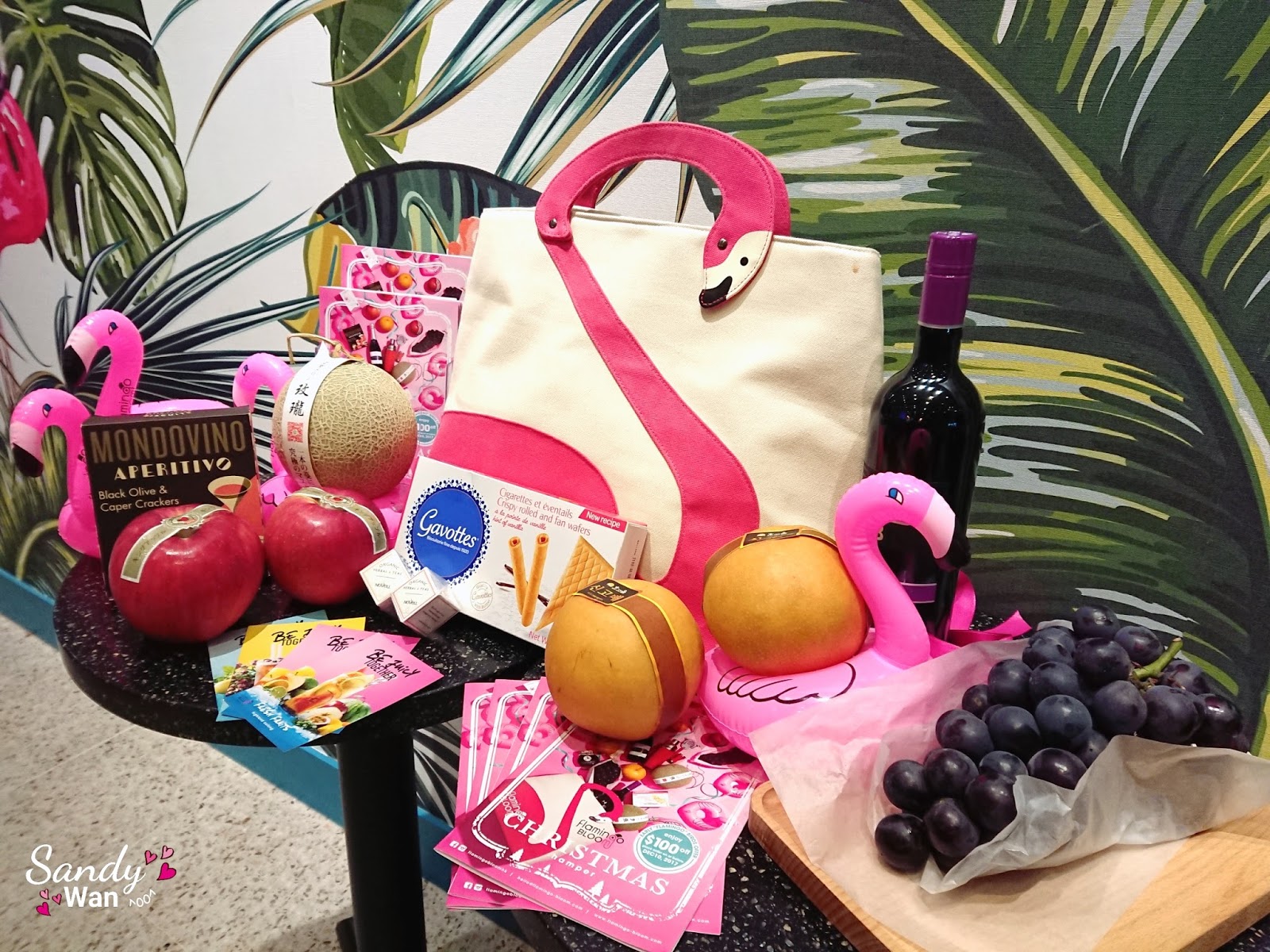
    Hong Kong-based fresh-brewed tea brand Flamingo Bloom has opened four stores in its first year of trading.

    The health-conscious beverage retailer first set up just last year in Hong Kong’s Central, but has already opened a larger space in Tsim Sha Tsui, a flagship in Malaysia, and a store at the IFC mall this month, which attracted long queues on launch day.

    Founder Louisa Wong has indicated plans to open further locations in Malaysia, as well as expand to Australia and Singapore, with the intention to open in Melbourne by the end of this year.

    “Even though we’re in a quality mall, the operating costs in Malaysia are so much lower – about a third of what we pay in Hong Kong – so it’s easier to reach sales targets,” she said. “In Malaysia’s tropical climate, cold teas mixed with fresh fruits have proved popular.”

    The store retails highly Instagrammable Chinese tea-based beverages mixed with fresh fruit and boba pearls – or blended as a latte.

  • Facebook blocked by China’s Great Firewall

    Facebook blocked by China’s Great Firewall

    Earlier last week, the rumor of Facebook’s comeback to China was spreading fast.

    Banned since 2009, the technology giant was apparently trying to gain a foothold into the country with the establishment of an innovation hub. The word spread as screenshots of the subsidiary’s registration in Hangzhou were released on the Internet.

    By Thursday, the filing had vanished from the website of China’s National Enterprise Credit Information Publicity System. According to the New York Times approval was withdrawn after the national internet regulator, the Cyberspace Administration of China, disagreed with the provincial government’s approval of the subsidiary.

    Moreover, all terms related to the operation were censored on Chinese social media.

    The country has the media and Internet on a very short leash. Foreign companies strive every day to operate in the region as they face legions of ministries, regulators and local and central authorities. But the Chinese market is a very attractive one as it is the world’s biggest Internet market with over 710 million users as of 2017 (Forbes).

    The numerous bans and difficulties foreign companies are experiencing have favored the emergence of a monopolist in the market: WeChat. Indeed, along with Facebook, Twitter is also banned in China while messaging apps such as WhatsApp work intermittently. Apple and Google services are also very restricted.

    The legal status of Facebook’s expansion remains uncertain. Nevertheless, we are a long way from fully removing the ban of the platform even should the innovation hub manage to go through. Speaking of the company’s efforts in China, Mark Zuckerberg said they are “a long time from doing anything”.

    2018 has so far been a hard year for the social media giant as the company is facing many other challenges from slower user growth and tanking share price to scandals over user data.

  • Nickelodeon to Open Its Largest Indoor Theme Park in Mall of China

    Nickelodeon to Open Its Largest Indoor Theme Park in Mall of China

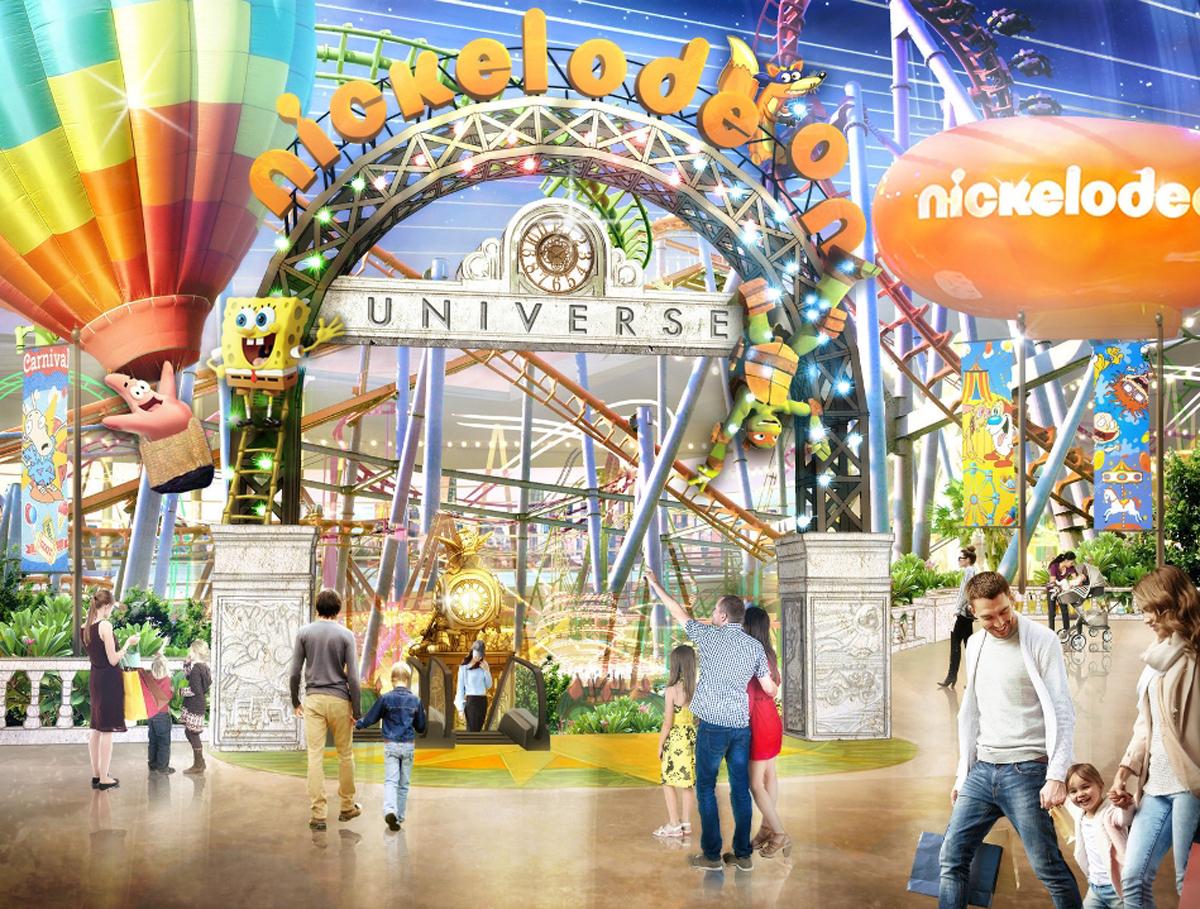
    Viacom International Media Networks Asia will build a Nickelodeon indoor theme park at the Mall of China in Chongqing.

    It will be Nickelodeon’s largest indoor park in the world, and its first in Asia when it opens in December 2020.

    The Mall of China is being developed by Jiayuan Group, China Creation Group and Triple Five Group and the three partners signed an agreement with Viacom last week.

    Cartoon and movie characters including SpongeBob SquarePants, Dora the Explorer, the Paw Patrol gang and the Teenage Mutant Ninja Turtles will feature in the park which will host 29 attractions including the world’s highest and fastest indoor roller coaster and Asia’s first  tilting drop-tower attraction.

    The $750 million Mall of China is located about 15 minutes’ drive from Chongqing’s Jiangbei International Airport. Construction of the 1.5 million sqft mall started in 2016. The adjacent theme park Nickelodeon indoor theme park will take up about 92,000sqft and the entire complex will be buttressed by 40,000 residential units, an international hospital and an international school. The entire project will cost an estimated $4.2 billion.

    “Creating immersive on-the-ground consumer experiences remains an important part of our business, especially in Asia,” said Mark Whitehead, president and MD, Asia Pacific at Viacom International Media Networks.

    “As we continue to grow the footprint of Nickelodeon theme parks across Asia Pacific, I am confident this will also open up new opportunities for the Nickelodeon brand and for our partners across multiple platforms in this important Chinese market.”

    Nickelodeon-branded attractions and parks around the world include the Nickelodeon Universe in Minneapolis’ Mall of America, SeaWorld on the Gold Coast and Wet n Wild Sydney in Australia, Nickelodeon Land at Pleasure Beach Blackpool in the UK, Nickland at Movie Park Germany, Nickelodeon Land at Parque de Atracciones Madrid in Spain and Nickelodeon Lost Lagoon at Sunway Lagoon in Malaysia. There are also Nickelodeon attractions at the Universal Studios in Hollywood and Orlando, Florida.

  • Starbucks China remain confident after sales slip

    Starbucks China remain confident after sales slip

    Starbucks China sales slipped 2 per cent on a same-store basis in the latest quarter, but the company will persevere with its expansion plan.

    The number of transactions in China and Asia Pacific slipped 3 per cent.

    “We remain confident in our global growth strategies, in the sustainability of our leadership position around all things coffee and tea and in our leadership teams around the world to navigate our next phase of growth,” said CEO and president Kevin Johnson.

    While global sales growth was a modest 1 per cent – driven by a 3 per cent increase in the average transaction value, it was still a record for the coffee retailer. Consolidated net revenue rose by 11 per cent to US$6.3 billion in the three months to July 1, in part thanks to store openings, selling its Tazo division and closing Teavana mall stores in the US.

    In China-Asia Pacific, net sales grew 46 per cent year on year, to US$1.229 billion, primarily driven by taking over ownership of the Starbucks East China business, a net increase of 746 stores year on year and favorable foreign currency translation. That was partly offset by the absence of revenue following the sale of the Singapore retail operations to Hong Kong-based Dairy Farm International subsidiary Coffee Concepts and a 1 per cent regional decrease in same-store sales.

    Another highlight of the quarter was a 14 per cent increase in the number of active Starbucks Rewards members in the US, to 15.1 million customers.

    Starbucks opened 511 net new stores in the quarter and now operates 28,720 stores across 77 markets.

    CFO Scott Maw said Starbucks’ record revenues and profits for the quarter reflected the underlying strength of the Starbucks business and brand all around the world.

    “We continue to grow share in virtually every market and channel in which we operate at the same time that our streamline initiatives are enabling us to sharpen our focus – and leverage our resources – against our highest value, long-term growth opportunities.”

  • CRCT’s 2Q 2018 distributable income rises 10.0%

    CRCT’s 2Q 2018 distributable income rises 10.0%

    CapitaLand Retail China Trust Management Limited (CRCTML), the manager of CapitaLand Retail China Trust (CRCT), announced today that it registered distributable income of S$25.7 million for the period 1 April to 30 June 2018 (2Q 2018), an increase of 10.0% from S$23.3 million a year ago.

    The stronger performance was boosted by the first full-quarter contribution of Rock Square. Distribution per unit (DPU) for 2Q 2018 was 2.64 cents on an enlarged unit base, representing an increase of 0.8% from 2.62 cents in 2Q 2017, and 8.2% higher than 2Q 2017’s adjusted DPU of 2.44 cents following CRCT’s private placement exercise in December 20171.

    For the period 1 January to 30 June 2018 (1H 2018), distributable income was S$52.4 million, an increase of 9.8% compared to the same period last year. DPU edged up 0.6% from a year ago to 5.39 cents. On a comparable unit basis1, DPU for 1H 2018 would have been 7.8% higher than 1H 2017’s adjusted DPU of 5.00 cents.

    Based on an annualised DPU of 10.59 cents and CRCT’s closing price of S$1.54 per unit on 26 July 2018, the annualised distribution yield for 2Q 2018 was 6.9%. Unitholders can expect to receive their DPU for 2Q 2018, along with DPU for 1Q 2018, on 20 September 2018.

    Mr Tan Tze Wooi, CEO of CRCTML, said: “We are pleased that our portfolio reconstitution efforts and proactive asset management are showing positive results, delivering a double-digit growth for 2Q 2018’s distributable income. Rental reversions at our core multi-tenanted malls for the quarter averaged a healthy 10.5%, while portfolio occupancy as at 30 June 2018 was resilient at 97.4%.”

    He also added: “Since acquiring Rock Square on 31 January 2018, we have focused on extracting the lease renewal upside while enhancing the mall’s tenant mix. This strategy led to strong rental reversions at Rock Square averaging above 20% for the second consecutive quarter. New entrants in the mall include a digital experience store by Xiaomi and popular beverage store Nayuki Tea. To optimise Rock Square’s layout and further expand its offerings, we created over 500 square metres of retail space by converting unutilised space and adding retail kiosks.”

    In 2Q 2018, CapitaMall Wangjing completed the transformation of the recovered space on Level 4 with 19 of the 23 new retailers opened as at June 2018. r Tan Tze Wooi explained:”the new retail zone, which offers a strong mix of lifestyle and experiential retail tenants that host crowd-pulling events, is expected to drive footfall and improve sales for the entire floor with positive spillovers for the rest of the mall. The early recovery of the former anchor tenant space, executed within timeline and budget, demonstrates our proactive asset management approach to strengthen the appeal of CRCT’s malls.”

    “During the quarter, we early refinanced S$150 million of loans ahead of maturity in 2019 to lock in favourable rates. In addition, we undertook our maiden issue of S$130 million medium term notes (MTN) under CRCT’s S$1 billion MTN programme, which was well-received by debt investors. Diversifying our funding sources to the debt capital market is part of our capital management strategy to harness greater financial flexibility for our next phase of growth as we actively source for strategic acquisitions to expand our portfolio. As at end June 2018, CRCT’s gearing was a healthy 32.1%, well below the regulatory limit of 45%,” he concluded.