Tag: China

  • All behind the new (fake) “Supreme” store opening in Shenzhen

    All behind the new (fake) “Supreme” store opening in Shenzhen

    There are 11 Supreme stores in the world: two in New York, one in Los Angeles, one in London, one in Paris, and six around Japan. There are none in China. So what’s the deal with the new “Supreme” store opening in Shenzhen, China that no one knows about?

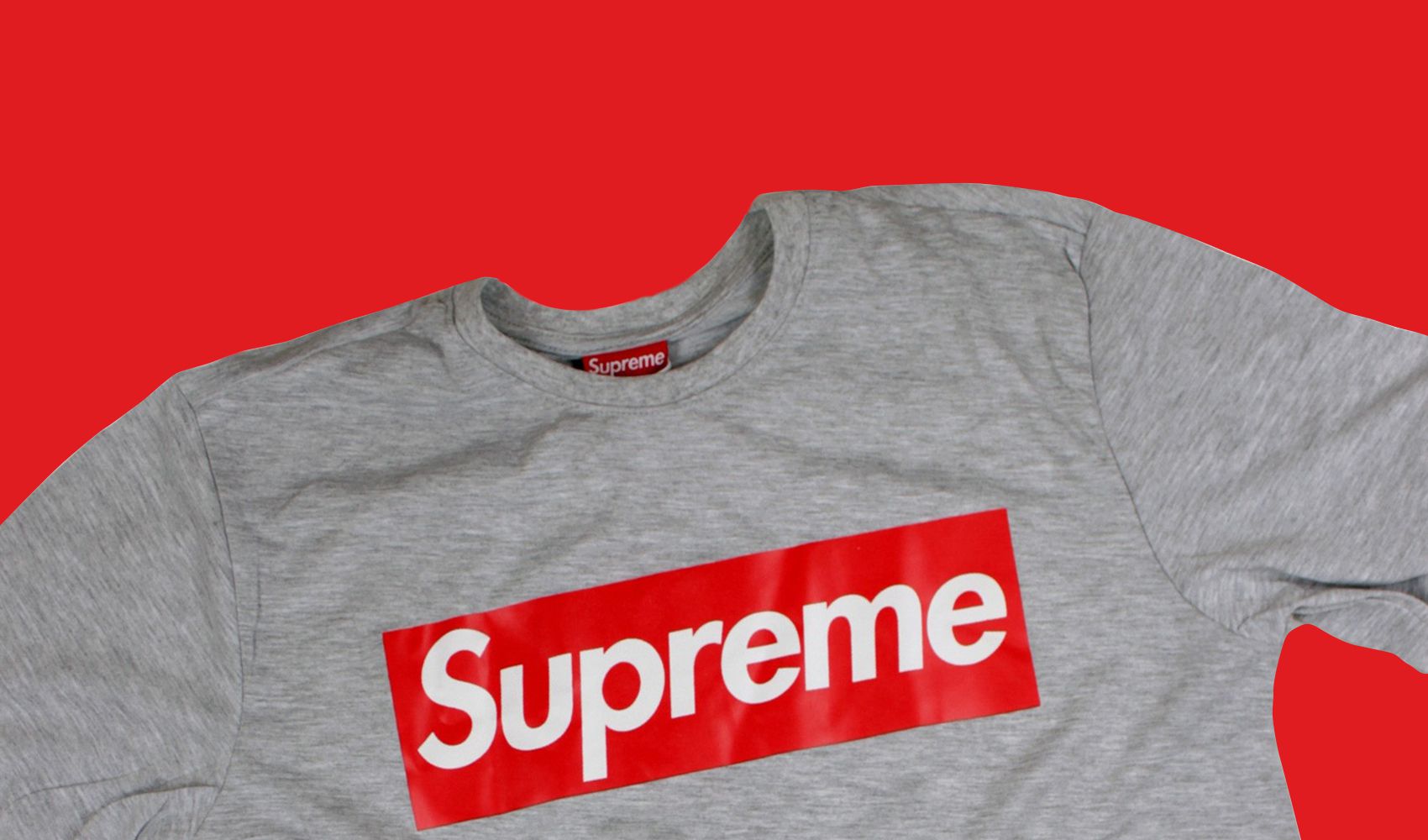
    The fake store has gone to extremes to replicate the original Supreme store experience, with identical interior fixtures, hip-hop playing, and even the same plastic bag. The only giveaway is the small logo affixed to the end of the Supreme mark, which may look like a registered trademark logo to the untrained eye, but upon closer inspection is a custom mark that reads “NYC,” further differentiating the counterfeit brand from the bona fide bogo. This mark extends to everything from the store signage to even the hangers.

    Why would a bootleg brand go through the trouble of adding an extra, inaccurate detail? Probably because the label owns the copyright to the “Supreme NYC” name in China.

    To clarify China’s unusual legal stance on trademarks, we spoke to lawyer Julie Zerbo of The Fashion Law. “In addition to the Chinese government’s relatively lax stance on instances of infringement of non-native [foreign] brands’ intellectual property rights by native [Chinese] entities, the way that trademark law operates in China allows for instances like [the fake Supreme store],” Zerbo explains. “Unlike in the United States and most other countries, where trademark rights are gained by actual use of a trademark, in China an individual gains rights merely by being the first to file a trademark application.”

    In other words, if you’re fast enough to register a trademark before anyone else, the trademark is yours.

    Unlike real Supreme stores, this one currently sells only hoodies. The wares come in an oatmeal gray, several colorblocked versions. Supreme’s “motion logo” hoodie is also aped in black and white versions. The retail price is 880RMB—roughly $130 USD. The price is pretty steep for fake goods, but it appears the brand is trying to peddle its Supreme NYC label as a middle-of-the-road alternative between expensive resell prices on legit supreme, and low-quality knockoffs that generally cost half the price.

    There are even more curious differences in how Supreme NYC brands its goods. Unlike Supreme’s 100% cotton fleece hoodies manufactured in Canada, the dubious brand makes its hoodies from a cotton/polyester blend, and denotes the clothing as manufactured in China.

    What do you think of this example of counterfeit culture? Let us know in the comments.
  • War in the food delivery market on its way

    War in the food delivery market on its way

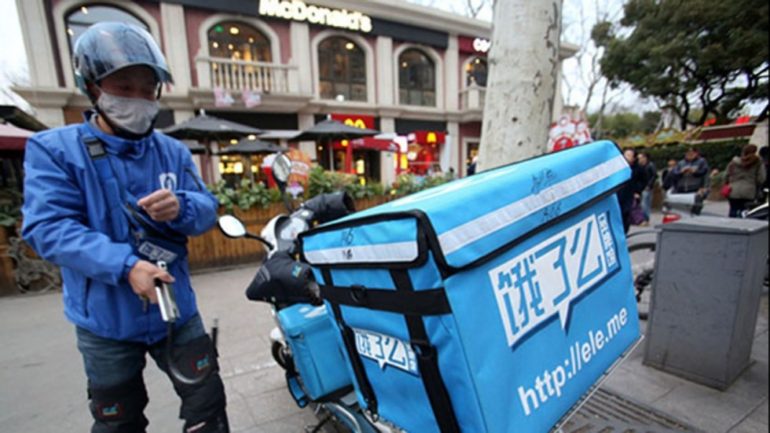
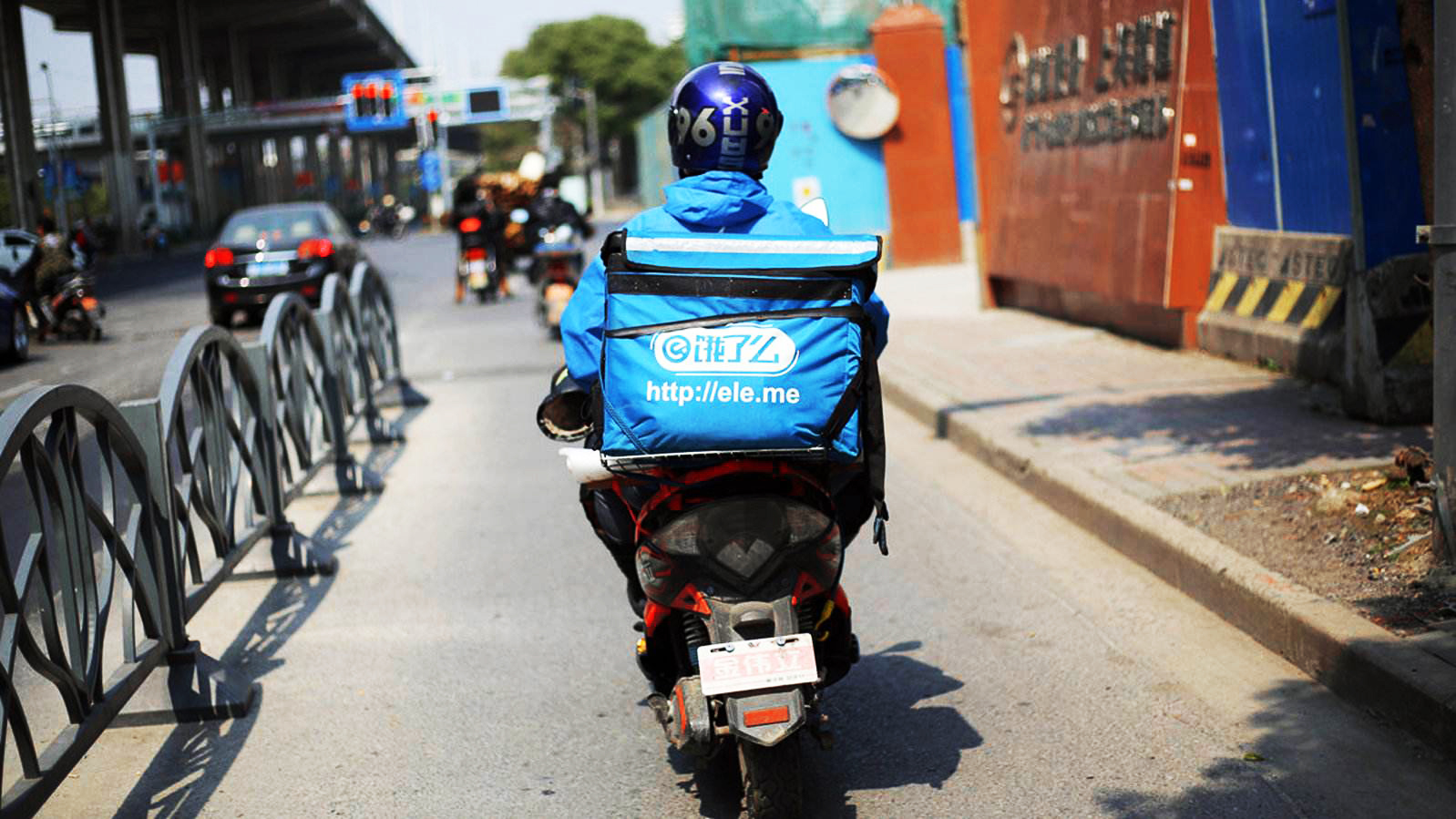
    Chinese e-commerce giant Alibaba is preparing to spend big on the country’s food-delivery market, setting aside hundreds of millions of dollars this summer to regain the lead from Tencent-backed rival Meituan Dianping.

    SEE ALSO : Alibaba Group-owned Ele.me to further expand into the food delivery business

    The Hangzhou-based company will splash a whopping 3 billion yuan ($450 million) in the next three months to help Ele.me, the food-delivery platform it acquired for $9.5 billion in April, capture a greater share of the market from Meituan, Ele.me CEO Wang Lei says in an interview with Forbes. Ele.me, whose name means “Are you hungry?” in Chinese, will hand out more meal subsidies, boost payments to its logistics personnel and expand into more segments like express delivery to become No.1 in China’s 205 billion yuan ($30 billion) online food-delivery market, Wang says.

    “This is a huge market that is only at early stage development,” he says. “We have a really clear strategy, and that is capture a more than 50% market share in the short to medium term.”

    To that end, Wang says Alibaba is launching what he calls a “summer war” on Meituan, which had 46.1% of China’s online food takeout market last year, ahead of Ele.me’s 39.5%, according to consultancy Trustdata. In June, Beijing-based Meituan filed for an initial public offering in Hong Kong, seeking a valuation of $60 billion as part of its plan to raise more capital for further expansion. In an e-mailed statement, a Meituan spokesman said the company “has a track record of competing effectively against its competitors.” The company also said “the competitive landscape of on-demand delivery in China is led by Meituan Dianping, which saw its market share increase from 31.7% in 2015 to 59.1% in the three months ended March 31, 2018.”

    ut analysts say Alibaba’s investment seems likely to be effective—in the near term at least. In this potentially lucrative but hugely competitive market, customer loyalty is hard to come by, with the majority of customers often opting for the platform that offers the cheapest meals. For years, Ele.me and Meituan have doled out discounts to attract users, and the aggressive spending has led to heavy losses on both sides. Now, by offering fresh discounts, Ele.me can win back some short-term market share, says Zhang Yi, head of consultancy iiMedia Research.

    “In China’s food delivery market, as long as you are willing to spend, there will be results,” he says. “Customers will always go to the platform that has the best discounts.”

    Meanwhile, Ele.me is reportedly tapping private investors to raise another $2 billion in its fight against Meituan. Wang won’t comment on the report, but says the company has an open attitude towards outside funding.

    What’s more, to forestall Meituan’s progress, Alibaba also plans to connect users of its shopping sites and entertainment units with Ele.me. That means viewers of its Youku Tudou video platform will be offered Ele.me coupons and Ele.me’s members can access some of Youku’s paid channels for free.

    “Food delivery is a market we must take,” Wang says. “We will keep investing, and there is no limit to our budget.”

    And he considers the rising spending worthwhile. Aside from opportunities in the rapidly expanding food-delivery market, which iiMedia estimates will reach $36 billion by year end, Ele.me can also help to promote Alibaba’s payment services. The delivery platform currently uses Alipay, the e-wallet developed by Alibaba affiliate Ant Financial, as the default payment method. Meituan, by comparison, lists its own e-wallet Meituan Zhifu as the first payment option on its site.

    More importantly, Ele.me will become a cornerstone of Alibaba’s new-retail strategy, Wang says. To find new avenues of growth, the company is seeking to revamp China’s entire retail sector by analyzing customer data more efficiently and integrating online and offline shopping. Founder Jack Ma envisions delivering orders placed in both physical stores and online shops to consumers’ doorsteps within 30 minutes, freeing customers from the need to carry their shopping bags elsewhere. With its three million-strong delivery personnel that are already delivering meal orders within half an hour, Ele.me can support Alibaba’s logistics operation, he says.

    SEE ALSO : Amazon is hungry: food delivery to your door

    “In the future, we will open up Ele.me’s delivery capacity to more merchants on our shopping sites,” Wang says. “When you order something online, it may well be delivered within the same day, or even the same hour.”

  • Alibaba invests in digital advertising with recent acquisitions

    Alibaba invests in digital advertising with recent acquisitions

    In a matter of days, Alibaba is investing in two separate China-focused digital advertising firms, as the e-commerce giant continues to increase the span of its company portfolio in 2018.

    Alibaba confirmed that it has agreed to acquire a minority stake in China’s Focus Media Information Technology, effectively tapping into the online marketing sector with the news.

    The transaction will see Alibaba take a 6.63% stake in Focus Media, costing the Chinese firm some 9.63 billion yuan (US$1.4 billion) in the process. In a filing, the Shenzhen-listed firm said the deal would see Alibaba become Focus Media’s strategic investor.

    Founded in 2003, Focus Media operates in China’s interactive digital and advertising landscape.

    In the latest move into digital marketing, media reports were released over the weekend outlining Alibaba’s acquisition of WPP’s Chinese unit.

    Sky News reported on Saturday that Alibaba has partnered with Tencent and China Media Capital Holdings for early-stage talks to buy a minority stake in the advertising giant’s local subsidiary.

    For an estimated 20% minority stake, which is much higher than Alibaba’s share in Focus Media, the deal is said to be worth approximately $2.5 billion.

    Alibaba looks collate its Chinese agency operations into a new holding company and retain majority ownership and control, said Sky News.

    WPP is the world’s leading advertising group. The group has been facing headwinds in recent months, with the news that company founder, Martin Sorrell, has left his post at the helm back in April, on misconduct allegations.

    His replacement is yet to be disclosed.

    Alibaba continues to ramp up its investments in 2018, a continuum from the year prior. The spending comes as Alibaba fights increased competition from Chinese rival JD.com. The latter this year has partnered with social media giant Tencent on offline retail, marketing and payments.

    For the last fiscal fourth quarter, Alibaba said in May that March-quarter revenue grew 61% to 61.9 billion yuan ($9.73 billion) from a year earlier, beating analyst estimates of a 53% increase.

  • Ele.me big ambition ready to dominate China’s food-delivery market

    Ele.me big ambition ready to dominate China’s food-delivery market

    Ele.me aims to grab a majority share of China’s food-delivery market in the near future, CEO Wang Lai, (pictured), said this week.

    Moving into Alibaba’s ecosystem has already created new and immediate opportunities for Ele.me and the 3 million-strong delivery force registered through its platform, Wang said. While core food delivery is likely to provide strong growth longer-term, insights offered by various Alibaba apps and platforms, coupled with a growing need for last-mile delivery in Alibaba’s overall New Retail strategy, offer hints of what’s to come.

    Alibaba took control of Ele.me in May. In June, after plugging the delivery company into its ecosystem, Ele.me delivery orders for categories including supermarkets, convenience stores under Alibaba’s Ling Shou Tong program, fresh fruits and flowers climbed 110 per cent from a year earlier. In the future, Wang said there’s the chance for tie-ups with other Alibaba business units and collaboration with nationwide food chains as a delivery partner.

    Ele.me has already begun benefiting from consumer insights derived from Taobao, Tmall, Alipay, Youku and other platforms and apps in the Alibaba ecosystem, which drives traffic to Ele.me and helps it understand the needs of Chinese consumers.

    As for Ele.me’s core food-delivery market, the Alibaba unit recently launched a RMB3 billion summer promotion campaign that’s already starting to show results in several Chinese cities. In Hangzhou, Ele.me added 100,000 customers to its membership program early this month. In Changsha, during just the first two weeks of July, gross transaction volume climbed by almost 15 per cent over the same period in the previous month.

    The summer campaign kicked off with discounts and coupons for late-night snacks delivered during the recently ended FIFA World Cup 2018 tournament. The World Cup deals spurred what Ele.me said was a “rapid rise in food delivery” in early July, with momentum sustained since then.

    But it is the sector’s longer-term prospects that excite Ele.me’s CEO. Chinese customers spent around RMB4 trillion on food in 2017, according to China Cuisine Association data. Less than 10 per cent of that went toward food delivery, which has become one of the fastest-growing and most-competitive areas in China.

    “We view the limited penetration of delivery in the food and beverage sector to-date as a tremendous opportunity for growth,” Wang said.

    Ele.me also complements Koubei, Alibaba’s local services platform. By combining Ele.me’s on-demand delivery service with Koubei’s consumer-acquisition and in-store engagement capability for restaurants and service establishments, Alibaba can offer an integrated online/offline experience to consumers, in line with the group’s overall New Retail strategy.

    “The local-services market is a must-win for Alibaba as part of its New Retail strategy, and we look forward to Alibaba’s continued financial and technological support to win this market,” said Wang. “As the spending power of Chinese shoppers continues to grow, the local-services sector becomes critical for Alibaba to build customer and merchant engagement and fulfill its mission of accelerating the digital transformation of traditional retail.”

  • Secoo partners with Shangdong Ruyi

    Secoo partners with Shangdong Ruyi

    Asia’s largest online luxury platform Secoo has formed a strategic partnership with Chinese company Shangdong Ruyi for the sale and distribution of the latest  luxury clothing and accessories.

    The partnership between the Chinese firms will see both companies “leverage respective resources and expertise in branding, technology, network and channel management to jointly establish a global omnichannel fashion supply chain characterized by deep cooperation in brand operations, big data, smart manufacturing and smart retail,” said Beijing-based, Secoo, in a press release on July 16.

    Ruyi is no stranger to fashion and retail. The group currently supplies for a wide range of luxury brands globally, and in recent years, has acquired minority stakes and taken ownership of several international fashion and luxury brands. Most recently, Ruyi acquired Sandro, Maje and Claudie Pierlot, under France’s SMCP umbrella, which is listed on the Euronext Paris exchange.

    In addition to SCMP, Ruyi also owns British trench coat brand Aquascutum, and has a controlling stake in Hong Kong menswear group Trinity, which operates Cerruti 1881, Gieves & Hawkes and Kent Curwen.

    The new partnership correlates with Secoo’s goal to establish links with big name players in the luxury e-commerce sphere, according to Richard Li, rounder and CEO of Secoo, adding that his firm is a good match for Ruyi.

    “Our leading integrated luxury e-commerce platform is well-suited to drive growth through rapidly expanding brand collaborations and increasing product portfolios,” said Li, in a statement.

    The pair will cooperate on a variety of fashion and luxury retail innovations ranging from big data solutions to smart manufacturing to first-class shopping experiences for Secoo’s high-end customers.

    Ruyi hopes to tap this savvy customer base across Secoo’s integrated online and offline shopping platform. Currently, the firm operates Secoo.com, its mobile applications and offline experience centres, which attract approximately 20 million customers.

    “We believe this expansive integrated platform along with our valuable brand assets and supply chain network expertise will synergize and unlock unparalleled opportunities in the fashion market for both firms,” said Yafu Qiu, chairman of Ruyi Group.

    In the news follows recent tie-ups with brands in different areas, including Parkson Retail Group (cosmetic products), Capital Outlets Group (brands entry), Caissa Travel (customized travel service), Pernod Richard (alcohol products) and Edison Chen (limited products).

    This month, Secoo alos received a $175 million investment from L Catterton Asia and JD.com, aimed at “fastening brands relationship and enriching products categories,” said Secoo.

  • China’s Sandan Fresh to go offline

    China’s Sandan Fresh to go offline

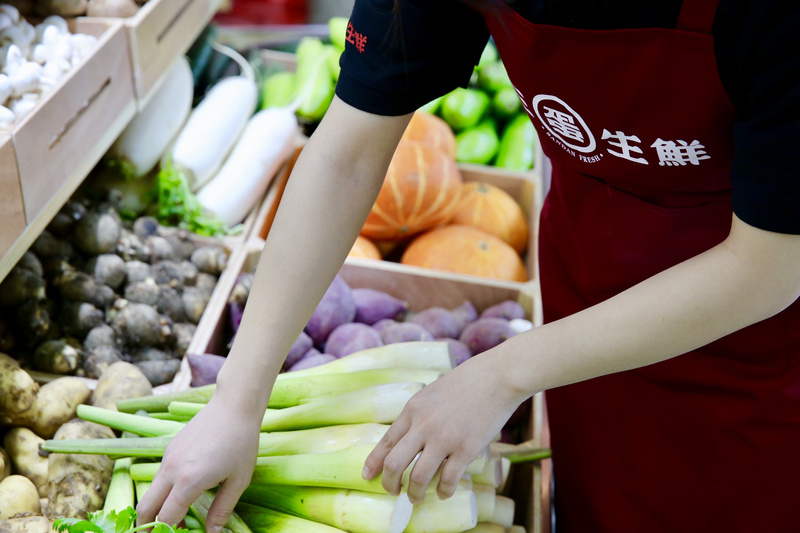
    Chinese online grocer Sandan Fresh has opened its first offline store in Shanghai.

    The Chinese company plans to open 30 more stores in the city over the next year as reported.

    The stores will be small in size, allowing a large number convenience-style stores to be established.

    The first store covers 100sqm, and currently has around 800 – 1000 items including fruit, vegetables, meat, eggs and soy products.

    Through a combination of ‘offline’ stores and ‘smart shelf’ machines, the company can provide customers with more of an integrated shopping solution, including delivery to stores, and home delivery for purchases made through the social media platform WeChat, a Sandan Fresh spokesperson said.

    In addition to its retail stores, Sandan will also install numerous self-service smart-shelf machines around the city for customers to place orders online and pick up their goods there.

    Each of the 30 planned stores are set to be accompanied by 10 smart-shelf machines.

    The company expects about half of its sales to come from in-store purchases and the other half from WeChat purchases for home deliveries.

  • A Dior Saddle Bag Campaign Video is Perceived Tacky in China

    A Dior Saddle Bag Campaign Video is Perceived Tacky in China

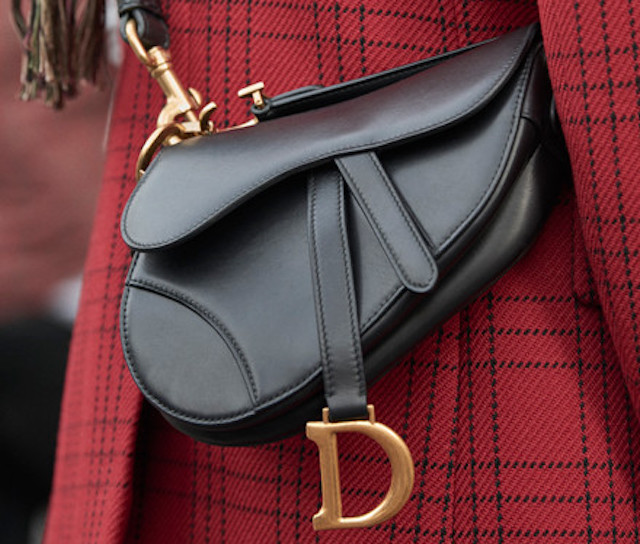
    French luxury retailer Christian Dior has suffered a PR setback in China with the relaunch of its Saddle Bag, one of the brand’s most iconic items.

    Timed to coincide with a global influencer campaign, the launch was marred by a poorly-received advertisement that many Chinese netizens felt made the product – which retails for about US$2650–$6000 – look cheap.

    “Is Dior serious? The shooting angle and lighting of the video is absolutely kitsch, and it makes the bag look so cheap,” one person wrote on social media after seeing the video. Another, named “kaichequBBQ” made fun of it, writing “I thought this lady will teach us how to find discounts and coupons to buy it.”

    A spokesperson for Dior China said that the video was an outside production, saying “This is not a part of the official ad campaign for the Saddle Bag in China, but footage of how fashion influencer Elle Lee presents the bag. Elle Lee, as a winner of the Miss Hong Kong Pageant (last year), is active in the fashion circle and maintains a good relationship with Dior China.”

    The Saddle Bag first debuted in 1999, and was relaunched globally on July 19.

  • Mr Bags x Tod’s big success in China event

    Mr Bags x Tod’s big success in China event

    The influential fashion blogger is also collaborating with Montblanc on a limited-edition collection of women’s handbags, a new category for the brand.

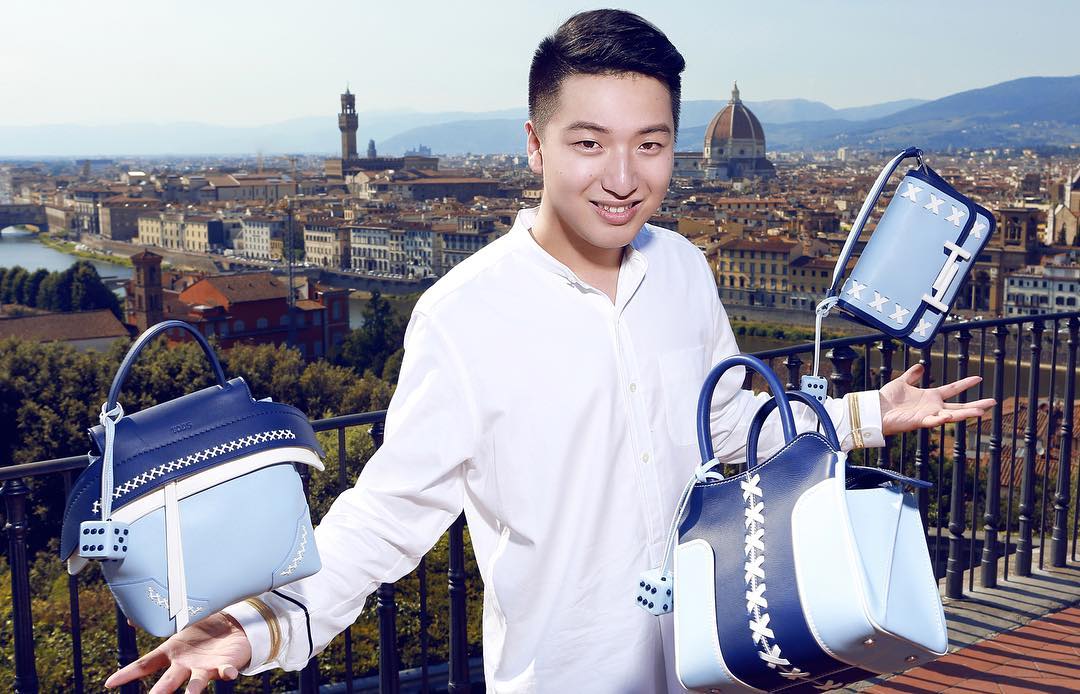
    Tao Liang has an unapologetic love for handbags. And he also knows how to sell them to his over 3.5 million readers on China’s biggest social media platform Weibo and more than 850,000 followers on WeChat, a microblogging messaging app.

    In just six minutes, Mr. Bags, as Liang is better known, helped Tod’s sell 3.24 million RMB worth of handbags on his new Mini Program shop within WeChat, called “Baoshop.” The second collaboration between the Beijing-based fashion blogger and Tod’s, 500 pieces of the limited-edition “Wave” backpacks were created — double the amount from last year’s capsule collection.

    Three-hundred of the canine-like handbags, a nod to the year of the dog being celebrated in China this year, pre-launched on Mr. Bags’ Baoshop in June. The handbags, each priced at 10,800 RMB (about $1,620), sold out within six minutes, generating 3.24 million RMB (almost $500,000) — a new record for the 26-year-old influencer. (His previous record was selling 1.2 million RMB worth of Givenchy handbags in 12 minutes in 2017.)

    “China is a key strategic market for Tod’s and Mr. Bags, with his extensive and insider knowledge of this market and its customer, is the perfect collaborator for us,” a spokesperson from Tod’s said. High-profile individuals from Zhang Zetian, China’s youngest female billionaire, to models like Liu Wen and Xiao Wen Ju and actresses Ouyang Nana, Guli Nazha, Sun Yi and Song Zuer, also wore the “Wave” backpack and posted images on social media, helping to popularise the style.

    Now, Mr. Bags is readying for his next launch: a collection of limited-edition Montblanc handbags for both men and women.

    The partnership came about, said Liang, after “many bag fans commented on social media, asking [for recommendations] for mini-backpacks that are classic, good-looking, affordable and practical.”

    It will be the first time the stationery brand, which has recently been expanding its offering of leather accessories, has introduced handbags for women. It also marks the first time the company has collaborated with a fashion blogger. The capsule is designed for the Qixi festival — commonly referred to as Chinese Valentine’s Day — which falls on August 17 this year. “We wanted to give it a modern interpretation,” said Montblanc’s creative director Zaim Kamal. A total of 497 pieces will be pre-launched on Baoshop, with prices starting at 4,800 RMB (about $717.1).

    Liang launched Mr. Bags in 2012 and quickly became an arbiter of handbag taste among Chinese readers locally and internationally. Ranked #3 on Exane BNP Paribas’ 2017 list of China’s most influential fashion bloggers, Liang uses his encyclopaedic fashion knowledge not only to keep his following informed about luxury brands and the latest handbag trends, but also to help mega brands understand what Chinese consumers are looking for in the latest “it” accessory.

    Baoshop, which Mr. Bags launched last month, only sells exclusive or customisable products, and claims to be the first WeChat Mini Program in China to work directly with luxury brands and sell handbags costing over 10,000 RMB. “For me, the success of a project is not measured by how many bags we sold in a short period of time or how much revenue we generated. It’s really about how much impact it creates,” he said.

    And there’s significant opportunity. Luxury goods purchased in China make up 8 percent of global sales, while Chinese shoppers — who make three-quarters of their luxury purchases overseas — drive 32 percent of the worldwide total, more than any other nationality, according to Bain.

    While collaborations between fashion bloggers and companies are not uncommon in China, e-commerce partnerships through WeChat are growing as luxury brands become more comfortable with hosting sales on the social media platform.

    Recently, top Weibo fashion blogger Gogoboi launched a WeChat store, called Bu Da Jing Xuan (不大精选), where he curates and sells luxury goods from online retailers like Yoox and Farfetch.

  • China Probes Stainless Steel Imports From Indonesia, EU, Japan and Korea

    China Probes Stainless Steel Imports From Indonesia, EU, Japan and Korea

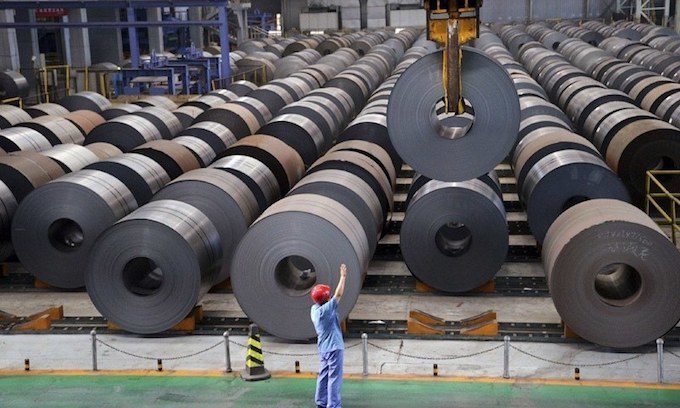
    China on Monday (23/07) launched an anti-dumping probe into stainless steel imports worth $1.3 billion, including from a privately owned Chinese mill with operations offshore, after complaints that a flood of product has damaged the local industry.

    The Commerce Ministry said on Monday the investigation will target imports of stainless steel billet and hot-rolled stainless steel sheet and plate from the European Union, Japan, South Korea and Indonesia, which nearly tripled last year.

    The move follows a complaint by Shanxi Taigang Stainless Steel, with backing from four other state-owned mills including Baosteel’s stainless steel division, which blamed cheap imports on falling prices, it said.

    China makes and consumes around half of the world’s stainless steel, which is used to protect against corrosion in buildings, transportation and packaging.

    While the complaint targets eight foreign producers, it also lists a number Chinese companies, including the Indonesian unit of one of the world’s top producers, Tsingshan Stainless Steel, and 19 traders who import product.

    Some private Chinese companies have opened or started building plants in Indonesia in recent years, drawing on its plentiful nickel resources and lower-cost of production.

    A significant portion of the new production has been sold in China, analysts say.

    The rapid increase in imports damaged the Chinese market, according to the complaint filed by Shanxi Taigang and released with the commerce ministry document.

    Almost two-thirds of China’s stainless imports came from Indonesia last year, up from 5 percent in 2016 and zero in 2015, the complaint said. That rose to as high as 86 percent in the first quarter, it said.

    Imported prices of the stainless steel products fell 23 percent to $1,867 a ton in 2017 from $2,436 a year earlier.

    “If we allow these products to continue to enter the Chinese market with low prices and take more market share, sales of China’s domestic products will continue to decrease,” the complaint said.

    Peter Peng, senior consultant at CRU in Beijing, said the investigation was “totally driven by an industrial dispute between SOEs [state-owned enterprises] and the fast-growing private mills.”

    “Due to their cheap production costs, it’s more competitive than Chinese products,” he said.

    Tsingshan opened a mill there last year with annual capacity of 3 million tons while Delong Holdings plans to start production there next year.

    Anti-dumping duties would force mills to find new markets for their product, adding to a global glut, Peng said.

    The European companies targeted by the probe include Spain’s Acerinox, Finland’s Outokumpu Oyj and Luxembourg-based Aperam.

    Among the Japanese companies are Nisshin Steel, Nippon Steel & Sumitomo Metal Corp and JFE Steel Corp. Indonesia’s Jindal Stainless and South Korean steelmaker Posco are also listed.

    China imported 703,000 tons of those products in 2017, up almost 200 percent from a year earlier, with 98 percent coming from the regions targeted by the investigation.

    Shanxi Taigang accounts for 25-35 percent of China’s stainless production.

  • China helps Hermes sales blooms in Asia

    China helps Hermes sales blooms in Asia

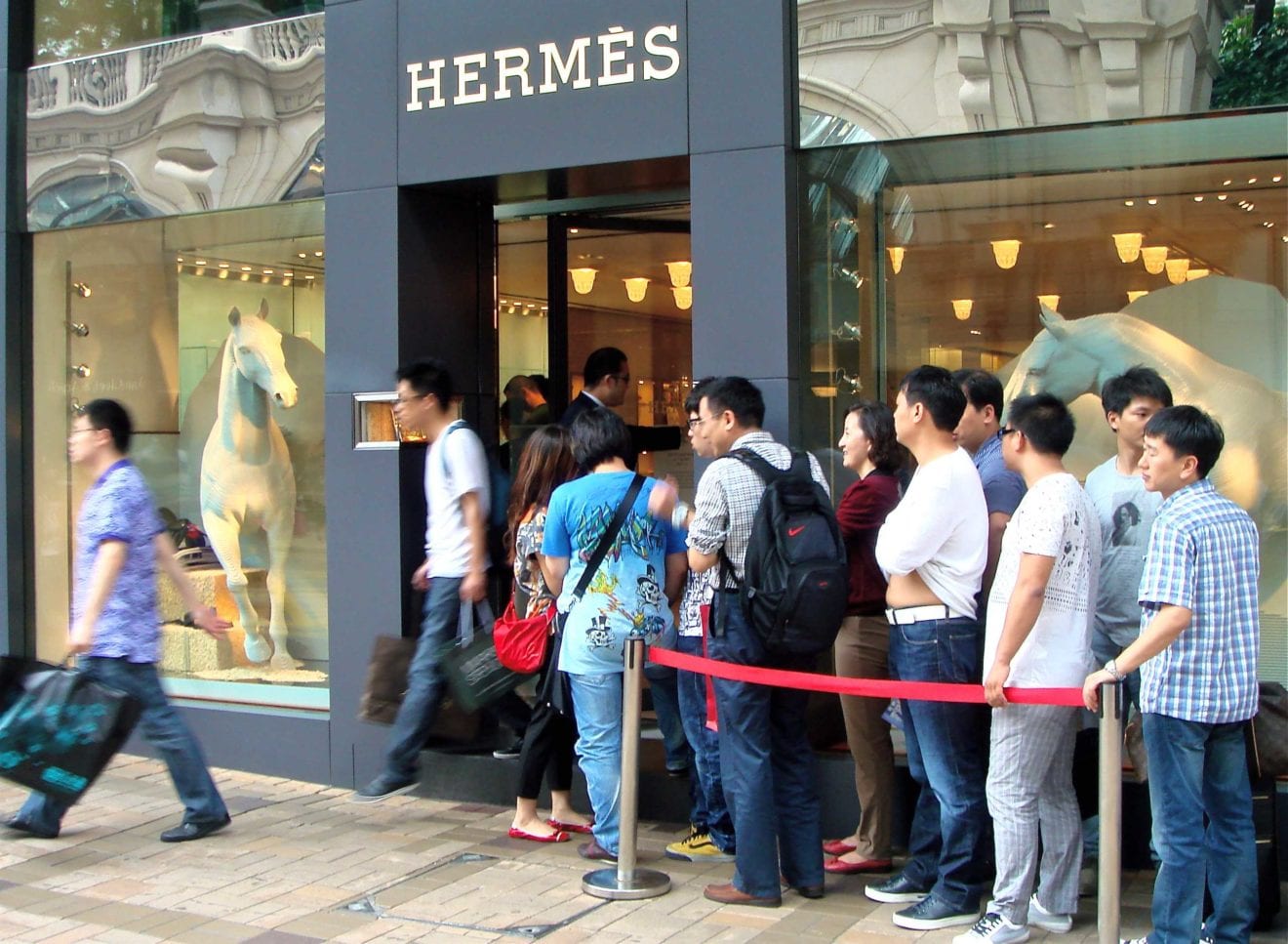
    The company has reported strong sales growth for the first half of this year with all business lines and all geographical areas all ahead of last year, and especially positive momentum in greater China and the whole Asian region. The group benefited from the opening of its Landmark Prince’s store in Hong Kong in January, and a Changsha store which opened in May.

    According to the report, figures for Asian sales (excluding Japan) showed a 15 per cent growth as opposed to an average growth across all sectors of 11 per cent.

    The group’s consolidated revenue amounted to €2.853 billion (US$3.347 billion) in the first half of 2018.

    Hermes’ final half-year results, which will be published on September 12, will include a net capital gain for the Asian region of €50 million (US$58.65 million) resulting from the sale of the former Hong Kong flagship store.

  • Korean-licensed Mumuso sells Chinese products, found guilty of ‘misleading’ consumers

    Korean-licensed Mumuso sells Chinese products, found guilty of ‘misleading’ consumers

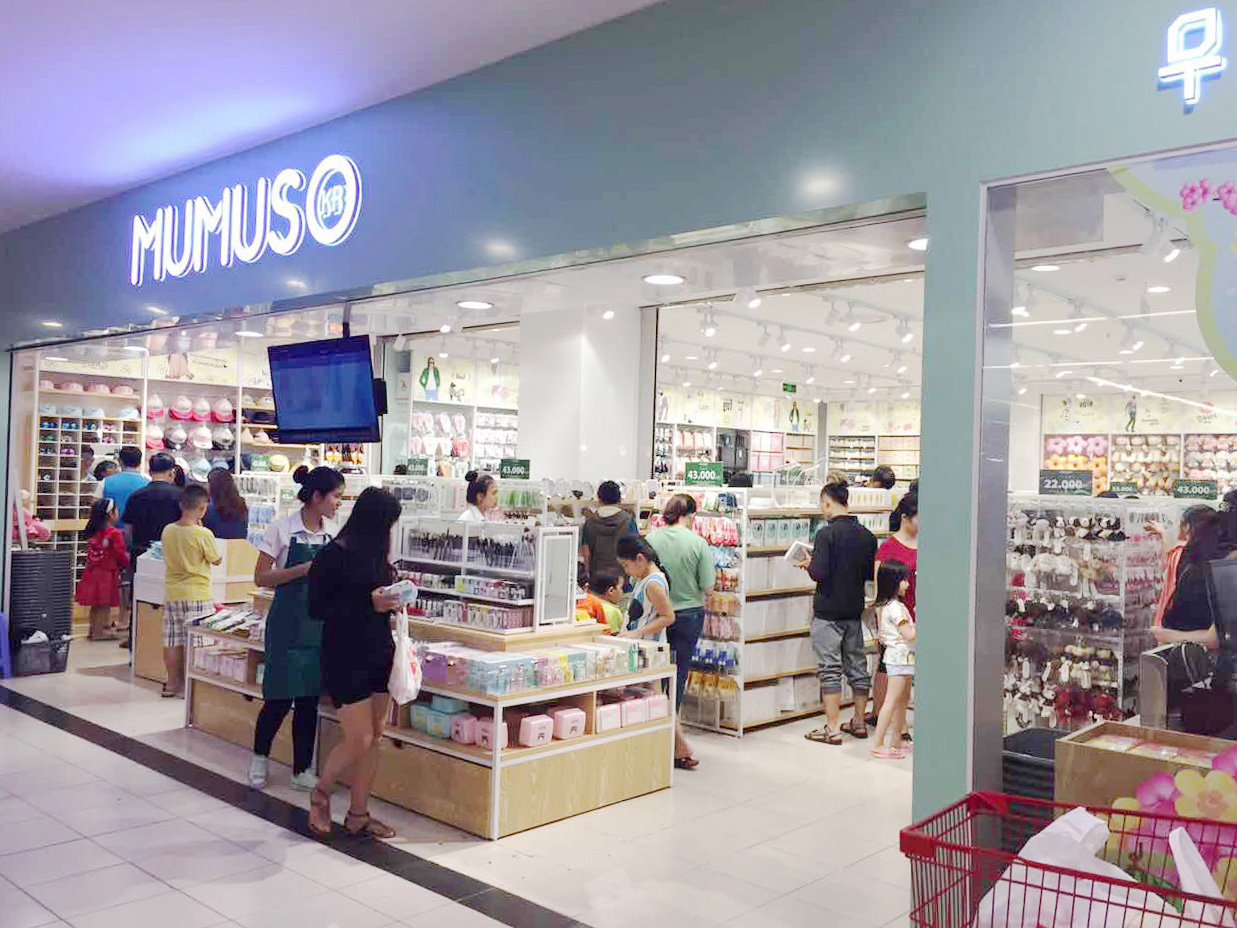
    After inspecting 2,273 items sold by Mumuso Vietnam Import Export Company Limited in the country, the Ministry of Industry and Trade (MOIT) said 99.3 percent was imported from China.

    Earlier, the company, whose product range includes beauty, healthcare, fashion accessories and home appliances, said that it was a legitimate Korean enterprise that has outsourced production to China.

    It had also said then that the product designs are made by a South Korean company.

    The inspectors said local laws were violated despite the firm’s explanation saying that Mumuso is a trademark established in Korea and its products are manufactured at its headquarters in Shanghai, China.

    The inspectors also said Mumuso put out a lot of content expressing its products’ connections to Korea, could show no documents or other proof for such information, especially relating to the origin and the technology used.

    The company was violating the Vietnamese Competition Law by engaging in unfair competition with similar firms selling Chinese-origin products. The content they provided has led to wrong understanding among customers about the chain and its products, the inspectors said.

    They said that the company had provided incomplete and inaccurate information to Vietnamese consumers, who’d assumed that the products were Korean.

    Mumuso does not have a single store in Korea.

    It has committed several other violations including not having a Vietnamese label on their products and providing inaccurate information about its website to the Ministry of Industry and Trade, inspectors found.

    It had registered neither the franchising associated with the Mumuso trademark nor its head office engaging in commercial activities. It had also not informed the MOIT about its promotion programs.

    The ministry has instructed relevant agencies to deal with all the violations that the company has committed under various laws of Vietnam.

    In Vietnam since late 2016, Mumuso has rapidly developed in Hanoi and Ho Chi Minh City, with 27 stores in central locations.

    It sells many low cost products, starting from as little VND22,000 (less than $1) per unit.

  • CDFG/Sunrise has won a tender for Shanghai’s airports’ duty-free

    CDFG/Sunrise has won a tender for Shanghai’s airports’ duty-free


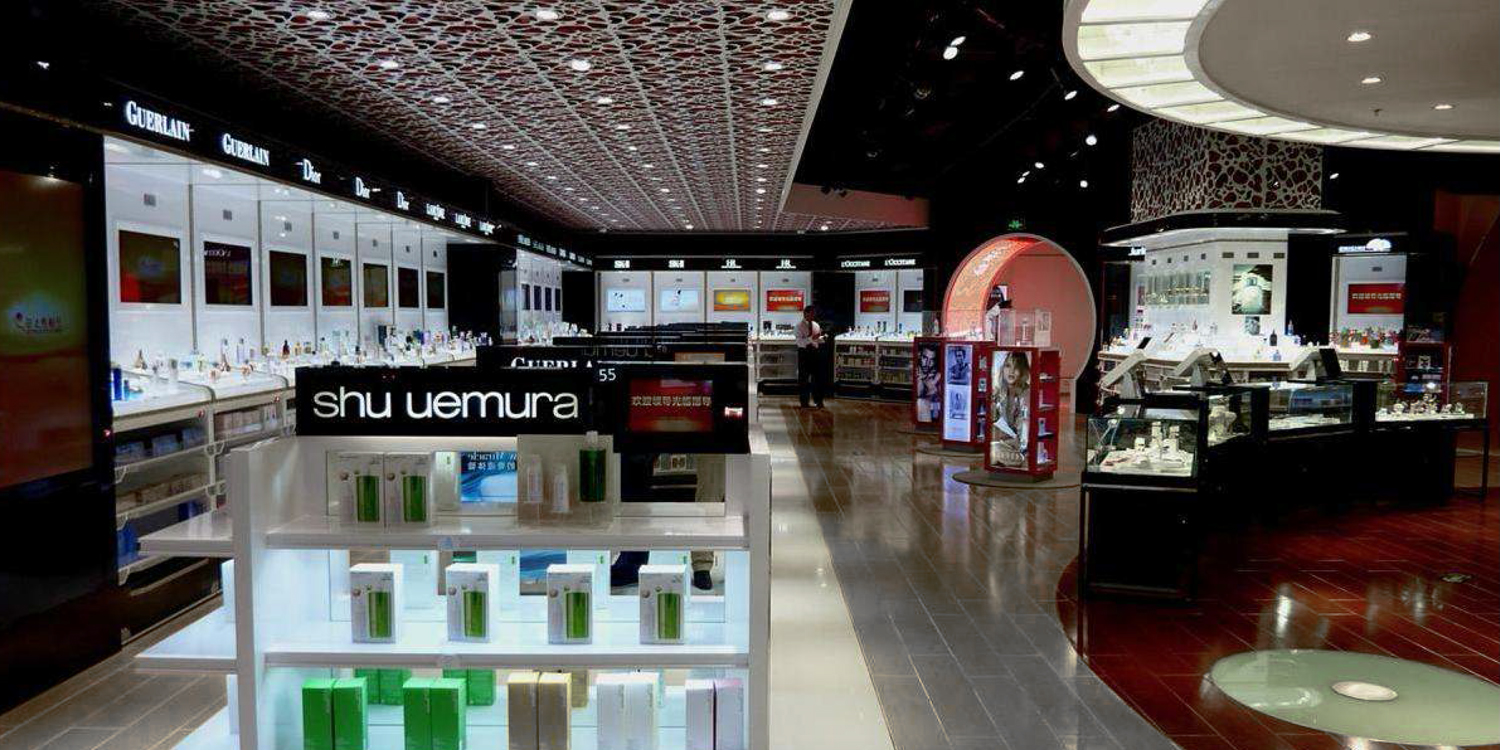
    China Duty Free Group (CDFG) has announced Sunrise Duty Free, in which it holds a 51% share, has won a tender to operate duty-free across Shanghai Hongqiao International Airport and Shanghai Pudong International Airport for a seven-year period.

    The tender was issued by Shanghai Airport (Group) Co., Ltd., Shanghai International Airport Co., Ltd. and the tendering agency Shanghai International Tendering Co., Ltd.

    The retailer hailed the competition for the tender as “fierce”. CDFG understands the existing duty-free operation at Hongqiao Airport spans 1,500sqm, which will increase to 2,088sqm with the new contract.

    The duty-free operation at Pudong Airport will increase from 6,600sqm before the tender to 16,915sqm. Sunrise has been operating at Shanghai Pudong International Airport for nearly 20 years.

    CDFG President Charles (Guoqiang) Chen said: “The [addition] of Shanghai Hongqiao International Airport and Pudong International Airport duty-free business is another important milestone in the development of CDFG. From winning the bid for Hong Kong International Airport and Beijing Capital International Airport in 2017 to winning the bid for Macau Airport and Shanghai airports this year, CDFG has experienced a remarkable leap-forward in its development.”

    In 2017, Hongqiao International Airport reached 41.88 million passengers. It is located 40km away from Pudong Airport and 13km from the city centre.

    CDFG described Shanghai Hongqiao as a “convenient airport and an important part of Shanghai’s Dahongqiao Business District, hailing its “unique geographical advantages” as having great commercial potential.

    One of the three major international airports in China, Shanghai Pudong International Airport exceeded 70 million passengers in 2017 – ranking ninth largest airport in terms of passenger numbers in the world.

    The airport is undergoing development to eventually become a large-scale composite hub integrating local capacity distribution hub functions, portal hub functions, and domestic and international transit hub functions.

    Pudong aims to eventually become an important tourist hub within the global aviation network, therefore the standard of its airport retail is very important, CDFG underlined.

    In an effort to boost Shanghai’s profile as a destination, CDFG will actively cooperate with Shanghai Airport (Group) Co., Ltd. and Shanghai International Airport Co., Ltd to enhance and enrich the shopping environment and product offer. The company’s vision is to position Shanghai’s two major airports as a window to “Shanghai’s Shopping”.

    In terms of products, CDFG will leverage its partnership with Sunrise to improve the product offer and enrich the portfolio with more brands. The line-up of brands will include international names that are popular with Chinese people.

    “In terms of price, we continue to maintain the price advantage of value for money, providing more attractive commodity prices for tourists at home and abroad. In terms of service, we pursue excellence and create a more luxurious and convenient tax-free shopping experience for consumers,” CDFG said in a statement.

    Chen added that winning the duty-free tender at Shanghai Hongqiao and Pudong International Airport proves the successful partnership of CDFG and Sunrise Duty Free. The companies have significantly strengthened following their integration, he stated.

    “I believe that through the continuous improvement of market share, enhancement of our procurement and operation capabilities, and deepening strategic partnerships with brands, we will ultimately benefit the development of China’s duty-free industry, the development of airport duty-free businesses and increase the number of consumers.

    “As the largest duty-free enterprise in China, CDFG will continue to expand in China’s duty-free industry to become stronger and better. Our goal is to attract overseas consumption and improve China’s duty-free business – as the industry’s international competitiveness continues to improve.”

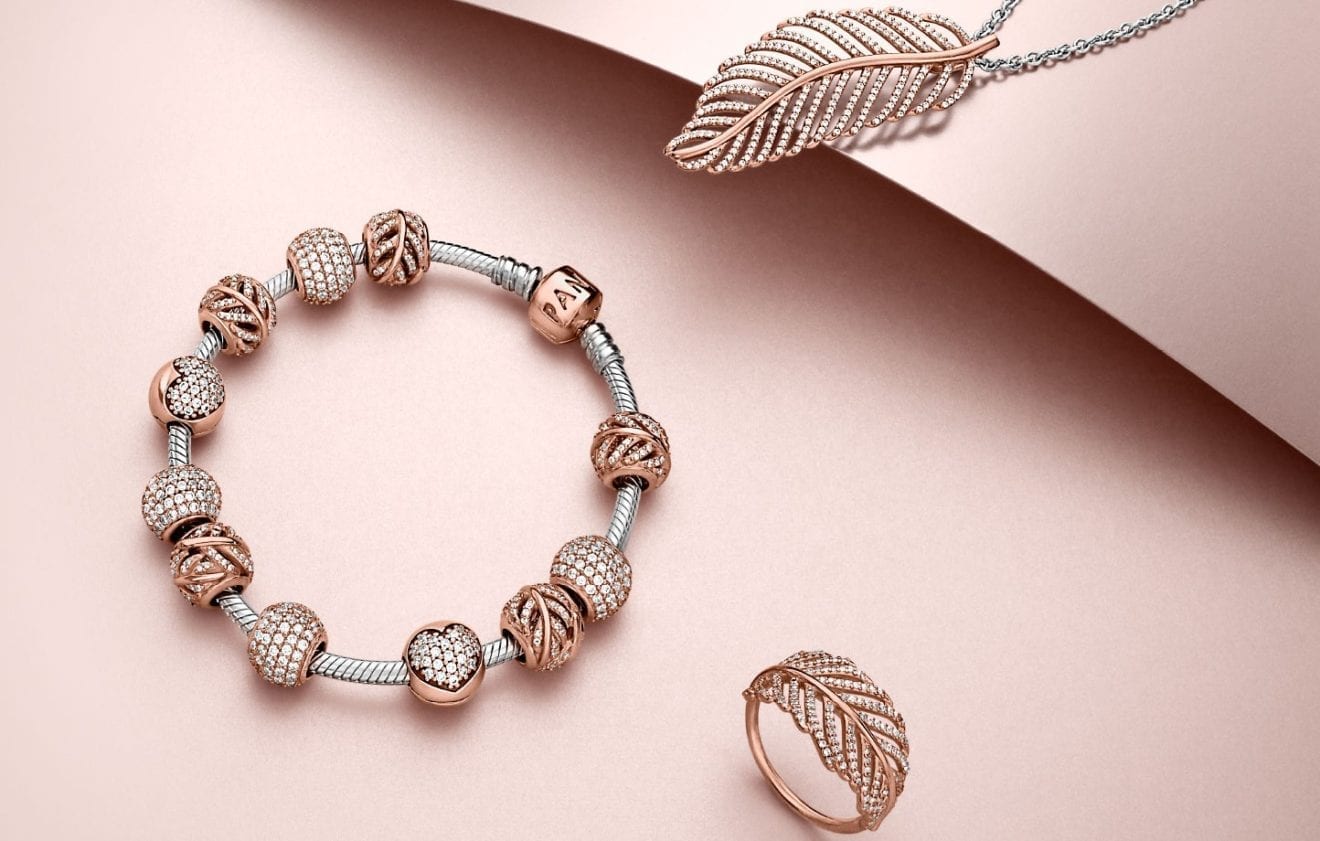
  • Pandora shares fall on price cuts in China

    Pandora shares fall on price cuts in China

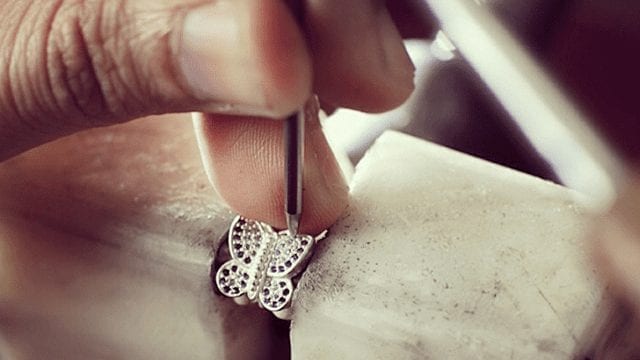
    Danish jeweler Pandora AS cut its retail prices on most of its jewelry sold in China by 15% to combat the sale of its goods through unofficial channels in the country.

    Shares traded as much as 7.2% lower on the day following the news.

    “Pandora jewelry is highly sought after, and the demand has seen a rise in the grey-market trade within China,” the company said in a statement.

    “The price reduction aims to limit this, as well as balance the retail price difference in the mainland Chinese market and other markets.”

    Since entering China in 2010, Pandora said it has grown its revenue by double or triple digits each year as the company has opened more stores, entered new cities and expanded its online presence. Presently, it has over 170 concept stores in more than 50 cities in China.

  • Innisfree teams up with Alibaba to open new concept store in China

    Innisfree teams up with Alibaba to open new concept store in China

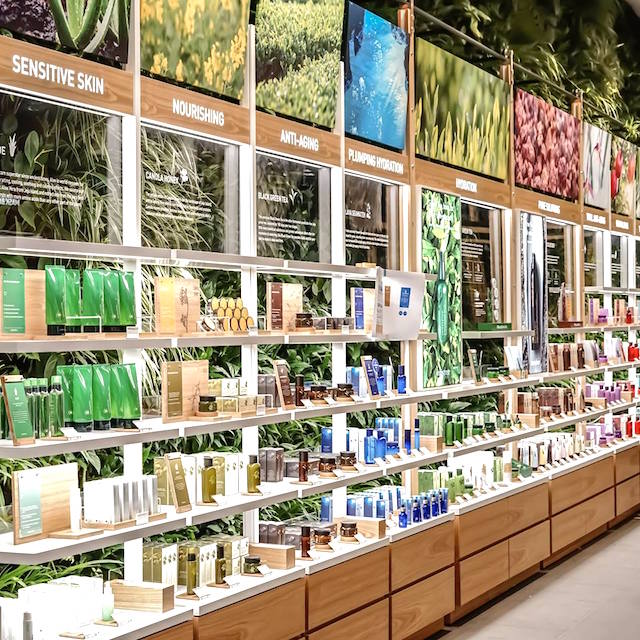
    South Korean cosmetics giant Amorepacific’s cosmetics brand Innisfree has opened a new concept store in Hangzhou, China, in collaboration with Alibaba’s Tmall, the company said Thursday.

    According to Innisfree, its new concept store features a technology-based shopping experience, backed by Tmall’s new retail technology.

    Tmall is China’s largest B2C platform for brands and retailers, in terms of GMV.

    At the store, customers can test makeup products by using Magic Mirror, which has adopted Tmall’s augmented reality technology. An automated vending machine that sells mask sheets and sample products will allow customers to easily purchase items at lower prices, the company said.

    In addition, smart shelves are installed to show each product’s information on interactive screens.

    “With the South Korean cosmetics brand acing in the Chinese market, especially with Innisfree being the only brand to have hit 1 billion RMB ($148 million) of sales, our trial with Innisfree to provide a new retail and interactive experience based on big data technology will strengthen customers’ brand experience and increase their satisfaction,” said Mike Hu, head of Tmall’s retail business division.

    Tmall also plans to collect information on real-time product availability at 61 stores in Shanghai and Hangzhou through big data technology to boost online sales and help stores digitize their operations and upgrade the supply-chain operation and offer shoppers an integrated online and offline experience.

    “Tmall is one of the most innovative and leading retail platform operators globally. We will strive to adopt digital technology and interactive content marketing from Tmall for Innisfree’s brand value,” said Filipp Cai, head of Innisfree China.

    Innisfree, which means “pure island” in Korean, is based on the philosophy of introducing beauty products with natural ingredients sourced from the Korean island of Jeju. It opened its first store in China in 2012.

  • Pandora adjust pricing in China to limit grey market

    Pandora adjust pricing in China to limit grey market

    PANDORA, the world’s largest jewellery manufacturer, today announces a retail price reduction across the majority of its jewellery assortment within the Chinese market.

    Effective from July 19, 2018  the reduction is across the majority of the Company’s jewellery collections, with the overall adjustment range at around 15%.  The new prices are reflected on all platforms including the PANDORA owned eSTORE and the Tmall flagship store.

    Being the most known jewellery brand globally, PANDORA jewellery is highly sought after, and the demand has seen a rise in the grey market trade within China.  The price reduction aims to limit this, as well as balance the retail price difference in the mainland Chinese market and other markets.

    “We are committed to servicing our Chinese customers and are very pleased with the opportunities for continued growth in China. This price reduction across our jewellery assortment is one element in our strategic programme to limit grey market trading of our products in China, and continue to enhance our customer experience in the world’s largest jewellery market,” says Kenneth Madsen, President of PANDORA’s Asia Pacific region.

    Since entering China in 2010, PANDORA has grown its revenues double or triple-digit each year as the Company has opened more stores, entered new cities and expanded its online presence in the country. Today, PANDORA has over 170 concept stores in more than 50 cities in China.