Tag: China

  • China’s Gome set to open in India

    China’s Gome set to open in India

    Chinese electronics retailer Gome is to expand into India.

    The move will involve opening a manufacturing centre in India in order to sell its locally made branded products on the Indian market, which will include appliances, smartphones, and televisions to be sold through multi-brand outlets and online.

    It has already revealed plans to launch three competitively priced smartphones to catch the upcoming festive season in the target region.

    The new firm will be a wholly owned subsidiary of Gome Telecom Equipment, which is part of Hong Kong’s Gome Retail Holdings. Gome Group’s headquarters are based in Beijing.

  • Michael Kors taps Yang Mi for Whitney bag line

    Michael Kors taps Yang Mi for Whitney bag line

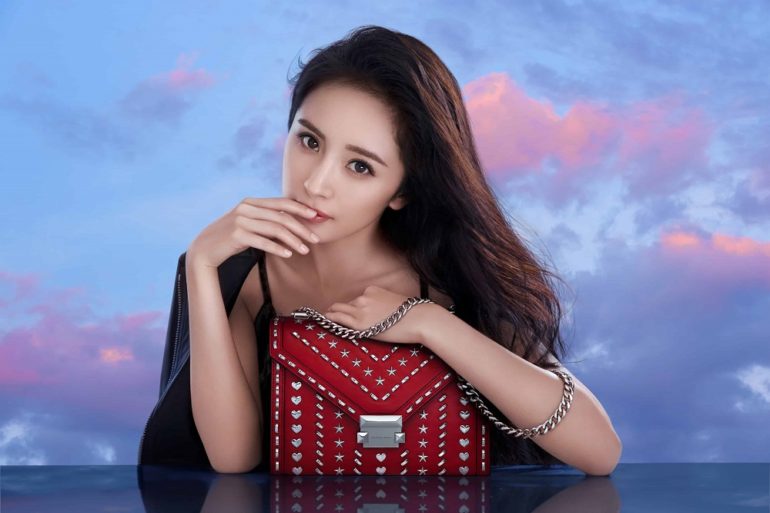
    Luxury fashion brand Michael Kors has recruited Chinese actor Yang Mi for the design and promotion of a limited-edition take on the US accessories maker’s classic Whitney bag.

    Designed to celebrate Qixi, the Chinese equivalent to Valentine’s Day, the Whitney Qixi bags feature heart and star-shaped silver-tone hardware in a nod to the romance of the ancient Chinese day of love.

    The bags are available in both bright red and black leather, which Mi chose to reflect her personality and personal style, confirmed the actress in a press release.

    “Studs are always a part of my style, so I knew I wanted to use them in these designs. The heart shapes were perfect for symbolizing love this Qixi, while the star shapes were all about adding a little personality and attitude,” said the Michael Kors’ ambassador.

    The Qixi Whitney bags officially launched August 1, at a special event in Shanghai also attended by Mi, before becoming available worldwide.

    The collection and launch event coincided with the unveiling of the Michael Kors x Yang Mi pop-up concept, which runs in Shanghai from 1 August to 19, before heading to Chengdu from 25 August to 2 September.

    As part of Kors’ efforts to further tap the local market, the Qixi bag is also available via its new WeChat Mini application, which allows customers to purchase all Kors products directly from the social media messaging platform.

    Finally, to mark the release, Michael Kors launched a fresh campaign featuring Mi, which was shot by Chinese photographer Chen Man. The global campaign will be distributed via print, outdoor advertising, digital advertising and social media, and an accompanying video will also be released.

    Michael Kors named Yang Mi as a global ambassador last September. It operates 135 stores in Greater China.

  • Jin Amy Yang appointed to lead Levi’s success in Greater China

    Jin Amy Yang appointed to lead Levi’s success in Greater China

    Effective 20 August, Jin Amy Yang will be taking over Nic Versloot’s position as Managing Director of Greater China as he moves on to a new role within the company.

    Alumni of the University of International Business & Economics in China with a Bachelor in Economics, Jin Amy Yang has over 20 years’ experience driving strategy and execution with top consumer brands.

    Formerly in charge of the global business development division of The Coca-Cola Company, Yang is now responsible for leading Levi’s commercial operations across all brands and channels while accelerating the brand’s growth in Greater China.

    Yang will report to David Love, Executive Vice President & President of Levi Strauss Asia, Middle East and Africa.

    Love says he is “confident she’ll unlock the company’s full potential in this market” which “represents a major growth opportunity for Levi Strauss & Co” and defines it as a “must-win market” for the company.

    Prior to joining Coca-Cola, Yang spent 13 years at P&G holding various global and regional leadership roles in both China and the U.S before becoming vice president of marketing for L’Oreal Paris.

  • In Ratio Shanghai, robot can create the perfect drink

    In Ratio Shanghai, robot can create the perfect drink

    A retail concept harnessing the power of technology to deliver personalised coffee and cocktails has opened in China.

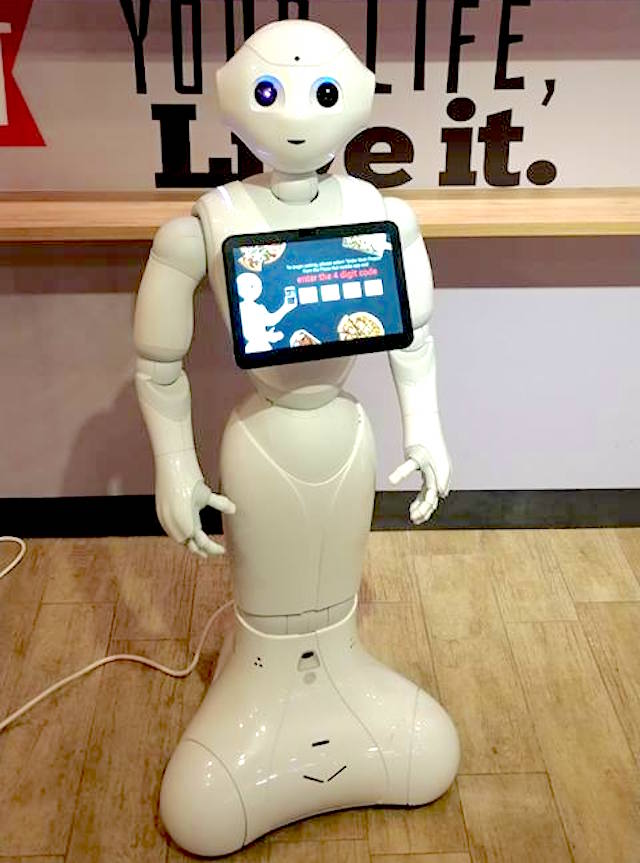
    Ratio uses robots to craft personalised espresso coffee during the day and cocktails at night.

    Launched with a pop-up store at Shanghai’s K11 Art Mall, the concept is about to find a permanent home at Raffles City, People’s Square. Dozens more stores are in the pipeline at hotels and co-working spaces in Asia.

    “With Ratio, bespoke drinks and service, previously available only at high-end hotels and lounges are now accessible to everyone,” says co-founder and chairman of Chinese luxury retailer Mei.com,Thibault Villet, who is a cornerstone investor in Ratio.

    “The Ratio experience is a journey towards self-exploration and it and empowers individuals to live brilliantly.”

    At ratio, drinks are made to order, in the exact ratio customers prefer. For example, a 1.2 shot of espresso in a cappuccino, or an extra strong 120ml bourbon in an Old Fashioned cocktail.

    Ratio uses science to come up with the perfect blends.

    “An individual’s sensory capacity for bitter, sweet, and umami is determined by genetics,” explains founder Gavin Pathross. “The distribution of taste buds is also genetically programmed. That’s why no two taste palates are identical.”

    Using robotic technology and software, Ratio has developed a system that can put together ingredients according to the exact ratio that will satisfy individual tastes.

    Harnessing the accuracy and consistency of a cobot – that’s short for “collaborative robot” – each drink is prepared precisely to order and speed; a latte takes less than one minute.

    Using AI, Ratio stores customers’ orders, learns their preferences and even makes recommendations during future visits.

    Pathross promises humans will not be replaced, however. “Cobots are just better than humans in performing repetitive work. They’re great at executing orders, freeing up our team of Ratiologists, assembled from Asia’s best baristas and mixologists, so that they can do what they do best – provide personalised service and have great conversation with our guests.”

    The team of Ratiologists Pathross has assembled have a combined 50 years of food and beverage industry experience.

    “We’re literally raising the bar on beverage service,” says chief Ratiologist Steve Teo.

    “Our team will help guests discover their individual preferences and customise their own Ratio. We want you to be particular about your G&T and select precisely 20 ml of lime and 60 ml of gin, for example. Bartenders elsewhere will be too busy to have that kind of conversation. That’s why Ratio is unique.”

  • How luxury car brands in China show that bigger is better

    How luxury car brands in China show that bigger is better

    China specialises in big numbers and the car market is no different, from 6.7 million passenger vehicle sales in 2008 to 24.7 million in 2017.

    While many articles about business in China tend to wring their hands over the ‘whys’, this topic does not need much social pondering of why Chinese people like cars – people in all countries opt for car ownership when financially able, and you just may have read that the Chinese economy has grown somewhat in the last decade.

    The more intriguing poser is how do car brands ignite passion for their marque in China’s competitive environment?

    The experience of the drive – and the brand

    In something of a pole position in China, Porsche has captured the spirit of Chinese drivers. Popularity rocketed with the launch of the Cayenne and the Panamera. In terms of cars, bigger is always better in China, and flashiness reigns supreme.

    The recent World Premiere of the new Porsche Macan was held in none other than Shanghai, as the CEO, Jens Puttfarken, explained that Porsche was committed to creating not only a vehicle but a lifestyle brand for Chinese customers. The customer in China is, in general, an entire generation younger than in other countries – and China is Porsche’s biggest single market for the third year in a row.

    Porsche have one of the most interactive WeChat mini-programs of car brands. With a campaign of ‘follow your voice’, their mini-program allows the user to choose a car colour, seat their friends on selected seats and then record a voice message which is sent to their chosen friends in WeChat.

    Porsche doesn’t only aim to create a vehicle brand, but a lifestyle brand. The Porsche Experience Center Shanghai is the sixth worldwide and first in Asia, newly completed besides the International F1 Circuit in Jiading district. Potential customers can book test drives via WeChat, and on site there are interactive elements such as racing simulators, kids zones, a café and restaurant, as well as versatile test tracks and even an off-road course for pushing the Cayenne to its limits. As well as ‘experiential’, it’s all ultra-ripe WeChat-posting fruit for each visitor.

    The keyword: ‘Me’

    Mercedes Me is a ‘lifestyle venue’ in a swanky location within Shanghai’s new Bund Financial Center. After the first Mercedes Me was built in Beijing in 2016, the concept clearly works, hence this 2018 addition.

    Quoting directly from the Mercedes press release, the venue delivers “an integrated and personalised customer journey, encompassing three distinct products and services: Food & Beverage, Test-drive and Retail. The overall experience is designed to engage both new and existing customers, and connect them to the lifestyle attributes of the Mercedes-Benz brand.”

    There’s a restaurant, bar and WeChat-photo-friendly designs such as a large, flashy (and flashing) logo outside. Using special on-site tech, visitors can also digitally dream up their personalised car, down to the finest interior details.

    For the car itself, Mercedes have also adapted well to Chinese tastes; WeChat is integrated directly within the infotainment system – no matter how alarming ‘texting + driving’ may sound – and the voice system has regional dialects such as Cantonese and Sichuanese alongside the usual Mandarin option.

    While many car brands have purely functional WeChat mini-programs that let you book a test drive and see the car models (note that in China, people don’t go to their browser and find a website or enter a URL, WeChat is your website in China), Mercedes’ WeChat stands out with richness of information and detailed payment plan details.

    Tesla were first in electric, but will they remain so?

    The Tesla brand immediately switched on interest in China. Chinese consumers like tech, gadgets and a brand that takes them into the desired category of ‘internationalised pioneer’ – someone who is on the edge of the new and not afraid to be first to try. Owning a Tesla is just that, and Tesla focused its energies on the digital gizmos now commonplace in the country:

    Tesla in China took full advantage of WeChat mini-program capability – they show the driver a real-time map of the electric charging stations and with details such as their own acceleration, speeds and energy consumption. If you don’t own a Tesla, you can still use the mini-program to book a test drive. They also promote regular exhibitions and events on the mini-program, and showcase content such as short videos on sustainable living and CO2 reduction.

    Tesla stole a charge on EVs in China, yet they will soon have competition from all brands. The advantage of having an electric car in somewhere like Shanghai is that you pay a drastically reduced price for the registration plate – which currently commands almost RMB 100,000 for a standard petrol car. There was recent announcement that China will remove foreign ownership caps for companies that make fully electric and plug-in hybrid vehicles in 2018, for commercial vehicles in 2020, and the wider car market by 2022. This will likely see a strong influx of not only existing brands offering fully electric cars, but a slew of entirely new brands.

    When a gizmo becomes a gimmick

    Last year, Alibaba rolled out a ‘car vending machine’ which grabbed a few easy headlines, yet was in fact a pure marketing gimmick and not a functional sales platform. Firstly, car buyers in China need to go through plenty of red tape to simply buy and register a car: several trips to various administrative buildings in inconvenient locations. But more importantly, the car-buying aspect is a key momento of affluent life for the Chinese consumer. The sales service, the showroom experience and the like are still all-important, particularly for luxury vehicle purchase. The takeaway? Don’t always believe the headline-grabbing tech news.

    Who wants to share?

    Luxury car ‘sharing’ puts brands on thin ice. While ride-sharing and easy car-hire apps have been very popular, the affluent demographics are not so keen. BMWs were tried in a ‘shared’ concept, only to find that owners who had also chosen a blue BMW were miffed that their own car now looked ‘cheapened’, as it was similar to a general car-for-hire. No other luxury car brand has since attempted a sharing scheme.

    Bigger really is better

    As mentioned, bigger is better. The CEO of Aston Martin, Andy Palmer, was as open as could be with his recent quote: “The DBX SUV exists because of the booming China market,” Palmer told Wards Auto. “Would Aston Martin have done an SUV if not for the China market? Probably not.”

    Aston Martin also revealed a strong trend towards female buyers, as the DB11 Volante was launched in Melbourne a few months ago, with Vice President Simon Sproule telling media:

    “What we can say with fact, is we are now seeing more women as the outright owners and main drivers of the car. In certain markets we’re seeing quite an extraordinary swing towards female buyers. On the V12 coupe in China last year, full year, 50 percent of sales were women. We’ve never seen that for our brand in any market.”

    This also tallies well with Porsche stating that China leads the way for gender balance, with 47% female buyers, after which Russia and the U.S. are second and third with 33% and 22% respectively.

    The takeaways for any brand

    The car market in China reveals modern-day truisms on the expectations of affluent Chinese consumers – you have to be personal, digital and allow your customer to ‘brand’ themselves in the same high-end way that you are strategising for your brand itself.

    Online and offline are both must-haves for any strong luxury brand. Interactive content and booking, locating, testing functionality on a WeChat mini-program as well as branded venues are more than abstract ‘engagement’; they implant the lifestyle values of exclusivity and fun that make Chinese consumers tick.

    Women are the drivers and decision-makers for many luxury sectors, including for the luxury auto industry. As shown above, female buyers make up half of the ownership – and anyone who has lived in China for a while would be able to safely surmise that a good portion of male owners/buyers choices were actually led by their partners.

    The oncoming boom of the EV car market is a society-shaping happening. While the instigation of the global move towards electric cars is related to many factors, the opportunity in marketing communications will have a strong ripple effect to many other luxury categories – related to eco-friendliness, hi-tech connectivity and ‘clean’ living.

    The changes in import tariffs mean that looking only at 2018 H1 sales statistics would be very mis-leading. The word from car companies is that they expect a strong 2H to make up for any deficit, and more importantly, all are still investing into China with full belief of the long-term benefits. Simply put, those with a ‘go big or go home’ China strategy, such as Porsche and other brands mentioned, are the ones that end up winning.

  • China retail sales slump in July

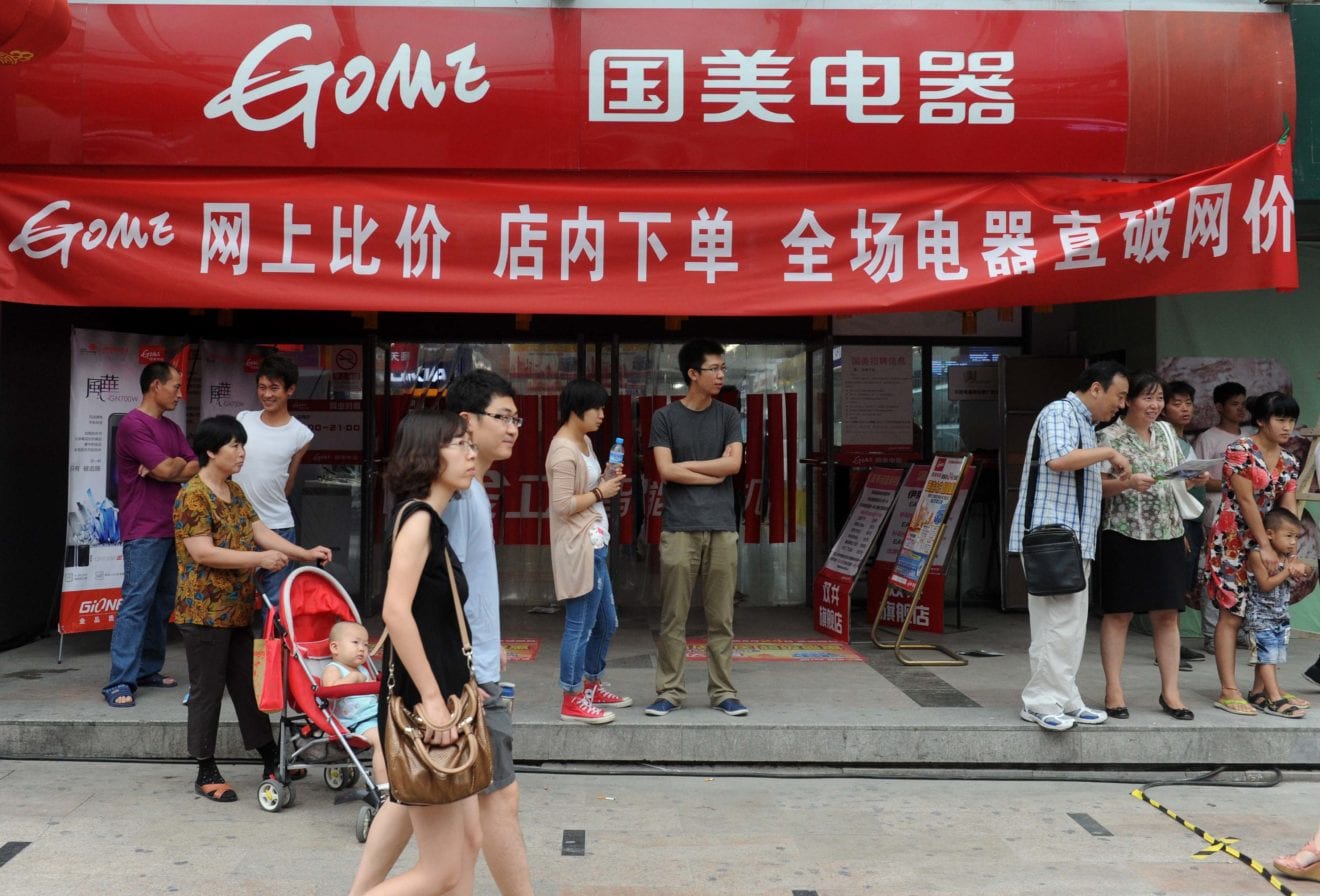
    China retail sales slump in July

    Mainland China retail sales fell in July according to a survey of 50 major retail chains.

    According to the China National Commercial Information Centre (CNCIC), a government-backed consultancy authorised by the National Statistics Bureau, sales fell 3.9 per cent year on year, with home appliance retailers the worst hit, with a decline of 9.9 per cent.

    Sales of ‘daily necessities’ dropped 5.7 per cent and of clothing by 3.8 per cent. The only category showing strong growth was cosmetics, up 6.5 per cent.

    “In general, the performance of China’s retail sector was rather sluggish in July,” said CNCIC.

  • Hip-Hop’s influence on the booming Chinese streetwear market

    Hip-Hop’s influence on the booming Chinese streetwear market

    In less than 6 months, hip-hop and associated visual representations exploded into mainstream Chinese consciousness.

    Launched in the summer of 2017, “The Rap of China,” adapted from a similar Korean show saw its first season episodes viewed more than 3 billion times on the iQiyi streaming platform.

    Featuring superstar Wu Yifan, it sparked not only widespread interest in rap music, but also fueled a hip-hop-influenced, high-end streetwear obsession among Chinese youth, led by distinctive brands such as Supreme, Off-White and Vetements.

    Chinese millennials number more than 400 million and they are increasingly demanding more niche, high-end brands that simultaneously offer the comfort of logos, however discreet, while also giving young people space to differentiate themselves from previous generations.

    “I think after consuming high-end fashion brands for a long time, [traditional luxury brands] weren’t making an offering that people like, so I think brands that knew how to capture that internet generation, the millennials, are doing very well. At the core of that consuming is just wanting to feel that they belong to something,” explains Kevin Poon, who co-founded Hong Kong-based streetwear brand Clot alongside friend, actor and rapper Edison Chen in 2003.

    According to figures from Tmall, China’s largest B2C e-commerce platform, streetwear growth last year was 60 percent higher than average apparel category growth, with popular brands on the site including Aape, the youth-centered, price-conscious offshoot of Japanese brand A Bathing Ape, and British brand Superdry. Tmall’s most popular streetwear sub-categories are sneakers and hoodies.

    A report released in March from OFashion and Nielsen showed growth of streetwear consumption in China from 2015 to 2017 at 3.7 times higher than non-streetwear apparel, reaching 62 percent last year, compared with 2016.

    This intersection between hip-hop culture, street fashion, tough guy attitudes and adjacent markers of a rebel attitude, such as tattoos, is familiar over the world.

    While hip-hop from the US has been bootlegged and passed around a small underground fan base in China since the 1990s, the mainstream movement and fashion associations now connected with the genre comes from Korea.

    Following increased attention from censors, a more sanitized mainstream version of rap music, without swearing, political messaging, drug references and misogyny is now prevalent in advertising and social media and the rise of streetwear in China looks set to continue.

    SEE ALSO: FASHION ASIA HONG KONG, wrap-up and interview : Sustainable fashion: high end vs. high street.

    For brands looking to tap into these trends by partnering with associated influencers, Michael Norris, research manager at Resonance China’s consumer insights, naming and brand strategy team, Smart, says the safest bet will be to look behind the scenes, rather than affiliating with performers necessarily.

    “If they are a producer [or] a clothing designer, I would have very little hesitation in partnering with these creatives who are on the front lines of these subcultures [because] they can be a great ally to brands,” he says.

  • Shinsegae DF partners with China’s Ctrip

    Shinsegae DF partners with China’s Ctrip

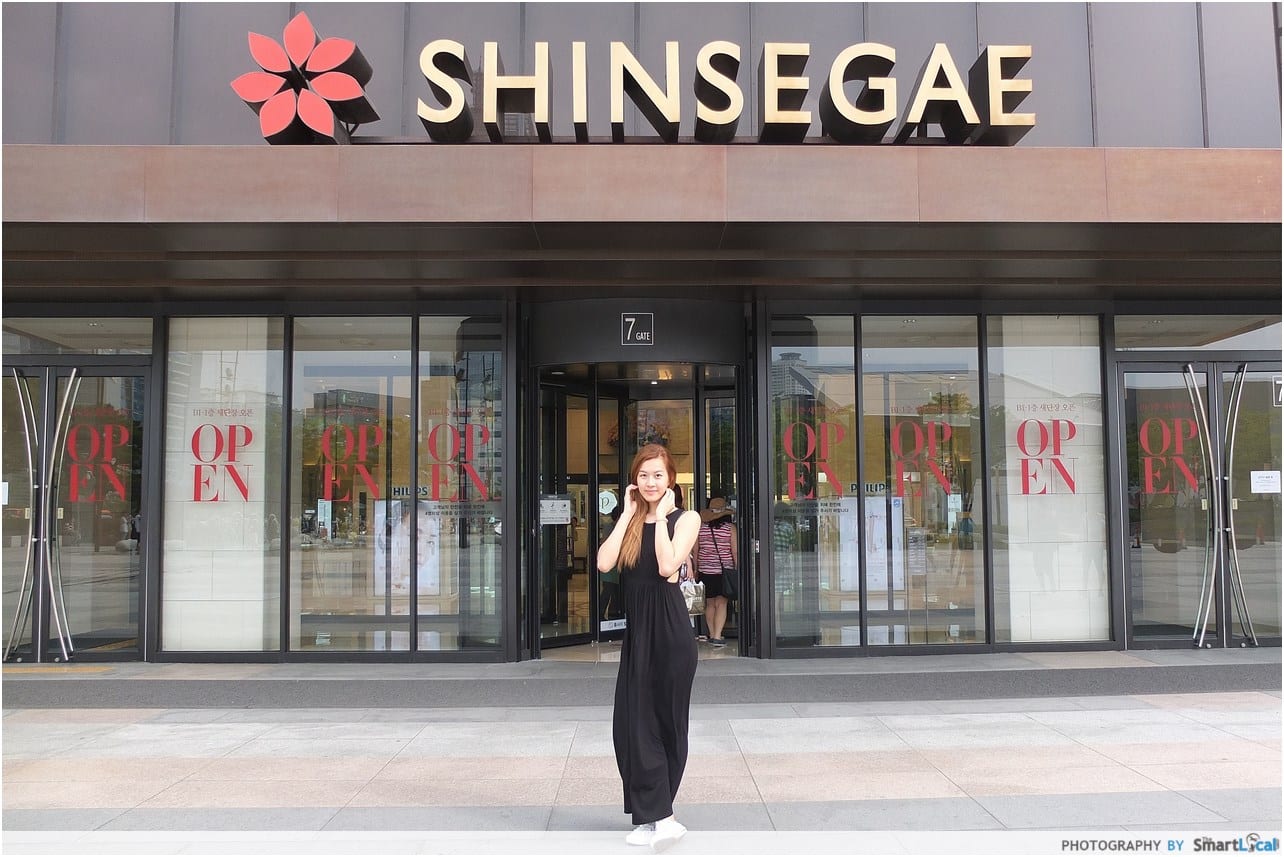
    Shinsegae DF Inc., duty-free store operating unit of South Korea’s retail conglomerate Shinsegae Group, has joined hands with China’s largest online travel agency Ctrip to offer membership service with hopes to woo more Chinese consumers.

    Shinsegae DF said on 3 August that it will offer consumers membership subscription service via Ctrip website, becoming the world’s first duty-free store operator to partner with Ctrip, an online platform in China with over 300 million users offering travel-related services such as accommodation, flight reservation, and tour packages.

    Under the partnership, Shinsegae DF will introduce its brand on the travel agency’s website under Global Shopping section and offer membership subscription service.

    Consumers will be given silver memberships that grant them a 10 percent discount at all times.

    The latest partnership with Chinese e-commerce site comes at a time when Shinsegae DF is going all-out to attract Chinese travelers to boost sales.

    In November, the Korean duty-free store operator joined hands with China’s leading messaging and social media app WeChat with 1 billion monthly users to expand membership. Shinsegae DF has seen a 150 percent average daily surge in the number of foreign memberships since the service launch.

    Average daily sales of Shinsegae DF’s store in Myeong-dong, central Seoul, have also jumped from the 4 billion won (US$3.5 million) range in October last year to more than 5 billion won this year, the company said.

    An unnamed official from Shinsegae DF said that the company will put out efforts to attract Chinese travelers by expanding membership subscription partnership with Alipay in addition to Ctrip and WeChat.

    Shinsegae said the daily average number of foreigners who sign up for its memberships grew over 150 percent following the launch of the service with WeChat.

    “We are putting our utmost efforts in establishing platforms and communities to better communicate with consumers from Greater China,” a company official said. “In addition to Ctrip and WeChat, we plan to expand collaboration with Alipay.”

  • Mao Shan Café China to open 200 more stores

    Mao Shan Café China to open 200 more stores

    The Mao Shan Cafe, a franchised food retail network with a menu centred on durian – plans to open 200 outlets across Mainland China by 2022.

    Mao Shan Cafes serve durian cakes, savouries, pastries, waffles, durian coffee and ice cream and other unique foods based on Malaysia’s Musang King strain of durians, targeting Chinese nationals who are passionate about the fruit.

    In China, where whole durians are harder to come by, sales of durian-flavoured products have skyrocketed in recent years. Duerian imports have surged from 40 tonnes in 2011 to 368 tonnes in 2016.

    A subsidiary of US private equity business The Funding Partners, Mao Shan Cafe also plans to collaborate with Chinese food delivery giants Meituan and Alibaba-owned Ele.me to further boost sales.

    This year, 10 stores are planned for the Guangdong region and the first 100 in the company’s franchised network are expected to be trading by 2020. Sometime before the 200 threshold is reached, The Funding Partners plans to spin the company off in a Mainland China float.

    The chain’s first flagship store opened last month, in a ceremony attended by celebrities including Hong Kong performing artist, Maria Cordero.

    The Funding Partners has interests in Malaysia’s durian growing and export industry and saw the retail network as a way of expanding exports further to the mainland.

  • Hema Customers Can Track Farm-to-Shelf Food Journey

    Hema Customers Can Track Farm-to-Shelf Food Journey

    Seventeen Hema supermarkets in Shanghai have launched a food-provenance feature that tells customers about an item’s farm-to-shelf journey.

    The information includes verifications such as photos of the distributor’s business licenses and food-safety certificates complete with an official government seal.

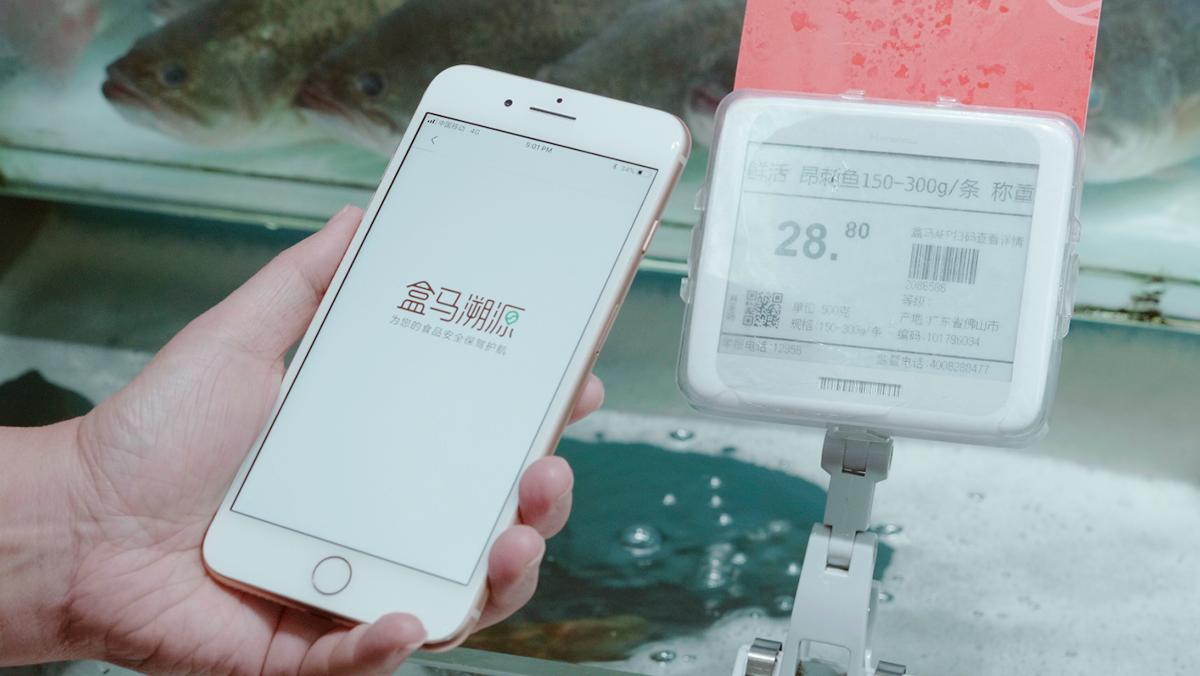
    To access the function, in-store customers use the Hema mobile app to scan a food’s QR code, which brings up the provenance details. Because the information lives on the product page of each item, consumers shopping from home via app have access to it as well.

    Watch: Hema’s Food-Tracing System

    The New Retail-driven supermarket chain’s food-tracking system comes as Chinese consumers grow more sophisticated in their food choices and embrace a healthier lifestyle.  Hema is among the first grocery chains in China to offer such service. Since its implementation in January, more than 1700 items in nine categories – including meat, seafood, rice, tofu and soy products, fruits, vegetables, poultry and eggs, dairy and cooking oil – have been included in the system.

    That includes watermelon. For Hema customers who want to know more than the place of origin, the system can tell them when a particular batch of watermelons was harvested – and by which farming collective. They can also find out the exact date when the watermelons were delivered to the store to assess freshness.

    For products that need to be kept under a certain temperature, such as meat and fish, the system can even tell customers how cold it was inside the delivery truck. Hema said it plans to roll out the system to all of its 64 stores, in 13 cities, in China by year-end.

    Established in early 2016, Hema integrates online and offline shopping into one seamless experience for customers, allowing to shop with a few clicks on their phones. With its in-store fulfilment system, orders can be delivered in as little as 30 minutes to those who live within three kilometres of a Hema. The supermarket chain also has opened a “robot restaurant” at one of its stores, in Shanghai, as part of its continued push to create new consumer experiences.

    Hema’s food-tracking system is one of several key features Alibaba has introduced to ensure customers are getting high-quality products. In April, Alibaba teamed up with a consortium of four Australian and New Zealand companies to introduce a food-tracking system using blockchain.

  • Robots replace waiters in Alibaba diners

    Robots replace waiters in Alibaba diners

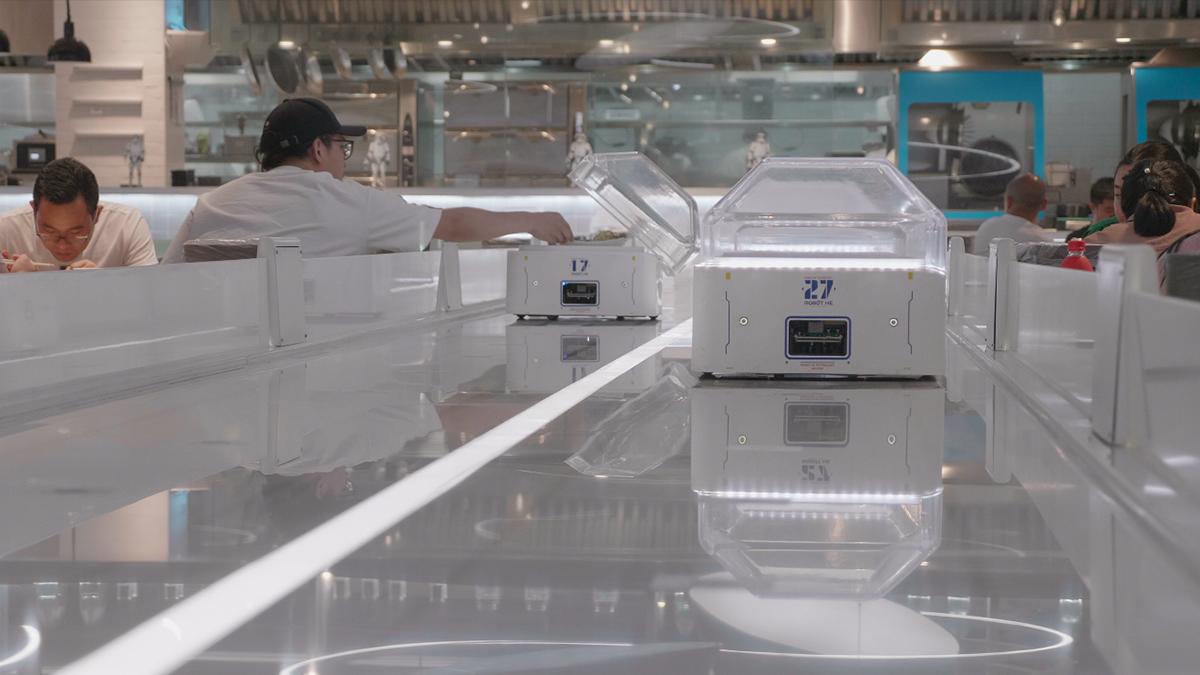
    Alibaba has launched a series of diners staffed by robotic waiters.

    The initiative is designed to offer a restaurant service with higher efficiency and lower overheads on staff.

    Alibaba product manager Cao Haitao, who brought the concept to fruition, said, “In Shanghai, a waiter costs up to 10,000 yuan (US$1465) per month. That’s hundreds of thousands in cost every year. And two shifts of people are needed. But we don’t need two shifts for robots and they are on duty every day.”

    The diners are linked to another Alibaba-backed semi-automated business concept, Hema supermarkets, in which goods are brought to customers on a conveyor track when ordered in-store via a mobile app. There are currently 57 Hema supermarkets throughout China, and all of these will eventually launch diners with robotic waiters.

    The serving robots are comparable in size to a microwave oven and navigate the restaurants on purpose-built tracks at table height.

  • Hong Kong’s Fung Group injects US$35M into India’s B2B e-commerce ShopX

    Hong Kong’s Fung Group injects US$35M into India’s B2B e-commerce ShopX

    The Fung family has invested US$35 million in Indian technology platform ShopX.

    The funds came from Fung Strategic Holdings a member of Fung Investments, the private investment vehicle of the families of Dr Victor Fung and Dr William Fung.

    ShopX is described as India’s leading B2B e-commerce company, connecting India’s consumers and small merchants with brands and suppliers directly to purchase products and services.

    India’s retail market is estimated to reach US$1.1 trillion by 2020, and small-to-medium sized businesses play an important role in the Indian economy, making up about 90 per cent of the retail sector. Until now, they largely remain ‘offline’ in small villages and towns serving the local surrounding population.

    ShopX, founded by Amit Sharma and Apoorva Jois in May 2015, aims to be the preeminent e-commerce platform serving more than 12 million small merchants across India, enabling everything from ordering to delivery, payments and localised customer support. ShopX already covers 50,000 retailers in more than 300 locations across India.

    Nandan Nilekani, a leading entrepreneur, has been an early investor in ShopX, supporting the company from inception with more than $18 million in personal investment and active mentorship.

    “The ShopX model provides small retailers access to the same cutting-edge technology and supply chain solutions as any established e-commerce or organised retailer,” he said.

    “This access provides an onboarding ramp into the formal economy for millions of India’s small retailers and the next 400 million consumers. ShopX has been built on scalable and sound business principles like platform thinking, capital efficiency and a sustainable growth model. We are very excited to welcome the Fung Group into ShopX, and look forward to expanding the platform with their investment and strategic synergies.”

    Victor Fung added: “This is one of a series of investments the Fung Group and its companies are making to advance new, disruptive technologies shaping the future of retail and supply chain. ShopX is combining technology and an innovative business model to transform the traditional retail model in India. Given the country’s sheer population size and rising consumer spending power, not only do we see tremendous opportunity in India, but also the successful application of this model to other parts of the region.”

    Tech focus

    The ShopX investment follows recent Fung Group initiatives and investments in new technologies including:

    • A partnership with Tencent-backed WeDoctor to create an e-commerce platform connecting China’s myriad of hospitals with medical device manufacturers and service providers to centrally procure medical devices, consumables and services.
    • A partnership with JD.com to develop AI-driven retail solutions.
    • A new innovation lab with Shima Seiki, the Japanese company behind the world’s most advanced computerised flat knitting machines, to conduct specialised materials R&D.
  • Wutopia Lab has transformed Building 25 of the Sinan Mansions in Shanghai into Bookstore

    Wutopia Lab has transformed Building 25 of the Sinan Mansions in Shanghai into Bookstore

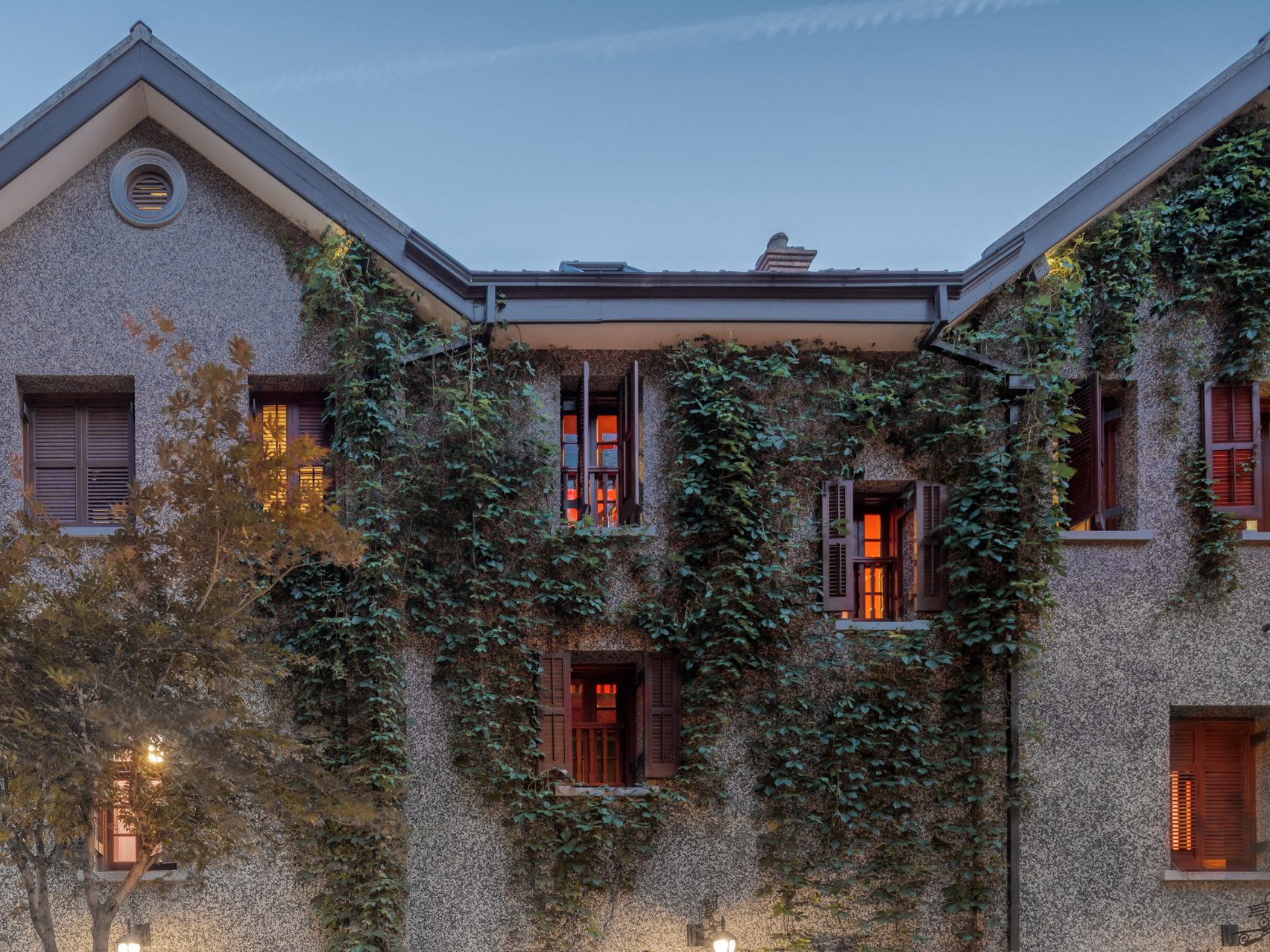
    Chinese design house Wutopia Lab has converted a multi-story house in Shanghai into a bookstore which provides “a space for learning and thinking” for city-dwelling public.

    The project – Sinan Books: Shanghai Sanctum – was commissioned by Shanghai Century Publishing Group and Yongye Group in Building 25 of the Sinan Mansion.

    The design team envisioned the store “as a person with a system of acquiring knowledge while discovering oneself and the surrounding”.

    The entrance level of Building 25 is set on the second floor which features a cafe, an area for literature and the public and an “intimate Sinan living room”. On the floor above, there is an area focused on art, a peaceful Sinan music room and flexible spaces that can host exhibitions, book club events, and small concerts.

    “It’s a perfect place to experience the charm of art,” explained the Wutopia Lab design team.

    On the fourth floor, a writer’s study “symbolises the bookstore’s thoughts”.

    “Small cultural saloons will be held here; it’s a place for conversations and debates.”

    A basement was conceived as the bookstore’s ‘sub-consciousness’, hosting a collection of history and philosophy books. Here, a labyrinth made of bookshelves offers visitors their own space. On the west side of the labyrinth is a special selection from the London Review Books, a sister bookstore of Sinan books, while on the east side, a large study room features a central table displaying creative product design.

    Spaces underneath the building’s two staircases are used to create two reading rooms for individuals and pairs. The underused south patio was redesigned into a flower porch, using planters to create a vivid backdrop for the bookstore.

    The Wutopia Lab team says it believes a monochromatic colour scheme cannot sufficiently depict the diversity of the period.

    “Colour has always been closely related to people’s feelings and emotions. Relating Sinan Books to a human body, its color should be a perceived colour, experienced in relation to the light of the day as well as one’s mental state at a given moment.”

    The store’s entrance features a red arcade, indicating Sinan books’ attitude of openness. Different hues of green offset the exhibition spaces, while the gold of the reading room offers “a hidden surprise”.

    To view the full pictures, check the gallery below (5 images) :

    • Images copyright Wutopia Lab.
  • McDonald’s China opens its 300th store

    McDonald’s China opens its 300th store

    McDonald’s China has opened 300 new stores during the last year, pressing ahead with an expansion strategy tied to deals with property developers.

    The company has signed contracts with Country Garden and Evergrande Group, giving it access to more locations in new retail centres.

    And the company has also invested in digital technology with more than 75 per cent of its stores now offering kiosk ordering and payment facilities for customers. Using touchscreens, customers can select their purchases and pay by electronic means before collecting their food from a counter.

    McDonald’s China is also eyeing further expansion into tier 3 and 4 cities. By 2020, about 45 per cent of its anticipated 4500 outlets will be lower-tier locations.

  • Baidu sales, profit lift on increased online ads

    Baidu sales, profit lift on increased online ads

    China’s Baidu reported strong sales and profit in the recently closed second quarter, on the back of surging online advertising revenues.

    The Internet search engine said total revenues rose by nearly 25 percent to 26 billion yuan, marking the sixth straight quarter of revenue growth at the company.

    For the three months ended June 30, online advertising sales gained 25 percent to 21.1 billion yuan, said the Beijing-based Baidu, showing the video platform and newsfeed provider remained unhinged by the internet censorship spike to hit China in recent months.

    The US-listed media company said net income rose 45 percent to 6.4 billion yuan, or 18.14 yuan per American depositary share/

    “We are able to maintain a high standard and a close dialogue with [Internet] regulators,” Robin Li, Baidu’s chief executive, told investors in a conference call when discussing the earnings and the firm’s ability to dodge censorship restrictions.

    Baidu’s streaming service iQiyi Inc. also reported better-than-projected sales with its subscriber base increasing by 75 percent to 67.1 million users.

    The company continued to invest in Artificial Intelligence with research and development costs into AI doubling to 4 billion yuan in the latest quarter from 2 billion yuan in the first quarter of 2016.

    The driver of the costs involved staff, particularly as the company lost it chief operating officer in May, Lu Qi. Qi was the spearhead behind the AI investment.

    Looking ahead, the company said it expects third-quarter revenue of 27.37 billion-28.77 billion yuan, representing an increase of 23-30 percent year-over-year.