Tag: China

  • US-China trade war can benefit Asean

    US-China trade war can benefit Asean

    Against the backdrop of an escalating trade war between the US and China, Deputy Minister of International Trade and Industry Dr Ong Kian Ming is advocating greater cooperation between Asean countries to package the region to foreign investors instead of focusing on country specific promotion.

    “Is there a possibility whereby countries in Asean can work together to deliver a package, an attractive package to foreign direct investors who want to relocate and invest more in Malaysia as a result of this trade war?” he said while delivering his keynote address at the Selangor International Business Summit 2018 (SIBS).

    “So far I have not seen such a concerted effort but I think this is where opportunity lies,” Ong added.

    He said Malaysia and it’s Asean counterparts should look at ways as a comprehensive unit to take advantage of this situation.

    Drawing reference to the strong two way cross border trade linkage in terms of investment and expertise exchange between Johor and Singapore, Ong said Malaysia should replicate this with other countries.

    He also noted that interest from Chinese companies to invest in Malaysia, coming through the Malaysian Investment Development Authority, has risen since last year.

    Instead of setting hub in Malaysia, Ong added that Chinese companies could use Malaysia as a connecting point to tap into the Asean market.

    He opined that the trade war between US and China is less than likely to find a resolution in the short term and Malaysia, being an open economy will be affected by the trade duel.

    In that light, Malaysia should be open to investments and ratify trade agreements such as RCEP and CPTPP, which are yet to be signed in order to strengthen its stance on remaining open to trade.

    “As tariffs have gone down, the non-tariff measures has also gone down. That is why we need to have a greater push among the governments in Asean with the help of the business sector to come in and advice the government on the challenges they face so that we can remove or reduce some of the regulatory red tape with regards to the non-tariff measures,” he said referring to non-tariff barriers.

    Ong said in that regard, Asean is working together to compile a database of non-tariff measures so that the trade bloc could gather some of the regulatory and bureaucratic issues faced by companies when setting shop in another Asean state.
  • Hong Kong high-speed rail link to Guangzhou ready to go

    Hong Kong high-speed rail link to Guangzhou ready to go

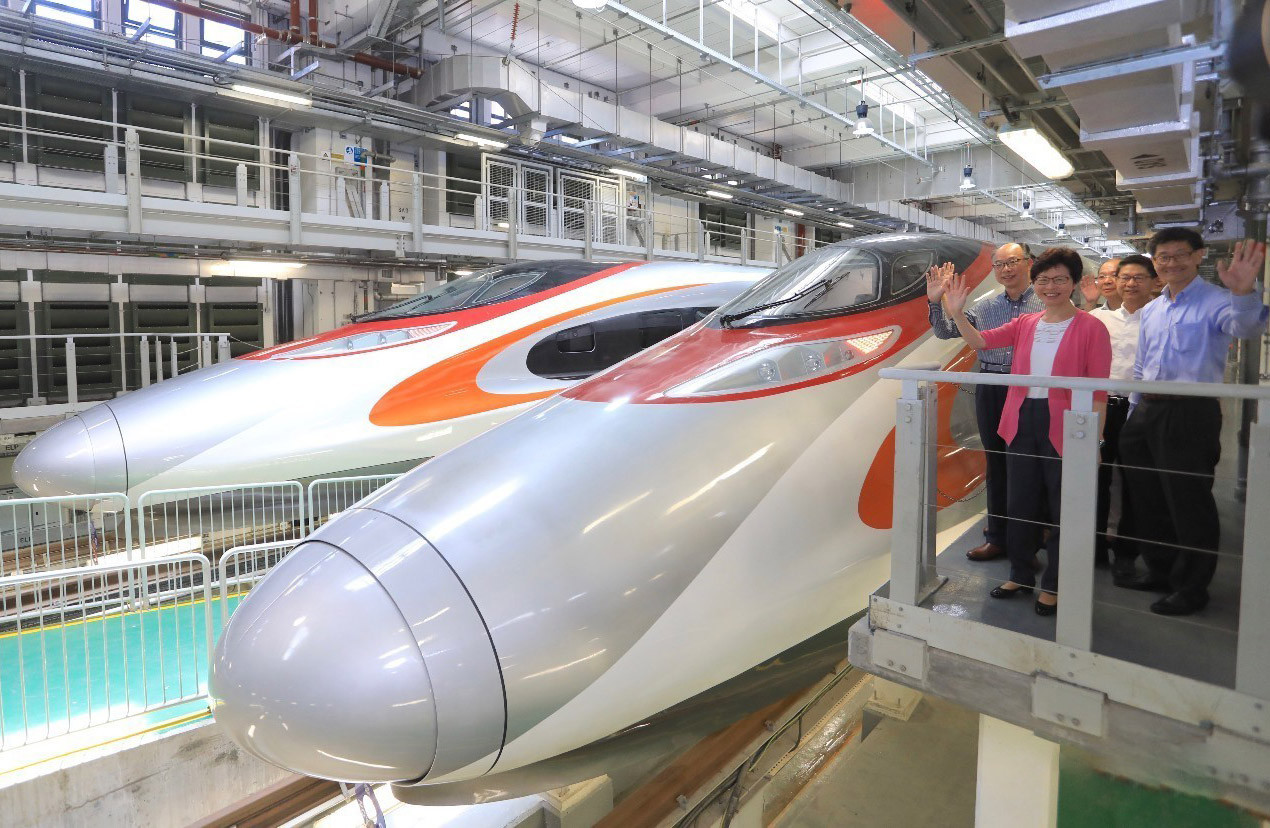
    The 26km Hong Kong section of the Guangzhou-Shenzhen-Hong Kong Express Rail Link is set to debut on September 23, forecasting 80,100 passengers daily. The cross-border service will link the city to 44 destinations on mainland China.

    Last weekend, 20,000 people who obtained tickets last week were poised to catch a first glimpse of the station.

    On the first basement level, 23 counters will sell tickets to 44 mainland destinations, with various modes of payment accepted, such as Octopus, Alipay, WeChat Pay and Samsung Pay.

    Five counters will offer tickets to destinations in mainland China’s rail network or those beyond the 44 stops.

    Passengers can also buy tickets from 39 machines. However, the automated systems only accept home-return permits for Hong Kong and Macau residents as well as second-generation mainland resident IDs. Up to 10 tickets may be bought at a time.

    Those holding other travel documents are required to buy tickets from the counters.

    There are about 40 shops and a large food court located on-site. The nine Hong Kong-owned trains at the terminus do not offer food services in their carriages.

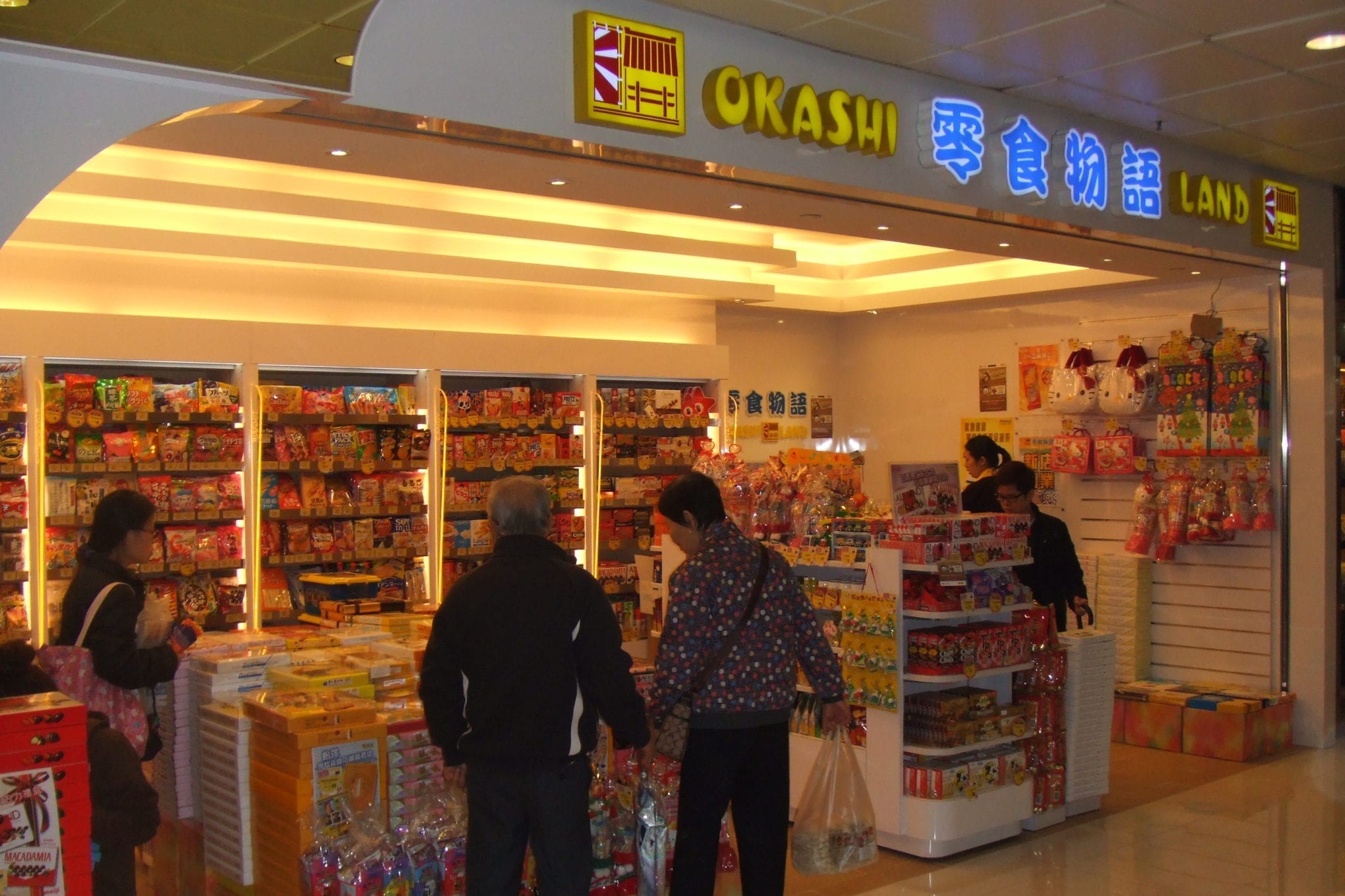
    Other shops will offer banking facilities, as well as souvenirs, fashion products and cosmetics. Brands include Sasa, Asia Favourites, Pocket Noir, Okashi Land, 7-Eleven and Mannings.

    Delayed three years and over budget by one-third of its total costs, the rail line has sparked controversy over a “co-location” arrangement allowing mainland officials to enforce their laws in a port area leased to them.

    A designated zone – including two office floors, a waiting hall for departing passengers, station platforms and connecting passageways and escalators, as well as train compartments – will be subject to mainland jurisdiction and laws.

    Supporters of the joint checkpoint plan have argued the plan would be more convenient for passengers as customs clearance would be consolidated. But critics say the arrangement contravenes the Basic Law, the city’s mini-constitution, which states that mainland legislation shall not apply on Hong Kong soil except in matters of defence, foreign affairs and those “outside the limits” of local autonomy.

    Mainland officials start work at the station today.

    This new connection is part of the bigger plan of interaction in the Greater Bay Area, and will definitely have an impact on the retail industry.

    The long-established business of Chinese visitors going to HK for shopping will now see the same flow of people going from HK to Shenzhen to chill out in the fast-developing so called megacity. Shenzhen is rapidly transforming and working on its infrastructure to welcome visitors, but also its growing population.

  • Malaysia ahead of US in global Chinese tourist transactions

    Malaysia ahead of US in global Chinese tourist transactions

    Malaysia has climbed ahead of the US to become the ninth largest market worldwide for Chinese tourists’ spending overseas.

    This was recorded during China’s summer holidays, which took place between July 1 and Aug 31 this year.

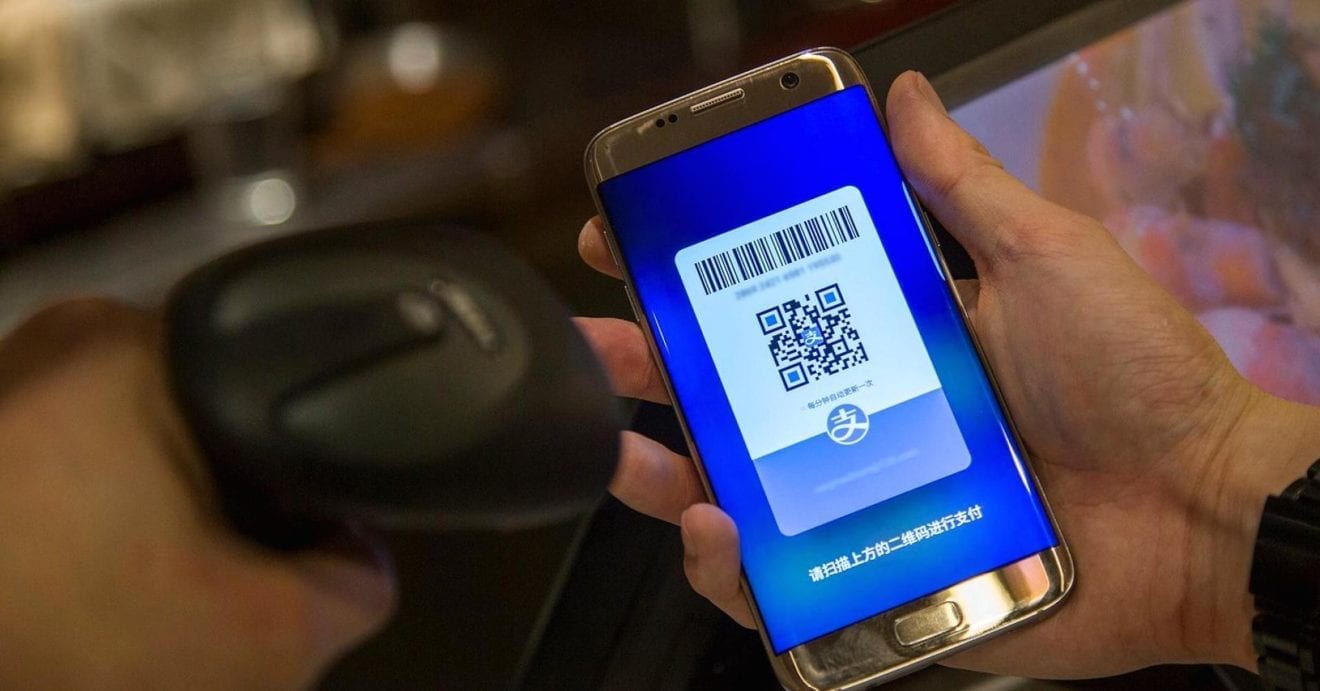
    According to Alipay, a mobile and online payment platform offered by Ant Financial, the volume of transactions made by Chinese tourist using Alipay in Malaysia grew five times this year compared to the same period in 2017. This growth also makes Malaysia the only other Asian country apart from Cambodia to make the top 10 list.

    “Malaysia is a hotspot for Chinese tourists. When we established our network with Malaysian merchants in May last year, we looked forward to seeing both Chinese tourists and local businesses mutually benefit from our presence.

    Today, Chinese travellers can continue enjoying the smart lifestyle they enjoy back home, and Malaysian merchants are able to expand on their service offerings and see profit with Alipay,” said Cherry Huang, general manager, cross-border business for South and Southeast Asia Alipay.

    The two-month annual holiday period celebrated in China saw Alipay process almost three times as many in-store overseas transactions than during the 2017 summer break. It also saw a 43% increase in the average per-capita spend per user this year, going from RMB2,073 (RM1,257) to RMB2,955 (RM1,792).

    China was the third largest source of tourist arrivals (at 2.28 million) for Malaysia in 2017 and more tourists are expected to arrive over the years. Alipay’s presence locally allows merchants to leverage on Chinese tourists’ preference for cashless payments. This is evidenced by Nielsen’s findings highlighting that 99% of Chinese tourists have Alipay installed on their devices, with over 90% preferring mobile payments abroad given the option.

  • Guess Asia enjoys sales, profit surge

    Guess Asia enjoys sales, profit surge

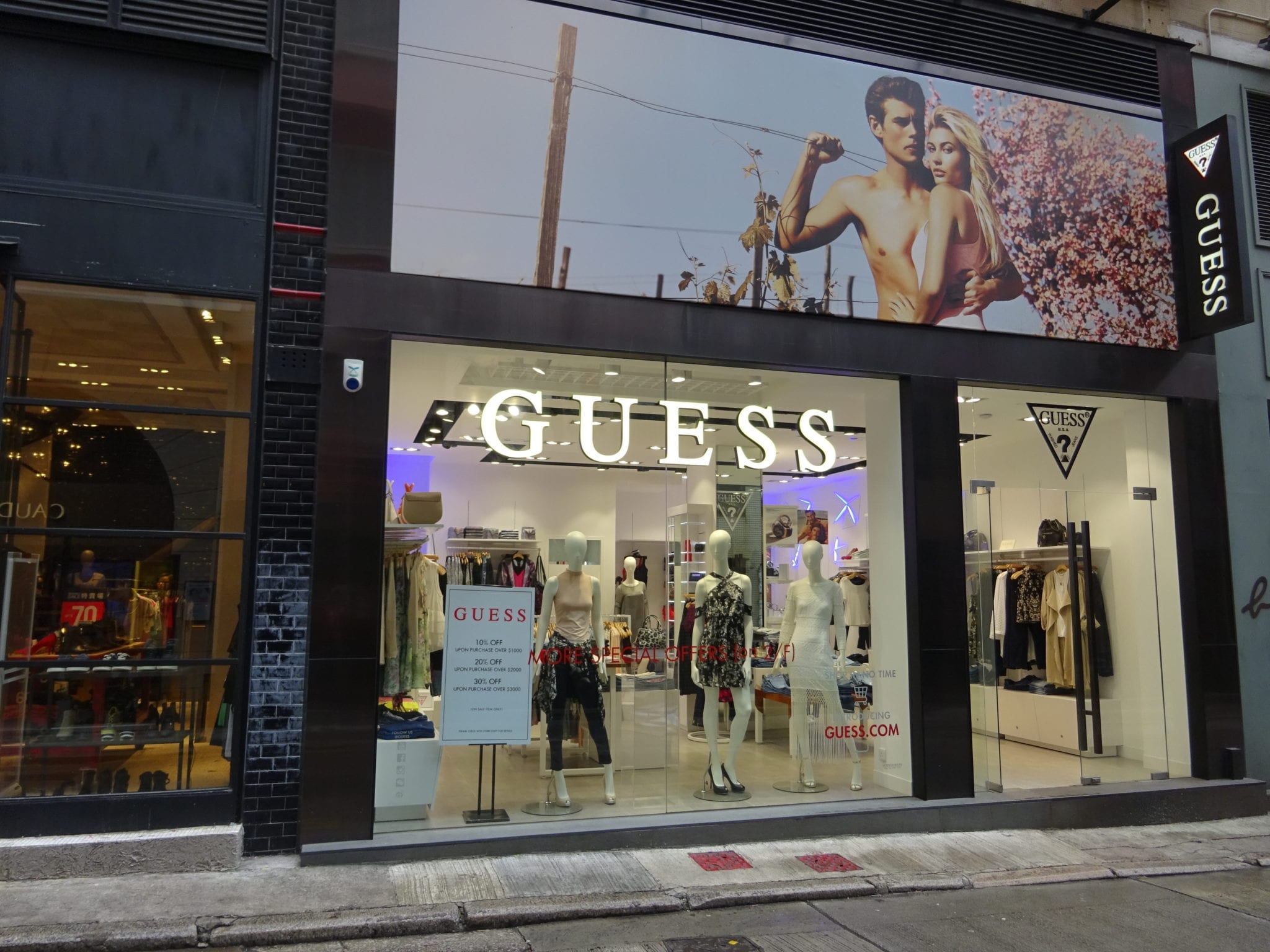
    Guess has returned to profit in the first half of this year, with high rate of growth in Asia-Pacific a key factor.

    Sales by Guess in Asia rose by 32.3 per cent during the first half of this year, expressed in US dollars, and by 27.1 per cent in constant currency, with same-store sales up by 20 per cent.

    That was more than double the sales growth of the company overall.

    For the full year, Guess is predicting comp sales in Asia to be up by the low teens in percentage terms, with profit up in the low- to mid-20 per cent region.

    The company is performing across all markets, even in its core US home market where it has been struggling in recent times.

    Globally, for the six months to August 4, Guess achieved net sales of US$1.17 billion, up 14.1 per cent. Net earnings were $11.6 million, compared to an adjusted net loss of $3.3 million for the same period last year.

    “Overall, I am very pleased by the momentum we are experiencing across the globe,” said CEO Victor Herrero in the company’s earnings statement.

    “We are now planning for positive comps in all regions, including the Americas. Looking forward, I feel confident that the ‘turnaround’ has only just begun, as we are well positioned to exit this fiscal year with every business segment profitable and the company firmly on the path to our 7.5 per cent operating margin goal by continuing to execute on our strategic initiatives,” he said.

    Operating margin for the Guess in Asia rose by 120 basis points over the first half to 3.4 per cent, from 2.2 per cent a year ago. The company said the improvement was driven by reduced occupancy costs, partially offset by higher expenses resulting from retail expansion in Australia.

    The company said a lower number of markdowns in the US also helped reverse its loss.

  • Meituan Dianping to set Hong Kong IPO valuation at up to $55 billion

    Meituan Dianping to set Hong Kong IPO valuation at up to $55 billion

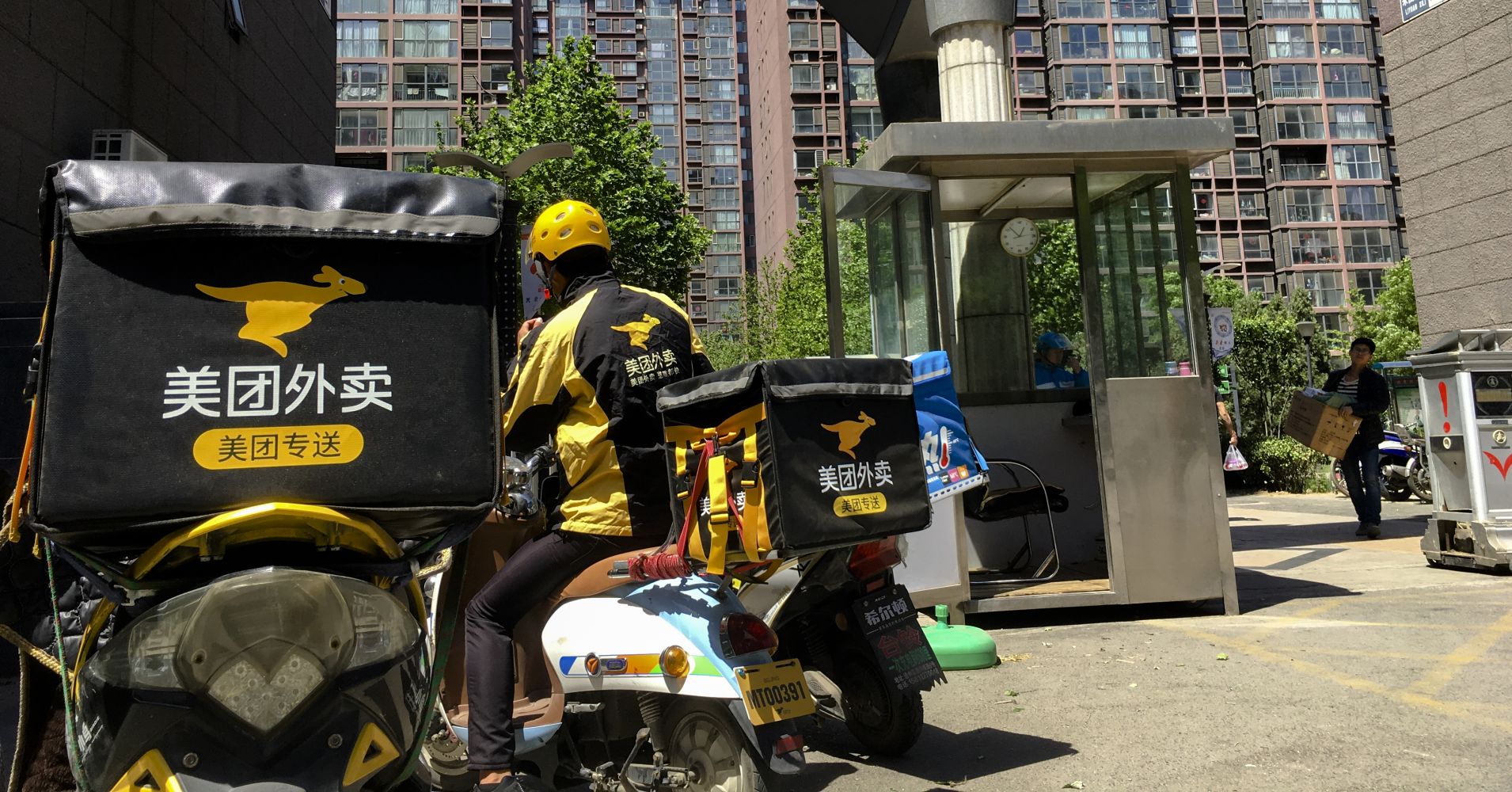
    China’s Meituan Dianping, an online food delivery-to-ticketing services platform, has set an indicative price range of HK$60 to HK$72 ($7.64-$9.17) per share for its initial public offering (IPO) in Hong Kong, valuing itself at up to $55 billion, four people with direct knowledge of the matter said.

    Meituan, already one of China’s most valuable internet firms, could raise as much as $4 billion before the exercise of a “greenshoe” or over-allotment option, whereby additional shares are sold depending on demand.

    The company is discussing a valuation of $46 billion to $55 billion and planning to secure a total of $1.5 billion from five cornerstone investors, including its main backer gaming and social media company Tencent Holdings, and global asset manager OppenheimerFunds, the people said.

    Oppenheimer will commit $500 million and Tencent $400 million, they said.

    Other cornerstone investors include U.K.-based hedge fund Lansdowne Partners ($300 million), U.S. hedge fund Darsana Master Fund ($200 million) and Chinese state-owned conglomerate China Chengtong Holdings ($100 million).

    The five cornerstone investors did not immediately respond to requests for comment. Calls to Darsana went unanswered.

    The Beijing-based firm filed plans for the city’s second multibillion-dollar tech float this year after smartphone maker Xiaomi’s blockbuster IPO of nearly $5 billion.

    It plans to use the process to upgrade its technology, develop new services and products and pursue acquisitions among other things, according to its IPO filing.

    Meituan is also – after Xiaomi – the latest company with a dual-class share structure to file for a Hong Kong listing, under the city’s new rules designed to attract tech companies.

    However, in late July Hong Kong Exchanges and Clearing (HKEX), the operator of Hong Kong exchange, said it would delay changes that would allow companies to hold shares with more voting rights, as more time was needed for investors to become accustomed to recent rule changes.

    Meituan was valued at around $30 billion in a fundraising round late last year.

    Xiaomi started trading in July after a closely watched but disappointing initial public offering that valued it at almost half the $100 billion that industry analysts had initially estimated.

    Meituan has been likened to U.S. discounting platform Groupon.

    Founded in 2010 by serial entrepreneur Wang Xing, it completed a $15 billion merger with Dianping in 2015, akin to U.S. online review firm Yelp Inc. It offers a broad range of services including movie ticketing, food delivery, hotel and travel booking as well as ride-hailing.

    Competitors include food-delivery platform Ele.me, backed by e-commerce firm Alibaba Group Holding, and leading ride-hailing firm Didi Chuxing, backed by Japan’s SoftBank Group.

    Bank of America Merrill Lynch, Goldman Sachs Group and Morgan Stanley are sponsors of Meituan’s IPO.

    China Renaissance is the financial advisor.

  • Fosun International hits $1bn in net profit

    Fosun International hits $1bn in net profit

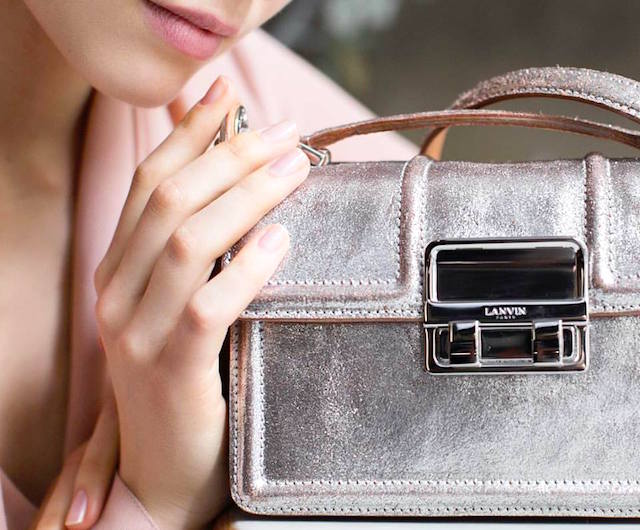
    Fosun International post on Tuesday that company net profit reached Rmb 6.86bn ($1bn) for the first half of 2018, on the back intense acquisition activity, which saw the Chinese firm snap up local and international assets, including luxury brand Lanvin earlier in the year.

    The Chinese investment firm said net profit increased 17% over the last six months, which was slower than previous years, however, with a 33.6% uptick recorded for the first half of 2017.

    Revenue reached RMB43.51 billion for the January to June period, an increase of approximately 20% over the same period last year.

    The company said it “continued to focus on maintaining a healthy and stable balance sheet” and achieved a net gearing ratio of 53.6% with an overall financing cost of 5.18%.

    Since the turn of 2018, Fosun has bought a stake in French confectionery company St Hubert, a minority stake in China’s Tsingtao Brewery and majority stakes in European luxury brands Wolford and Lanvin.

    Fosun’s long-term portfolio also includes Club Med, a stake in Cirque du Soleil and the UK’s Wolverhampton ‘Wolves’ football team.

    Co-founded by Chinese billionaire Guo Guangchang in 1992, Fosun has evolved from an entrepreneurial start-up into a leading investment group taking roots in China with a global foothold.

    Listing on the Shanghai Stock Exchange in 2007, Fosun now forms part of Chinese active investor cohort, which also boasts the firms HNA, Dalian Wanda and Anbang Insurance.

  • Nicoletti Home to open 50 stores in mainland China

    Nicoletti Home to open 50 stores in mainland China

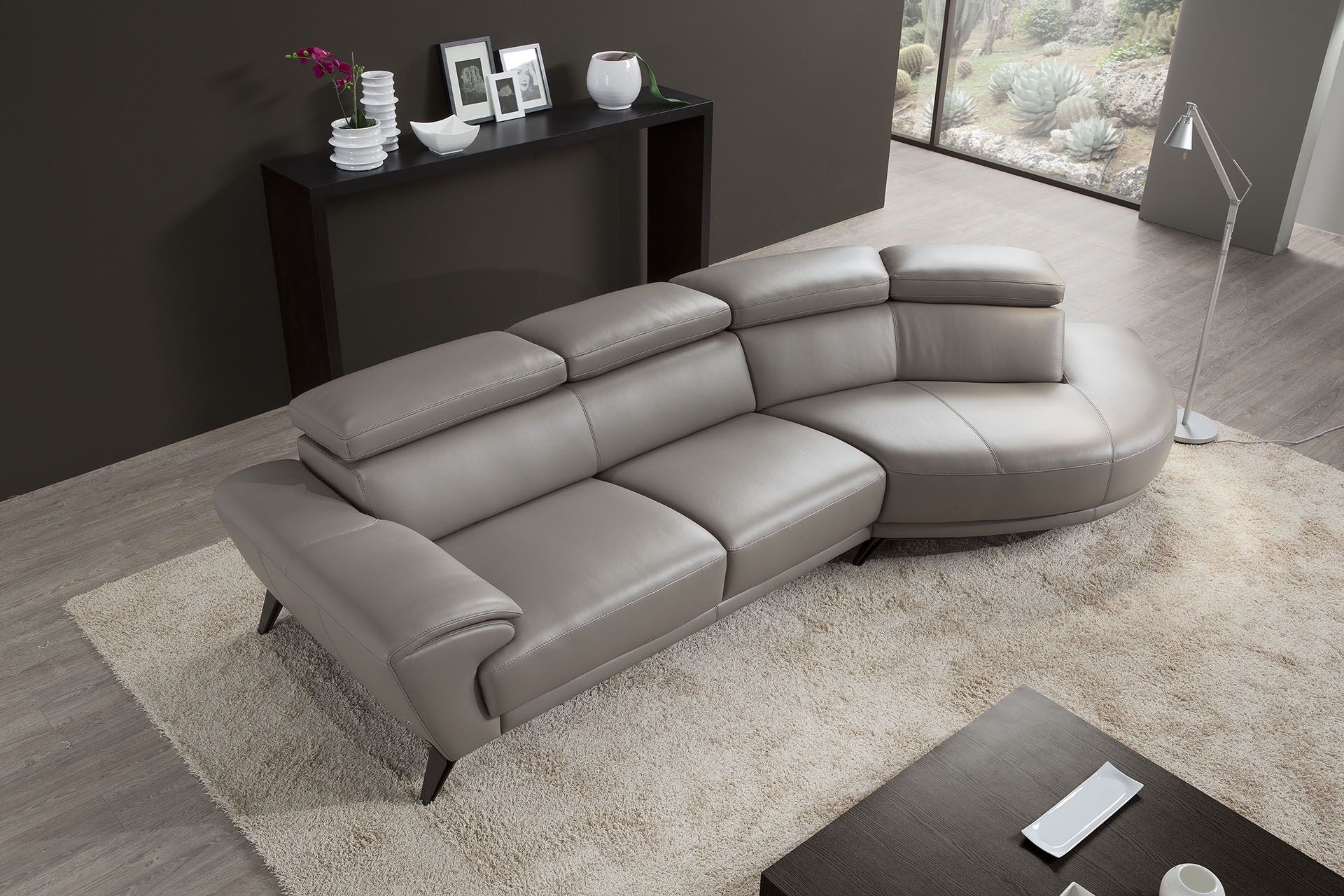
    Italian leather and fabric upholstery brand Nicoletti Home has partnered with Chinese manufacturer/retailer Manwah to establish a retail network of 50 stores throughout the mainland.

    Nicoletti Home already has a strong Asian presence in Hong Kong, Indonesia and Korea.

    Manwah will be directly responsible for managing the stores under a franchise agreement, targeting upscale customers. All Chinese stores will be positioned within furniture malls with an average floorspace of 2000–4000sqft.

    The first outlet is expected to open by the end of the year in a launch backed by the September furniture show in Shanghai.

    The partnership will also be developing a lower-priced collection for production within China, to be distributed by Manwah throughout a 500-store network nationally.

    The firm’s world commercial director Eustachio Nicoletti said: “Entrusting the development of the Chinese market to such a renowned and reliable partner is for Nicoletti Home a guarantee of efficiency and rapid growth. The collection we are going to introduce in the 2018 Shanghai Exhibition with a 200sqm (2100+sqft) showroom is addressed at a medium-to-high profile consumer, who appreciates excellent made-in-Italy products.”

  • Alipay blooms outside Mainland China

    Alipay blooms outside Mainland China

    Alibaba’s Alipay payments outside Mainland China has skyrocketed during the country’s holiday season.

    According to Ant Financial, during July and August of this year, Alipay processed 2.6 times the number of in-store overseas transactions as it did during the same period last year.

    And while Asian countries topped the rankings, double-digit transaction-volume growth was recorded in countries in northern and western Europe, including Denmark, Luxembourg, Norway, Sweden and Switzerland.  The number of Alipay transactions in Russia increased by more than 5000 per cent, as Chinese travellers flocked to the host country of this year’s FIFA World Cup.

    In rankings for transaction volumes, Hong Kong overtook Thailand to take top spot, Australia and Singapore overtook Taiwan; and and Malaysia overtook the US.

    Top 10 overseas markets for Alipay Transaction Volumes July-August

    1 Hong Kong

    2 Thailand

    3 South Korea

    4 Japan

    5 Macau

    6 Australia

    7 Singapore

    8 Taiwan

    9 Malaysia

    10 USA

    Top 10 countries by Alipay transaction volume growth

    (Based on Summer 2018 vs. Summer 2017)

    1 Russia 50x

    2 Luxembourg 39x

    3 Switzerland 18x

    4 Cambodia 14x

    5 Sweden 12x

    6 Norway 11x

    7 Greece 7x

    8 Canada 7x

    9 Malaysia 5x

    10 Portugal 5x

    Average total spending per user increased 43 per cent to RMB2955 (US$432) from last year’s RMB2073 (US$303). The average total spending per user was highest in France (RMB11,386 or US$1666), followed by South Korea and Denmark. European countries accounted for more than half of the Top 10 countries in terms of average total spending per user.

    Top 10 countries by average total spending per user

    1 France

    2 South Korea

    3 Denmark

    4 Italy

    5 UAE

    6 Greece

    7 Spain

    8 Australia

    9 UK

    10 Japan

    Those born in the 1970s, 1980s and 1990s accounted for 85 per cent of all those who used Alipay overseas during the summer months of 2018.

  • Jinqing Cai, President of Kering Greater China

    Jinqing Cai, President of Kering Greater China

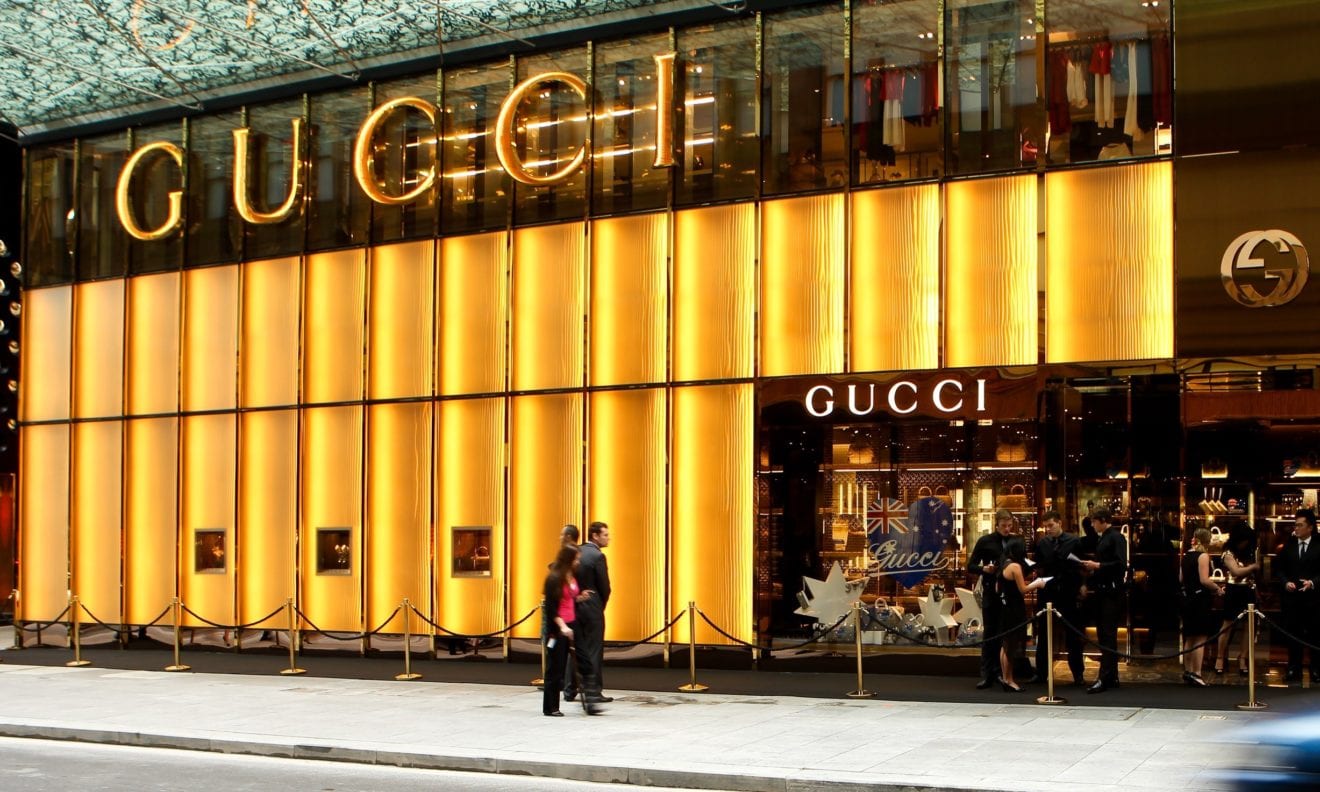
    Kering is reinforcing its corporate team in Greater China in order to adapt to the fast-changing business environment in this market, which has been continuously growing in importance for the luxury industry since Gucci opened its first store in China in 1997.

    This new management set-up will strengthen the existing corporate structure specifically dedicated to supporting the long-term development of Kering’s luxury Houses in Greater China.

    Ms. Jinqing Cai has been appointed President of Kering Greater China, starting from September 10, 2018.

    Her mission will be to reinforce the visibility of Kering in Greater China and to strengthen the links between the Group and its local partners. She will be based in Kering’s Shanghai office and will report to Jean-François Palus, Group Managing Director of Kering.

    François-Henri Pinault, Chairman and CEO of Kering, said: “Kering started to invest in Greater China some time ago and had built the foundations of a long-lasting and successful business, while continuously reinforcing our relationships with local partners. I am very pleased with the appointment of Jinqing Cai, which is a further testament to our long-term commitment in Greater China.”

    With this new organization, Kering will be best positioned to further support the rapid development of its luxury Houses in Greater China and to seize business opportunities in the Asia-Pacific region.

    Jinqing Cai started her career in 1993 in New York as an associate in a strategic consulting company. She then moved to Hong Kong to work for private equity fund management companies, k1 Ventures and Lark International Entertainment Limited, focusing on the media and entertainment industries.

    In 2002, she co-founded the PR firm New Alliance Consulting International in Beijing and managed the highly successful inaugural annual conference of Boao Forum for Asia.

    In 2005, Ms. Cai became the founding partner of Brunswick Beijing, playing a central role in the PR firm’s high profile cross-border transactions.

    In 2012, Ms. Cai joined the leading auction house Christie’s as the first Managing Director of Christie’s China. She was appointed President of Christie’s China in 2014 and then Chairman in 2016.

    Ms. Cai received her bachelor’s degree from Wellesley College in Massachusetts and a Master’s in Public Affairs from Woodrow Wilson School of International and Public Affairs, Princeton University.

    She was born and raised in Beijing and was an undergraduate student at Beijing University between 1986-1989, before pursuing her education overseas.

    Ms. Cai is on the international advisory board of the New York Philharmonic Orchestra, and serves as a board member of Teach for China, a non-profit organization focusing on education inequality in China

    In parallel with her new role at Kering Greater China, Ms. Cai will retain a consulting role at Christie’s, serving as Deputy Chairman of the company’s Asia Advisory Board.

  • Anais and Greygrei to make China debut

    Anais and Greygrei to make China debut

    Korean clothing brands Anais and Greygrei are set to enter the Chinese market under Korean young-casual clothing firm Maison de Anais.

    The label, which successfully launched in northern Europe earlier this year, will target the late 20’s to late 30’s womenswear market in China after having received interest at the Shandong Korean Product Exhibition last July.

    The Greygrei brand is currently pending its official release on VIP.com, one of the three leading B2C internet shopping malls with the largest sales among Chinese e-commerce mobile apps.

    A Maison de Anais spokesperson said online fashion platforms are attractive to brands as they can help establish brands in the fast-changing Chinese market.

    “By introducing on VIP.com, Maison de Anais hopes to promote the brand to various buyers and distribution channels in China by increasing the brand competitiveness and reference of Greygrei as we establish direct contact with the customers.”

    Company president Jeong Ho Lee added: “Times are changing where a wide range of age groups, especially female consumers from their late 20’s to late 30’s, are taking the main role in invigorating the fashion market in China, from an era where the early-to-mid-20’s used to be at the helm. Greygrei and Maison de Anais hope to write [a] success story with China as the main stage.”

  • Indonesia to Work With Alibaba’s Jack Ma to Increase Exports: Minister

    Indonesia to Work With Alibaba’s Jack Ma to Increase Exports: Minister

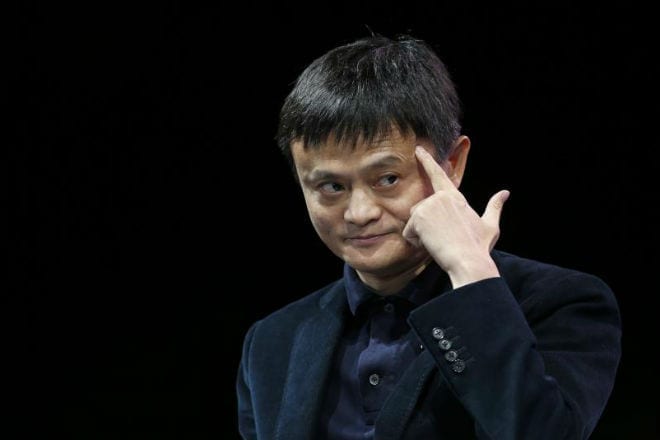
    Indonesia will partner with Alibaba chief executive Jack Ma to look into ways to use of the e-commerce giant’s ecosystem to increase its exports, particularly to China, Communications Minister Rudiantara said on Sunday.

    “We are also discussing how to work together to develop tech talents to meet the needs of Indonesia and the region,” Rudiantara said after meeting Ma and President Joko “Jokowi” Widodo on Saturday.

    The Alibaba founder and chief executive, who was in Jakarta for the 2018 Asian Games, was named an e-commerce adviser to the Indonesian government in 2017.

    McKinsey estimated in a report released on Aug. 30 that the value of Indonesia’s e-commerce market will grow to at least $55 billion by 2022 from $8 billion in 2017.

    Alibaba is China’s biggest e-commerce firm, but its ecosystem includes payments platform Alipay and a cloud computing arm.

    Rudiantara told Reuters the details of the deal would be finalized during a second visit by Ma in October.

  • Pandora China soon to be in one roof

    Pandora China soon to be in one roof

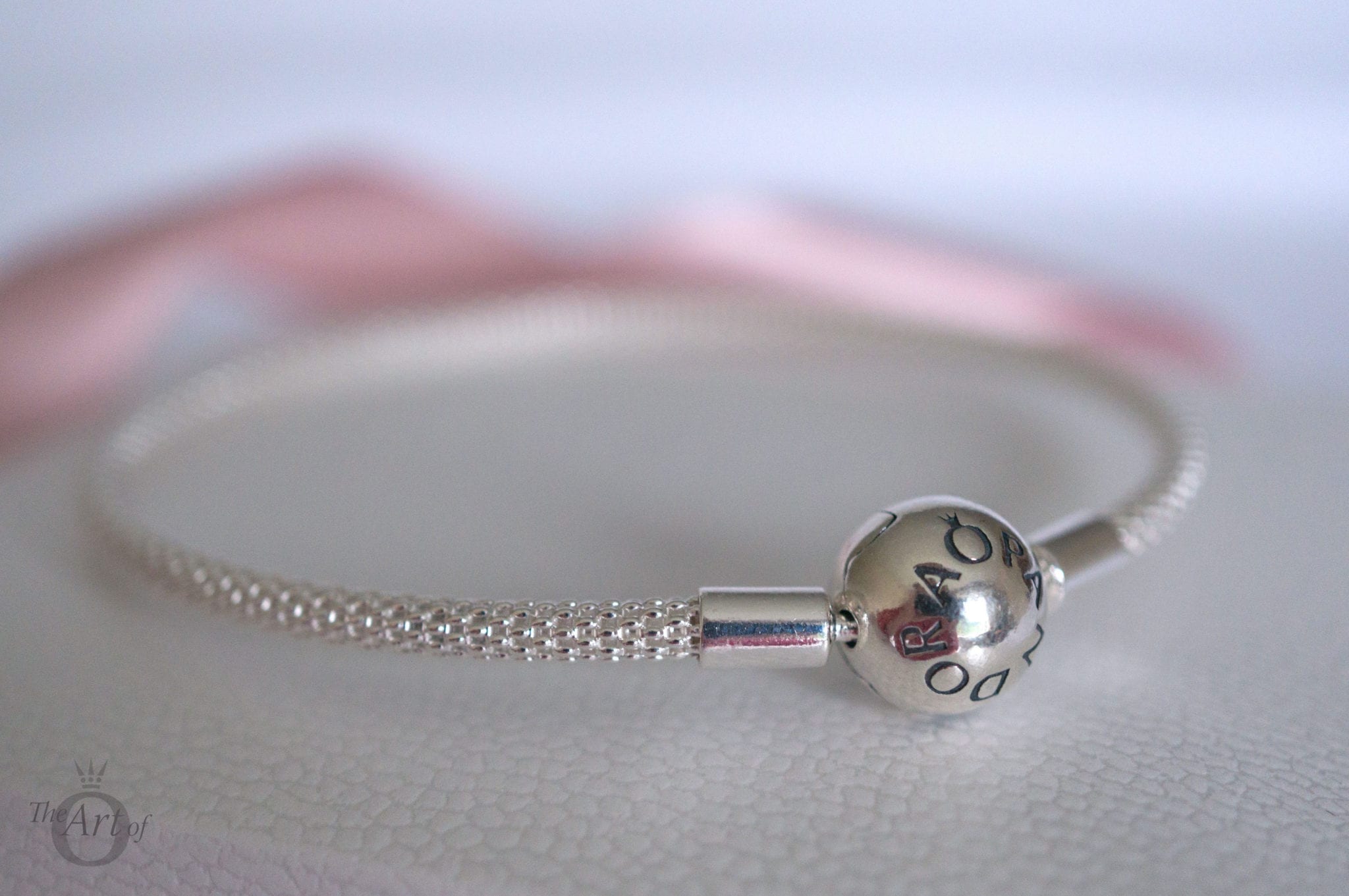
    Pandora in China is about to be united under one business.

    The Danish contemporary jewellery manufacturer is moving to increase control of its brand by acquiring its Taiwanese store network from controlling distributor Carrera Corporation as of January 2019.

    The deal will give Pandora in China complete ownership of its distribution and retailing activities, including the mainland, Hong Kong and Macau. It is part of Pandora’s strategy to increase its owner-operated retail footprint in important markets.

    Along with the agreement, Pandora will be adding five concept stores and 14 shop-in-shops to its retail network. Some 100 store staff will transfer to Pandora.

    President of Asia Pacific in Pandora Kenneth Madsen said that for many years, Taiwan has been an important market for the company.

    “Pandora is a leader in the jewellery segment among Taiwanese consumers and we see attractive expansion opportunities. Having complete ownership in greater China will support our growth and development strategy in the entire Asia-Pacific region.”

    Pandora will pay about HKD120 million (US$15.3 million) in cash for the assets. Carrera’s distribution rights were set to expire on January 1, 2019.

  • Tiffany’s new strategy boosts sales in Asia-Pacific

    Tiffany’s new strategy boosts sales in Asia-Pacific

    An expanding Asian store network has helped New York jeweller Tiffany & Co achieve strong sales increases in the first half of this year.

    Tiffany sales in Asia-Pacific soared 28 per cent in the second quarter, to US$301 million and by the same rate in the first half, to $629 million.

    The company says same-store sales rose by 13 per cent in the first half.

    Management attributed the sales growth across greater China and most other Asian markets largely to higher spending by local customers and, to a lesser extent, spending by foreign tourists.

    In Japan, net sales increased 11 per cent to $155 million in the second quarter and 14 per cent to $305 million in the first half, with comparable sales rising 9 per cent and 12 per cent, respectively, mainly due to locals increasing their spending.

    CEO Alessandro Bogliolo said the company is still in the early stages of addressing its six key strategic priorities, and is pleased with initial customer reactions to its new communication, product and in-store initiatives.

    “We are pleased with our sales and earnings growth and the strength and breadth of the results in the first half of this year, but it is worth noting that strategic investment spending is increasing for the remainder of the year, as expected, which is intended to support longer-term sustainable growth.”

    Global results

    Globally, higher earnings in both periods resulted from broad-based growth in worldwide sales, increases in gross margin and lower effective tax rates, partly offset by higher investment spending. Worldwide second-quarter net sales rose 12 per cent to $1.1 billion, with comparable sales rising 8 per cent. Net earnings rose 26 per cent to $145 million.

    Worldwide first-half net sales increased 13 per cent to $2.1 billion, due to geographically broad-based growth and increases in all product categories; comparable sales increased 9 per cent. Net earnings increased 38 per cent to $287 million.

    The company is about to embark on its recently announced multi-year remodeling of the New York City flagship building.

    “We believe that the thoughtful combination of making short- and long-range strategic investments is necessary to achieve the full growth potential of this legendary brand,” said Bogliolo

    Tiffany sales in Asia-Pacific were partly boosted by rebounding spending on jewellery and luxury goods by Chinese mainland visitors to Hong Kong.

  • Okashi Land to launch self-service c-store

    Okashi Land to launch self-service c-store

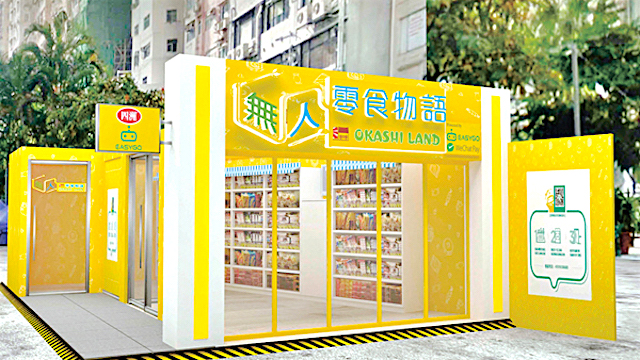
    Japanese snack store Okashi Land is planning to open a self-service outlet in Mong Kok.

    The unmanned store, which opens on September 5 in Gala Place, has been undertaken in partnership with Guangzhou unmanned convenience-store startup EasyGo.

    It will stock more than 100 products marked with radio-frequency IDs. Customers will be able to make their purchases via automatic deductions from their digital wallets.


    Chairman of Okashi Land’s parent company Four Seas Mercantile Holdings Stephen Tai said unmanned stores and digital payments have become the main trend of the retail industry.

    “The company set up Unmanned Okashi Land in the hope of better business and it will bring convenient services for Hong Kong customers.”

  • India’s BuyMore signed agreement with HK company to boost sales

    India’s BuyMore signed agreement with HK company to boost sales

    Indian e-commerce aggregator BuyMore has partnered with retail consulting firm Hong Kong Circle Tech to assist Chinese retailers seeking to sell their products in India.

    The deal will see Circle Tech’s Chinese retail clients listed on BuyMore’s 10 e-commerce websites, a move anticipated to significantly boost e-commerce trade in both countries.

    The partners will initially introduce 450 Chinese brands and US$5 million worth of products to India, which replaced China as the most promising retail market in the world last year.

    BuyMore’s MD & co-founder Sidharth said that more than 80 per cent of lifestyle and electronic products used today originate from China. “This shows that the market has a lucrative opportunity we can enact upon.”

    CEO & co-founder Abhinandan said: “We are hoping to reduce brand monopoly that currently exists in the Indian market. With our leading AI technology we will help Chinese factories streamline their production and cut production costs so that the Indian consumers can benefit from the cost cutting. India is price sensitive and we aim to give quality products at great rates by bringing in Chinese brands.”

    BuyMore will provide free warehousing, listings and cataloguing services to participating Chinese brands.