Tag: China

  • Leading US-based index to include Chinese stocks for 1st time

    Leading US-based index to include Chinese stocks for 1st time

    MSCI’s decision has been closely watched as a sign of China’s growing importance on international financial markets. China on Wednesday hailed the acceptance of its stocks in a leading U.S.-based index of emerging market shares as a signal of confidence in the Asian power’s economy after three previous rejections.

    The Shanghai and Shenzhen stock markets opened higher after New York’s MSCI agreed to include 222 large capitalization Chinese stocks in its MSCI Emerging Markets Index, representing 0.73 percent of the index.

    MSCI’s decision has been closely watched as a sign of China’s growing importance on international financial markets.

    “We applaud and appreciate MSCI for making such a decision,” said Zhang Xiaojun, spokesman for the China Securities Regulatory Commission.

    “It showed international investors’ confidence in a stable Chinese economy with better prospects and in the steadiness of China’s financial market,” Zhang said.

    The benchmark Shanghai Composite Index jumped 0.29 percent while the Shenzhen Composite Index, which tracks stocks on China’s second exchange, gained 0.24 percent in early trading.

    MSCI said the move has “broad support” from international institutional investors and was the result of loosening of restrictions enacted by China on foreign ownership of “A” shares — stock in mainland China-based companies — ownership of which had once been limited to mainland citizens.

    “International investors have embraced the positive changes in the accessibility of the China A shares market over the last few years and now all conditions are set for MSCI to proceed with the first step of the inclusion,” said Remy Briand, MSCI managing director.

    “MSCI is very hopeful that the momentum of positive change witnessed in China over the past years will continue to accelerate.”

    ‘Token inclusion’

    MSCI says its emerging markets index is tracked by more than $1.5 trillion in assets. The company said the Chinese representation in the index could be increased in time if China enacts additional reforms.

    MSCI has in the past cited obstacles such as China’s restrictions on market access and on moving capital in and out of the country. Prior to Tuesday’s decision, it had excluded Chinese shares for three years in a row.

    “We reflected the comments from the institutional investor community. They (Chinese officials) took them very seriously and acted upon some of them,” MSCI chief executive Henry Fernandez told CNBC.

    Institutional investors praised a decrease in the number of stock suspensions in China, but said the current level is still an “outlier” compared with other markets, MSCI said.

    Chinese shares will go into a number of provisional indices before they are included in the flagship index starting in June 2018.

    China’s addition would help around $8 billion flow into its stock markets, Capital Economics said, describing it as “a token inclusion” given that the weighting would be the equivalent of 0.1 percent of the domestic market’s capitalization.

    Opens the door

    Analysts nevertheless said China’s admission to the index would be a good start.

    “A low number of shares and weighting is not important at the beginning,” said Li Daxiao, chief economist at Yingda Securities.

    “It is like opening a door. Even if it is just a crack, it is a huge improvement compared to being completely shut.”

    Citic Securities analyst Zhang Qun said inclusion would have “more of an emotional effect than a practical one”.

    “It is the change from zero to one. If in the next few years the degree of opening up increases… then it could go from one to 10 or even 100,” Zhang said.

  • Tesla close to agreement on first production plant in China

    Tesla close to agreement on first production plant in China

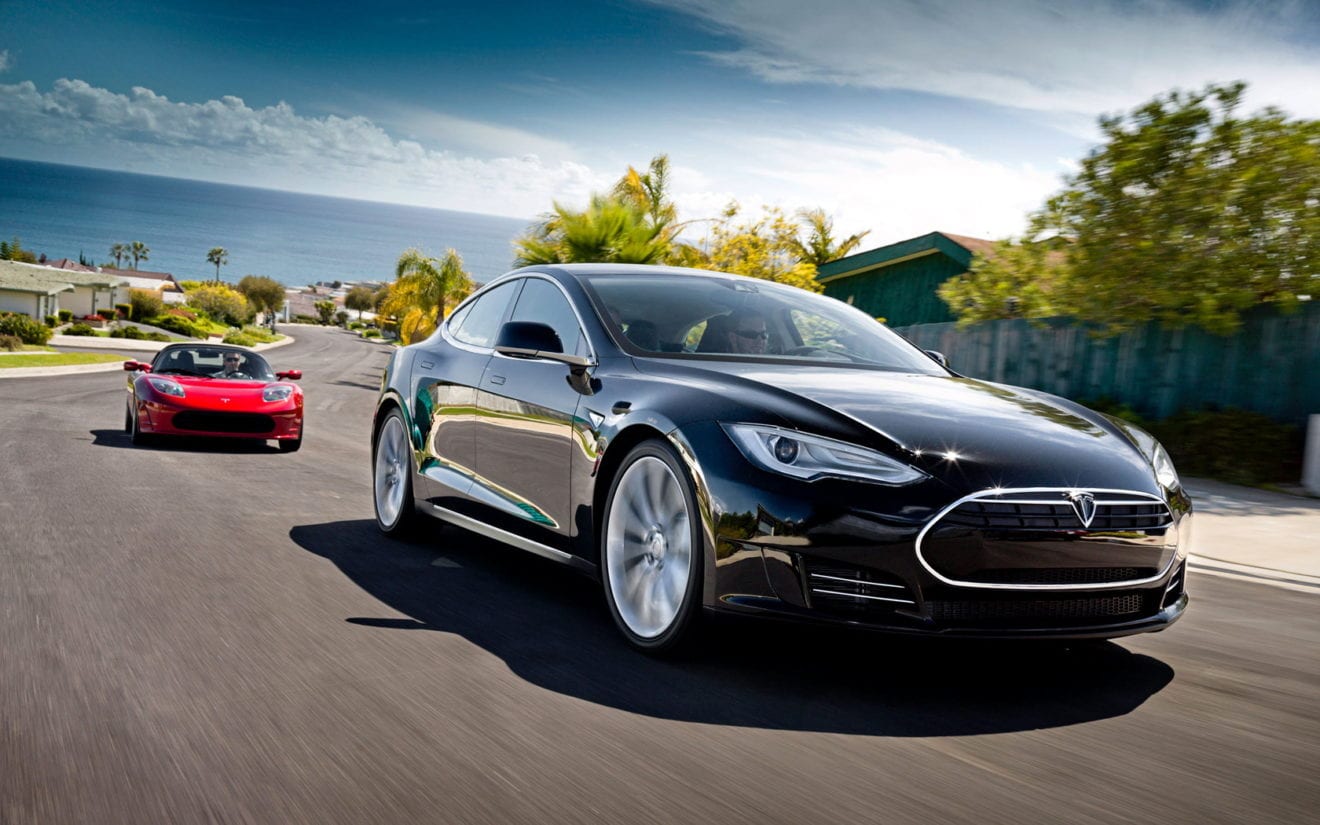
    Tesla Inc is close to an agreement to produce its electric cars in China for the first time and gain better access to the world’s largest auto market, citing people familiar with the matter.

    An agreement with the city of Shanghai would allow Tesla to build its facilities in Lingang development zone and could come as soon as this week, the report said.

    The electric carmaker, whose revenue from China tripled to more than $1 billion last year, would need to set up a joint venture with at least one local partner under existing rules, Bloomberg reported.

    Tesla was not immediately available for comment.

    In March, Tencent Holdings Ltd, China’s biggest internet company, bought a 5 percent stake in Tesla for $1.8 billion

  • Over two million Chinese tourists to visit Indonesia in 2017

    Over two million Chinese tourists to visit Indonesia in 2017

    The number of Chinese tourists visiting Indonesia is estimated to reach more than 2 million tourists in 2017, an official said. Charge d’Affaires of the Embassy of the Peoples Republic of China in Jakarta Sun Weide said here on Tuesday that the tourism cooperation between Indonesia and China continues to grow.

    The Chinese Embassy has recorded around 560,000 Chinese tourists to have visited Indonesia during the first three months of this year.

    “The number of Chinese tourists visiting Indonesia is estimated to reach more than two million this year,” Sun Weide said in a press conference followed by an iftar at the Chinese Embassy in Jakarta.

    Last year, 1.45 million Chinese tourists had visited Indonesia. The number was the second largest after Singapores with 1,47 million tourists.

    It is estimated that the visiting Chinese tourists had contributed around two billion US dollars of foreign exchange to Indonesia last year, he said.

    Cooperation in the tourism sector between Indonesia and China has been robust, he said.

    On the same day, delegation from Guizhou Province of China held a conference to promote its tourism potential in Jakarta.

    Ren Xiang Sheng, Guizhou Provincial Secretary in southwestern China, said the increased cooperation in the fields of tourism and culture has become part of efforts to strengthen Chinas One Belt and One Road (Obor) initiative.

    In 2016, more than one million tourists had visited Guizhou, a region dotted with picturesque mountain in China. Out of one million visiting tourists, 128,000 were Indonesians.

    Indonesian Ministry of Tourism has estimated that the number of Chinese tourists visiting Indonesia will reach 2.4 million in 2017, surpassing Singaporeans who were estimated to top around 2.275 million in the same year.

    Achieving its 12 million tourist visit target in 2016, Indonesia has set a target to attract 15 million tourist in 2017.

  • A sophisticated e-commerce model attracts 8 major supermarkets

    A sophisticated e-commerce model attracts 8 major supermarkets

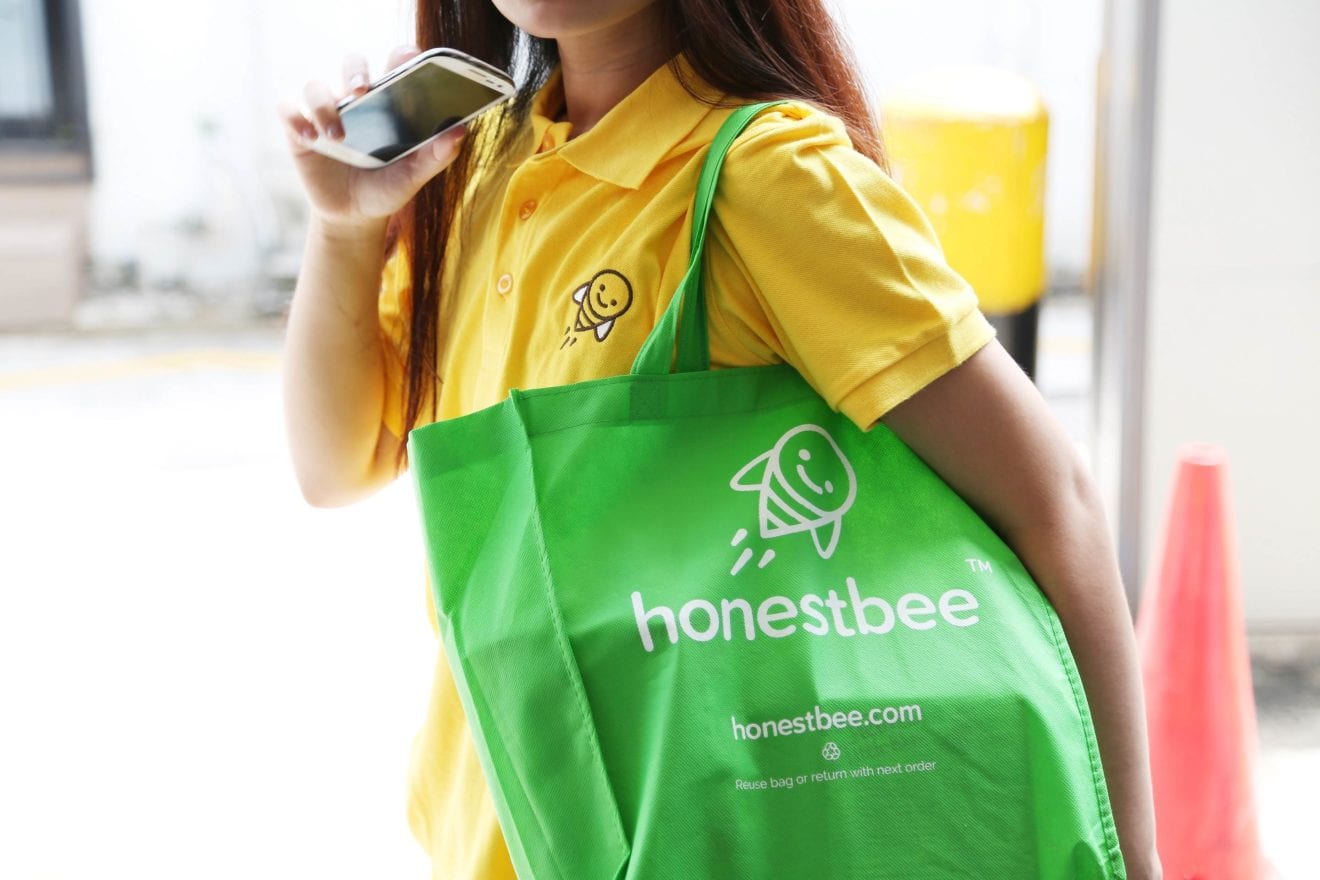
    Honestbee, Asia’s leading online grocery and concierge service, where professional concierge shoppers handpick and deliver fresh groceries from top local stores,
    has announced partnerships with eight well-known major supermarket partners in Hong Kong on June 20th.

    Providing a turnkey solution for supermarkets to gain new customer bases and incremental revenue, Honestbee presents itself as an attractive solution to traditional supermarkets and boutique stores looking to grow their sales and customer base overnight.

    Honestbee, a Singaporean tech startup founded in 2015 operating in eight major cities in Asia including Hong Kong, Singapore, Tokyo, Taipei, Bangkok, Manila, Kuala Lumpur and Jakarta, is now extending its service to include Japanese lifestyle brand YATA Supermarket, local chain supermarket Taste, as well as U select which sells close to 600 products from the UK’s leading supermarket, TESCO.

    Agreements with eight supermarkets including PARKnSHOP, Great Food Hall, Taste, Fusion, International (will launch in July), YATA Supermarket, U select and TESCO have allowed Honestbee to offer over 30,000 items to consumers in Hong Kong. The company continually innovates to improve the shopping varieties and delivery capabilities with the aim of delighting its customers, and building the largest and most convenient online grocery concierge service in Asia.

    Apart from the technological expertise and efficient network, the valuable information and solutions honestbee offers partners has played no small part in attracting new stores. “It’s a turnkey e-commerce solution”, said Hong Kong country manager of honestbee, Derek Winder. “This means, if someone wants to launch an e-commerce platform, they can use honestbee to build their e-commerce store as well as handle the payments, professional customer service team and logistics. Plus, our system captures valuable information like the most popular products, customer frequency, product ordering information and out of stock circumstances. This consumer data is incredibly useful and can easily help our partners realize which items they should stock more of!”

    With no upfront cost and a professional customer service team readily available to offer tailored solutions, honestbee’s e-commerce package presents an attractive offer to potential partners. Additionally, the company provides information not readily available to retailers in brick-and-mortar stores. This can include customer frequency, product ordering information, out of stock circumstances and the geographical location of orders. The ability to share which products are most popular during a certain time frame, for example, allows supermarkets to implement targeted marketing strategies.

    Along with comparatively high rental costs in Hong Kong, honestbee provides the ideal e-commerce platform – a critical component for all the partners looking to boost both online and offline sales.

    Since its launch, the company has successfully grown to become one of the most advanced players in the on-demand category, with 60% of customers making use of the service at least once a week and spending an average of HK$750 per visit. From the beginning, honestbee’s commitment has been to deliver a superior customer experience, become an invaluable partner for retailers, and give back to the community. Other than the major supermarkets mentioned above, honestbee partners with popular boutique stores in Hong Kong including Feather & Bone, The Butchers Club, Pet Line and Baby Central.

    Thanks to the recognizable regional expansion and quality service, honestbee has just won the Wild Digital #BOOM Startup of the Year award on 24th May 2017, which recognizes startups that have demonstrated outstanding growth.

  • Shinsegae Department Store to strengthen online presence in China

    Shinsegae Department Store to strengthen online presence in China

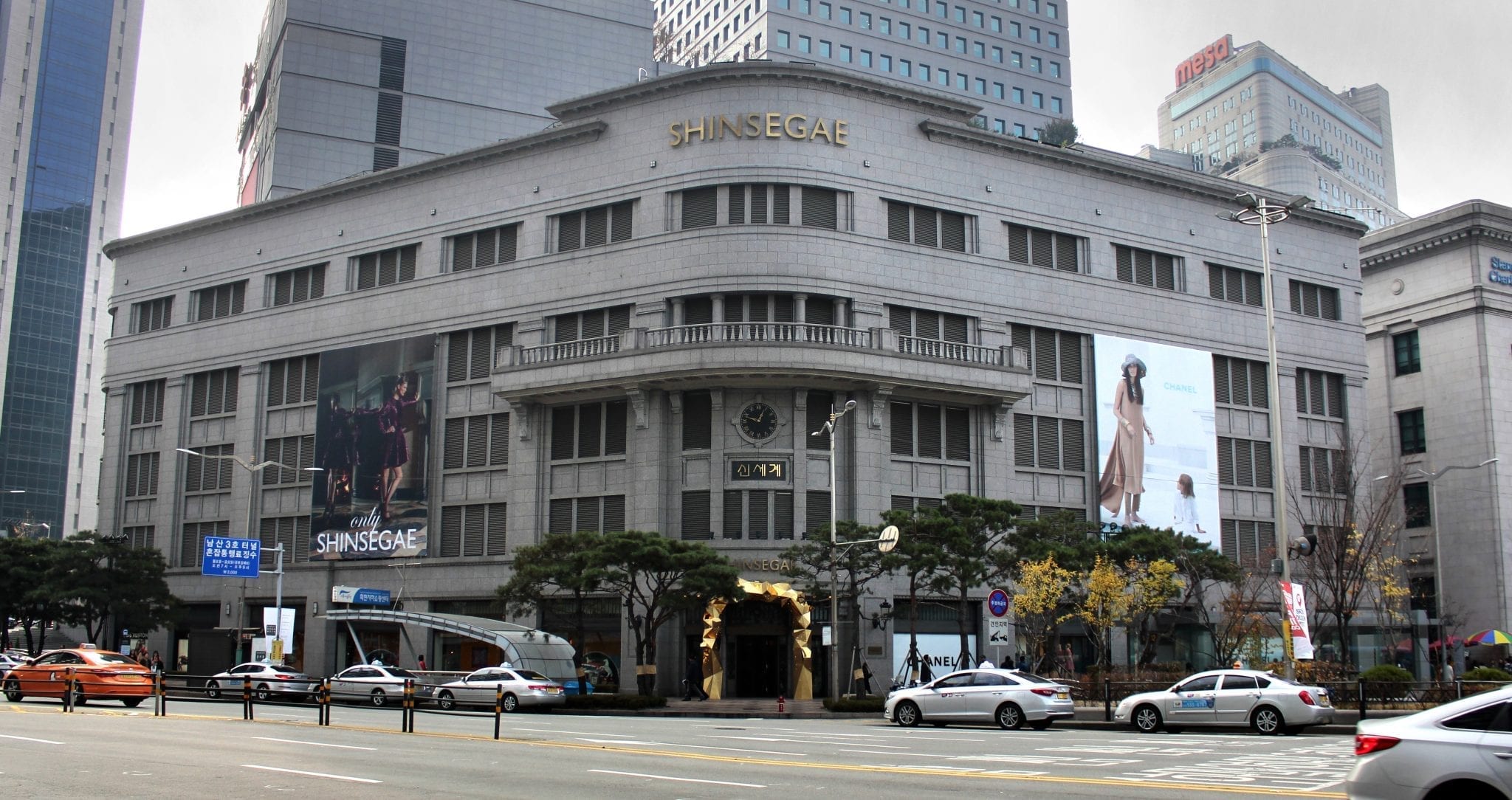
    South Korean retail conglomerate Shinsegae Group that announced a complete pullout of its discount Emart stores from China instead has beefed up online activities in the world’s most populated and biggest e-commerce market.

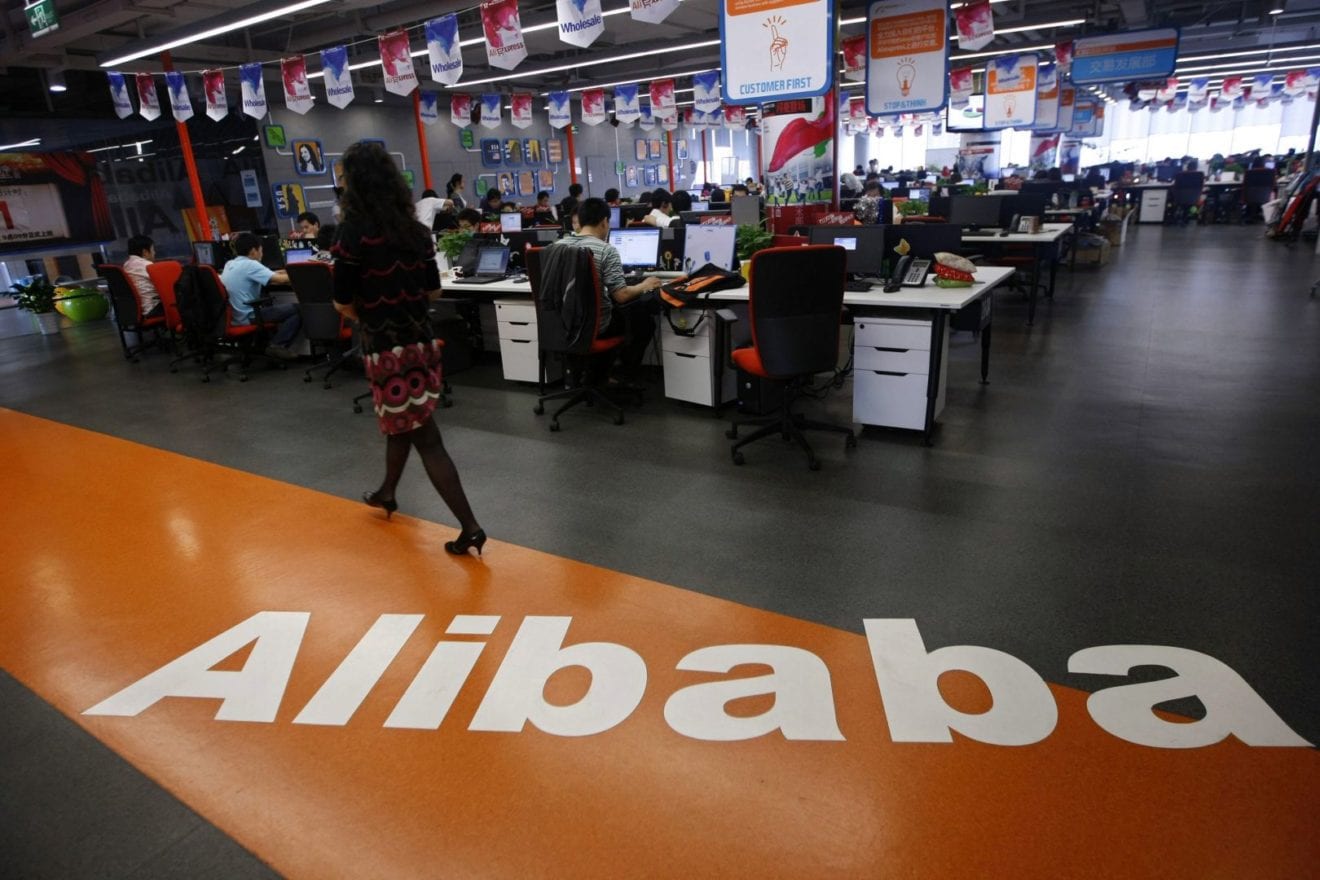
    Shinsegae Department Store said that it will open beauty and fashion shops at Tmall Global, China’s biggest online shopping platform operated by Alibaba Group Holding. It plans to gradually add other product lines like children’s goods and home appliances starting the latter half of this year. Through Alibaba that commands 80 percent of Chinese e-commerce market, Tmall has attracted nearly 800 million visitors last year alone. Shinsegae Department Store said it is the first Korean department store to open shops at Tmall.

    To make it easier for Chinese consumers to purchase a range of merchandise offered by Shinsegae, the Korean retailer will allow them to pay with Alibaba’s mobile payment service Alipay and ship goods via the Chinese e-commerce giant’s logistics arm Cainiao. The company expects its partnership with Cainiao will help cut customs clearance time by two days.

    Shinsegae Group has worked hard to attract consumers abroad via online retail platform. Following the opening of online marketplace SSG.com in Chinese, Japanese, and English language on top of Korean service, its online sales to Chinese customers nearly doubled in the first half this year compared to a year ago period.

    Outlook for online sales in China looks bright, too. According to Korean statistics bureau’s data, Chinese consumers’ purchases of Korean products through online shopping malls grew 6 percent during the first three months of this year, while the number of Chinese visitors to Korea dropped sharply during the same period. Cosmetics and fashion products especially sold well and their sales grew nearly 7 percent on quarter to take 90.2 percent of the country’s total online sales to Chinese consumers.

    The company’s decision to attract Chinese consumers via online comes after other Korean retail giants have decided to close down their brick-and-mortar stores in China amid intensifying competition and dwindling sales. E-Mart Inc., a discount store unit of Shinsegae Group, recently decided to entirely pull out of China by the end of this year, 24 years after it first opened its store in the country.

    But Shinsegae Group’s department store arm pins high hopes on its Chinese business that will be carried out via online. The partnership with China’s biggest online shopping mall has provided a chance for the company to grow its presence in global e-commerce market. The company also plans to add additional online shopping platforms in other countries such as Japan and the United States to provide online shopping services tailored for each market.

  • China’s retail crossover

    China’s retail crossover

    With the tenant mix gravitating away from straight retail towards entertainment, food and lifestyle concepts. The catalyst for change – adopting to the needs of the millennial shopper and counteracting e-commerce penetration.

    Across China, retail is becoming an increasingly digital story. Traditional shopping spaces have been forced to take notice, and for good reason. China’s online retail sales accounted for approximately 40 per cent of the global market in 2016, with an estimated 731 million internet users, as reported by the Chinese Ministry of Commerce.

    Given this backdrop, the big question for psychical retailers now is how to differentiate their services against a more agile opponent? Recently, brand crossovers are seen as a solution.

    Across China, we are seeing a trend for the typical fashion retailers to expand their offer to create a destination shoppers cannot find online. For example, many brands have incorporated F&B into flagship locations. China is Muji’s largest overseas market with over 150 locations, their flagship store on Huaihai Road in Shanghai houses China’s first Cafe & Meal Muji. Further down the same road, Gucci also opened its first 1921 Gucci Restaurant on 4F of IAPM.

    Local brands are also diversifying. Popular homegrown fast fashion brand Urban Revivo from South China, with over 100 stores in China, recently opened new lifestyle concept OCE. Now with 12 locations in China the lifestyle concept typically occupies over 1500sqm housing homewares, home accessories, plants, stationary as well as a varied fashion offer.

    The crossover phenomenon is not only restricted to fashion brands. Korean lifestyle brand Line Friends has recently opened a new kids entertainment concept in Chengdu‘s In99. Offering slides, climbing walls, ball pits and other kids entertainment the concept has been very well received by local shoppers.

    Many retailers are also utilizing “pop ups” to experiment with concept crossover. Coco Cafe on Shanghai’s Nanjing Road West took over a local Aunn Cafe, with queues hours long. The concept created a real buzz in the market as shoppers lined up to try the cosmetic / cafe concept. Magnum has also housed another successful pop up cafe in K11 recently after big success in 2016 with massive social media coverage and over 90,000 customers in a two-month period.

    To differentiate against the omnipresence of digital retailers, concept crossovers will only become more mainstream in China. And with over 1.4 billion potential consumers up for grabs, we also believe this phenomenon is here to stay ensuring shoppers have a reason to visit China’s growing shopping mall portfolio.

  • Sa Sa hit by China-South Korean political fallout

    Sa Sa hit by China-South Korean political fallout

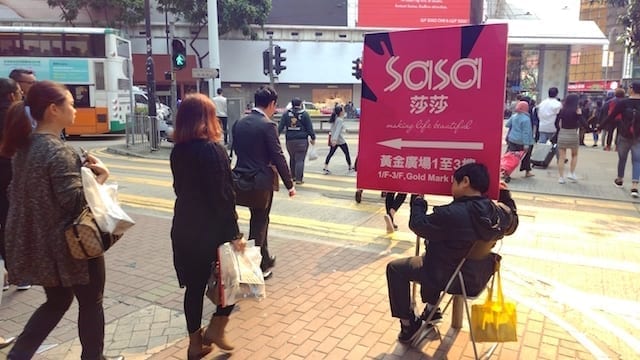
    Leaders of businesses that have interests in China generally do not like to talk politics but the chairman of Hong Kong cosmetics chain Sa Sa International is an exception. He said Thursday that China’s tighter border security and Beijing’s rocky ties with South Korea have taken a toll on Sa Sa.

    With the Chinese economy slowing, Sa Sa has been filling its shelves with mass-market cosmetics products from South Korea to cater to price-sensitive Chinese tourists. About 21% of the company’s products come from South Korea, more than doubled from last year, but that strategy will change soon.

    “The THAAD (Terminal High Altitude Area Defense) missiles have affected the sales of our key growth driver — Korean products,” Sa Sa Chairman Simon Kwok Siu-ming told reporters on Thursday, referring to the deployment of a U.S. anti-missile system in South Korea that has strained relations between Beijing and Seoul.

    Kwok added that the company would switch to selling more low-cost cosmetics from Taiwan and Japan instead.

    But this change in strategy comes at a cost. Sa Sa saw a 2.8% drop in average spend per purchase despite a 2.9% growth in transaction volume. “Gone is the trend of conspicuous gifting. Chinese customers are shopping for self-consumption these days,” Kwok said.

    Security at Chinese borders has also been reportedly tightened ahead of an expected visit by President Xi Jinping to mark the 20th anniversary of the territory’s handover to Chinese rule on July 1.

    “If you asked me in May, I’d expect a rebound in retail sales in Hong Kong. Now, the market is at most stabilizing but with the recovery slowing,” Kwok said. He added that more stringent border checks have discouraged mainlanders to shop in Hong Kong. “I hope the impact is only short-lived.”

    Sa Sa operates a growing sales network of some 280 shops in Hong Kong, mainland China, Singapore, Malaysia and Taiwan. Its profit dropped 14.8% to 326.7 million Hong Kong dollars ($41.9) in the year ended in March from a year ago.

    Turnover slipped 0.6% to HK$7.75 billion as retail sales in Hong Kong and Macau, both of which accounted for 80% of the total, remained flat. Its sales on the mainland fell 4% on the year.

    Investors reacted negatively to Sa Sa’s results, sending its shares 8.3% lower to a one-month low of HK$3.32. It proposed a final dividend of HK$0.08 per share, bringing its annual dividend to HK$0.17 per share, down 28% from a year ago.

    The company said it would not pay a special dividend for the first time since 2002 due to hefty costs required to relocate its warehouse in Hong Kong and HK$35 million it expects to spend on upgrading its e-commerce platform.

    Sa Sa’s e-commerce sales grew 9.5% to HK$475 million last year, contributing to about 6% of total sales. But the company, which operates its own online sales platform, started to hike prices from April in a bid to contain losses in e-commerce. It has also doubled the minimum spend for free delivery to 530 yuan ($78) per order.

    “Our platforms were selling too cheaply before and we have to survive,” said Kwok. Inefficiency has been the “biggest weakness” of Sa Sa’s online platform as it would typically take nine to 10 days for goods to be delivered. “Our target is to make it happen in seven days,” he added.

  • Alibaba launches new sales channels in Singapore, Malaysia

    Alibaba launches new sales channels in Singapore, Malaysia

    Chinese e-commerce giant Alibaba Group Holding Ltd on Monday said it is launching new sales channels in Singapore, Malaysia, Hong Kong and Taiwan as China’s deep-pocketed e-commerce firms vie for new users in the region. The new service, branded Tmall World, will allow overseas Chinese users to buy goods from Alibaba’s Tmall, its popular brand-to-consumer retail site, the company said in a statement.

    “Alibaba will provide end-to-end solutions including logistics, payment, and localization support catering to each local market’s needs,” the statement said.

  • E-commerce, rural shoppers boost China’s retail sales in May

    E-commerce, rural shoppers boost China’s retail sales in May

    Retail sales in China for the month of May witnessed double-digit growth, pushed on by incredible growth in online consumer purchases and rural shoppers, according to local data released this week.

    Online sales grew 26.5% in May, accounting for 13.2% of total retail sales

    China’s retail sales jumped 10.7% last month, hitting RMB2.95 trillion (US$434.2 billion), reported the National Bureau of Statistics (NBS).

    Despite the yearly leap, China’s sales growth remained steady from April, just surpassing the median estimate of 10.6% growth from economists surveyed by Reuters.

    The biggest mover and shaker was online sales, which grew 26.5% in May, accounting for 13.2% of total retail sales. This figure compared to growth of 25.9% for the four months ended April. But sales growth at larger enterprises remained flat from April at 10.7%, said NBS.

    By location, Chinese consumption was stronger in rural areas, with retail sales increasing 12.7% last month, besting urban areas, which recorded a retail sales climb of 10.4%.

    Moreover, China’s industrial production was also steady in May, growing 6.5% year on year, and exceeding expectations it would slow to 6.3%, reported the Financial Times.

  • China Fruit Logistica to launch in 2018

    China Fruit Logistica to launch in 2018

    Global Produce Events has announced the launch of CHINA FRUIT LOGISTICA, the new annual trade show for China’s fresh fruit and vegetable business, which opens its doors next May in Shanghai. 

    “FRUIT LOGISTICA is a trusted brand family, and we now have a third platform that enables us to service the fresh produce trade in mainland China,” said Will Wollbold, commercial director of Global Produce Events. 

    “FRUIT LOGISTICA in Berlin is the leading global fresh fruit and vegetable event. ASIA FRUIT LOGISTICA in Hong Kong is the leading continental event for Asia’s buyers. CHINA FRUIT LOGISTICA in Shanghai launches as the leading national event for China’s fresh produce trade.” 

    CHINA FRUIT LOGISTICA takes place on 14-16 May 2018 at Shanghai Convention & Exhibition Center of International Sourcing in the commercial capital’s Putuo District. 

    “The time is right for the launch of CHINA FRUIT LOGISTICA,” said Wollbold. “There are many events for the fruit business here in China, but the Chinese trade needs a truly national and trusted platform for the trade in fresh fruit and vegetables, with effective international connections to the wide world of fresh produce. CHINA FRUIT LOGISTICA provides just that.

    “This is a powerful proposition,” Wollbold continued. “China is home to hundreds of millions of consumers demanding freshness, taste and quality in every region of the country. CHINA FRUIT LOGISTICA establishes the premier trade platform on a national scale for the Chinese fresh fruit and vegetable business, both online and through conventional channels.” 

    China’s fresh produce hub 

    CHINA FRUIT LOGISTICA offers a range of services to visitors and exhibitors to boost their business, said Wollbold. 

    “It’s the meeting place for top buyers and decision-makers, and the central trading platform where retailers and produce buyers from across the nation look for the widest range of top-quality fresh produce on the best business terms,” he explained. “Reliable supply partners present new business concepts, from new products to modern distribution solutions. And everyone gains fresh inspiration and new business contacts from both inside and outside China to develop and expand their business.” 

    CHINA FRUIT LOGISTICA covers every sector in the fresh produce category, including fruit, vegetables, mushrooms, herbs, dried fruit and nuts as well as many new products. The trade show spans the complete supply chain, featuring cool chain logistics, packaging and technology solutions, and the full range of service providers to the fresh fruit and vegetable business. 

    The majority of trade visitors and buyers are set to come from China, including retailers, wholesale buyers, online traders, importers and exporters as well as other stakeholders along the country’s fresh produce supply chain.

    Fresh know-how 

    FRESH PRODUCE FORUM CHINA, which has established its position as the number one conference and networking event for decision-makers in China’s fresh fruit and vegetable business, forms an essential part of CHINA FRUIT LOGISTICA. 

    “A trade show is all about exchanging ideas, learning about the latest developments in the business and sharing information,” said Wollbold. “FRESH PRODUCE FORUM CHINA takes place alongside CHINA FRUIT LOGISTICA, providing delegates with first-rate information and insights on the latest market trends and opportunities, not to mention high-quality networking.” 

    Powerful support: in person & online

    Exhibitors and visitors to CHINA FRUIT LOGISTICA can rely on a strong support network – in person and online. CHINA FRUIT LOGISTICA is run by a world-class organisation team based in Shanghai, Bangkok and Berlin, and is supported by an international network of representatives in over 100 countries. 

    “CHINA FRUIT LOGISTICA exhibitors and visitors can be assured of a FRUIT LOGISTICA-class service,” said Wollbold. “We have set up a Chinese subsidiary, Global Produce Events (Shanghai), and we’re operating our own office in Shanghai.

    “We look forward to welcoming fresh produce professionals from all over China, and from throughout the international trade, to Shanghai next May.” 

  • Mattel plays with digital toys to triple China business

    Mattel plays with digital toys to triple China business

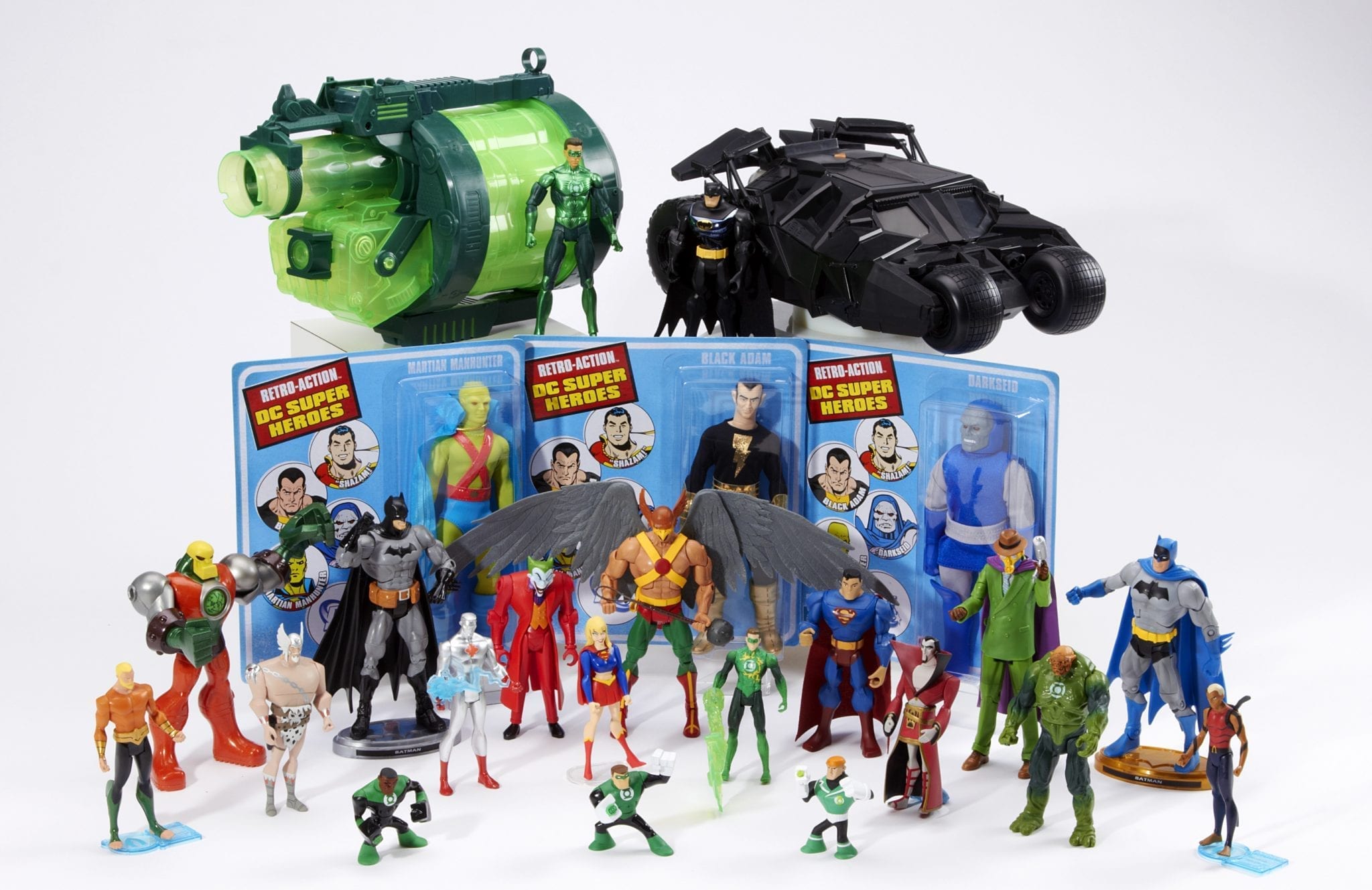
    Mattel expects to grow three to four times in the more than $31 billion toys and games market in China by 2020 through digitally connected toys, as it intensifies its efforts to take on LEGO Group and Hasbro in the country.

    Mattel — which cut its dividend by more than half to fund the new efforts — said its emphasis on e-commerce and repackaging its core brands as educational toys and connecting them to the internet would propel its position in the fragmented market. The toymaker has about 2 percent market share in China, lagging behind construction toy maker LEGO which has 2.8 percent control over the market. Hasbro is catching up with 1 percent, according to Euromonitor International.

    Mattel has been revamping its toys, developing AI Barbie Holograms, smart sensors-enabled Hot Wheels cars and virtual reality powered View-Masters to make them relevant to millennial parents.

    The new, digitally connected toys will be launched globally in fall 2018, the company said on Wednesday.

    “In China, there is a lot of recognition on linear learning and development. There is a real need for development of EQ, primary motor skills and social-emotional skills,” Mattel’s Chief Executive Margo Georgiadis said.

    Georgiadis, a former Google executive, took over the reins of the toy company in February and was hired for her tech expertise and e-commerce know-how.

    Mattel also said it would launch a network of play clubs with retail spaces to sell its toys in a joint venture with investment company Fosun Group (0656.HK) adding to a slew of major tie-ups in China.

    The joint venture is the third major partnership after Alibaba and Baby Tree, aimed at promoting the company’s educational products.

    One such product is Mattel’s Hotwheels Speedometry, play-based lessons which teach children about subjects such as measurement, distance, potential and kinetic energy, through building miniature race tracks.
    The company said it aims to enmesh more educational content with other brands such as Fisher-Price and Thomas & Friends, which are popular in the Asian country.

    “As we think about the opportunity in China … it is driven by the basic fact that there are 210 million kids in China, while there are 55 million in the US,” Georgiadis told.

    “Just the sheer size of the market … it’s an enormous market opportunity.”

  • Hyundai Motor bets on new small SUV as China sales skid

    Hyundai Motor bets on new small SUV as China sales skid

    Hyundai Motor unveiled its first subcompact sport utility vehicle Kona for advanced markets, including the United States, Europe and South Korea, as it tries to offset sliding sales in China and catch up with rivals in the segment.

    The South Korean automaker said it would also launch an electric version of the Kona small sport utility vehicle (SUV) next year and a smaller SUV and a large SUV by 2020.

    This comes at a time when Hyundai looks set to miss its sales target for a third straight year due to the unpopularity of its mainstay small sedans and political tensions between Beijing and Seoul that have battered sales in China, the company’s biggest market.

    Hyundai, which together with its affiliate Kia is the world’s No.5 automaker, previously sold subcompact SUVs only in emerging markets, missing out on strong growth in the segment in South Korea, the United States and Europe.

    The subcompact SUV is the top-performing segment globally, growing at an annual average of 46 percent from 2010 to 2016, Hyundai said, citing IHS Automotive data.

    “Even as the global SUV market is nearing saturation, we believe that extra small or small SUVs have more room for growth than large SUVs,” Hyundai Motor Co Vice Chairman Chung Eui-sun said during a launch event near Seoul.

    The automaker launched the Kona in South Korea on Tuesday, and said it would roll out the small SUV in Europe in August and the United States in December. It aims to sell over 200,000 of the vehicles globally next year.

    The Kona will compete with Nissan’s Juke and Honda’s CR-V in the United States.

    Hyundai and Kia in January said they aimed to increase global sales by 5 percent this year, but their combined sales fell 7 percent over January to May, hit by slowing Chinese and U.S. sales.

    “Our sales plan has suffered a setback, but we will use this as an opportunity to overhaul our products,” said Chung, the only son of Hyundai Motor Group Chairman Chung Mong-koo.

    He also said Hyundai would beef up cooperation with technology firms like Cisco, Baidu and Uber instead of buying other automakers.

    Kia will join Hyundai in the launch of the former’s subcompact SUV, Stonic, starting next month.

  • Michael Kors eyes 100 more China stores on new retail strategy

    Michael Kors eyes 100 more China stores on new retail strategy

    Michael Kors plans to open around 100 new stores in China in next three years, as the US brand continues to plan for mass global retail closures, forming part of its recently revealed “Runway 2020” restructuring program to turn dwindling sales around.

    Michael Kors’ initial restructuring announcement came in early June, after the brand posted a double-digit same-store sales percentage decline in the fourth quarter ending April. It was here that Michael Kors said it would shutter 125 stores worldwide.

    “We think that the [accessories market] is down slightly in North America. We think it’s flattish in Europe. We think it’s up slightly in Asia,” John D. Idol, Michael Kors’ chairman and chief executive officer, told WWD in a recent interview.

    The New York-based luxury leathergoods and accessories added that its main growth drivers moving forward will be its retail presence in Asia and its surging men’s category — each of which have the potential to become $1 billion segments of the brand.

    Growth in Asia is the main, most achievable goal, according to Idol, with plans for 100 stores to be added in China alone and more elsewhere in the region over the next few years. There are 111 Michael Kors stores in Asia in operation now.

    In addition, some 100 global stores will be renovated to sell better a new Michael Kors luxury collection, and reposition the high-end factor of Michael Kors to a bored clientele. Speciality salons for shoes are another area of planned growth for the brand.

    The company also wishes to minimise wholesale, aiming for a revived Michael Kors brand that is 30 per cent wholesale and 70 per cent retail.

    With the aforementioned retail and product changes in put in place, Michael Kors said it expected revenue of $4.25 billion for fiscal year 2018 and also forecasts a high single-digit drop in same-store sales.

    For the fourth quarter ended April 1, total sales fell 11.2 per cent to $1.06 billion. Analysts had expected $1.05 billion.

  • Bolloré Logistics Awarded at the China Offshore Convention in Shenzhen

    Bolloré Logistics Awarded at the China Offshore Convention in Shenzhen

    Present at the China Offshore Convention in Shenzhen from May 25-26, 2017, Bolloré Logistics was honored to receive the “Outstanding Offshore Logistics Contractor of the Year” award in front of the Oil & Gas community.

    “After 50 years serving the Oil & Gas industry around the world, Bolloré Logistics is proud to be recognized for its expertise. I would like to once again thank the organizers for such a great event,” says Mr. Bruce Boudailler, Regional Director Oil & Gas at Bolloré Logistics Asia-Pacific, who received the award on behalf of the Oil & Gas teams from the hands of Mr. Weiping Hu, President of China Overseas Development Association.

    80% of the results were based on WeChat online voting platform, a Chinese social media application, while the 20% remaining were based on the voting of the expert committee from the summit. Initiated by the organizer on WeChat, the voting period went on from May 12-20, 2017, in an effort to select nine outstanding companies in different sectors related to the offshore. Among the last three nominated outstanding logistics contractors of the year, Bolloré Logistics received the most votes out of more than 11,000 persons who voted.

    Recently tasked to lead the Oil & Gas global strategy of Bolloré Logistics, Mr. Bruce Boudailler would like to take this moment to praise the value and commitment of our dedicated teams of specialists, which have been supporting all the segments of the industry.

    Present in the major global hubs, as well as in most of the oil and gas producing countries, with a strong implementation in Africa and Asia, Bolloré Logistics offers tailor-made solutions on contract or project basis.

    The company prides itself in delivering simple or complex solutions to its oil & gas customers, sometimes in the most challenging areas of the world, in full compliance with Ethics and the QHSE standards. Differentiating itself from the other major international freight forwarders, Bolloré Logistics has developed a very strong expertise and track record in handling very big capital asset projects onshore and offshore, and extended the logistics chain beyond the entry gates of the supply bases.

    As an extension of the supply chain, Bolloré Logistics has been integrating for many years in its solutions marine services as well as supply base services. With reference to the Oil & Gas players and many industry suppliers in its portfolio, Bolloré Logistics also created a movie showcasing its technical expertise of logistics operations dedicated to the Oil & Gas in Port Gentil, Gabon.

  • China cuts retail fuel prices

    China cuts retail fuel prices

    China will cut the retail prices of both gasoline and diesel for the fifth time this year from Friday following a drop in global oil prices, the country’s top economic planner said Friday.

    Gas prices will decrease by 180 yuan ($26) per ton, while the diesel price will be lowered by 175 yuan per ton, according to the National Development and Reform Commission (NDRC).

    China adjusts domestic retail oil prices when international crude prices change by more than 50 yuan per ton within a 10 working-day period.

    Global crude prices have fallen in recent weeks following expansion of U.S. crude oil output and inventories. The NDRC expected global crude prices to continue to fluctuate, tempered by the effects of falling OPEC output and rising U.S. production.

    The NDRC said it is closely monitoring the current pricing mechanism and will continue improvements based on market changes.