Tag: China

  • Ford’s China sales post strongest growth of year in June

    Ford’s China sales post strongest growth of year in June

    Ford Motor Co said its China sales surged 15 percent in June, their strongest pace of the year, as the industry puts the phasing out of a tax cut behind it, adding that it was optimistic about the outlook for the second half.

    Peter Fleet, Ford’s Asia-Pacific chief, said the first quarter had been difficult after a tax on car purchases rose to 7.5 percent from 5 percent previously.

    Although Ford’s China sales declined 7 percent in the first-half from the same period a year ago, they were up 7 percent in the second quarter. Sales for June alone climbed to more than 100,000 vehicles.

    “I would expect to see for the third-quarter strong single digit percentage growth (for) the industry. That’s certainly how it looks to us based on the run rate and how the month of July has opened up,” Fleet said.

    Ford’s level of discounting tracked an overall 4 percent price decline for the industry so far this year, he said.

    “I’m not interested in driving our prices down to drive market share,” Fleet said.

  • Nokia formally launches Nokia Shanghai Bell JV

    Nokia formally launches Nokia Shanghai Bell JV

    Nokia has announced the completion of the transaction with the China Huaxin Post & Telecommunication Economy Development Center to create the Nokia Shanghai Bell joint venture.

    The deal marks the official launch of the Nokia Shanghai Bell business, which combines the former Alcatel-Lucent Shanghai Bell with Nokia’s China business.

    But the two entities have effectively operated as one since January 2016, following Nokia’s purchase of Alcatel-Lucent in a $17 billion all-stock deal. Nokia and China Huaxin also signed a final agreement last month covering the integration of the two businesses and establishment of Nokia Shanghai Bell.

    China Huaxin is a state-owned industrial development company that owned half of the Alcatel-Lucent Shanghai Bell joint venture. Nokia owns a 50% plus one share stake in the Nokia Shanghai Bell joint venture, with China Huaxin owning the remainder.

    Nokia Shanghai Bell will become an integral part of Nokia’s global R&D operations, with around 10,000 researchers across six R&D sites in the nation. It will act as Nokia’s exclusive platform in China for the continued development of new technologies in areas such as IP routing, optical and 5G.

    Nokia Shanghai Bell also plans to support strategic R&D initiatives of the Chinese government and conduct long-term research projects as part of Nokia Bell Labs’ Future X Network program.

  • Can Alibaba realize its global ambitions?

    Can Alibaba realize its global ambitions?

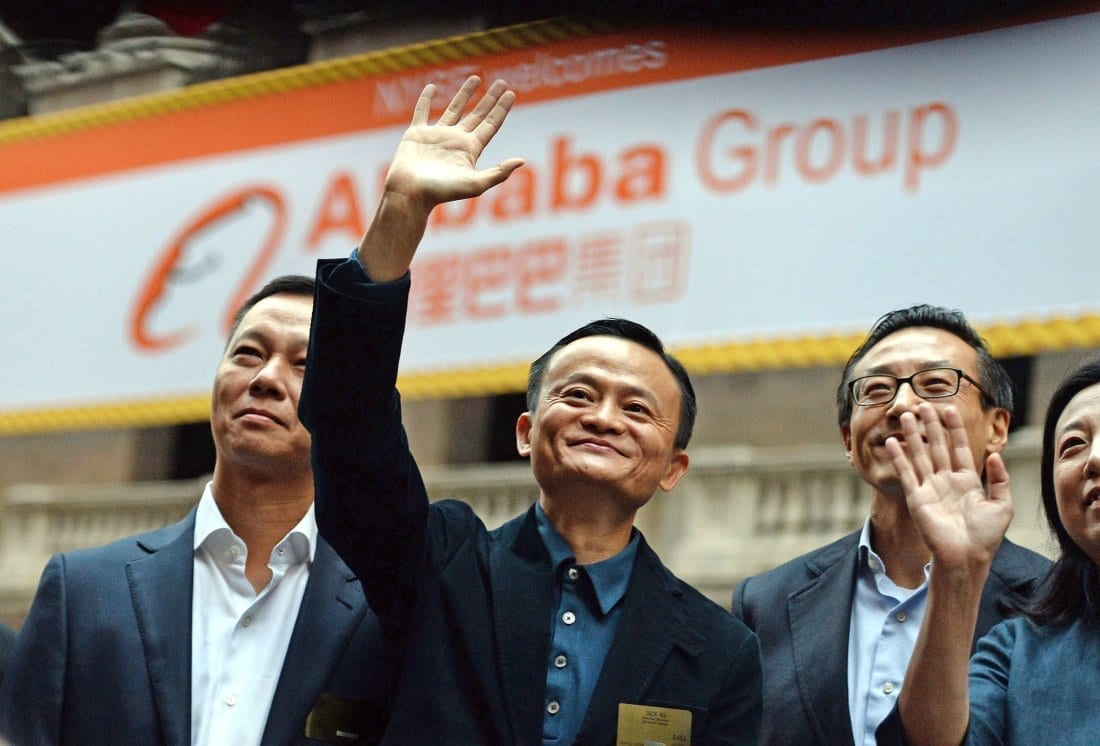
    Jack Ma, the man who turned Alibaba into China’s dominant e-commerce platform, now has his sights set on global domination.

    Over the past year, Ma met business leaders and head of states in many countries to introduce his grand vision: small businesses from all corners of the world trading freely and securely on Alibaba’s platform. His goals are equally ambitious: Ma wants Alibaba to hit $1 trillion in gross merchandise value by 2020. By 2036, the company sees itself serving two billion customers, effectively becoming the world’s fifth largest economy, with sales eclipsed only by the GDP of the U.S., China, Japan and the EU.

    But to sustain the near continuous 40% growth rate of Ma’s $300 billion empire, which centers on a marketplace connecting brands with buyers, globalization is seen as key. At home it faces heightened competition with the country’s second-largest shopping site, JD.com, which just posted record sales of $17.6 billion for its 6.18 shopping festival. Alibaba’s e-commerce dominance isn’t under threat but it nonetheless sees a “growth bottleneck” and feels “globalization is better done now than later,” said Teng Bingsheng, a professor of strategic management at the Cheung Kong Graduate School of Business in Beijing.

    Alibaba’s global footprint has grown through investments in local partners. As part of a $21 billion-acquisition spree over the past two years, the company has stakes in India-based marketplaces Paytm and Snapdeal, as well as Southeast Asia’s top shopping site, Lazada, which it now holds a 83% stake after investing another $1 billion. Its financial affiliate Ant Financial has investments in payment platforms in Thailand, South Korea and the Philippines, and is expanding in further afield in South Africa.

    Some analysts however question whether Ma might be painting an overly rosy picture for small business owners. While it is true that China has a growing appetite for niche brands from cosmetics to baby food, competition on Alibaba’s shopping sites is cutthroat.

    Already thousands of brands are selling on Tmall and the number of foreign brands on Tmall Global grew 169% last year — while total sales only grew 30%, according to Mark Tanner, founder of Shanghai-based consultancy China Skinny.

    This means another part of Alibaba’s strategy has brighter prospects. Outside the U.S., through the likes of Lazada, and its own cross-border commerce platform AliExpress, Alibaba wants to find fresh customers for Chinese manufacturers. On Lazada, for example, Taobao has opened a shop, offering a curated selection of Chinese-made clothes, gadgets and toys to tap Southeast Asia’s $22 billion e-commerce market.

    Compared with facilitating exports to China, this strategy may ultimately take on more importance. Southeast Asia, for example, is an ideal market for Chinese products, whose price advantages can win over more customers, CKGSB’s Teng said.

    What’s more, Alibaba will not only create more revenue streams by selling globally but fit itself nicely into Beijing’s vision. Through grandiose projects such as the One Belt, One Road initiative, Beijing wants to restore demand for Chinese goods along the ancient Silk Road trading route, which stretches all the way from its middle west provinces to Europe.

    But it isn’t a smooth ride either. The Electronic World Trade Platform (eWTP), Ma’s version of the World Trade Organization and a web-based approach to lowering trade barriers for small businesses in the region, is moving slowly. One year after its announcement, only Malaysiajoined the initiative, establishing in March a trading hub near Kuala Lumpur International Airport— a reflection of how stalling trade talks worldwide might be affecting Alibaba.

    That means, for now, international business remains a small part of Alibaba — contributing less than 10% of the group’s revenues in the last year. Evans said the company is on track to reaching its goal, eventually generating 40% of its revenues from international businesses over the next decade.

    The company has identified its chance of success. Aside from e-commerce, Alibaba’s payment, entertainment and cloud computing units are also expanding globally. AliCloud, for example, is wooing international customers with a price 85% cheaper than Amazon Web Services, according to CSLA analyst Elinor Leung. And Ant Financial, despite recent hurdles such as opposition to its acquisition of U.S. payment company Moneygram, has installed its service at millions of retailers in the U.S. through a partnership with payment processor First Data.

  • Taiwan cellcos switch off 2G networks

    Taiwan cellcos switch off 2G networks

    Taiwan’s mobile operators have completed the switch-off of their respective 2G networks.

    The switch-off on Saturday has left the nation’s remaining 2G holdouts unable to place any calls except for emergency calls, or send or receive text messages or use data serices.

    At the time of the shutdown there were an estimated 60,000 2G holdouts on Chunghwa Telecom, 20,000 on Taiwan Mobile and 8,000 on Far EasTone, the report states.

    Remaining 2G customers’ numbers will be reserved until the end of December if they choose to upgrade to 4G.

    Taiwan Mobile is meanwhile redirecting customers attempting to place a call to a customer service center and will agree to temporary restart phone services if customers commit to upgrading to 4G. This redirection will last until July 7.

    With the move, Taiwan has become the latest APAC nation to transition away from 2G services to free up spectrum for 4G and other mobile services. The shutdown was prompted by the expiration of all existing 2G licenses.

  • Capitalising on China’s cross-border e-commerce market

    Capitalising on China’s cross-border e-commerce market

    Attendees of the dialogue on GMS Cross-border E-commerce Cooperation Platform held in Yunnan province, China earlier this month discussed how to develop cross-border e-commerce businesses of ASEAN countries. More than 100 representatives from e-commerce companies and associations from the Greater Mekong Subregion (GMS) comprising Cambodia, Laos, Myanmar, Thailand and Vietnam as well as Yunnan Province and Guangxi Zhuang Autonomous Region in China participated with this event. Ray Li, vice president of SF Express International Business Division, shared his insights as a representative from the logistics sector on the import opportunities for Chinese e-commerce companies at the event.

    China’s “One Belt, One Road” initiative and Supply-Side Reform policy provides a driving force for the development of cross-border trade for ASEAN countries as well as for China itself, Ray Li said. Overseas shopping by Chinese consumers is growing at a rate of more than 50% annually, driving the rapid increase in sales of milk power made in Singapore, coffee made in Vietnam and latex products made in Thailand.

    As how to best expand into the Chinese market, in the pilot stage of business, Ray Li suggested cross-border e-commerce suppliers use B2C direct mailing services with light assets, zero inventory, small quantities and multi batch models, in order to accelerate the stock cycle and sales.

    SF Express is a Chinese express company known for its fast delivery and quality services and has a network coverage of 34 provinces and cities across China. The express service provider, which owns 51 all-cargo aircraft, is building an air logistics hub that will soon to be the first in Asia and the fourth in the world. In Southeast Asia, the company has set up service points in Singapore, Malaysia, Vietnam and Thailand with its own local service teams that can provide door-to-door international express services.

    This event was co-hosted by the Ministry of Commerce of the People’s Republic of China Department of International Trade and Economic Affairs, the Department of Commerce of Yunnan Province, and the Asia-Pacific Model E-Port Network Operational Center. The event aims to strengthen the cooperation between and the development of GMS members in terms of cross-board e-commerce, through in-depth dialogues and communications.

  • XPO expands global supply chain support for Sealed Air

    XPO expands global supply chain support for Sealed Air

    XPO Logistics has expanded its global supply chain support for Sealed Air Corporation with the launch of an integrated warehousing and logistics management program in North America.

    Sealed Air is a global leader in food safety and security, facility hygiene, and product protection. XPO’s new operation supports four Sealed Air product lines – Diversey, Cryovac, Instapack and Taski – at a 550,000 sq. ft. warehouse in Sturtevant, Wisc. The facility will serve Sealed Air’s customers worldwide with inventory management, light assembly, kitting, labeling, fulfillment and distribution of orders.

    Emile Chammas, senior vice president and chief supply chain officer for Sealed Air, said, “We selected XPO Logistics for this critical role in our supply chain based on the strength of its global experience and ability to continuously improve logistics processes. Sealed Air looks forward to innovating with the XPO team to increase operational efficiency and ensure the highest level of service for our customers.”

    XPO already provides Sealed Air with technology-enabled logistics, warehousing and transportation management services in Europe, and with intermodal and less-than-truckload transportation in North America. The new contract represents a significant expansion of the relationship between the two companies.

    “We are delighted to bring additional value to Sealed Air’s supply chain with this major expansion of our role in North America,” said Ashfaque Chowdhury, XPO Logistics president-supply chain, Americas and Asia Pacific. “Sealed Air has entrusted us with delivering an advanced solution for warehousing and distribution. We are now engaged in bringing our expertise to bear from both sides of the Atlantic, to give this important customer every advantage in serving its global network.”

  • Kerry Logistics buys 50% stake in Lanzhou Pacific

    Kerry Logistics buys 50% stake in Lanzhou Pacific

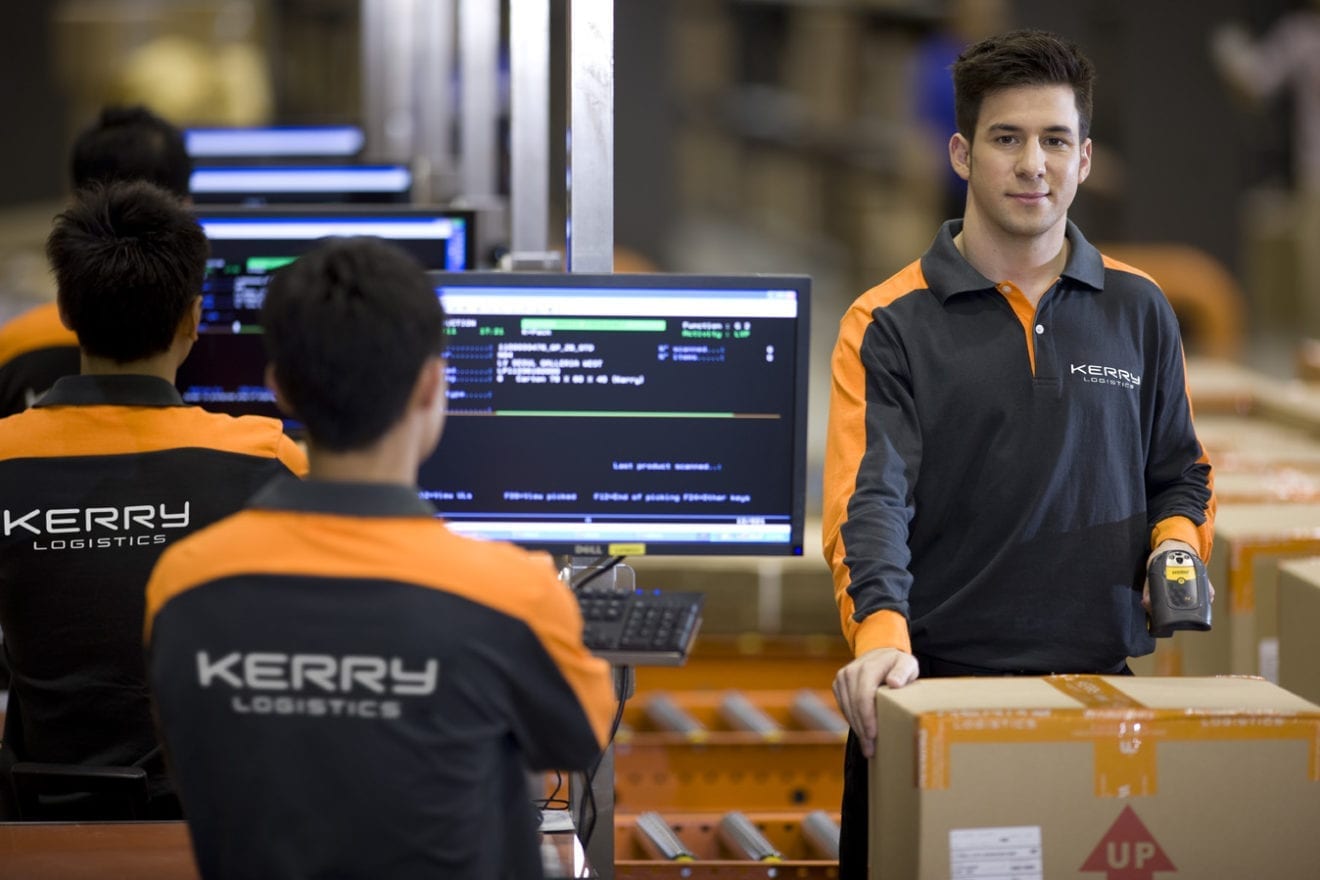
    Kerry Logistics has acquired of 50 per cent shares in Lanzhou Pacific Logistics Ltd. As the new shareholder and joint venture partner, Kerry Logistics will join hands with another shareholder of LPL, China Railway Container Transport Company Limited (CRCTC), in the management and operations of LPL. The investment marks another strategic step in advancing Kerry Logistics’ expansion into the rail freight and multimodal services under the ‘Belt and Road’ Initiative.

    Founded in 2002, LPL specialises in intermodal brokerage services across China and Central Asia including Uzbekistan, Kazakhstan, and Russia. Leveraging on CRCTC’s extensive rail network in China, LPL has a nationwide rail freight network covering more than 100 cities and provides container freight stations and domestic door-to-door logistics services. LPL’s clientele includes a number of Fortune 500 enterprises located in China, spanning the non-ferrous metals, chemicals, auto parts, agriculture, and building materials industries.

    William Ma, group managing director of Kerry Logistics, said, “This acquisition will enable us to draw on the vast opportunities created by the Belt and Road Initiative. Not only will it further strengthen our rail freight capability throughout China and Central Asia, but also allow us to consolidate our expertise in project logistics within our global network.”

    “It will additionally strengthen the rail and road network we have established in The Commonwealth of Independent States through our new joint venture. By constructing an integral multimodal freight chain that connects China, Central Asia, and Europe, we are committed to providing new options and cost-competitive intermodal solutions to our international customers,” Ma added.

    In August 2012, China’s State Council approved to make Lanzhou the fifth state-level development zone in the country. Lanzhou has historically been used as the gateway to the West, due to its strategic location on the geographical and cultural cusps between Northwestern China and Central Asia.

    The city has been chosen to be the major hub of the Silk Road Economic Belt, and a vast network of infrastructure, logistics and industrial zones, and sea ports is being planned that will stretch from East Asia to Western Europe, spanning 60 countries.

    Kerry Logistics was the market pioneer to complete the first westbound charter freight train from Yiwu, Eastern China to Madrid, Spain in August 2016. It also set foot on the first eastbound freight train from London to Yiwu in April 2017.


  • Alibaba denies links to luxury e-tailer Yoox Net-A-Porter

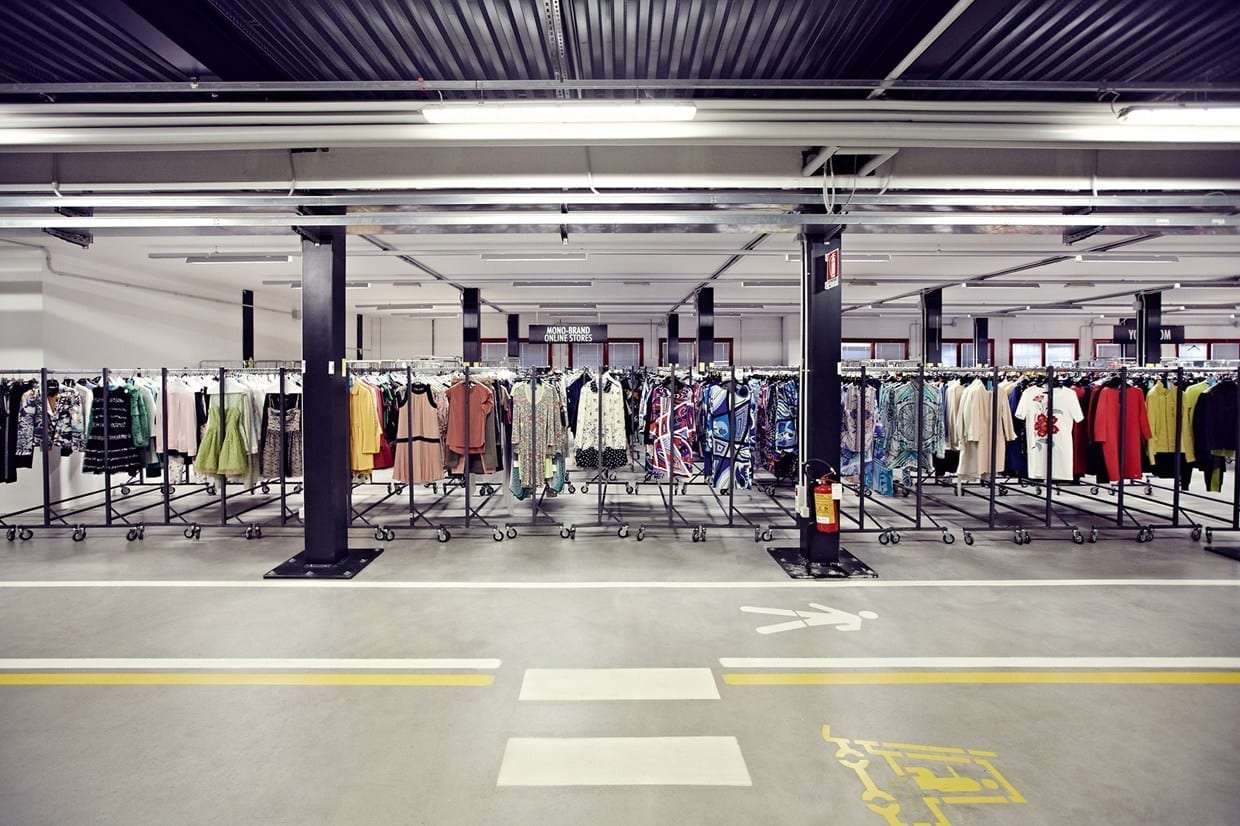
    Alibaba denies links to luxury e-tailer Yoox Net-A-Porter

    the Chinese conglomerate, led by founder and chairman Jack Ma, had contacted Yoox Net-a-Porter over possible capital cooperation or even a takeover, adding it had not ruled out buying shares. This news was quickly denied by sources in the company, who stated this was “not true”.

    The suggested tie-up between Alibaba and YNAP comes just days after a mega deal that saw JD.com spend a whopping US$397 million on luxury fashion e-commerce site Farfetch.

    Dubbed by some the Amazon of fashion, YNAP saw its shares jumped 9.24 per cent on Monday and Tuesday on the back of the Alibaba rumour – its biggest two-day rise since last September.

    The rally was just in time to mitigate investor concerns over mounting short interest in the stock, as the luxury e-commerce market became increasingly crowded.

    “Alibaba should still be looking into cultivating its luxury e-commerce businesses at home,”said Tang Xiaotang, founder of luxury retail consultancy Nofashion. “The market is overwhelmed by noise right now.”

    YNAP is the result of a merger between Yoox and Net-A-Porter, two of the biggest Western online luxury fashion retailers, boasting of a client base of more than 2.9 million high-splenders.

    It booked a 16 per cent increase in adjusted net profit of 69 million (US$77.6 million) last year, with a market capitalisation of 3.48 billion euros.

    Online luxury sales are predicted by Bain & Co to be the fastest-growing channel for retailing of premium goods, and top luxury fashion houses such as Prada and Burberry have been scrambling to ramp up their own online offerings.

    The most notable of all is 24 Sevres, a multi-brand online retailer launched in June by LVMH, the world’s largest luxury conglomerate that owns Louis Vuitton and Dior.

    Competition has also heated up with an influx of new market share grabbers including Shopbob and Zalando, both of which are gaining popularity for their designer fashion clothing offerings.

    However, analysts believed Alibaba could still be eyeing overseas deals in an attempt to build up a global logistics network, following the move to set up an e-hub in Kuala Lumpur as well as the buyout of Southeast Asian e-commerce operator Lazada, last year.

    “After all, Alibaba still has a ‘go global’ agenda, which can be pursued through M&As”said Ray Zhao, an analyst with Guotai Junan Securities.

  • Nokia to expand its presence in China

    Nokia to expand its presence in China

    Nokia has announced plans to establish a dedicated unit to help major Chinese internet companies expand overseas.

    The new unit will focus on areas including data centers, cloud computing, IP routing, transport and services, as well as emerging technologies such as AI, machine learning and edge cloud.

    Nokia is taking the initiative as part of its efforts to expand its business beyond its core telecoms operator market, and to further augment its Chinese presence following the launch of the Nokia Shanghai Bell joint venture in China (formerly Alcatel-Lucent Shanghai Bell).

    Nokia separately announced it has completed the acquisition of telecoms software company Comptel. The acquisition was first announced in February and had a price tag of around €347 million ($396.8 million).

    The acquisition bolsters Nokia’s software portfolio by adding capabilities designed to help digital service providers bring new services to master faster and improve operational efficiency.

    Comptel’s suite of software will be added to Nokia’s OSS and BSS, analytics, security and cloud technology to provide a comprehensive suite of telecoms software designed to allow customers to deliver better digital experiences and operations in a cloud environment.

  • Amazon Prime Day will include China and India on July 11th

    Amazon Prime Day will include China and India on July 11th

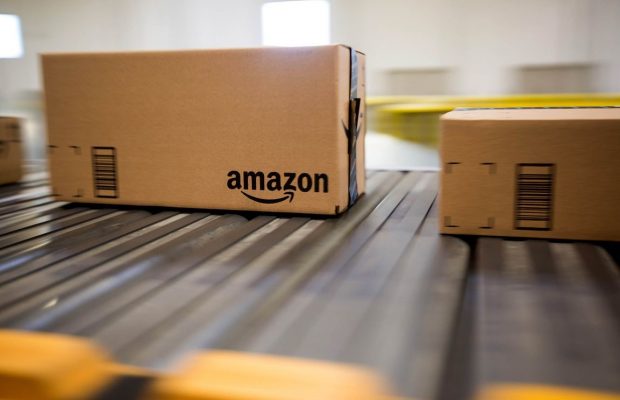
    Amazon’s Black Friday-like event for the summer will be back for the third time. On July 11th, the e-commerce giant will hold the third annual “Prime Day,” and this time, more people will be able to take advantage of all the deals on offer.

    To start with, the event will last for 30 hours instead of the usual 24 and will begin at 9PM Eastern on July 10th. In addition, Amazon is launching the event for the first time in China, India and Mexico, which only recently joined the list of countries where the company’s Prime service is available. Customers in the US, UK, Spain, Japan, Italy, Germany, France, Canada, Belgium and Austria will be able to participate as always.

    While the event itself won’t begin until the evening of July 10th, Amazon will reveal exclusive promos for Prime members every day until then. It is possible to access the first batch of promotions starting today, which include access to Amazon Music Unlimited for 99 cents, 40 percent off Kindle Unlimited membership and 40 percent off Audible for your first six months on the audiobooks service. Alexa-exclusive deals are also to be checked out when having an Echo or a Tap speaker, a Fire TV or a Fire table, since they typically include bigger discounts than what you’ll find on the website.

  • Prepare for a mobile payment revolution among Chinese travelling shoppers

    Prepare for a mobile payment revolution among Chinese travelling shoppers

    Mobile payments will soon overtake cash and credit cards as the preferred payment choice for Chinese travellers shopping abroad, according to a new survey.

    Mobile payments specialist Cancan and financial research authority Kapronasia have published a global study, 2017 Mobile Payment Survey: Chinese Consumers Abroad, covering the impact of Asian mobile payment solutions at point-of-sale worldwide. Over 1,000  Chinese consumers and more than 60 C-level decision-makers from global merchant companies were surveyed.

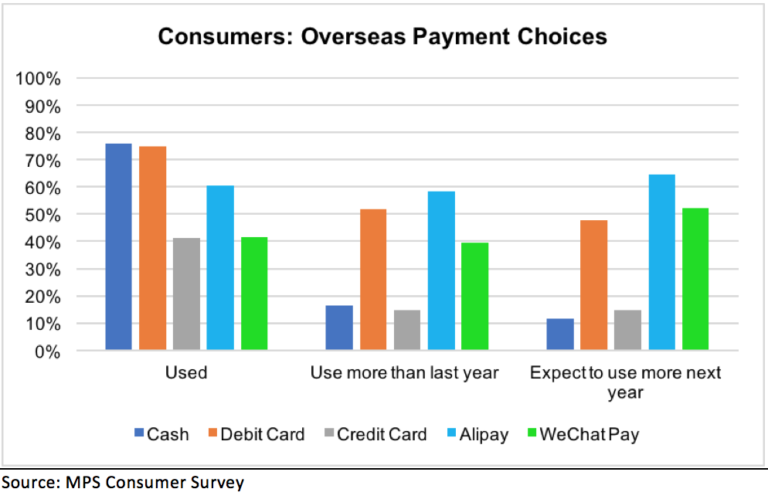
    Among the key findings, the study found that Mainland Chinese consumers expect to spend more with mobile payments such as Alipay and WeChat Pay this year and next year than in 2016 when travelling abroad.

    Most Chinese travellers spent in the range of either US$393–US$786 or US$1,179–US$1,572 for retail purchases on their most recent overseas trip, the report found, while 5.7% spent more than US$6,288.

    Some 67% of respondents reported that they use mobile payments overseas. When consumers were asked about their primary method of payment while overseas, mobile payments represented about 41% of overseas consumption.

    Nearly half of the consumers surveyed made between 10-30% of their overseas shopping purchases with QR code-based mobile payment methods; one third of consumers paid over 50% of their purchases in China with mobile.

    chinese travellers mobile payments survey - Retail in Asia

    Fashion and cosmetics/skincare are among the categories consumers were most likely to purchase with mobile payment.

    The survey found that transaction convenience and the ability to track purchases in real time were the primary reasons for using mobile payments. Not needing to carry cash and credit cards was also appreciated. “You can easily spend days in China without opening your wallet, and consumers expect that too when they are shopping overseas,” the report said.

    The main reasons for not using mobile payments were merchants not offering the facility, as well as consumers’ ignorance that it was possible to use mobile payments when merchants do offer it.

    Alipay, WeChat Pay and Apple Pay are the most popular mobile payment methods. Over 75% of the surveyed merchants accepted Alipay. Over one third of merchants who do accept mobile payments indicated that it contributed to at least 3% or more of their global sales, with some experiencing a share as high as 15-25%.

    Although customer demand is primarily driving merchant adoption of mobile payment (over 80% of respondents agreed that they were reacting to customer demand), retailers also appreciate the speed of transaction and many desire to be seen to be “ahead of the game”.

    Cancan Managing Director Candice Koo: “Global merchants can profit from the mobile payments revolution storming out of the Far East, but they need to focus on the Chinese consumer”.

    “If the overseas market continues to mirror China’s mobile payment growth and development, this will likely change over time. Loyalty and points programmes in mainland China were slow to take off but are now informing an increasing number of merchant’s digital strategy, many of whom all have domestic WeChat official platforms.”

    Cancan and Kapronasia concluded that as well as there being continued growth in mobile spending, there will also be a change in what consumers buy using mobile payments.

    “Although they started out being used for smaller value purchases, mobile payments are increasingly being used for higher value and luxury items,” the report said. “The average transaction value on Alipay went from US$82 in 2015 to nearly US$100 in 2016, an increase of +22%.

    “The implications for overseas merchants are pretty clear: mobile payments have become a way of life for many Chinese and Asians and their habits are extending overseas.”

  • Social media set to morph into shopping platform

    Social media set to morph into shopping platform

    China’s shoppers expect a more personalized customer experience in a new digital era where the distinction between online and offline matters less, a new report on Chinese consumer trends has found.

    McKinsey & Co released their report China iConsumer Research 2017 on the sidelines of the annual meeting of the New Champions 2017, also known as Summer Davos, in Dalian, Liaoning province.

    It found the primary shopping mode for Chinese customers has become the omni-channel experience that can offer both offline and online channels before making purchases.

    More than 95 percent of the 5,900 respondents said they either visited the physical stores before purchasing electronics online or bought them in stores after doing online research.

    The report predicted the e-commerce market in China would expand 19 percent in 2017, a relatively modest rate compared to six years of rapid growth including 74 percent in 2011.

    The report found that the solely online retail platforms are reaching their ceiling, but the full potential of the digital retail sector has not yet been fulfilled.

    “Having quickly evolved as a market for pure digital players, Chinese e-commerce is poised to enter a new retail era,” the report said.

    The term ‘new retail’ refers to a combination of the strengths of both online and offline retail.

    Founder of e-commerce giant Alibaba, Jack Ma, said new retail is wiping out the distinction between physical and virtual commerce.

    In addition to shoppers’ high expectations for omni-channel services, McKinsey suggested other major consumption trends are emerging in China in the new retail era.

    Chinese customers are pursuing scenario-triggered shopping – an e-commerce experience that adapts to whatever a shopper is doing and seeing at a given moment, the report said.

    The report also found various consumer activities such as discovering new products and making purchases are appearing on social media platforms.

    About 70 percent of the people surveyed by McKinsey who use WeChat, an instant messaging tool and social media app in China, showed interest in shopping through the platform if their favorite brands were available on it.

    The report also noted Chinese consumers’ rising enthusiasm for customized products and services.

    The report found existing online product recommendations received by consumers are far from personalized. They are based on consumers’ previous online search topics or shopping history but fail to indicate new items consumers would be interested in.

    Deeper personalization based on data and connecting online and offline experiences are key for brands and retailers in China’s new retail era, the reports said.

  • China Telecom taps Silver Peak for managed SD-WAN services

    China Telecom taps Silver Peak for managed SD-WAN services

    China Telecom has forged a partnership with Silver Peak to provide its multinational enterprise customers with fully-managed software-defined wide area networking (SD-WAN) services using Silver Peak’s Unity EdgeConnectSP and Unity Boost SD-WAN products.

    The collaboration enables China Telecom to deliver managed SD-WAN services, including security services, SaaS optimization, cloud application performance, visibility and control to its large enterprise customers as well as existing enterprise customers with connectivity requirements.

    The partnership is signed between Silver Peak, a developer of SD-WAN technology and hybrid WAN products, and China Telecom Shanghai Ideal Information Industry Group, a wholly owned subsidiary under China Telecom.

    China Telecom Shanghai Ideal Information Industry is also partnering with Westcon-Comstor, a global distributor for Silver Peak, to help distribute the product globally.

    Westcon-Comstor has integrated EdgeConnectSP into China Telecom’s NetCare unified customer network monitoring and management platform using the EdgeConnect RESTful API. This enables China Telecom to offer real-time and proactive managed SD-WAN service monitoring and management to existing and new clients, according to Sliver Peak.

    “We are excited to partner with one of the world’s largest service providers, China Telecom, to bring fully managed tiered SD-WAN services to multi-national enterprises that are struggling with management challenges associated with cost effective global connectivity while maintaining WAN performance and security” said Shayne Stubbs, vice president service provider and cloud at Silver Peak.

    Stubbs said the new managed SD-WAN services help China Telecom cost effectively address the international connectivity, performance and security requirements for multinationals based in China seeking to expand out of region.

    Silver Peak’s SD-WAN solution also enables China Telecom to offer “tiered” managed SD-WAN services, including SLA-based performance for on premise and cloud-hosted applications, the executive added.

    He described the partnership with China Telecom as a “very strategic” move for Silver Peak’s expansion into the service providers market.

    In addition to China Telecom, Silver Peak has also worked with a handful of such service providers – including NTT Communications, Hyundai HCN in South Korea, TeliaSonera Finland and Interoute – to deliver managed SD-WAN services.

  • 5G connections in China to reach 428m by 2025: GSMA

    5G connections in China to reach 428m by 2025: GSMA

    Chinese operators are on track to launch commercial 5G networks by 2020 and are expected to establish the nation as the world’s largest 5G market by 2025, Mats Granryd, director general of the GSMA, said during a keynote at the Mobile World Congress Shanghai.

    5G connections in China will reach 428 million by 2025, accounting for 39% of the 1.1 billion global 5G connections expected by that point, Granryd said, citing a new study by GSMA Intelligence and the China Academy of Information and Communications Technology (CAICT) released Wednesday.

    “In its early phase, 5G will offer an enhanced mobile broadband experience that will enable next-generation consumer services such as augmented and virtual reality, while at the same supporting mission-critical applications across a range of industry verticals,” the executive said.

    Granryd said mobile operators – China Mobile, China Unicom and China Telecom- in China plan to run a phased testing period for 5G networks from 2017 to 2019 before launching commercially in 2020.

    The trio is expected to deploy ‘standalone’ 5G networks, which will require the construction of new base stations to site 5G equipment, backhaul links and a core network.

    Yet, some mobile operators in Asia are considering to deploy ‘non-standalone’ 5G networks that would run on existing infrastructure supplemented by targeted small cell deployment in areas of high density, allowing 4G and 5G services to run in parallel, the report noted.

    Granryd said 4G penetration is China has increased fivefold to 61% over the two-year period to March 2017 and there remains significant headroom for 4G growth.

    That said, 4G and 5G networks are expected to co-exist in China for a considerable period of time. The rate of 5G network rollout and adoption in China is also expected to be slower than it was for 4G, which Chinese operators were able to deploy rapidly earlier this decade within a mature 4G ecosystem.

    Granryd added that 5G investment in China will follow a more gradual path and over a longer timeframe than 4G, roughly seven years, from 2018 to 2025 – with capex not expected to account for more than 25% of operator revenue prior to commercial launch.

    In their early phase, 5G networks will concentrate on boosting the capacity of 4G networks to support rising cellular data traffic demands.

    Meanwhile 5G will also enable enhanced mobile broadband (eMBB) services such as 4K/8K Ultra-HD video and augmented reality (AR) and virtual reality (VR) applications.

    Though some services will require devices with new form factors, the smartphone is expected to remain the principal 5G interface at launch. The first 5G smartphones are likely to be priced at a premium to 4G models, as they will require an enhanced chipset and RF module supporting multiple sub-6 GHz, and possibly extremely high frequency bands (mmWave), as well as, potentially, a 4K or 8K screen.

    Enterprise is considered to offer operators the largest incremental revenue opportunity. Key vertical markets for 5G applications include automotive and transport, logistics, energy and utilities monitoring, security, finance, healthcare, industrial and agriculture.

  • China’s Tech Entrepreneurs Need to Watch Their Backs

    China’s Tech Entrepreneurs Need to Watch Their Backs

    In China, that’s already happening. Alibaba Group Holding Ltd. and Tencent Holdings Ltd. are online-offline conglomerates each with hundreds of millions of users. The pair–directly or through companies they invest in–provides services and products across a range of businesses from retail, media and entertainment to health care, payment, banking, logistics and transportation.

    Their market capitalizations, Alibaba at $358 billion and Tencent at $350 billion, are much higher than those of the state-owned enterprises that dominate the Chinese economy. The country’s biggest bank, Industrial and Commercial Bank of China, is valued at $261 billion; the telecom titan China Mobile is valued at $218 billion. The tech giants, with their wide reach into many facets of daily life, touch ordinary Chinese in ways state companies don’t.

    As their size and influence grow, Alibaba and Tencent are entering uncharted territory: Never in nearly seven decades of Communist Party rule have private-sector companies held such sway over the economy and society. How well they handle relationships with competitors, old-line companies and, ultimately, an authoritarian government that isn’t used to sharing power will be a top challenge in coming years.

    “The most important counterbalancing force against Alibaba and Tencent will probably not come from their direct competitors but the government and the traditional industries they disrupt,” says Yin Sheng, an independent technology consultant who owns shares in both companies. As the two tech companies push further into other sectors, Mr. Yin believes established businesses will lobby the government to enforce tax, antimonopoly and other rules.

    A Tencent spokeswoman said the company “views our peers in the internet sector and traditional industries as partners” and “the healthy growth of the internet industry will benefit users, industry players” and the economy. Alibaba didn’t respond to requests for comment.

    Alibaba and Tencent need to tread carefully. Some of China’s wealthiest businessmen ended up in jail, often when they appeared to fall out of favor with the government. Earlier this month, the government said it was investigating the borrowings of some highflying private conglomerates to rein in runaway debt.

    Bitterness from the old guard is already spilling into view. On a popular business program on national TV late last year, beverage tycoon–and once China’s richest man– Zong Qinghou dismissed as “nonsense” Alibaba Chairman Jack Ma’s idea that a new world is being created as data and growing computing power transform industries from retail to manufacturing.

    “He’s not in the physical economy. What does he make?” Mr. Zong said. The other two panelists, heads of two biggest electronic appliance makers, concurred. An Alibaba executive was quoted in Chinese media at the time as saying that Mr. Zong’s comments were illogical.

    Mr. Zong is one of the more outspoken among a cadre of traditional entrepreneurs raising questions about whether the internet businesses should continue to benefit from preferential policies. Online shops operated by individuals and small businesses, for example, pay extremely low to no taxes under a policy that was aimed at nurturing a fledgling e-commerce sector. But that sector is now huge.

    Members of this business lobby raised the e-commerce taxation issue during spring meetings of the legislature and a top government advisory body. They noted that current tax rules put traditional retailers at a disadvantage and urged the government to heed their complaints because they employ more people than the online firms.

    Big tech firms have also been called bullies and monopolists because of their treatment of competitors. When Uber Technologies Inc.’s China operation was battling Didi Chuxing Technology Co. more than a year ago, for example, Tencent, a Didi investor, blocked some of Uber China’s service accounts on WeChat, its popular messaging app. Some online commentators excoriated Tencent for abusing its power. Uber sold its China operation to Didi last year.

    Above all, there’s their delicate relationships with the government. As I wrote earlier, once disrupters, China’s internet companies are now part of the system. But still, they’re private enterprises founded by ambitious men.

    “The question is whether these companies will demand more say in things as they grow bigger,” says Jingzhou Tao, managing partner of China practice at law firm Dechert LLP.

    Mr. Tao points out that private ownership is increasingly at odds with the current political environment. The Communist Party is strengthening its command of state-owned businesses and building up its presence in private and multinational companies. “Will it come to a point that the party committee will take charge of private enterprises too?” he says.

    For now, neither side is testing the line in the sand. The government knows these companies are important and globally known. The companies are being supportive of Beijing’s goals. Alibaba’s Mr. Ma recently traveled to America to talk up the benefits of China-U. S. trade, and Tencent’s Pony Ma organized a forum on improving the competitiveness of Hong Kong, a former British colony, and the surrounding area.

    Both sides are fumbling for “the best way to coexist,” says an executive who has worked on government relations for decades.