Tag: China

  • AI to be in almost all new software by 2020

    AI to be in almost all new software by 2020

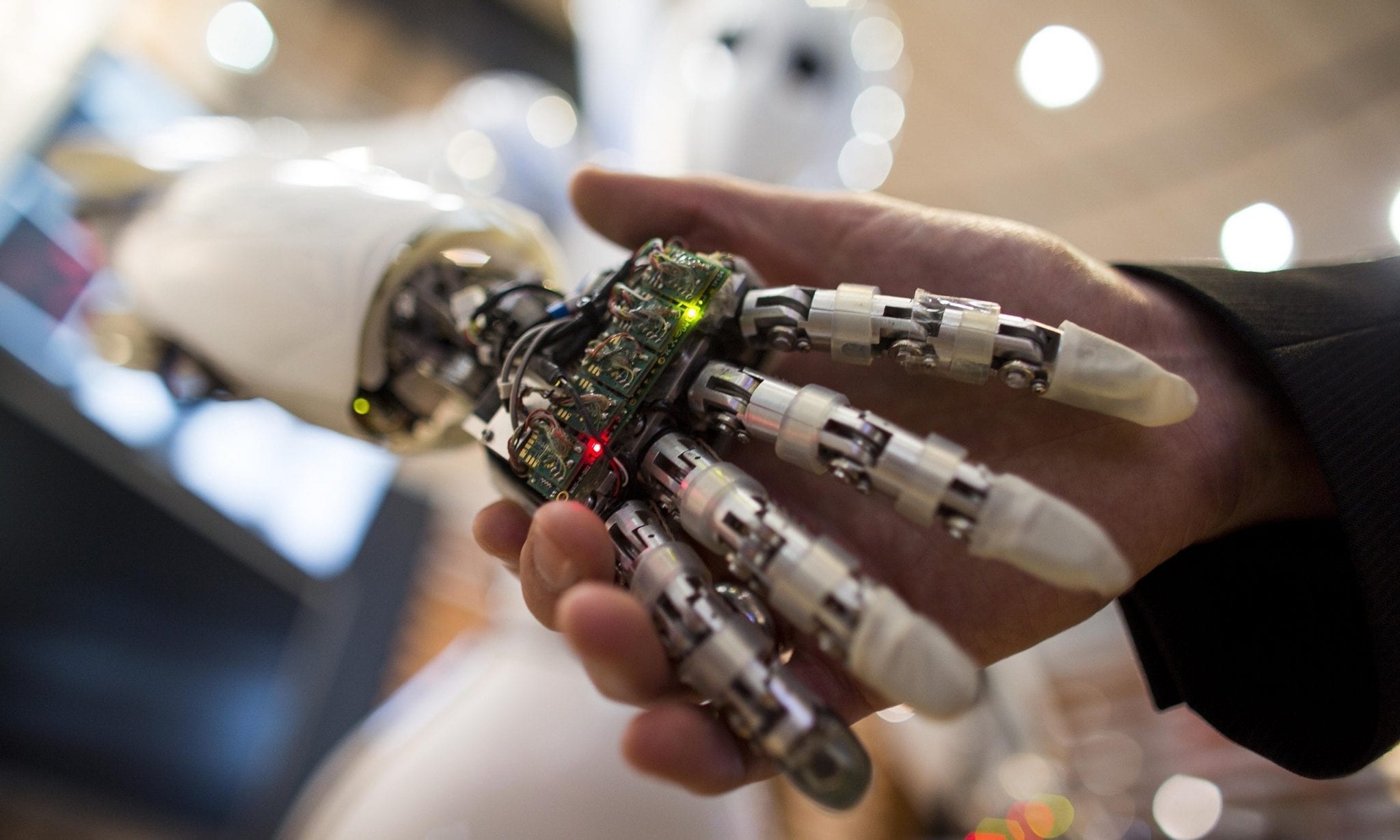
    Market hype and rising interest in artificial intelligence (AI) are compelling established software vendors to introduce AI into their product strategy, creating significant confusion in the process, according to Gartner.

    Analysts predict that by 2020, AI technologies will be virtually pervasive in almost every new software product and service. Gartner believes that by 2020, AI will be a top five investment priority for more than 30% of CIOs.

    “As AI accelerates up the Hype Cycle, many software providers are looking to stake their claim in the biggest gold rush in recent years,” said Jim Hare, research VP at Gartner.

    “AI offers exciting possibilities, but unfortunately, most vendors are focused on the goal of simply building and marketing an AI-based product rather than first identifying needs, potential uses and the business value to customers,” said Hare.

    To successfully exploit the AI opportunity, technology providers need to understand how to respond to three key issues.

    First is the lack of differentiation is creating confusion and delaying purchase decisions. More than 1,000 vendors with applications and platforms describe themselves as AI vendors, or say they employ AI in their products.

    This widespread use of “AI washing” — using the term indiscriminately — is already having real consequences for investment in the technology.

    A second key issue is that proven, less complex machine learning capabilities can address many end-user needs.

    Advancements in AI, such as deep learning, are getting a lot of buzz but are obfuscating the value of more straightforward, proven approaches. Gartner recommends that vendors use the simplest approach that can do the job over cutting-edge AI techniques.

    Third is that organizations lack the skills to evaluate, build and deploy AI solutions. More than half the respondents to Gartner’s 2017 AI development strategies survey indicated that the lack of necessary staff skills was the top challenge to adopting AI in their organization.

    The survey found organizations are currently seeking AI solutions that can improve decision making and process automation. If they had a choice, most organizations would prefer to buy embedded or packaged AI solutions rather than trying to build a custom solution.
  • China’s retail sales grow 10.4 per cent

    China’s retail sales grow 10.4 per cent

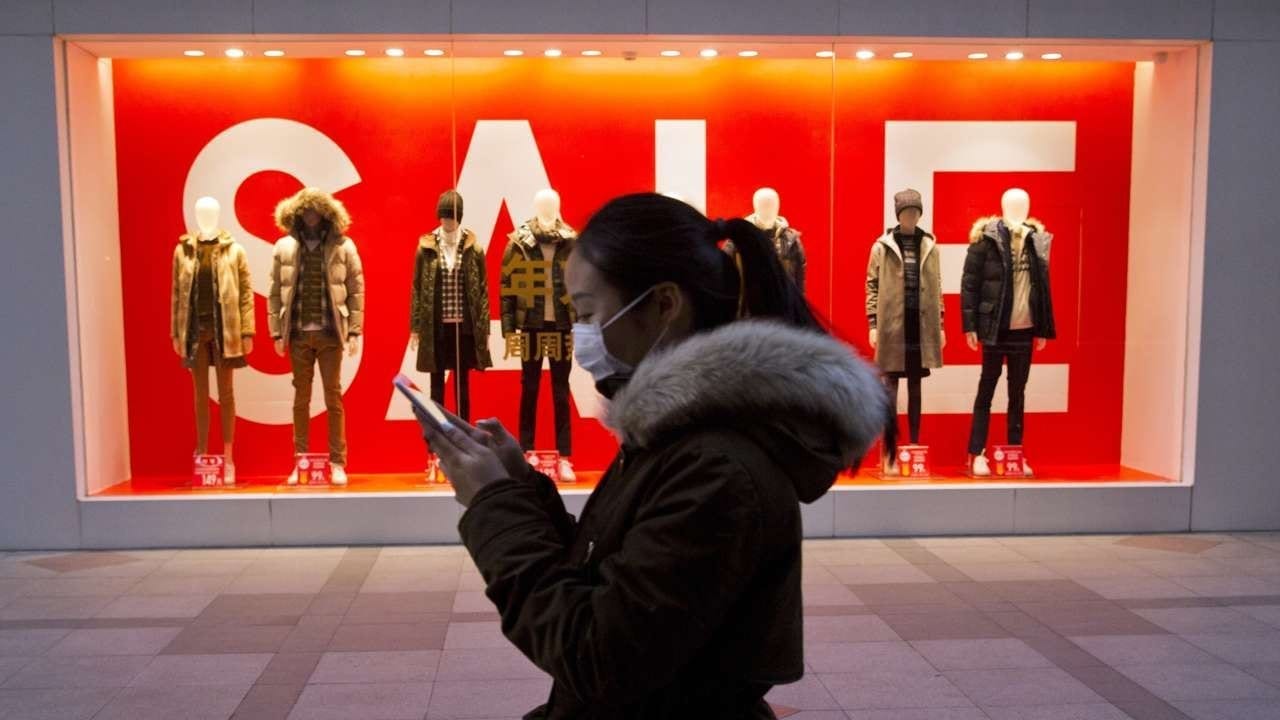
    China’s retail sales of consumer goods grew 10.4 per cent year-on-year in the first half of this year to RMB17.24 trillion (US$2.55 trillion), new official data shows.

    The pace was slightly faster than the 10 per cent for the first quarter, the National Bureau of Statistics (NBS) says.

    Retail sales last month grew by 11 per cent year-on-year, the fastest rate since December 2015.

    The NBS attributes the pick-up in growth partly to online sales, which surged 33.4 per cent year-on-year in the first half, 1.3 points higher than in the first quarter.

    Online sales of goods rose 28.6 per cent to RMB2.37 trillion, accounting for 13.8 per cent of China’s total retail sales, up from a share of 11.6 per cent for the first half of last year.

    NBS spokesman Xing Zhihong says the larger share proves new growth sources in the economy are rising.

    Retail sales in rural areas rose 12.3 per cent in the first half, outpacing the 10.1 per cent expansion for urban areas.

    Booming retail sales are behind China’s stabilising economy, which grew 6.9 per cent in the first half.

    The contribution of final consumption to GDP growth stood at 63.4 per cent, slightly down from last year’s 64.6 per cent.

    “Consumption demand is the most important engine of our economic growth,” says Xing.

  • Jordan 9 Guanghua store marks China milestone

    Marking two decades in greater China, Jordan Brand has opened its largest store for Asia in Beijing, Jordan 9 Guanghua.

    “We are excited to bring Jordan Brand’s vision to life in Beijing by creating a retail experience that not only pays homage to the brand’s legacy and the city’s culture, but also inspires the future,” says Jordan Brand president Larry Miller.

    Jordan 9 Guanghua, which opened with a special ceremony, will serve as a key source for pinnacle products and personalised Jordan experiences in Mainland China. As part of the opening, visitors to the store can sign up for services and take part in lucky draws for products, as well as use social media to gain special access to launches.

    Product customisation is offered at the store with 365 brand icons and the debut of Beijing Icons inspired by the city’s courts and landmarks.

    There is also a regulation-size Jordan basketball court in the store where customers can trial products, with Jordan Flight Club services at weekends.

    Showcased in the store are works by international artist Jayson Atienza with Michael Jordan themes.

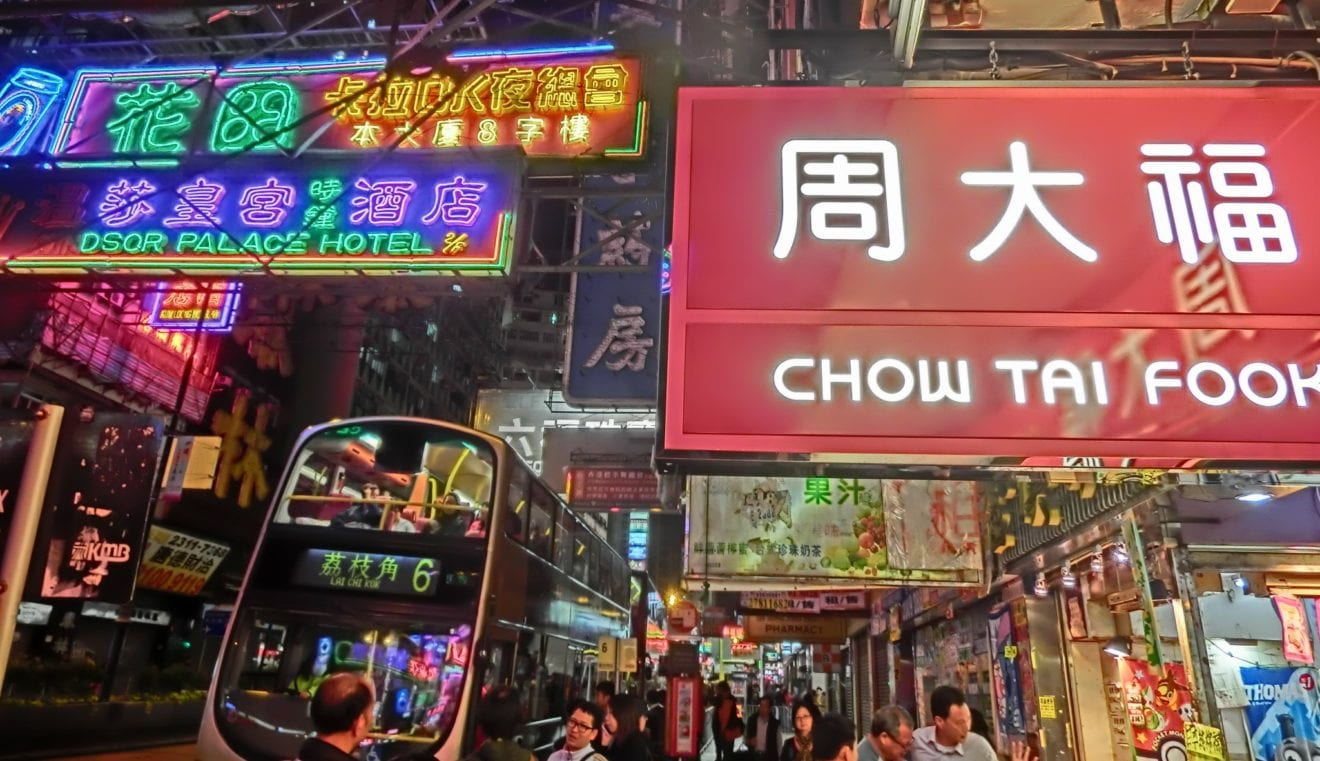
  • E-commerce booms in China for Chow Tai Fook

    E-commerce booms in China for Chow Tai Fook

    Chow Tai Fook Jewellery Group’s e-commerce sales in Mainland China grew 140 per cent year-on-year in the first quarter to June 30. Volume surged 125 per cent.

    Retail sales value growth overall for China came in a 17 per cent, compared to 7 per cent for Hong Kong/Macau, unaudited figures show.

    Same-store-sales growth for China was 11 per cent, with zero growth in sales volume, a 3 per cent rise in gemset jewellery sales and 16 per cent for gold products.

    For Hong Kong/Macau, same-store sales grew 5 per cent, with volume growth up 7 per cent, a 4 per cent fall in gemset jewellery sales and a  per cent increase in the sale of gold products.

    Both retail  sales value and same-store-sales performance improved for the quarter in the two markets.

    An increase in average selling price (ASP) helped boost the same-store sales of gold products in both markets. In China, the same-store ASP was HK$3600 (US$461), compared to $3000 in the first quarter, while for Hong Kong/Macau the figure was $7100 compared to $6800.

    Chow Tai Fook says the increase was primarily because of gold product sales having a higher average weight while the average international gold price stayed flat.

    Driven by an increase in both volume and ASP, same-store sales of gemset jewellery in China improved during the quarter. The decline in same-store sales of gemset jewellery in Hong Kong/Macau narrowed to a single digit, as volume resumed double-digit growth.

    Same-store ASP was $6100, up from $6000 in the first quarter, for China, and $10,800 for Hong Kong/Macau, down from $12,900.

    During the latest quarter, the group added 28 points of sale. This included 29 in China, two in Japan and one in the US, with four outlets being closed in Hong Kong. This gave the group a total 2409 points of sale as at the end of June.

  • Michael Kors, Chinese in battle to buy Jimmy Choo

    Michael Kors, Chinese in battle to buy Jimmy Choo

    Michael Kors has joined the list of known bidders for luxury shoe brand Jimmy Choo.

    According to Sky News, the US brand will lodge an indicative bid for Jimmy Choo prior to next week’s deadline.

    Rival US fashion label Coach has already declared its interest along with Chinese investor Hony Capital, which owns Pizza Express.

    Sky News reports private equity company CVC Capital and at least one other party are also preparing bids.

    Jimmy Choo was put on the market in April, by majority parent JAB Luxury. It is estimated to be worth about £800 million. JAB, which is also selling Bally, says it wants to focus on its food investments, which include Panera Bread, Caribou and Krispy Kreme Doughnuts.

    Hony Capital has reportedly also entered discussions with Interparfums on a joint takeover. Interparfums owns the license to make Jimmy Choo-branded perfumes.

  • Grana expands into Mainland China, opens store on Alibaba’s Tmall

    Grana expands into Mainland China, opens store on Alibaba’s Tmall

    Today Grana, one of Asia’s fastest growing eCommerce disruptors in the apparel industry, with US $16 million in funding, announced its official launch into mainland China opening an online store on Alibaba’s Tmall – the largest business-to-consumer (B2C) retail platform in Asia.

    The Hong Kong-based startup has also announced global shipping, adding more than 50 new countries across Asia Pacific, Southeast Asia and Europe to introduce its obsession with high-quality fabrics and bring affordable luxury basics to millennial consumers. This expansion comes from direct consumer demand to ship Grana’s modern essentials cross-border into their countries.

    With today’s official entry into the Chinese market, the young startup aims to meet demand from the emerging middle-class seeking trusted quality goods at a lower price-point from online luxury and fast-fashion retail brands currently in the market.

    To drive its market penetration, Grana’s increasing brand awareness in the US – it’s biggest growth market and traction with celebrities including Gigi Hadid, Jessica Alba and Lily Collins, wearing its products for everyday looks to red carpet appearances, will be important factors to attract the Chinese consumer.

    “We appreciate the strong and strategic partnership with Alibaba supporting our expansion plans onto Tmall. It’s a pinnacle time for the company right now and it’s promising to see Chinese millennial consumers and online shoppers around the world becoming more sophisticated in how they shop, encouraging brands to disrupt the cost of quality goods across all sectors.

    It’s great, since this is our sweet spot. We now ship cross-border to over 60 countries and are well positioned to further drive the projected total revenue of eCommerce in Asia to double, over the next five years to US $1.4 trillion”, said Luke Grana, CEO & Founder at Grana.

    Grana’s flagship store on Tmall has been localised to provide the Chinese consumer with detailed information on product description pages that focus on its trusted and best-selling fabrics, garment production and key styles.

    Given the consumer preference for more guidance on size and fit, online shoppers will soon have access to customised size guides with measurement details sharing recommended sizing to purchase its modern essentials. This customised size guide is different to the size guide available on grana.com and more tailored for Chinese consumers.

    “We’ll be introducing our unique value proposition to Chinese consumers focused on sourcing the finest luxury fabrics from around the world, affordable pricing and direct shipping from Hong Kong.

    This will be crucial to break out amongst fast-fashion and luxury brands. On the Hong Kong front, our team can now introduce Grana to Chinese tourists who already visit our showroom and communicate that we ship to their city. It means they can try items offline, place an order and have it delivered by the time they get home – the aim is to bring these offline customers, online for their second purchase”, says Grana.

  • The inaugural Asian Food Tech Expo opens in Shanghai 2018

    The inaugural Asian Food Tech Expo opens in Shanghai 2018

    The first Asia Food Tech will be held from May 16-18 May 2018, in Shanghai New International Expo Center. The exhibition is organized by the Messe München. It focuses on fresh food production, food  processing and packaging. Through the latest processing and manufacturing equipment & technology from meat, dairy products, fruits and vegetables, seafood, wine and other eight sectors, the show aims to push China’s food industry towards a better standard – “safety, seamless, intellectualised, modularised and flexibilized, tailor-made”.

    Asia Food Tech will be collocated with 3 other shows including “2018 Fresh Food Asia”, the 5th “Fresh Logistics Asia”. The event covers over 50,000 sqm exhibition area, with more than 800 exhibitorsand 35,000 professional visitors.  Be the first to lock down business opportunities!

  • TripAdvisor China partners with Thai retailers

    TripAdvisor China partners with Thai retailers

    Travel site TripAdvisor China has partnered with five retail groups in Thailand to further enhance the shopping experience for Chinese tourists in Bangkok.

    TripAdvisor says Chinese travellers show more interest in visiting Thailand than any other inbound market. Chinese users of its website continue to grow year-on-year by 56 per cent. During the June-to-August shopping period, the growth in inbound interest is growing year-on-year by 84 per cent, says TripAdvisor.

    Meanwhile, the retail partnership has been designed specifically for the free, independent traveller from China. With a tendency to seek information on their mobile devices while travelling, users of TripAdvisor’s Chinese domain are being offered a Bangkok shopping category via mobile web or app.

    As well as discounts and promotions, users can access floor maps, brand directories and curated shopping guides provided by the Central Group, King Power, Siam Piwat Group, Terminal 21 and The Mall Group.

    “Bangkok is one of the leading shopping capitals of the world and continues to be a top destination for the Chinese,” says TripAdvisor Asia Pacific senior director of partnerships Aaron Hung.

    “We’re pleased to extend our tourist promotions of special discounts and tax refunds to TripAdvisor’s Chinese users, and we hope to welcome more Chinese shoppers in our stores especially at Central Chidlom and Zen@Central World,” says Central marketing executive Piyawan Leelasompop.

    Promotions executive Jiraporn Srisa-an at Siam Piwat Group says the mall group is also offering TripAdvisor’s Chinese users with exclusive privileges such as a tourist platinum discount card for Siam Paragon Department Store and for participating brands in Siam Paragon, Siam Center, and Siam Discovery, as well as a gift voucher.

    “We’ve tailored promotions exclusively for TripAdvisor’s Chinese users who shop at Terminal 21 Asok,” says Terminal 21 MD Prasert Sriuranpong. These include a dining card and a Posh bag

  • Chunghwa Telecom to deploy 4CC CA this month

    Chunghwa Telecom to deploy 4CC CA this month

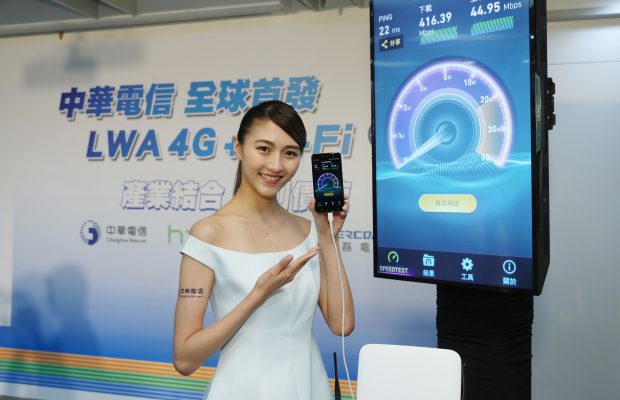
    Taiwan’s Chunghwa Telecom plans to introduce four-carrier aggregation (CA) by the end of the month to take advantage of its refarmed 1,800-MHz spectrum following the nation’s 2G switch-off. The operator also plans to increase its number of 4G base stations by 40% this year, mostly in urban areas.

    With the upgrade to four-carrier aggregation, Chunghwa Telecom expects to boost peak speeds to up to 500Mbps, up from 300Mbps over three-carrier aggregation.

    The upgrade will first commence in urban and commercial areas of Greater Taipei as well as some northern Taiwan High Speed Rail Corp stations. By the end of the year, the upgrade is to be extended to all metropolitan areas as well as 12 train stations.

    In remote areas, Chunghwa plans to deploy UMTS 900 base stations to allow subscribers to continue making calls over 4G after the 2G switch-off.

    The operator has a capex budget for the year of NT$30.3 billion ($993.7 million), to be spent primarily on 4G and fiber deployments.

    Chunghwa Telecom had 7.12 million 4G users by the end of March, around two thirds of its total subscriber base. The company also had the largest number of 2G hold-outs at the time of the 2G switch-off at the start of the month – around 60,000.

  • Chinese market no longer land of opportunity for Korean products

    Chinese market no longer land of opportunity for Korean products

    China’s consumer market that once offered vast opportunities for South Korean exporters has become less penetrable as Chinese firms make goods that compete with imports, industry data showed on July 14th.

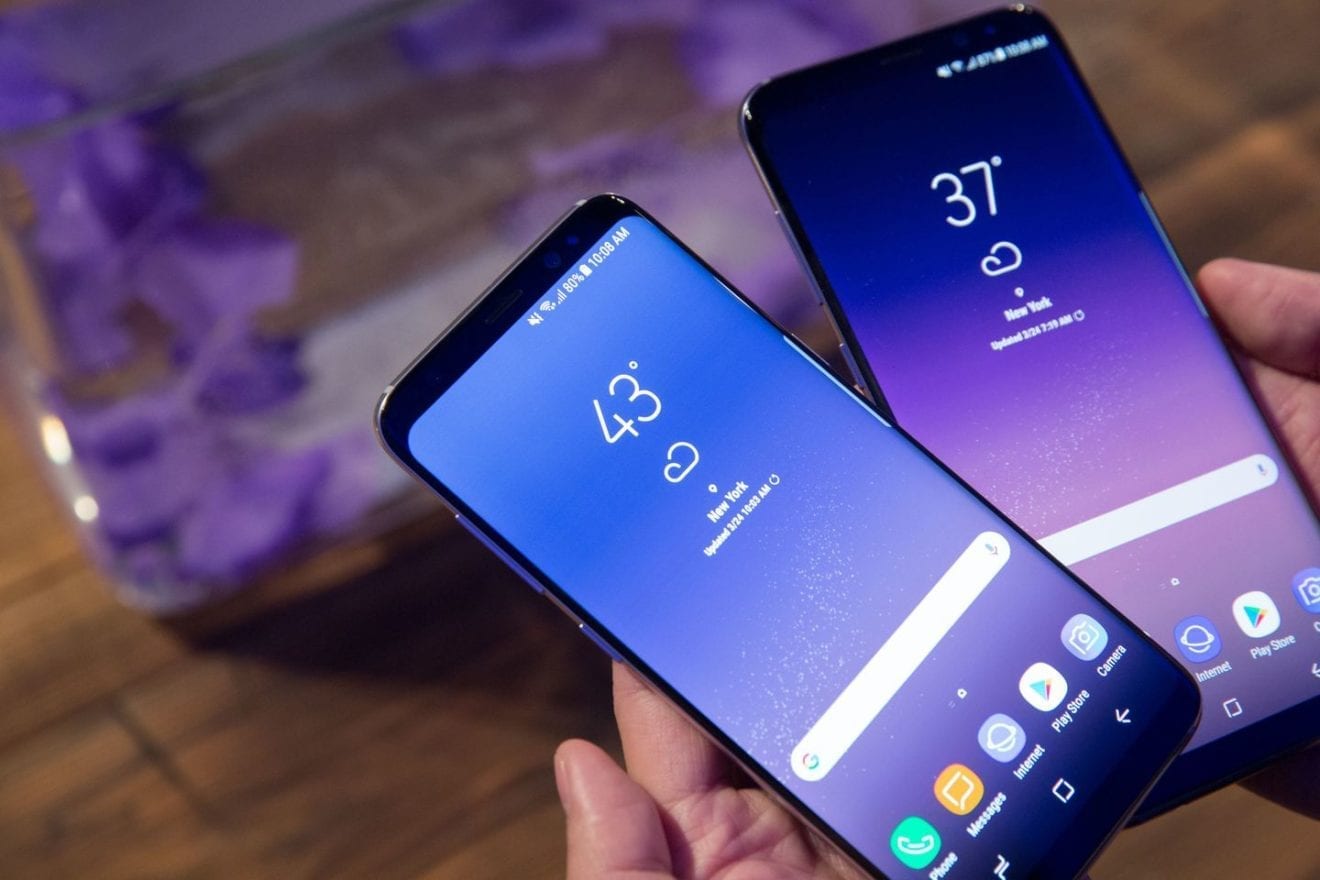
    Samsung Electronics, which in 2012 ousted Apple Inc. to hold the top market share for smartphones in China, fell to eighth place in the first quarter of this year. Samsung’s market share in handsets hit 17.7 percent in 2012. It dropped to 4.9 percent in 2016. In the first quarter this year, its market share was a marginal 3.1 percent.

    China’s own brand Huawei raised its market portion from 9.9 percent to 18.9 percent over the past five years. Another local firm OPPO, who had no presence in 2012, soared to grab 18.7 percent during the period. Together with Vivo, the three are dominating the Chinese smartphone market.

    Industry officials say that data indicates THAAD may not be the only cause of falling South Korean exports to China as firms there are quickly catching up in technology and no longer relying on foreign products.

    South Korea’s auto exporters have also been nudged out by Chinese companies, data showed. Hyundai Motor and its sister firm Kia Motors reported their market share in China had been cut in half compared with five years ago.

    The carmakers said their numbers fell from 8.6 percent to 3.8 percent. They were routed by Chinese local labels, which claimed 46.1 percent of the market, followed by European (21.4 percent) and Japanese (17.6 percent) automakers.

  • Faraday Future moves electric SUV production site, mothballs Las Vegas plant

    Faraday Future moves electric SUV production site, mothballs Las Vegas plant

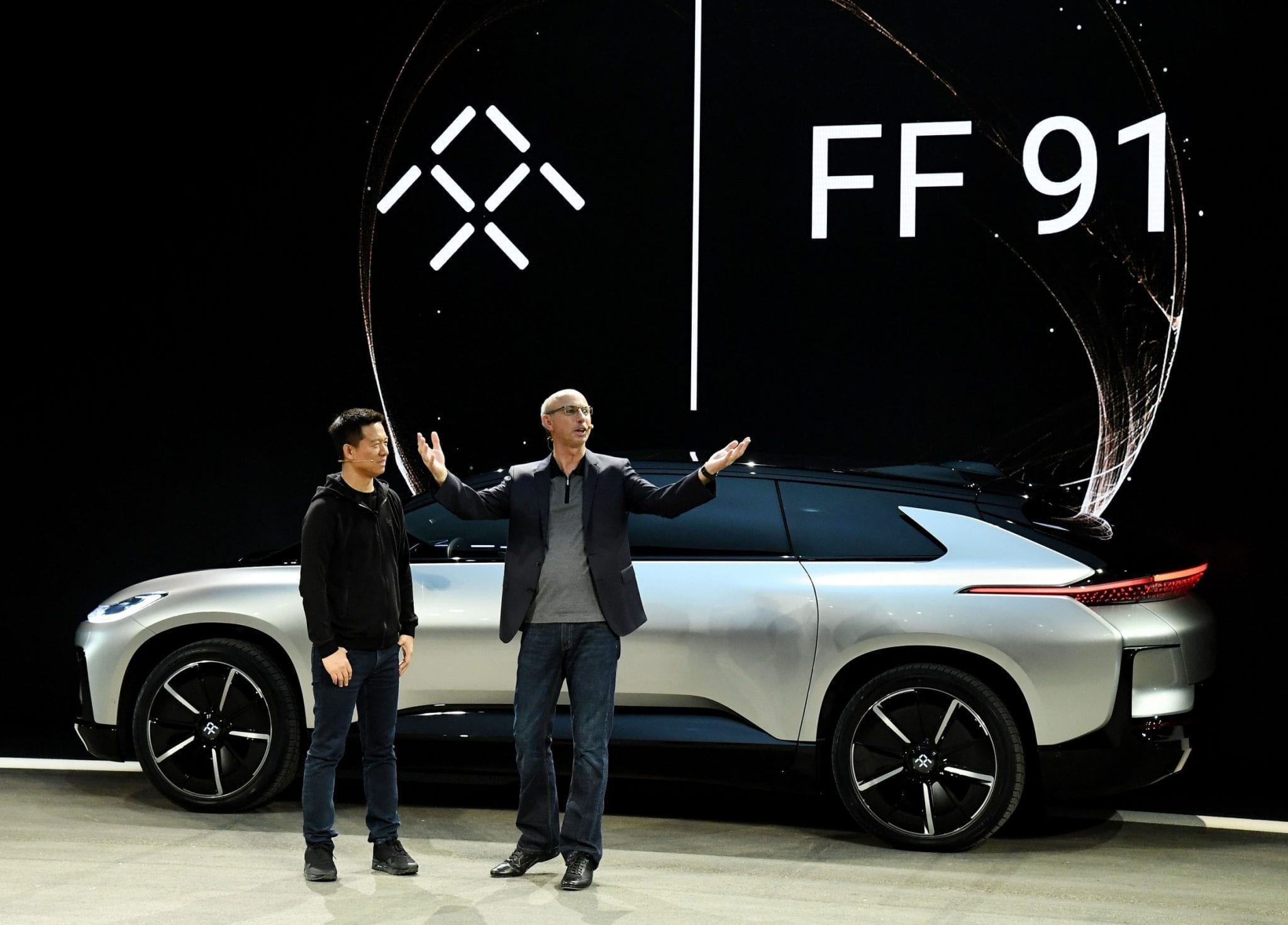
    Startup Faraday Future said it would move production of its planned luxury electric SUV to a new site, virtually scrapping a stalled $1 billion Las Vegas factory amid deepening financial woes of key investor Chinese entrepreneur Jia Yueting.

    Faraday is part of a network of young electric vehicle (EV) firms in China and the United States backed by Jia, who has said his company LeEco – that grew from a Netflix-like video website to a business empire spanning consumer electronics to cars within 13 years – is facing a severe shortage of cash after expanding too fast and in too many directions.

    Struggling to support goals that included beating Elon Musk’s Tesla in premium EV making, Jia is now trying to ride out the cash crunch by taking measures such as halting work on the Las Vegas factory and selling a Silicon Valley property less than a year after buying it from Yahoo.

    On the latest decision to shift production of Faraday’s luxury electric SUV FF 91 to a new site, the startup said: “This will allow product production to be realized faster, as well as allow our future strategy to be implemented more effectively.”

    For LeEco, this marks a second major setback to its ambition to become a major EV manufacturer after it recently pulled out of a joint project with British sports carmaker Aston Martin to develop RapidE electric car.

    Faraday had initially planned to open the Las Vegas factory late in 2017, with a product portfolio of seven models – an estimate that was later slashed to two, including the FF 91.

    Jia, who posted the Faraday statement on his social media account, did not name the new FF 91 production location. Faraday will continue to own the Nevada factory site.

    The FF 91 has been described by its designer as “weird-pretty” and Faraday executives say it will be the most technologically advanced vehicle of its kind on the market when it goes into production in early 2018. But cash shortages have raised questions about the company’s prospects.

    According to estimates from mutual fund investors, LeEco could see the market value of its listed unit, Leshi Internet Information & Technology Corp Beijing (300104.SZ), fall around $2.5 billion should its shares resume trading.

    The company is set to hold an extraordinary shareholders’ meeting on July 17 in the Chinese city of Shenzhen.

  • China helps power Burberry quarterly sales up 5 per cent

    China helps power Burberry quarterly sales up 5 per cent

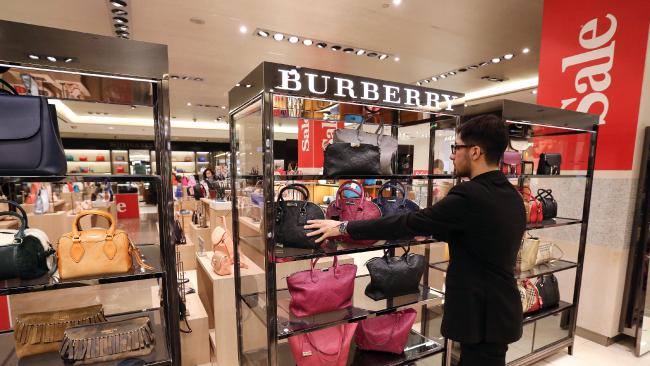
    Burberry quarterly sales have jumped by a solid 5 per cent, largely buoyed by a doubling of turnover in China.

    Greater China is a key market for Burberry, accounting for almost a quarter of total sales.

    A social media campaign – including activity by Beijing blogger ‘Mr Bags’ – helped boost brand awareness and sales through the WeChat channel.

    Globally, retail revenue rose 3 per cent to £478 million (US$613 million) and like-for-like store sales rose 4 per cent during the three months to June 30.

    The figures impressed analysts, outperforming expectations and providing a welcome background to incoming CEO Marco Gobbetti’s first investor presentation today.

    However, Bloomberg columnist Andrea Felsted urged caution, writing that Gobbetti “still has the task of reigniting interest in the tired brand”.

  • Parkson China closing stores as sales slump

    Parkson China closing stores as sales slump

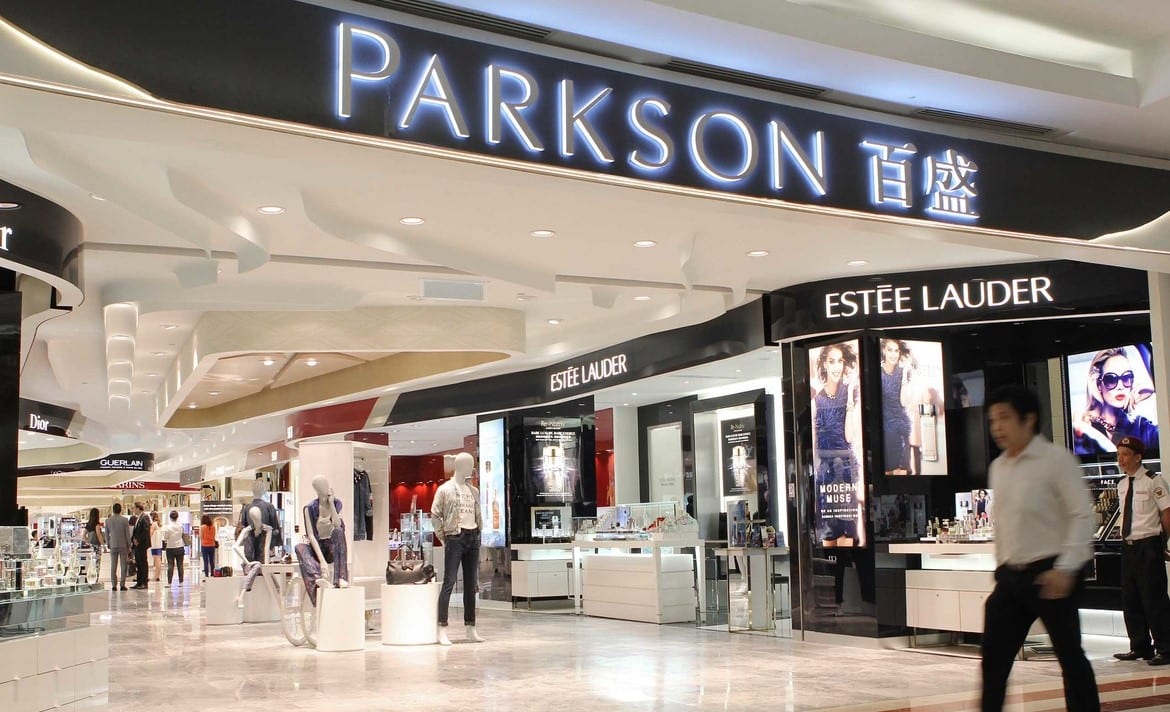
    Parkson China’s first department store, which opened on Beijing’s Fuxingmen Rd in 1994, is the brand’s last remaining outlet in the capital as slumping sales force it to close outlets across the country.

    Parkson closed its Longhu Beijing Changying Street department store and similar outlets in the cities of Hefei and Zhengzhou at the end of May, according to a Chinese news agency.

    A pioneer foreign investor in China’s retail scene, Malaysia-based Parkson now has 46 department stores across China, down from 60 in 2015.

    Its total sales in China have dropped 8.3 per cent year-on-year from 2013 to last year to RMB14.3 billion (US$2.1 billion), according to the latest annual report of the brand’s Hong Kong-listed business. This reflects an industry-wide trend – a survey of 85 department stores found that 55.3 per cent had lower sales last year, with 15 companies experiencing a drop of more than 10 per cent.

    Parkson joins such domestic chains as Hualian Department Store and Jiuguang Department Store in shuttering stores. Last year alone, Parkson terminated five mainland department stores, including Beijing’s Sun Palace Parkson, which it sold for RMB2.3 billion.

    Shanghai officials last month closed the iconic No. 1 Department Store and Orient Shopping Center for a major renovation. Parkson is also branching out into more modern retail formats with its parent company, Lion Group, opening its first full-fledged shopping centre in China last year. The 230,000 sqm Qingdao Lion Mall offers F&B, entertainment and grocery shopping along with traditional retail fare.

    Parkson also launched a standalone gourmet grocery store, Parkson Supermarket, and a flagship bakery store, Hogan Bakery, in Shanghai last year. The company has even made a belated foray into the mobile e-commerce world by rolling out a shopping app.

    These moves helped the company’s sales pick up by 1.4 per cent in the fourth quarter of last year, bucking a downward trend.

    Meanwhile, Britain’s Marks & Spencer has already closed down all 10 of its Mainland China stores in the face of continuing losses, which the company attributed to low brand awareness and a struggle to grow market share.

  • JD.com buys into Farfetch fashion site

    JD.com buys into Farfetch fashion site

    Chinese e-commerce giant JD.com has made its largest overseas investment ever, in online Farfetch fashion marketplace.

    JD.com has bought a US$397 million stake in Farfetch, solidifying a partnership that will see its CEO Richard Liu take a place on the UK company’s board. It will also make JD.com one of Farfetch’s largest shareholders.

    This comes amid a push by the luxury-oriented Farfetch to expand in Asia, having raised $110 million in 2014 to support China growth. The new partnership will allow Farfetch to make use of JD.com’s logistics network and marketing systems, alongside online payment technology and social-media resources like its partnership with WeChat.

    An added bonus for the UK fashion marketplace is an increased ability to tackle counterfeit luxury products produced in the region.

    JD.com will also benefit from the partnership, pushing into the luxury market and setting itself apart from rival Alibaba.

    “China is the world’s second-largest luxury market, and we are delighted to have such a respected partner, known for its strict protection of IP, with whom to address Chinese luxury consumers,” says Farfetch founder/CEO Jose Neves.

    Just this month, JD.com launched its high-end delivery service JD Luxury Express, with staff in suits and white gloves delivering packages via electric vehicles directly to customers’ homes.

    Farfetch, which counts France’s Eurazeo, Singapore sovereign wealth fund Temasek and China’s IDG Capital among its investors, was valued at around $1.5 billion in a fundraising last year.

  • Huawei joins CTO as ICT Sector member

    Huawei joins CTO as ICT Sector member

    Huawei has joined the Commonwealth Telecommunications Organisation (CTO) as an ICT Sector member, the membership category open to the private sector.

    The Commonwealth Telecommunications Organisation (CTO) is the oldest and largest Commonwealth intergovernmental organisation in the ICT field, representing 36 of the member states of the Commonwealth.

    “It gives me great pleasure to welcome Huawei Technologies as one of our members. Members of the CTO greatly benefit from knowledge and experience sharing,” CTO sectretary general Shola Taylor said.

    “Huawei’s membership will help strengthen our organization and its contribution to the use of ICTs for development across the Commonwealth.”

    Huawei president of global government affairs Victor Zhang added that the CTO “is a highly respected international body and it provides a strong platform for both the public and private sectors to exchange best practices related to the promotion and use of ICT innovation in the world today.”

    Full member countries of the CTO include Malaysia, India, Pakistan, Sri Lanka and the UK. ICT sector members include the GSMA, Intelsat, BSNL, Vodafone and Facebook.