Tag: China

  • Do you want fries with that?

    Do you want fries with that?

    If you could increase your average sales by 10 per cent, how much would your profit increase by? I am sure that all of us have experienced both good and bad service in a retail store. What creates that difference in the experience is made up of all the senses banding together and leaving an overall impression. But the most telling one is the interest shown in you by the sales personnel. The greeting, the smile, the relevance of questions asked and the interest shown in going that little bit extra to help you find what you are looking for. That’s what creates a good experience!

    In today’s ongoing search for additional sales, the difference between sales achieved by an average experience and great sales assistance can be as much as 25 per cent. On analysis of the difference in sales achieved between most staff and good sales people, the most telling factor is the average docket value. These good sales people consistently achieve more than the average, sometimes as much as double.

    Customers already in your store are by far the easiest way to find additional sales. So many times customers want to be given good advice and are quite willing to buy a second related item, if they were told about it, or introduced to something new.

    McDonalds is one business that realised this at the outset, have you? If a retail business sales increased by just 10 per cent across the board, due to the results of effective sales people, profits would increase exponentially, often double in most retail models.

    And that is true, even if one has to pay 10 per cent above the going rate to get the right people. Why then do business owners tolerate mediocre sales people? Do the sums in your business and see what a 10 per cent increase in sales will mean to your bottom line.

    Can any retail business afford not to have the best sales people? So simple, so effective, so ignored by so many businesses!

  • McDonald’s China sales boom ahead of spin-off

    McDonald’s China sales boom ahead of spin-off

    McDonald’s China sales posted solid quarterly growth ahead of the division’s spin-off. Global same-store sales rose 6.6 per cent in the three months to June 30. In what the company terms its ‘High Growth segment’, second quarter comparable sales increased 7 per cent, led by a strong performance in China. The segment’s operating income rose 28 per cent, with about half of that resulting from lower depreciation expense due to the accounting treatment related to the pending sale of the China and Hong Kong businesses.

    McDonald’s CEO Steve Easterbrook was positive about the company’s performance.

    “We’re building a better McDonald’s and more customers are noticing. Our relentless commitment to running great restaurants and keeping the customer at the center of everything we do is generating broad-based strength and momentum across our entire business.  For the quarter, we delivered our strongest global comparable sales and guest count results in more than five years.  We’re now introducing our Velocity Growth Plan accelerators in more restaurants around the world, bringing meaningful benefits to more customers through digital, delivery and our Experience of the Future.”

    Second quarter highlights

    While sales were up, consolidated operating revenues slipped 3 per cent, or 2 per cent in constant currencies, due to the impact of the company’s strategic refranchising initiative.

    Systemwide sales increased 8 per cent in constant currencies, due to strong comparable sales performance and restaurant expansion.

    Consolidated operating income increased 24 per cent (26 per cent in constant currencies), which included a benefit from the prior year’s strategic charges of approximately $230 million.

    US operating income for the quarter increased 5 per cent, reflecting higher sales-driven franchised margin dollars and higher gains on sales of restaurants, among other factors.

    “Whilst we’re encouraged by our results from the first half of 2017, we’re not complacent.  Today, we’re acting like a leadership brand, taking on new challenges and opportunities and moving with a greater sense of purpose and urgency,” said Easterbrook.

    “We’re building on our momentum, leveraging our size and scale and executing with greater precision against our priorities to retain, regain and convert customers by giving them even more reasons to visit and enjoy McDonald’s.”

  • Walmart and JD.com plan shopping festival in August

    Walmart and JD.com plan shopping festival in August

    Walmart and JD.com are set to launch a new online shopping festival for August 8, in an onmi-channel alliance that will see the two retail juggernauts link their supply chains and other operations.

    As the fight for the online Chinese consumer intensifies, the festival will help the US retailer “reach the 99 per cent of the country’s population that JD.com’s delivery network covers, bringing high-quality Wal-Mart products to more Chinese customers nationwide,” said an announcement.

    Helping the sale garner promotional traction, coupons have already been made available across 400 Walmart stores in China, allowing shoppers huge discounts during the upcoming online sale.

    “Our ability to tap into JD.com’s advantages across logistics, big data, technology and customer service gives Wal-Mart a huge advantage in reaching China’s rapidly expanding consumer class,” Ben Hassing, senior vice president of Wal-Mart China e-commerce and technology, told WWD.

    “We look forward to further bringing together our strengths in digital and physical retail to take the customer experience in China to the next level.”

    The date, August 8, was chosen for its symbolic numerical links, the double 8. The number eight is considered a lucky number in the country.

    The two companies also confirmed plans to integrate supply chains, “to significantly improve delivery efficiency for customers, optimize delivery routes for JD.com and increase Wal-Mart’s inventory turnover rate.”

    The change allows customers to place orders online with JD.com, where then the system will find out if a JD.com warehouse or Walmart store is closer to the delivery address. From here, the order will dispatch a JD.com courier accordingly.

    The trial project will launch initially in Beijing, Shanghai, Guangzhou, Shenzhen, Chengdu and Wuhan.

  • Huawei maintains China smartphone lead

    Huawei maintains China smartphone lead

    Huawei maintained its lead in China’s smartphone market for the second straight quarter during Q2, while Xiaomi supplanted Apple to take fourth place, according to Canalys.

    Huawei shipped over 23 million handsets during the quarter, the research firm said. China’s smartphone market is now firmly dominated by local vendors, with Oppo taking second place after increasing its shipments by 37% year-on-year to 21 million, and Vivo taking third place with 16 million.

    Likewise, Xiaomi reported a strong 60% quarter-on-quarter growth in handset shipments to 15 million, taking over from Apple in fourth place. Xiaomi is achieving this momentum by focusing on low-cost handsets, according to Canalys research analyst Lucio Chen.

    “Xiaomi still offers the best value in the Chinese market, and it remains the preferred choice for price-conscious consumers. The online channel continues to be a key route to market for Xiaomi and this quarter saw it take the lead in the 618 online sales events across online retail platforms, such as JD.com and Tmall,” he said.

    The rest of China’s top ten smartphone vendors, including Apple, Samsung and Meizu all suffered annual shipment declines during the quarter.

    With the top five brands accounting for almost three quarters of shipments for the quarter, the smartphone market is showing signs of continuing to consolidate, Canalys said.

    Total shipments also fell 3% during the quarter to 113 million, putting an end to six consecutive quarters of growth.

  • China Unicom’s mixed ownership pilot approved

    China Unicom’s mixed ownership pilot approved

    China’s National Development and Reform Commission (NDRC) has given approval for a pilot program involving opening investment in China Unicom to the private sector, to evaluate transitioning to a mixed ownership model for the market’s state-owned operators.

    In an announcement, Unicom confirmed that the NDRC has given in-principle approval for the pilot program.

    But the details of the pilot – such as the identities of the private investors, pricing terms and percentage of shareholding to be allocated – will still require approval from various ministries.

    While media outlets are reporting that Alibaba and Tencent are expected to lead the private investment in China Unicom, the operator stressed that the company has not entered any legally binding agreement with any potential investors. But the company did not explicitly deny that negotiations with the internet giants are underway.

    “[Unicom’s controlling shareholder] is not aware of the source of  information in those media reports and has not entered into any legally binding documents, including framework agreement or subscription agreement, with any potential investor,” the company said.

    The Chinese government is conducting the pilot as part of plans to evaluate opening China’s telecoms sector up to private investment to reform the ownership structure and competitiveness of Unicom as well as rivals China Mobile and China Telecom.

    Unicom was selected for the pilot because it is the least profitable of China’s big three operators.

  • China Telecom expanding data center reach

    China Telecom expanding data center reach

    China Telecom is expanding its data center capacity in Hong Kong as part of the collaboration agreement with Global Switch signed in April.

    The company has added a new floor with its Shatin data center to increase server capacity, and has also arranged to build and operate the colocation areas for two of the new buildings from the in-construction Global Switch Tseung Kwan O (TKO) data center.

    The agreement with Global Switch is designed to allow China Telecom to tap into its partner’s extensive data center capacity outside of mainland China.

    The 45,000 square meter TKO data center will offer a power capacity of up to 70 mega-volt amps.

    It is expected to boast Tier 3 status and also provide access to local and international Tier 1 and Tier 2 carriers, and to boast connectivity to three subsea cables – the Asia-Pacific Gateway, the Asia-Submarine cable Express and the East Asia Crossing – due to its proximity to the TKO landing station.

    The facility is targeting LEED Gold and BEAM PLUS Gold energy efficiency ratings.

    China Telecom subsidiary China Telecom Americas has meanwhile expanded its network coverage in North America with three new PoPs, in Oregon and Illinois in the US and Quebec in Canada.

    The network expansion is aimed at bolstering the operator’s trans-Pacific proposition and helping the company stay ahead of growth in demand for bandwidth.

    “China Telecom is proud to be enhancing its Hong Kong data center portfolio with the expansion of its best-in-class Shatin facility and the addition of a new site at Tseung Kwan O in partnership with Global Switch,” China Telecom Americas President Joe Han said.

    “China Telecom’s latest investment in Hong Kong data centers and North America points of presence means our customers can expect reliable, low-latency, worldwide connectivity. This will enable them to deploy applications fast and flexibly.”

  • Alibaba cafe without cashier attracts queue

    Alibaba cafe without cashier attracts queue

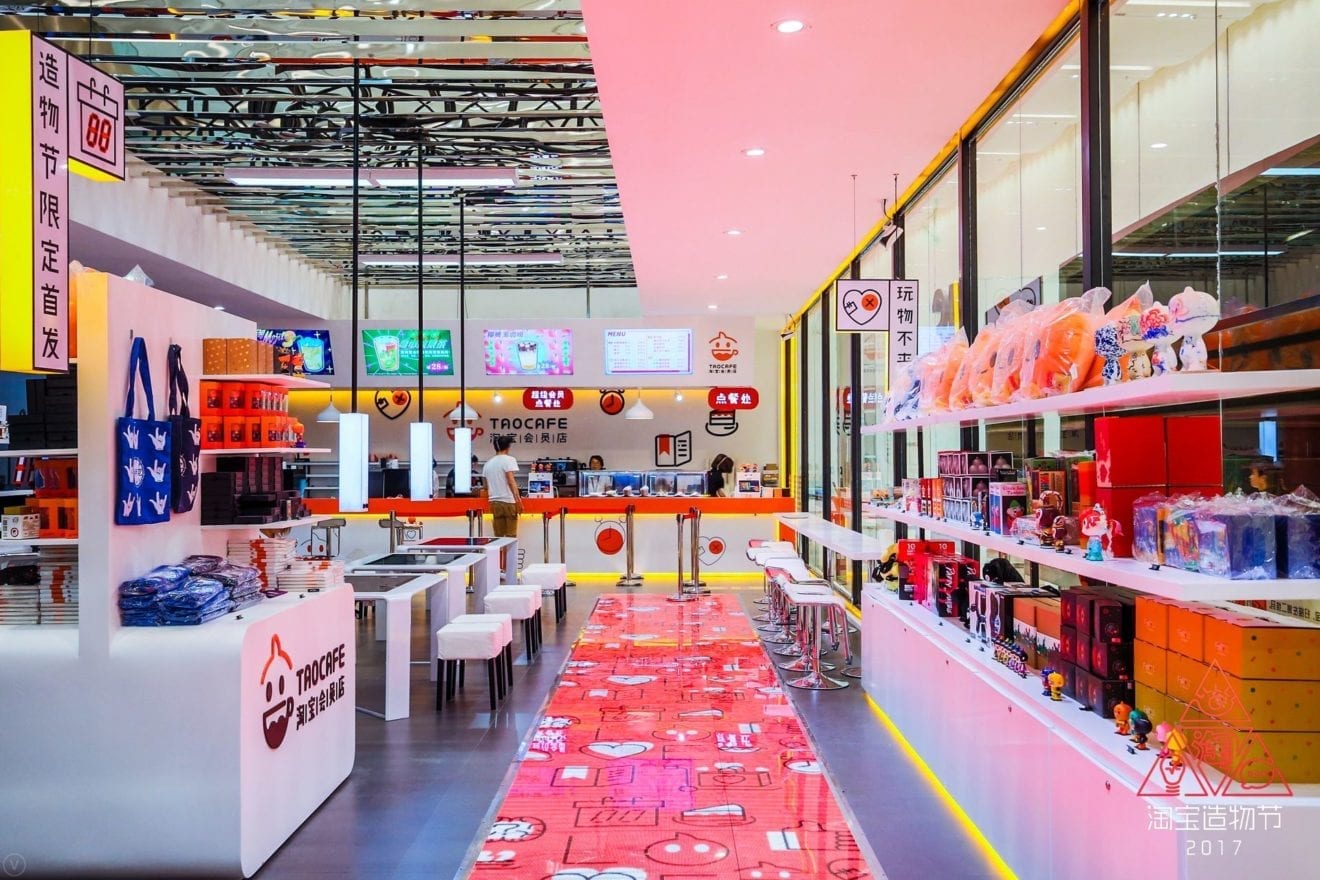
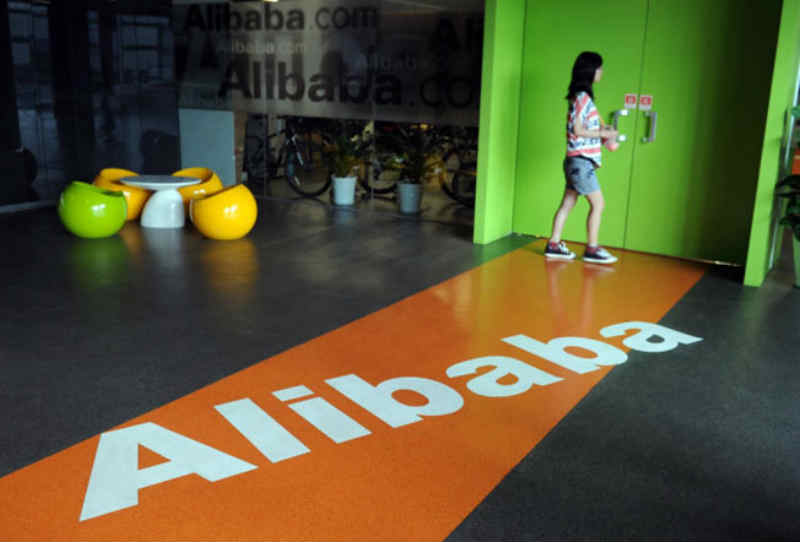
    An Alibaba cafe without a cashier attracted a queue of shoppers for its opening in Hangzhou. Entry into Tao Cafe is via smartphone scan through ticket gates similar to those at subway stations.

    Offering drinks, fast food and snacks, the 200 sqm store can accommodate 50 customers. To enter and make a purchase, shoppers need only a smartphone with Alibaba’s Taobao e-commerce app. The store’s e-shopping system developer, Alibaba subsidiary Ant Finance, has assigned a team to help customers.

    A woman shopper says she enjoyed the experience of buying a cup of coffee in the store. “Your profile picture is shown on the screen after you place an order. It also shows the wait time. There is no hassle of waiting for your name to be called like in ordinary cafes.”

    A tourist from Shenzhen says helpers told him to pick up goods slowly from the shelf so the system has time to confirm his selection. “We need to learn – it is a whole new shopping experience.” As he walked out of the cafe, his bill was automatically paid via the e-payment account on his smartphone.

    Ant Finance senior technical advisor Zeng Xiaodong says the cafe combines automated visual sensors and facial recognition to reduce error rates.

    All goods in the cafe are digitalised, he says. Each commodity, its placement on the shelf and its purchase are subject to digital recognition.

    “This store is our endeavour to explore new modes of brick-and-mortar retail combined with e-commerce,” says Alibaba CEO Zhang Yong.

    Theft test

    The system has been tested by technicians pretending to steal items, but the checkout machines recognised their selections and processed the charge.

    “It’s not about Alibaba wanting to open cafes, it’s about digitalising the footprints of visitors to an offline store,” says Alibaba Group chief marketing officer Chris Tung.

    He says offline retailers can improve by adopting online data capabilities to link the identity of the customers and optimise their shopping experience. “The more a user browses, the better the system understands their interests, and the better it can provide more relevant and personalised messages for them – it’s a healthy cycle.”

    Once retailers understand what their customers need online, the products can be allocated to the physical store.

    “The cafe is just a demonstration of what can be done for retail,” says Tung.

    Smart shopping has attracted attention after an unmanned 24-hour BingoBox convenience store opened in Shanghai last month. Customers must register in advance using social-media app WeChat or Alibaba’s mobile wallet app Alipay, then scan a QR code to enter the 10 sqm store, where goods are about 20 to 30 per cent cheaper than those in other convenience stores.

    Once customers have completed their purchase they scan another QR code to exit the store.

    BingoBox has raised US$15 million in funding to expand its business, and says only four staff members are needed to run about 40 stores.

  • Abercrombie launches on Alibaba’s Tmall

    Abercrombie launches on Alibaba’s Tmall

    Abercrombie & Fitch has announced it is launching both its Abercrombie & Fitch and Abercrombie Kids brands on Alibaba Group’s Tmall this month. Abercrombie & Fitch Tmall is China’s largest platform for brands and consumers.

    Through Tmall, Alibaba reports reaching 454 million annual buyers. The core consumer is under 35 and shops primarily on their mobile devices. Abercrombie’s target customer is in their 20s and shops digitally.

    Pairing up with Tmall is a data driven move that should result in much needed financial success for Abercrombie as it continues to rebrand.

    Moving onto Tmall reveals insight into Abercrombie’s plans for chasing the Chinese consumer. Abercrombie recently opened a new retail concept flagship in Hong Kong’s Harbour City. Additionally, Abercrombie operates 10 retail stores across China.

    Abercrombie’s rebranding began with a revitalization of its retail concept. The brand describes its new retail concept as intimate and service oriented. To that end, Tmall offers the capabilities to make online shopping more individualized through marketing tools.

    Tmall offers live streaming options and big data options designed to personalize and streamline the shopping experience.

    “Alibaba Group places a strong emphasis on consumer engagement, which aligns with our focus on creating a unique online brand experience for our customers, as well as facilitating a seamless and frictionless shopping experience” said Fran Horowitz, Chief Executive Officer of Abercrombie & Fitch Co.

    Tmall has sold the Hollister brand since 2014. This month is the first time Abercrombie has put its namesake brands on the platform.

    Jessica Liu, President of Tmall Fashion, Alibaba Group said consumers both online and in China have “sought [the brand] out for some time.”

    Abercrombie will begin selling a full assortment of men’s, women’s and kid’s product on Tmall starting July 26.

  • Apple Greater China has new leader

    Apple Greater China has new leader

    Wireless technologies team leader Isabel Ge Mahe has been appointed to the newly created role of VP/MD of Apple Greater China, reporting to CEO Tim Cook and COO Jeff Williams.

    “Apple is strongly committed to invest and grow in China, and we are thrilled Isabel will be bringing her experience and leadership to our China team,” says Cook. “She has dedicated a great deal of her time in recent years to delivering innovation for the benefit of Apple customers in China, and we look forward to making even greater contributions under her leadership.”

    As VP of Apple’s wireless technologies software engineering division for nine years, Ge Mahe has been involved in the development of cellular, Wi-Fi, Bluetooth, NFC, location and motion technologies for nearly every Apple product. She has also overseen the engineering teams developing Apple Pay, HomeKit and CarPlay.

    In China, she has worked with Apple’s R&D team and carrier partners to develop China-specific features for iPhone and iPad, including QR Code support, SMS fraud prevention and enabling the use of a phone number as an Apple ID.

    Born in Shenyang and fluent in Mandarin, Ge Mahe earned Bachelor and Master of Electrical Engineering degrees from Simon Fraser University in British Columbia. She holds an MBA from the University of California, Berkeley. She takes up her new role, in Shanghai, in the next few months.

  • Ajisen, Katrina Group sign So Pho deal

    Ajisen, Katrina Group sign So Pho deal

    Aiming to grow in China and enter the Hong Kong market, Singapore F&B company Katrina Group has signed an agreement with Big Benefit Group, a wholly owned subsidiary of Ajisen (China) Holdings.

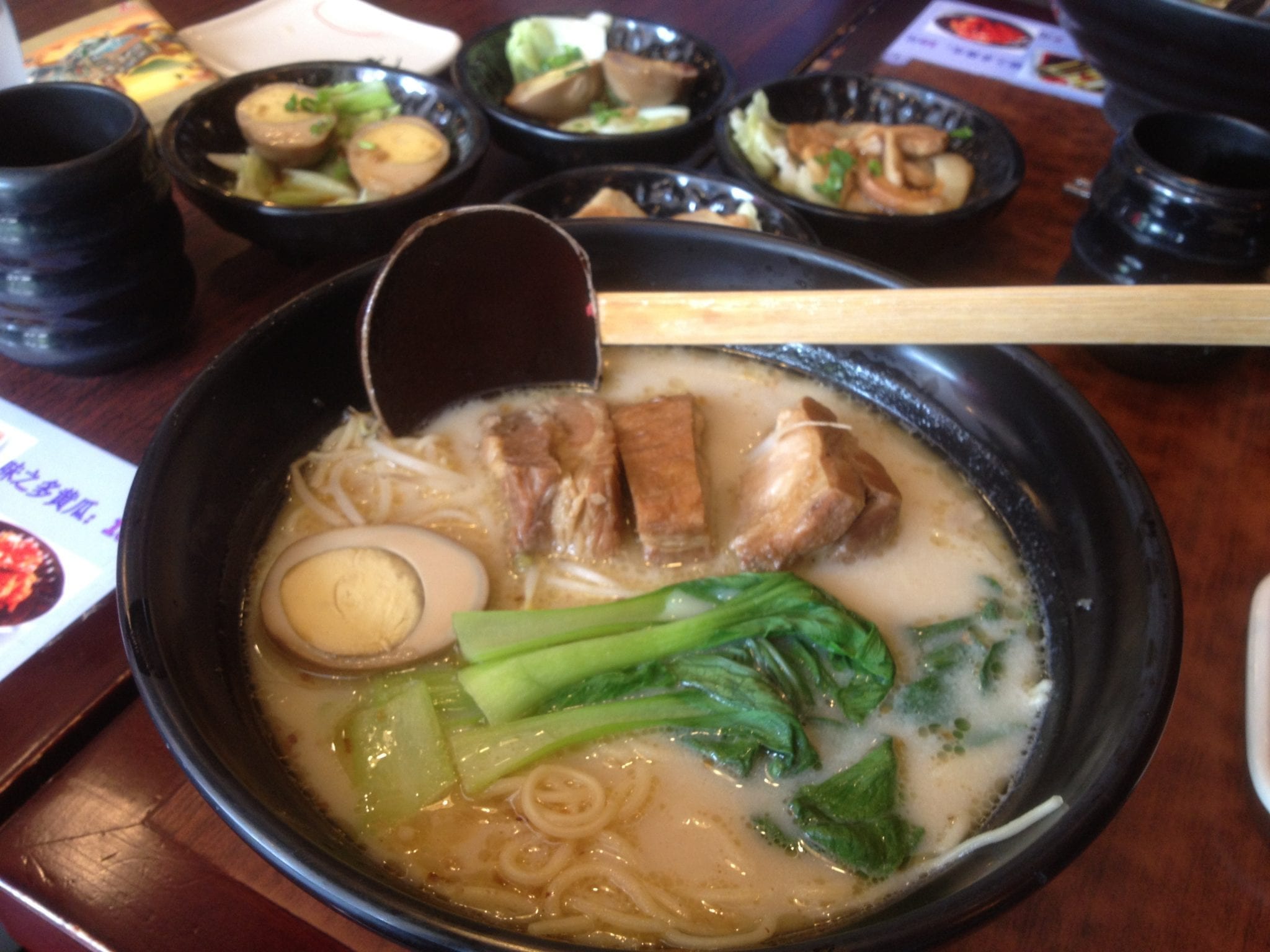
    Under the deal, Katrina will hold a 30 per cent stake in the JV company, which manages snack bars, cafes, restaurants and other food services. It serves Vietnamese-style dishes under the brand So Pho in China and Hong Kong.

    Katrina founder/CEO/executive chairman Alan Goh says Ajisen is one of the largest restaurant chains in China. ‘This collaboration will extend our geographical reach in China and help us enter the Hong Kong market. It is a bold step in further strengthening Katrina as a regional F&B group.”

    Hong Kong-listed Ajisen China has nearly 700 restaurants in 120 cities and 30 provinces in China and Hong Kong, while Katrina Group, which specialises in multi-cuisine concepts, owns and runs 33 restaurants in Singapore under nine brands including Bali Thai and Streats.

    Ajisen China and Katrina will provide working capital for So Pho International of up to US$1.05 million and $450,000 respectively through an interest-free shareholders’ loan.

    Katrina will also trademark So Pho International in Mainland China with an exclusive right to sub-license and franchise the trade name of “So Pho”.

    “With our strong track record and Katrina’s brand development capabilities, we look forward to growing the So Pho brand in China and Hong Kong,” says Ajisen China founder/chairman/CEO Wai Poon.

  • Commune Lifestyle parent Koda reports solid rebuilding

    Commune Lifestyle parent Koda reports solid rebuilding

    Koda, the parent of furniture retailer Commune Lifestyle, has reported a net profit of US$2.2 million for the nine months to the end of March, a 66.9 per cent increase over the same period last year.

    And the group’s gross profit margin rose to 27.7 last year from 23.6 per cent in 2014, and reversing two years of losses, the group had a net profit of $1.6 million for the financial year to June 30 last year. It attributes this to marketing, revised business strategies and restructuring.

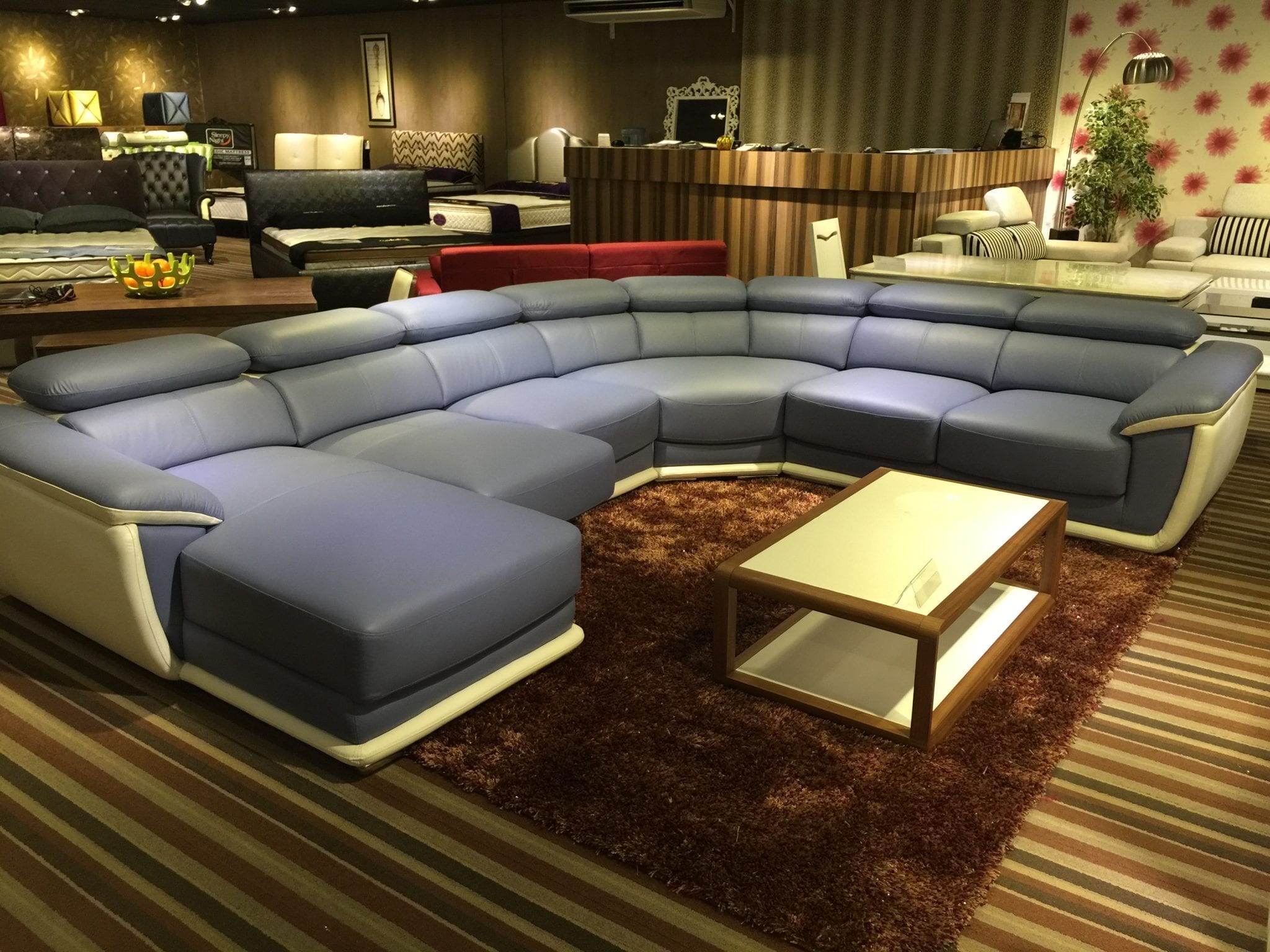
    Koda is an original design manufacturer specialising in design-intensive household furniture for the upper middle class. Commune Lifestyle, led by the third generation of the founding Koh family, is a wholly owned subsidiary of Koda that runs four stores in Singapore, three distributor-retail (DR) stores in Malaysia and 35 DR stores in China, as well as one brand-in-store presence in Australia. It is planning to expand its DR network and set up another hub in eastern China.

    During the year to June 30, Commune added 17 DR outlets in China. There are more than 40 outlets, mainly in China.

    Meanwhile, the group has been streamlining. It has consolidated its production units, relocated factories out of China, disposed of the loss-making retail business Rossano in Vietnam, and disposed of certain non-core assets for cash.

    Koda is headquartered in Singapore with manufacturing plants in Vietnam (Ho Chi Minh City) and Malaysia (Johor and Senai). It sells to more than 50 countries, mainly Asia and the US.

  • Alibaba opens cashier-free retail store in China

    Alibaba opens cashier-free retail store in China

    Alibaba Group has opened its first cashier-free retail store in China.

    The Chinese e-commerce and tech giant has opened its first Tao Café, an experimental cashless cafe, empowered by artificial intelligence and data technologies through the use of the Alipay e-payment service.

    Located in Hangzhou, capital of east China’s Zhejiang Province, the 200-square-metre store offers beverages, fast food and snacks and can accommodate 50 customers at a time.

    “The Tao Cafe, an experimental cashier-less and cashless coffee shop, is another feature for Alibaba to outline its technology capability bridging the world of offline and online shopping,” Chris Tung, chief marketing officer of Alibaba Group, told reporters.

    At the café, customers use their Taobao app to scan a QR code in front of the shop where a camera set with face recognition detects their identity.

    The data links to their Taobao accounts so they can buy a cup of coffee using voice-recognition technology. From here, the beverage will be brought to their table and users can shop online using their smartphone to access Taobao while they wait.

    Alibaba joins other retail chains and tech start-ups flooding the market with their own offering of staff-less retail. This includes mega rival Amazon and its Amazon Go store, which debuted last year via tracking cameras, utilising a facial and voice recognition system.

    And it’s a trend that looks set continue in retail, according to experts.

    Neil Wang, president of global consulting firm Frost & Sullivan China, told local media that staff-less stores will bring the “next spring” to the retail industry.

    “Staff-less stores are a combination of digital payments, radio frequency identification technology, biological recognition, big data and AI,” Wang told China Daily.

    “They will lower the risk of shop lifting, optimize the goods and reduce costs, from running and maintenance costs to human labour.”

    China’s banking institutions handled more than 25.7 billion mobile payments last year with a transaction volume of 157.55 trillion yuan (23 trillion U.S. dollars), according to a report by the People’s Bank of China, the central bank.

  • Burberry sales boosted by China

    Burberry sales boosted by China

    Britain’s Burberry reported an increase in sales in the three months ending June, on the back of double-digit percentage sales growth China and positive demand APAC-wide.

    Total retail sales generated £478m in the three-month period, the London-based brand said, helped by strong performances in the UK and mainland China.

    The luxury fashion retailer said for the first quarter of the 2017-18 year, comparable sales increased 4%. In China, sales growth was in the “mid-teens”.

    Underlying sales rose by about 15% in mainland China as the chief operating and financial officer, Julie Brown, said “Chinese consumer confidence continued to build.”

    Brown said there had also been a rise in Chinese shoppers heading to Hong Kong, after a long period of decline.

    Being the first set of results to be reported under chief executive, Marco Gobetti, the new Burberry head praised the brand’s former-CEO, Christopher Bailey, for his efforts, after he was returned to perform the sole role of creative director for the brand.

    “We are pleased with our performance in the first quarter, while mindful of the work still to do,” said chief executive Marco Gobbetti.

    “This is a time of great change for Burberry and the wider luxury industry. I look forward to building on the foundations Christopher and the team have put in place and creating new energy to drive growth.”

    Luxury leather goods and a new lightweight version of the classic trenchcoat, designed for tropical climates, led the growth. Burberry’s backpacks were the best seller, overtaking the Banner bag, it said.

    The company said it wants to save at least £100m by 2019 and said it is on track to deliver £50m in savings in 2018.

    This recent rise in sales comes after Burberry reported a fall in annual profits for the 2016-17 year.

  • Brunello Cucinelli’s Greater China sales up 34 per cent

    Brunello Cucinelli’s Greater China sales up 34 per cent

    Brunello Cucinelli’s Greater China sales, up 34.6 per cent, outshone all other markets for its first half.

    North America sales grew 9.4 per cent, Europe 9.9 per cent and rest of the world 11.4 per cent, the Italian luxury goods maison’s preliminary figures show.

    First-half net revenues grew overall by 10.7 per cent to  €243.3 million (US$278.9 million).

    For Greater China revenues reached €18.4 million, up 7.5 per cent from €13.7 million for the same period last year. To maintain allure and exclusivity, says the company, it is maintaining a limited presence in the region.

    Brunello Cucinelli’s retail distribution channel saw an overall 21.7 per cent growth in sales, or €121.1 million compared to €99.6 million for the same period last year..

    As at the end of June, the brand’s network comprised 91 direct boutiques, with just one opening over the 12 months.

    “We feel that this year is the start of a ‘new world’ where the internet will have an enormous impact on humanity,” says chairman/CEO Brunello Cucinelli. “We believe this will change buyer/seller relationships forever, making it even more important to care for and protect the brand.”

    The brand’s online boutique is being directly managed from its headquarters in Solomeo with special attention to customer service, packaging and visual merchandising.

    “If we take a look at the general context and at the very good start of the second half of the year,
    We feel pretty confident that the full year will deliver double-digit growth in terms of both sales and margins,” says Cucinelli.

  • Hema supermarket offers new retail experience

    Hema supermarket offers new retail experience

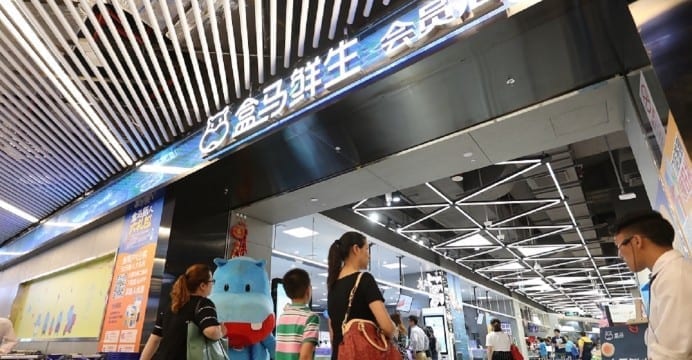
    Hema supermarket is what you get when you imagine a seamless blend of the online and offline shopping experience, Alibaba Group CEO Daniel Zhang said Monday.

    Zhang toured one of the 10 neighborhood stores in Shanghai with Executive Chairman Jack Ma last week and held up the fresh-food focused Hema as an example of the “New Retail” model, which Alibaba has successfully incubated for the past two years. “New Retail” uses technology and data to merge online and offline shopping, offering consumers a more-efficient and more-flexible shopping experience.

    The Hema experience starts with a download of the mobile app. That links right up to a customer’s Taobao or Alipay account. Customers who don’t have accounts yet can easily sign up. And then the shopping begins, wherever the customer is.

    “Hema leverages data and smart logistics technology to seamlessly integrate online-offline systems, built to provide the unparalleled service of fresh food deliveries in 30 minutes,”  Zhang said.

    Since 2015, Alibaba has opened 13 Hema markets. Apart from the 10 in Shanghai, there are two in Beijing and one in Ningbo. Each aims to serve a customer base within a three-kilometer radius to ensure fast, high-level service. Hema stores are fully mobile-powered and allow customers to use Alipay. The stores’ sales per unit area are three-to-five times those of other supermarkets. They’ve also cracked a key problem of how to scale local deliveries, with each store able to fulfill thousands of orders a day.

    The hyper-local business allows customers to shop from the comfort of their homes, using a mobile app. They can order fresh food to cook it at home or have it prepared by the Hema chefs and delivered within 30 minutes. Customers who prefer the in-instore experience, can visit the supermarket to hand-select their fresh food, such as seafood, and can choose to have it cooked for carry-out, delivered to their nearby home or office, or they can eat it on the spot the store’s dining area.

    Hema’s game-changer, as far as Chinese consumers are concerned, is the fresh seafood section. Shoppers can pick out their own lobster or other shellfish, but it right away and have it cooked up and ready for them to eat in the restaurant area when they complete the rest of their shopping.

    The stores, themselves, look like normal neighborhood supermarkets, with a selection of packaged foods, produce, beverages and other goods. Every item has a scannable bar code, which yields price and product information, including origin and any backstory on the item, if there is one. Customers scan the code and complete their electronic purchase through Alipay at a checkout register before leaving the store.

    User experience is enhanced through big data. Because customers shop through the Hema mobile app, every purchase is logged, and preferences are saved. On the customer side, analytics offer up a personalized product page, and on the delivery side, machine algorithms plan delivery routes. The bar codes not only let customers trace product origin and track delivery, but are also a means for Hema to employ a smart supply-chain management system.

    Hema’s innovative fulfillment model is what allows it to deliver orders within a half-hour. The store doubles as warehouse, and order-fulfillment specialists can be seen moving up and down the aisles with a scanner, reusable shopping bag and a special bar code for each order. They scan and pack up goods, putting the bags on a conveyor belt that carries orders to a delivery center adjacent to the store. Hema aims to be a zero-waste company, recycling containers used for delivery.

    Zhang noted that Alibaba doesn’t intend to operate a large grocery chain. As with Alibaba’s investments in the Intime department store chain, the aim is to create showcases that demonstrate the benefits of “New Retail” to customers and other businesses that want to digitally transform themselves. E-commerce currently accounts for around 15% of total retail in China. Alibaba has said its goal is not to make incremental progress on that 15%, but to digitally transform the 85%.

    “We believe the future of New Retail will be a harmonious integration of online and offline, and Hema is a prime example of this evolution that’s taking place,” Zhang said. “Hema is a showcase of the new business opportunities that emerges from online-offline integration.”

    While it’s still early days for Hema, the first two years of store operations have yielded some promising results. Customers each make 4.5 purchases a month on average and 50 times a year.  Among users who open the Hema app, the conversion rate for making a purchase is as high as 35%. On average, online orders account for more than 50% of total orders. For mature stores like the one in Shanghai Jinqiao, online orders are as high as 70% of total orders.

    Hema is a membership-based shop, with customers registered the first time they pay for an order through the mobile app.