Tag: China

  • China said to ban use of VPNs

    China said to ban use of VPNs

    China has reportedly instructed the nation’s operators to bar their customers from accessing the internet via VPNs by February in the latest move to tighten controls over internet access.

    State-run operators China Mobile, China Telecom and China Unicom have been ordered to bar their customers from using VPNs to skirt censorship restrictions, citing unnamed people familiar with the matter.

    The government is reportedly moving to remove loopholes enabling internet users to circumvent the so-called Great Firewall of China, the system that blocks access to a range of information sources including foreign social media and news websites.

    Many businesses also use VPNs to view restricted websites, and it is unclear how the new directive will affect multinationals operating within the country.

    If the clampdown is extended to businesses it could potentially discourage businesses from operating in China or even convince them to move their local operations, the report states. But the restrictions seem to be aimed mainly at individual consumers.

    If the restrictions are extended to businesses, it will add to the new regulatory burdens due to be introduced with China’s new Cybersecurity Law, which imposes strict restrictions on the transfer of data overseas for businesses operating in China.

  • China vehicle sales rebound in June amid price cuts

    China vehicle sales rebound in June amid price cuts

    China’s vehicle sales rebounded in June, the country’s top industry association said, shaking off weakness seen in the previous two months as carmakers grappled with a rollback in tax incentives that drove strong growth last year.

    Total vehicle sales hit 2.17 million in June, up 4.5 percent from a year earlier, while sales for the first half of the year rose 3.8 percent to 13.4 million vehicles, the China Association of Automobile Manufacturers (CAAM) said on Tuesday.

    The rise in sales, which industry insiders said was helped by hefty discounting, lends a sheen to the world’s largest auto market, but growth overall is struggling to keep pace with 2016 when the market grew at its fastest pace in three years.

    Overall vehicle demand in China would likely grow just 1-4 percent this year, mainly because consumers made purchases last year to benefit from lower tax rates, said Yale Zhang, head of Shanghai-based consultancy Automotive Foresight.

    In January, CAAM predicted sales would rise 5 percent this year, slowing from 13.7 percent in 2016, citing the rollback of a tax incentive for small-engine cars and economic pressures. It stuck with that forecast on Tuesday.

    June’s rise, however, marks an improvement from April and May, when vehicle sales fell 2.2 percent and 0.1 percent, respectively, registering two straight months of declines for the first time since 2015.

    Peter Fleet, Ford Motor Co’s Asia-Pacific chief, told Reuters average vehicle transaction prices in China had fallen about 4 percent in the first half of this year against 2016. “We continue to see negative industry pricing in China,” he said.

    Ford is among the foreign brands strong in the small sedan segment that have seen China sales slow this year, others being General Motors Co and Volkswagen AG.

    Buyers in China have shied away since the purchase tax on vehicles with engines of 1.6 liters or below rose to 7.5 percent, from 5 percent, at the start of the year.

    However, there is one bright spot: sales of new-energy vehicles (NEVs) – all-electric battery vehicles and plug-in electric hybrids – that saw a 33 percent bump in June to 59,000 units, the latest CAAM data shows.

    In the first half of this year, sales volume of such NEVs totaled 195,000 vehicles, up 14.4 percent.

    China is the world’s largest market for green energy vehicles, with the government aggressively promoting the segment, including spending billions in subsidies, in a bid to fight intense urban air pollution.

  • Bad news for Japan’s retailers as Chinese tourists cut back on buying

    Bad news for Japan’s retailers as Chinese tourists cut back on buying

    They’re still coming in droves — but no longer buying in spades. After propping up sales for overseas retailers over the past decade with a shopping-driven tourism agenda, Chinese visitors are no longer returning home with suitcases bulging like before.

    A new survey by consultancy Oliver Wyman shows Chinese tourist numbers and holiday expenditure continuing to rise last year, even as shopping during overseas travel dropped 17 percent from a year earlier.

    The average Chinese tourist spent about 6,705 yuan ($986) on shopping when traveling, down from 8,050 yuan in 2015. But overall holiday spending — including on hotels and sightseeing — rose 3.5 percent to 20,317 yuan from 19,635 yuan, according to the survey of 2,000 travelers from the mainland.

    The sea change in spending habits is dealing a blow to retailers from Parisian department stores to Japanese duty-free operators and Hong Kong jewelers, but bigger numbers of wealthier Chinese may create other opportunities for leisure and entertainment operators in popular overseas destinations.

    “Businesses globally have to adjust their strategy to think about how to capture the new Chinese tourist dollar,” said Oliver Wyman’s Shanghai-based partner, Hunter Williams. “It’s less about the outlet mall now and more about the national park.”

    One reason for the change is the easier access to foreign goods in mainland China due to a booming $60 billion cross-border e-commerce market.

    Imported items can now be ordered online and delivered in as quickly as a day, often exempt from taxes levied on goods from store shelves.

    That’s damped the practice of buying overseas for the purpose of reselling locally, and the survey showed such resales falling to 3 percent of shopping expenditures from 8 percent in 2015.

    Chinese outbound spending still ranks highest in the world. In 2016, travelers from the country spent $261 billion, a fifth of the global total, up from $249.8 billion in 2015, according to the World Tourism Organization.

    But the portion contributed by shopping has fallen to 33 percent of overall travel expenditure, from 41 percent in 2015, the Oliver Wyman survey showed.

    Chinese consumers no longer need to travel overseas to stock up on items from Playtex bras to Christian Dior lipsticks and Blue Nile diamond rings, which are now available on online portals run by firms like Alibaba Group Holding Ltd. and JD.com Inc. With foreign brands increasingly using the internet to reach Chinese buyers, foot traffic to malls and outlet stores in popular overseas destinations is slumping.

    Duty-free retailer Laox Co. reported a 33 percent fall in revenue for 2016 as Chinese tourists spent less, while U.S retailer Macy’s Inc. is shutting 14 percent of its stores to stem sales declines.

    Luxury houses like LVMH Moet Hennessy Louis Vuitton SE and Cie Financiere Richemont SA and brewer Kirin Holdings Co. have pointed to sales pressures from fewer Chinese shoppers visiting stores globally, said Bloomberg Intelligence retail analyst Catherine Lim.

    The survey also showed that more Chinese tourists are traveling with children and spouses rather than going alone or with friends. That could benefit destinations that offer unique leisure experiences or entertainment options, said Oliver Wyman’s Williams.

    “The number of Chinese tourists is still rising rapidly and at quicker pace than their overall spending,” he said. “This should give industry players some pause to think about how to make up for the loss of shopping-related spending through volume.”

  • AirAsia’s Shenzhen-Langkawi route starts Aug 9

    AirAsia’s Shenzhen-Langkawi route starts Aug 9

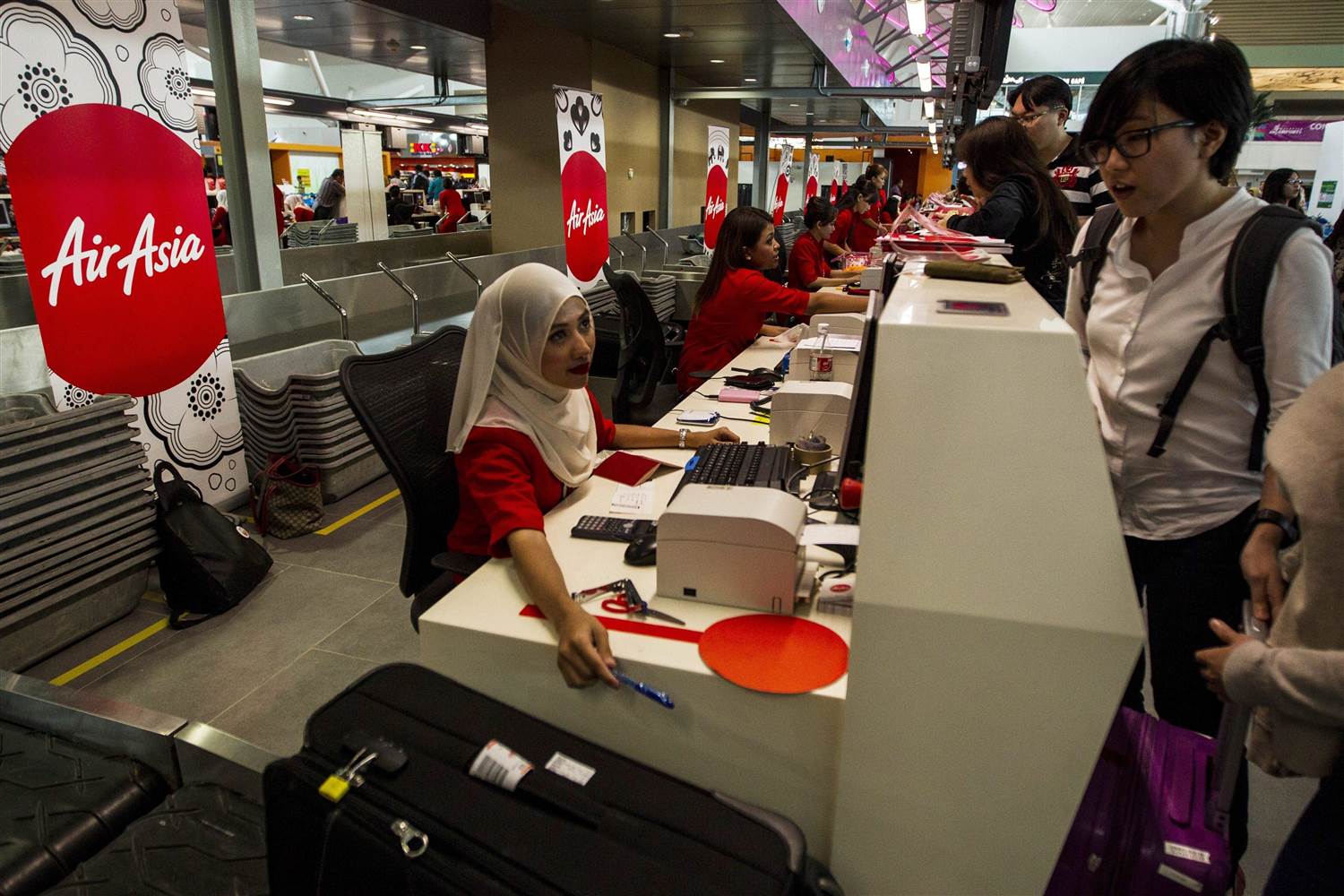
    AirAsia is expanding its connectivity by introducing direct flights from Shenzhen, China, to Langkawi starting Aug 9. Chief executive officer Aireen Omar said the concept of low-cost airline was introduced in Shenzhen with the aim of enabling more people to fly.

    “Now people in the Guangdong province are well-connected to the world through our extensive flight network of over 120 destinations in Asia, Australia, New Zealand and the United States,” she said in a statement.

    Since its inaugural flight in 2007, the airline has flown 4.3 million guests in and out of Shenzhen, bringing in high local and international passenger traffic into the city.

    Celebrating its tenth anniversary flying into Shenzhen, China, AirAsia was now offering 35 weekly flights from Shenzhen to South-East Asia.

    The average load factor for this year for the three routes from Shenzhen recorded a performance of over 85%, placing AirAsia as the leading foreign airline, in terms of flight frequency and passengers flown into Shenzhen.

    To celebrate the occasion, AirAsia is offering all-in fares as low as RM256 from Kuala Lumpur to Shenzhen and RM257 from Kota Kinabalu to Shenzhen.

  • GAC China to provide upstream logistics services for car imports

    GAC China to provide upstream logistics services for car imports

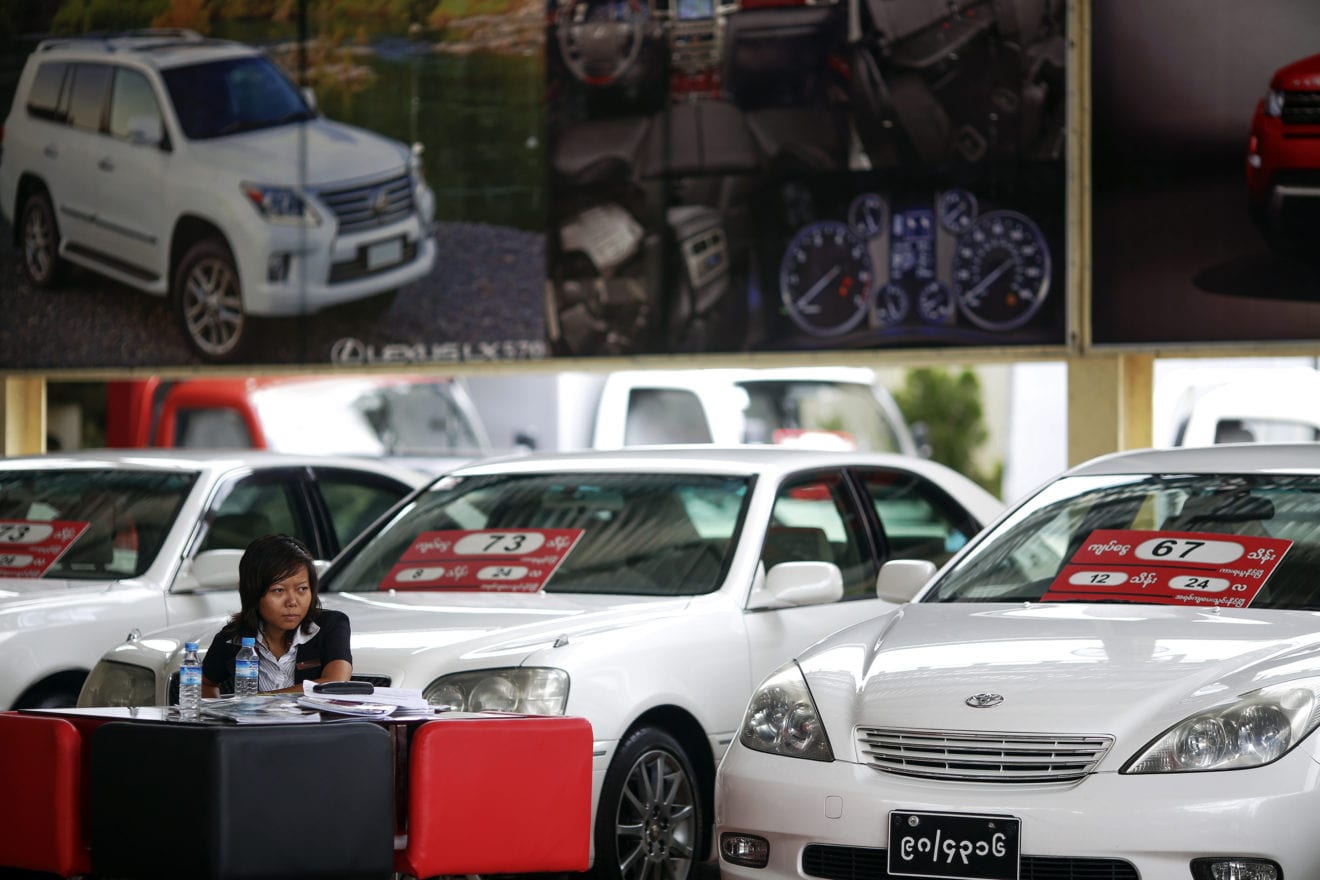
    Parallel car importer Shandong High Speed Qingdao West Coastport has appointed GAC China its upstream logistics provider. Under the one-year contract, it will handle the receiving and checking, container loading and freight services of an estimated 3,000-4,000 cars exported from Hamburg and Rotterdam to Qingdao and Hong Kong every year.

    Simon Xu, managing director of GAC China, is optimistic about the growth of that market and the opportunities that it will generate: “China was ranked as the world’s number one automotive market for the eighth year last year, with a double-digit total sales growth. We are also seeing a rising trend for the direct import of European cars into the country.

    “Our partnership with Shandong High Speed marks the beginning of a new chapter for GAC China, that will allow us to leapfrog into a new territory in the contract logistics market for fully assembled automobiles.”

    GAC China’s contract logistics team led by manager Tyrone Liu will work closely with GAC’s partners in Hamburg and counterparts at GAC Rotterdam to ensure the safe and prompt delivery of the vehicles.

    Chengguang Du, general manager of Shangdong High Speed Qingdao West Coastport says: “When looking for a logistics partner with global resources and extensive experience to handle the shipment of our high value automobiles, GAC came to our mind. We know GAC as a well-known brand in the logistics industry, but it was only when we flew to Hamburg and saw the facility and operations with our own eyes that we were fully convinced.”

    GAC China has already handled the first shipment under the contract – two Range Rover HSEs from Germany to Qingdao, China.

  • Stripe strikes global partnerships with China’s Alipay, WeChat Pay

    Stripe strikes global partnerships with China’s Alipay, WeChat Pay

    Silicon Valley startup Stripe has partnered with digital payment providers Alipay and WeChat Pay to enable merchants using its platform globally to accept payments from hundreds of millions of Chinese consumers.

    Starting Sunday, the partnerships will allow online merchants using Stripe to integrate the ability for Chinese users to pay with Alipay and WeChat Pay on their websites, the company said.

    Stripe hopes the integration will help boost its revenues by allowing clients to tap China’s vast consumer market, where credit cards account for only a fraction of online spending, the company said.

    Alipay is the flagship payment service of Ant Financial, the financial affiliate of major Chinese ecommerce company Alibaba Group and has over 520 million users. WeChat Pay has more than 600 million users and is the payment app of entertainment and social network firm Tencent Holdings.

    “If you are an internet business this unlocks a new vast customer base,” John Collison, Stripe’s president and co-founder, said in an interview. In turn, Chinese consumers will have expanded choice as to which international online merchants they can purchase products and services from, he added.

    Founded by brothers John and Patrick Collison in 2010, Stripe provides technology that enables merchants in 25 countries to accept payments online. It charges a fee on each payments transactions processed through its platform.

    “If we can help a business double their sales, then it doubles our revenue from that business,” Collison said.

    The partnership coincides with the company’s launch in Hong Kong.

    One of the most valuable venture-backed financial technology companies globally, Stripe has risen in popularity among software developers and online merchants because of its ease of use.

    It is among the cohort of young fintech companies seeking to reinvent the payments landscape by taking better advantage of digital technologies to offer more user-friendly financial services and products.

    It had previously partnered with Alipay to enable only the U.S. merchants on its platform to integrate the Chinese payment service. The new global partnership builds on that experience.

    “Demand for services from Chinese consumers is at all-time high,” Souheil Badran, president of Alipay for North America, said in an interview. The new partnerships will connect them to hundreds of thousands of Stripe-powered businesses around the world, he added.

  • Ant Financial aims for ‘cashless’ cities in China

    Ant Financial aims for ‘cashless’ cities in China

    Alibaba’s financial arm Ant Financial is looking to create more “cashless” cities across China, with the latest agreement inked with Tianjin municipality in North China.

    The city-wide “cashless” campaign pushed by the e-commerce giant is the fourth installment to hit China, following similar initiatives in Hangzhou — where Alibaba is based — followed by Wuhan and Fuzhou.

    As with the other “cashless” cities, Tianjin residents will soon be able to pay for an array services and goods using their mobiles when paying bus fares and medical bills, as well as school tuition and social security.

    It will be officially rolled out by the end of 2017, as reported by the China Economic Times.

    However, going “cashless” does not mean money will become obsolete. It will simply allow customers to decide on the way of payment, Jing Xiaodong, the company’s CEO, said

    Tianjin was chosen, said Jiang, as it has a good foundation for Internet Plus to make it the first cashless city in the north.

    With a resident population of 155 million, sone 69 million are real-name registered Alipay users, according to China Economic Times. The city ranks 10th nationwide by mobile payment activities.

    Ant Financial was a leading sponsor of a cashless alliance set up in April. The company earlier vowed to make mobile payment accessible in the whole country in the coming five years.

    2017 has proven a busy year for Alibaba. Last week, the world’s largest e-commerce platform operator said it plans to enter Macau with a bevy of products and services. Last month, the group acquired an 18% stake in Lianhua Supermarket. Before that, the Chinese giant said it had invested US$1 billion in Southeast Asian online retailer Lazada Group, increasing its stake to more than 80%.

    Looking ahead, said that in fiscal 2018 sales may increase by up to 49 per cent, 10 percentage points higher than estimates.

  • Chinese Travelers Spend More But Shop Less

    Chinese Travelers Spend More But Shop Less

    The number of trips by outbound Chinese travelers is expected to reach 150 million this year, but while average trip spend is on the rise (up 3.5 percent 2015-2016), surprisingly shopping spend declined both in absolute and relative terms, to 33 percent of trip spend in the same period, according to a report released by Oliver Wyman, a global consulting firm.

    The findings of the report, ‘Prepare for Turbulence: The Chinese Traveler of Today and Tomorrow,’reveal that shopping dropped from the second biggest motivation for traveling to third, behind sightseeing, recreation and entertainment. The decline was mainly driven by decreased shopping for resale – ‘daigou’ – which fell from 8 percent to 3 percent year-over-year.

    “Chinese Traveler continue to shift their spending towards more meaningful experiences such as exquisite dining, extraordinary cultural journeys and even adventurous sports,” said Hunter Williams, Oliver Wyman partner and author of the report. “At the same time, cross-border e-commerce has grown rapidly, overseas travel has democratized, and there is greater availability of products at home, meaning there is less need for buying overseas for resale”

    Travelers who rank shopping as the main reason to travel are generally from lower income brackets than those who rank shopping as the second and third motivations to travel. Therefore, the most “intent shoppers” are not the biggest spenders in either shopping or total travel spending

    For example retail spend as proportion of overall trip spend in the United Kingdom went down from 42 percent to 33 percent despite the weakness of the pound following Brexit. A particular fall was seen in daigou spend, which dropped from RMB1,800 to RMB1,000 per person from 2015-2016. Similarly, retail spend in the United States dropped from 41 percent to 28 percent with only 5 percent of respondents ranking shopping as number one reason to go to the country.

    The report reveals the major shifts in the tastes of Chinese travelers, who are becoming more independent as they become more sophisticated. “Cookie cutter” holidays have greatly declined in popularity as a result – fewer than 1 in 40 holidays were mostly planned by travel agents in 2016 vs. more than 1 in 7 in 2015. They are also staying longer in distant locations, traveling more with their families and even spending less on shopping. They now travel more with immediate family and especially children, resulting in growth in average group size from 2.9 to 3.1 travelers per group.

    In terms of travel duration, Chinese Travelers are making shorter trips to Asia and significantly longer trips to long-haul destinations. Hong Kong remains the most popular destination despite seeing a 3 percent year-over-year drop in Chinese visitors in 2016, with the city appearing to be poised for a comeback with nearly seven times as many respondents saying their impression of the city had improved (55%) rather than worsened (8%), and the majority perceiving it as “good value”.

    South Korea has slipped from its position as the top destination, seeing Chinese visitor numbers decrease 3 percent year-over-year in 2016 and a slump in popularity with Traveler planning to visit falling from 31% in 2015 to 17% last year. In contrast, Japan has continued to rise, again being the fastest growing destination and now also the most desired, with 4 percent year-over-year growth and 29 percent of respondents planning to visit in 2017.

    Interestingly, the report also reveals that twice as many trips were made domestically last year compared to 2015, with over 90 percent of respondents making at least one domestic tourism trip in the past 12 months. On the consumption front, they are much less interested in shopping when traveling domestically and also more price conscious, with 47 percent of respondents seeking value/price compared with 40 percent for overseas destinations.

    With long-haul destinations becoming more popular among Chinese tourists, Oliver Wyman expects that a greater proportion of spend will be allocated to accommodation, dining and entertainment, while shopping spend as a percentage of overall travel spend is likely to continue to decline moving forward.

  • Indonesian embassy promotes Balinese culinary in Beijing

    Indonesian embassy promotes Balinese culinary in Beijing

    The Embassy of the Republic of Indonesia in Beijing and Hotel Conrad has promoted Balinese cuisine to the guests staying at one of the five star hotels in the capital city of China from July 6 to 16, 2017.

    “This is the second event this year,” Indonesian Ambassador to China, Soegeng Rahardjo, stated in a press statement received by Antara here on Friday.

    To support the event titled A Taste of Indonesia, Conrad Beijing presented three chefs from Bali, namely I Made Semawan, Agus Feritude, and Agus Surya.

    They serve Balinese dishes of chicken, pork, fried rice, and satay, which tasted exactly the same as the ones found in the island.

    “With the growing recognition of Indonesias tradition, culinary taste, and beauty, it is expected that the number of foreign tourists visiting Indonesia will continue to increase,” the ambassador stated.

    The Embassy will continue to hold such culinary promotional events by involving several star hotels.

    Earlier, a similar event was also held by the Embassy in cooperation with Westin Beijing in mid-March.

    This year, the Ministry of Tourism expects 2.5 million tourists from China.

    In previous year, tourists from mainland China visiting Indonesia reached 1.5 million people. They still see Bali as a major tourist destination in the country.

    Garuda Indonesia has provided direct flights to Denpasar from Beijing, Shanghai, Guangzhou, and Chengdu. Several Chinese airlines also provide direct flights to Denpasar.

  • Alibaba launches low-cost voice assistant amid AI drive

    Alibaba launches low-cost voice assistant amid AI drive

    The Chinese device costs significantly less than counterparts by Amazon and Google. China’s Alibaba Group Holding Ltd launched on Wednesday a cut-price voice assistant speaker, similar to Amazon.com Inc’s “Echo”, its first foray into artificially intelligent home devices.

    The “Tmall Genie”, named after the company’s e-commerce platform Tmall, costs 499 yuan ($73.42), significantly less than western counterparts by Amazon and Alphabet Inc’s Google, which range from $120 to $180.

    These devices are activated by voice commands to perform tasks, such as checking calendars, searching for weather reports, changing music or control smart-home devices, using internet connectivity and artificial intelligence.

    China’s top tech firms have ambitions to become world leaders in artificial intelligence as companies, including Alibaba and Amazon, increasingly compete for the same markets.

    Baidu, China’s top search engine, which has invested in an artificial intelligence lab with the Chinese government, recently launched a device based on its own siri-like “Duer OS” system.

    The Tmall Genie is currently programmed to use Mandarin as its language and will only be available in China. It is activated when a recognized user says “Tmall Genie” in Chinese.

    In a streamed demonstration on Wednesday, engineers ordered the device to buy and deliver some Coca Cola, play music, add credit to a phone and activate a smart humidifier and TV.

    The device, which comes in black and white, can also be tasked with purchasing goods from the company’s Tmall platform, a function similar to Amazon’s Echo device.

    Alibaba has invested heavily in offline stores and big data capabilities in an effort to capitalize on the entire supply chain as part of its retail strategy, increasingly drawing comparisons with similar strategies adopted by Amazon.

    It recently began rolling out unstaffed brick-and-motor grocery and coffee shops, using QR codes that users can scan to complete payment on its Alipay app, which has over 450 million users. Amazon launched a similar concept of stores in December.

  • The Alibaba Group is ready to do business in Macau

    The Alibaba Group is ready to do business in Macau

    Alibaba Group Holding Limited has had its application for trademark protection accepted in Macau, enabling the Chinese e-commerce giant to enter the MSAR with a series of products.

    Brands Ant Star, Ant Star Bank, Alimebot, 阿里蜜,星匯,星安,智惠,星匯銀行,智惠銀行, are now able to create and commercialise in Macau products ranging from newspapers and magazines to credit and debit cards, scientific and nautical instruments, file sharing software and GPS equipment. But also advertising, execution and supervision of loyalty programmes and incentives, business consulting to traffic optimisation of websites, large warehouse retail services or even insurance, financial and monetary businesses.

    In total, many hundreds of products and services that the company – based in Hangzhou and founded in 1999 by Jack Ma and Peng Lei – is now allowed to conduct here.

    With over 50,000 employees, Alibaba provides consumer-to-consumer, business-to-consumer and business-to-business sales services via web portals.

    Recently, the Chinese giant invested US$1 billion (MOP8 billion) in Southeast Asian online retailer Lazada Group increasing its stake to more than 80 per cent and making is presence even stronger in the region.

    According to Forbes magazine, over the past year Ma has spent more than 800 hours flying to dozens of countries, meeting business leaders and heads of state to introduce his grand vision: small businesses from all corners of the world trading freely and securely on the Alibaba platform.

    Highly reported Jack Ma’s ambition is to see his company reach the US$1 trillion mark in gross merchandise value by 2020.

  • Xiaomi, Nokia sign alliance and patent de

    Xiaomi, Nokia sign alliance and patent de

    Xiaomi and Nokia have signed new a multi-year business collaboration and a patent cross-licensing agreement covering each vendor’s cellular standard-essential patents.

    As part of the transaction, fast-growing Chinese handset vendor Xiaomi has also purchased patent assets from Nokia.

    Under the business cooperation component, Nokia will meanwhile provide network infrastructure equipment designed to meet the high capacity, low power requirements of large web providers and data center operators.

    The two companies will also work together on optical transport solutions for data center interconnections, IP routing based on Nokia’s new FP4 network processor and a joint data center fabric solution.

    Xiaomi and Nokia will likewise explore opportunities for further collaboration in areas including the internet of things (IoT), augmented and virtual reality as well as artificial intelligence.

    Xiaomi now has a presence in over 30 markets, and is a leading IoT player as well as smartphone vendor.

    “As a company seeking to deliver more exciting technological innovations to the world, we are excited at the opportunity to work more closely with Nokia in future.”Xiaomi is committed to building sustainable, long-term partnerships with global technology leaders,” Xiaomi CEO Lei Jun said.

    “Our collaboration with Nokia will enable us to tap on its leadership in building large, high performance networks and formidable strength in software and services, as we seek to create even more remarkable products and services that deliver the best user experience to our Mi fans worldwide.”

  • Aigle opens store in Suzhou

    Aigle opens store in Suzhou

    Aigle, a French outdoor leisure brand with a history of over 100 years, has opened a store in Jiuguang Department Store, Suzhou.

    Founded in 1853, Aigle is sells leisure jackets and rain boots with both fashionable designs and functions. Its classic works include the handmade rubber boots “Miss Juliette” and “Miss Julie”. The brand entered the Chinese market in 1998, with the Chinese sportswear brand Lining as its agent.

    As a master brand of handmade rubber boots, Aigle’s craftsmanship is over 100 years old. The materials of its rain boots are all from rubber plantations in Southeast Asia and Africa, featuring unique molecular structures to ensure superior durability and tear resistance. Even in extremely cold conditions, they can still provide unparalleled comfort and flexibility.

    In regards to functional casual clothing, Aigle used new patterns in its Full Summer series of the latest season. It added linen shirts, oriental cherry blossom patterns, and sailing elements like anchors in its details.

  • China Telecom joins HomeGrid Forum

    China Telecom joins HomeGrid Forum

    China Telecom’s main research arm the China Telecom Shanghai Research Institute has joined the HomeGrid Forum to support the deployment of G.hn technology in Asia.

    The Institute has been working on G.hn related products for more than three years, with China Telecom selecting G.hn as its home networking technology of choice.

    China Telecom Shanghai announced its first public tender request for G.hn devices earlier this year, marking the start of commercial deployments of the technology in China.

    In addition, the Institute has expressed an interest in establishing a HomeGrid Forum Certification facility at its Shanghai labs, adding a third point of call for silicon and system vendors to certify their products in the region after Shenzhen and Taipei.

    “Welcoming China Telecom Shanghai Research Institute as our newest member is fantastic. We look forward to gaining its invaluable insight and perspective into the Chinese and Asian markets as we continue to expand our presence in the region,” HomeGrid Forum president Donna Yasay said.

    “We’ve been championing G.hn technology for many years and support from an organization of this caliber validates our efforts. When combined with other technologies, such as wireless, home mesh networking and Ethernet, G.hn creates an unrivalled hybrid that can extend connectivity further than other products on the market. G.hn is the vital backbone for the kind of seamless connectivity that is now in demand around the world.”

    Chian Telecom will join operators including Chunghwa Telecom and KT as promoting members of the Forum.

    G.hn is the gigagbit home networking technology designed to utilize multiple existing last mile connections including coaxial, copper pairs, powerline and plastic optical fiber.

  • DHL and Latvian Railways join forces to boost Baltic-China trade

    DHL and Latvian Railways join forces to boost Baltic-China trade

    Baltic and Nordic exporters can look forward to faster, cheaper and more reliable logistics connections to China’s immense export market, following the signing of a new agreement between Latvia’s State Joint Stock Company Latvijas dzelzceļš (LDz) and DHL Global Forwarding.

    The Memorandum of Understanding and Cooperation (MUC) signed between both companies will see both organisations focus on establishing multimodal rail connections between China and Latvia, including both freight connections and consolidation services centred in Riga City. Under the MUC, new connections will include guaranteed transit times and simplified customs and handling procedures for inbound and outbound cargo, as well as support for more flexible shipments such as Less-than-Container Load (LCL) freight.

    “So far, very few Baltic or Nordic businesses have fully tapped into the immense market opportunities that China and the broader Asia Pacific region currently offer,” said Steve Huang, CEO, DHL Global Forwarding Greater China. “The two regions’ exports made up only 0.7% of China’s imports on average between 2011 to 2015, despite China’s demand for overseas goods which both regions excel in — like high-quality food products, textiles, and pharmaceuticals — growing rapidly in this time.[1]”

    “With the economies of Latvia and its neighbours expected to grow faster than the rest of the European Union,[2] businesses in the region will need to look to new markets like China to fuel their expansion. By building rapid, reliable logistics connections between the Baltic and Asia Pacific, we hope to give the region’s businesses a strong foundation for ongoing growth.”

    The MUC comes as DHL begins service along its newest Asia-Europe multimodal route connecting Shenzhen to Minsk via rail. DHL holds similar agreements with national rail providers in Belarus, Chengdu, and other major hubs along China’s proposed “Belt and Road” trade routes.

    “DHL has led the way in realising the Belt and Road’s opportunities for numerous countries, including the Nordic states that its Shenzhen-Minsk route will directly service,” said president of LDz, Edvīns Bērziņš. “This new agreement will give Latvian businesses the flexibility and confidence to engage in freer trade with Chinese and Asian markets, as well as establish Latvia as a strategic gateway along the Belt and Road to other parts of Europe — a twofold boost to the country’s production and logistics industries.”

    The MUC also includes provisions for ocean freight and intermodal shipping between Latvia, Scandinavia, and the UK and Ireland, as well as air and road freight connections to major cities across continental Europe.