Tag: China

  • CapitaLand nabs three mall management contracts in China

    CapitaLand nabs three mall management contracts in China

    These expand the group’s mall footprint by another 115,000 sqm. CapitaLand Limited is accelerating its shopping mall network expansion through the recently-won management contracts with three new partnerships in China.

    According to the group, its subsidiary CapitaLand Mall Asia will be adding more than 115,000 square meters of gross floor area with these deals.

    In Chengdu, CapitaLand has been commissioned by Sichuan Da Yi Real Estate Co. Ltd to manage the retail component of Leshijie, an integrated development in the up-and-coming Pidu district.

    In Foshan, CapitaLand will be managing the retail component of Hehua International Commercial Plaza a landmark integrated development near Foshan’s border with Guangzhou, on behalf of Hehua Shengshi (Foshan) Property Development Co. Ltd.

    In Shanghai, CapitaLand will manage the retail component of Capital Square, an integrated development it is jointly developing with Shanghai Shentong Metro Group, which develops, constructs and operates railway and metro lines in the city.

    “Since embarking on our mall network expansion strategy last August, we have secured six management contracts in Singapore and China to date, growing our portfolio by close to 300,000 square metres within a year,” CapitaLand Mall Asia CEO Jason Leow said.

  • China economy growing but harder times beckon

    China economy growing but harder times beckon

    China’s economy continued to improve in the second quarter, with corporate profits rising and hiring up, a private survey showed, but it suggested the Asian giant may have to brace itself for tougher times ahead even though firms have been able to weather a tighter financing environment.

    The quarterly survey of thousands of Chinese firms by China Beige Book International (CBB) showed yesterday that while the property sector slowed, manufacturing improved further and the retail and service industries bounced back after a difficult first quarter.

    That reinforced a flurry of recent data and policymakers’ comments that indicated the authorities were working to curb financial risks and keep the economy on an even keel heading into a key political meeting this year. The survey showed surprisingly strong performance in the commodities sector despite some price weakness in the second quarter, with the aluminium sector particularly strong.

    Yet signs of stress in the corporate sector pointed to a bumpy ride for businesses. CBB said cash flow was negative for many companies and inventory levels in the second quarter was at the highest in the history of the survey.

    That is in line with official data showing growth in industrial inventories picked up to over 10 per cent in April, sparking worries of weak demand. CBB said there are signs that tougher times could be ahead for Chinese companies during a period of deleveraging and rising interest rates.

    “It remains true that either rates have to come plunging back down, as the (state planner) recently called for, or the present level of corporate activity is headed for a cliff,” CBB said in its report.

    As the government stepped up its campaign to curb debt risks and stabilise the financial sector, growth of China’s broad money supply came in at the slowest in at least two decades in May, though bank lending remained solid.

    The survey showed the corporate sector started to feel the effect of tighter credit conditions in the second quarter. Borrowing was not impacted much, CBB said, likely due to positive business outlook for the next six months.

  • China’s Alibaba boosts stake in SE Asia online sales

    China’s Alibaba boosts stake in SE Asia online sales

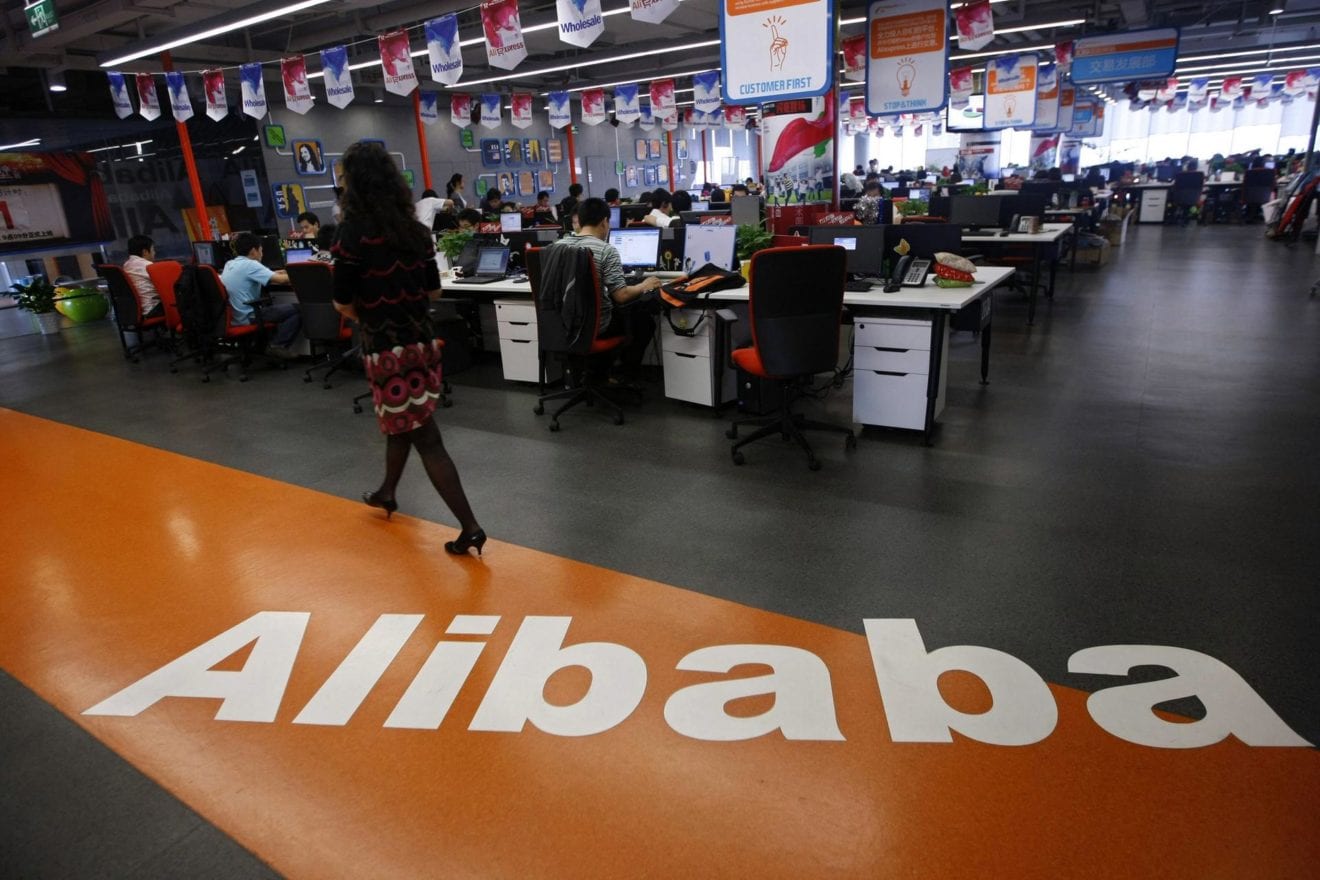
    Chinese e-commerce giant Alibaba said Wednesday it would inject another $1 billion into Southeast Asia’s Lazada, as the cashed-up company increases its stake in the region’s nascent online shopping market.

    The investment will raise Alibaba’s holding in Lazada to 83 percent from 51 percent and take its total outlay on the company so far to more than $2 billion.

    “The e-commerce markets in the region are still relatively untapped and we see a very positive upward trajectory ahead of us,” said Alibaba chief executive Daniel Zhang, estimating only three percent of Southeast Asia’s retail sales are conducted online.

    Alibaba, founded by China’s richest man Jack Ma, is a dominant player in the fast-growing online commerce market as shoppers increasingly shun bricks-and-mortar stores.

    Earlier this month Alibaba forecast annual revenue growth of 45-49 percent. That followed an almost doubling in its net profit in the quarter ended March 31, on a 60 percent surge in revenue.

    Alibaba’s Taobao platform is estimated to hold more than 90 percent of China’s consumer-to-consumer market, while its Tmall platform is believed to handle over half of business-to-consumer transactions.

    But its international commerce business accounted for only 10 percent of revenue in the last quarter.

  • Kerry launches new UK-China rail freight service

    Kerry launches new UK-China rail freight service

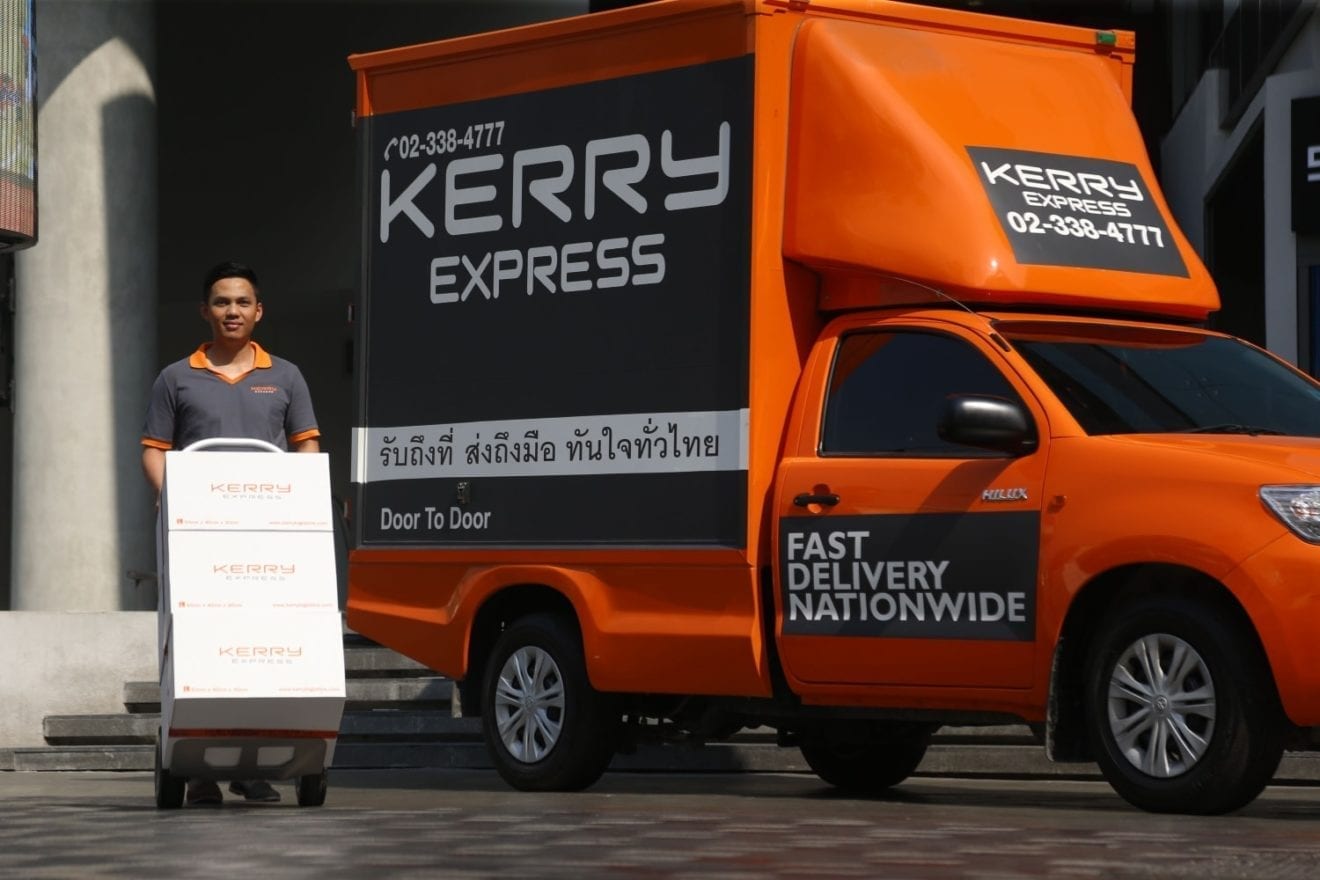
    Kerry Logistics Network announced the launch of its weekly scheduled Less Than Container Load (LCL) rail freight service between Duisburg, Germany and Shanghai via the Yiwu terminal in the Yangtze River Delta, China, using its own consolidation containers.

    This additional service option for east- and westbound shipments enhances Kerry Logistics’ existing Full Container Load (FCL) and LCL services, offering a transit time of 16 days for westbound cargo, and 21 days eastbound.

    Shipments have already been successfully moved using the new service, which offers weekly departures on Friday eastbound and Wednesday westbound.

    The rail freight solution is part of Kerry Logistics’ end-to-end freight management service, which provides an unrivalled range of upstream services, including storage, quality control, assembly, and reworking in addition to the pre-carriage and delivery to final destination.

    Thomas Blank, managing director of Europe, Kerry Logistics, said, “Our proven track record and unparalleled service network in Asia, together with our local expertise throughout Europe, promise that we can now offer our customers a flexible, cost-effective solution on this route for cargoes from industrial freight, down to smaller e-commerce commodities.

    “Acting as the consolidator ourselves allows us to offer shorter lead times, moving each shipment faster than if we had to wait for a full container from each customer, who can monitor their cargo along the route via online track and trace.

    “We can be more reactive to our customers’ rapidly evolving needs,” Blank added.

  • China Telecom to expand JV with AT&T

    China Telecom to expand JV with AT&T

    China Telecom has agreed to extend its partnership with AT&T to cover the development of more advanced network services for multinational companies operating in China.

    The operators have signed a framework agreement to explore ways to develop new IoT, cloud-based big data, VoLTE roaming and SDN based services.

    AT&T, China Telecom and Shanghai Information Investments entered a joint venture in 2000, Shanghai Symphony Telecommunications (SST). The companies now plan to expand the scope of SST as well as the locations it serves.

    Under the agreement, China Telecom and AT&T aim to help establish industry standards for SDN, explore ways to collaborate on IoT platforms and solutions, launch bilateral roaming tests and explore the potential of VoLTE roaming.

    “Working with AT&T, China Telecom is creating future business solutions that use enterprise mobility, cloud, IoT and other technologies,” China Telecom executive director and EVP Gao Tongqing commented.

    “Global businesses have to be innovative and agile to succeed today. Growing our relationship with China Telecom, AT&T is helping multinational customers have consistent access to the advanced solutions they need in China,” added Thaddeus Arroyo, CEO of AT&T Business Solutions and International segment.

  • La Chapelle gets green light to list in China

    La Chapelle gets green light to list in China

    Chinese multi-brand apparel group Shanghai La Chapelle Fashion Co., Ltd., backed by Legend Capital, Goldman Sachs and other investors, have received approval from Chinese security regulators to list on domestic Chinese stock exchanges three years after it completed an IPO in Hong Kong.

    Founded in 1998, La Chapelle is often called “China’s ZARA” as it focuses on fast fashion for young female consumers in China. Receiving regulatory approval for its IPO is welcoming news for La Chapelle, and its investors, as the company has previously tried and failed to list on domestic exchanges. Its Hong Kong-traded shares have long traded below its IPO price and are currently valued at a price-to-earning ratio of 3.5, compared to a projected PE ratio of around 29 for its planned A-share IPO.

    With the more favorable valuation, La Chapelle can raise RMB1.64 billion (US$240 million) in fresh capital to fuel its expansion. Its venture investors will also be handsomely rewarded. Goldman, in particularly, will finally be able to make a positive return on investment after suffering significant paper losses.

    Legend Capital invested RMB45 million to acquire a 25% stake in the company in 2009. A year later, as the company reached its earnings target, Legend invested another RMB46 million to remain its stake as required by a valuation adjustment mechanism embedded in the investment contract.

    At the same time, Le Chapelle grew rapidly, quadrupling its sales to RMB2 billion in 2011 from RMB500 million in 2009. But its road to IPO did not go as well. In 2013, its IPO application was rejected by the China Securities Regulatory Commission as the domestic IPO market was suspended.

    That year, Goldman invested RMB300 million for a 5% interest in the company, valuing the company at RMB6 billion, before the company moved its focus to a Hong Kong IPO. Other investors in the company from previous financing rounds include Orchid Asia Group Management Ltd., Boxin Capital, Shanghai Ronggao Venture Capital and Asia Alternatives Management LLC.

    The company completed a Hong Kong IPO in October 2014, raising a total of HK$1.7 billion (US$220 million) by offering 121.58 million ordinary shares at HK$13.98. Its shares subsequently tanked and reached as low as HK$7 apiece last July despite a HK$120 million share buy-back aimed to improve sentiment. The poor performance also put Goldman at a significant paper loss.

    In April 2015, shareholders approved a plan to list on the A-shares market during one of the biggest ever bull markets in the domestic Chinese stock market. Over two years later, the newly approved plan calls for the company to issue no more than 54.77 million new shares to raise RMB1.64 billion.

    Le Chapelle plans to use the IPO proceeds on opening more retail stores. The company has expanded its network of retail locations, which are 100% self-owned, to nearly 9,000 last year from 1,841 in 2011.

  • Crown Equipment expands Shanghai operations

    Crown Equipment expands Shanghai operations

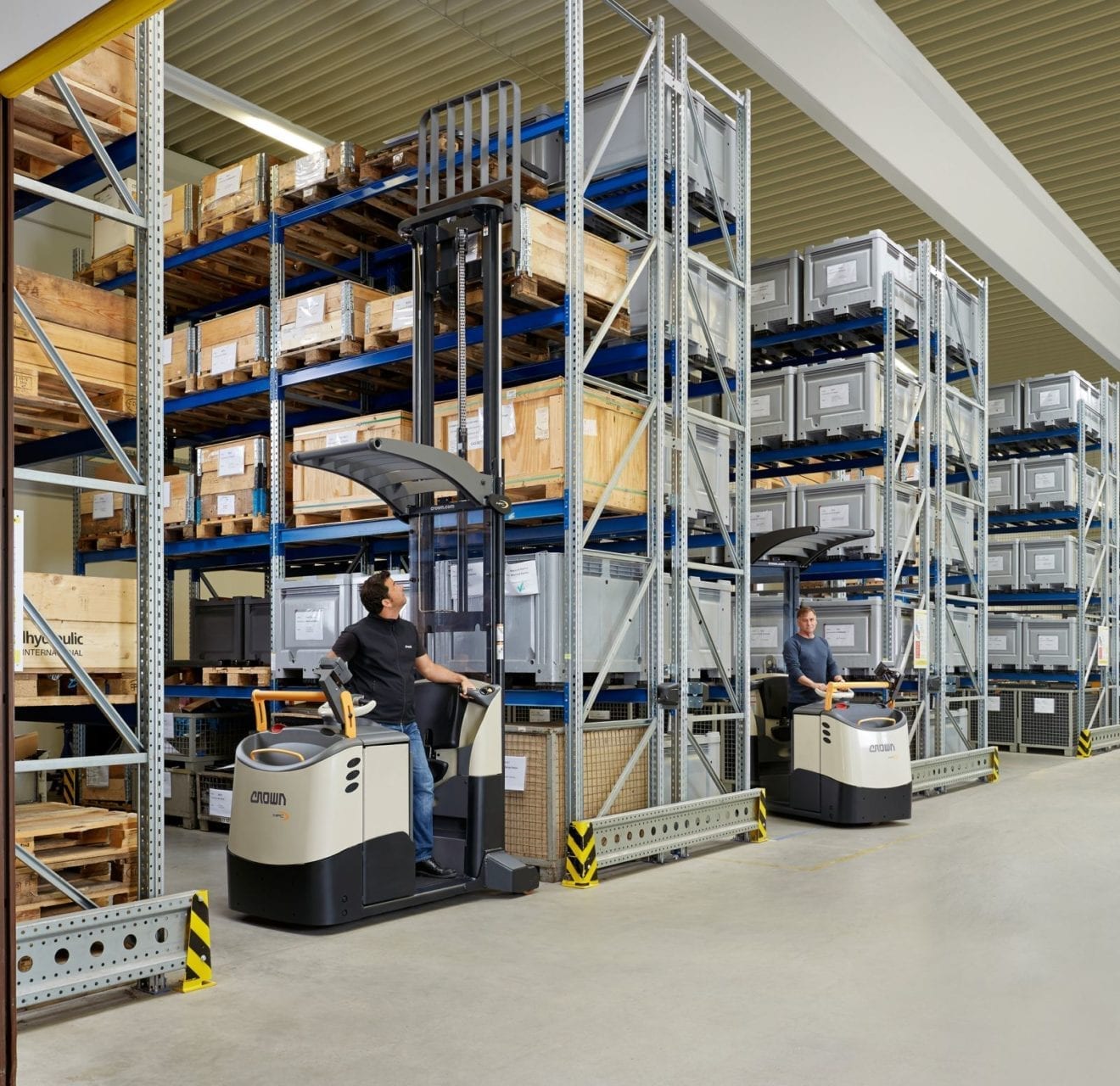
    Crown Equipment Corporation is expanding in Shanghai with a new facility to support growing customer needs in the region. The facility includes space for extensive new equipment inventory, a parts distribution centre, training facility for mainland China, technology demonstration centre as well as local sales, parts and customer service operations for the Shanghai area.

    “The new location is vital to support our customers’ evolving needs in China,” said Tom Kieffer, managing director of commercial operations, Crown Equipment. “Our goal is to become the first choice of our customers, which requires that we have outstanding parts and truck availability to provide excellent customer support. Our new facility provides the expansion needed to achieve this goal.”

    The facility’s technology demonstration centre is designed to help customers make informed purchasing decisions when it comes to advanced material handling equipment and technology needed to increase the productivity of their operations. The centre will showcase the latest forklifts and technology from Crown, including the QuickPick Remote order picking system that uses automated truck navigation technologies to reduce low-level order picking walk steps, and Crown’s InfoLink wireless operator and fleet management system.

    Along with having access to a complete selection of Crown’s award-winning forklifts and Integrity Parts and Service System, customers can take advantage of Crown’s Demonstrated Performance Training programs that offer a comprehensive range of forklift training formats for operators, supervisors, trainers, technicians and pedestrians.

  • Global Blue links with EuroPass,WeChat to boost Chinese tourist spend in Europe

    Global Blue links with EuroPass,WeChat to boost Chinese tourist spend in Europe

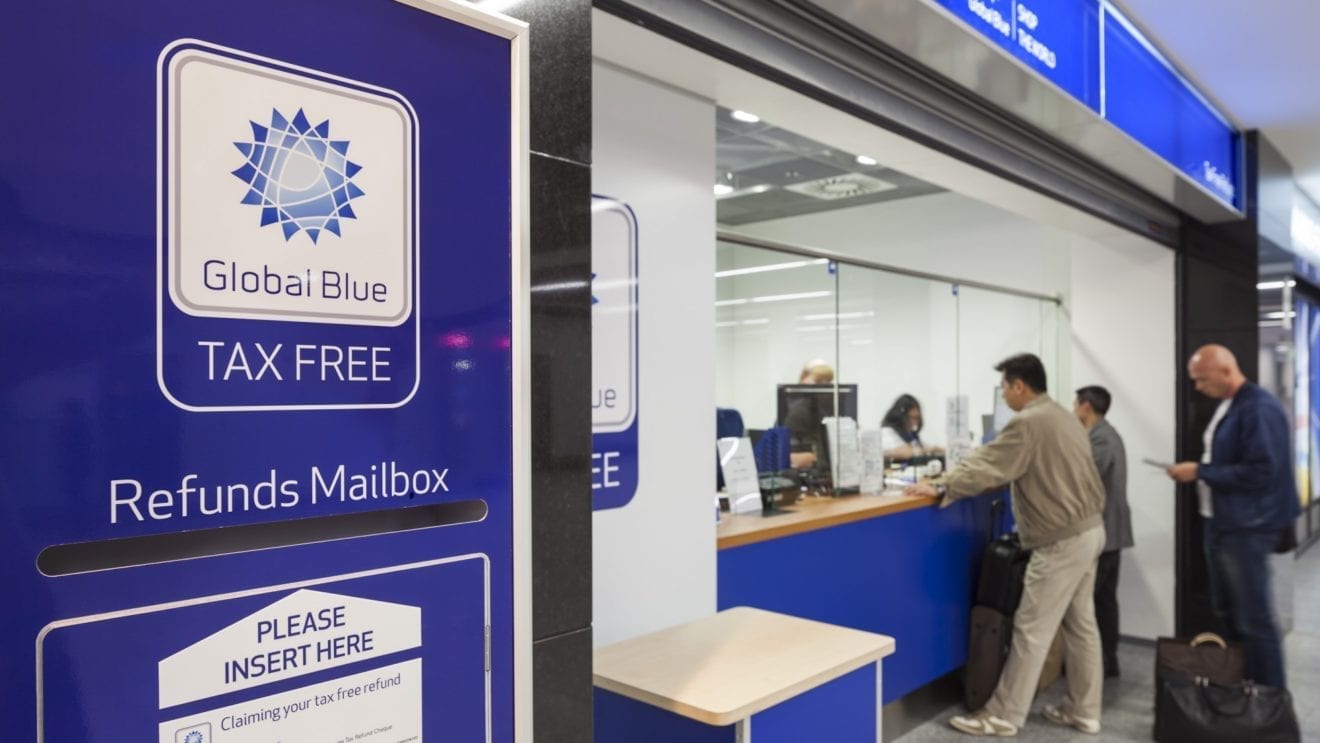
    Global Blue has inked a deal to make it easier for Chinese tourists to claim tax refunds on goods they buy in UK and European stores by linking up with major mobile payments specialist EuroPass. And the deal has a major WeChat social media element too.

    Chinese shoppers now have more options for claiming back the VAT when they shop in Europe

    Anything that makes it easier for Chinese shoppers to spend has to be good news with the consumer group particularly important for fashion and luxury stores in key European cities.

    London in particular has seen a Chinese surge of late. According to the Global Blue tax-free spend figures last month, with 21% of the total tax free sales, Chinese shoppers made up the biggest share of tax-free spend in the UK and they also showed the biggest growth in spend since last year.

    The company, which handles sales tax refunds, said this week it has acquired a stake in EuroPass, the European WeChat payment specialist. It has signed an exclusive contract to introduce retailers to the firm’s mobile payment solution to directly deliver tax refunds to Chinese shoppers.

    EuroPass has developed a mobile payment solution for WeChat, the social network that’s hugely popular in China with over 938 million active users. The solution allows Chinese travellers to use their apps to pay for transactions in Europe.

    Global Blue said the deal will help it to further develop its offering to Chinese travelling shoppers and enable it to offer affiliated merchants access to WeChat’s payment ecosystem in Europe.

    Aside from payments, EuroPass also offers a WeChat mobile ticketing solution and a European marketplace, helping drive WeChat customers to European merchants.

    Global Blue’s affiliated merchants will now be able to accept WeChat Pay in their stores, as well as other payment systems as, in recent months, the company has made major investments in this area with  new refund solutions with Alipay and UnionPay.

    As Global Blue’s exclusive tax-free partner, in the future EuroPass will also allow tax refunds from transactions to be paid directly to travellers’ AliPay and WeChat Pay wallets.

    CEO Jacques Stern said: “Chinese Globe Shoppers are vital to the retail industry worldwide. WeChat is the number one social network in China and an increasingly important player in the global payments space, so it is a natural platform for us to focus on.”

  • China’s AliPay, UnionPay & WeChat Pay join LATAM Fintech’s payments revolution

    China’s AliPay, UnionPay & WeChat Pay join LATAM Fintech’s payments revolution

    The fintech dLocal that specializes in cross-border payments for emerging markets, has integrated AliPay, UnionPay and WeChat Pay – China’s three major digital payments providers – into its platform. The addition for Uruguay-based dLocal with a US presence is touted as enabling global merchants to reach some “300 million Chinese consumers.”

    Collectively these three providers captured the vast bulk of the Chinese market for online payments (over 70%), which translated into $2.9 trillion (trn) of such payments in 2016.

    According to the market research firm Analysys, for the first quarter of 2017 Alipay, which was founded by Alibaba Group in 2004 and its founder Jack Ma, accounted for around 54% share of mobile transaction value while WeChat Pay garnered a 40% share.

    For the Uruguayan-based dLocal, which has largely been focused on the Latin American region and other emerging markets, it expands the company’s services to Asia. It is couched as enabling the firm to “offer a broader portfolio of payments and country coverage to global merchants” who want to reach some 2 billion (bn) emerging consumers in markets where payment methods are different of those in Europe and the US.

    Chinese Cross-Border E-Commerce

    Cross-border ecommerce in China reached an estimated RMB 259bn (c.$40bn) in 2015, equivalent to over 6% of China’s total consumer e-commerce. And, the growth rate has been put at more than 50% annually according industry figures and as highlighted recently by Chenan Xia, a principal at McKinsey in Hong Kong.

    Lower prices, higher quality items, larger disposable incomes and the search for non-fake goods are among a factors contributing to the rise in online cross-border purchases, creating a huge opportunity for ecommerce and marketplace businesses.

    China’s major e-commerce site, Alibaba’s Tmall, for example, has moved into the market with a cross-border site (Tmall Global), whilst smaller consumer rivals and start-ups have got in on the act.

    US e-commerce behemoth Amazon has also become increasingly active in China, having opened its offshore shopping sites of late to Chinese consumers and offering users of Amazon.cn, its Chinese site, a selection foreign products described in the local language and with Chinese specifications.

    On the flip side, Tmall Global has attracted major foreign retailers like US-based Costco and South Korea’s Lotte Mart, to its cross-border site.

    “China is the global Mecca for ecommerce and we are unlocking the doors for cross-border purchases in this market by bringing all the pertinent payment options into one solution,” said Sebastián Kanovich, CEO of dLocal, who is described as a pioneer in emerging markets payments.

    Chinese Payment Providers

    As regards the background and timeline of discussions between dLocal and AliPay, WeChat Pay and UnionPay, last year dLocal had implemented bank transfers for China, However, as Kanovich pointed out “the conversion was quite low” as these are not the dominant forms of payment for ecommerce purchases in China.

    The first item in dLocal’s 2017 Product Roadmap was to secure the top three payment methods – AliPay, WeChat Pay and UnionPay – so that they could start processing local debit and credit cards, as well as accept payments through the hugely popular e-wallets.

    “From start to go-live – contract and integration – it has taken six months. For credit and debit card acceptance, the integration was pretty straight forward as it was completely API-based,” revealed Kanovich.

    He added: “To process payments through the AliPay and WeChat Pay e-wallets, we had to develop QR-code technology, which is how AliPay and WeChat Pay operate. This was a new capability we had to develop, because none of the payment option providers in the markets we’re in are utilizing QR codes.”

    The user experience for a payment via QR code works as follows. During the checkout process, when the user indicated that they want to pay with AliPay or WeChat Pay e-wallets, dLocal generates and displays a unique QR code to the shopper which they scans to be redirected to pay with AliPay or WeChat Pay.

  • China’s tech giants in race to transform grocery shopping

    China’s tech giants in race to transform grocery shopping

    As Amazon.com looks to swallow United States grocery chain Whole Foods, China’s tech giants are already digesting hefty bricks-and-mortar deals, taking the lead in the battle to transform supermarket shopping with big data and better supply chains.

    China’s Alibaba Group Holding and JD.com have invested heavily in offline retail – bricks-and-mortar stores – in recent years to complement their online offerings.

    With their ready-made payment and social media platforms to lure shoppers, Alibaba and JD.com have helped China become the world’s largest online grocery market, far ahead of the US.

    This early lead, cemented by densely populated urban areas and cheap labour, could be key as retailers and tech firms race to boost margins on low-cost consumer goods by reinventing supply chains with big data analytics.

    “China is already the largest online grocery market in terms of value in the world, so it’s really advanced in terms of scale,” said Mr Nick Miles, head of Asia-Pacific for food and grocery industry research body IGD. Sales made online are set to more than double to around 6.6 per cent of China’s broader grocery market by 2020, compared with around 1.4 per cent for US sales by then.

    Both US and Chinese e-commerce firms are grappling with the challenge of increasing their margins on fast-moving consumer goods (FMCG), which include low-margin, high-demand goods with a short shelf-life – a staple of grocery stores.

    Alibaba, which has a burgeoning cloud business that competes directly with Amazon, plans to use its trove of consumer data to provide a suite of connected services back to the brands whose goods it sells. Services will include inventory management, smart manufacturing and logistics, which aim to slash waste and margins across the entire supply chain, according to the company’s “New Retail” strategy.

    Likewise, JD.com uses data from a partnership with China’s hugely popular messaging app WeChat, which has over 930 million users, to build data profiles for a range of brands including baby products, cosmetics and soft drinks.

    Alibaba has invested over US$9.3 billion (S$12.9 billion) in offline retail stores since 2015, including supermarket chain Sanjiang, department store Intime Retail Group and Suning Commerce Group, one of China’s biggest offline retailers. Last month, it took an 18 per cent stake in Lianhua Supermarket Holdings, part of retailer Bailian Group.

    JD.com bought Wal-Mart Stores’ Chinese online platform Yihaodian for about US$1.5 billion in shares last year.

    US firms are now looking to play catch-up as bricks-and-mortar stores are hit by a slowdown and online players battle with tight profit margins and high delivery costs.

    Amazon launched a US$13.7 billion bid for grocery chain Whole Foods Market last week, marking its intention to take on Wal-Mart.

    Wal-Mart, which got a stake in JD.com in the Yihaodian deal, raised its share in the Chinese firm to 12.1 per cent in February, having bought online retailer Jet.com in a US$3 billion deal last year.

  • Lacoste pops up at Haitang Bay’s China Duty Free Mall

    Lacoste pops up at Haitang Bay’s China Duty Free Mall

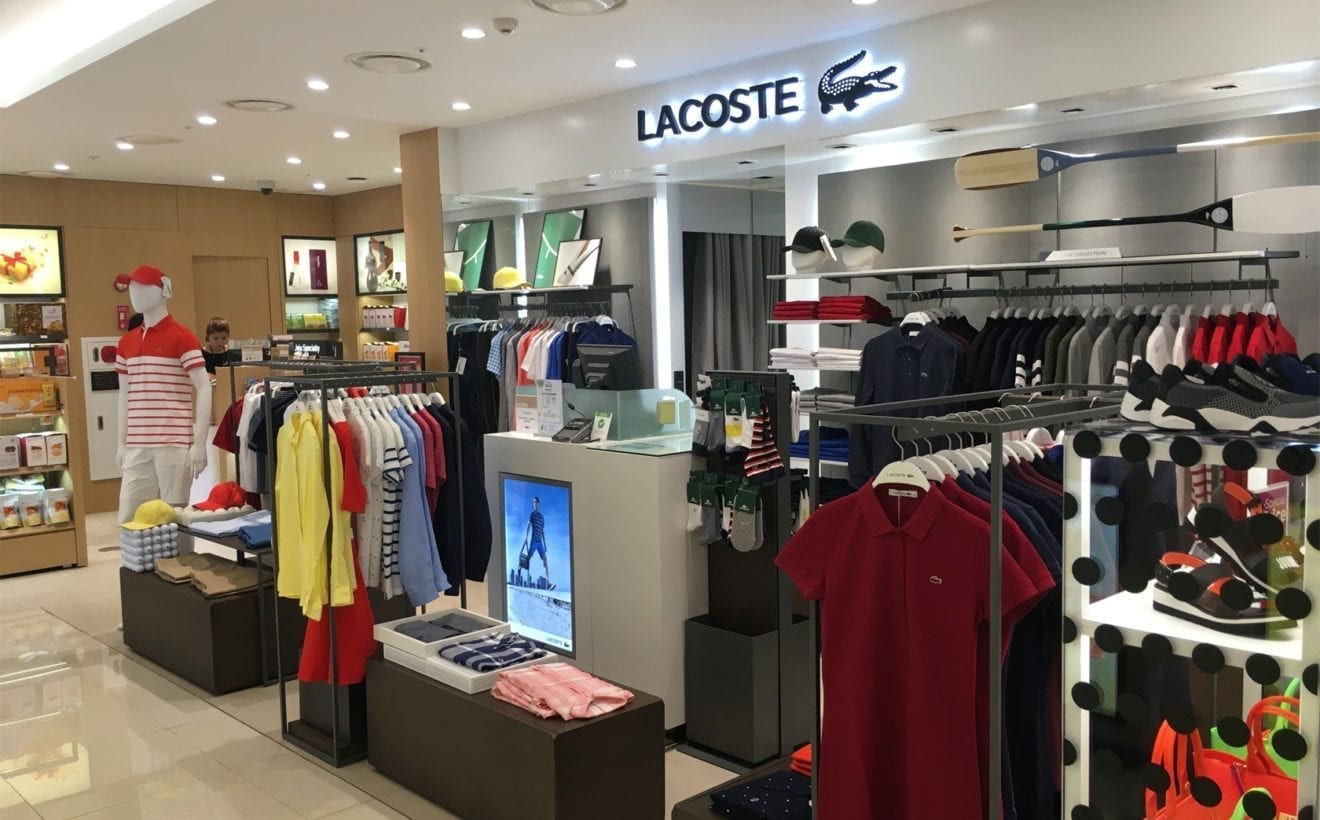
    Lacoste has opened a pop-up store this month in the China Duty Free Mall, the centrepiece of the CITS Haitang Bay Duty Free Shopping Complex.

    Tennis time: Lacoste’s pop-up outlet in the China Duty Free Mall includes an interactive game.

    The 64sq m outlet is celebrating the recent French Open championships and the announcement of Lacoste’s new ‘Crocodile’, Serbian tennis ace Novak Djokovic. It includes an exhibition dedicated to legendary French tennis champion René Lacoste, a retail area featuring the brand’s latest collection, and an interactive game.

    Customers are being encouraged to play tennis on digital screens and they stand a chance of winning a gift. The pop-up will operate until 26 June.

  • Lotte Duty Free to take measures facing China tourism crisis

    Lotte Duty Free to take measures facing China tourism crisis

    Lotte Duty Free is implementing a number of measures to combat the crisis situation caused by China’s ban on tourists visiting South Korea.

    Over 40 executives will return 10% of their salary in a bid to alleviate some of the pressure on the company as a result of the lost business. The senior executives have more than 15 years of experience on average, Lotte said, and are all tax-exempt veterans.

    Lotte Duty Free CEO Jang Seon-wook: “The decline in sales is a shock that has been unprecedented since the founding of Lotte Duty Free in 2003, except for the SARS crisis.”

    As reported, South Korea’s decision to deploy the US defence system infuriated the Chinese government and led to a massive backlash against Korean companies. The tourism and travel retail sectors, heavily dependent on Chinese visitors, have been among the worst-affected.

    Lotte Duty Free discussed various methods of encouraging individual Chinese travellers and tourists from other countries in Southeast Asia to visit South Korea at a recent management strategy meeting.

    The meeting focused on how to revitalise sales and reduce costs, the retailer said, as it feared the Chinese ban could be a prolonged one. The company also noted the impact of fierce competition among duty free retailers in South Korea, which it said was “overheating”.

    “The THAAD situation is likely to be prolonged,” wrote CEO Jang Seon-wook in a letter to employees. “The decline in sales is a shock that has been unprecedented since the founding of Lotte Duty Free in 2003, except for the SARS crisis.”

    He said the company’s experience would see it through the crisis, and that it should focus on internal matters that it had control over. Zhang cited the loss and re-acquisition of the World Tower duty free licence as an example of overcoming a difficult situation.

    “If we can trust each other and cope with each other, we will become the cornerstone of growing Lotte Duty Free as a global number one company,” he told staff. “Everyone in the company will gather wisdom and enthusiasm.”

    Lotte Duty Free noted a survey conducted by the Korea Tourism Organization (KTO) in 2016 which showed that foreign tourists decided to visit South Korea 2.7 months before they travel on average. The retailer said this means that even if the THAAD dispute was solved immediately, there would still be a long delay in returning to ‘normal’ and that “long-term difficulties seem inevitable”.

  • China problems force Aston Martin into global recall of 1,658 cars

    China problems force Aston Martin into global recall of 1,658 cars

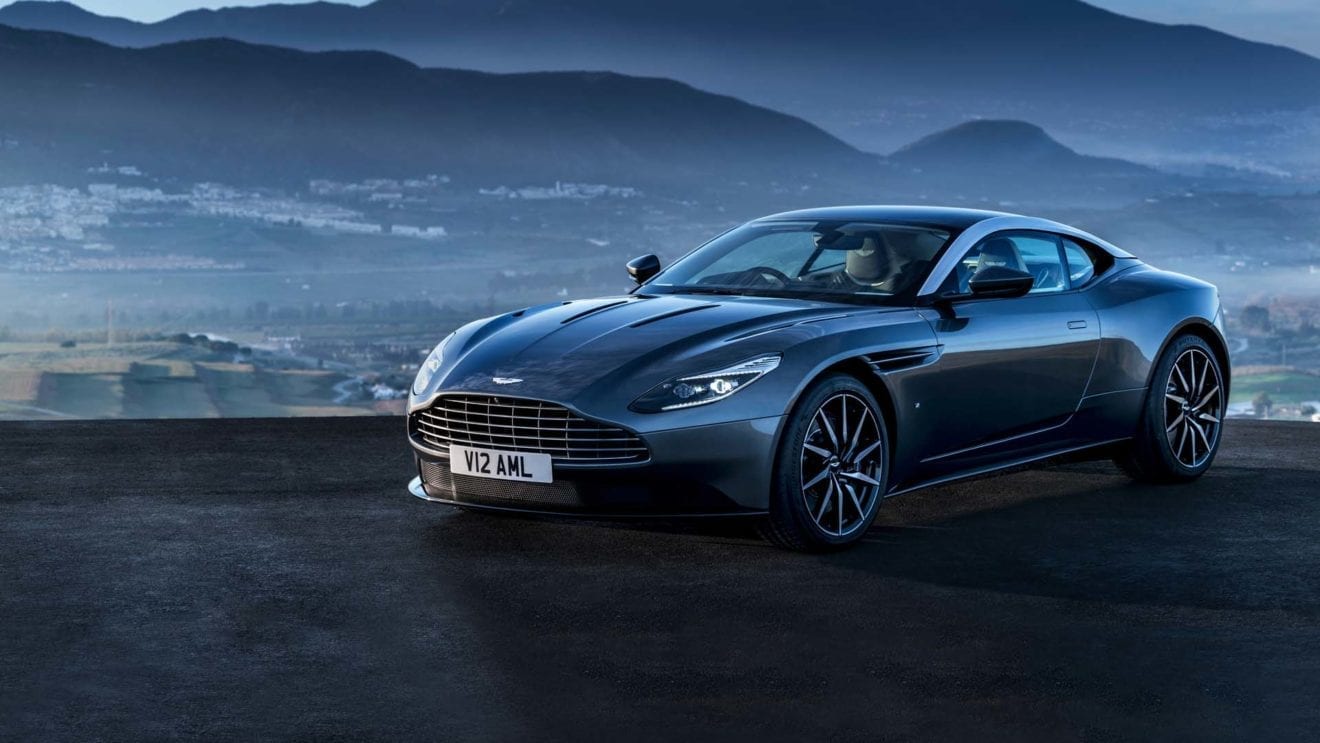
    British sports car maker Aston Martin Lagonda Ltd is ordering a global recall of 1,658 Vantage cars after problems with a routine transmission software update led to incidents in China in which some cars stalled and lost power, its CEO told Reuters.

    Chief executive Andy Palmer said the decision was taken after a team of Aston Martin engineers went to China in May to investigate a problem that several customers there had been complaining about since 2014.

    “Normally (recalls) start in America. I don’t think it is the only example, but it’s interesting that it started from China and becomes a global recall,” Palmer told Reuters by telephone.

    “It demonstrates the importance of China, the sophistication of the customer and the diligence of the authority there.”

    The luxury carmaker, famous for making the car driven by secret agent James Bond, sold 3,259 cars globally last year, nearly 8 percent of them in China.

    Aston Martin’s plan was conveyed on Tuesday to Chinese regulatory agencies that had taken up the issue after dissatisfied customers complained. Formal documents would be submitted by the end of the European day, Palmer said.

    Chinese authorities did not respond to a request for comment.

    The global recall will be unwelcome publicity for a company that has said for years it wants to go public. It reported its first Q1 profit in a decade in May.

    Palmer did not say how much the recall would cost, but knowledgeable people close to the company estimated the total cost at around 300,000 pounds ($380,760).

    The recall will cover 1,658 Vantage cars built between June 2010 and September 2013 with the Sportshift I and Sportshift II automated manual transmission gearboxes, including 113 that were sold in China. The Vantage is the only Aston Martin model with a semi-manual shift.

    FAILURE TO RESET

    Palmer said the problem occurred because some dealerships in China failed to reset the clutch position after software updates to the automatic transmission system.

    “In the normal course of events, when you make a software change, you have to re-teach the engagement position of the clutch. And most of our dealers around the world automatically did that,” he said.

    If the clutch is not re-taught the biting point – the point when the clutch plate engages with the engine plate – “it’s possible that a car could initially stall while in operation”, he said.

    Aston Martin sent its engineers to China after it tried and failed to replicate the stalling problem in its own engineering laboratories. When they arrived, they discovered that some cars suffered unusual noise and vibration, and in worst cases an engine stall, after the new software was installed.

    The stalling caused a complete loss of power in some cases, shutting off the engine and power to the electrically-assisted steering and brakes, making it extremely difficult for a driver to guide the car safely to a stop.

    Given that dealers and customers in China may have less experience operating and maintaining supercars like Aston Martins, Palmer said the company should have spelt out to dealerships what they needed to do.

    “I blame us,” Palmer said. “Basically we should have explicitly said within the service action for the software that we should re-teach the clutch. We didn’t explicitly say that. Therefore we take responsibility for fixing it.”

    Palmer, who joined Aston Martin from Nissan Motor Co in late 2014, said the company knows of 21 instances of potential sudden engine stall, all in China.

    The fluid pipe connectors on the gearboxes would also be replaced during the recall, he said.

    Three years ago Aston Martin recalled most of the cars sold in China that had been built since 2007 after discovering a problem with defective throttle pedals, which it blamed on Chinese subcontractors using counterfeit plastic material.

    “TOO DANGEROUS”

    The Beijing branch of China’s product quality watchdog – the General Administration of Quality Supervision, Inspection and Quarantine (AQSIQ) – in January last year asked the company to investigate the issue and report back.

    AQSIQ’s Defective Product Administrative Center opened its own investigation in April. Also in April, China’s Consumers Association issued a statement saying that there were enough incidents of the Vantage stalling to warrant a recall.

    Carson Guo and his brother James lost their licensed dealership with Aston Martin in Beijing in December 2016 after fielding complaints from customers about stalling cars. Of the eight customers who complained, six had bought Vantages.

    Carson Guo told several customers waged a campaign against the British carmaker via Weibo, China’s answer to Twitter, and at least two received a refund.

    One of the knowledgeable individuals close to Aston Martin said the Guos’ contract was terminated due to a “significant reduction in sales through that outlet”.

    Zhang Jia’ao, a 32-year-old partner at a Beijing-based venture capital firm, did not get a refund.

    He told he bought his Vantage S coupe from the Guo dealership for 2.35 million yuan ($344,287) in 2013, and sold it 11 months later to a used-car dealer for 1.23 million yuan ($180,201) after a series of stalls, some at high speed.

    On one occasion, following a complete loss of power, Zhang only managed to slow the car down by repeatedly bumping the tires against the kerb, he said.

    “It was too dangerous,” Zhang said.

    Asked about the problems Zhang encountered, Simon Sproule, chief marketing officer at Aston Martin Lagonda, said: “The recall will ensure that any issues with this car are fixed.”

  • ‘Chasing the Chinese Dream’ Shows Aspirations and Dilemmas at the Heart of China’s Consumer Economy

    ‘Chasing the Chinese Dream’ Shows Aspirations and Dilemmas at the Heart of China’s Consumer Economy

    China’s mass affluent population (individuals with RMB 650,000 to 6 million investment assets) makes up only around 2.5 percent of the country’s population, yet their personal consumption is expected to experience double digit growth to account for more than 75 percent of China’s total consumption by 2020, according to a report released by Oliver Wyman, a global consulting firm.

    The report, titled ‘Chasing the Chinese Dream’, reveals that China’s mass affluent population is expected to more than double from 15 million in 2015 to 33 million in 2020, rapidly accumulating wealth with investable assets projected to increase from RMB 21 trillion in 2015 to RMB 45 trillion in 2020.

    “The new mass affluent class, who are younger, more tech-savvy and free-spending, now allocate more money to investments and consumption than savings,” said Bernhard Kotanko, Oliver Wyman partner and co-author of the report. “Having suffered greatly from stock market volatility in recent years, investors are now looking to diversify risks and rebalance portfolios.”

    As financial needs evolve, half of respondents have already increased allocation of income towards financial products and/or Chinese stocks, the top two categories, followed by top-up insurance plans. Chinese equities and bank wealth management products are still the most common assets held by the mass affluent class, yet they are open to experimenting with financial innovations and have taken part in new fintech vehicles such as online money market funds and peer-to-peer products.

    On the consumption front, 60 percent of surveyed respondents have increased spending on entertainment (sports, cinema, etc.) and domestic vacations, on par with food and personal items. Furthermore, 30 percent of additional income is allocated to entertainment and holidays, exceeding the incremental spending on personal and household goods.

    “Our research suggests around two-thirds of incremental income will be funneled into consumption. However, Chinese consumers aren’t just buying more. They are now seeking meaningful experiences to elevate lifestyles, spending more on experiences that result in higher levels of self-fulfillment,” said Jacques Penhirin, Oliver Wyman partner and co-author of the report.

    The research shows that this new consumer class is forging new patterns of saving, investing and consuming, to support a more sophisticated and urbanized way of life.

    The paper also reveals that, even as Chinese consumers reach for meaningful lifestyles and experiences, the underlying foundation of economic and social security is shaky. Discontent over cost of living is widespread and profound. Quality providers of wealth management and basic welfare are still largely lagging – a paradox where they pursue higher values beyond material goods, but still grapple with basic needs.

      Aspirations Dilemmas
    Savings It’s not just about savings


    >> Savings is falling and more money is being allocated to investments and consumption


    Rising incomes but perceived wealth is not necessarily increasing

    >> Insecurities about the future means savings are still a safe haven and unlikely to fall to western levels

    Investments Investor appetites are diversifying


    >> Investors are more rational and demand more balanced, diversified asset allocation

    Desire to broaden investing but mistrusting of professional money management

    >> Without professional wealth management, wealth is mostly illiquid and consumption power is in deadlock

    Consumption Rise of the experiential consumer


    >> Consumers are seeking meaningful experiences to elevate lifestyles

    Striving to ‘live well’ but still uneasy about basic welfare, with healthcare the top concern

    >> There is growing demand for upgraded options in social goods to improve well-being

    “While increasing their spending on affluent lifestyles, Chinese consumers demand better welfare benefits and set money aside for future healthcare treatment and education,” said Jacques Penhirin.

    The skepticism towards local healthcare quality is fueling a rising medical tourism market, which is growing at a faster rate than the tourism industry. More affluent Chinese look overseas for wellness services, medical care and treatment for critical illnesses. The top five destinations, in order, are Japan, Korea, United States, Taiwan and Germany.

    The perception that Chinese consumers will indiscriminately buy more goods is a myth. As they search for ‘experience goods’ to elevate lifestyles, they are at the same time seeking upgraded options to social goods to improve well-being.

  • Arvato Unveils Enhanced Automation at New China Distribution Centre

    Arvato Unveils Enhanced Automation at New China Distribution Centre

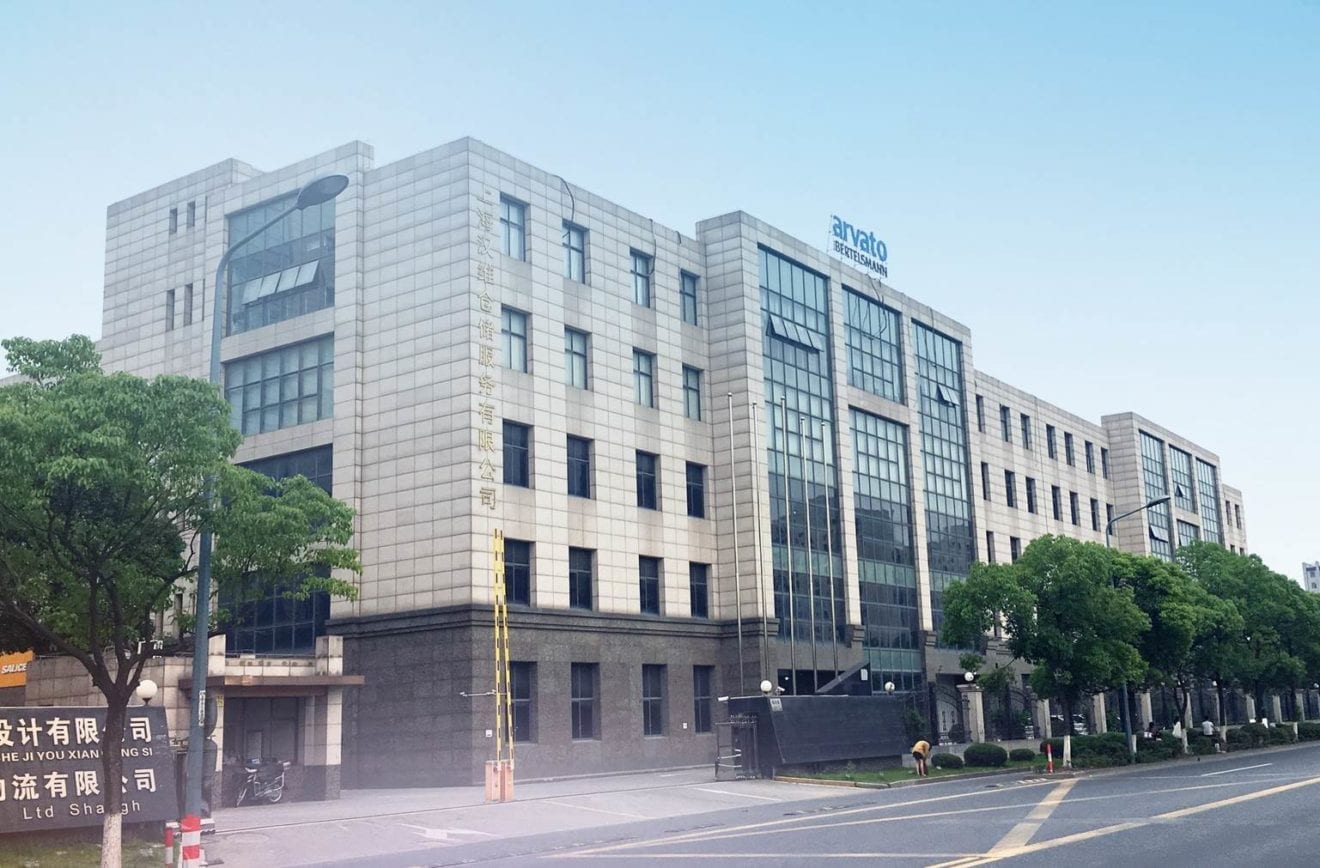
    International leading service provider for supply chain management, Arvato SCM Solutions, has begun operations at a new China distribution center. The new multi-client facility in Shanghai is equipped with conveyors spanning across five floors, a pick-by-light system and various customized processing modules that feature hands-free scanners.

    “Enhanced automation, increased flexibility in processing lines with customized client specific setups are key characteristics of the new warehouse”, said Raoul Kuetemeier, Head of Asia at Arvato SCM Solutions.

    Arvato had consolidated three of its existing Shanghai sites into the new facility. “We commit to highly-competitive efficiency and agility in our domestic distribution solutions. The new warehouse and technologies installed will support us in achieving these goals”, said Kuetemeier.

    Backed by Arvato’s IT backbone, processes such as picking and dispatch will be supported by semi-automatic technologies such as the newly upgraded pick-by-light system. This will allow Arvato to channel resources on more complex operations such as kitting, returns management and further value-added services. With the automation in place, capacity and flexibility that are critical to manage extreme peak volumes in China have also been enhanced.

    Solutions offered at the site include retail fulfillment, e-commerce and spare parts logistics. Located in the Qingpu district of Shanghai, the new warehouse is within five minutes to the nearest expressway and 15 minutes to the closest airport. The facility will service clients primarily from the high-tech and entertainment, and consumer products industries.