Tag: China

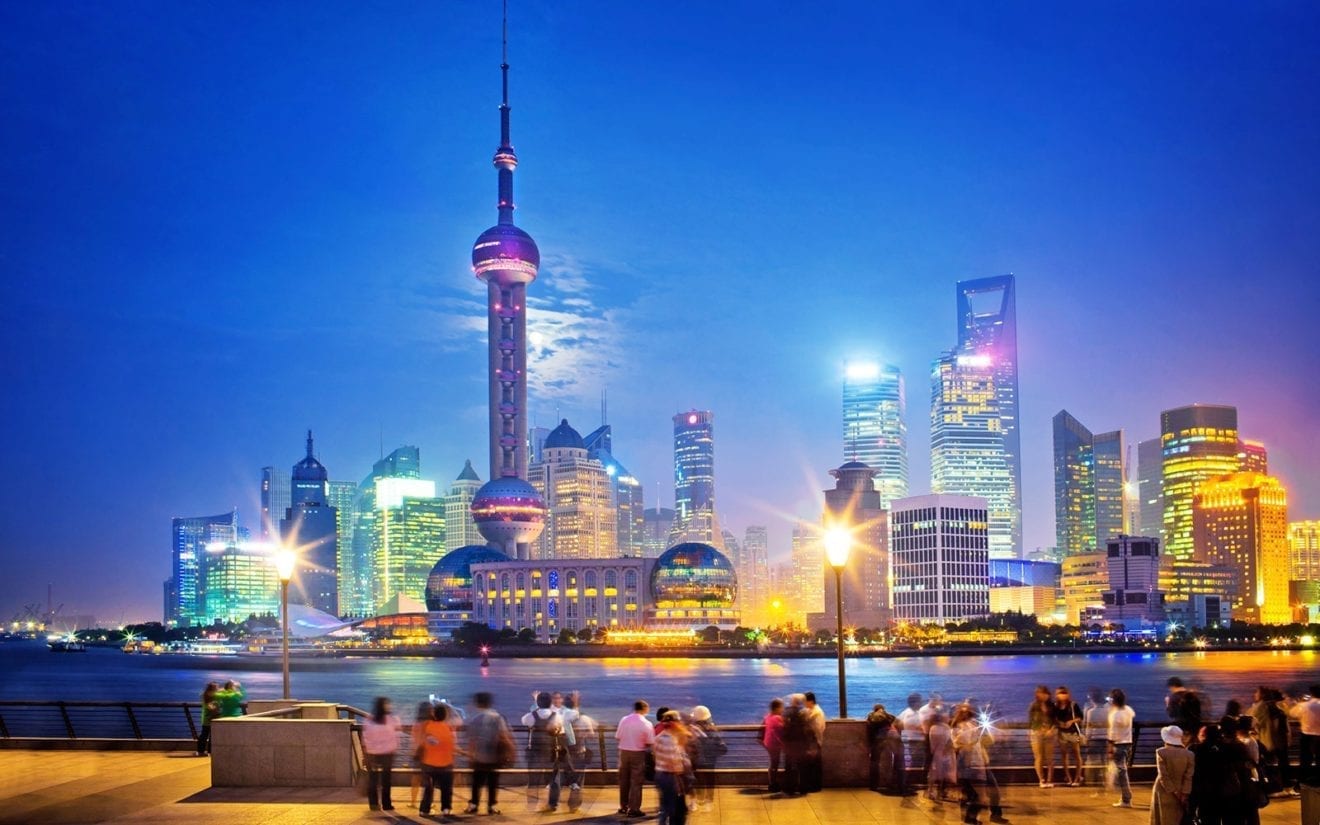
  • China Telecom aims to make Shanghai a gigabit city

    China Telecom aims to make Shanghai a gigabit city

    China Telecom’s Shanghai branch Shanghai Telecom plans to deploy the first commercial FTTH network in China using 10G PON technologies, and aims to provide full 1Gbps fiber coverage across Shanghai over the next three years.

    Shanghai Telecom has contracted Huawei to help with the rollout, which marks an important step towards making Shanghai China’s first gigabit city, the vendor said.

    Shanghai Telecom was providing 1Gbps access for 269 communities in the city, and through the deployment aims to increase the average access rate for its network from 50Mbps to 280Mbps by the end of 2018.

    The operator is using its high-speed network to offer a range of home broadband services, such as multi-channel 4K video streaming, video calls and conferencing an video-based smart home services.

    Under the latest rollout, the company is adopting Huawei optical line terminals (OLT) and optical network terminals (ONT) capable of providing gigabit convergence, 4K video streaming to 16,000 concurrent households over a single subrack, 8K video streaming, VR applications and smart home services.

    Separately, Nokia has announced it has secured a contract to deploy millions of ONT home gateways in 29 provinces across China for China Mobile.

    China Mobile plans to deploy home gateway units based on Nokia’s solution to over 30 million users this year, and use established FTTH networks to extend internet coverage in the home and enable IoT communications between devices and sensors.

    “China Mobile is progressing fast as a converged telecommunications operator — with more than 31 million FTTH subscribers — and has proven it can successfully leverage its extensive fiber access network to deliver ultra-broadband applications such as 4K TV services and Gigabit access to customers across various provinces.,” IDATE principal analyst Roland Montagne commented.

    “With the addition of intelligent home gateway technology, China Mobile will be able to further differentiate its services, providing consumers with enhanced internet coverage in the home and a more seamless experience for connecting various devices and sensors.”

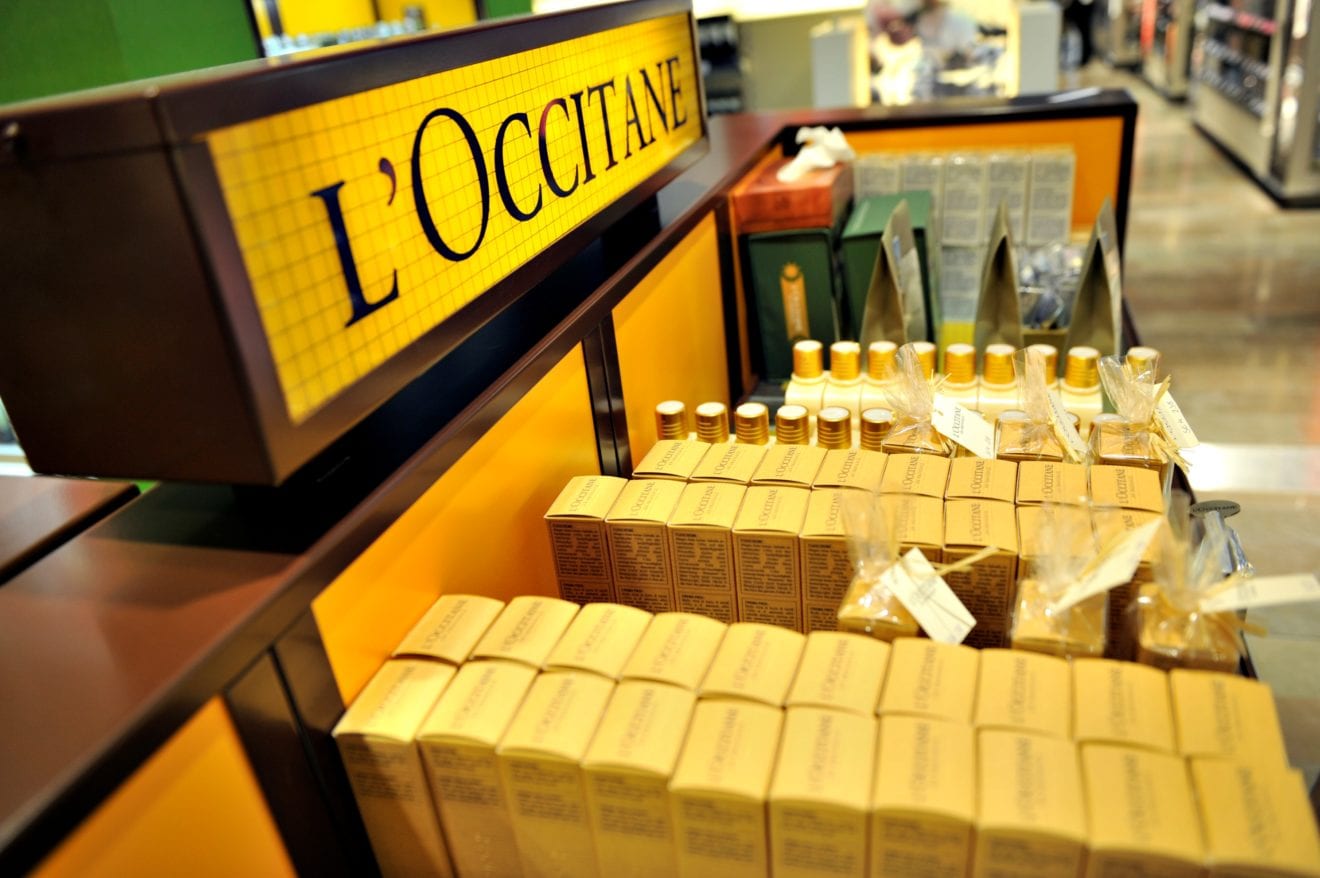
  • L’Occitane announces fiscal year 2017 annual results

    L’Occitane announces fiscal year 2017 annual results

    L’Occitane International, a global, natural ingredient-based cosmetics and well-being products company with true stories from Provence, France and around the world, today announces its annual results for the year ended 31 March 2017 (“FY2017”).

    The Group recorded net sales of €1,323.2 million for FY2017, an improvement of 1.7% at constant rates and 3.2% at actual rates compared to FY2016. The improvement in net sales was mostly attributable to the Group’s new stores and newly renovated stores, the good performance of its web channels and own E-commerce business, and double-digit growth in the Group’s emerging brands.

    Gross profit rose 3.9% to €1,102.4 million in FY2017, which was mainly attributable to more efficient supply chain management, better price and product mix and favourable FX effects. Gross profit margin expanded by 0.5 points to 83.3% in FY2017.

    The Group recorded an operating profit of €168.3 million for FY2017; an increase of 0.2% with operating profit margin decreasing 0.4 points to 12.7%, due mostly to continuous investments in R&D, brand awareness and emerging brands. Net profit rose by 16.6% to €132.4 million – the Group’s highest ever profit since its listing – reflecting the management’s ability to expand sales despite the challenging operating environment, the absence of a one-off, non-cash foreign currency loss that was recorded during last year, favourable FX effects and a lower effective tax rate.

    Sell-out sales accounted for 75.0% of the Group’s total sales in FY2017, amounting to €992.5 million, an increase of 1.3% at constant exchange rates. This growth was primarily driven by new stores and newly renovated stores, as well as the growth and development of the Group’s E-commerce channels, especially marketplaces. Under its selective omni-channel expansion strategy, the Group’s global own retail store network grew to a total of 1,514 stores during the year, while its E-commerce presence continued to expand.

    Sell-in sales accounted for 25.0% of the Group’s total sales in FY2017, amounting to €330.7 million, an increase of 3.1% at constant exchange rates. This growth was driven by dynamic growth in web partners, wholesale, distribution and B2B channels and in the emerging brands – L’Occitane au Brésil, Melvita and Erborian.

    Brazil and Japan registered the largest growth at actual rates, with sales growing 30.0% and 15.5% (due to the stronger Brazilian Real and Japanese Yen) respectively. Local currency sales in Brazil also grew by 18.4%, which was driven by both the L’Occitane en Provence and L’Occitane au Brésil brands. Sales in Japan benefited from a well-received TV advertising campaigns and improving sales growth in the Group’s own E-commerce business and web-partners.

    In terms of local currency sales, China was also stand out market for the Group in FY2017, with sales growing 11.0% compared to FY2016, as a result of accelerated growth at its physical and online stores (such as its flagship on TMall) and B2B, particularly in the last quarter of FY2017. Much of this great result was driven by a highly successful brand ambassador campaign that took place in the second half of the year.

    As part of its omni-channel sales strategy, the Group continued to significantly invest in its self-owned E-commerce websites, mobile sites, third-party marketplaces and social media platforms to drive traffic, conversion, sales and growth to its online platforms and physical stores. It also continued to push forward marketing initiatives and gifting strategies to safeguard its performance in markets with a more uncertain economic situation, including the United States, United Kingdom and other European countries.

    As part of its multi-brand strategy, the Group recently invested US$128 million in a 40% stake in LimeLight by Alcone, a fast-growing US-based natural skincare and personalized makeup company selling through “social commerce”, with the objective to develop its business model worldwide, and to speed up the Group’s expansion into the colour cosmetics sector. It will also seek to expand into other product streams to cater for a wider customer audience, including millennials.

    The Group’s balance sheet remained healthy during the year under review, with its net cash position amounting to €379.7 million as at 31 March 2017. L’Occitane is pleased to propose a final dividend of €0.0316 per share, representing a dividend pay-out ratio of 35.0% in FY2017.
  • Design your own shoes at Asia’s first Tod’s pop-up

    Design your own shoes at Asia’s first Tod’s pop-up

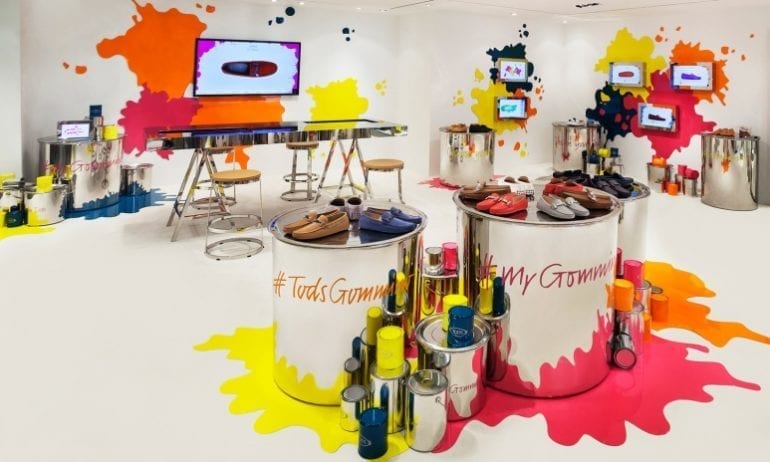
    Tod’s Gommino loafers are a style staple for celebrities, models, royalty and fashionistas the world over. It is now possible to buy a pair adding an own personal touch, as Tod’s is offering customers the chance to create their own pair of the iconic Gommino, complete with stamped initials.

    Hong Kong has been picked as the first city in Asia for a pop-up store that enables customers to create their own personalised pair of the Italian brand’s signature shoe.

    The custom loafers take just three steps to create. First, customers choose from 11 different styles of the brand’s signature shoe (there are five models for women and six for men). Next, clients decide on each of the design elements, from leather, colour and stitching, to the lining, pebbled outsole and any accompanying accessories.

    Once people confirm their initials for the hot-stamped monogram, the creation process is complete. Production takes about 10 weeks.

    With 133 rubber studs under its sole, Tod’s iconic Gommino has been a style staple since the 1970s, drawing widespread appreciation as a lightweight, unisex shoe suitable for all occasions.

    The MY Gommino pop-up is now open at Shop G309 in Harbour City, Tsim Sha Tsui for a limited time.

  • New Look to ramp up China expansion amid ‘appetite for British fashion’

    New Look to ramp up China expansion amid ‘appetite for British fashion’

    New Look is to step up the pace of store openings in China under its new owner Brait, the investment company controlled by South African tycoon Christo Wiese.

    The fashion chain intends to open 80 stores this year, compared with the 60 previously planned, and the vast majority of those will be in China.

    New Look has 30 stores in China, up from 19 at the end of March, and has signed up 40 of a planned 70 new outlets this year. A further 10 will open in Poland and France over the financial year, while only replacement stores are planned in the UK.

    “This is a great story of a British brand which has been successful in China. There is an appetite for British fashion there,” Anders Kristiansen, the chief executive, said.

    He said Brait, which will complete its buyout of a 90% stake in New Look on 25 June, would help the business “go faster”. “There are lots of mid-market brands charging high prices in China. We came in with strong, good fashion at affordable prices and Chinese consumers love it,” he said.

    Revealing a 3.4% rise in group sales to £1.4bn and an 8.7% rise in underlying profit to £153.2m for the year to 28 March, Kristiansen said the retailer had seen a strong bounceback from a difficult autumn season. “I think the outlook is very positive. We are taking market share but also the economy is better and customers are spending more generally.”

    Sales at established New Look outlets, including its website, rose by 5.4% in the three months to 28 March compared with a 1% fall in the previous three months, which were affected by unseasonably warm autumn weather.

    Kristiansen said the autumn quarter had been an exception and a 34% rise in online sales had been backed up by a positive performance in stores during the spring. “Momentum returned,” he said. “We are particularly proud of our performance in the UK business.”

    Sales at established UK stores rose 5% in the year as Kristiansen said improvements in design, the introduction of more menswear and new product areas such as cosmetics as well as items at the cheaper and more expensive ends of the spectrum had helped lift sales. For example, two years ago New Look only sold jeans priced between £12.99 and £22.99; now prices range from £7.99 to nearly £40, helping to broaden the brand’s appeal.

    Investment in linking stores and online services also paid off. “It is about making it as convenient and easy as possible for customers to shop,” Kristiansen said. “Whether it’s mobile, being easy to check out on your desktop, next-day delivery or click and collect or pick up goods at a local station, it’s all part of making it easier for customers and that’s well ahead of our competitors.”

  • Huawei will leapfrog Apple and HP to lead the PC market in five years

    Huawei will leapfrog Apple and HP to lead the PC market in five years

    Huawei will become the top personal computer maker in the world in three to five years, leapfrogging the likes of Apple, Lenovo and HP, a top executive at the firm told on Wednesday, just days after launching new notebook devices.

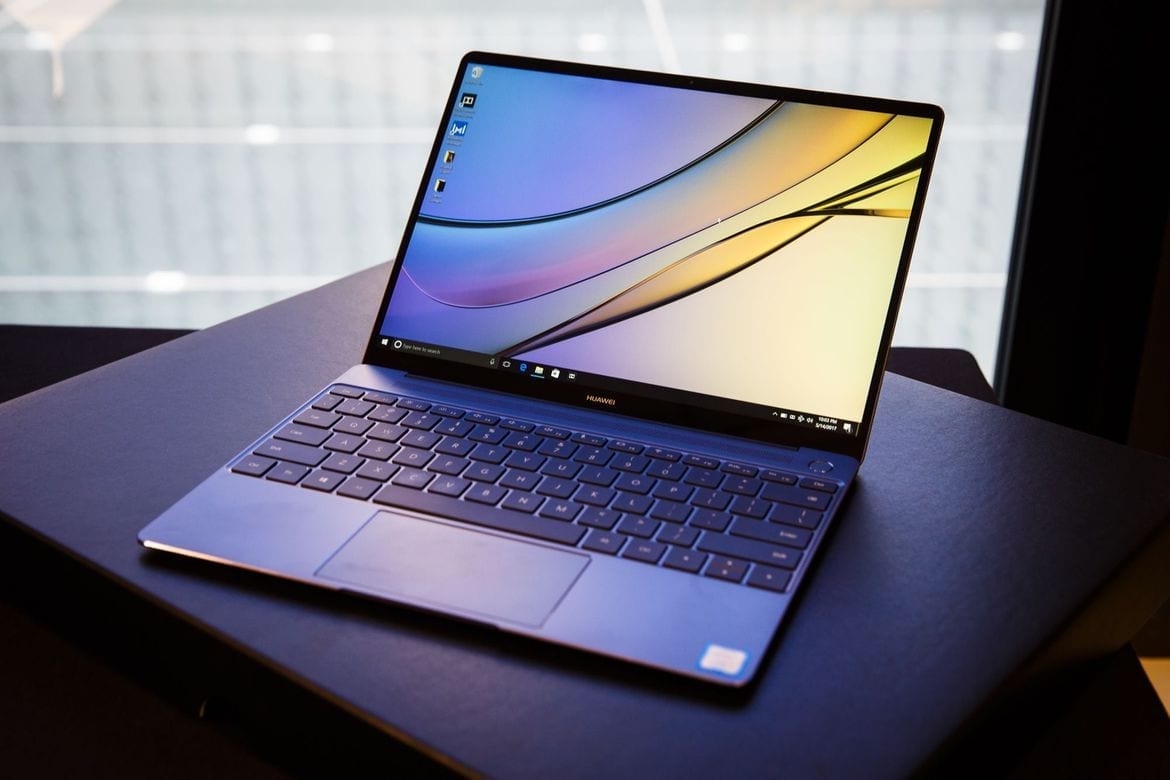
    In May, the Chinese firm took the wraps off of the MateBook X, MateBook D and MateBook E — the X is a laptop that competes directly with Apple’s MacBook line of products. For its part, the company says it is bullish on its plans in the PC space.

    “Whenever Huawei decides to enter an area, make a product, our target is always to be a global leader,” said Wan Biao, chief operating officer of Huawei’s consumer business group. “I think this comes from Huawei’s unswerving input in R&D, and our innovation capabilities. I think these has already been proven in our smartphone products.”

    When asked how long it will take to sit at the top spot in the market, Wan said the “process would take about three to five years.”

    The PC market has been declining for several years, but it recorded 0.6 percent growth in the first quarter of 2017, according to data from IDC. Given that low growth, it’s an incredibly tough market.

    HP, Lenovo, Dell, Apple, and Acer make up the top five players in the world by market share, IDC said. So if Huawei becomes number one, that would mean beating out those top players. Wan, however, said he’s confident.

    “Of course, we are confident because of Huawei’s powerful innovation capabilities. In fact, in the laptop space some technologies are the same with smartphone. In the meantime, with the development of AI, AR and VR [artificial intelligence, augmented reality and virtual reality] technologies, the chance to succeed will only grow bigger for a strong innovative company,” Wan told.

    Huawei’s consumer business is relatively young and began with smartphones. The Chinese giant is seeing success: reported revenues in its consumer business group were up 42 percent year-on-year in 2016 to 178 billion yuan ($26.19 billion). Smartphone shipments were up 29 percent to 139 million units, and Huawei is now the third-largest smartphone vendor in the world by market share.

    Wan’s projection of being the top PC maker in only a few years mirrors similar bullishness from the company about smartphones. In 2016, Richard Yu, the CEO of the consumer division at Huawei, told that the firm would be number one in smartphones by 2021.

    It may seem odd that Huawei is entering a stagnant market, but the tactic is to try and create an ecosystem of products for consumers. Not only does Huawei have smartphones, but it also sells smartwatches and Wi-Fi routers. Laptops are another edition to the portfolio.

    “I think for Huawei’s strategy, one of the most crucial points is the connectivity of all things. Every object in the world should be able to connect … Therefore Huawei is also developing our business over these notions,” Wan said.

  • ‘Donki’ to bring ceiling to floor mega discounts to Asia

    ‘Donki’ to bring ceiling to floor mega discounts to Asia

    Don Quijote, a chain of neon-lit emporiums filled ceiling to floor with discounted goods, is opening its first store in Southeast Asia, where it expects to further expand.

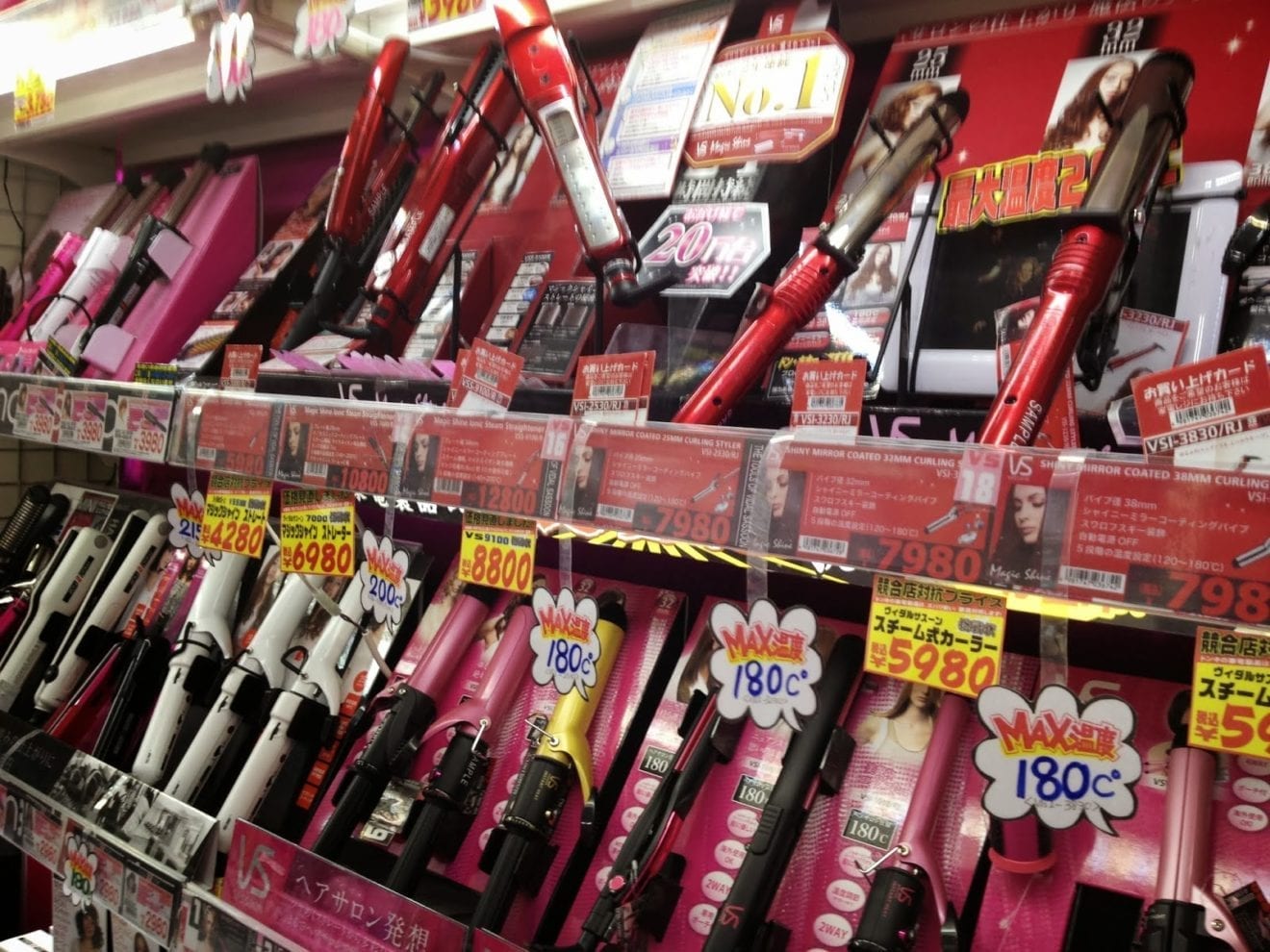
    The chain — now with over 300 stores across Japan — is a must-visit among tourists to Japan. There is much to like — duty-free shopping and a vast selection of discounted products, ranging from packaged food, alcohol and consumer electronics to luxury brand items and cosplay costumes.

    Now shoppers in Singapore can get a taste of “Donki,” as it is commonly known, with a store opening in the city’s Orchard area, the company said this week.

    The branch will be developed by Donki’s holding company for overseas operations, Pan Pacific International Holdings, which was established in the city-state in 2013 to headquarter the group’s overseas operations.

    In Singapore, Donki will offer a range of Japanese pop culture products. But other details — like the store’s opening date, its operating hours and what kind of prices to expect — have yet to be announced.

    This isn’t the first time Donki has ventured overseas. It currently operates three stores in Hawaii. In 2013, it acquired Marukai, a small chain of Japanese grocery stores in the U.S. state of California.

    But the Singapore emporium will be the retailer’s first in Southeast Asia, and the group is looking at opening more stores in the region, a Donki spokesman said, without elaborating on details or strategy.

    In Japan, Donki is also known for its long opening hours, with around 10% of its stores open 24 hours. A typical store offers a selection of around 45,000 goods, stacked on shelves so high that shopping can be a mazelike experience. Thanks to their low prices and multilingual displays, the mazes have seen a surge in overseas customers. The number of foreign visitors to the stores soared 62.4% in 2016, the company said.

    Peek shopping hours for domestic customers are 3 p.m. to 5 p.m. The number of overseas visitors, though, tends to peak around 10 p.m., the spokesman said, with many visiting the stores after dinner or after spending the day sightseeing. He said South Koreans account for nearly 40% of its overseas customers, followed by Chinese, Taiwanese and Thais.

    Japan has been experiencing a tourism boom. Last year, it welcomed 24 million visitors, an increase of 21.8%. Of the total, over 20 million came from Asia, led by tourists from South Korea, China and Taiwan. Prime Minister Shinzo Abe’s goal is to increase the number of foreign visitors to 40 million by 2020, when Tokyo will host the Olympics.

  • Social media plays crucial role in Chinese consumers’ personal lives

    Social media plays crucial role in Chinese consumers’ personal lives

    ocial media is a fundamental part of Chinese consumers’ personal lives, but it is not used professionally as much as it is in Western countries, according to the Consumer Technology Association’s (CTA) new study, Digital Lifestyles in China.

    The study, unveiled today at CES Asia, explores Chinese consumers’ online behaviors in three key areas: social networks, shopping preferences and video content consumption. Owned and produced by CTA and co-produced by Shanghai Intex Exhibition (Shanghai Intex), CES Asia 2017 takes place June 7-9 in Shanghai, China.

    “In the span of just a decade, China has developed and deployed a world-class online services sector – and Chinese consumers have fully embraced it,” said Steve Koenig, senior director of market research, CTA. “Connectivity is shaping Chinese consumers’ lifestyles faster and more dramatically than we’ve seen in with other countries. Brands must understand how this mobile connection shapes Chinese personal networks, content consumption and buying behavior.”

    Social Networks

    Chinese consumers are highly engaged on social media, using messaging platforms to connect with personal contacts (63 percent). About half engage with social content by liking (49 percent) and commenting (42 percent) daily or even multiple times a day. However, only 28 percent of Chinese use social media for professional purposes.

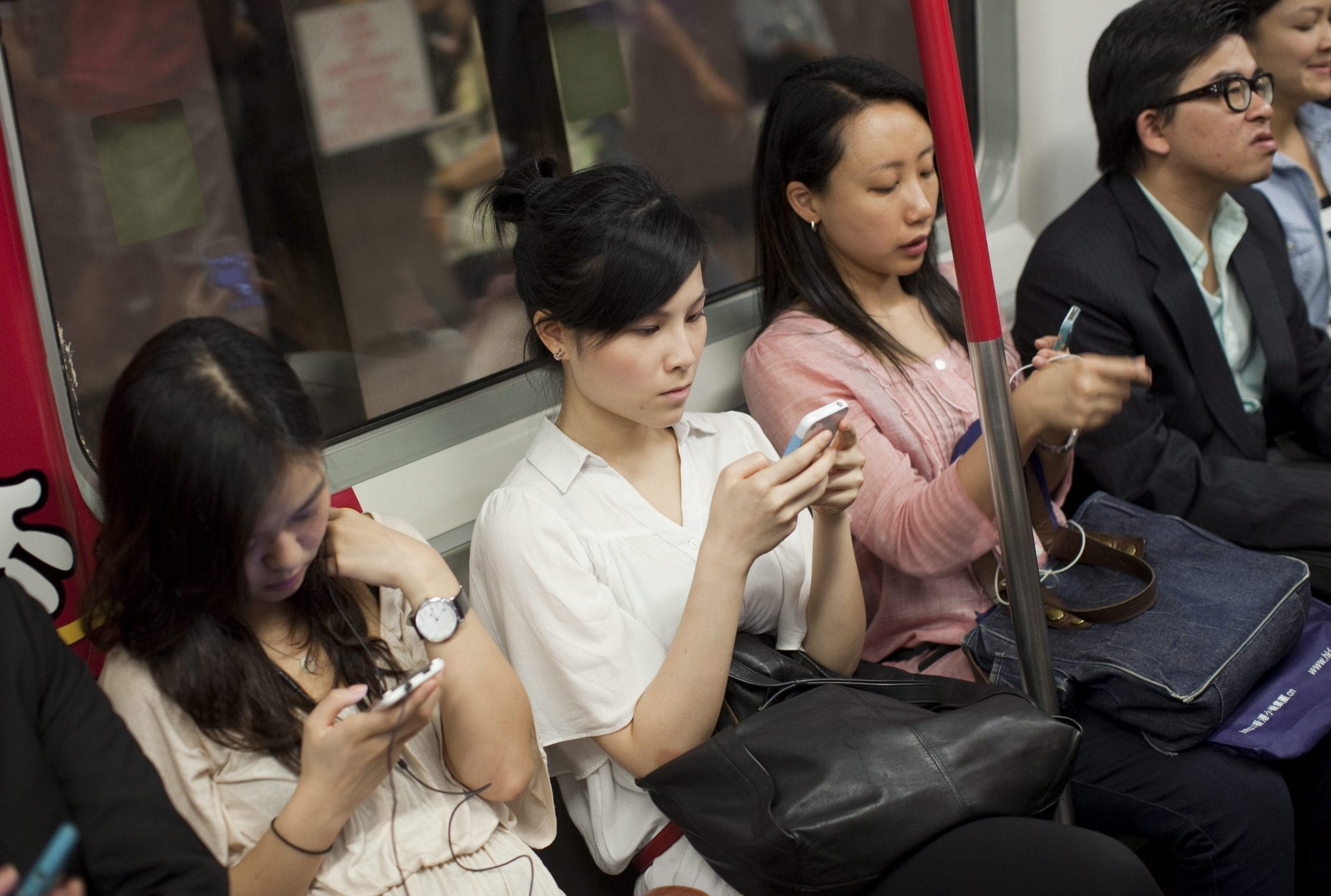
    Additionally, smartphones are the preferred devices for Chinese consumers when it comes to interacting via social media, because they’re always in-hand. WeChat is the leading social networking site – 95 percent of Chinese have an account and 86 percent of those users connect multiple times a day. WeChat is also a leading platform for mobile payments in China – nine in ten Chinese (88 percent) use their smartphones to shop online.

    “Our research shows that Chinese consumers embrace social media as a necessary part of modern society,” said Koenig. “But the strong delineation we see between consumers’ social and professional social media use is striking. It’s possible that creating reliable firewalls between their personal and professional social networking could help the majority of Chinese express their individuality, while still maintaining a professional persona.”

    Buying Behaviors

    Shopping behavior is another area where CTA’s research identified a significant difference between American and Chinese consumers. Among Chinese consumers, an overwhelming preference exists for shopping online vs. in-store. Sixty-one percent of Chinese say they prefer to shop online, compared to just 11 percent who prefer to shop in-store. Almost all Chinese consumers (90 percent) say they’ve purchased a product from leading Chinese retailer Tmall in the last year. The study also shows there are very few products Chinese consumers can’t, or won’t purchase online — mainly expensive items they need to see, feel or try.

    Video Consumption

    Like many in the world, Chinese consumers use streaming video to relax and pass time. When it comes to content sources, Chinese consumers are generally receptive to engaging with both domestic and foreign content, slightly preferring domestic channels and outlets, especially for news.

  • Oppo eyes phone sales of 100m

    Oppo eyes phone sales of 100m

    OPPO, the No. 1 smartphone vendor in China in 2016, plans to sell 100 million phones globally as it taps its models’ strong photography features and the company’s offline retail channels.

    Oppo partners Sony and Qualcomm to develop customized processors and photography technologies used in its new flagship model R11, the successor to the Oppo R9s — the world’s best selling Android smartphone in the first quarter of 2017.

    The R11 has dual camera including a 20-megapixel front camera for selfie fans, a Sony sensor specially designed for Oppo, and Qualcomm’s Snapdragon processor with photography optimization bokeh.

    In 2016, Oppo ranked No. 1 in China’s smartphone market with 18.1 percent, according to US-based IDC.

  • Chinese e-commerce giant JD.com plans expansion into Southeast Asia

    Chinese e-commerce giant JD.com plans expansion into Southeast Asia

    It plans to use Thailand as a hub for servicing other regional countries such as Vietnam and Malaysia. JD.com Inc, China’s second-largest e-commerce company, plans to enter the Thai market later this year in a move to expand its overseas business beyond Indonesia, its founder and chief executive said on Friday.

    Richard Liu also told Reuters in an interview the company planned to use Thailand as a hub for servicing other Southeast Asian countries such as Vietnam and Malaysia.

    “Thailand will come soon, before the end of the year. We will invest a lot and also find the best local partners to work together with. Everyone could be possible, but not Lazada,” Liu said, referring to the fact that the Southeast Asian online retailer is now controlled by JD.com’s largest domestic rival Alibaba Group.

    Liu said he was confident his firm could compete with Alibaba in that market and elsewhere in Southeast Asia.

    “When we entered the e-commerce business 12 years ago Alibaba was already a giant. It couldn’t kill us. How can it do so today?” Liu told Reuters.

    “Unless we make some serious strategic mistake, no competitors can actually beat us nowadays.”

    But he declined to say how much JD.com would invest in Thailand, though said it was likely to be less than he was investing in Indonesia, which accounts for almost all its current business outside China.

    Amid intense competition, JD.com has expanded into fast-moving consumer goods, including household supplies, food and drink. The company has also diversified into data, cloud and artificial intelligence services.

    In May the firm posted its first quarterly profit since its share listing in 2014, as an expanded product line-up attracted more active users, but also cautioned the cost of expanding at home and abroad could crimp profits growth.

    It made a first-quarter net profit of 355.7 million yuan on revenue up 41 percent at 76.2 billion yuan ($11.21 billion), while active customer accounts total more than 237 million.

    Liu also said the firm was pressing ahead with its adoption of drones to deliver goods between cities and remoter areas including sourcing agricultural and wild produce in the southwestern province of Sichuan, and adjoining Shaanxi province.

    He said JD planned to build 180 so-called drone network “airports” in the mountainous Sichuan region where vehicle deliveries would cost more and take much longer. Each of these drone launch pads would likely cost around 600,000 yuan he said.

    “In the mountains there is a lot of … very good food like wild fruits, like fish, mushrooms, chicken, everything that is safe, more organic or green food,” Liu said.

    Packages delivered to remote villages now cost around five times more than in large cities, Liu said, but with drones this could be reduced to around twice the cost. Deploying drones across China’s vast rural hinterland could potentially grow into a “multi-billion” yuan business for JD he said, without giving exact projections.

    Liu earlier told the D.Live Asia technology conference in Hong Kong that he aimed to eventually be operating a million drones but this would not lead to fewer jobs for its staff.

    “We will need a huge staff to maintain the drones,” he said.

  • Largest Chinese firm to invest in power plants in Indonesia

    Largest Chinese firm to invest in power plants in Indonesia

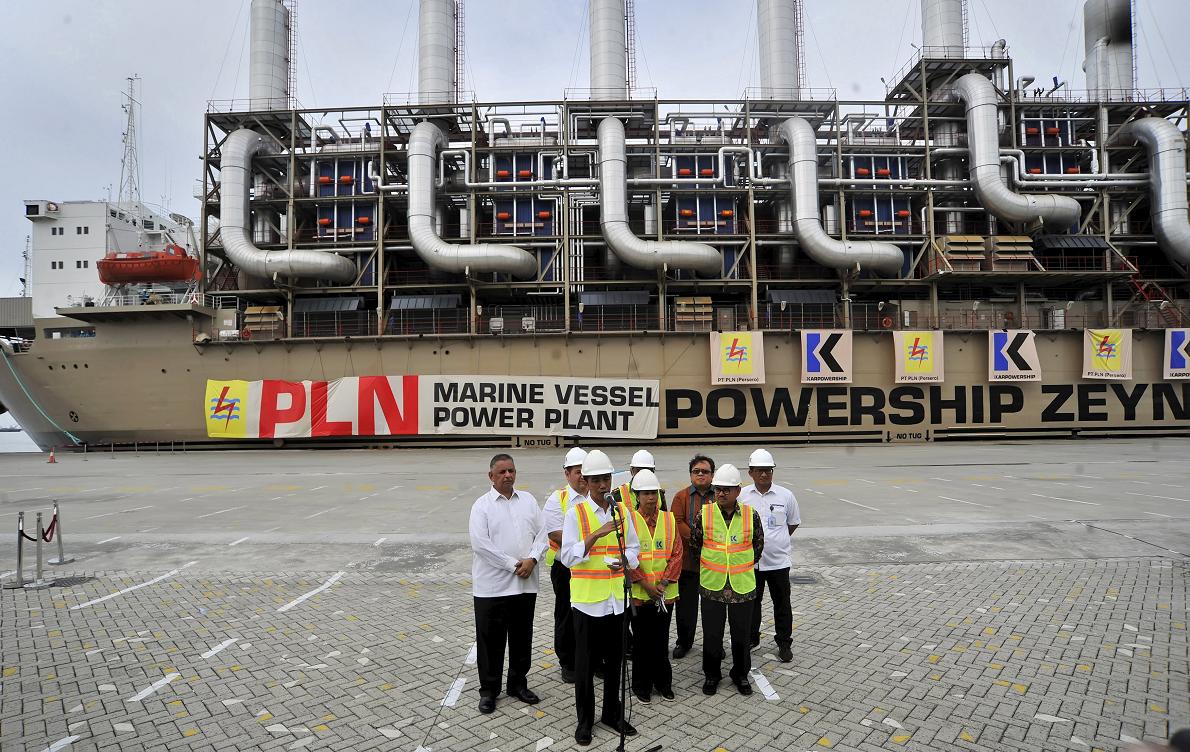
    The largest Chinese power company “China Huadian Corporation” has the opportunity to invest in power plants in Indonesia. “The Chinese firm wants to invest in our power plants. I have suggested that it should find a good local partner,” Energy and Mineral Resources Minister Ignatius Jonan informed us in Beijing on Thursday night.

    According to Jonan, China Huadian Corporation is the largest power company in China, and its assets are about twice that of Indonesias state electricity company (PLN). Jonan said that with regard to investment matters, his ministry will not discriminate investors based on certain countries.

    “We do not differentiate, whether it is China, Japan, or any other country. What matters is that we are fit with it; that is all,” he said after the Eighth Ministerial Conference on Clean Energy (CEM8).

    One of the opportunities offered to China Huadian is the construction of power plants in the governments 35 thousand-megawatt power plant program.

    “This is in accordance with the directives of Joko Widodo during the OBOR Conference (One Belt, One Road), which encouraged Chinese investment in Indonesia. I am following up on it,” Jonan, who is a former minister of transportation, stated.

    Jonan made assurance that next year, all residents of the island of Sumba, East Nusa Tenggara, will have access to electricity.

    “Coincidentally, with the development of a steam power plant, Sumba may perhaps get an additional 50 megawatts of electricity,” the minister, who was accompanied by Indonesian Ambassador to China Soegeng Rahardjo, noted.

    The annual CEM event, held in Beijing, was attended by ministers and high-level officials from 24 countries.

    At the eighth CEM, Jonan got the opportunity to hold a bilateral meeting with China, as the host.

    On the occasion, Minister Jonan also encouraged several Chinese companies to increase their investment in the oil and gas sector in Indonesia.

    “Some Chinese oil and gas companies have been investing in Indonesia for the past 15 years, but the number is still small and needs to be increased,” Jonan added.

    He said that unlike Chinese companies, oil and gas companies from the US have been investing in Indonesia for quite a long time.

    “Chevron, which was known as Caltex in the past, and Exxon have been operating in Riau for about 100 years with a very big investment,” Jonan pointed out.

    In addition to working sessions for energy ministers and other high-level policymakers, CEM8 featured a public-private action summit with keynote speakers, thematic panel discussions, and opportunities for high-profile announcements of ambitious clean energy efforts.

    It also included a two-day technology exhibition demonstrating breakthrough clean energy technologies, products, and business models; and an Innovation Theater showcasing potentially game-changing clean energy innovations and inspirations.

  • Indonesian biodiesel producers turn to China

    Indonesian biodiesel producers turn to China

    Indonesian biodiesel producers are eyeing China as a new promising market amid negative sentiment in the European Union and the United states.

    Indonesian Biofuel Producers Association (Aprobi) chairman MP Tumanggor stressed Thursday that their members could no longer rely on their exports to the US and European Union.

    “Our production capacity reaches 11 million kiloliters per year, 4 million of which is absorbed by the domestic market. The remaining 7 million kiloliters are idle,” he said, adding that exports to European countries and the US account for just a portion.

    The negative sentiment was sparked by an anti-dumping campaign from both the European Union and the US commercial trade association National Biodiesel Boards (NBB).

    Aprobi secretary general Stanley Ma said that China was a potential market for Indonesian biodiesel because the country used B5 for its fuel, which consists of 5 percent biodiesel and 95 percent petroleum biodiesel. “China might need 9 million kiloliters of biodiesel a year. This could boost our exports,” he said.

    The Indonesian government is reportedly set to send a team to China on June 16 in an attempt to boost biodiesel exports to the country.

    Data from the association shows that in first quarter of this year, Indonesia produced 1.01 million kiloliters of biodiesel of which 761,519 kiloliters was absorbed by the domestic market.

  • China launches consultation on 5G spectrum

    China launches consultation on 5G spectrum

    China’s Ministry of Industry and Information Technology (MIIT) is launching a consultation regarding the planning and use of millimeter wave (mmWave) spectrum for the development of 5G networks.

    The MIIT is seeking industry advise on the planning and use of the 24.75-27.5GHz, 37-42.5GHz and other millimeter-wave bands, which “will be key spectrum for 5G systems”, the regulator said in a notice posted on Thursday.

    The public consultation is intended to collect feedback from the industry on such aspects as suggestions regarding the deployment status of the proposed frequency bands, future planning on the use of these bands for 5G system; the key technical problems (including RF devices, chips, test and measurement, etc.) for the deployment of these frequency bands, as well as feasible solutions and a spectrum roadmap.

    It also aims to identify any compatibility and co-existence issues between 5G networks on these bands and other wireless systems in adjacent bands.

    The consultation will close on August 7.

    Earlier the MIIT also launched a public consultation on the use of the 3300-3600MHz and 4800-5000MHz bands for 5G. The consultation released on Tuesday and to be closed on July 7, hints that China will allocate 3300-3600MHz and 4800-5000MHz spectrum for the deployment of 5G.

    While the MIIT has not yet announced the exact timeline for the release of 5G spectrum, the country’s three mobile operators China Mobile, China Unicom and China Telecom have announced plans for 5G trials, in preparation of a commercial launch in 2020.

    China Mobile, for instance, announced at Mobile World Congress in February that the operator will launch large-scale pre-commercial 5G trials in China in 2019.

  • Chinese exports, imports beat forecasts but analysts wary

    Chinese exports, imports beat forecasts but analysts wary

    Exports rose 8.7 percent on-year to $191 billion while imports jumped 14.8 percent to $150.2 billion. China on Thursday posted a forecast-busting surge in exports and imports in May, signaling improvement in the world’s number two economy, but there were warnings Beijing would struggle to maintain its momentum.

    The readings will come as a relief after a series of weak readings suggesting a recent pick-up could be fizzling, while there are also lingering concerns about U.S. President Donald Trump’s protectionist rhetoric.

    Exports rose 8.7 percent on-year to $191 billion while imports jumped 14.8 percent to $150.2 billion.

    The data were far better than the 7.2 percent rise in exports and 8.3 percent increase in imports predicted by analysts in a survey by Bloomberg News. The trade surplus rose to $40.8 billion, up $2 billion from April.

    The news comes as the global economy also shows signs of strength.

    However, Julian Evans-Pritchard, China economist at Capital Economics, said the government’s efforts to rein in the country’s ballooning debt could weigh on future trade data.

    “Looking ahead, the current strength of imports is unlikely to be sustained if, as we expect, slower credit growth feeds through into weaker economic activity in the coming quarters,” he warned.

    “Exports growth is also likely to edge down further ahead but should fare better than imports given the relatively upbeat outlook for China’s main trading partners,” he said.

    China had been showing signs of life in early in the year, fuelling hopes the world’s top trader in goods and a key driver of global growth was stirring after a years-long growth slowdown.

    Too early for optimism

    However, other figures have pointed to slowing growth in the Chinese economy as it deals with weaker demand and excess industrial capacity left over from a debt-fuelled infrastructure boom.

    Imports and exports picked up at a weaker rate in April from March, while a private survey of factory activity indicated the manufacturing sector contracted in May for the first time in almost a year, hinting at deteriorating conditions for producers.

    Industrial output, retail sales and fixed-asset investment also hit the brakes, data showed last month.

    “It’s still too early to be optimistic on China’s imports. The outlook for fixed asset investment and infrastructure construction will be key,” said Betty Wang at ANZ Research in a note.

    “While May’s better-than-expected trade data may provide a boost to market sentiment amid tighter financial regulation, it’s premature to draw any solid conclusion.”

    Authorities have been trying to clean up the country’s toxic brew of unregulated and risky lending that for years has fuelled the economy’s spectacular growth, though some analysts doubt its willingness to quit its debt addiction.

    Worries about rising debt levels led agency Moody’s to last month slash China’s credit rating for the first time in almost three decades.

    China’s economy expanded last year at its weakest rate in more than a quarter of a century and Beijing has indicated it expects growth to slow further this year.

    Weak growth is a major concern for stability-obsessed policymakers and it complicates their efforts to retool the economy into one driven by consumer demand rather than state investment and exports.

    The transformation has been rough at times and China is hoping that its much-vaunted Belt and Road infrastructure project will provide a new source of growth.

  • Influencer posts are 8 times more popular than brand posts in China

    Influencer posts are 8 times more popular than brand posts in China

    Luxury brands experimenting with WeChat’s commerce model rose from 3 percent to 10 percent from the year-ago, suggesting that the sector is beginning to have better understanding of the Chinese commercial ecosystem.

    L2’s Digital IQ Index China: Luxury 2017 report looked at different luxury brands and how they are performing in the Chinese market. What the report found was that familiarity with China’s unique digital platforms leads to better performance, particularly when engaging with Chinese influencers on social media.

    “The most successful luxury brands in China have embraced ecommerce and are experimenting with new channels such as WeChat commerce,” said Danielle Bailey, head of APAC research at L2, New York. “They have also responded to the rising popularity of livestreaming and short video platforms with celebrity campaigns that resonated with consumers and spiked both social engagement and search volume.

    “Investments in the performance in their localized China sites with a heavy emphasis on mobile, which is crucial for the China market, have paid off,” she said. “These brands also understand that serving Chinese consumers digitally extends beyond the mainland.”

    Chinese ecosystem
    Every market in the world has its own idiosyncrasies that force businesses to adjust their strategies there, but few have the kinds of differences that China poses.

    For one, China has its own set of digital platforms distinct from what most countries use. There is no Facebook, Google, Instagram or many other common digital destinations in China due to government regulation.

    Instead, Chinese consumers rely on platforms such as WeChat, Tmall and JD to search for products, view and share social content and make online purchases.

    Currently, the most successful have been watches and jewelry brands such as Bulgari and Cartier as well as fashion house Christian Dior. These brands are among those that have launched their own direct-to-consumer ecommerce platforms in China.

    Dior, for example, tried its hand at social selling by offering its followers on WeChat the opportunity to purchase a limited-edition handbag directly through a post. Burberry currently leads L2’s China IQ Index in terms of overall digital competence in China.

    This can be partially attributed to Burberry’s embrace of Chinese social media platforms such as WeChat and its partnerships with prominent Chinese influencers such as Mr. Bags, with whom Burberry released an exclusive bag.

    Mobile first
    Another notable trend of the top performing luxury brands in China is an embrace of ecommerce. Online shopping is huge in China and even eclipses in-store purchases by some measurements.

    Because of its reach, some ecommerce sites have become host to the kind of content that would normally appear on a brand’s personal site.

    Instead of getting most of their brand interactions from social media, Chinese shoppers spend a lot of time on ecommerce platforms. The two most popular are Tmall and JD

    China also places heavy emphasis on mobile, with mobile far outweighing desktop as the channel of choice for engaging with brands, consuming media and making purchases. WeChat is a strong driver of this trend, with its emphasis on mobile payments helping to boost the mobile commerce sector.

    WeChat’s social gifting and augmented reality coupons on Alibaba’s Alipay are a few of the tools consumers can leverage through mobile wallets that make the customer experience in China extremely advanced. Marketers should be prepared for this to be replicated throughout the world, as well as advancing beyond. Understanding how the Chinese market works is paramount to luxury brands as the overall spending from Chinese consumers outside of China grows more each year.

  • Baccarat bought by China’s Fortune Fountain Capital

    Baccarat bought by China’s Fortune Fountain Capital

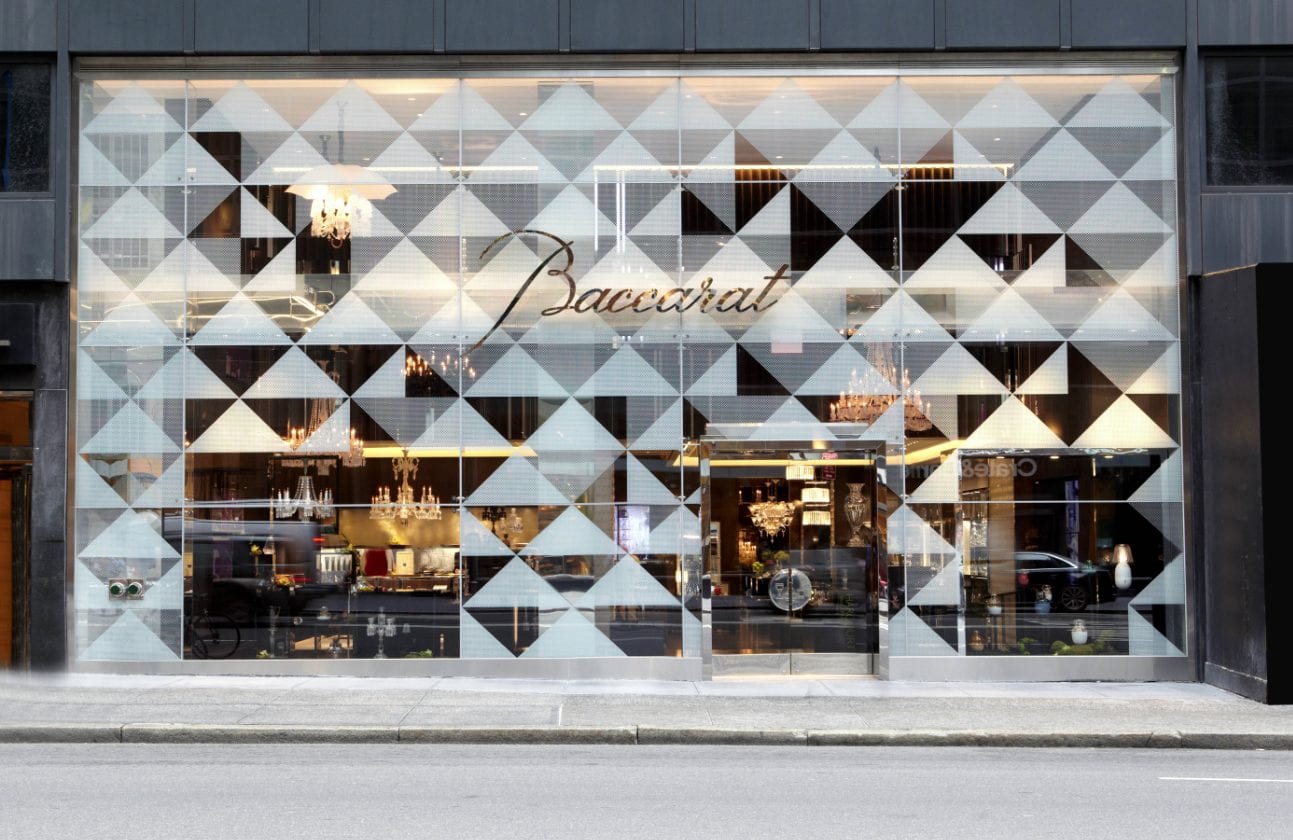
    Baccarat announced on Friday the centuries-old crystal maker has been acquired by a Chinese investment firm, as it looks to ramp up international expansion.

    The French luxury home and tableware brand said China‘s Fortune Fountain Capital (FFC) would acquire an 88.8 per cent in the company from U.S. investment funds Starwood Capital Group and L Catterton.

    As per the agreement, FFC will pay 222.70 euros per share, valuing Baccarat at around 185 million euros ($207 million). That is below the closing price of Baccarat shares on Thursday of 259.90 euros and the current market valuation of 215 million euros, reported Reuters.

    Baccarat said FFC plans to launch a public takeover offer for the remaining shares at the same price, but has no intention of delisting the shares from the Paris stock exchange. FFC has also committed to make “significant” investments in its core areas of activity, said the French firm, and it plans to “maintain and centralise all production and employment and will honour the company’s 250-year heritage.”

    Baccarat’s current chief Daniela Riccardi would remain at the helm.

    Founded in 1746, Baccarat makes tableware, chandeliers and jewellery. It employs 500 people and generated net profit of 2.2 million euros on sales of 148 million euros in 2016.