Tag: China

  • How Pizza Hut and payments are fueling China’s retail revolution

    How Pizza Hut and payments are fueling China’s retail revolution

    Part of the huge shadow Ant Financial casts is its appetite for global investment, but at the same time it’s making moves that are kicking off major changes to how payments are handled in its local market in China.

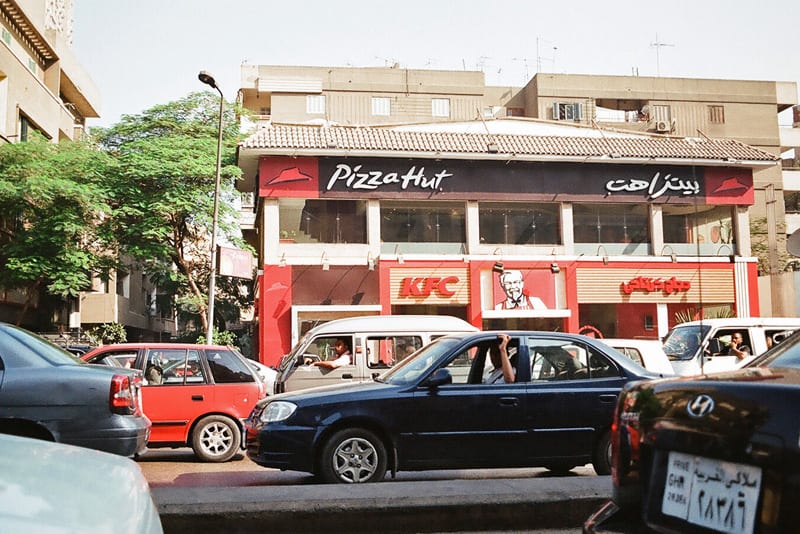
    While the world waits to see how the company’s attempt to acquire U.S.-based MoneyGram will play out, one of Ant’s existing stakes in Yum China — a 2016 spinoff of Yum Brands, which owns Pizza Hut, Taco Bell and KFC — has drawn the attention of an investor who sees the potential to reshape quick serve restaurants, mobile technology and even the middle class in emerging economies.

  • DHL launches China – Belarus rail freight service

    DHL launches China – Belarus rail freight service

    DHL Global Forwarding launched a new rail freight service between Shenzhen, China, and Minsk, Belarus, on May 22 with a transit time of less than 12 days.

    The new service passes through Alatau Shankou – Dostyk on the Chinese-Kazakhstan border which is already used by several other intermodal services, including rail connections from Chengdu, Zhengzhou, and Lianyungang to continental Europe.DHL will manage the new route together with China Brilliant, an integrated service provider in manufacturing and consumption with which DHL signed a memorandum of understanding in 2016. The service offers both less-than-container load (LCL) and full container load (FCL) for electronics, industrial and automotive parts, and fresh food from both both Eastern Europe and China.

    “Eastern Europe’s economies are growing faster than almost any others worldwide, with significant export opportunities arising from the region’s rising wages and disposable income levels,” says Mr Steve Huang, CEO, DHL Global Forwarding Greater China. “Minsk offers Chinese businesses an efficient gateway into the Baltic States and Nordic countries in addition to other European destinations like Warsaw, Hamburg and Tilburg via Brest. With Shenzhen’s economy exceeding expectations to grow by 9% last year, the route also opens sizable opportunities for European exporters.”

    “The partnerships that DHL has with governments and businesses globally, coupled with our market strength in Shenzhen-based supply chains, have come together to create a solution that directly meets the needs of China’s expansion-hungry manufacturers and producers,” says Mr Zhang Chunhua, founder of China Brilliant Group.

    DHL has been offering intermodal rail services connecting China, Japan, and southeast Asia with Europe since 2010 on the following corridors:

    • North Corridor: Suzhou – Warsaw connecting Chinese engineering and manufacturing hubs to Europe in 14 days
    • South Corridor: Lianyungang and Chengdu to Istanbul via Kazakhstan, Azerbaijan, and Georgia including two water crossings in 14 days, and
    • West Corridor: Zhengzhou – Hamburg (electronics), Chengdu – Lodz (high-tech and automotive products) and now Shenzhen – Minsk (electronics and consumer products).

  • Vanguard to target retail investors in China

    Vanguard to target retail investors in China

    The Vanguard Group, which had $4.2trn in assets under management as of 3 March this year, will set up in the Shanghai Free Trade Zone under China’s Wholly Foreign-Owned Enterprise (WFOE) scheme as Vanguard Investment Management (Shanghai) Ltd.

    The new operation will be located in the Shanghai World Financial Center and plans to carry out investment management, investment consulting, client liaising and servicing, marketing, investment research, investor education and business development.

    Charles Lin will be Vanguard’s head of China and managing director, while the general manager is Clare Zhao, Vanguard’s current head of China institutional business.

    “This new milestone solidifies our commitment to China,” said F. William McNabb III, chairman and chief executive of Vanguard.

    “Bringing our unique and proven investment approach to the millions of investors in China is an important initiative for Vanguard’s international business,” said McNabb.

    Vanguard has been serving institutional clients in China, including insurance, banking, asset managers and other financial institutions, for several years, and in 2014 set up a representative office in Beijing.

    Vanguard is known in the industry for its low investment costs. It has reduced the asset-weighted average expense ratio of its US funds from 0.68% in 1975 to 0.12% today – less than one-fifth of the US industry asset-weighted average of 0.62%.

    The company has also taken its low-cost strategy to international markets including Australia, Japan, Europe, Canada, Singapore, and Hong Kong.

    Earlier this month it launched a new direct-to-consumer investment service in the UK which will charge an annual account fee of just 0.15% a year, capped at £375 (€441, $483).

  • Hermes’s to Debut Store in Second-Tier Chinese City to Meet Surging Demand

    Hermes’s to Debut Store in Second-Tier Chinese City to Meet Surging Demand

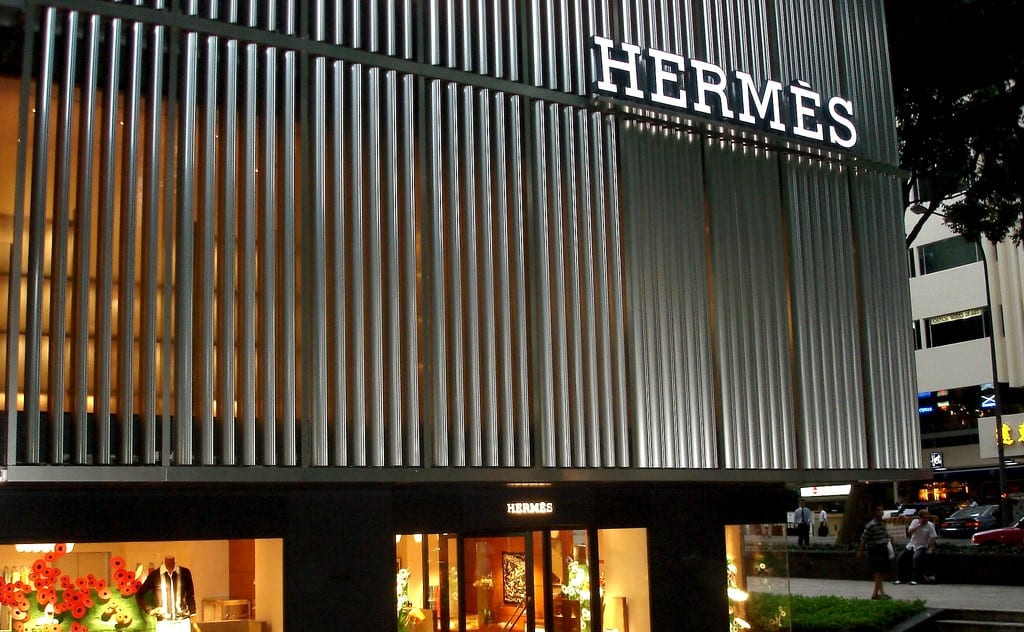
    French luxury house Hermès is set to open a new store in the city of Changsha by summer. The move marks the debut of an Hermès store in a second-tier city in China.

    Chinese cities are divided into four tiers according to their GDP and other factors. First tier cities, like Bejing, Shanghai, and Chengdu, have a GDP of over $300 billion, while second tier cities generally have a GDP ranging between $68 billion and $299 billion.

    International luxury brands have typically chosen to set up physical stores in the country’s metropolitan areas and first-tier cities. But recent studies have shown that lower-tier cities like Changsha will have more “high-income” residents and consumers than Beijing by 2030.

    Hermès has become the latest player in the sector—following the success stories of Gucci and Louis Vuitton—to benefit from the recovery of the luxury retail sector in China. According to the company’s first quarter financial report for 2017, it scored to a double-digit growth rate of 11.2 percent, growing to 1.35 billion euros. This increase was mainly driven by the strong demand of Chinese consumers for its silk scarves and Birkin bags.

    “All geographical areas have grown and we saw an acceleration of sales in mainland China, Hong Kong and Macau, which we have not seen for a while,” global chief executive of Hermès International Group Axel Dumas told.

    Dumas said that the strong China market helped to offset the downward trend in the home market of France and helped the brand re-emerge from its latest wave of doldrums.

    Hermès expanded its distribution networks in the Greater China region throughout 2016. It opened a store in the MixC Shopping Mall in Chongqing—which is one of the most popular tourist destinations in China and has garnered the nickname “Mountain City”—as the brand expected to cash in on the influx of travelers there. Hermès also launched a pop-up store in the China World Shopping Mall in Beijing, according to the annual report, and renovated its store inside the Beijing Peninsula Hotel.

    The French luxury label further stepped up its game in Hong Kong and Macau over the past year despite the fact that the retail environment in the region suffered from a “tourism winter” from mainland China. According to the firm’s annual report, in July, it re-opened the store in Hong Kong International Airport and, in August, launched a new store inside the Wynn Palace Hotel in Macau.

    The aggressive expansion into the Greater China region stands in stark contrast to Hermès’ European markets. The annual report indicated that it closed down stores in several mid-size cities in France. Another benefit to the brand, as per Dumas, is the evolving fashion taste in China, including Chinese consumers’ waning interest in showing off big logos.

  • Walmart’s future in China increasingly depends on a single Chinese company

    Walmart’s future in China increasingly depends on a single Chinese company

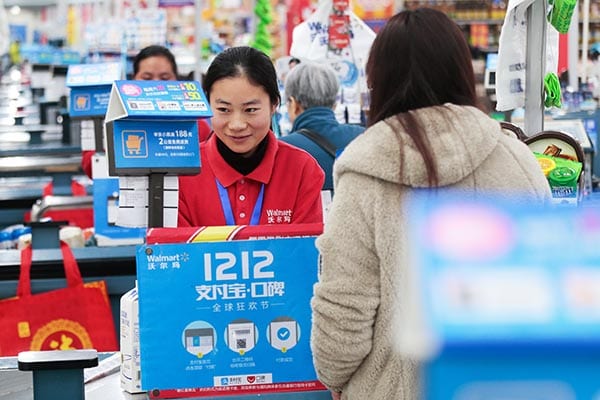
    In China, Walmart is not only betting on e-commerce, it’s betting on a top Chinese e-commerce giant. The US retail giant announced on May 25 that it will open a store on JD.com, one of China’s most popular e-commerce sites, second only to Alibaba. It’s the latest move in a new strategy for the company that has consistently brought it closer to JD, which now has the power to make—or break—the company’s future in China.

    According to Walmart, the online store will carry over 1,700 of Walmart’s most-purchased items from its brick-and-mortar stores in China. Customers that order items before 11:00am can receive their packages on that same day. The orders will be fulfilled using JD’s in-house logistics infrastructure of warehouses, deliverymen, and drones.

    Walmart sold its e-commerce operations to JD in June 2016 after a joint-venture with Yihaodian, a marginal player in China’s online shopping industry, proved unsuccessful. In exchange for the purchase, Walmart took a 5% stake in JD.

    Since then, the two companies have moved quickly to boost Walmart’s online presence. In October 2016 JD launched an online store for Sam’s Club, as well as a store that sold only imported goods from Walmart overseas. That same month, Walmart announced it had invested $50 million in New Dada, a joint venture between JD and logistics network Dada. In April 2017 it launched an online store for Asda, Walmart’s UK subsidiary, selling British-branded products.

    Meanwhile, Walmart has steadily increased its stake in JD–from 5% in June 2016, to 10.8% in October, and then 12.1% this past February.

    Walmart’s bet on e-commerce in China, assisted by JD, comes as its traditional offline retail business there continues to struggle. The company does not regularly disclose financial details about its China business, but there’s plenty of evidence to suggest it is not going great. In 2014 a joint-venture partner revealed that same-store sales across 21 outlets dropped 6 percent between 2014 and 2015. It has also slowed the rate (paywall) of its new store openings in China.

    One of the factors causing Walmart’s middling success in China has been the country’s quick embrace of e-commerce. According to Nielsen, 11% of total retail sales in China come from e-commerce, compared to 8% in the US. And e-commerce sales in China are growing at a rate of 53% annually, compared to roughly 12% in the US. Meanwhile, Chinese consumers are opting to make small purchases either online or in convenience stores, rather than in hypermarkets, according to another Nielsen study. The average shopping basket value for Chinese hypermarket shoppers fell 172.4 yuan (about $25) in 2014 to 162.7 (about $23) yuan in 2015.

    This and other factors have led other overseas retailers to revamp their China strategies, or withdraw altogether. Carrefour, another hypermarket chain in the style of Walmart, suffered a net loss of €58 million (about $65 million) in China during 2016. The company recently started opening smaller outlets modeled after convenience stores. Tesco, from the UK, distanced itself from China when it sold its stores there to domestic retailer China Resources Enterprises in late 2013. And last October, bourgie expats gasped when Marks & Spencer announced it would close its 10 stores in China, citing continued losses.

    By relying on JD to manage its e-commerce operations, Walmart is placing its future in China in the hands of another company, and betting on JD’s success to boost its own. That could turn out all right for Walmart.

    JD, a major competitor to Alibaba, has long differentiated by promising faster deliveries than its rival, thanks to its in-house logistics network. Its market share in business-to-consumer e-commerce (as opposed to “marketplace style” e-commerce, where third-party vendors do the selling) has risen in the past few years, from 18.6% to 24.7%. The company just turned its first-ever operating profit since it listed in New York in 2014, and is investing hugely in drones to make delivery more efficient.

    Both JD and Alibaba have lately turned to groceries and household items as drivers for growth, hoping that repeat purchases will drive up “gross merchandise value,” a metric investors look at to assess the sales value of all purchases (though it’s not the same as revenue). That competitive pressure might squeeze JD’s margins from selling Walmart products online. Given all the headaches Walmart has endured in China in the past—food safety scandals, fickle consumer behavior, and accounting fudges—it might be nice to offload parts of the company’s future to someone else.

  • Xiaomi’s 100th Mi Home Store in China Opens

    Xiaomi’s 100th Mi Home Store in China Opens

    Xiaomi was once heralded as the internet phone king of China after it took the centre stage in selling its smartphones in China. That has however seen a decline due to the influx of other phone makers into the online channel. The likes of OPPO and Vivo have even outpaced Xiaomi by incorporating both offline and online sales channels, leading to a serious decline in revenue. This has prompted the company, dubbed the Apple of China, to open offline stores in China.

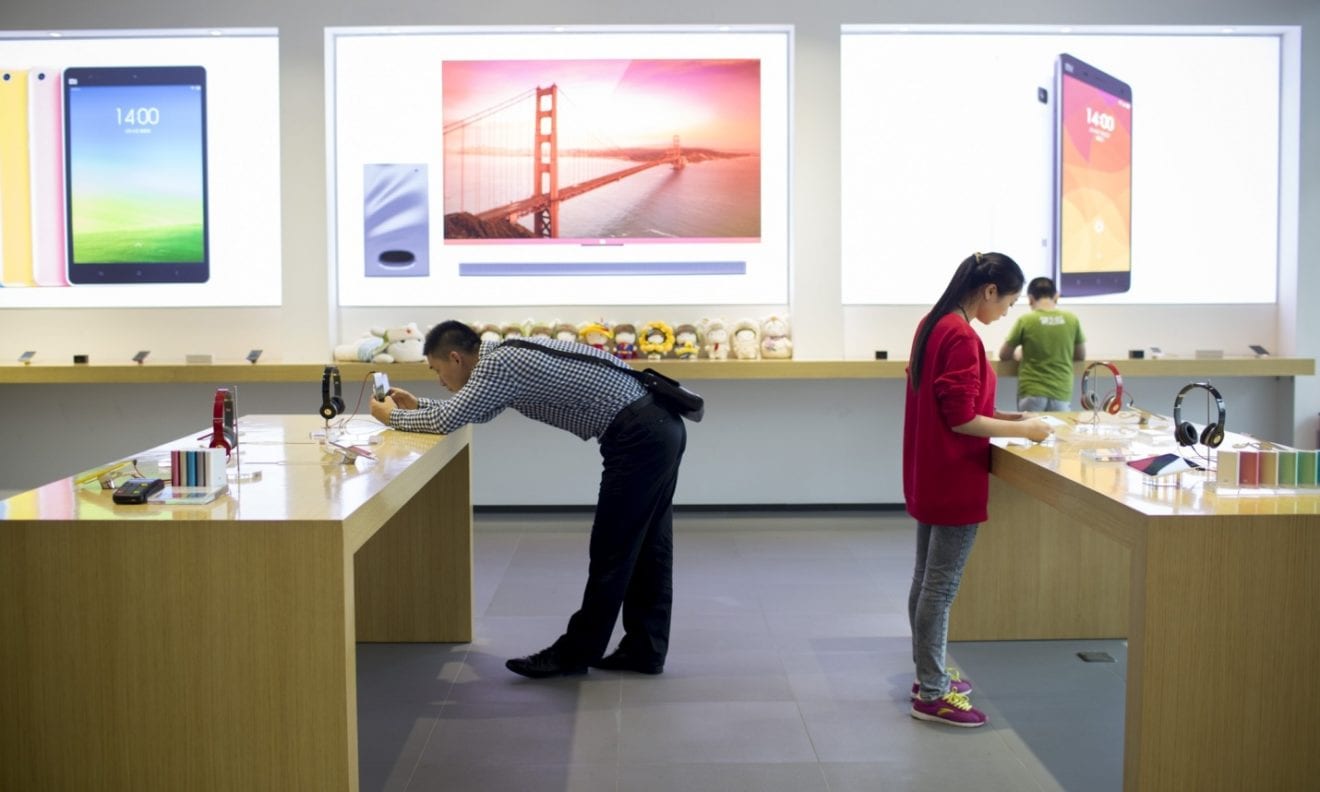
    Xiaomi had revealed last year that it plans to open 1000 Mi stores across several cities in China by the year 2020. In order to achieve that target, the company’s CEO Lei Jun hinted earlier this year that this company would open over 200 retail stores this year. The company has now hit 100 stores in total since the start of the project.The figure followed the opening of four new shops in Zhengzhou, Guangzhou, Foshan and Shanghai. The achievement si coming just five months after the 50th Mi home store was opened in December.

    At present, the Mi Home stores are located in major cities like Beijing, Guangzhou, Shenzhen, Nanjing, Chengdu, Hangzho, Wuhan, Zhuzhai, Zhengzhou, Changsha, Wuxi, Dongguan, Jinan, Dalian, Xiamen, Qingdao, Shenyang and others. Apart from sales, the shops cater for after sales service needs of customers as well as sales of accessories and technical support services. From the look of things, the Mi Stores seem to also stock other Mi smart gadgets apart from smartphones.

    Xiaomi has so far released quite a number of products this year and the pace seems not to be abating. With its recent determined pace, could we see Xiaomi contending at the top three at the end of this year? That is looking likely, even though its competitors are not sleeping either.

  • Alibaba buys 201.5 million shares in Lianhua Supermarket to become second-largest shareholder

    Alibaba buys 201.5 million shares in Lianhua Supermarket to become second-largest shareholder

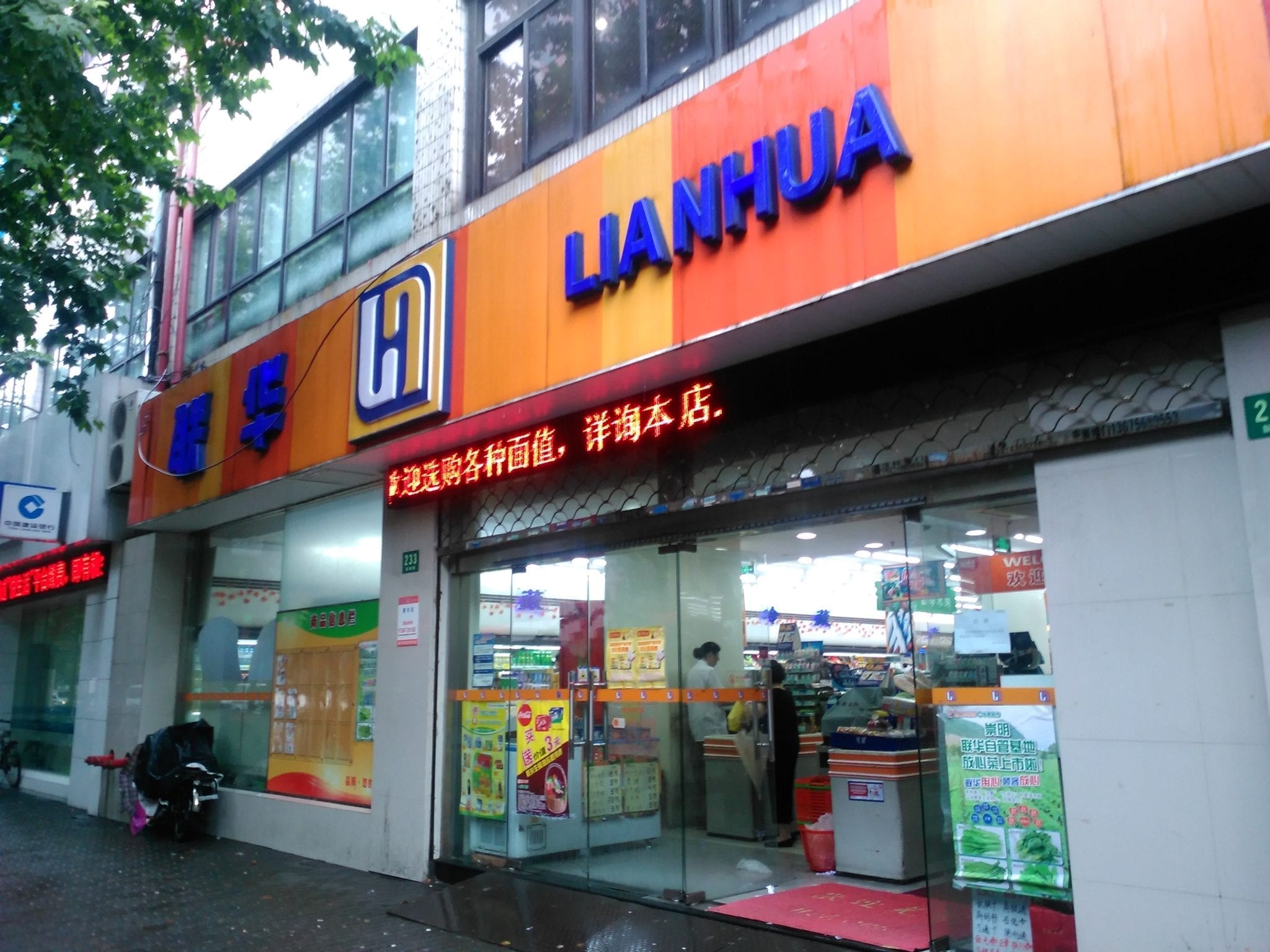
    Lianhua Supermarket Holdings’ shares were halted in Hong Kong after the retailer’s stock jumped by almost 22 per cent following the announcement that Alibaba Group Holding has emerged as its second-largest shareholder.

    The stake purchase is the latest in a long line of Alibaba investment in brick and mortar shopping malls, part of a strategy adopted by the e-commerce giant since 2015 to broaden its exposure to markets where online and offline retailers are converging.

    Lianhua shares rose to a two-month high of HK$3.83 before trading was halted on the Hong Kong stock exchange.

    Alibaba, operator of the world’s largest online shopping platform, said it would buy 201.5 million shares of Lianhua, giving it 18 per cent of the supermarket operator and becoming its second-largest shareholder, according to a filing to the Shanghai Stock Exchange issued by the retailer’s parent Bailian Group.

    The investment by Alibaba, owner of the South China Morning Post, follows a February announcement of a strategic tie up with Bailian to use big data to improve sales at its physical stores, the largest retailer by store numbers in China

    As online sales growth slows, Alibaba has been rapidly expanding into traditional retailing in recent months.

    Alibaba announced in August 2015 that it would invest US$4.6 billion for a minority stake in Chinese electronics retailer Suning Commerce Group Co, while in January its announced it is leading a US$2.6 billion bid to privatise mainland department store and shopping mall operator Intime Retail Group.

    In November it bought a stake in supermarket chain Sanjiang Shopping Club Co for US$305 million.

    Zhu Danpeng, a researcher on China’s retail industry, said the online and offline retailing business are converging as they start to realise that they are more complementary than mutually exclusive.

    “Offline shopping fulfils an emotional need of a consumer, which is irreplaceable by the online shopping experience,” he said. “So it is natural for mature e-commerce businesses to want to capture that part of the business.”

    He also said the retailing industry will stratify into different levels of services.

    High-end products such as luxury goods will retail in brick-and-mortar shops where consumers look for a higher level of personal service, while standard grocery and household items are better suited for the online environment.

    Brett McGonegal, chief executive of Capital Link International, said that the trend towards brick-and-mortar shops will allow e-commerce businesses such as Alibaba and Amazon to learn more about the shopping habits of consumers.

    “It closes the gap between warehouse distribution and consumers,” he said, “[With better understanding of consumers’ habits] retailers can put items right where and when you need them.”

    He also said Alipay will be an important component to the convergence of online and offline shopping. He added that Alibaba ultimately wants to allow its users to finish all their shopping and transactions exclusively on its network.

    A JLL market report highlighted that an increasing number of brick-and-mortar shops on the mainland are pushing for online shopping services, which include online voucher schemes, automated check-out and order-online-pickup-offline services.

    JD.com has also been expanding into offline retailing in recent years after it invested 4.3 billion yuan (US$627.3 million) in Yonghui Supermarket and forged a partnership with Walmart.

    JD.com said that it plans to establish more than 1 million convenience stores, with half located in rural China, in five years.

  • Vietnam to export pork to China amid supply glut

    Vietnam to export pork to China amid supply glut

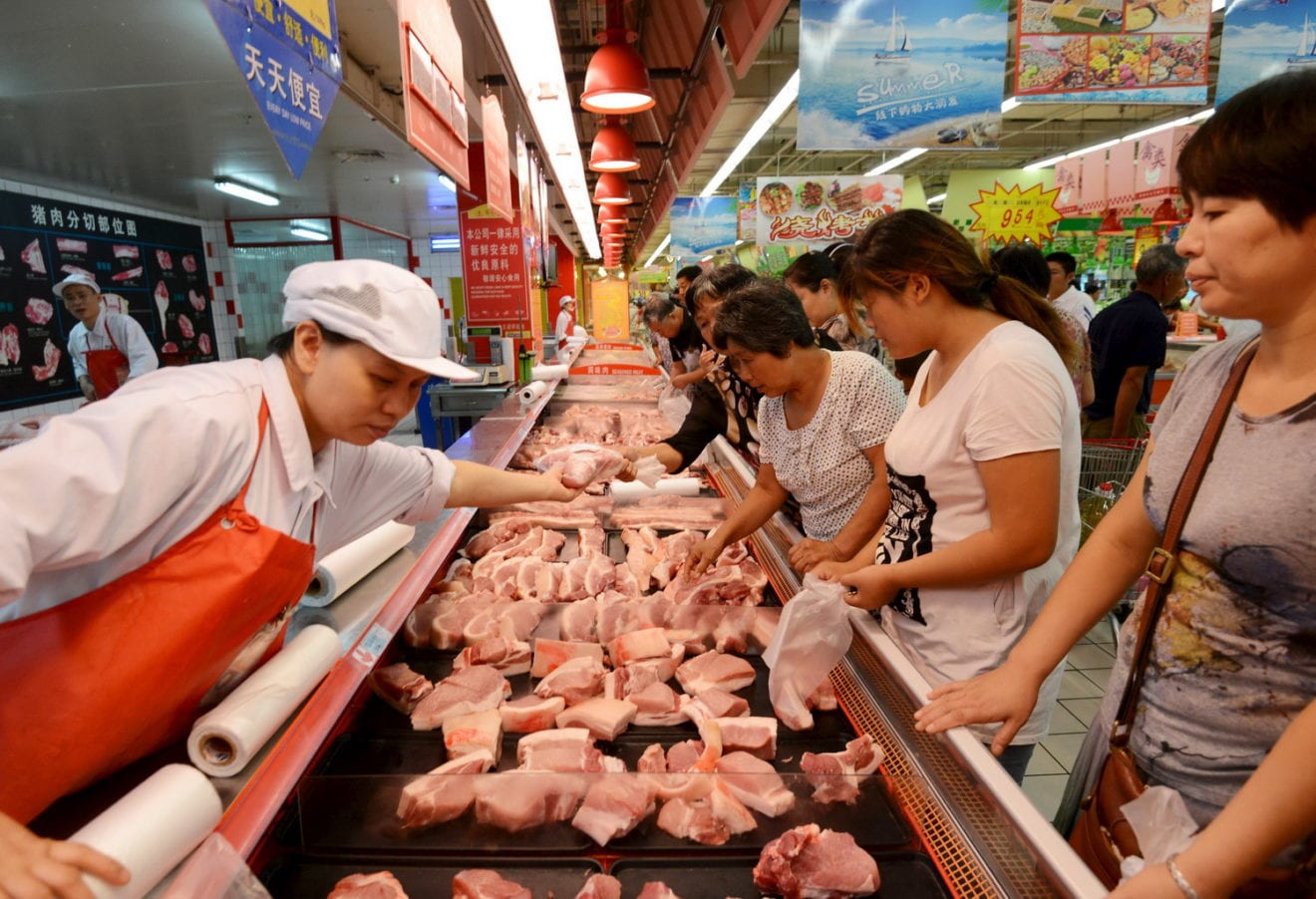
    Local farmers have seen prices fallen sharply as a surplus of 200,000 tons of pork is expected this year. Vietnam is working to export some of its pork to China soon, a deal that could help many farmers stricken by an oversupply and massive price drops.

    Necessary procedures are being finalized and China will only import pork, instead of live pigs, said Nguyen Xuan Duong, deputy head of the husbandry department under the agriculture ministry.

    China, the world’s biggest pork consumer, wanted to officially open its market for Vietnamese pork years ago, but in 2012, the foot-and-mouth disease made headlines in Vietnam, prompting the northern neighbor to halt the plan.

    As for now, China has asked Vietnam’s authorities to control diseases in animal farms and monitor the quality of pork.

    Chinese officials will come to Vietnam to check the production process before working on related procedures, Duong.

    He said China has not decided on how much it will import, but it is likely that Chinese consumers will need around one million tons of Vietnamese pork a year.

    Chinese buyers currently pay VND40,000-42,000 ($1.70-1.80) per kilogram of pork. Prices of pork have fallen sharply in Vietnam this year, currently hovering around VND23,000-25,000 per kilo.

    Vietnamese small traders used to be able to sell live pigs across the border, but China has recently ended this practice.

    In May 2016, the agriculture ministry started warning traders of a possible glut.

    Farmers have been expanding their herds hoping to increase exports to China despite warnings from the ministry, and “this has caused the pork supplies to exceed domestic demand,” the ministry said in a statement on April 28.

    Vietnam’s pig herd expanded by nearly 5 percent to more than 29 million heads last year. By the end of March this year the number had edged up by at least 1.5 percent, according to official data.

    The agriculture ministry estimated that Vietnam will face a surplus of 200,000 tons of pork this year. It is trying to also export live pigs and pork to the Philippines and Singapore.

  • Arvato scores two awards for its logistics solutions in China

    Arvato scores two awards for its logistics solutions in China

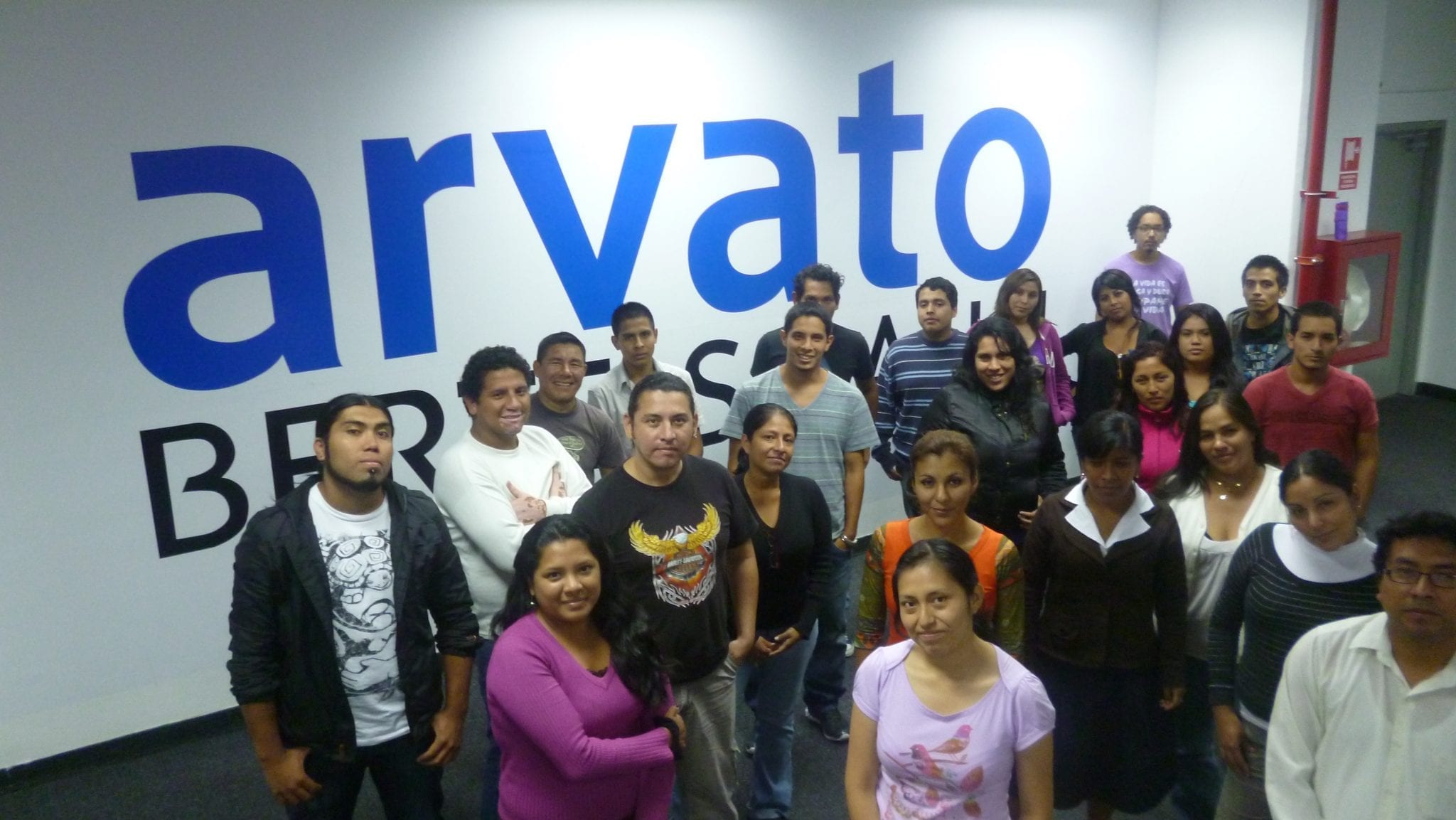
    Arvato SCM Solutions was honoured with “Best Partner” and “Service Award” by Oriflame – one of the world’s leading direct selling beauty companies. The awards recognise Arvato’s exceptional contributions in developing and executing an agile B2B and B2C domestic fulfillment system for Oriflame’s China business.

    “Oriflame’s vision has always been to be the top direct selling beauty company and China is a key growth market.” says Jason Dong, operations director at Oriflame China. “To support and further build upon our expanding network of consultants and customers, we rely on partners like Arvato that are able to innovate in its solutions and adapt swiftly to our needs.”

    Arvato was commended for the implementation of digital solutions that enhanced the efficiency and quality of its domestic fulfillment model. This includes automation of the order management process and utilisation of computerised tools such as the Pick-by-Light system; with all data integrated into one centralised IT back-end system. The result is end-to-end visibility, better accuracy and control that are critical for managing Oriflame’s wide portfolio of Swedish, nature-inspired beauty products.

    For Oriflame’s consultants and customers, the seamless flow of information allows them to track their orders in real-time via the Oriflame app, WeChat app, or Short Message Services (SMS). Because of the scalability and flexibility built into the system, Oriflame’s customers can be sure that they receive their orders timely even during extreme promotional peak periods such as during China’s annual 11.11 Global Shopping Festival. Their customer journey with Oriflame is further enhanced with an efficient returns management process through Arvato’s reverse logistics solution; and receipt of the most up-to-date promotional materials through Arvato’s value-added services.

    “The ‘Three-Year Service Award’ also marks a significant milestone in the partnership between Arvato and Oriflame,” says Li Zhang, head of the consumer products business unit at Arvato SCM Solutions China. “Over the span of three years, Arvato has expanded its services to three sites across China – Beijing, Shenzhen and Shanghai; in support of Oriflame’s rapidly growing business.”

    Arvato received both awards at Oriflame’s 2017 Summit for Service Providers.

  • DHL adds another China-Europe rail link

    DHL adds another China-Europe rail link

    DHL manages new route with supply chain partner China Brilliant, providing both LCL and FCL service to DHL customers.

    DHL Global Forwarding has launched the first regular service connecting Shenzhen to Minsk, Belarus via rail in less than 12 days. The new route covers new overland connections to several major cities along China’s “Belt and Road” and is the latest route in the DHL Asia-Europe-Asia multimodal network.

    DHL will manage the new route together with China Brilliant, an integrated service provider in global manufacturing and consumption with which DHL signed an MOU last year. Offering both Less-than-Container Load (LCL) and Full Container Load (FCL) services along the route, DHL gives businesses increased flexibility to meet rapidly growing and evolving market demands for electronics, industrial and automotive parts, and fresh food in both Eastern Europe and China.

    “Eastern Europe’s economies are growing faster than almost any others worldwide,¹ with significant export opportunities arising from the region’s rising wages and disposable income levels,² ” said Steve Huang, CEO, DHL Global Forwarding Greater China. “Minsk offers Chinese businesses an efficient gateway into the Baltic States and Nordic countries in addition to other major European destinations like Warsaw, Hamburg and Tilburg via Brest.”

    “With Shenzhen’s economy exceeding expectations to grow by 9% last year,³ the route also opens sizable opportunities for European exporters looking to sell to one of China’s most vibrant trade and business hubs, or use it as an important gateway to Southeast Asia and the rest of the Chinese consumer market. Our newest route further supports strategic infrastructure projects designed especially to support the Belt and Road, such as the Great Stone Industrial Park – the largest joint project between China and Belarus that will span decades;⁴ strengthens bilateral ties between the two countries; and also lays the groundwork for further rail connectivity to the Nordic and Middle Eastern states involved in the Belt and Road.”

  • China will continue to relax foreign investment rules for auto industry

    China will continue to relax foreign investment rules for auto industry

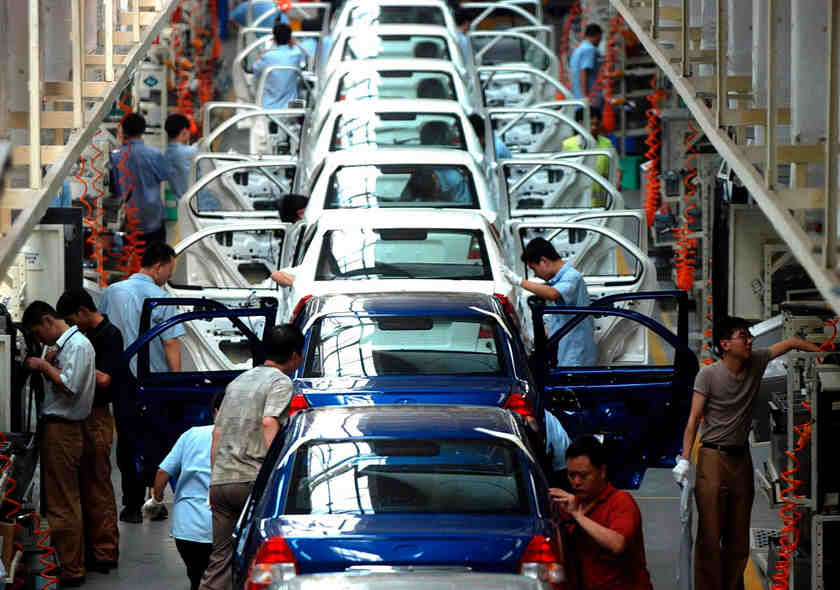
    China will continue to relax foreign investment rules for the country’s auto sector and other high end manufacturing, lifting restrictions in an orderly fashion, the commerce ministry said on Thursday.

    The government is preparing to further open up the new energy vehicle battery market to foreign investment, Ministry spokesman Sun Jiwen told a regular briefing in Beijing.

  • Chinese shoe brand What For, plans Europe retail rollout

    Chinese shoe brand What For, plans Europe retail rollout

    Having already launched a solid retail network in France, Chinese footwear brand What For plans to take on Europe’s neighbouring countries.

    Launching in 2008, the Stella International-owned Asian brand entered the French market in 2013, and consequently opened nine stores, with the latest boutique bowing in the Val d’Europe shopping centre in April.

    While the women’s brand grew considerably in France in 2016 with the opening of seven stores, “the goal right now is to concentrate on the brand’s international development, which boasts more than 800 multibrand points of sale across 25 countries,” said Yann Tobelaim, president of Stella Fashion Europe, the joint venture group formed by the Chinese firm in Europe.

    The new challenge for the brand, however, is finding potential store locations across metropolitan Europe. What For is targeting western Europe, including Germany, Italy and Belgium, and more specifically, cities with a strong fashion DNA such as Milan, Anvers and Berlin.

    At the same time, What For — the mid-to-high end shoe brand whose prices range between 130 and 200 euros — hopes to also continue its French expansion with the opening of a number of monobrand stores, particularly in the south and western France.

    Predominately a shoe seller, What For also sells a small line of leathergoods, which it started in 2016. Products are designed in Paris and manufactured in China.

  • India’s electric vehicles push likely to benefit Chinese car makers

    India’s electric vehicles push likely to benefit Chinese car makers

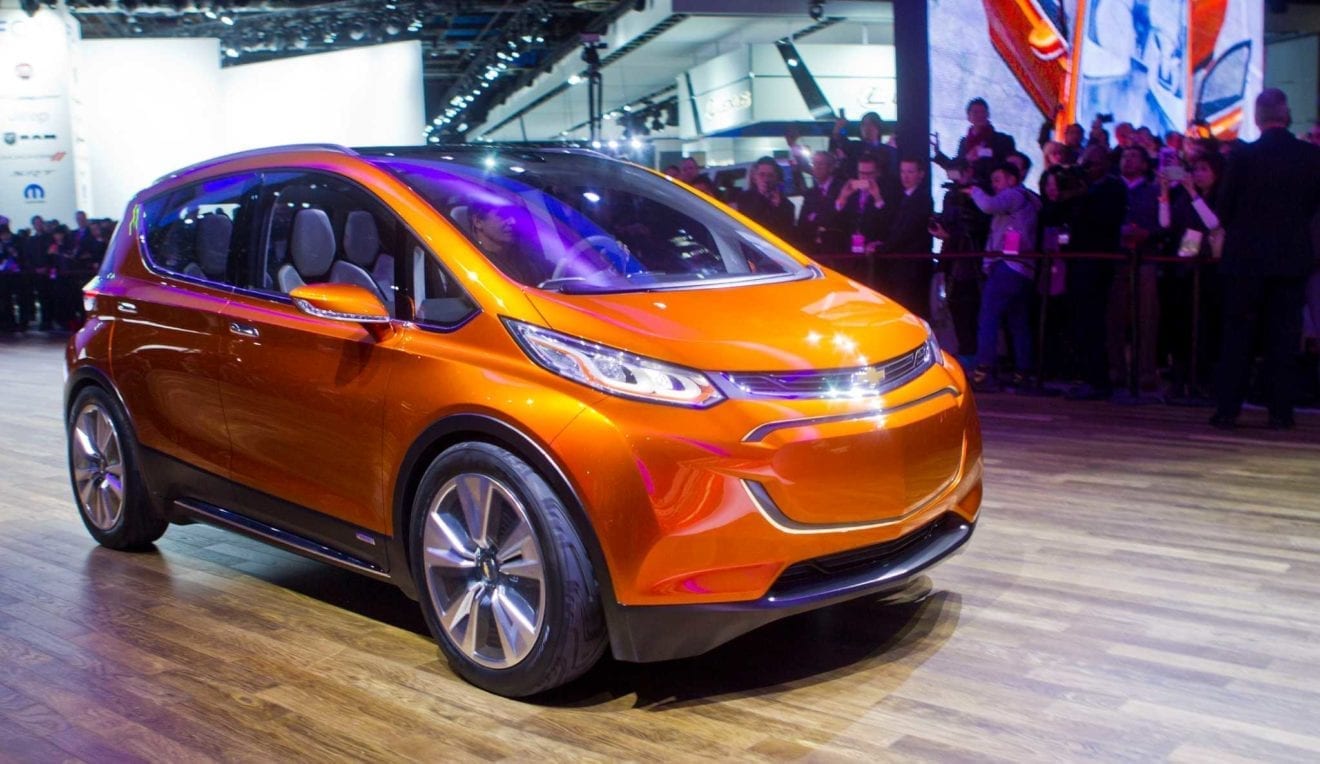
    India’s ambitious plan to push electric vehicles at the expense of other technologies could benefit Chinese car makers seeking to enter the market, but is worrying established automakers in the country who have so far focused on making hybrid models.

    India’s most influential government think-tank unveiled a policy blueprint this month aimed at electrifying all vehicles in the country by 2032, in a move that is catching the attention of car makers that are already investing in electric technology in China such as BYD and SAIC.

    The May 12 report by Niti Aayog, the planning body headed by Prime Minister Narendra Modi, recommends lower taxes and loan interest rates on electric vehicles while capping sales of petrol and diesel cars, seen as a radical shift in policy.

    India also plans to impose higher taxes on hybrid vehicles compared with electric, under a new unified tax regime set to come into effect from July 1, upsetting car makers like Maruti Suzuki and Toyota Motor.

    The prospect of India aggressively promoting electric vehicles was a “big opportunity”, a source close to SAIC, China’s biggest automaker.

    “For a newcomer, this is a good chance to establish a modern, innovative brand image,” the source said, although they added the company would need more clarity on policy before deciding whether to launch electric vehicles in India.

    Earlier this year SAIC set up a local unit called MG Motor which is finalising plans to buy a car manufacturing plant in western India. A spokesman at SAIC did not comment specifically on the company’s India plans.

    Warren Buffett-backed BYD already builds electric buses in the country, while rival Chongqing Changan has said it may enter India by 2020.

    BYD said in a statement the company would have “a lot more confidence” to engage in the Indian market if the government supported the proposed policy. The company said it would look at increasing its investment in India but did not give details on how it would expand its business and market share.

    High Costs

    While the Niti Aayog report has not yet been formally adopted, government sources have said it was likely to form the basis of a new green cars policy.

    If so, India would be following similar moves by China, which has been aggressively pushing clean vehicle technologies. But emulating China’s success could be tough.

    Electric vehicles are expensive due to high battery costs, and car makers say a lack of charging stations in India could make the whole proposition unviable.

    The proposed policy focuses on electric vehicles, and is likely to also include plug-in hybrids. But it overlooks conventional hybrid models already sold in India, such as Toyota’s Camry sedan, Honda Motor’s Accord sedan and so-called mild hybrids built by Maruti Suzuki.

    Hybrids combine fossil fuel and electric power, with mild hybrids making less use of the latter.

    In doubling down on electric power India would be shifting away from its previous policy, announced in 2015, that supported hybrid and electric technology.

    That could delay investments in India, expected to be the world’s third-largest passenger car market within the next decade, according to industry executives and analysts.

    “All these policy changes will affect future products and investments,” said Puneet Gupta, South Asia manager at consultant IHS Markit, adding that most car makers would need to rethink product launches, especially of hybrids.

    Economic Gap

    Mahindra & Mahindra is the only electric car maker in India but has struggled to ramp up sales, blaming low buyer interest and insufficient infrastructure.

    Pawan Goenka, managing director at Mahindra said the company was working with the government and other private players to set up charging stations in India. Mahindra was also focusing on developing electric fleet cars and taxis, Goenka said.

    The cost of setting up a car charging station in India ranges from $500 to $25,000, depending on the charging speed, according to a 2016 report by online journal IOPscience.

    While the proposed policy suggests setting up battery swapping stations and using tax revenues from sales of petrol and diesel vehicles to set up charging stations, it does not specify the investment needed or whether the government would contribute.

    “For full electric vehicles, the economic gap remains huge and the charging infrastructure needed does not exist,” said a spokesman at Tata Motors. The company makes electric buses and is working on developing electric and hybrid cars.

    Delayed Pans

    Most automakers have focused on bringing in hybrid models that are seen as a stepping stone to electrification. Toyota recently launched its luxury hybrid brand Prius in India, while Hyundai Motor plans to debut its Ioniq hybrid sedan next year.

    Maruti’s parent Suzuki Motor, along with Toshiba and Denso, plans to invest 20 billion yen ($180 million) to set up a lithium ion battery plant in India which would support Maruti’s plan to build more hybrids.

    But the apparent sharp shift in policymakers’ thinking in favor of electrification is forcing automakers like Toyota and Nissan Motor to seek more clarity before finalising future products for India, while Hyundai may delay new launches.

    Toyota, the world’s No. 2 carmaker by sales, had planned to have a hybrid variant for all its vehicles in India, but the company’s future launches would now depend on the new policy, said Shekar Viswanathan, vice chairman of its Indian subsidiary.

    Nissan, which plans to launch a hybrid SUV later this year, said in a statement it was waiting for more clarity before deciding whether to bring electric cars to India.

    A plan by Hyundai to launch at least three hybrid cars in India in 2019-2020 would likely to be delayed, said a source.

    Hyundai did not comment on queries related to delays.

    “If the government will be aggressive on electric vehicles and not support other technologies, companies will need to rethink investments,” said an executive with an Asian carmaker.

  • L’Occitane taps pop idol Luhan as China ambassador

    L’Occitane taps pop idol Luhan as China ambassador

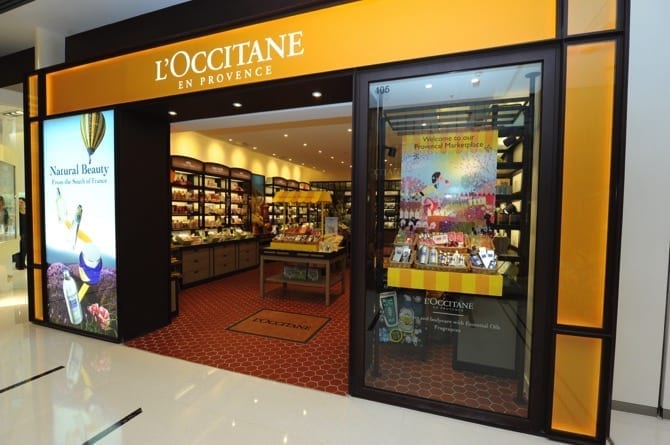
    Asian pop idol Luhan is the newest celebrity brand ambassador for L’Occitane in mainland China. The south of France brand, which produces plant-based skincare and cosmetics, has featured Luhan on the brand poster of the L’Occitane Cherry Blossom body and hand-care collection. He is pictured standing in front of the pink blossoming cherries dressed in black.

    Drawing inspiration from Provence cultures, L’Occitane develops skincare, haircare, bodycare, handcare and make-up products, as well as a home collection and fragrances.

    In China, L’Occitane products are distributed by L’Occitane Trading (Shanghai).

    China is proving an emerging market for the French firm’s global division, as increasingly discerning Chinese consumers start to turn to natural and organic beauty products.

    L’Occitane International saw its interim net profit jump 33.9 per cent for the six months ending September 2016, as earnings climbed to 25.99 million euros from 19.41 million euros year on year. Net sales edged marginally up by 1.3 per cent to 551.7 million euros.

    Emerging economies Brazil, Russia and China were singled out as the top performing markets, it said.

    The mainland has become the company’s second largest market after the United States in terms of the number of outlets. Eight locations were launched in China in the first nine months of the year.

  • Spar China Continues Strong Growth in 2017

    Spar China Continues Strong Growth in 2017

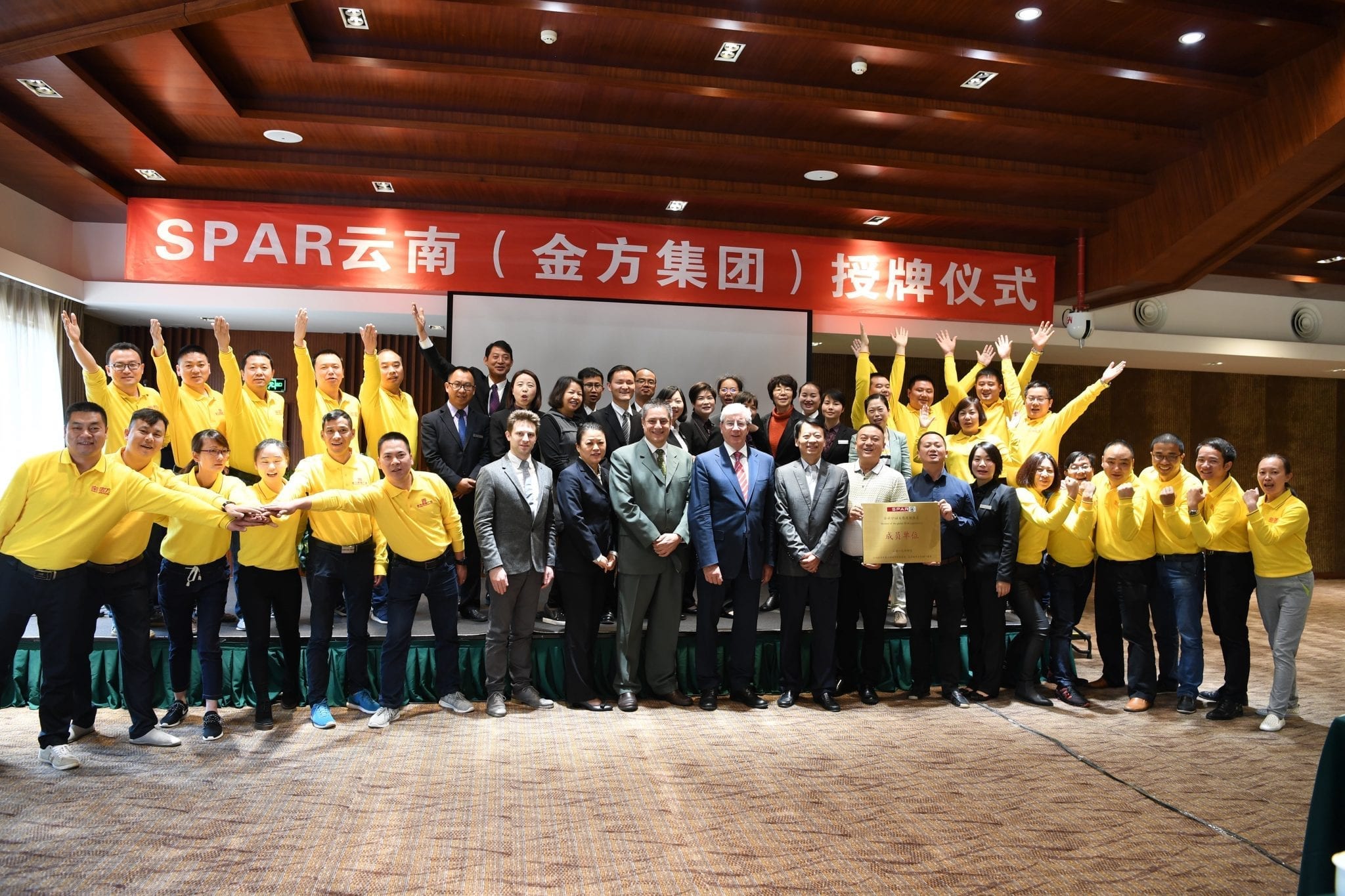
    PAR International (“SPAR”) and Yunnan Anning Jinfang Commercial Group (“Jinfang”) have announced a new partnership agreement authorising Jinfang to grow the SPAR Brand in Southeast China across Yunnan Province, Liu Pan Shui City, Bijie City, Buyi and Miao Autonomous Prefecture, and Anshun City in Guizhou Province.

    Jinfang will invest in converting 32 stores to the SPAR brand in the coming months, bringing together the best of SPAR’s global retail expertise and Jinfang’s deep understanding of the local customer. The 2,550 employees currently working in the chain’s hypermarkets, supermarkets and convenience stores will benefit from access to the retail training academy of SPAR China.

    The announcement marks an exceptional 12 months for SPAR in China. In 2016, sales grew by 6.7% to 14.5 Billion RMB, with SPAR China continuing its expansion in a maturing food retail sector. Store numbers increased by 14% to 395 and SPAR China added 43,918m² of selling area.

    In December, Jiajiayue Group, which was SPAR’s first Chinese retail partner, launched an initial public offering (IPO) on the Shanghai Stock Exchange. The fund raised from the IPO will be used to strengthen and develop the business further investing in technology and the supply chain infrastructure.

    Today, 14% of the total selling area of SPAR worldwide is in China and SPAR China has partners building the brand’s presence in Shandong, Guangdong, Shanxi & Inner Mongolia, Beijing, Sichuan, Henan, Zhangjiakou and now Yunnan.

    SPAR International’s growth in China has been driven by investment in a multi-channel supply chain, the development of hypermarkets, the launch of world-class convenience stores in Tier 2 and 3 urban centres and a strategic emphasis on fresh food through initiatives like the development of a new, state of the art bakery production facility. Ongoing developments in retailing via online channels including the popular WeChat and Weibo platforms in addition to web sales.

    SPAR is working closely with Jinfang on the first SPAR Supermarket design and an expert international logistics team from SPAR International and SPAR China are supporting Jinfang in the development of a modern warehouse.

    Speaking on the official announcement of the new partnership Tobias Wasmuht, Managing Director of SPAR International said:

    “Since entering into China in 2004, SPAR has worked closely with partners to accelerate the growth of their food retail business through our standardisation methods, latest store design, modern supply chain expertise and improved shopping experience. The strong growth figures demonstrate that the ‘Better Together’ strategy is delivering for our Partners. The partnership with Jinfang represents a further, exciting development in the growth of SPAR in China.”

    Mr Wang Peihuan, Chairman of SPAR China said:

    “Our new partnership with Jinfang is consistent with SPAR China’s strategic focus on accelerating expansion and growing presence. Together we unite the best of SPAR’s global retail expertise and Jinfang’s extensive and longstanding understanding of the local customer to grow SPAR presence in Southeast of China.”

    Mr. Li Jia, the Chairman of the board of Yunnan Jinfang Group said:

    “Jinfang has followed SPAR’s progress since SPAR entered into China in 2004, and has seen the great success achieved by SPAR China and its Partners. SPAR and Jinfang share key values in many areas. In order to serve customers in the Southeast of China better, we plan to bring high operation standards, efficient logistics and a modern supply chain to build diverse retail solutions.”