Tag: China

  • Yum China buys majority stake in delivery firm Daojia

    Yum China buys majority stake in delivery firm Daojia

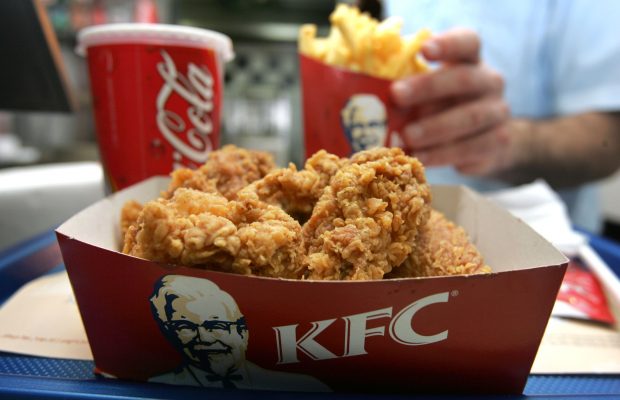
    Yum China Holdings said this week it has purchased a controlling stake in Daojia, a food delivery firm, in a bid to improve the restaurateur’s outgoing food business.

    The operator of US chains Pizza Hut and KFC in China, Yum China has been in talks with Daojia since November, where it was reported by Reuters that the fast-food giant was willing to buy Daojia for up to $200 million.

    Terms of the deal to buy the majority stake in the holding company of DAOJIA.com.cn were not disclosed, though details will be finalised by the close of May.

    Yum China, with over 7,663 restaurants in China, currently offers home-delivery from more than 4,400 of its outlets.

    Commenting of the majority stake purchase, Yum China Chief Executive Micky Pant said delivery is one of the firm’s main future drivers of growth for the brand in China.

    “Digital and delivery are long-term strategic drivers of our business, and I am pleased to build on our technological know-how and capabilities in this high growth area,” said Pant in a statement.

    The company added that in the first-quarter, delivery sales accounted for 12% of total sales.

    Daojia, founded in 2010, is an online food delivery service provider focusing on orders in large cities including Beijing, Shanghai, Guangzhou and Shenzhen.

    Yum China is a licensee of Yum Brands and has exclusive rights to KFC, Pizza Hut and Taco Bell. Yum China also owns the Little Sheep and East Dawning restaurants.

    In February, Yum China said it plans to open approximately 600 new stores annually across mainland China, in a mass rollout that will see the fast-food attempt to outpace rival restaurateurs and boost same-store sales

  • Alibaba sues maker of fake Wuliangye spirits for RMB 123,000

    Alibaba sues maker of fake Wuliangye spirits for RMB 123,000

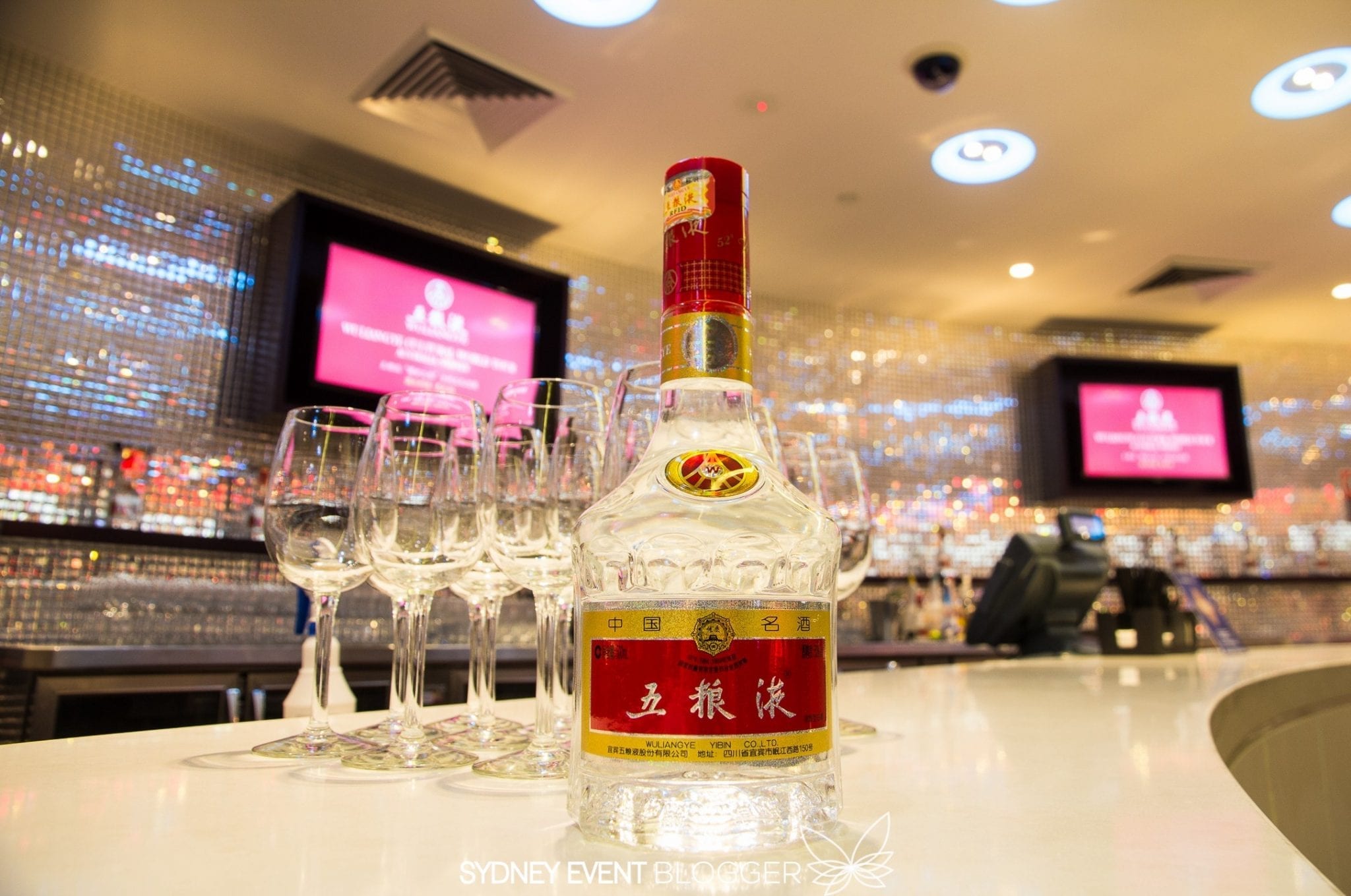
    Alibaba Group said Wednesday it has sued a seller of fake spirits, seeking RMB123,000 (US$17,835) in damages.

    The Shanghai Xuhui District People’s Court previously found defendant, Xu Wenqiang, had violated Yibin Wuliangye Group Co. Ltd.’s “Wuliangye” liquor trademark and ordered him to pay the brand owner RMB70,000 (US$10,150) for economic losses and expenses.

    Alibaba’s civil suit comes on top of that, with the group saying Xu violated trading rules on its Taobao e-commerce platform by infringing on the intellectual property rights of a trademark owner. The complaint also seeks damages for economic losses, legal and other costs and loss of goodwill.

    According to the lawsuit, Xu, who first registered to sell on Taobao in 2009, was nabbed after the trademark owner recently bought a bottle that claimed to be 52 percent Wuliangye crystal liquor for RMB508 ($73.65) from the vendor online. Upon inspection, Yibin Wuliangye Group determined from the quality of the logo, packaging, bottles and anti-counterfeiting labels that the product was fake.

    Wuliangye, literally “Five Grains Liquid” in Chinese, is a premium spirits brand made from millet, corn, wheat and two kinds of rice. A 500-milliliter bottle in the company’s Taobao storefront starts at RMB299 (US$43.36) and can run up to RMB1,798 (US$260).

    Alibaba Executive Chairman Jack Ma recently called for tougher counterfeiting laws, stronger enforcement and stiffer penalties.

    The Alibaba lawsuit is the latest in its drive to protect brands and cause pain for counterfeiters by seeking heavy damages through the court system. The group previously sued makers of fake Swarovski watches and a Mars brand of cat food.

    In its latest legal filing in the Shanghai Songjiang District People ‘s Court, Alibaba showed the same fervor for protecting domestic brands and trademarks. The lawsuit also dovetails with a rise in purchases of wine and spirits on Alibaba platforms, as China’s burgeoning middle class seeks premium spirits, both imported and domestic.

    Last year, Alibaba held its first-ever 9.9 Global Wine & Spirits festival, an online shopping promotion that proved wildly popular among consumers.

    And earlier this month, Alibaba’s Ma signed a memorandum of understanding with Argentina to bring the countries foods and wines to China via Alibaba e-commerce platforms.

  • Chinese regulator approves VW-JAC Motor electric car venture

    Chinese regulator approves VW-JAC Motor electric car venture

    Germany’s Volkswagen AG and Anhui Jianghuai Automobile Group have received approval from Chinese regulators to form a joint venture to make electric vehicles, the two automakers said on Monday.

    The National Development and Reform Commission (NDRC), China’s top state planner, gave a green light to JAC and VW to build 100,000 pure battery electric vehicles annually in a project worth 5.1 billion yuan ($740 million), according to a JAC Motor stock exchange filing.

    A VW spokesman confirmed the approval but said certain administrative procedures still needed to be completed for a joint venture contract to be signed with JAC Motor.

    Volkswagen, China’s largest foreign automaker, has pledged to rapidly develop a range of electric vehicles as the Chinese government aggressively promotes the segment as a way to cut intense smog in much of the country.

    VW already has joint ventures with China FAW Group and SAIC Motor Corp Ltd in the country.

    The has company previously said it aims to sell 400,000 “new energy vehicles,” a category which includes pure electric and plug-in petrol-electric hybrids, in China by 2020 to meet strict Chinese fuel economy and emissions regulations, with electric vehicles made with JAC Motor coming in addition to that figure.

  • Alibaba sales beat estimates, plans $6m share buyback

    Alibaba sales beat estimates, plans $6m share buyback

    Alibaba Group’s first-quarter revenues surpassed industry estimates for the three-month period ending March, as the Chinese e-commerce giant witnessed strong growth in new business lines beyond online shopping.

    Total revenues for the last quarter reached 38.6 billion yuan (US$5.6bil), well above an average forecast of 36 billion yuan according to Thomson Reuters.

    “Our revenue base is now more diversified,” chief financial officer Maggie Wu said. The finance head added that Alibaba’s cloud and entertainment sectors became “more meaningful growth drivers” during the quarter.

    Despite the sales high, earnings fell flat for the three months, with profits adversely affected by tax increases after the expiration of a local tax reduction linked to Alibaba’s investment in Chinese electronics retailer Suning Commerce Group Co Ltd.

    Alibaba’s adjusted earnings per share (EPS), therefore, came in at 4.35 yuan (US$0.63), below estimates of 4.48 yuan.

    Coinciding with the results, Alibaba announced plans to buy back shares worth up to US$6bil over two years.

    The operator of online market place Tmall and financial payments system Alipay said the share repurchase scheme would replace its existing buyback program.

    For the last few years, Alibaba has been targeting news business lines such as cloud computing, big data, entertainment and offline retail as it expands beyond e-commerce.

    However, online shopping remains the firm’s bread and butter. In March, Alibaba said it plans to open a regional distribution hub in Malaysia to cater to its fast-growing business in the region. It also launched its Alipay business in the Asian nation last week, following a debut in the US earlier in the year.

  • China’s Growth Engines Are Slowly Converging

    China’s Growth Engines Are Slowly Converging

    Growth in China’s economy has long centered on the coast, where Shanghai and the Pearl River Delta form some of the world’s most productive regions on their own.

    But now that tide of internal migration that drew hundreds of millions of workers from the farm to factory is shifting, and lifting the economic prospects of the country’s interior.

    As big-city living costs rise and job openings become less abundant, more migrants are now leaving China’s urban centers than new ones arriving, according to Oxford Economics Ltd.

    “Labor costs on the East Coast are now too high for industries further down the value chain to remain competitive internationally,” London-based economist Alessandro Theiss wrote in a report, citing an 8 million decline in the migrant population from 2014 to 2016.

    The shift should benefit inland provinces, especially in southwest regions like Sichuan, as companies move production to take advantage of lower costs while remaining connected to coastal export hubs and industrial clusters, he said.

    Southern and northwestern provinces are are likely to keep expanding relatively fast as they benefit from catch-up growth, fiscal support and geographic location, while the northeast is likely to remain the slowest-growing region as population declines and coal mining consolidates more in inland provinces, according to Theiss.

    While the east coast was hit by slower global trade in recent years, conditions are now improving. Specialized manufacturing clusters and export hubs are innovating and moving up the value chain, and research activity is boosting the region.

    That’s good news for some of China’s biggest drivers: Coastal Guangdong, Jiangsu and Shandong provinces each account for around 10 percent of national output and all had output last year that exceeded Mexico’s, Theiss said. The future looks favorable for east coast provinces with more mature economies, as well as those in central China.

    “They continue to innovate and to move-up the value chain, specializing in advanced manufacturing such as robotics and genomics, and expanding and developing specialized manufacturing clusters,” Theiss said. “First-class infrastructure, significant R&D spending, large FDI inflows, a rapidly growing domestic market as well as a highly educated workforce should allow them to continue to grow at a solid pace.”

  • How brands use short videos for marketing in China

    How brands use short videos for marketing in China

    As the luxury industry discusses Snapchat’s marketing possibilities and, more recently, Instagram’s latest filter feature, brands looking toward the China market are facing a completely different short video industry. It’s one that has witnessed rapid development thanks to the popularity of smartphones and upgraded communication networks in China.

    In March this year, Kuaishou, a popular short video app, was on the receiving end of a US$350 million investment from Tencent, and Alibaba put RMB 2 billion toward the transformation of Tudou from a large, formerly popular online video platform to a short video community. Also, Yixia Technology, owner of Miaopai and Xiaokaxiu, both popular short video apps in China, has already spent RMB 2 billion to encourage short video content creators and producers by building several video creation bases and providing professional studios.

    Short videos are perfect for young, tech savvy consumers who take their phone with them everywhere and use it to access social media or to fill in short breaks in the day between other activities.

    But which short video apps are the most popular in China? Who are the viewers of these short videos? How can brands market to them? What should brands take into consideration when launching short video campaigns?

    China’s short video apps

    Similar to short video platforms like Viddy and Instagram, there are numerous short video platforms and apps in China where users can record real-time short videos and share them with friends. As for users, there were 153 million regularly watching China’s short videos in 2016. This is estimated to reach 242 million by 2017, an increase of 58.2 percent.

    CIWEEK, an internet content magazine, released a list of their top 10 short video apps in China in the first half year in 2016 and Kuaishou, Miaopai, and Meipai were the most popular.

    Of these, there are actually two types of short video platform in China:

    1. Comprehensive platforms: professional short video platforms

    These platforms, such as Meipai, Miaopai, and Xiaokaxiu, provide a one-stop user experience. Users can use various shooting tools, effect settings, and formats while filming or editing a video. They also offer a community for users to share their videos with friends. Short videos uploaded on those platforms can also be shared with WeChat friends, WeChat Moments, and Weibo.

    2. Content recommendation: news apps

    These platforms, such as Toutiao, NetEase, Tencent News, and Yidian Zixun, focus on suggesting popular or professional short videos. These platforms were originally news-based and mass communication oriented. They have millions of viewers and short videos recommended on these platforms can get huge amounts of traffic.

    Who are the viewers?
    The main users of China’s short video apps are young. Most of them belong to the post-90s generation. According to a report published in March 2017 by JIGUANG, a big data provider, users ages 16 to 25 make up 39.7 percent of the total, while users aged 26-35 are at 33.3 percent. Meanwhile, over half of the users are female, making them 69.4 percent of the total number of users.

    In terms of regions, 66.9 percent of the total come from third-tier and below third-tier cities in China. The top 3 provinces for viewer numbers are Guangdong, Henan, and Shandong.

    How are brands using short video?
    Short video is becoming a new favorite marketing tool for brands for several reasons. Short videos can be used for various types of promotional materials, such as product reviews, product seeding, promoting brand culture and more. With interesting and meaningful content, short videos can deliver specific brand messages to a target audience while avoiding the annoyance that longer videos may cause. The production cycle of short videos is quick with great flexibility, which works well with brands’ marketing plans and budgets. Through audience interactions with short videos, brands can better understand their preferences, rapidly improve their user experience, and come up with effective marketing plans quickly. Integrated campaigns launched on short video platforms can be creative and diverse.

  • Chinese demand for supercars races ahead at full-speed

    Chinese demand for supercars races ahead at full-speed

    Chinese demand has helped boost supercar sales around the globe to double-digit growth, according to a new report by automotive market research company Jato. While the United States remains the largest market for ultra-luxury car sales, China is close behind at number three, with demand last year jumping 54 percent to about 4,400 units. To compare, the second biggest market, the UK, only saw a 15.6 percent growth.

    Jato cites Forbes’s swelling billionaire list as evidence for the increasing demand for ultra-luxury automobiles around the globe—overall, supercar sales are up by 16 percent in 2016 from the previous year. China added 65 billionaires for a total of 400 to the list last year, the most of any country on the list, and its role in the supercar market reflects this.

    Supercars, which include brands like Aston Martin, McLaren, Bentley, and Ferrari, have long been valued by Chinese consumers for boosting their status quo, but the report notes that supercar brands are increasingly innovating to respond to changing consumer needs. For example, many of the automakers have recently introduced luxury SUVs to their lineup, of which have witnessed a major market in China as families are getting larger. There is also more demand for sustainable vehicles, especially in China, where environmental concerns like pollution are rampant. Luxury car brands have been quick to respond—out of the 10 brands featured in Jato’s report, nine of them have announced plans for releasing electric or hybrid automobiles.

    While supercar brands are no doubt having good luck with the Chinese consumer in general, many are also now having to consider how the emerging affluent in China are getting younger and more digitally savvy. Maserati, an ultra-luxury brand that wasn’t on Jato’s list, made an effort to reach this market by opening a Tmall store, but others have room to grow when it comes to bridging their online presence with call to actions to bring customers into their showrooms. And with surging demand, the opportunity to reach China’s digital natives is likely only growing wider.

  • JD rumored to invest in Indonesian e-commerce company

    JD rumored to invest in Indonesian e-commerce company

    China’s JD is reportedly currently negotiating with PT Tokopedia, an e-commerce company in Indonesia, for a potential investment deal.

    If an agreement can be reached, it will help JD accelerate its expansion in Indonesia, one of the largest markets in Southeast Asia.

    JD has implemented initial negotiation and the Chinese e-commerce giant may invest hundreds of millions of dollars into Tokopedia. The deal may value Tokopedia at over USD1 billion.

    Once the investment is successful, JD will be able to compete with Alibaba in this marketplace. As China’s two leading e-commerce providers, Alibaba and JD are both exploring the Southeast Asia market. In 2016, Alibaba acquired the controlling stake in the Southeast Asia e-commerce company Lazada. In addition, with this move, JD is expected to realize deployment in this region before Amazon.

    Tokopedia was established in 2009 and its business model is similar as Alibaba, which focuses on connecting consumers and vendors, instead of selling owned products. In 2014, the company gained USD100 million investments from SoftBank and Sequoia Capital, setting a record at that time.

  • VW’s JV in China to recall nearly 600,000 vehicles over fuse fault

    VW’s JV in China to recall nearly 600,000 vehicles over fuse fault

    Volkswagen AG’s joint venture in China, FAW-Volkswagen Automobile, will recall 577,590 Golf and Sagitar cars because of a headlight fuse defect that may lead to safety risks, the quality watchdog said.

    The recall covers 416,364 Golfs produced between September 2009 and May 2014, and 161,226 Sagitars produced between July 2010 and March 2012, said the General Administration of Quality Supervision, Inspection and Quarantine.

    The watchdog said the defects could cause headlight failure.

    FAW-Volkswagen, majority owned by state-owned China FAW Group, could not be immediately reached for comment. Volkswagen China declined to comment.

    In March, Volkswagen recalled over 1 million Audi vehicles due to potential leaks and coolant pumps faults.

    The German carmaker delivered nearly 4 million vehicles in China last year, two fifth of its global sales.

  • How China’s rich use mobile to boost their individualism

    How China’s rich use mobile to boost their individualism

    With 78 percent of affluent Chinese consumers purchasing high-end goods on mobile devices, luxury marketers must amplify their online efforts to further facilitate mobile conversions, according to a new report from Emerging Insider.

    Emerging Insider’s “The Purchasing Habits of China’s Affluent Population” report found that as consumers’ comfort with mobile commerce has grown, digital marketing has become influential in the path to purchase and is likely to gain momentum. Of the affluent Chinese surveyed, Emerging Insider found that 22 percent said seeing an advertisement led to making a purchase, while 36 percent saw an item of interest via a social media influencer.

    Emerging Insider surveyed 700 affluent Chinese consumers with a household income greater than 600,000 RMB, or about US$87,000 at current exchange, for its report.

    A matter of status
    Per the report, 65 percent of affluent consumers in China rarely make a purchase in-store without reviewing a product online before a physical visit. Mobile use in China has enabled this behavior.

    “A massive population with a high proportion of millennial and Gen Z inhabitants, coupled with a rise in the number of middle class households, drove the market to embrace mobile rapidly,” Weiner said. “As this was developing, the retail sector in China was at a weak point, which meant that mobile commerce opened doors to goods that could not be found in brick and mortar stores.

    “Rampant social media usage and early adoption of e-commerce/social platforms such as Baidu, Alibaba, and Tencent also played a role in shifting behaviors toward a mobile-first ecosystem.”

    The practice of conducting online research prior to visiting a retail location has been steadily growing for a number of years and has redefined the role of storefronts. This online research behavior has also lent itself to the Chinese consumers’ preference of traveling abroad to make high-end purchases.

    Though pricing and duty tax is a consideration, making a purchase abroad elevates personal status and many Chinese consumers feel that outward appearance and individual sense of style is a reflection of one’s station in life.

    Also, Emerging Insider’s survey found that although Chinese consumers feel “Made in China” clothing may fit better, those produced in France, Italy, or the United States look better. Seventy-six percent of respondents prefer foreign brands to those with a Made in China label and 36 percent felt that goods made elsewhere are a “matter of status” not applicable to local items.

    Choice is also a driver of affluent Chinese buying abroad, a quarter of respondents feel that there is a greater selection outside of China, and 20 percent believe those goods are of better quality.

    Advertising also comes into play in terms of Chinese consumers’ sense of style. Twenty percent of respondents have become privy to new trends via advertisements, but 24 percent and 26 percent were inspired by social media or peers, respectively.

    Increasingly, China has seen a rise of individualism with 61 percent of respondents preferring distinct goods from boutique labels instead of the wares of well-known brands. Making limited-edition products available in select markets is one tactic luxury brands can leverage to speak to Chinese consumers’ interest in buying high-end goods abroad and their growing preference of unique personal items.

  • Huawei signs MoU with Infosys to explore joint BSS solution

    Huawei signs MoU with Infosys to explore joint BSS solution

    Huawei has signed an Alliance Memorandum of Understanding with Infosys to explore joint solutions in the Business Support Systems (BSS) domain.

    The company has also announced to expand its Telco OS Partner Program to stimulate joint go-to-market approaches and solutions with Service (SI) partners.

    The Huawei Telco OS Partner Program is a communications industry-specific partner program designed to establish partner relationships which accelerate the digital transformation of communication service providers (CSPs) across their BSS, Operations Support System (OSS) and big data functional domains.

    The program was initially focused on Delivery Service Vendors (DSV) to augment project delivery, and Solution (ISV) partners to augment the productized solutions being delivered.

    To date over 1,000 engineers have been certified under the program, working across 57 different projects, in 39 countries around the world, leveraging over 30 ISV products.

    As part of the agreement, the parties will explore joint solution innovation and labs, and promote joint solutions to customers and business partners.

  • China’s Yili to acquire American yogurt brand for US$850 million

    China’s Yili to acquire American yogurt brand for US$850 million

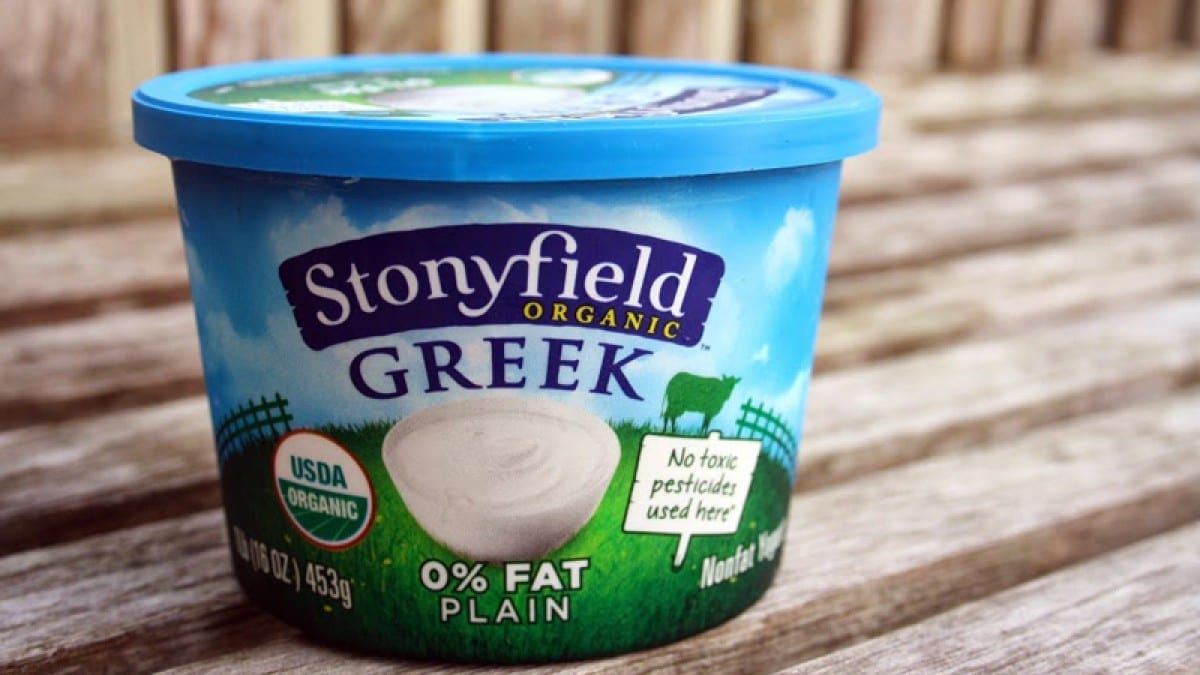
    Chinese dairy company Yili is bidding to buy Stonyfield, one of the top organic yogurt manufacturers in the U.S. and a holding subsidiary of the French dairy giant Danone.

    Stonyfield was founded in 1983 and Danone started purchasing Stonyfield shares from 2001 and gradually controlled the company. In 2016, Stonyfield’s turnover was about US$370 million and its net profit was US$50 million.

    On March 31, 2017, Danone said that to accelerate its acquisition of WhiteWave, an American dairy and organic food maker, the company would sell its American subsidiary Stonyfield. This is a part of the antitrust agreement reached between Danone and U.S. Department of Justice in order to complete the WhiteWave acquisition. On April 13, 2017, Danone announced the completion of the WhiteWave acquisition.

    Yili reportedly offered to buy Stonyfield for US$850 million. Yili’s competitors include American local dairy maker Dean Foods.

  • Walmart Is Crushing Amazon in China

    Walmart Is Crushing Amazon in China

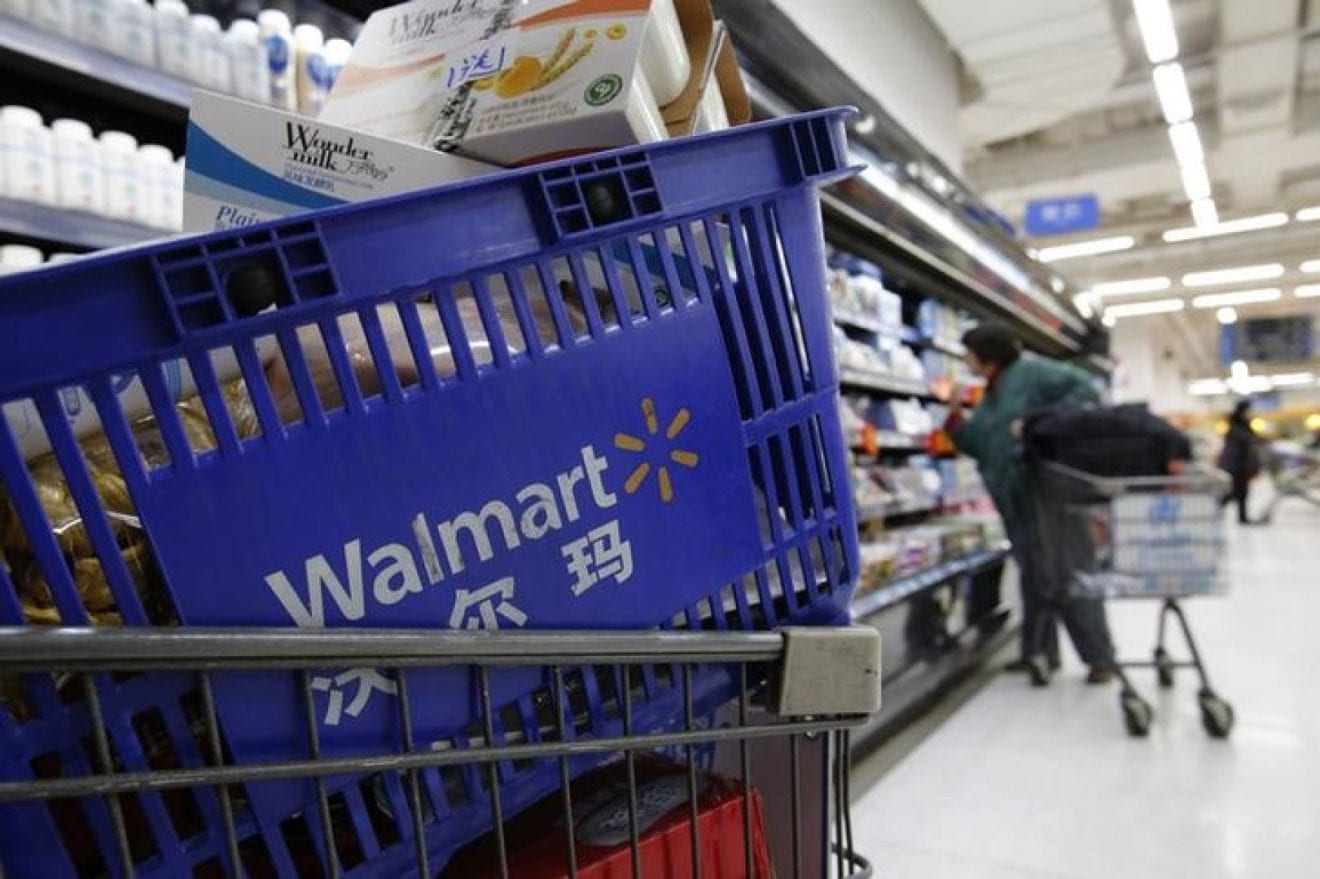
    Shares of Walmart gained more than 3% on Thursday after the company posted better-than-expected earnings results. Despite a brutal industry landscape, America’s largest brick-and-mortar retailer is thriving thanks to its success in key segments.

    One of the biggest takeaways from Walmart’s latest report is the growth of its e-commerce unit. In an effort to catch up to internet behemoth Amazon.com, Walmart has been pouring money into e-commerce, and it seems to be working. The company said that its e-commerce business saw gross merchandise volume skyrocket 69% in the first quarter.

    Of course, Walmart can never hope to overtake Amazon as the e-commerce king. Amazon has had that crown for over a decade, and although Walmart’s recent online push has been a success, it was basically a do-or-die situation if the company wanted to maintain any legitimacy as a retail giant.

    However, there are still several key emerging markets for e-commerce, and Walmart may just be dominating Amazon in the biggest of them all: China.

    Sure, China isn’t really an emerging market anymore, and the country is no stranger to e-commerce. If anything, its domestic online retailers, such as Alibaba, present a threat to Walmart and Amazon as they move into Western markets.

    Nevertheless, China is a relatively fresh market for American online retailers, and Amazon is really just starting to get a foothold in the nation of nearly 1.4 billion. In fact, Amazon Prime debuted in the country only seven months ago. At launch, Prime members in China could expect to get there packages in about 5 to 9 days.

    And after Walmart’s earnings call earlier today, it looks like Amazon’s efforts in China might be futile.

    According to Walmart chief executive Doug McMillon, the company recently started offering one-hour delivery service from 80 stores in China. The service is an extension of Walmart’s existing partnership with JD.com —the two companies previously debuted a two-hour delivery service last year.

    “We can see the benefits of omni-channel retail even more clearly in China than any other country where we operate. Given the urban density and automobile traffic challenges, stores serve the triple purpose of in-store shopping, pickup and delivery most effectively,” said

    JD.com falls behind Alibaba in terms of size, making it the second-largest Chinese e-commerce company. The Walmart-JD partnership was announced last summer, and JD now controls all of Walmart’s e-commerce operations in the country.

    Interestingly enough, Walmart does not currently offer a one-hour delivery service anywhere in the U.S. Amazon does have a pretty well-established same-day delivery network, but it will be interesting to see if Walmart’s success in China inspires the company to make a similar play here on its home turf.

  • Yum China buys Chinese food delivery company

    Yum China buys Chinese food delivery company

    Yum China is betting that more consumers will continue to order Pizza Hut and KFC food via their smartphones for speedy delivery to their homes and work.

    Yum China Holdings Inc is buying a controlling interest in online food delivery company Daojia.com.cn for an undisclosed sum.

    Founded in 2010, Daojia.com.cn is an online food delivery service provider focused on higher-end orders in major cities in China, including Beijing, Shanghai, Shenzhen and Guangzhou. It also operates food delivery service Sherpa’s, and has partnered with over 6,000 brands and restaurants, providing services for over one million family customers.

    China Money Network reports that Daojia.com.cn previously raised a US$2 million series A round from Morningside Venture Capital in 2010. It secured a US$7.5 million series B round from CDH Investments in 2011, and completed a US$10 million series C round led by JD.com Inc and Morningside in 2013.

    In 2014, the company received a US$50 million series D round led by JD.com and Macquarie Group, according to its website.

  • Alibaba posts strongest sales quarter since 2014 IPO, helped by China’s online shoppers

    Alibaba posts strongest sales quarter since 2014 IPO, helped by China’s online shoppers

    Alibaba Group’s 2016 net profit missed analysts’ estimates, even as revenue soared to a record, as a larger tax bill and investments in cloud computing weighed on results and crimped income from China’s growing preference for online shopping.

    Net income fell 42 per cent to 41.23 billion yuan in the year ended March 31, even as revenue jumped 56 per cent to 158.27 billion yuan (US$22.96 billion). Fourth-quarter profit jumped 85 per cent to 9.85 billion yuan, while sales soared 60 per cent to 38.58 billion yuan in the same period.

    Alibaba’s shares fell for the second day after results were announced, dropping as much as 5.6 per cent to an intraday low of US$114 in New York trading.

    “The core metrics that we care about in terms of segment results show very good momentum across the board”. “Some non-operating lines pinched the earnings and that’s likely what the stock’s reacting to, but there’s lots of variability and lack of predictability that make it difficult for analysts to understand what contributions and other income might come from ads.”

    China’s embrace of the smartphone in the past decade – as well as economic activities related to the internet – has turned Alibaba, Tencent Holdings and other Chinese technology companies into some of the largest enterprises in the industry. Tencent, operator of China’s biggest social network, reported a 55 per cent jump in first-quarter sales on Wednesday.

    “We reported another excellent quarter, with revenue growth accelerating to 60 per cent, the highest growth rate we’ve achieved since our IPO,” Alibaba’s chief financial officer Maggie Wu said in a phone conference announcing the Hangzhou-based company’s results.

    Alibaba, which also owns the South China Morning Post, operates four major business segments, divided into e-commerce, digital media and entertainment, innovation initiatives and cloud computing.

    The company, whose Singles’ Day on November 11 every year is the biggest online shopping festival on earth, reported 3.8 trillion yuan of gross merchandise volume last year. Up to 507 million customers used Alibaba’s China retail platforms on their mobile devices in March, an increase of 14 million from December.

    “The traditional thinking that pits e-commerce against physical commerce no longer holds,” said Alibaba’s co-founder and executive vice chairman Joseph Tsai Chung-hsin. “The distinction between online and offline retail is going away because of the mobile phone. Traditional commerce is buying stuff on a desktop computer, but Chinese consumers now have mobile phones which allow them to buy anything, anytime, anywhere.”

    The number of paying customers in cloud computing rose 14 per cent during the quarter. Still, the company made an operating loss of 505 million yuan in cloud computing during the three months.

    Alibaba has been making large investments into its digital media and entertainment businesses to compete with Tencent and Baidu for a share of the digital content market.

    In October 2016, Alibaba’s film production arm Alibaba Pictures invested in Hollywood director Steven Spielberg’s production company Amblin Partners to produce, distribute and market films both in China and around the world. Alibaba’s founder and chairman Jack Ma Yun has also said that the firm will invest 50 billion yuan over the next three years in Hollywood films.

    The segment reported a loss of 9.9 billion yuan for the year, more than double the 4.1 billion yuan loss a year earlier.

    “In the near term, there will be fierce competition for licensed content [in the entertainment market], but like other players we have moved to develop proprietary content,” Tsai said. “ Over time, the cost of content should come down.”

    Alibaba’s stock has risen 52 per cent in 12 months, boosting the company’s market value to exceed US$300 billion, in the process making Ma the wealthiest man in China, according to a Forbes ranking.

    The company, which operates the Taobao and Tmall platforms, announced a US$6 billion share buyback programme over two years.

    “Alibaba’s Taobao platform is a clear leader in the C2C e-commerce sector, and its Tmall platform is the largest player in the B2C e-commerce sector in 2016 with a 57.5 per cent market share, followed by JD’s 26.2 per cent and VIPShop’s 3.6 per cent share,” Nomura’s analyst Shi Jialong wrote in a research note before the company released its results.

    The Chinese e-commerce giant has also set its sights on expanding globally. In March, Alibaba and the Malaysian government jointly launched the first electronic world trade platform (EWTP) in Malaysia, an internet-based platform that will allow small and medium-sized businesses in Malaysia and China to trade with each other.

    “Internationalisation is a core strategy [for Alibaba] for the next five to 10 years, and we are happy to see concrete progress in Southeast Asia,” said chief executive Daniel Zhang, adding that Singapore-based e-commerce platform Lazada has seen its business grow “very well” since Alibaba’s US$1 billion investment in the company last year.

    Alibaba decided to focus on Southeast Asia as the first step to internationalisation because it is an “important region” with a large population, according to Zhang. “Chinese products are very popular in this market. We will continue to invest in international markets but there is still a long way to go,” he said.