Tag: China

  • Starbucks gets boost in China with Wechat partnership

    Starbucks gets boost in China with Wechat partnership

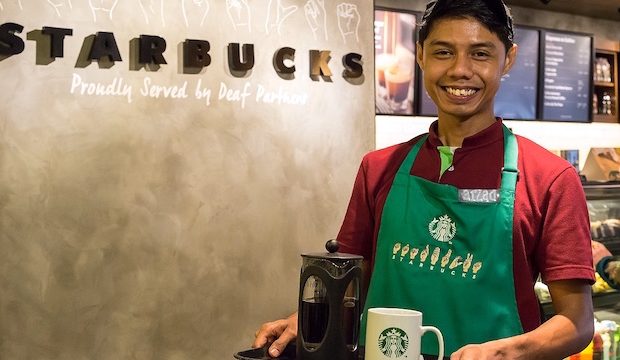
    CEO of Starbucks China, Belinda Wong hailed last week the success seen in the company’s China business after teaming up with social media and payment platform WeChat.

    “Partner and customer enthusiasm for the Starbucks brand and the momentum in Starbucks China business have never been greater,” Wong said. “We saw growth in all categories and dayparts. Beverage, food and digital innovation are laser-focused on operational excellence, and targeted brand investments are attracting new customers into our stores and bringing existing customers in more often.”

    Sales for China grew 7% in the first quarter of the year, following a strategic partnership with WeChat parent company Tencent, which was launched last December.

    “Following on that success, in February this year, we launched social gifting to unprecedented customer demand, partner excitement and social media interest. In only the first seven weeks after launch, over 1.2 million gifts were sent and over half have been redeemed by recipients in our stores.”

    China is the company’s second biggest and fastest growing international market.

  • China’s retail sales up 10.7 pct in April

    China’s retail sales up 10.7 pct in April

    China’s retail sales, a key indicator of consumption, grew 10.7 percent year on year in April, 0.2 percentage points slower than the March level, official data showed Monday.

    Total retail sales of consumer goods hit 2.73 trillion yuan (about 395.4 billion U.S. dollars) last month, according to the National Bureau of Statistics (NBS). It increased 0.79 percent month on month.

    In the first four months, total retail sales of consumer goods rose 10.2 percent year on year, 0.2 percentage points faster than the growth in the first quarter, according to Xing Zhihong, a spokesperson with the NBS.

    Consumption activities were relatively stronger in rural areas, with retail sales expanding 12.6 percent in April, outpacing urban areas, where retail sales climbed 10.4 percent year on year.

    Online spending was robust. From January to April, online retail sales surged 32 percent year on year to 1.92 trillion yuan.

    Xing said the April figure indicates continued expansion of domestic consumer demand, which was partly driven by consumption upgrades and new business patterns such as online sales.

    China is trying to shift its economy toward a growth model driven by consumer spending, innovation and services, while weaning it off reliance on exports and investment.

    China’s economy expanded at a 6.9-percent pace in the first quarter, accelerating from 6.8 percent in the previous quarter, and 77.2 percent of it was driven by consumption, 12.6 percentage points higher than the 2016 level, according to official data.

  • Peak Sport first Chinese firm to release 3D sneakers

    Peak Sport first Chinese firm to release 3D sneakers

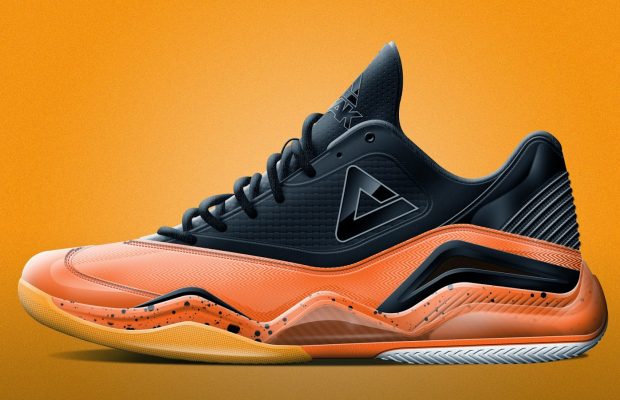
    Sports brand Peak has released its first 3D printed running shoes in Beijing, the first-ever Chinese firm to successfully launch the innovative sneakers.

    Dubbed ‘Future I’, the sneakers are being sold on local e-commerce platform Tmall for RMB1299 (US$188).

    The 3D printed running shoes are based on the most popular Peak FLY V, with 3D printed technology applied to achieve technological innovation. Promoting comfort and breathability, the shoes are made with a special lattice structure insole made via 3D technology.

    In a press release, Peak said its “SLS laser sintering technology shapes the shoes with the more elastic TPU, to ensure the lightness and flexibility… bringing an extraordinary and excellent wearing experience.”

    Peak brought in 3D printing technology in 2013, and over the past 5 years, the firm has used 3D printing technology to produce shoe molds to make 3D printed versions to create exclusive design for athletes such as NBA player Dwight Howard.

    This latest design feat crowns Peak’s design efforts, and harks a promising future in innovative sportswear.

    “This pair of 3D printed shoes is Peak’s latest outcome of Peak Innovation Strategy, our goal is to build Peak as the most international, professional and innovative sports brand in China,” said Zhihua Xu, general manger of Peak Sport.

    Peak owns five research and technology centres in Beijing, Guangzhou, Quanzhou, Xiamen and Los Angeles, with 200 staff across all campuses.

    Based on 3D printed technology, Peak’s ‘Longji’ running shoes were awarded first prize in the first China Industrial Design Competition.

    “In the future, Peak will insist on technological innovation research and release more professional sports products to meet the mass requirements, and become the leading sports brand,” added Zhihua Xu.

    Peak is the third sports brand to release and sell 3D printed running shoes after Adidas and Under Armour.

  • Demand from China, Africa supports Vietnamese rice prices at harvest end

    Demand from China, Africa supports Vietnamese rice prices at harvest end

    Vietnamese rice is being offered at around $35-$40 a ton below Thai grain. China and several African countries have returned to Vietnam seeking fragrant and white rice, and the demand has helped stabilize export prices even though supply has risen at the end of a major harvest, traders said on Friday.

    They also said Vietnamese rice being offered for cheaper prices than Thai and Indian rice has also attracted buyers, mostly from Africa. Vietnam is the world’s third-largest rice exporter, behind India and Thailand.

    Farmers in the Mekong Delta, Vietnam’s food basket, have finished harvesting the winter-spring crop, the biggest of the country’s three annual crops. Paddy output eased 2 percent from last year to an estimated 9.8 million tons, based on government statistics. Most of the grain from this crop is being exported.

    Reuters cited Vietnamese traders’ quotations for five percent broken rice showing prices rose this week to $355-$360 a ton, free on board (FOB) basis, on more active trade.

    At $360 a ton, the price is at its highest since August 31, 2016.

    But traders at foreign firms and a dealer at a state-run export company in Ho Chi Minh City told VnExpress International that exporters are looking to sell the grade at around $355 a ton, while bids stood at $350-$352 a ton, similar to last week.

    “Rice exports to China are going well,” the dealer said. “Africa is also coming back with inquiries for the 5-percent and the 15 percent broken varieties, as well as fragrant rice.”

    He added that ample supplies are now available to state-owned export firms that have better access to bank loans, while private exporters are struggling to build stock due to weaker finances.

    Vietnamese prices are below those offered by Thailand, where the 5-percent broken rice rose this week to $387-$392 a ton, FOB basis, from $380-$390 last week and $360-$375 at the end of April due to loading demand during a slow off-season harvest, Reuters cited Thai traders in Bangkok as saying.

    Traders noted China, the biggest buyer of Vietnamese rice, has been taking more of the grain in the past month.

    China imported 288,000 tons of rice from Vietnam in April, way above the monthly average of 176,000 tons in the first quarter, Vietnam Customs data showed.

    That brought Vietnam’s total export volume to China in the January-April period to 815,000 tons, a rise of 16 percent from a year ago, based on data from the Finance Ministry-run customs agency.

    Earlier this year, China approved 22 Vietnamese rice export firms as official suppliers, but is also trying to limit rice purchases across the land border with Vietnam.

    China is projected to import 5 million tons of rice this year, up 8.7 percent from 2016, the U.S. Department of Agriculture said.

    Vietnam is forecast to export 5.6 million tons in 2017, up 10 percent from last year, the USDA said in a report on Wednesday.

    The USDA also forecasts both India and Thailand will export around double that amount this year.

  • AirAsia to launch new Chinese low cost carrier

    AirAsia to launch new Chinese low cost carrier

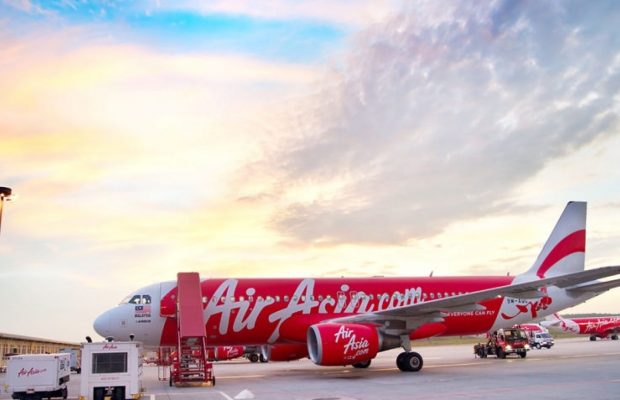
    AirAsia signed a joint venture agreement with China on Sunday to establish a low cost carrier (LCC), with a base in the east-central city of Zhengzhou. AirAsia (China) is a joint venture between AirAsia, Everbright Group and Henan Government Working Group, the airline said in a statement.

    AirAsia (China) will also invest in aviation infrastructure, including a dedicated LCC terminal at Zhengzhou airport and an aviation academy to train pilots, crew and engineers, as well as maintenance, repair and overhaul (MRO) facilities to service aircraft, the statement said.

    No further details of the LCC were provided.

    Malaysian Prime Minister Datuk Seri Najib Tun Razak, who is on a visit to China, witnessed the signing of the joint venture agreement.

    “This Chinese venture represents the final piece of the AirAsia puzzle,” said AirAsia Group CEO Tan Sri Tony Fernandes.

    “In just 16 years, we have successfully built a presence in Malaysia, Thailand, Indonesia, Philippines, India and Japan, with China closing the loop on all major territories in Asia Pacific.”

    AirAsia and AirAsia X currently fly to 15 destinations in China and the group is the largest foreign LCC operating into the country.

  • Gogoboi teams up with foreign brands to sell luxury on WeChat

    Gogoboi teams up with foreign brands to sell luxury on WeChat

    There is no need to elaborate on the importance of Chinese fashion bloggers in educating affluent consumers on the latest fashion trends and luxury items. For international luxury brands that hope to gain a share in China’s competitive retail scene, the real challenge for them is how they can best use these bloggers’ online fame to boost their sales prospects.

    A recent collaboration between Thomas Ye Shi, aka Gogoboi, and a number of Western luxury e-commerce sites and department stores may offer a clue. Last week, Gogoboi announced the official launch of his WeChat boutique, called “Bu Da Jing Xuan (不大精选)”, on his WeChat account. This is not the first time that he has turned the app into a mobile store. Gogoboi sold lifestyle products, such as Gucci fragrances and Keecie bags, to his followers in the past.

    The new boutique that will sell a curated selection of luxury goods, however, creates a new business model that is different from Gogoboi’s previous partnerships with a variety of monobrands. The blogger said in a statement that all of the products on his Bu Da Jing Xuan WeChat store would come from international luxury e-commerce retailers including Yoox, Net-A-Porter, Farfetch, Revolve, Mytheresa.com, and SSENSE, as well as department stores such as Harrods and Luisa Via Roma.

    As China’s top fashion blogger on Weibo according to an Exane BNP Paribas ranking, Gogoboi built up his fame with his harsh and acerbic comments on Chinese celebrities’ fashion tastes and luxury apparel. His sharp personality, which is deemed as candid and humorous by many Chinese online users, has helped him quickly gain a significant following on both Weibo and WeChat. This has led many prestigious luxury brands, such as Louis Vuitton and Fendi, to come to him to form partnerships in recent years, which in turn, boosted his popularity further among the luxury and fashion circles.

    Gogoboi has more than 7 million followers on Weibo and the viewership of his posts on WeChat can exceed 100,000 on average. The blogging style of Gogoboi has changed significantly as he has become more famous and developed closer relationships with brands. He is now much less harsh than he was before.

    On WeChat, his posts embrace a wide range of topics to cater to different interests and tastes of readers, which include fashion trends, popular luxury items, mix-and-match tips as well as celebrity gossip. As an opinion leader in this field, luxury items that get mentioned and recommended by Gogoboi have great potential to become the most coveted products among Chinese affluent consumers.

    As a result, the new WeChat boutique that supports a “see now, buy now” model is a smart way for international luxury e-commerce retailers to connect with wealthy consumers directly. As readers go through Gogoboi’s articles on WeChat, they can directly place an order for the items they like. The mobile store also promises customer service from 8 am to midnight everyday. To celebrate the launch, consumers currently can get a 15 percent discount on Yoox products.

    The transparency and authenticity supported by Gogoboi’s new business can also pose a challenge to the daigou market in China, which is good news for luxury brands that have been plagued by this issue for years. As shown in the image above, Gogoboi will list the official sources of each product along with the shipping and customs information on the app. In contrast, Chinese daigou dealers tend to be vague and opaque about this information.

    In addition, the pricing of Gogoboi’s products (excluding shipping and customs costs) is sometimes even lower than the prices on the original websites. For example, Jimmy Choo’s Petite Locket Shoulder Bag (image above) costs 8,729 RMB (approximately US$1,268) on Gogoboi’s WeChat store, while it is sold for $US1,350 on Farfetch.

    With all of the benefits and potential of this WeChat store, Gogoboi’s new business does not come without challenges. It remains to be seen how the sales will perform in the next couple of months and whether it can offer affluent Chinese consumers with a smooth cross-border shopping experience. Gogoboi’s position is also not irreplaceable—it’s very possible that blogger competition like Mr. Bags and Shi Liu Po Report could put a greater emphasis on e-commerce in the future.
  • JD.com swings to profit first, revenues surge 41%

    JD.com swings to profit first, revenues surge 41%

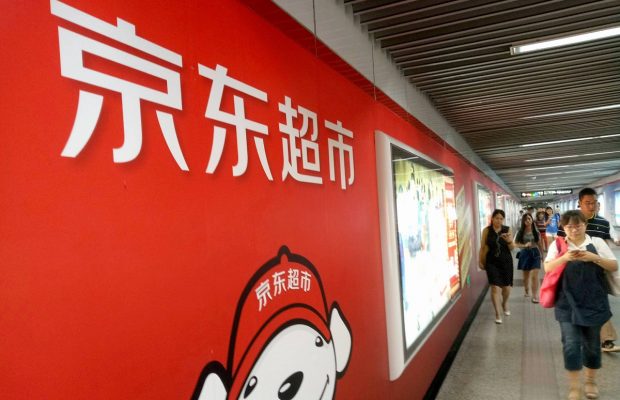
    E-commerce giant JD.com said on Monday first-quarter revenues lifted 41% for fiscal 2017, as the second-biggest online retailer in China recorded its first profit as a publicly listed company.

    JD.com reported net income of 239 million yuan ($35 million) for the three months ended March — its first time in the black since listing in 2014. Sales rose 41 percent to 76.2 billion yuan, also topping the 73.6 billion yuan projected.

    JD, which bought Walmart’s Yihaodian local shopping platform in 2016, saw a rapid expansion into household supplies and food, as well as fashion and homewares during the last quarter, which increased users.

    JD also dipped into data, cloud and artificial intelligence services – moves that saw it swing to a profit from a loss in the previous quarter.

    “Margins benefited from our rapidly growing scale across all of our product categories,” JD’s chief financial officer, Sidney Huang, said in a statement.

    In November, JD.com said that it would seek to split off JD Finance, its financial unit, making it a fully Chinese-owned entity. The move allows JD to apply for licenses that Chinese laws forbid foreign-listed firms from holding, including mutual funds and securities. Under the restructuring, CEO Richard Liu will be one of the buyers and JD.com will receive 40% of any pre-tax profit.

    In the financial statement, JD forecast second-quarter revenues to lie between 86.6-89.1 million yuan excluding JD Finance, representing a growth rate of 33-37%, in line with analyst predictions of 36%.

    However, Huang cautioned future investments, such as the construction of warehouses, would “significantly increase” capital expenditure resulting in falling free cash flow.

    “Our quarterly earnings will likely be lower in one or more of the next few quarters,” he said. “The Chinese e-commerce market remains highly competitive and we remain committed to returning a meaningful portion of our incremental gains from scaled economies onto our customers.”

  • Pandora grows in China and Australia

    Pandora grows in China and Australia

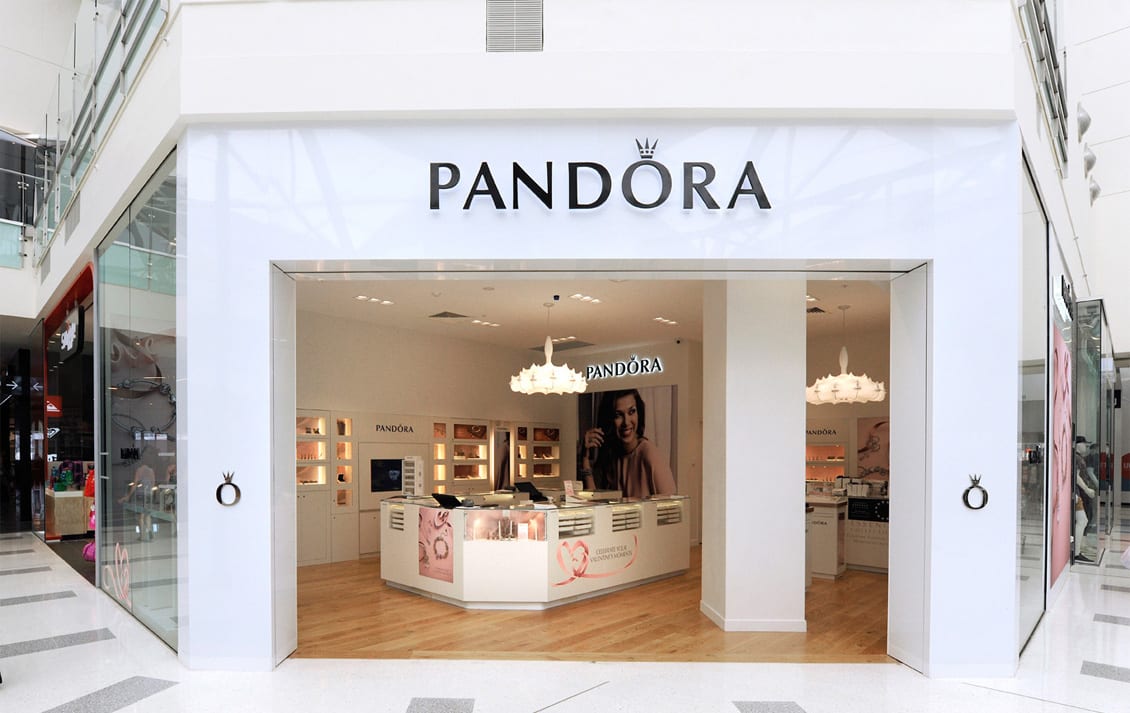
    Jewellery giant Pandora had a good Q1, the Danish firm said Tuesday, with revenue from its owned retail stores leaping ahead, although not every market was buoyant.

    While the company saw strength in France and Italy, and Asia Pacific surged due to Chinese grwoth, the Americas saw a decline and the UK was hurt by the falling value of the pound.

    So, let’s look at the numbers. Overall revenue rose 9% to DKK5.196bn (£589m) and was up 8% in local currencies. Pandora’s owned retail stores saw revenue surging 39% to now make up 38% of group sales. Comparable sales in Pandora’s own stores rose 8%.

    Revenue from the EMEA region rose 5%, or 9% in local currencies, boosted by those higher sales in France and Italy but dented by that UK weakness.

    A strong performance in important growth markets such as China in Asia Pacific saw revenue rising 44% (40% in local currencies) with the region now accounting for 25% of group revenue.

    But the Americas decreased 5% (or an even worse 9% in local currencies), including a negative impact from network restructuring in the US.

    The company said its ambitions to offer a full jewellery line-up are progressing with revenue from rings, earrings and necklaces/pendants all up more than 40% and with the three categories now representing 25% of total revenue

    That all added up to higher profits as EBITDA rose 7% to DKK1.879bn, although the gross margin was 73.3%, down from 74.6% a year ago as it was hurt by currency headwinds and the product mix.

    CEO Anders Colding Friis said he was ‘satisfied” with the results, and “very pleased” with the performance in its important growth markets. “Some of our most developed markets continue to perform,” he said, adding that revenue from Australia up 27% but that the retail climate in the US remains difficult.

  • Laneige opens first flagship store in Beijing

    Laneige opens first flagship store in Beijing

    Cosmetics brand Laneige opened its first brand image concept flagship store at Beijing apm.

    With an area of 139 square meters, Laneige’s new flagship store at apm features the design elements of water and light and the base tone of its overall internal design is blue and pink, which highlights the two product lines of Laneige. Blue represents skin care and it emphasizes water technologies; while pink represents the company’s makeup products series.

    In addition, the store uses popular geometric line elements and spotlights in the display area, aiming to attract young customers.

    There is an exclusive beauty class area in the store and it will hold regular activities for members of Laneige, including brand introductions, new product launches, and popular makeup tutorials. In this area, Laneige will also provide afternoon tea appointment services to VIP customers.

    Moreover, the Beijing apm Laneige flagship store will provide exclusive limited products which are only available in flagship stores. Those products will have unique package designs to provide a unique buying component for high-end consumers.

  • Reebok to accelerate China expansion with 500 new stores by 2020

    Reebok to accelerate China expansion with 500 new stores by 2020

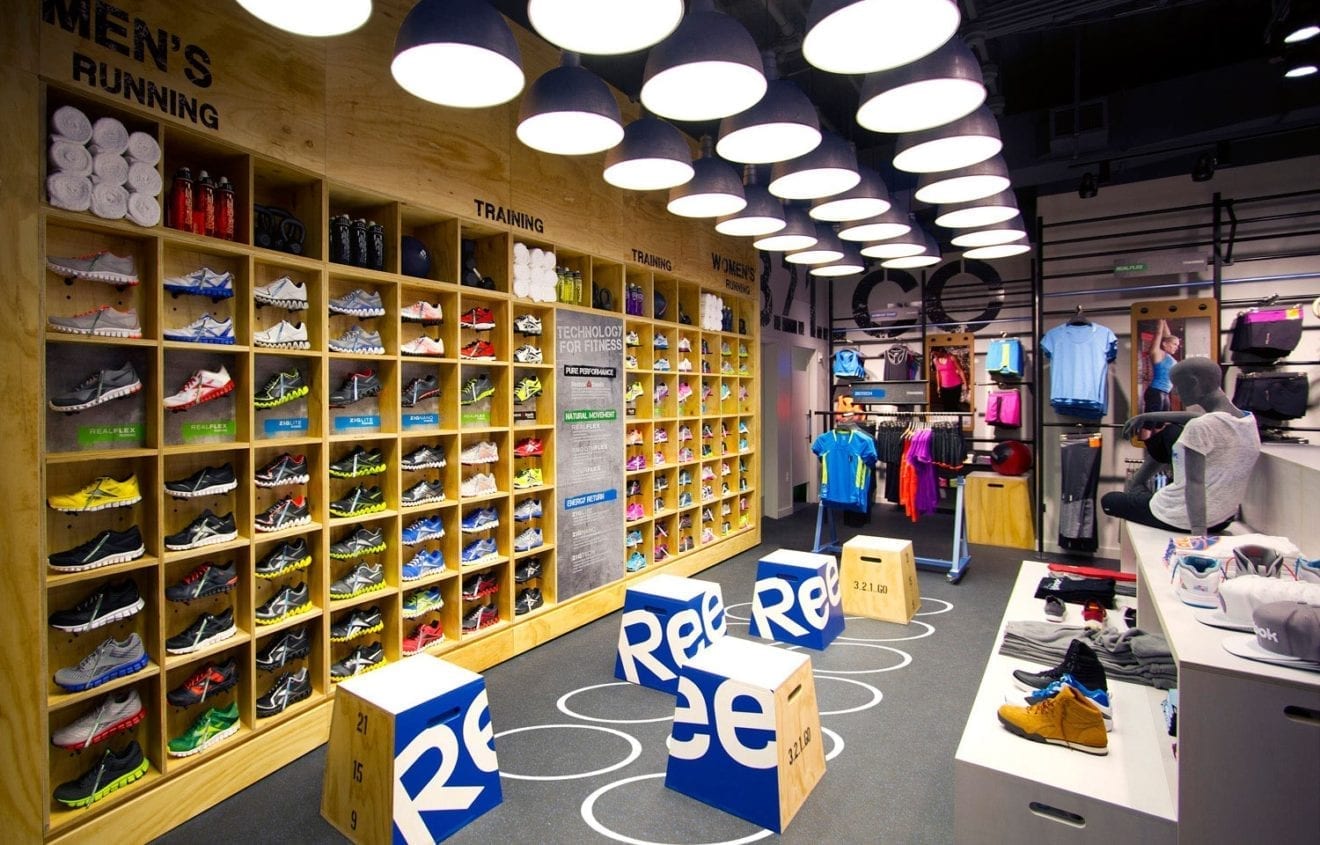
    Global fitness and lifestyle brand Reebok has unveiled plans to open 500 FitHub stores in China by 2020 as part of a major push to become the region’s leading fitness brand.
    The label, owned by Adidas, aims to expand its physical presence in China where it says the market for fitness is growing fast.

    The FitHub concept is an extension of the brand’s new positioning as a fitness-focused label and offers customers an integrated store experience with in-store classes, events and a team of product experts who can provide advice on the right gear for every workout.

    Reebok has already opened seven FitHub stores in China in the last few months, including locations in Wuhan, Qingdao, Hangzhou and Beijing.

    And 50 further stores are scheduled to open this year to meet the target of 500 FitHubs in China by 2020, according to local media reports. Reebok is collaborating with its retail partner Belle International Holdings Ltd to drive the rollout.

    “For a fitness brand, there is no better country to invest in right now than China,” said Chad Wittman, general manager of Reebok Greater China to China Daily.

    “We’ve spent a lot of time and energy putting together a China strategy that meets the specific needs of Chinese consumers in terms of product, messaging and experiences.”

    Wittman said the strategy of offering events in stores will resonate in China, where consumers “want to do fitness activities to be more healthy and more successful. There are lots of opportunities to offer Chinese consumers a better life through fitness activities.”

    In addition to its global range of fitness apparel, footwear and equipment, the brand will be working with teams based in China to design and manufacture products that meet the specific needs of Chinese shoppers.

    Reebok, a 120-year-old brand, has been shifting away from celebrity athletes and repositioning itself as a brand for fitness lovers in the past few years. It is currently focusing on three key categories: running, training and classics, and this year running will be a key category according to Wittman.

  • Toys “R” US to add 40 more stores in China annually

    Toys “R” US to add 40 more stores in China annually

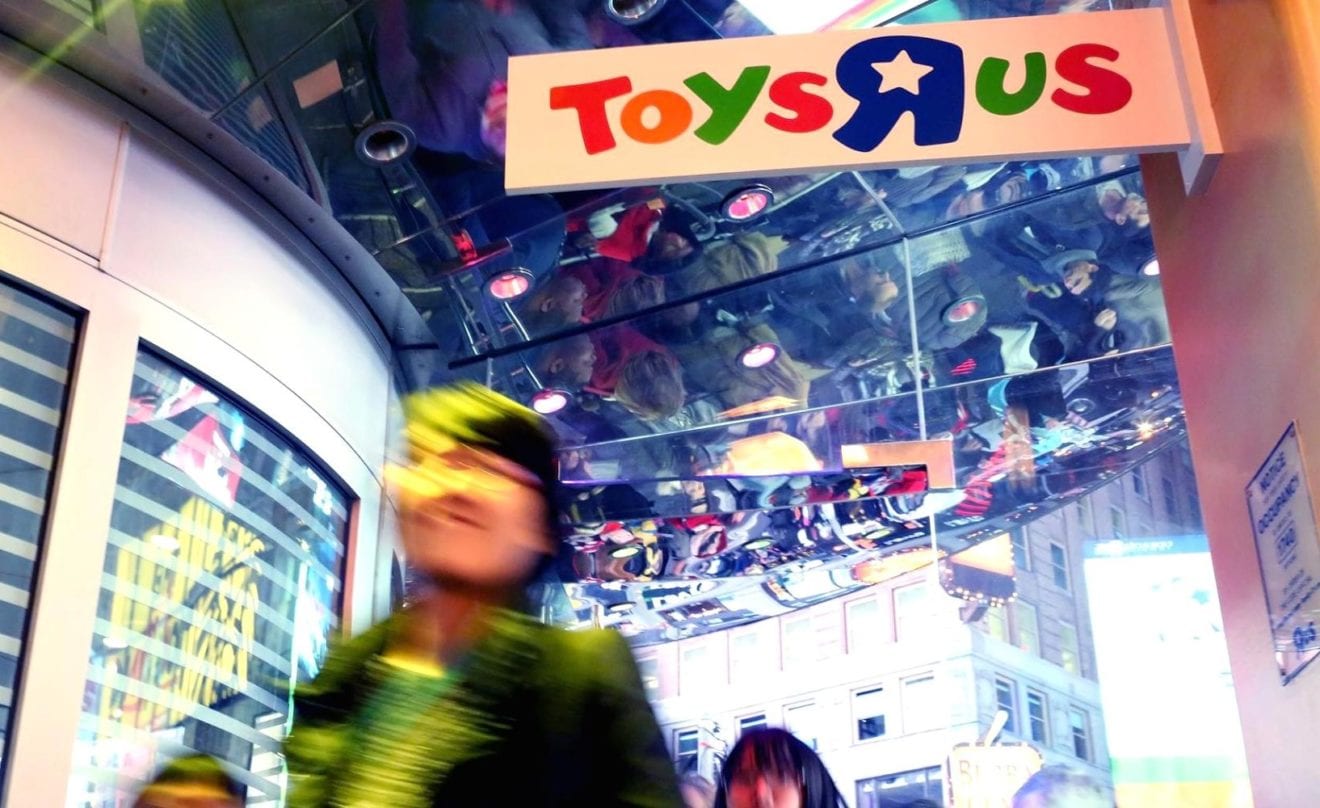
    Toy retailer Toys “R” Us said it will open between 30 to 40 stores annually in China, as the local toy and game market in China took in $31.6 billion in 2016.

    With China’s penchant for toys and consumers preferring to see and touch products before purchasing, Roy Sammartino, managing director of Toys “R” Us China stressed the importance of a growing physical store presence in China.

    “China is our fastest-growing market with more store openings than anywhere else in the world,” Sammartino told China Daily in an interview.

    The American firm’s stores would open mostly in major cities, while regional and online shoppers would be able to access products via its online stores.

    “Internet retailing continues to gain a strong share, as the pricing of products in online stores helps it capture sales from other channels,” Euromonitor International Senior Associate Carol Lu told the leading daily.

    “For toy and game firms, internet retailing is an important tool for marketing their products in regions where they have a limited presence.”

    Meanwhile, popular movies continue to drive the sales of toys and the impact lasts a long time, said experts.

    According to Euromonitor, China’s total toy and game market was worth 218 billion yuan ($31.6 billion) in 2016. Traditional toys and games accounted for around 70 billion yuan.

    Founded in 1948 by Charles Lazarus, Toys “R” Us in headquartered in Wayne, New Jersey, in the New York City metropolitan area.

    Toys ‘R’ Us currently has two online stores and 134 physical stores in 55 cities in China. It boasts 883 stores in the United States, Puerto Rico and Guam and another 1,049 stores in 37 other countries and regions around the world including Australia.

  • China tops US as Swarovski’s largest market

    China tops US as Swarovski’s largest market

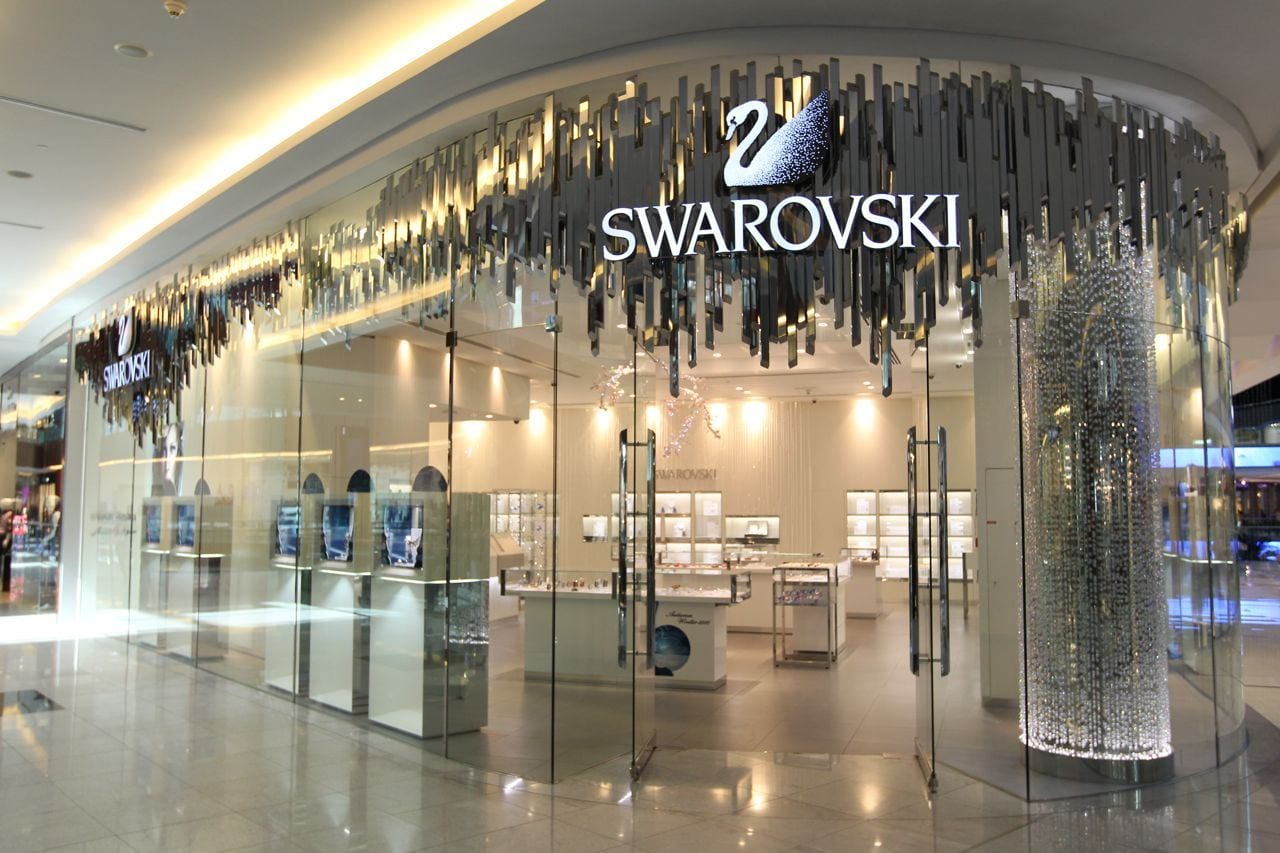
    China has surpassed the US to become the biggest market for the Austrian crystal producer Swarovski, CEO Robert Buchbauer told Ladymax in an interview. Buchbauer also said that sales in China for the company’s goods reached RMB 1.7 billion ($247 million) in 2016, a 13-percent increase from the year before.

    The brand has long placed great emphasis on Chinese consumers, according to Buchbauer, and has strategically grown and nurtured the market by focusing on three aspects: products, market distribution, and online sales.

    In recent years, China has become a key playground for the brand to gauge consumer sentiment towards their new offerings. When Swarovski decided to launch a fine jewelry line in 2015, it chose China and the US as its testing grounds. The CEO also mentioned that there is a Chinese team devoted to understanding the local culture and clients’ preferences for the products and designs.

    Swarovski has made efforts to exploit business opportunities both online and offline in China, which has greatly contributed to its growth there. Apart from opening stores in major cities like Beijing and Shanghai, the brand is active in expanding to second- and third-tier cities like Ningbo and Suzhou by building networks of local agents. According to Chinese domestic media, Swarovski opened its first flagship store in 2010 at Peace Hotel, the iconic building on the Bund, Shanghai. However, the family-run brand, which was founded in Austria in 1895, made its first entry into Chinese markets much earlier, back in the 1970s.

    Among the first wave of Western luxury brands taking advantage of China’s vibrant e-commerce market, Swarovski opened a flagship store on Alibaba’s Tmall in 2015. It is currently setting up a presence on JD.COM, another key player in the market but has been met with some setbacks, like the sale of counterfeit merchandise.

    In January this year, Alibaba sued two Tmall merchants for allegedly circulating fake Swarovski watches on the platform and claimed that it caused a loss of RMB 1.4 million. Counterfeit sales pose a potential loss to the reputation of the brand, making it imperative for Swarovski to cooperate with Alibaba to combat it. But, overall, Buchbauer sees the issue from a surprising perspective.

    “Many brands in Europe think that fake products in China have caused a billion-dollar loss to their businesses,” Buchbauer said. “But I don’t think so. Those customers who purchase knock-off goods actually do not intend to buy the real ones, that’s why I will not call it a ‘real’ loss.”

    Swarovski’s China expansion isn’t without its challenges. As Chinese luxury consumers have become more sophisticated and millennials are playing a much bigger role in the market, the brand has garnered a crop of rivals such as the Danish jeweler Pandora, which is winning the hearts of young Chinese consumers with its signature customizable charm bracelet.

    Identifying the need to appeal to younger audiences, Swarovski has appointed the supermodel Karlie Kloss to be its ambassador with the hope of leveraging her popularity among millennials.

    And of course, social media is on Buchbauer’s mind. “WeChat is everywhere in China,” he said. “We have to embrace it and make full use of it.”

  • Longchamp opens Shanghai flagship, plans more China stores

    Longchamp opens Shanghai flagship, plans more China stores

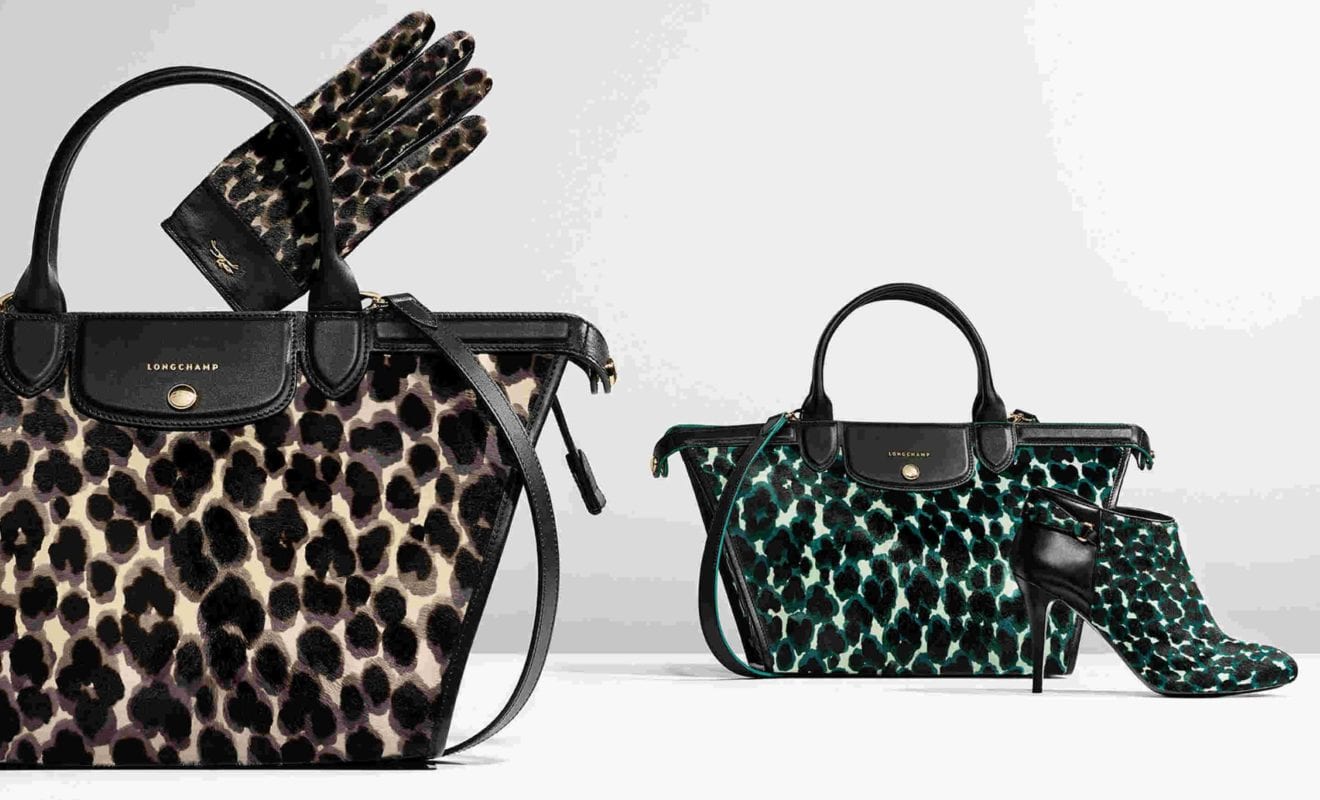
    Longchamp has opened a new China flagship store in Shanghai, with plans for the French luxury brand to open another flagship store in Beijing later in the year.

    Located at the Jing An Kerry Centre on Shanghai’s Nanjing Road West, the new Longchamp flagship offers the biggest selection of fashion, bags and accessories from the Parisian leathergoods brand. This includes women’s ready-to-wear, shoes, handbags, leather accessories, as well as men’s collections and luggage bags.

    According to Longchamp CEO Jean Cassegrain, the luxury brand is considering opening stores in the country’s capital, and in second-tier cities such a Changsha.

    “There is a potential for us to open stores at new locations and there are still cities where we are not present,” Cassegrain told China Daily this week.

    “In October, we will open a new store in Beijing, at a landmark shopping mall on Wangfujing Street,” he added.In addition to physical stores, Longchamp products are available for purchase in China on social media platform, WeChat, via the Longchamp account. According to the CEO, e- and m-commerce are yet to be fully explored in the Asian market.

    “It is our plan to continue developing online channels in China,” he said.

    Longchamp’s retail push comes as experts predict the return of luxury spending in China over the next three years. In a report, Bain Consulting Group said the proportion of global luxury consumption accounted for by Chinese consumers would increase from the current 30% to 35% by 2020.

    Longchamp currently has 18 stores in China. It counts 1,500 points of sale across 80 countries spanning exclusive brand and franchise stores, department store concessions, multibrand leathergoods stores, airport stores and online sales. The brand directly manages more than 300 points of sale through 21 distribution subsidiaries.

  • Carrefour China opens its 27th store

    Carrefour China opens its 27th store

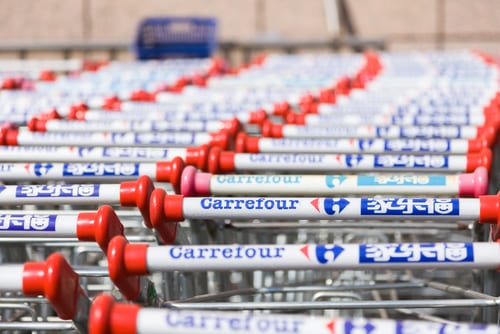
    On March 23rd 2017, Carrefour successfully opened its 27th Easy Carrefour Store in Shanghai, China.

    Sitting on Long Dong Avenue, the newly-opened Easy store covers an area of approximately 332 square meters with over 4,000 items.

    The first convenience store under Easy banner opened its door in 2004, and Carrefour China has now a total of 27 stores in Shanghai.

    At Carrefour, we are committed to facilitate our consumers with a more convenient lifestyle to the surrounding consumers by offering an abundance of goods and quality services to meet the daily necessities of community residents.

  • Adidas China to open 2,000 new stores by 2020

    Adidas China to open 2,000 new stores by 2020

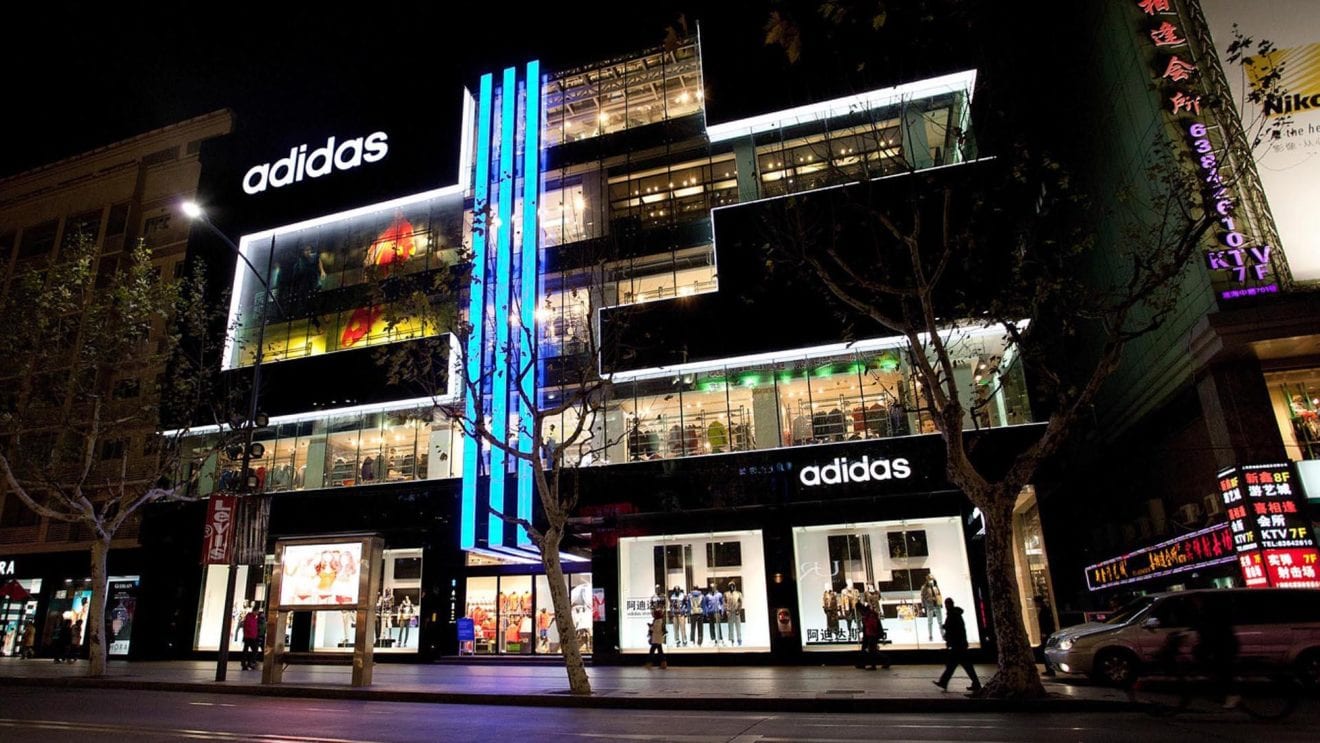
    Adidas AG plans to open 2,000 new stores in China by 2020, after the sports group’s business in the Asian nation grew nearly 30% last year, making it the second-largest market in the world after Western Europe.

    According to local media reports, Adidas AG – which covers Reebok, TaylorMade and Reebok-CCM Hockey, as well as the its namesake Adidas – is eyeing 12,000 stores in China by 2020, adding to the 10,000 stores it already has there.

    Adidas’s Reebok brand also plans to open 500 new stores in China by 2020, as per reports.

    In 2016, Adidas recorded sales of 3 billion euros ($3.26 billion) in China on the back of updated products, new stores (Adidas opened 1,000 stores in the country), and the development of e-commerce.

    Colin Currie, managing director of Adidas in China told China Daily that round 50% of the group’s revenue comes from 23 major cities in China. Adidas is present in more than 1,000 cities, and in therefore, wants to open stores across 2,000 cities in China.

    “We believe smaller cities will give us 50% of our growth in the coming years,” Currie said.

    Moving forward, Adidas CEO Kasper Rorsted also said on a recent visit to China in late April that e-commerce would be a huge driver for its business going forward in China.

    “China has one of the most sophisticated e-commerce and digital landscapes in the world, which we plan to make extensive use of,” said Rorsted.
    Adidas sold 43 million euros worth of product over China’s Singles Day last year. Rorsted said Adidas is intent on learning how to connect its physical locations to digital channels, for a smoother customer experience.