Tag: China

  • Chinese digital payments reach nearly $2.9tr in 2016

    Chinese digital payments reach nearly $2.9tr in 2016

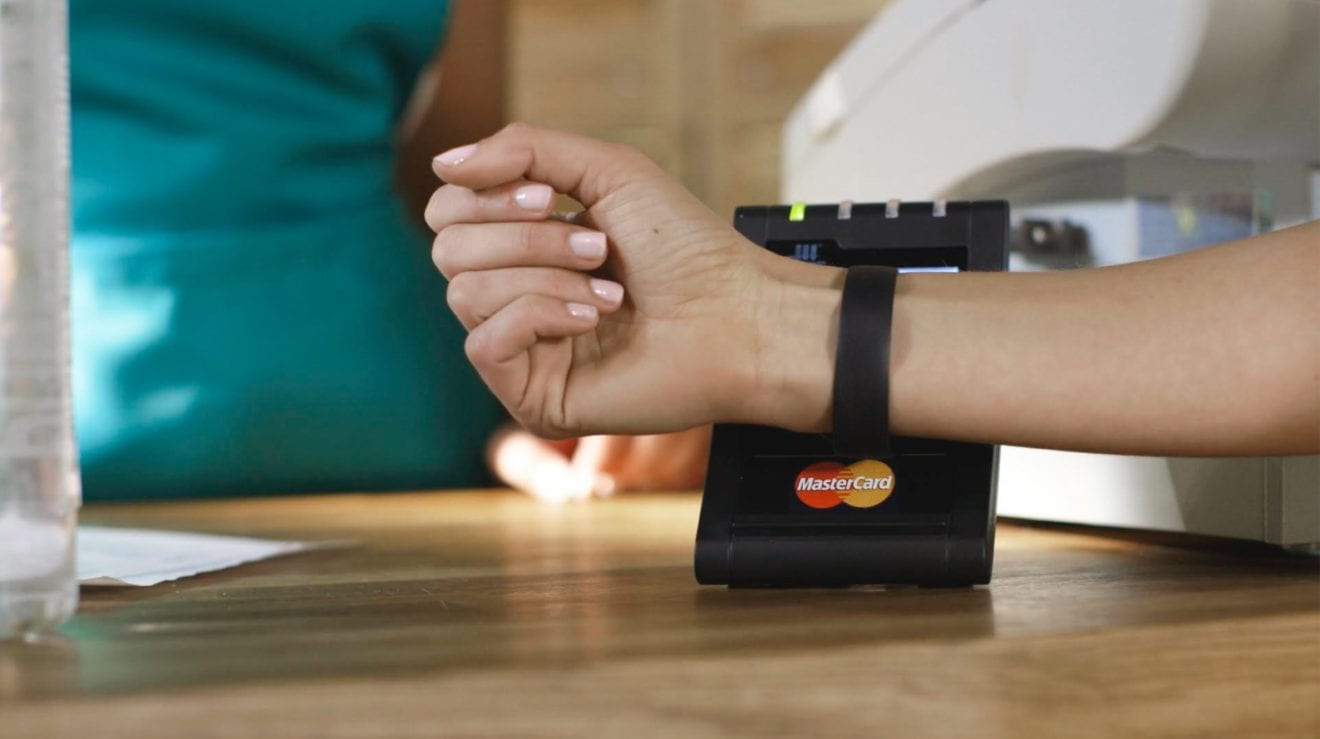
    Alipay and WeChat Pay enabled $2.9 trillion in Chinese digital payments in 2016, up twenty-fold increase in the past four years, according to a new UN study.

    The data show that digital payments, using existing platforms and networks, provide access to a wider range of digital financial services, expanding financial inclusion and economic opportunity throughout China and neighboring countries.

    In India, both Ant Financial and Tencent have bought into the Indian mobile payments market, which is enjoying rapid growth under new regulation.

    Ant Financial and Alibaba invested up to $900 million in PayTM, as well as sharing staff and technical expertise. The result: PayTM has grown from 5 million to around 200 million users in just the last few years.

    Indonesia was the fastest-growing m-commerce market in the world in 2016, the report showsexpanding 155% from January 2016 to January 2017.

    Some of this growth may be due to the release in 2015 of BBM Pay’s Instant Mobile Payments. The popular BBM chat app has over 55 million users in Indonesia and continues to develop.

    The new report by the UN-based Better Than Cash Alliance contains key lessons to help other countries include more people in the economy by transitioning from cash to digital payments.

    This shift could increase GDP across developing economies by 6% by 2025, adding US$3.7 trillion and 95 million jobs, according to a McKinsey Global Institute report.

    “Social networks and e-commerce platforms are growing in every economy, whether large or small,” said Ruth Goodwin-Groen, Managing Director at the Better Than Cash Alliance.

    “In China digital payments are thriving from these channels, bringing millions of people into the economy. This matters because we know that when people – especially women – gain access to financial services, they are able to save, build assets, weather financial shocks, and have a better chance to improve their lives.”

  • Metro to open first store in Jinan

    Metro to open first store in Jinan

    European supermarket chain Metro plans to open its first store in Jinan, Shandong province in August 2017.

    Located in Jinan’s Huaiyin district, Metro’s new supermarket started construction on November 15, 2016. So far, its main steel structure has been completed and main ceiling installation is nearly completed. With an area of 7,900 square meters, this new store is expected to open in August 2017.

    Metro’s entry into Jinan will boost Jinan’s business community and its cash and carry business model will lift the grade and competitiveness of the service industry of the city.

    Metro entered Shandong province in 2001; however, the company only opened one store in Qingdao over the following ten years. After 2010, Metro accelerated its development in Shandong and opened stores in cities like Yantai, Zibo, Linyi, and Weifang.

    At the same time, Ikea‘s new store in this area of Jinan will also start operation in August 2017.

  • Global shopping center completions rise, led by China

    Global shopping center completions rise, led by China

    CBRE’s annual study of global retail development found that builders completed 12.5 million sq. m. of shopping centers globally last year, up 11.4% from 2015. China dominated the top ten most active global markets with seven Chinese cities making the list. Melbourne ranked number ten—the only non-Chinese city in Asia Pacific to have made the top ten.

    Developers completed more retail centers across the globe last year than in 2015, yet momentum appeared to wane in many countries as retailers strive to find the right balance of brick-and-mortar and e-commerce operations.

    “In the omnichannel era, retailers are focused on ensuring that they have the optimal mix of brick-and-mortar stores and e-commerce operations, so they are using sophisticated analytics and market knowledge to choose the best store sites rather than the most store sites,” said Anthony Buono, Chairman of CBRE’s Global Retail Executive Committee.

    Meanwhile, construction activity overall has slowed in many markets amidst a more cautious approach by investors and occupiers. The global pipeline of retail centers under construction declined by 22% y-o-y to 33.5 million sq. m. at the end of last year, according to the CBRE report.

    The Asia Pacific region, particularly China, remains the global hotspot for retail construction totaling 26.6 million sq. m.—79% of the global total. Of this, China accounted for 19.7 million sq. m.

    More than 90% of Asia Pacific cities hosted large-scale retail construction in 2016 compared to 56% of cities in the Americas and 14% in Europe, the Middle East and Africa.

    “The Chinese retail market is showing some signs of recovery. Leasing demand is stabilizing despite oversupply concerns,” said Joel Stephen, Senior Director, Advisory & Transactions, Retail, CBRE Asia. “Retail markets are thriving across Asia Pacific, with strong demand supporting construction in markets like Melbourne, Brisbane and Ho Chi Minh City.”

    China’s largest volumes of retail space under construction are in Shenzhen and Shanghai, which together account for about 40% of the pipeline in China. Elsewhere, retail construction remained relatively limited in India, especially tier-one cities like New Delhi and Mumbai, whilst major retail markets in Asia such as Tokyo, Hong Kong and Seoul, are all anticipating mix-used development in their CBD locations.

  • Robots outgrowing factory roles in China

    Robots outgrowing factory roles in China

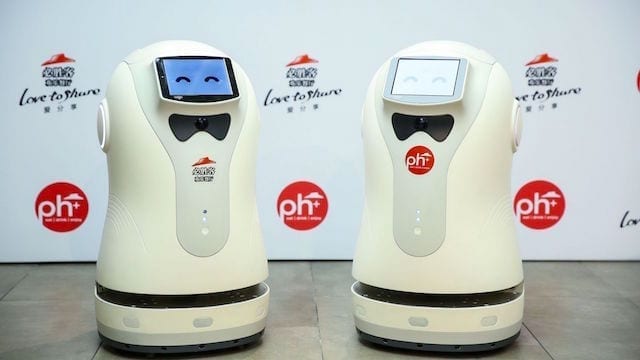
    While it has become common to see robots on factory assembly lines, in China the machines have already begun providing the elderly with care and helping raise children at daycare centres.

    At one of China’s largest daycare centres, in Sanhe, Hubei province, three white and round-bodied robots help give classes.

    The children, aged around four or five, each approach Keeko the robot, and speak to it, which then arranges what the children told it to musically narrate the story.

    At the centre, where the children can also learn kung-fu and calligraphy, the goal is to “combine tradition with modern advancements”, one of the professors, Gao Haiyan.

    Keeko also dances with the children, solves mathematical problems and supports artificial intelligence so that it can even understand in the future.

    “If everyone said negative things to it, Keeko would think they were correct, which would not be good for the kids, therefore we intervene a lot to make the lessons as positive as possible,” said Chen Xiaodong, official at Xiamen Zhitong, the firm that made Keeko.

    Keeko’s role in helping educate children contrasts to that of a robot known as A-Tai, which is 1200km away in the eastern city of Hangzhou.

    A-Tai is in charge of taking care of the elderly at an age care home with more than 1300 old people.

    It is slightly taller than Keeko, is equipped with two blue antennas and is capable of singing traditional Chinese opera, known to be popular among elderly Chinese people, can also make calls to residents’ relatives, and remind the residents to take their medicine.

    Its designer, Shen Jianchun, believes that someday his robots will replace the nurses at such institutions.

    Although China entered the realm of robot manufacturing later than other countries, it has quickly become the world leader, mainly through the Made in China 2025 campaign, which hopes to spur China to become the leader in all areas of technology production and development.

    In 2016, China installed 90,000 new robots – a third of all robots in the world – in factories, a 30 per cent increase from 2015.

  • Growing Internet café lures Chinese company

    Growing Internet café lures Chinese company

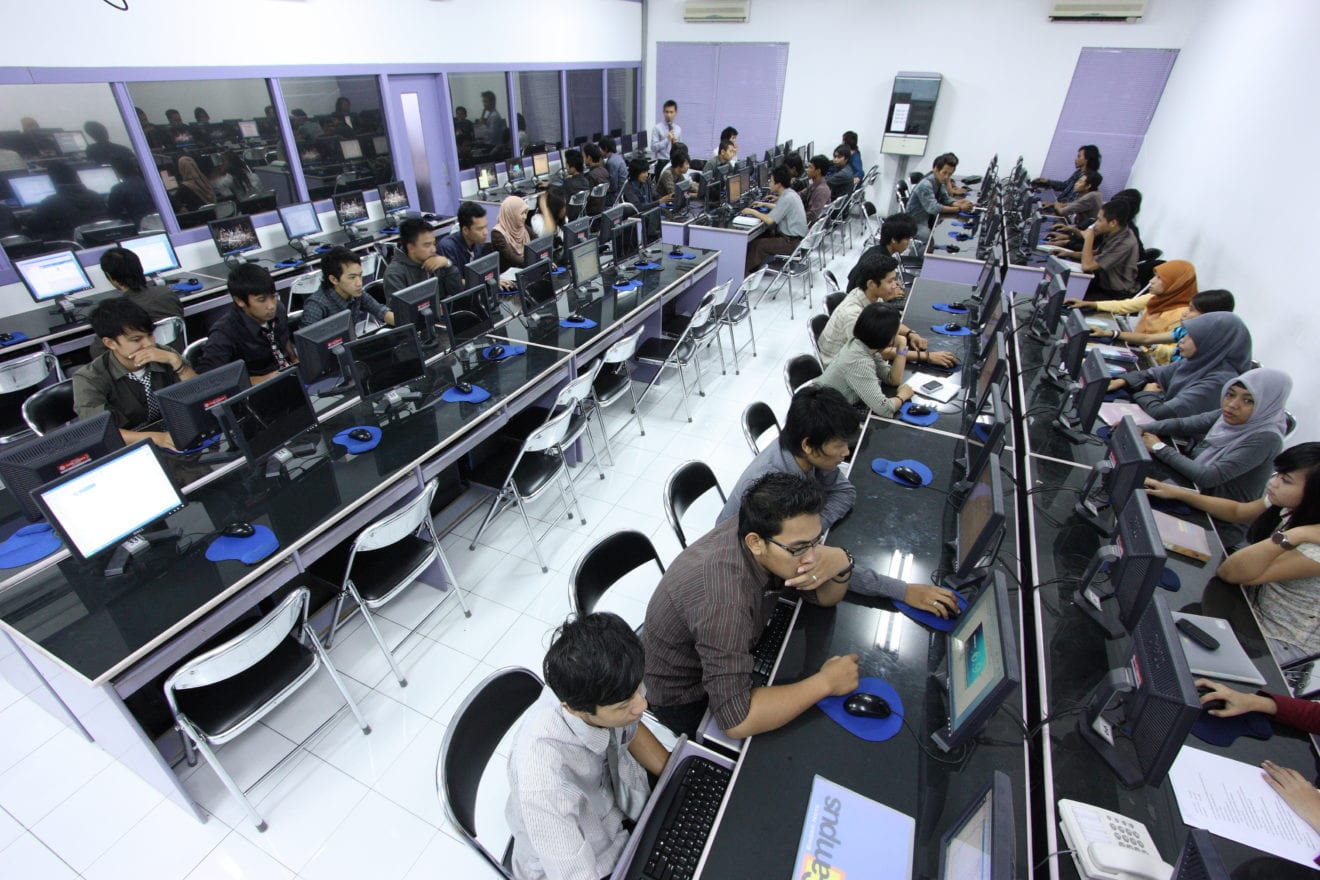
    Chinese computer-peripherals firm Shenzhen Rapoo Technology (Rapoo) is penetrating the growing local Internet Café (iCafé) sector to secure a dominant position in the market.

    The iCafé business is a growing industry here, according to Rapoo Philippines Retail Sales Manager Lem Estiva.

    “A lot of well-known i Cafes, like The Net.Com (TNC) and WarGods, have started expanding and actually franchising,” Estiva told the BusinessMirror on the sidelines of the company’s gaming peripherals launching in early April. “So it’s really a growing business.”

    He said the growth prompted the firm to introduce its gaming peripherals in Manila. He added the series of gaming peripherals they brought into the local market are categorically divided for two types of markets: retail and iCafés.

    “We have entry-level gaming peripherals targetting basically the iCafés for that,” Estiva said. “Meanwhile, the midrange and high-end level —that would be for personal use—target the retail market.”

    A little late

    ESTIVA disclosed they tried to reach out to some of the big local iCafés, including TNC and Mineski Corp. for possible partnerships. However, Estiva said they were a little bit too late.

    “We’ve been communicating with them, I guess for the last several months,” he said.

    Estiva added there was discussion before at the possibility of Rapoo being an original equipment manufacturer for TNC.

    “We provide them the products and have them rebrand it,” Estiva said. “Apparently, we came in a little too late.” Estiva, however, said they are “very hopeful” they can “eventually find other partners”. The Rapoo executive said they are also planning to form their own local eSports team before the year ends.

    “That’s one of our plans this year. I have quite a number of [team] names in my head,” Estiva said. “But I’m keeping them a secret.”

    Since 2014 Rapoo has been signing with teams and athletes, mostly from China, in various eSports titles, including “League of Legends” and “Dota 2”.

    Estiva said some of the iCafé operators already have First-Person Shooter and Dota 2 teams.

    “Usually they discuss with sponsors during the last quarter of the year about partnerships,” he said. “And we just came in the second quarter of this year.” Estiva said he expects the sponsorship by Rapoo starts next year.

    Peripherals

    Rapoo, which has market capitalization of $1.1 billion, began selling in the Philippines a series of wireless mice and keyboards in 2013.

    Last month the company has brought into the country its gaming peripheral series under a subbrand called “VPRO”.

    It is selling two gaming headphone models, which costs P1,515 and P2,945 each. Rapoo has four models of mice to cater to Filipino gamers with prices ranging from P1,245 to P2,190. Three of the four models are for entry-level users that are designed for ambidextrous gamers.

    For its gaming keyboard series, Rapoo VPRO brought nine different models in the Philippine market with prices ranging at a low of P1,265 and P6,730.

    Different league

    ACCORDING to Estiva, the company has an edge against competitors because of its pricing structure. “There are competitors, but we are on a different league. Some of them would be very expensive and for a new brand in the local market, we must have something different to offer on the table,” he said.

    Estiva said Rapoo is “very comparable in terms of design and durability with a very popular [brand].”

    “But it’s competitor’s product expensive,” he said. “So we come up with something similar but with an affordable price.”

    Estiva said Rappoo offers customers a direct product replacement if the products bought were deemed defective within its one-year warranty period.

    Estiva said Rapoo has its own dedicated research and development (R&D) team to ensure their products are of high quality—a way to defy the common Filipino notion that China-made products are substandard ones.

    “That’s why we have an R&D team to check all the products, because we know the reputation [here] of made in China products,” he said. “And because we are competing with other brands who have been in the business for years, we are not going to grow, or worse, we are going to die if we don’t actually provide very good products to the public.”

    Estiva said Rapoo aims to have its brand to be known as “something that would live for a long life”.

    Top three

    AT present Rapoo has two authorized distributors of its products in the Philippines: Techtron Systems Corp. and Philteq Enterprise Inc., according to Estiva. He said a third distributor is currently out of the question, as it could affect the retail price of Rapoo products in the market.

    “Probably the two distributors are enough. Because in the case of Techtron, they handle pretty much the bigger types of resellers and then Philteq would handle the growing ones or those in the mobile business,” he said.

    “So, I think we have pretty much a good balance with those two distributors. Having three would probably create a price war with the resellers,” he added.

    Rapoo Regional Sales Director Johnson Zhang said Rapoo is top three in the Philippine market, traling behind Taiwan-based firm A4Tech Co. Ltd. and Swiss company Logitech International SA. “We are trying our best to get more market share in the market,” Zhang told the BusinessMirror.

    Rapoo Philippines Country Manager Aileen Chua said the company’s revenue from the local market grew by 30 percent in 2016 from 2015. However, Chua did not disclose the company’s top line in the previous fiscal year.

    Plans

    Even with a 30-percent growth, Chua said she sees Rapoo could still perform better in the country, as much of their sales operations are focused in Luzon, particularly in Metro Manila.

    “We feel that we have penetrated Metro Manila well. However for provincial [operations], we are kind of poor in that aspect, because we don’t have the dedicated manpower assigned in those areas of the Visayas and Mindanao,” she said. “Hopefully, this year we could put up some people there who can help us promote the brand.”

    Zhang said the Philippines stands out compared to other countries in the Asia-Pacific region where Rapoo distributes its products.

    “The Philippines is performing quite good compared to most of the countries [where Rapoo is]. It performed very well,” Zhang said. “I think it’s because we have a very strong local team, and because of our quality products and cost-effective performance.”

    Estiva added the Philippines is better than other countries where Rapoo distributes its products in terms of sales target, revenue and market visibility.

    Zhang said Rapoo is currently developing its first wireless mechanical keyboard to be at par with other competitors. He said the company plans to launch it by the end of the year.

    “A lot of other brands are developing wireless gaming [peripherals], so we are also developing the same.”

    Estiva added the firm also plans to introduce in the country its product line for unmanned aerial vehicles or commonly known as a “drone”. According to him, the company has already introduced its drone called “Xiro” in the world market.

  • Mobile app marketer MobAir to open Shanghai office

    Mobile app marketer MobAir to open Shanghai office

    MobAir is taking eMarketer’s prediction that total mobile ad spend in China will climb 58% in 2017 seriously.

    The mobile growth platform for brands, which counts AliExpress, Trivago, and Baidu as clients, is investing in Shanghai with a new office.

    The office will allow the startup to offer personalized services to local partners and broaden its footprint.

    Through MobAir, China-based CMOs will be able to take advantage of the company’s portfolio of user acquisition mobile services.

    “China’s app economy is accelerating in growth, putting it within striking distance of Japan and the United States,” Barak Aviad, CEO of MobAir said in an announcement.

    “Gaming apps are the biggest market winners regarding revenue. Therefore, our company, equipped with years of experience in utility and gaming verticals, sees enormous potential in the Chinese mobile market in terms of app advertising growth,” he added.

    MobAir has worked with leading brands in social casino and gaming to roll out successful campaigns on mobile.

    Launched in 2015 and a Global Digital Marketing Group company, it offers a performance-based mobile app marketing platform for large-scale user acquisition.

    Its native advertising solutions target premium customers and drive loyalty.

    MobAir is no stranger to China. The company has worked Chinese advertisers and publishers since its launch. According to the announcement, the company is looking expand its list of clients with China’s gaming giants.

    With the new Shanghai office, the company now operates six offices across Asia, Europe, and the Middle East.

  • Aldi enters Chinese retail market

    Aldi enters Chinese retail market

    The German retailer has a unique retail model that has captured market share around the globe, but it’s entry in China will be a little bit different.  On April 25 the company announced it had launched its Chinese presence through a collaboration with online retailer TMall Global.

    The collaboration was announced at a fashion show organized by the two companies, where models were wearing clothes from the retailer.

    “In recent years, retailers from different countries have put Tmall Global as a top choice when considering entering the Chinese market, and have achieved astounding sales,” Tmall Global general manager Alvin Liu was quoted as saying on Kejilie.com.

    “Tmall Global is very honored that we can collaborate with Aldi this time to explore new retailing opportunities together, and we believe that Aldi, known for its top-quality products, will be able to better meet the demand of Chinese consumers.

    The story reported Aldi China CEO Christoph Schwaiger as describing the collaboration as the start of Aldi’s journey in China.

    “We will try our very best to fulfil the promise to provide Chinese consumers with premium lifestyle products, and will proactively boost the growth of China’s retail scene and consumer spend,” he was quoted as saying.

    Since March 20 when Aldi did its first trial on the Tmall platform, hundreds of SKUs (stock keeping units) have already been put online to complement the usual spending habits of consumers in China’s first and second tier cities.

    During the trial period, products such as milk powder (for adults), honey and mixed nuts were bestsellers, and even ran out of stock. To solve the problem, Aldi was forced to ship in new stocks from Australia.

  • Online retail growth reflects changing consumption

    Online retail growth reflects changing consumption

    China’s online retail sales posted robust growth in the first quarter of the year, reflecting a changing consumption pattern, official data showed. Online retail volumes reached over 1.4 trillion yuan ($203 billion) in the first three months, up 32.1 percent year-on-year and more than double the pace of total retail sales, the Ministry of Commerce said on Wednesday.

    Online consumption of services such as tourism, dining and entertainment continued to rise, with sales of travel and take-away food rising by 64 percent and 163 percent, respectively.

    Central and western regions posted stronger growth in online spending and online shoppers in third- and fourth-tier cities.

    “Ten years ago, people said e-commerce would not take off in China. But as soon as you overcome the payment barrier, consumers here are so much more ready than in other countries to take it on,” said Richard McKenzie, a partner at consultancy Oliver Wyman.

    With the advent of better logistics, it is no wonder that online marketing is bringing more sales growth, said Vishal Bali, managing director of Nielsen China.

    “Physical and online stores don’t have to be against each other. That means more connection and integration, which is not simply for retailers but also affects consumer behaviour, manufacturers and other areas of industry,” he said.

    According to research firm Mintel, the cross-border shopping market is expected to post an annual growth rate of 15 percent from 2016 to reach 1.3 trillion yuan by 2021.

    “Haitao, or shopping directly from overseas sites, is likely to be more relevant to brands looking at initial market entry. Retailers and brands should therefore play to their different national specialties when attempting to differentiate themselves from their competitors,” said Matthew Crabbe, Mintel’s Asia-Pacific director of research.

    Another trend the Ministry of Commerce observed is that online players such as Alibaba Group Holding Ltd and JD.com Inc are expanding offline to improve the consumer experience with convenience stores as an emerging market.

    For instance, Alibaba and Shanghai-based retail conglomerate Bailian Group Co announced a partnership in February to jointly design bricks-and-mortar stores to deliver enhanced customer services through technologies such as geo-location, facial recognition and big-data driven customer management systems.

  • China retail sales rise with a 10.9 per cent in March

    China retail sales rise with a 10.9 per cent in March

    China’s retail sales rose 10.9 per cent in March – the best month of the year to date.

    However the quarterly rise was just shy of 10 per cent – the first time the official figure has dropped below 10 per cent in 11 years according to the National Bureau of Statistics. IN January and February, China retail sales rose 9.5 per cent each month.

    Retail sales of consumer goods totalled 8.5823 trillion yuan (US$1.25 trillion) from January to March.

    There was strong consumption potential in rural areas, the data shows, with retail sales climbing 11.9 per cent during the quarter, outpacing urban areas where sales rose 9.7 per cent year-on-year.

    Online sales continued their run of strong growth, surging 32.1 per cent in the first two months to 1.405 trillion yuan.

    As a main driver of economic growth, consumption contributed to 64.6 per cent of China’s GDP growth last year. The nation is aiming for a steady increase in consumer spending this year.

  • China set for online grocery boom

    China set for online grocery boom

    Online grocery in China could more than double in growth between now and 2020, according to figures released today by international grocery research organisation IGD, with its current 3.1 per cent share of the country’s total grocery market forecast to leap to 6.6 per cent over the next three years.

    Driven by the growth of the internet, greater smartphone usage, more focused investment from retailers and shifting demographics, IGD forecasts online grocery in China to grow by almost 32 per cent year-on-year by 2020.

    “China already has the world’s largest online grocery market in terms of value and this certainly shows no signs of slowing down,” said Shirley Zhu, Asia programme director at IGD. “Last year, 3.1 per cent of all China’s grocery sales were conducted online, a figure we believe will increase to 6.6 per cent by 2020 – a compound annual growth rate (CAGR) of 31.8 per cent.

    “Set against our forecast CAGR of 5.9 per cent for China’s total grocery market over the same timeframe, the size of the opportunity for retailers looking to trade online is clear,” Zhu noted.

    This growth is being driven by a combination of factors, according to Zhu: “Internet and smartphone usage is growing across China, while the country’s demographics are changing too – there is a rising population of young, middle-class shoppers leading busier lives. In turn, this is creating an aspirational class of shoppers who want access to grocery products at the click of a button, and who are also increasingly looking to source international goods. Clearly, retailers have been responding to these trends, with lots of players looking to grab a slice of the action.”

    A combination of online ‘marketplaces’ and bricks and mortar retailers make up China’s leading online grocery players, according to IGD.

    “Alibaba’s Tmall and JD.com are the two of the largest online retailers in China and they also have a strong position in online grocery,” Zhu explained. “These platforms are a one-stop shop for all domestic and international brands and categories, as well as offering a nationwide logistics network, rapid delivery, innovative and simple payment solutions, and new technologies such as drones and virtual reality.

    “These platforms are also increasingly delivering cross-border opportunities, both selling international products in China, but also selling globally, enabling lots of international retailers to enter the Chinese market through them. We’re also seeing marketplaces like Alibaba and JD investing in bricks and mortar stores.

    “Other key online grocery retailers in China include Walmart via JD.com and Sun Art Retail, which sells via multiple platforms,” she outlined. “There are also lots of other retailers investing in online – for example, Bee Quick, which focuses on fresh products, can deliver to its shoppers within an hour in the 14 cities in which it operates, while Carrefour launched in April 2016 and is extending its service to more cities.”

    As the majority of people in China access the internet via their smartphone, getting mobile commerce right is critical for grocery retailers looking to sell online in China, according to Zhu.

    “Thinking mobile first is vital. Many retailers are rolling out apps offering exclusive discounts and special features, while other apps allow for easy e-payment solutions that allow people to shop online,” she said. “Brands and retailers are also advertising and have shops set up on WeChat, China’s biggest social media network.

    “Indeed, as China’s online grocery channel continues to grow, we expect to see more partnerships created between retailers and manufacturers,” Zhu added. “We also expect to see online grocers personalising their offers, using data to understand how and when people shop online, to deliver a better service and even personalised products. We also expect innovations such as voice-activated technology, virtual reality and smart devices to play a greater role as the market develops.”

  • Luk Fook sales recover from three-year slide

    Luk Fook sales recover from three-year slide

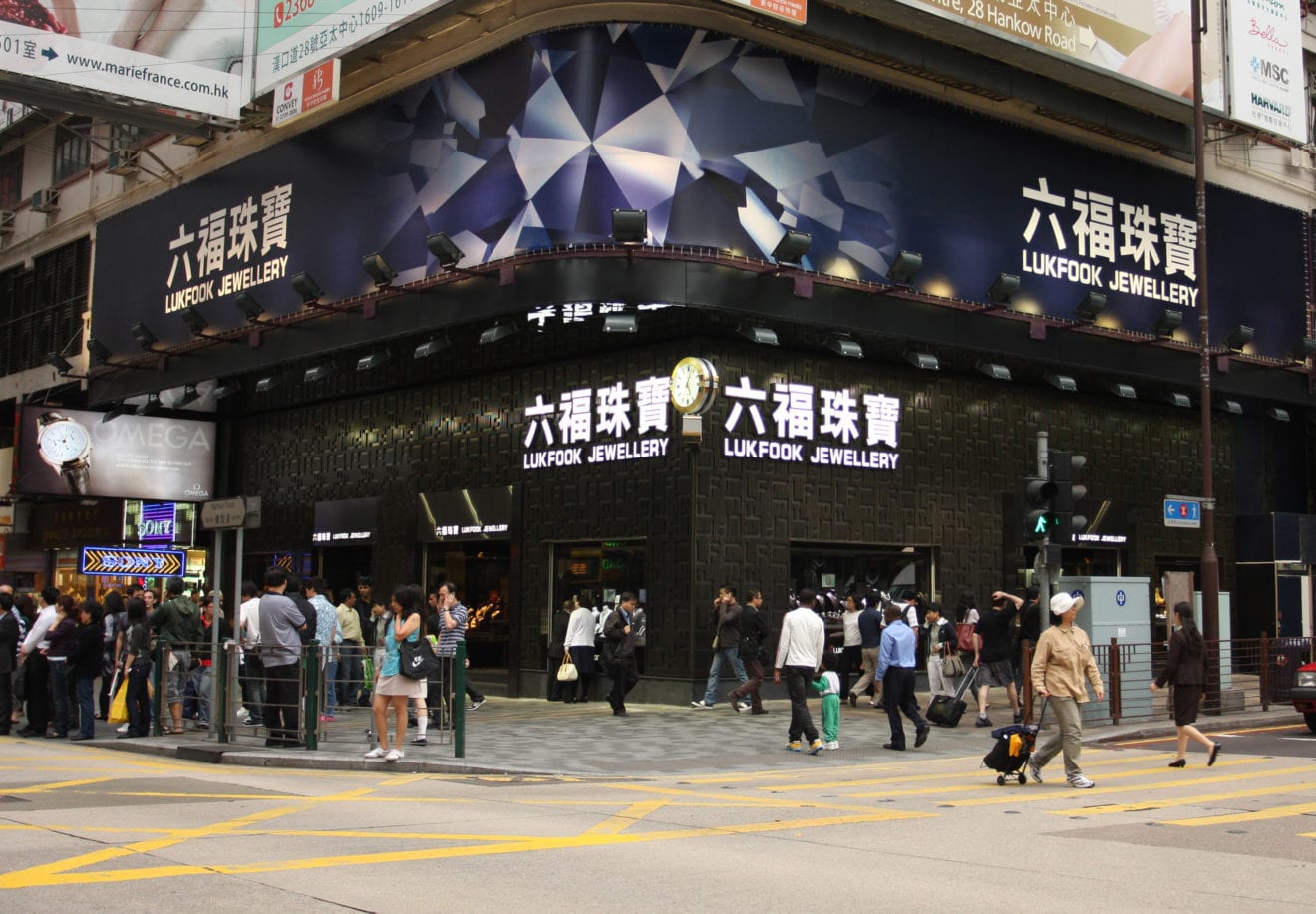
    After 12 consecutive quarters of decline, jeweller Luk Fook has recorded a 2 per cent turnaround for its fourth quarter, ended March 31.

    The retailer says that with a relatively low base and encouraging improvement in the Hong Kong/Macau market, same-store sales growth moved back into the black for its self-run outlets.

    In addition, Luk Fook sales of gold and gem-set jewellery products rose 16 per cent and 6 per cent respectively in Mainland China leading to double-digit growth for the first time this year, reaching 11 per cent.
    On the other hand, the same-store sales of gem-set jewellery products in Hong Kong and Macau also turned around from a decline of more than three years to achieve 12 per cent growth.

    During the quarter the group opened four self-run shops on the mainland and closed one licensed shop. At the end of March the group had 199 self-run shops in total – 133 in China, 47 in Hong Kong, 10 in Macau and nine in other countries. Together with 1296 licensed shops in China and one in Korea, there were a total of 1496 shops worldwide.

  • Unicom launches trial of Nokia VSR

    Unicom launches trial of Nokia VSR

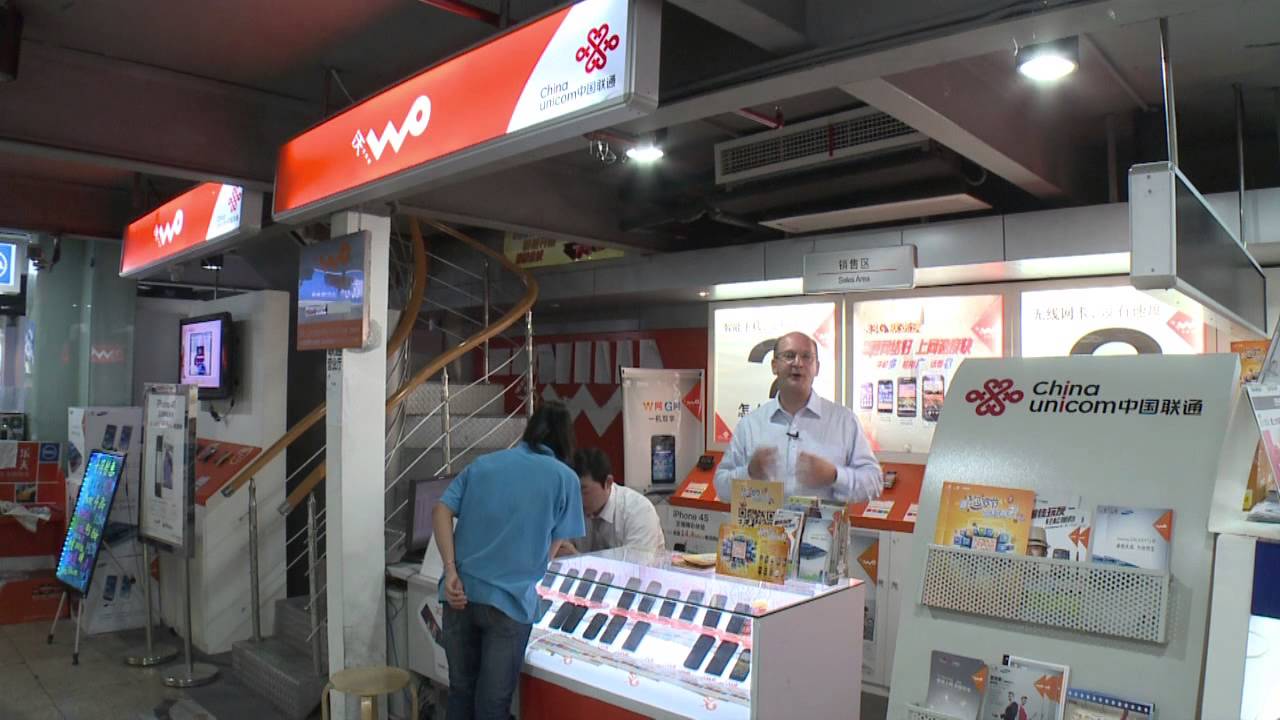
    China Unicom has launched a live trial of Nokia’s Virtualized Services Router for around 5,000 residential broadband subscribers.

    The trial in the province of Shandong involves the delivery of residential broadband over an agile network based on virtualized network functions.

    China Unicom is using Nokia VSR as a virtualized broadband network gateway (BNG) for residential subscriber management functions.

    The operator plans to migrate massive BNG services to the virtualized platform as part of an initiative to transform its metro server edge.

    China Unicom plans to extend the trial to other parts of the network over the next two years as it moves to the next phase of the trial, which will incorporate the delivery of IPTV services.

    “We are proud to be a part of China Unicom’s initiative to evolve its metro edge to a cloud-centric architecture,” Nokia head of IP routing and packet core Sri Reddy said.

    “The Nokia VSR provides delivery of broad and rich virtualized IP edge applications with superior performance and enhanced scalability. Upon completion of this network transformation project, China Unicom will ensure increased operational efficiency and deliver a superior customer experience for its subscribers.”

  • Burberry sales ‘lacklustre’ despite China boost

    Burberry sales ‘lacklustre’ despite China boost

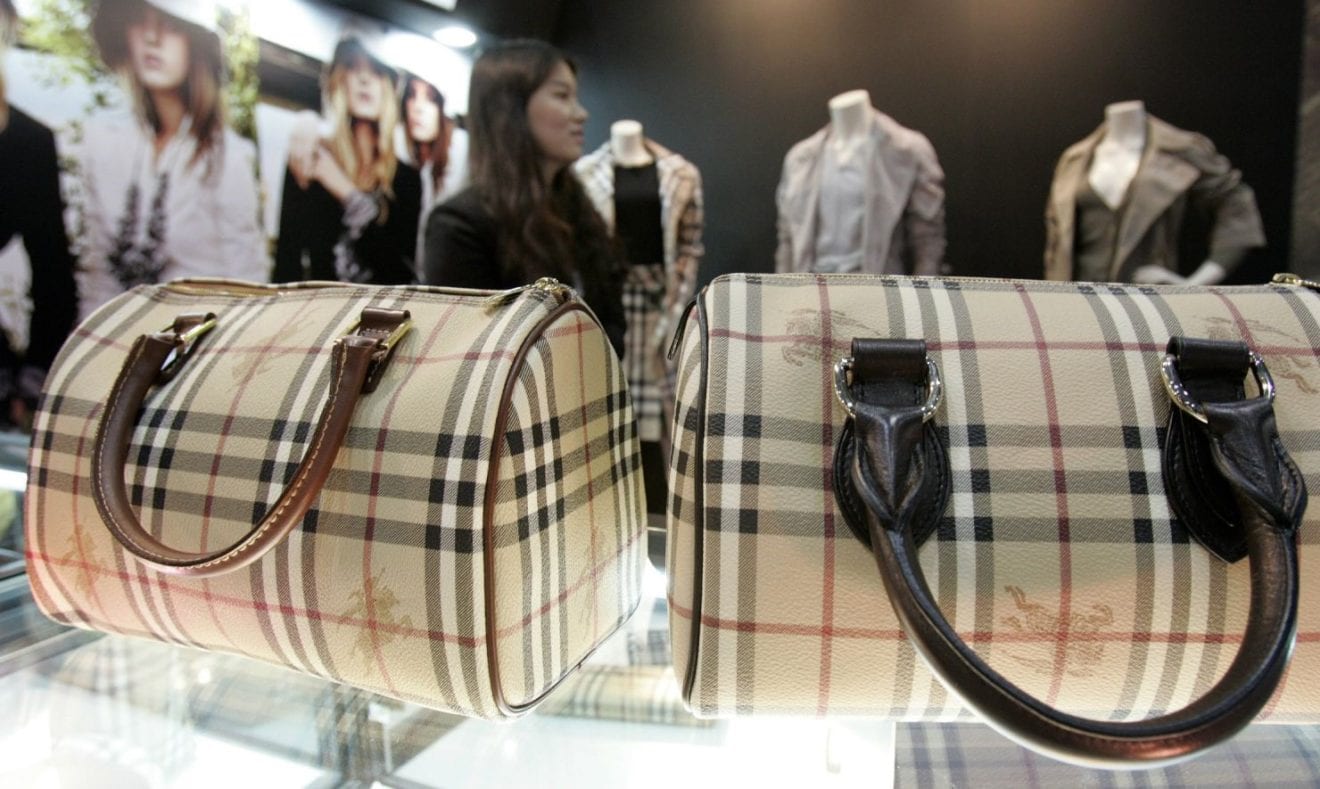
    Strengthening sales in Mainland China and an “exceptional” UK performance helped UK luxury fashion retailer Burberry weather a weakening US market in its second half year.

    Same-store Burberry sales rose 3 per cent – a lesser rate than during the third quarter. The company said a recovering Mainland China market had driven growth in Asia-Pacific.

    Incoming CFO Julie Brown says UK Burberry sales soared 90 per cent during the second half year as US tourists took advantage of the weaker pound in the UK.

    But sales in its wholesale division fell by 13 per cent and licensing sales fell 38 per cent, although the latter was largely due to the company taking back control of its Japan business.

    While based in Great Britain, the bulk of Burberry’s turnover is abroad and Hong Kong and China comprise its largest market.

    Releasing its second half year sales figures, the company revised down its estimate of the sales boost from the weaker UK currency from an earlier projected £130 million to £115 million. And it warned shareholders to expect a £10 million hit in 2018.

    Charlotte Pearce, associate retail analyst with GlobalData, described the second half results as “lacklustre” following impressive third quarter figures.

    “Burberry’s international performance in the second half has proved disappointing, with declining sales in Korea and the US and a challenging market in the Middle East bringing down the brand’s overall performance.

    “However, its plan to invest in store refits will help to increase footfall, especially in areas such as Hong Kong, where trading has historically been much more positive.”

    She said Burberry’s strong digital performance, particularly via mobile, continues to drive growth for the luxury brand as it maintains its reputation as a digital innovator in the luxury market.

    “Burberry live-streamed its February catwalk show on Instagram, giving the brand a sense of accessibility and allowing the brand to engage with shoppers on a platform where many consumers are regularly active. Burberry’s investment in experiential retail, including its app which will be rolled out in English speaking countries from the first quarter, will resonate well with modern shoppers and enable it to promote new products.”

  • Thailand plans to build Bangkok-China-Hong Kong cable

    Thailand plans to build Bangkok-China-Hong Kong cable

    The Thai government is eager to build a new subsea cable linking China, Bangkok and Hong Kong, as part of the efforts to transform Thailand into Southeast Asia’s digital hub.

    The Digital Economy and Society ministry is drawing up a master plan for the cable project, and lso aims to attract foreign investors to the project.

    According to the report, the government is currently in the process of identifying a marine route for the planned cable system.

    Thai cabinet has approved a 5 billion baht ($145.5 million) investment in the system. The investment will be handled by state-owned operator CAT Telecom via the Neutral Gateway Network & Data Center project.

    Investment in the cable forms part of the government’s Thailand 4.0 strategy, which aims to transform the nation’s economy with a focus on digitally-enabled innovation and establish the nation as a digital hub for the wider region.

    As part of this project, the government is also investing in establishing Digital Park Thailand, a planned new digital business economic zone, and has just approved the establishment of he facility along the Eastern Economic Corridor.

  • Retail brands from China defying stereotype

    Retail brands from China defying stereotype

    When Chinese sportswear brand Li Ning set up shop in Singapore in 2009, it took one month to sell its first badminton racket.

    Former world No.1 shuttler Lin Dan may have endorsed the brand, but in the eyes of Singaporeans, one detail stood out: that it is a brand from China.

    “Initially, they doubted the quality of the product. My own kids told me they prefer Nike and Adidas as these brands were better,” said Mr Mahendar Kapoor, managing director of Sunlight Group, the sole distributor for Li Ning in Asia.

    Its retail shop at Ion Orchard, Li Ning’s first store outside of China, closed in 2014.

    But today, the firm distributes Li Ning products to close to 70 retailers here, and sells 3,000 to 4,000 rackets a month.

    6,500 China firms in Singapore

    Last year, there were some 6,500 firms from China in Singapore, almost twice the number in 2011. They are involved in various sectors, from construction and insurance to transport and food and beverage.

    Chinese construction firms started building up a presence here in the 1990s. Some of the notable contracts landed by them include a $100 million project to expand Nanyang Technological University’s teaching facilities, and a $705 million job to build the Universal Studios theme park on Sentosa.

    In recent years, a crop of restaurant chains from China have sprouted here, including the popular Sichuan hotpot chain Hai Di Lao. At least three opened last year: hotpot chain Spicy House in Riverside Point, Shi Miao Dao Yunnan Rice Noodles in VivoCity and Riverside Grilled Fish in Raffles City.

    Chinese firms have also made their presence felt on the road, with Mobike and Ofo bike-sharing firms entering the market early this year.

    In shopping malls, streetwear brand Hotwind and fashion label Urban Revivo set up stores in the past six months. Retail analysts expect more Chinese retailers to join the fray this year.

    Melissa Lin

    “Once people started using our products, they realised the quality is comparable with those from other parts of the world,” said Mr Kapoor.

    As more retail brands from China make their way here, they find themselves having to fight the perception that their products are of poorer quality – never mind that China has long been the factory of the world where products from iPhones to Uniqlo clothing are made. Some consumers worry, for instance, that Chinese brands lack a rigorous supervisory process.

    But Chinese retailers interviewed by The Sunday Times said they have quality control checks in place.

    Streetwear brand Hotwind opened at 313@Somerset last November, while fashion label Urban Revivo opened in Raffles City in January this year. These are their first stores outside of China.

    Hotwind vice-president White Wang recalled how a business associate from Singapore told him not to include Chinese characters in the shop’s signboard. But Mr Wang did, placing Hotwind’s English and Chinese names side by side.

    “He told me Singaporeans don’t think highly of Chinese brands,” said Mr Wang, who is from Shanghai. “But we are a Chinese brand, we can’t run away from this.”

    It is a prejudice that Hotwind, which sells clothing, shoes and accessories, aims to change by ensuring its products are of a high quality, said Mr Wang.

    “In China, we didn’t do much advertising but we now have over 900 stores. People find out about us mainly via word-of-mouth so it’s a testament to our quality,” he said. “I’m confident Hotwind will take off here once we open more shops.”

    He aims to have three to five stores here by the end of the year.

    Urban Revivo, which has more than 150 stores in China, said China-based production has changed “quite a lot” over the past 10 years. “People are surprised when they realise how the quality (of Chinese brands) has improved,” said its international marketing manager Federica Rubeo.

    “We’re proud of our Chinese heritage,” she added.

    Meanwhile, Chinese fashion retailer Yishion, which entered the Singapore market in 2013, now has nine outlets here. It has more than 8,000 outlets globally, including more than 7,000 in China.

    It sends all its manufactured garments to quality control laboratories in China to ensure they meet the required standard, before they are shipped to distributors worldwide.

    “Our quality is good, that’s why our prices are not low-end, but more of the mid-range,” said its general manager Raymond Shen, 33.

    Its clothing designs vary from market to market. In China, its customers are in their teens or 20s, but in Singapore, they tend to be middle-aged women, so the designs here tend to be more conservative, he said.

    Then there is lifestyle brand Miniso. Its founders are a Japanese and a Chinese, but it markets itself as a Japanese brand. “We consider ourselves to be more of a Japanese brand as our product design and product concept is from Japan while manufacturing is carried out in China,” said its assistant marketing manager June Ng.

    Miniso has more than 2,000 outlets globally, including more than 1,000 in China, 26 in Singapore and four in Japan.

    Student Jamaine Loo, 23, feels that China-made items are “inferior in terms of quality”. “Unless I’m buying something to use once and then throw away, I won’t buy something China-made, especially if the price isn’t cheap,” she said.

    But procurement executive Eileen Tan, 27, who bought a $15 pair of sunglasses from Hotwind, said it did not matter to her where a brand is from. “Nowadays, a lot of things are made in China anyway. As long as the quality of the item doesn’t look very cheap to me, it’s okay,” she said.

    Cushman & Wakefield Singapore research head Christine Li expects more Chinese brands to open here in the next 12 months.

    These brands are looking to expand overseas, as many are shunned by consumers in China who typically prefer Western brands, she said. And Singapore is an obvious choice, given its status as a gateway to the region.

    “Their brand presence in prime shopping centres here could be seen as an indicator of quality and prestige, which will make it easier for Chinese brands to expand in domestic and international markets in future,” said Ms Li.

    Both Hotwind and Urban Revivo said they intend to use Singapore as a springboard to other South-east Asian nations such as Malaysia, Thailand and Indonesia. Hotwind is opening a store in Kuala Lumpur next month.

    Hotwind’s Mr Wang said: “Having a shop in Singapore increases our brand value in the eyes of consumers.”