Tag: China

  • Hugo Boss China proves best dressed

    Hugo Boss China proves best dressed

    With second-quarter sales rising by 14 per cent, Hugo Boss China has shined for German luxury fashion house.

    With double-digit sales growth on a like-for-like basis, the Chinese mainland continued to perform significantly better than Hong Kong and Macau, says the company. Sales were also up in Japan.

    In Asia, sales grew by 12 per cent in local currencies to ¥90 million (US$800,000).

    It was Asia/Pacific’s growth that mainly contributed to overall Hugo Boss sales increasing by 3 per cent for the quarter on a comparative store and currency-adjusted basis.

    Sales in freestanding stores and shops-in-shops were 2 and 7 per cent respectively above the previous year’s figures on a currency-adjusted basis. Outlet sales rose by 10 per cent, while online business increased by 9 per cent.

    Despite higher marketing expenses and spending on digital transformation, operating profit was steady.

    At its Investor Day at its head office in Metzingen yesterday, the company announced the implementation of its two-brand strategy, Boss and Hugo. Previously independently managed, the Boss Orange and Boss Green lines have been integrated into the Boss core brand, with the first parts of the new collections going into stores from the end of this year.

    Hugo Boss says it is widening its commercially important entry-level price ranges, continuing to expand its omnichannel services and systematically investing in sales staff training and development. It will also start a step-by-step roll-out of new store concepts for Boss and Hugo.

    In the first half of the year, the group’s store numbers fell by four to 438. As at June 30, five of the 20 store closures agreed upon last year had been completed.

    Its store network in Asia/Pacific was reduced by one. There were five new openings in Korea and Singapore plus six closures in various markets.

    “Our strategic realignment is beginning to take effect with business in the second quarter encouraging,” says CEO Mark Langer, who noted “considerable headway” in its online business. “We are facing the future with confidence.”

  • Saint Laurent China signs up with Farfetch

    Saint Laurent China signs up with Farfetch

    Saint Laurent China is forming an e-commerce partnership with online fashion retailer Farfetch.

    The French fashion house’s merchandise will be sold on a new online platform set up by Farfetch in a JV with JD.com, says Saint Laurent CEO Francesca Bellettini.

    Farfetch’s partnership with JD.com has helped ease concerns about knockoffs, says Belletiini. “Protecting the brand from counterfeiting is fundamental for Saint Laurent.”

    She says Saint Laurent’s sales to Chinese consumers have surged in recent years despite a slowdown in the global luxury market.

    Kering, which owns Saint Laurent as well as other brands including Gucci, last week reported a sharp rise in sales across Asia, particularly in Mainland China. Saint Laurent has 18 stores in China, mainly in Beijing and Shanghai. Bellettini says the online sales push will help the brand reach customers in smaller cities without the risk of overexpansion.

    Saint Laurent is pledging same-day delivery in Beijing and Shanghai as well as Hong Kong. From October, the brand aims to offer delivery within 90 minutes in those three cities.

    In New York City in 2015, Kering sued Alibaba, claiming the firm was conspiring with Chinese manufacturers to produce and sell counterfeit versions of its brands. Alibaba has denied the accusations, and a judge dismissed part of the complaint 12 months ago.

  • Beijing leads the way for China’s cashless generation

    Beijing leads the way for China’s cashless generation

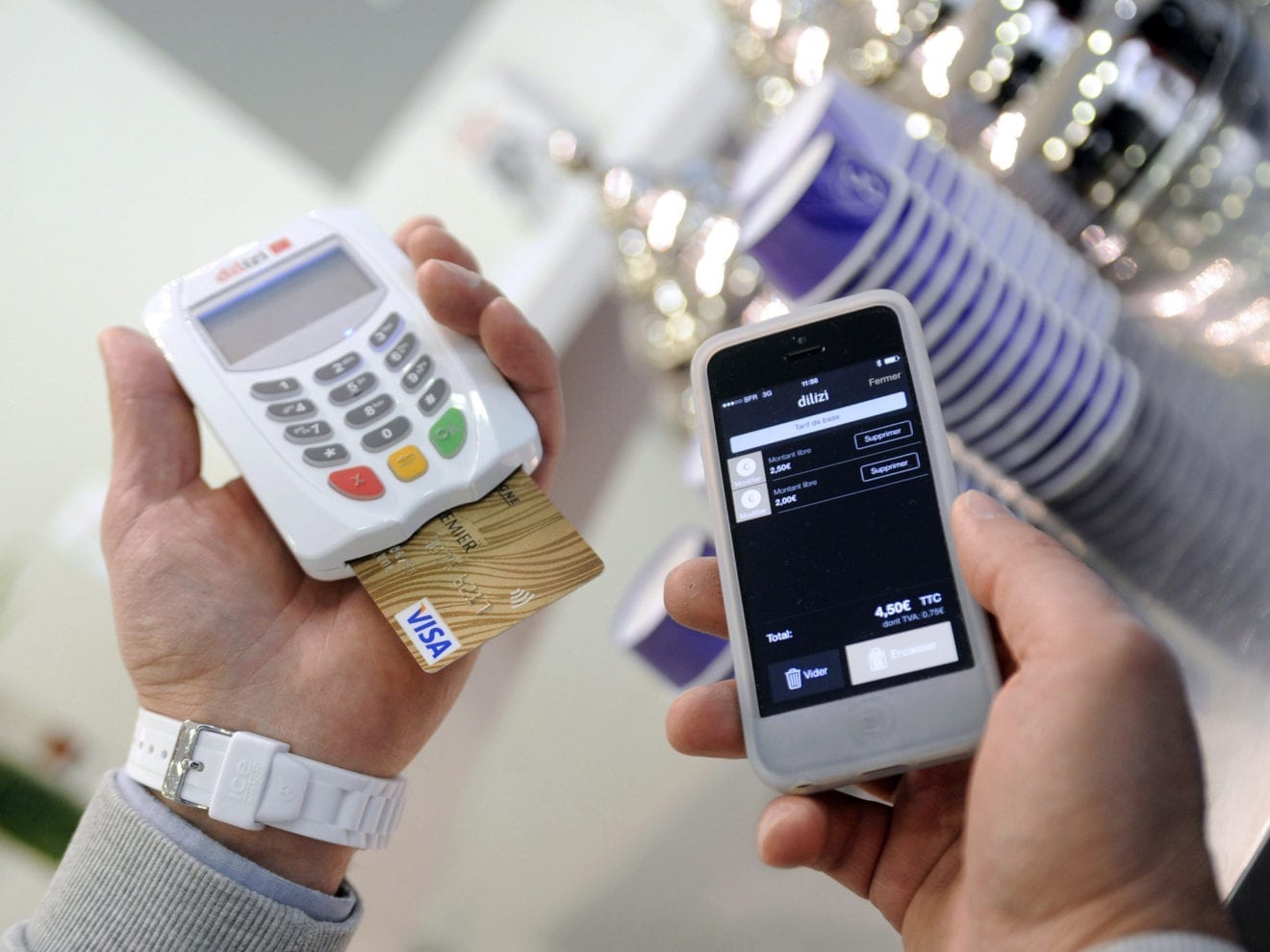
    Beijing is China’s “smartest” city for cashless payments, a new study has found, with consumers using e-wallet everywhere from vegetable markets to hotels.

    The study released on Monday was the result of a 34-city survey by tech firm Tencent, French market research firm Ipsos and Renmin University’s Chongyang Institute for Financial Studies.

    The survey asked more than 6,500 people about their payments for a range of goods and services, including takeaway food, restaurant dining, telecommunications and transport, state-run Xinhua News Agency reported.

    Beijing topped the list for penetration of cashless payments, followed by Shenzhen and Guangzhou in Guangdong province, and Shanghai. Two other Guangdong cities – Dongguan and Foshan – also made it into the top 10, Xinhua reported.

    About half of those surveyed used cash for about 20 per cent of their monthly spending, and four in 10 carried less than 100 yuan (US$14.84) in cash when they left the house.

    About seven in 10 respondents said they could go for more than a week with just 100 yuan in cash, and 84 per cent were comfortable going out with just their mobile phone to pay their way.

    Beijing office worker Xiao Yi said he often went a week without using cash because he could use his mobile from breakfast to dinner. Convenience stores and even vegetable vendors accepted WeChat or Alipay, an online payment platform owned by Alibaba Group, which owns South China Morning Post, he said.

    He also got around the city using a pre-paid subway card or a shared bicycle, which also ran on mobile payments.

  • Xiaomi announce US$1 billion loan to help with overseas expansion

    Xiaomi announce US$1 billion loan to help with overseas expansion

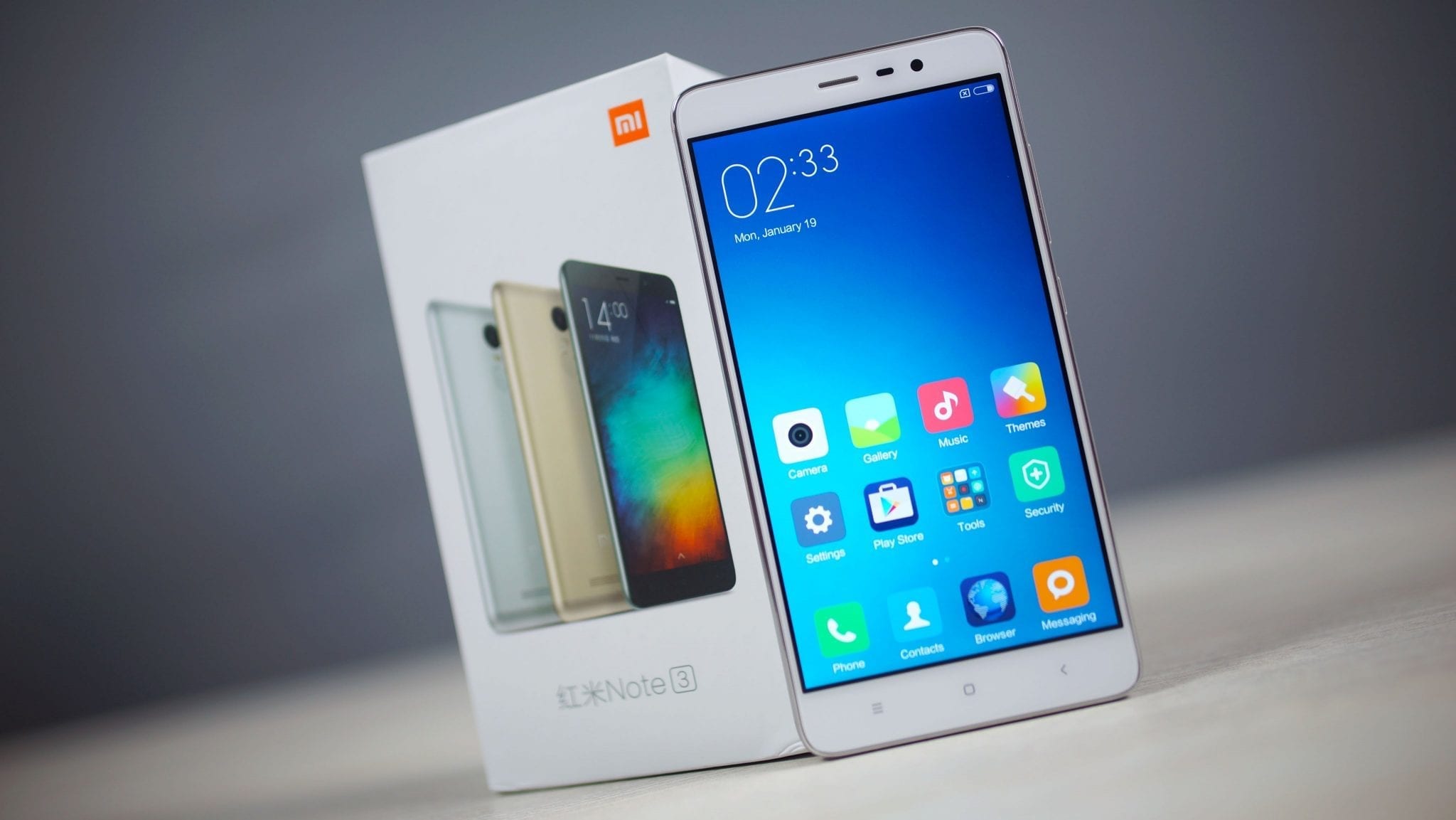
    Xiami announced today they will obtain a loan of US$1 billion over three years to aid overseas expansion and the improvement of distribution channels.

    It signed a syndicated loan agreement for US$1 billion over the next three years, with 18 banks including Bank of China, Deutsche Bank AG and Wing Lung Bank. Xiaomi previously secured a three-year term US$1 billion syndicated loan in 2014.

    Xiaomi Founder, Chairman and CEO Lei Jun, said that “new retail,” which is the integration of online and offline retail, as well as globalization, are the company’s top strategic areas for development, with the support of a syndicated loan.

    Xiaomi is among the top five smartphone brands in China, behind Huawei, Oppo, Vivo and Apple.

    In the second quarter, Xiaomi sold 23.16 million smartphones, marking a record high for quarterly smartphone sales. To date, Xiaomi has opened 149 Mi Home stores across China, with plans to open more in order to improve distribution channels.

  • Profit lift for Sheng Siong Group

    Profit lift for Sheng Siong Group

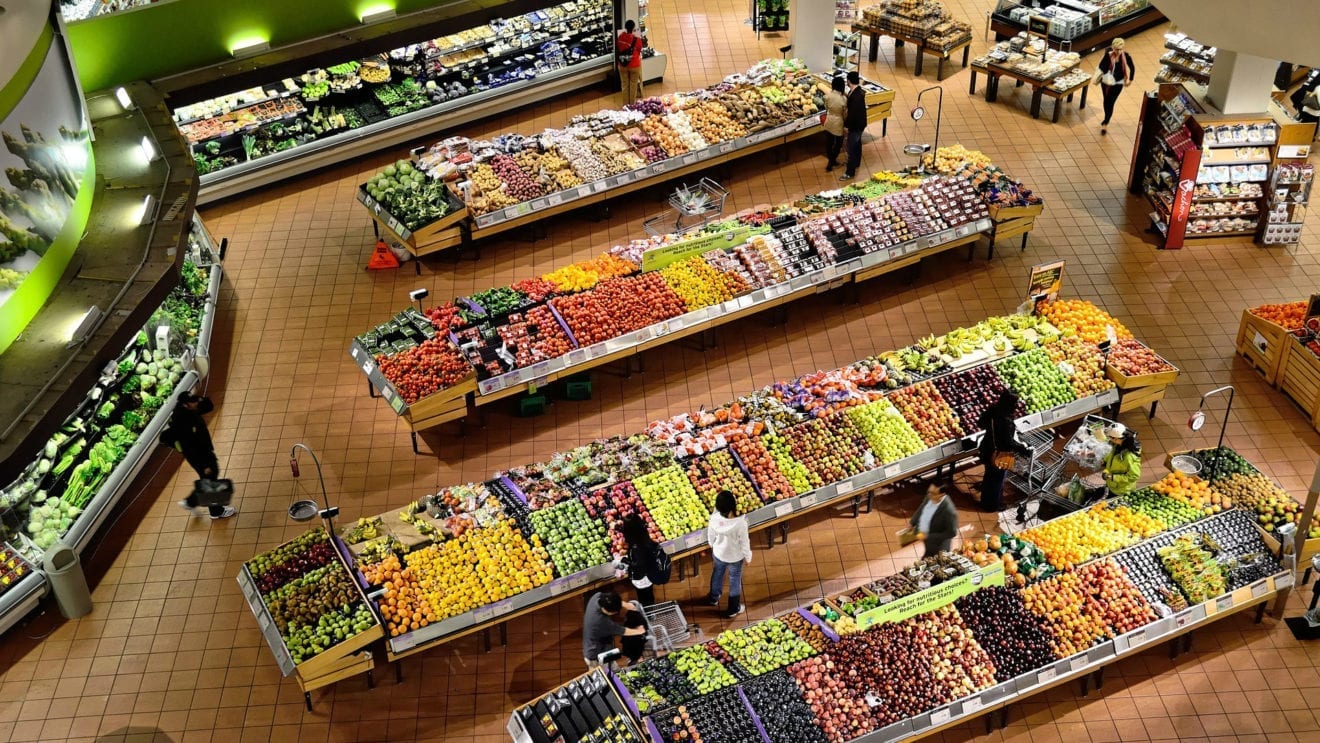
    Supermarket chain Sheng Siong Group had a 6.1 per cent increase in net profit to S$16.1 million (US$11.8 million) for its second quarter, to the end of June.

    It attributes this to higher gross profit generated by revenue growth and improved gross margin, partially offset by higher running expenses because of increased activity.

    Revenue grew by 6.8 per cent year-on-year of which 5.2 per cent was contributed by new stores, 0.9 per cent by comparable same-store sales and 0.7 per cent by Loyang Point and The Verge stores.

    Growth in same-store sales improved on the first quarter’s “flattish” growth, mainly because of improved consumer sentiment, but was offset by a drop in footfall of stores in areas affected by the slowdown in the oil and gas industry, the Tampines store’s renovation and the Woodlands store, where most residents in nearby blocks affected had moved. Excluding the contraction from the Woodlands store, comparable same-store sales growth would be 1.2 and 1.7 per cent for the first and second quarters respectively.

    Gross margins increased to 26.6 per cent for the second quarter (26.1 per cent in the same quarter last year), mainly because of input cost being lowered by efficiency gains derived from the central distribution centre, a higher level of supplier rebates, and a better sales mix of higher-gross-margin fresh versus non-fresh produce.

    The store at The Verge was closed in the third week of June, and The Woodlands store may be closed in October instead of August, as the HDB is redeveloping the area. Both these stores accounted for 7.6 per cent of the first half’s revenue.

    The group has entered into a lease for a new shop of about 4000 sqft (370 sqm) at Fajar Road, Bukit Panjang, and successfully bid for a new HDB shop of about 12,000 sqft in Woodlands Street. The stores are expected to be open in September and October respectively.

    An extension of the distribution has been started, to add another 50,000 sqft of storage space in the third quarter of next year.

    Renovation of a supermarket to be run by a subsidiary in Kunming is expected to be complete in September.

  • Huawei consumer revenue grows 36.2% in 1H17

    Huawei consumer revenue grows 36.2% in 1H17

    Huawei has reported a 36.2% increase in revenue from its consumer business for the first six months of the year on the back of strong smartphone sales.

    Sales revenue increased to 105.4 billion yuan, with smartphone shipments up 20.6% year-on-year to 73 million. IDC estimates that Huawei’s share of the global smartphone market grew to 9.8% during the first quarter.

    In Greater China meanwhile, Huawei grew its shipments by 24% year-on-year to claim 22.1% of the global market, while Canalys recently estimated that the company maintained its lead in the market for the second straight quarter in Q2.

    Huawei also reported growth in APAC markets including Thailand, Malaysia, Japan and South Korea for the period.

    Huawei is accelerating its sales strategy in light of its growing brand presence, revealing plans to increase its global retail network to 56,000 stores worldwide by the end of the year, up from 35,000 in May 2016.

    ABI Research director David McQueen said Huawei’s results “document a company that is outperforming the smartphone market, showing solid growth in shipments and healthy development in its revenues.”

    He said Huawei aims to break 10% global market share for the full year, consolidating its position as the world’s third largest smartphone vendor after Samsung and Apple.

    “The company has managed to achieve this continued growth through a focus on providing advanced, innovative products at the high-end, with its P and Mate series of smartphones to the fore with shipments for the two growing 100% year-on-year,” McQueen said.

    “This high-end mix in its portfolio has also helped drive up average selling prices by 28% year-on-year, and the provision of a premium design and experience has worked to strengthen its brand image and awareness in the consumer market. It is this premium brand image that the company needs to foster as a central tenant if it is to continue with this success as it allows it to command higher prices and create much needed profit in a highly competitive marketplace.”

  • Fall in Chinese tourists drags retail-sector sales in Taiwan

    Fall in Chinese tourists drags retail-sector sales in Taiwan

    Revenue generated by Taiwan‘s retail sector fell in the first half due to a fall in the number of Chinese visitors, who tend to buy expensive home appliances or luxury goods, the Ministry of Economic Affairs said.

    The number of Chinese visitors in the past six months fell about 40 percent from the same period last year, which had an adverse effect on local private consumption and retail sales, Department of Statistics Deputy Director-General Wang Shu-chuan said.

    Although the total number of foreign arrivals only fell 5.7 percent year-on-year, meaning that an increase in travelers from other countries offset the decline, they failed to make up for the reduced consumption generated by Chinese visitors, Wang said.

    Retail sales for the first half fell 0.4 percent year-on-year to about NT$2 trillion (US$65.88 billion), the ministry said.

    The local home appliances business sustained the most visible impact, with sales falling by NT$11.9 billion year-on-year for the six-month period, the ministry said.

    Meanwhile, sales generated by the local wholesale sector rose 5.7 percent from a year earlier to NT$851.9 billion last month on the back of strong demand for machinery, communications chips, memory chips and chemical materials, at a time when the global economy has been on the road to recovery, the ministry said.

    In the first half, sales in the wholesale sector rose 5.1 percent from a year earlier to NT$4.79 trillion, while revenue of the local food/beverage sector grew 2.7 percent to NT$224.9 billion.

  • Starbucks to buy out Chinese venture in its biggest deal yet

    Starbucks to buy out Chinese venture in its biggest deal yet

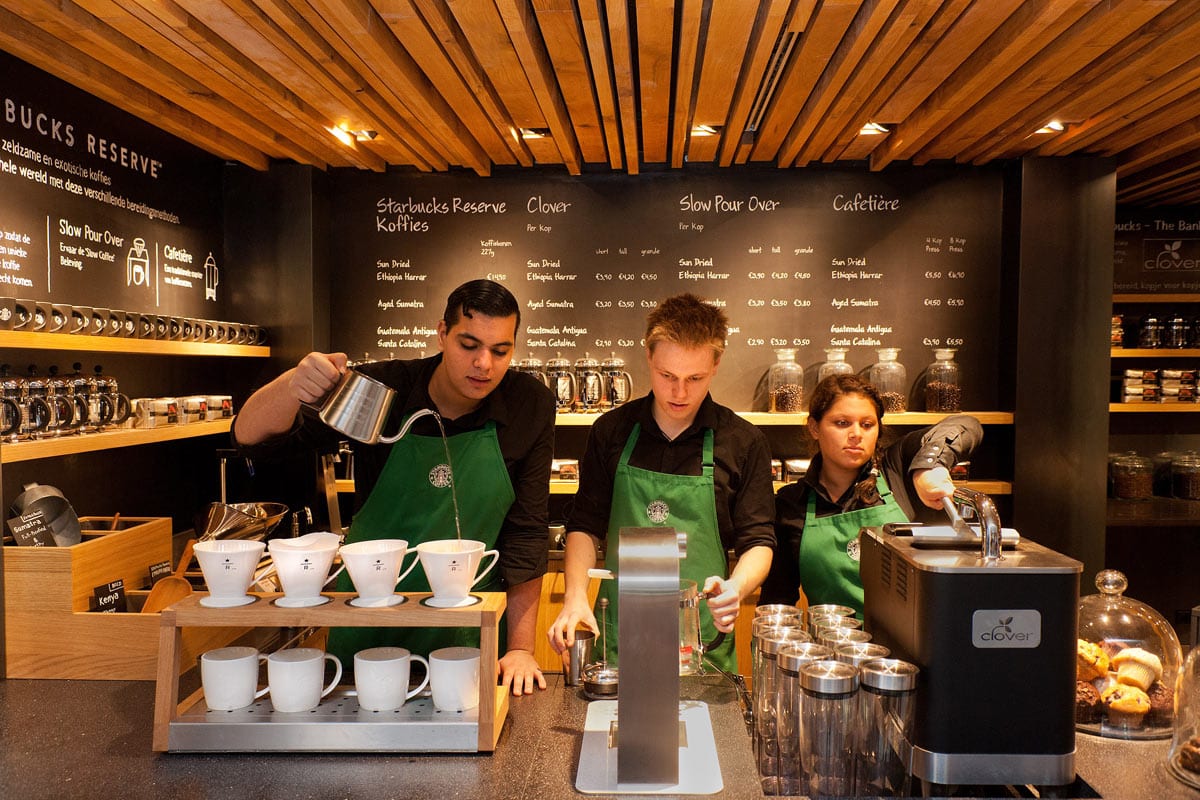
    Starbucks is buying the rest of its East China joint venture in a $1.3 billion transaction, marking the biggest deal ever for a company that sees China as a huge growth opportunity.

    The Seattle-based coffee chain will acquire the remaining 50 percent of the business from partners President Chain Store Corp. and Uni-President Enterprises Corp. Starbucks also is divesting its 50 percent stake in a separate joint venture in Taiwan, according to a statement on July 27th.

    The move underscores Starbucks’ bet that China will be one of the company’s top sales drivers in coming years. It’s wagering that the nation’s growing middle class and urbanization will give it a huge population of potential coffee drinkers to tap.

    The deal mirrors the company’s strategy in Japan, where Starbucks entered the country with a joint venture, spent time learning the local market and then brought the business back in house, said Jennifer Bartashus, an analyst at Bloomberg Intelligence. In 2014, Starbucks agreed to buy out its Japanese joint venture with Sazaby League and other partners for about $913.5 million.

    “With the level of expectations they have for China, it isn’t really a surprise that they want to exert as much control over the stores as possible,” Bartashus said.

    Starbucks shares gained as much as 1.9 percent at $59.03 in New York on July 27th. The stock had climbed 4.4 percent this year through the close of trading on July 26th.

    Expansion Plan

    Starbucks plans to operate 5,000 cafes in mainland China by 2021, a goal it reaffirmed on July 27th. The company currently has 2,800 locations there.

    The deal gives Starbucks 100 percent ownership of about 1,300 cafes in Shanghai and the Jiangsu and Zhejiang provinces. In the Taiwanese transaction, its partners will acquire Starbucks operations in the territory for about $175 million. The Starbucks business there, which was founded in 1997, has about 410 cafes.

    “Unifying the Starbucks business under a full company-operated structure in China reinforces our commitment to the market and is a firm demonstration of our confidence in the current local leadership team,” Chief Executive Officer Kevin Johnson said in the statement.

    The status of Taiwan is a sensitive political issue in China. The Chinese government considers Taiwan a renegade province. The decision to sell the business there was about allowing its partners to “maximize the opportunities” for the brand in Taiwan, according to a spokeswoman for Starbucks.

    Dunkin’ Forays

    Dunkin’ Donuts Inc., a major Starbucks rival in the U.S., has a much smaller presence in China. The chain failed in two previous attempts to crack the Chinese market, but is now working with two franchisees there and has 34 stores, including 16 in Beijing. Dunkin plans to grow to 1,400 location in the world’s most populous country over the next 20 years.

    Chinese consumers still drink a relatively small amount of coffee, but the category is growing fast and could eventually surpass tea, according to Dunkin’ CEO Nigel Travis.

    China is the fastest-growing market outside the U.S. for Starbucks. With full control of the local operations, Starbucks can enhance the coffee and in-store experience, said its China CEO, Belinda Wong. It also plans to rely more on technology in the country. Starbucks’ mobile-ordering app has been key to locking in customers in the U.S.

    The deal is another sign that Starbucks views China as key to its future and can’t let execution slip there, said Jack Russo, an analyst at Edward Jones.

    “Asia is incredibly important for them — there’s no mistaking that,” he said.

  • Eric Zhao on leveraging technology for JD.com

    Eric Zhao on leveraging technology for JD.com

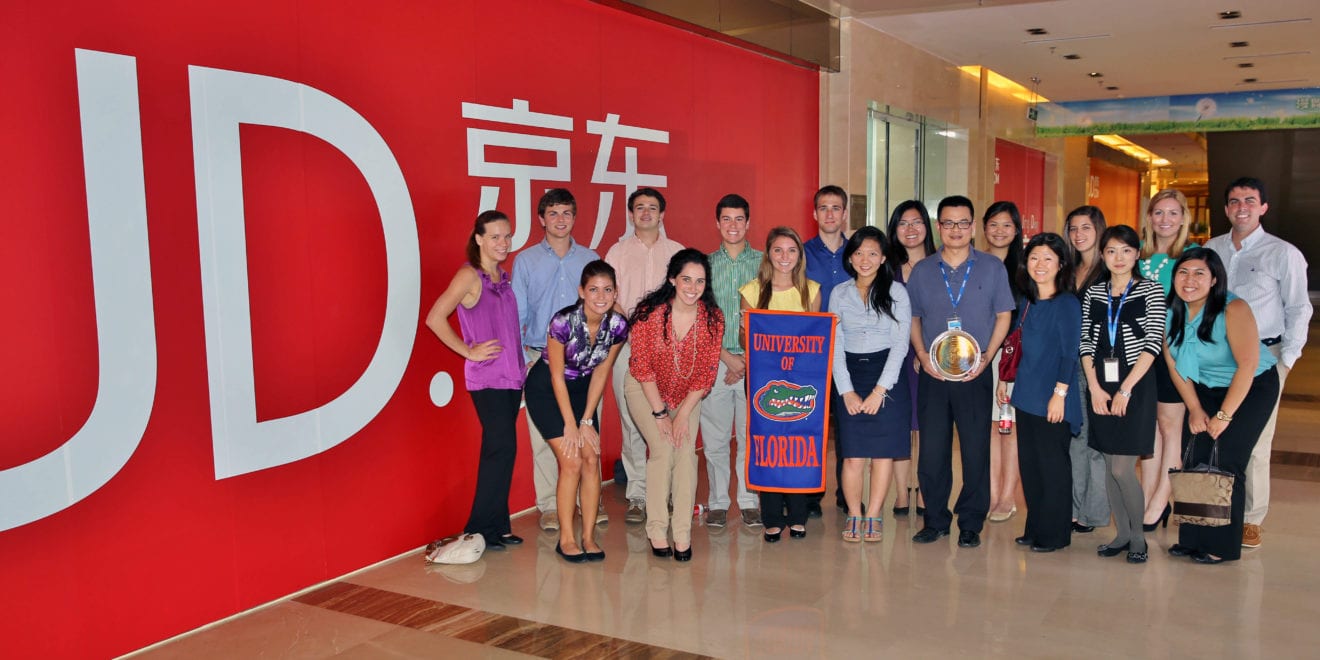
    Chinese e-commerce giant JD.com keeps racing its competitor Alibaba by evolving and being innovative. Both players are likely to increase their revenues for the next quarter. JD.com is today the largest retailer in China, counting US$37.5 billion net revenues in 2016, more than 122,000 employees and 7 fulfilment centres and 263 warehouses covering 2,672 counties and districts across China by March 31, 2017.

    Eric Zhao explains that JD.com is using big data and Artificial Intelligence (AI) algorithms to better understand its customers, to improve its systems and apply personalized search. Indeed, the customer’s online search is unique. Almost every page on their website is personalized depending on the user’s interests.

    JD.com is also leveraging the technology in other areas. First, with the supply chain management, they combine AI algorithms and big data in order to decide how to price the products.

    Then, with the logistics networks, they have started a drone program and are in the middle of building a complete solution to reach their goal of improving the efficiency of the company’s logistics network. Light, short-range drones are already being used to make deliveries in rural areas, and the company is now working on developing larger, heavy-load drones that can carry more than a ton. These would be used to transport high-quality products to remote areas and agricultural produce to cities.

    Artificial Intelligence technologies are used by JD.com to optimize its network efficiency. Using predictive logistics, for example, the company can anticipate what consumers want before they even place their orders and can dispatch goods to the nearest delivery station so that when consumers do place their order they can get their products soon afterwards.

    The consumer habits and needs are actually the biggest challenge for JD.com because they keep changing. JD.com needs to predict the user behaviour and the shifting demand to face the competition as well as to stand as the leader of the e-commerce industry.

  • Asian Manufacturing Awards 2017 celebrates winners over gala dinner

    Asian Manufacturing Awards 2017 celebrates winners over gala dinner

    The Asian Manufacturing Awards 2017, organised by Contineo Media, is here again to recognize and honour companies from the industrial automation sector that provide technology, solutions and value-added services to enable manufacturers to attain world-class performance. The gala dinner and awards ceremony, which started in 2012, was held on the evening of 27 July 2017 at the Mandarin Orchard Hotel Singapore.

    Against the prevailing intense competition in the manufacturing industry, it is imperative that manufacturers should not only reach but also sustain operational excellence. Added to this, Asia is also technologically diverse and in different stages of economic progression. Catering to this wide spectrum, it is companies like the ones represented and recognized here tonight that are playing an increasing role in this transformation of the region’s manufacturing abilities in the different landscapes.

    Manufacturers today face a myriad of challenges, including the constant pressure to increase productivity and quality while keeping cost down. They also have to face new regulation and compliance measures, environmental concerns, coping with the skills gap, while contemplating with demanding customer service standards. These issues are driving the development of holistic automation technology and solutions that improved the products and services to the manufacturing industry.

    Raymond Wong, CEO of Contineo Media, said: “Throughout the years as we go from strength to strength together with our industrial partners and supporters, weathering the economic ups and downs, it is a testament to our resilience and our desire to achieve excellence in everything we do. We are here tonight to honour companies which deliver cutting-edge industrial automation technology solutions and services that have a tremendous impact on the industry.”

    Below are the 27 awards categories and the winners.

    Automation & Control

    Best Automation Systems Integrator CONSOVEYO SINGAPORE PTE. LTD.
    Best Embedded Systems Provider National Instruments
    Best Fieldbus Infrastructure Provider PEPPERL+FUCHS ASIA
    Best Industrial Cyber Security Provider Kaspersky Lab
    Best Industrial Network Provider MOXA
    Best Industrial Wireless Provider Emerson Automation Solutions
    Best Internet of Things Provider Rockwell Automation Southeast Asia
    Best Machine Vision Provider SICK Pte. Ltd.
    Best Machine Safety Systems Provider Pilz South East Asia Pte Ltd
    Best Process Control Systems Provider Emerson Automation Solutions
    Best Process Instrumentation Provider Emerson Automation Solutions
    Best Process Safety Systems Provider Emerson Automation Solutions
    Best Programmable Control Systems Provider Beckhoff Automation
    Best Robotics Provider Universal Robots
    Best Variable Speed Drive Provider SIEMENS PTE. LTD.

    Industrial Software

    Best CAD/CAM Systems Provider Siemens Industry Software Pte. Ltd.
    Best ERP Systems Provider Epicor Software (SEA) Pte Ltd
    Best PLM Systems Provider Siemens Industry Software Pte. Ltd.
    Best Supply Chain Provider LF Logistics

    Industrial Solution

    Best Pharma Solutions Provider Werum IT Solutions
    Best Chemical Solutions Provider SIEMENS PTE. LTD.
    Best Power & Energy Solutions Provider Emerson Automation Solutions
    Best Oil & Gas Solutions Provider Yokogawa
    Best Water & Wastewater Solutions Provider Global Water Engineering
    Best Refinery Solutions Provider Emerson Automation Solutions

    Special Awards

    Industry Leader of the Year Award Chaney Ho Advantech Co. Ltd.
    Editor’s Choice Award ESSENTRA PACKAGING
  • LogiMAT China 2017 concludes on successful note

    LogiMAT China 2017 concludes on successful note

    International trade fair for distribution, materials handling and information flow (LogiMAT China 2017) was successfully held in Nanjing International Expo Center from 20 to 22 June 2017. Leading firms in intralogistics, and visitors from key application industries such as automobile, tobacco, food & beverage, e-commerce etc., came together to witness the 4th show of LogiMAT in China, and discuss the development trends of intralogistics!

    LogiMAT China originated from LogiMAT Germany, the largest intralogistics exhibition in Europe, which focused on the latest technologies and applications in global logistics. Thanks to LogiMAT’s brand image in Europe, LogiMAT China had attracted wide attention in the industry since its debut in China in 2014. From organization and service standard to show quality, LogiMAT China impressed all the participants with the image of professional and high-end.

  • New Hua Du Supercenter buys vending machine group

    New Hua Du Supercenter buys vending machine group

    Chinese supermarket chain New Hua Du Supercenter has acquired a vending-machine company just weeks after Alibaba and Auchan launched self-service convenience stores.

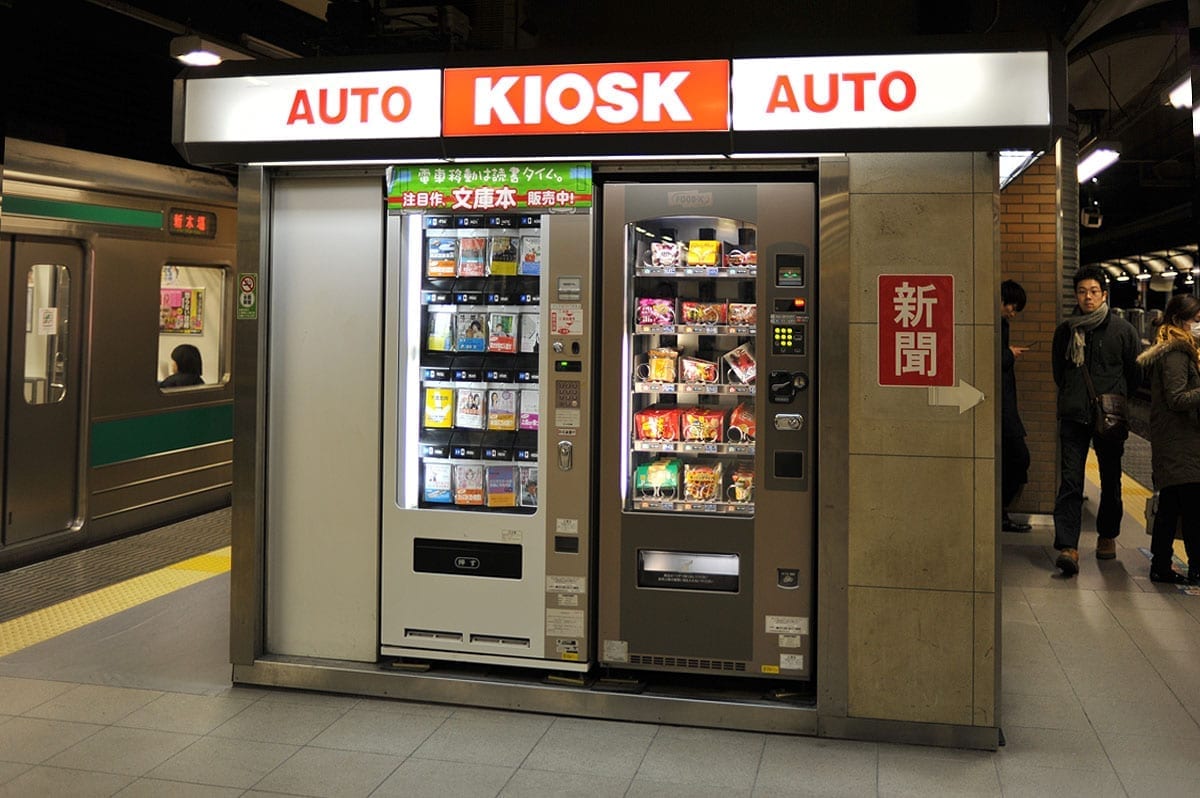
    Based in Fujian, the chain says it has signed an equity-swap agreement with Beijing Ubox Online Technology Corporation. Under the deal, Ubox, which runs more than 57,000 vending machines – more than any other similar company – will be absorbed into New Hua Du.

    New Hua Du has a market value of RMB5.7 billion (US$850 million), smaller than its new subsidiary Ubox, which is valued at RMB6.5 billion. New Hua Du’s profit last year rebounded to RMB54 million from a loss of RMB373 million a year earlier, driven in part by the three e-commerce companies it acquired.

    “The acquisition comes at a time when staffless retail is hot,” says Haitong Securities analyst Wang Liting. “The deal will enable integration between supermarkets and smart vending machines.”

    After Amazon.com launched its Amazon Go self-service shop last year, Chinese companies have taken up the staffless shop concept with Alibaba Group Holding opening Tao Cafe in Hangzhou and Groupe Auchan introducing BingoBox in Shanghai.

    Wang says the vending-machine market has significant potential in China. Ubox’s profit last year more than doubled to RMB81 million.

  • Urban Chinese consumers are more selective spenders in 2017

    Urban Chinese consumers are more selective spenders in 2017

    While China’s economy continues to grow at a moderate pace, consumers have become more selective spenders in 2017 as a result of increased pressures both at work and with their personal finances. New research from global market intelligence agency Mintel reveals that, today, urban Chinese consumers* are more conservative with regard to increasing their spending than they were in 2016, as 36% of surveyed consumers report spending more in 2017 compared to 43% who said the same in 2016. Meanwhile, consumers are more likely to control their spending this year, with nearly half (49%) reporting that they are spending “about the same” as they did in 2016.

    However, while consumers in general have a positive outlook for their financial status, they are aware of potential future risks in life, and want to make sure that every purchase they make can be justified, and that what they buy is worth the price.

    Mintel research indicates that overall consumer expenditure increased by 10.5% to reach RMB 33,511 billion in 2016. The categories that experienced the most growth in 2016 include transportation, holiday, leisure and entertainment, and OTC (Over-the-Counter) and pharmaceuticals. Mintel forecasts that consumer expenditure will increase 8.4% year-on-year through 2021, while holidays will surpass clothing and accessories to become the third largest spending sector. Meanwhile, transportation and leisure and entertainment, as well as beauty and personal care, will also see an increase in consumer spending .

    Laurel Gu, Research Director at Mintel, said,

    “Demand for upgraded consumption for new options, better quality and greater convenience will be the major driving factor in 2017. The development of the consumer products and services market is expected to remain active over the next five years to 2021, with health and experience being the two major themes. When it comes to Chinese consumers in tier one to three cities, perceived trends in spending are similar with holidays being the most popular and alcoholic drinks the least popular. However, although in-home food, clothing and accessories, as well as eating out, are enjoying moderate increases in total spending, they are among the top sectors where consumers claim to be spending more this year. This suggests potential gaps that consumers living in towns or rural areas are not yet picking up as a part of upgrading their living quality.”

    Achieving a healthy lifestyle continues to be Chinese consumers’ top priority, with “have a healthier diet” (80% of consumers say they will definitely do this in 2017) and “exercise more” (75% report they will definitely do this in 2017) the top two goals that consumers are determined to achieve in 2017, as was the case in 2014. “Travelling to new places” is a goal that has become increasingly important to consumers over the last four years, rising from ninth place in 2014 to third place in 2017. Meanwhile, “spend more time with family” – which 73% of consumers say they will do this year – dropped from third position in 2014 to sixth position in 2017.

    “While living a healthy lifestyle continues to be a focus area for consumers, over the last few years we see that spending time with family and having a better work-life balance are being deprioritised for other goals like traveling and getting household finances in order. The reason for these changes in life priorities is likely because consumers, Mintropolitans in particular, tend to associate a healthy lifestyle with not just exercising and watching what they eat, but also a variety of meaningful leisure and social experiences.” Laurel continued.

    When it comes to the quality of their life, one quarter (24%) of Chinese consumers say spending on holidays is what makes them feel their quality of living has improved. Other top areas include spending on technology (eg. mobile phones) (9%), clothes and accessories (eg. apparel) (9%) and leisure (eg. working out) (4%), which is largely in line with consumers’ spending priorities.

    Mintel’s annual Chinese Consumer 2017 report tracks spending across 15 major consumer markets, revealing the categories that present areas of opportunity, disruption and innovation in the years ahead. Highlights from the 2017 report include:

    Better-for-you foods drive further growth

    Mintel forecasts that the in-home food market will reach RMB 7,001 billion in value by 2021, driven by the demand for more trading-up options in the form of better-for-you versions and higher quality ingredients. Looking forward, yogurt products positioned as an indulgent pleasure and cheese for snacking occasions will see the greatest potential. On the other end, both ready meals and instant noodles are in jeopardy due to the thriving food delivery service.

    Healthy drinks take leading positions in non-alcoholic drink market

    Thanks to a nourishing and healthy image, plant protein drinks (PPDs), functional beverages (eg. sports drinks, energy drinks), as well as some light flavoured beverages, are all growing in popularity. Overall, the Chinese non-alcoholic drink market is likely to retain its positive growth with a CAGR of 7.2% in the next five years. Besides consumers’ ongoing interests in pursuing healthy food and drinks, their knowledge of nutrition and ingredients is also growing. As such, the premium soft drinks market is expecting products featuring a clean and natural ingredient list that create associations with functional health benefits.

    Beauty products designed for special occasion have room to grow

    Consumer spending in the beauty and personal care (BPC) sector is estimated to have reached RMB 566 billion by the end of 2016 – increasing by 8.1% from 2015. Mintel forecasts that the sector will grow, driven by innovations from local brands, imported products and consumers trading up to premium products for better quality. In 2017, there will be increasing demand for safety products and segments that are designed to cater to special occasions, including the athbeauty trend and consumers in need of time-saving routines.

    Technology and communication market on a slow incline over the next five years

    Smart phones and more niche technology gadgets like smart wristbands or VR (virtual reality) headsets will enjoy strong growth in 2017, while computers and games consoles face challenges. Upgrading technology products, especially those consumers use daily (like smartphones), may help consumers improve their quality of living. High product quality, such as high processing speed for smartphones or reliable health-monitor function of smart wristbands, are essential for technology brands to win fans in the years ahead.

    More demands on social and leisure activities drive transportation spending

    The fact that the segment is closely related to two other strong sectors – holiday, and leisure and entertainment – together with accelerating new car sales, growing car usage spending, as well as increasing public transport cost, are all key drivers of spending in transportation. In the five years to 2021, Chinese consumer expenditure on transport is projected to see a 12.7% CAGR and reach RMB 3,605 billion. Opportunities exist for market players tackling daily commute issues, including those in the ridesharing and bike-sharing industries.

    Urban Chinese consumers seek more experimental activities

    Chinese consumers are becoming more sophisticated and selective in terms of where they spend their time and money for entertainment and relaxation. Mintel forecasts that the leisure and entertainment sector will reach RMB 2,823 billion in value by 2021. This is largely driven by the shift from products to lifestyle services and experiences, and the trend of trading up from mass to premium offerings; both are reflecting the change in life priority from wealth accumulation to a more balanced life. In 2017, there will be increased demand for virtual entertainment products, health and fitness services and family-focused recreations.


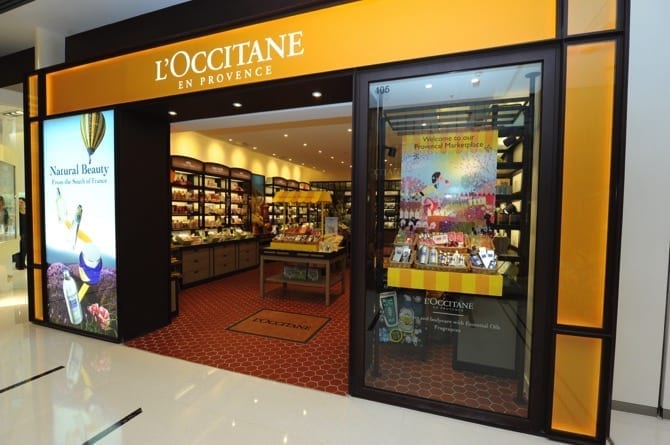
  • China star performer for L’Occitane International

    China star performer for L’Occitane International

    With 26.9 per cent growth in sales, China led the charge for wellbeing company L’Occitane International for the three months to the end of June.

    China had same-store sales growth of 14.7 per cent, with “staggering” 250 per cent first-quarter growth for marketplaces, says the company. A marketing campaign with Chinese artist Lu Han launched in May drew traffic online and offline.

    In Japan, sales growth remained healthy at 4 per cent in local currency, with same-store sales growth of 2.4 per cent. The company’s e-commerce channel performed well, helped by new Line promotion campaigns and “encouraging” growth by emerging brand Melvita.

    Travel-retail and distribution channels were the main props for Hong Kong’s sales growth of 2.9 per cent.

    Overall group net sales grew to €279.5 million (US$325.7 million) by 4.1 per cent at reported rates and 2.7 per cent at constant rates, both rates an improvement from the financial year ended March 31.

    Web sell-out channels (own e-commerce and marketplaces) delivered “encouraging” growth of 27.3 per cent to reach 13.2 per cent of total sell-out sales.

    During the first quarter, sell-out sales accounted for 73.8 per cent of net sales, amounting to €206.4 million. This was growth of 3 per cent at reported rates or 1.5 per cent at constant rates. Major growth drivers were new and renovated stores, marketplaces, and its cafe and spa businesses.

    Same-store sales for the period eased by 0.6 per cent, an improvement from the 1.3 per cent drop for the same period last year, thanks to double-digit same-store growth in China.

    Sell-in sales at €73.2 million accounted for 26.2 per cent of total sales, an increase of 6.2 per cent at constant exchange rates. The company says this was primarily driven by dynamic growth in distribution, travel retail, B2B and web-partner channels of the L’Occitane brand. Emerging brands also drove overall sales growth.

    The group maintained its selective global retail expansion with four store openings during the quarter, compared with 23 for the same period last year. Twenty stores were refurbished (13 during the same period last year).

  • Jing Ting restaurant offers northern Chinese cuisine

    Jing Ting restaurant offers northern Chinese cuisine

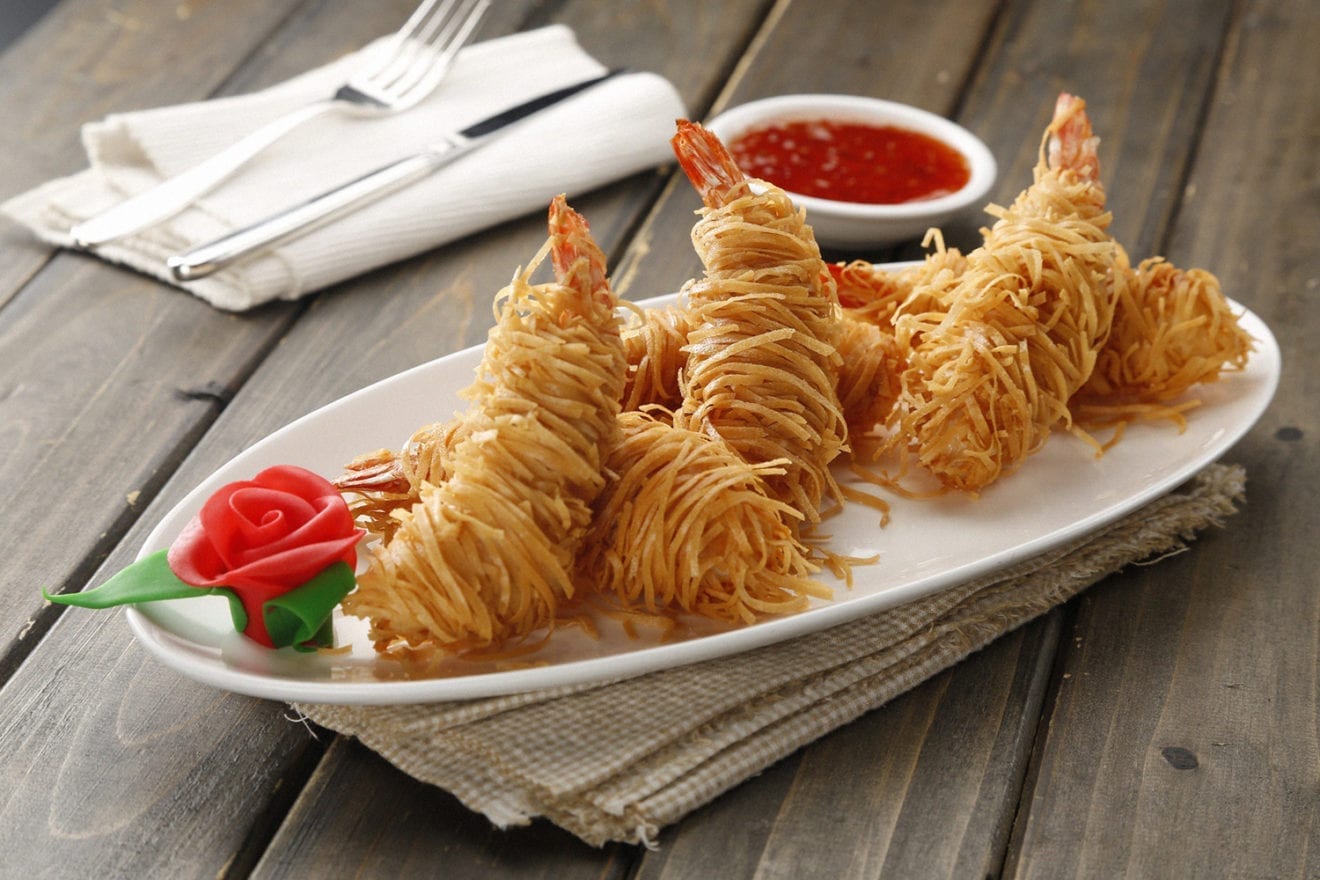
    Just opened in City of Dreams Manila, Jing Ting is a casual-dining restaurant serving northern Chinese cuisine.

    Its speciality is Xi’an cuisine from the ancient Chinese capital which is the starting point of the Silk Road. It is Chinese-style food with different cultural influences including Middle Eastern. Jing Ting holds back on the more spicy dishes for which Xi’an cuisine is known to adapt to the Filipino palate.

    Chef Yang Chen Fei was trained by the chef of former Chinese president Hu Jintao and has had 15 years of experience in five-star hotels and restaurants in China.

    Jing Ting has an open kitchen and most of its dishes are served family style.