Tag: China

  • WeChat goes to ground with WeStore test

    WeChat goes to ground with WeStore test

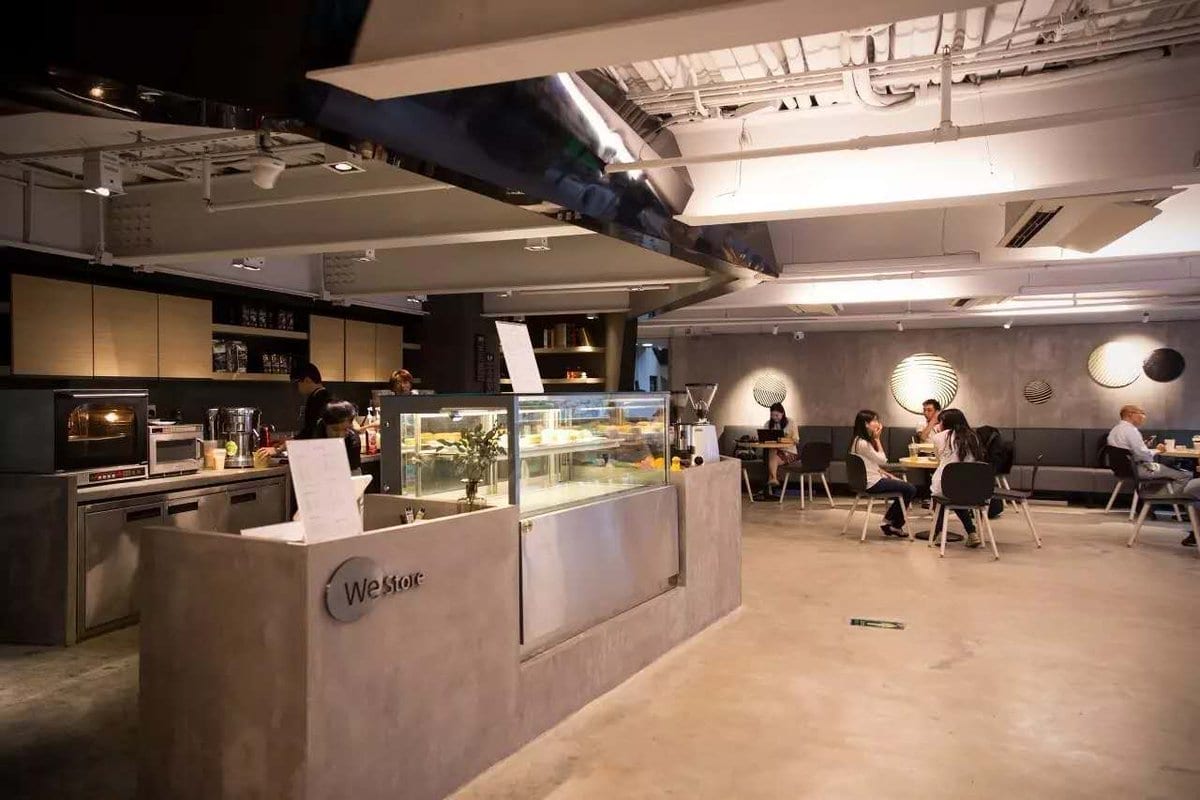
    As Chinese chat app WeChat moves into merchandising, it has opened an on-ground “test” WeStore in Guangzhou.

    This follows its announcement that it is partnering with apparel retailer Gap to launch a range of WeChat-branded clothing, its first major foray into branded merchandise.

    This was foreshadowed at December’s annual WeChat conference in Guangzhou, where are limited-edition range of branded merchandise was released, including pillows, notebooks, stickers and pins.

    A few months ago, WeChat-themed merchandise such as pillows, bags and light jackets was used as prizes for an online competition.

  • Gap China goes big on West Nanjing Road

    Gap China goes big on West Nanjing Road

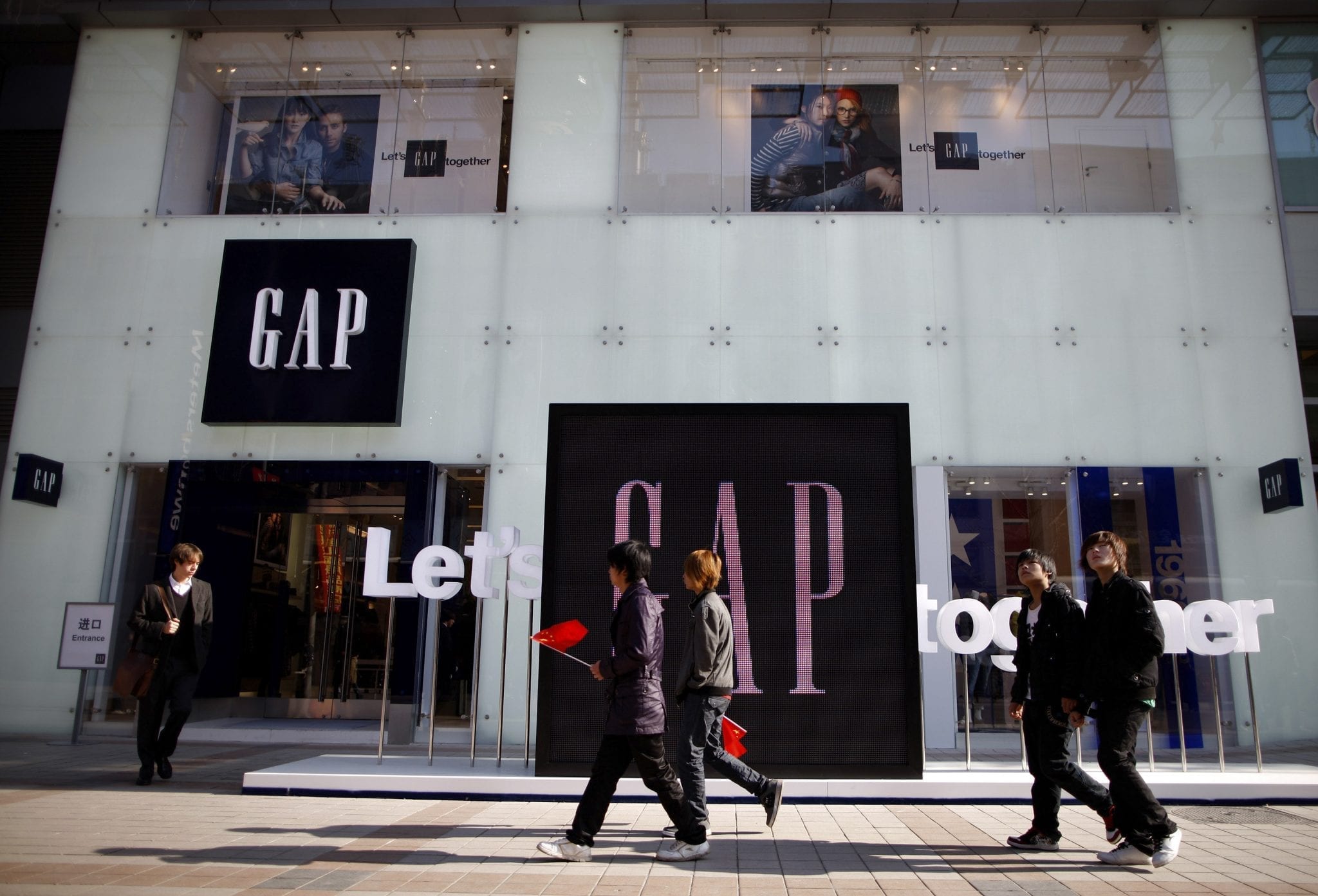
    Gap China has opened a flagship store on Shanghai’s West Nanjing Road, its biggest flagship yet in Greater China.

    Featuring Gap’s full apparel collections and latest store-design elements, the flagship underscores the importance of the China market, says Gap, which will next year move its China retail headquarters team into an office above the store.

    Covering 1908 sqm over two storeys, the flagship showcases a store concept developed jointly by Gap’s local and global store-design teams, drawing inspiration from the brand’s heritage alongside modern elements. It incorporates digital and video elements to offer an immersive and easily navigable shopping experience, says the company.

    “We believe that in-person connections and interaction with consumers in physical stores still matter, and we intend to continuously innovate that experience by integrating digital and other new customer touchpoints,” says Gap Greater China executive VP/GM Abinta Malik.

    “We see China as an important market with ample opportunity for long-term growth and innovation. At a time when this market is embracing an era of ‘new retail’, I am confident our strengths in omni-channel and in-store customer experience position Gap as a trendsetter in China’s apparel retail landscape.”

    First time

    The Shanghai flagship offers Gap’s American-style clothing and accessories for men, women and children, and opens with the latest fall collections. The larger space enables the brand to offer the full expression of GapBody and GapFit for the first time in a store.

    The store also introduces a “Chill” station where customers can recharge their phones and relax, and space for customer events and to showcase special collections and designer collaborations. The children’s and baby floor has a nursing room as well as fun stations.

    For its grand opening the store will offer a special stylist service as well as experience booths for both children and adults. A DJ and children’s band will entertain customers, and featured collaborations include the latest Disney children’s collection featuring Snow White, with a themed set for photos.

    The new store replaces Gap’s previous West Nanjing Road flagship.

  • Renault-Nissan to set up new China JV with Dongfeng Motor for electric cars

    Renault-Nissan to set up new China JV with Dongfeng Motor for electric cars

    Nissan Motor and its alliance partner Renault are setting up a new joint venture in China with Dongfeng Motor Group to design and build electric cars, joining a list of global automakers aiming to make such vehicles in China.

    The automakers are attempting to tap into a boom for such cleaner “new energy” vehicles in the world’s biggest auto market and gearing up to meet its anticipated stringent plug-in car quotas.

    Ford Motor Co announced earlier this month it was exploring setting up a joint venture with car maker Anhui Zotye Automobile Co to build electric vehicles in China under a new brand.

    Tesla, Daimler AG and General Motors have already announced plans for making electric vehicles in China, which wants electric and plug-in hybrid cars to make up at least a fifth of the country’s auto sales by 2025.

    The new joint venture, called eGT New Energy Automotive Co, will be owned 25 percent each by Nissan and Renault with Dongfeng owning 50 percent, Nissan and Renault said in a statement on Tuesday.

    They said eGT will design a new electric vehicle on a subcompact crossover SUV platform of the Renault-Nissan alliance.

    “The establishment of the new joint venture with Dongfeng confirms our common commitment to develop competitive electric vehicles for the Chinese market,” Carlos Ghosn, chairman and chief executive officer of the Renault-Nissan alliance, said in the statement.

    The statement did not give details of financial commitments of the joint venture partners or say by when the vehicles will be launched. Dongfeng already partners Nissan in China.

    Both Nissan and Renault already market electric cars. Nissan’s Leaf compact hatchback has become the world’s top-selling electric car since its launch in 2010, while Renault began selling its Zoe model in 2012.

    The game changer for global automakers, many of whom until recently have resisted an industry shift to heavily electrified vehicles, is China – an auto market with strong potential for growth where stringent policies favoring cleaner energy cars are being aggressively pursued.

    Under China’s latest proposals, electric vehicle sales quotas, which are expected to take effect as early as 2018, are due to require 8 percent of automakers’ sales to be battery electric or plug-in hybrid vehicles by next year, rising to 10 percent in 2019 and 12 percent in 2020.

  • China’s JD.com Eyes Indonesia with Investment of Go-Jek

    China’s JD.com Eyes Indonesia with Investment of Go-Jek

    The move by China-based tech firms into Southeast Asia continues apace. But the ranks of Alibaba and Tencent, so far the most aggressive to expand into the region, are now being joined by Alibaba’s largest ecommerce rival in China, JD.com.

    Over the weekend, JD.com confirmed that it had invested in Indonesia-based ride-hailing service Go-Jek after news outlet The Information reported the development last week. According to Reuters, JD.com’s investment in the firm is around $100 million, and will be part of a funding round of about $1 billion.

    Go-Jek got its start in 2010 as an on-demand transportation platform for motorbikes, a common way for urbanites in Indonesia to navigate streets choked with traffic. However, Go-Jek’s portfolio of services has been broadly expanded since then to include grocery delivery, courier services, home cleaning, massages and even online ticketing.

    Go-Jek appears to be mimicking the success messaging platform WeChat has seen in China, by gaining a user base for one service—online ride-hailing—and then branching out. Go-Jek is also smartly pushing its users to pay for its expanding suite of services using its own digital payment service, Go-Pay.

    JD.com was once largely overshadowed by China’s ecommerce giant, Alibaba. But that has changed as the company’s model of using a business-to-consumer (B2C) ecommerce model—a contrast to Alibaba’s popular consumer-to-consumer (C2C) marketplace Taobao—has found success among a growing middle class in China that’s moving upmarket in the quality of goods it wants to purchase.

    According to data from iResearch Consulting Group, JD.com was responsible for 24.7% of retail ecommerce sales share in China in 2016, behind only Alibaba’s B2C platform Tmall.

    But JD.com is also clearly eyeing the potential in emerging markets like Indonesia. eMarketer estimates there will be 36.2 million digital buyers in the country this year, when retail ecommerce sales will total $8.21 billion. However, the ranks of buyers will swell to nearly 74 million by 2021, when $18.07 billion will be spent on retail ecommerce.

    JD.com is set on making sure it doesn’t get left behind in the market through its Go-Jek investment. In return, Go-Jek is likely to gain from JD.com’s expertise in managing the nuts and bolts of the ecommerce business, including shipping logistics and inventory management, should it decide to expand its efforts in that sector.

    Meanwhile, Go-Jek is given some more cash to fend off rivals Uber and Grab, a similarly Southeast Asia-focused ride-hailing app based in Singapore. Go-Jek can use all the money it can get its hands on; Grab, which operates in 65 cities in seven markets across Southeast Asia, closed a funding round worth $2.5 billion in late July from investors that include Japan-based telecom SoftBank Group and China-based ride-hailing giant Didi Chuxing.

  • Solid growth for Calvin Klein and Tommy Hilfiger in China

    Solid growth for Calvin Klein and Tommy Hilfiger in China

    Strong performances by Calvin Klein and Tommy Hilfiger in China helped propel solid half-year and second-quarter sales and profit growth for parent PVH Corporation.

    Chairman and CEO Emanuel Chirico said “better than expected” second-quarter results reflect the continued momentum and ongoing operating efficiencies across the company’s diversified business model.

    “Our results reflect a planned increase of approximately $25 million of marketing compared to the prior year related to Calvin Klein and Tommy Hilfiger, which we believe will continue to drive market share gains and allow us to capitalise on the brands’ significant international expansion opportunities over the next several years.”

    Global revenue from the Calvin Klein business for the second quarter increased 8 per cent year-on-year to $786 million. But Calvin Klein’s non-US sales soared 20 per cent thanks to an “outstanding performance” in the wholesale business in Europe and China, and solid growth in the retail business, the latter due to a 6 per cent increase in international comparable-store sales and square footage expansion in company-operated stores.

    Calvin Klein North America revenue decreased 1 per cent.

    Tommy Hilfiger revenue rose 4 per cent to $892 million, with international revenue up 9 per cent to $492 million, again driven by strong performances in Europe and Asia. But Tommy Hilfiger North America revenue was down 2 per cent to $400 million compared to the prior year period.

    Consolidated group revenue was $2.1 billion, up 7 per cent year-on-year.

    For the first half year, Calvin Klein sales rose 6 per cent, Tommy Hilfiger by 5 per cent and total group revenue by 5 per cent  to $4.1 billion.

    Earnings before interest and taxes for the first six months of 2017 was $392 million, inclusive of a $17 million negative impact due to foreign currency exchange rates, compared to $371 million in the prior year period.

  • Central Group, JD.com discussing joint venture

    Central Group, JD.com discussing joint venture

    Thailand’s Central Group is discussing a possible US$500 million e-commerce joint venture with JD.com, Reuters reports.

    JD.com chief executive Richard Liu said in June that it plans to enter the Thai market this year with the idea of using it as a hub to service other countries in the region like Malaysia and Vietnam.

    The venture would help China’s second-largest e-commerce retailer expand beyond Indonesia, where it has invested in an e-commerce platform as well as travel start-up Traveloka.

    Sources say the JV will focus on e-commerce and the finance sector, but the deal is being delayed because the companies have not been able to agree on ownership terms.

    Thailand’s e-commerce market is worth $900 million and is expected to grow 29 per cent over the next decade, according to a report published last year by Google and Singapore’s Temasek Holdings. Major players include Alibaba-backed Lazada, Thailand’s CP Group unit Ascend and South Korea’s 11street.

    It estimated the e-commerce market in Southeast Asia will soar 16-fold in value to $88 billion by 2025.

    JD.com sought to invest in Indonesian online retailer Tokopedia last month, which instead raised $1.1 billion from a group of investors including Alibaba, says Reuters.

    Meanwhile, JD.com has partnered with Qihoo 360 Technology in China to broaden sales channels through its Qihoo browser, search engine and app store.

  • Cole Haan signs China deal with Sitoy Retailing

    Cole Haan signs China deal with Sitoy Retailing

    US lifestyle group Cole Haan has signed a deal for distribution of its apparel, footwear and accessories in Greater China.

    It has formalised a long-term retail, wholesale and e-commerce distribution agreement with the Sitoy Group Holdings subsidiary that will introduce the Cole Haan brand in China, Hong Kong and Macau through all major retail channels from this summer.

    Active for nearly 90 years, Cole Haan has a retail presence in more than 40 countries across five continents as it focusses on a strategic initiative of global expansion.

    Beyond its direct retail businesses, the company has stores within top-tier shopping malls, department stores and specialty retailer locations in North America and Japan, as well as through distributor-run shops in Asia.

    In Hong Kong, it has stores in Harbour City, Festival Walk, Sogo Causeway Bay and Times Square, and nine in Mainland China, four of which are in Shanghai. Sitoy plans to launch more than 20 outlets in Greater China next year, and will also work through diversified e-commerce platforms.

    With its global headquarters in New Hampshire and its creative centre in New York City, Cole Haan retails men’s and women’s footwear, handbags, leather accessories, outerwear and eyewear.

    Sitoy Retailing has distribution agreements with such brands as A. Testoni, Bruno Magli, Jockey and Kenneth Cole. Its house brands include Fashion & Joy and Tuscan’s.

  • AirAsia plans flights from Davao to China, South Korea

    AirAsia plans flights from Davao to China, South Korea

    AirAsia expressed interest in expanding its services in the Philippines to include flights from Davao City to key cities in China, Korea and Malaysia, Department of Finance says in statement.

    THe deparment had issued the statement on Monday citing results of meeting between Philippines Finance Secretary Carlos Dominguez and AirAsia Group CEO Tan Sri Tony Fernandes.

    Fernandes said on Monday the lowering or scrapping of airport or departure tax in small airports will help realize airline’s expansion plans in Philippines.

    Dominguez will look into possibility of airports selling or leasing gates to airlines at different rates depending on landing times, in lieu of imposing airport taxes.

  • Xiaomi will present its new flagship

    Xiaomi will present its new flagship

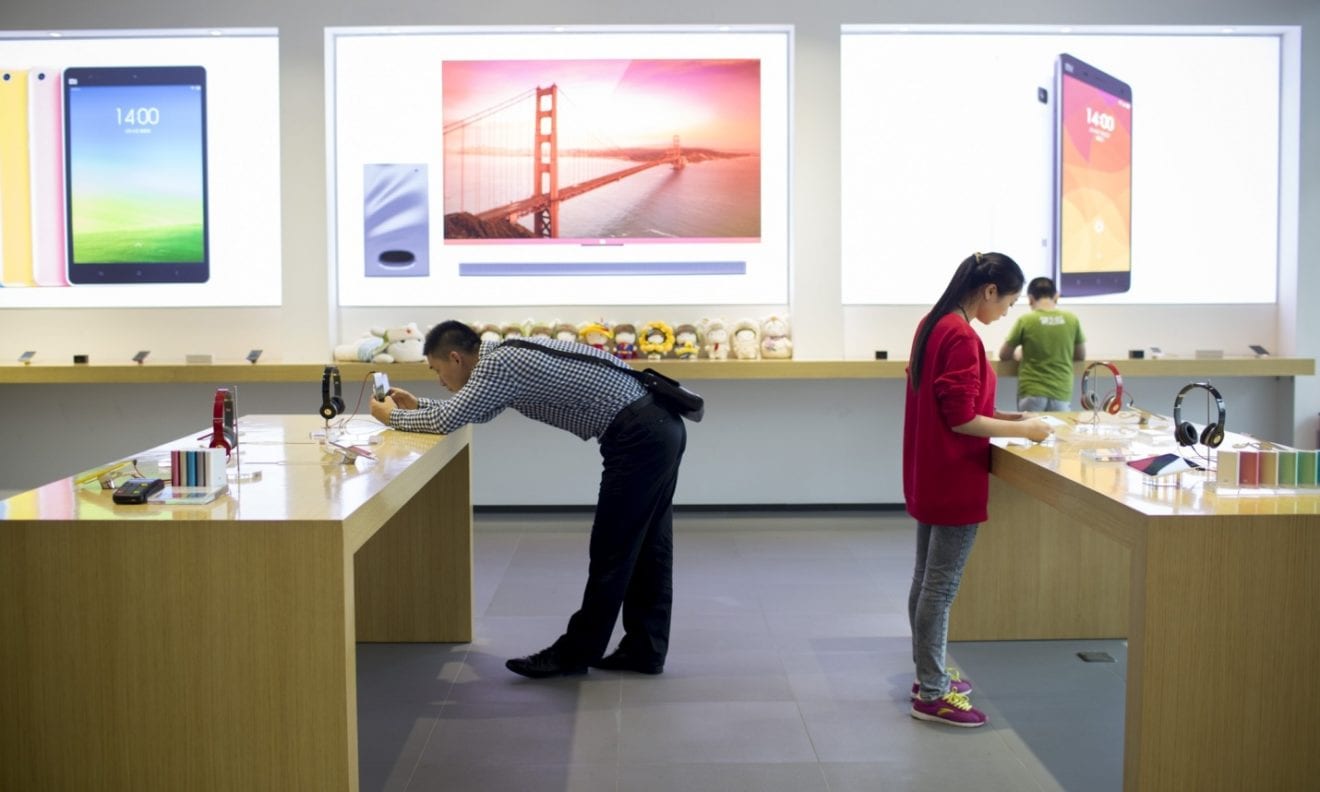
    Chinese company Xiaomi plans to unveil its new flagship Xiaomi Mi Note 3 at a special event on September 12. CEO of Xiaomi lei Jun has decided to stir interest in the upcoming event. On his page on the social network Weibo, he posted the picture taken by the camera of Mi Note 3.

    See also:  Became known the price of the flagship smartphone Xiaomi Mi6

    The photo was taken at the opening of a new retail store Mi Store in Hong Kong. That the image captured by smartphone Mi Note 3 found a Chinese blogger who has studied the EXIF data of the photo.

    In speed these data were removed, but the source managed to take a screenshot. Image resolution is 12 MP, the lens aperture equal to F/1.8.

  • Chinese shoemakers ordered to pay New Balance $1.4 million

    Chinese shoemakers ordered to pay New Balance $1.4 million

    Three Chinese shoemakers have been ordered by a Chinese court to pay US sportswear company New Balance US$1.5 million in damages and legal costs for infringing its logo.

    It is believed to be the largest trademark infringement award ever granted to a foreign business in China.

    Suzhou Intermediate People’s Court, near Shanghai, ruled that the three defendants, who made shoes under the brand New Boom, “seized market share from New Balance” and “drastically damaged the business reputation of New Balance”.

    Zheng Chaozhong, Xin Ping Heng Sporting Goods and Bo Si Da Ke Trading had relied on the “malice of free-riding”, says the ruling. Their actions had led to “confusion by a large number of consumers”.

    The decision can still be appealed.

    New Balance has also taken on such Chinese brands as New Barlun and New Bunren since it started selling shoes on the mainland in 1995, reports The New York Times.

    In April, a court in Hangzhou awarded New Balance $500,000 in damages after ruling that a company making New Bunren shoes infringed its trademark. The same month, the Suzhou court fined five companies for breaching an injunction prohibiting them from selling shoes with New Balance’s “N” logo.

    However, New Balance once tried to reclaim intellectual property from a man using its Chinese name and was itself fined $16 million. The amount was later reduced to about $700,000, and a further appeal will go before China’s Supreme Court.

    Regarding the aggressive protection of its trademarks, New Balance’s senior counsel for intellectual property, Daniel McKinnon, says that if the China marketplace can be thought of as a schoolyard, “New Balance wants to make it abundantly clear we are the wrong kid to pick on”.

  • China cloud computing market grew 54% in 2016

    China cloud computing market grew 54% in 2016

    China’s cloud service providers have been urged to beef up their security ecosystem in expectation of managed security services becoming a new growth area in the increasingly challenging area of security.

    IDC’s latest China Cloud Service Provider Security 2017 Vendor Assessment found that the nation’s public cloud computing market expanded 54% in 2016 from a year earlier as more enterprises started to deploy their business to the public cloud.

    However, recently enterprises are increasingly becoming the targets of hackers as the digital transformation boosts their digital asset value, making security a major concern for public cloud service tenants.

    Digital transformation has linked enterprises’ business security closely with IT security, resulting in a big increase in enterprises’ digital asset value. This has also attracted the interest of criminals and hackers, posing a huge threat to enterprises’ digital assets.

    In May 2017, the WannaCry blackmail virus once again sounded the alarm bell, attesting to the fact that a considerable number of enterprises urgently need to improve the security of their IT systems.

    As public cloud tenants generally lack the ability to build security in a cloud environment, therefore cloud service providers have an unshakable responsibility to safeguard their cloud tenants’ business security. Thus, cloud service providers are facing unprecedented security challenges.

    IT security systems must be built with the strong support and close supervision of the government. The Chinese government has elevated the importance of cyberspace security to the level of national security, though cloud service providers also bear an unprecedented level of responsibility when it comes to security.

    It is essential that cloud service providers play the role of managed security service provider (MSSP) to help their tenants build secure IT systems.

    For cloud tenants, the only way to foster their strengths, circumvent their weaknesses, and use the capabilities provided by cloud service providers to strengthen the security of their IT systems is to raise their own security awareness and forge in-depth cooperation with cloud service providers.

    It is widely known that the security capabilities offered by cloud service providers have much room for improvement. In order to learn from others’ strong points to bolster their own weak links and win tenants’ unanimous recognition of their security strength, cloud service providers must engage in in-depth cooperation and close collaboration with professional IT security vendors through security ecosystem building.

    Building a complete security ecosystem will provide more reliable technical support for cloud service providers and their tenants.

    “Implementation of the Cyberspace Security Law of the People’s Republic of China means that cloud service providers now bear even greater security responsibilities. Cloud security capability enhancement will become one of the important strategies for cloud service providers in the future,”  IDC China senior research manager James Wang said.

    “In addition, as enterprises generally lack security planning and building abilities, they will have an urgent need for managed security service in building next-generation security systems. Globally, the managed security service model has been widely accepted by enterprises, while China’s managed security service market is still in its early stages.”

    Drawing upon their sound security ecosystem and rich security experience, public cloud service providers in China can provide managed security services to their large number of cloud tenants. Consequently, cloud service providers will be most likely to become the best practitioners of managed security services.

    Since China set up the Central Leading Group for Network Affairs in 2014, the importance of cyberspace security has risen to the height of national strategy. Following the release of Cyberspace Security Law of the People’s Republic of China, the National Cyberspace Security Strategy and other related laws, regulations and policies in recent years, security and trustworthiness have become key to enterprise-level users’ IT system building.

    For important sectors and fields such as public communications, information services, energy, transportation, water conservancy, finance, public service and e-government, it is more important to ensure a secure and trustworthy key information infrastructure. As a result, enterprise security building standards in China feature distinctive Chinese characteristics.
  • China Telecom 1H17 profit grows 7.4%

    China Telecom 1H17 profit grows 7.4%

    China Telecom has reported a 7.4% growth in net profit for the six months ending in June, even amid an intensifying competitive environment.

    Net profit for the half-year period reached 12.54 billion yuan ($1.88 billion), on the back of a 4.1% year-on-year increase in revenue to 184.12 billion yuan.

    Service revenues grew 6.8% over the same period – surpassing the industry average growth rate – to 165.85 billion yuan. Mobile revenues were up 12.2% to 75.7 billion yuan as the company completed the deployment of its full coverage 4G network incorporating its refarmed 800-MHz spectrum.

    China Telecom’s total mobile subscriber base grew by 14.85 million during the six month period to reach 230 million, with 4G handset users up 30.15 million to 152 million.

    On the fixed line side, China Telecom’s fiber coverage reached 92% as its FTTH subscriber base increased by 11.24 million to 117 million.

    During the period China Telecom also made progress with its planned Transformation 3.0 strategy, which is focused on “network intelligentization, service ecologicalization and operation

    intellectualization.” The company plans to continue with this strategy in the coming quarters.

    Despite the results, China Telecom’s board has elected not to pay an interim shareholder dividend for the period citing its capital requirements for future development.

  • Shake Shack Shanghai-bound

    Shake Shack Shanghai-bound

    Just a month after US fast-food chain Shake Shack announced it would open in Hong Kong, the company has confirmed its first Mainland China store, in Shanghai.

    Both the Shake Shack Shanghai and Hong Kong stores are scheduled to open next year and will be operated by Maxim’s Caterers, a division of Hong Kong-listed Dairy Farm International and which operates Starbucks in Hong Kong, Vietnam and Cambodia, among other brands.

    Shake Shack has signed an agreement with Maxim’s to open 25 outlets in Shanghai and East China between 2018 and 2028.

    “There’s incredible opportunity in China and I couldn’t think of a better place to begin this chapter of our story than Shanghai, a city that understands great brands, appreciates premium ingredients, and ultimately loves food,” said Randy Garutti, Shake Shack’s CEO.

    “The city’s streets overflow with vibrant flavors and energy every day and we can’t wait to join Shanghai’s thriving food community.”

    Shake Shack describes itself as a “modern day roadside burger stand” known for 100 per cent all-natural Angus beef burgers and flat-top Vienna beef dogs,  all-natural, cage-free chicken, spun-fresh frozen custard and crinkle-cut fries. It eschews hormones and antibiotics in its meats.

    Maxim’s Caterers Limited has more than 60 years of experience in food and retail as a diversified operator of full-service and quick-service restaurants, bakeries, and coffee shops in Asia.

    Since the original Shake Shack opened in 2004 in New York City’s Madison Square Park, the company has expanded to more than 80 locations in 18 US states and the District of Columbia, and more than 50 international locations including London, Istanbul, Dubai, Tokyo, Moscow and Seoul. And now Shake Shack Shanghai and Hong Kong.

  • China growth boost for Estée Lauder

    China growth boost for Estée Lauder

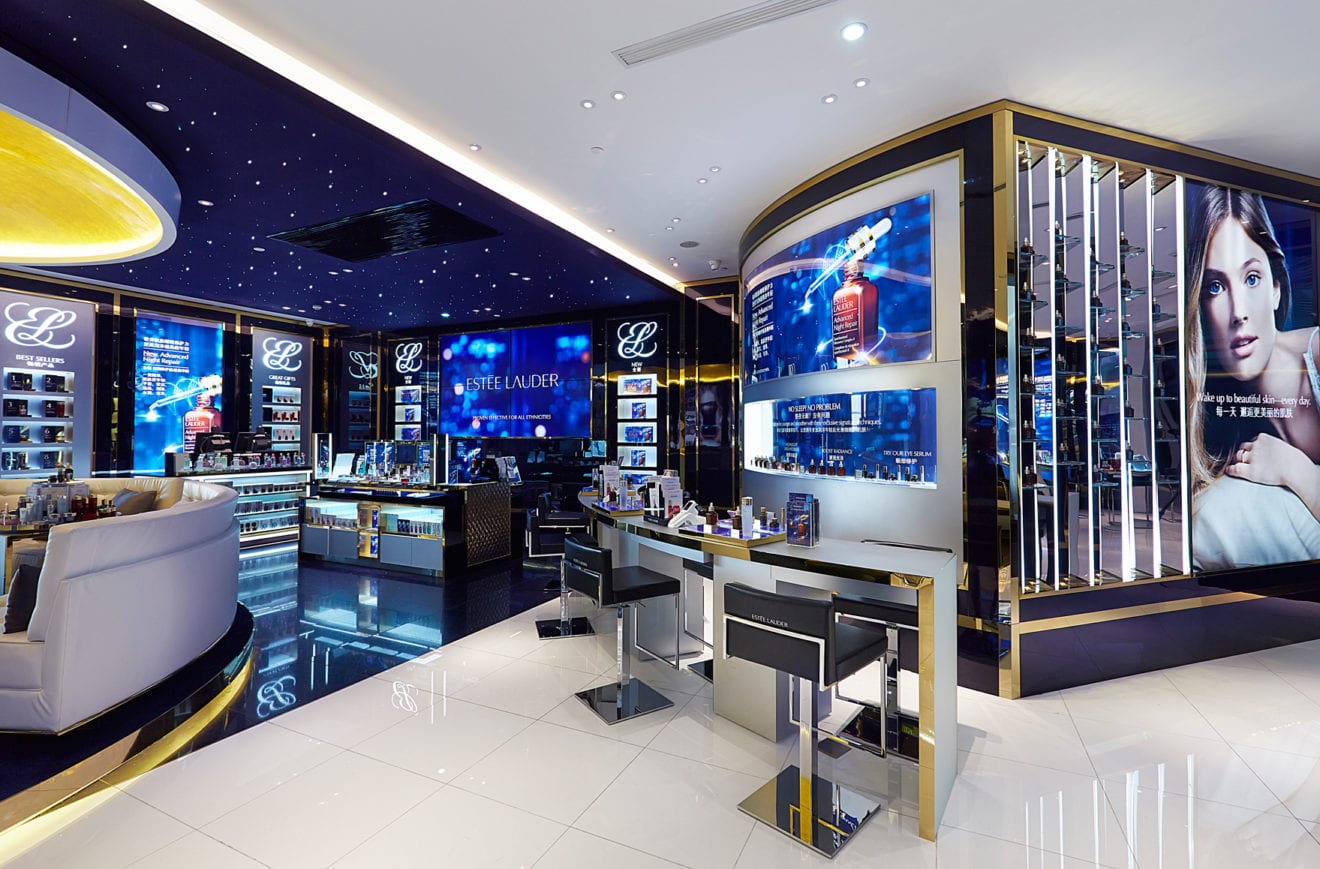
    Momentum in China helped boost fourth-quarter performance for beauty products giant Estée Lauder.

    Overall net sales for the three months to the end of June were up 9 per cent year on year (11 per cent in constant currency) to US$2.89 billion for the group, while rising 5 per cent for the full year (7 per cent) to $11.82 billion.

    Sales benefitted from new products and double-digit growth in several markets, particularly China. The company also had double-digit gains in its travel retail, online and specialty multi-channels.

    Net earnings for the quarter were $229 million, compared with $94 million last year..

    For the year, the company’s net sales reached $11.82 billion, up 5 per cent (7 per cent excluding currency exchange impact). Incremental sales from the acquisitions of Becca and Too Faced contributed about two points of sales growth.

    In the Asia/Pacific, all markets recorded growth except Hong Kong. Higher sales in China reflected strong double-digit gains in most brands, with sharp contributions from Estée Lauder, La Mer and Mac.

    Sales benefitted, in part, from targeted expanded consumer reach and reflected double-digit online sales growth in every brand, including the launch of Mac on Tmall in China. Sales in department stores posted strong gains, while freestanding stores generated double-digit growth.

    Strong sales growth was generated in Japan, Korea and Taiwan. In Hong Kong, the company’s business continues to stabilise with a return to growth in the fourth quarter.

    There was strong growth in the region for sales of the Tom Ford, Jo Malone, La Mer and Mac brands.
    Operating income increased for Asia/Pacific, primarily because of increased sales in China, Japan, Korea and Taiwan. Results were more modest in Hong Kong and Indonesia.

    President/CEO Fabrizio Freda describes the quarter’s performance as “outstanding”, rounding out another year of strong net sales and earnings growth.

    “Our business accelerated in our online direct-to-consumer and retailer e-commerce sites, as well as in the travel retail and specialty multi-channels, and we built momentum in key geographies like China, aided by enhanced digital and social-media communications.

    “Additionally, we began to further improve our organisational efficiency and effectiveness through our Leading Beauty Forward initiative. Importantly, we delivered this performance in the face of external global volatility and one of the biggest moments of change in our industry.”

    Estée Lauder’s acquisitions of Becca and Too Faced performed ahead of plan, with incremental sales contributing about 3.5 points to sales growth.

    Sales growth was posted in most brands, and there were across-the-board sales gains in all geographic regions and product categories, except hair care.

  • Alibaba’s quarterly results show massive customer growth

    Alibaba’s quarterly results show massive customer growth

    The pace of growth of Chinese online juggernaut Alibaba Group shows no sign of slowing, with both online marketplace customer numbers and mobile shoppers growing markedly between March and June.

    Alibaba’s quarterly results released today show the company had 529 million active customers on mobile shopping platforms, and 466 million on its online marketplaces – increases of 22 million and 12 million respectively.

    And a record number of merchants using its platform enjoyed “robust growth” in the average spend.

    Consolidated Alibaba Group sales growth hit 56 per cent in the quarter to June 30,  turnover reaching RMB50.2 billion (US$7.4 billion).

    “Alibaba had a strong start to fiscal 2018, reflecting the strength and diversity of our businesses and the value we bring to customers on our platforms,” said CEO Daniel Zhang. “Our technology is driving significant growth across our business and strengthening our position beyond core commerce.”

    Core e-commerce business activities grew by 58 per cent to RMB43.027 billion (US$6.347 billion), while the cloud computing business posted 96 per cent to RMB2.431 billion.

    Net income was RMB14.0 billion (US$2 billion) with adjusted EBITDA of RMB25.124 billion (US$3.7 billion) and an operating margin of 35 per cent.

    Alibaba says its Taobao platform drove mobile sales growth, aided by the launch of a new mobile user interface that integrates personalisation technology to improve user experience and enhance engagement.

    Tmall recorded 49 per cent year-over-year growth for physical goods gross merchandise volume in the quarter, with fashion, consumer electronics and FMCGs among the key growth categories.

    Alibaba’s cross-border and international consumer businesses achieved 136 per cent growth, reaching RMB2.638 billion, driven by its Southeast Asian platform Lazada and China outbound platform AliExpress.

    The other outstanding division was digital media and entertainment. Alibaba broadened its access to quality content, developing Youku’s subscription based business, and expanding the products and services of UCWeb.

    The daily average subscribers of Youku video subscriptions increased by more than 100 per cent year-on-year during the quarter.

    “We believe a strong pipeline of content, especially with a focus on original content with visibility of content availability and broadcast timing flexibility, will bring us sustainable long-term advantages in video entertainment,” the company said.