Tag: China

  • Platinum Group sees gold in Chinese tourism

    Platinum Group sees gold in Chinese tourism

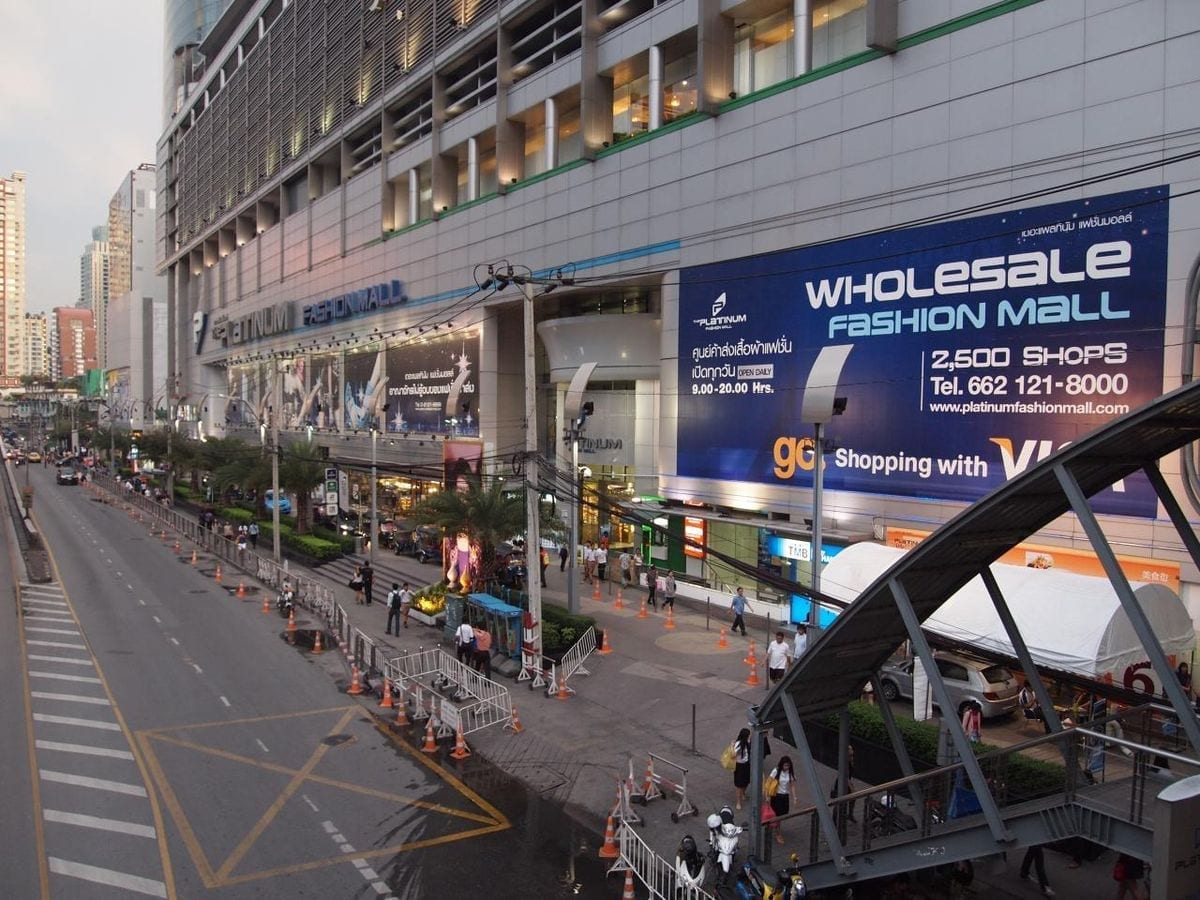
    Mall company The Platinum Group is banking on Chinese tourism to support a retail shopping centre it plans to open next year.

    With a wholesale fashion mall in Bangkok that attracts about 15 million people annually, the group is investing about THB6 billion (US$180 million) in the project, says president Chanchai Phansopha.

    “We want to transform the company from an operator of a wholesale fashion mall into a commercial property developer,” he says. The Bangkok project is part of a wider, THB11-billion investment plan that will also add hotel and office space over five years.

    Thailand last year had nearly 9 million Chinese visitors who spent an above-average $176 a head daily.

    Chanchai says he foresees double-digit growth in sales and profit, with the new mall, The Market, expected to boost revenue at least 30 per cent in 2019.

  • Young men are driving skincare market in China

    Young men are driving skincare market in China

    The mainland Chinese male skincare and cosmetics market is expected to grow twice as fast as the global cosmetics market in the next two years, reaching CNY1.9 billion (US$300 million) in 2019, according to Euromonitor International.

    A report by Jing Daily stated that young Chinese men who are between 18 and 26, and have increasingly more disposable income, are becoming the new driving force for the male beauty market.

    According to a study released in April 2017 by the Hong Kong Trade Development Council, young men are beginning to build skincare habits early compared to their elders.

    Chinese men as young as high school age are already using basic facial cleansing products and by the time they begin university their skincare routine becomes more complex, said Jing Daily.

    Many factors are driving young Chinese men’s consumption in the skincare market, according to the study, with some respondents concerned about their skin health.

    “The air pollution in China now is very serious,” said one Weibo user. “It greatly affects the skin quality.” Some said their skincare habits formed as a result of the influence of their girlfriend or wife.

    The study also suggests that the introduction of exclusive product lines for men means that they are more likely to cultivate skincare habits, with demand increasing for products such as BB creams, eyebrow pencils and concealer.

    As consumers develop diverse needs, more varieties of male skincare products are emerging. According to a 2016 Beauty report released by Amazon China, L’Oréal and Nivea ranked highest on its top 100 skincare products of 2016 list, with professional men’s skincare brands like Biotherm and Lab Series favoured by the male consumer.

    Jing Daily noted that mainland consumers tend to form different perceptions towards skincare and cosmetics brands in different countries or regions.

    For example, consumers generally believe that Swiss brands focus on medical beauty, American brands tend to make more advanced formulas and Japanese brands feature whitening effects, which are more suitable for Asian skin.

    The per capita consumption gap between male and female buyers has reduced from CNY26.6 (US$4) in 2014 to CNY13.7 (US$2), according to research compiled by e-commerce giant JD.com on the consumption of beauty products in China in 2017.

    Even though male skincare products, cosmetics brands and product categories are far less diverse than those in the women’s market, the future growth of the men’s market is vast as there will be more foreign brands entering the mainland market, Jing Daily concluded.

  • Costa offers WeChat for duty free shopping on Chinese cruises

    Costa offers WeChat for duty free shopping on Chinese cruises

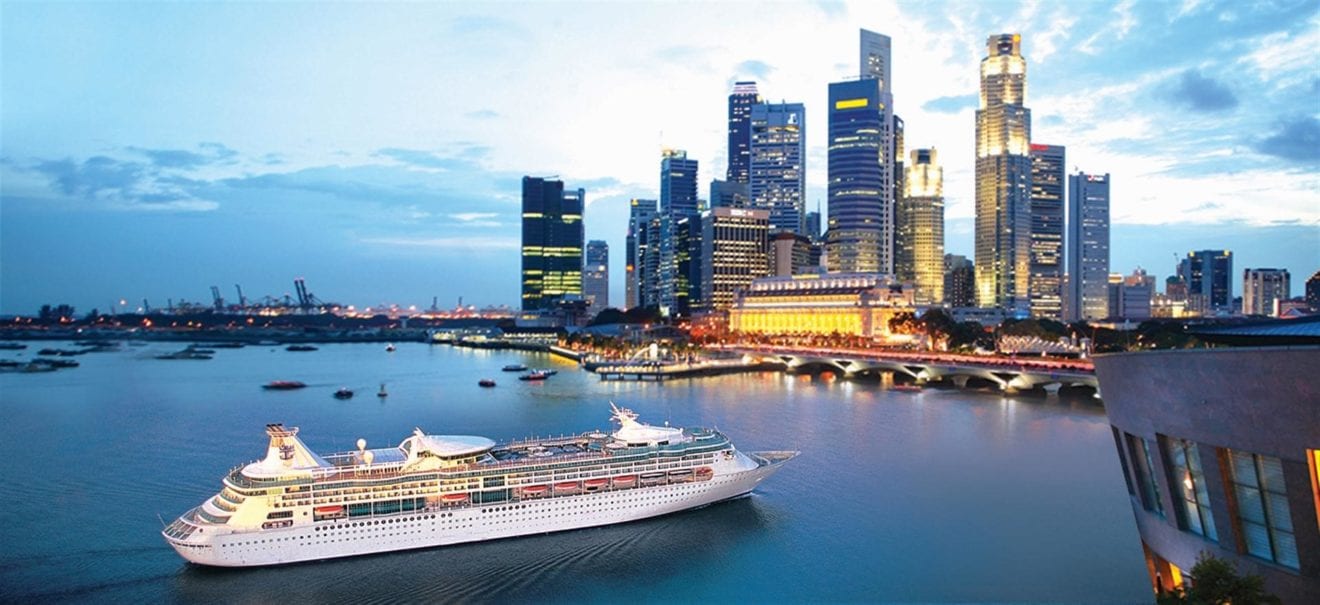
    Costa Cruises is launching a WeChat payment service onboard its fleet in China. It allows Chinese guests to use the online social communication platform to enjoy hassle-free mobile payment options, including duty free shopping – claimed to be a first for the global cruise industry.

    The WeChat service (also known as Weixin in China) launched on 2 September 2017 onboard Costa Atlantica. The integrated platform for instant messaging, commerce and payment services from Tencent Holdings, has over 963 million monthly active users.

    Chinese guests can use the online social communication platform to enjoy hassle-free mobile payment options, including duty free shopping.

    Costa – one of ten brands from Carnival Corporation – initially launched a WeChat Mini Program in August to book and pay for cruise itineraries. This latest addition extends payments to onboard duty free shopping, restaurants, spa, and other services through a complimentary intranet service.

    Costa Group Asia President Mario Zanetti said: “With China being one of the world’s leaders in mobile and digital advancements, we see great potential in leveraging WeChat’s leading position and technologies (and) also provide a more immersive and digitised onboard experience for our guests.”

    Costa Cruises claims it was the brand “that brought cruising to China in 2006” and is the leader in the Chinese cruise market today. Costa Cruises operates year-round in the Chinese market and has provided cruise vacations for over two million Chinese guests through four ships based across north, east and south China.

  • Alibaba to open its first physical mall

    Alibaba to open its first physical mall

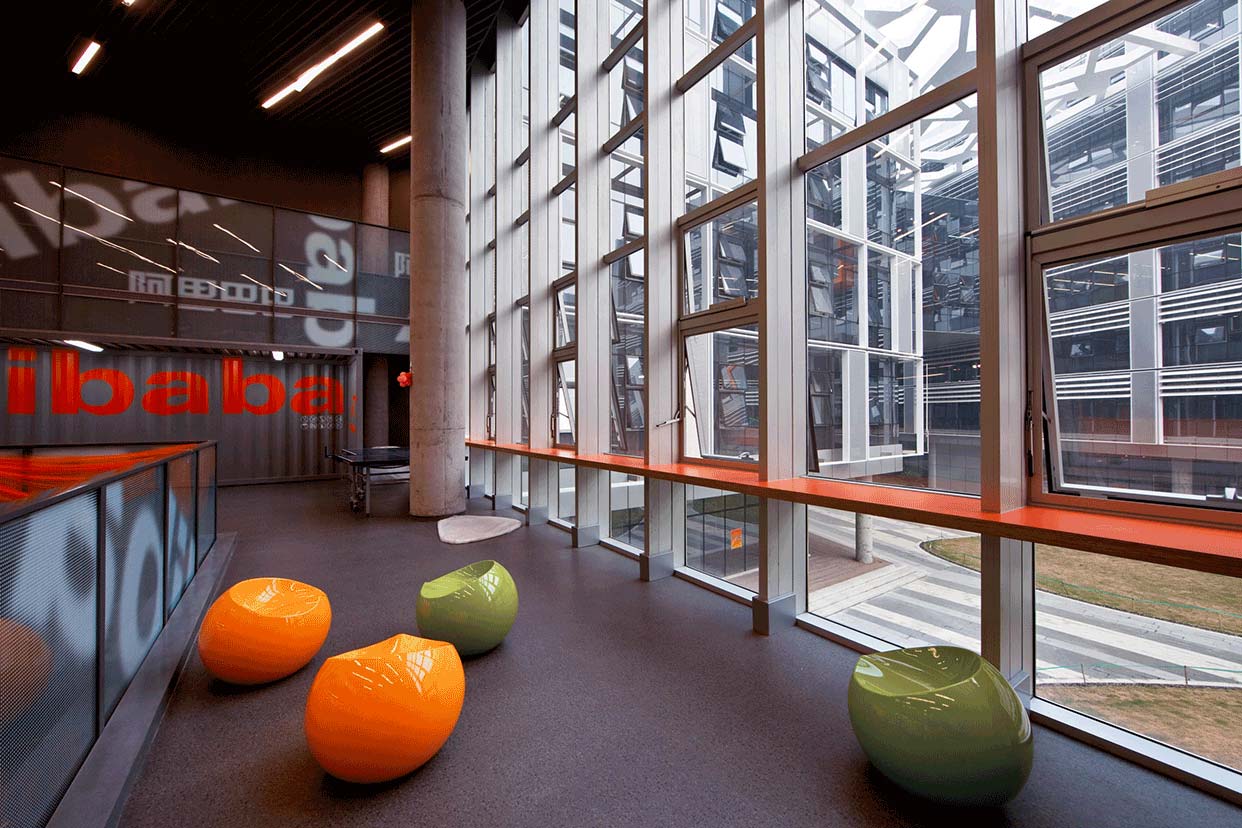
    Alibaba, the pioneer of Chinese e-commerce, is reportedly embarking on its first brick-and-mortar mall.

    The five-floor center, to be called “More Mall,” is being built near Alibaba‘s headquarters in the eastern Chinese city of Hangzhou, according to Caixin, a Beijing-based financial news group.

    Caixin first reported on the news Tuesday 2 September in the morning.

    A representative from Alibaba did not immediately respond to CNBC’s request for comment.

    The mall is being constructed on a 40,000-square-meter plot of land, Caixin said, and is scheduled to open in April 2018. Construction crews are believed to be finishing the building’s interior on time.

    Meantime, the internet giant has been making other moves in China to break into physical retailing.

    Alibaba CEO Jack Ma has said he wants to blend the online world with that of offline. One example is the company rolling out its own grocery concept, known as Hema.

    “More Mall” will feature unique brands from Alibaba’s e-commerce platform, Taobao, along with conventional retail brands, Caixin wrote.

    It will also have a Hema supermarket store, the publication said. Hema was first launched in 2015 as an app that allows shoppers to order groceries via a cellphone, using Alibaba’s Alipay to ring up purchases.

    In the U.S., Amazon is also encroaching on the physical world of retail — especially hurting grocery stores, after it bought Whole Foods.

    There are no reports of Amazon constructing its own mall, though. At least for now.

  • Huawei bites Apple in smartphone sales rankings

    Huawei bites Apple in smartphone sales rankings

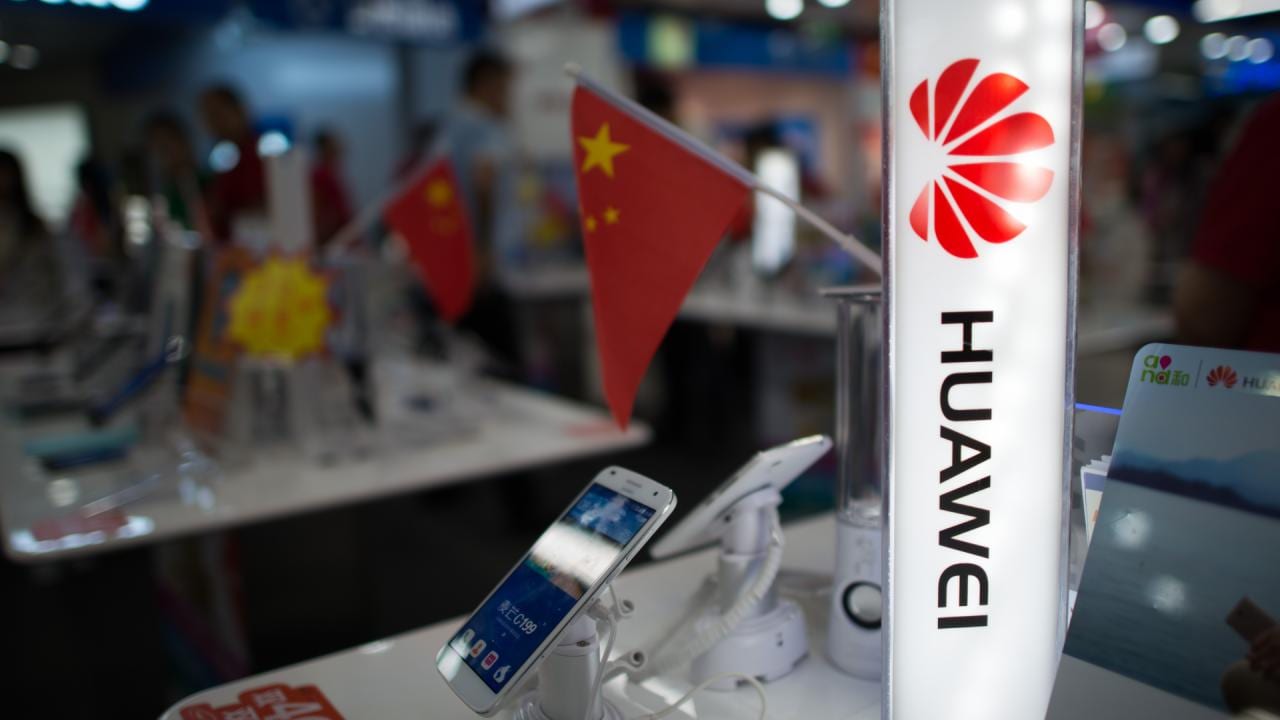
    Chinese brand Huawei has overtaken Apple in global smartphone sales rankings for two consecutive months – and is set to achieve a trifecta, according to research house Counterpoint.

    “With August sales looking strong for the Chinese vendor, a hat-trick for Huawei could be on the cards,”says Counterpoint research director Peter Richardson..

    “This is a significant milestone for Huawei, the largest Chinese smartphone brand with a growing global presence. It speaks volumes for this primarily network infrastructure vendor on how far it has grown in the consumer mobile handset space in the last three to four years,” said Richardson.

    “The global scale Huawei has been able to achieve can be attributed to its consistent investment in research and development and manufacturing, coupled with aggressive marketing and sales channel expansion.”

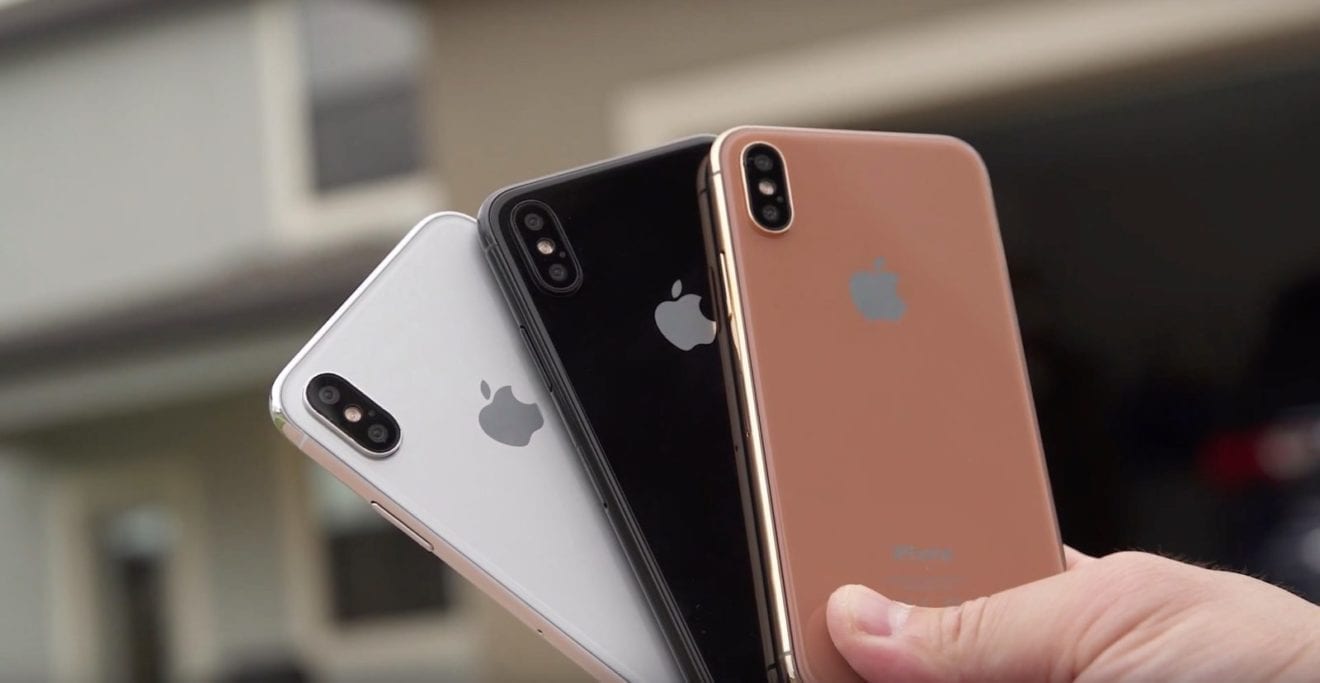
    But Richardson cautions Apple should regain its second spot given a new edition of the iPhone is set for launch in September.

  • IoT to be a $1.8tr revenue opportunity for cellcos

    IoT to be a $1.8tr revenue opportunity for cellcos

    The Internet of Things will represent a $1.8 trillion revenue opportunity for mobile operators by 2026, thanks in part by the early deployment of commercial low power wide area (LPWA) networks in licensed spectrum, according to the GSMA.

    Research conducted for the industry association by Machina Research found that new mobile IoT applications and services represent huge growth opportunities for mobile operators.

    To date 12 operators have launched 15 commercial mobile IoT services. These include China Mobile, China Telecom and China Unicom, South Korea’s KT and LG Uplus as well as Singapore’s M1.

    Operators are enhancing their  their licensed cellular networks with narrowband IoT (NB-IoT) and LTE machine-to-machine (LTE-M) technologies utilising global 3GPP standards.

    Mobile IoT networks are expected to have 862 million active connections by 2022, representing 56% of all LPWA connections.

    The largest revenue opportunities for the IoT include consumer demand for connected home ($441 billion), consumer electronics ($376 billion) and connected car ($273 billion) technologies.

    The connected energy market is meanwhile expected to reach $128 billion by 2026 as local governments and consumers seek smarter ways to manage utilities, and revenues from connected cities are on track to reach $78 billion by this time.

    “There is a real sense of momentum behind Mobile IoT networks in licensed spectrum, with multiple commercial launches around the world, as well as the availability of hundreds of different applications and solutions, but there is still much to be done,” GSMA CTO Alex Sinclair said.

    “Many operators are already reaping the benefits of deploying Mobile IoT and we encourage others to act now to capitalise on this clear market opportunity and further accelerate the development of the Internet of Things.”

  • Apple China sets pertinent date for store opening

    Apple China sets pertinent date for store opening

    Apple China has set an opening date of September 16 for its Tianyi Square location in Ningbo – just in time for the iPhone 8 release.

    It will be the US technology brand’s 41st store in China, and appears to be geared toward Apple’s new retail vision with a large central gathering space with conventional retail on its periphery.

  • Thyssenkrupp sees boost for steel from shift to electric cars

    Thyssenkrupp sees boost for steel from shift to electric cars

    South Korea’s Hyundai Motor (005380.KS) said it had suspended production at one of its China factories on Tuesday after a supplier refused to provide parts due to delays in payment – its second such incident in as many weeks.

    Frayed relations with suppliers to its venture with BAIC Motor Corp Ltd (1958.HK) are adding to headaches for Hyundai in China, where it has seen sales slump due to diplomatic tensions between the two nations and fierce competition from local brands.

    Supplier sources familiar with the matter say that BAIC is in charge of payments and has been responsible for the delays.

    The partners are fighting over their supplier strategy with BAIC favoring shifting to cheaper Chinese firms in the face of intense competition, while Hyundai wants to protect its South Korean supply chain, people familiar with the dispute said.

    Hyundai declined to comment on the reason for the failure to pay suppliers. A representative for BAIC could not be immediately reached for comment.

    Their joint venture had only just resumed production at four China plants on Aug. 30 after a suspension of about a week because one French supplier refused to provide fuel tanks due to non-payment.

    This time, a German firm has refused to provide parts for air intake systems, a representative for Hyundai said, declining to identify the supplier. The joint venture’s three other Chinese factories remain operational.

    Any loss of production from this one factory is unlikely to have a major sales impact as Hyundai probably has sufficient inventory at the plant because its cars have not been selling well, said Ko Tae-bong, an analyst at Hi Investment & Securities.

    “That is manageable. But if Hyundai’s Chinese partner is refusing to make payments, that’s a different story,” he said, adding that the issue could occur time and time again.

    Scrambling to tackle problems in China, Hyundai said this week it had appointed a new head for its China operations. Tao Hung Than, who is of Chinese descent, took the helm effective Friday replacing Chang Won-shin, who lasted less than a year in the job.

    The new China CEO, however, has a huge task in front of him if he is going to get Hyundai back on track in the world’s biggest auto market – one that accounted for nearly a quarter of Hyundai’s revenue in the last financial year.

    A weakening brand image and a product line-up without attractive SUVs are only adding to pain from diplomatic tensions. Hyundai’s sales from its Chinese factories plummeted 64 percent in April-June first quarter, when the automaker posted its smallest quarterly net profit in five years.

    South Korean firms have been hit by a Chinese backlash over Seoul’s decision to deploy a U.S. missile defense system to counter threats from nuclear-armed North Korea. China says the system poses a threat to its national security.

    Hyundai and BAIC were also due to start operations at a fifth China car factory late last month but the timetable has been pushed back. Hyundai has declined to comment on the postponement.

    Hyundai Motor shared fell 1.4 percent to their lowest level since April 19 on Tuesday and have declined 4.2 percent since the first reports of the supply disruptions emerged a week ago.

  • Competition causes Yeli China to lose footing

    Competition causes Yeli China to lose footing

    While revenue rose 47.6 per cent for the quarter ended June 30 for China Sports International, its footwear subsidiary Yeli China is facing difficulties.

    The Singapore-listed company has changed its financial year end from December 31 to June 30, meaning its current period covers 18 months.

    For the latest quarter, revenue amounted to about RMB22.71 million (US$3.4 million). For the 18 months ended the same date, revenue grew by 4.8 per cent to about RMB358.8 million. The slender increase was mainly attributable to persistent and increasing competition in the sportswear industry.

    “Our distributors continued to be wary of the intensified competition and became even more prudent in placing their orders for footwear and apparel products,” says the company.

    However, an increase in OEM orders in first half enhanced revenue performance.

    Footwear sales for the 18 months grew only 2.6 per cent to about RMB345.4 million. The company says the poor economic outlook and lack of product improvement resulted in fewer orders from Yeli footwear distributors.

    Because of the persistent weakening retail sportswear market and intensified price competition, more than half the distributor sales outlets have been closed.

    During the 18 months, Yeli footwear sales were about RMB114.5 million, representing 33.1 per cent of the company’s footwear range, down from 53 per cent.

    For the sixth quarter, Yeli footwear revenue fell 25 per cent to about RMB15.8 million.

    Apparel sales were RMB13.4 million for the 18 months, up from RMB5.83 million, and for the sixth quarter were RMB1.9 million, down from RMB2.9 million.

    Overall gross profit was up 21.5 per cent to about RMB13.9 million for the 18 months, mainly because of the high sales volume from the OEM footwear segment.

    Overall gross profit margin edged up 3 per cent for the 18 months.

  • Huawei promos cloud alliances with operators at annual event

    Huawei promos cloud alliances with operators at annual event

    “In 1943, IBM’s Thomas Watson said the world market for computers would be about five,” said rotating CEO Guo Ping during his keynote at Huawei Connect 2017.

    That number is significant, said Guo, as he spoke of Huawei’s vision to build one of the five major world clouds it predicts will be created in the future. The concept is based on airline alliances—Ping said that his firm would build a “cloud alliance” in partnership with operators like BT, Deutsche Telekom, Telefónica and Orange.

    “Only 2-3 companies can do what we do, he said.” About 50% of people globally use Huawei networks.”

    In a later press conference, Guo reiterated a point he made during his keynote. “The biggest difference between Huawei & traditional OTT companies is that Huawei does not monetize user data,” he said. “We monetize our technology.”

    Guo also provided details on Huawei’s hybrid cloud solutions that target the needs of governments and enterprises. “Huawei Cloud builds on the company’s decades of experience in devices, networks, clouds, and other digital domains, and is better equipped to achieve synergy between devices and the cloud,” said the company in a statement.

    Zheng Yelai, president of Huawei’s Cloud Business Unit, mentioned case studies from 12 automobile companies (including Volkswagen and Mercedes-Benz), Philips, ICBC, and several Chinese government service platforms currently using Huawei Cloud and cloud services from Huawei’s partners.

    “Our people have an in-depth understanding of our customers’ business scenarios,” said Zheng. The aim is to “help enterprises go digital more smoothly, and help ensure the success of more companies who are willing to innovate,” he said.

    At the event, Huawei also announced the launch of its new Enterprise Intelligence cloud services, which the company will provide with a platform of general and scenario-specific solutions. “To prevent vendor lock-in, Huawei offers hybrid cloud solutions that enable integration with third-party public cloud platforms, including those from Amazon and Microsoft,” said Huawei in a statement.

    “Huawei has worked with its partners to build a cloud network that has global coverage, providing complete solutions that help Chinese companies go global, and that also help companies outside China enter the Chinese market,” said the firm.

    Yang Xiaoling, CDO of China Pacific Insurance Company (CPIC), also spoke on his firm’s use of Huawei technology—specifically, using OCR technology to handle health insurance claims. Customers are able to take photos of their medical documents and upload the images to CPIC’s system, which will automatically read them and create structured claims documents.

    Li Qiang, division chief from the Shenzhen Traffic Police Bureau, referred to his analysis of intelligent urban transportation as Shenzhen’s “Traffic Brain.” Li claimed a ten-fold increase in image screening efficiency by using Huawei’s AI platform. “The intelligent traffic solution jointly developed by Huawei and the Shenzhen Traffic Police Bureau was honored with the ‘2017 Innovative Road Traffic Offering’ award from the Chinese Road Traffic Safety Association,” said Huawei.

  • New McDonald’s set to expand faster in China

    New McDonald’s set to expand faster in China

    Some 2,000 quick service outlets to open by 2022 in small cities

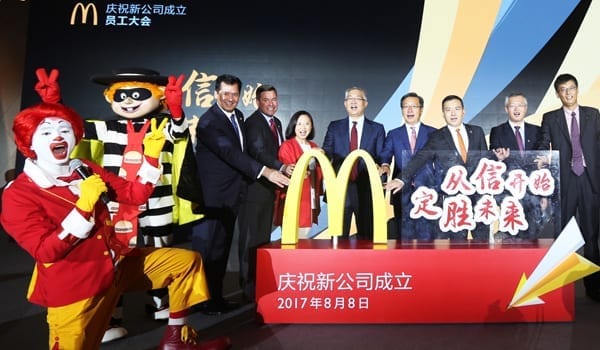
    McDonald’s Corp, the global fast-food chain that has forged a new partnership in China last month, will expand faster by opening 2,000 new restaurants in the next five years.

    They will be set up mostly in third-and fourth-tier cities with a focus on take-aways and digitalized services.

    The company said it will increase its expansion pace from about 250 new outlets this year to 500 per year from 2022 onward.

    It did not disclose other details like the scale of new investments that would ensue.

    The new partnership, jointly established by CITIC Ltd, CITIC Capital, Carlyle Capital and McDonald’s, paid $2.08 billion for the US-based fast food chain’s business in the Chinese mainland and Hong Kong.

    The deal received regulatory approval and was completed on July 31.

    The new company will become McDonald’s largest franchisee outside of the United States.

    CITIC Ltd and CITIC Capital together hold a majority 52 percent stake in the new company, while Carlyle Capital will hold 28 percent, and McDonald’s 20 percent.

    Currently, McDonald’s operates and manages 2,500 restaurants in the Chinese mainland, including 600 franchises, and 240 restaurants in Hong Kong.

    The new company will manage all the 2,000 new restaurants directly.

    Despite McDonald’s global dominance, KFC, owned by Yum China, has bigger presence in the Chinese quick service restaurant. Yum China runs more than 5,000 KFC restaurants in over 1,100 cities and counties.

    KFC’s wide presence in China appears to have bolstered the confidence of McDonald’s investors in the new expansion plan, industry insiders said.

    The new partnership of McDonald’s aims to achieve double-digit sales growth annually in the next five years.

    The goal includes delivery coverage of 3,375 restaurants or over 75 percent of the total.

    “China will soon become our largest market outside of the United States,” said Steve Easterbrook, McDonald’s president and CEO.

    “The mainland and Hong Kong are leading the global system in capturing new consumer trends such as delivery and digitalization and it is driving strong performance and growth momentum.”

    Zhang Yichen, the new chairman of McDonald’s China, said restaurant ownership at the local level will foster entrepreneurial spirit within the company.

    For example, considering the strong demand for takeout food and the population density in China, Zhang emailed Easterbrook regarding the need to develop a customized software system for the Chinese market.

    The latter dispatched McDonald’s global IT team to support the China business. Now, the take away operation in China tops the global chain’s comparable systems across markets.

    Zhang said CITIC has more than 1,400 bank branches in China. Besides, CITIC and Carlyle’s extensive resources and market expertise in real estate, supply chains, retail, consumer goods and technology, coupled with the global quality standards and branding of McDonald’s, will prove to be a winning formula.

    Jason Yu, general manager of Kantar Worldpanel China, a firm that researches shopper behavior, said, “CITIC operates many branches in third-and fourth-tier cities, and they understand the local market, hence will be able to help McDonald’s to choose appropriate sites for new restaurants and also provide useful real estate information.”

  • Sunglass Hut Opens New Store In Hangzhou

    Sunglass Hut Opens New Store In Hangzhou

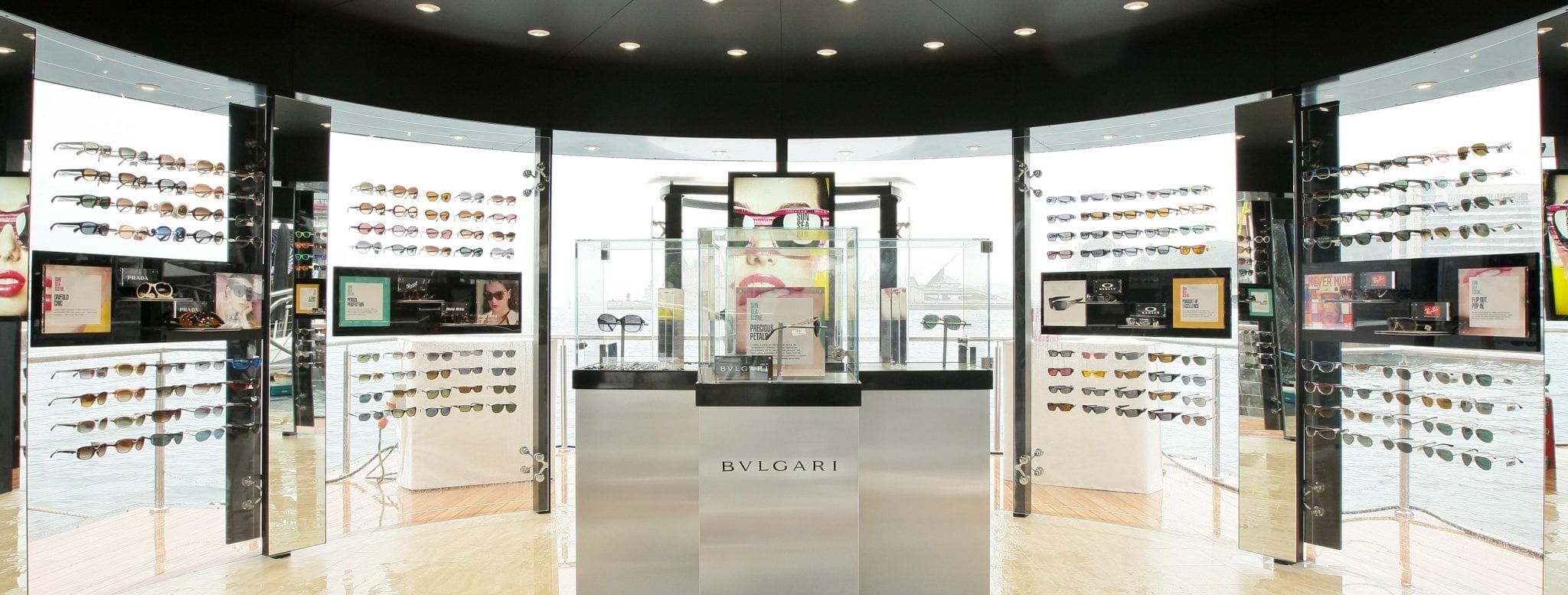
    International sunglasses retailer Sunglass Hut opened a new store in Hangzhou’s Intime Wulin store, which is the brand’s third store in the city following the ones in Hangzhou Kerry Centre and Hangzhou Bailian Outlets.

    Sunglass Hut has reached cooperation with many first-tier brands, including Ray-Ban, Prada, Dolce & Gabbana, Burberry, Tiffany & Co., and Coach.

    It started as a small independent store in Miami in 1971 and it developed 100 chain stores in Miami by 1986, reaching annual sales of USD24 million. By 1991, Sunglass Hut’s annual sales exceeded USD100 million and by 1996, the company seized 30% share of the American sunglasses market.

    By the end of 2016, Sunglass Hut already opened 3,269 retail stores in 28 countries and regions around the world, including 3,104 retail stores in North America, Asia Pacific, Europe, South Africa, and Latin America; and 165 authorized retail stores in Middle East and India.

    For the Greater China region, Sunglass Hut had nearly 40 retail stores, including 13 in Hong Kong, seven in Shanghai, and three in Beijing.

  • Chinese firms are increasingly shopping abroad

    Chinese firms are increasingly shopping abroad

    It was a flurry of activity this month in the Chinese investment sector as the battle for market share intensifies among fashion players.

    No longer content with national domination, Chinese companies are increasingly shopping abroad as they look for ways to build their presence overseas while strengthening their reputation at home.

    This month’s deals are just the latest in a succession of rounds where Chinese firms have targeted brands based outside China’s borders.

    Menswear giant Septwolves, for instance, while the name might not ring many bells outside China, the brand’s parent company Fujian Septwolves Industry Co. Ltd. announced that it will acquire an 80 percent share in Karl Lagerfeld Greater China Holdings (KLGCH).

    Last year the firm reported a net profit of 267 million yuan ($40.5 million at current exchange). Due to KLGCH’s late entry into the market, the deal will likely provide the company with a much-needed boost thanks to its experience in distribution and local resources.

    The deal is a feather in the cap of the Fujian Septwolves chairman, Zhou Shaoxiong: not only will he gain access to the international networks of fashion icon Karl Lagerfeld, but he will also benefit from an increased international brand awareness of his Chinese portfolio.

    However, what may at first glance appear to be a prestige target is in fact a decidedly strategic investment.

    According to Jing Daily, Fujian Septwolves’s representatives suggested that its move into the accessible luxury sector could accelerate the transformation of the company’s retail model.

    Fujian Septwolves already distributes international luxury brands in China including Italian labels Versace and Canali, and in March of this year the firm diversified into media, acquiring a 30 percent minority share of Modern Media’s digital division.

    Another examples is Shenzhen Ellassay Fashion Co. Ltd. that has been building up its portfolio since 2015.

    Earlier this month it purchased a majority stake in Vivienne Tam’s China rights. The deal includes plans to open a number of stores in China before the end of the year, with further openings planned for 2018.

    Gangtai Group also purchased an 85 percent stake in Italian jewellery brand Buccellati in December 2016, while Chinese textile company Shandong Ruyi acquired British heritage brand Aquascutum, as well as a major stake in SMCP, the French company that owns contemporary brands Maje and Sandro.

    While earlier acquisitions raised some eyebrows in fashion industry circles, Booker believes that this month’s increasingly aggressive M&A pace demonstrates that many more China-based players are interested in flexing their investment muscle abroad.

  • Bedgear signs China deal with De Rucci

    Bedgear signs China deal with De Rucci

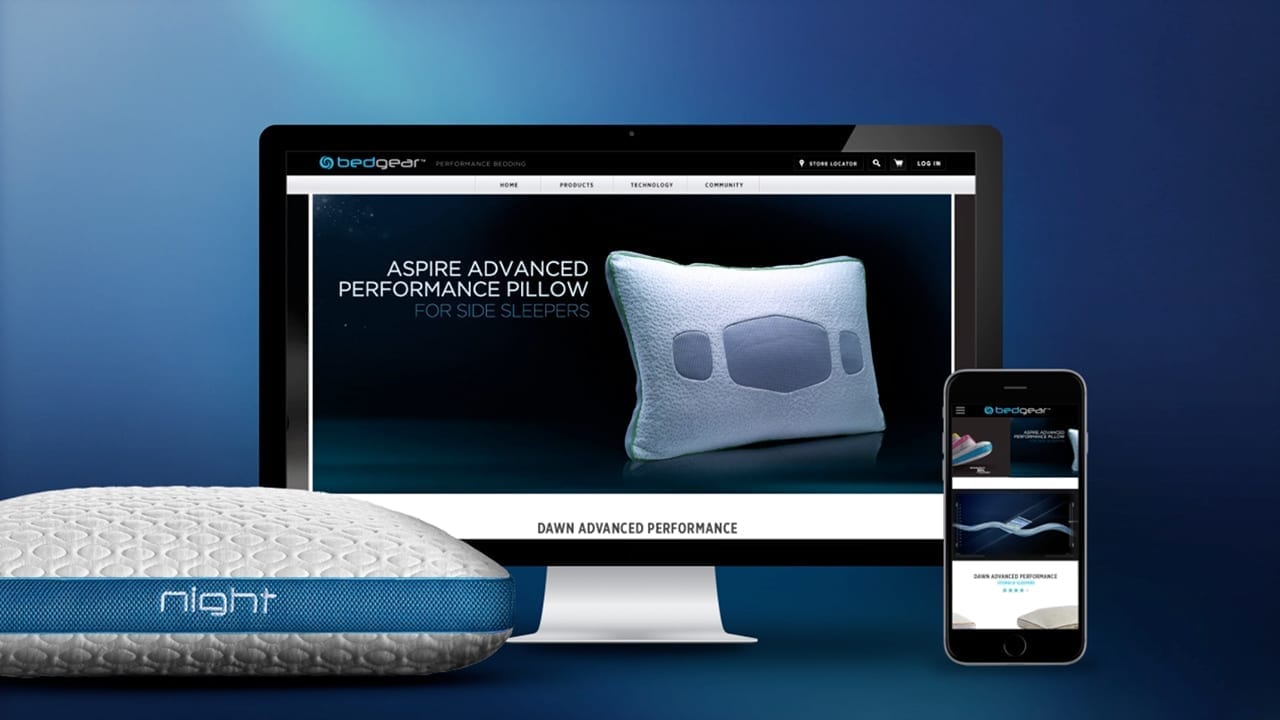
    US lifestyle bedding company Bedgear has signed a partnership with Chinese retailer De Rucci Beddings to open more than 500 shops in China over the next five years.

    The Bedgear Performance Sleep Shops will offer a personalised customer experience including interactive technology walls. One-on-one consultations will enable shoppers to build up their own individual sleep system starting with the Bedgear Pillow ID, technology that uses a proprietary algorithm to determine the most suitable pillow based on an individual’s sleep position, body type and mattress.

    Bedgear CEO Eugene Alletto says the move into China follows the company’s expansion in the US, Australia and Russia.

    “I was excited about the power of Bedgear’s performance brand,” says De Rucci president Wang Bingkun. He says he was intrigued by the company’s showrooms in the US with their new way to present bedding to young customers.

    Founded in 2009, Bedgear offers patented fabric technologies to deal with heat and moisture to help regulate body temperature and generate a cooler sleep environment.

    De Rucci launched in 2004 with a dedication to researching healthy sleep with a holistic offering of research, manufacturing and sales. It has more than 3000 flagship stores in 11 countries including Hong Kong.

  • Sales at Toyota’s Lexus brand slide in first-half as sedans suffer

    Sales at Toyota’s Lexus brand slide in first-half as sedans suffer

    Toyota Motor on Friday said its luxury Lexus brand suffered its first fall in half-year global sales in six years as demand for its sedans tumbled in the United States, its biggest market.

    Sedans, traditionally a mainstay for automakers including Toyota and Honda Motor, have fallen out of favor in their key U.S. market in past years, sending many carmakers scrambling to manufacture more larger vehicles including SUVs and trucks.

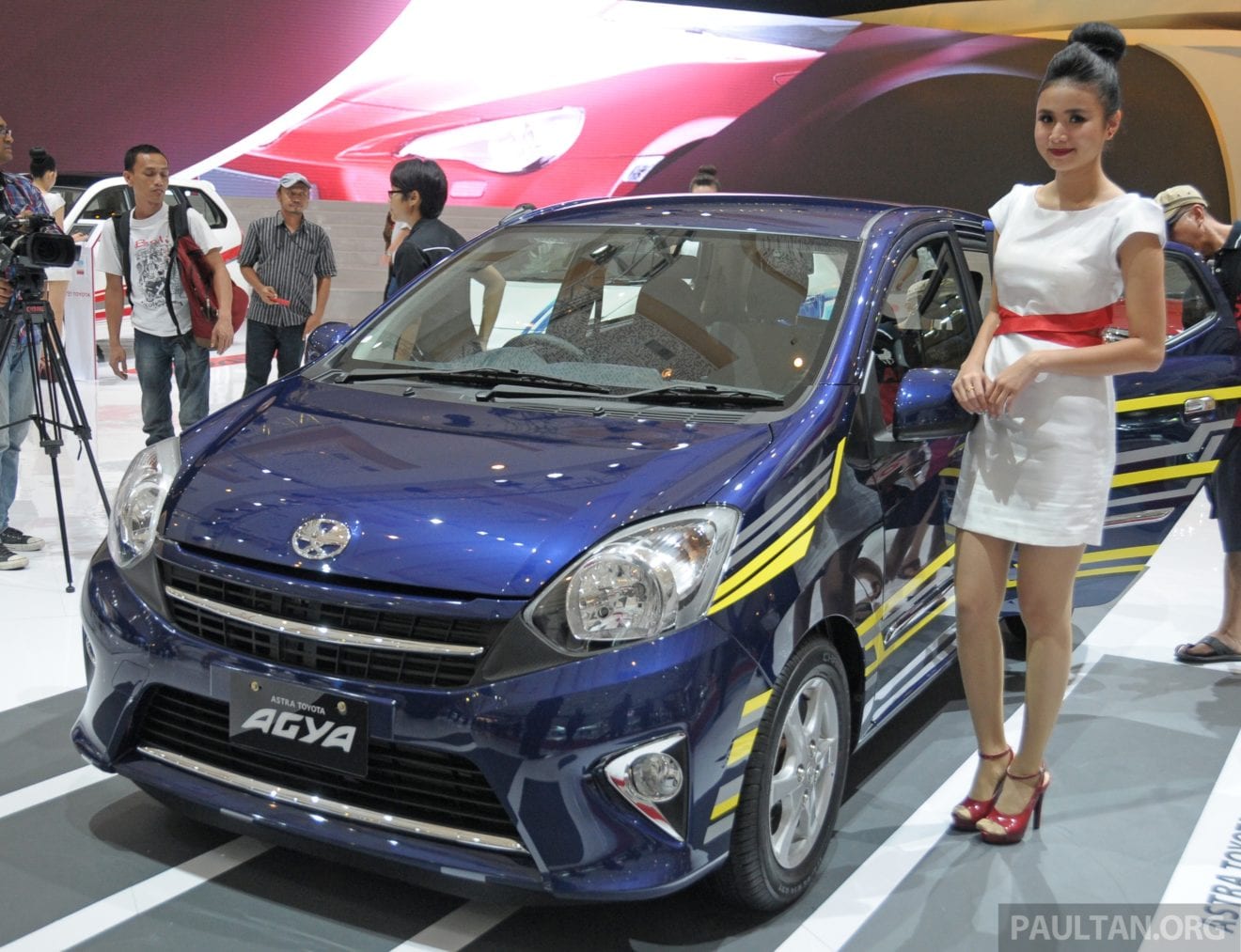
    Toyota said it sold 305,169 Lexus vehicles worldwide in the six months to June, down 4.4 percent from 319,275 vehicles a year earlier. Sales slumped 10 percent in the United States, which comprises nearly half of Lexus’s global sales, and 23 percent in Japan, while jumping 30 percent in China.

    “The U.S. passenger car market has been very challenging, and this has affected sales,” Toyota spokesman Maki Niimi said.

    He added that the automaker expects annual sales to slide about 4.0 percent this year to around 650,000 units, as the recently launched LC sports coupe model and a revamped version of its marquee LS sedan model later this year lift sales slightly in the coming months.

    While Lexus continues to enjoy solid U.S. sales of its NX SUV crossover model, analysts said that the brand overall had fallen behind rival luxury brands with newer sedan offerings including Daimler AG’s Mercedes, which recently launched its E-Class range, and BMW’s 5-series.

    “It’s a model cycle issue,” said Janet Lewis, head of Asia transportation research at Macquarie Securities. “You have two core competing products recently launched (by Mercedes and BMW), while the LS is pretty long in the tooth.”

    Lexus sold just 1,855 units of its LS 460 model in the United States in January-June, down 35.2 percent from a year earlier.

    Overall, Toyota, the world’s second-biggest automaker, expects to sell 10.25 million vehicles globally this year, down a touch from last year.