Tag: China

  • AirAsia X eyes expansion in China, Japan and South Korea

    AirAsia X eyes expansion in China, Japan and South Korea

    AirAsia X considers North Asia, namely, China, Japan, and South Korea, as its new market for growth, said AirAsia. Due to the scarcity of resources, the long haul budget airline will also be rationalising its routes by reallocating some of the current Australian capacity to its other destinations next year.

    “We have to be very selective of our routes, seeing that our aircraft is limited and we will only get more aircraft next year.

    “Demand is starting to pick up from Thailand and Indonesia, and we believe that the next market of growth will be in North Asia. Kamarudin was speaking after the launch of AirAsia X’s launch of four times weekly direct flights from Kuala Lumpur to Jeju, South Korea.

    AirAsia X CEO Benyamin Ismail targets to achieve a passenger load factor of 80% in 12 months’ time, for the Kuala Lumpur-Jeju route.

    AirAsia is the only airline to operate direct flights to Jeju, from Kuala Lumpur, connecting the island with Malaysia, the rest of Asia, and beyond.

    “South Korea is an important market and we have seen tremendous growth from our existing routes to Seoul and Busan, which will now be complemented by our new service to Jeju, saving our guests the hassle of domestic transit to the island province.

    “This new route will provide additional annual capacity of over 150,000 and will be a significant boost to strengthen business and tourism ties between Malaysia and South Korea,” said Benyamin.

    He added that Malaysia was the second largest tourist market in South Korea, after China.

    An estimated two million passengers travel between South Korea and Malaysia each year.

    The group has plans to increase flight frequencies to Seoul from 14 times weekly to 18 times weekly, beginning December.

    Meanwhile, AirAsia X flight frequencies to Busan shall also be increased from four times a day to five times a day, beginning November.

    The Kuala Lumpur-Jeju route shall commence on December 12, 2017, with promotional all-in fares from RM199 one-way.

    The special promo of all-in fares from RM199 one way on standard seat and RM899 one-way on award winning Premium Flatbed will run from October 10 to October 15, for travel between December 12, 2017 and March 25, 2018, available for booking on airasia.com.

    Jeju Island, also known as the “island of the gods”, is a beautiful volcanic island located 64 kilometres south of the Korean peninsular.

    It is the country’s most popular holiday island, with more than 70% of visitors being domestic travellers seeking out what has become known as the “Hawaii of South Korea”.

  • Alfred Dunhill launches store in Beijing

    Alfred Dunhill launches store in Beijing

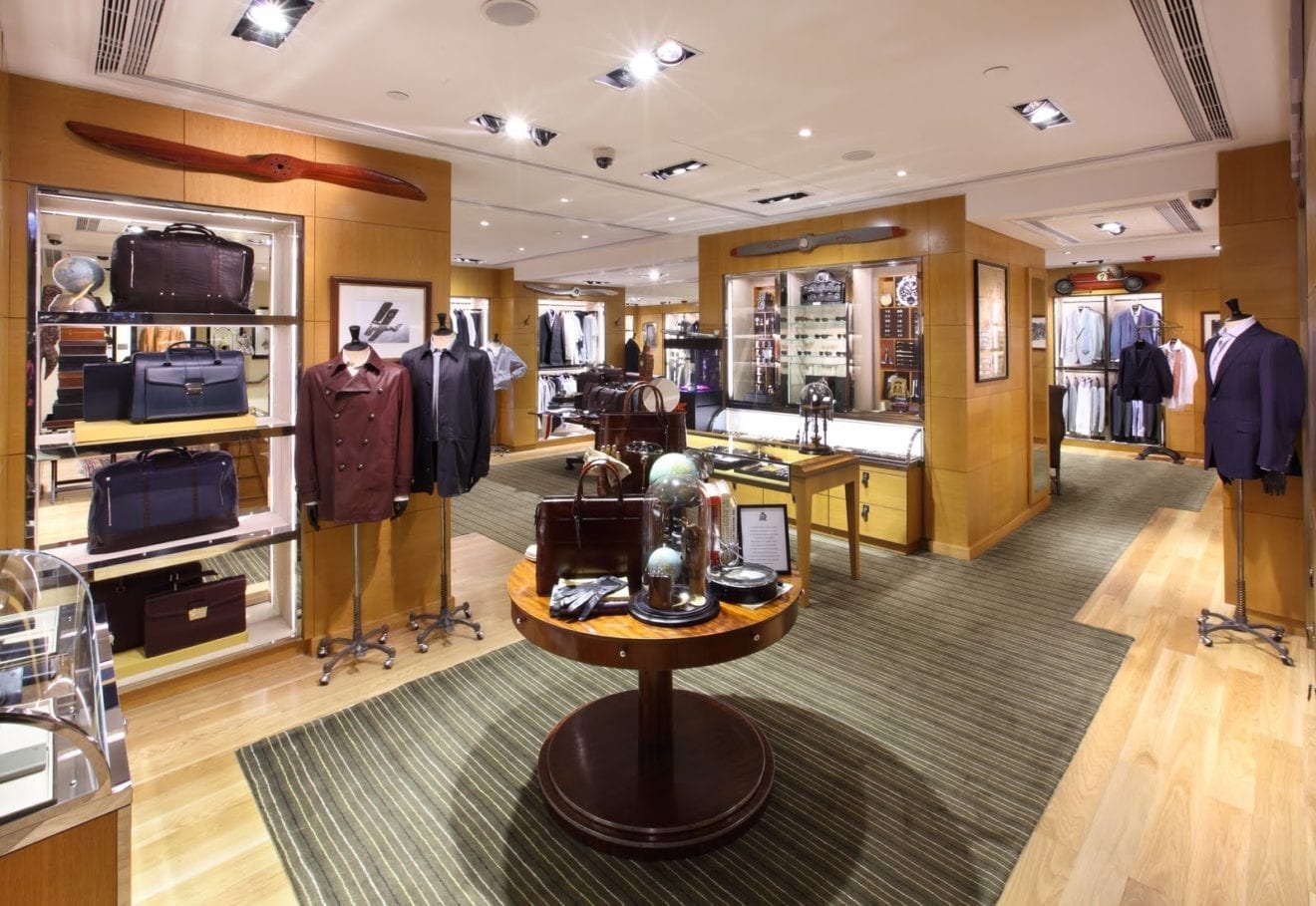
    British luxury goods brand Alfred Dunhill has opened a store in Beijing, at the SKP Shopping Center.

    Offering the brand’s complete range of products for men, the store features the new Dunhill retail design concept.

    Based in London, the brand specialises in ready-to-wear, custom and bespoke menswear, leather goods, and accessories. Alfred Dunhill is owned by the Richemont group.

  • China a major challenge for Apple and Samsung

    China a major challenge for Apple and Samsung

    Responses to Apple and Samsung Electronics’ latest flagship releases in the Chinese market have been lukewarm to downright disappointing.

    Domestically, Samsung Electronics’ Galaxy Note 8 has performed like a rock star, alleviating company insiders’ concerns that the Galaxy Note 7 exploding debacle would keep customers away.

    Over the pre-sales period between September 7 through 14, around 850,000 phones were sold, at least 400,000 of which have been activated. The pre-sales amount is more than double that of the Galaxy Note 7, which had sold 400,000.

    As the chief competitor to Apple in the struggle for global smartphone dominance, Samsung needs to do well not just at home but abroad.

    By September 22, the Galaxy Note 8 had been released in over 60 countries  (South Korea, North America and select European countries had releases on September 15). Eventually, Samsung plans to release the smartphone in over 150 countries.

    Fortunately for the South Korean company, early reports that have trickled out to the media indicate that the Galaxy Note 8 has received an overall positive reception in foreign countries.

    “In the North American market, [the Galaxy Note 8] has recorded pre-sales figures two digits higher than what the Galaxy Note 7 achieved,” said a Samsung Electronics official who asked not to be named. “The sales situation in major European markets is good. Overall, the beginning stages of the Galaxy Note 8′s release have been on the positive side,” she added.

    The conspicuous omission among the mentioned countries is China, a market Samsung, with its 3 percent market share (as of the second quarter of this year) cannot afford to disregard. Slated for official release on September 29, pre-sales of the Galaxy Note 8 began on September 13.

    On September 16, Chinese news platform Jinri Toutiao reported that the South Korean smartphone had recorded a paltry 5,700 in pre-sales in two days. In comparison, the iPhone 8, which also began pre-sales on the same date, had sold 1.4 million through the same time period, according to Chinese e-commerce firm JD.com.

    Though some have pointed to the slightly more cumbersome process for pre-sale purchase compared to Apple (Samsung requires a 100 yuan deposit, Apple requires none), the more widely accepted view among market analysts is that the reason for the dismal reaction is based on geopolitics.

    The agreement between the United States and South Korea to install THAAD missile systems as a countermeasure against possible North Korean provocations has deeply strained ties between the East Asian neighbors. With retailer Lotte Mart recently announcing its decision to pull out of China and vast drops in a formerly booming tourism industry propped up by Chinese visitors, September 29 is a date that looms large not just for Samsung, but for South Korea as a country.

    Samsung will in particular want to avoid the kind of official release day that Apple had with its iPhone 8 on September 22. Hong Kong paper Ming Pao reported that the local reaction was lacking in enthusiasm compared to prior releases of earlier iPhone versions.

    At the Hangzhou Apple Store, 30 to 40 security guards laid out steel fences in front of the entrance starting at 6 a.m. in anticipation of long lines. Two hours later, after only two people stood in line, the guards collected the fences and went home.

    Less than optimal numbers showed up at other Apple stores throughout the country. In one Beijing store, four customers showed up throughout the entire day.

    Like Samsung, Apple has not gained the desired response in a market it desperately needs. Unlike Samsung, it cannot use geopolitical tensions as a convenient scapegoat for its problems.

    Speculation on the poor showing has been attributed to the slated release of the iPhone X later on this year and the lack of technological upgrades that justify the high price tag.

    Consumers (not only in China, but worldwide) have been questioning why they would fork over high prices for the iPhone 8 when they can simply wait to purchase a more advanced version in a few months time.

    Meanwhile, the iPhone 8′s headlining feature, the facial recognition system, has not caught on among Chinese consumers, making the phone a hard sell.

    Finally, the emergence of Chinese competitors has relegated both Apple and Samsung to the lower rungs of the Chinese smartphone market.

    An online survey conducted on social media site Weibo asked users a variety of questions about the iPhone. 28 percent selected “Who cares about Apple, Xiaomi, Huawei?” while 18 percent selected “The price is excessive” among the available responses.

    Once regarded as indisputable leaders in the smartphone game, Apple and Samsung’s positions of leadership will depend in part on making inroads into China. Unfortunately for them, China has proved to be a tricky customer thus far.

  • Lidl Stiftung enters China via JD Worldwide

    Lidl Stiftung enters China via JD Worldwide

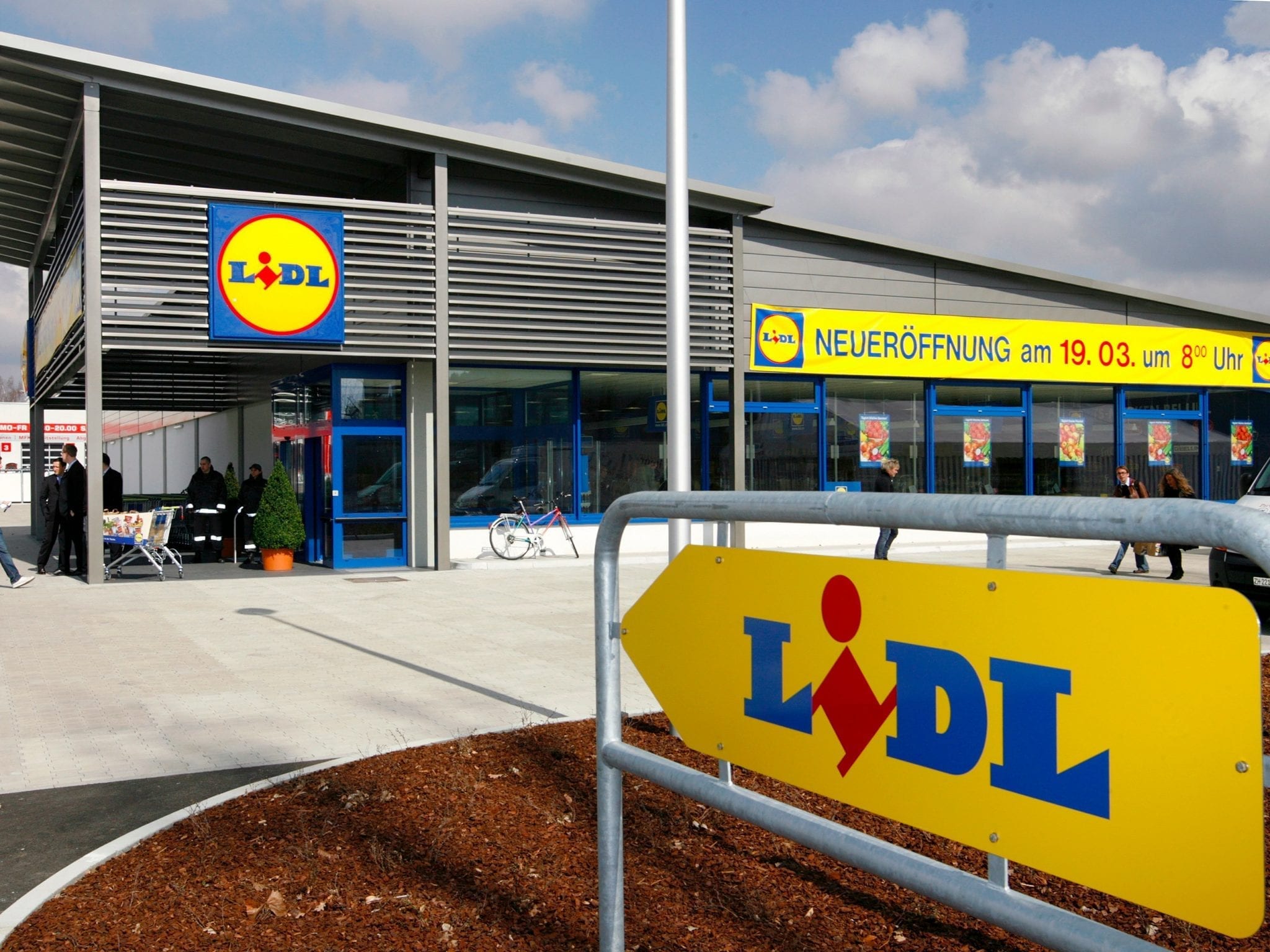
    European supermarket chain Lidl Stiftung has opened a flagship store on JD Worldwide, introducing the Lidl brand to China through cross-border e-commerce.

    The German group’s flagship store sells snacks, healthcare products, personal and beauty care products, and food and drinks, such as biscuits, nuts and milk. It also plans to introduce home brands.

    Lidl has more than 10,000 stores across 30 countries, and 150 distribution centres in 28 countries.

  • Alibaba, New Hua Du supermarkets forming JV

    Alibaba, New Hua Du supermarkets forming JV

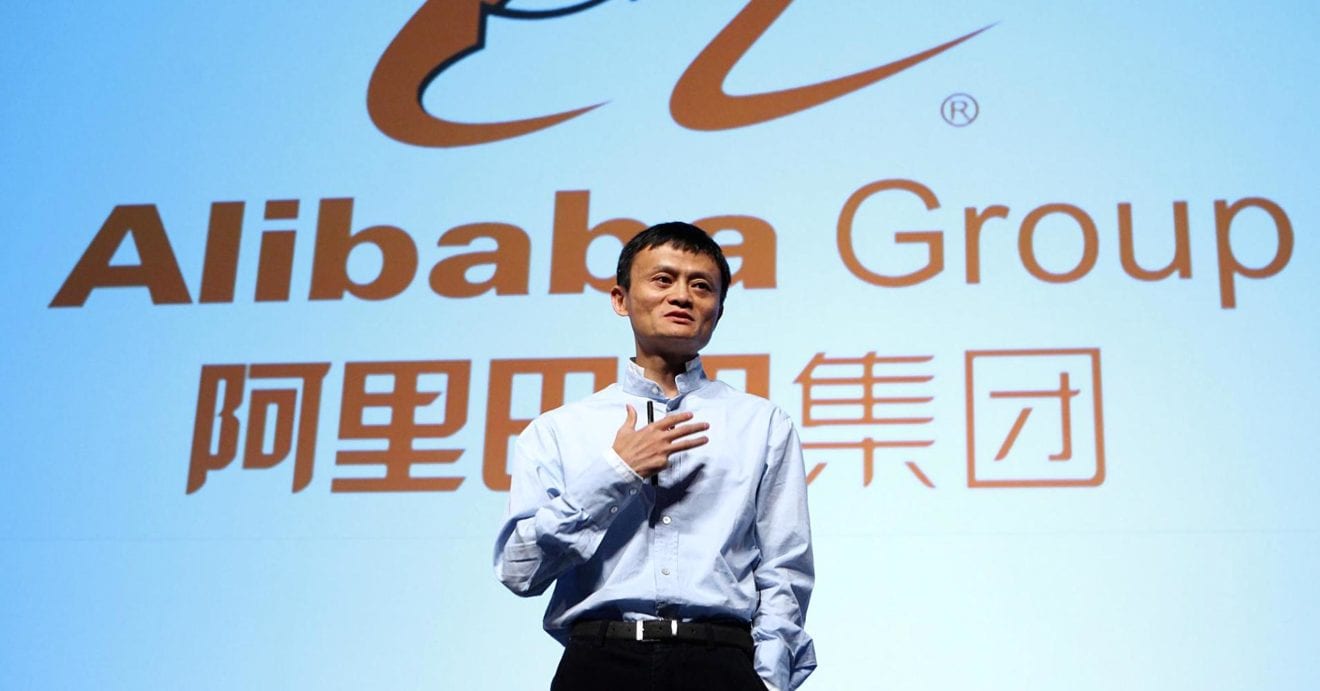
    To accelerate its roll-out of new high-tech retail, Alibaba Group is establishing a JV company with supermarket chain New Hua Du Supercenter.

    It will be a co-operative platform to pool their resources and respective advantages in the supply chain.

    The controlling shareholder of New Hua Du Supercenter, Newhuadu Industrial group, has transferred 10 per cent equity at lower than market price to Alibaba (Chengdu) Software Technology Company in concert with Hangzhou Hanyun Xinling Equity Investment Fund Partnership, and signed a co-operation framework agreement with Hangzhou Alibaba Zetai Information Technology Company.

    After the deal, the proportion of shares held by Newhuadu Industrial Group will decline to 45.8 per cent, and Alibaba (Chengdu) Software Technology and Hangzhou Hanyun Xinling Equity Investment Fund Partnership will own 5 per cent equity of the company respectively.

    Newhuadu Industrial Group hopes to introduce strategic investors to advance resource integration and expand business channels through taking advantage of Alibaba’s resources in e-commerce.

    New Hua Du Supercenter has also signed a co-operation framework agreement with Alibaba Zetai Information Technology. The two parties have proposed to establish a JV company to invest, open and run innovative stores under the tentative name Fujian New Box Network Technology Company, with a registered capital of RMB200 million (US$30 million). Its business scope will include technical development, technical consulting and technical service in the field of computer networks.

    New Hua Du Supercenter and Alibaba Zetai Information Technology will make capital contributions in cash, each by RMB100 million, accounting for 50 per cent of the stake.

  • China sets 2019 deadline for automakers to meet green-car sales targets

    China sets 2019 deadline for automakers to meet green-car sales targets

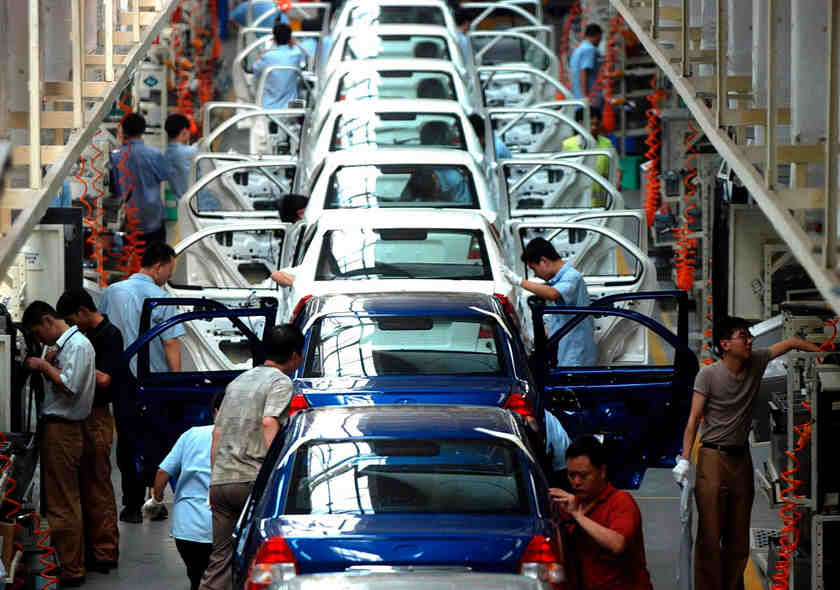
    China has set a deadline of 2019 to impose tough new sales targets for electric plug-in and hybrids vehicles, slightly relaxing an earlier plan to launch the rules from next year that had left global automakers worried about being able to comply.

    Car makers will need to amass credits for so-called new-energy vehicles (NEVs) equivalent to 10 percent of annual sales by 2019, China’s industry ministry said in a statement on Thursday. That level would rise to 12 percent for 2020.

    A single vehicle can generate multiple credits meaning the proportion by NEVs by volume would likely be lower.

    The targets, announced by the Ministry of Industry and Information Technology (MIIT), closely mirror previously announced plans, but remove an explicit 8 percent quota for 2018, in effect giving carmakers an extra year grace period.

    The quotas are a key part of a drive by China, the world’s largest auto market, to develop its own NEV market, with a long-term aim to ban the production and sale of cars that use traditional fuels announced earlier this month.

    Global automotive manufacturers, however, had urged a softening of the proposals for all-electric battery vehicles and electric plug-in hybrids.

    Under the rules, car makers will receive credits for new-energy vehicles including plug-in hybrids and fully electric cars that can be transferred or traded. Firms with annual sales volumes above 30,000 units will need to comply with the targets.

    These credits – which will vary depending on the range and performance of the vehicle – will be used to calculate if firms have met their quota, a system which would likely mean the actual proportion NEVs made up of total sales was lower.

    “The rules could result in the production of more than one million EVs annually in China by 2020, or about 4 percent of sales,” Simon Mui, a transport and energy exert at the U.S.-based Natural Resources Defense Council wrote in note.

    GREEN CAR ROLL-OUT

    Carmakers were in general positive about the move.

    “We welcome the Chinese auto industry’s shift towards greater adoption of NEVs and will comply with relevant regulations presented by authorities,” Ford Motor said in a statement responding to the announcement.

    General Motors said it would “strive to comply with the NEV mandatory requirements”, though it added “continued joint efforts by the government and companies are essential to build broad-based consumer acceptance for NEVs”.

    “GM has sufficient capacity to manufacture NEVs in China,” it said in a statement.

    Japan’s Honda Motor said it planned to launch an electric battery car in China next year and would “try to expand our lineup of new energy vehicles” to meet the quotas.

    China is keen to combat air pollution and close a competitive gap between its newer domestic automakers and global rivals. It wants to set goals for electric and plug-in hybrid cars to make up at least a fifth of Chinese auto sales by 2025.

    Reuters reported in August that China would delay the implementation of the NEV quotas until 2019, giving global automakers more time to prepare.

  • Calvin Klein China opens lifestyle store in Shanghai

    Calvin Klein China opens lifestyle store in Shanghai

    Calvin Klein China has opened a multibrand lifestyle store in Raffles City Shanghai.

    A wholly owned subsidiary of PVH, Calvin Klein has simultaneously opened a similar store in Düsseldorf, Germany.

    Shanghai’s two-storey store offers men’s and women’s CK Calvin Klein, Calvin Klein Jeans, Calvin Klein Underwear and Calvin Klein Performance apparel and accessories.

    Its design concept communicates the brand’s minimal, modern aesthetic with added colour and sumptuous materials to enhance the consumer experience, says the company. Cobalt-blue curtains frame the entrance, while geometric rugs in soft pink offset the grey concrete. Kvadrat/Raf Simons fabric is used throughout as well as Utrecht chairs by Gerrit Thomas Rietveld.

    Oversized silhouette cut-out images of models in the brand’s latest styles hang from the ceiling.

    Digital technology offers a personalised shopping experience. Interactive video and denim-fit guide walls enable customers to browse and try on items featured in the brand’s current campaign.

    An interactive video table invites customers to explore the brand on a deeper level via newspaper, magazine and online articles about the brand, key milestones, runway show videos and events, as well as the official Calvin Klein social-media platforms.

    “As we continue to focus on expanding Calvin Klein’s global footprint, it is our objective to bring a best-in-class retail experience to key markets and shopping destinations,” says CEO Steve Shiffman.

    Founded in 1968 by the designer and his business partner Barry Schwartz, the brand’s global retail sales exceeded $8 billion in more than 110 countries last year.

    Owner PVH also has such brands as Speedo, Tommy Hilfiger, Van Heusen and Warner’s in its portfolio.

  • Margins decline for Nike, but growth in China

    Margins decline for Nike, but growth in China

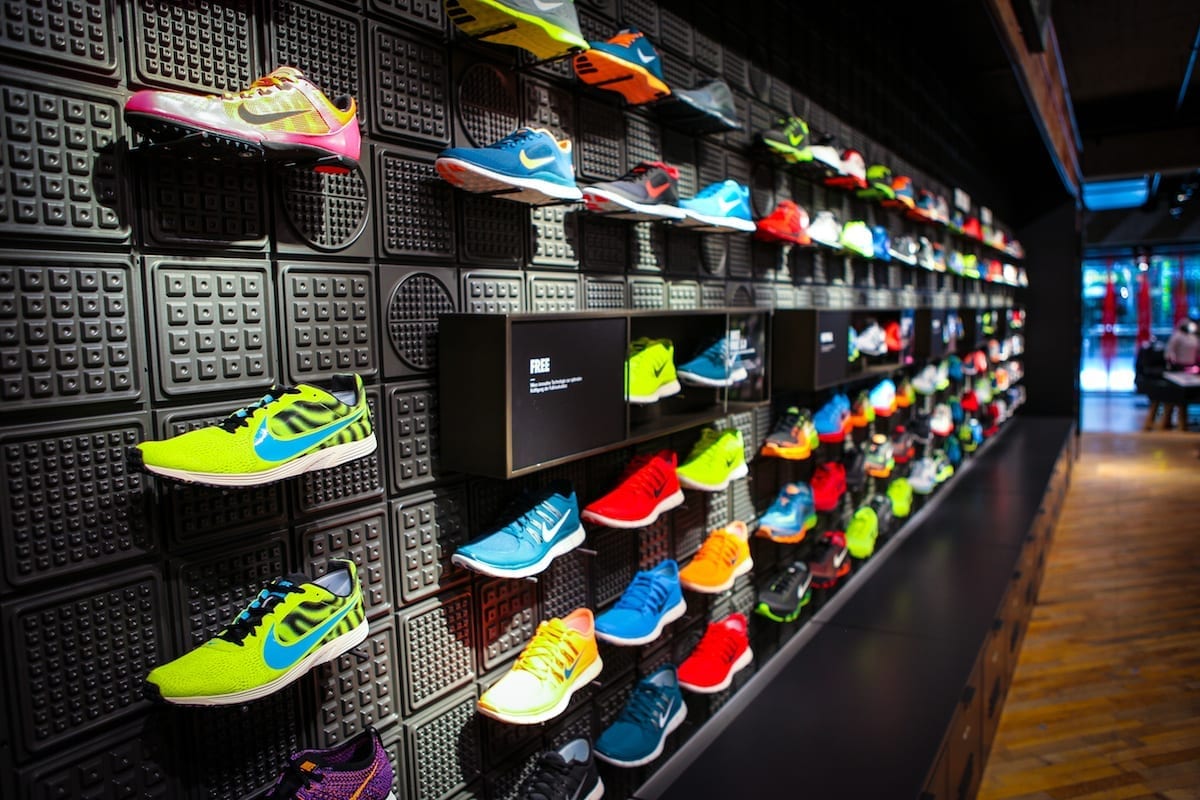
    Footwear giant Nike Inc lost traction in its first quarter to the end of August, its gross margin declining 180 basis points to 43.7 per cent.

    It attributes this mainly to unfavourable currency exchange rates and, to a lesser extent, more discount sales.

    Sustained revenue growth in international markets, particularly China, was offset by an expected decline in North America wholesale revenue.

    Chairman/president/CEO Mark Parker says the group captured near-term opportunities during the quarter through its new company alignment, simplifying its geographical structure from six regions to four – North America; Europe, Middle East and Africa (EMEA); Greater China; and Asia Pacific and Latin America (APLA).

    Nike’s revenues at $9.1 billion were flat on both a reported and currency-neutral basis.

    Revenues for the Nike brand were $8.6 billion, up 2 per cent, driven by growth in Greater China, EMEA and APLA, as well as growth in sportswear. Converse revenues, at $483 million, were down 16 per cent.

  • E-commerce wars: fashion exodus from JD.com

    E-commerce wars are in the news again in China, with reports of a mass exodus of fashion brands from the JD.com platform.

    44 fashion brands closed their flagship stores on JD last month while launching or keeping their shops on Alibaba’s Tmall. The main brands involved included millennial niche brand JNBY, billion-yuan brand Peacebird, menswear brand GXG and fast-fashion label Heilan Home.

    Following up, state-run Xinhua News Agency has published a more detailed breakdown of the brands that left: 27 womenswear brands, seven menswear brands, seven childrenswear brands and three lingerie labels.

    JD has confirmed the exodus with a statement containing a thinly veiled reference to Alibaba as “another industry player”.

    “We believe strongly in open, fair and legal competition, but not everyone in the industry agrees,” says the JD statement. “Numerous brands have told us that another industry player is inappropriately using threats to attempt to force them to sell on only one site in China.

    “We believe brands and consumers should be able to sell and shop where they want without interference, and will continue to support the ability of brands to choose to sell on however many sites they want.”

    Alibaba denies it is pressuring brands to leave any other e-commerce platform. “Brands have full autonomy to maximise their ROI in choosing their distribution platforms,” it says in a statement.

    Meanwhile, the two e-commerce giants are going head to head in preparation for Singles’ Day, the November shopping festival introduced by Alibaba. JD has its own shopping festival in June, but both platforms offer discounts during the promotions.

  • Disney tests new prototype stores online and offline

    Disney tests new prototype stores online and offline

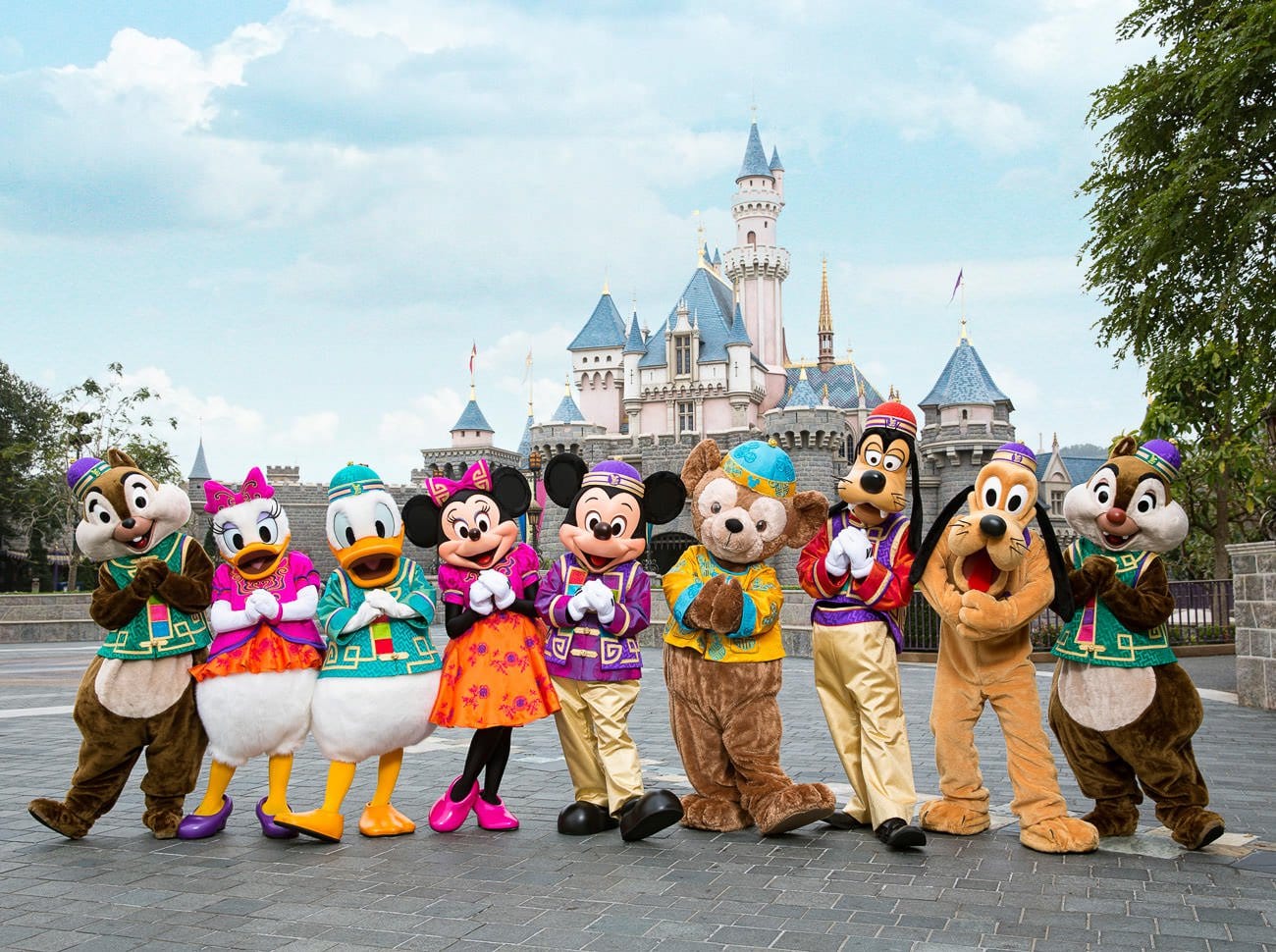
    Disney is testing a new prototype store design in Shanghai, China and Nagoya, Japan as well as other cities in the US and Europe.

    According to the company, the new design combines innovative technology, storytelling and cast-member interaction to take “Disney magic to retail” through special learning and play activities, personalised celebrations for guests and a daily live stream of a Disney Parks parade.

    The US stores are in Century City and Northridge in California and Miami, Florida, with another scheduled to open in Munich, Germany, later this year.

    “No one creates experiences like Disney, and our pilot stores will be testing grounds for interactive features that will differentiate the Disney shopping experience in the changing retail landscape,” said Disney Consumer Products and Interactive Media chairman Jimmy Pitaro.

    Meanwhile, Disney has revamped its online experiencing, launching ShopDisney.com which it says offers an unparalleled assortment of Disney, Pixar, Star Wars and Marvel products across categories that include fashion, accessories, toys and home. It sells “best-in-class brands,” as well as authentic products from Disney Parks and Disney Store.

    “Online, ShopDisney is the ultimate destination for the most extensive collection of curated merchandise from our stores, parks and licensed partners,” said Pitaro. “This combination creates a powerful omnichannel experience that represents the next generation of Disney retail.”

    The website and prototype stores are both designed with dynamic layouts that spotlight product and content but allow the flexibility to feature the different worlds of Disney, Pixar, Star Wars and Marvel as new content debuts. Both also offer expanded product assortments for guests of all ages.

    “ShopDisney’s vast selection of merchandise across a wide range of categories reflects the Company’s commitment to creating products tailored for different audience demographics, from kids and families to millennials, as well as to innovating beyond the traditional and expected,” the company said.

    “The online destination features co-branded products and elevated collaborations from top brands such as Coach, Le Creuset, Spyder, Steiff and more, as well as new and exclusive capsule collections from fashion-forward brands on ShopDisney’s “The IT List,” home to “new, now and noteworthy” items guests won’t find anywhere else.

    “We know our fans are looking for a one-stop shop to find the most compelling product out there and with shopDisney we are uniquely positioned to curate the very best of Disney, Pixar, Star Wars and Marvel merchandise,” said Paul Gainer, executive VP for Disney retail. “We’ve also added product categories and brands that speak to new audiences following the success of our collaborations in the fashion space.”

    There will also be new items geared toward an expanded audience in the prototype stores, which go beyond their traditionally child-centric assortment to incorporate more product for guests of all ages. The prototype stores will use digital elements, such as giant LED screens, to present custom-designed guest experiences – including the Live from Disney Parks parade stream every afternoon and a nightly digital fireworks display on the store’s giant storefront screen – to reflect Disney’s storytelling tradition and create magical experiences for local communities that, in many cases, may be far from a Disney theme park.

    “We are a storytelling company and our vision was to create a retail space that reflected our heritage,” said Gainer. “Our stores are destinations and gathering places for fans of our iconic brands, and are often their closest physical Disney touch point so creating an authentic brand experience is key.”

  • Starbucks China rolls out Alipay in 2800 stores

    Starbucks China rolls out Alipay in 2800 stores

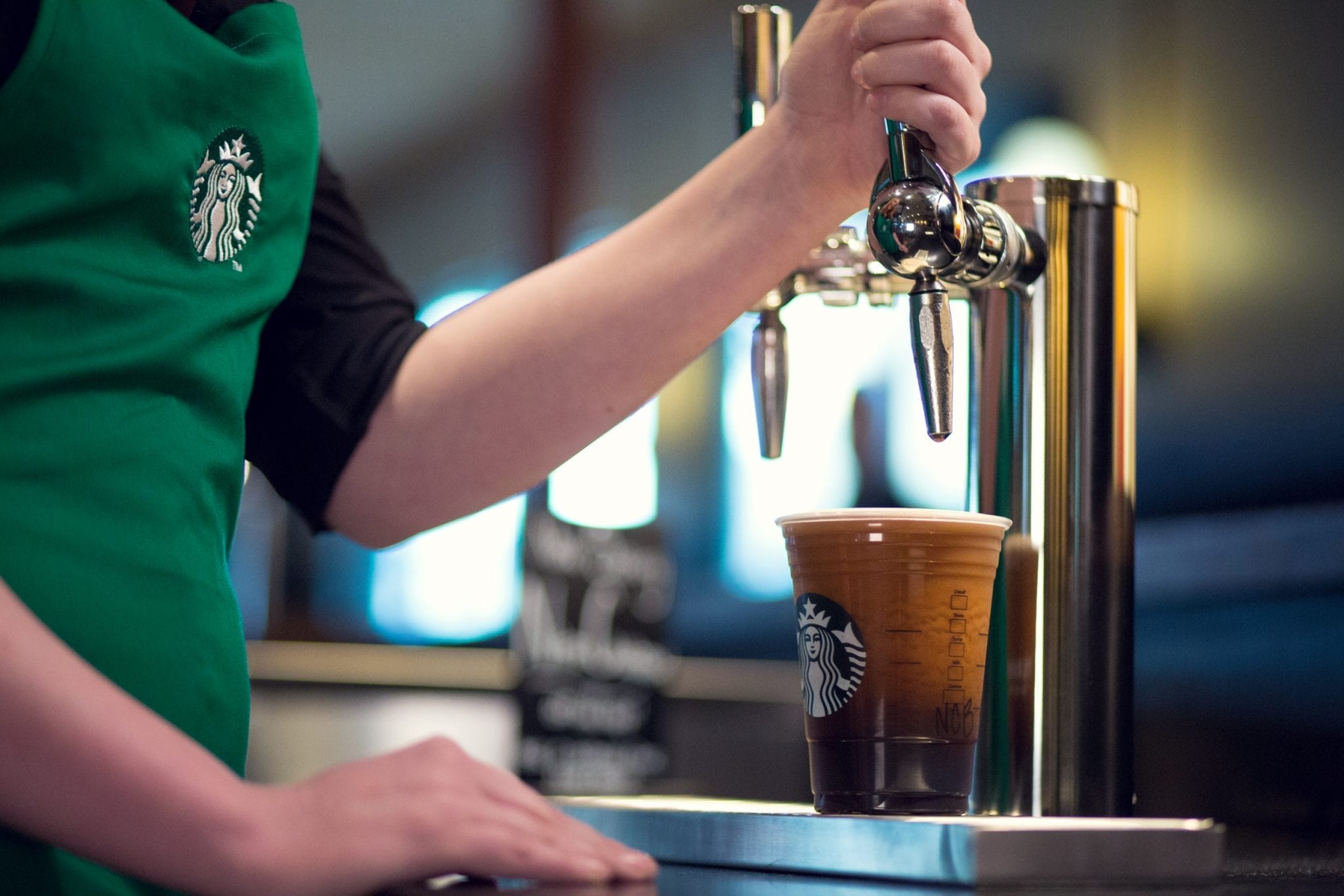
    Starbucks China has introduced Alipay, Alibaba’s third-party online mobile payment platform, to more than 2800 of its coffee shops.

    Alipay also covers some Starbucks outlets in Japan, Macau and Malaysia, adding up to more than 3200 stores worldwide. Its coverage outnumbers that of WeChat Pay, Tencent’s digital wallet, which covers about 2500 Starbuck shops in China, reports Caixin media group.

    Starbucks China also supports all mainstream digital payment methods, including Apple Pay and Quick Pass. Previously, the coffee company has promoted its digital VIP card, Starbucks Rewards, which is embedded in its app, as well as a prepaid card.

  • McDonald’s China signs deal with second developer

    McDonald’s China signs deal with second developer

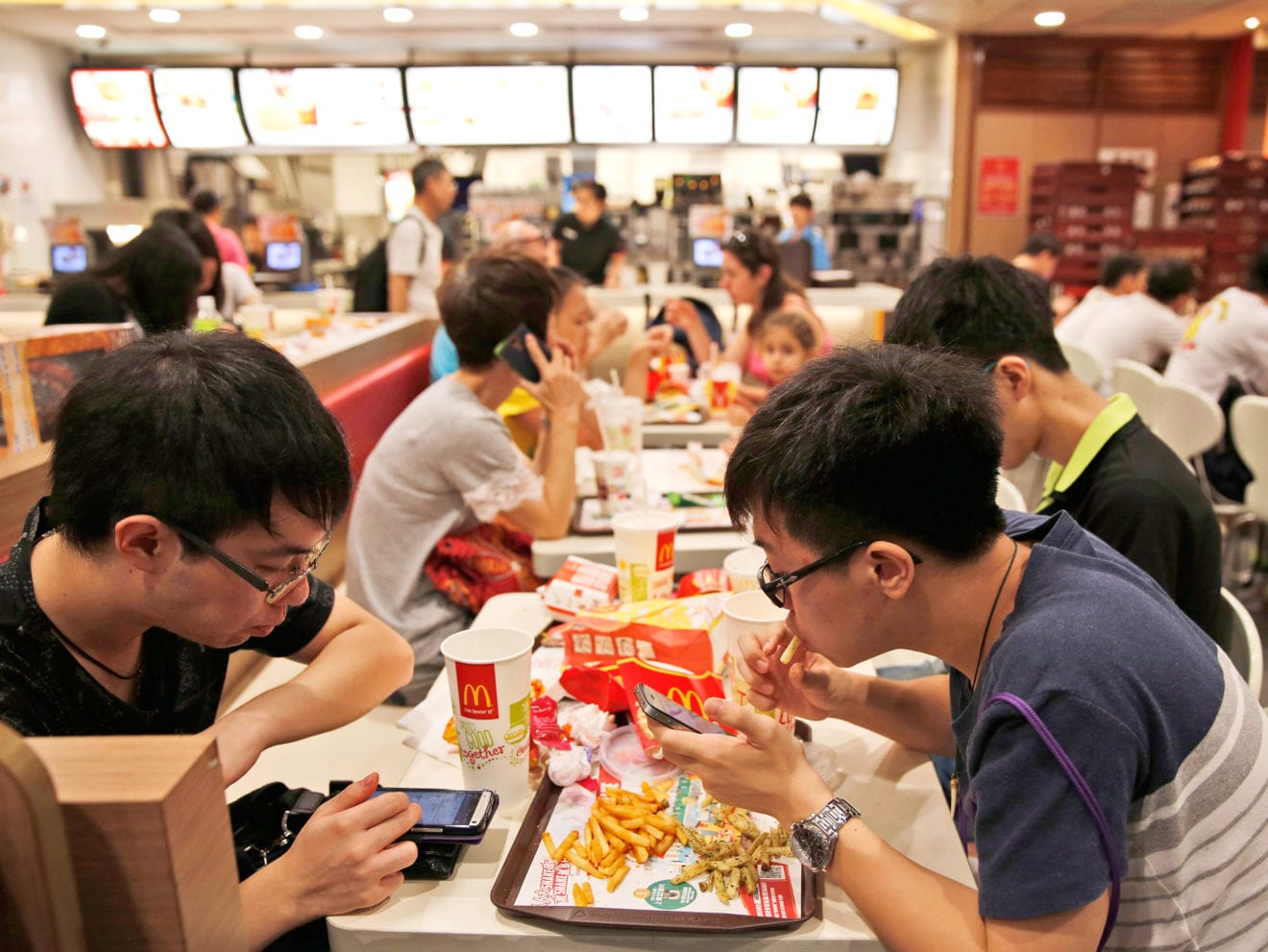
    Guangzhou-based developer Country Garden has signed a deal to help McDonald’s China reach its goal of opening 2000 restaurants by 2022.

    In the strategic co-operation deal signed with the new owner of McDonald’s China, the mainland’s third-largest developer by sales has pledged to provide locations for the fast-food chain’s plan to nearly double its footprint, reports property portal Guandian.

    The partnership echoes a deal McDonald’s signed last month with Evergrande Real Estate Group, under which the burger giant will piggyback on the residential developer’s nationwide property portfolio to accelerate its push into China’s lower-tier cities.

    McDonald’s China’s strategy to grow its stores from 2500 to 4500 in little more than five years looks to third- and fourth-tier cities for the bulk of the expansion. These cities will account for 45 per cent of outlets by the end of 2022.

    The new approach to securing shop locations comes after Citic Limited and its investment-management arm Citic Capital Partners jointly took a 52 per cent stake in the venture. McDonald’s China chairman Zhang Yichen, who is also CEO of Citic Capital, says the company is discussing similar agreements with rival builders China Overseas Land & Investment and China Vanke, which have close connections with Citic.

    Hong Kong-listed Country Garden, China’s top developer by sales, had 722 projects across mainland China and Hainan at the end of last year, more than 35 per cent of them in Guangdong province.

  • E-Mart China exit confirmed

    E-Mart China exit confirmed

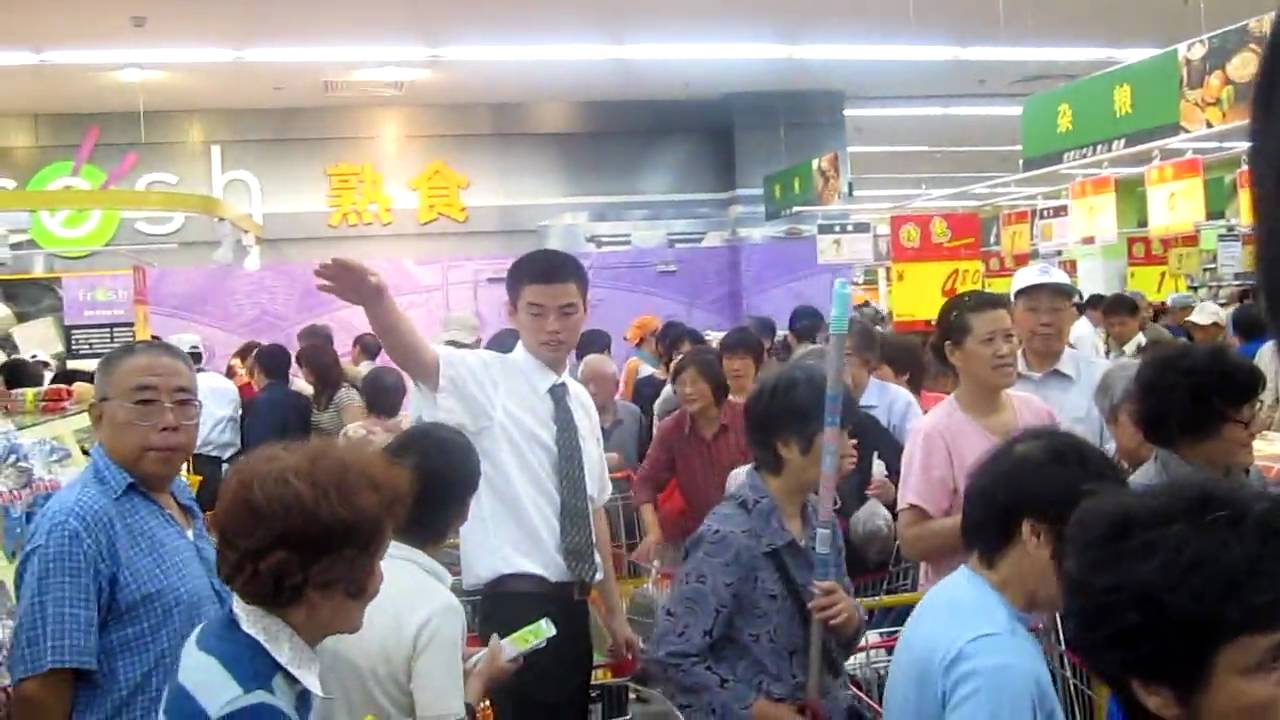
    Thailand’s CP Group has agreed to buy five of the six remaining E-Mart China stores, ending a 20-year presence for the Korean firm.

    Sources in the retail investment banking sector said E-Mart inked an agreement with CP Group to hand over the stores in Shanghai pending approval from Chinese regulators.

    Reports emerged earlier this month that the two parties were in negotiations. Yonhap news agency’s sources said E-mart is in the process of selling off its sole outlet in Xishan by the end of the year.

    Exact details of the sale have not been released, but market watchers said E-Mart will not be able to get the full market value for the stores and will have to settle for much less.

    The net book value of the stores to be sold to the Thai food and agribusiness stands at around 68 billion won (US$59.9 million), with CP Group expected to benefit from economy of scale with the takeover. The company already operates a supermarket chain under its CP Lotus subsidiary.

    “Getting approval from Chinese authorities takes time, and the company cannot reveal details about the contract before then, but internally the goal is to exit China by the end of 2017,” said an E-Mart insider, who declined to be identified.

    E-Mart first entered the Chinese market in 1997, with the total store number rising to 30 at one point yet it had to scale back operations in the face of tough conditions and weak sales.

    Last year the retailer reported losses hitting 21.6 billion won, while total losses in the last four years reached 150 billion won.

    The company, meanwhile, said that it is moving into new Asian markets to compensate for China, where the diplomatic row over Seoul’s decision to deploy a US anti-missile defense system on its soil has hurt sales of South Korean-made products and services.

    E-Mart said that it is making a determined push to expand into the Mongolian, Vietnamese, Laotian and Cambodian markets that offer good growth potential.

    It said a second store in Mongolia will be opened Friday following the first that started operations in July 2016.

  • AirAsia moves closer to setting up JV carrier in China

    AirAsia moves closer to setting up JV carrier in China

    Airasia is moving closer to setting up a joint-venture (JV) budget airline in China, having entered into a non-binding term sheet with China Everbright Group and two other companies on Friday last week.

    In an announcement to Bursa Malaysia on Monday, the low-cost carrier said the term sheet, whose signatories included Singapore-based  Plato Capital and Oxley Capital Ltd, intended to confirm the parties’ interest in forming the JV and contained supplementary information to an earlier memorandum of understanding (MoU).

    On May 14, AirAsia signed an MoU with Everbright – a conglomerate under the direct supervision of state-owned Assets Supervision and Administration Commission of China’s State Council – and Henan Government Working Group.

    Their target JV airline, to be known as AirAsia (China) in China, will be established either through an acquisition or by obtaining a new airline licence.

    Under the 12-month MoU, it is intended that AirAsia (China) will submit an application for an operating permit in China to Civil Aviation Administration of China (CAAC).

    In addition to the airline, the JV will also look into developing infrastructure.

    The JV will invest in developing for pilots, engineers and crew training as well as a maintenance, repair and overhaul provider (MRO).

    The parties have also expressed interest to incorporate AirAsia (China) in Zhengzhou which is intended to be AirAsia (China)’s operating base and headquarters.

    The term sheet signed on Friday, Sept 25, is valid for no longer than 12 months for the parties to discuss and negotiate definitive agreements for the proposed JV.

    Plato is an investment holding company listed on the Singapore Exchange Securities Trading Ltd, while Oxley is an innovative private investment firm and multi-family office specialising in real estate, agriculture/alternative energy, natural resources sectors and investments across the Asia-Pacific region.

  • Chinese luxury e-commerce firm Secoo debuts on Nasdaq

    Chinese luxury e-commerce firm Secoo debuts on Nasdaq

    Chinese luxury e-commerce company Secoo Holding Limited on Friday rang the Nasdaq Stock Market opening bell in celebration of its Initial Public Offerings (IPO).

    Secoo’s IPO of 8,500,000 American depositary shares (ADSs) priced at 13 U.S. dollars per ADS, within the pricing range of 11.5 dollars to 13.5 dollars given by the company, for a total offering size of approximately 110.5 million dollars, assuming the underwriters do not exercise their option to purchase additional ADSs. Each two ADSs represent one Class A ordinary share.

    The company has granted the underwriters an option, exercisable within 30 days from the date of the final prospectus, to purchase up to an aggregate of 1,275,000 additional ADSs to cover over-allotments.

    Shares of Secoo, trading under the ticker symbol of “SECO,” tumbled about 19 percent to 10.52 dollars per ADS around midday Friday.

    Secoo is Asia’s largest online integrated upscale products and services platform as measured by gross merchandise volume in 2016, according to the Frost & Sullivan report.

    The company’s net revenues increased to 198.6 million dollars for the six months ended June 30 from the same period a year ago, with a net profit of 7.7 million dollars. It had net losses of 32.9 million dollars and 6.6 million dollars in 2015 and 2016, respectively.

    “China’s consumption expenditure continues to grow rapidly, with luxury spending on the upswing, which will give us tremendous development opportunities,” Secoo Founder & CEO Richard Rixue Li told.

    By 2021, China will add 1.8 trillion dollars in new consumption, according to a report by The Boston Consulting Group and AliResearch, the research arm of Chinese e-commerce giant Alibaba.

    Meanwhile, online platforms are one of the fastest growing retail channels in China. The stocks of Alibaba and JD, China’s two largest e-commerce firms, have been trading around their record highs in recent days, despite the stagnant global consumer market.

    “By listing on the Nasdaq Stock Market, Secoo will have a better international stage, which will enable us to link global brands and the Chinese consumer market more closely,” Li said.