Tag: China

  • LG U+, Huawei validate 4G-5G dual connectivity

    LG U+, Huawei validate 4G-5G dual connectivity

    South Korea’s LG U+ has collaborated with Huawei to complete technology verification for 4G-5G dual-connectivity technology.

    The field test involved linking a 3.5-GHz base station with a 28-GHz base station to allow terminals to simultaneously connect to both, achieving a peak downlink rate of around 20Gbps.

    It involved the use of two base stations at a LG U+ 5G testbed in Seoul. The operator had already verified the technology in a laboratory environment.

    LG U+ director of 5G strategy Kim Dae Hee said dual connectivity technology will provide the foundation for 4G-5G heterogeneous networks.

    “By demonstrating ‘Dual-Connectivity’ technology, which will play a key role in multi-operation of 4G and 5G wireless base stations, we will develop various next-generation technologies to provide a 5G service.”

    LG U+ and Huawei have been collaborating on 5G development since the two companies signed a 5G collaboration agreement in July 2015. Last month, the companies completed the first phase of an urban field test of 5G over the 28-GHz band.

    The companies pledged to continue to carry out 5G technical cooperation and verification activities in advance of the planned commercial deployment of the technology in time for the 2018 Winter Olympics in PyeongChang.

  • Australia’s Retail Food Group to target China

    Australia’s Retail Food Group to target China

    Australian-headquartered food and beverage retailer Retail Food Group says it will focus on greater China for its next phase of growth.

    RFG is Australia’s largest multi-brand retail food franchise owner, developer and manager, with a network of more than 2500 outlets across 12 brands and 81 territories. RFG CEO international, Mike Gilbert, says the company plans to introduce a selection of its coffee-based retail food brands to Chinese consumers.

    “We’re excited to replicate our successful Australian operations in the Chinese market and accelerate the growth of brands like Gloria Jean’s Coffees, Donut King, Crust Gourmet Pizza Bar, Brumby’s Bakery, Michel’s Patisserie, Pizza Capers Gourmet Kitchen, Cafe2U and It’s A Grind in the region,” he said.

    The company also owns the BB’s Cafe, Esquires, The Coffee Guy franchise systems and the premium Di Bella Coffee Co brand.

    Gilbert says RFG’s international expansion model is based on recruiting master franchise partners who purchase a license to develop a certain brand system in a defined territory, and provides the company and local partners with the opportunity to forge sustainable alliances.

    A key strategy driving the group’s global growth is its hub network, which provides a platform for fast-tracking coffee and brand system expansion in international markets, whilst also more efficiently servicing the company’s existing markets.

    RFG is developing a Middle East hub next year which it believes will help it expand quickly through the MENA region, whilst enabling the group to more efficiently service and grow brands  in the Gulf.

    “We currently have hubs in Australia, New Zealand and the US, and plans for the Middle East underway, and will be looking to replicate them in Asia and Europe,” said Gilbert.

  • Marc Jacobs China launches online flagship

    Marc Jacobs China has launched its first online flagship store with VIPlux, which carries international luxury and premium brands.

    The US fashion label is offering its hip hop-inspired autumn collection to VIP.com’s 300 million members.

    Marc Jacobs says it chose VIPlux as its partner because of its dedication to creating end-to-end shopping experiences.

    VIP.com co-founder Arthur Hong says VIPlux understands how to “become one” with the spirit of specific brands and match that with market growth.

    VIP.com launched with VIPlux in 2008. Other fashion labels with flagship stores on the platform include Armani, Diesel, Roberto Cavalli, Salvatore Ferragamo, Sergio Rossi, Trussardi and Versace.

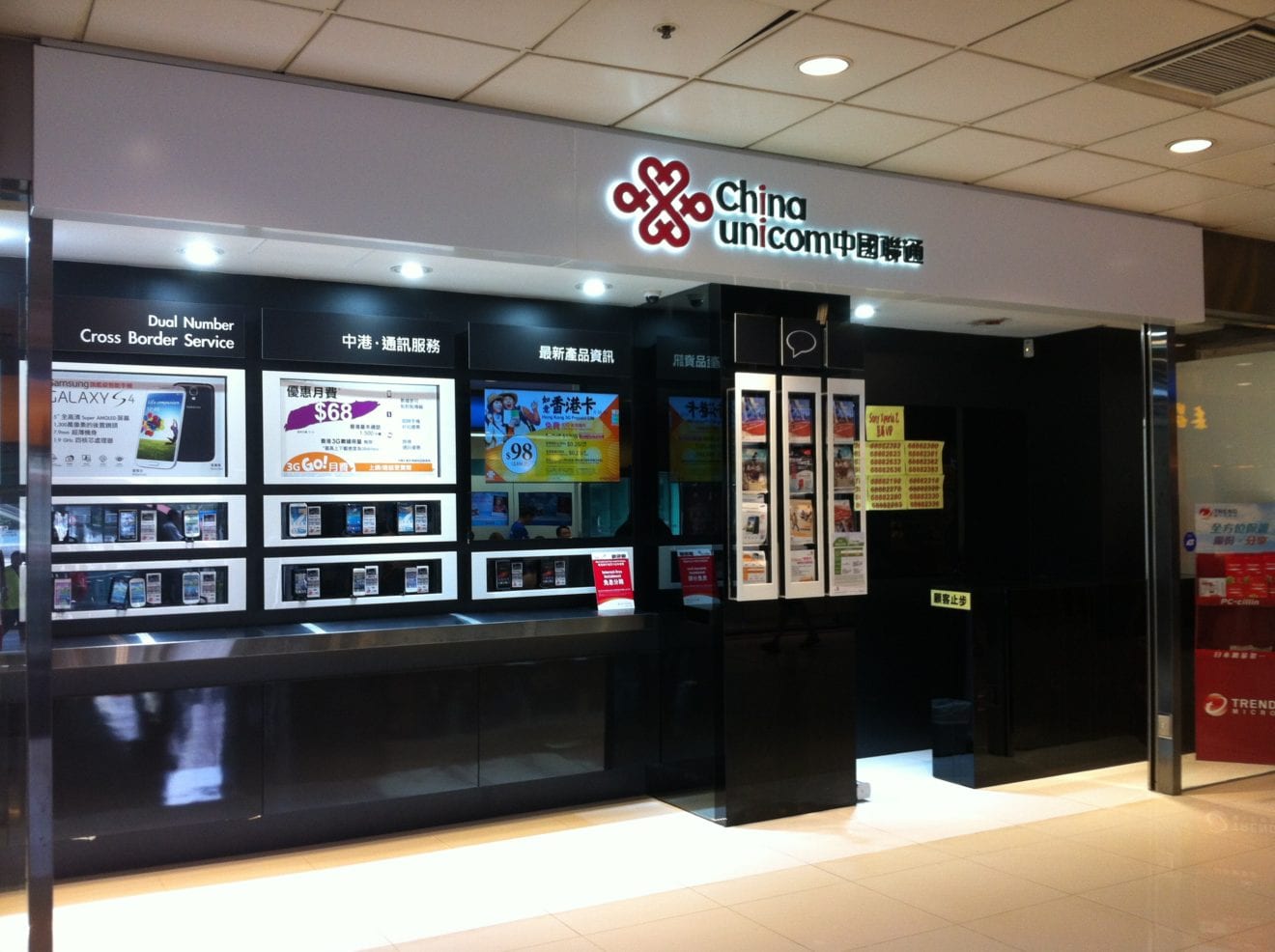
  • China Unicom 9M17 profit grows 155%

    China Unicom 9M17 profit grows 155%

    China Unicom has announced it expects to report a strong 155% increase in net profit for the first nine months of the year, driven by robust service revenue growth and lower expenses.

    The operator’s preliminary results estimate that net profit reached 4.1 billion yuan ($618.6 million) for the period, with service revenue up 4.1% to 187.9 billion.

    China Unicom also reduced its selling and marketing expenses and handset subsidy spending as part of its new Focus Strategy.

    But the company still added over 13 million new mobile customers during the nine month period, taking its total to 277 million.

    Total 4G net additions were 55.7 million, with the operator’s total 4G customer base growing to 160 million. In September alone, Unicom gained 3.82 million new mobile customers and 7.56 million new 4G customers – a company record for both metrics.

    Despite the strong results, Unicom warned that the recent regulator-mandated abolishment of domestic long-distance and roaming fees – coupled with a cyclical increase in market competition – is expected to place increasing pressure on the company’s financial performance in the fourth quarter.

    “Going forward, the Group will actively address challenges, continue to deepen Focus Strategy and earnestly capitalise on the implementation of mixed-ownership reform to raise efficiency and returns,” China Unicom said in a statement.

  • Jardin Sacai capsule collection for Colette

    Jardin Sacai capsule collection for Colette

    Following a showcase at Colette in Paris, Japanese fashion label Jardin Sacai has bringing a capsule collection to Asia, starting at the Colette Hong Kong flagship store in Central.

    Available until November 6, the collection features collaboration projects with niche luxury brands such as Astier de Villatte, Be@rbrick, Fragment Design, Globe-Trotter, Lacoste and Zucca.

    Label creator Chitose Abe, previously with Comme des Garcons, has previously collaborated with Nike and The North Face on exclusive capsule collections.

    “Colette was one of the first retailers to start carrying the Sacai collection when I first started my line, and has always felt like home to me,” says Abe.

    Meanwhile, Colette plans to close its flagship Paris concept store on December 20, two decades after it was founded by Colette Roussaux, who is stepping down.

  • Cafe de Coral China closing east China stores

    Cafe de Coral China closing east China stores

    Cafe de Coral China is closing its stores in the nation’s east to focus on the southern China market.

    With 359 restaurants in Hong Kong and 99 on the mainland, the Hong Kong fast-food chain announced on its official WeChat account that it is closing its restaurants in Nanjing, Shanghai and Wuxi this month. It advised customers to cancel their membership and obtain a refund.

    A spokesperson says the closures are temporary and a “short-term strategic adjustment” to put a focus on business in the south. “We are performing well in the southern China market, and generally in Mainland China we are achieving positive growth,” she says.

    In its annual report in March, the company said competition was likely to remain keen in Mainland China, but it was optimistic about the prospects in the country because of its “long history and strong foundation”. Mainland same-store sales growth had been satisfactory and profit margin had improved.

    The report said the company would build its brand presence in strategic locations in Southern China, increase brand penetration in second- and third-tier cities, enhance brand loyalty and win over new customers.

    Highly competitive

    Cafe de Coral works in a highly competitive segment, says OC&C Strategy Consultants partner Pascal Martin. “You can find similar dishes in street shops at very low prices in China. This is different from western fast-food chains which do not have to compete so much with low-priced local equivalents.”

    He suggests the chain might need to adjust its flavours to accommodate tastes for various regions in China, which all have different preferences.

    Martin also says the Cafe de Coral model also requires expensive space, and consumer habits are changing with the growth of online ordering and take-out. “Maybe the chain’s new strategy will take this into account more fully.”

    Another issue he raises is that the brand may not have much power in China yet. “Insufficient investment in marketing – particularly online marketing in China – and lack of brand recognition may not have achieved the level of traffic needed to run the restaurants successfully.”

    OC&C research last year into the foodservice landscape in China noted that consumers eat out almost three times a week on average, and are becoming more sophisticated amid increased awareness and openness toward international brands. Its report found that Chinese consumers actively seek out new restaurants and are receptive to new formats and concepts.

    “Moreover, food quality, a wide choice of categories and service quality came up as the three critical factors, while serving speed, convenience and pricing were rated less important.”

  • Apple slams Qualcomm suit seeking iPhone ban in China

    Apple slams Qualcomm suit seeking iPhone ban in China

    China is a vital Apple manufacturing base and sales market.

    Apple has rejected as “meritless” a legal move by Qualcomm to ban iPhone sales in China, the latest salvo in a bitter patent battle between the two U.S. tech giants.

    Qualcomm had filed a lawsuit in Beijing seeking a ban on the assembly and sale of iPhones in China — a vital Apple manufacturing base and sales market.

    The two California companies are fighting over Apple’s claims that Qualcomm is abusing its market power over certain mobile chipsets in order to demand unfair royalties.

    Apple filed a U.S. lawsuit to that effect in January and has joined efforts in other countries where Qualcomm faces probes from antitrust authorities.

    Qualcomm has countersued Apple for the royalties.

    In response to Qualcomm’s Beijing suit, Apple said in a statement: “This claim is meritless and, like their other courtroom maneuvers, we believe this latest legal effort will fail.”

    It was filed on September 29 in an intellectual-property court, and said the suit was confirmed by a Qualcomm spokeswoman.

    It remains unclear how much chance Qualcomm’s case has in China, where huge numbers of workers are employed in the manufacture of iPhones.

    The Qualcomm patents cover power management and a touch-screen technology called Force Touch that Apple uses in current iPhones, Bloomberg reported, quoting Qualcomm.

    Apple dismissed Qualcomm’s claims.

    “In our many years of ongoing negotiations with Qualcomm, these patents have never been discussed and in fact were only granted in the last few months,” Apple’s statement said.

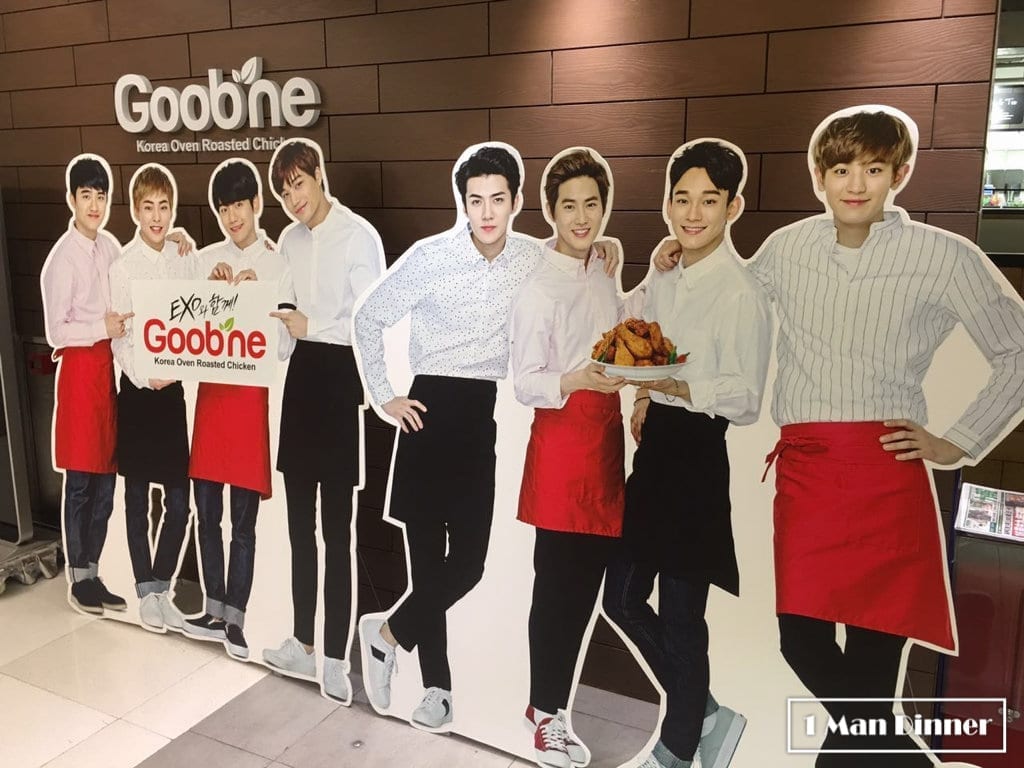
  • Goobne grows in Hong Kong after China rebuff

    Goobne grows in Hong Kong after China rebuff

    Korean chicken franchise Goobne has opened a seventh outlet in Hong Kong, in a residential area in Tseung Kwan O.

    It is part of the brand’s strategy to focus on profitable markets as its business in Mainland China has been hit by the Beijing/Seoul dispute over the deployment of the THAAD missile system in South Korea.

    “We had two branches in China but now are left with one in Suzhou,” says a company spokesperson. “Our store in China is not very profitable.”

    Another chicken franchise, BBQ, which has more than 150 stores in China, said in May that it was unable to expand as its local partner refused to invest further in Korean firms.

    Goobne, meanwhile, has 11 stores in  Japan and Macau as well as China and Hong Kong. Its monthly sales overseas reached 1.5 billion won (US$1.3 million) on average this year, with its Hong Kong sales accounting for about 1.3 billion won.

    “We are doing well in Hong Kong,” says the spokesperson. “The first store in Tsim Sha Tsui alone showed more than 400 million won in sales monthly last year.”

  • Ford’s China sales stuck in first gear as rivals overtake

    Ford’s China sales stuck in first gear as rivals overtake

    Ford Motor saw its China vehicle sales make the barest of increases in September, extending a tough run in the world’s largest auto market even as global rivals have logged robust gains.

    The U.S. automaker has lacked a high-volume brand of affordable entry cars for China and has been criticized for slow decision-making that has cost it share in a market where consumer tastes change quickly.

    In response, it has brought in a new China head, Jason Luo, a Chinese-born American formerly at U.S.-based air bag maker Key Safety Systems, tasked with building closer ties with Ford’s local partners and working more effectively with regulators.

    The U.S. carmaker sold 112,902 vehicles in China last month, an increase of some 430 from the same period a year earlier.

    By contrast, rivals Toyota, Honda and Nissan Motor saw gains of 14 percent or more while General Motors posted an increase of 7 percent.

    Overall vehicles sales in China rose 5.7 percent in September – a fourth straight month of growth.

    Like many other global automakers, Ford is also looking to revamp its strategy towards electric vans and cars to keep up with Beijing’s push for cleaner new-energy vehicles (NEV).

    The country has set strict quotas for NEVs which carmakers must meet by 2019, a move that is prompting a flurry of electric car deals and new launches of electric and hybrid models. Ford said it was looking to set up an electric car venture with Chinese firm Anhui Zotye Automobile Co in August.

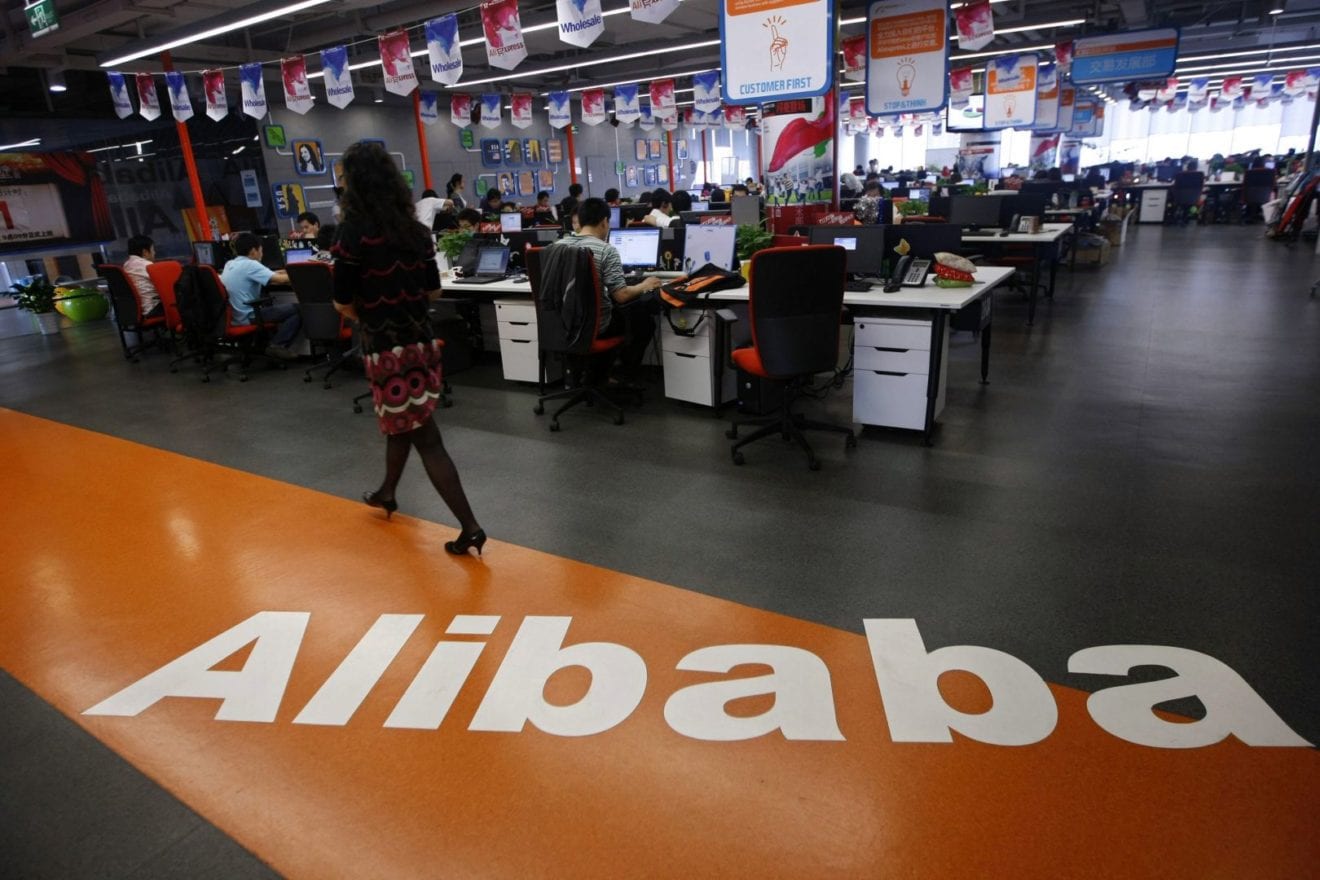
  • Alibaba sets up global research academy

    Alibaba sets up global research academy

    Alibaba Group has established a global research academy which aims to increase collaboration on cutting-edge technology development.

    Through the academy the company expects to invest more than $15 billion in R&D over the next three years.

    The new Alibaba DAMO Academy — the Academy for Discovery, Adventure, Momentum and Outlook — will oversee the development of R&D labs worldwide to seek to recruit talented scientists and researchers to join the program. It will be led by Alibaba Group CTO Jeff Zhang.

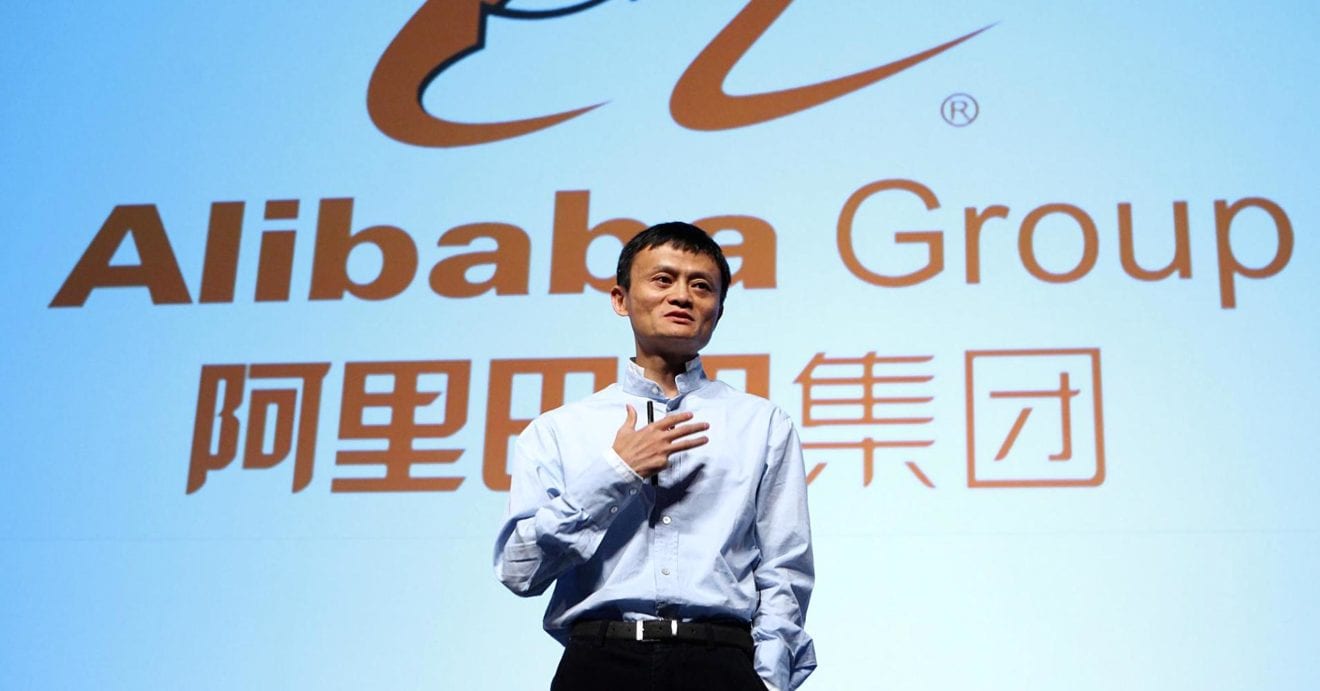
    “Over the past 18 years of establishment, we have gained robust growth in our business, profit and have accumulated lots of data. Now is the right time to set up our own research academy,” said Jack Ma, executive president of Alibaba Group at the company’s Computing Conference 2017 in Hangzhou.

    He added, “Our academy is not just for making profit or for fun. We aim to focus on research for solving society and people’ problems. We will learn from IBM, Intel and Microsoft research labs, and target to surpass them.”

    Initially the academy will focus on opening research labs in China – in Beijing and Hangzhou – as well as two in the US and one each in Russia, Israel and Singapore.

    The seven labs will focus on research into disruptive technologies including data intelligence, the internet of things, fintech, quantum computing and human-machine interaction.

    Areas of focus within these broad domains will include machine learning, network security, visual computing and natural language processing (NLP).

    The academy will also seek to recruit 100 talented researchers from around the world to assist with the research efforts, and form partnerships with luminaries in the technology sector and educational institutions.

    “The Alibaba DAMO Academy will be at the forefront of developing next-generation technology that will spur the growth of Alibaba and our partners. We aim to discover breakthrough technologies that will enable greater efficiency, network security and ecosystem synergy for end-users and businesses everywhere,” Alibaba Group’s Zhang said.

    “Over the past 18 years, we have developed a robust technology infrastructure that supports the rapid growth of our business. With our global expansion, we have grown and refined our technology manifold. We are now looking for talented and driven researchers to join us in the quest for new disruptive technologies that would advance our every-day lives, benefit small businesses and narrow the technology gap to make our world a more inclusive place.”

    The company also plans to use the research lab to help fulfill its ambition of serving 2 billion customers and creating 100 million job opportunities in 20 years.

    The research academy will include advisers like educators and researchers from universities globally who will provide guidance and advice on key research areas.

  • Costa Coffee buys out south China partner Yueda

    Costa Coffee buys out south China partner Yueda

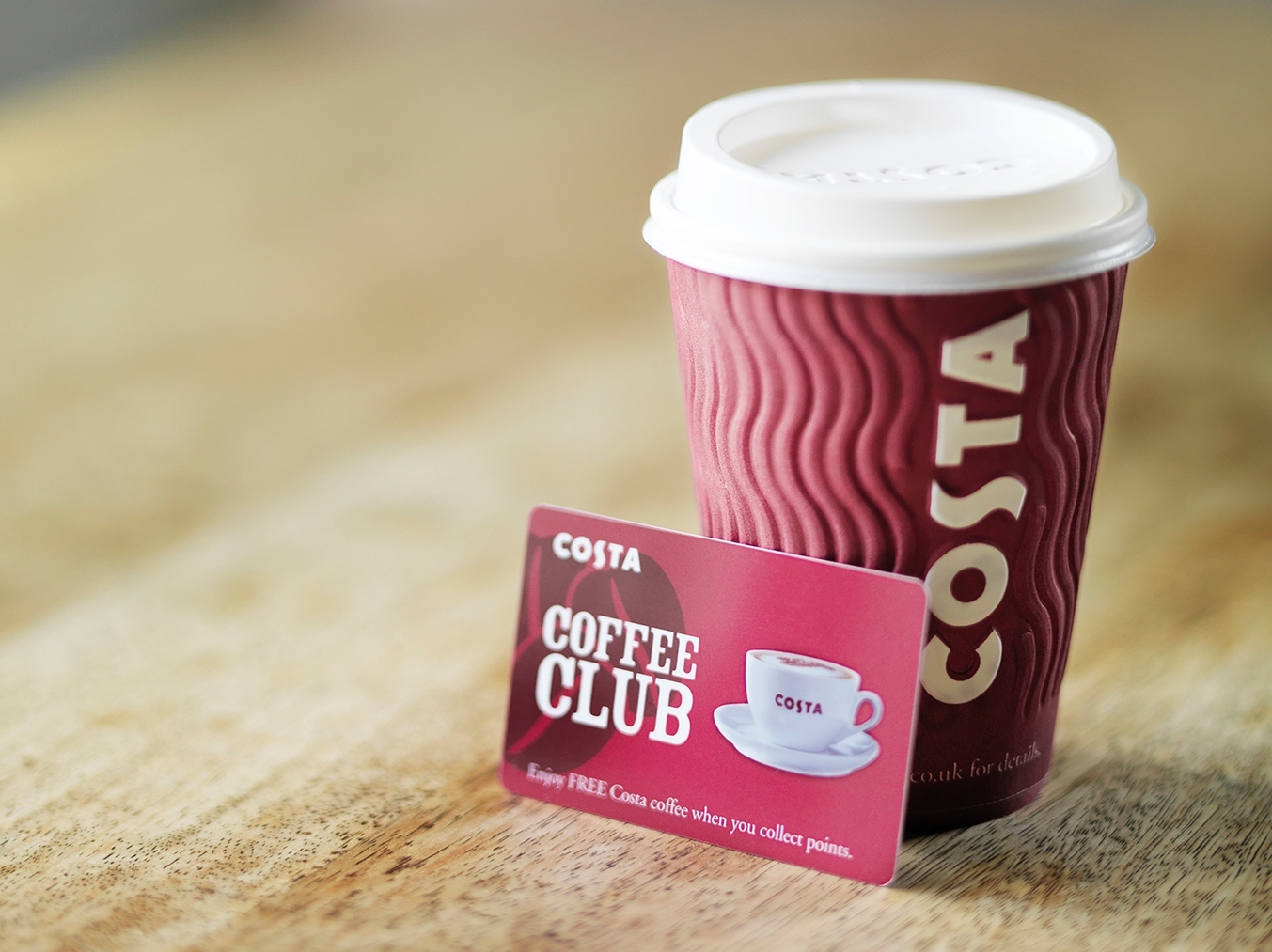
    British high-street chain Costa Coffee has taken full ownership of its south China business after buying out partner Yueda.

    Costa previously held 51 per cent of their JV, buying the balance of shares for RMB310 million (US$47 million), giving it total control of 252 stores.

    The deal is part of the group’s plans to expand overseas, says Alison Brittain, chief executive of Costa’s parent company Whitbread.

    “We have enjoyed an excellent partnership with Yueda over the past 10 years, together beginning to build the Costa brand in this key market,” says Brittain. “The coffee shop market in China is highly attractive, with a compelling opportunity for Costa to grow its presence over the longer term.

    “This acquisition gives us full strategic and funding flexibility to unlock Costa’s potential in China.”

    Meanwhile, the company says it remains fully committed to its partnership with BHG in northern China.

  • GuangYuYuan mixes medicine with fashion

    GuangYuYuan mixes medicine with fashion

    In a Paris Fashion Week first, a traditional Chinese medicine (TCM) brand, GuangYuYuan Chinese Herbal Medicine, has sponsored a runway show.

    With a history of nearly 500 years, it is the oldest TCM brand in China. GuangYuYuan board chairman Guo Jiaxue says the brand’s Paris Fashion Week campaign is all about connecting with younger consumers.

    “We are the oldest of the ‘big four’ TCM brands, so it’s easy to mistake us for being old fashioned. Today, we are reinterpreting our legacy with innovation and flair.”

    Its global debut in Paris was as a sponsor for fashion designer Liu Qing, also known as Big-King. It was also his first Paris runway show.

    Big-King typifies the young customer GuangYuYuan is seeking out. At the show, he revealed 10 modern looks using elements inspired by traditional Chinese motifs and themes. The event was attended by celebrities such Celina Jade, and representatives from top fashion houses including Gucci and Louis Vuitton.

    Former French Prime Minister Jean-Pierre Raffarin presents GuangYuYuan Chairman Guo Jiaxue with an award for “Most Influential and Innovative International Brand” at the 2017 Select Fashion Awards

    The unusual collaboration between a TCM brand and fashion design was the brainchild of new hire Wang Xinyu, GM GuangYuYuan’s brand centre. Wang is leading the company through a marketing modernisation strategy. The runway show was co-organised with tech giant Tencent.

    Founded in 1541, GuangYuYuan was acquired by pharmaceutical conglomerate Xi’an Dongsheng Group in 2003, and in 2006 the Chinese Ministry of Commerce gave the brand its “Time-Honoured Brand” appellation. Two of GuangYuYuan’s oldest products have been declared to be part of China’s intangible cultural heritage, and their formulas have been named national secrets.

  • Inside Alibaba’s Home Store of the future

    Inside Alibaba’s Home Store of the future

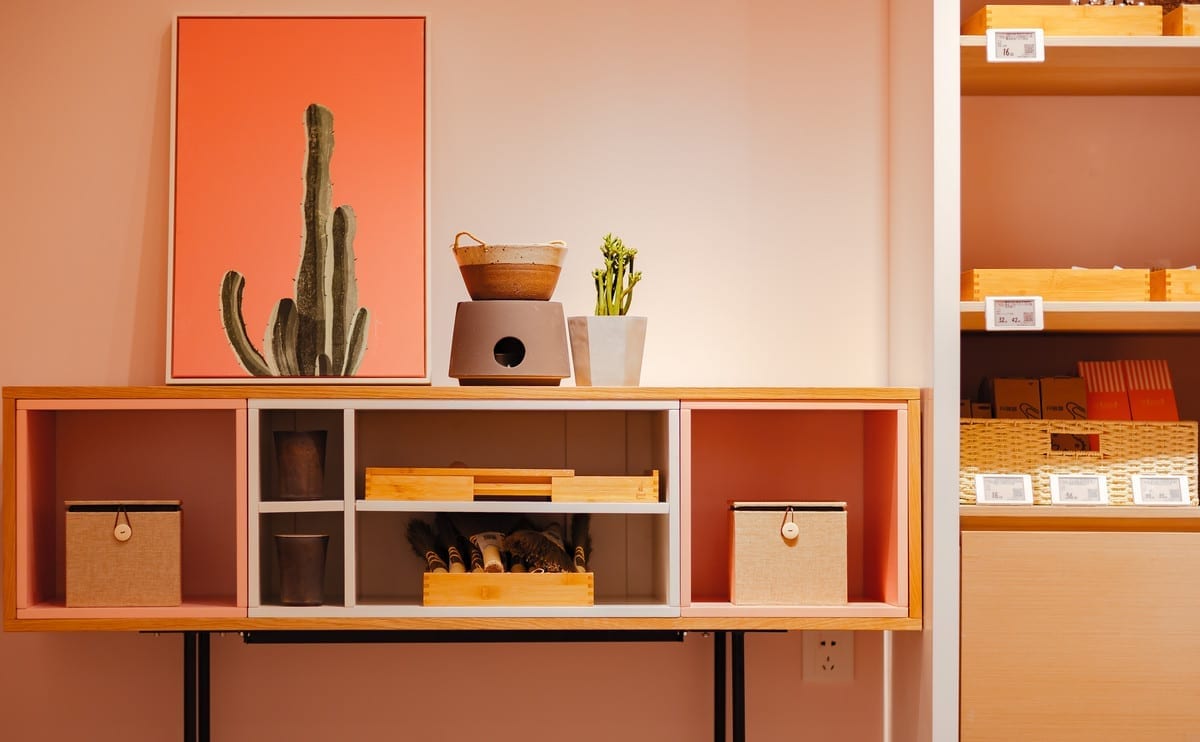
    Home Times, a furniture store supported by Alibaba Group technology, has opened for business in the Chinese city of Hangzhou.

    Attracting between 1,500 and 3,000 daily visitors since opening, the furniture store is another example of Alibaba’s  New Retail model. In recent months, Alibaba has expanded that model out to a variety of sectors, following the success with its hyperlocal Hema Supermarkets, which have shown how analytics and technology can transform traditional grocery stores into a seamless online-offline customer experience.

    Over 20,000 items are available for purchase at Home Times, including furniture, kitchenware, home décor, stationery and travel essentials—a majority of which are sourced from merchants already selling through Alibaba’s B2C shopping platform Tmall.

    And a phone in hand is all it takes for seamless shopping. Shoppers scan each item’s QR code with their smartphones to see the product name, price, description, and instantly purchase using Alibaba’s mobile payment service Alipay.

    “We have the hardware and know-how to build New Retail-driven stores, and we work with partners that have access to offline channels and expertise in operating physical storefronts,” said William Chen, who heads the Home Times project at Alibaba’s Cloud Retail division. “We provide the technology and Tmall’s pool of consumer insights.”

    Tmall analyzes the behavior and preferences of users within a five-mile radius of the shop. Products are then handpicked from these users’ top preferred categories and added to store shelves. This system cuts the time required to source products worldwide for traditional retailers down to a single day, while store offerings will change every 10 to 15 days, added Chen.

    Each product has an electronic price tag that can automatically sync prices with the latest seen online, removing the need for staff to manually print and replace the labels.

    Large screen displays on the wall allow customers to see their desired furniture and décor in a virtual home setting. This also indicates that Home Times requires significantly less display space, compared to traditional furniture sellers, since products can be displayed virtually.

    Home Times is set to open two new branches in Hangzhou by the end of 2017, including one at the In77 shopping center in the Hubin business district and another at an undecided location in West Hangzhou. It plans to open 15 to 20 new stores in 2018.

    “We definitely want to open this system to more businesses. Plans to apply our New Retail infrastructure to industries beyond home furnishing are underway,” said Chen.

  • Chinese consumers most well-informed and demanding globally

    Chinese consumers most well-informed and demanding globally

    “The Chinese consumer in my opinion is the most well-informed, sophisticated, demanding consumer in the world,” declared Terry von Bibra, general manager for Alibaba during his keynote at Shoptalk Europe this week.

    “They have a disposable income and they want to invest in quality products from around the world,” he said. “They have complete access to products, information choice and they are engaging with these products and brands in an intensive way with a common theme – they want to improve their quality of life and their family members.”

    To illustrate the sheer size of China, Von Bibra pointed out there are 10 cities in the US with a population of 1 million or more. There are 18 such cities in Europe. In China, there are 102 cities today with that population and it’s forecast to grow to eventually 220 cities.

    Von Bibra emphasised the need for retailers to offer seamless online and offline experiences to customers, something which Chinese shoppers now expect from retailers, especially with the country’s high penetration of smartphones and use of mobile payment system, Alipay.

    According to Von Bibra, 80 per cent of the China’s e-commerce transactions take place on smartphones, 500 million of which are used via Alipay.

    While Alibaba may be known as an e-commerce platform, the business has invested in several physical store initiatives over the past few years, including the acquisition of InTime Department Stores and their investment in Suning electronic stores.

    In addition, Alibaba has now opened 20 Hema stores in China, a hyper local supermarket best known for its fresh seafood offering that blends on and offline services.

    “People can go into Hema and say, ‘I’m going to order the stuff at home, get into the store, actually, but I want to order more stuff and actually that crab I ordered, I want to eat it in 15 minutes with my friends, so please prepare it in Szechuan-style and the rest of the stuff I bought? I’d like you to deliver it to my house’,” explained Von Bibra.

    Another Alibaba initiative is known as Rural Taobao, where the business has launched Alibaba stores in the centre of 16,000 villages in China. After all, while there are 731 million Chinese online, there are 600 million who don’t have access to the internet, Von libra pointed out. The plan is to eventually reach 100,000 villages.

    “Customers can go into a shop, order something online, get it delivered in a few days, or you can take the products you produce in your village and sell them online. It’s a long-term idea about how we can help the Chinese consumer in the rural world,” he explained.

    Despite the fact that many believed that commerce would kill the local mum-and-dad corner store, six million of these stores currently exist in China, said Von Bibra.

    “This is how [people] want to engage, this is how people want to buy. So we provide an app where people can run their shops, order their products wholesale, sell them retail in their stores and we give them access to data and access to logistical solutions so they can offer products like food, which many of them could not because of the logistical challenge,” he explained.

    “We try to make it easy for corner shops to enter the world of new retail and how we’ll experience it in the future.”

    “The transformation in China of the retail experience has been driven to a great degree by e-commerce in the past few years. In the future, it will be driven by how people are able to build a seamless retail experience that combines offline in a way that is best for that particular consumer for that particular brand experience.”

  • Alibaba chairman Jack Ma to speak at e-payment forum in Hanoi

    Alibaba chairman Jack Ma to speak at e-payment forum in Hanoi

    Now in its third year, the forum is the country’s biggest e-payment event. World famous billionaire and Alibaba chairman Jack Ma is expected to visit Hanoi next month to attend a forum on e-payment services.

    Now in its third year, the annual Vietnam E-Payment Forum, provides an opportunity for the government, experts and businesses to sit down together and discuss the latest trends in e-payment services and the best ways to apply them in Vietnam.

    This year, mobile payment will be in the spotlight.

    As a speaker at the event, Jack Ma, founder and executive chairman of Chinese e-commerce giant Alibaba, will talk about his experiences of developing e-commerce and mobile payment services in China.

    According to iResearch, the leading provider of online audience measurement and consumer insights in China, the mobile payment market was valued at $5.5 trillion last year in China, nearly 50 times greater than that of the U.S., and Ant Financial Service, a subsidiary of Alibaba, contributed a lion’s share of 54 percent.E-payment has gradually replaced cash in Vietnam’s northern neighbor, and these days, most Chinese people pay for products and services using their smartphones.