Tag: China

  • LANCÔME Travel Retail Asia Pacific Kicks Off ‘Declaring Happiness’ Global Campaign

    LANCÔME Travel Retail Asia Pacific Kicks Off ‘Declaring Happiness’ Global Campaign

    Leading French luxury beauty brand LANCÔME

    Travel Retail Asia Pacific is delighted to announce the launch of a global campaign,
    ‘Declaring Happiness’, which will be celebrated through a series of brand events across
    Asia. In line with the global direction to strengthen LANCÔME’s digital presence in the
    region, each of these events will leverage on the digital influence of celebrities and key
    beauty opinion leaders to engage a broader audience, and at the same time converge the
    offline and online retail experiences to foster a stronger brand engagement with
    consumers.

    Beginning in Korea, the global initiative was kickstarted with a store event
    and cocktail party graced by renowned Korean actress, Kim Go-Eun, at Lotte Hotel, the
    first 2020 concept store for LANCÔME Travel Retail Asia Pacific to offer a unique retail
    experience with its consumer centric and high retail quality that allows travellers to freely
    discover various travel exclusive products in the shop. After which, the campaign landed
    on the shores of Singapore, with a resplendent LANCÔME Holiday Wonders pop-up
    store that lit up Singapore Changi Airport in festive spirit for the holiday season. Moving
    forward, the campaign will make a stop in China, with a launch event in November at
    Haitang Bay that is set to continue the brand’s journey in sharing happiness with all
    women, before concluding with a Hong Kong event in December.

    The Soul Behind The Campaign

    “The LANCÔME ‘Declaring Happiness’ global campaign richly illustrates our passion to
    inspire and share happiness with women by making their lives more beautiful. Ultrafeminity,
    emotion, joie de vivre and beauty have always been at the heart of LANCÔME’s
    DNA. Through this series of ‘Declaring Happiness’ events across Asia, we hope to
    continue creating moments of happiness for all women by exploring different consumercentric
    innovations at our events that allows us to foster a deeper connection and
    engagement with our consumers.” says Ms. Tao Zhang, General Manager of
    LANCÔME Travel Retail Asia Pacific.

    ‘Declaring Happiness’ Kick-off Event in Seoul

    The ‘Declaring Happiness’ campaign started off in Seoul on 12 October 2017 with
    LANCÔME Travel Retail Asia Pacific’s first-ever live streaming event, attended by
    guests from all across Asia – most notably, renowned Korean actress Kim Go-Eun and
    social media influencers from China. The 11 Chinese social media influencers livestreamed
    at both the event venue and concept store through Weibo, creating organic,
    user-generated content by sharing their experience with millions of their followers and
    interacting with them during the live feed.

    At the beauty talk session, Kim Go-Eun revealed her beauty secret for porcelain skin and
    attributed it to some of her favourite LANCÔME products – the UV Expert Aqua Gel
    and Blanc Expert Cushion.

    Other highlights of the event also include activities for new product launches such as the
    ‘Génifique’ zone, which employed touch-screen gaming technology to create a unique
    platform on which guests could experience the Génifique Sensitive. Guests were also
    given the opportunity to be the first to experience the fruity floral scent of LANCÔME’s
    new fragrance, the Miracle Secret, as well as the newly launched L’absolu Gloss.

    LANCÔME Holiday Wonders Pop-Up Store at Singapore Changi Airport

    Following its launch in Seoul, the ‘Declaring Happiness’ campaign arrived in Singapore
    with a much-anticipated LANCÔME Holiday Wonders pop-up store at Changi Airport
    on 16 October 2017, the first of its kind to blend retail with entertainment to create a
    captivating pop-up experience. The launch event was officiated with a ribbon cutting
    ceremony and champagne toast graced by VIPs and partners, followed by a speech given
    by Ms. Tao Zhang, General Manager of LANCÔME Travel Retail Asia Pacific.

    Pop-up store is designed to enrapture travellers at Singapore Changi Airport with various
    multi-dimensional retailtainment. An instant crowd-favourite at the launch event is the
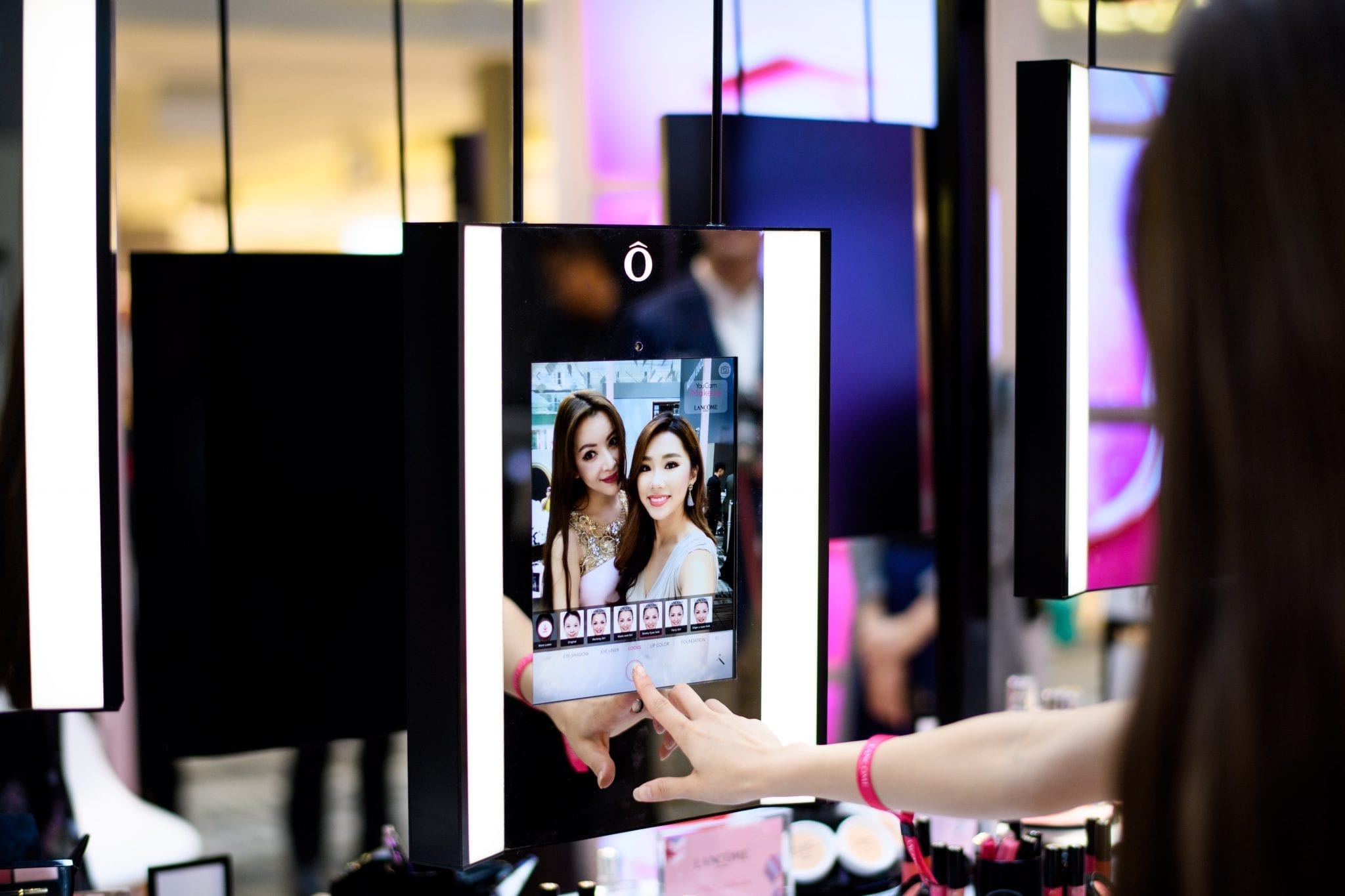
    Virtual Mirror, a LANCÔME Travel Retail Worldwide exclusive at Singapore Changi
    Airport that allows guests to try on different makeup looks via a augmented reality virtual
    makeover application. Fans of Virtual Mirror at the event included notable beauty
    personalities and key opinion leaders such as Andrea Chong, Christabel Chua, Kimberly
    Wang, Liv Lo, Mongchin Yeoh, Sheila Sim, and Chinese fashion opinion leader Lu Min,
    all of whom indulged in the exciting opportunity to experience the Virtual Mirror. Guests
    were also kept entertained with a LANCÔME photobooth at the storefront which
    featured a splendid backdrop of floating balloons over Paris. Finally, for a chance to win
    the brand’s bestselling L’Absolu Rouge lipstick samples, guests did their best to clock up
    top scores at the LANCÔME digital touchscreen game.

    Consumers at the LANCÔME Holiday Wonders Pop-up store will also be treated to a
    complimentary engraving service for the ‘LANCÔME x SINGAPORE’ luggage tag, an
    exclusive holiday collectible for those who purchase the ‘Your Perfect Travel
    Companion’ sets.

    Hereafter, consumers can look forward to a uniquely LANCÔME beauty experience
    when the ‘Declaring Happiness’ campaign makes its stop at Haitang Bay, China in
    November and Hong Kong in December.

  • Giordano post a “quite okay” result

    Giordano post a “quite okay” result

    Third-quarter sales for apparel retailer Giordano International have been edging ahead in most markets, an exception being South Korea, a 48.5 per cent JV with an independent management team.

    While e-commerce sales jumped by 17.6 per cent in Mainland China, overall sales growth reached only 2.6 per cent, with a decrease of 2.5 per cent in directly run stores. The company closed 32 non-performing outlets.

    Comparative own-store sales grew by 8.4 per cent, with an 0.5-point decline in gross margin because of a change in channel mix as the contribution from the lower-margin e-business.

    In Hong Kong and Macau, sales for the three months to the end of September grew by 3.2 per cent.

    Gross margin fell 1.6 points as a result of sales promotions to counter an unusually hot and rainy summer and late autumn. These promotions pushed up sales volume by 13.8 per cent while reducing the average selling price by 9.2 per cent.

    Comparative-store gross profit rebounded in Taiwan, where sales and gross margin rose by 2.9 per cent and 1.1 points respectively. Giordano says the improvements are sustainable for the rest of the year. Gross margin also benefited from lower product costs on a strong local currency.

    In the rest of Asia Pacific sales increased by 5.4 per cent at constant exchange rates. The acquisition of Vietnam business in July contributed to 5.1 per cent of sales in the region.

    Unusually strong sales in Thailand last year resulted in an unfavorable year-on-year comparison for the quarter.

    Ramadan effect

    Indonesia sales rose by 3.5 per cent as a result of shop expansion. While comp-store sales fell by 4.1 per cent and gross profit eased 1.8 per cent as a result of the different timing of Ramadan, comp-store sales from June to September this year increased by 9.7 per cent against the same period last year.

    Early Ramadan also affected sales in Malaysia, which grew by 4.3 per cent. Comp-store sales rose by 2.6 per cent while gross profit eased 1.4 per cent. Comp-store sales for June to September strengthened 20.4 per cent compared with the same four-month period last year.

    Both comp-store sales and gross profit dropped in Thailand, by 4.9 and 6.3 per cent respectively, against an unusually high base in the same quarter last year.

    Sales fell 3.6 per cent in South Korea while gross margin improved by 0.7 points. The decline was mainly because of summer clearance sales and unusually hot weather in September hitting fall/winter merchandise sales.

    Overall group sales rose by 3.6 per cent to HK$1.2 billion (US$153.8 million). Group gross profit increased by 3 per cent on improved sales, partially offset by a 0.3-point decline in gross margin.

    Giordano attributes this partly to the change in channel mix and selective promotional activities. Group comparable-store sales and comparable-store gross profit for the quarter grew by 2.3 and 1.5 per cent respectively.

    At the end of September, the group’s distribution network comprised 2370 stores in more than 30 countries, about half of these being standalone stores. Most stores were in Greater China, South Korea and Southeast Asia.

  • Ford, China’s Zotye Auto invest $756 million in electric vehicle JV

    Ford, China’s Zotye Auto invest $756 million in electric vehicle JV

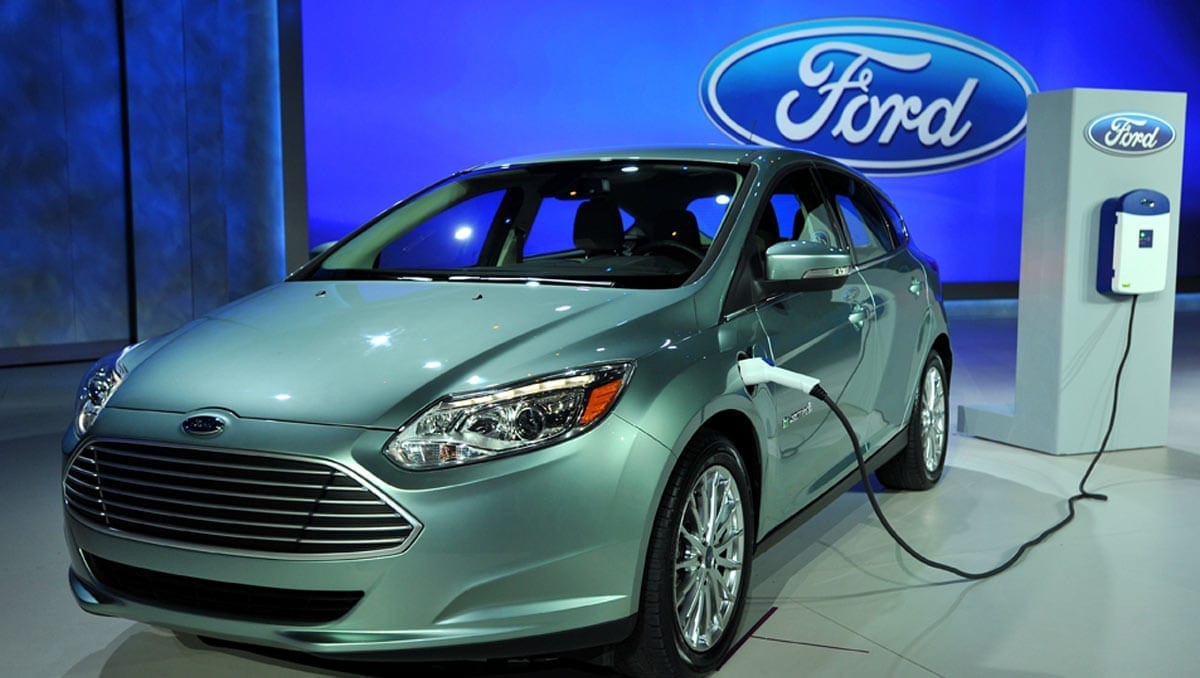
    Ford Motor and China’s Anhui Zotye Automobile have agreed to invest a combined $756 million to set up a 50-50 joint venture in China to build electric passenger vehicles, both companies said on Wednesday.

    The new joint venture, Zotye Ford Automobile Co. Ltd, plans to build a manufacturing plant in Zhejiang province and will sell all-electric vehicles under a new Chinese brand, tapping into a boom for such vehicles in the world’s top auto market, Ford Motor said in a statement.

    “Zotye Ford will introduce a new brand family of small all-electric vehicles,” Ford group vice president Peter Fleet said in the statement. “We will be exploring innovative vehicle connectivity and mobility service solutions for a new generation of young city-dwelling Chinese customers.”

    The JV deal was signed during U.S. President Donald Trump’s visit to China as the two countries inked commercial deals worth about $9 billion.

    In addition to the new JV, Ford and Zotye will explore offering mobility services to consumers in China as local demand for such solutions continues to grow, Ford’s statement added.

    China, struggling with alarming pollution levels in major cities, is aggressively pushing plug-in vehicles and has poured in tens of billions of yuan in investment, research funding and subsidies, drawing many new automakers to launch projects.

  • Mitsubishi Motors swings to operating profit in second quarter

    Mitsubishi Motors swings to operating profit in second quarter

    Mitsubishi Motors Corp said on Tuesday it swung to an operating profit for the second quarter, beating expectations as it rebounded from a mileage-cheating scandal a year earlier helped by cost cuts and favorable exchange rates.

    Healthy demand in Southeast Asia, Mitsubishi’s top market also lifted earnings with the automaker saying it was seeing strong orders for its new Xpander seven-seater multipurpose vehicles in Indonesia.

    Operating profit came in at 23.6 billion yen ($207.3 million) for the quarter, compared with a loss of 36.2 billion yen a year earlier when it was forced to stop sales of some domestic models due to the scandal.

    That exceeded forecasts for 20.14 billion yen from four analysts polled by Thomson Reuters I/B/E/S.

    During the first-half, retail vehicle sales at home climbed 48 percent while those in southeast Asia rose 15 percent.

    Mitsubishi kept its forecast for operating profit to surge 14-fold to 70.0 billion yen in the year to March. That reflects the rebound from the scandal as well as expectations of further growth in Asia and cost savings from its alliance with Nissan Motor Co (7201.T).

    The car maker has set ambitious goals for growth in Southeast Asia, China and the United States as well as for a comeback in Japan. Last month, it said it planned to boost global sales by 30 percent over three years.

    Under its new three-year strategy plan – Mitsubishi’s first since Nissan bought a controlling stake in 2016 following the scandal – the Japanese automaker will also ramp up R&D investment and capital spending.

    The company has reorganized the engineering division involved in the mileage manipulation scandal and has improved testing processes and compliance procedures.

    It expects the yen to trade around 105 yen to the U.S. dollar in the year to March.

  • More luxe image for Burberry marketing

    More luxe image for Burberry marketing

    Trumpeting solid growth in China sales in the first half year, Burberry has revealed plans to head more upmarket and cull its store network.

    Burberry marketing, retailing and communication will be refocused to meet the changing demands of today’s luxury customers, explained CEO Marco Gobbetti.

    The British-headquartered company, which achieves about 90 per cent of its own-retail sales in Asia-Pacific, reported China sales growth in the mid-teen percentages, with a “broadly consistent performance across both quarters”.

    “Hong Kong continued to improve, returning to growth in the second quarter,” the company announced, further evidence that the city’s retail sales decline is finally over.

    But the region’s overall growth was a more muted “mid-single digit”, largely due to a continuing decline in South Korea, thanks to falling Chinese tourist numbers.

    “I am pleased with our performance in the half with strong double-digit underlying profit growth,” said Gobbetti. “Consumers responded positively to fashion and newness, particularly in rainwear and leather goods. Digital revenue grew in all regions, led by mobile, while growth was strongest in our own stores in Asia Pacific.”

    Global sales for the six months to September rose 4 per cent to £1.263 billion with adjusted operating profit up 14.6 per cent to £185 million.

    New direction

    But the solid performance was overshadowed by Gobbetti’s announcement on the brand’s future. He prefaced it by saying the luxury market has changed and today’s luxury consumer demands innovation, curation and excitement from brands and creativity at every turn.

    “To win with this consumer, we must sharpen our brand positioning.  This will require us to change our approach to product, communication and customer experience.

    “We will reshape our offer, increasing and invigorating the fashion content.  We will create compelling luxury leather goods and accessories to attract new customers.  We will build on the strength of our apparel and re-energise it.  We will build our offer to provide a complete look for our customers, while continuing to simplify our ranges.”

    He said Burberry will put product “at the centre of our communication”.

    “We will leverage our extensive digital reach to convey new energy.  We will be bold in the way we engage luxury consumers, reinventing our editorial content and experiences.”

    One of the first steps will be rationalising the brand’s non-luxury wholesale and retail doors, with an initial emphasis on the US and EMEIA.

    The company has earmarked about £200 million to “transform our in-store experience” by refurbishing stores and enhancing its luxury service.

    “We will continue to lead innovation in digital, delivering personalised experiences and true omnichannel services. Our actions will be underpinned by continued focus on productivity, simplification and financial discipline.  We will engage and motivate our teams, reinforcing our culture and values.  We will continue to be an industry leader in responsibility,” said Gobbetti.

    Late last month, Burberry announced the departure of its president and chief creative officer Christopher Bailey after 17 years with the brand. His phased exit will commence in March, before he designs the Spring/Summer 2018 collection before leaving the company in December next year.

  • Suning Holdings next move is smart retailing

    Suning Holdings next move is smart retailing

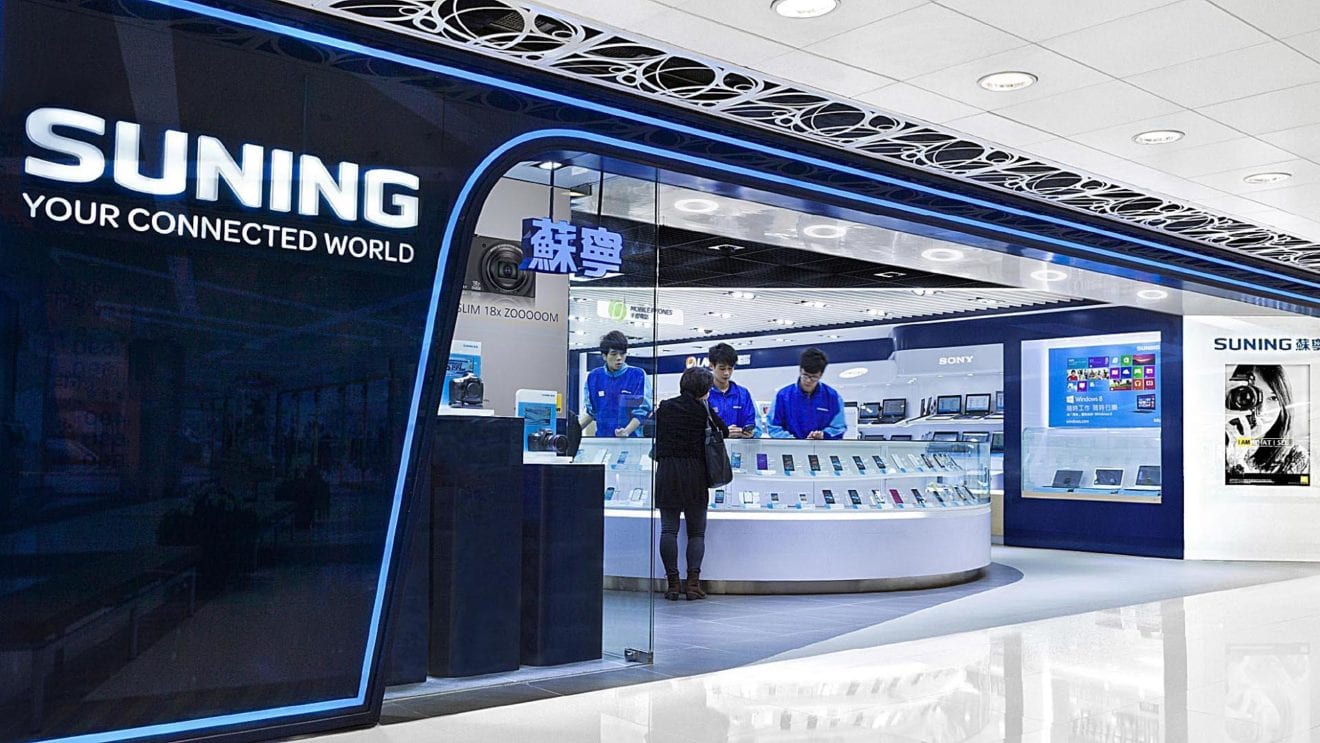
    China’s commercial conglomerate Suning Holdings Group is partnering with Hon Hai Technology Group in an “extensive retail co-operation” worth at least RMB50 billion (US$8 billion).

    Suning has also signed an RMB20 billion investment agreement with Evergrande Real Estate Group. Both moves are aimed at online/offline integration and expanding Suning’s smart-retail strategy.

    The property developer will help Suning develop its brick-and-mortar stores for personalised shopping experiences, and also help with its planned expansion of 5000 stores in the short term.

    The two companies will also explore smart home design, property management and other priorities.

    With Hon Hai, said to be the world’s largest contract electronics manufacturer, the co-operation focuses on the sharing of big-data analytics to optimise strategies and products for customised services. Hon Hai chairman Terry Gou says cross-industry co-operation should start from manufacturing to better satisfy customers’ needs.

    “By partnering with Evergrande, Suning’s advantages in innovative O2O physical stores will be strengthened more efficiently, and by working with Hon Hai we can create curated experiences through an open business model,” says Suning chairman Zhang Jindong.

    Suning ventured into e-commerce in 2010. By the third quarter this year it had 3748 stores in China and overseas. Revenue from its stores with online connections jumped by 35.27 per cent in the first three-quarters year on year. In the same period, its total transaction volume online reached RMB81 billion, a year-on-year rise of 55.64 per cent.

  • Blue Bottle Coffee heading for Korea

    Blue Bottle Coffee heading for Korea

    US brand Blue Bottle Coffee is expected to open in South Korea soon, followed by other Asian countries including China, Hong Kong and Taiwan.

    “We’re developing our contact here,” CEO Bryan Meehan said while attending the World Coffee Leaders Forum at the Seoul Cafe Show.

    He said Blue Bottle was researching the market and looking for a GM in Korea, with no specific set yet for a launch.

    Meehan said the company headquarters would directly manage its stores in Korea, as it does in other countries.

    “Actually, we had a lot of pressure for a joint venture in Japan. A lot of companies wanted licensed approaches,” he said. “We are very passionate about controlling the quality of Blue Bottle, so we like to do things ourselves. We have never franchised.”

    While local coffee chains in Korea have been hit by losses over the past few years, Starbucks Coffee has alone seen rapid growth, reports The Korea Times.

    “Blue Bottle has grown along with Starbucks in the US. We think we can survive side-by-side,” said Meehan.

    Known for its innovation, Blue Bottle has 44 stores in the US and Japan. Nestle acquired the chain for US$425 million in September.

    “Nestle CEO Mark Schneider has a wonderful vision of where specialty coffee should be in five years’ time, and he sees the value of Blue Bottle,” said Meehan. “Nestle is allowing Blue Bottle to remain a standalone company. I don’t report to anybody at Nestle.”

    Founded in Oakland, California, by musician James Freeman in 2002, Blue Bottle has expanded around San Francisco. Because of Freeman’s interest in Japan, the chain has expanded there and will open its eighth outlet next year in Kyoto.

  • China signs $37 billion deal to buy 300 Boeing planes

    China signs $37 billion deal to buy 300 Boeing planes

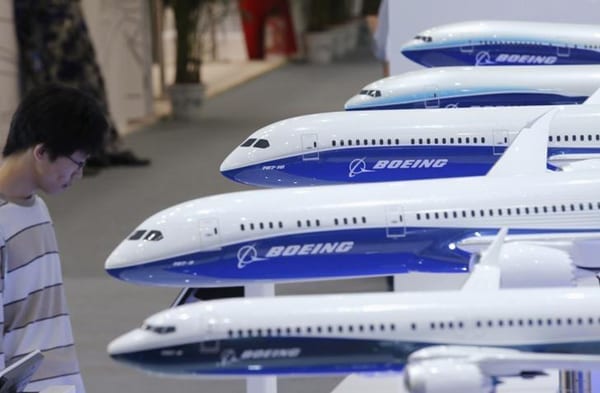
    China signed an agreement Thursday to buy 300 airplanes from U.S. aerospace giant Boeing valued over $37 billion, as part of a multi-billion dollar raft of deals announced during President Donald Trump’s visit to Beijing.

    The agreement for China Aviation Suppliers Holding Co (CASC) to buy the single-aisle and twin-aisle aircraft was among the more than $250 billion in agreements announced at a ceremony attended by Trump and Chinese leader Xi Jinping.

    A Boeing statement said the agreement includes “orders and commitments” to buy the aircraft, but it did not give a further breakdown.

    In September 2015, Boeing had already received an order from CASC for 300 aircraft valued at a record $38 billion at list prices.

    Boeing and European rival Airbus are competing heavily in China, the world’s second aircraft market, with the U.S. company forecasting that the Asian giant needs over 7,200 commercial aircraft in the next 20 years.

    China, meanwhile, has developed its own medium-haul C919 in a bid to challenge the Airbus-Boeing duopoly.

  • China online spending is already 50 per cent of retail sales

    China online spending is already 50 per cent of retail sales

    China online spending is set to account for almost 50 per cent of the country’s total retail market this year.

    According to fresh data from Mintel, this year’s figure will be 45.7 per cent of “total per capita retail spend”. In many categories, already more is spent on goods online than in physical stores in the world’s largest digital economy.

    “China is experiencing a fundamental shift in the way consumers shop, and in how the shopping experience fits into the wider environment of customer service, delivered both online and in-store,” said Matthew Crabbe, research director, APAC, with Mintel.

    The research shows China’s online retail market has reached a critical mass. Business-to-consumer (B2C) online retail is expected to reach more than 60 per cent of total e-commerce sales this year, with mobile online retail expected to make up more than 80 per cent of the B2C retail category.

    However, while Mintel estimates per capita online retail spend will reach 45.7 per cent of total per capita retail spend by the end of this year it predicts that share will hold steady between until the end of 2019.

    Crabbe said there are several reasons for the projected peak.

    “One issue is that consumers are increasingly buying experiences and services online, rather than products. The other issue is that consumers are already adapting to ‘new retail’; they are embracing greater integration between online and in-store shopping. This will mean much tougher competition between retailers. It will also likely mean more pressure for further consolidation in the market, resulting in more mergers, acquisitions and strategic partnerships,” he said.

    China’s ‘new retail’ experience has consumers purchasing different products from different channels. Mintel research shows that 72 per cent of in-home food shoppers prefer to shop in-store, compared with 60 per cent of consumers who prefer to shop online for toys, games, clothing, and accessories. Apart from alcoholic drinks (61 per cent shop in-store) and pharmaceuticals and healthcare products (57 per cent shop in-store), in all other sectors the combined total of those who shop online via a mobile device or lap/desktop is greater than the proportion who shop in-store.

    While in-store grocery shopping still dominates, 66 per cent of consumers buy in-home food and drinks in-store, the average number of consumers who shop online (mobile or desk/laptop) for in-home food and drinks grew three percentage points since 2016, with 49 per cent buying in-home food online using a mobile device.

    “The growth in mobile online shopping across all sectors this year illustrates how mobile is driving the convergence of online and offline shopping into ‘new retail’,” said Crabbe. “Meanwhile, online shopping penetration is high across most sectors. There may be room to expand fresh and luxury food product sales online, thus increasing the number of high-income consumers who shop online, but the room for expansion of share of pocket among China’s consumers is running out.”

    Arise the ‘grocernauts’

    In fact, urban Chinese consumers are keen to get the immediate experience that only shopping in-store can offer. Mintel research reveals that 62 per cent of urban Chinese consumers say the ability to try, see, and experience products in-person before buying encourages them to shop in-store; the same proportion (62 per cent) shop in-store to ensure the freshness of produce, and 55 per cent say in-store shopping means they can get what they want faster.

    “Supermarkets and hypermarkets are moving away from just selling in-home foods towards  providing catering services (so called ‘groceraunts’), as well as offering online food ordering and in-store pick up services. And convenience stores are morphing into unmanned, checkout-free, cashless, elaborate vending machines. We’ve also seen shopping malls evolve away from retail spots into theme park-like leisure developments. This is all leading to a very diverse potential retail environment that includes retail as part of a wider range of consumer services. Store functions will increasingly incorporate online-enabled, front-of-store consumer touch points for selling goods and providing other customer services – even ones not related to the retailer’s core business,” Crabbe added.

    Probably the main driver of online retail’s success, 65 per cent of urban Chinese consumers say they find products cheaper online, while 63 per cent say that online offers more choice. More than half (52 per cent) of consumers say they find what they were looking for faster when shopping online.

    “Despite the instant sensual and entertainment experiences that consumers enjoy when shopping in-store, low cost, high convenience and more choices are the key ingredients that drive consumers to do more of their shopping online. As online retail platforms invest in and collaborate with physical retailers, who in turn look to increase their online exposure, these new business models will create the ideal ‘new retail’ experience for shoppers. However, companies and brands will be challenged to find their own, unique combination of online and in-store features in order to create their own bespoke experience,” concluded Crabbe.

    Total B2C and consumer-to-consumer (C2C) online retail sales in China are expected to reach RMB 6.4 trillion by year-end, having grown at a compound annual growth rate of 37.9 per cent since 2012 – that represents nearly fivefold value growth in just five years.

  • China’s singles day VS black friday

    China’s singles day VS black friday

    For the past few years, Black Friday has become a focal point for many US and UK retailers – and for media outlets hungry for images of shoppers bursting into stores in pursuit of posh televisions. The event, supposedly named after the moment when retailers move into profit for the year, has quickly escalated into a four-day shopping festival. But it is not the only game in town – or even the biggest.

    Black Friday falls the day after Thanksgiving in the US (November 23 this year) and is followed up by a long-weekend extravaganza which culminates in the online-focused “Cyber Monday”. It has recalibrated, and brought forward, many consumers’ pre-Christmas shopping plans.

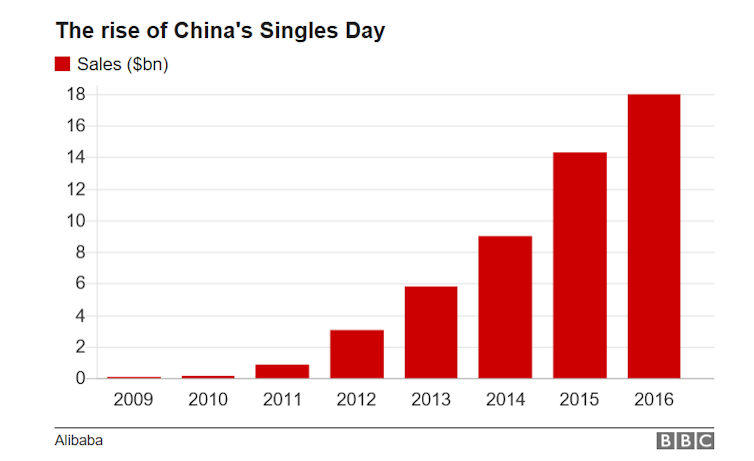
    However, unlike Black Friday, China’s November 11 “Singles Day” is still predominately focused on local consumers and completely dominated by one online retailer – Alibaba. The economic impact of Black Friday is dwarfed by this online one-day retail festival from China. Singles Day has gone under the radar for most of the general public in the West, but in 2016, Chinese shoppers spent an incredible US$17.8 billion in 24 hours on the Alibaba online platform – China’s Amazon equivalent.

    This online sales bonanza shifts more goods than the Black Friday and Cyber Monday sales days in the US combined. Black Friday in the US saw online sales hit a record of just over US$3 billion in 2016.

    Origins

    Singles Day started as an obscure “anti-Valentine’s” celebration for single people in China back in the 1990s. The popular story is that it was started by students at Nanjing University who celebrated their singledom by treating themselves. It takes place on November 11 every year and is sometimes known as “bare sticks holiday”, after the way the date is written (11/11).

    The event is also known as “Bachelors’ Day”, and it’s not hard to see why. China has a surplus of males caused by years of the government’s “one child” policy. By 2020, sociologists expect the gender imbalance to have widened to 35m and by 2030, it is estimated that one in four Chinese men in their late 30s will never have married. That is a big market.

    Black Friday was, of course, initially driven and then “exported” to the UK and other markets by major US retailers, specifically Walmart and Amazon. In China, it was the e-commerce giant Alibaba which adopted Singles Day in 2009, just as online shopping started to explode.

    It has now become a day when everyone, regardless of their relationship status, buys themselves gifts. Alibaba spotted this as a chance for retailers to generate interest and excitement and to boost sales in the lull between China’s Golden Week national holiday in October and the peak Christmas season.

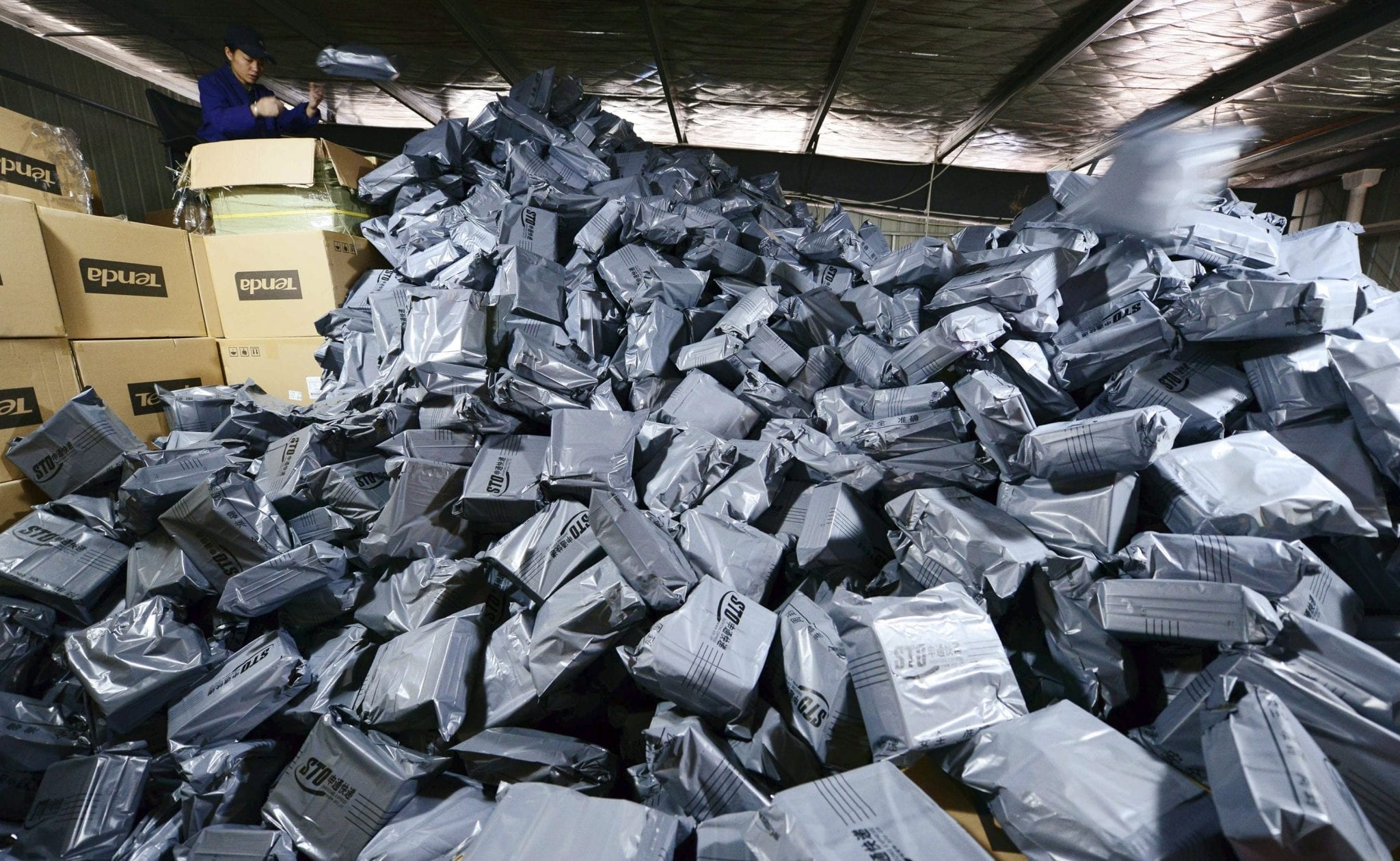
    Like much of the global growth in online sales, Singles Day has been driven by mobile. Nowhere is this more stark than in China where, with 1.3 billion smartphone users, mobile shopping is huge. Around 37 per cent of Chinese shoppers buy products using their phones, compared to the global average of 13 per cent.

    We’ve seen that Alibaba’s sales numbers for Singles Day are astonishing. And the growth has been too. The chart below shows how Singles Day sales for Alibaba have risen over the past seven years. Last year alone, sales were up 32 per cent on the previous year.

    Alibaba/BBC, Author provided

    According to Alibaba, during the event on 2016 they processed more than a billion payment transactions in total, with 120,000 transactions per second at peak and their distribution system processed more than 657m delivery orders.

    Analysts have predicted this year’s event could see Alibaba rack up sales of US$20 billion despite a slowdown in China’s economy, partly due to it having a broader audience.

    Copy cats

    Of course those kinds of numbers attract the interest of Western retailers too and the 2016 event saw 37 per cent of total buyers purchasing products from international brands or merchants. Companies like US retailers Costco and Macys as well as Britain’s Top Shop and House of Fraser have marketplaces on Alibaba’s Tmall site have already got involved.

    And, for the first time, Alibaba’s 2017 Singles Day festival will bring more than 100 Chinese brands to overseas buyers, offering special promotions targeting over 100m overseas Chinese consumers in Asia and around the world.

    There is one rather sensitive obstacle to the adoption of Singles Day in the UK, however. The eleventh day of the eleventh month is Armistice Day when Britain marks the end of World War I and the nation remembers all those who have died in military service. There will be many who think it distasteful to run a shopping event on that day. However, as David McCorquodale, head of retail at KPMG, pointed out: “Singles Day in China is the biggest promotions day in the world. [The date] will stall its entry to the UK, but not forever.”

    Given the rapid globalisation of most retail trends and the way online retail now allows immediate access to millions of products from thousands of manufacturers, it is indeed impossible to envisage that Singles Day won’t extend it’s reach, in some form, to Western consumers very quickly.

  • Boom predicted for China Singles’ Day

    Boom predicted for China Singles’ Day

    Three days out from China Singles’ Day, retail experts are predicting Alibaba’s annual e-commerce sales event will continue to set records.

    With the Chinese online giant expanding it to a 24-day shopping and entertainment bonanza, the global marketing hype is likely translate to record cross-border e-commerce demand, according to marketing research company eMarketer Retail.

    Global payments processor Worldpay has released new data showing that last year’s event grew by 39 per cent globally. When sales peaked, Worldpay was processing 44,505 payments a minute.
    Meanwhile, more and more international brands have been opting to participate in this year’s 11.11 shopping festival.

    Worldpay’s transaction data supports findings from the Global eCommerce Leaders Forum (GELF), which revealed the rise in consumer spending power in China is translating into growing sales on international e-commerce sites as growing numbers of shoppers seek genuine products from trusted global brands.

    Fastest growth

    Retailers in Australia and Hong Kong are seeing the fastest growth, with sales rising by 105 and 71 per cent year on year respectively, says Worldpay. While the volume of sales has plateaued in Mainland China, the average spend per purchase continues to rise at a rate of 9 per cent.

    “Since its inception as a local celebration of singledom, Singles’ Day has risen to become the world’s top grossing-online shopping holiday, and the event knows no boundaries,” says Worldpay Asia Pacific GM Phil Pomford.

    “For international businesses looking to break into the huge Chinese e-commerce market, November 11 should be an important landmark in the calendar year.

    eMarketer Retail analyst and editor-at-large Andria Cheng agrees. “For international brands this event will continue to mark Alibaba’s biggest pitch and showcase for them to get on board its platform and test the waters regarding Chinese consumer demand and promise,” she says

    “The fact more than two-fifths of this year’s 140,000 brands at the shopping extravaganza come from outside of China speaks to the continued international hope and bet that Chinese consumers will pick up the slack left by the slowing domestic growth for many brands.”

    Threefold increase

    According to marketing technology company Criteo, sales on Singles’ Day have increased threefold, with shoppers browsing online up to four days earlier.

    “This makes it the main sales peak of the season, impacting most retail categories, and is a major opportunity for both shoppers and retailers,” says Criteo GM Alban Villani, who covers Southeast Asia, Hong Kong and Taiwan.

    Analysing more than 5.1 million online transactions in Southeast Asia between October 1 and December 31 last year, it found that retail sales spiked by 254 per cent on November 11.

    Between November 9 and 12 there had been a rise of 28 per cent in average online traffic on key retail companies’ websites, and shoppers had started buying as early as November 7.

    Shoppers are increasingly buying via apps, accounting for nearly half of all transactions and 73 per cent of mobile transactions.

    Meantime, a forecast from eMarketer Retail shows that retail e-commerce sales in China will grow by 33.1 per cent this year to reach $1.13 trillion, representing 23.1 per cent of total retail sales.

    Retail m-commerce, which includes products and services ordered via mobile devices, will increase by almost 42 per cent in China this year, reaching $881.96 billion, and accounting for nearly three-quarters of all retail e-commerce sales, says eMarketer Retail.

    Close competition

    Alibaba says $18.2 billion worth of products were sold on its platforms during Singles’ Day last year, up 32 per cent from the previous year. By comparison, says eMarketer Retail, JD.com’s 618 Festival, which involved 18 days of discounts from June 1 to 18, was reported to have brought in $17.6 billion this year.

    Worldwide e-commerce sales are expected to reach $2 trillion this year. Almost half of these sales will be generated by consumers in China. eMarketer Retail says retail e-commerce sales worldwide will increase at four times the rate of retail sales this year, jumping 23.2 per cent to $2.2 trillion.

    Also, Alibaba has overtaken Google this year to be the second company to Facebook for display ad revenue, with a spend of $14.62 billion.

    Meanwhile, Worldpay has advice for retailers opting in to the Alibaba festival… “To turn browsers into buyers, it is essential to tailor the online shopping experience to local tastes. For Chinese consumers, this means focusing on your mobile proposition. Shoppers expect to use their preferred payment option – increasingly e-wallets like Alipay and WeChat Pay.”

    For Singles’ Day last year, Worldpay processed a total of 14.9 billion transactions altogether worth £451.1 billion (US$594.1 billion).

    Worldpay provides payment technology and services to about 400,000 customers. It can process payments across 146 countries and 126 currencies, helping its clients accept more than 300 different types of payment.

  • Estee Lauder Companies sales rises

    Estee Lauder Companies sales rises

    Led by double-digit growth in China and Hong Kong, Asia/Pacific sales increased sharply for Estee Lauder Companies for its first quarter to the end of September.

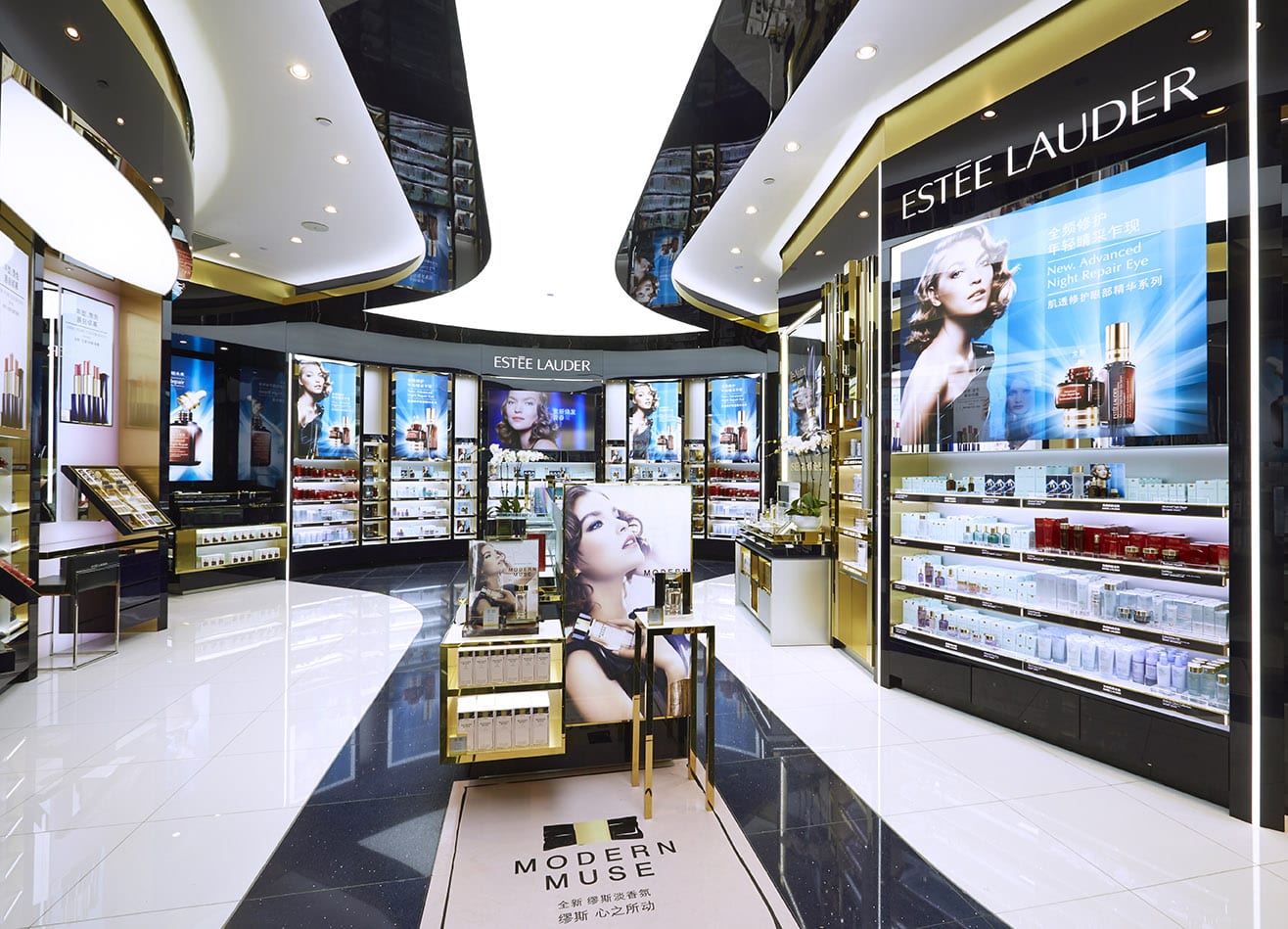
    It says the higher sales in China reflected strong gains for every brand except designer fragrances. Estee Lauder, Mac, La Mer, Tom Ford and Jo Malone led the sales growth.

    Sales benefitted, in part, from continued demand for makeup products, an acceleration in skincare sales and targeted expansion of consumer reach.

    Hong Kong’s increased sales reflected solid domestic growth and a rise in tourism. Growth was primarily driven by Estée Lauder, La Mer and Mac.

    Operating performance was lower in Japan.

    Overall, the company achieved net sales of $3.27 billion, up 14 per cent on the same period last year.

    Incremental sales from the company’s acquisitions of Becca and Too Faced contributed about four points of reported sales growth. Net earnings rose 45 per cent to $427 million.

    “Building on the global momentum of the past fiscal year, we benefitted from continued acceleration in China, Hong Kong, travel retail and global online, strength in several developed and emerging markets in Europe, and incremental sales from Becca and Too Faced,” says president/CEO Fabrizio Freda.

    “Our online and travel-retail channels and most luxury and mid-sized brands posted double-digit sales gains.”

  • Singles’ Day sales set to soar

    Singles’ Day sales set to soar

    Worldpay, a global leader in payments, is predicting another record-breaking China Singles’ Day for businesses around the world, as the eCommerce extravaganza goes global.

    New data from Worldpay reveals that last year’s event grew by 39% globally1, with sales outstripping Black Friday by 137%.2 Online shopping activities peaked at 17.24 GMT3, at which point Worldpay was processing 44,505 payments per minute.

    The payments processor is expecting 11 November to make history again this year, as more and more international brands opt to participate in the shopping festival.

    According to Worldpay, retailers in Australia and Hong Kong are seeing the fastest growth, with sales rising by 105% and 71% respectively year-on-year.4

    Although the volume of sales has plateaued in mainland China, the average spend per purchase continues to rise, at a rate of 9%,5 as more and more shoppers tend to splurge on big ticket-items.

    Worldpay’s transaction data supports recent findings from the Global eCommerce Leaders Forum (GELF), which revealed the rise in consumer spending power in China is translating into growing sales on international eCommerce sites, as more Chinese shoppers than ever before are seeking genuine products from cherished global brands.

    Phil Pomford, General Manager for Asia Pacific at Worldpay said: “Since its inception as a local celebration of singledom, Singles’ Day has risen to become the world’s top grossing-online shopping holiday, and the event knows no boundaries. Our data reveals how fast Singles’ Day is growing internationally, so for international businesses looking to break into the huge Chinese eCommerce market, 11 November should be an important landmark in the calendar year.

    “To turn browsers into buyers, it is essential to tailor the online shopping experience to local tastes. For Chinese consumers, this means focusing on your mobile proposition. Shoppers expect to use their preferred payment option – increasingly e-wallets like Alipay and WeChat Pay – and merchants should offer a cutting edge checkout experience to attract tech savvy consumers.”

  • Jollibee closes 12 Hotpot Resturants in China

    Jollibee closes 12 Hotpot Resturants in China

    Jollibee Foods Corp (JFC) has closed its restaurant chain 12 Hotpot in Mainland China.

    The 16 Shanghai-area stores were shut down by its subsidiary, 12 Hotpot (Shanghai) Food and Beverage Management, a 48 per cent-owned JV with WJ Investments.

    It was formed in August 2012 when JFC’s wholly owned subsidiaries Jollibee Worldwide and Golden Plate entered into an agreement with Hoppime, a subsidiary of Wowprime Corp of Taiwan and some of its key executives. The idea was to establish WJ Investments to own and run 12 Hotpot in China, Hong Kong and Macau.

    With the discontinuation of the mainland business, 12 Hotpot (Shanghai) then the JV will be liquidated.

    “JFC will focus on building its larger and fast-growing businesses in China and other parts of the world,” says the company.

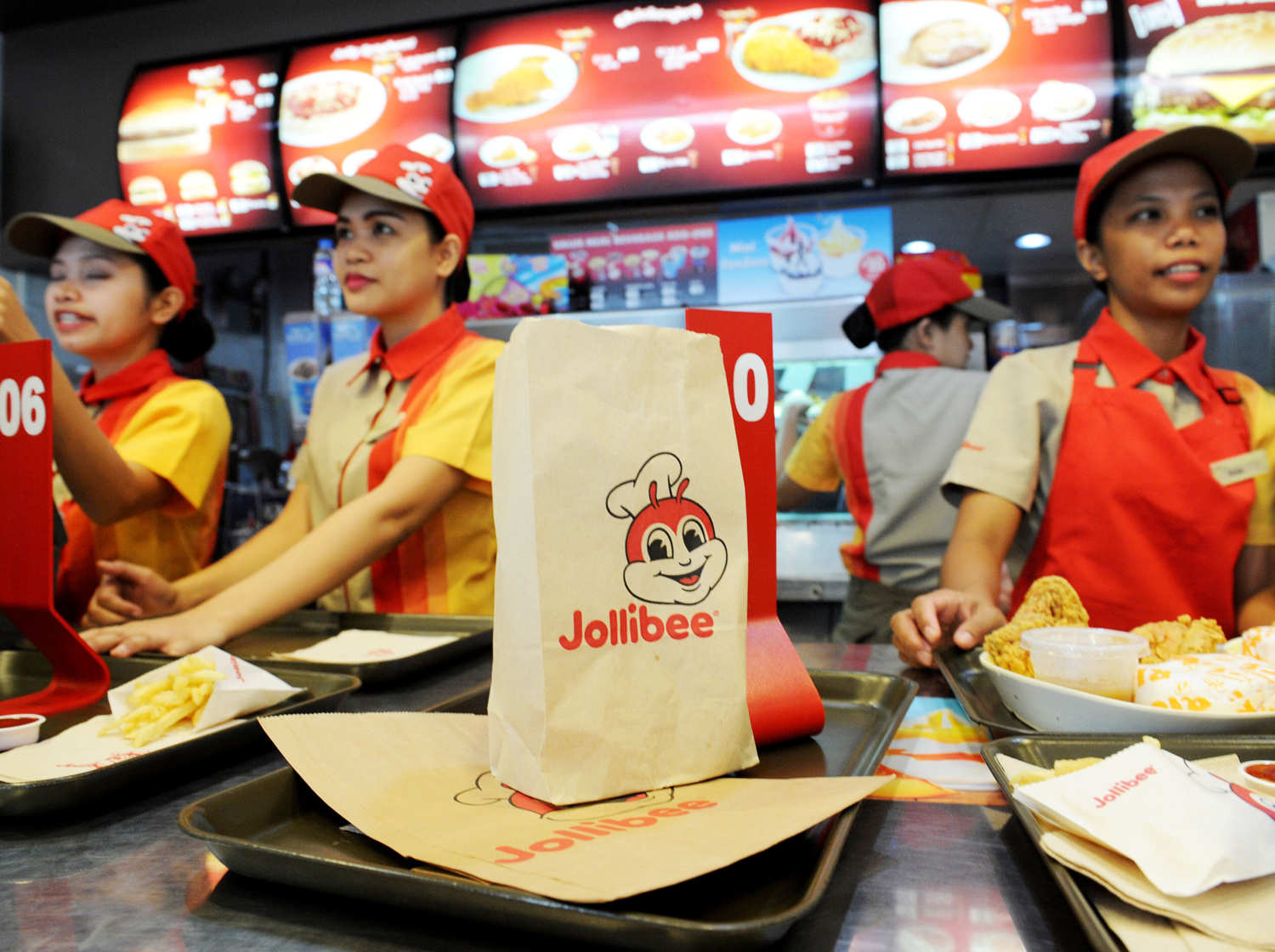
    At the end of September, JFC had 3644 stores in its worldwide network. It also has a 40 per cent interest in Smashburger with 355 outlets, mostly in the US. In China its businesses include Yonghe King (305 stores), Hong Zhuang Yuan (44) and Dunkin’ Donuts (18).

    The company has also been running Happy Bee Foods Processing to supply products to its restaurants.

    In the Philippines, JFC has the largest foodservice network with 2756 restaurant, namely Jollibee (1023 outlets), Chowking (510), Mang Inasal (471), Red Ribbon (411), Greenwich (262) and Burger King (seven).

    JFC’s overseas stores include Highlands Coffee (219 including 193 in Vietnam and 26 in the Philippines), Jollibee (186 including 93 in Vietnam, five in Singapore and four in Hong Kong), Pho 24 (31 including 15 in Vietnam, 14 in Indonesia and one in Korea), and Hard Rock Cafe (8 with three each in Hong Kong and Macau, and two in Vietnam).

  • Zong upgrades backbone network to 100G

    Zong upgrades backbone network to 100G

    China Mobile’s Pakistani subsidiary Zong has upgraded its backbone network with 100Gbps technology to accommodate demand from its growing customer base.

    The operator has expanded its backbone capacity by over 10 times compared to its previous 10Gbps backhaul network.

    Zong launched 4G services in 2014 and currently operates the country’s largest 4G network with around 10,500 cell sites nationwide. The company currently has a more than 70% share of the 4G market.

    The operator is expanding its OTN backbone network to ensure ample capacity for its 4G subscribers and to future proof the network for later core network upgrades.

    “We are extremely excited to have successfully implemented this upgrade in record time, without any outages or downtimes on our network,” Zong head of corporate affairs and strategy Maham Dard said.

    “Zong 4G is the only cellular operator that remains committed to investing in nothing less than the cutting edge, continuously employing some of the most advanced technology available. I am confident that, this enhancement to our network infrastructure will contribute greatly to quality of service and end-user experience for many years to come.”