Tag: China

  • Alibaba’s 11.11 sale to showcase brand new Retail concepts

    Alibaba’s 11.11 sale to showcase brand new Retail concepts

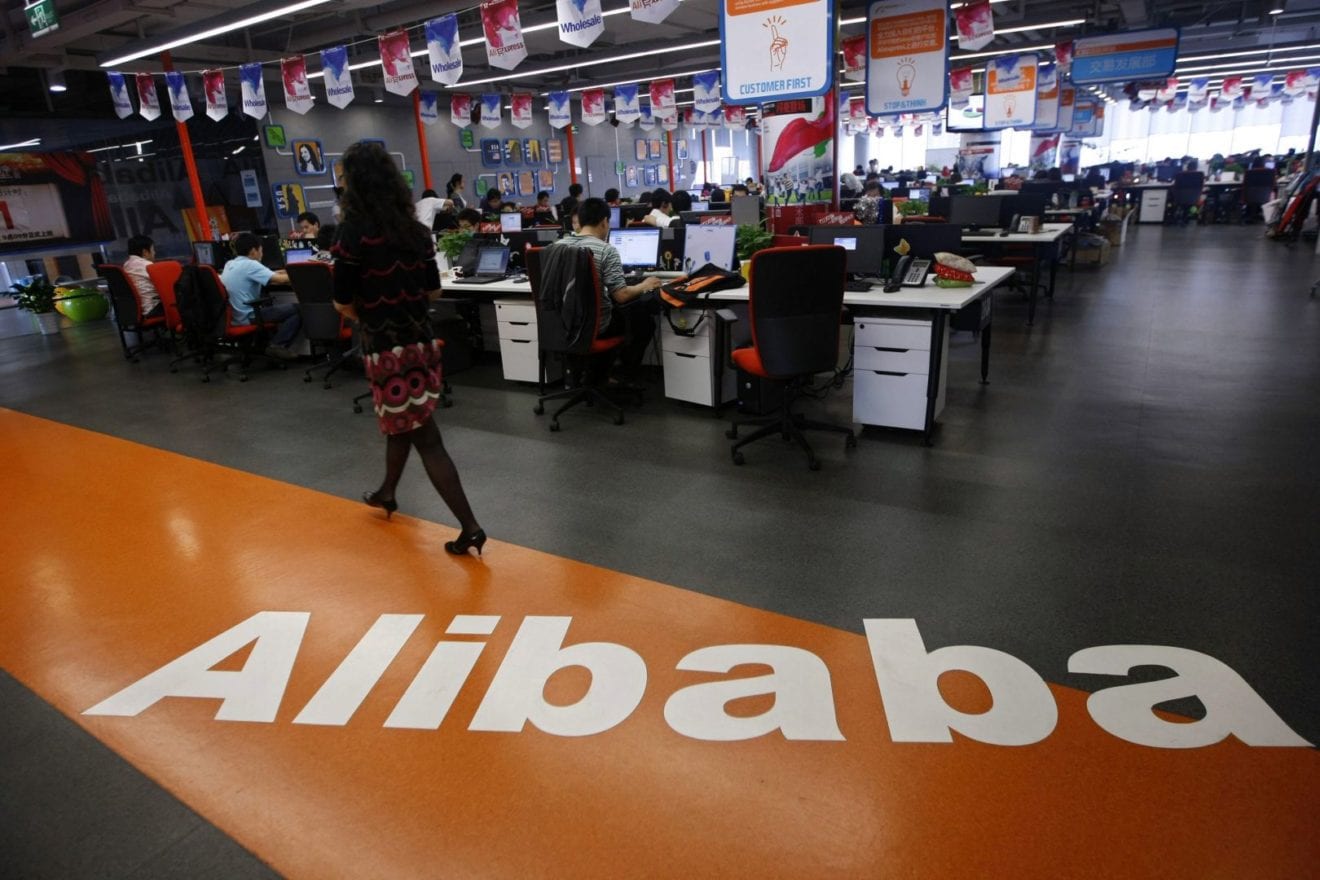
    In its sixth year, the online 11.11 Global Shopping Festival will introduce Alibaba Group’s New Retail concept which integrates online and offline shopping experiences.

    With the event bringing together consumers, retailers, logistics companies, financial institutions and online as well as offline stores and shopping centres internationally, Alibaba Group CEO Daniel Zhang says it is a “grand stage” for showcasing the New Retail initiative.

    During the festival, Alibaba will collaborate with 52 shopping malls to set up 60 New Retail-powered pop-up stores across 12 cities in China. Consumers can visit a pop-up store of a cosmetics brand, for example, to experience an augmented-reality (AR) lipstick trial.

    Nearly 100,000 stores in 31 provinces and 334 cities throughout China will also be converted into “smart stores” with a range of New Retail experiences such as facial-recognition payment and scan-and-deliver O2O shopping.

    New Retail will also be rolled out for community stores such as Rural Taobao service centres and neighbourhood convenience stores.

    In the lead-up to the November 11 event, Alibaba is running an array of promotional initiatives. The 24-hour online sale involves more than 140,000 brands and 15 million product listings globally, with more than 60,000 international brands available to Chinese consumers them across the Alibaba marketplaces, including Adidas, Bose, La Mer, L’Oreal, Mac, Mattel, Mondelez, Nike, P&G, Shiseido, Siemens, Unilever, Uniqlo, Wyeth, Zara, and more.

    Through a new Tmall initiative inaugurated in June this year, 100 Chinese brands can sell globally, with a focus on the Southeast Asian markets at the initial stage. Free shipping will be introduced to 10 countries during this year’s Festival to extend the global reach.

    This year, Alibaba will continue to leverage its media and entertainment assets to drive online consumption. Chris Tung, Alibaba Group’s chief marketing officer, says this year’s event “brings consumers around the world a step closer to realising the aspirational life where entertainment and retail become one”.

    “Regardless of their physical location, consumers will be able to participate in more experiences than ever before this year, all showing the reality of New Retail. We start today but this is a festival with nearly two weeks of celebration and so many different ways to participate.”

    Entertainment components include:

    • An AR game on Mobile Taobao App called Catch the Cat will drive online traffic to offline locations. Consumers will use their mobile device to catch the virtual Tmall Cat mascot at a number of retail partner locations to win special perks, discounts and coupons for use at online and offline stores.
    • Red envelopes of more than RMB250 million will be shared among Chinese consumers through various interactive games. One of which shoppers can invite friends to form special teams, and once their team’s purchases reach a certain amount collectively, all team members will be able to get discounts and coupons.
    • The 11.11 Countdown Gala Celebration will be held on November 10 in Shanghai’s Mercedes Benz Arena. Directed by Hollywood producer David Hill for the second year in a row, the gala will be broadcast live on three of the leading satellite TV channels Zhejiang TV, Shenzhen TV and Beijing TV, and will feature top-tier singers and movie stars who will be announced in the weeks ahead.
  • Toyota China sales likely to grow steadily but lag Japan rivals

    Toyota China sales likely to grow steadily but lag Japan rivals

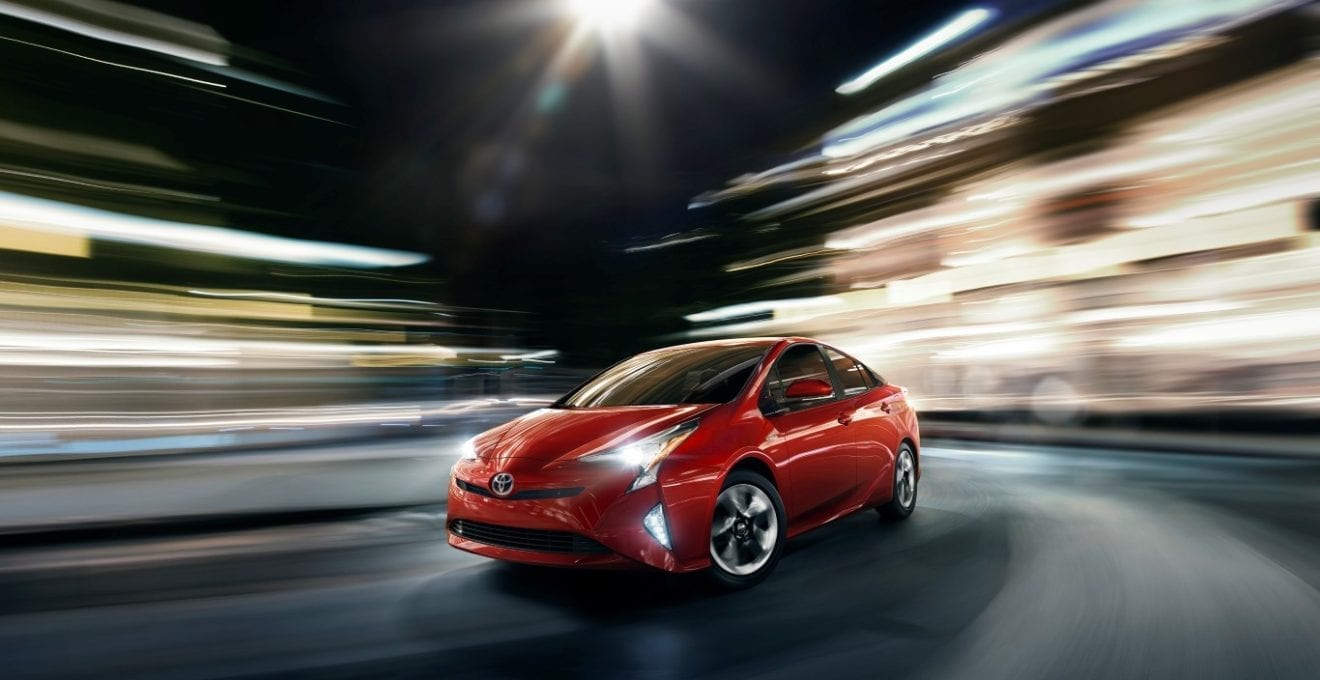
    Toyota Motor, Japan’s biggest automaker by volume, has fallen to the No. 3 spot among Japanese automakers in China, due to lack of presence in a key segment – a situation experts say will likely prevail well past the middle of 2018.

    Through October, Honda and Nissan Motor both outsold Toyota in China, the world’s biggest car market.

    Toyota’s sales in the first 10 months of this year totaled 1.07 million vehicles, compared with 1.16 million vehicles Honda sold during the same period. Nissan’s volume through October amounted to 1.17 million vehicles.

    China-market experts believe the main cause for Toyota’s relative weakness lies in the lack of smallish crossover sport-utility vehicles (SUVs) that others, most notably Honda in recent months, have leveraged to accelerate growth.

    Honda’s sales have started to grow relatively rapidly and more consistently since 2015, after two key subcompact crossover SUVs hit the market in late 2014.

    Though volume growth from these two models – the XR-V and the Vezel – have decelerated more recently, the gap was filled by the redesigned Civic car, among other models. The Civic hit the Chinese market in April last year.

    However, Yale Zhang, head of Shanghai-based consultancy Automotive Foresight, isn’t all that pessimistic about Toyota’s sales outlook.

    “Toyota’s compact sedans, especially (gasoline-electric) hybrid versions of the Corolla and the Levin, are doing well,” Zhang said. “That would give Toyota moderate growth in 2017 and next year, but the issue is the lack of presence” in one of the hottest segment in the Chinese auto market, he said.

    If Toyota had subcompact crossover SUVs like Honda’s Vezel and XR-V, “the company can generate an extra volume of 150,000 units a year at the least, which would be a pure incremental volume for Toyota since they don’t offer any product in this segment today,” Zhang said.

    Toyota marketing and advertising officials said that gap in the company’s product offerings will not be addressed by the middle of 2018.

    China-market versions of the subcompact Toyota CH-R crossover SUV will likely hit showrooms in China in a June-July time frame, they said on condition of anonymity as they are not authorized to speak with reporters. The CH-R hit showrooms in the United States in April this year.

    Toyota had no immediate and particular response to who is up and who is down in sales rankings within China. “We would like to continue to grow steadily in the Chinese market,” a Beijing-based spokesman said.

  • Made-in-China scandal plunges top Vietnamese silk brand deeper into hot water

    Made-in-China scandal plunges top Vietnamese silk brand deeper into hot water

    Widespread public backlash. A raft of looming investigations. What’s next for the once-posh Vietnamese garment brand? Garment firm Khaisilk is poised to face a series of investigations after a made-in-China scandal triggered widespread calls for a boycott of the once-posh Vietnamese silk brand last week.

    On Monday, the Ministry of Industry and Trade said it had transferred all relevant documents to the police who are set to launch a criminal probe into Khaisilk after an inspection last week uncovered fake products made in China at one of the brand’s Hanoi outlets.

    Trade minister Tran Tuan Anh also on Monday set up a joint task force charged with launching an independent probe into the case.

    “Khaisilk’s actions have violated the law, damaging the value of Vietnamese brands and deceiving Vietnamese consumers,” Anh said at a meeting on Monday.

    The scandal came to light on October 23 when a businessman in Hanoi took to Facebook to rail against products his company had bought from the brand, saying they were actually made in China.

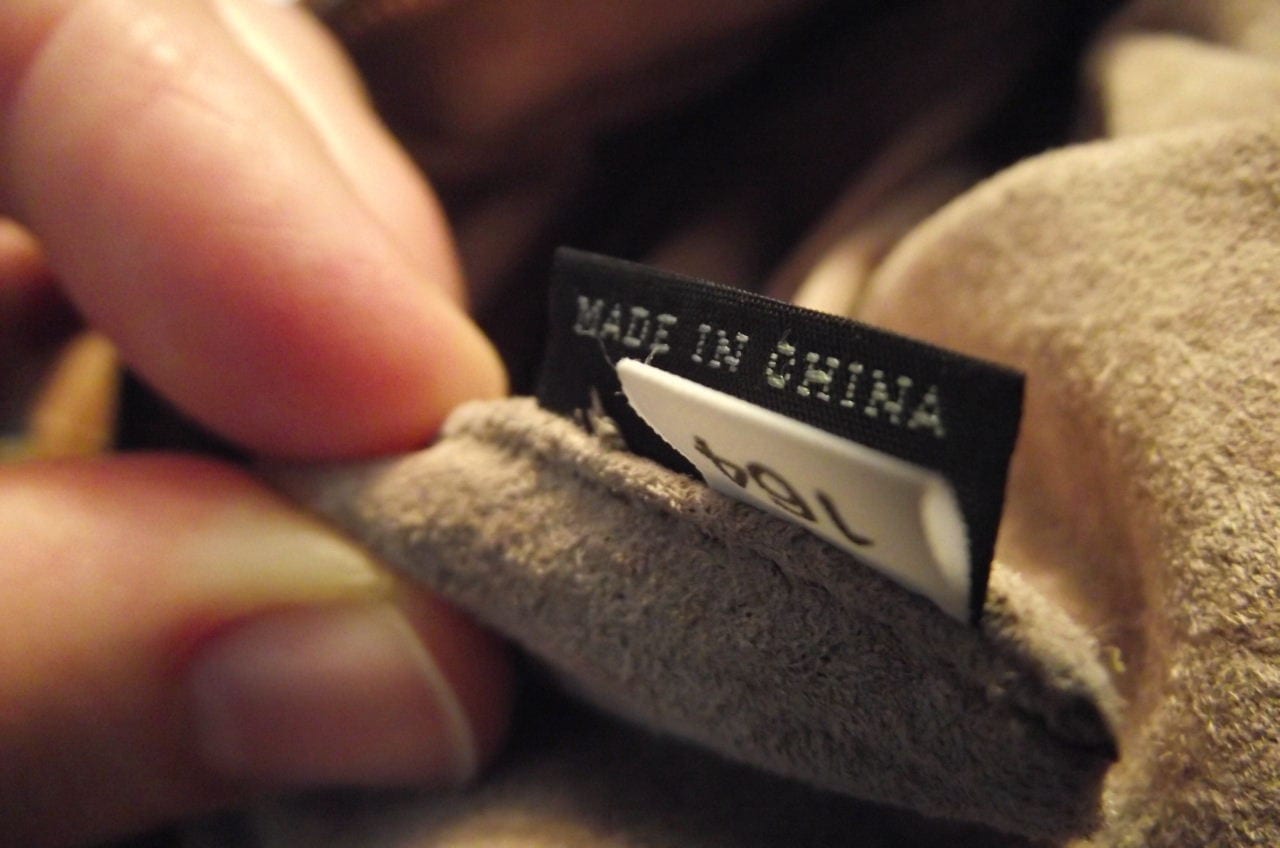
    According to the post, the company bought 60 Khaisilk-branded scarves at the Hang Gai shop in Hanoi for VND644,000 ($28) each, but one scarf had two tags: “Khaisilk Made in Vietnam” and “Made in China.”

    The company said it had checked the rest of the scarves and found signs that “Made in China” tags had been removed.

    The brand’s owner Hoang Khai later admitted that half of the silk used by Khaisilk came from China, while the rest came from Vietnamese craft villages. But he was adamant that his company always used high-quality material.

    Khai has apologized to customers and offered compensation. However, the public has started questioning whether Khaisilk had been receiving help from market watch authorities as its shops have allegedly been selling Chinese silk for years without being detected.

    Khaisilk is a renowned high-end brand with a history of over 30 years, famous for its supposedly high-quality “made in Vietnam” products.

    The scandal has triggered widespread calls to boycott its products. Vietnamese lawyers have also weighed in, saying aside from denting public confidence, Khaisilk Group, which owns the eponymous brand, could face legal action.

    Khaisilk’s outlets in both Saigon and Hanoi have been closed since Friday.

  • Dooney & Bourke launches on Tmall Global

    Dooney & Bourke launches on Tmall Global

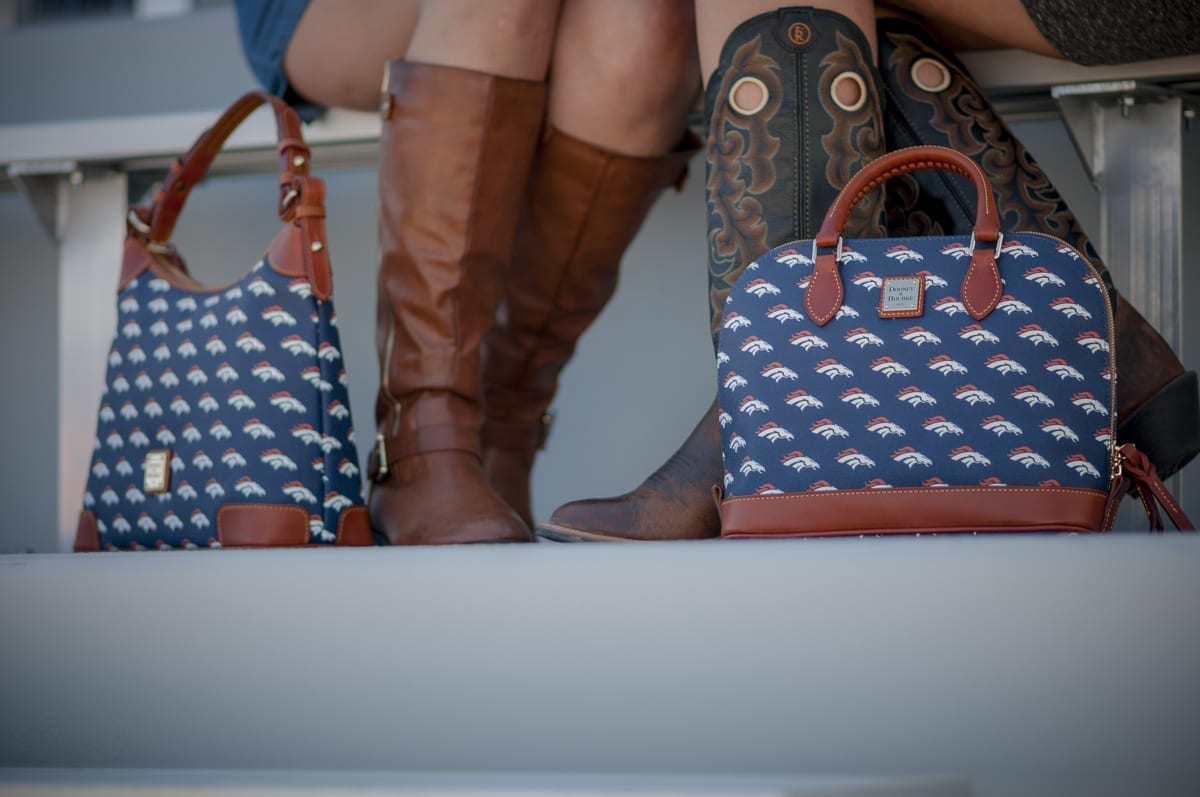
    American heritage handbag and fine leather-goods brand Dooney & Bourke has launched into China via Tmall Global.

    With more than 1000 retail stores throughout the US and 60-plus boutiques internationally, its foray online in China could be a hint at a physical presence to come.

    Dooney & Bourke is known for its designs, materials and craftsmanship, says director of advertising and PR Liz Kane.

    She describes the Tmall Global opening as a major milestone for the company.

    In its new online store, the brand will offer Chinese shoppers a range of handbags and leather accessories such as wallets, phone cases and wristbands.

    Founded in Connecticut in 1975, the brand has a client list including celebrities Indian actress Freida Pinto, singer Lady Gaga and actress Zooey Deschanel.

    Formerly Taobao Mall, Tmall Global was launched by Alibaba in February 2014 as a crossborder marketplace for foreign brands and merchants to sell directly to Chinese consumers.

  • China’s JD.com is keen to link with Saudis

    China’s JD.com is keen to link with Saudis

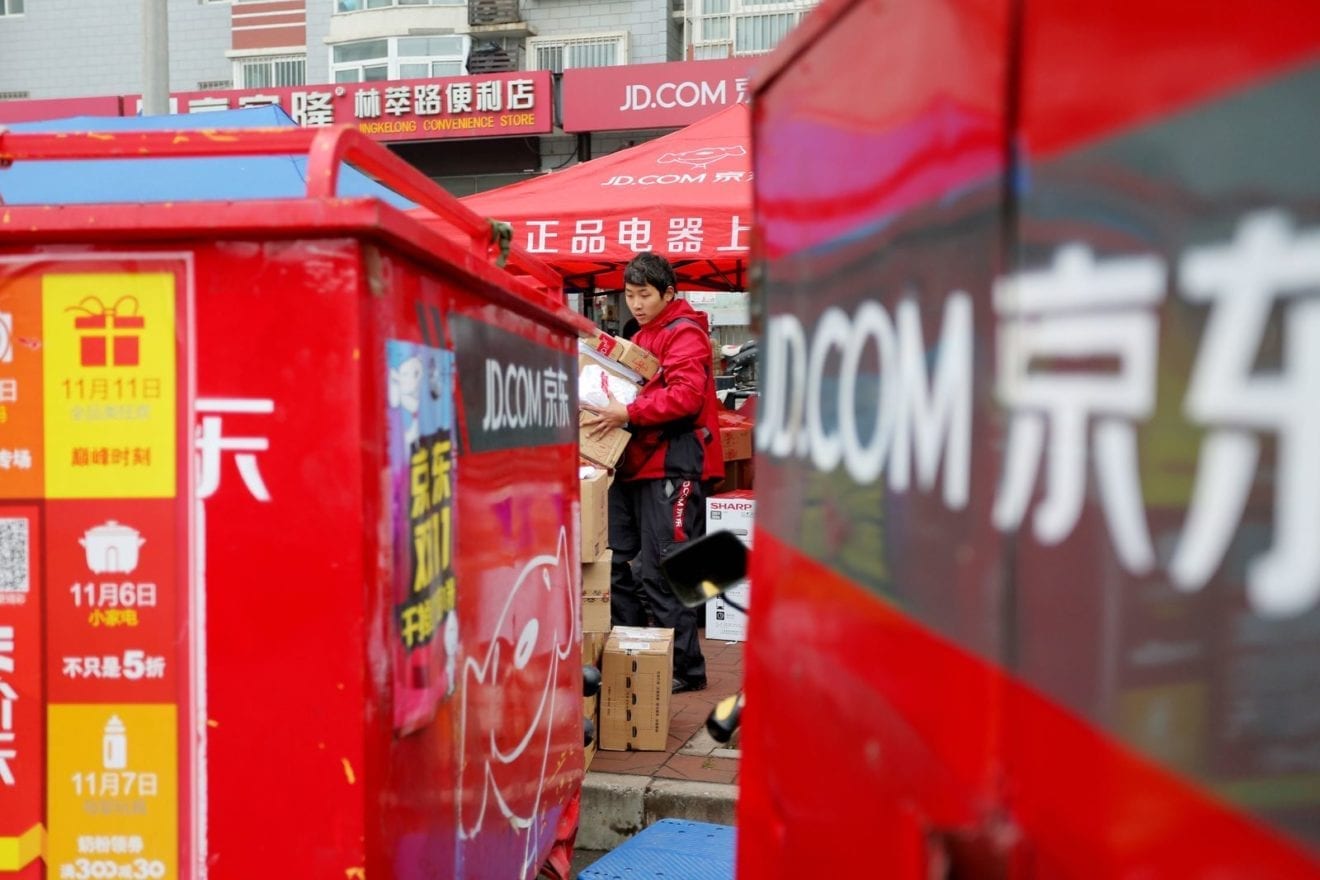
    With the Middle East in its sights, China’s JD.com is keen to team up with the Saudi government.

    “We want to have a partnership with the Saudi government,” says the e-commerce company’s international business president Winston Cheng.

    He describes Vision 2030, Saudi Arabia’s economic reform plan aimed at boosting private-sector growth and developing non-oil industries, as an incredible opportunity.

    “This region is the next new frontier,” says Cheng. “We’re looking to move very fast.”

  • Hard Rock Asia CEO comes from Sands China

    Hard Rock Asia CEO comes from Sands China

    As Hard Rock International (HRI) ramps up expansion in Asia, it has a new CEO for the region, Edward Tracy, formerly CEO of Sands China.

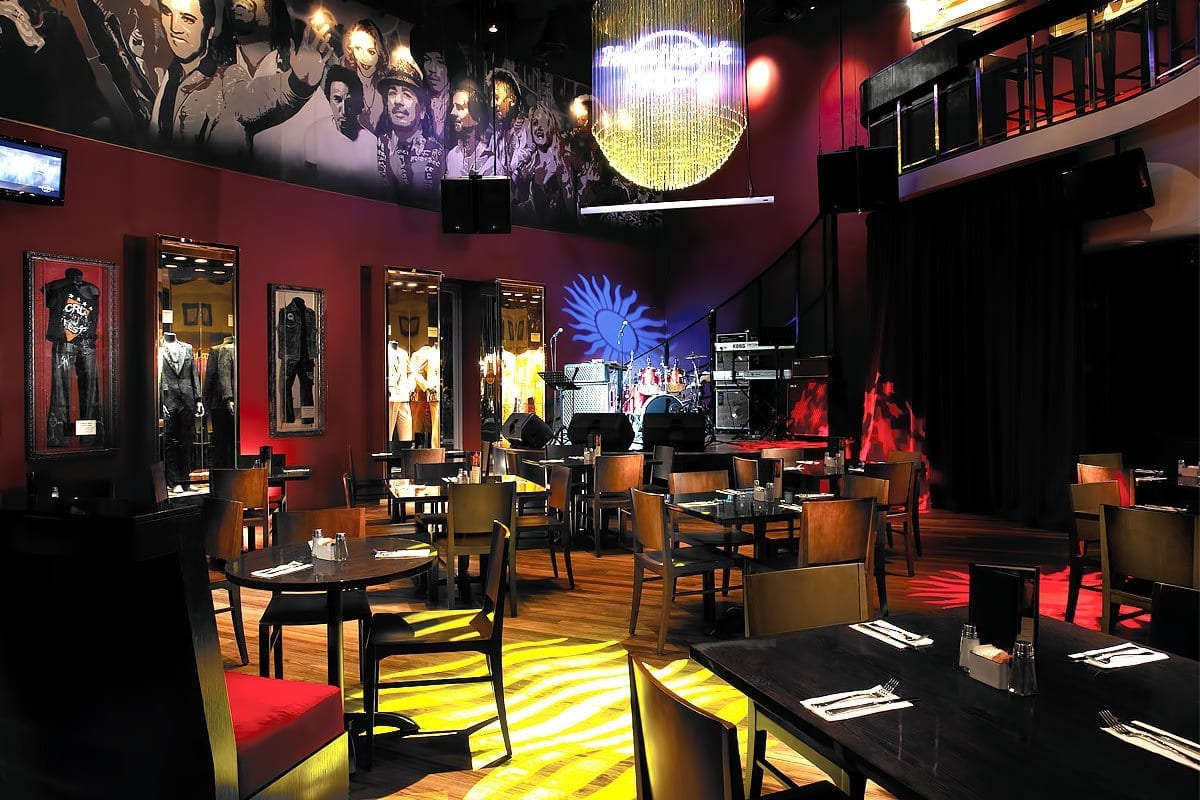
    Owned by the Seminole tribe of Florida, HRI has international hotel/casino locations including Bali, and has just opened the Hard Rock Hotel Shenzhen in China. Other projects by Hard Rock Asia are slated for Dalian and Haikou, while upcoming Hard Rock Cafe locations include Chengdu and Phnom Penh.

    Meanwhile, Tracy is working with Hard Rock Japan toward opening a signature integrated resort. The company will be bidding for a resort licence following the government passing an Integrated Resorts Promotion Bill. Hard Rock Cafe outlets have been in Japan for 30 years.

    “As the former CEO of Sands China and CEO of the Trump Organization, Tracy brings more than 30 years of proven gaming, hospitality and integrated-resort experience to Hard Rock Asia,” says HRI chairman Jim Allen.

    Tracy joined Sands China, a subsidiary of Las Vegas Sands Corp, in July 2010 as its president and COO, becoming CEO 12 months later. He was responsible for overseeing China’s largest integrated-resort company by revenue, capacity and content, with 13,000 hotel rooms and 30,000 team members. It develops, owns and runs integrated resorts and casinos in Macau.

    Before Sands, Tracy was president/CEO of Capital Gaming, a multi-jurisdictional manager of regional casinos in the US, and also served as president/CEO of the Trump Organization, where he was responsible for managing more than 12,500 employees, 3000 luxury hotel rooms and 240,000sqft (22,300sqm) of casino space.

    HRI has venues in 73 countries including 178 cafes, 24 hotels and 11 casinos. Starting with an Eric Clapton guitar, Hard Rock owns a collection of music memorabilia displayed at its global locations. It is also known for its collectible fashion and music-related merchandise, Hard Rock Live performance venues and an award-winning website.

  • China Telecom signs IoT deal with Bridge Alliance

    China Telecom signs IoT deal with Bridge Alliance

    China Telecom has forged an IoT business partnership agreement with APAC and MEA mobile industry group Bridge Alliance.

    Under the agreement, China Telecom will be able to provide IoT and M2M services to multinational enterprise customers across Bridge Alliance’s footprint of 34 markets.

    Bridge Alliance members will likewise be able to take advantage of the partnership by extending their own IoT services into China.

    The partnership will leverage Bridge Alliance’s technical and commercial capabilities to provide homogeneous solutions across its footprint, taking advantage of the simplicity of a single point of integration with China Telecom.

    Both China Telecom and Bridge Alliance members have deployed common connectivity platforms to provide customers with a unified experience when deploying their solutions across multiple markets.

    The Asia-Pacific excluding Japan IoT market is predicted to surge to $455 billion in 2021, making it the top region for IoT investments in the world, according to IDC.

    “We are excited to join Bridge Alliance as a business partner. China Telecom has a strong portfolio of multinational enterprise customers who are looking to deploy their products and services across the Asia Pacific, Middle East and Africa regions. Bridge Alliance is the ideal partner to fulfil such requirements,” Chian Telecom managing director of global business Deng Xiao Feng.

    “Likewise, China Telecom is also ready to support any inbound opportunities from the member operators into China. With the supporting common platform and the business opportunities across these different regions, we are confident this partnership will be a mutually beneficial and win-win business collaboration.”

  • China lifts soft cheese ban

    China lifts soft cheese ban

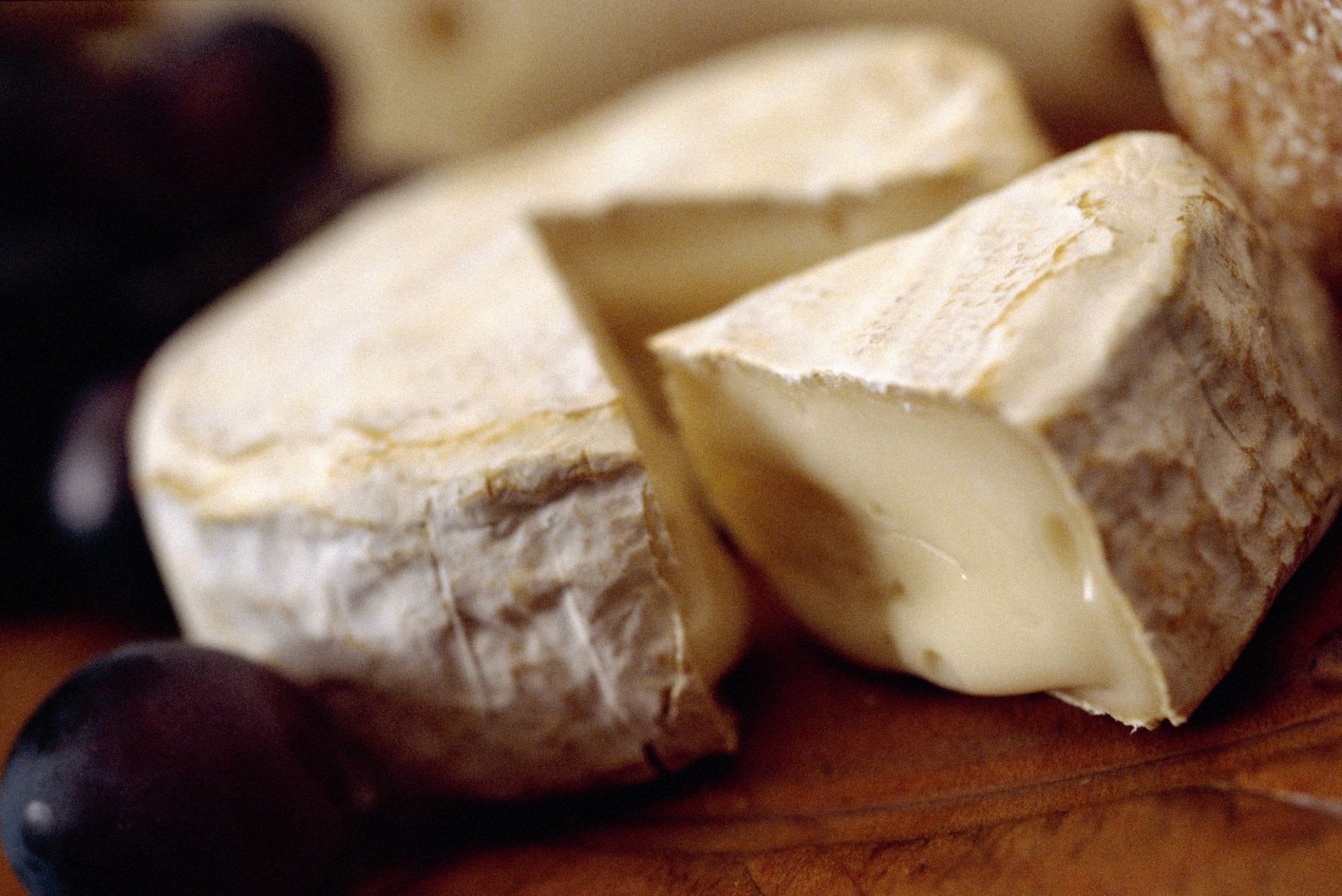
    Fans of soft cheeses in China have reason to celebrate after the country reversed a ban on mould-ripened cheeses, allowing imports of Camembert, Brie and Roquefort, European Union officials said Monday.

    From early September, businesses in the country were forbidden from importing cheeses made with certain moulds and bacteria.

    The ban was lifted following meetings last week between European Commission representatives and Chinese quarantine and health officials, the EU’s China delegation said in a statement.

    The National Health and Family Planning Commission issued a note to customs authorities clarifying that bacterial cultures used for the production of these cheeses were not harmful to consumers’ health, thus allowing trade to resume, according to the delegation.

    The statement added that China’s cheese quality standards are “outdated,” and the delegation and French embassy will organize a seminar with Chinese experts to “(limit) the risk of such events re-occurring in the future”.

    Axel Moreaux, manager at French restaurant Paradox in Beijing, celebrated the news.

    “The ban was in place for a short time, so it hasn’t affected our business. Now we can go ahead as normal,” he told.

    “It’s a real relief,” said Vincent Marion, co-founder of Cheese Republic, one of China’s leading online cheesemongers.

    “It is now written in black and white that this category of cheese is legally importable. So it is very positive for the French and European dairy industry,” Marion said.

    The European Union Chamber of Commerce in China previously said efforts were underway to revise China’s national food safety standards for cheese.

    It is unclear why the ban was put into place.

    China has seen a series of scandals over food safety but Western products are widely seen as made to higher standards.

    Dairy products are not a typical part of a Chinese diet, but in recent years cheeses such as mozzarella have become popular as more Chinese hanker after Western dishes such as pizza.

    Strongly flavored mould-ripened cheese is usually only available at restaurants and markets that cater to foreigners.

  • Chinese millennials driving luxury goods sales

    Chinese millennials driving luxury goods sales

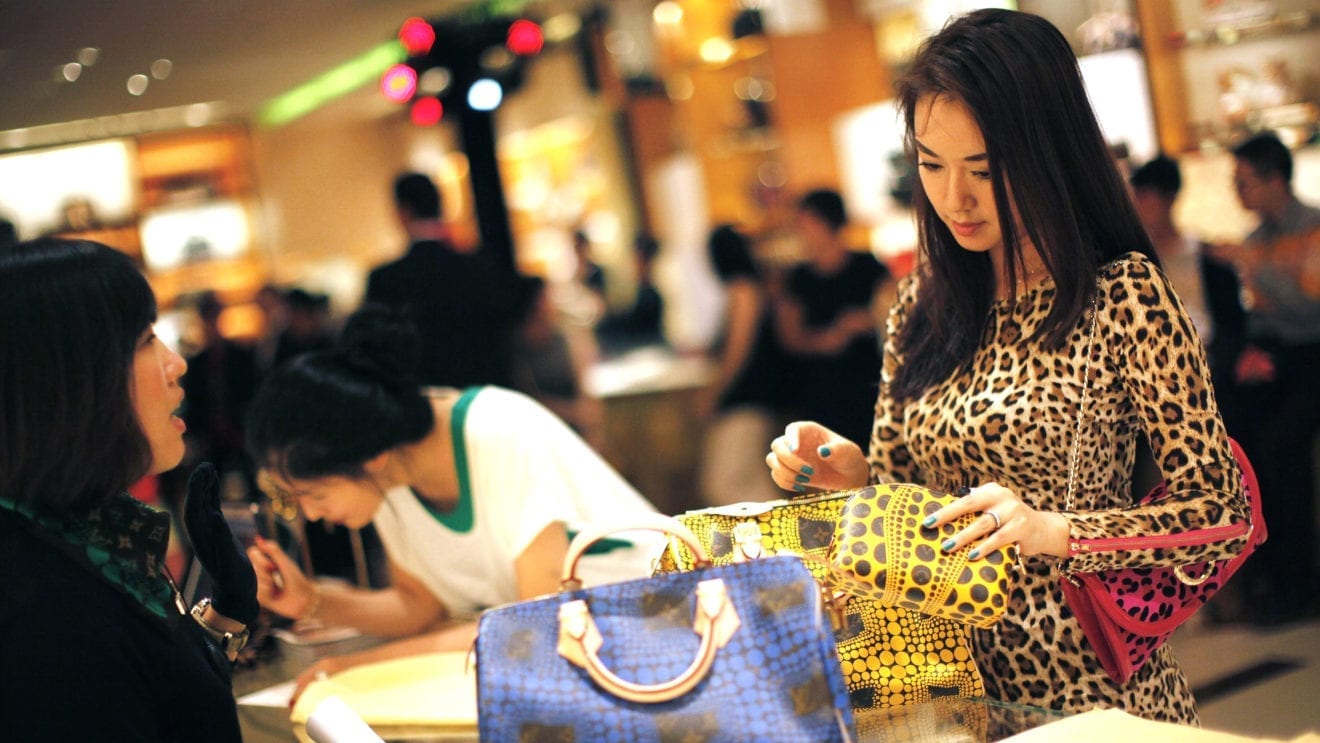
    Chinese millennials are driving faster growth than expected for worldwide sales of luxury goods, says consultancy Bain & Co.

    It says there is a thriving demand in China for items such as high-end handbags, shoes and jewellery.

    After stalling in 2016, revenues from personal luxury goods are set to rise 6 per cent at constant exchange rates this year to €262 billion (US$308 billion), Bain forecasts in an annual report compiled with the help of Altagamma, the trade association for Italian luxury brands. Earlier projections were for 2 to 4 per cent growth.

    Already, stronger earnings are being reported by luxury retailers including Brunello Cucinelli and LVMH, which owns Bulgari and Louis Vuitton.

    Bain says retailers’ efforts to connect with younger buyers and to bridge a price divide between Europe and Asia (more expensive) were also paying off.

    “Luxury goods companies have rethought strategies and are now regaining the trust they lost from customers,” says Bain partner Federica Levato, who co-authored the report.

    She says this year’s growth is “healthier”, being driven by a rise in volumes rather than in prices, and is balanced between tourist purchases and local buyers.

    Chinese buyers now make up 32 per cent of the luxury goods market, more than any other nationality, thanks to increased purchases in both their home market and abroad.

    As a whole, the industry could notch up annual growth rates of 4 to 5 per cent until 2020, says the Bain report, with online sales growing steadily and expected to reach a quarter of all sales by 2025, up from the present 9 per cent.

    Millennials already represent a third of the market, with the later “generation Z”, which grew up with smartphones, starting to make a dent in the luxury market, says Bain.

    Brands have been increasingly turning to social media or pairing up with pop stars and influencers, and branching into casualwear and streetwear, with t-shirts, sneakers and denim.

    However, while 65 per cent of luxury firms will grow sales this year, only 35 per cent will manage to increase their operating profit, says the report.

  • Sheng Siong profits surge 25 per cent

    Sheng Siong profits surge 25 per cent

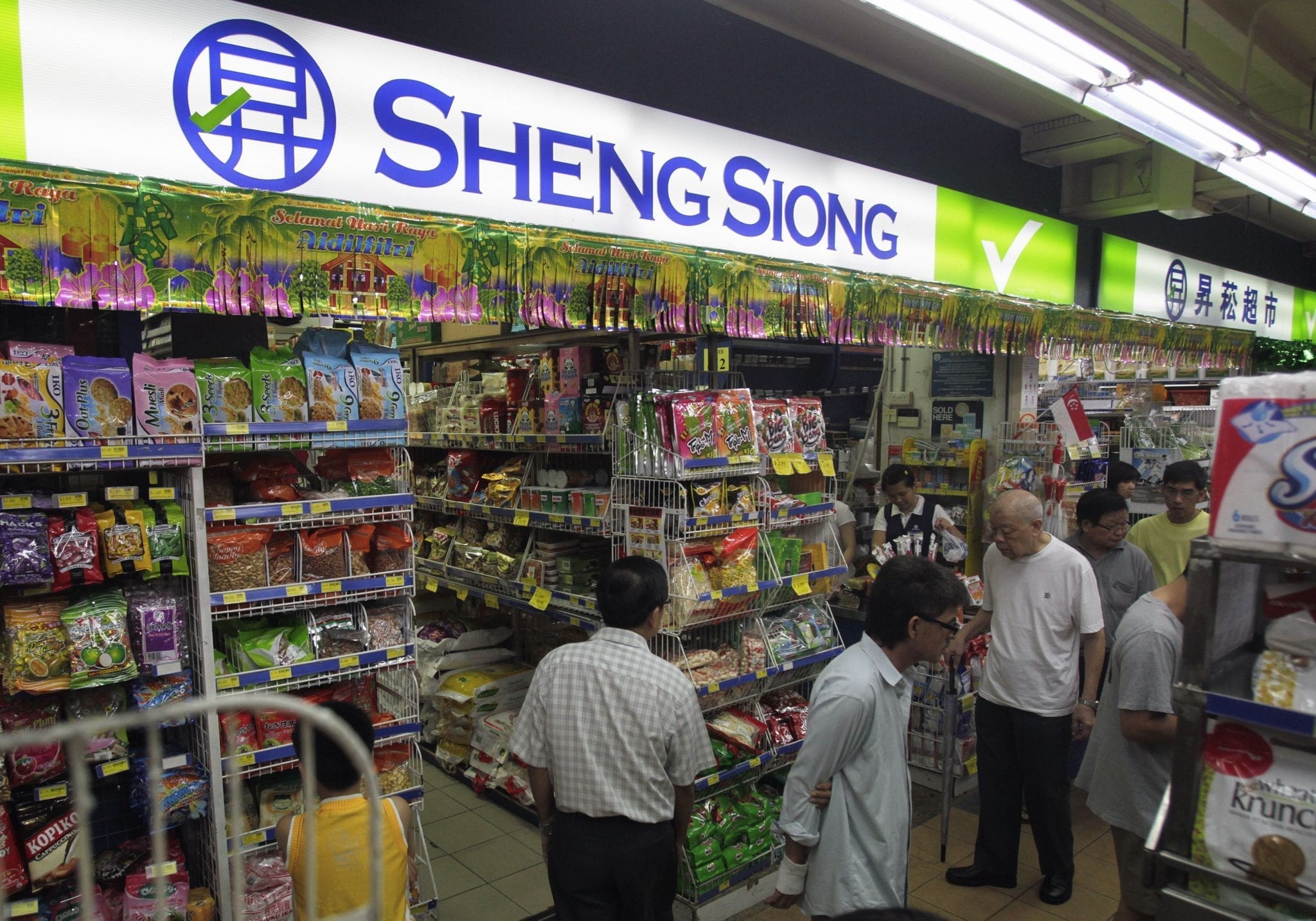
    Sheng Siong profits rose a stunning 25.3 per cent for the three months to September 30, to S$19.6 million.

    The supermarket operator cited higher sales, a tax refund and lower operating costs for the improved fortunes. Excluding its $2.2 million tax refund, the profit rise was a more modest 11.5 per cent.

    Revenue for the quarter rose 4.2 per cent. New stores contributed an increase of 3.9 per cent, with same-store sales up 1.7 per cent.

    Sheng Siong said consumer sentiment remained cautious during the quarter and sales at supermarkets “remained flattish” for the greater part of the first nine months of the year.

    Lim Hock Chee, the group’s CEO, said competition in the supermarket industry is expected to remain keen, particularly with the influx of large online retailers.

    “Moving ahead, we will remain focused on our store expansion plans in Singapore, particularly in areas where our potential customers are residing. Concurrently, we will continue to drive growth of our new and existing stores.

    Besides this, we remain committed to improve cost efficiencies through lowering input costs and operating overheads. Such initiatives include increasing direct purchasing, bulk handling, changing the sales mix to a higher proportion of fresh produce and reducing operating expenses by improving productivity,” he said.

    During the quarter, Sheng Siong opened a new store of 4000sqft in Fajar 446, expanding its total retail square footage to 431,000sqft.

    The group has successfully bid for three new HDB shops at Woodlands Street 12 (11,800sqft), Edgedale Plains Block 660A in Punggol (3100sqft) and Anchorvale Crescent Block 338 in Sengkang (5100sqft). Subject to the execution of tenancy agreements with HDB, these three new stores should be operational by the end of this year.

    The group is still looking for suitable retail space particularly in areas where it does not have a presence. However, competition for retail space, particularly for new HDB shops is expected to remain keen but rational, judging by the prices at the recent biddings.

    The store at Woodlands, with an area of 41,500sq ft will be permanently closed in November because the HDB is redeveloping the area.

    Meanwhile, the fit-out of the new store in Kunming China is now completed and subject to regulatory approvals, the supermarket should commence operation before the end of the year.

  • Hyundai Motor says to consider green car tie-up with China’s local firms

    Hyundai Motor says to consider green car tie-up with China’s local firms

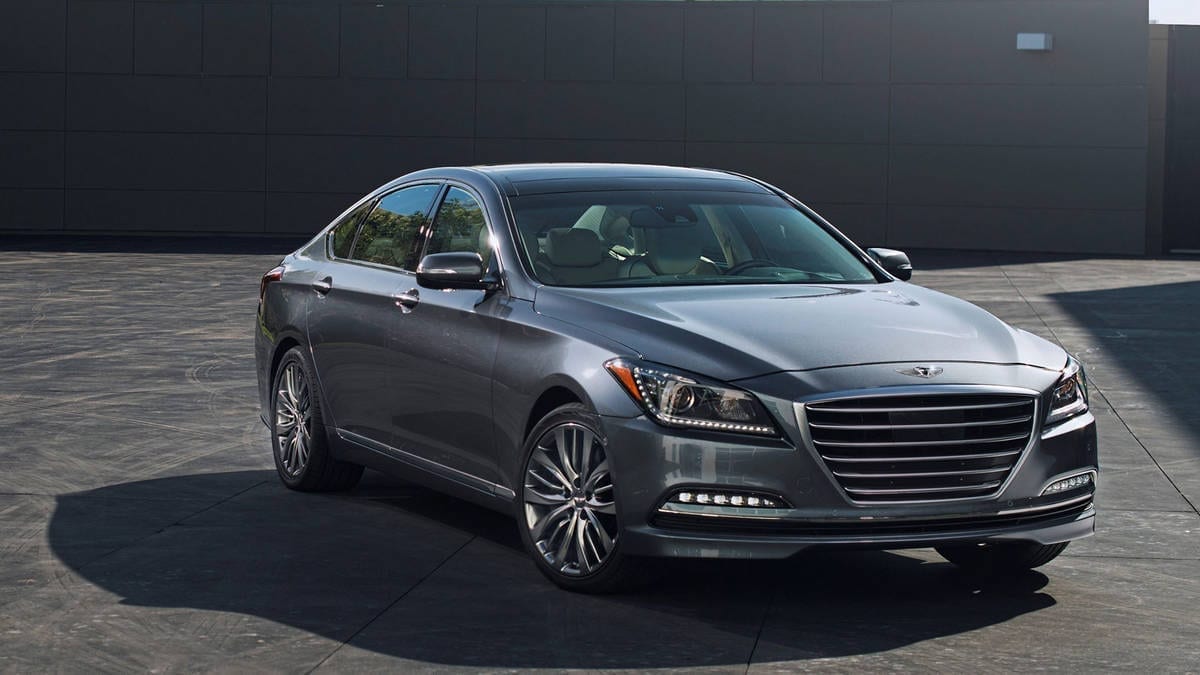
    Hyundai Motor Co says to step up monitoring of possible revisions of South Korea’s free-trade deal with the United States.

    To raise the number of its SUV models in China to 7 by 2020 from 4.

    To consider “flexible” cooperation on green cars with China’s local firms.

  • China star market for L’Occitane International

    China star market for L’Occitane International

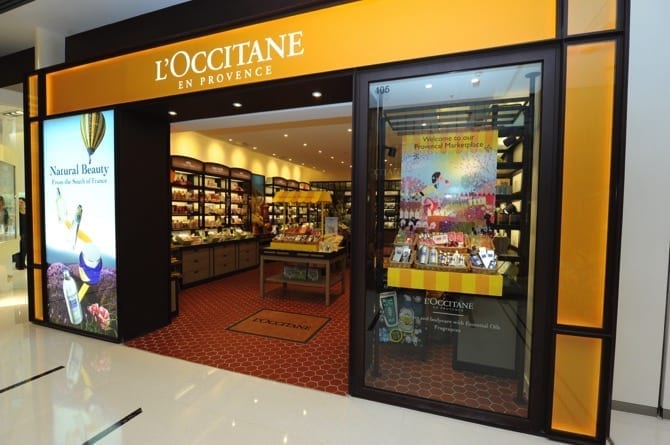
    China led first-half international sales for French beauty products group L’Occitane International with 22.7 per cent growth in local currency and 15.8 per cent in same-store sales.

    This continued China’s sales momentum in the first quarter, and the company credits the growth to a marketing campaign featuring Chinese artist Lu Han.

    T-mall sales continued to grow at triple digits, ahead of plan, while the company’s other e-commerce and online marketplace outlets grew 22.6 per cent to reach 12.9 per cent of total retail sales.

    However, net sales eased by 0.6 per cent from the same period last year to reach €548.2 million (US$648.4 million) at reported rates. At constant exchange rates, sales growth was 1.1 per cent.

    On a like-for-like basis – excluding the disposal of Le Couvent des Minimes and a one-off deal of L’Occitane au Bresil last year – sales grew by 2.3 per cent at constant rates and 0.5 per cent at reported rates.

    Retail sales accounted for 72.4 per cent of net sales, amounting to €397.1 million, down 0.9 per cent at reported rates. At constant rates, growth was 1.1 per cent. This growth was primarily contributed by non-comparable stores and other sales, including new and renovated stores, marketplaces and spa businesses. The growth was 5.2 per cent at constant exchange rates

    The group’s same-store sales eased by 0.1 per cent, an improvement from the 0.6 per cent dip for the first quarter and the 2.5 per cent drop for last year’s first half. This is attributed to China’s sales and overall improvements in key countries.

    Wholesale sales at €151.1 million accounted for 27.6 per cent of total sales, up 1 per cent at constant exchange rates. Like-for-like growth was 5.4 per cent, primarily driven by dynamic growth in travel retail, distribution, B2B and web-partner channels of the L’Occitane en Provence brand. Emerging brands Erborian and Melvita delivered double-digit growth.

    L’Occitane International says it maintained selective openings with five stores added to its network and 78 renovated during the six months to the end of September. During the same period last year, 32 stores opened and 39 were renovated.

  • Alipay, WeChat top China brand relevance index

    Alipay, WeChat top China brand relevance index

    Chinese internet brands are trumping their Western counterparts in China, according to the second China Prophet Brand Relevance Index (BRI).

    Alipay and WeChat came in first and second respectively for the second consecutive year, followed by Android, IKEA and Apple.

    “Chinese consumers today live, work and play in a connected, digital world, so the brands that deliver useful, easily accessible and enjoyable experiences are going to be the most relevant to their lives,” Tom Doctoroff, Senior Partner at Prophet said in a press release.

    “This is our second Brand Relevance Index in China, and Alipay and WeChat dominate once again as the top two brands because they brilliantly use technology to innovate and inspire consumers,” he added.

    BRI is a ranking of the most relevant brands in consumers’ lives. Prophet partnered with research firm SSI to survey 50,000 consumers across the US, UK, Germany and China about 750 brands before deriving the results. The Chinese BRI results is part of this four-country effort, and is the second global survey conducted by the firm.

    Five retail and hospitality brands finished the top 10 listing. They included Nike, Estee Lauder, BMW, Marriott and NetEase Cloud Music.

    According to the Prophet, almost half of the top 50 brands were all technology-led. The rest were significantly invested in digital connectivity, showing that Chinese consumers like brand experiences that occur on demand, across devices and channels.

    “Brands today cannot stay still. They need to earn and re-earn loyalty at every micro moment in the customer journey, again and again. They have to be relentlessly relevant. This is more true in China than anywhere else. The brands that scored high in our Index enjoy healthy long-term demand and a strong bottom line because they are constantly reinventing themselves to satisfy and delight consumers,” Doctoroff said.

    The findings also showed that Chinese consumers are demanding for unique and immersive experiences. Here, brands like Marriott, W Hotel (ranked 11) and BMW dominated through their focus on experience and design.

    Equally important are brands that Chinese consumers to show their individualism. They are increasingly looking to share their unique experiences on QQ (ranked 28), show a greater desire to try on Taobao (ranked 35), test on Meituan (ranked 40) and taste products on Dianping (ranked 41).

    Meanwhile, Chinese consumers are focusing more on music, gaming, entertainment and sporting goods, which make up more than a fifth of the top 50 brands. According to the press release, there is “a growing shift towards prioritizing the balance between emotional and physical wellbeing, instead of focusing on just physical health.”

    Chinese consumers are beginning to embrace the sharing economy. Mobike (ranked 14) and Airbnb (ranked 45) are now taking over spots held by restaurants and airlines. Ofo (ranked 54) and Didi (ranked 87) are just outside the top 50 ranks.

    “It’s clear to be successful, brands need more than size and ubiquity. They must create a product that people love enough to integrate into their everyday lives. The brands that inspire this level of loyalty will ultimately grow the fastest because they are relevant in the moments that matter most to consumers,” Leon Zhang, Partner at Prophet, based in Shanghai, said.

    Apple continued to dominate across global rankings, holding the top positions in the US, UK and Germany rankings. Google was among the top three in the same countries.

  • Ajisen China has mixed third quarter

    Ajisen China has mixed third quarter

    A high in China almost equally matched by a dip in Hong Kong has resulted in a mixed third quarter for Ajisen China Holding’s fast-casual restaurant business.

    Same-store sales in Hong Kong fell by 9 per cent for the three months to the end of September, while the growth rate in China had an upswing of 9.7 per cent.

    Overall, the group’s business sales saw 6.4 per cent growth compared to the same period a year ago.

    Chairman Poon Wai says the figures have not yet been reviewed or audited.

  • Alipay mobile payment introduced in Denmark

    Alipay mobile payment introduced in Denmark

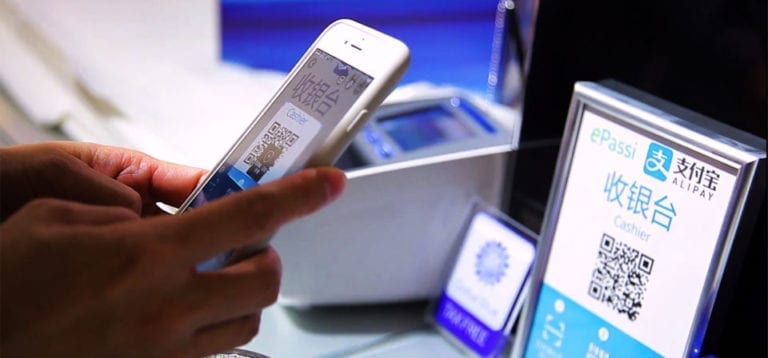
    The world’s leading mobile payment platform Alipay was launched in Denmark on Monday, enabling its Chinese users to enjoy its fast and convenient payment service when they travel to the Nordic country.

    “We are happy that Denmark and the Nordics are embracing Alipay for Chinese tourists. The adoption of Alipay services of both payment and marketing will not only enhance the experience of Chinese consumers but also help Danish businesses to reach out to their Chinese customers even before they depart from China,” said Wang Li, head of Alipay EMEA (Europe, Middle East and Africa).Operated by Ant Financial Services Group, an affiliate company of China’s Alibaba Group, Alipay users can hail a taxi, book a hotel, buy movie tickets, pay utility bills, make appointments with doctors, or purchase wealth management products directly from within the app.

    Alipay was launched in Denmark by APay Nordic AS, in cooperation with 2paynow, the technology platform provider of Alipay in Europe.

    “We are glad to see that APay Nordic is now introducing Alipay into Denmark, which will further strengthen the advantages of Denmark as a Chinese-friendly destination,” said Miklos Bengtsen, CFO of ILLUM, a premium department store in Copenhagen, adding that China is a very important market for the Danish retail business.

    According to Wang, Alipay’s in-store payment service is covering more than 30 countries across the world, and tax reimbursement via Alipay is supported in 24 countries and regions.

    Alipay has been launching its services in Europe since mid-2016. Denmark is the fourth Northern European country for Alipay to set foot in after Norway, Finland and Sweden.

    Alipay now has over 520 million active users and over 450 financial institution partners globally. Over 10 million merchants accept Alipay across China.