Tag: China

  • China’s growing upper middle class to drive consumption by 2020

    China’s growing upper middle class to drive consumption by 2020

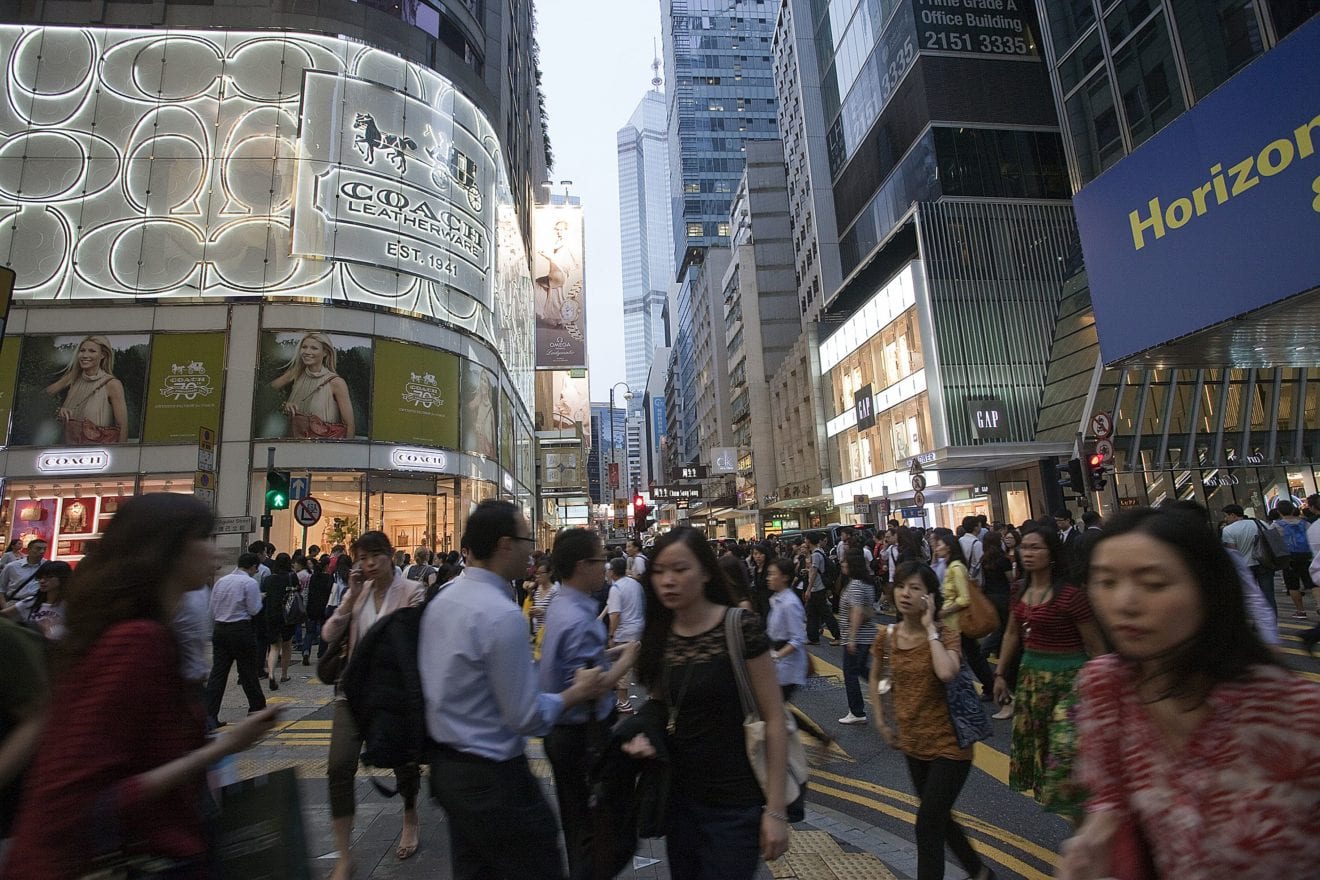
    The dramatic rise of China’s upper middle class and affluent families is expected to become a major driver for domestic consumption, which will grow fast despite the nation’s sluggish economy.

    A report released by consulting firm BCG and AliResearch, the research arm of China’s largest e-commerce company Alibaba Group, said the combined number of upper-middle class households, whose annual disposable income ranges from US$24,000 to US$46,000, and affluent households, with disposable income over US$46,000, would double to 100 million by 2020.

    By then, they will account for 30 per cent of urban households, up from 17 per cent today and only 7 per cent five years ago.

    “During the past few decades, China’s consumer economy has been powered by the ascent of hundreds of millions of people from poverty to an emerging middle class,” said Kuo Youchi, a principal with BCG Greater China who helped draft the report.

    “But China is entering a new era. The real driver for the future will be upper-middle class and affluent shoppers.”

    The report projects that affluent and upper-middle class consumers will account for 55 per cent of China’s urban consumption and 81 per cent of its incremental growth by 2020.

    Compared to tier-one cities like Beijing, Shanghai and Guangzhou, smaller mainland cities would see faster growth in the number of well-off shoppers. Half of the upper middle class and affluent households to emerge during the coming five years were likely to be in fourth-tier or even smaller cities, it said.

    China’s economy has been undergoing a structural transformation while its gross domestic product growth has cooled in recent years. The government hopes domestic consumption willoffset the sluggish export and investment sectors.

    The report is bullish about China’s consumption market, predicting it to grow 9 per cent annually to US$6.5 trillion by 2020, outpacing GDP growth which is expected to remain at around 6.5 per cent over the next five years.

    In addition to an increase in wealthier consumers, another force to boost consumption is from the younger generation of shoppers who were born in 1980s and 1990s.

    A separate BCG survey found that 42 per cent of Chinese aged 18 to 25 disagreed with the statement, “I feel I have enough things and feel less need to buy new ones”. That compared to 36 per cent in the US and European Union and 32 per cent in Japan.

    Meanwhile, e-commerce, as a more important retail channel in China, will also help stimulate demand and is expected to account for 42 per cent of growth in private consumption.

    Alibaba recently announced plans to buy the South China Morning Post and all other media assets owned by the SCMP Group.


  • Lessons of e-commerce explosion in China

    Lessons of e-commerce explosion in China

    The second World Internet Conference (WIC), also known as the Wuzhen Summit, will take place Dec 16 -18, in Wuzhen, Zhejiang. Chinese President Xi Jinping will attend the conference and address the opening ceremony. It takes place amid dramatic expansion of Chinese e-commerce, thanks to great market potential and the government’s supportive policies.

    In early spring, the State Council, China’s cabinet, announced it will boost e-commerce by cutting red tape and liberalizing investment regulation in the sector. Meanwhile, Premier Li Keqiang said that with the “Internet Plus” strategy China would back e-commerce development and guide the Chinese internet companies’ international expansion.

    In the mainland, e-commerce and other internet-based industries are supporting and accelerating the rebalancing of the Chinese economy toward consumption and innovation.

    In early November, transactions on the Singles Day — the Chinese version of the Valentine’s Day — morphed into a huge shopping extravaganza as the mainland consumers’ buying spree caused sales to soar almost 60 percent from last year. Although Alibaba, the e-commerce giant, started the online festival only seven years ago, its total sales alone climbed to 92 billion yuan (US$14.3 billion).

    To put the figure into an international perspective, it is more than quadruple the US earnings last year from its Black Friday and Cyber Monday sales events combined. Not surprisingly, Alibaba’s founder Jack Ma believes that Singles Day will go global.

    “In the next five years, I believe it may be in Tokyo, Paris or New York,” the e-commerce entrepreneur said.

    Chinese e-commerce is driven by heavy online buyers, younger demographics, and consumers in the relatively wealthier first-tier cities – although relative growth is even faster in many lower-tier cities and rural areas.

    These internet-based industries fuel the government’s 13th five-year plan that was officially outlined a month ago. Until recently, Chinese growth relied on investment and net exports, but that era ended with the global financial crisis. The new objective is to rebalance the Chinese economy toward consumption.

    Threat to traditional retailers

    Not everybody has benefited from Chinese e-commerce explosion, however. As the record sales on Single’s Day showed, online retailing poses an increasing threat to those brick-and-mortar retailers that continue to stay mainly offline.

    For the leading department store operators in China, online retailing remains limited and sales growth is weak. While Intime Retail may be best positioned to benefit from online retailing – not least because of its strategic cooperation with Alibaba – several other companies, including Golden Eagle Retail, Parkson Retail and Maoye International Holdings are only getting into the game.

    Golden Eagle and Maoye have collaborated with Tencent through the WeChat social platform, whereas Parkson has introduced an online shopping site.

    The explosion of Chinese e-commerce has caught off guard not just domestic retail leaders but international industry giants. Initially, these Western giants attributed their losses to China’s growth slowdown and the pullback by shoppers, which presumably accounted for their shrinking profit margins.

    However, the rapid explosion of e-commerce and the rising share of consumption in the Chinese economy cast doubt over such interpretations. Most importantly, a closer look at retailing trends in China suggests that it is not Chinese consumers or Chinese economy that accounts for the losses of these international industry giants – but competition.

    The famed Unilever, for instance, saw its sales fall off the cliff because it failed to go online fast enough. In June, Swiss food giant Nestle acknowledged that it failed to understand how retail was changing in China. The failure to move quickly and broadly into online retailing proved costly: the company had to burn instant coffee it could not sell in stores.

    The same goes for Colgate-Palmolive and Germany’s Beiersdorf, which have been suffering from offline overstocking, even as new online retailers have reaped enormous earnings.

    Intriguingly, some of these international giants have missed much of the Chinese e-commerce explosion, even though many have experienced two decades of e-commerce growth in the US, Europe and Japan. In these advanced economies, the e-commerce explosion took place differently, however.

    In the prosperous West, the Internet revolution initially relied on fixed-line personal computers and notebooks. In the emerging and developing East, such technologies remain relatively expensive. In these nations, the initial penetration has been fueled by mobile devices, particularly smartphones. In China, mobile drives retail sales growth and currently accounts for half of all e-commerce sales.

    The lessons are clear. First, business models that succeed in advanced economies may not work in emerging and developing economies. Second, advanced-economy lessons are vital but they must be adjusted to the Chinese business environment. Third, simple imitation of Western strategies does not ensure success in China. Only innovation can produce the desired results.

  • Japanese e-retail leader Rakuten doubles its online sales in China

    Japanese e-retail leader Rakuten doubles its online sales in China

    Rakuten’s Q3 growth from China jumps 101%. The Tokyo-based company plans to open a store soon on Chinese marketplace JD.com. The falling value of the Japanese yen and China’s relaxed cross-border e-commerce policies have helped Rakuten Inc., Japan’s dominant online marketplace operator, double its web sales in China in the third quarter.

    Founded in 2007, Rakuten says it now sells about 150 million products from over 41,000 merchants on its Japanese online marketplace, Rakuten.jp.

    Rakuten operates localized sites in 13 countries, including Japan, the United States, the United Kingdom, Spain, Brazil, Germany, France, Austria, Singapore, Thailand, Malaysia, Indonesia and Taiwan. CEO Hiroshi Mikitani has pursued a global strategy that has included several e-retail acquisitions, such as of Buy.com in the U.S. and PriceMinister in France.

    Rakuten also operates the Rakuten Global Market, an online marketplace offering 1.2 million Japanese products from 10,000 merchants to consumers outside of Japan. China represents the fastest-growing country in terms of purchases on the Rakuten Global Market, the Rakuten spokesman says. “Our Q3 total cross-border trading showed 50% growth year on year,” he says. “Our Q3 growth from China showed a significant increase of 101%.”

    Japanese products have become much cheaper to Chinese consumers as the Japanese yen has depreciate about 30% over the last few year.

    In addition, China has relaxed its policies on online imports, making it easier for Chinese consumers to buy from foreign e-commerce sites. For example, the duty charged on small online purchases from abroad is lower than the tax charged on domestic purchases in China, and China has created free-trade zones in nine cities where parcels from overseas move through customs faster than before.

    Rakuten says Chinese consumers are particularly interested in unique and high-quality Japanese-made goods. “We will also continue to explore new avenues to empower Rakuten merchants in expanding their businesses in China.” the spokesman says.

    This week, Rakuten announced it will open an online store to sell Japanese products on the e-commerce site of Chinese e-retailer and marketplace operator JD.com, No. 1 in the Internet Retailer 2015 China 500.

    This is not the first time Rakuten has entered China. In 2010, Rakuten and Chinese search engine company Baidu created a joint venture to operate Rakuten.cn, aiming to sell products in China to Chinese consumers. After only 18 months, the site was closed by Rakuten in 2012, reflecting the fierce e-commerce competition in China.

    In April 2015, Rakuten also announced it had invested in a Chinese cash-back shopping site, Fanli.com, but did not disclose the investment amount.

    Rakuten is No. 20 in the Internet Retailer Asia 500. JD.com is No.1 in the Internet Retailer 2015 China 500. Rakuten is the leading online retail site in Japan, accounting for about 20% of web sales in 2014, according to Euromonitor International.

  • DJI Opens Flagship Retail Store in Shenzhen

    DJI Opens Flagship Retail Store in Shenzhen

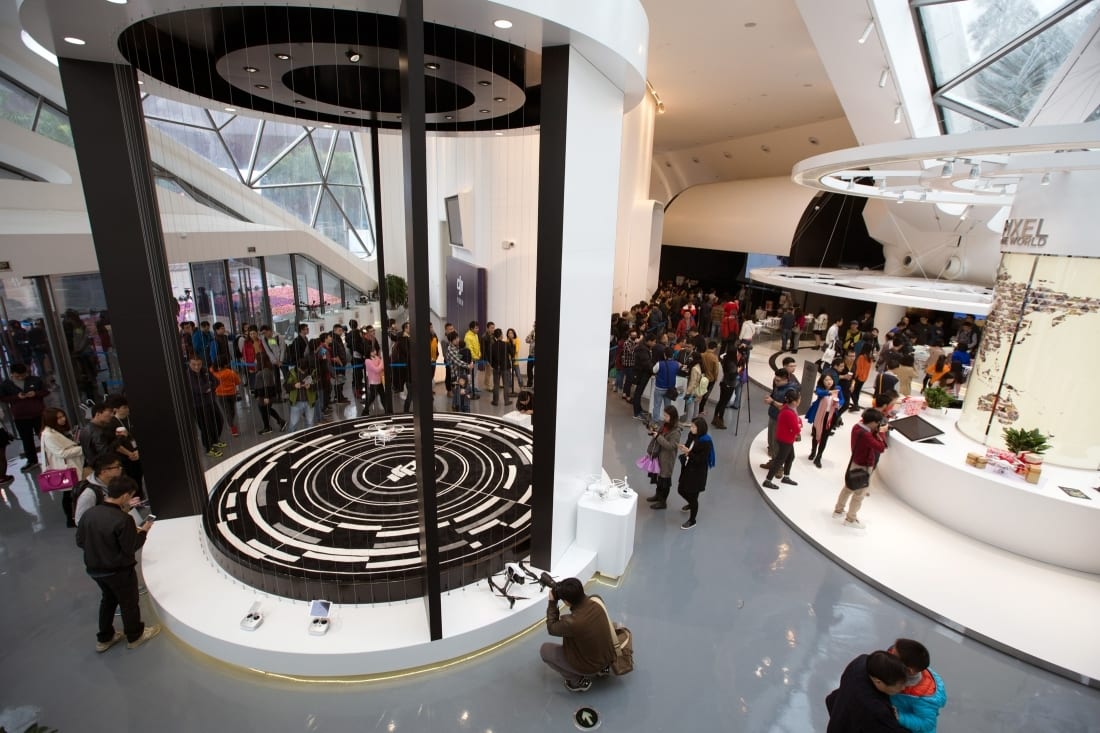
    DJI, the world leader in unmanned aerial vehicle technology opened its first flagship store today at OCT Harbour in Shenzhen. The 800-square-meter store will feature a full range of DJI’s consumer products and aims to let consumers see, touch and learn firsthand about the company’s innovative and creative platforms.

    “The DJI flagship experience is an important touchpoint to connect people with our cutting-edge technology and get a sneak peek into the future,” said Frank Wang, DJI Founder and CEO. “Whether you are curious to learn how to fly or a professional looking for the latest aerial imaging technology to create your next big idea, the flagship store will provide you with the opportunity to really experience the DJI brand up close and in person. More importantly, it will allow us to engage our customers in a deeper and more meaningful way.”

    On display and for sale will be DJI’s Phantom 3 series, the Inspire 1 and Spreading Wings series, Matrice 100, Guidance, the Ronin handheld three-axis camera gimbal line, as well as the company’s latest integrated stabilized 4K handheld camera, the Osmo.

    The flagship’s interior architecture is based on the concept of yuan, the Chinese word for “circular.” It is symbolic of DJI’s drone propellers, which form a circular shape when in motion. This concept can be seen in various places around the store, including the “SkyPixel Around the World” interactive installation, which is featured on a cylinder-shaped map in the shop’s center. The flagship store also features a theater, flight area, lounge area and repair counter.

    The OCT Harbour store features a stunning waterfront view and is surrounded by a vibrant culture of tourism, ecology and commerce.

    Highlights of the flagship store include:

    The DJI flagship store is located at the Shenzhen Tourist Information Center, OCT Harbour, East No.8, Baishi Road, Nanshan District, Shenzhen, China. Openings hours are Sun-Thu 10:00 – 22:00 and Fri-Sat 10:00 – 22:30.

  • Apple Pay coming to China in 2016

    Apple Pay coming to China in 2016

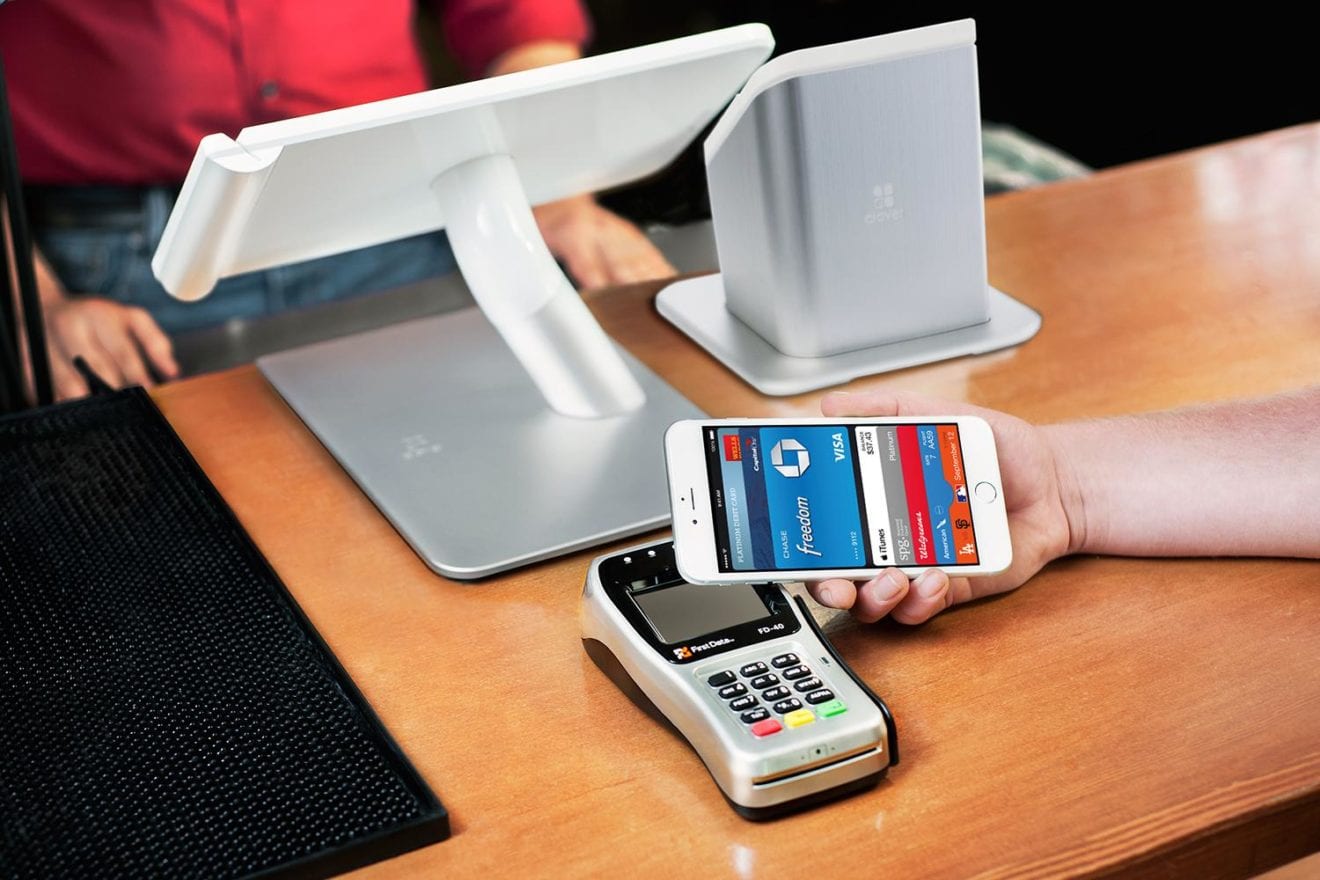
    Apple and China UnionPay Thursday announced a partnership to bring Apple Pay to China in 2016. UnionPay cardholders will be able to add their bank cards to Apple Pay on iPhone, Apple Watch and iPad, according to a press release.

    Apple Pay will roll out to UnionPay cardholders as soon as early 2016 following relevant tests and certification required by Chinese regulators, with the service itself in compliance with the applicable national mobile payment and financial industry standards in China, according to the announcement.

    “China UnionPay is dedicated to promoting payment innovations and providing secure, convenient mobile payment experiences for its hundreds of millions of cardholders, aligning multiple parties in the industry,” said Chai Hongfeng, executive vice president of China UnionPay. “We’re very excited to offer Apple Pay among a diverse set of innovative payment options that work with China UnionPay QuickPass.”

    “Apple Pay has revolutionized the way millions of people pay every day with their iPhone, Apple Watch and iPad,” said Eddy Cue, Apple’s senior vice president of Internet software and services. “China is an extremely important market for Apple and with China UnionPay and support from 15 of China’s leading banks, users will soon have a convenient, private and secure payment experience.

  • Vitality Air offers packaged fresh-air to China

    Vitality Air offers packaged fresh-air to China

    Fresh air reaches at a price for individuals in China. People are buying fresh air from North American manufacturer since air-pullution is major issue in the Chinese capital.

    Beijing has been warned as the city has encountered the worst smog of the year. Exploiting this situation, Vitality Air, a Canadian firm, is transporting packaged fresh air in canisters to China.

    Moses Lam, the co-founder of Vitality Air, set up a bottle for sale on an e-commerce site, eBay around two months ago as a prank. Presently, that prank has turned into a lucrative business as the organization is offering a container of air at an expense as high as 20 dollars for every 7.7 litre jar of Rocky Mountain fresh air, which is 50 times more costlier than packaged mineral water in China.

    Some facts on Chinese air pollution includes:

    1.One in each five deaths in China is because of air pollution.

    1. Industrial pollution affects 1.6 million lives across China, especially around Beijing, every year.
    2. On December 8, the smog level inclined beyond 300 AQI (Air Quality Index), which is considered as ‘extremely horrible’.
    3. The Chinese government declared red-alert on December 10 as the pollution level is recorded 500 AQI, which is termed as “hazardous” as per the US Embassy.
    4. Around 2000 kilometre of East China, encompassing cities such as Beijing, Zhengzhou, Nanjing, Changchun and Xian was covered with a blanket of heavy smog.
  • Costa Coffee unveils new concept

    Costa Coffee unveils new concept

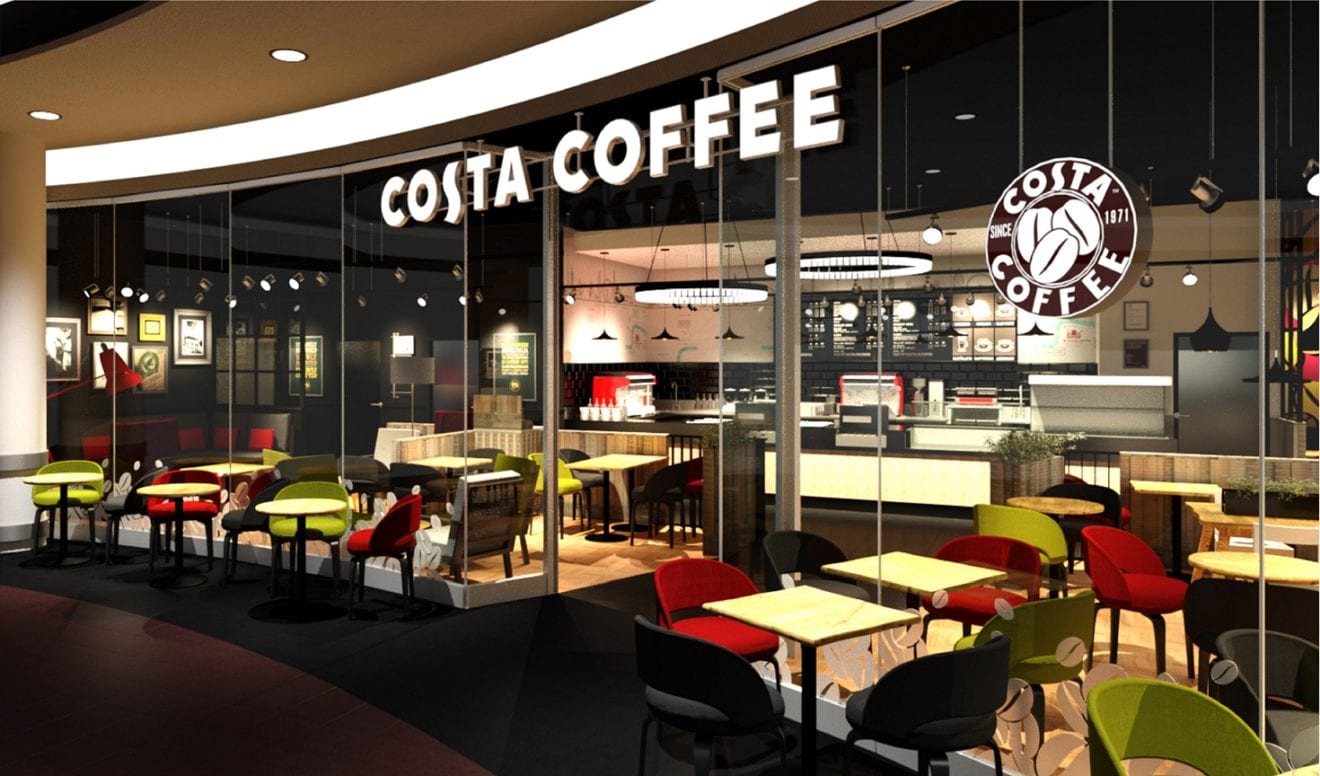
    The UK’s largest coffee chain Costa Coffee has opened a new concept, Costa Fresco.

    A food-centric store, the first outlet has opened in central London, selling porridge, pastries, salads, quiches and cakes, as well as coffee.

    Costa says if the concept is a success it will open more across the UK.

    “We really want to bring something different to the food market in London,” said Carol Welch, Costa’s global director of brand & innovation.

    “The store will be similar to the traditional Costa stores, but will have much more of a food focus. All pastries, cakes and bread will be baked on site – our customers are telling us they want more, good quality food.”

    Costa, part of Whitbred for the last 20 years, has 1582 stores in the UK and more in overseas locations, including Asia.

    The move into food is in part an attempt to stand out from rival coffee chains like Starbucks, adding a point of difference to attract customers.

  • M&S opens new store in China

    M&S opens new store in China

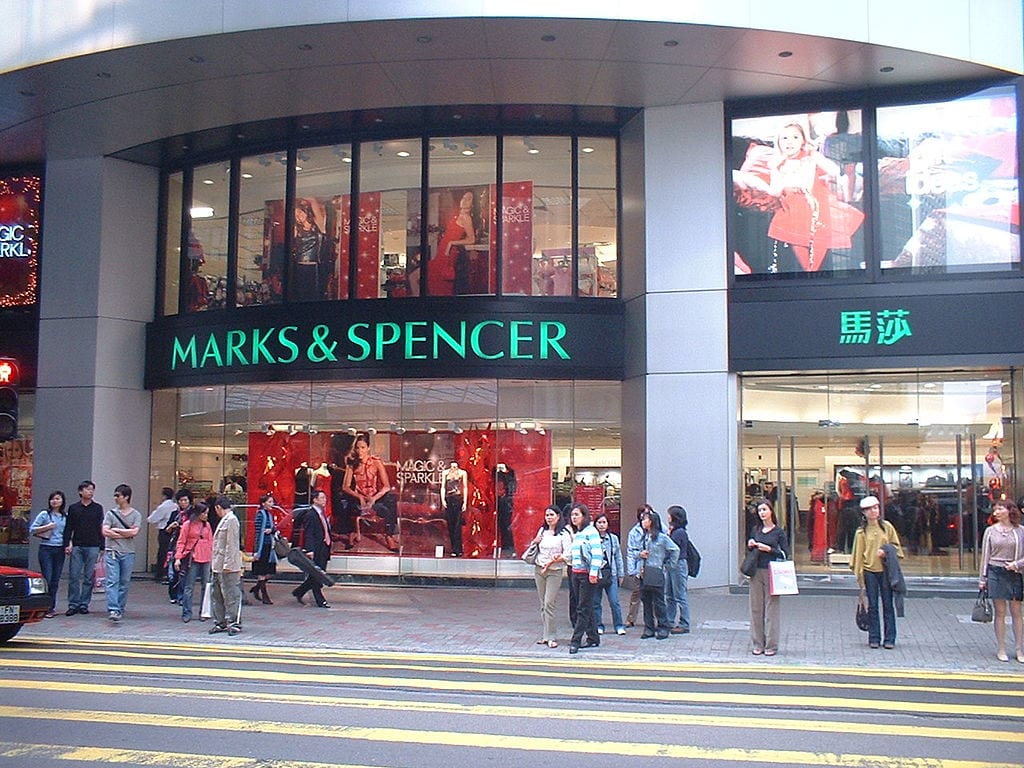
    Marks and Spencer has opened its first store in Beijing. In 2014 the high street stalwart earmarked China, Russia, India, the Middle East and Western Europe for international expansion. Chief Exec Marc Bolland cited plans to open 250 new stores overseas in three years. The aim was to boost international sales by a quarter and increase profit up by 40%.

    Patrick Bousquet-Chavanne, M&S’s Executive Director of Marketing & International, told Reuters the company was still committed to both Russia and China but that those overseas targets were now unattainable. The plans changed.

    “We’re looking at places which are very much ‘tier 1’… where you have an upper middle class consumer base… where we will do well even in the context of a slowdown in the economy,” Bousquet-Chavanne said in September.

    The new store in Beijing follows a change in company policy which outlines the closure of stores in ‘secondary cities’ across China, and a focus on flagship stores in major cities instead.

    The 1,500 sq m store opened at The Place shopping centre, and will sell selected food and drink as well as M&S clothing.

    Although this will be its first venture into Beijing, M&S has 10 stores in the Shanghai region and 20 in Hong Kong. Its empire covers over 1,300 stores, 852 of which are in the UK.

  • Lululemon needs “to work harder”

    Lululemon needs “to work harder”

    Lululemon’s third quarter sales performance – measured on a total basis – was solid with total company revenues up by 14 per cent.

    This was mostly driven by the addition of 52 new stores, with the extra 142,000 sqft of selling space making a good contribution to the top line numbers.

    However, more worryingly the growth contribution from existing physical stores was nonexistent, and while the contribution from direct sales looks reasonable the growth rate is somewhat down on previous quarters.

    As with other retailers, the strong dollar is partly to blame for this lacklustre outcome; indeed, on a constant dollar basis total comparable sales were up by six per cent, with same store physical growth also up by six per cent. That noted, even with exchange rate fluctuations removed, growth is noticeably slower which, points to a much wider set of issues.

    Foremost among these is the rise in competition from both specialist and generalist players. While Lululemon has a following of dedicated fans it also relies on more occasional purchases from those who are somewhat less loyal to the brand, and it is here that the company has lost traction over the course of this quarter. Although arguably Lululemon still has a distinct and well positioned brand, there is no doubt that a more crowded playing field has made growth much harder to come by.

    The impact of the more competitive arena is further exacerbated by the company’s own push into direct selling. While this has been a great success, with online now accounting for 18.6 per cent of all revenue, it has also cannibalised some trade from stores and, with higher fulfilment costs, has been slightly margin dilutive.

    The problem with all of these dynamics is evident in the bottom line performance. Notably, Lululemon’s net income for the quarter fell by a fairly sharp 12.1 per cent and operating income was down by a shade under 16 per cent. Understandably, some of this can be attributed to the higher investment costs as new space opens, but most of it is down to the deterioration in the productivity of the existing operation.

    One of the solutions to the current squeeze is arguably greater product innovation which would stimulate customers into buying new product and allow Lululemon to ease up prices. However, while some movement on this front is apparent, Lululemon has lost much of its edge, and in comparison to a player like Under Armour its product development looks positively glacial.

    In light of the relative lack of innovation it is discouraging to see the recent attempt to hike some prices, which is something the market will not likely bear given current competitive conditions. It also had the effect of upsetting loyal customers who saw little justification for the increases and therefore viewed them as being unreasonable. Given the current struggle for growth, alienating core consumers is arguably the last thing that Lululemon should be doing.

    Despite the challenges, the one area of opportunity is the push into more embryonic areas like mens and teens. However, while Lululemon has made some good progress, the brand still has a somewhat limited appeal to many of these constituencies, mainly because it is strongly associated with its heritage of female fitness. Certainly, it is proving much more difficult for Lululemon to move into mens than it is for Under Armour to move into womens.

    Despite the challenges, the tailwinds provided by continued interest in athletics and fitness – which shows no signs of slowing down – will likely to help cushion Lululemon’s problems. However, the company now needs to work much harder if it is to keep in good shape in what is now a much more competitive market.

  • Le Saunda sales slip

    Le Saunda sales slip

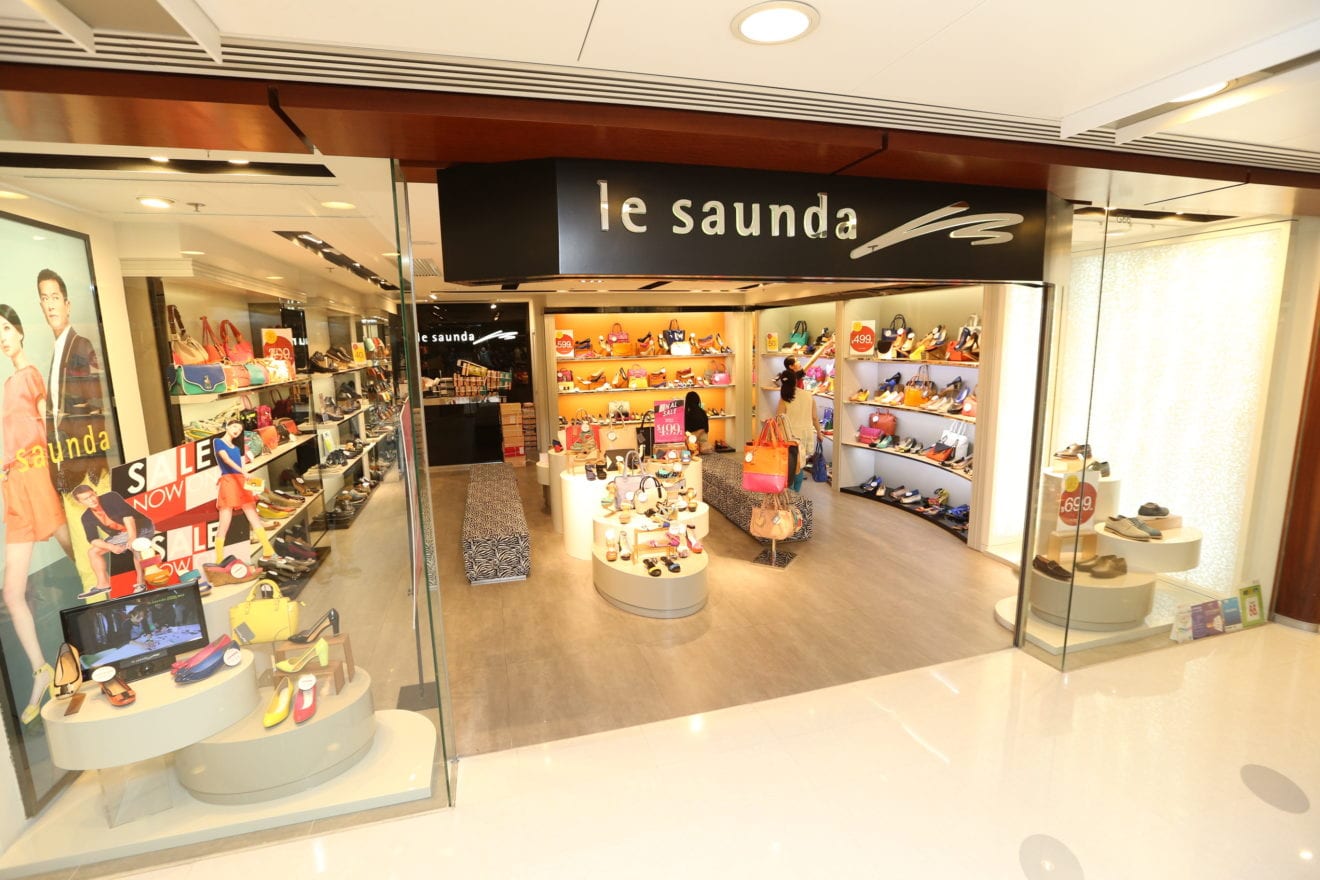
    Footwear retailer Le Saunda says same store sales in its own stores slipped eight per cent in the third quarter.

    But the company’s online turnover soared 26.7 per cent reflecting rising popularity of online shopping across Greater China.

    Total sales declined 6.1 per cent year on year.

    As at the end of November Le Saunda had 897 retail outlets in Mainland China, Hong

    Kong and Macau – 13 more than at the same time last year. These included 789 self-owned outlets in Mainland China, Hong Kong and Macau and 108 franchised outlets in Mainland China.

    Le Saunda has only released unaudited operational data for its retail business at this stage, not detailed financial data.

  • Retail Sales Surge in China: Analysts Believe Domestic Demand Supporting Growth

    Retail Sales Surge in China: Analysts Believe Domestic Demand Supporting Growth

    In some positive news for the Chinese economy, it was reported today that retail sales in China rose unexpectedly last month. According to a report released by the National Bureau of Statistics of China, it was reported today that Chinese retail sales rose to an annual rate of 11.2 percent as compared to a reading of 11.0 percent in the preceding month. Analysts on the street had expected Chinese retail sales to rise to 11.1 percent last month. Retail sales are a closely watched gauge as it provides an insight into the inherent domestic demand.

    In other economic reports, it was reported industrial production in China rose unexpectedly last month. According to a report released by the National Bureau of Statistics of China, it was stated that Industrial Production rose to 6.2 percent as compared to a reading of 5.6 percent in the preceding month. Analysts on the street had expected the Chinese Industrial Production to come in unchanged at 5.6 percent last month. The sharp fall in commodity prices and plunge in global demand has meant that the industrial production in the world’s second largest economy continues to remain weak at the current moment.

    The report comes on the back of a report which showed that China’s urban fixed asset investment remained unchanged unexpectedly last month. According to a report released by the National Bureau of Statistics of China, it was reported that Chinese Fixed Asset Investment remained unchanged at a seasonally adjusted 10.2 percent as compared to a reading of 10.2 percent in the previous month. Analysts on the street had expected Chinese Fixed Asset investment to fall to 10.1 percent last month. Many analysts believe that the report is a clear indication that growth in the Chinese economy continues to remain subdued which is a huge cause for concern for economists and investors.

  • Alibaba acquires Hong Kong’s South China Morning Post

    Alibaba acquires Hong Kong’s South China Morning Post

    Chinese e-commerce giant Alibaba Group announced on Friday that it is acquiring Hong Kong’s English language newspaper South China Morning Post (SCMP) and its other media assets.

    It said the agreement will see Alibaba’s digital expertise being merged with SCMP’s heritage and editorial excellence.

    “This is a proposition that is in high demand by readers around the world who care to understand the world’s second largest economy,” said Joseph Tsai, Executive Vice Chairman of Alibaba Group. “Our vision is to expand the SCMP’s readership globally through digital distribution and easier access to content.”

    Robin Hu, Chief Executive Officer of SCMP, said in a news release that the company welcomes Alibaba’s commitment to invest additional resources in its editorial and business operations to make the SCMP even stronger.

    Apart from the flagship SCMP newspaper, the agreement also includes the acquisition of the magazine, recruitment, outdoor media, events & conferences, education and digital media businesses of SCMP Group Limited.

    Other SCMP titles include the Sunday Morning Post, its digital platforms SCMP.com and related mobile apps, and the two Chinese websites Nanzao.com and Nanzaozhinan.com.

    The acquisition also includes a portfolio of magazine titles, including the Hong Kong editions of Esquire, Elle, Cosmopolitan, The PEAK and Harper’s Bazaar.

    In a letter addressed to SCMP readers, penned by Tsai, the company sought to answer questions on why the e-commerce company is buying into traditional media which many consider as a sunset industry.

    “The simple answer is that we don’t see it that way,” the letter read. “We see a compelling business case for the acquisition because we believe that Alibaba is best positioned to take the SCMP to the next level. The foundation for this work must be the quality of the content. And what underpins this will be editorial excellence: a clear pre-requisite to maintaining readers’ trust and, ultimately, achieving commercial success. Be assured, we get that.”

    The letter also addressed issues on the possible compromise that SCMP’s editorial independence may be compromised by the acquisition and the commercial interest of the new owners.

    “In reporting the news, the SCMP will be objective, accurate and fair,” Tsai assured. “This means having the courage to go against conventional wisdom and taking care to verify stories, check sources and seek all viewpoints. These day-to-day editorial decisions will be driven by editors in the newsroom, not in the corporate boardroom.”

  • Funan mall to close next year for major renovations

    Funan mall to close next year for major renovations

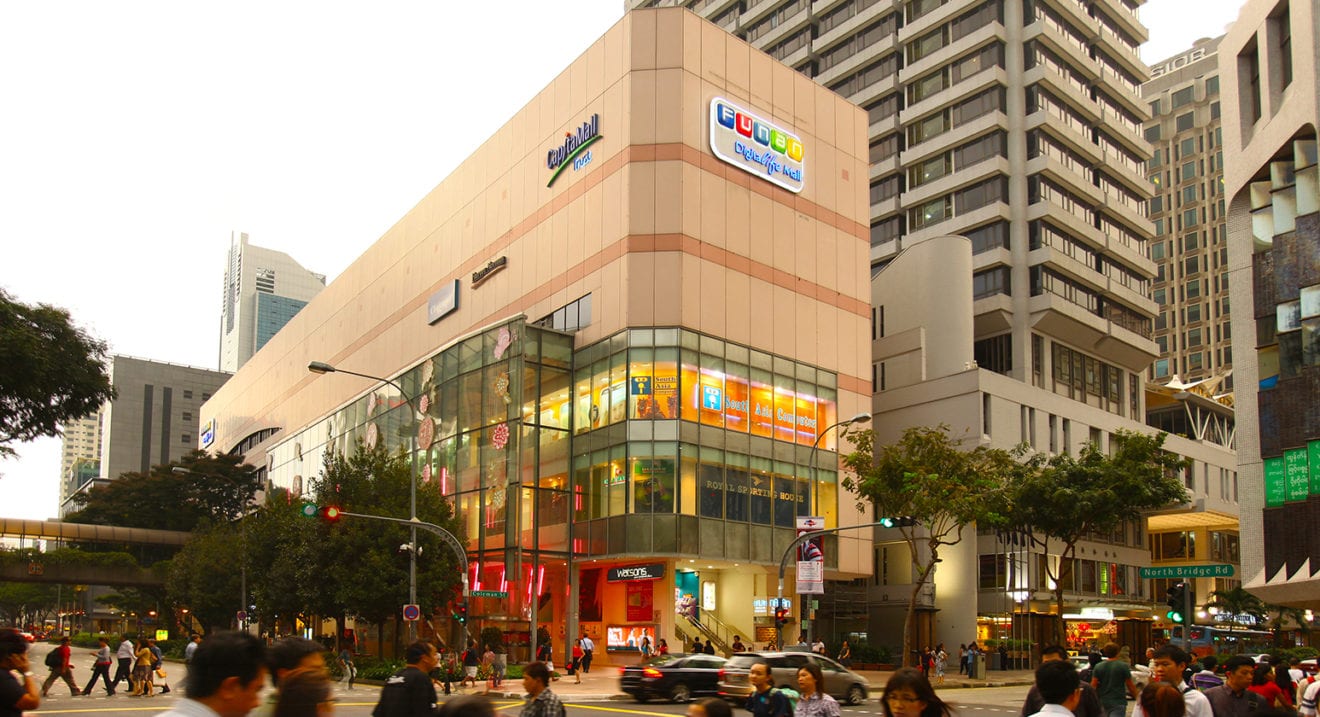
    Landmark in North Bridge Road to close next year for major renovations to convert it into a new creative hub. His first job as a draftsman was to draw Funan Centre.

    Mr Mark Yan’s voice lit up when he talked about his pride and joy in being part of the team that worked on the 30-year-old mall, an icon of Singapore’s IT retail history. The mall on North Bridge Road is set to undergo a major renovation. It will make way for the development of a new “experiential creative” hub, said CapitaLand Mall Trust Management in a press release.

    The mall will be closed for three years, from June 30 next year. Mr Yan had just completed his national service when he joined a Urban Redevelopment Authority team that worked on the construction of the Funan Centre in 1983.

    Funan Centre was opened in 1985, two years before Sim Lim Square. It was renamed Funan DigitaLife Mall in 2005. Mr Yan, then a URA structural technician, said: “When the team first sketched out the plan for Funan Centre back then, we had a vision of a bustling shopping destination.

    “Back in the day, if people didn’t want to go to Orchard Road, they would walk around North Bridge Road, visit Peninsula Plaza or catch a movie at the Shaw Towers,” said Mr Yan, now 55 and the father of two.

    He was very proud of Funan Centre when it was completed. “It was a huge privilege for me to be part of the team. So much work was put into it and I felt honoured that I got to contribute.” He is now a real estate agent.

    In the early 90s, Mr Yan recalled an influx of electronics and IT retailers to the mall that catered to the surge of digital technology. “In those days, everyone was very excited about owning electronic gadgets like handphones or Walkmans, so the mall was really convenient because everything was under one roof,” said Mr Yan.

    These days, he frequents the mall whenever he needs to buy accessories for his electronic gadgets or service them. When The New Paper told him about the closure of the mall next year, Mr Yan said the news was “a long time coming”.

    “It’s about time for the mall to be revamped so that it can keep up with its surroundings. In the meantime, I will have to live with buying my stuff from Sim Lim Square,” he said.

    SENTIMENT

    Logistics executive Mohd Faizal Osman, 31, said: “When my friends or relatives from out of town come to Singapore and ask me for places to get electronic goods, I immediately tell them to go to Funan DigitaLife mall.

    “It’s reputable and, most importantly, safe. I really hope they will sustain the vibe of the mall after the development,” he said.

    Another regular patron of the mall, full-time national serviceman Joseph Chai, said that the atmosphere at Funan DigitaLife Mall is different from Sim Lim Square.

    The 19-year-old, who is an avid fan of computer games and action figures, goes to the mall almost every weekend with a group of friends.

    “I like to hang around the mall because it has everything that I need. I can find all the latest games and action figures without anyone rushing me or giving me the side-eye,” said Mr Chai.

    “Once Funan closes, I will need to start sourcing for other places to find the things I need. Hopefully it doesn’t include going to Sim Lim Square.”

    Retailers scrambling to find alternatives

    Even though the rumours have been flying about for the past six months, yesterday’s confirmation that Funan DigitaLife Mall will be closed next year has left retailers scrambling.

    Mr Muthiah Nagappan, managing director of Worldwide Computer Services, said that the closure will result in big losses to his company. His shop is one of more than 170 shops at the mall. He spent $80,000 on renovations for his shop, which was opened two years ago.

    “When I received the e-mail from the landlord yesterday, I was quite taken aback.

    “Even if I open my shop every single day from now till the mall closes, it will not cover my expenses,” said Mr Muthiah, 53, who also has a shop at Sim Lim Square.

    “Now I’m really trying to find an alternative solution to this. Maybe I’ll just open another shop at Sim Lim Square,” he added.

    In an e-mail to tenants, CapitaLand Mall Trust Management Limited (CMTML) said it would endeavour to find alternative spaces at its other properties for the Funan tenants, subject to conditions such as availability and rental rates. Mr Muthiah said he will consider the offer.

    Mr Jeffrey Phua, owner of gaming computer and accessories retailer GameproSG, said that the move will be a hassle but the bigger concern is the customers. “Since all the retailers have to relocate, the shops in Funan will be scattered all over Singapore.

    “So the challenge is to retain regular customers,” said Mr Phua. Fortunately for Mr Phua, he has another branch in Sim Lim Square but is not looking to expand it.

    “I’d rather relocate my shop than expand the one in Sim Lim Square because it caters to different customers. “I’m very doubtful that customers from Funan would actually shop at Sim Lim Square,” said Mr Phua.

  • China and India to Dominate Divergent Picture in Asian Real Estate for 2016

    China and India to Dominate Divergent Picture in Asian Real Estate for 2016

    The outlook for real estate in the Asia Pacific region remains largely positive heading into 2016, according to Colliers International’s 2016 Property Outlook. But pockets of weakness are starting to appear, according to the forecasts from Colliers International, while government policy continues to drive the behaviour of investors in many markets.

    China is the proverbial “elephant in the room” for Asian real estate. That’s whether it is as a source of outbound capital or as an investment destination. Its economic slowdown and Beijing’s attempts to rebalance the domestic economy also spill over into its neighbors and trading partners.

    “The focus remains firmly on China and the continued impact it has on all aspects of property activity,” Simon Lo, executive director, Asia research & advisory at Colliers international, says. “The dominance of China means that any changes to government policies in that country will continue to have ramifications throughout the whole region.”

    Amid general caution and cost cutting among multinational finance companies, Chinese banks will continue to drive the office leasing in markets such as Hong Kong and Singapore in the year ahead. China’s outbound tourism is reshaping the hotel sector across Asia, rapidly becoming the No. 1 source of visitors to Japan.

    India is cropping up on the radar for investors, in many cases for the first time. That is mainly as a result of its opening up of its domestic economy to international capital. Players active in India and China should see their cost of financing decline in 2016. In contrast, with U.S. interest rates set to increase, borrowing costs will be on the rise in Hong Kong and Singapore, although landlords should benefit from better yields.

    India and China combined will account for around 70% of the huge impending supply of Grade A office space, Colliers predicts, with 100 million square feet already hitting the market in 2015 and 110 million square feet due for completion in 2016.

    E-commerce is reshaping retail and industrial space around Asia. Logistics should be one of the most exciting spaces for investment, Colliers anticipates, as capital — once almost exclusively local — starts to cross borders in greater volume. Business-process outsourcing has put the Philippines on the map, resulting in large demand for purpose-built facilities there.

    China represents a significant opportunity for retailers and mall operators, Colliers forecasts, since both global and Asian mid-market food & beverage operators are underrepresented there. This suggests China can build on the same kind of trends at play in Singapore, Hong Kong and Japan, where landlords are creating more “experiential retail,” built around wellness and lifestyle as well as a broader range of dining options.


  • Shopping tech firm Powa in major Chinese joint venture

    Shopping tech firm Powa in major Chinese joint venture

    Powa Technologies, a British e-commerce tech firm, has formed a “strategic alliance” with China’s biggest payments processor, China UnionPay. The joint venture could generate $5bn (£3.3bn) in revenues over three years, Dan Wagner, Powa’s chairman and chief executive, told the BBC.

    China UnionPay has about 4.5 billion credit and debit card users worldwide.

    Powa’s technology enables shoppers to pay for goods quickly in-store and online using their smartphones.

    “This is undoubtedly a huge deal for Powa,” said electronic payments expert, Dave Birch of Hyperion Consulting.

    The joint venture, PowaTag UnionPay, will launch first in Guangdong Province, targeting 400,000 retailers, the company says, before rolling out to one million by the end of 2016.

    “We have a target to reach at least 50 million consumers regularly using the platform within one year from launch,” said PowaTag UnionPay’s chairman, Mr Hu Jinxiong.

    China’s merchants – there are six million in total – will pay about 13p per transaction to the joint venture for access to the technology, said Mr Wagner.

    ‘We’ve trumped Apple Pay’

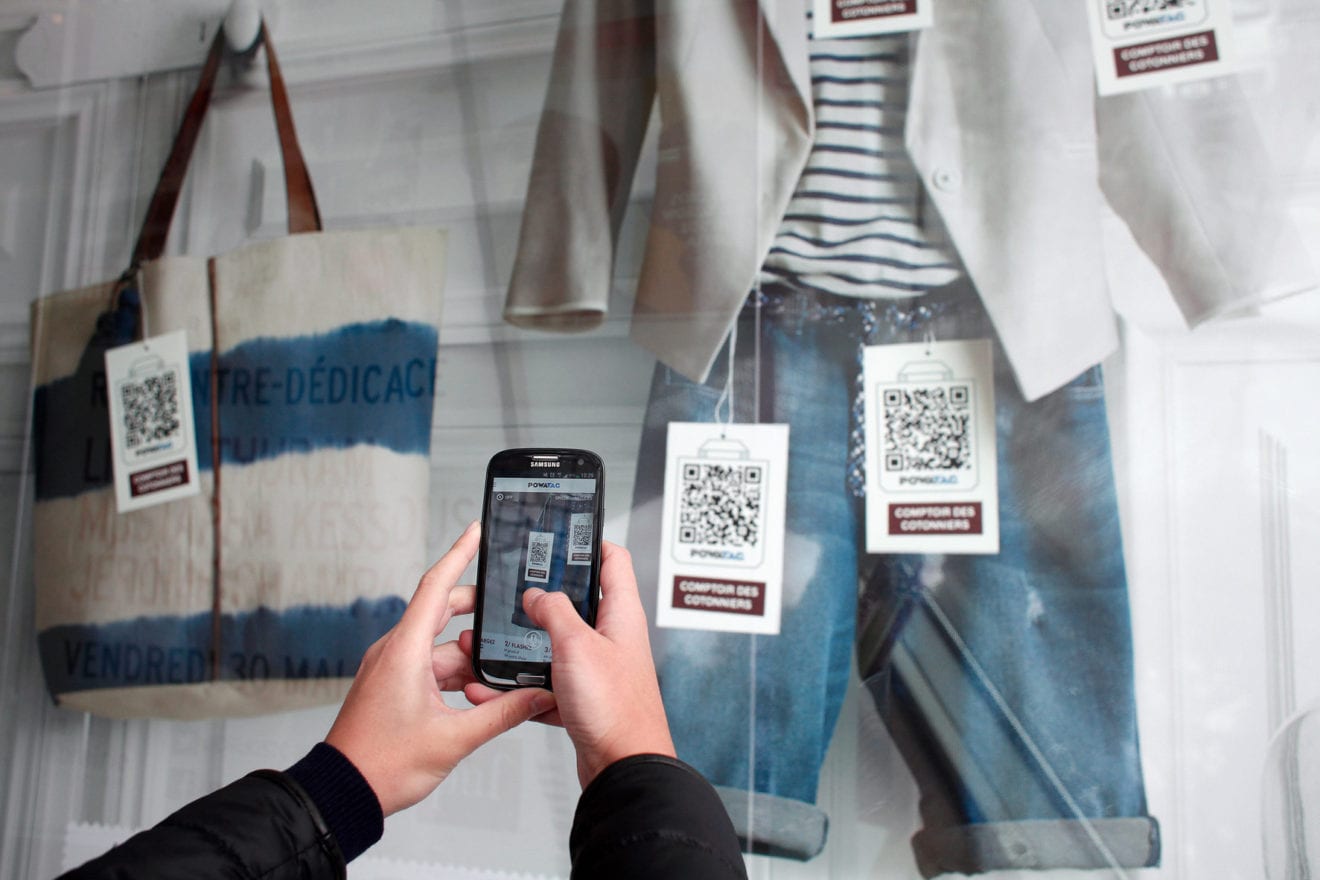
    The PowaTag system relies on digital tags – quick response (QR) codes – that can be attached to physical goods or inserted into self-service checkout screens, emails, websites, posters, images – even the audio from TV ads.

    Wherever Chinese shoppers see the PowaTag UnionPay symbol they will be able to buy products by scanning them with their phones and tapping the “buy now” button, the company says.

    US retail giant Walmart recently launched a similar quick pay system for mobiles in its stores.

    China’s Commerce Department says the “online to offline” market, whereby shoppers search for products online then complete the purchase in-store, grew 80% in the first half of 2015 and is worth about £31bn ($47bn).

    “Why did China UnionPay decide to partner with a little British technology company?” said Mr Wagner. “We’ve trumped ApplePay and the rest of the world here.”

    ‘Tap-and-go’

    State-owned China UnionPay, has been responding to the rapid take-up of smartphones across the country – about 68% of the population now has one.

    On 12 December, it launched QuickPass – a “tap-and-go” payment system for mobile phones similar to Apple Pay and other digital wallets – in co-operation with more than 20 commercial banks.

    QuickPass is already available at more than 10,000 locations in mainland China, says UnionPay, including at retailers such as Carrefour, McDonald’s, and Costa.

    “The Chinese market is going mobile very quickly,” says Mr Birch. “And the integration of payment systems and messaging platforms such as WeChat is a very interesting development.”

    This latest deal with Powa will give Chinese shoppers yet another way to shop using their mobiles.