Tag: China

  • Battle for young customers heats up in HSBC’s Asia stronghold

    Battle for young customers heats up in HSBC’s Asia stronghold

    HONG KONG Banks in Hong Kong are intensifying the battle for young customers key to their future retail profit, offering online perks and mobile banking products in a bid to erode the dominance of HSBC in its Asian stronghold.

    Like peers around the world, banks operating in Hong Kong including Bank of China Ltd (601988.SS) (3988.HK) and Citigroup Inc (C.N) are trying to improve their online banking products to lure tech-savvy students and young professionals as they are about to open their first bank account.

    For HSBC the battle to win the hearts of young Hong Kongers is particularly important as retail banking activity in the Asian financial centre helped drive its overall profit up 2 percent in the first half of this year.

    The London-based bank, which has put China at the centre of its global strategy, is also in the process of deciding whether to move its global headquarters to Hong Kong.

    A survey of 2,500 people conducted in November by specialised research firm RFI, gave Bank of China a bigger market share among bank customers aged 18-24 than HSBC, which dominates in all other categories.

    These customers loathe spending time at bank branches and seek a lender that can allow them to carry out multiple transactions from their smartphone. “I would rate both the online and mobile services offered by Bank of China as good as they allow me to pay my parking tickets instantly, and this is very important to me,” said Chun Hoi Lau, a 23-year-old student at the University of Hong Kong.

    Bank of China, which says the young generation is a key customer segment, allows clients to carry out cross-border payments through an app, uses the popular WeChat social media platform to handle customers’ queries and has introduced a popular virtual securities investment contest for students.

    “We have been developing a comprehensive strategy with a set of products and services delivered through their preferred channels to suit their life styles,” the bank told Reuters.

    BANK FOR LIFE

    The jury however is still out on which lender is making effective inroads among the young, a segment targeted because people often stick with a bank for life once they have made their choice, analysts said.

    In a detailed survey commissioned by HSBC, and conducted by Nielsen last year, the bank said its market share of 18-24 year olds was nearly double that of Bank of China. It said it was aware of the increasing need to offer more online services.

    “We are investing heavily in developing new capabilities to meet customers’ needs,” said Kevin Martin, HSBC’s head of retail banking and wealth management, Asia Pacific.

    HSBC will next year launch more products for smartphones and digital payments as well as new security features, Martin added.

    Citibank is also appealing to younger customers with 19 “smart” branches in Hong Kong that boast the sleek lines of Apple Inc’s retail stores, touch panels, video conferencing facilities and iPads to access a wide range of banking services. Hong Kong spokesman James Griffiths said Citibank was also offering customers discounted fees on stock and forex trading via digital platforms to encourage more transactions.

    The question now for HSBC’s challengers is whether they can convert young people lured by attractive rates or flashy online offerings into lifelong customers.

    “HSBC isn’t that popular among young people,” said John Pang, a 24-year-old civil servant who banks with the lender. “It hasn’t changed a lot in the past 5-10 years, the online interface still looks the same.”


  • China retail sales to increase 10.7 per cent

    China retail sales to increase 10.7 per cent

    China’s retail sales, a key gauge of domestic consumption, is likely to post slower growth this year compared with 2014, commerce ministry said.

    Retail sales may expand around 10.7 per cent in 2015, Shen Danyang, spokesman at the Ministry of Commerce, told a news conference in Beijing today, without giving a reason. Retail sales rose 12 per cent last year.

    In the first 11 months of 2015, retail sales grew 10.6 per cent from a year earlier. In November, retail sales increased by an annual 11.2 per cent — the strongest monthly expansion this year.

    China’s external outlook remains gloomy. Chinese firms said global demand this year was worse than that during 2008-09 financial crisis, as per a recent survey by commerce ministry of more than 6,000 firms in 70 key industries.

    Subdued external demand, rising costs, slowing investment growth and the yuan’s appreciation have all weighed on China’s trade performance this year, Shen said.

    “Feedback from firms showed foreign trade was extremely difficult this year.”

    China’s net exports are likely to contribute around 12.3 per cent to the increase in the country’s GDP this year, he said, citing data from a research unit under his ministry.

    China’s trade remained weak in November with exports falling a worse-than-expected 6.8 per cent from a year earlier and imports tumbling 8.7 per cent.

  • Novotel Zhuhai rebranded as Pullman

    Novotel Zhuhai rebranded as Pullman

    The Novotel Zhuhai has been rebranded by AccorHotels as the “Pullman Zhuhai,” in line with the company’s plans to promote its up-market Pullman brand in China, reported Travel Daily on Sunday. The Novotel Zhuhai opened only last December, but AccorHotels has decided to rebrand the resort. This will take the group’s Pullman portfolio in the greater China region to a total of 25 hotels across 22 cities.

    “We are excited to welcome the hotel to the Pullman family,” said Paul Richardson, the chief operating officer for AccorHotel’s Greater China region.
    “The rebranding of the property is part of AccorHotels’ ongoing global endeavor to further align with its brand architecture to ensure a more consistent brand experience for its guests,” Richardson added.

    The 268-room, rebranded Pullman Zhuhai is situated in Gongbei, close to the major bus stations that connect the city with Guangzhou.
    Facilities at the up-market resort include restaurants, ballrooms, meeting rooms, a wedding chapel, an executive lounge, sauna and steam rooms, and a fitness center and outdoor pool. Both the ownership and management of the hotel will remain unchanged.

    The latest group of Sands Shoppes retail employees graduated at the Sands Retail Academy’s fourth graduation ceremony on Tuesday, at the Venetian Macao.220 graduate at sands shoppes ceremony

    At the ceremony, 220 front-line retail team members were certified to mark the completion of their training courses, designed to improve service quality at Sands Shoppes. The ceremony was also attended by representatives of over 80 retailers from the complex.

    “With this being our fourth graduation, we are pleased to see an increase in both the number of participants and the number of graduates,” said Antonio Ramirez, senior vice-president of human resources at Sands China. “The Sands Retail Academy is part of Sands China’s long-term commitment to developing local talent in Macao, by nurturing locals who are not direct employees of Sands China,” added Ramirez.

    The Sands Retail Academy was launched in 2013 to improve customer service training at Sands Shoppes. Since its inception more than 1,800 retail professionals have joined the academy.

  • Superdry delivers stunning turnaround

    Superdry delivers stunning turnaround

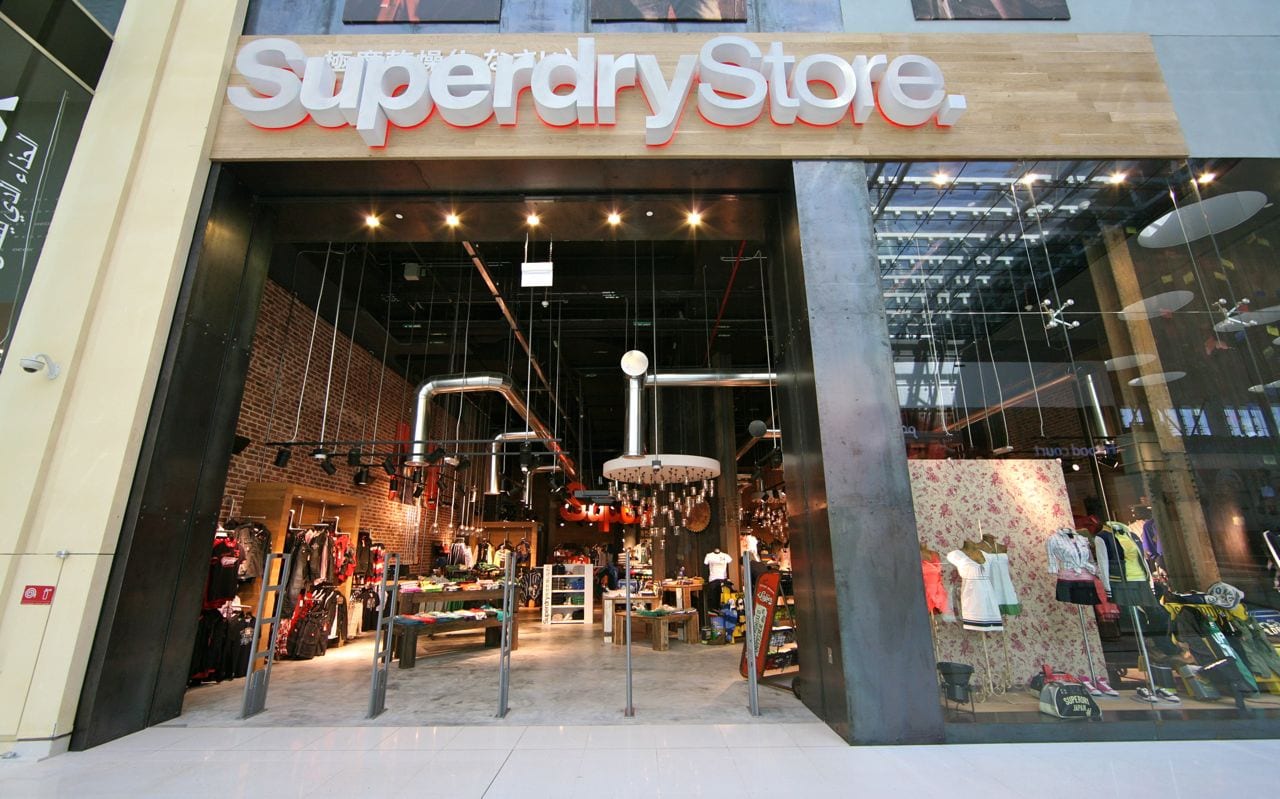
    SuperGroup, owner of the global lifestyle brand Superdry, has achieved an impressive 22.3 per cent increase in sales for the first half year, to £254.7 million.

    SuperGroup’s retail arm represented its strongest division, generating 30.8 per cent growth to £172.1 million, reflecting the continued expansion of wholly owned stores in the EU. Additionally, retail same store sales saw a major turnaround, increasing rapidly by 17.2 per cent compared to a decline of 4.1 per cent during the same period last year.

    This was driven particularly by a strong eCommerce performance. Online retail sales grew by 19.2 per cent as its digital channel continues to be its fastest growing route to market.

    “That noted, SuperGroup’s core focus remains on significant physical expansion within its key markets – Europe, North America and China,” observes  Anusha Couttigane, senior consultant with retail analyst Conlumino

    As part of its full year strategy, the group has set out to expand own store space by some 130,000 sqft  (12,000 sqm) within Europe. So far, nearly half this target has been achieved, the company having opened 14 net new stores comprising 63,000 sqft (5850 sqm) of new trading space during the first half year.

    Elsewhere, its wholesale arm saw 23 international franchise and licensed stores open during this period, contributing to a 7.8 per cent growth in wholesale revenue. However, the seasonality of its products has caused the group to announce an expected £3 million to £3.5 million operating loss in its North American operation for the full year as it realigns its product offer for its customer proposition on the continent.

    “With a successful first half completed, SuperGroup has positioned itself well for the all-important Christmas trading period,” comments Couttigane.

    “In the run-up, product innovation has been leveraged to encourage new customers, including Superdry’s premium collaboration with Idris Elba and its Superdry Sport and Superdry Snow collections for women, making the brand a strong contender for Christmas wish lists.

    “However, while its first six months have benefited from soft comparatives, the second half is set to be more demanding,” she concluded.

    SuperGroup’s full year pre-tax profit projection remains stable at £72.1 million.

  • Peru to have Tmall Global shopfront

    Peru to have Tmall Global shopfront

    Peru and China have signed an agreement allowing Peruvian products to be sold directly to Chinese consumers online.

    Peruvian producers will set up stores on Alibaba Group’s Tmall Global via a country shopfront, much like Tmall has created with Germany, Australia, the US, Korea, the Netherlands, Thailand and other nations.

    The agreement will take Peruvian exporters closer to Chinese consumers and the value chain of Peruvian products will be fully developed, said VP of the Peruvian Association of Exporters, Eduardo Amorrortu during Monday’s contract signing ceremony.

    “Ecommerce has been developing very rapid. It has had a great impact on the economy and traditional modes of consumption have changed,” said VP of the Association of Chinese Companies in Peru (AECP), Kong Aimin.

  • FC Schalke opens Asian stores

    FC Schalke opens Asian stores

    German Bundesliga football team FC Schalke 04 has taken the next step in its long term process of internationalisation, opening three online stores for fans in Asia.

    The Royal Blues (as the team is nicknamed) has launched online shops to sell fans club merchandise quickly and easily online. This applies to every country in the Asia-Pacific region. For China and Japan there are separate online shops in the respective languages, while the English site reaches out to supporters in all the other countries.

    S04’s marketing director Alexander Jobst said Asia is an important target market for the team, as it has already gained a lot of support.

    “So we’re very pleased that the online shops are bringing us closer to our fans out there.”

    FC Schalke 04 is currently communicating with more than 1.2 million people in China through the club’s Chinese media channels. Schalke’s Japanese Twitter account has over 90,000 followers making S04 one of the best supported European clubs in Japan. The language-specific Facebook page is also liked by almost 40,000 Japanese fans.

    Jobst says the stores will enable faster delivery, market-specific products and country-specific payment methods.

    To begin with, the online shops will be available in four different languages: Chinese, with both traditional and simplified writing, Japanese and English. Further language options are planned to follow soon.

    FC Schalke 04 is offering a ‘welcome discount’ of 15 per cent off all products to celebrate the launch online.

    Hong Kong based company EZshopnet International  is the club’s official partner in the eCommerce project and help run the online shops of several other clubs including Chelsea, Juventus and AC Milan.

    Perhson Wong, chairman of EZshopnet said FC Schalke 04 is the company’s first partner from the German Bundesliga.

    “Most notable of all it is the first time that three parties from three different countries have collaborated to develop the online shops – a German football club, an eCommerce firm from Hong Kong and a creative web-design agency from the UK,” he said.

    As part of their internationalisation strategy, FC Schalke 04 has long been putting most of its focus on the Asia-Pacific region, and has been able to strike two partnership deals with multi-billion Chinese companies Hisense and Huawei, as well as South Korean tyre manufacturers Kumho Tyre.

  • Fashion trends in China renew interest in broad wool types

    Fashion trends in China renew interest in broad wool types

    Once a sideline part of the wool industry, cardings have now become the unsung hero of the wool market. Cardings are made up of the wool from the bellies and other parts of the sheep that don’t make the fleece lines. Demand for heavy jackets and coats in China has led to strong returns for Australian wool growers.

    Robert Herman, managing director of Mercado Market Insights, said the demand for cardings was underpinning the entire wool market. It’s not understated to say that the demand for cardings is underpinning the whole wool market at the moment.

    “In this case the most significant driver is this demand for double-faced woollen fabric, which has come and gone in the past, but it’s really started to find a home on the retail shelves in China,” he said.

    “First of all it started in the high end market and then started to show up in the cheaper lines and it’s just something that people seem to like. This fabric is not only made out of cardings but also crossbred wool, which has also had a terrific run [this year]. So it’s a direct connection between the price that’s being paid and the appetite that exporters have for that type of wool.”

    “While it’s a good market signal, I think with fashion though, fashion comes and goes, we don’t think this is changing in a hurry but it will change over time.” As northern hemisphere fashion houses make their decisions for 2016, the future appears bright for cardings according to Mr Hermann.

    “We thought this run was coming to an end but it’s resurrected back over 1,100 cents at a time when the new fashion decisions are being made in the northern hemisphere” he said.

    “So it looks to us like it’s got another season to run at least.”

    There is potential that the trend could have a broad impact of the way consumers feel about buying wool. “It can make people more aware about the intrinsic value of wool, more people wearing wool for whatever reason is good, if it’s just because they are following fashion, it doesn’t matter,” Mr Hermann said.

    In the past the cardings indicator has tagged along with the fleece lines but this year that trend has reversed. “What we’re seeing now is that this strong resilience of the cardings indicator is really putting a strong floor under the rest of the market,” Mr Hermann said. “Even though we like to see the rest of the market have the same types of rallies, it’s not understated to say that the demand for cardings is underpinning the whole wool market at the moment.”

  • Apple Pay to debut in smartphone mecca China next year

    Apple Pay to debut in smartphone mecca China next year

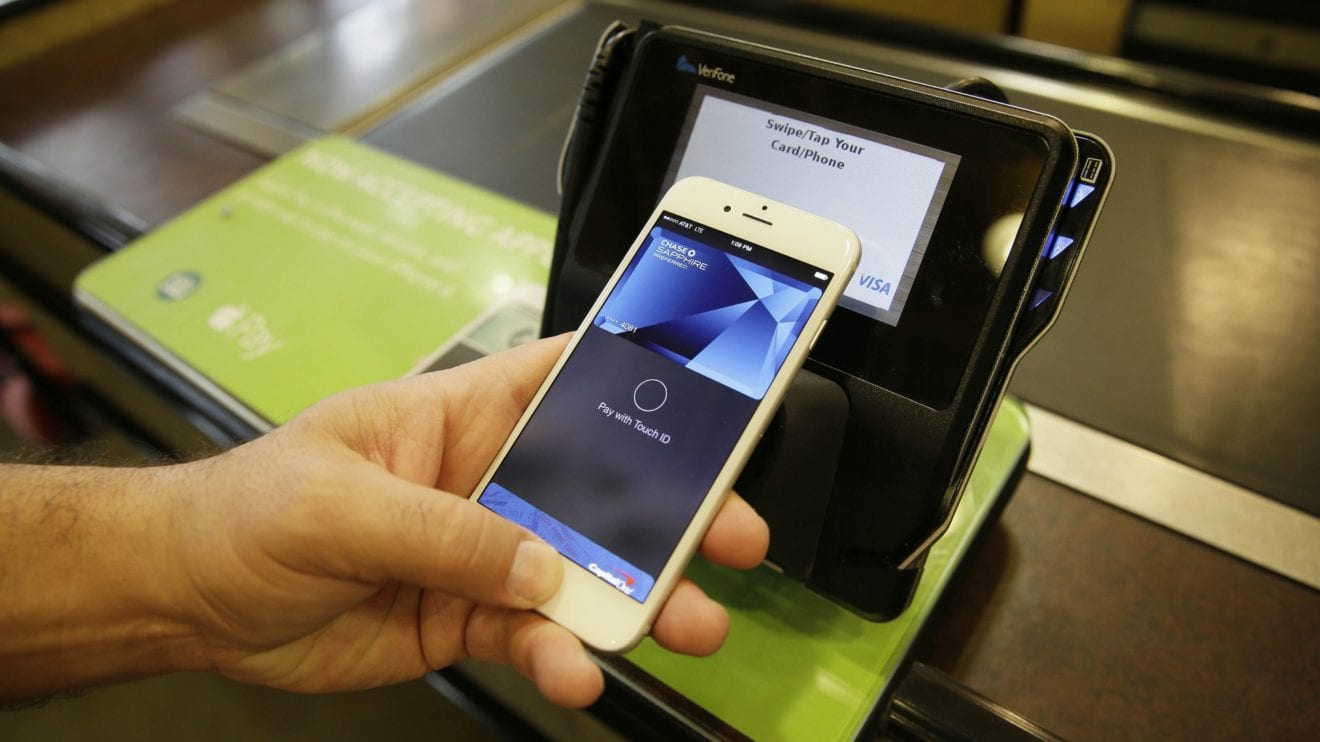
    Apple and Samsung said Thursday they had secured separate deals with China UnionPay that will let their users in China add credit or debit cards to the respective mobile-payments services. Both companies said their services would launch in China as soon as early 2016 after testing and certification required by regulators.

    “China is an extremely important market for Apple, and with China UnionPay and support from 15 of China’s leading banks, users will soon have a convenient, private and secure payment experience,” Eddy Cue, Apple’s head of Internet software and services, said in a statement.

    A few hours later, Samsung announced a similar partnership with China UnionPay.

    “The collaboration with China UnionPay, coupled with the support from major UnionPay partner banks in China, will bring this secure and easy-to-use mobile payment solution to more Samsung mobile users,” Injong Rhee, the global chief of Samsung Pay, said in a statement.

    Launched last year in the US and then in other countries, Apple Pay enables owners of the iPhone 6, iPhone 6S or Apple Watch to pay for items on the go via the wireless technology NFC (near-field communication). Meanwhile, Samsung Pay, which hit the US this past September, doesn’t require NFC technology needed by Apple Pay and can work with any magnetic-strip card reader.

    Companies are eager to push mobile payments in the belief that the additional service will build consumer loyalty. Users of electronic-payments services might be more likely to stick with their current smartphone if they could store their payment data and use the device to buy shampoo, beer, gum or whatever else.

    As the largest smartphone market in the world, China represents a significant business opportunity for mobile-payments systems. The country’s massive population of 1.35 billion and growing middle class have created a lucrative market for companies like Apple and Samsung. For Apple, China is a key market, accounting for $12.5 billion in revenue during its fourth quarter.

    Apple had been trying to reach an agreement with Chinese bank UnionPay, which is the only bank in China that conducts interbank payments, according to a report in MarketWatch. That monopoly on credit- and debit-card processing effectively locks out MasterCard and Visa.

    Since last year, Apple has also been chatting with at least eight major Chinese banks about adopting Apple Pay. But those talks hadn’t gone well either, a source close to them told MarketWatch. One bank expressed no interest in any deal.

  • China’s JNBY fashion brand debuts store in Pacific Place

    China’s JNBY fashion brand debuts store in Pacific Place

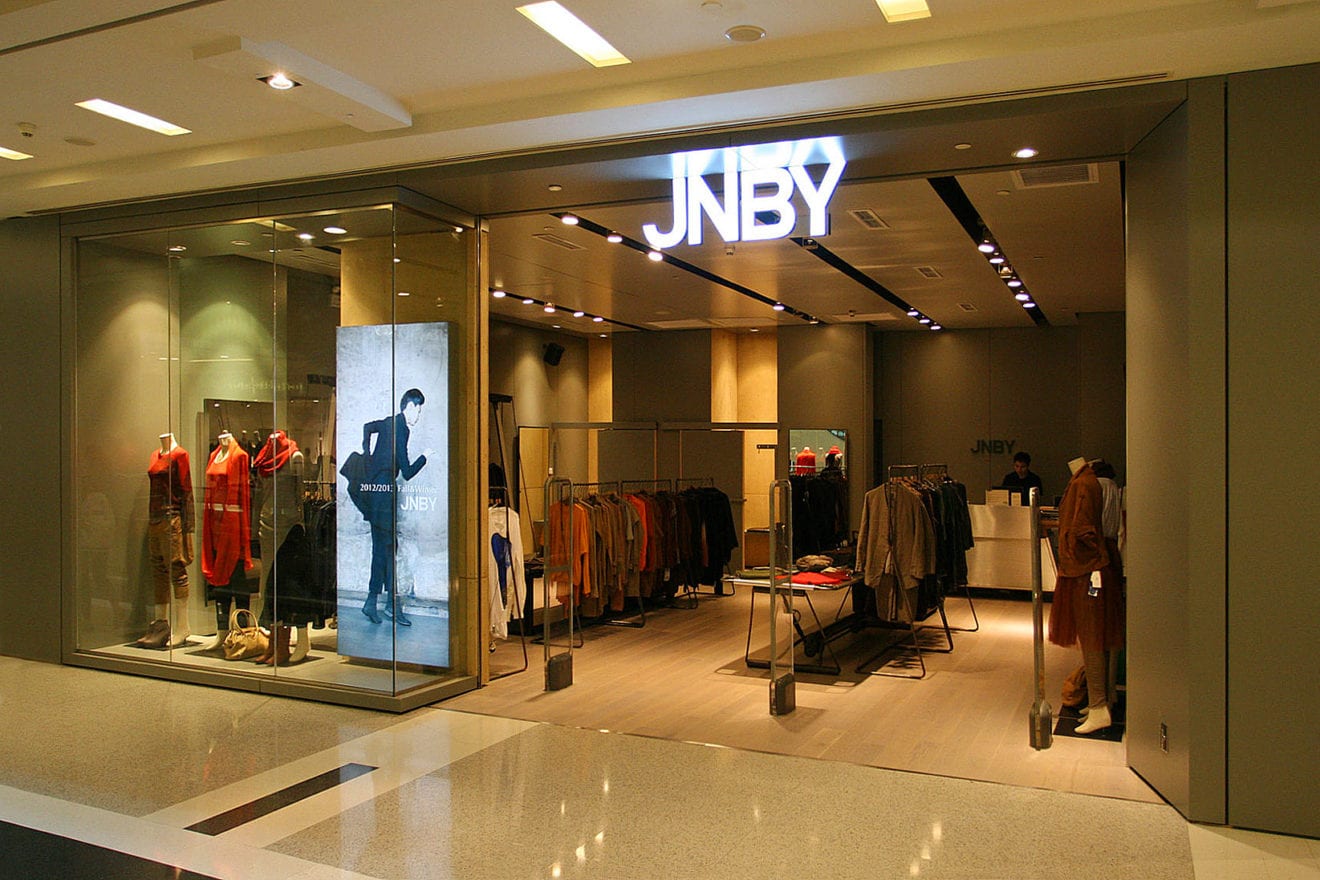
    JNBY, a big Chinese fashion retailer, now has its shingle hanging at Pacific Place mall.

    The brand has more than 700 stores, mostly in China, but some in Europe, Asia and Canada. Its store here is being heralded by SightClassic LLC, the Seattle retailing company that runs the location, as JNBY’s first in the U.S.

    But it’s more complicated than that: The brand had a pop-up store in New York’s SoHo in 2009, which according to media reports, a few months later turned into something more permanent. That experiment failed: It closed after two years, according to retail website Racked.

    Perhaps it’ll fare better in Seattle, where the recent visit of Chinese President Xi Jinping highlighted growing economic ties with the Asian superpower.

    SightClassic says it’s JNBY’s “fully authorized distributor” in the U.S., and that it operates an online JNBY store on Amazon. On Thursday, however, the website featured no products for sale.


  • China ranked first in the world for online retail trade

    China ranked first in the world for online retail trade

    The period from January to October, witnessed China clinching the world no 1 spot for online retail trade, according to the “Internet Development in China over the Last Two Decades” report, which was published on Tuesday.

    The report was published prior to the World Internet Conference to be held in Wuzhen, China, from 16-18 December, according to the people.cn website.

    The total number of netizens in China reached an estimated figure of 668 million — the world’s largest online population. “The four Chinese companies which made it to the list are Alibaba, Tencent, JD.Com and Baidu,” said head of Chinese Academy of Cyberspace, Yang Shuzhen.

    China’s online retail sales skyrocketed at 2.8 trillion yuan in 2014, as reported by the en.people website. But the figures have more than doubled in 2015, with total transaction reaching 2.95 trillion yuan.

    In the month of November, an online shopping sale was conducted by Alibaba which recorded a sale of 91.2 billion yuan, according to the report.

    Internet has been the biggest boon to the Chinese economy, contributing 7% to the GDP.

    According to statistics, the number of people who shop online now is 307 million.

    China’s cross-border retail transactions reached 449.2 billion yuan in 2014 alone, people.cn reported. China has 321 Internet-related companies (listed) whose market value was estimated at 7.85 trillion yuan—equivalent to 25.6% overall stock market value, according to the website.

    Since the last year, online sales in China have increased 44%.

    Mobile internet is also rapidly developing in China. According to statistics, there were 594 million phone users who accounted for 88.9% of all netizens, as reported by people.cn.

    The development of mobile internet services in China has also brought a boost to travel industry, as well as car rental and medical services.

  • How native apps complement China’s retail experience

    How native apps complement China’s retail experience

    When planning a retail mobile app strategy for China, there are many options available, including developing a mobile-friendly website, setting up a store on any one of the thousands of Chinese e-commerce platforms and developing a native app. So how do you choose which one is best for your brand?

    The big players

    There are a number of key platforms that retail brands in China can consider. The mighty WeChat, for example, has both reach and resonance with a vast audience (more than 600 million monthly users, to be more precise), as well as built-in, trusted payment facilities. Tmall and JD.com are just two examples of the thousands of e-commerce platforms in China. (Even Amazon has a store on Tmall). They offer easy-to-use, well-established e-commerce functionality that can include logistics, warehousing and payment facilities.

    For retailers wanting to take the quickest route to market, establishing a shop on one of these existing services is an easy solution. And of course, investing in a mobile website is also a good alternative.

    Both of these options have a place in the overall marketing mix and should be part of any robust business strategy. But retailers looking to compete in a complex and ever-changing marketplace like China need to consider the advantages of developing a native app and ‘owning’ a space on consumers’ devices.

    What’s so good about native apps?

    While it’s clear that people love to use the major consumer platforms, it’s important not to underestimate the power of an app specifically developed for a brand’s fans and followers.

    According to a report from The Internet Retailer, 42 percent of all mobile sales generated by the world’s leading 500 merchants in m-commerce last year came from mobile apps. Caixin, one of China’s leading business media groups, backs this up, saying that shopping via app in China grew by 168 percent in 2014, with shopping app users making up 39 percent of all mobile users.

    The numbers stack up, but what about the practicalities?

    Native app versus existing e-commerce platforms

    When working with an e-commerce platform, the brand doesn’t have full control over the user experience. Tencent and Alibaba set the rules for look, feel and layout, as well as e-commerce capabilities and payments. Overall functionality is limited to each platform’s abilities. It might not be possible to implement brand-specific features, innovative activities or marketing campaigns that lie outside of its framework.

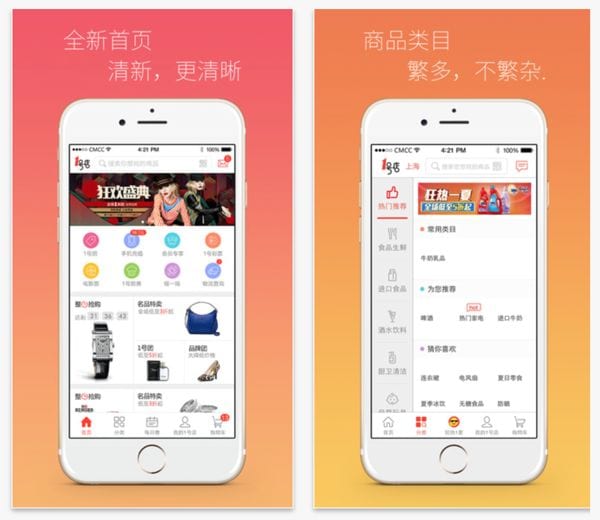
    This app from online supermarket retailer Yihaodian is a great example of how to fully exploit smartphone functionality for an engaging customer experience.

    China_Apps_Yihaodian_600

    While there’s usually a way to open basic storefronts for free, other marketing activities, such as advertising and special promotions, tend to come at a cost.

    China’s existing e-commerce platforms are an excellent way to begin market entry, as they offer an instant, fully functional digital storefront within trusted, well-established parameters. However, a native app which gives retailers the freedom to develop unique features and marketing opportunities will complement these advantages, leveraging multiple platforms for a true omnichannel experience.

    Native app versus mobile web app

    A web app has technical limitations based on the browser it was set up for. The app will not be able to fully access smartphone capabilities.

    For example, the phone’s built-in features cannot access the user’s address book, offer an unrestricted integrated camera experience, use location services and the accelerometer, or access in-store beacons.

    Web apps cannot offer a personalized experience. Whereas native apps can store and apply a wealth of user data to deliver targeted alerts, discounts, promotions and loyalty schemes based on store proximity and previous activity.

    Another issue with web apps is that if the Internet connection is lost, the user can no longer access it. Native apps on the other hand, allow for offline browsing.

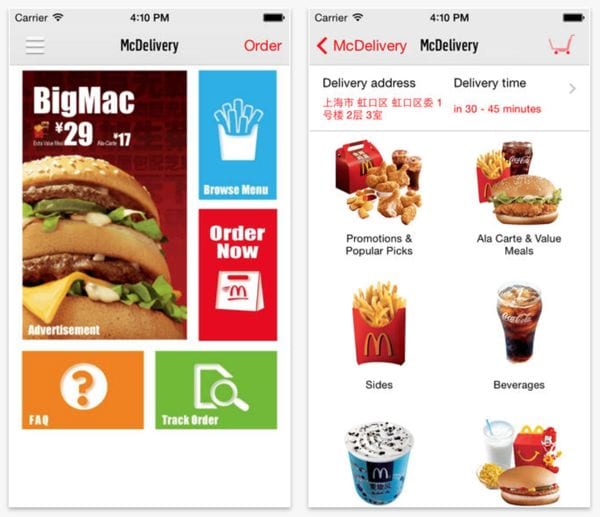
    McDonald’s McDelivery app is a good example of this. It makes a feature of the fact that people can look at the menu ‘any time, anywhere.’

    Apps_China_McDonald's_600

    Native apps allow retailers to send push notifications, an option not possible via a web app. This is an important consideration when it comes to marketing campaigns. Fashion retailer Milanoo makes full use of this in its app.

    Apps_China_Milanoo_600

    Well-made native apps get additional promotion through platform app stores; they may even be featured in top 10 charts and editor picks. This adds to the credibility and popularity of both the app and the retailer.

    Web apps are a viable, speedy way to get content onto users’ mobiles. But they’re not primarily designed for smartphones and while it is essential to make web content available in a mobile-friendly way, smartphone users expect a specific experience.

    Retailers can reap the benefits from this enthusiasm by developing apps for consumers using their phone capabilities to the full.

    The key to success in the world’s biggest mobile market is to have a well-rounded mobile strategy encompassing all trading platforms – and that includes native apps.

  • Why Alibaba bought the South China Morning Post

    Why Alibaba bought the South China Morning Post

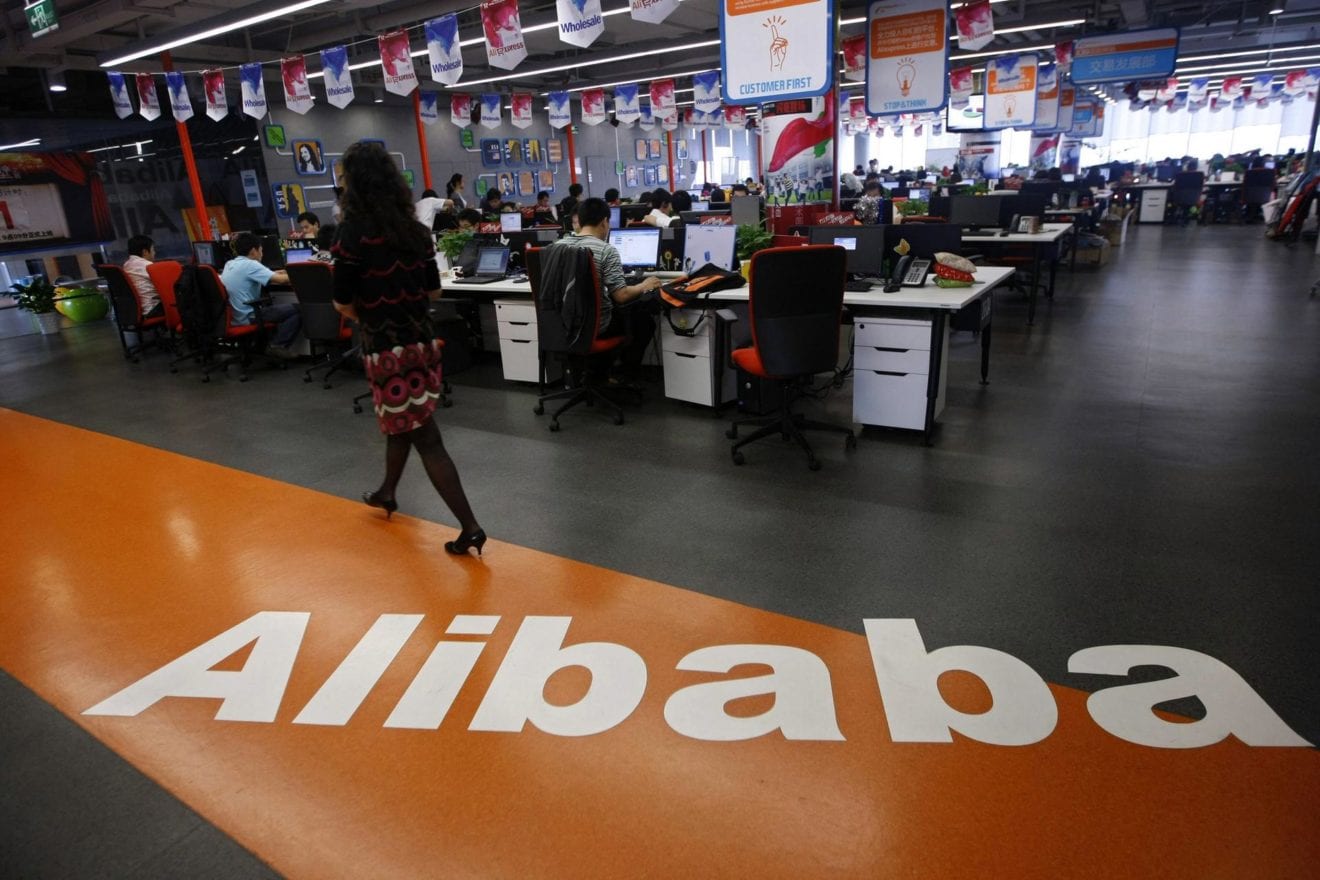
    Alibaba Group has struck a deal to buy Hong Kong’s venerable English-language newspaper, the South China Morning Post, adding a relatively small but influential content provider as the Chinese eCommerce giant expands into online entertainment and information.

    The agreement calls for Alibaba to purchase the media assets of Hong Kong-listed SCMP Group for an undisclosed amount. In addition to the daily newspaper, Alibaba is acquiring other SCMP operations including magazines, outdoor media, recruitment, events and conferences, and education and digital media businesses. Publications involved in the deal include the Sunday Morning Post; SCMP.com and related mobile apps; Chinese websites Nanzao.com and Nanzaozhinan.com; and a portfolio of magazine titles such as Esquire, Elle, Cosmopolitan, The PEAK and Harper’s Bazaar.

    Through the acquisition, Alibaba said it will “combine the heritage and editorial excellence” of the SCMP, which was founded in Hong Kong in 1903, with Alibaba’s digital capabilities “to provide comprehensive and insightful news and analysis of the big stories” in Hong Kong and China. The company plans to use technology to create content more efficiently, and provide resources to expand the SCMP’s audience beyond Hong Kong through digital distribution.

    “The South China Morning Post is unique because it focuses on coverage of China in the English language,” said Joe Tsai, executive vice chairman of Alibaba Group, in a statement. “This is a proposition that is in high demand by readers around the world who care to understand the world’s second-largest economy.”

    With the rise of the Internet, newspapers and magazines have suffered steep declines in readership and advertising revenue while struggling to make a profitable transition from print to digital distribution. In an open letter to the SCMP’s readers, Tsai said some may ask why Alibaba is buying into traditional media “considered by some (to be) a sunset industry.”

    “The simple answer is that we don’t see it that way,” Tsai wrote, calling the acquisition “the perfect opportunity to marry our technology with the deep heritage of the SCMP to create a vision of news for the digital age.”

    To enable greater access to SCMP content on computers and mobile devices anywhere in the world, Tsai said Alibaba intended to make all digital content available for free, eliminating the newspaper’s “pay wall” that requires readers to subscribe to get access to stories posted on the Internet. This change would occur “with enough preparation time after we take over operations,” Tsai wrote.

    SCMP CEO Robin Hu said Alibaba’s “proven expertise especially in mobile Internet” placed the company “in an excellent position to leverage technology to create content more efficiently and reach a global audience”.

    “We welcome Alibaba’s commitment to invest additional resources in its editorial and business operations to make the SCMP even stronger,” Hu said in a statement.

    Alibaba has been pursuing a media strategy that builds on its extensive eCommerce assets and consumer connections – the company’s China marketplaces have 386 million annual active buyers – to bring content to China’s entertainment-hungry masses. Alibaba has rapidly expanded in this area through investments in a variety of traditional and Internet businesses, including film production (Alibaba Pictures), sports (Alibaba Sports Group) and streaming video. Last month Alibaba agreed to buy Youku Tudou, A Chinese version of YouTube, in a multibillion-dollar deal.

    Tsai’s letter to SCMP readers:

    Marrying Heritage and New Technology: a Vision for the Digital Age

    Dear Readers,

    By the time you read this, you will have heard the news that Alibaba Group is acquiring the South China Morning Post.

    With an age difference between the two companies of nearly one hundred years, this is truly a mix of the old and the new. The SCMP is resonant with the history, heritage and culture of the region, just as Alibaba has its place in the new age of digital technology.

    We at Alibaba are both humbled and excited to be the new owner.

    Our Business Case

    So, you’re probably wondering why. Why is Alibaba buying into traditional media, considered by some a sunset industry? The simple answer is that we don’t see it that way.

    The SCMP has iconic status in the region, with a strong reputation internationally for the quality and credibility of its journalism over the years, thanks to its reporters and editors who have worked hard to build this heritage.  Like many print media, however, the SCMP faces challenges amid the dramatic changes in the way news is reported and distributed. But these changes play to Alibaba’s strengths, which is why we believe the two companies complement each other well.

    We see a compelling business case for the acquisition because we believe that Alibaba is best positioned to take the SCMP to the next level. The foundation for this work must be the quality of the content. And what underpins this will be editorial excellence: a clear prerequisite to maintaining readers’ trust and, ultimately, achieving commercial success. Be assured, we get that.

    Yet, the news business is in a state of flux. It has already gone digital and is now moving from online destination to other forms of distribution, in particular social media and mobile. Media now has a global audience and the challenge is to reach it in the most efficient and reader-friendly way. With proven expertise in digital distribution, especially on mobile devices, Alibaba is in an excellent position to leverage technology to create content more efficiently and expand distribution without borders.

    In other words, we see the perfect opportunity to marry our technology with the deep heritage of the SCMP to create a vision of news for the digital age.

    Our Vision

    Our vision is to grow the readership globally. We believe we can do this because the SCMP, from its base in Hong Kong, is uniquely positioned to report on China with objectivity, depth and insight, a proposition that is in high demand by readers around the English-speaking world – from New York to London to its home in Hong Kong – who care to better understand the world’s second largest economy.

    To help achieve our vision, we plan to make the SCMP more readily available. In this spirit, with enough preparation time after we take over operations, the pay wall on SCMP.com will come down, and you will be able to access its content for free on the Internet and on your mobile device.

    We will also invest to strengthen the foundation of editorial excellence. Only through additional resources will the SCMP be able to stay true to its core values of quality, integrity and trust. Further, the SCMP will stay close to its roots, with a strong China focus offering distinctive and informed analysis on trade, business, economy and society while maintaining its status as the paper of record for Hong Kong.

    Editorial Independence

    Some have suggested that ownership by Alibaba will compromise the SCMP’s editorial independence. This criticism reflects a bias of its own, as if to say newspaper owners must espouse certain views, while those that hold opposing views are “unfit.”

    In fact, that is exactly why we think the world needs a plurality of views when it comes to China coverage. China’s rise as an economic power and its importance to world stability is too important for there to be a singular thesis.

    In reporting the news, the SCMP will be objective, accurate and fair. This means having the courage to go against conventional wisdom, and taking care to verify stories, check sources and seek all viewpoints. These day-to-day editorial decisions will be driven by editors in the newsroom, not in the corporate boardroom.

    It’s humbling to assume the responsibility of ownership of such a storied newspaper. We thank the Kuok family who have been tremendous stewards of your trust; we hope Alibaba will have an opportunity to earn your trust.

    Sincerely,

    Joseph C. Tsai

    Executive Vice Chairman

    Alibaba Group Holding Limited

  • Cafe de Coral Group plans 20 new restaurants

    Cafe de Coral Group plans 20 new restaurants

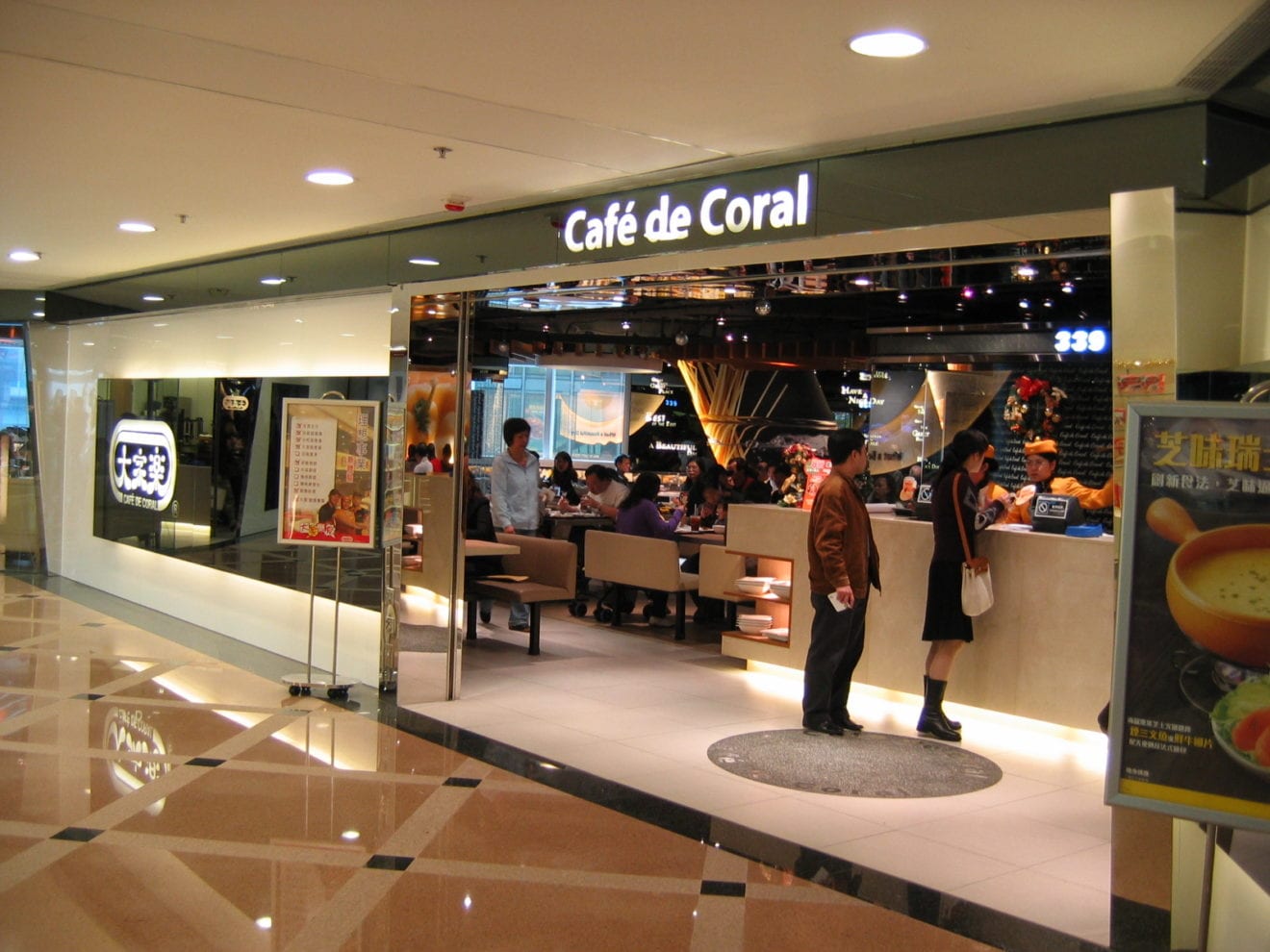
    Quick Service Restaurant giant Cafe de Coral Group says it plans to open at least 20 new outlets in Hong Kong in the current financial year as it seeks to revive profit growth.

    The company this week revealed a three per cent increase in sales to HK$3.73 billion in the first half of the year, but a 14.7 per cent decline in profit to $207 million.

    “Seizing the opportunity of a softer leasing market, our Cafe de Coral and Super Super Congee & Noodles chains will be more proactive in further expanding its network,” the company said in its stock exchange filing.

    “Our team has been working on building greater network for our QSR platform with opening more than 20 shops in FY2015/16. We will also steer our current and new QSR concepts to

    further drive a bigger market share in this segment. Lifestyle cafe kiosk Just About Food and new innovative take-away concepts in key commercial hubs are tailored to target the needs of busy working crowds. These new QSR concepts have also led us to higher efficiency in the backdrop of high rental cost and persistent labour shortage.”

    Cafe de Coral Group’s QSR business in Hong Kong recorded a healthy turnover growth during the first half.

    “Performance of our fast casual and casual dining business was, however, held back by the significant investment we ploughed in to support our continual expansion in this segment. The group’s overall performance for the period has, to some extent, reflected a downturn in retail sentiments, driven by the weakening economy. Some of the group’s restaurants in the major shopping precincts saw a slow recovery in the aftermath of the community disruptions since the last quarter of 2014.”

    Despite the prevailing challenges, the group’s Hong Kong operations recorded turnover growth of four per cent to $3.12 billion. The Café de Coral chain saw its sales from comparable stores increase four per cent from the same period last year. The Super Super Congee & Noodles chain’s sales grew three per cent.

    In the fast casual and casual dining sector, Oliver’s Super Sandwiches continued to generate positive comparable store sales growth.

    “The Spaghetti House and Spaghetti 360˚, despite being affected by the temporarily weakened customer spending during the period, seized the opportunity to rejuvenate and strengthen our presence in the Italian dining sub-sector with The Spaghetti House re-launching its flagship store in Cityplaza, Hong Kong.

    “Shanghai Lao Lao and Mixian Sense, our home-grown brands that underscore the group’s diversification strategy, reported an encouraging performance. During the period of review, both chains continued their trajectories of steady growth and reinforced our solid leap into the Chinese dining sub-sector.

    Leveraging on the franchising model in our Japanese and Korean dining sub-sector, The Cup and Don Don Tei restaurants have opened in Hong Kong.

    Mainland China ‘flat’

    In Mainland China, Cafe de Coral’s fast food business growth was flat compared with last year and its casual dining business saw a steeper decline, “due to the rising tide of consumer reluctance to spend on higher priced meals”.

    “We made the deliberate move to slow down our growth in scale and pace in the country.

    “A balanced business portfolio with the right mix of our QSR, fast casual and casual dining and Mainland platforms will provide us with a greater room for expansion – a cornerstone of sustainable growth for the Cafe de Coral Group,” the company said.

    “Business in Mainland China has remained stagnant and consumption patterns are changing. Aware of the market deteriorations, the group has carefully gauged local consumption behavior, with a prudent approach towards operating its business there, primarily the Cafe de Coral and The Spaghetti House chains. We have deliberately adjusted our expansion pace and consolidated our operations, closing underperforming stores as well as strengthening our infrastructures, systems and teams in pursuit of a viable, future-oriented growth strategy.”

  • Inditex Asia: the relentless push continues

    Inditex Asia: the relentless push continues

    As Spanish apparel giant Inditex continues its global expansion in earnest, the Inditex Asia business is accounting for a major share of the action.

    Inditex is committed to both multi-brand and multi-channel strategies as it builds it global dominance of the fast fashion market.

    During the first nine months of 2015 it opened 230 stores in 48 markets.

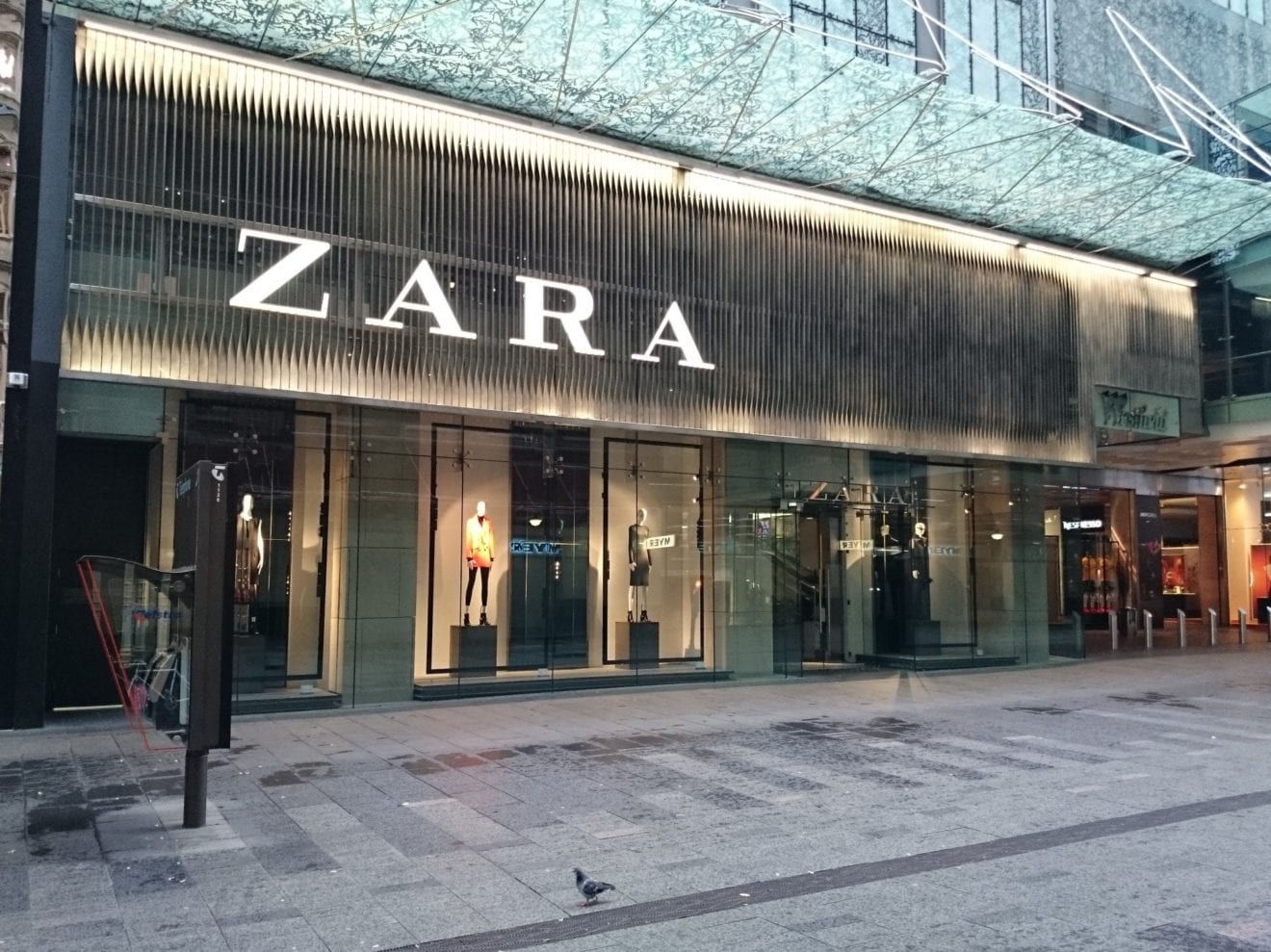
    Online, Zara extended its eCommerce presence to Taiwan, Hong Kong and Macao. Inditex also launched online operations in the southern hemisphere with the launch of Zarahome.com in Australia on December 3 – soon after the homewares brand opened online in Japan.

    Pull&Bear, Massimo Dutti, Stradivarius and Oysho all launched online in China.

    Inditex opened physical stores in all continents during the nine months to the end of October. The net number of stores across the group’s brands increased by 109 in Europe, by 47 in the Americas – and in Asia and the rest of the world, by a net 74, taking the group’s global store count to 6913.

    In Asia, these openings included new Zara stores in Osaka (Japan), Beijing, Harbin and Hong Kong (China) and in Singapore.

    Bershka opened its first store in Taiwan and a flagship store in Korea; and Stradivarius, with openings in the Chinese cities of Chengdu and Harbin.

    Oysho has opened its first store in Korea; Zara Home opened its flagship in Sydney (marking its 500th store worldwide).

    As at the end of October, Inditex had a presence in 88 markets, with online operations in 28 of these.

    Inditex said its net profit over the first nine months of the year was up 20 per cent to €2.020 billion. Net sales increased 16 per cent year on year to €14.74 billion.

  • China’s internet giants investing in offline retail for growth

    China’s internet giants investing in offline retail for growth

    Alibaba’s purchase of certain media properties has dominated recent headlines, but China’s acquisition-hungry internet giants have moved on plenty of other targets lately, including brick-and-mortar retailers as they expand their commercial ecosystems.

    The triumvirate of Baidu, Alibaba and Tencent has made US$75 billion of investments in strategic partners since 2013, according to HSBC data, and analysts say China’s internet behemoths have the cash to keep on going.

    “Mergers and acquisitions will remain a main feature of China’s internet industry in 2016. We expect Alibaba’s and Tencent’s M&A spend to remain high,” wrote Fitch analyst Kelvin Ho in a recent note.

    The internet firms aren’t just gobbling up other online players. Some US$47 billion has been spent on physical retailers and another US$797 million on logistic providers. Analysts say this reflects the broad adoption of an online-to-offline, or “O2O”, strategy.

    “O2O has become the new growth driver for internet companies, especially e-commerce companies, which have been making efforts to broaden their services and product offerings and to enhance shopping experiences for online shoppers,” HSBC analysts wrote in a report last month.

    Physical distribution capabilities have been on Alibaba’s shopping list. Its partnership with Haier Electronics Group two years ago strengthened its ability to fulfil white goods, and its August investment in Suning Commerce Group is expected do likewise for consumer electronics.

    Competitor JD.com already has delivery capabilities, so its focus is on investing to broaden its product portfolio, by partnering with local supermarkets, convenience stores and pharmaceutical chains. In August it boosted its fresh food business by taking a stake in supermarket chain Yonghui Superstores.

    The impetus for these moves comes from surging online retail sales, which grew at a 57 per cent compound annual growth rate from 2010 to 2014, easily outpacing the 13.7 per cent rate for all retail, as sales from physical outlets were cannibalised.

    “The cashed up internet companies are definitely doing a land grab, in terms of O2O and other assets,” said Chi Tsang, head of Asia internet equity research at HSBC.

    But despite the growth of online retail, it contributed just 11 per cent of all retail sales in 2014. And although it’s expected to grow at a CAGR of 27 per cent up to 2018, according to iResearch, HSBC figures show year-on-year growth is actually decelerating, from 49 per cent in 2014 to 39 per cent in the first half of this year.

    In this context, analysts say it’s critical for the online and offline sides of an O2O partnership to see mutual benefit.

    “By tying up with internet companies, offline retailers can benefit from getting access to their partners’ large online user base, and can better utilise their retail infrastructure (logistics supply chain and store network) by helping online retailers to provide an omni-channel shopping experience to their customers,” HSBC analysts wrote.

    “Conversely, internet companies can further enlarge their market shares by digitalising offline partner’s product offerings and providing just-in-time services to users by utilising offline partners’ retail infrastructure.”

    As an example, Alibaba’s deal with department store operator Intime Retail Group has spawned the Girlfriend Circle programme, which promotes social spending among more than 100,000 members, and the Miao Jie app, which has boosted conversion rates by channelling department store activity for over half a million users.

    “I think of O2O as tapping into the other 90 per cent of retail sales that is not served via online shopping. Nine hundred million people have computers – smartphones – in their pockets so they are already enabled. Just need to supply them with services and payment options,” Tsang said.

    Some O2O strategies don’t involve physical infrastructure or retail premises. Baidu is focused on mobile marketing and services transactions, having invested in online travel agency Ctrip and transport provider Uber. It also targets high-frequency consumer transactions like food takeout and movie ticketing.

    Other players, like consumer electronics giant Gome and grocery retailer Sun Art, are taking a solo approach to combining physical retail and e-commerce. Future partnerships with those firms are possible, although smaller operators like Golden Eagle Retail Group, Wumart Stores or Lianhua Supermarket Holdings could be easier for the big three to swallow.

    “The pure O2O land grab is nearly over, with Meituan.com, Didi and even 58 Home spoken for. But might there might be more retailers or hypermarkets interested in cooperating,” Tsang said.