Tag: China

  • Dior China opens largest flagship yet

    Dior China opens largest flagship yet

    Dior’s new Beijing China World boutique is the French luxury label’s largest flagship store in China.

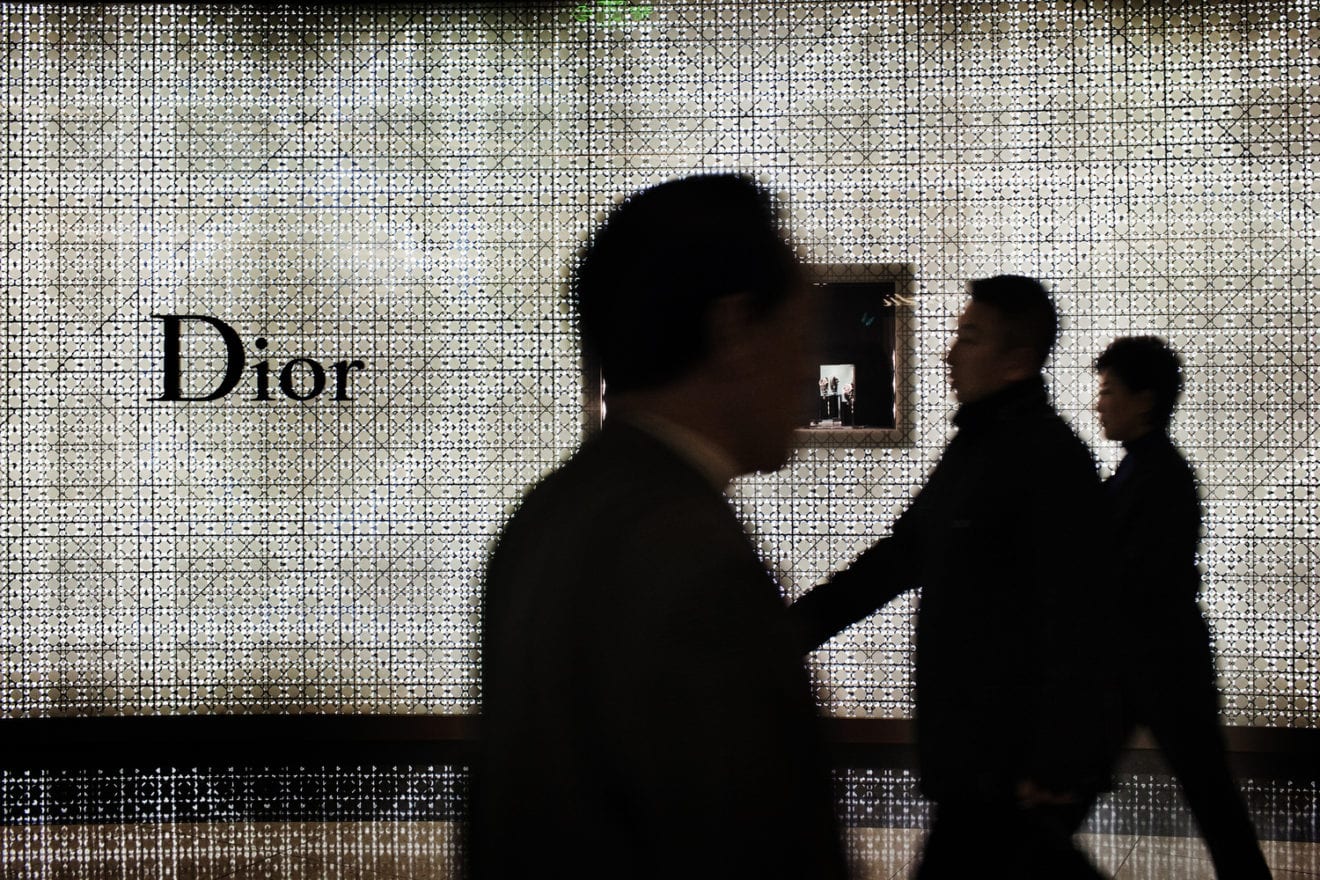
    Dior China opened the store this week in conjunction with its re-staged Spring/Summer 2016 presentation. The retail space is split across two levels, featuring a floor-to-ceiling, double layer glass facade that emulates the fine feminine fabric in the fashion house’s Cannage print.

    Dior Beijing China 1

    Designed by Peter Marino, the interior is inspired by Dior’s Paris flagship and dotted with a carefully curated group of artworks by contemporary artists. Each of the 10 pieces, which include a bench by Terence Main and a video art wall by Yorame, reflect the codes of the house.

    There is also a sculpture Siamese Metal 5 from British artist Richard Deacon, the work Waterwall, Roselyn by Gregory Ryan and table lamps by Veronique Rivemale are also displayed in the store.

    On the second floor, the footwear section is adorned by a Gaia Imprint Low Table, designed by Vincent Dubour.

    Dior Beijing China 2

    Classic furniture pieces from Guillaume Piechaud, Paolo Giordano and Timothy Horn have been placed strategically throughout the space, and the store features a private VIP salon decorated with two Mineral Commodes designed by Juan & Paloma.

    The new Dior China flagship is located in Beijing’s Chaoyang district.

    dior beijing

  • Message apps pose growing risk for China securities regulator

    Message apps pose growing risk for China securities regulator

    While using mobile messaging and social media apps for trading is not unlawful in China, regulations require reliable monitoring and recording of trades to prevent activities such as insider trading or market manipulation, and to keep on top of threats to market stability such as excessive margin trading.

    China Securities Regulatory Commission (CSRC) has been clamping down on breaches, including fining four brokerages in September for failing to collect information about the identities of clients who traded stocks through external systems.

    It also shut down third-party trading software used by brokers that helped traders skirt regulations by dividing one account into many sub-accounts without the need to register a name, according to local media.

    Even so, using apps to buy and sell stocks over mobile phones is common in a country where retail investors account for 80 percent of share market volume.

    Despite closer scrutiny from China’s regulators, brokerages including large listed firms like China Galaxy Securities and smaller entities such as Great Wall Securities, started offering WeChat share trading account services last year in a bid to access the growing pool of retail traders.

    China Galaxy Securities and Great Wall Securities did not return requests for comment.

    Overall account openings swelled to around 46 million in the first half of 2015, from around 2 million over the same period in 2014, according to official data.

    For brokers, the advantages of using WeChat are obvious, since it is the preferred means of communication for many of its 600 million users.

    But a case in Hong Kong last month highlights regulators’ concerns with the trend.

    The regulator there suspended a trader for receiving a buy order on WhatsApp, a messaging app owned by Facebook Inc, in breach of the internal communication policies of the firm he then worked for, BTIG, noting that the company had no control over the recording and retention of such messages.

    GROWING RISKS

    While the Hong Kong Securities and Futures Commission code of conduct does not prohibit the use of social messaging apps, it encourages the strict recording and time stamping of all communications and says the use of mobile phones for orders is “strongly discouraged”.

    Some of China’s institutional investors are also using WeChat to instruct their brokers.

    “In practice lots of people don’t care about compliance and take orders on WeChat,” said a Hong Kong-based institutional sales trader specializing in China.

    The CSRC did not respond to requests for comment, nor did Tencent Holdings Ltd, the owner of WeChat.

    Such concerns are not limited to China.

    Clara Shih, chief executive and founder of Hearsay Social, Inc, a San Francisco-based social media compliance company, said messaging apps are also a potential gap in the compliance systems that U.S. financial services firms have spent years building.

    U.S. brokerages must monitor and store copies of employees’ electronic communications for three years and have a duty to protect clients’ personal information and confidentiality, tasks made more complicated by the proliferation of social media platforms.

    Technology has evolved in recent years to make it easier for companies to monitor employees’ activity on traditional social media platforms such as Facebook and Twitter. But WhatsApp and WeChat are not compatible with that technology, Shih said.

    Using social media for business is a growing trend but also a growing risk for compliance, said Craig Brauff, chief executive of Erado, a social media compliance company in Renton, Washington.

    “Regulations are designed to keep honest people honest. If someone really wants to be dishonest, there are lots of ways around it,” he said.

  • Garuda Indonesia to open direct flight on Shanghai-Denpasar route

    Garuda Indonesia to open direct flight on Shanghai-Denpasar route

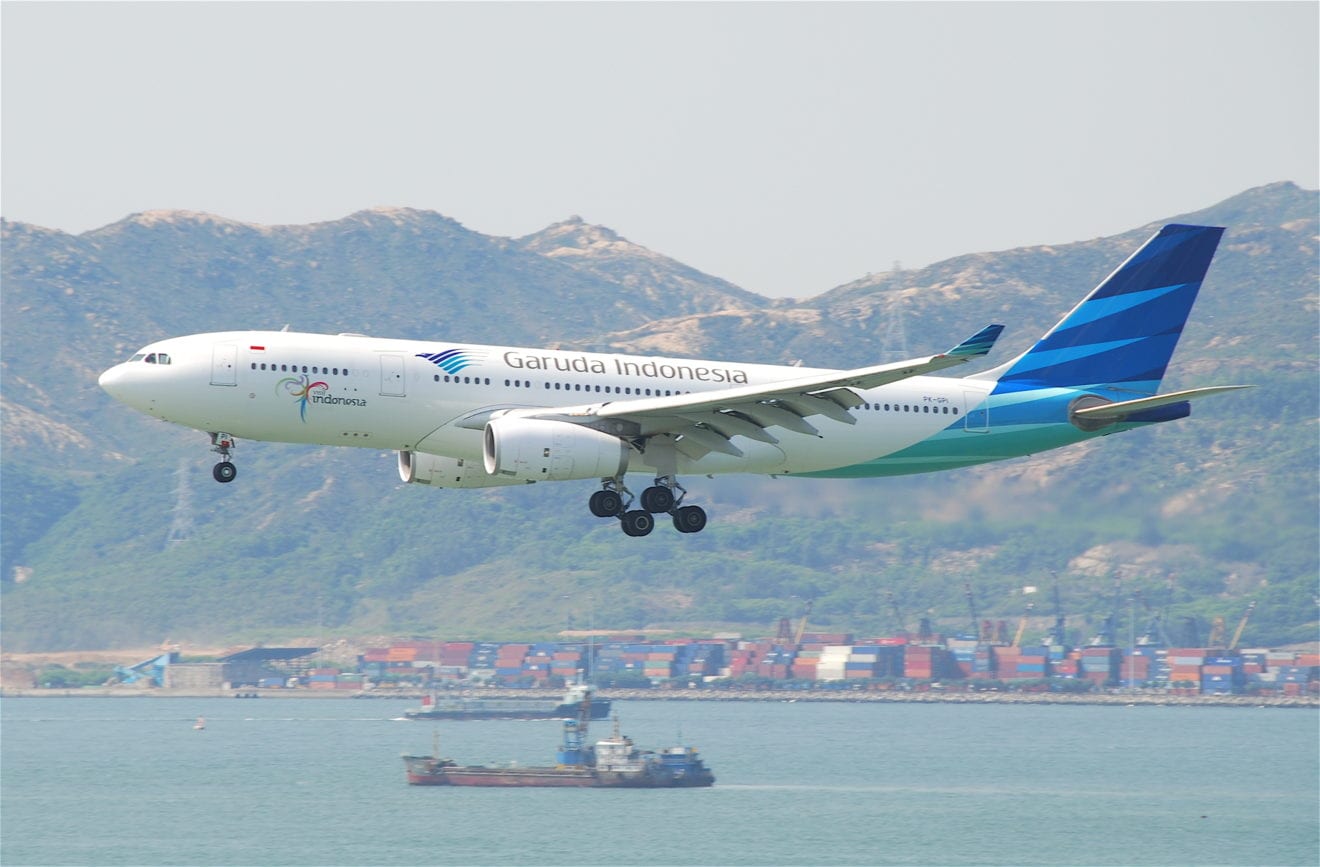
    Indonesian flag carrier Garuda Indonesia is planning to start a direct flight between Shanghai, China, and Denpasar, Bali, on January 13.

    “The non-stop flight between Shanghai and Denpasar will operate twice e a week using an Airbus-330 aircraft,” Vice President of Garuda Indonesia for China Region I, I Wayan Subagja, in Beijing, on Tuesday.

    As Bali is the favorite destination for Chinese tourists visiting Indonesia, hence Garuda will continue to increase the number of direct flights to Bali through regular and unscheduled flights.

    Garuda Indonesia also provides regular flights on the Beijing-Jakarta route that operate thrice a week and seven weekly flights each on the Shanghai-Jakarta and Guangzhou-Jakarta routes.

    Since January 2013, the national flag carrier has been operating four non-stop weekly flights on the Beijing-Denpasar route and has also added a new flight on the Guangzhou-Denpasar route at the end of 2015.

    Moreover, Garuda facilitates unscheduled flights for people from eleven Chinese cities who plan on visiting Bali for the Chinese New Year and summer holidays.

    “They still have huge interest to visit Bali due to which Garuda has tried to provide ease and comfort to tourists who want to visit Bali. We also promote other destinations in Indonesia,” Subagja emphasized.

    The opening of flights between several cities in Tiongkok and Bali is expected to support an increase in the number of Chinese tourists to Indonesia, which is targeted to reach ten million people in the next five years since 2015.

  • How China’s online retail appetite is eating our lunch

    How China’s online retail appetite is eating our lunch

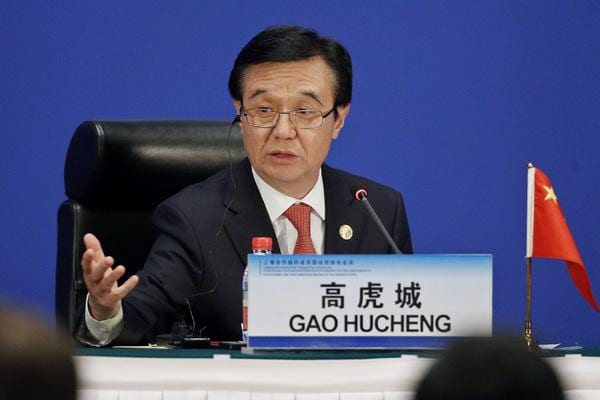
    Commerce Minister Gao Hucheng (pictured) boasts online sales will reach four trillion yuan (US$16 billion) this year.

    China has attained the key targets (outlined in the 12th Five-Year Plan) by the end of 2015 to become a genuine giant trader, Gao said at a national meeting on commerce. As a result it has outpaced its global competitors.

    chinese commerce minister

    China is now home to over 80,000 trade markets and total retail sales of consumer goods would each 30 trillion yuan this year with consumption contributing to about 60 percent of total GDP growth, he added.

    In the past five years, China’s exports of goods grew at an annual average of 6.5%, with its share in the global market rising from 10.4% in 2010 to about 13.2% in 2015, faring much better than major global economies. Service trade grew over 13.6% each year,marking the world’s second largest service trader.

    China’s actual use of foreign capital during the 20102015 period is expected to reach $620billion with the tertiary sector taking over 60% of total foreign capital. Outbound direct investment grew at 14.2 % annually.

    China is expected to receive foreign direct investment worth $135 billion both in financial and non-financial sectors in 2015, according to Gao.

  • China stocks plunge 7%, activate circuit breaker for the second time

    China stocks plunge 7%, activate circuit breaker for the second time

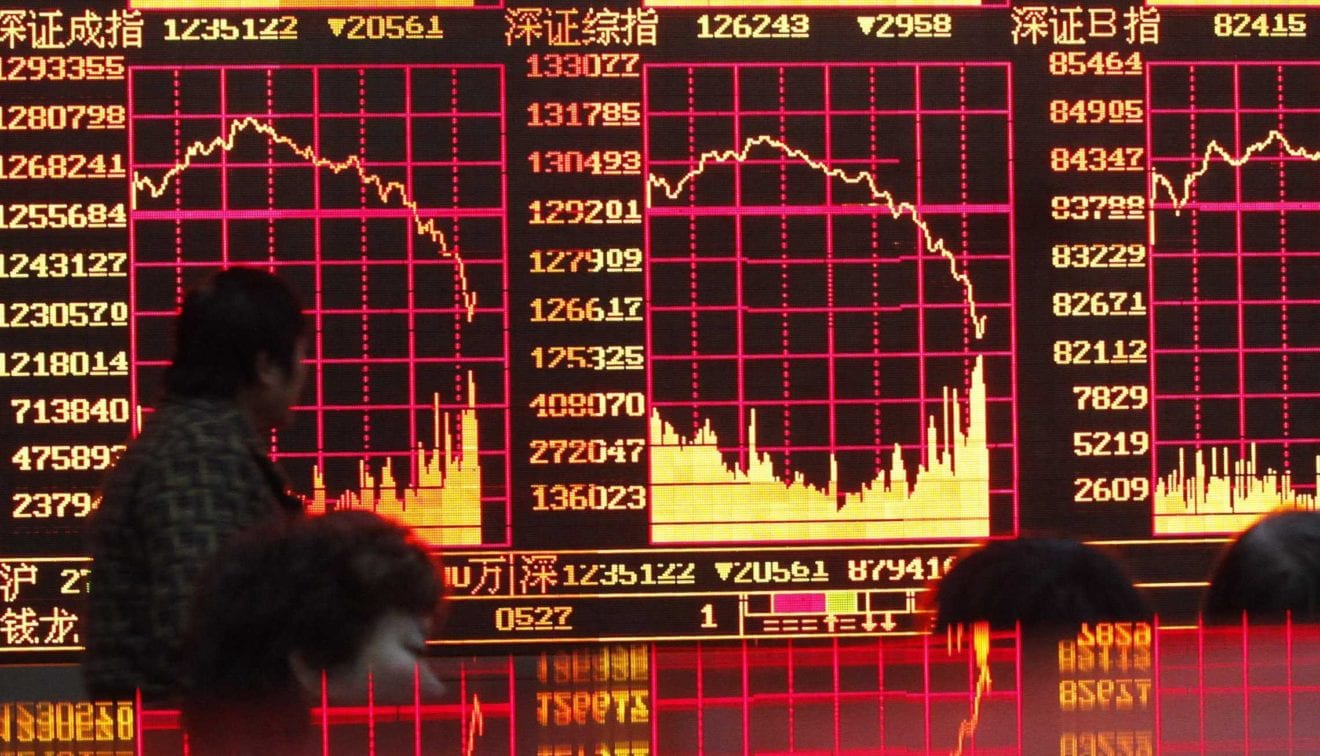
    Trading in China’s stock markets has been halted for the rest of the day, after a 7 per cent plunge in the blue-chip CSI300 index in the afternoon trading session triggered a circuit breaker mechanism which came into effect on Monday (Jan 4).

    Earlier in the session, trading in both the country’s equity indexes and equity index futures had been halted for a brief 15 minutes, following a 5 per cent decline in the benchmark index.

    The rapid activation of the second trading halt just after 1.30 pm local time indicated “a rise in market volatility” following the first trade suspension.

    “There was uncertainty in the markets. Investors were worried that maybe they might not be able to sell stocks after markets were halted,” Jackson Wong, associate director at Huarong international Securities, said in a telephone interview. “So when markets resumed trade, we saw an acceleration in selling.”

    The fact that retail investors account for nearly 70 per cent of China’s stock-market trading volume also contributed to the rapid selloff.

    “Retail investors are by nature more risk averse than institutional investors.. It isn’t hard to understand why markets legged down hard to the 7 per cent final breaker limit when markets reopened after the first circuit breaker was triggered and halted the market for 15 minutes, as this 15 minutes give a big window of opportunity for investors, mostly retail, to get new sell orders queued into the market,” Gavin Parry, managing director of Hong Kong-based Parry International Trading, said in an email interview.

    For most of Monday’s session, Chinese shares were on the back foot, following a dismal reading from the latest Caixin manufacturing purchasing mangers’ index (PMI) and ahead of the imminent expiration of a share sales ban on listed companies’ major shareholders, according to IG’s market strategist Bernard Aw.

    In addition, the move by authorities to cut the yuan’s value against the greenback on Monday, making it weaker than 6.5 for the first time in more than four-and-a-half years, added to the risk-off sentiment.

    The Shanghai Composite ended down 6.9 per cent, while the smaller Shenzhen Composite nosedived 8.2 per cent. In Hong Kong, the benchmark Hang Seng index was pulled down nearly 3 per cent.

    Mr Aw expects China’s stock markets to remain on a downward spiral on Tuesday. “I’m quite sure that there will be downward pressure tomorrow,” he said. “Circuit breakers only help to stall the pace of declines, but they do not stop the direction of movements.”

    For CMB International’s Strategist Daniel So, China’s A-shares will likely see downward pressure in early trading on Tuesday, but may “turn north by (the) market close” on the back of support from some investors who believe that now is “a good opportunity for bottom fishing amidst panic selling”.

    CIRCUIT BREAKER: BOON OR BANE?

    The idea of a circuit breaker mechanism was first raised by the Shanghai Stock Exchange last September and officially confirmed on Dec 4, 2015.

    Under the mechanism, a move of 5 per cent in either direction from the CSI300 index’s previous close will trigger a 15-minute trade suspension across the country’s stock indexes if the move occurs before 2.45 pm local time. After that, a 5 per cent move will prompt a trade suspension until the market closes at 3.00 pm.

    Moves of 7 per cent in the index will spark a trading halt for the rest of the day.

    The introduction of a circuit breaker seems to have sparked more unease among Chinese investors, despite its good intentions of limiting market volatility, according to Huarong’s Mr Wong.

    “Investors are just getting used to the new mechanism. After they get used to the idea, it may not be as bad,” the Hong Kong-based analyst said. “But to be honest, 5 to 7 per cent swings is very normal for China’s markets so while the stock market circuit breaker is introduced with good intentions, it might not be a good idea given the experiences of Chinese investors.”

    On the other hand, IG’s Mr Aw believes that investors should look beyond the short-term repercussions as the new mechanism will bring China’s markets more in line with international standards.

    The circuit breaker system will also “complement” the current 10 per cent daily limit rule which is usually limited to only “a handful of stocks”, he noted.

    Under current rules, individual stocks and index futures in China are allowed to rise or fall a daily maximum of 10 per cent from the previous closing level. Trading of a stock stops when it hits the daily maximum allowable limit.
  • International Housewares profit slumps

    International Housewares profit slumps

    Hong Kong listed retailer International Housewares has reported a 52.6 per cent slump in profits in the first half year, despite improved sales in key markets.

    The company reported a seven per cent same store sales growth in Hong Kong in the six months to October. Macau revenue rose 16.6 per cent to HK$18.7 million, with same store sales up 2.5 per cent.

    But despite a healthy 6.6 per cent increase in total group sales to $960.4 million, the listed retailer reported a 52.9 per cent fall in profit attributable to shareholders, to just $21.1 million (down from $44.8 million during the same period last year) – a decline flagged in a profit warning in early December.

    It said the decrease was mainly the result of increasing operating costs across the group, weak consumer sentiment in Singapore and Malaysia and an exchange loss arising from the depreciation of the Renminbi fixed deposit.
    International Housewares trades under the retail banners Japan Home Centre (JHC), City Life and Epo Gifts and Stationery. It ended October with 368 stores worldwide, in Hong Kong, Singapore, Malaysia, Mainland China, Macau, Cambodia, Indonesia, Saudi Arabia and New Zealand.

    Despite Singapore’s stagnant retail market, International Housewares reported growth there of 9.6 per cent on a local currency basis, compared with a 6.9 per cent fall in the corresponding period last year. Same store sales grew 0.3 per cent compared with a 6.9 per cent decline last year, reflecting “conservative consumer spending patterns”.

    In Mainland China, sales decreased 11.6 per cent in local currency terms to HK$2.28 million, but comparable store sales growth was a healthy 40.4 per cent, reflecting the closure of underperforming stores.

    And in west Malaysia, revenue was down 46 per cent in local currency; same store sales were down 19.3 per cent.
  • China’s Top Boutique Openings in 2015

    China’s Top Boutique Openings in 2015

    IMG_2022

    Last year is yet another in a line of several that proved tough for the luxury retail industry in China. The anti-graft campaign has continued in full force, causing some shoppers to steer clear of flashy, high-cost purchases, while online shopping has driven many malls around the country to close. Still, 2015 was a big year for several international high-end labels, independent boutiques, and department stores that entered China for the first time or were revamped to give consumers an updated look. Here are six brands that made headlines in the style sector this year.

    Fei Space

    _DSC0251

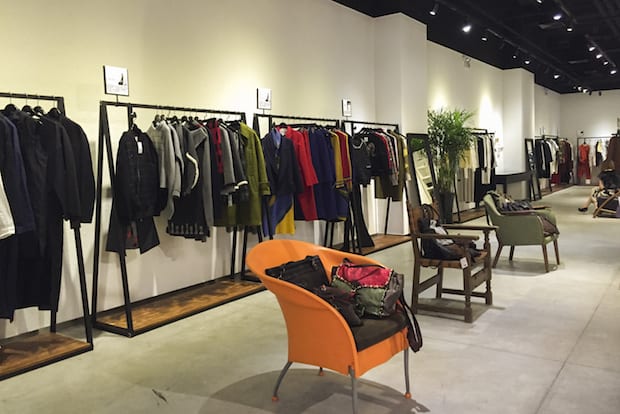
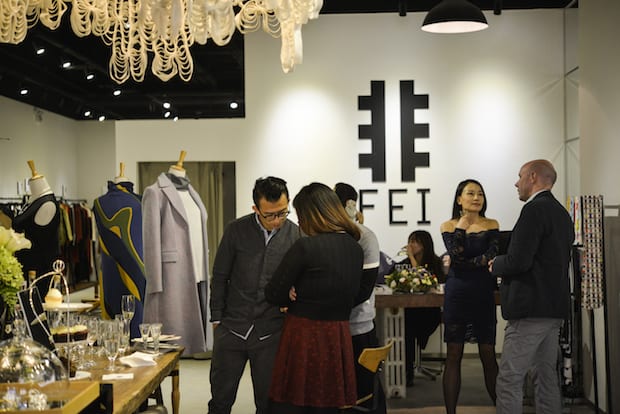
    Formerly located in 798 Art District, Fei Space is a culmination of local designers and stylish brands from around the world. Shoppers may also recognize the boutique for its pop-up store in Beijing’s U-Town mall that featured past-season collections from Topshop and Topman. Now that the official Topshop has opened in Galeries Lafayette (see below), the new Fei Space now is primarily focused on Chinese independent designers and some casualwear, such as Beijing-based American workwear brand Taciturnli and Shenzhen designer VMajor. It’s located in the Grand Summit mall, an evolving shopping center in the capital’s embassy district that includes a multitude of high-end Chinese boutiques and local health food chains aimed at the discerning shopper.

    Triple Major Beijing

    triple_major

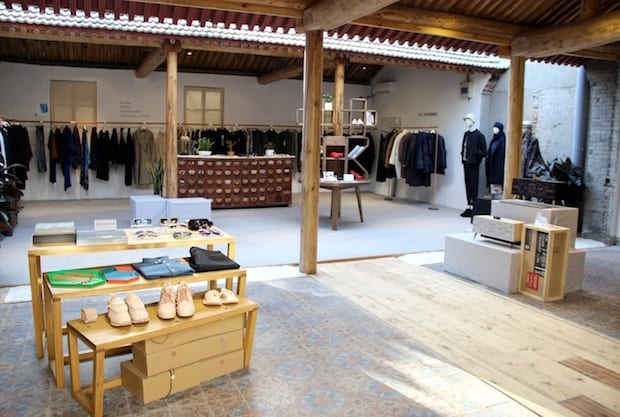
    The year was off to a good start as far as openings go—Triple Major wowed media with its expansive new store in Beijing’s developing Dashilar district, which was designed in part to reflect the building’s former use: a Chinese pharmacy. Owner Ritchie Chan moved the concept store featuring both international and local brands from its home in Beijing’s central hutongs to an area that’s quickly transforming into a hub for young creatives with no shortage of locally-owned third-wave coffee shops, art galleries, and small, artisan boutiques.

    Topshop at Galeries Lafayette

    The new Topshop location at Galeries Lafayette in Beijing. (China Daily)

    The new Topshop location at Galeries Lafayette in Beijing. (China Daily)

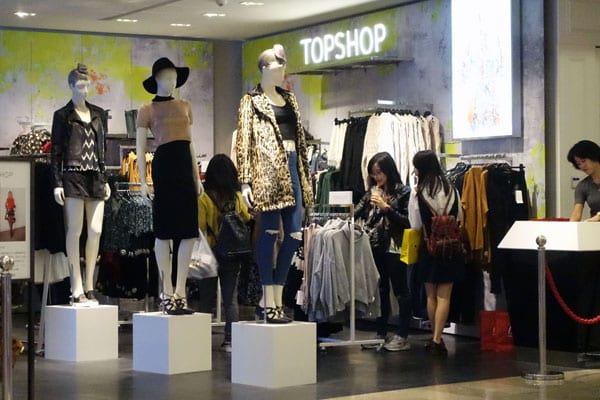
    Topshop has been open in Hong Kong for a few years, but only this year has the brand decided to put roots in the mainland, namely in the French department store Galeries Lafayette, a mall that has been struggling to attract shoppers in Beijing’s Xidan area. This version is tiny compared to its flagship and blends in on a floor mainly reserved for Asian independent labels.

    Tommy Hilfiger

    Tommy Hilfiger (L) with socialite Olivia Palermo (R) at the brand's new store opening in Beijing. (Tommy Hilfiger/Facebook)

    Tommy Hilfiger (L) with socialite Olivia Palermo (R) at the brand’s new store opening in Beijing. (Tommy Hilfiger/Facebook)

    Tommy Hilfiger kicked off opening its largest store in Beijing’s In88 shopping center with a football-themed runway show in the spring, hoping to gain Chinese fans by pushing an all-American aesthetic.

    JNBY Concept Store

    A look from JNBY's latest collection. (Courtesy Photo)

    A look from JNBY’s latest collection. (Courtesy Photo)

    The JNBY Concept Store is nothing new outside of China, but Beijing gained its first in the new Grand Summit mall this year along with an art exhibit in cooperation with Beijing’s UCCA to kick things off. Fans of the international, Hangzhou-born brand that’s known for supporting independent Chinese designers with high-end clothing for adults and children also get a selection of contemporary jewelry and handbags and artisan chocolate.

    Macy’s (Tmall)

    Macys

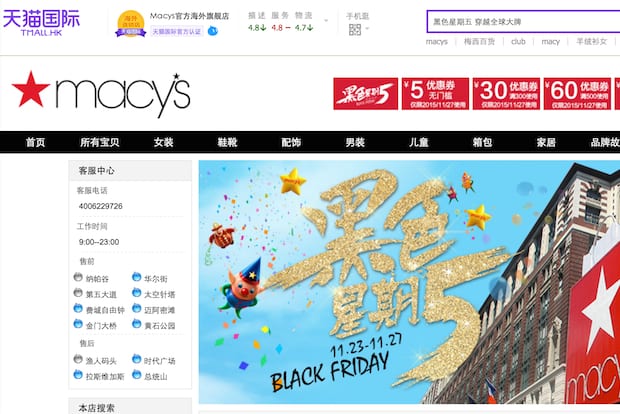
    Macy’s entered China this year on more official terms when it opened its shop on Alibaba Group’s Tmall, becoming the first U.S. department store to do so. It steered away from opening a brick-and-mortar shop, unlike its competitors who have done so and struggled, like the UK brand Marks & Spencer. M&S closed a chunk of its stores in Shanghai and instead opened a brand new space in Beijing’s business district shopping center, The Place.

    Michael Kors

    Model Ming Xi makes an appearance at the Michael Kors opening in Beijing. (Michael Kors/Facebook)

    Model Ming Xi makes an appearance at the Michael Kors opening in Beijing. (Michael Kors/Facebook)

    Huamao Shopping Center in Beijing acquired a 9,000-square-foot Michael Kors flagship store last month, which was celebrated with a photo exhibition done in collaboration with Vogue China. The new shop is now the largest in Asia, followed by the Shanghai flagship that opened last year alongside a high-profile campaign to attract jet-set Chinese consumers.

  • International luxury brands abandoning China as economy slows

    International luxury brands abandoning China as economy slows

    After enjoying a decade of aggressive expansion in China, international luxury brands have begun to curtail their operations as the world’s second-largest economy is beset by a slowdown, a massive government crackdown on graft and a Chinese preference to buy expensive goods abroad.

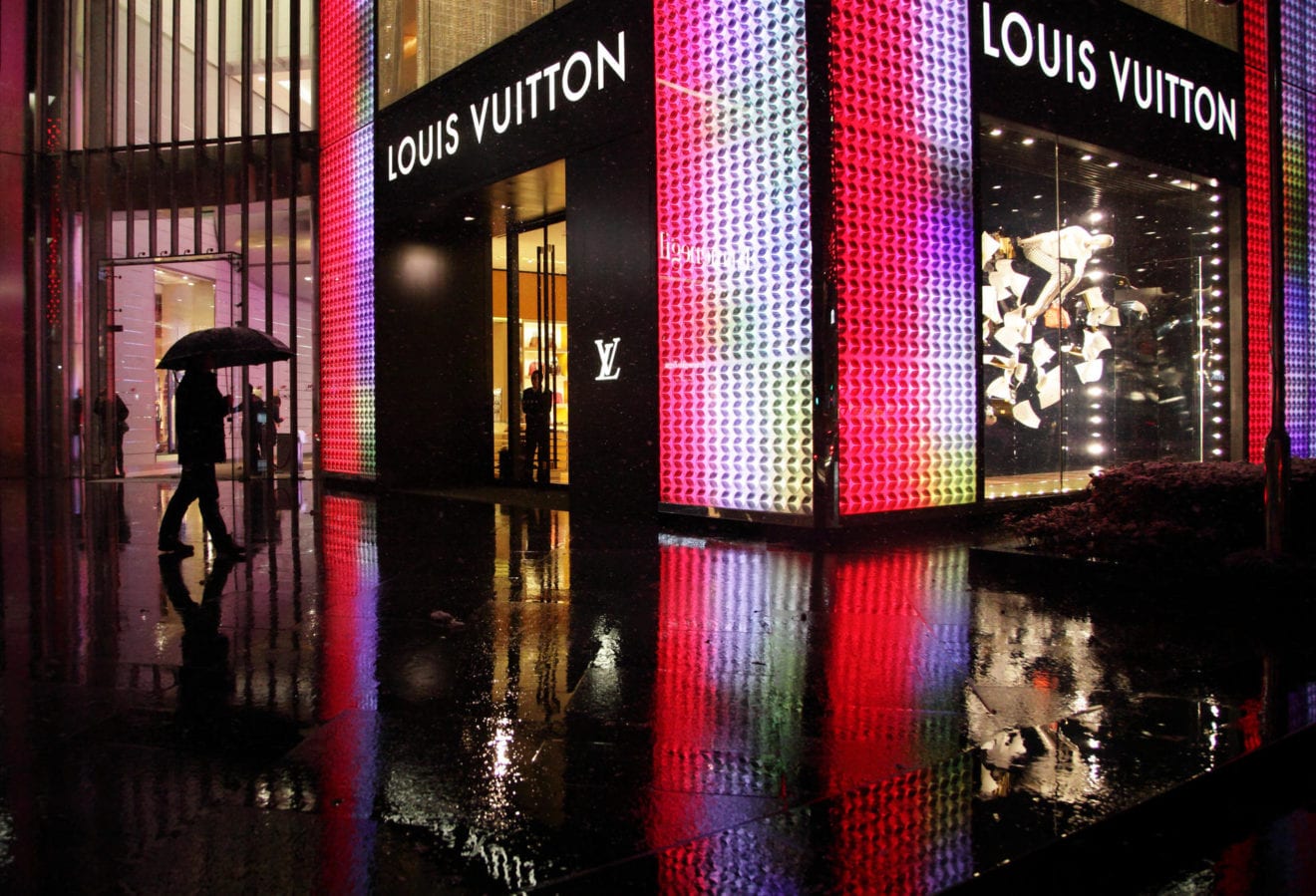
    French retailer Louis Vuitton closed its store in the sprawling port city of Guangzhou. That was followed by two more shutdowns by the firm in Harbin and Urumqi in Xinjiang.

    The company, however, said the closures were part of a marketing strategy adjustment by headquarters.

    During the past two years, Britain’s Burberry has closed four stores in China, Coach shut two, Hermes one, Armani five, and Prada went from 49 to 33.

    Following 10 years of aggressive expansion, the luxury brands have been shrinking their physical presence in China to adapt to a cooling market plagued by a slowing economy, an ongoing anti-corruption campaign and Chinese buyers’ increasing overseas purchases, Hong Kong-based South China Morning Post reported today.

    Fortune Character Institute (FCI), a Shanghai-based market research unit, forecasts mainland luxury sales to grow 3 per cent to USD 25.8 billion this year, much slower than the 11 per cent in the recovering global market.

    The institute in a study found that although Chinese shoppers consumed 46 per cent of luxury goods around the world, their purchases in their home market accounted for only 10 per cent of global sales, falling from 11 per cent in 2012 and 13 per cent in 2013.

    The sluggish growth is reflected in the expansion plans of luxury brands. They are opening fewer new stores and closing more, the report said.

    “Store openings are no longer a major way for international luxury brands to expand in the China market. Over the next two years we expect these brands to close even more stores than before,” said Zhou Ting, director of FCI.

    “But if you think luxury brands are taking a totally defensive strategy in China, you would be wrong. The closures are only a small part of a thorough strategy adjustment they are undertaking in China,” he was quoted in the report.

    The first batch of luxury brands entered China in the 1990s. Most of them set up stores in five-star hotels and high-end department stores in big cities, targeting foreign businessmen, overseas Chinese and government officials.

    The “golden era” came around 2009 and 2010 when affluent Chinese began spending on high-end goods and jewellery, making China the fastest-growing luxury market in the world.

    Encouraged by this, luxury retailers rushed to China.

    Global consultancy Bain & Co estimated that the 15 top brands it surveyed had opened more than 80 new shops during the first eight months of 2010.

    A watershed for China’s luxury market came in 2013 when President Xi Jinping launched a massive anti-corruption and austerity campaign. It had a big impact on the luxury market as government officials were banned from receiving gifts.

    Such expenditure had been a major driver of domestic luxury consumption, the report said.

  • Starbucks Will Be Bigger In China Than In the US

    Starbucks Will Be Bigger In China Than In the US


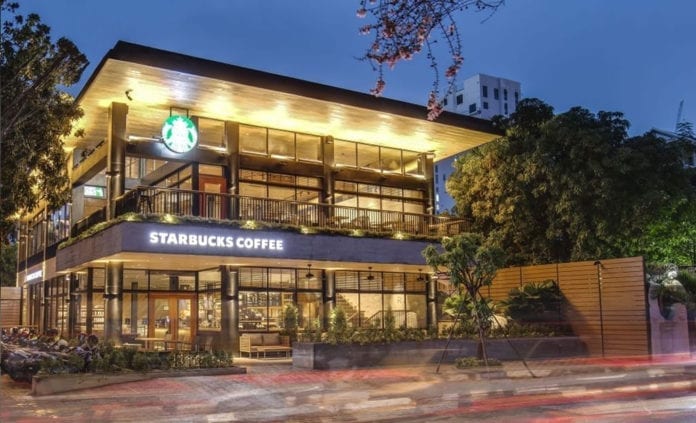
    The future of Starbucks is in China. The company opened nearly 1,000 new stores in the country over the past year, bringing the total to about 2,500 stores. It’s still opening more than one store per day, and expects to open 5,000 stores by 2021.

    At the company’s investor day in December, CEO Howard Schultz said he expects profits in China to exceed those in the United States eventually.

    Starbucks China CEO Belinda Wong expects several factors to contribute to the coffee company’s ability to grow revenue and operating income threefold over the next five years: the growing middle class and their increasing demand for coffee, global improvements to Starbucks’ core retail business, and digital partnerships with local companies like Tencent.

    A market that will be double the size of America in six years

    China’s middle-class growth isn’t slowing down. Over the last decade, the number of people considered middle class in China grew from 66 million to 300 million, according to reports collected by Wong. By 2022, Starbucks expects China’s middle class to double in size again to 600 million. For reference, the entire United States has about 324 million people.

    While the growth of China’s middle class is important, a bigger driving factor may be that Chinese are still developing a taste for coffee. As such, the demand for Starbucks will grow even faster than the rapidly expanding middle class.

    Over the next five years, the demand for specialty coffee in China is expected to grow at a rate of 15% per year, according to Euromonitor. What’s more, Starbucks already holds the lead in market share.

    More reasons to visit a Starbucks store

    One of the biggest organic drivers of store visits is Starbucks’ loyalty program, My Starbucks Rewards. Wong says new signups for MSR increased 63% per year from 2013 to 2016. Gold membership increased 53% per year. Importantly, members are “very intentional about their path to gold,” and as a result MSR members visit stores more frequently.

    Additionally, Starbucks plans to invest in new reasons to visit Starbucks. The company plans to expand its lunch menu in all of its stores globally, introducing things like soup and other food items. It expects lunchtime revenue to double over the next five years.

    Starbucks also has an opportunity to capitalize on Teavana in China, which has a huge tea culture. Incorporating more Teavana products into its stores could bring in customers who aren’t particularly fond of coffee, but still want the experience Starbucks offers.

    Lastly, Starbucks is expanding its consumer goods business in China. It just released its bottled Frappuccino nationwide. That could give potential customers a taste for Starbucks, inviting them to visit a store.

    Partnering with digital leaders

    One of the biggest announcements Starbucks made regarding its operations in China is its new digital partnership with WeChat, the messaging app owned by Tencent. WeChat has 864 million monthly active users, and its built-in wallet is often used to pay for goods in stores. Starbucks shoppers can now use WeChat to pay for their food and drink orders in store as well.

    Starbucks loses about 5% to 10% of sales in China due to long lines where customers are unable to pay fast enough, according to Shaun Rein, managing director of China Market Research Group. The partnership with WeChat should help speed up the checkout process, driving more sales.

    Starting early next year, WeChat users will be able to send each other Starbucks drink certificates or gift cards through the app. The service will operate in the same way as WeChat’s digital red envelopes, which allow users to send each other money. It’s one of the most popular functions of WeChat in China, and Starbucks will be smart to get the service launched before Chinese New Year, when red envelopes peak. The move provides a social marketing benefit to Starbucks as well, as it aims to attract new customers to its stores.

    The overall opportunity for Starbucks in China is huge. The company’s efforts to capitalize on the growing demand for specialty coffee from the middle class should fuel growth for many more years. Add in the company’s global efforts to expand into other parts of the day, plus its willingness to work with native digital leaders like Tencent, and Starbucks’ Chinese operations could surpass the U.S. sooner rather than later.

  • House of Fraser opens first store in China

    House of Fraser opens first store in China

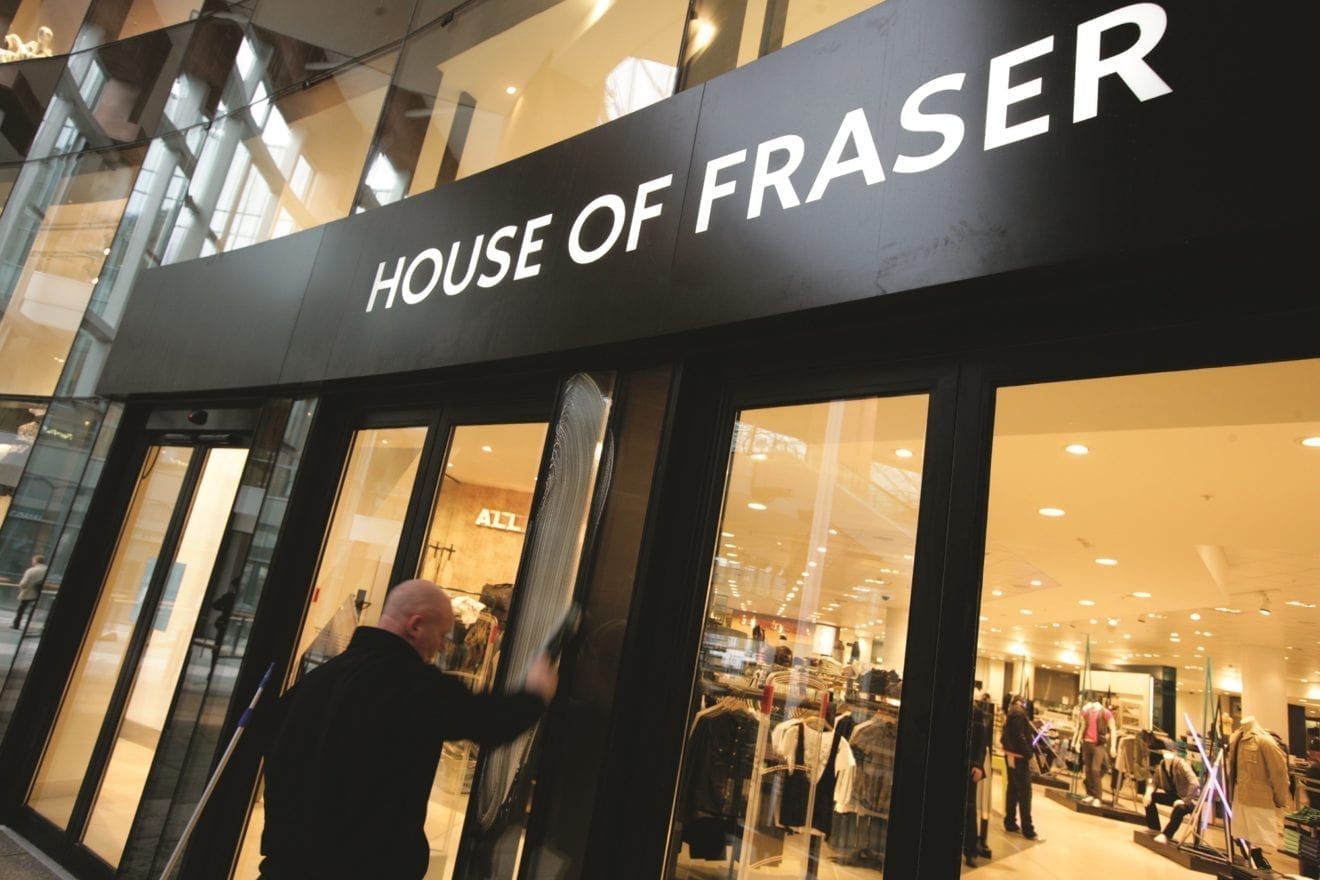
    UK and Ireland’s department store group House of Fraser opened its first store in China this month. The store, located Xinjiekou Sanpower Plaza (International Financial Centre) in Nanjing, covers a total building area of approximately 28,500 square meters with six floors and around 50 video screens.

    Several brands have partnered with House of Fraser to introduce its products for the first time to the Chinese market.  There are also new concepts such as Style by HoF, and a Nike Beacon store, the largest Nike beacon store in China as well as Monceau, a lifestyle and cafe.

    The store aims to provide a premium retail experience, including a VIP lounge, a VIP loyalty, and personal shopping. The world’s biggest toy chain Hamleys and the American novelty retail corporation Brookstone are adjacent to the store.

    Nanjing is the capital of the Jiangsu Province in Eastern China and has a total population of 8.2 million. Its commercial center, Xinjiekou, has a total of over 1,600 businesses and the most prosperous area in downtown Nanjing.

    House of Fraser completed its sale to Nanjing Xinjiekou Department Store, a Chinese department store chain owned by the Sanpower Group on 2 September 2014, marking an exciting beginning for the company under Chinese ownership.

    “This is an exciting time for House of Fraser and the opening of the store in Nanjing is a strong way to finish 2016. We are confident that our first store will clearly demonstrate the unique status that House of Fraser can achieve in the market, and will be a standout platform for our brand partners,” said Frank Slevin, Chairman of House of Fraser UK, in a media statement.

  • First Marks & Spencer Beijing store opens

    First Marks & Spencer Beijing store opens

    UK department store operator Marks and Spencer has opened its first store in Beijing.

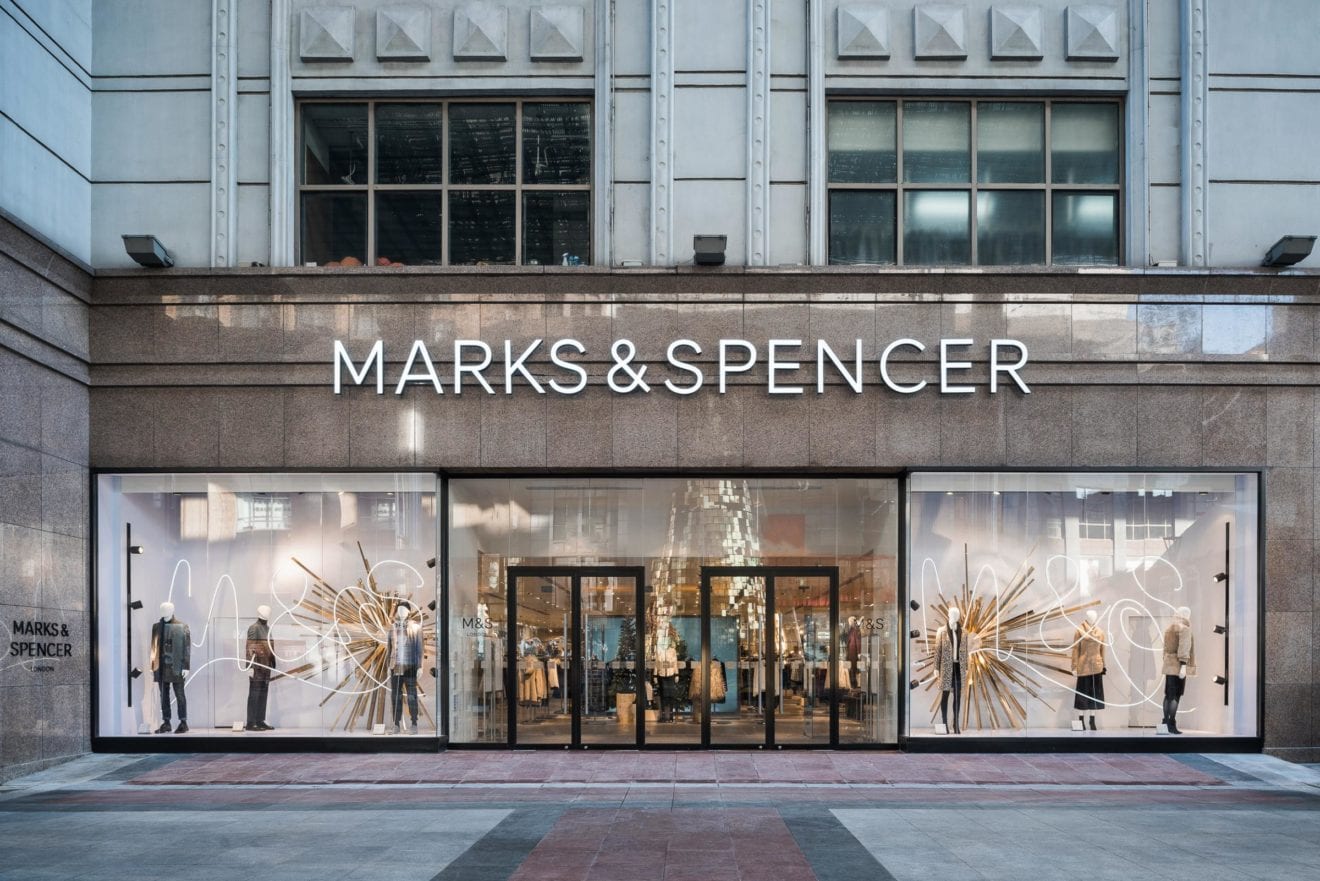
    The new 1500 sqm M&S Beijing store has opened in The Place shopping centre, selling clothing and food.

    M&S operates 10 stores in Shanghai and the move to Beijing is in line with a strategy to gradually expand in China’s tier 1 cities, albeit at a slower pace than originally forecast.

    “We’re looking at places which are very much ‘tier 1’… where you have an upper middle class consumer base… where we will do well even in the context of a slowdown in the economy,” executive director of marketing & international, Patrick Bousquet-Chavanne said last September.

    M&S has closed some smaller stores in China and is now focusing on larger stores in major cities.

    It has 20 in Hong Kong.

  • Giant Muji Shanghai flagship store opens

    Giant Muji Shanghai flagship store opens

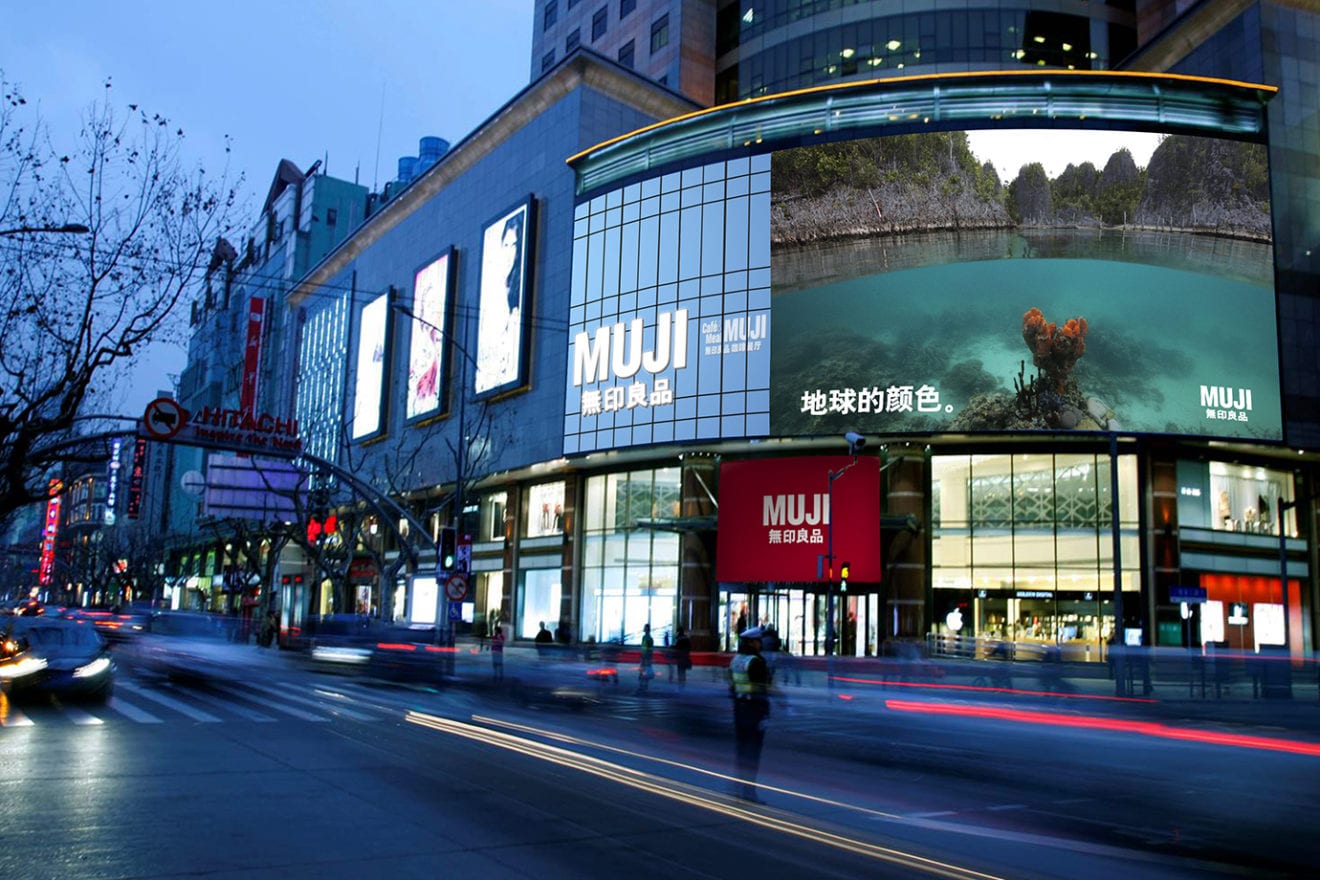
    The new Muji Shanghai flagship just opened marks the Japanese department store brand’s largest shop in China.

    Muji says it built the massive store so consumers in China “can experience the Muji lifestyle concept”.

    MUJI Shanghai Huaihai 755 - 6

    MUJI Shanghai Huaihai 755

    The new store is located at 755 Huaihai Rd, Shanghai’s premium high street shopping strip which is also home to flagships from brands as diverse as Uniqlo and Alfred Dunhill.

    MUJI Shanghai Huaihai 755 - 5

    MUJI Shanghai Huaihai 755 -1

    From a design perspective, each of the store’s three levels uses a different natural material to create three unique, differentiated shopping environment: Wood, iron (metal) and glass (earth).

    MUJI Shanghai Huaihai 755 - 4

    The flagship also incorporates  the cafe & Meal Muji dining concept, for the first time in Shanghai.

    MUJI Shanghai Huaihai 755 - 10

    “We seek out food ingredients that are tasty as natural food, and produce menus that make use of the original tastes of those ingredients with simple cooking methods,” said a Muji spokesperson of the new eatery offer.

    MUJI Shanghai Huaihai 755 - 3

    And – for the first time in China – Muji Books has opened featuring a curated range of reading materials and stationery products.

    MUJI Shanghai Huaihai 755 - 7

    MUJI Shanghai Huaihai 755 - 9

    MUJI Shanghai Huaihai 755 - 2

    In one corner of the store, customers can create their own scents mixing and matching various essential oils for their own unique recipe.

    MUJI Shanghai Huaihai 755 - 8

    Muji says the store is large enough for it to host seminars and events for customers.

  • All business based online now, says Alibaba CEO

    All business based online now, says Alibaba CEO

    The internet is no longer a business model but rather an essential piece of infrastructure on which all businesses need to operate, says Alibaba CEO Daniel Zhang.

    “All businesses are based on the Internet now,” Zhang told the World Internet Conference in China on Friday, likening it to a basic utility such as water, electricity and gas.

    “It can only transform the future of the business landscape when it’s combined with other industries.”

    About 2000 attendees including world government and business leaders were in Wuzhen, a canal city similar to Venice in eastern China’s Zhejiang Province, for the second annual conference, hosted by the Chinese government, a forum for topics such as cyber security, innovations in technology and developments in eCommerce. Chinese President Xi Jinping opened the conference on Wednesday as its keynote speaker.

    During his speech, Zhang said  the integration of the internet with other industries led to the success last month of Single’s Day, the largest one-day online shopping event in the world. The annual eCommerce bonanza, held every November 11, generated $14.3 billion in total gross merchandise volume because of the ecosystem of businesses that the company has built with its merchant, logistics and data-analysis partners. In comparison, Cyber Monday, the US equivalent of the Single’s Day, brought in just $3.1 billion this year.

    “We have formed a complete chain including a merchandise pool, payment system, membership management and data analytics tools to serve customers and partners that share common goals and standards with Alibaba,” Zhang said.

    Indeed, businesses will further transform as they use “big data” to better serve their customers. Alibaba has long touted itself not just as an eCommerce company but one of data as well. The information collected from the 40 million transactions a day on the company’s online marketplaces – demographic data of buyers, their spending habits – can benefit manufacturers when enhancing product design and help brands grow their businesses in China.

    “Data is becoming energy and blood of the new business landscape,” Zhang said.

    Other Alibaba executives were also in attendance, including executive chairman Jack Ma and Lucy Peng, the CEO of Alibaba-affiliate Ant Financial Services Group.

  • Study reveals Asian dining spending trends

    Study reveals Asian dining spending trends

    One in three millennials in Asia are eating at fine dining restaurants at least once a month – more often than those aged over 30.

    The surprise finding is one of a list of revelations uncovered by a MasterCard survey of Asian dining trends away from home. It featured consumers in 17 Asia Pacific markets: Australia, Bangladesh, China, Hong Kong, India, Indonesia, Japan, Malaysia, Myanmar, New Zealand, Philippines, Singapore, South Korea, Sri Lanka, Taiwan, Thailand and Vietnam.

    The most frequent fine-diners in Asia Pacific are millennials (18-29 year olds) from China – on average they visit more expensive establishments two or three times a month. This is higher than the average for millennials across the region and higher than any other age group.

    When choosing where to eat, consumers in Asia Pacific still prefer to rely on word of mouth and recommendations from friends and family (50 per cent). This was applicable for all consumers, regardless of age group, with even millennials trusting word of mouth recommendations (52 per cent) more than online reviews (38 per cent).

    This is despite the fact that more than a third of millennials (36 per cent) post comments and reviews of their dining experiences online. This is especially true of Chinese (61 per cent) and Thai (52 per cent) millennials, where more than half of the young people polled regularly post reviews after a meal.

    Beyond millennials, people in Thailand (39 per cent) and China (30 per cent) are also the most likely to spend more on dining over the next six months with around one in three indicating they plan to eat at more expensive establishments.

    But while consumers may be enjoying fine dining, they are still cost conscious. Sixty-four per cent of consumers in Asia Pacific regularly check for discounts or dining deals from coupon websites, mobile applications or credit card promotions. Sixty-eight per cent of millennials regularly look out for deals before choosing a place to eat.

    Eric Schneider, regional head, Asia Pacific, with MasterCard Advisors, said Asia has always had a strong dining out culture and so it is not surprising that affluent millennials in the region are ‘foodies,’ with many sharing their dining experiences on social media and posting reviews online.

    “While the survey has shown that people are increasingly moving from the hawker centres and into restaurants, young people are still cost conscious, taking a practical and savvy approach by looking for discounts and deals. Young people also still rely on word of mouth recommendations, despite many posting online reviews of dining spots. As Asia’s economies continue to grow, and with technology and social media revolutionizing the dining experience, people will increasingly demand top quality experiences when dining out,” he said.

    Other findings from the survey included:

    • Overall, consumers in Asia Pacific are not looking to make any significant changes to their dining out plans with 61 per cent of all consumers indicating they will look to eat out at the same frequency in the next six months. Twenty per cent plan to eat out more and 19 per cent plan to eat out less in the next six months.
    • The most popular dining option for consumers in Asia Pacific are mid-range restaurants and cafes, followed by fast food outlets and then hawker centres and food courts.
    • Consumers in the Philippines (44 per cent) are looking to tighten their belts with close to one in two planning to eat at less expensive venues in the next six months. Forty-nine per cent also plan to eat out less regularly.
    • A significant proportion of older consumers are going online to check for dining discounts whether on coupon websites/applications or credit card promotions. More than one-third of consumers aged 55 years old and above (36 per cent) indicated they regularly do so before deciding on a dining option.
    • Consumers in China (58 per cent), Taiwan (44 per cent) and Thailand (44 per cent) are the most likely to book dining deals on coupon sites or coupon applications; while consumers in Bangladesh (1 per cent) and Indonesia (11 per cent) were least likely to do so.
    • Diners in Thailand (60 per cent) and China (57 per cent) are most likely to post comments or reviews on social networking sites like Facebook and Twitter with about one in two respondents in these markets reporting that they regularly post comments online following their dining experience.

    The results are based on interviews with 8698 individuals aged 18 to 64 years-old.

  • Omnichannel marketing from a Chinese perspective

    Omnichannel marketing from a Chinese perspective

    If you have been paying attention to developments in the e-commerce world, it’s unlikely that you have missed the news about the outcome of Singles’ Day.

    Chinese e-commerce giant Alibaba recorded US$14.3 billion in sales on Nov. 11, eclipsing the most recent Black Friday shopping event in the United States, which only saw US$10.4 billion in sales.

    Data from the China Internet Network Information Center shows that China has the world’s largest online population at 632 million people, and more than half of them, about 332 million, shop online.

    Business-savvy Chinese retailers have not been shy on tapping into this massive pool, and their momentum has not shown any sign of slowing down.

    According to iResearch, China’s online sales could reach 5.63 trillion yuan (US$867.1 billion) by 2017, or 15.7 percent of the country’s total retail sales.

    The massive online market, especially in China, has lured many traditional retailers into establishing their own online channels, while interestingly, many pure-click retail businesses in China have also started to establish an offline presence with brick-and-mortar stores.

    We refer to this strategy of leveraging both online and offline platforms to market a brand as “omnichannel marketing”.

    This approach is becoming increasingly popular in recent years, especially with smartphones becoming a staple of modern life.

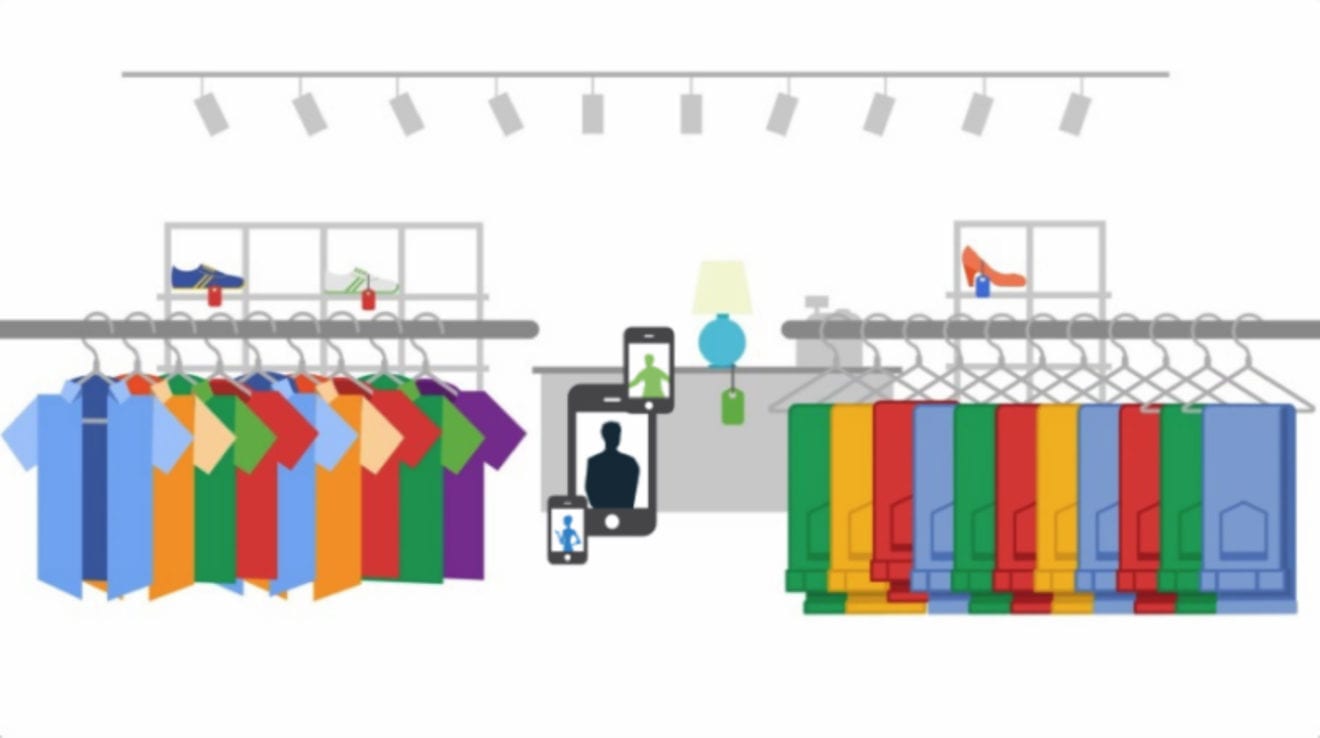
    More and more retailers are seeking ways to unify the whole ecosystem, both technologically and logistically, with a view towards giving customers a mobile seamless interface to every service that the mall or retailer has to offer.

    With the view that an effective omnichannel marketing strategy will help boost sales, improve brand recognition and strengthen customer loyalty, here are some tips for retailers yet to devise their own strategies to get a head start:

    1. Mobile devices are your friend

    It’s safe to assume that the majority of your customers own at least one smartphone. They’re the perfect gateway for you to communicate with your customers. First and foremost, make sure your online presence is mobile-optimized so that your customers get the best experience even when they’re on the road. Other things you can do to improve your brick-and-mortar shopping experience include making available an in-store map and letting customers check for stock while they’re connected to the Wi-Fi on-premises. Explore your options to interact with your customers meaningfully on mobile.

    2. Understand your customers 

    There are many products widely available on the market to help you capture data about your customers. By analyzing the data with the right tools, you can get insights into your customers’ behavior to help you devise future sales strategies that are more attuned to your customers’ interests.

    3. Tailor your content

    Make good use of the insights gleaned from your Big Data analytics to tailor your communications content. Retailers who exploit mobile channels to disseminate generic marketing materials risk alienating their customers, while who those who make good use of their understanding towards their target audience and develop personalized content will win the hearts, and purses, of shoppers.

    While there are a lot that can be done in omnichannel retailing, retailers should also keep in mind the importance of having a robust mobile engagement solution when pursuing different omnichannel strategies.

    One of the first steps a retailer should take is to find the right technology partner. There are many successful cases across the Greater China region.

    In China, for example, Wanda Group partnered with Aruba to improve the retail shopping experience in over 50 shopping malls through improved mobility.

    Bauhaus, on the other hand, deployed Aruba’s solutions in its stores in Hong Kong and Macau to provide Wi-Fi to its customers and push out relevant, personalized content such as new arrivals and discount offers.

    All these bring unprecedented experience to customers. When you combine location services with Wi-Fi and beacon technology, customers have a magical experience while retailers gain more loyal and engaged visitors who have a higher propensity to return and spend more.

    We are entering the Mobile Engagement 2.0 era. For retailers without a sound omnichannel marketing strategy, especially those who haven’t made it online for fear that their efforts would be overshadowed by established e-commerce companies, it’s not too late to start.