Tag: China

  • JD Central launches giant online sale in Thailand

    JD Central launches giant online sale in Thailand

    JD Central launches its giant online sale ‘618 Super Joy Shopping Fest’ in Thailand today. The shopping festival starts with a pre-sale campaign, offering discounted products from more than 6500 brands. The Super Flash Sale offers exclusive products for US$19.40 during the campaign, with items as low as 3 US cents from June 18-20.

    “618 is the largest annual shopping festival of our parent company JD,” said K Rvisra Chirathivat, CMO of JD Central. “We will continue to expand it with the 618 Super Joy campaign in Thailand, which brings to customers 100-per-cent authentic brand products with special prices.”

    According to Chirathivat, the online sales campaign is to help people enjoy shopping after the loosening of the Covid-19 lockdown measures and stimulate domestic economic circulation.

    The JD Central 618 Super Joy Shopping Fest will run until June 20.

  • JD invests US$100 million in Gome Retail

    JD invests US$100 million in Gome Retail

    Chinese e-commerce giant JD has made a strategic investment in Gome Retail, buying US$100 million of convertible bonds.

    Gome Retail is one of China’s largest electronic retailers. The company is in the midst of a major transition and restructure from a brick-and-mortar-dominated format into a multichannel digital business anchored around its online platform. It is also expanding its physical store network into low tier cities and rural locations across China.

    Gome had already opened a flagship store on the JD site and the two companies say the financial tie-up will strengthen the cooperation between them.

    In the next step of their alliance, JD and Gome Retail will look to use their respective online and offline strengths to achieve more synergies, including integrating their supply chains and sharing logistics and installation functions, and other business-related aspects such as financial services.

    During the last year or so, JD has invested in Five Star, D Phone, Lecoo and other businesses in the electronics retail space, creating diversified formats, such as JD E-Space, JD Computer, and Digital Products Stores and JD Home Appliance Experience Stores.

    “The strategic cooperation with Gome not only marks the acceleration of JD’s integration and opening up, but also represents the company’s commitment to promoting an ecosystem approach by relying on its infrastructure, including supply chain, logistics, and technology,” the company said in a statement.

    “It also represents JD’s commitment to work together with partners for more efficient and sustainable development.”

  • Alibaba GMV surpasses US$1 trillion

    Alibaba GMV surpasses US$1 trillion

    Chinese retail behemoth Alibaba Group shrugged off the impact of the Covid-19 crisis to report a 35-per-cent increase in sales in the year to March, and achieving its five-year-old goal of surpassing US$1 trillion in GMV.

    Revenue for the year reached $71.4 billion, as the company expanded its global customer base to 960 million active consumers.

    In the March quarter, when the Covid-19 crisis was at its peak, revenue was up 22 percent, to $16.1 billion, a rate lower than for the rest of the year, but driven by its mainland China online ventures which drew increased custom from people unable to visit physical stores.

    Adjusted earnings before tax grew 29 percent to $22.3 billion.

    Chairman and CEO Daniel Zhang said Covid-19 has “fundamentally altered consumer behavior and enterprise operations, making digital adoption and transformation a necessity”.

    “We are well-positioned and prepared to help large and small businesses across a wide spectrum of industries achieve the digital transformation they need to survive this difficult period and eventually prevail in the new normal. By focusing on the long term and investing in value creation for our consumers and business customers, we believe we will emerge from this crisis stronger and be ready to capture more growth in the future,” he said.

    CFO Maggie Wu added that while the pandemic negatively impacted most of Alibaba’s domestic core-commerce businesses starting in late January, a steady recovery has been evident since March.

    “Based on our current view of Chinese domestic consumption and enterprise digitization, we expect to generate over $91 billion in revenue in fiscal year 2021,” she said.

  • cand JD use big data to design ‘C2M Mobile Phone’

    cand JD use big data to design ‘C2M Mobile Phone’

    Chinese e-commerce giant JD and device manufacturer Xiaomi sold 10,000 units of a jointly-produced mobile phone within 11 minutes.

    The Redmi K30 5G Racing phone was developed by Xiaomi based on customer insights generated from big data provided by JD. Sales volume passed RMB2 million (US$280,500) within two minutes, with the unit price at RMB1999 ($280).

    More than 20,000 phones were sold within the day.

    JD’s data revealed that most customers within the price range were females with higher educational backgrounds and above-average demand for device functions and CPU. The phone was designed with an upgraded CPU and with a mint green color tone, shown by the data to be more attractive to female customers. JD’s data also supported the marketing strategy of the product, targeting around 1.2 million customers likely planning to replace their phones within two months.

    “We have great confidence in the new C2M product,” said Xiaomi China VP Weibing Lu. “JD has been an important partner for Xiaomi, and we will work closely with JD on more C2M products in the future to better serve our customers.”

    “JD has been continuously working on C2M products with our brand partners, and the Redmi K30 5G Racing version is the collective effort of JD, Xiaomi, and Qualcomm,” said JD Mobile Devices president Daniel Tan.

    “C2M enables customers’ demands to directly reach upstream supply chain players, helping to optimize supply chain efficiency and reduce costs. This model enables us to keep improving the shopping experience.”

  • Sephora launched Tmall flagship store in China

    Sephora launched Tmall flagship store in China

    Sephora China has launched a flagship store on Alibaba’s B2C platform Tmall Global.

    The Sephora Tmall Global flagship features a selection of beauty brands including Fenty, perfume house Bon Parfumeur, and skincare brands like Farmacy and Dermalogica. The cross-border store also introduced a series of beauty lines’ China debut such as Natasha Denona and Sunday Riley.

    As part of the launch, the beauty retailer unveiled its first showroom presenting cross-border beauty products with “cloud shelves” in a physical Sephora store.

    “Through the synergy of online and offline channels, consumers can access overseas brands to fulfill their emerging and evolving needs,” said Benjamin Vuchot, president of Sephora Asia. “This initiative is very special to us, as we are celebrating the 15th anniversary of Sephora China this year.

    “The opening of the Sephora Tmall Global flagship store offers a great opportunity for Sephora to continue reinforcing its commitment to the China market, by catering to the Chinese consumer’s ever-changing trends and evolving needs to enhance their beauty power,” Vuchot said.

    The Sephora Tmall Global flagship houses 600 products from 25 overseas beauty brands in the country.

  • JD sells ten thousand tons of fresh products in a week

    JD sells ten thousand tons of fresh products in a week

    Chinese e-commerce giant JD has registered sales of 27,000 tonnes of fresh products during its Foodie’s Carnival online shopping event, including 4531 tonnes of imported fresh food.

    The week-long online festival brought together more than 6000 global brands selling in excess of 1 million seasonal fresh products. The JD Fresh platform also took on a 168-per-cent increase in new users compared to the same period last year.

    The top three products in terms of sales volume during the event were shrimp, beef, and ice cream, while sales in 10 categories increased 200 percent year on year.

    During the promotion, more than 10 million eggs, 17 million crawfish, and 100 tonnes of imported fruits were sold. Durians, lychees, and blueberries were the top three best-selling fresh products among younger buyers under 25, who were shown to shop for quality and not be price sensitive.

    Special promotions were held for New Zealand and Southeast Asian fruit, as well as Norwegian seafood. The promotion also saw more than 3.3 million orders of products sold through JD’s National Fresh Produce Green Channel initiative aiming to aid Chinese farmers.

  • Chian Strategic review launched of Victoria’s Secret future

    Chian Strategic review launched of Victoria’s Secret future

    The future of the Victoria’s Secret China business is under review as the lingerie retailer moves to permanently close 250 more US stores in a bid to right size and restore profits.

    Parent L Brands revealed a 37-per-cent slump in first-quarter sales to US$1.65 billion, with revenue from Victoria’s secret down 45.6 percent, in part due to store closures. However sales at its Bath & Body Works business fell by a more modest 18.1 percent, largely due to increased sales of sanitizer and soaps during the Covid-19 lockdown and strong online performance.

    Subsequent to releasing the results, the company said in an analysts’ briefing that it was “evaluating strategic alternatives to reduce or eliminate losses in the UK and China”.

    No further comment was made with regard to the Victoria’s Secret China business, however, there were indications last year that Victoria’s Secret may phase out its large-format flagship stores. By nature the generally loss-making flagships like the four-story one in Hong Kong’s Causeway Bay exist to market the brand name, driving broader regional sales.

    L Brands’ overall first-quarter sales slump is largely in line with the performance of other US-base chains, who suffered from stores being closed during the Covid-19 pandemic. While online sales rose at the peak of the lockdowns, it was by no means enough to replace physical sales. However the figures for Bath & Body Works covered up the dismal performance of Victoria’s Secret.

    L Brands reported a $317.7 million operating loss for the quarter and an adjusted net loss of $296.9 million.

    Neil Saunders, MD at GlobalData Retail, said Victoria’s Secret has been a brand in decline for many years.

    “It went into this crisis in a weakened state and will emerge even more enfeebled. The sale of a large stake to Sycamore provided a potential route out of the ongoing funk in that it would inject some new management and thinking, but now that deal is off the future looks much more uncertain.”

    Saunders said the performance of Bath & Body Works was a strong result reflecting the brand’s popularity and its loyal customer base.

    “Before the crisis, sales in stores were up 20 percent on a comparable basis – a function of strong traffic and some excellent growth in home fragrance. When stores were closed, consumers turned to the online channel to get products, helping push direct sales up by 85 percent over the quarter.”

    Saunders said there is a question mark over the future of Victoria’s Secret in general. “The company is sizable in sales terms, but it lacks any real sense of direction or positive momentum. That needs to be quickly corrected if L Brands wants to attract new partners and investors and, indeed, if the brand is to have a sustainable future.”

    Meanwhile, Credit Suisse analyst Michael Binetti, was skeptical of the company’s ability to turn Victoria’s Secret around or prepare it for spinning off. He told Retail Dive that cost management plans – including store closures – put forward by management to analysts did not include enough evidence to reassure investors of Limited Brands’ ability or timing to effect a separation of Victoria’s Secret.

  • Cashed-up Chinese consumers are buying more local brand names

    Cashed-up Chinese consumers are buying more local brand names

    Wealthy Chinese consumers are spending up large on domestic brands sold online, according to new data from local e-commerce giant JD.

    The data shows that 490 out of 572 high-performing brands which surpassed RMB100 million (US$14 million) in transaction volume from January to April this year were domestic. Out of 230 brands surpassing a transaction volume of RMB 300 million ($42.2 million) during the period, 79 were domestic brands – and 125 out of 151 brands surpassing RMB500 million ($70.3 million) were also domestic.

    Key insights from JD’s data suggested that domestic brands are gradually becoming the top choice of Chinese consumers as quality improves, with the proportion of domestic brand consumption increasing year-by-year in 1st-tier cities as more well-educated and well-paid consumers buy more. Female consumers aged below 25 pay more for domestic brands and pay more attention to them, and in general, domestic brands are attracting more high-income consumers.

    Furthermore, almost all consumers of domestic brands throughout last year were shown to be sensitive to product reviews, indicating an emphasis on product quality and the general pursuit of high-quality consumption.

    Last year, growth rates of domestic brands in terms of the quantities of products, brands, and orders were all more than 20 percent higher than those of international brands year on year. That growth gap further expanded to 30 percent in the first quarter this year following the coronavirus outbreak.

    In terms of transaction volume for domestic versus international brands for the whole of last year, the proportion of domestic brands in categories including maternal and baby, sports and personal care increased rapidly. In particular, facial cleansing products, female care products and other categories exceeded more than 150 percent on average. Imported products grew the most in categories such as toys and musical instruments, cleaning, and paper products.

    E-commerce channels helped domestic brands reach lower-tier markets throughout last year, with 5th and 6th tier cities remaining the primary driving force of consumption of domestic brands. Even so, the situation is evolving in 1st tier cities, which are slowly turning to embrace more domestic brands.

  • Lego boosts its China cred with first locally inspired theme Monkie Kid

    Lego boosts its China cred with first locally inspired theme Monkie Kid

    Danish toy brand Lego has launched Lego Monkie Kid, its first Chinese-inspired theme to boost its engagement with Asian customers.

    Inspired by the famous Monkey King from the 500-year-old Chinese novel ‘Journey to the West’, Lego’s Monkie Kid is the brand’s first theme to embrace Chinese stories known by many families across Asia.

    Lego Monkie Kid, the untold chapter of the Monkey King, includes eight sets with multiple characters, vehicles and hidden features.

    “I have been touched and inspired by China’s rich history and culture, the passion and pride of the people and the incredible creativity of China,” said Simon Lucas, senior design director at Lego.

    “It has been an honor and privilege to be able to immerse me in China’s culture of storytelling, in particular – Journey to the West and the Monkey King. The epic stories and incredible characters have been a huge inspiration to the Lego design team and me.”

    The Lego Monkie Kid launch is a part of the company’s plan to boost its China presence as the company has seen the potential of this market. In the last three months, Lego has opened stores in Mainland China and Hong Kong despite the unstable situation of Covid-19 pandemic.

  • Spar China expands footprint during Covid-19 virus outbreak

    Spar China expands footprint during Covid-19 virus outbreak

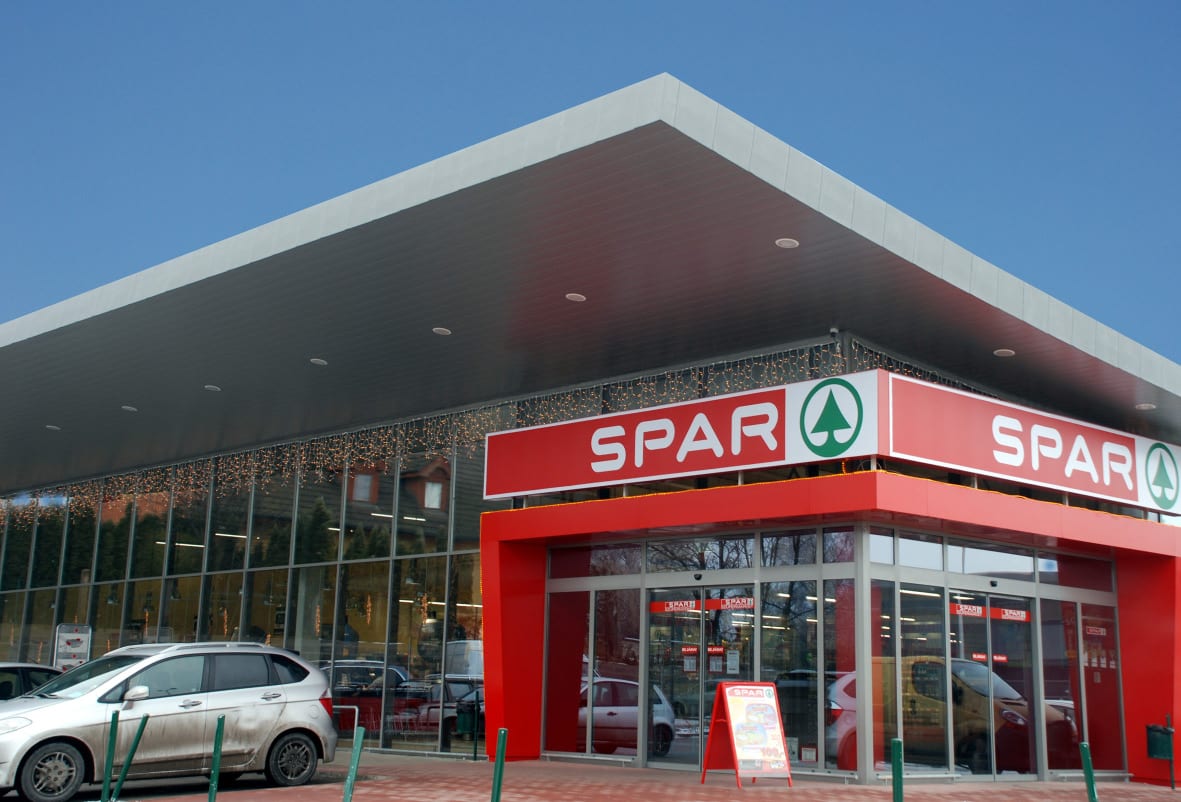
    Dutch multinational retail-grocery franchise system Spar has launched six new locations in China in the midst of the coronavirus lockdown.

    The firm benefitted from the scale and duration of China’s lockdown being briefer than initially feared – with an early easing of restrictions during April – as it opened six new supermarkets in Beijing, Guangdong, and Shandong.

    The new stores offer local and essential goods with online and home delivery options.

    Observations in Retail Insight Network suggested the new stores may serve to relieve pressure from the retailer’s delivery platforms in redistributing demand more equally, as well as support vulnerable communities that may not have access to online platforms with its focus on daily essentials and groceries

    About 73 percent of Chinese consumers are still significantly concerned about a reemergence of the coronavirus within the territory, which may impact consumer engagement with Spar’s new venues. The firm has implemented a range of health and safety measures within all stores to assuage customer concerns.

  • Tencent to help Tim Hortons China roll out over 1,000 outlets

    Tencent to help Tim Hortons China roll out over 1,000 outlets

    Chinese social networking and gaming giant Tencent is partnering with Tim Hortons China to expand the Canadian coffee house’s rollout.

    Tencent announced the partnership on its Chinese social media accounts without disclosing any financial details.

    Tim Hortons China has traded since early last year and is expected to use the new funding to set up a WeChat app as well as opening new physical locations outward from its highest concentration of stores in Shanghai. The firm has set a general initial target of 1500 outlets in the territory.

    The firm may be taking a leaf out of Starbucks’ former arch-rival Luckin Coffee’s playbook in focusing on digital business. Luckin expanded swiftly in China using the strategy before becoming embroiled in a financial fraud scandal.

  • Popeyes China to open its first store, in Shanghai

    Popeyes China to open its first store, in Shanghai

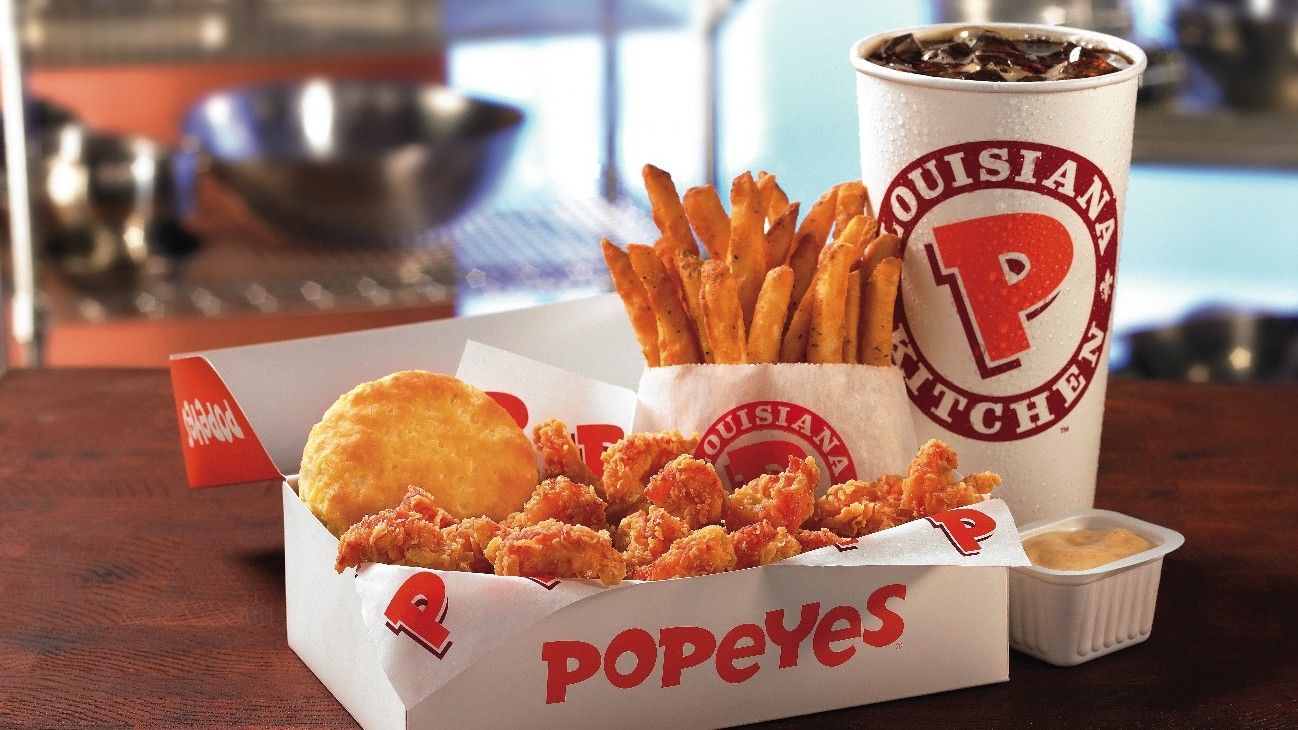
    Popeyes China will open its first store next week, in Shanghai, as it aims to build a network of 1500 outlets nationwide within 10 years.

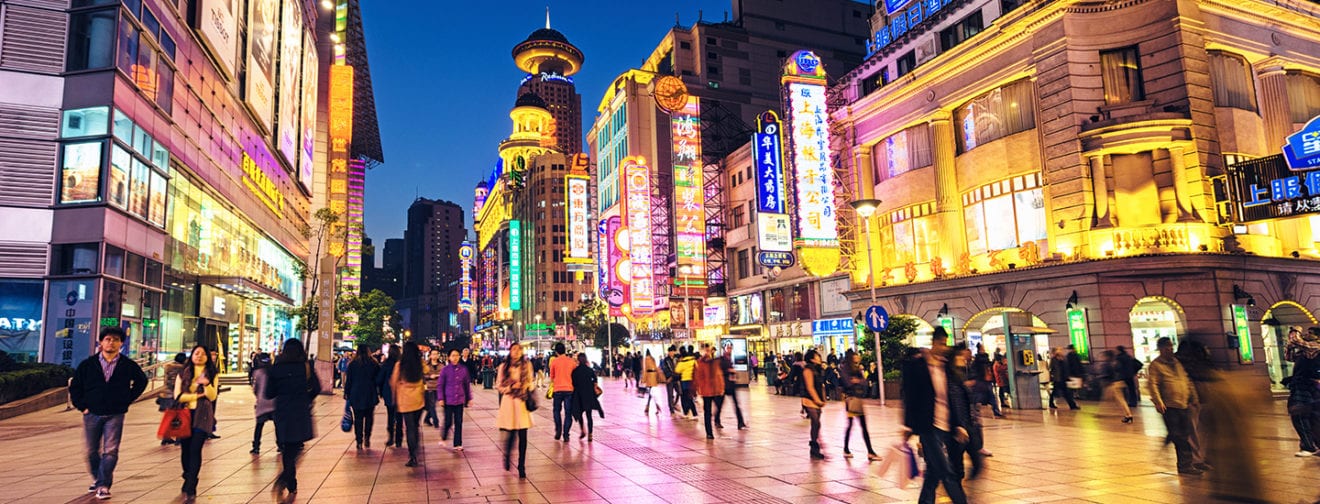
    Located on Huaihai Road, one of the city’s most popular shopping precincts, the 470sqm debut Popeyes China store features a Louisiana-inspired design with a twist of Chinese aesthetics.

    Raphael Coelho, CEO of Popeyes China, says the company will look to expand in other parts of the country including Hangzhou and Suzhou after the brand’s debut. He is confident about the growth prospects for the brand as the country is quickly recovering from the Covid-19 pandemic.

    “We hope to set our roots in the China market and grow in the long run and be loved by consumers and clients,” said Coelho.

    The company announced last year that it would launch in Mainland China, becoming the last of Restaurant Brands International’s three major chains to enter the Chinese market. Burger King has operated in the territory since 2005, and it now has more than 1000 locations in China.

    Popeyes operates more than 3100 locations in more than 26 countries worldwide, including the US and Canada.

  • Covid-19 cuts US$420 billion from China’s retail market

    Covid-19 cuts US$420 billion from China’s retail market

    The Covid-19 pandemic has erased US$420 billion from China’s retail market this year – but an analyst predicts a rebound in the second half.

    Vijay Bhupathiraju, a retail analyst at GlobalData says before the coronavirus came along, Mainland China was on track to achieve 7.7 percent retail growth this year. But the resulting lockdowns from the pandemic wiped RMB3 trillion (US$420 billion) off total retail sales.

    The lockdown was eased progressively from March 18 and in the epicenter, Wuhan city, was completely lifted on April 8, at which point malls, restaurants and retail stores rushed to reopen and recover some of their losses. By April 3, according to Chinese government data, some 80 percent of restaurants and 90 percent of commercial facilities had resumed operations.

    But cautious consumers have remained confined to their homes, worried about the potential to be infected, meaning footfall at stores and restaurants reopened has been insufficient to ensure profitability for many companies in China’s retail market.

    “Despite easing lockdowns, immediate increase in consumer sentiment is unlikely in the second quarter of this year, particularly for discretionary goods, as consumers remain cautious about visiting busy locations such as shopping malls,” said Bhupathiraju.

    “A rebound in consumer sentiment can be expected from the second half, which will be translated into a faster sales pick up in the country. In fact, the rebound will be more positive than those we forecast for mature western countries such as Italy, Spain, the UK and the US, where consumer willingness to spend and financial stability will be weaker.”

    By year-end, GlobalData projects China’s retail sales will be down by 1.8 percent – a far cry from the 7.7 percent growth expected, but if the estimate proves correct, it should be significantly better than many western retail markets can expect.

    Next year, GlobalData predicts China’s retail market will bounce back, with sales growth of 8.3 percent against this year.

    Examples of the weak footfall in the post-lockdown era include Walmart in Shanghai, which reported less than half the usual levels on March 28, and H&M, which recorded a 23-per-cent sales decline for the week commencing March 26 against the same week a year ago, despite 99 percent of its stores reopened. And customer footfall at Suning’s physical stores was running at less than half normal.

    Meanwhile, a senior executive of e-commerce giant JD is predicting “unprecedented challenges” to the supply chain in the wake of the Covid-19 crisis as consumer behavior reshapes China’s retail market.

    Bing Fu, logistics head of strategy says new consumption demands are constantly emerging, and product life cycles are shortening.

    “Increased uncertainties caused by emergencies like natural disasters and pandemics lead to supply chain disruptions.”

    During the coronavirus, customers bought products in any way available, turning to online solutions immediately if they could not get what they wanted offline.

    “While Covid-19 is not welcomed, it promotes digitization of consumption, which concurrently drives supply-chain upgrade,” he said. “Only by shortening and digitizing the fulfillment process can we increase efficiency and access customers faster with increased precision.”

    In recent years, he argues, the line between online and offline has become increasingly blurred. “In fact, many new channels such as WeChat’s mini-programs can’t be considered exclusively online or offline; omnichannel is the future trend.”

    Fu says to adapt to the new environment, companies must take an integrated inventory approach to manage all sales channels, integrate supply-chain planning and optimization, use consumption data to design a more efficient supply chain to deliver goods to consumers more quickly, use big data and algorithms to optimize supply-chain performance and use a transparent parcel-tracking system.
  • China’s April Passenger Car Retail Sales Down 5.6%

    China’s April Passenger Car Retail Sales Down 5.6%

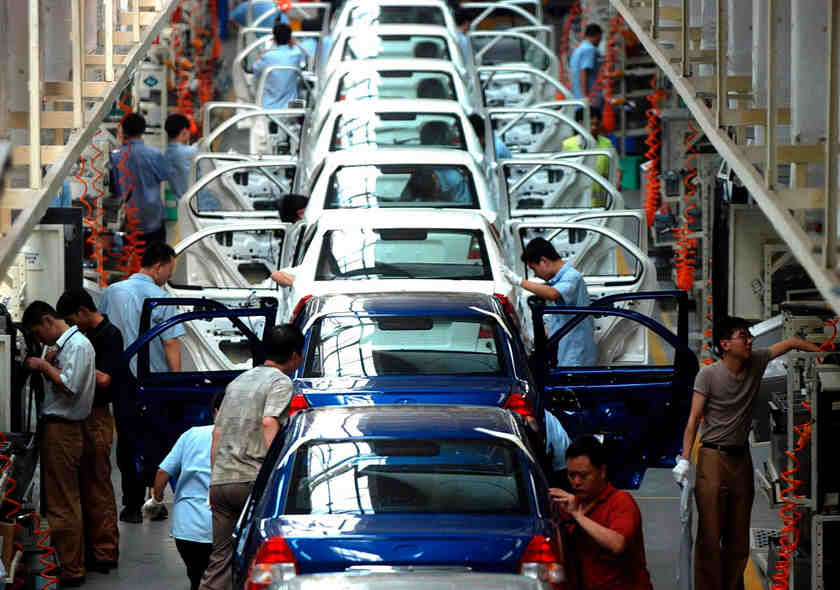
    China’s passenger car retail sales in April fell 5.6% from a year earlier to 1.43 million, the China Passenger Car Association said on Monday, as the country gradually recovers from the coronavirus.

    China on Wednesday reported 52 new coronavirus deaths, the lowest figure in more than three weeks. The number of fresh coronavirus cases has declined in China, with multiple provinces reporting zero new infections in recent days.

    The association said during an online briefing that the overall passenger car sales trend is showing a quick recovery from the virus-induced low.

  • UBS Hires Former Mainland Regulator for China Integration

    UBS Hires Former Mainland Regulator for China Integration

    UBS will look to integrate its China business units in a rapidly changing regulatory environment under the leadership of an ex-official from the mainland banking regulator.

    Alan Wang (or Wang Wei), a former senior official with the China Banking and Insurance Regulatory Commission, joins the bank as a managing director and China integration lead, according to a report citing an internal memo.

    The bank will look to leverage Wang’s experience to integrate its various mainland business units in accordance to the local regulatory environment. In the Hong Kong-based role, Wang will work closely with UBS’s China country head David Chin and report to APAC president Edmund Koh.

    I am confident that his expertise in regulation and knowledge of the onshore market and network will be a great asset to foster long-term strategic development in the region, Koh added.

    UBS’s ambitions in mainland China are no secret with a nearly comprehensive set of businesses including wholly-owned units in wealth management, asset management, futures alongside a fund management joint venture called UBS SDIC Fund Management.

    Ownership aside, the bank has also been rapidly expanding these business units and had reportedly hit its hiring target ahead of time to double headcount from 600 in 2016 to 1,200.