Tag: China

  • Ikea City store in Shanghai opens, a Chinese first for Swedish retailer

    Ikea City store in Shanghai opens, a Chinese first for Swedish retailer

    Swedish home-furnishing giant Ikea opens an Ikea City store in Shanghai today, its first such outlet in China.

    The Ikea City opening comes after the Ikea Tmall flagship launch in March as part of the brand’s strategy to broaden the ways it reaches Chinese customers, making the brand more accessible.

    Located in Jing’an district, the store spans three floors and occupies 3000sqm. It will feature a limited range of about 3500 products.

    “We’re seeking to diversify store formats, including online channels as well, to complement each other in order to test, learn and gain feedback from customers to fuel future growth,” Francois Brenti, VP of Ikea China said.

    “We have seen solid growth of online channels following the pandemic and we expect this to continue in the future,” he said.

    The new Ikea City Shanghai store will take the brand’s number of stores in the city to five.

  • Crazy Sports to open lottery franchises inside JD convenience stores

    Crazy Sports to open lottery franchises inside JD convenience stores

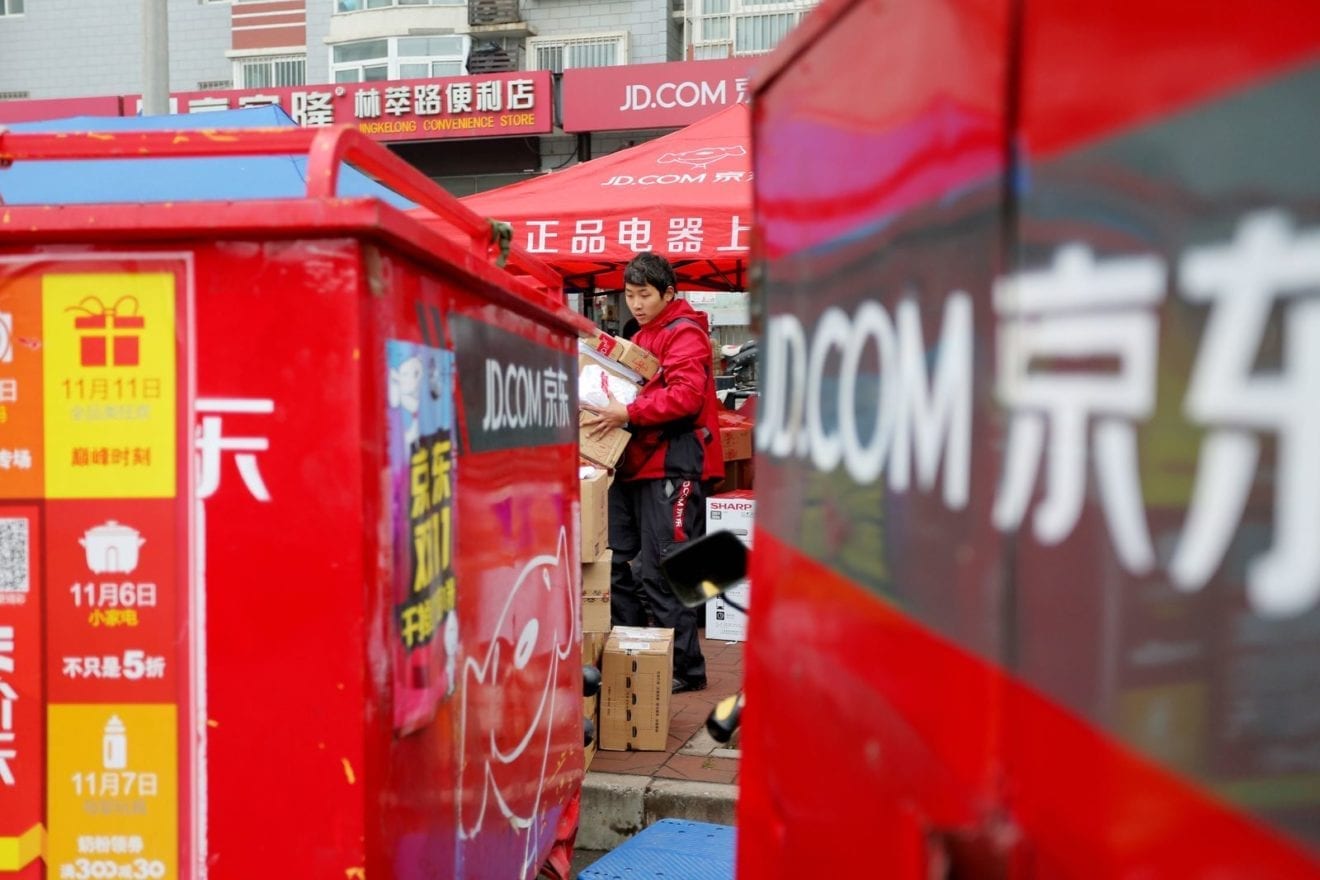
    Chinese internet firm V1 Group has partnered with Suqian Jingdong to introduce sports-lottery retailing into JD Convenience Stores within the territory via its subsidiary Crazy Sports.

    The convenience-store chain has been established by JD New Markets by upgrading and rebranding traditional outlets across China and installing a uniform store image, store management, facilities configuration, service standards, product planning, and logistical delivery.

    The new partnership will see sports-lottery terminals installed in JD convenience stores throughout the mainland. The brand is targeting expansion into rural villages, towns, and counties, expanding the sports-lottery business to third- and fourth-tier cities and towns.

    Crazy Sports has additionally signed agreements with other convenience-store chains, including Shenzhen China Resources Vanguard , Dalian Lianhua Quik, and Shanghai 007. It already partners with 12 chain enterprise lottery sales channels, including Guangdong 7-Eleven, Bianlifeng, Haolinju, and Jiajiayue.

    “Crazy Sports is very honored to be in this cooperation with JD to bring lottery new retail services into JD Convenience Stores,” said V1 Group joint COO Peng Xitao, “which will not only facilitate sports lottery users to purchase sports lottery tickets easily but also strengthen the development of Crazy Sports’ offline physical sports lottery sales network, thus expanding our user base.

    “Looking forward, Crazy Sports will continue to form partnerships with different parties and establish more chain enterprise sales channels and ‘365 Smart Stores’ to attract more offline traffic, which could then convert into online users to propel the development of our sports lottery new retail business, and seize the huge potential of the upcoming major sports events.”

    Crazy Sports intends to provide lottery sales and related services for sports enthusiasts and act as an entry point for the brand’s lottery recommendation services “Crazy Red Insights” to form a closed-loop commercial system.

  • Chow Tai Fook finds sales respite as Mainland China gets back to business

    Chow Tai Fook finds sales respite as Mainland China gets back to business

    Hong Kong jeweler Chow Tai Fook says the reopening of retail stores in Mainland China eased the company’s sales decline in the June quarter.

    But the lack of tourists in Hong Kong and Macau decimated sales there.

    Same-store sales were down by 93.2 percent in Macau and 72.5 percent in Hong Kong. However, an “encouraging sequential improvement” saw the decline on the mainland capped at 11.2 percent.

    The group added a net 49 stores in Mainland China during the quarter, comprising 45 stores carrying its namesake brand, three So In Love stores and four Monologue shops. A net one each of T Mark, CTF Watch and Enzo stores closed. The company closed three stores in Hong Kong during the quarter.

  • Burberry bullish on Asian prospects as China and Korea slowly recover

    Burberry bullish on Asian prospects as China and Korea slowly recover

    Fashion label Burberry is optimistic about a post-Covid-19 recovery as sales began to return to normal in Asia during the June quarter.

    While same-store sales were down by 45 percent across the three months, June’s decline was 20 percent and the brand reported growth in both Mainland China and South Korea which was ahead of pre-Covid-19 levels, “albeit with some benefit from the repatriation of sales given travel restrictions,” the company said in a statement.

    Across Asia Pacific, sales were down 10 percent overall for the quarter but returned to growth in the month of June.

    “We expect it will take time to return to pre-crisis levels with the resumption of overseas travel,” said CEO Marco Gobbetti. “We are encouraged by the improving trends in all regions and the promising exit rate for June. We saw an excellent response to new product launches in recovering economies as well as online.”

    He said demand for leather goods was particularly strong in Mainland China and South Korea, bringing new, younger luxury customers to the brand, pushing full-price sales up at double-digit rates.

    In April, Burberry launched a campaign in China to promote its leather goods range, using a series of sustainable pop-up stores and using an augmented reality experience and releasing a limited-edition Pocket bag through fashion blogger Mr Bags’ WeChat account,

    “The reaction was exceptional with the limited edition bag selling out within a minute of becoming available and Pocket Bag styles overall selling out within three weeks of the campaign going live,” the company reported.

    Broader online sales at full price grew by a double-digit rate and the company is now planning a ‘social-retail store’ with Tencent which will open in Shenzhen this summer. The concept store will allow luxury customers to connect their social and online lives to their physical environments using Tencent technology.

    Gobbetti said the company believes it is “crucially important” to invest in the brand during the pandemic.

    “We will continue to embed flexibility into our plans to allow for investment into consumer-facing activities to drive growth where opportunities present.”

    At the end of June, the label had a network of 215 retail stores, 148 concessions, 54 outlets, and 45 franchise stores, excluding pop up stores.

    ‘Wise’ move to focus on Asia

    Emily Salter, retail analyst at GlobalData, said Burberry was wise to focus on rebounding economies like China, South Korea, and Japan, with the 10-per-cent drop in Asia-Pacific sales significantly less than the 75 percent in Europe, Middle East, and Africa. The latter region, she said, would likely be the most affected in the long term as tourist spending will take a long time to recover, and consumers will be less willing to buy luxury items.

    In the Americas, sales fell by 70 percent and while they improved in June, that trend is unlikely to hold as Covid-19 cases rise rapidly and state pause their reopening plans.

    Salter also praised Burberry’s digital proposition which outshone its rival luxury brands.

    “The retailer excels at using social media to engage with consumers, boosting loyalty among its young shoppers.

    “Though the future of experiential retail remains in doubt due to the impacts of Covid-19, the experience is likely to remain important among luxury shoppers, and will help cement brand identity and loyalty.”
  • SaSa sales plunge 68 per cent due to Covid-19 freezing tourism

    SaSa sales plunge 68 per cent due to Covid-19 freezing tourism

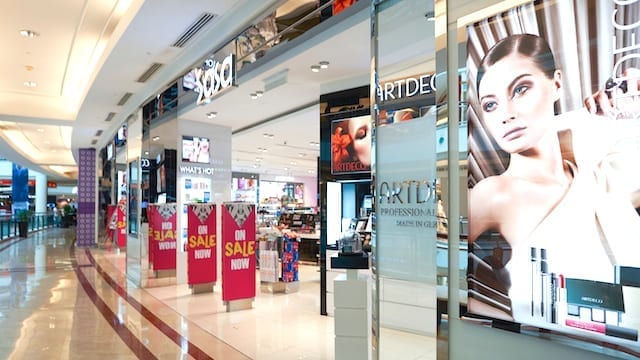
    Beauty-products retailer Sa Sa International saw sales plunge 67.9 percent in the June quarter due to the collapse in mainland tourist arrivals in the city.

    Sales in Hong Kong and Macau, its core market, fell by 74.3 percent with same-store sales down 71.9 percent. The company said the number of inbound mainlanders in the two territories was down by 98.4 percent year on year due to the Covid-19 pandemic. Overall transaction volume was down by 57 percent with local customers spending an average of 6.5 percent less per purchase.

    Chairman and CEO Simon Kwok said local customers now account for the bulk of the group’s revenue in the two cities, leading to the company adjusting its product mix to boost items that help protect against the pandemic and personal care lines.

    “This enhances the loyalty of existing customers and broadens the customer base.”

    To help counter the sales slump, SaSa has been focusing on e-commerce, especially social commerce which can use the expertise of consultants in stores.

    “Thanks to the personal service element, social commerce presents a bigger potential in delivering better performance in house brand sales mix, gross margin, and basket sizes as compared to traditional pure online sales,” said Kwok in a stock exchange filing.

    “Piloted in October last year, the WeChat mini program achieved satisfactory progress in targeting mainland customers who visited retail shops in the Hong Kong and Macau SARs.”

    Due to a low base, and the effect of the 618 Shopping Festival, sales through WeChat mini program more than doubled quarter on quarter in the three months to June, though not by enough to compensate for the loss of sales after SaSa closed its online store on the mainland.

    SaSa also used social media to engage with Hong Kong customers in late May, and used live streaming both there and on the mainland.

    Looking forward, the company says it will continue to implement cost savings, such as negotiating rent reductions and controlling inventory, which it has already reduced from around US$129 million to $108 million from March to June.

    “The group hopes that the Covid-19 pandemic will abate as soon as possible and that the Hong Kong and Macau SARs governments will then ease the compulsory quarantine measures for inbound visitors. This would allow Mainland China tourist arrivals and sales to gradually recover in the Hong Kong and Macau SARs,” said Kwok.

    He said the wage subsidy scheme in Hong Kong and Macau government’s move to give vouchers to people to encourage shopping had both helped the group.

    Sales in Mainland China and Malaysia and online decreased by 27.8 percent during the quarter.

    “Although Mainland China and Malaysia were still affected by the Covid-19 pandemic during the period, the decline in sales in the two markets narrowed as the stores have gradually reopened from March and May respectively.”

  • Platinum Jewellery Leads China Jewellery Industry in a V-Shaped Recovery

    Platinum Jewellery Leads China Jewellery Industry in a V-Shaped Recovery

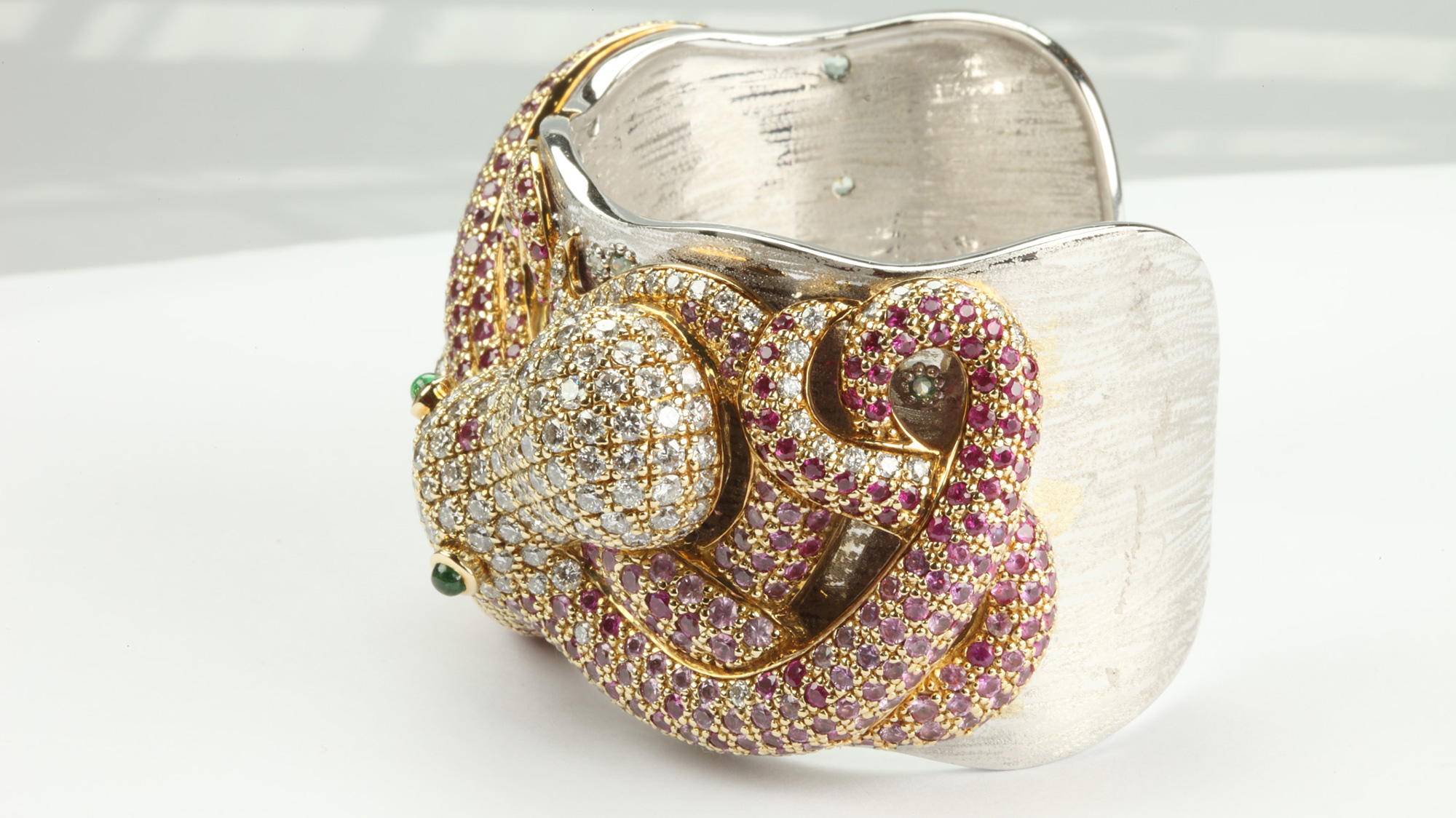
    With manufacturers reporting greater demand volumes and retailers confirming a steady increase in business in April and May, the China jewelry industry finds itself in the midst of a V-shaped recovery in the second quarter of 2020. A confluence of factors has led to platinum becoming a strategic category as the industry embarks upon recovery programs.

    Platinum jewelry manufacturers have been reporting greater demand volumes through April and May as a result of a remarkable level of replenishment purchasing in platinum.  Retailers across the board, from national and Hong Kong chains through regional chains, independents, and wholesalers have shown strong interest in a new generation of designs that provide stronger margins. By May, platinum fabrication volume had returned to a level on par with the same period last year.

    Retailers have witnessed a gradual ramp-up in business volume since the reopening, with some reporting sales of platinum jewelry reaching 80% or higher compared to the same period last year.

    Over-stocking of gold and gem-set jewelry due to lockdowns imposed since January had led to an inventory backlog in these categories. Record high prices for gold have depressed buying among consumers and retailers, while a record low platinum price has made platinum an attractive replacement for some pure gold and k-gold counters, offering improved profit margins and turn.

    This comes at a time when manufacturing partners of Platinum Guild International (PGI) have been prioritizing new collections and design directions to meet changing consumer needs.

    Underpinning this innovation has been the development of new alloys and technologies that PGI has been working with partners in recent years. This includes hard platinum and heat-treatable alloys that allow for refined contours in designs, better polish, better shape retention, and higher resistance to scratch. These innovations are expected to enable platinum to capture a more competitive market position in the jewelry space. The incorporation of new materials including enamels also add color and novelty allowing for more designed collections, such as Chow Tai Fook’s Frozen II and Angel of Peace Collections.

    “Our industry partners in China are reporting a platinum recovery driven by competitive pricing and the launch of new products which utilize innovative new technologies and designs that are capturing the interest of a new generation of consumers. Platinum Guild International’s initiatives to engage with both the jewelry trade and consumers have been extremely effective in accelerating this recovery during post-COVID-19. Despite pandemic uncertainty ahead, we hope conditions will allow for continued foot traffic to stores to ensure the sell through needed for a sustainable recovery,” says CEO Huw Daniel of PGI.

    More players have begun to enter or re-enter the platinum jewelry industry, leading to a rising interest in platinum fabrication. New players from the gem-set and gold retail industries have also started to carry platinum. For example, Shining House, which is a newcomer in platinum gem-set jewelry, now carries platinum in 100 of its 300+ stores in Central and East China, with the intention to include a platinum exclusive collection (“One Life One Love”) to all stores by end of third quarter.

    ”We are prioritizing this new SKUs, with improved production technology, that enables better pricing and recognizable new features for sales push this summer. We believe these SKUs could better help sales recovery,” says Ms. Sun, Product Head of Changzhou Jewellery, a regional prominent retailer in East China.

  • Britain close to final decision on whether to ban Huawei from its 5G networks

    Britain close to final decision on whether to ban Huawei from its 5G networks

    Despite constant pressure applied by the U.S. not to allow Huawei’s networking equipment inside Britain’s 5G networks, in January the British announced that it would not heed the warning. Gear from the world’s largest networking equipment supplier would be used on the country’s 5G networks although the parts would be placed away from sensitive areas. At the time, a spokesman said, “The United States is disappointed by the U.K.’s decision.” British Prime Minister Boris Johnson felt that there was no other decision he could make because of Huawei’s technological and financial advantages over the competition.

    But according to the U.S. government, Huawei is a national security threat because of its rumored ties to the communist Chinese government. Huawei, of course, has denied this repeatedly. The U.S tried to convince Britain that it wouldn’t be able to pass along the intelligence to its allies if Huawei was involved in the country’s 5G network. And finally, there were some cracks in the prime minister’s resolve. Johnson could announce as soon as this coming Tuesday’s National Security Council meeting that Huawei equipment will be banned from British networks before the end of next year.

    In the U.S. Huawei products, including both phones and networking gear, are banned from use by the military and by telecom firms. Some rural wireless providers have Huawei equipment in their older networks which the current administration would like to see removed.

    While the U.S. did apply enough pressure to get the ball rolling in Britain, what really convinced the Brits to think twice about Huawei’s presence in its 5G networks was the recent export rule change by the U.S. Under the new rules, a foundry using American technology to produce chips cannot ship any product to Huawei without a license from the U.S. As a result, Huawei could be forced to use “untrusted” chips which greatly lessens the security of any 5G network that employs Huawei’s gear. A review in Britain concluded that under these conditions, the country will not be able to control the security of its 5G networks.

    The Conservative Party that Prime Minister Johnson belongs to has been pushing for a reversal of the decision to allow Huawei equipment to be used. Bob Seely, a member of the Conservative Party, praised the U.S. sanctions for getting Britain to revisit its initial decision. “The sanctions have changed the dynamic, he said. “The government is listening, and it’s important to give them credit for trying to do the right thing.” Seely said that Members of Parliament want a “no new kit date” and a “rip out date.” After the former date, no company would be able to install Huawei equipment in Britain. By the latter date, all Huawei equipment would have to be removed in the country. The politician would like to see the “no new kit date” set for late 2021 while there is a debate over where the “rip out date” should fall on the calendar. The range under consideration is a date between 2023 and 2025.

    Some Conservatives aren’t pushing for such draconian terms. Neil O’Brien said he wasn’t so concerned about the timing of the removal of Huawei gear and is also not terribly worried about the removal of equipment from older networks. That’s because the latter “will come to the end of its life over a couple of years.” That mirrors the comments made by Damian Green who also isn’t worried about older equipment. He simply wants to see a new equipment ban “in this parliament by 2024.

    The next generation of wireless connectivity, 5G will deliver download data speeds up to ten times faster than 4G LTE. Not only will it allow users to download movies in seconds instead of minutes, but it should also help to create new technologies and businesses.

  • Nike introduces Nike Rise concept store in China

    Nike introduces Nike Rise concept store in China

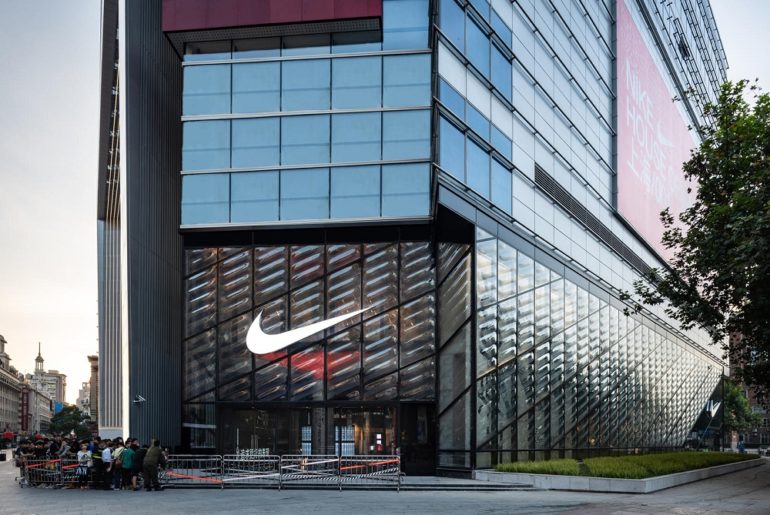
    Sneaker giant Nike has introduced its new retail concept Nike Rise in Guangzhou, China. The latest international store concept joins the brand’s innovative portfolio which already includes Nike Live in Tokyo and House of Innovation in NYC.

    The Nike Rise concept store features personalized shopping services with a focus on digital experiences.

    Nike Guangzhou has piloted a new app feature Nike Experiences, which connects members to “weekly sport-minded activations” to inspire and enable them to move.

    “Whether members are connecting through the Nike App or joining in-store, they’re invited to experience a digitally enabled journey at this store that links them to the energy and activity of the city, and unites communities across Guangzhou through the power of sport,” said Cathy Sparks, VP, and GM of Global Nike direct store & service.

    At Nike Rise, customers can experience Nike Fit which helps customers find the best fit for any footwear using scanning technology. Nike by You is a counter where members can find personalized items with designs inspired by the city’s sports culture.

    The brand’s members in Guangzhou will also have access to Nike’s events and workshops hosted by the city’s network of Nike athletes and experts.

    According to the company, more Nike Rise stores will be launched in other markets next year.

  • Bottega Veneta opens ‘invisible outlet’ in Shanghai

    Bottega Veneta opens ‘invisible outlet’ in Shanghai

    Kering label Bottega Veneta has just opened its first pop-up store post-Covid-19 at Shanghai’s Plaza 66 Mall, dubbed the ‘invisible store’.

    Running until July 19, the pop up is doubles as an art installation with a mirrored exterior camouflaging the space, which seems to melt into the luxury mall’s atrium.

    Standing three meters high and taking up 100sqm of floor space, the pop up forgoes branding, save for a subtle and almost indistinguishable logo raised on the surface. Instead, it reflects the logos and stores of its neighboring permanent store rivals, essentially providing them with free exposure.

    Inside the Bottega Veneta invisible store, a reflective interior highlights the pre-autumn 2020 collection, covering men and women’s ready-to-wear lines, along with leather goods and accessories. Bottega Veneta currently operates 44 stores in China.

  • JD Worldwide to introduce more Korean brands in China

    JD Worldwide to introduce more Korean brands in China

    JD Worldwide has teamed with LG and Korea International Trade Association (KITA) to introduce more Korean brands to Chinese customers.

    “The epidemic has encouraged more Chinese consumers to shop online. With this trend, we will put more effort into helping South Korean brands export to China through e-commerce platforms,” said Park Min Young, chief KITA Beijing representative.

    Under the partnership, LG will be responsible for supply-chain management to provide South Korean products to JD while KITA will support SMEs entering Chinese market.

    “Since the epidemic, we have been working closely with organizations and enterprises from all over the world to introduce more international brands on JD,” said Frank Yu, head of marketing and operations at JD Worldwide

    “We believe this partnership will not only help brands find a new sales channel during this challenging time, but also bring more high-quality, authentic Korean products to over 380 million JD customers.”

    In May, more than 250 Korean brands joined a recruitment conference for the launch on JD Worldwide.

  • Apple iPhone production in India shuts down due to dispute with China

    Apple iPhone production in India shuts down due to dispute with China

    Battles along the India-China border last month left 20 Indians dead, and as we told you at the time, negatively impacted iPhone production in and shipments to India. Indian authorities were blocking shipments from China into India. This left Apple iPhone components held up at Indian ports and a lobby group representing U.S. companies in India wrote the country’s commerce minister to state that holding up shipments from China could dissuade U.S. firms from doing business in the country.

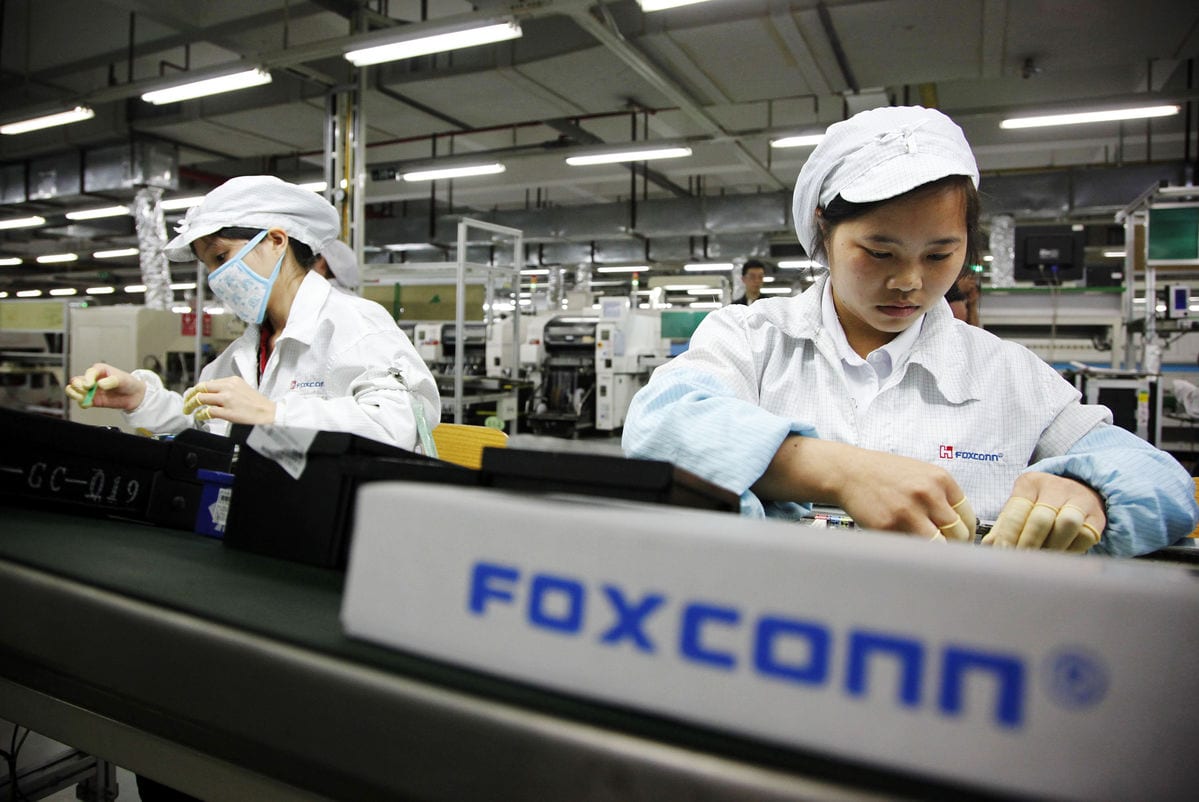
    India continues to make things difficult and is still blocking exports from China. Three sources inside India told Reuters that because Apple contract manufacturer Foxconn cannot receive supplies to its two factories in South India, hundreds of Foxconn employees had no work to do this week. Apple started manufacturing certain iPhone models in India starting with the OG iPhone SE. It now makes newer phones like the iPhone XR in India; by producing handsets in India, Apple is able to keep the country from imposing an import tax on them. Keeping the price of these phones down is important to the average Indian consumer; while it is the second-largest smartphone market in the world, India remains a developing country and for the most part, consumers there need to limit their phone purchases to low and mid-range models. Saving $100 to $200 by avoiding an import tax is a big deal to consumers in the market

    More than 150 shipments to Foxconn’s Indian facilities from its factories in China said to contain smartphones and other electronic parts, have been stuck at the port of Chennai and some are being cleared now. The manufacturer’s two plants in India are located in Tamil Nadu and Andhra Pradesh state. Besides assembling certain  Apple iPhone models in the country, the factories assemble some Xiaomi handsets; the latter’s value for money pricing plays very well in India. The plants have thousands of Indians on the payroll and many of them live in accommodations provided to them by Foxconn.

    One source discussing the matter with Reuters said, “Foxconn was in a very bad state … lots of workers stayed at the dormitory because there was no work.” Meanwhile, the Indian foreign ministry did not respond to a request by Reuters for comment. Two ministry officials did say that the extra scrutiny given all shipments imported into India are only temporary and will soon come to an end. One official in India said, “We cannot keep checking 100% of shipments forever … Shipments of non-Chinese companies being impacted will be cleared on priority.” Interestingly, customs has held back these shipments without a formal order.

    The delays to imports from China are hitting India at a time when the supply chain is still impacted by the coronavirus. U.S.-India lobby groups are asking the government to intervene. Today, China’s commerce ministry said that it hoped that India would stop its discriminatory action against Chinese companies ASAP. The country recently banned 59 Chinese apps including wildly popular short-form video app TikTok.

    As the planet’s second-largest smartphone market, the border battle between the two countries might have a negative impact on some of the top Chinese smartphone brands in India. Xiaomi’s 30% slice of the Indian smartphone phone might not be hurt that much because the brand delivers handsets at a good price and with good specs. Samsung could be the biggest beneficiary of this squabble since it is not a Chinese brand and the Galaxy A models feature viable cameras and long battery lives at a very reasonable price. The Samsung Galaxy A10 with 2GB of memory and 32GB of storage is priced at the equivalent of $109 USD.

    For now, production of iPhone models in India are held up by this dispute as Foxconn employees get an extended vacation.

  • Foxconn eyes development of $319 million workers housing

    Foxconn eyes development of $319 million workers housing

    Taiwan’s Foxconn wants to build housing for workers in northern Vietnam and has made a proposal to the government. The world’s largest contract manufacturer, a contractor for Apple and other global giants seeks to develop three housing projects at a cost of about VND7.4 trillion (nearly $319 million), and has apprised the Ministries of Construction and Planning and Investment of its interest.

    Foxconn wants to build them near industrial parks where it has its plants so that its own workers can also be housed in them.

    If approved by authorities, a project in Viet Yen District in Bac Giang Province will be the largest at 16.7 hectares and have the highest investment of VND3.42 trillion (about $147.4 million).

    Up to VND2.93 trillion ($126.3 million) will be invested in a 6.3-hectare project in Bac Ninh Province’s Que Vo District and the rest of the total investment will be poured into a 9.9-hectare project in Vinh Phuc Province.

    The company said besides apartments they would also have healthcare facilities, schools and shops.

    Since current policies pose certain hurdles, it plans to sell the houses to companies in the industrial zones for them to lease or sell to their employees.

    Foxconn came to Vietnam in 2007, and has been operating mainly in the northern provinces of Bac Ninh, Bac Giang and Vinh Phuc, manufacturing computers and other electronic products and car parts. Last year it expanded to the northern province of Quang Ninh.

    Last week it said for the first time that Vietnam is its largest manufacturing hub in Southeast Asia.

    This year Foxconn expects its exports from Vietnam to double to $6 billion.

  • China Regulator Issues Record-High Penalty

    China Regulator Issues Record-High Penalty

    China’s securities watchdog issued 3.6 billion yuan of penalties over a case of insider trading by a Shanghainese entrepreneur and his daughter – an all-time record-high regulatory fine.

    Wang Yaoyuan and his daughter Wang Chengcheng were fined 2.72 billion yuan ($380 million) for using inside information to build long positions on the shares of listed healthcare company Joincare Pharmaceutical Group. The two made a net gain of 906.4 million yuan ($128 million) which was also confiscated by the China Securities Regulatory Commission (CSRC).

    According to the CSRC, the two had obtained insider information that Joincare’s second-largest shareholder Hongxinhang would transfer a 4.8 percent stake to units controlled by two major investors: Tencent founder Ma Huateng and ZhongAn chief executive Ou Yaping. The elder Wang obtained insider information in 2015 through Ou and the controller of Hongxinhang via phone calls and physical meetings.

    Neither Tencent’s Ma nor ZhongAn’s Ou was fined or reprimanded by the regulator.

    China’s regulator has been increasingly active with issuing fines in a move viewed by onlookers as the end to the practice of immaterial penalties to further discourage unhealthy practices. Earlier this year, the People’s Bank of China imposed the first-ever fines of above 10 million yuan ($1.4 million) to China Minsheng Banking Corporation, China Everbright, and Huatai Securities.

    In the first quarter of 2020, the CSRC issued a total of 19 penalties accounting for a 35 percent year-on-year increase, involving mostly cases of insider trading, market manipulation and violation of disclosure rules.

    The 3.6 billion yuan fine on the Wangs reportedly surpassed the former leading fine of 3.47 billion yuan issued against the ex-controller of Shanghai Duolun Industry over price manipulation and disclosure breaches.

  • Chinese tea brand Nayuki opening in Japan

    Chinese tea brand Nayuki opening in Japan

    Chinese fruit-based cheese tea brand Nayuki is making its debut in Japan, opening its first cafe in the Zero Gate shopping complex in Osaka.

    The new 200sqm store features a teahouse experience similar to the brand’s locations in its home market, incorporating special details to match modern Japanese culture.

    “As a brand dedicated to becoming the innovator and promoter of the tea culture, we wish to deliver an exceptional experience for the local residents, one that reflects our passion for creating unique tea-based drinks for tea lovers worldwide,“ said Nayuki founder Peng Xin.

    The new outlet serves a wide range of tea drinks made by tea baristas as well as low oil and sugar-content soft-euro bakes.

    Nayuki operates nearly 400 stores in China, ranging from 1200–11,000sqft in prime locations across the country and also has stores in Singapore.

  • Huawei opens its largest flagship store in Shanghai

    Huawei opens its largest flagship store in Shanghai

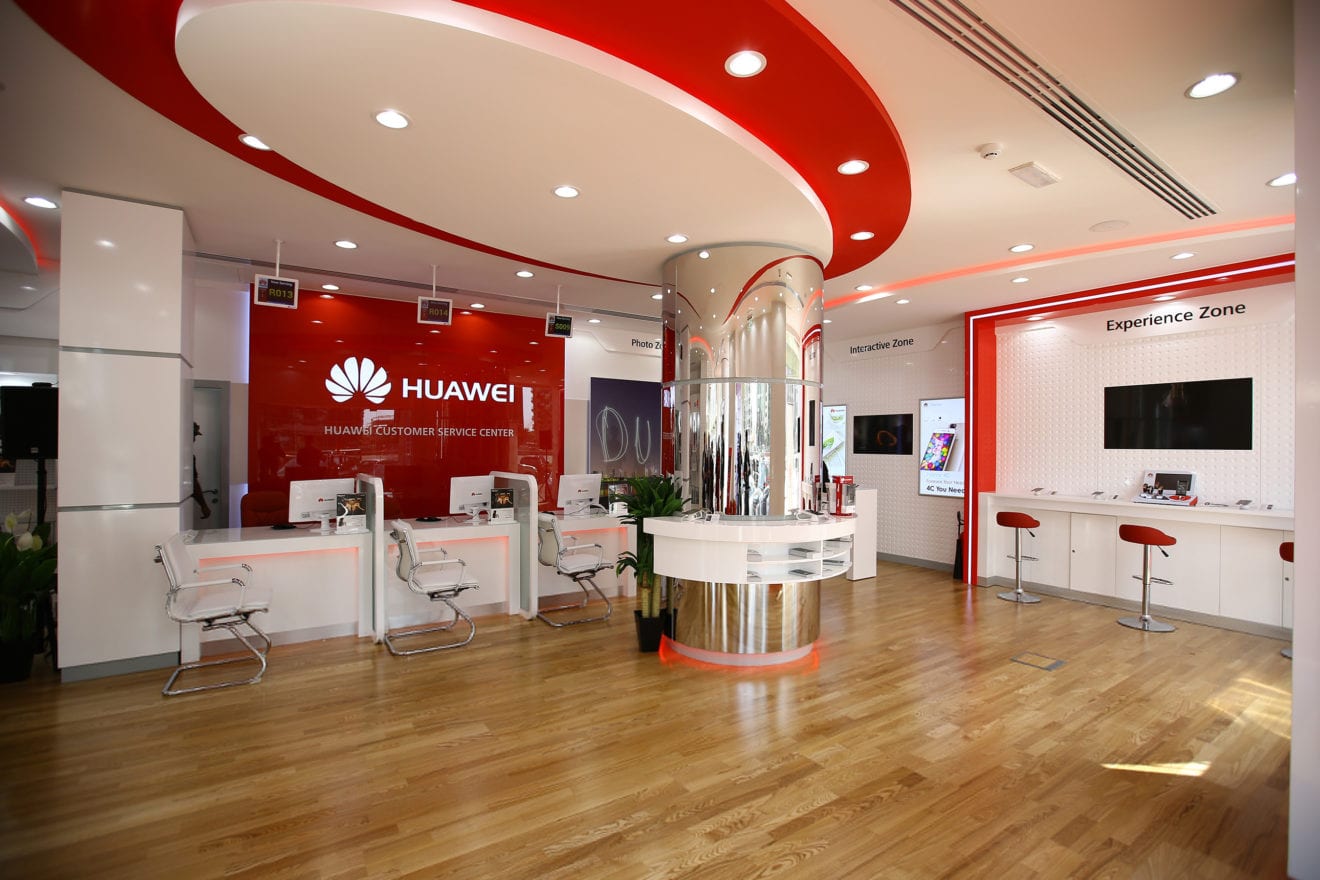
    The new Huawei Shanghai store, the Chinese smartphone and electronics brand’s largest yet, opened its doors this week. The three-story Huawei Shanghai flagship covers 50,000sqm – equivalent to the size of a small to medium shopping mall. It houses the full product range, experience zones and an exhibition area

    Construction of the flagship began during February and is said to have cost more than US$42 million to complete.

    Taking over the space once housing a giant Forever 21 store, the Huawei Shanghai flagship is built in an art deco-style building, incorporating modern design while preserving its original form.

    The store is adjacent to Apple and neighbor to Samsung and Gucci on the city’s oldest commercial street. Its location is part of the current Nanjing Road extension project, connecting the pedestrian mall to the Bund.

    Consumer products can be found on the first floor spanning 12 categories, from phones to smart wearables. Some 220 consultants work in the store, with skillsets including music, dance and v-logging. The theory is that by sharing common interests and hobbies with customers, they can offer suggestions on product use and technical support.

    Staff are able to provide services in more than 10 languages, including the local Shanghainese dialect. There are 19 checkout counters and 12 repair stations

    The second floor features a “Seamless AI Life Zone” encompassing smart experiences in different scenarios such as a smart home, mobile office, fitness and health, travel and entertainment. Products are placed in settings to enable guests to experience the Internet of Things paired with Huawei’s proprietary 5G technology.

    Meanwhile, the upper floor debuts a multi-functional experience zone as an exhibition space for films, paintings and art. Customers can also view Huawei’s first smart vehicle, HiCar.

    The flagship houses many public spaces with the patio of the building functioning as an atrium. Customers are invited to relax and roam around the store, socialise with friends and chat to consultant experts as part of the brand’s community-building initiative.

    More than 60 lectures every week will be available free, covering topics including video production, programming, fitness, and music. Creators and technology experts from around the world, as well as local artists, will be invited for art salons, sharing meetings, and developer talks every month.

    “Our relationship is not just a buyer-seller relationship. We have a deeper bond with our customers,” explains Richard Yu, CEO of Huawei’s consumer business group. “The flagship store is a place for consumers, customers, and developers to get together.”

    Tony Rong, global retail director of Huawei has hinted that more flagship stores will open in other major Chinese cities, including Beijing and Guangzhou. The brand will also soon debut in Germany, Russia and the UAE.