Tag: China

  • Iconix Brand Group sells Starter China stores

    Iconix Brand Group sells Starter China stores

    American brand management company Iconix Brand Group has sold the Starter China business for US$16 million to an unnamed local investor.

    The Starter divestment is the second Chinese transaction by the US company this year following an agreement reached in April to sell the Umbro China business for $62.5 million to HK Qiaodan Investment Limited. Both deals will be settled by September 15.

    Iconix’s portfolio of international brands includes denim brand Lee Cooper, Mossimo, Mudd Jeans, Ed Hardy and Jay-Z’s streetwear label Rocawear. It also owns footwear brands including Ecko Unltd and ranges from Madonna.

    The new owners of Starter in China will assume distribution rights for Mainland China, Hong Kong, Taiwan and Macau.

    Funds raised from the sales are being applied to reduce Iconix’ debt and otherwise for general corporate purposes.

  • Chinese Bank Runs Pile Up

    Chinese Bank Runs Pile Up

    Signs of concerns continue to build up in China’s financial system with another two lenders affected by recent bank runs.

    The Local governments and police of Baoding city in Hebei province and Yangquan city in Shanxi province pleaded customers not to withdraw cash from local lenders Baoding Bank and Yangquan Commercial Bank, respectively.

    Last week, the Baoding city government reassured on its social media account that Baoding Bank was operating normally while urging the public against believing or spreading rumors. The police followed up with a statement claiming it had arrested two individuals for spreading rumors that led to «panic among the public».

    Yangquan’s government also issued a similar statement, adding that customers should be watchful of risks of holding a lot of cash.

    There are growing concerns from China’s public about the health of the domestic financial system evidenced by increasing bank runs. In April this year, the Bank of Gansu was hit by a bank run which led to regulator intervention. During a two-week period In November last year, depositors from Liaoning-based Yingkou Coastal Bank and Henan-based Yichuan Rural Commercial Bank swarmed to withdraw cash.

    Bank runs aside, China has also had to increasingly restructure banks including last year’s historic trio of bailouts which included Baoshang Bank, Bank of Jinzhou and Hengfeng Bank.

    At the end of 2019, Baoding Bank’s non-performing loan ratio was 2.12 percent, up from 2.09 percent in 2018. Yangquan Bank has not published data for 2019, but its ratio had more than doubled to 2.57 percent in 2018 from 1.03 percent in 2017.

  • JD and Sony testing AR foot-measurement tool for online shoppers

    JD and Sony testing AR foot-measurement tool for online shoppers

    Chinese online e-commerce platform JD and Sony Semiconductor Solutions are working together to develop AR technology to measure foot size online.

    The JD and Sony solution requires customers to use their smartphone equipped with a distance-detecting camera and scan the front and sides of their feet in order to take an accurate measurement. The camera works by calculating the time it takes for a signal to bounce off the foot and return to the sensor.

    JD launched an AR feature on its app earlier this year for online customers to virtually try on shoes, a function is now available for more than 1000 sneaker SKUs on the platform and which is also available to external partners as a service, along with the firm’s other AR applications.

    “We hope to use innovations in technology to give all consumers equal access to efficient and convenient purchase and service,” said JD’s head of AR/VR Mingqiang Ye.

    “JD will continue to promote innovations in the area of AR and benefit both our customers and industry partners.”

    The firm is now planning to further develop its AR offerings in additional scenarios such as AR skin evaluation and AR live streaming.

  • Carrefour China set to open 100 more restaurants

    Carrefour China set to open 100 more restaurants

    Supermarket operator Carrefour China plans to open 100 restaurants at its existing stores.

    The first outlet of Carrefour restaurant chain Mr Fu has opened at its Gubei branch in Shanghai, followed by a second in Chongqing.

    “With more than 2000 products in a self-run goods pool, Mr Fu will introduce at least 30 new products each month,” said Li Yijiang, head of catering business division at Suning Carrefour China.

    The renovation work will be launched at selected Carrefour branches and will not be outsourced to a third party.

    “We will have more independence to promote food and drinks according to different festive occasions and promotional activities, and we also offer customized decoration styles at consumers’ requests,” Li told the Shanghai Daily.

  • Superdry exiting Mainland China

    Superdry exiting Mainland China

    British clothing label Superdry is set to quit the Mainland China market after five years of mounting losses.

    Several Chinese-language fashion industry news channels on the mainland are reporting clearance sales in Superdry stores – a rare event in itself – with merchandise discounted by 25 or 30 percent.

    A staff member of a Superdry Xiamen store told Interface Fashion that sold stock was not being replenished. “We have received a notice from the Shanghai company that we will withdraw from the Chinese market in July,” she said, in a comment translated from traditional Chinese.

    News of Superdry’s withdrawal from Mainland China was confirmed by Azoya, which monitors multiple Chinese-language sources, in a LinkedIn post overnight. Azoya said steep discounts of the brand’s merchandise were also being offered on e-commerce platforms such as Tmall, JD and Vipshop.

    Superdry launched in China in September 2015 with a catwalk show at the British embassy in Beijing. In partnership with Trendy International Group which has around 3000 stores on the mainland, Superdry originally planned to open two to five stores in the first year. Each of the two companies pledged to invest £9 million each over 10 years to develop the brand.

    A spokesperson for Superdry’s Chinese partner neither confirmed or denied a decision for the brand to quit China in a note sent to Interface Fashion.

    “At present, due to the impact of the epidemic, Superdry and Trendy Group are currently reviewing the joint venture business and Superdry China operations.”

    Meanwhile, other sources have reported via Weibo that since April 1, about 90 percent of Superdry China employees, from store roles to head office, have been under pressure to take unpaid leave, while management and directors have accepted a 25-per-cent salary reduction.

    Ker Zheng, marketing & partnerships executive with Azoya said that Superdry failed to stand out as a brand in China.

    “Streetwear is trending upscale these days – while the prices at Superdry are high, I don’t think the brand has invested enough in marketing to really differentiate itself from other competitors. It’s not a popular brand,” he said.

    “Apparel is a tough and competitive industry and not many other foreign players besides Uniqlo and Zara have succeeded in China. In the past Chinese males have been less likely to splurge on shopping and prefer to buy simpler clothes, but this is starting to change, so there is hope.”
  • China retail sales decline eases in May

    China retail sales decline eases in May

    The decline in China retail sales sparked by the advent of Covid-19 slowed substantially in May as the country continued to reopen for business.

    The consumer goods retail sector in China saw a year-on-year decline of 2.8 percent last month, according to the National Bureau of Statistics.

    That decline was a significant improvement on April, when China retail sales fell by 7.5 percent.

    Retail takings hit US$451 billion during May.

    However, the mainland’s catering industry remained heavily affected by the pandemic, with sales down by 18.9 percent year on year last month. That was still better than the 31.1-per-cent decline of April.

    Statistics show that online shopping is continuing to boom, with a 4.5 percent increase during the first five months of this year over last year’s results.

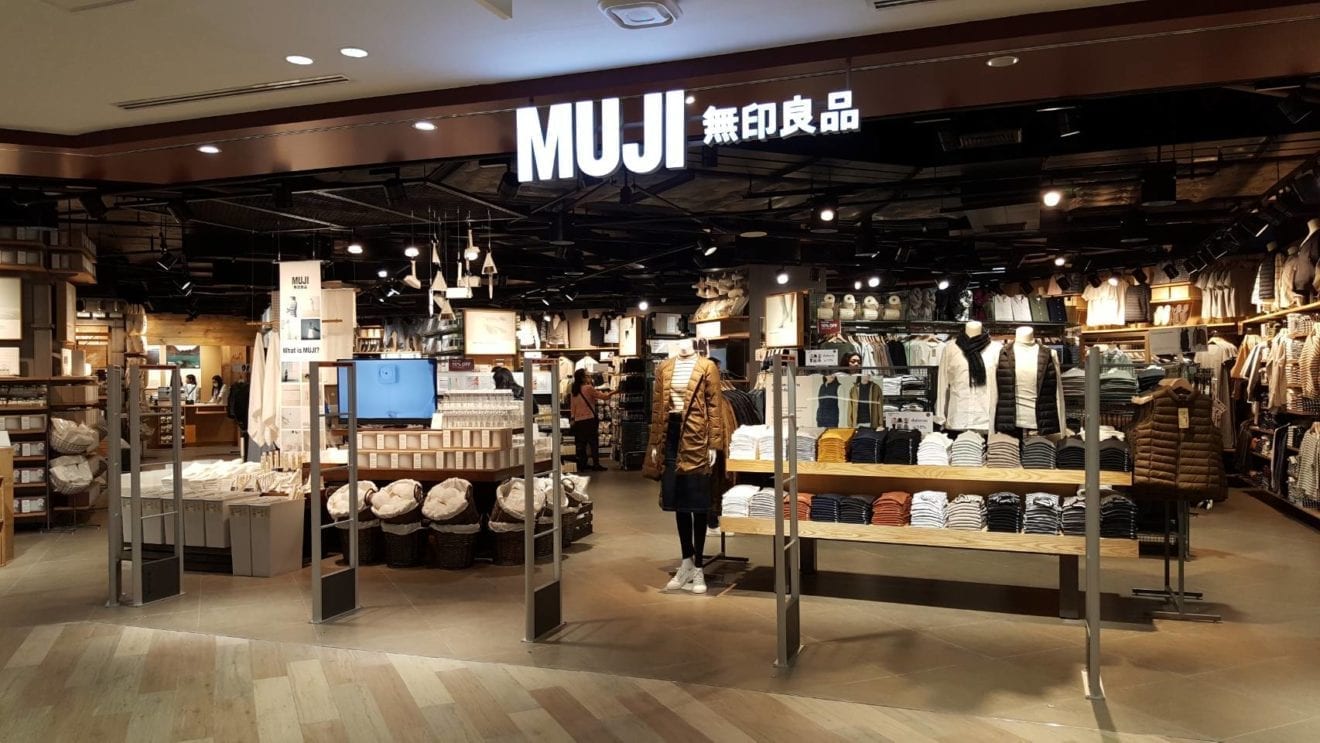
  • Muji convenience-store concept trials at JD HQ

    Muji convenience-store concept trials at JD HQ

    Following the launch of Muji Hotel and Muji Infill (a home-renovation service) in China, the Japanese home and lifestyle retailer has branched into convenience retailing.

    Located inside JD’s Beijing headquarters, the Muji convenience-store concept, called Mujicom, takes up 605sqm and has 71 seats for dining.

    Stocking essential daily goods along with books, food, and beverages, the store serves employees of JD.

    The Muji convenience store actually made its initial debut at Musashino Art University in Tokyo with an additional workshop space for students to use as a working and creative collaborative space.

    The retailer is set to open three new stores in China this month atop of Mujicom, including outlets at Hangzhou and in Shenzhen Airport.

    Muji also recently opened its largest Hong Kong flagship store, expanding its food and catering range with fresh-baked goods and a new coffee and tea bar.

  • Saucony opens first store in Shanghai

    Saucony opens first store in Shanghai

    Heritage running shoe brand Saucony has opened its first store in Shanghai at Super Brand Mall.

    The company says the opening represents an important milestone in the brand’s development in China.

    The 122-year-old brand is actively expanding its Chinese retail network by entering major cities in order to cater to burgeoning demand from the country’s growing elite class.

    The start of business also marks a transition in Saucony’s marketing strategy from online stores to physical stores in the market, while raising awareness of the brand’s shoes and apparel in China. The company intends to follow through with more brick-and-mortar stores in other Chinese cities.

    The store was launched by management from Saucony and its local partner Xtep.

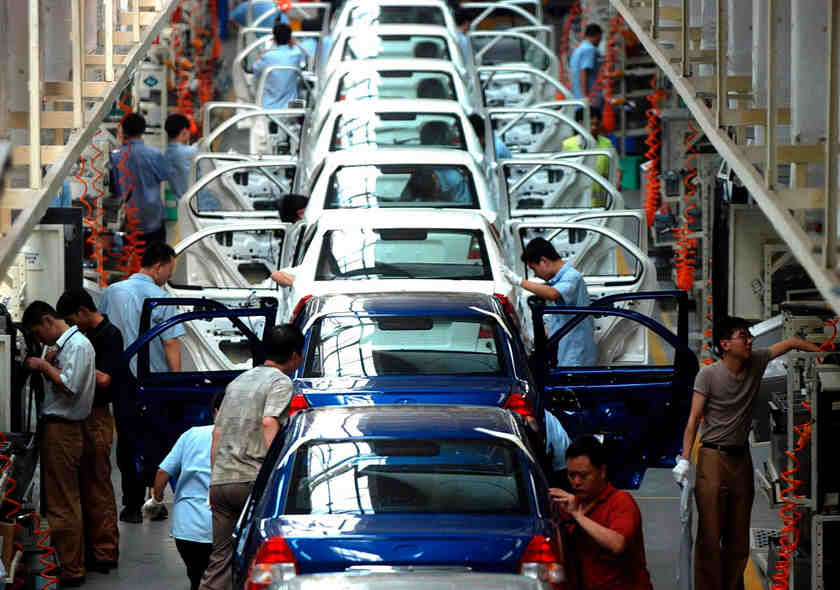
  • China Auto Sales Growth Seen For Second Straight Month

    China Auto Sales Growth Seen For Second Straight Month

    China’s vehicle sales are estimated to rise 11.7% on year in May, its top auto industry body said on Tuesday, cementing hopes of a recovery in the world’s biggest auto market with the first back to back monthly sales increase in about two years. The China Association of Automobile Manufacturers (CAAM), in a post on its official WeChat account, said vehicle sales were estimated to rise to 2.14 million in May. It said the numbers were based on sales data it had collected from key companies, without giving further details.

    China’s vehicle sales are estimated to rise by 11.7 percent on-year in May,

    CAAM expects January to May auto sales in China to fall 23.1% year on year to 7.9 million units.

    As the global auto industry is hit hard by the coronavirus pandemic, China has become a ray of hope for automakers including Volkswagen and General Motors

    In April, China’s auto sales hit 2.07 million units, up 4.4% from a year earlier, the first monthly sales growth in almost two years, CAAM data showed.

    China is expected to see a drop of 15 percent in auto sales, even if the COVID-19 outbreak is contained effectively

    It cautioned last month that even if China contains the outbreak effectively, its auto sales are expected to drop 15% this year, from over 25 million vehicles in 2019. If the pandemic continues, the annual sales contraction will likely be by up to 25%.

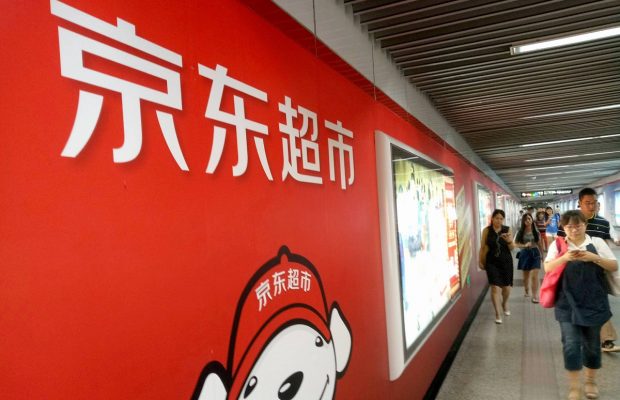
  • JD plans US$4.05 billion Hong Kong exchange listing

    JD plans US$4.05 billion Hong Kong exchange listing

    Chinese e-commerce giant JD is looking to raise up to US$4.05 billion in a secondary share listing in Hong Kong.

    The new 133 million shares, priced at $30.45 each, most likely will make the listing among the largest in the territory this year.

    US regulations for Chinese firms listed in the US may tighten, with one bill in the US Congress proposing delisting Chinese firms that do not submit to substantial auditing requirements. JD is listed in the US on the Nasdaq.

    The company will start taking investor orders around this Thursday, with the listing set for June 18 to coincide with its annual shopping festival.

    Joint sponsors of JD’s Hong Kong listing include Bank of America, UBS Group and CLSA.

  • JD.com fosters local stalls and small stores in China

    JD.com fosters local stalls and small stores in China

    Chinese e-commerce giant JD is moving to stimulate small and medium enterprises nationally by providing supply chain and service support for the employment of more than 5 million people.

    The firm is accumulating around 50 billion goods as a part of its “Spark” economic support plan designed to benefit SMEs, stall owners, and shopkeepers.

    The plan is focused on three areas: ensuring supply, assisting operations, and promoting employment. The firm will also provide each small shop with US$14,000 in interest-free credit to make purchases.

    “JD has already comprehensively accumulated rich experience in supporting the ‘stall economy’ and the ‘small shop economy’,” said JD Retail CEO Lei Xu. “The impact of the epidemic will accelerate the digital transformation of the real economy, and stalls and small shops are no exception. JD has both the ability and the responsibility to use digitization to support and make the economy of small stalls and shops more dynamic, helping to further invigorate the overall economy and stabilize employment.”

    JD is now set to work with nearly 10,000 brand manufacturers and more than 4000 joint warehouses to provide offline retailers with access to low-cost, high-quality supplies. The firm will also help offline retailers to expand their online operations.

    In poor regions, JD will provide flexible employment, work-from-home, and farm-to-table opportunities including positions such as logistics order collection, warehouse management, inventory management, and packaging. It will also establish start-up projects and provide support in the fields of catering retail, regional logistics agencies, and freight transportation.

    Data collected by the company shows that, right before its 6.18 promotional event this year, the transaction volume of JD New Markets in Beijing, as well as Hubei and Anhui provinces increased more than fivefold. The number of orders placed on the JD Convenience Store Go mini program was more than 10 times the previous daily average.

  • Alibaba and JD launch 6.18 mid-year shopping promo marketing

    Alibaba and JD launch 6.18 mid-year shopping promo marketing

    Alibaba and JD launched their annual 6.18 mid-year shopping festivals, which mark China’s largest online retail promotion since the outbreak of Covid-19.

    Within hours, JD heralded a 400-per-cent year-on-year increase in sales of luxury fashion goods, with sales of Ferragamo, Hugo Boss, Lancel and MiuMiu all up by more than 300 percent.

    Alibaba also reported increased interest from luxury labels, with close to 180 participating, including Cartier, Chanel, Burberry, Balenciaga and Montblanc.

    Within the first 10 hours of the campaign, total gross merchandise volume (GMV) jumped 50 percent over last year at Alibaba. Cosmetics and home appliances proved particularly popular, their GMV doubling over last year.

    Alibaba’s campaign included issuing US$1.96 billion worth of digital coupons in advance of the event to boost purchasing.

    More than 100,000 brands on Alibaba’s Tmall are participating in the 6.18 event – nearly twice the number of last year, including tech giant Apple. Five hours into the campaign, Apple sold more than $70 million worth of products.

    “Online consumption has seen a post-pandemic revival since March, and the sales rebound that we have observed on Taobao and Tmall has been very encouraging,” said Liu Bo, GM of Tmall and Taobao marketing and operations.

    Both Alibaba and JD say sales of luxury products have been increasing steadily since the pandemic.

  • Grocery shopping online in China booms due to virus outbreak

    Grocery shopping online in China booms due to virus outbreak

    Grocery shopping online is poised for explosive growth in China, with more than half consumers saying they are buying more online even after stores reopen.

    According to research by GlobalData, consumers in the region got used to purchasing online during the Covid-19 lockdown and the habit has stuck.

    The data shows 56 percent of Chinese consumers are now grocery shopping online more frequently than before the pandemic hit.

    “The impact of Covid-19 will leave a permanent mark on how we shop for groceries,” said Globaldata retail analyst Thomas Brereton, “with demand for home fulfillment soaring around the world as consumers follow the ‘stay at home’ message from many governments.

    “With a population of 1.4 billion, the potential value growth in the Chinese online grocery market is phenomenal.”

    Chinese food delivery service Meituan – founded in 2010 – is an example of the trend, recently hitting a US$100 billion valuation.

  • Yum China Lifts Off Beyond Burger in KFC, Pizza Hut, Taco Bell

    Yum China Lifts Off Beyond Burger in KFC, Pizza Hut, Taco Bell

    Yum China has entered into a partnership with plant-based meat manufacturer Beyond Meat to trial a burger at selected KFC, Pizza Hut, and Taco Bell locations within the country.

    The agreement marks the introduction of Beyond Meat’s Beyond Burger in Mainland China.

    “We see great potential for the plant-based meat market in China,” said Yum China CEO Joey Wat. “This latest introduction … is expected to capture valuable consumer feedback across different regions in China. It will enable us to optimize flavors and processes and help assess the potential for larger-scale rollouts in the future.”

    Beyond Meat founder and CEO Ethan Brown said Chinese consumers are seeking out the nutritional and environmental benefits of plant-based meats.

    The burger will be available at five KFC locations in Beijing, Chengdu, Hangzhou and Shanghai. The Pizza Hut offering will launch at six Shanghai locations and will constitute part of the brand’s first-ever burger offering. Taco Bell will offer a taco made with the plant-based Beyond Burger patty at three stores in Shanghai.

    All Beyond Burger promotions will be sold as a three-day limited offer.

    The move follows Starbucks China launching a range of foods using plant-based meat alternatives, including two pasta dishes and a wrap featuring Beyond Meat and another dish using OmniPork.

  • DHL Global Forwarding moves critical goods from China to Ghana

    DHL Global Forwarding moves critical goods from China to Ghana

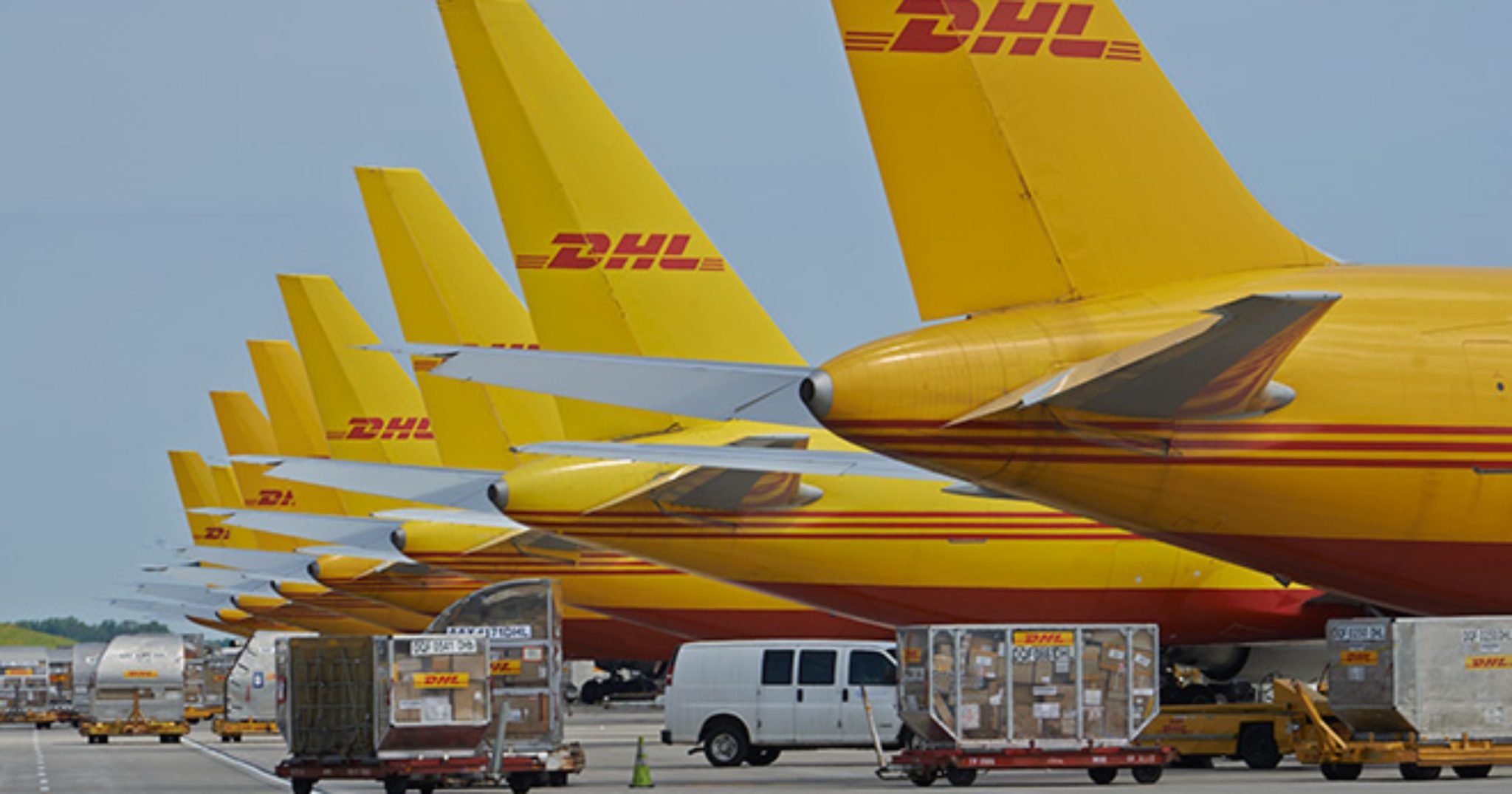
    PPE shipment was transported as part of DHL’s dedicated weekly air freight solution from China to Africa; UbuntuConnect – the specific air freight solution for the China-Africa lane – will be extended due to high demand.

    DHL Global Forwarding, the leading international provider of air, sea and road freight services is leveraging its global network to facilitate the air transportation of critical personal protective equipment from China to Ghana, via Dubai. From the capital city, Accra, the shipment is distributed across the country to equip front-line healthcare workers in their fight against Covid-19.

    This was made possible as part of DHL’s dedicated 100-ton weekly air freight service from China into the Middle East and Africa launched last month. Aptly named after the Nguni Bantu word for “humanity”, UbuntuConnect sees cargo being consolidated across China into Guangzhou City and shipped via Dubai to several countries across Africa, within a span of two to three days. Leveraging Dubai’s strategic geographical locations as the gateway between the Orient and Africa, DHL has transported two shipments to Ghana thus far and expects more in the coming weeks.

    “The ongoing pandemic is causing a dearth in global air freight capacity making it ever critical that we continue to amass our resources globally to ensure a stable supply chain, especially for medical and critical supplies. With UbuntuConnect, we are carving out specific routes from the transit hub in Dubai to Africa, so life-saving essentials can continue to reach local communities in Ghana,” said Serigne Ndanck Mbaye, CEODHL Global Forwarding (West Africa) and Country Manager, Ghana.

    DHL Global Forwarding has been operating UbuntuConnect since April 21 to meet the ongoing demand for medical equipment and personal protective gear such as masks, gloves, hand sanitizers and goggles. From May 26, DHL Global Forwarding will begin to consolidate cargo across China, for an uplift in Shanghai – as part of ongoing efforts to adjust the network as needed to best meet customers’ needs.