Tag: China

  • Hugo Boss China sales up again last June

    Hugo Boss China sales up again last June

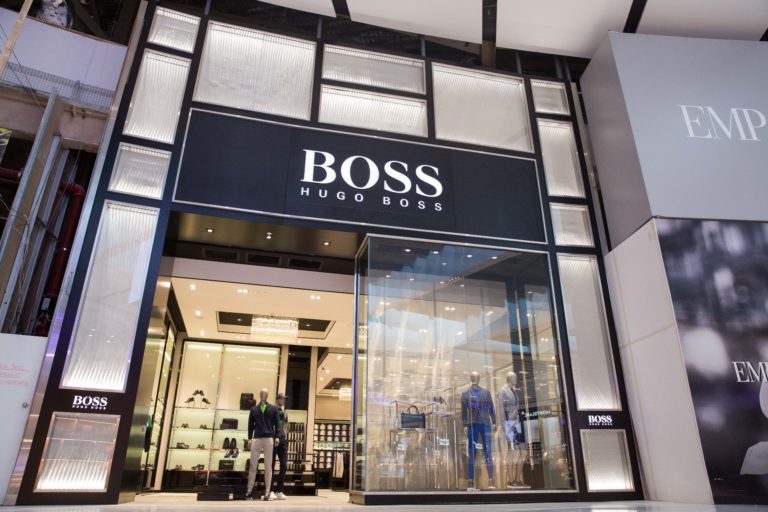
    Hugo Boss sales returned to strong growth in China in June and global online sales jumped 74 percent in the second quarter, even as the German fashion house reported an overall 59-per-cent fall in sales for the period due to lockdowns.

    Analysts at Baader Helvea noted the company was particularly exposed as people have been shifting to more casual wear during the coronavirus pandemic, cutting demand for the smart suits for which it is particularly known.

    Hugo Boss reported quarterly revenue of €275 million, missing an average analyst forecast for €288 million, while its operating loss of €124 million euros was ahead of consensus for a loss of €133 million.

    The company said it had seen a less pronounced fall in sales of casual wear and “athleisure” than in formal wear, with products like T-shirts, polo shirts, trousers and loungewear proving their resilience.

    Hugo Boss is currently led by finance chief Yves Mueller after Mark Langer stepped down as CEO. Daniel Grieder, the former CEO of Tommy Hilfiger Global & PVH Europe, is due to take over as CEO on June 1, next year.

    Hugo Boss China sales rose by 4 percent in the quarter, including double-digit growth in June, a similar trend to that reported by LVMH , the world’s biggest luxury goods group, which said last week that momentum had especially improved in China.

    By contrast, sales fell 59 percent in Europe and 82 percent in the Americas, with unrest and demonstrations in the US in May and June putting more strain on its business.

    The company expects a gradual improvement for the second half of this year, but declined to provide a full-year forecast.

  • Lawson unveils portable convenience stores in China

    Lawson unveils portable convenience stores in China

    Japanese convenience-store chain Lawson is launching a series of prefabricated stores in China.

    The brand will launch the service from this week, with the first outlet opening in Nanjing. Using the prefab structures will reduce construction costs by 40 percent and allow for flexible growth, the company says. Around 10 stores are expected to be operational by the end of the year.

    There are two varieties of Lawson’s prefab buildings, which were created in partnership with Panasonic. The stores have heat insulation to cut power costs and can be relocated to other areas if a location closes. The larger store layout is a little smaller than a regular 80sqm minimart, while the smaller is a kiosk suitable for transit stations.

    The stores may prove a viable counter to the rise of online shopping during the coronavirus era, owing to their ability to open in small areas that enjoy considerable foot traffic.

    Lawson, which operates 2700 outlets in China, has indicated plans to roll out prefab stores in Japan in the future as well.

  • Jason Wu opens first store in Shanghai

    Jason Wu opens first store in Shanghai

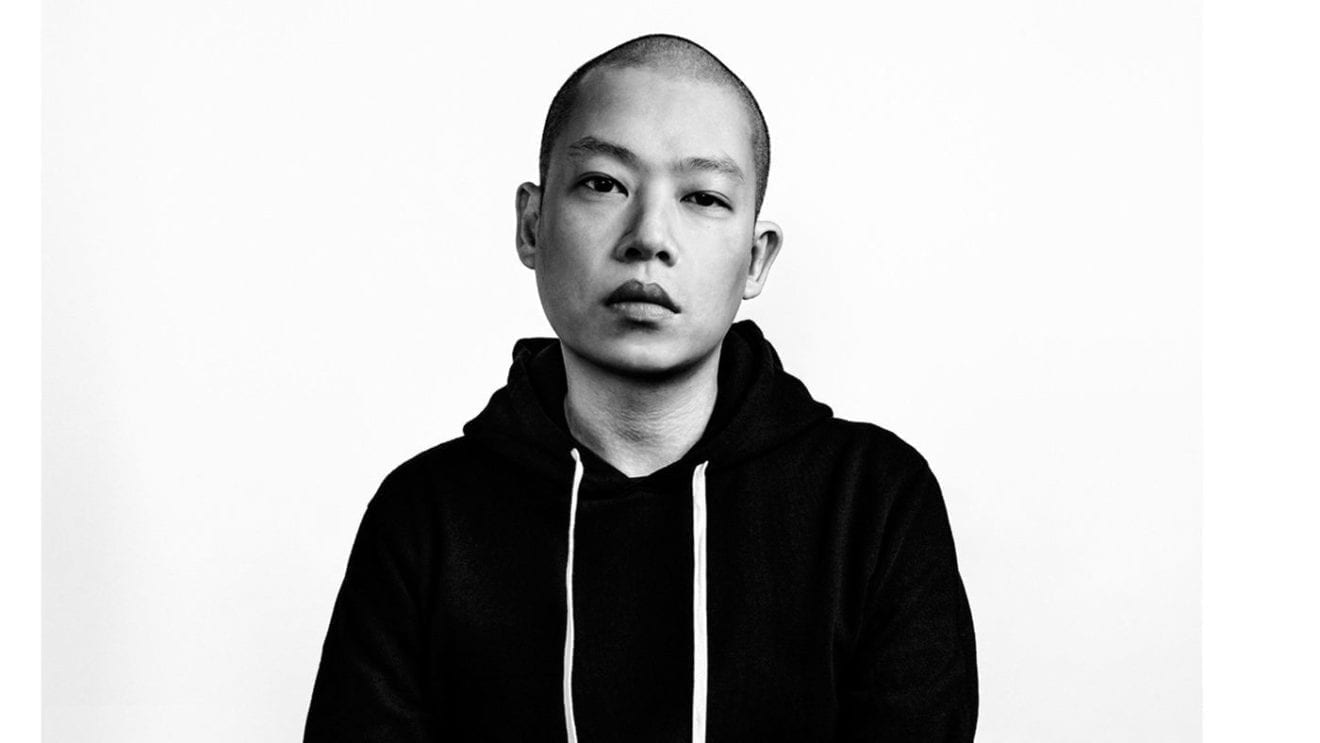
    Taiwanese-Canadian designer Jason Wu has opened his first global flagship boutique in Shanghai, China.

    Located at IFC Mall, the flagship store features a sophisticated design created by architect Andre Mellone. The studio previously designed a Jason Wu shop-in-shop at Saks Fifth Avenue in New York and the Jason Wu fragrance bottle.

    The store facade features a floor-to-ceiling glass wall and a digital screen illustrating the brand’s name. Gold color and marble patterns are used liberally in the Jason Wu boutique’s design such as gold metal racks and frames, gold rose marble walls, and marble display tables.

    A black wooden table and a large carpet are placed at the store’s center.

    The Jason Wu Shanghai boutique houses a wide range of fashion items and fragrances.

    Jason Wu is known for designing dresses worn by former First Lady Michelle Obama on several occasions, including those worn during the first and second inauguration of her husband, President Barack Obama.

  • Despite strength from Huawei, smartphone shipments are expected to drop in China

    Despite strength from Huawei, smartphone shipments are expected to drop in China

    The world’s largest smartphone market is going to report a drop in shipments during the current quarter. The report states that the Q3 decline will show up both year-over-year and month-over-month (aka sequentially) and would appear following a huge sequential second-quarter surge of 104.6%. The strong smartphone market in China during the three months covering April through June was fueled by the lessening of negative impacts from the coronavirus, economic stimulus measures, and the launch of new handset models. While the growth in second-quarter smartphone shipments was in triple digits compared to Q1 deliveries, on a year-over-year basis the Q2 growth in smartphone shipments was a puny 1.4%.

    The top five smartphone manufacturers based on shipments in the country during Q2 were Huawei, Vivo, Oppo, Xiaomi, and Apple. The top five were responsible for 98.1% of smartphone deliveries in China from April through June, up 1.4 percentage points from the previous quarter. For the current quarter, Digitimes expects smartphone shipments in China to contract 7.9% as some of the effects of the stimulus measures imposed in the country have started to fade.

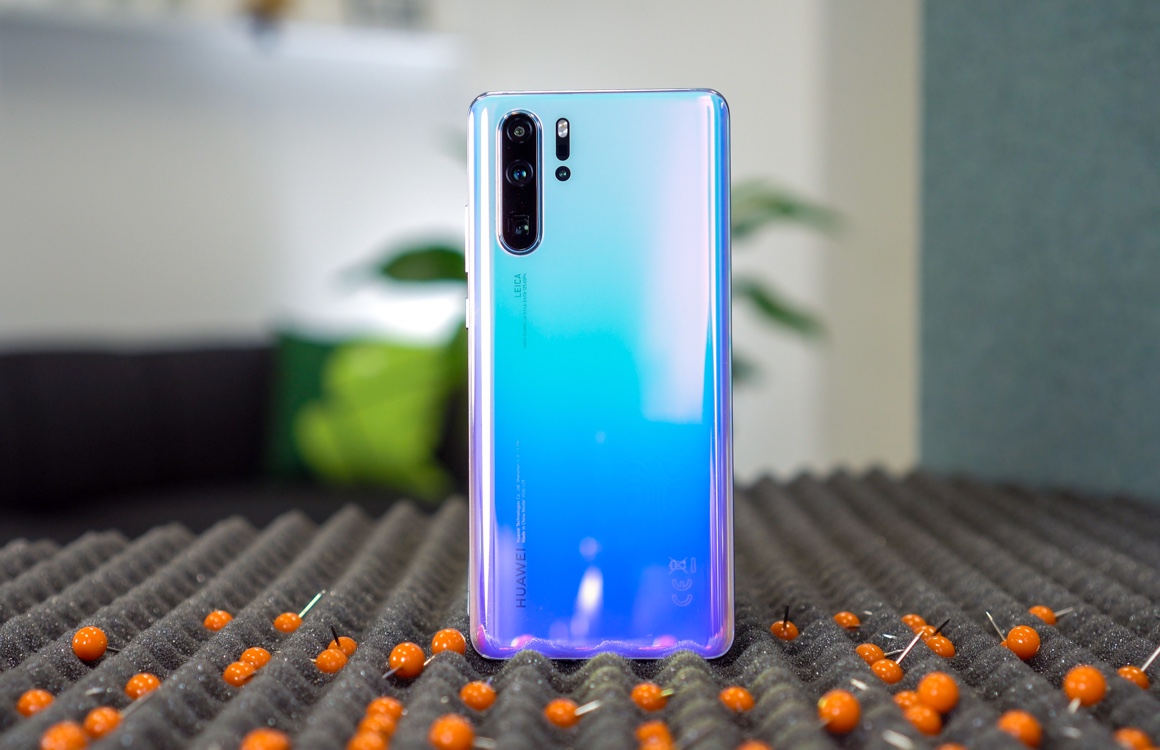
    Despite the expected decline in shipments, Huawei’s shipments are supposed to remain strong in the current quarter. During Q2, research firm Canalys said that Huawei overtook Samsung to become the largest smartphone manufacturer globally. In 2016, the head of Huawei’s consumer division, Richard Yu, predicted that Huawei would become the top smartphone manufacturer in the world by 2021. Despite losing access to its U.S. supply chain and the Google ecosystem, Huawei has become number one thanks to its own rapidly growing Huawei Mobile Services.

    700 million people are using Huawei’s ecosystem and with that number growing, Huawei is expected to own nearly half of the Chinese smartphone market during the third quarter.

  • Taobao looks to boost young entrepreneurs showing originality talent

    Taobao looks to boost young entrepreneurs showing originality talent

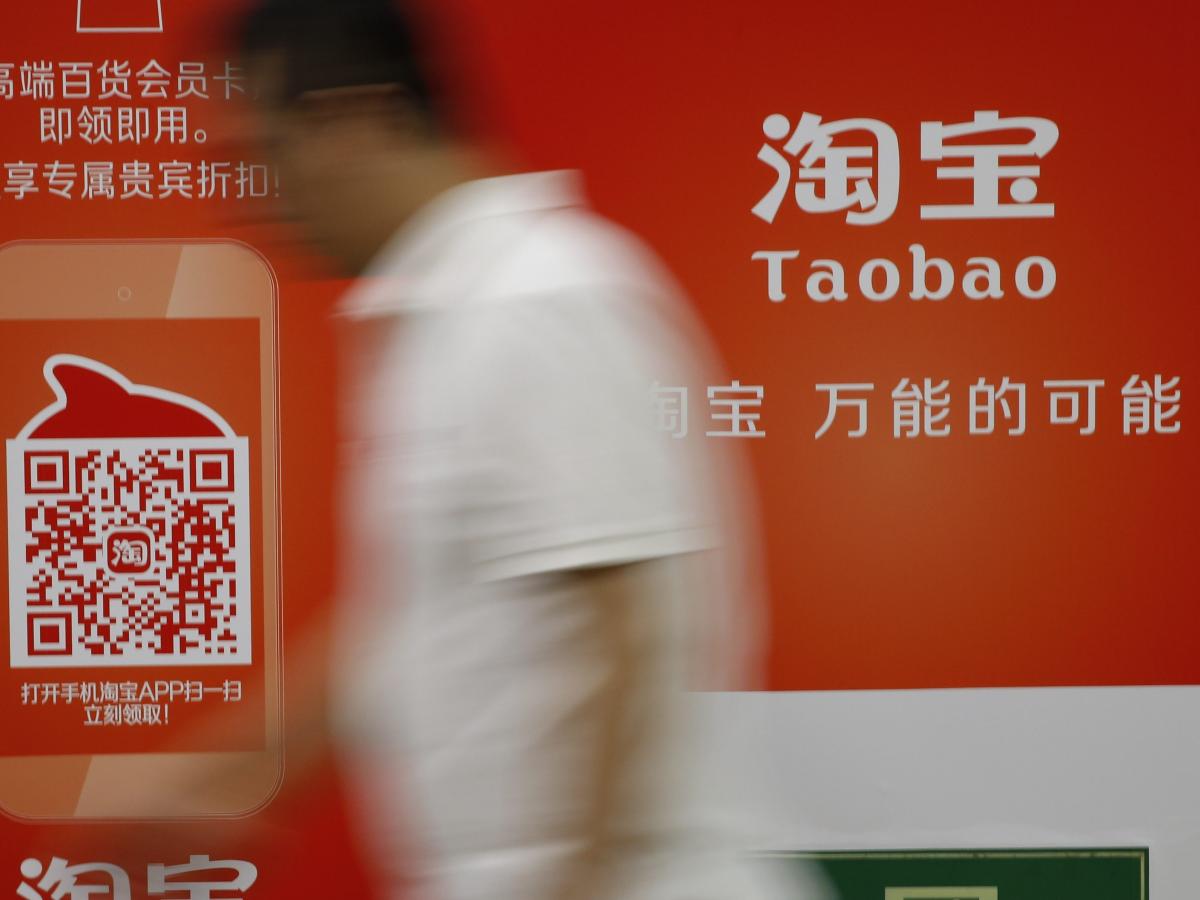
    Chinese social commerce platform Taobao has inaugurated a new rating system to reward deserving young creators and small enterprises with broader market exposure on the fifth anniversary of the firm’s Taobao Maker Festival.

    The exposure is designed to bring more attention to outstanding creativity and better promote products to the platform’s 840 million users.

    Taobao’s new system is the latest example of the firm’s content-driven commerce strategy that has been part of its promotional apparatus since 2016, transitioning the platform from being primarily transactionally driven to a broader social-commerce playbook.

    “The new rating system promotes and celebrates originality and creativity,” said Alibaba Group CMO Chris Tung. “It will enable merchants to leverage their participation in the Taobao Maker Festival into a source of year-round benefit for growing their business and customers.”

    “We continue to leverage our unique content-driven strength to help young entrepreneurs and small businesses win market traction and bringing a better experience to consumers,” said the head of Taobao operations Kaifu Zhang.

  • Li & Fung Partners with JD.com to Accelerate Development of Digital Supply Chain

    Li & Fung Partners with JD.com to Accelerate Development of Digital Supply Chain

    Li & Fung, today announced a strategic investment of US$100 million from JD.com , with newly issued capital to further develop its digital supply chain. The Fung Family will continue to retain control of the Company with 60% of the voting shares.

    Li & Fung has been on a journey to create the Supply Chain of the Future and the strategic cooperation with JD will accelerate this development with a proven digital partner. Li & Fung will also grow its business in China by partnering with JD on private label initiatives for the China domestic market by leveraging its global network and digital supply chain. With the strong partnership between the Fung Family and Singapore-headquartered GLP Pte Ltd., and now the addition of JD, Li & Fung will be able to leverage its scale and digital capabilities to continue its journey of creating the end-to-end digital supply chain.

    As China’s leading technology-driven e-commerce company, JD is transforming to become the leading supply chain-based technology and service provider, which fits well with Li & Fung’s goal of creating the Supply Chain of the Future. JD has been developing proprietary supply chain technologies for many years and has created digital retail and supply chain platforms that are fully integrated to support its omnichannel strategies.

    Amidst the continuing digital disruption to retail and the ongoing global trade tensions, compounded by the dramatic impact of Covid-19, the global retail supply chain has become more and more complex. With the breadth and depth of its global sourcing and production ecosystem, pan-Asia logistics network, and industry-leading digital product development capabilities, Li & Fung is helping global retailers and brands navigate a highly uncertain and ever-changing macro environment.

    Spencer Fung, CEO of Li & Fung, said: “Our goal to create the Supply Chain of the Future and to improve the lives of one billion people in our global supply chain remains more relevant than ever in this turbulent world. The partnership with GLP and the addition of JD will be instrumental in further strengthening Li & Fung.”

  • Yum China committed to fuel network growth despite Covid-19’s impact on profit

    Yum China committed to fuel network growth despite Covid-19’s impact on profit

    Not even a deadly pandemic is slowing Yum China’s rapid expansion program, with the company on track to open 850 stores this year.

    Yum China this month marked its 10,000-store milestone, opening a KFC in Bo’ao, Hainan province, and CEO Joey Wat says Covid-19 won’t impact this year’s store rollout plan.

    “With our innovation capabilities, strong digital strategy, and resilient business model, I believe we will emerge from this pandemic stronger than ever, and ready to capture the exciting long-term market opportunity in China.”

    Wat’s comments accompanied the release of second-quarter results showing Yum China sales recovered from the lockdown-hit first quarter. However, while 99 percent of stores had reopened by the end of June, sales and profit were “trending unevenly”. Sequential sales growth in April and May, was followed by softening revenues in June, impacted by reduced foot traffic at transportation and tourist locations.

    “These factors and the lingering effect of Covid-19 continue to impact operations in July,” the company said.

    Total sales fell 11 percent year on year to US$1.9 billion, or by 7 percent excluding the effect of exchange rates.

    Total system sales declined 4 percent year on year, falling 6 percent at KFC and 12 percent at Pizza Hut, while same-store sales fell by 11 percent: 10 percent at KFC and 12 percent at Pizza Hut.

    Yum China used digital channels to drive sales during the quarter as a means of adapting to a changing retail environment under the shadow of Covid-19. Delivery and takeaway sales grew strongly over the previous year and now account for more than half of all sales. Purchases by members of Yum China’s loyalty programs grew at a double-digit rate and now account for 60 percent of turnover. About 80 percent of orders were completed digitally.

    What is positive about the company’s prospects despite the pandemic concerns.

    “Our business model is resilient and adaptable. We quickly adjusted our operations and marketing campaigns to meet evolving consumer preferences and market limitations. Rapid innovation, our leading digital infrastructure, and our membership program supported product launches and value offers that were necessary to drive traffic. We protected margins through the flexible cost structure we have developed and optimized over the years. These, along with our other core capabilities such as supply chain and operations, make me confident in our ability to navigate the challenges ahead.”

    Yum Brands entered China in 1987 with a single KFC store in Beijing, later launching Pizza Hut and Taco Bell. The company also operates the East Dawning, Little Sheep, Huang Ji Huang and Coffii & Joy brands, with stores in more than 1400 cities and towns across Mainland China.

  • Starbucks sales under pressure by Covid-19

    Starbucks sales under pressure by Covid-19

    Third-quarter results for coffee giant Starbucks show a drop in sales globally as the firm continues to battle a business climate heavily impacted by the coronavirus pandemic.

    Global store sales were down 40 percent on pre-pandemic projections, driven by a 51-per-cent decrease in comparable transactions, partially offset by a 23-per-cent increase in average ticket.

    Starbucks’ performance in China compared favorably to global figures while still following identical trends. Within the market, comparable-store sales were down 19 percent, with transactions down 27 percent, although there was a 10-per-cent increase in the average ticket.

    The American market, hardest hit by the pandemic, was a significant drag on global figures, which covered a 13-week period to June 28.

    “Since the beginning of the Covid-19 outbreak in January, we have taken a principled approach to navigate the crisis, true to our mission and values,” said Starbucks President and CEO Kevin Johnson. “We are pleased to share that the vast majority of Starbucks stores around the world have reopened and our global business is steadily recovering, demonstrating the relevance of the Starbucks brand and the trust we have built with our customers.

    “As we continue to drive the recovery, we are also building resilience for the future by accelerating the transformation of our business in ways that will elevate the customer and partner experience and drive long-term growth.  We firmly believe that we are well-positioned to regain the positive business momentum we had before the pandemic began and look forward to reigniting our ‘Growth at Scale’ agenda.”

  • Loft launches in Shanghai

    Loft launches in Shanghai

    Japanese lifestyle specialty store Loft has opened its first directly owned overseas store, ‘Xujiahui Loft’ in Shanghai.

    Located at Metro City, the Xujiahui Loft Shanghai occupies a 1046sqm area. It features more than 12,000 products including Loft’s exclusive lines as well as limited-edition items commemorating the store’s grand opening and pre-sale goods.

    The Xujiahui Loft features ‘Loft Apartment’ where 18 Chinese independent designers will offer their originality in items such as stationary, mobile phone cases, and bags. Participating creators include Caro.Ni, eve.yin, Zengxiaoe, SummerBee and Square Studio.

    Moreover, there will be exclusive collaborative products based on Chinese cheese-tea brand Heytea’s popular drink “Mango Cheezo (mango cheese tea)” and Loft’s image colors, as well as a photo spot, according to the company.

    Loft in Shanghai will also house a pop-up pottery market “Hasami Porcelain Market,” displaying a wide selection of pottery items centering on Hasami porcelain from Nagasaki Prefecture, and “I’be one” pop-up store featuring Japanese characters themed products.

  • Victoria Beckham Beauty range launched on Tmall Global

    Victoria Beckham Beauty range launched on Tmall Global

    Victoria Beckham Beauty has launched a flagship store on Alibaba’s Tmall Global platform, marking the brand’s debut in China.

    The Victoria Beckham Beauty online store features a wide range of skincare and makeup products, including the brand’s exclusive skincare line Power Glow Set, on Tmall Global platform.

    To celebrate the launch, the brand has signed up one of China’s biggest influencers, Viya, to Livestream on Tmall Global.

    “You can’t be a successful global brand without a solid China business – it’s just not possible these days,” said Sarah Creal, co-founder and CEO of Victoria Beckham Beauty. “So when we began to think about expanding to China, we knew that we wanted to partner with Tmall Global because it represents the best.

    “We’re focused on building a strategic luxury beauty brand that is very modern, forward-thinking and fresh, and this is the next key step to our growth strategy,” she said

    Sarah met Victoria Beckham during a makeup collaboration with Estee Lauder in 2016 and teamed up to create the cosmetics brand last year.

  • Montblanc launches at Shanghai Plaza 66

    Montblanc launches at Shanghai Plaza 66

    Montblanc has launched a flagship boutique and a pop-up store in Shanghai, China. Located at Shanghai Plaza 66 on Nanjing Road, the store features a wide collection of Montblanc’s luxury goods, including travel bags, backpacks, watches, and accessories.

    The Shanghai Plaza 66 boutique features a modern design with black and gold elements.

    The Shanghai Plaza is also a location where Montblanc chose for its worldwide launch of M-Gram 4810 Collection. The CEO of Montblanc China, Daniel Chang, unveiled some photos of the pop-up store on his LinkedIn feed.

    Located in the main atrium, the pop-up store features a blue navy as the store’s theme color. A giant letter ‘M’ is displayed at the entrance of the store with the brand’s name in white on top. A large digital screen is installed on the side of the store, presenting videos of Montblanc’s products.

    The Montblanc’s pop up resembles a modern museum with a wide range of Montblanc items displayed on the wall.

    To promote the campaign, large banners are hung inside the mall, showing a photo of Montblanc’s global brand ambassador Chen Kun with the brand’s tagline ‘What moves you, makes you’

    The Shanghai Plaza 66 flagship’s facade was also re-designed, featuring the blue navy with ‘M’ pattern. Montblanc China also hosted the Montblanc 2020 Light Show in Hangzhou to promote the brand’s new collection.

  • Skechers China growth drives optimism for global sales recovery

    Skechers China growth drives optimism for global sales recovery

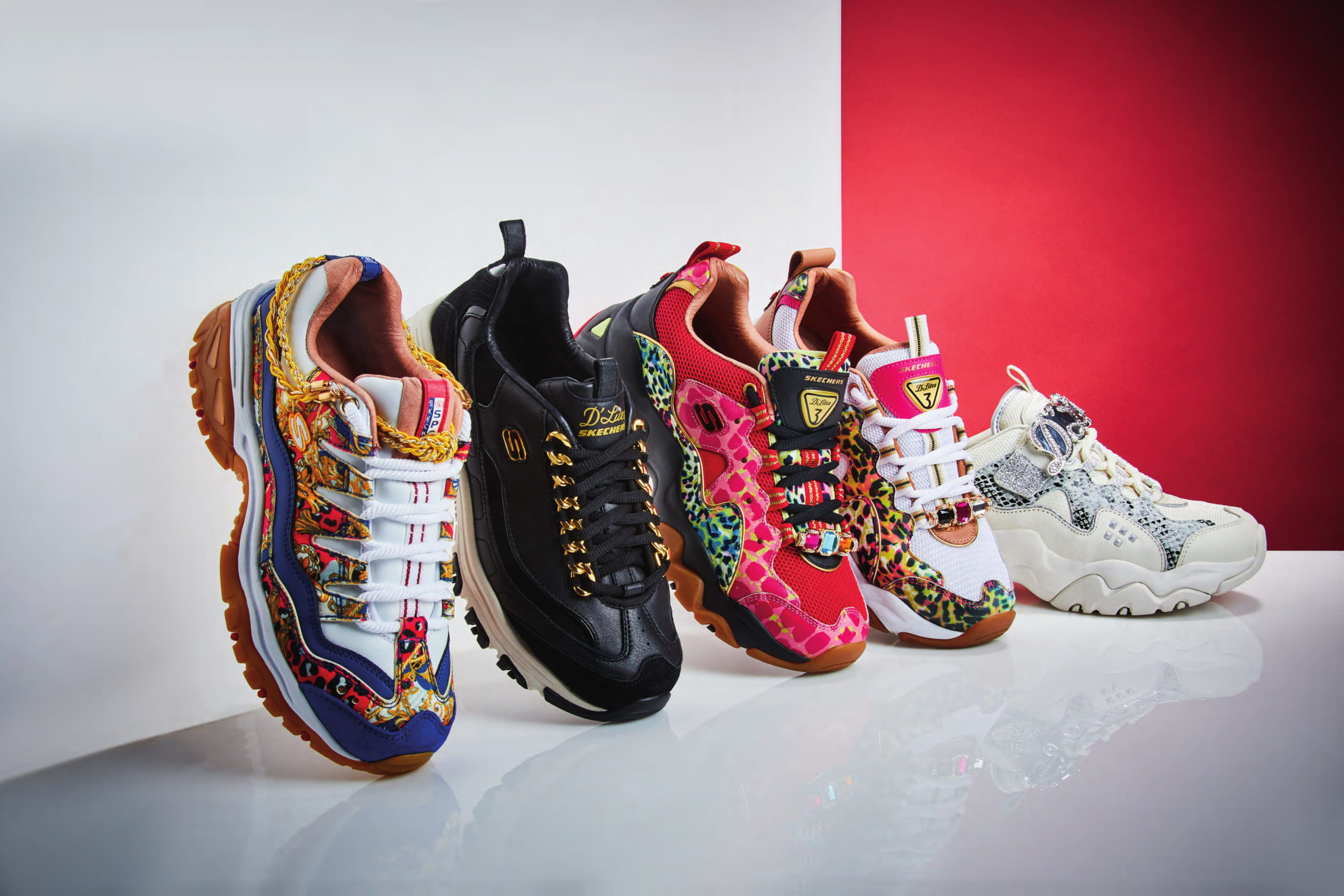
    Skechers China sales growth has fuelled optimism for the shoe brand after it reported a huge slump in sales for the June quarter due to stores being closed in other regions under Covid-19 lockdowns.

    The company reported group-wide sales of US$729.5 million, a 42 percent year-on-year decrease, and a net loss of $68.1 million during the three months to June 30.

    But sales in China rose 11.5 percent and sales on Skecher’s company-owned online store soared by 428.2 percent as buyers in some markets, unable to shop at physical stores, moved online.

    “Skechers, like most businesses around the world, has never faced a more challenging time than during the pandemic, which caused the closing of nearly every market worldwide,” said CEO Robert Greenberg. “Covid-19 continues to be a serious concern globally, and the health and welfare of our team, partners, and customers remain our number one priority.”

    Skechers stores were closed for varying periods of time in almost every market outside Asia.

    “However, we remain optimistic about the early signs of recovery we witnessed during the quarter, including a return to growth in China, consistent improvement each month in some markets outside of China,” said COO David Weinberg.

    “While every country’s recovery has been unique, we began to see a similar recovery trend, first reflected in China and now extending into other markets globally including Australia, Germany, South Korea, and Taiwan. We believe the positive sales trends in markets that have reopened, as well as the efficiency with which we addressed the pandemic challenges, are strong indicators that when the global health crisis stabilizes, Skechers will remain a global footwear leader.”

    Greenberg said the company was a “resilient organization” driven by a dedicated and flexible team determined to do whatever it takes to not only survive but position itself for a return to profitability.

    “Now, with more than 90 percent of our Skechers stores safely re-opened and some markets in the early stages of recovery, we believe that we will remain a brand consumers and retailers trust to deliver comfort, quality, and style. We are hopeful that global economies will continue to improve, and as they do, we will continue to operate efficiently and judiciously during this pandemic,” he said.

  • Gentle Monster in Hangzhou portrays an old woman restoring her memory

    Gentle Monster in Hangzhou portrays an old woman restoring her memory

    In China, Gentle Monster has unveiled its new Hangzhou flagship concept called ‘Memory’ – yet another amazing avant-garde installation-meets-retail space.

    The South Korean eyewear label explains the story behind the ‘Memory’ concept is the ideal of future technology that can restore lost memories.

    When entering the store, visitors will see a sculpture of an elderly woman sitting on the bench and thinking about her past. The brand described her as “an elderly woman with a vague memory rekindles with her friend the donkey from her childhood through the help of the memory restoration device”.

    Located near the woman is a display area resembling a barn, where Gentle Monster’s eyewear collections can be found.

    The flagship store houses a futuristic machine with two donkeys inside, visualizing how technology restores the woman’s childhood memories.

    “The art installations with surreal and dream-like beauty portray the woman’s time and memory,” Gentle Monster said in a statement. “This space stimulates one to think of the true meaning of memory and the perpetuity of remembrance.”

    Earlier this week, the luxury eyewear brand opened a new pop-up space above its Shanghai flagship store in collaboration with Chinese artist Kris Wu, featuring architecture design inspired by a parking lot layout.

  • Volcom to expand stores in China with local partner

    Volcom to expand stores in China with local partner

    California-born board-sports brand Volcom has teamed with China Ting Group to expand its retail network in Mainland China.

    Under a deal signed with Volcom’s parent Authentic Brands Group China Ting Group will be a “pivotal partner” supporting the brand in key markets.

    China Ting Group said it will launch 12 Volcom stores in China by the end of this year.

    “We are bringing Volcom’s board-sports lifestyle to China,” said Jarrod Weber, group president lifestyle, chief brand officer at ABG. “As a brand that is authentically rooted in this culture, Volcom has significant appeal to young consumers around the globe.”

    Volcom opened two new stores last month in the Mixc Mall in Hangzhou and in the Sanya Summer mall in Hainan.

    “We look forward to building a successful, long-term partnership with Authentic Brands Group”, said Ray Ting, vice president, at The China Ting Group. “As America’s first boarding company, Volcom is known throughout the world for innovation and integrity and we’re excited to bring it into the mainstream here in China.”

    Volcom has already built a loyal customer base in China over nearly a decade through channels such as Tmall.com. The brand is now focusing on expanding its presence in the Asia-Pacific market.

    Volcom’s regional e-commerce store will be re-launched next year.

    Founded as a clothing company rooted in skateboarding, surfing and snowboarding, Volcom was acquired by Authentic Brands Group from Kering last year.

  • Shiseido looks to China’s online model for post-Covit 19 growth

    Shiseido looks to China’s online model for post-Covit 19 growth

    Shiseido Co is pumping up its e-commerce presence amid a “deep crisis” in the beauty business, with the Japanese company looking to its China strategy as a post-pandemic model for growth.

    The 148-year-old beauty giant sees its online proportion of overall sales growing to 30 percent in two or three years if current conditions continue, from about a fifth right now, according to CEO Masahiko Uotani.

    “From a business standpoint, we’ve been trying to come up with solutions to the current situation and use this as an opportunity to go at a faster pace with some reforms,” Uotani said in an interview in Tokyo.

    The reforms for Shiseido, which has relied heavily on department-store sales, involve training beauty consultants to use live streaming and social media, working more closely with retailers on the tech-enabled shopping experience, and investing in new marketing content for online, Uotani said. All strategies the company has implemented in China.

    “We need to merge online and offline to get people to buy more. Beauty products are different from others in that a human touch is very important, so we need to think about a structure that allows that,” he said. “There’s a lot we can learn from what’s going on in China.”

    Uotani’s focus comes as the beauty industry faces unexpected challenges because of the global pandemic that is different from previous downturns. Measures to control the spread of the coronavirus have melted away social norms like putting on makeup in the morning or spritzing on perfume before a night out. As people stay home, the need for beauty care has become a lower priority, making it difficult for businesses to bounce back quickly.

    The situation has also been complicated as department stores and beauty salons have closed during lockdowns, sending consumers to seek cheaper cosmetics brands online.

    Shiseido’s sales fell 17 percent in the first quarter and operating profit plunged 83 percent, mostly due to clampdowns on movement in China, where it does a fifth of its business, and a hit to tax-free sales to Chinese tourists in Japan. The company withdrew its annual forecast, acknowledging it would be unable to hit its mid-term goal of more than US$11 billion in sales by this year. For the second quarter, analysts are expecting Shiseido to swing to a loss.

    “The near-term earnings outlook will be difficult,” said Ritsuko Tsunoda, an analyst at JPMorgan Chase & Co. “But I think Uotani will leverage that for any material structural change that he couldn’t have implemented otherwise.”

    Mini-influencers

    Transitioning beauty-product sales online isn’t an easy step for an industry built on consumer preferences and dominated by the image of rows of samples at physical retailers that encourage trying and buying on the spot.

    Shiseido is training its sales staff in Japan to follow the example of Chinese employees, turning beauty counter ladies into mini-influencers. In China, department store consultants have taken to social media to stream the newest products that have arrived. Interested customers are then directed to the website of the department store to purchase the products.

    China has developed a booming culture for live video merchandising, and companies are beginning to catch on to the trend.

    Uotani sees China’s e-commerce sales hitting 40 percent of revenue from the region this year, jumping from 30 percent currently. He said China’s fast recovery — sales of high-priced prestige brands in April, after the strictest lockdowns ended, were at levels before the coronavirus hit — could bode well for other regions.

    Drunk elephant

    The focus in the short-term will be prioritizing its high-end beauty brands that can generate cash flow to invest in e-commerce, according to Uotani. The company, which owns Nars and Laura Mercier makeup, is looking to speed up the expansion of its Drunk Elephant brand, which it bought in an $845 million deal last year, as prestige skincare products have been resilient during the pandemic.

    Dealmaking, such as selling off non-core assets or buying businesses that can support the focus on prestige and e-commerce, is also part of the equation, Uotani added.

    “It’s a very deep crisis for our business, and we need to protect employees and the company,” he said.

    At stake is the legacy of Uotani’s tenure. When he took the helm of Shiseido in 2014 following stints at companies including Coca-Cola Japan, it was a rare instance of an outside executive joining the C-suite in the island nation, where managers are typically elevated through decades of service to one firm.

    Analysts and investors have praised Uotani’s efforts at Shiseido, whose value more than quadrupled during his tenure before the coronavirus hit. After such success, the current crisis is shaping up to be his biggest test.

    “In my 40 or so years working in business,” he said, “the unexpected and uncontrollable impact from the global pandemic is the biggest I’ve dealt with in my career yet.