Tag: China

  • Chinese Regulators Add More Hiccups for Ant IPO

    Chinese Regulators Add More Hiccups for Ant IPO

    The much anticipated blockbuster listing of Chinese fintech giant Ant continues to face obstacles, this time from mainland regulators claiming a conflict of interest with its payment arm Alipay.

    The China Securities Regulatory Commission (CSRC) is looking into Alipay’s role over concerns of a potential conflict of interest, according to a «Reuters» report citing unnamed sources.

    Alipay was allegedly the only third party channel which allows access to the five Chinese mutual funds investing in the IPO.

    The efforts have proven effective as the channel has lured more than 10 million retail investors into the five mutual funds that were launched in late September, creating an alternative to traditional channels like banks and brokerage houses.

    According to the report, the probe is not expected to derail the IPO though it has delayed plans for its Shanghai listing already as Ant had hoped to obtain CSRC approval last month.

    And in Hong Kong, where Ant will conduct the other leg of its dual listing, progress was also slowed with original plans for a September 24 hearing with the local bourse’s listing committee and an official IPO after the Chinese National Day holiday that ended on October 8. Sources claim that Ant is aiming for a Hong Kong hearing in the coming days.

    Separately, Republican senator Marco Rubio called for the Trump administration to take a serious look at delaying Ant Group’s IPO, adding that it was outrageous that Wall Street is rewarding the Chinese Communist Party’s blatant crackdown on Hong Kong’s freedom and autonomy.

  • China retail is rapidly changing, brands need to adopt

    China retail is rapidly changing, brands need to adopt

    China is ahead of the curve in its recovery from the recent COVID-19 outbreak, with many provinces slowly returning to normal levels of activity. Factories are restarting production and consumers are beginning to spend again. However, the crisis has had a dramatic and lingering impact on the nation’s shopping habits, with implications for brands in China and globally.

    McKinsey worked with MIYA, a leading mobile payment solutions provider, to analyze point-of-sale (POS) data from 31,000 stores and 500 million+ transactions, covering 150+ cities, including Wuhan and Hubei, and 100 million+ shoppers. The data reveals four key shifts that are persisting even as the peak impact of the virus abates.

    1. Offline shopping is slowly recovering, but discretionary spend, nighttime shopping, and epicenter spend are lagging

    Offline consumption is slowly recovering, after falling to around 39 percent of normal levels during the peak period of the outbreak. Many local authorities loosened restrictions in the first week of March, giving shops an opportunity to welcome customers who had been isolated in their homes for as long as six weeks. Over the following days, activity picked up to around 79 percent of pre-crisis levels.

    Despite the partial rebound, there were significant variations, amid continuing pressure on discretionary categories. Supermarkets, convenience stores, and drugstores saw a spike in activity during the crisis, as consumers stocked up on essentials and cooked at home. However, after the peak there was a divergence. Supermarket volumes fell, while convenience stores and drugstores continued to see positive momentum, driven by demand for medicines and a desire among many people to shop near their homes. Discretionary categories, such as foodservice outlets, apparel stores, and department stores were hit hard during the crisis and their recovery has been slow.

    A notable trend across categories during the outbreak was increased basket sizes in non-discretionary categories, reflecting consumer aversion to shopping trips and willingness to spend more per visit to reduce travel frequency. Convenience store basket sizes rose 120 percent during the crisis, and remained 45 percent higher as the crisis abated. Discretionary categories, such as department and apparel stores, on the other hand, saw smaller basket sizes. Department store basket sizes were 54 percent smaller during the crisis, and have recovered only slightly in recent weeks, to a level that is around 33 percent smaller than before the crisis. Again, this may be a reflection of people’s reluctance to spend too long in crowded environments.

    Absolute traffic levels fell dramatically in all categories except drug stores during the crisis (30 percent lower for supermarkets and 88 percent lower for apparel outlets), and continued to be lighter than normal after the peak. Some 80 percent of apparel stores have reopened, but footfall in discretionary categories is still 40-50 percent below pre-COVID-19 levels. In non-discretionary categories, it is around 30 percent lower.

    The impact of the crisis on shopping habits was revealed through the times of day at which people ventured out. In normal times, weekends and evenings are peak shopping times in China—weekend traffic is generally 30 percent higher than weekday traffic, and evening traffic is 50 percent higher than day traffic. The traffic curves were much flatter during the height of the outbreak, with weekend traffic just 10 percent higher than weekday traffic and evening peak hours about 15 percent higher than daytime peaks. Again, the pace of recovery has been slow, with shopping patterns continuing to echo those at the height of the crisis. Daily transaction volumes have recovered by around 50 percent from the trough.

    Tier 1 cities such as Beijing, Shanghai, and Shenzhen are the busiest in China, and these normally crowded environments have been slower to recover than lower-tier cities. Most channels have continued to see much lower spending, in the region of 25 to 60 percent. Cities at the epicenter of the outbreak (in Hubei province) have also seen sluggish recoveries. There has, however, been some variation across channels.

    2. Channel shift to online, offline convenience, and drugstores

    A trend that emerged from the crisis is the accelerating growth of the online channel, which benefited from the lockdown, store closures, and the continued reluctance of consumers to engage in-person with sales and service staff. In the grocery category, there was a spike in online shopping during the peak, with consumers spending more time and money online. Some 74 percent of consumers bought additional groceries online at the peak and 21 percent spent more. Chinese consumers were ahead of consumers in other countries in respect to the frequency of online shopping, including South Korea (51 percent increased frequency) and India (40 percent). In recent weeks, online activity in China has moderated, but visits are still running at 15 percent above pre-crisis levels.

    Another emerging dynamic is that convenience stores have performed well in the wake of the outbreak (as they did at the peak), with tier 1 cities seeing the biggest uplifts. CVS daily consumption in tier 1 cities has run at around 36 percent above pre-crisis levels. Again, this is likely the result of continuing caution in respect of traveling and mixing in large groups. Some cities at the epicenter have seen the strongest rebounds in the hypermarket/supermarket channel, recording a 64 percent rise in volumes compared with December. This has been driven by relatively tighter restrictions on movement than in the rest of the country, and limited alternative sources of food. Drugstores have fared particularly well in provincial capitals, but have seen a drop-off in tier 1 cities as the impacts of the outbreak have diminished.

    3. Health and fitness is here to stay

    COVID-19 has emphasized the importance of staying fit and healthy, and changing attitudes are reflected in shopping behaviors that have persisted in recent weeks. Demand for dairy, vegetables, and eggs was 25-30 percent higher during the initial recovery phase than it was before the crisis. Supermarket and convenience store data shows that, aside from fresh food, popular items during and after the peak of the crisis included grains, ready-to-cook meals, packaged food, and snacks. This reflected a degree of “stocking up” and, again, travel aversion. Demand for these has softened of late but is still running above pre-crisis levels. There was a reduction in demand for personal care products and cosmetics in January and February, and these categories are only recovering slowly.

    As shoppers have gravitated toward local stores, they have expanded the range of items they buy, adding more grains and fresh foods to their baskets. If the trend continues, suppliers in these categories may need to plan for a less centralized distribution model, in which individual CVS stores are likely to carry fewer brands in any single type of product.

    4. Shock to loyalty offline, partly offset by online engagement

    Given the physical constraints of the crisis, Chinese customers have been more willing to try new stores and new brands. After the peak, around 14 percent do not plan to revert to their precrisis store choices and about 6 percent do not plan to return to their previous brands. To engage with these dynamics, hard-hit categories such as apparel have ramped up their digital activities. One premium fashion retailer, for example, invested in online channels such as Tmall, store applications, and social media. Its offline sales fell by about 50 percent in March, but its online sales grew by 60 percent. A large grocery retailer saw a 300 percent spike in demand for its home delivery service and has launched a major effort to triple its online business in 2020.

    In aggregate, the data shows that COVID-19 has had a profound and persistent impact on the nation’s shopping habits. The implications for brands in China, and other countries that may follow China’s path to recovery, can be summarized under four strategic pillars:

    1. Continue to protect customers and employees. COVID-19 is likely to have a lingering effect on consumer attitudes and sentiment. Assuming the virus is not eliminated in the near future, companies should redesign their protocols and operating models to reflect the new reality. This, for example, would include setting out exactly what should happen if a person catches the virus.
    2. Drive triple digital transformation. Digital has been one of the few real beneficiaries of the crisis. We see three ways in which companies can respond:
      • Manage your business in real time and digitally. The POS data has shown that the outbreak has had a significant impact on geographies, channels, and categories. Businesses now operate at a very different cadence, with decision making required at much higher levels of granularity and shorter intervals to reflect increased uncertainty. This requires a digital-first approach and agile organizational capabilities. Many companies set up war rooms during the crisis, but had very limited access to information. In future, it will be critical to have a real-time view on inventory and a strategy for deployment across regions. Data and analytics will be important tools.
      • Don’t just sell online; engage your customers digitally end-to-end. Chinese consumers increasingly demand an omnichannel experience, meaning they want more than to be sold to online. One premium apparel retailer has deployed a range of solutions, including enabling sales reps to use WeChat groups to reach out to VIP customers with individualized products (supported by a CRM system), launching social media shows with with Key Opinion Leaders (KOLs), and ramping up content marketing. The bottom line is that companies must engage the entire organization to prepare for an omnichannel world. This requires a digital network architecture, backed by a dedicated operational setup, KPIs, and objectives and key results (OKR) frameworks that can help the organization define goals and track outcomes.
      • Transform your business model. To increase operating efficiency and effectiveness, companies should aim to incorporate technology across the business. Before COVID-19, retailers were already deploying digital use cases, including seamless checkout, pricing, promotions, assortment optimization, and robotic process automation in the back office. However, few retailers managed to scale across the value chain, typically because of factors including a lack of top-down ownership and ambition, insufficient capabilities, siloed ways of working, outsourced IT functions, and legacy systems. COVID-19 has shown the need to transform the business model to be more tech-enabled, which will both help the company operate under the constraints of pandemics and meet customer safety needs. The business case is there: tech can improve efficiency by 2-5 percent of sales and, depending on starting position, drive sales and make or break market share during a crisis. Retailers need to pursue a triple transformation of people (new capabilities and ways of working), technology (modularizing core tech and deploying software-as-a-service across the value chain) and business (delivering value for the customer).
    3. Align with consumer trends: healthy, local, and delivering value. The data shows that the trend toward healthier lifestyles accelerated during the COVID-19 outbreak. People also shopped local, both in terms of location and products. For companies with strong cash positions, there is an opportunity to respond, leveraging M&A and hiring to expand into adjacencies such as food services, or acquiring smaller brands that may be struggling.
    4. Transform your supply chain to be agile and resilient. Supply chains attracted a lot of attention during COVID-19 and we expect they will continue to sit high on executive agendas. During a crisis, it can be dangerous to have a large amount of working capital locked up in inventory and facing potential write-off (or sale at a deep discount). The acceleration of omnichannel also creates a real challenge for many consumer packaged goods brands and retailers, because of the prohibitive cost: growth in online does not imply growth in profits. Companies should use the coming period to transform their supply chains, accelerating decision making to become more efficient, agile, and resilient.

    As executives consider their options, these strategies may help them support resilience and lay the foundations for the “next normal” in the months ahead. Retailers and consumer brands have been challenged in recent months, but those that can act decisively on all four fronts are likely to emerge ahead of their peers once the crisis is over.

  • Cartier opens Sanya flagship

    Cartier opens Sanya flagship

    Cartier has teamed up with China Duty Free Group to unveil its new-look boutique at Sanya International Duty-Free Shopping Complex.

    The Cartier Sanya boutique features an activation pad, which plays a “central” role in the concept, bringing the boutique “to life” for new launches and gatherings.

    In the brand’s first-ever rollout of a new waiting lounge concept, guests at the shop are welcomed in a décor featuring subtle shades of champagne and wood details, accompanied by curled walls in a rectangular space.

    To mark the boutique’s opening Cartier has curated pieces including the Panthère de Cartier Jewellery Collection – as modelled by actress and singer Victoria Song at the opening event – as well as a number of other highly sought-after signature Panthère de Cartier pieces.

    They include the Révélation d’une Panthère Watch, La Panthère Watch, Panthère de Cartier Necklace, Panthère de Cartier Ring, and Pasha de Cartier skeleton steel watch.

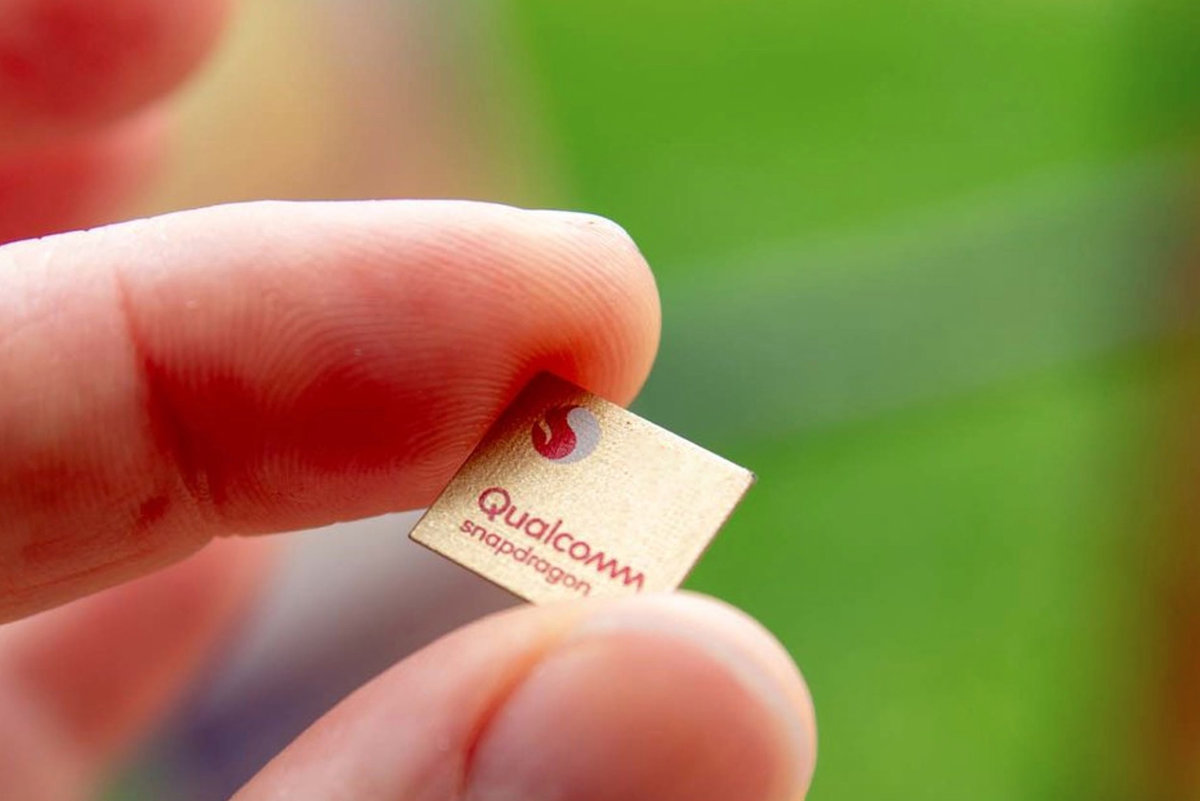
  • Snapdragon 875 will likely be followed by Snapdragon 775G, a 6nm flagship-rivaling chip

    Snapdragon 875 will likely be followed by Snapdragon 775G, a 6nm flagship-rivaling chip

    The upcoming Qualcomm Snapdragon 875G will also be available in a Plus variant, claims tipster Roland Quandt. The Snapdragon 875G is apparently codenamed SM8350 and it is internally known as Lahaina. Based on what we know so far, it will be made using Samsung’s 5nm EUV process as Taiwan Semiconductor Manufacturing Company (TSMC)’s entire 5nm capacity has been reserved by Apple for the A14 Bionic and other proprietary chips.

    5nm chips are expected to be around 25 percent smaller and 20 percent more power-efficient than 7nm SoCs. And, of course, we can also look forward to performance gains. The Snapdragon 875 will likely feature an Arm Cortex-X1 core, three Cortex-A78 cores, and four Cortex-A55 cores. The X60 5G modem will presumably be embedded within the chip.

    If history is any indication, Qualcomm’s upcoming flagship chip will be unveiled in December.

    It will probably be refreshed in July 2021, and per Quandt, the overclocked version is internally known as Lahaina+. The leaker also mentions the rumored Snapdragon 775G, which will likely succeed the Snapdragon 765G that powers midranges 5G-enabled phones like the OnePlus Nord and LG Velvet. The chip will reportedly not share the stage with the Snapdragon 875, and we can expect it in early 2021.

    The chip is reportedly going to be a massive upgrade over its predecessor, and will probably have more in common with the Snapdragon 875 than its 7-series stablemates. According to today’s leak, it will support 120Hz displays, 12GB LPDDR5 RAM, and 256GB UFS 3.1 storage.

    This chip will reportedly be based on a 6nm architecture and it will have a 40 percent faster CPU and 50 percent better graphics than the Snapdragon 765G. This may make it more power-efficient and faster than the Snapdragon 865.

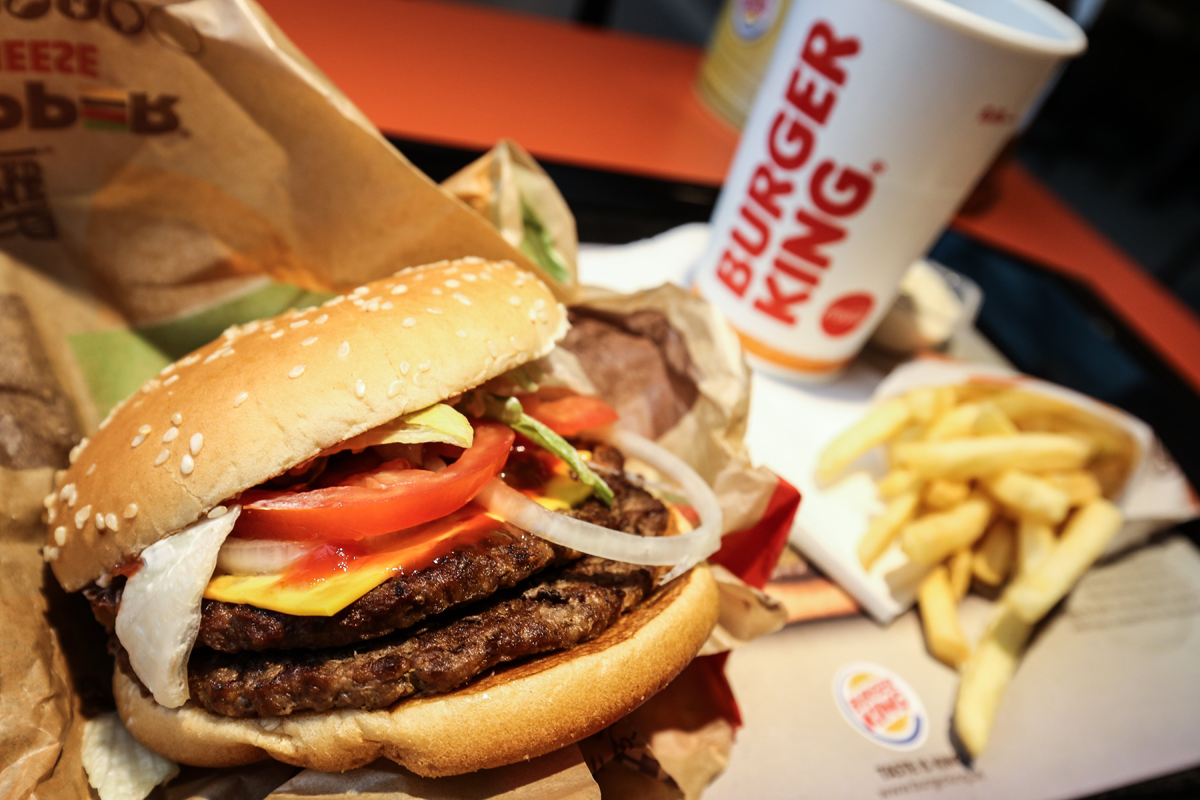
  • Sale of China’s Burger King franchise at stake

    Sale of China’s Burger King franchise at stake

    TAB Food Investments is looking to sell its 50-per-cent stake in Burger King’s China operations, which could value the asset at more than $1.2 billion, according to Bloomberg.

    TAB Food is the largest global franchisee of Restaurant Brands International and runs more than 1200 Burger King locations across China. The business had expressed interest in launching an IPO for its China operations some time ago, though now may be investigating exiting the business entirely.

    According to sources, the deliberations are still at an early stage, and TAB could still decide to hold on to the business or revive the IPO plans which were postponed in 2018 with no reason given.

    An ongoing sale process isn’t underway, a TAB spokesperson told Bloomberg. The business is the biggest franchisor of Burger King globally and manages close to 2000 restaurants across China and Turkey.

    TAB also holds the rights to the Popeye’s Chicken brand, which has just opened its first store in Shanghai and is set to launch further 1500 in China over the next 10 years.

  • China retail sales rise again after Covid-19 outbreak

    China retail sales rise again after Covid-19 outbreak

    Officially released data for retail sales in China show a rise for the first time this year as the economy recovers from the impact of the coronavirus.

    Figures for August showed a year-on-year increase of 0.5 percent in retail revenues. Dramatic increases were seen in sales of communication equipment (25.1 percent) and automobiles (11.8 percent).

    By contrast, figures for the months previous to August this year showed a drop of 8.6 percent, during which time online sales increased by 15.8 percent.

    China’s economic recovery has been fuelled by pent-up demand, government stimulus, and strong exports.

    “We think that China’s economic recovery is on a reasonably firm footing now and should continue through the fourth quarter and into 2021,” Oxford Economics head of Asia Louis Kuijs said, “with solid investment growth, gradually recovering consumption momentum and resilient exports.

    China’s industrial output also accelerated at the fastest rate this year during August, according to data from the National Statistics Bureau.

    “We expect a further, albeit gradual, recovery of the services sector, a steady improvement in retail sales and elevated fixed-asset investment growth, said Nomura’s chief China economist Ting Lu.

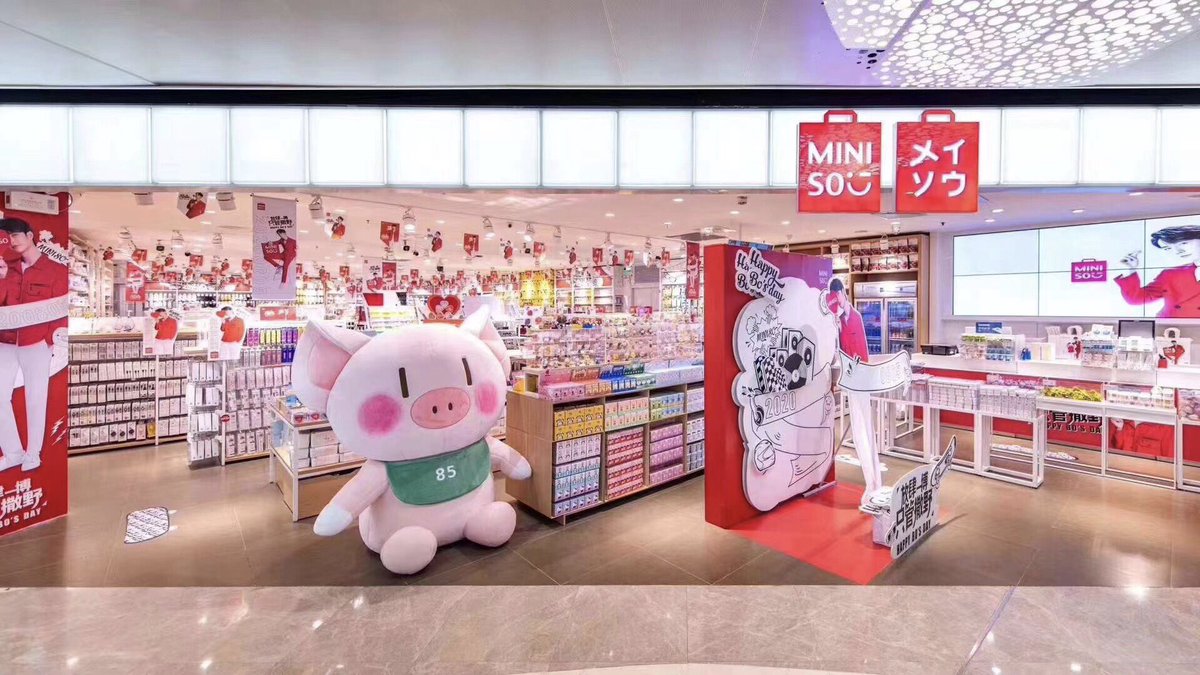
  • Miniso sees positive and steady development in Vietnam market

    Miniso sees positive and steady development in Vietnam market

    Chinese discount retailer Miniso has opened more than 40 stores in Vietnam, four years since it launched in the market.

    Miniso entered Vietnam with its first store in Hanoi in 2016. Since then, the brand has been the local’s favorite destination for discount merchandise. Miniso now has more than 700,000 fans following its Facebook account.

    Miniso operates in key cities in the country and has a presence at major shopping malls including Aeon, Lotte, and Vincom.

    During the early stages of entering Vietnam, Miniso showed its understanding of the market by choosing local top star Son Tung M-TP as a brand ambassador. The brand also teamed with well-known Vietnamese host Sam to launch a beauty line called Sam Skin and Makeup.

    “The Vietnamese market has always shown great potential for development,” the company said in a statement. “Even under the epidemic, the market’s increasing demand for consumer experience and cost-effective products have made Miniso very confident in the future development of the Vietnamese market.”

    Miniso has not only joined several e-commerce channels, including Shopee, Lazada, and Tiki, but also created Shopify to provide “a barrier-free shopping environment”.

  • Starbucks China opens first coffee outlet made of containers

    Starbucks China opens first coffee outlet made of containers

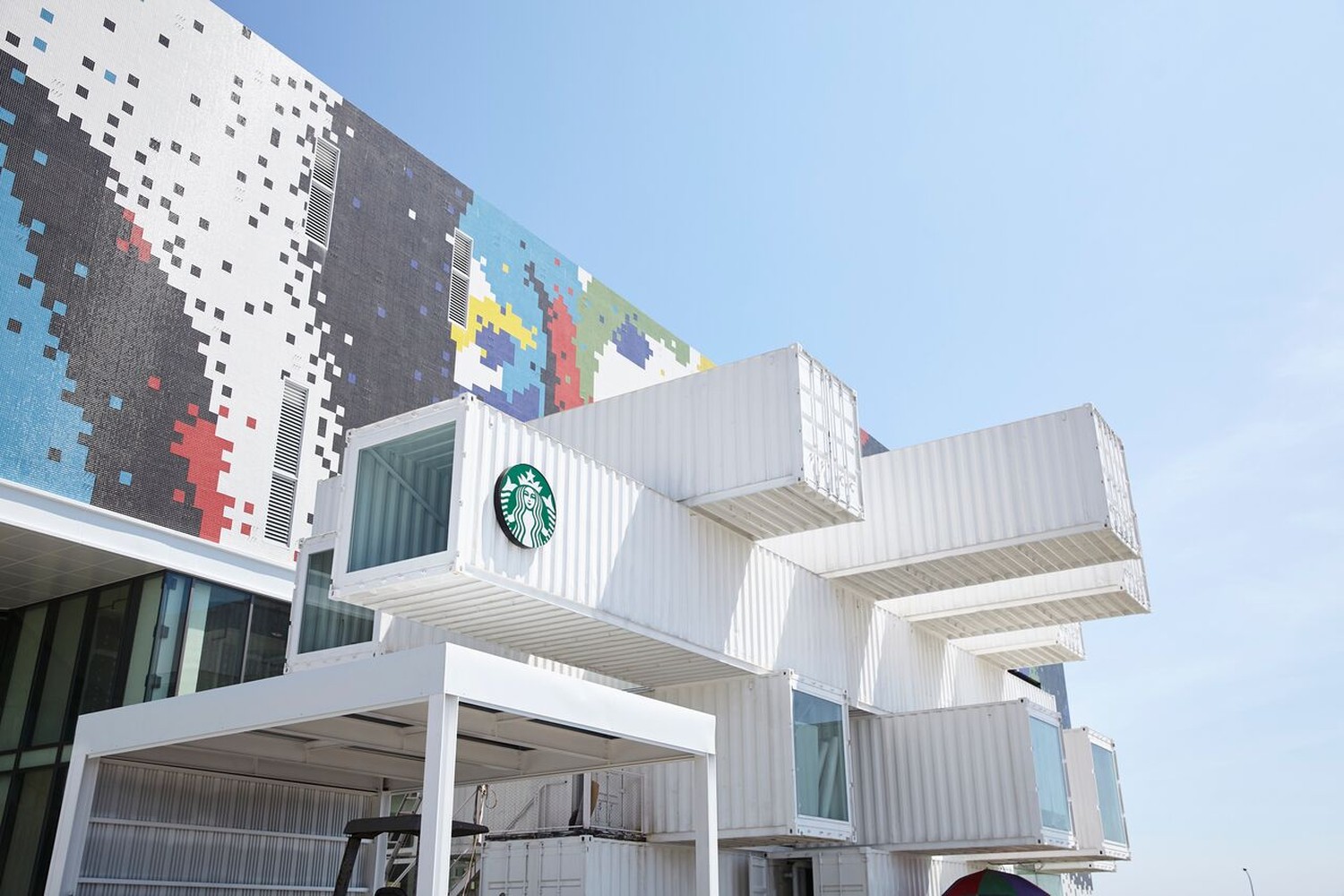
    Starbucks has just unveiled a new concept store in China created inside six repurposed shipping containers.

    An identical concept, created by Japanese architect Kengo Kuma, first appeared in Taiwan. As the 800th store in Shanghai, the Starbucks container store helped set a new record for the city – it has more Starbucks stores than any other city in the world.

    The cafe is located at Shanghai’s Wisdom Bay Science Innovation Park, on space which was formerly home to warehouses and container storage yards.

    Today, the area has been gentrified, converting abandoned cargo containers into office spaces as well has housed the nation’s first museum of 3D printing.

    Elements of the Silicon Valley-esque structure have also been replicated inside the store to create ‘cultural coffee experiences’, an art gallery and a wall installation art piece created by a 3D printer.

  • Costa sliming down Chinese cafe network

    Costa sliming down Chinese cafe network

    British coffee franchise Costa will pull back further from the China market by early next year.

    In response to a dip in consumer demand, the Coca-Cola-owned firm reduced its physical stores within the territory by around 10 percent last month, half of which were located in the capital, Beijing. It has also shuttered its entire network in the coastal city of Qingdao.

    The brand’s long-standing aspirations for China have been frustrated during the Covid-19 pandemic, caused by rising unemployment and other economic factors hit by the outbreak. The firm’s operations have also been strongly impacted by the virus within its home market, with 1650 staff dropped off the payroll in the UK

    Costa has had significant difficulties facing the competitive Chinese coffee shop market, having launched just a sixth of its 2500-store target network since opening in 2006. Despite this, recent statements by the firm reaffirm its commitment to the market.

  • DBS to Form Securities Joint Venture in China

    DBS to Form Securities Joint Venture in China

    The firm joins a string of international banks that have registered with Chinese authorities to set up onshore brokerages after the financial market supervisor loosened the rules on foreign access to financial markets.

    DBS Bank has received approval to establish a securities brokerage joint venture in China, which will provide brokerage, securities investment consulting, securities underwriting and sponsorship, as well as proprietary trading, the bank announced on Wednesday in a statement.

    The bank had been in discussions to set up a securities firm in China together with a local partner as far back as 2018.

    DBS Securities (China) will be 51 percent owned by DBS Bank, 24.67 percent by Donghao Lansheng Investment Management, 13.33 percent by Shanghai Huangpu Investment Holdings, 6.5 percent by Shanghai Huiyang Asset Management, and 4.5 percent by Shanghai Huangpu Guidance Fund Equity Investment.

    DBS chief executive Piyush Gupta called it a key milestone for the bank, and said it would «make available the best of DBS’ capabilities and offerings, and provide customers in China with a full range of onshore and offshore financial services.»

    The establishment of DBS Securities will further support the long-term sustainable development of DBS Group in China and meet the changing needs of customers in multiple aspects, Neil Ge, China head of DBS Group said.

  • Yum China confirms US$2.5 billion Hong Kong listing

    Yum China confirms US$2.5 billion Hong Kong listing

    Yum China Holdings, the parent of the Pizza Hut, KFC and other restaurant chains in Mainland China, has confirmed it will list on the Hong Kong stock exchange, raising up to US$2.5 billion.

    The company’s stock will continue to be listed on the New York Stock Exchange, with Hong Kong a secondary listing.

    In a statement, the company said it would use the net proceeds from the listing to “expand and deepen” its restaurant network and to invest in digitalization and supply chain, food innovation and value proposition, and high-quality assets.

    Yum China is the nation’s largest restaurant operator based on last year’s sales figures and at the end of June it had 9954 restaurants in more than 1400 cities and towns.

    The exclusive licensee of US part-parent Yum! Brands’ quick-service restaurant brands, which also include Taco Bell, the company has also invested in local chains Little Sheep, Huang Ji Huang, East Dawning and Coffii & Joy. Yum China is also partnering with Lavazza to explore and develop the Lavazza coffee shop concept in China.

    In its announcement, the company said it would offer 41,910,700 new shares of common stock at an offer price of not more than HKD468, based on the closing price of the stock on the last trading day on or before Friday (September 4) in New York. The shares will be listed on the Hong Kong exchange under the stock code 9987.

    The offer opened today and will close at noon Friday, Hong Kong time.

    Goldman Sachs (Asia) is the sponsor, joint global coordinator, joint bookrunner and joint lead manager for the offering, while Citigroup Global Markets Asia, CMB International Capital Corporation and UBS Group are acting as joint global coordinators, joint bookrunners and joint lead managers.

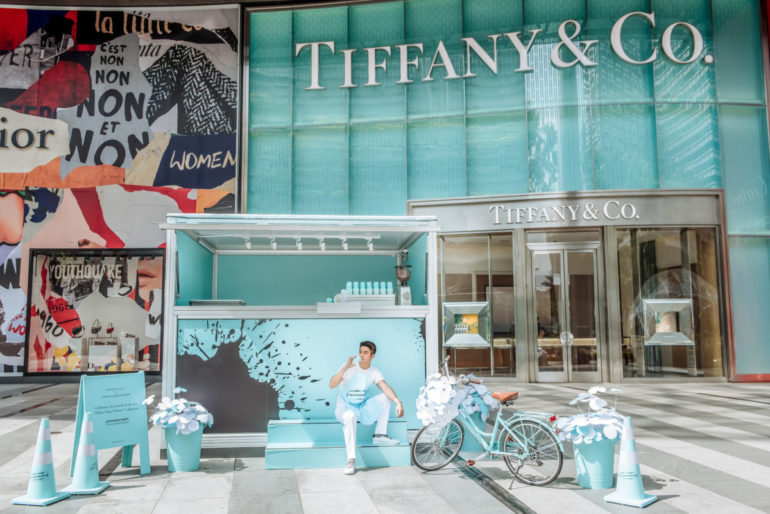
  • Massive China retail sales boost for Tiffany & Co

    Massive China retail sales boost for Tiffany & Co

    Aided by a massive sales boost in Mainland China, luxury jewelry retailer Tiffany & Co returned to profitability in the second quarter of this year.

    “Retail sales in Mainland China began to rebound in April and continued to accelerate in the month of May, during which retail sales increased approximately 90 percent as compared to the same period in the prior year,” said CEO Alessandro Bogliolo.

    “This robust recovery continued throughout the balance of the second quarter with retail sales up approximately 80 percent for the full quarter as compared to the same period in the prior year.”

    Tiffany’s second-quarter, worldwide net sales declined 29 percent from the prior year to $747 million and comparable sales declined 24 percent from the prior year. Net earnings of $32 million were down by 77 percent against the previous year’s $136 million. But that marked a welcome return to profit after a torrid, Covid-19 hit first quarter.

    For the half-year to July 31, worldwide net sales declined 37 percent year on year to $1.3 billion and comparable sales declined 34 percent. The company reported a net loss of $33 million compared with net earnings of $262 million the prior year.

    In the Asia-Pacific region, total net sales were flat in the second quarter and decreased 24 percent in the first half, to $299 million and $473 million, respectively, which included a comparable sales increase of 17 percent in the second quarter and a decrease of 16 percent in the first half.

    Besides the stellar China performance, Tiffany said its sales in South Korea rebounded strongly, however these increases were offset by softness across other markets and a decline in wholesale travel-retail sales, all related to the Covid-19 outbreak.

    In Japan, Tiffany’s net sales decreased by 28 percent in the second quarter and 34 percent in the first half to $111 million and $197 million, respectively.

    Bogliolo said the company’s global sales strengthened in August, with preliminary month-to-date worldwide sales through to August 25 “slightly positive” compared to the same month-to-date in the prior year.

    “Our focus on effective local market messaging continued with a marketing campaign, featuring the new Tiffany T ambassador Chinese singer Jackson Yee, which generated impressive levels of social media fan growth and consumer engagement that well exceeded our expectations.”

    Meanwhile, the company’s total e-commerce revenue was up 123 percent during the second quarter, accounting for 15 percent of overall sales – significantly higher than the 6-per-cent rate of the preceding three fiscal years.

    Bogliolo is bullish about the jeweler’s future prospects, despite the Covid-19 crisis. “I firmly believe that Tiffany’s best days remain in front of us because of the team’s demonstrated agility in response to unforeseen hurdles and our stated strategies, which continue to prove sound.

    “Our second-quarter results and August trends to date, in light of these challenging times, confirm the power and resilience of this venerable brand.”

  • JD teams with brands to launch an organic alliance

    JD teams with brands to launch an organic alliance

    JD’s online supermarket JD Super has formed an organic alliance with brands trading on its platform.

    More than 10 companies, including domestic and international ones, have joined the alliance, including Milk Deluxe, Bellamy’s, Abbott, Anchor, and Gerber.

    Under the alliance, JD Super and other members will work together with government bodies, channel merchants, and inspection institutes to collectively build an “organic traceability” mechanism, which records information about product life cycles, according to JD.

    “JD hopes to establish an organic industry ecosystem through the optimization of industry standards for organic products as well a wide range of support for organic brands to grow their appeal among Chinese consumers,” the company said in a statement.

    JD Super will also support the organic alliance’s members with organic labeling and to develop the platform.

  • JD teams with brands to launch an organic alliance

    JD teams with brands to launch an organic alliance

    JD’s online supermarket JD Super has formed an organic alliance with brands trading on its platform.

    More than 10 companies, including domestic and international ones, have joined the alliance, including Milk Deluxe, Bellamy’s, Abbott, Anchor, and Gerber.

    Under the alliance, JD Super and other members will work together with government bodies, channel merchants, and inspection institutes to collectively build an “organic traceability” mechanism, which records information about product life cycles, according to JD.

    “JD hopes to establish an organic industry ecosystem through the optimisation of industry standards for organic products as well a wide range of support for organic brands to grow their appeal among Chinese consumers,” the company said in a statement.

    JD Super will also support the organic alliance’s members with organic labeling and to develop the platform.

  • Tmall seeks to boost engagement with Chinese Gen Z luxury consumers

    Tmall seeks to boost engagement with Chinese Gen Z luxury consumers

    High-end Chinese e-commerce platform Tmall Luxury has implemented new features to boost its brands’ appeal for Gen Z consumers in the region.

    The three new features include a daily live streaming service on luxury topics, a content-rich magazine channel featuring fashion news, and an upgraded membership program offering personalized services. The features are a response to the strong spending power for luxury items exhibited by consumers within the Gen Z age group, spending on average US$3600 annually on high-end goods.

    Data collected by Tmall Luxury shows that four-fifths of its user base are below the age of 35, with the number of luxury consumers aged 18–25 age group more than doubling between July 2018 and June last year. The emerging consumer dynamic has attracted top brands in the category such as Valentino and Balenciaga to collaborate with the platform.

    “By providing Tmall’s unparalleled analytics and insights on luxury consumption in China, we empower luxury brands with a deeper and more accurate understanding of local consumer preferences,” said Alibaba VP and GM of Tmall luxury, fashion and FMCG Mike Hu. “These insights allow luxury brands to precisely tailor their communications to Chinese young audiences while staying true to their brand identities.”

    Almost 200 brands have opened flagship stores on the Tmall Luxury platform.