Tag: China

  • Chinese mystery box retailer Pop Mart rakes in millions from millennials

    Chinese mystery box retailer Pop Mart rakes in millions from millennials

    Taking pride of place in 28-year-old Beijing lawyer Wu Ge’s bedroom are dozens of small figurines displayed on clear plastic shelves with designs ranging from cherubic dolls to characters from Japan’s Pokemon series.

    Wu estimates that she has spent over 5,000 yuan ($766) in the past three years buying the pieces from Chinese toy seller Pop Mart International Group, amassing a collection of over 80 figurines.

    Millions of young Chinese toy lovers like her are behind the popularity of Pop Mart, a Beijing-based company due to list in Hong Kong on Friday after raising $676 million in an initial public offering that priced at the top of its range, valuing the decade-old firm at as much as $7 billion.

    The company’s main product is “mystery” toy boxes that each hold a single figurine such as “pool babies” from the elf-like Pucky range, which Wu says are her favorite, or different versions of its best-selling character, the large-eyed, round-faced Molly doll.

    The boxes, which cost about $9 each, have been a big hit with China’s millennials. Consumers born after 1995 spend more on mystery toys than any other hobby, including fancy shoes and esports, according to a report last year by Alibaba-backed online shopping platform Tmall.

    Pop Mart, the market leader, more than tripled its revenues last year to 1.68 billion yuan ($256.8 million), according to its prospectus.

    The IPO drew strong interest from investors, with the retail offer 356 times oversubscribed.

    “The company operates in a niche and doesn’t really have any listed comparables in the region,” said Aequitas Research partner Sumeet Singh, who publishes on the Smartkarma research platform. “In addition, it is continuing to expand its network which will continue to aid growth.”

    Pop Mart and its advisors were so confident the deal would be popular that it elected not to take cornerstone shareholders which are common in Hong Kong IPOs.

    “I think consumer concepts will be a new focus in the market,” said a banker with direct knowledge of the matter who declined to be named as he was not authorized to speak to media. “In China, consumption is the growth engine of the economy.”

    Pop Mart’s listing will make its 33-year-old founder Wang Ning, who holds a 56% share in the firm, a billionaire. Pop Mart did not respond to requests for an interview.

    Mystery toy boxes are not new and trace their origins to Japan’s vending machine capsule models, Gashapon, a cash cow for the likes of toymaker Bandai. But Pop Mart has taken the trend to new heights, teaming up with artists to design new figurines and build up a pool of trademarks.

    The company now distributes its products in 21 countries outside China. Its customers – mostly aged 18 to 35 – are 75% female, the prospectus said.

    A key attraction for shoppers who buy the toys either online, from Pop Mart’s 136 mainland China stores, or 1,001 vending machines, is the surprise element: They do not know which exact figurine they get until they open the box.

    Some have become lucrative collectibles. Wang Di, a 19-year-old university student with more than 100 figurines, said she recently sold a rare Labubu – a rabbit-like creature with monster’s teeth – for over 700 yuan, more than 10 times what she paid for it.

    But other fans say they just love the toys for themselves.

    “Working pressure is huge for young people, and when I see these beautiful figurines on my desk, I’m cheered up. Some people prefer fresh flowers on their desk, and they are flowers for me,” said Wu.
  • Volkswagen adopts new sales model in Mainland

    Volkswagen adopts new sales model in Mainland

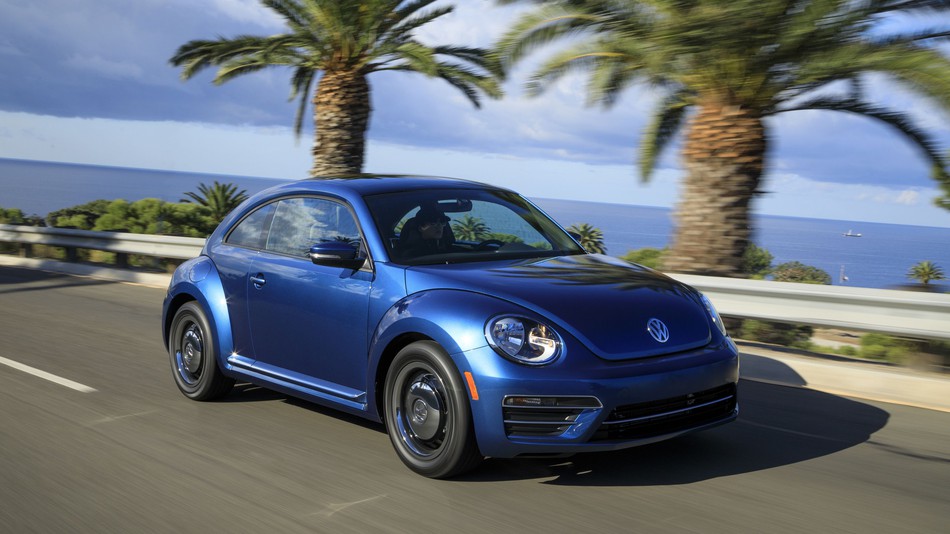
    Volkswagen AG is launching another sales model in China that will see the automaker open showrooms in city centres for electric vehicles (EV) and offer fixed prices.

    The move marks a departure from the conventional sales system used by the wider industry in China.

    Last week, Volkswagen’s joint venture with SAIC Motor opened its first showroom under this system in the eastern city of Hangzhou, according to a social media post. The store, named “ID. Store X”, sells its ID. range of family cars.

    The German automaker said customers can order vehicles at a fixed price directly through the company website, phone app or from authorized dealers. The stores are invested and operated by selected dealers, not the automaker.

    The dealers get a commission from vehicle sales and do not need to maintain the car inventory, Volkswagen said.

    Traditionally automakers including Volkswagen, GM and Toyota set the official price, but dealers are expected to keep an inventory of vehicles and often allowed to offer discounts or price them higher depending on the demand for the models.

    The German automaker’s new attempt still differs from Tesla’s direct sales model that bypasses dealers entirely. Tesla’s model allows the US carmaker to manage the process from production to pricing to sales to delivery while adding operational costs of running the wholly-owned stores.

    Showroom strength is becoming an important differentiator for EV makers in the world’s biggest auto market, as they line up model launches. Tesla currently has over 150 showrooms and service centres in China while Nio has 189 stores. Xpeng had 116 and Li Auto has 45 showrooms, as of the end of September.

    SAIC-Volkswagen said it would open 40 ID. Store X stores in 29 Chinese cities in the next 18 months. Volkswagen’s other venture with FAW Group has yet to announce a detailed sales plan for EVs.

    Volkswagen said last month that it will launch eight ID. family models in China by 2023 with its local partners SAIC and FAW.

    Sales of electric, plug-in hybrid and hydrogen-powered vehicles in China are forecast to rise to 20 percent of new car sales by 2025 from just 5 percent now, the State Council said last month.

  • JD is China’s first online platform to accept digital Yen

    JD is China’s first online platform to accept digital Yen

    Chinese e-commerce firm JD.com said it has become the first online platform to accept the country’s digital currency.

    The announcement on Saturday comes as part of another real-world major trial for the digital yuan in Suzhou, a city that’s about 65 miles west of Shanghai.

    A total of 20 million yuan ($3 million) will be up for grabs in a lottery, according to a WeChat post by JD Digits, JD.com’s fintech arm. Winners will receive a so-called “red packet” via an app containing a maximum of 200 yuan of the digital currency. A hundred thousand of these red packets will be distributed.

    Those who receive digital yuan can spend it on JD.com’s online shopping platform.

    This is not the first time that China is handing out a large sum of its digital currency. In October, a total of 10 million yuan was handed out to citizens in China’s technology hub Shenzhen in a lottery.

    The digital yuan, which is controlled and issued by the People’s Bank of China, is what’s known as a central bank digital currency (CBDC). The central bank calls its project the Digital Currency Electronic Payment or DCEP, though it has remained quite tight-lipped about its development.

    Central bank digital currencies are unlike cryptocurrencies such as bitcoin, or even the Facebook-backed digital coin Libra. That’s because they are controlled and issued by a central bank.

    Bitcoin, which recently hit a record-high price, is decentralized — that means it’s not controlled or issued by a single entity.

    Central banks are looking closely at digital currencies because they promise features such as more efficient cross-border payments as well as moving countries toward cashless societies.

    The BIS, a group of central banks, said earlier this year that 80% of the world’s central banks “had already started to conceptualize and research the potential for CBDCs.”

    China’s central bank appears to be the most advanced in its rollout of a digital currency compared to other major economies, though it has stopped short so far of a nationwide rollout and has instead focused on pilot projects.

  • Dunhill catches Chinese star Yang Yang for global ambassadorship

    Dunhill catches Chinese star Yang Yang for global ambassadorship

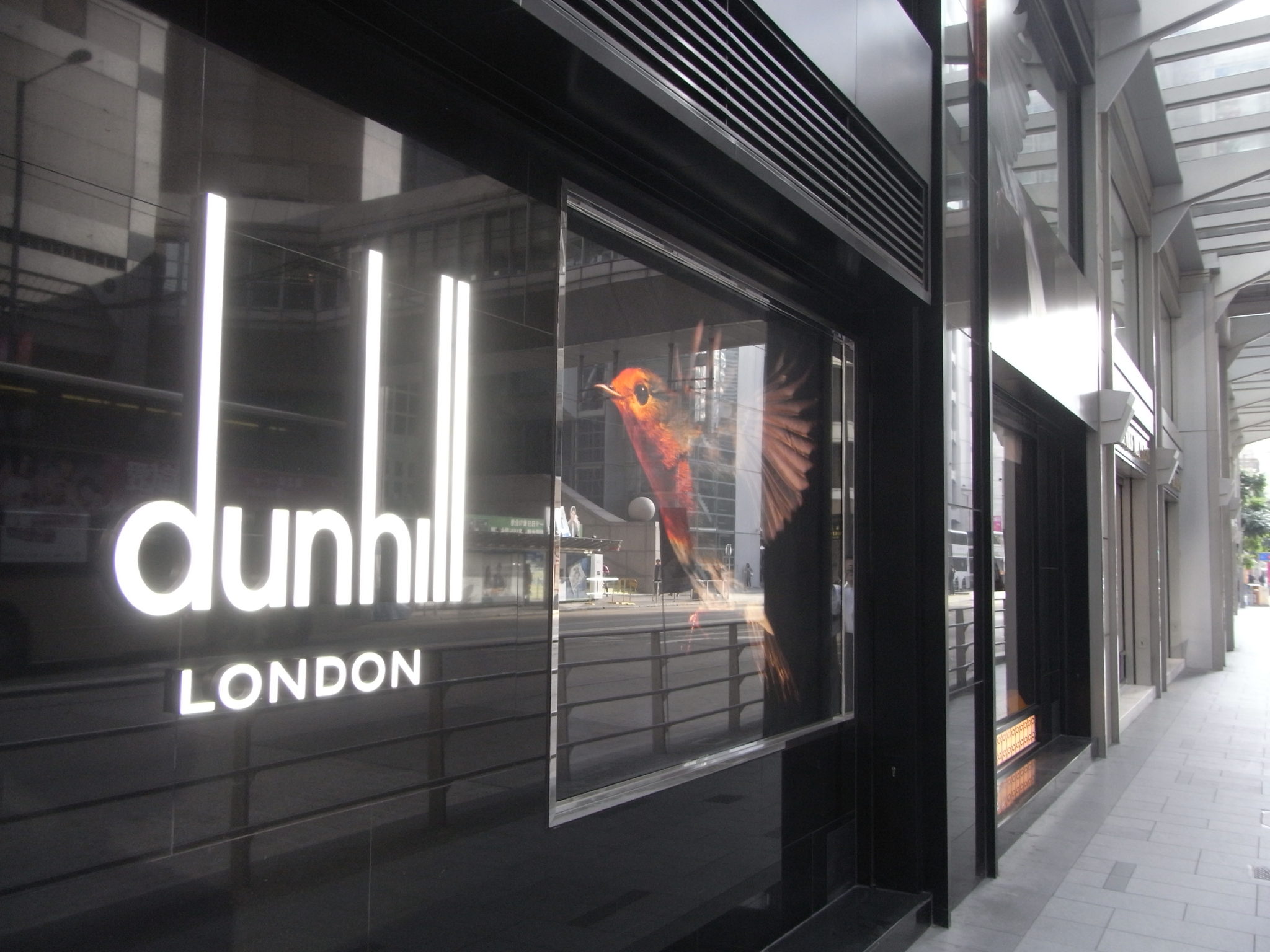
    Fashion brand Dunhill introduces Chinese actor Yang Yang as their newest Global Brand Ambassador. Yang and Dunhill’s creative director Mark Weston first meet at brand’s Fall Winter 2020.21 show in Paris. Chinese actor will represent Dunhill at this year’s GQ China Men of the Year Awards.

    As a British luxury House, Dunhill has always fascinated me and I am honoured to be their Global Brand Ambassador. When I met Mark in Paris at the show, it was clear to me that we hold many shared sensibilities and I am looking forward to continuing our work together. – Yang

    It’s great to work more closely with Yang Yang and I am excited for the new perspective he will bring. I was intrigued to hear about his personal and professional story and impressed by his drive and humility. His considered approach to his craft resonates with me personally. – Mark Weston.

  • British footwear brand Tricker’s to launch in China

    British footwear brand Tricker’s to launch in China

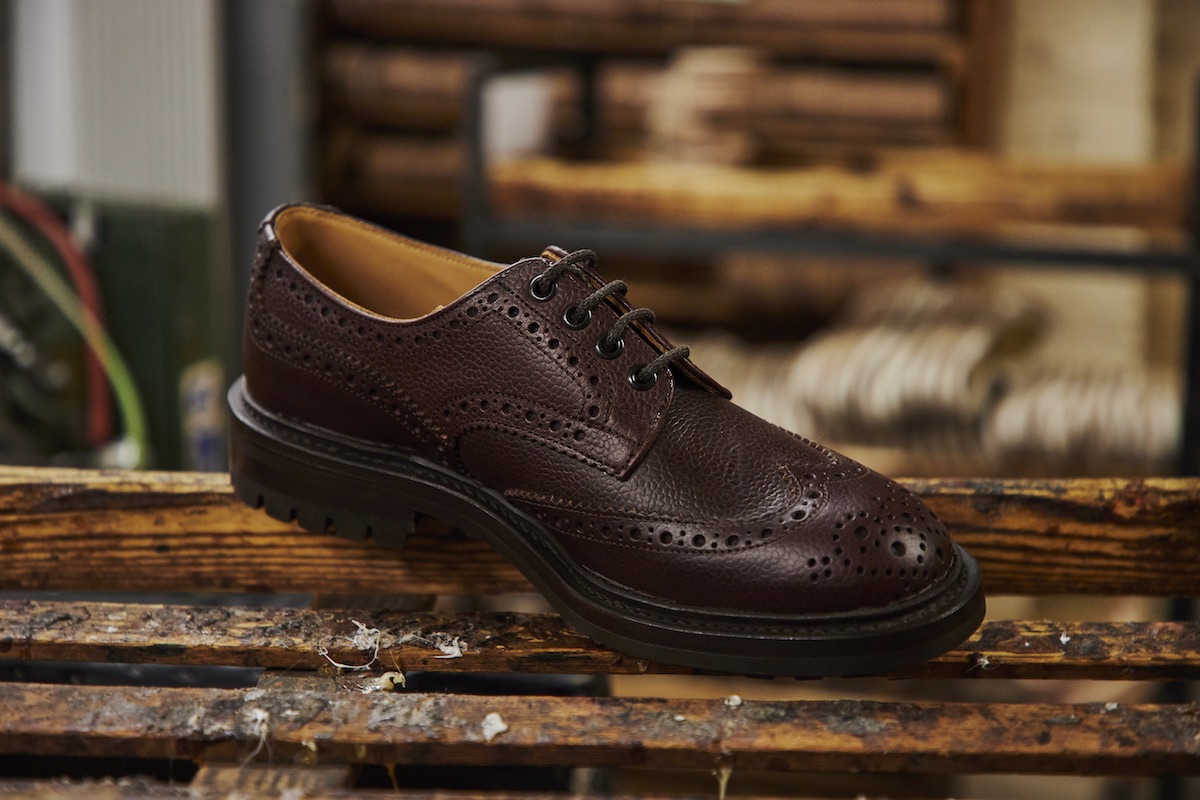
    The brand has held a Royal Warrant with Prince Charles since 1989 and was recently visited by the Prince of Wales to celebrate its 190th anniversary with a commemorative plaque. It manufactures its leather shoes and boots in a factory in Northampton, a town renowned for its shoe industry. A total of 260 individual processes are involved in the creation of each pair of shoes.

    Martin Mason, brand managing director, told BBC News that footwear made in Northampton was “revered” in Japan and that the brand’s products are seen as a luxury.

    “If you head into Tokyo, Northampton footwear has a really important place,” he said.

    Japan seems to be a big market for English footwear, with Northamptonshire shoemakers said to be exporting £20m worth of shoes to Japan each year.

    For Tricker’s, Japan helps boost international sales, which account for about 80% of the firm’s revenues. The brand is considering opening further stores in countries including South Korea and the United States.

    In a social media post, the brand said its new store located in the wealthy Aoyama neighborhood is an absolute replica of its Jermyn Street shop, which opened in the high-class destination noted for men’s tailoring in 1938.

  • China Grants Tesla Green Light To Start Selling Shanghai-Made Model Y SUV

    China Grants Tesla Green Light To Start Selling Shanghai-Made Model Y SUV

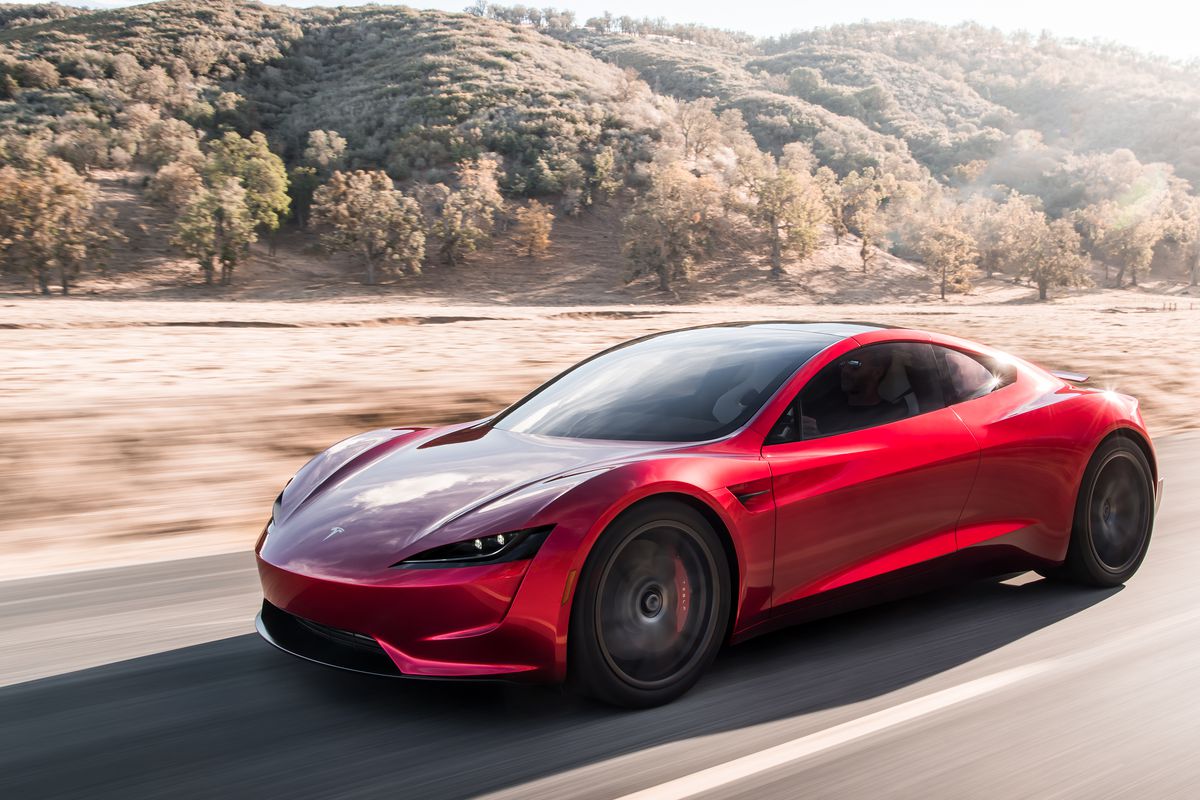
    Tesla Inc has obtained permission to start selling its Shanghai-made Model Y sports utility vehicle in China. The Ministry of Industry and Information Technology published the approval on its website on Monday.

    Tesla, now sells its Model 3 electric cars in China and has been building new car manufacturing capacity in Shanghai to make its Model Y SUVs. It applied for the Shanghai-made Model Y SUV sales permission earlier this month.

    It started delivering vehicles made in its Shanghai factory last December and sold more than 13,000 vehicles in China in October.

    The company has started exporting China-made Model 3 cars to Europe and said last week it plans to also start making electric vehicle chargers in China in 2021.

  • Tiffany beats profit estimates on soaring China demand

    Tiffany beats profit estimates on soaring China demand

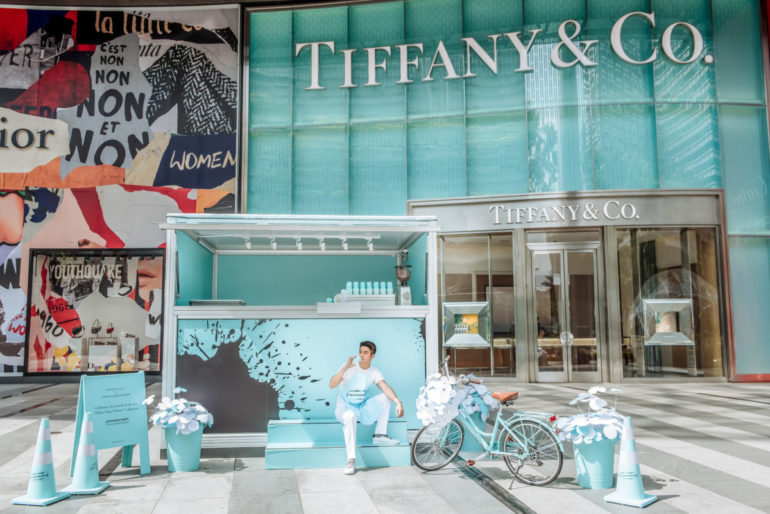
    Tiffany & Co, which is being bought by French luxury giant LVMH, beat Wall Street expectations for quarterly profit on Tuesday as the U.S. jeweler benefited from an over 70% rise in sales in China and a recovery in demand at home.

    The results bode well for the upcoming holiday season for the jeweler and other luxury retailers in general, which have been hit hard by the pandemic. They also underscore the growing importance of sales within mainland China to offset dependence on tourism, especially on Chinese tourists visiting fashion hubs like Milan and Paris.

    “We had a strong third quarter …. which speaks volumes about the enduring strength of the Tiffany brand and gives us confidence as we enter the important holiday season,” Chief Executive Officer Alessandro Bogliolo said, nodding to “the successful completion of the merger transaction with LVMH in early 2021.”

    Tiffany and LVMH ended a bitter legal battle last month and agreed to a new deal that would see the French firm buy out the U.S. jeweler at a slightly lower price of $15.8 billion, or at a discount of $425 million.

    Tiffany said sales in the Asia-Pacific region rose 30%, while sales in the Americas region declined 16% – much smaller than the 46% drop seen in the preceding quarter.

    Tiffany forecast a mid-single-digit percentage decline in holiday quarter sales, while analyst had predicted a 3% drop. It also expects a high-single-digit percentage increase in earnings for the current quarter.

    The health crisis also forced the New York-based retailer to invest in its online business and to introduce curbside pick-up at certain stores. This helped e-commerce sales surge 92% in the quarter.

    Best known for its diamond engagement rings, Tiffany could face more challenges ahead as COVID-19 cases are surging in much of the U.S. and across the world, spurring Britain and other countries in Europe, and many American states, to go into another lockdown.

    As of Oct. 31, most of Tiffany’s 320 retail stores worldwide were fully or partially opened, in accordance with local government guidelines, it said. As of Nov. 20 though, approximately 60% of Tiffany’s retail stores in Europe were temporarily closed.

    But analysts remain optimistic.

    “Q3 results also reiterate our confidence that the Tiffany brand will continue to shine through the holidays,” said CFRA analyst Camilla Yanushevsky.

    According to a CFRA site traffic analysis of Alexa Internet’s data, there is “growing traffic momentum” to tiffany.com entering the all-important holiday season, Yanushevsky added.

    Shares of the company were up marginally on low volumes in premarket trading.

    Excluding certain item, Tiffany earned $1.11 per share, surging past the average expectation of 66 cents.

    Tiffany’s net sales fell about 1% to $1.01 billion in the third quarter ended Oct.31, but beat expectations of $980.71 million, according to IBES data from Refinitiv.

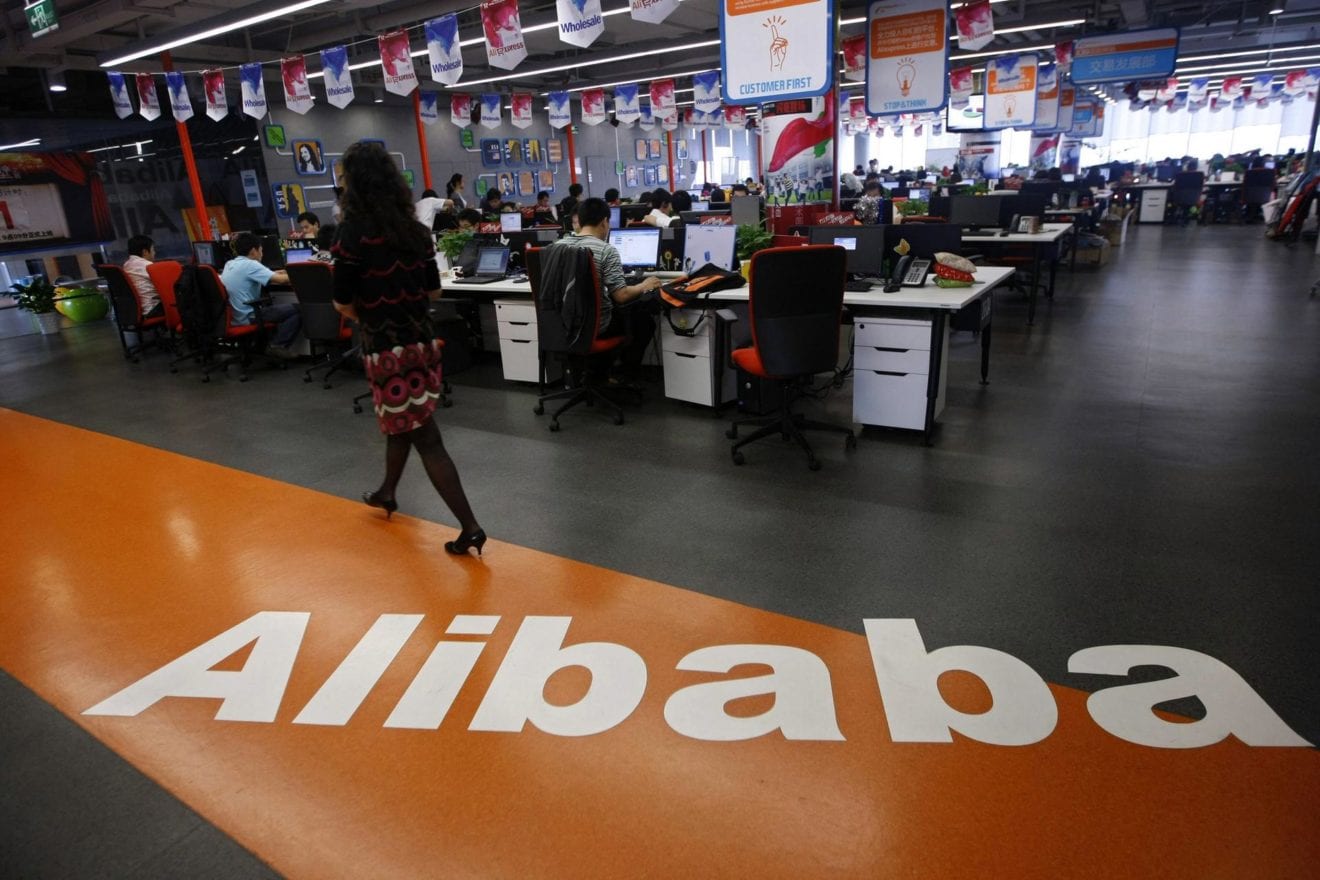
  • Alibaba CEO hails China’s draft anti-monopoly rules ‘timely and necessary’

    Alibaba CEO hails China’s draft anti-monopoly rules ‘timely and necessary’

    China’s move to draft rules aimed at preventing monopolistic behavior by Internet platforms is “timely and necessary”, Alibaba Group CEO Daniel Zhang said on Monday (Nov 23).

    Speaking at the World Internet Conference, Zhang said Chinese Internet companies have moved to the forefront of the global industry with the help of government policies, but regulations need to evolve.

    The industry’s “development and government supervision is a relationship that promotes and relies on each other, so that platform enterprises cannot only develop well themselves, but also serve the sustainable and healthy development of the whole society”, he said.

    The annual event from Nov 23 to 24 organized by the Cyberspace Administration of China takes place as the country’s Internet giants including Alibaba, Tencent Holdings and Meituan face increasing government scrutiny.

    Earlier this month the planned US$37 billion share market listing of Alibaba affiliate Ant Group was suspended after regulators warned its lucrative online lending business faced tighter scrutiny.

    Alibaba’s e-commerce marketplaces and payment services are also expected to face greater oversight under the draft rules published on Nov 10 by China’s market regulator, which said it wanted to prevent platforms from dominating the market or from adopting methods aimed at blocking fair competition.

    Zhang is one of the few Chinese technology chiefs to appear publicly at the event after it was scaled down due to the COVID-19 pandemic. Other chief executives such as Qualcomm’s Steve Mollenkopf delivered remarks via video.

  • Huawei, Qualcomm, and Oppo are arguably the three most innovative firms in wireless technology

    Huawei, Qualcomm, and Oppo are arguably the three most innovative firms in wireless technology

    This might not come as a surprise to some people living in China, or to those who make a living by following the goings on of the wireless world, but there is a good case for calling Huawei the most innovative outfit in this realm. The company’s Mate series phones are traditionally one of the top technologically based smartphones in the world each year. However, the powerful 5nm chips it designed for this year’s Mate 40 line can no longer be shipped to the company because of a new U.S. export rule. The rule bans foundries like TSMC from shipping cutting-edge chips to Huawei without a license if said chips were produced using American technology.

    An industry report cited by the South China Morning Post states that from the beginning of this year through the end of October, Huawei filed 8,607 patent applications related to wireless technology. That put the firm at the top of the pack, well ahead of San Diego, California based chip designer Qualcomm; the latter sought 5,807 patents during the same January to October time period. Chinese smartphone manufacturer Oppo was third with 5,353 patent applications. Database provider incoPat, headquartered in Beijing, is responsible for the data used to compile the list.

    According to incoPat, both China and the U.S. led the way with each making up 32% of the patents filed from January through October. Japan was next with 15% followed by the 7% submitted by South Korea. IncoPat says that the information it uses comes from patent filings available to the public in the field of wireless communications. This includes patents filed to protect inventions related to 5G technology. The report issued by incoPat notes “As a key area of modern communications, wireless communication network technology has always been a very important part in the 5G research and development process. With the new technological competition and new globalisation situation, wireless communication network technology is becoming an important strategic choice for enterprises to face international competition.”

    5G is the next generation of wireless connectivity and the countries that control 5G will have an advantage economically. That is why, seeing how innovative Huawei is and not wanting to be left behind, back in June the U.S. Commerce Department amended the entity list ruling that prevents Huawei from working and doing business with U.S. based firms. Now, American tech companies are allowed to work alongside Huawei to help create global 5G standards. The U.S. feared that being left out of the meetings attended by Huawei would hold the U.S. back in terms of the development of 5G.

    Huawei is also the leader in helping the 3GPP develop standards for 5G. 3GPP (the 3rd Generation Partnership Project) is a term that covers standards organizations that help create protocols for mobile telecom. After Huawei, Ericsson and Qualcomm provide the most contributions to 3GPP for 5G standards. According to SCMP, this year 3GPP completed its next set of standards for 5G which include possible applications for 5G such as autonomous driving, smart factories, and remote surgery.

    Earlier this month, China’s Ministry of Industry and Information Technology (MIIT) said that the country has built nearly 700,000 base stations in 2020 topping its original target of 500,000 for the whole year. As the world’s leading provider of networking equipment, Huawei is also an important supplier of 5G base stations. In fact, published reports indicate that Huawei will replace Ericsson this year to become number one in 5G base stations. Ericsson is expected to see its market share decline from 30% last year to 26.5% in 2020. Huawei, on the other hand, should see its 5G base station share rise from 27.5% last year to a leading 28.5% in 2020. That is, along as it can find enough 5nm Kirin 9000 chipsets to power these base stations. As we mentioned earlier in this article, the U.S. is preventing Huawei from receiving cutting-edge chips from TSMC.

  • Rivian CEO Eyes Smaller Electric Vehicles For China, Europe

    Rivian CEO Eyes Smaller Electric Vehicles For China, Europe

    Electric vehicle startup Rivian, which is backed by Amazon and Ford Motor Co, on Wednesday said it plans to follow up its first two products, a full-size pickup and SUV, with smaller models targeted at China and Europe where it may eventually build some vehicles.

    While Rivian plans to begin selling the SUV in Europe in 2022 and China soon after, “what will really drive volume in those markets is the follow-on products” that are smaller and tailored for overseas customers, Rivian founder and Chief Executive R.J. Scaringe told Reuters.

    The smaller models, which are expected to share key components with the pickup and SUV, will “fit some of those other markets really well, in particular China,” Scaringe said.

    “To really scale in those markets as we bring on follow-on products, having a production footprint outside the U.S. is going to be important,” he said. “That’s a ways off.”

    Scaringe added: “We wouldn’t be serious about building a car company if we weren’t thinking about China and Europe as important markets long term.”

    The company’s first plant in Normal, Illinois, has begun pilot production ahead of next year’s launch of three models – the R1T pickup and R1S SUV, which Scaringe described as “halo products” for Rivian, and a large electric delivery van for Amazon.

    Speaking from a room overlooking the assembly line, Scaringe said the former Mitsubishi Motors plant reflects an unusual degree of vertical integration, with room for building motors and battery packs for the vehicles and for further expansion.

    Rivian has said deliveries of the pickup would start in June 2021, while those of the SUV would begin in August. Launch editions of the vehicles are priced at $75,000 (GBP 56,454) and $77,500, respectively, with a 300-mile (480 km) driving range for both.

    The electric pickup market will soon be crowded as Ford, General Motors Co and Tesla Inc, as well as several other startups, are developing similar models. Numerous automakers also are rolling out electric SUVs.

    In July, Rivian, founded in 2009, boosted its war chest with a $2.5-billion investment round led by T. Rowe Price, raising total investment in the startup to $6 billion. Investors include Soros Fund Management, Fidelity and BlackRock, as well as Saudi auto distributor Abdul Latif Jameel Co (ALJ).

    Amazon, which has relationships and deals across the auto industry, led a $700 million investment round in Rivian last year.

    The e-commerce company also ordered 100,000 electric vans from Rivian. The first Amazon vehicles go into production in Normal in late 2021, with all deliveries to be completed by 2024.

    Scaringe said Rivian has begun setting up service centers and will deploy mobile units to handle maintenance and repair work on Amazon’s vans, as well as Rivian vehicles for retail customers.

  • JD revenue soars with post-Covid online sales boom

    JD revenue soars with post-Covid online sales boom

    Chinese e-commerce company JD.com Inc posted a better-than-expected quarterly profit on Monday as online sales remained strong even after coronavirus-led restrictions were lifted in the world’s second-largest economy.

    The Beijing-based company, which recorded growth across a wide range of product lines, joined competitors Pinduoduo and Alibaba Group in racking up double-digit growth as China’s economy recovers from COVID-19 damage.

    JD.com Chief Executive Officer Richard Liu said its business partners are recovering rapidly as well.

    Last month, data showed that China’s retail sales edged up 3.3% in September from a year earlier, beating analysts’ forecast for a 1.8% growth.

    Sales in JD.com’s product segment, which includes online retail sales, rose 27% to 151.4 billion yuan ($22.99 billion) in the quarter.

    JD.com’s net revenue rose 29% to 174.21 billion yuan in the third quarter ended Sept. 30. Analysts had expected revenue of 170.2 billion yuan, according to IBES data from Refinitiv.

    Excluding items, JD.com earned 3.42 yuan per American depository share (ADS) while analysts had expected a profit of 2.65 yuan per ADS.

  • Nissan Plans To Invest Heavily In China Luxury Segment, COO Says

    Nissan Plans To Invest Heavily In China Luxury Segment, COO Says

    Japan’s Nissan Motor plans to invest heavily in China’s luxury auto segment, its chief operating officer said on Monday.

    Ashwani Gupta made the comment in an interview during the Reuters Auto Summit teleconference. He also said that while he was satisfied with the automaker’s business in the United States, it wasn’t enough.

  • Pinduoduo sales beat expectations

    Pinduoduo sales beat expectations

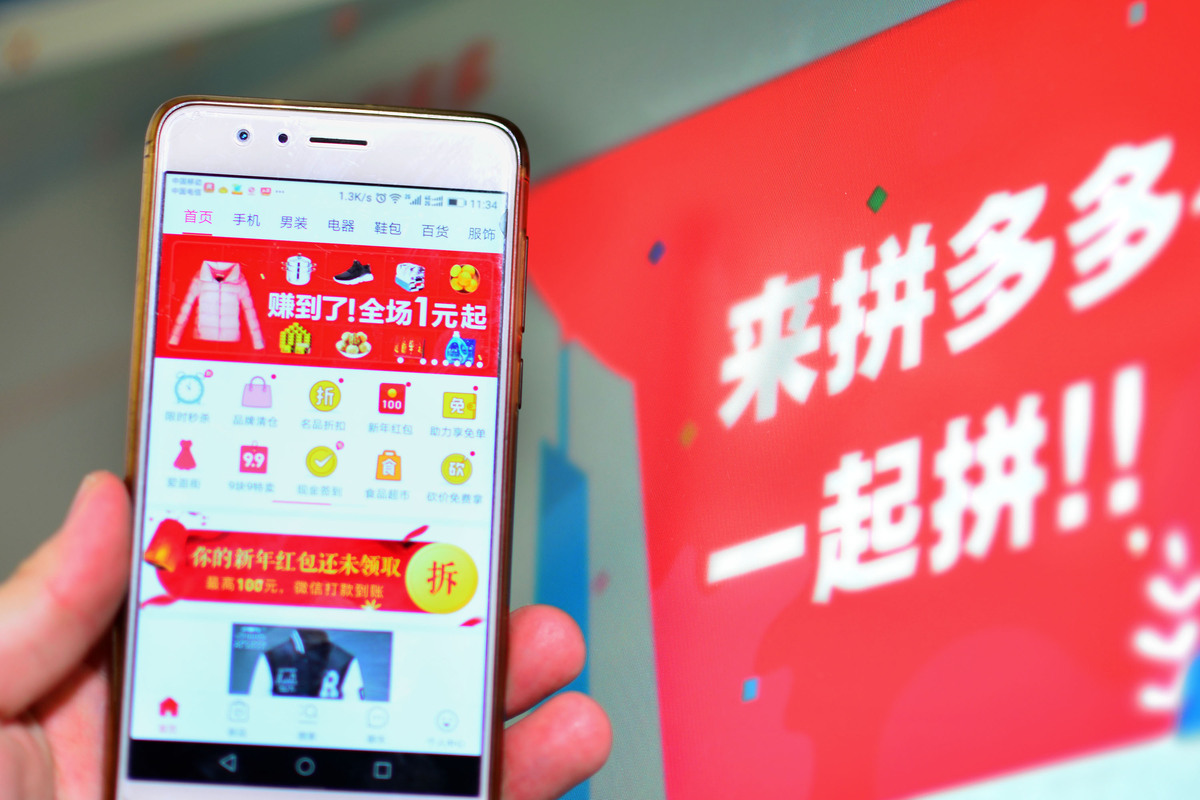
    Pinduoduo, China’s largest e-commerce platform for agricultural products, has expanded its online grocery ordering service to most provinces since introducing it in the cities of Wuhan and Nanchang in August.

    Duo Duo Maicai, as the grocery feature is called, was introduced in response to the surging demand for buying groceries online following the onset of Covid-19 in the first quarter. The pandemic-related lockdowns forced many households to seek alternative ways to buy their food and essential supplies as brick-and-mortar shops were closed and movements severely restricted.

    But even after the coronavirus was brought under control and restrictions were lifted, a survey by GlobalData found that 56% of Chinese consumers were buying food and groceries online more frequently than before the lockdowns.

    By 2025, nearly half of China’s grocery shopping is expected to take place online, up from 20% currently, according to Goldman Sachs. The online grocery market is projected to reach 7 trillion yuan in five years, the bank said.

    “We are seeing sustained consumer behavior post-pandemic and expect a further shifting from wet markets to structured retail, together with multiple models and build-out of cold-chain logistics to drive ongoing online share gains in” the fresh and FMCG categories, Goldman Sachs said in a report.

    The boom in online grocery shopping in China is a marked change for a society where going to the local market is woven into the fabric of daily life for many households. But with an increasingly fast pace of life, especially in the bigger cities, more and more consumers are availing themselves of the option to buy their groceries online and picking them up the following day.

    Sensing a seismic shift in consumer preference, internet companies have poured resources into catering to this growing need. Other companies that have gone into the online grocery business include Alibaba, Meituan and Didi, the ride-hailing giant.

    “We believe that grocery shopping in China is undergoing similar structural changes in consumer behavior that we saw in other sectors a few years ago,” Chen Lei, Chief Executive Officer of Pinduoduo, said in the company’s post-results conference call on Thursday. “The presumption that most consumers still prefer to go to the wet markets or supermarkets for their daily essentials has been challenged over the past few months.”

    Pinduoduo reported its first quarterly profit since its IPO in 2018. The company has garnered 731.3 million active buyers in the space of five years, an unprecedented feat for an e-commerce company.

    With Duo Duo Maicai, consumers can place their orders before 11 pm each day and pick up their agriculture products the next day from 4 pm onwards at designated pick-up points. Duo Duo Maicai is available as a mini-program and on the main Pinduoduo app.

    This trend of “planned consumption” is driving a surge in agricultural sales, which are estimated to double this year to at least 250 billion yuan in GMV on Pinduoduo. The company said earlier this year that GMV from agriculture could surpass 1 trillion yuan in five years.

    Logistics

    To ensure that supply can keep up with this increased online demand requires a sophisticated supply chain. China’s agricultural supply chain is characterized by small farms, multiple distribution layers, and wastage at various stages. As a result, distribution costs for agricultural products typically account for 40% of the total cost (60% for fresh produce), compared with about 10% in developed economies.

    To improve the supply chain efficiency, Pinduoduo has invested in optimizing key areas including logistics, warehousing and delivery. The company has developed a nationwide and regional agricultural logistics system to cater to the different needs of consumers.

    In the fast-changing consumer and e-commerce industries in China, companies must stay nimble and cater to their users to survive.

    Comparing the shift in grocery shopping habits to the apparel industry five to seven years ago, Chen said: “No one could have imagined then that a significant number of consumers would use online shopping to choose, try out, and return clothes.”

    “But that’s exactly what we are seeing today.”

  • Alibaba shoppers shatter Singles Day record

    Alibaba shoppers shatter Singles Day record

    Singles Day on Nov. 11 is an unofficial Chinese holiday. The holiday has surpassed Cyber Monday as the largest online shopping day of the year globally.

    What Happened: Alibaba Group Holding owns the trademark to Singles Day and is the largest participating retailer.

    Yahoo Finance reports that Alibaba has added three additional days to the 2020 Singles Day holiday shopping season. The added dates are Nov. 1, 2 and 3.

    Shoppers can also get an early look Saturday with a countdown gala.

    Alibaba had over 1.3 billion orders in the 24-hour event in 2019.

    Rival JD.com holds a similar Singles Day event. JD.com reported Singles Day sales of $29.2 billion in 2019 spread out over 11 days.

    An estimated 300 million new users are expected to participate in the shopping event in 2020. Alibaba segment Tmall Global is expected to add 2,600 new brands for the event including Prada, Cartier and Chloe.

    Alibaba adding several days could break records.

    A survey from AlixPartners suggests spending will rise, with 39% of consumers saying they would spend more than in 2019.

  • Alibaba E-commerce sales sky high

    Alibaba E-commerce sales sky high

    Alibaba Group beat third-quarter revenue estimates, driven by e-commerce growth after China emerged from coronavirus lockdowns, and said it was assessing the suspension of its affiliate Ant Group’s listing.

    China’s surprise suspension of Ant Group’s planned $37 billion Shanghai initial public offering (IPO) was seen by some analysts and investors as an attempt by Beijing to cut founder Jack Ma and his financial services empire down to size.

    Alibaba CEO Daniel Zhang said during an earnings call that added that Alibaba is “actively evaluating” the impact of the Ant Group IPO’s suspension on its business and will “take appropriate measures accordingly”.

    Ant Group said separately it would decide whether to restart its IPO after fully reviewing and evaluating relevant measures.

    Alibaba’s results also coincided with markets awaiting the outcome of the US presidential election results, with Democrat Joe Biden edging closer to victory.

    Under Donald Trump, the world’s top two economies have clashed over trade, forcing some Chinese companies to put off US IPOs and list on exchanges close to home.

    Revenue at Alibaba’s cloud computing business, a focus area for the company, jumped 60 percent to 14.9 billion yuan (US$2.25 billion), while sales from its core e-commerce business rose 29 percent to 130.92 billion yuan in the reported quarter.

    Net income fell 63 percent to 26.52 billion yuan, as Alibaba had booked a one-off gain last year from its 33-per-cent stake in Ant Group.

    Revenue rose 30 percent to 155.06 billion yuan in the quarter ended September 30, compared to estimates of 154.74 billion yuan, according to IBES data from Refinitiv.