Tag: China

  • China fines Vipshop almost $500,000 for unfair competition acts

    China fines Vipshop almost $500,000 for unfair competition acts

    Chinese regulators have hit online discount retailer Vipshop Holdings Ltd with a 3 million yuan ($464,000) fine, the biggest to date in a recent clampdown on anti-competitive behavior among internet firms.

    In a sign that regulators are increasingly willing to use more tools in a newfound zeal to rein in monopolistic behavior in the tech sector, Vipshop was punished for violations of a law prohibiting unfair competition, which allows for fines of up to 5 million yuan.

    By comparison, other firms that have been hit with penalties since late last year was fined under China’s 2008 anti-monopoly law, which allows for a much lower maximum fine of 500,000 yuan.

    The Vipshop fine comes on the heels of State Administration for Market Regulation (SAMR) publishing updated guidelines on how the anti-monopoly law affects internet firms, which said regulators were keen to prevent price fixing as well as the use of data and algorithms to manipulate the market.

    SAMR said on Monday that from August through December last year, Vipshop had developed a system to obtain information on brands that gave Vipshop a competitive advantage. It added that Vipshop used its system to influence user choices, transaction opportunities and to block sales of particular brands.

    New York-listed Vipshop, which has a market value of about $22 billion, said on Monday that it accepted SAMR’s findings and would strengthen compliance.

    The heightened scrutiny by Chinese regulators since December has included the announcement of a probe into e-commerce giant Alibaba, penalizing Alibaba-backed and Tencent-backed firms for not seeking anti-trust reviews for deals, while other firms have also been fined for irregular pricing.

  • Pizza Hut, KFC sales shrink in China as Covid-19 locks restaurants out

    Pizza Hut, KFC sales shrink in China as Covid-19 locks restaurants out

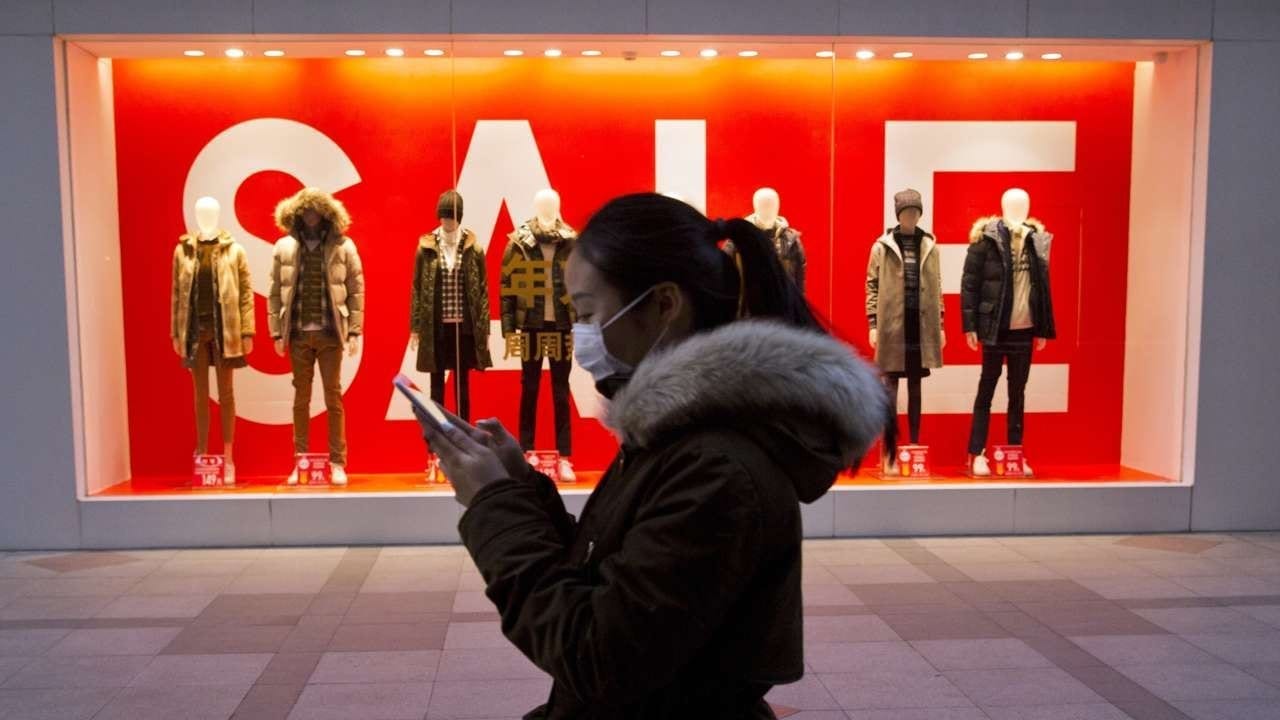
    Running restaurants in China is tough when a big part of the population stays home to avoid catching the coronavirus.

    Yum China , operator of KFC and Pizza Hut in the country, gave a glimpse of the current predicament in results posted after the U.S. close Wednesday. It has temporarily closed more than 30% of its restaurants in China, and business has been bad even for the ones that remain open. Sales during the Lunar New Year holiday were down 40%-50% compared with last year, excluding newly opened outlets.

    The company, which was spun off from Yum Brands in 2016, said it may report operating losses for this quarter—and even for the full year if the trend continues. Yum China’s New York-listed shares fell 3% in after-hours trading.

    KFC and Pizza Hut aren’t the only chains that have had to shut restaurants because of the outbreak, which has infected nearly 30,000 and killed more than 500 so far. Starbucks and McDonald’s have also temporarily closed some of their outlets in China. The former, in particular, could get hurt as customers opt to stay at home instead of chilling out in its coffee shops.

    Yum China could soften the blow with its delivery business, which accounted for nearly a quarter of its revenue last quarter. It said it would also try to reduce its costs. Some of these—food, labor, advertising and rent—are variable, but the company will still incur substantial fixed costs through the closure period.

  • Alibaba beats revenue forecast as Chinese regulators hover

    Alibaba beats revenue forecast as Chinese regulators hover

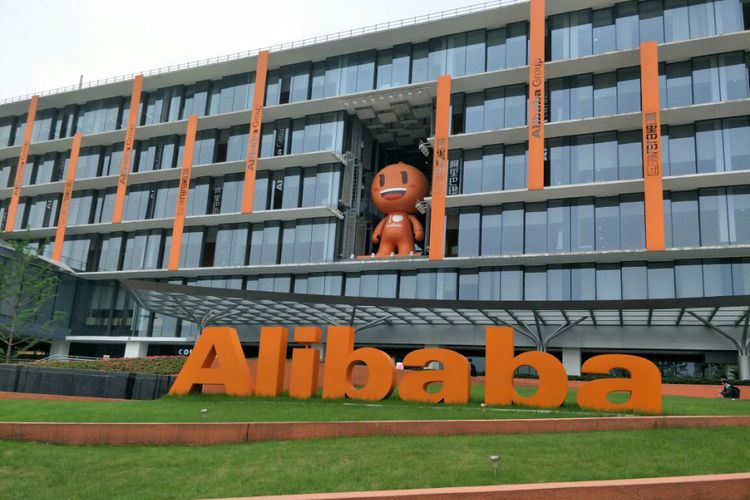
    China’s Alibaba Group Holding Ltd beat estimates for third-quarter revenue on a pandemic-driven jump in e-commerce, but its shares dropped amid regulatory heat for founder Jack Ma’s business empire.

    It also announced a bond sale worth as much as $5 billion through sources have said plans for the fundraising were in the works before the regulatory clampdown.

    Ma’s current woes stem from an Oct. 24 speech in which he blasted China’s regulatory system, leading to the suspension of his Ant Group’s $37 billion IPO just days before the fintech giant’s listing.

    Regulators have since launched an anti-trust probe into the tech sector, while tighter regulations for Ant are also being considered.

    Ma, who has been keeping an uncharacteristically low profile these past three months, was also conspicuously snubbed this week by his omission in a state media list of entrepreneurial leaders.

    Alibaba CEO Daniel Zhang said changing regulations for internet and fintech firms in China presented a near-term challenge.

    “We regard this as important opportunities for re-assessing and improving business practices,” he told an earnings call.

    Alibaba also said it was “unable to complete a fair assessment” of the impact that Ant’s stalled IPO will have on the company. Zhang said, however, that any potential reduction in consumer credit offerings from Ant would not have an impact on Alibaba’s e-commerce business.

    Shares in Alibaba dropped 4% in Hong Kong on Wednesday, having closed down nearly as much on the New York Stock Exchange.

    Alibaba’s total revenue rose 37% to 221.1 billion yuan ($34.2 billion) in the three months ended Dec. 31, above analysts’ estimates of 214.4 billion yuan, according IBES data from Refinitiv.

  • Strong China sales fail to ease European Covid pain for Capri

    Strong China sales fail to ease European Covid pain for Capri

    Capri Holdings is expected to post a fourth straight fall in quarterly revenue on Wednesday as the blow from fresh lockdowns in Europe eclipses a China-driven recovery in sales of its luxury handbags and apparel.

    A spike in coronavirus infections from late last year forced many European governments to put their economies back into lockdown, keeping consumers away from stores during the crucial holiday shopping season.

    Capri not only has to deal with store closures in Europe and sluggish department store traffic due to the pandemic but also a “stale” Michael Kors brand image, Jane Hali & Associates retail analyst Jessica Ramirez said.

    Investors will be hoping that Capri’s Versace and Jimmy Choo brands can emulate fashion giant LVMH’s growth in China, which helped cushion some of the pandemic’s impact in other markets.

    Sales of luxury goods in China have been rising since the easing of COVID-19 measures in the second half of 2020, sparking hopes that one of the world’s biggest markets for high-end fashion could ease the pain of companies suffering in regions where the virus continues to rage.

  • Vietnam beat China to become Asia’s top-performing economy

    Vietnam beat China to become Asia’s top-performing economy

    Vietnam outperformed its regional peers, including China, to become the top-performing economy in Asia in 2020.

    Though some economies have not yet reported fourth-quarter numbers, estimates compiled by the U.S. broadcaster from official sources and multilateral institutions like the International Monetary Fund found Vietnam was one of only three economies in Asia to achieve growth last year along with Taiwan and mainland China.

    The Vietnamese government estimates the economy grew at 2.9 percent last year compared to China’s 2.3 percent growth.

    All other major economies such as South Korea, Japan, Singapore, Hong Kong, and India contracted.

    Vietnam’s impressive economic growth was thanks to its competent handling of the Covid-19 pandemic.

    Despite sharing a long border with China where Covid-19 was first detected in December 2019, Vietnam has reported just over 1,500 infections and 35 deaths.

    The manufacturing sector is widely credited for the economy’s outperformance last year, with production growing on the back of steady export demand.

    Many economists expect economic growth to accelerate this year, it said.

    Vietnam’s economy will quintuple by 2035 and become the 19th largest in the world, U.K. consultancy Centre for Economics and Business Research has forecast.

  • Apple revenue accelerates after record iPhone sales, China strength

    Apple revenue accelerates after record iPhone sales, China strength

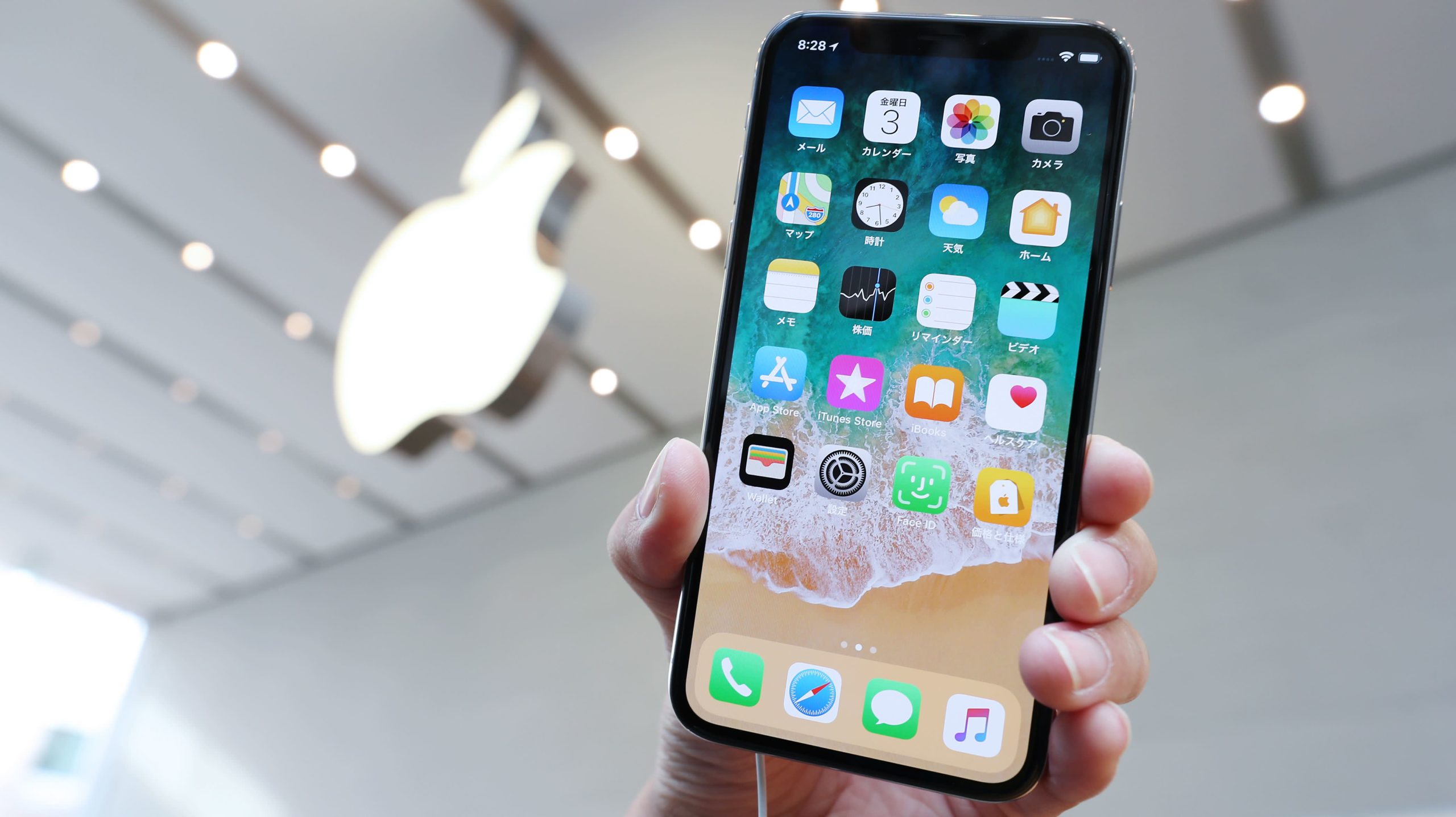
    Apple delivered its largest quarter by revenue of all time on Wednesday at $111.4 billion in its first-quarter earnings report for fiscal 2021. It’s the first time Apple crossed the symbolic $100 billion mark in a single quarter, and sales were up 21% year over year.

    Apple stock dropped 2% in extended trading. Apple’s results for the quarter ending in December weren’t just driven by 5G iPhone sales. Sales for every product category rose by double-digit percentage points. Apple’s earnings per share and sales handily beat Wall Street expectations.

    Here’s how Apple did versus consensus Refinitiv estimates:

    • EPS: $1.68 vs. $1.41 estimated
    • Revenue: $111.44 billion vs. $103.28 billion estimated, up 21% year over year
    • iPhone revenue: $65.60 billion vs. $59.80 billion estimated, up 17% year over year
    • Services revenue: $15.76 billion vs. $14.80 billion estimated, up 24% year over year
    • Other Products revenue: $12.97 billion vs. $11.96 billion estimated, up 29% year over year
    • Mac revenue: $8.68 billion vs. $8.69 billion estimated, up 21% year over year
    • iPad revenue: $8.44 billion vs. $7.46 billion estimated, up 41% year over year
    • Gross margin: 39.8% vs. 38.0% estimated

    Apple CEO Tim Cook said the results could have been even better if not for the Covid-19 pandemic and lockdowns that forced Apple to temporarily shutter some Apple stores around the world.

    “Taking the stores out of the equation, particularly for iPhones and wearables, there’s a drag on sales,” Cook said.

    Cook said that Apple’s total install base for iPhones is over 1 billion, up from the previous data point of 900 million. The total active install base for all Apple products is 1.65 billion.

    Apple did not provide official guidance for the upcoming quarter. It hasn’t offered investors forecasts since the beginning of the pandemic.

    But even the lack of guidance could not diminish what was a blowout quarter for the iPhone maker. Apple has benefited during the pandemic from increased PC and gadget sales as people who are working or going to school from home because of lockdowns look to upgrade the devices they use.

    Apple released new iPhone models in October. The four iPhone 12 models are the first to include 5G, which investors believed could drive a “supercycle” of users clamoring to upgrade. iPhone revenue was up 17% from the same period last year.

    “They’re full of features that customers love, and they came in at exactly the right time, with where 5G networks were,” Cook said.

    Apple’s other products category, which includes Apple Watch and headphones such as AirPods and Beats, was up 29% from last year to $12.97 billion, even as people are spending less time commuting and traveling. Apple released a high-end set of headphones, AirPods Pro Max, in December, with a steep $549 suggested price.

    Macs and iPads, the Apple devices most likely to be used for remote work and school, were also up this quarter. Apple released new Mac computers powered by its own chips instead of Intel processors in December to positive reviews that said they were superior in terms of power and battery life to the old models.

    Apple’s services business, which the company has highlighted as a growth engine, was up 24% year over year to $15.76 billion. That product category is a catch-all: It includes the money Apple makes from the App Store, subscriptions to digital content such as Apple Music or Apple TV+, licensing fees paid by Google to be the iPhone’s default search engine and AppleCare warranties.

    Apple highlighted in its release that international sales accounted for 64% of the company’s sales, up from 61% in the same quarter last year.

    How new iPhone models fare in China, the company’s third-largest market, is a constant topic of discussion among investors. Sales in what Apple calls greater China, which includes Taiwan and Hong Kong, were up nearly 57% to $21.3 billion.

    “China was strong across the board,” Cook said.

    Apple also declared a cash dividend of $0.205 cents per share and said that it had spent over $30 billion on total shareholder return, which includes share buybacks, during the quarter. Apple’s first fiscal quarter is typically its largest of the year and includes critical holiday sales during December.

    Wednesday’s blowout earnings are also a recovery story for Apple. Two years ago, Apple warned that its projection for its holiday quarter sales was lower than the company expected, a rare warning that raised questions about whether Apple was losing its momentum. On Wednesday, Apple revealed that revenue is up over 32% since that report.
  • Starbucks global sales fall despite Chinese boost

    Starbucks global sales fall despite Chinese boost

    Starbucks Corp. slumped in late trading on Tuesday after reporting a sales decline that was deeper than expected and the departure of Chief Operating Officer Roz Brewer.

    Global same-store sales, a key gauge of restaurant success, fell 5% in the fiscal first quarter. That’s worse than the estimated decline of 4.2% compiled by Consensus Metrix. A 5% drop in the U.S. was just ahead of estimates, while a 5% gain in China beat expectations.

    The results show the company is facing an uneven road back following the deep impact of the global pandemic. Despite the continued weakness in many markets, strength in China and overall same-store sales that are better than the previous quarter suggest it’s past the worst.

    Brewer’s exit, however, shows a substantial shakeup is underway in the coffee giant’s C-suite. Starbucks announced earlier this month that Chief Financial Officer Pat Grismer is leaving the company due to retirement. He will be replaced by Rachel Ruggeri, senior vice president of finance for the Americas.

    Brewer is leaving to become chief executive officer of Walgreens Boots Alliance Inc.

    In spite of the management changes, Starbucks sees performance turning around quickly from here, and the current quarter’s results will be bolstered by a year-ago comparison with the start of the pandemic when commerce was the most restricted.

    In the second quarter, U.S. same-store sales will grow 5% to 10%, the company said. Comparable sales in China will nearly double, the company said, although the result will be skewed by the pandemic comparison.

    Starbucks reported fewer transactions overall, but customers spent higher amounts, continuing a trend established earlier in the pandemic. Revenue fell 5% from the prior year.

    The U.S. and China are the company’s two largest markets, and together making up 61% of its global portfolio, with 15,340 and 4,863 stores, respectively, it said. Starbucks opened 278 net new stores in the quarter, underscoring how the company is looking to aggressively expand in spite of the global upheaval caused by Covid-19. The company also reported a 15% increase in members to its loyalty program.

  • China’s Fintech Balancing Act

    China’s Fintech Balancing Act

    Days after the public reappearance of Alibaba founder Jack Ma, top Beijing authorities are facing a balancing act between reining in the dominance of internet giants while keeping the fintech industry sufficiently free to innovate.

    Investigations into fintech giant Ant Group will not undermine the firm’s business development nor does it signal a move against private businesses in mainland China, according to recent comments from Liang Tao, vice president of the China Banking and Insurance Regulatory Commission (CBIRC).

    In fact, banks and insurance agencies are encouraged to continue cooperation with internet platforms, said Liang in a recent press conference where he also credited the sector’s contributions to fintech advancements as well as improved financial efficiency and inclusiveness in China.

    Separately last month, the People’s Daily – the Chinese Communist Party’s official newspaper – published an editorial that downplayed political factors in the ongoing antitrust investigations, adding that the strengthening of anti-monopoly supervision will not bring about a ‘winter’ in the industry, but rather a new starting point for better and healthier development.

    Despite comments from state media and the CBIRC that tightening would have limited impact, China’s central bank recently signaled government intervention into payments providers deemed to dominant with the possibility of breakups should their market share be too high.

    The People’s Bank of China (PBoC) defined a digital payments monopoly as any non-bank provider with at least half of the market share for online transactions; any two non-bank providers with a two-thirds; or any three providers with three-quarters.

    The PBoC also proposed last week that it could advise the state council’s antitrust committee to take action should non-bank institutions severely hinder the healthy development of the payment service market».

    Following the scrapped $35 billion Ant IPO, the formation of a dedicated task force for the firm and the three-month disappearance of Jack Ma, Beijing’s top watchdogs signal a renewed take on the mainland’s fintech sector with hopes of controlling growth without obstructing innovation.

    Should Ma’s Ant Group be forced to break up as a result of the antitrust investigations, it remains to be seen how the outlook for the broader industry would be impacted but fintech giant could see its valuations slashed significantly.

    According to estimates from «Bloomberg Intelligence», Ant’s payment arm Alipay could see its value halved under the draft regulatory proposals. This could result in the overall Ant Group’s valuation plunging to around $108 billion, down from the original $320 billion before the IPO pullout, with further decreases should a breakup occur.

  • Huawei’s founder reveals plan to beat U.S. sanctions

    Huawei’s founder reveals plan to beat U.S. sanctions

    Last week we told you that starting on March 31st, Android phones uncertified by Google, including those made by Huawei, will no longer have access to the Google Messages app. While not too many Android handsets are uncertified by Google, Huawei’s newer models are because of its inclusion on the U.S. Commerce Department’s Entity List which prevents the Chinese manufacturer from using parts made by American suppliers. That includes software and since Google is a U.S. firm, Huawei cannot have the version of Android that is certified by the company.

    One Google app that Huawei users have been able to use without certification from Google is video chat app Duo. But just as Messages will be unavailable on uncertified Huawei devices this coming Spring, the same fate will befall the Duo app. According to XDA, strings of code found on version 123 of Duo reveal sentences that say, “Duo is going away soon,” and “Because you’re using an unsupported device, Duo will unregister your account on this device soon. Download your Clips and call history to avoid losing them.

    Note that the strings of code for Duo refer to unsupported devices as opposed to uncertified devices as with Messages. While unsupported phones do not comply with the Google Mobile Service ecosystem and are treated mostly the same as uncertified models, the difference is that after Duo shuts down for these handsets on March 31st, there will be a grace period of 14 days during which users will be able to save and download their data from Duo before the service shuts down.

    Right now, Duo can be installed and used on the Huawei P40 Pro series without requiring the phone to be running Google Mobile Services (GMS). This will end on March 31st unless Huawei is removed from the Entity List and is allowed to install GMS on its models missing Google’s ecosystem. For this to happen, the new U.S. president will have to decide what to do about the Chinese manufacturer in general. So far, there hasn’t been any word from the new administration on how it plans to treat Huawei, TikTok, Xiaomi, SMIC and other Chinese tech firms.

    Meanwhile, Huawei founder Ren Zhenfei had given a speech last June explaining how Huawei could survive the sanctions placed on it by the U.S. The speech was just published last week and ended up in the South China Morning Post (SCMP). Zhenfei, who is also Huawei’s CEO, said that the company needs to decentralize its operations, focus on making profits, simplify product lines, and freeze pay for three to five years. The 76-year old executive said that U.S. actions against Huawei have made it hard for the company to put its original globalization plans into play and have forced Huawei to develop its own production lines. As Zhenfei said, “There’s a big mismatch between our ability and strategy. It’s our weak link, and we are forced to start from the beginning like elementary school students.”

    Zhenfei says that Huawei will not be defeated, nor will it become resentful of the U.S. Speaking to Huawei back during the summer, Ren stated, “Please don’t be upset because of the temporary US pressure, or give up on our globalization strategy. There’s no future without embracing globalization (in development and research).” Besides having to motivate employees while keeping pay frozen for the next three to five years, Ren said that Huawei needs to focus on the bottom line. “We must gradually shift focus from the top line to the bottom line. All product lines … must not blindly pursue becoming No 1 … we don’t have the conditions to always fight to be No 1,” Ren said. “We must create value and reasonable profits to ensure healthy growth.” So instead of worrying about the number of units Huawei is shipping, the company’s founder says that it needs to focus on profitability.

    According to Ren, the U.S. wants Huawei to die. He said, “At the beginning, we thought we might have done something wrong in compliance and we carried out self-examination; but then the second blow and third blow followed. Then we realized that they want our death … but the desire to survive has also motivated us”

  • Harmay launches wet market-inspired store in China

    Harmay launches wet market-inspired store in China

    New-generation retail brand Harmay released its latest fashion collaboration collection with Chinese fashion designer Masha Ma on Tuesday as part of the brand’s continuing expansion despite the COVID-19 pandemic.

    The new fashion collection includes T-shirts, trousers and bags. The retail philosophy is focused on creating a beautiful life through sensuous experiences.

    The brand emerged online in 2008. In recent years, it has started to open more brick-and-mortar stores while maintaining and expanding its online territory with an experiential shopping journey.

    “Harmay was born in the golden age of China’s cosmetics and beauty retail industry, and now we have grown and expanded to become a unique retail brand that pursues beauty and a beautiful life,” said Jason Ju, Harmay HK co-founder and general manager, as well as a Harmay partner. “Bringing consumers a high-quality and innovative shopping experience and becoming a new benchmark for retail are goals we have been aiming for.”

    As a retailer of premium cosmetics and beauty products in China, the company offers a variety of well-known international cosmetics and skincare brands as well as self-developed personal skincare products, providing high-quality, contemporary makeup and cosmetics for consumers. Harmay sells exclusive brands, such as SG79|STHLM, Balmain Hair, Tangent GC, ICONIC London, Graine de Pastel, and many others.

    According to the retailer, Harmay acts as an agent for more than 50 international brands and has more than 200 licensed brands in its portfolio. Besides the top brands, the company explores overseas niche brands that haven’t entered the Chinese market.

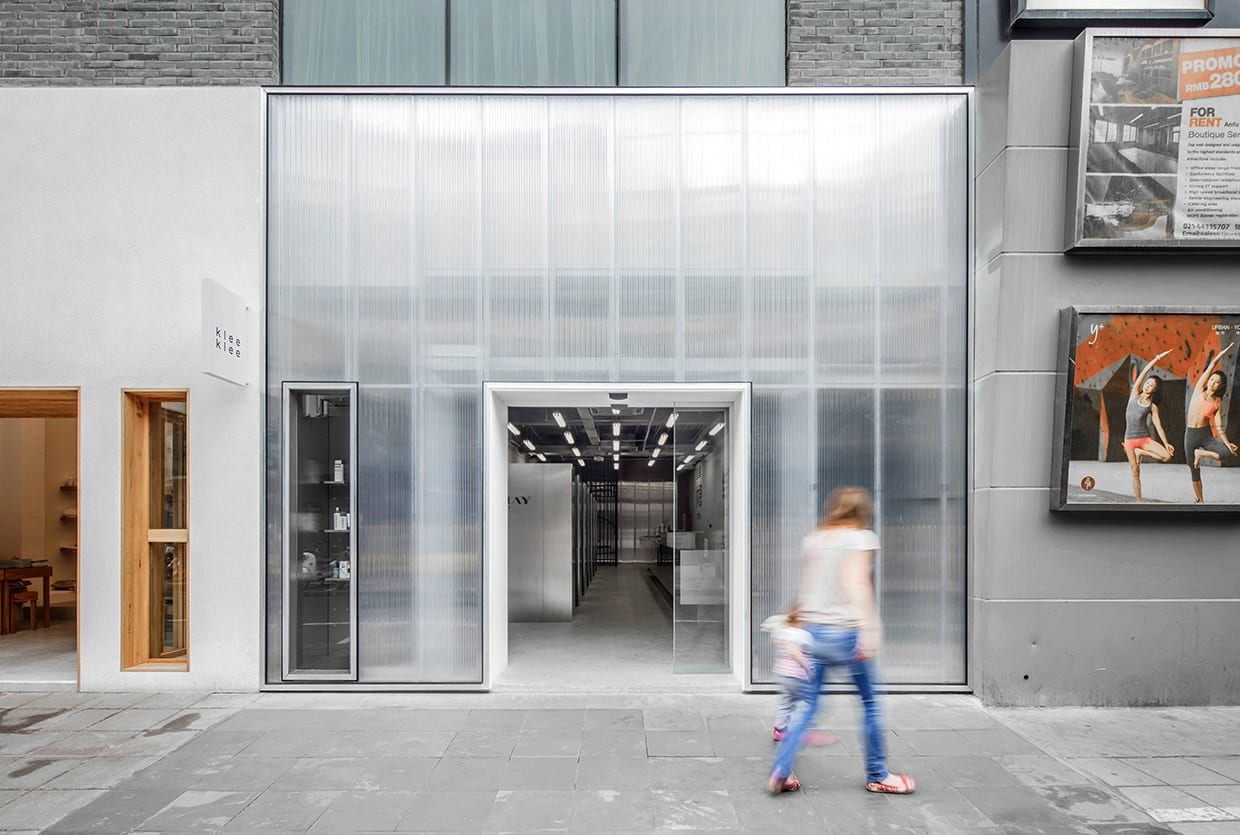
    In 2017, it opened its first brick-and-mortar store in Shanghai. Just last year, it opened stores in Hong Kong and Beijing. AIM Architecture, one of China’s leading award-winning architecture companies based in Shanghai, designed the interior of Harmay stores, featuring neat, orderly displays, clean lines, and wide and free spaces inspired by industrial warehouses, assembly lines, kitchens, and lockers. The design makes the stores look more peculiar, fashionable and international.

    Harmay will open two new stores in Chengdu and Shanghai this year.

    Facing the challenges brought by the sudden outbreak of the COVID-19 pandemic this year, Harmay maintained its stable customer flow and sales through its online and offline integrated operation model to resist risks, the company said. This proves that its solid e-commerce foundation and mature physical store development, as well as unique store design, diversified product selections, and customer-centric quality service, have won a large number of loyal followers.

  • China’s Central Bank Signals Break-Up Risk for Non-Bank Players

    China’s Central Bank Signals Break-Up Risk for Non-Bank Players

    The latest draft rules proposed by the People’s Bank of China signals even more regulatory tightening against the mainland fintech sector including the potential to even break up non-bank institutions deemed to hinder payment development.

    The People’s Bank of China (PBoC) proposed this week that it could advise the state council’s antitrust committee to take action should non-bank institutions severely hinder the healthy development of the payment service market.

    Actions suggested include the ability to break-up non-bank financial institutions that are deemed to be too dominant and abusive of their leading market positions.

    This spells more tightening for the likes of payment giants like Ant’s Alipay or Tencent’s Tenpay which own the majority of mainland China’s digital payment market share.

    According to guidelines released earlier this month, the PBoC defines a digital payments monopoly as any non-bank service provider with at least half of the market share for online transactions.

    Two non-bank providers with a combined market share of two-thirds or three providers with three-quarters will also qualify for antitrust investigations.

    Two or three firms having less than a 10 percent market share will not trigger investigations, the PBoC added.

    The new rules spell headwinds for China’s leading fintech giants whose dominance could at the very least potentially face supervision over capital adequacy requirements especially if they offer deposit products with interest rate payments, if not a full break up.

    While onlookers remain cautious, some have expressed optimism about limited intervention due the risk of such actions resulting in curbed innovation.

    Globally, regulations have actually intensified to rein in the dominance of big tech. In our view, this is meant to prevent market abuse, said UBS Global Wealth Management’s APAC CIO Min Lan Tan in a recent virtual roundtable. Regulators will be careful not to stifle innovation. Significant changes in business models or the breakup of companies, we think, is unlikely.

  • Chinese Telcom Giants Review New York Delisting

    Chinese Telcom Giants Review New York Delisting

    In the latest on U.S. delistings of Chinese firms, the three largest mainland telecommunications firms have requested for a review of the New York Stock Exchange’s decision to remove their shares from the bourse.

    In a filing to the Hong Kong Stock Exchange yesterday where they are also listed, China Mobile, China Unicom and China Telecom said that written requests have been filed with NYSE. The three telecom giants said they also asked for trading suspensions to be maintained during the review.

    The review will be scheduled at least 25 days from when the request was filed, the statement added, with no assurance for success.

    Near the end of the Trump administration, the New York bourse had already once reversed a decision to delist the stocks, deemed by the U.S. to be linked to China’s military, only to ultimately comply following an alleged phone call from U.S. Treasury Secretary Steve Mnuchin.

    But now, the three telecom giants will seek to push for a second reversal under a Joe Biden administration. Biden recently nominated ex-Fed chair Janet Yellen as the new incoming Treasury secretary.

  • CCB Nabs Bank of China President

    CCB Nabs Bank of China President

    China Construction Bank, the world’s second-largest commercial lender, hires from rival Bank of China to appoint a new president.

    Wang Jiang was named president of CCB, according to a Caixin report citing unnamed sources, filing a position that has been vacant for two months.

    Wang will also serve as vice chairman for the Shanghai and Hong Kong-listed CCB.

    Wang, 57, will be returning to CCB where he worked for many years including as its the general manager of its Hubei and Shanghai branches.

    At Bank of China, he was a vice-chairman since January 2020 and president since December 2019. He was also named vice chairman and non-executive director of Bank of China’s Hong Kong subsidiary in March 2020.

    Wang graduated from Shandong Economics College in 1984 and obtained his Doctoral Degree in economics from Xiamen University in 1999.

  • Vietnam becomes 6th largest trading partner for China

    Vietnam becomes 6th largest trading partner for China

    Vietnam’s trade with China rose by 14 percent last year to $133.09 billion, making it the latter’s sixth-largest trading partner.

    Its exports to China grew by 18 percent to $48.9 billion, and imports by 12 percent to $84.1 billion, according to the Ministry of Industry and Trade.

    But some of Vietnam’s traditional export items like agriculture, aquaculture, and fisheries faced difficulty with their exports falling by over 3 percent to $6.8 billion.

    China is its largest trading partner and second-biggest export market behind only the U.S.

    Vietnam was China’s eighth-largest trading partner in 2019 before its rise to sixth in 2020. It is China’s eighth-largest supplier of goods and fifth-largest export market.

  • U.S. Adds Chinese Smartphone Giant Xiaomi to Blacklist

    U.S. Adds Chinese Smartphone Giant Xiaomi to Blacklist

    Just five days before the official inauguration of President Joe Biden, the Trump administration is making a late push to ban more Chinese companies deemed risky, including smartphone maker Xiaomi and state-owned oil firm CNOOC.

    Xiaomi was one of nine firms added to the Defense Department’s list of banned firms linked to the Chinese military, expanding the original list of over 60 companies.

    The Department is determined to highlight and counter the People’s Republic of China’s (PRC) Military-Civil Fusion development strategy, which supports the modernization goals of the People’s Liberation Army (PLA), said a statement from the Department of Defense (DoD).

    According to the DoD, PLA modernization is being ensured via access to «advanced technologies and expertise acquired and developed by even those PRC companies, universities, and research programs that appear to be civilian entities».

    Financial firms that wish to comply with sanctions on the additional firms will have to rebalance their exposure and many have reportedly done so in recent times, delisting of structured products in Hong Kong or removing constituents from major global index compilers.

    One notable global firm that has bucked the trend by maintaining business ties without complying to U.S. sanctions is State Street Global Advisors, whose Asia unit reversed its decision to remove banned stocks from the renowned Tracker Fund following pressure from Hong Kong officials.

    In the third quarter of last year, the Chinese tech giant surpassed Apple in terms of smartphone sales and entered Hong Kong’s benchmark Hang Seng Index in September. Its current market capitalization exceeds $700 billion.