Tag: China

  • Trump takes one last shot at maiming Huawei before he leaves the White House this week

    Trump takes one last shot at maiming Huawei before he leaves the White House this week

    Even though President Donald Trump will be leaving the White House this coming Wednesday, he took the time to spank the Chinese phone and networking equipment manufacturer Huawei one last time. In May 2019, Trump cited security issues for his decision to put Huawei on the Entity List. This move prevented the firm from accessing its U.S. suppliers without permission from the Commerce Department. Despite this move which resulted in the loss of Google as a supplier, Huawei persevered; for a brief period of time this year, it was the top phone manufacturer on the planet in terms of shipments.

    Exactly one year to the day that it was placed on the Entity List, Huawei received another big blow from the Trump administration. Starting last September, any foundry manufacturing chips using American-sourced technology needs a license from the U.S. to ship to Huawei. The latter was the second-largest customer of the world’s largest foundry, TSMC, and was blocked from receiving cutting-edge chips that it had designed itself. The U.S. also browbeat its allies over the last few years in an attempt to prevent them from using Huawei’s networking equipment on their 5G networks.

    American lawmakers were quick to call Huawei a national security risk because of the company’s alleged tie to the Communist Chinese government. Concerns that Huawei’s phones and base stations contain backdoors used to spy on U.S. consumers and corporations have never been proven. The U.S. also banned rural carriers from using the Universal Service Fund (managed by the FCC) to purchase networking gear from Huawei and is forcing these firms to remove any Huawei equipment used in their networks.

    In the final days of the Trump administration, licenses allowing U.S. firms to sell to the Chinese manufacturer are being revoked and applications from U.S. suppliers to obtain such licenses are being rejected. Reuters has seen an email sent from the Semiconductor Industry Association (SIA) that documents the Commerce Department’s recent actions. In the email, the SIA notes that the Commerce Department had released “intents to deny a significant number of license requests for exports to Huawei and a revocation of at least one previously issued license.” The SIA email stated that a broad range of products was included in the latest action and many U.S. companies have been waiting months to hear whether they would be allowed to sell to Huawei. More than 150 license requests were pending amounting to $120 billion worth of goods and technology.

    Just last week, the Trump administration blacklisted Chinese phone manufacturer Xiaomi by demanding that U.S. investors divest themselves from any investments made in the company by November 11th, 2021.
  • Kerry Logistics Network opens chemical logistics centre in Cangzhou, China

    Kerry Logistics Network opens chemical logistics centre in Cangzhou, China

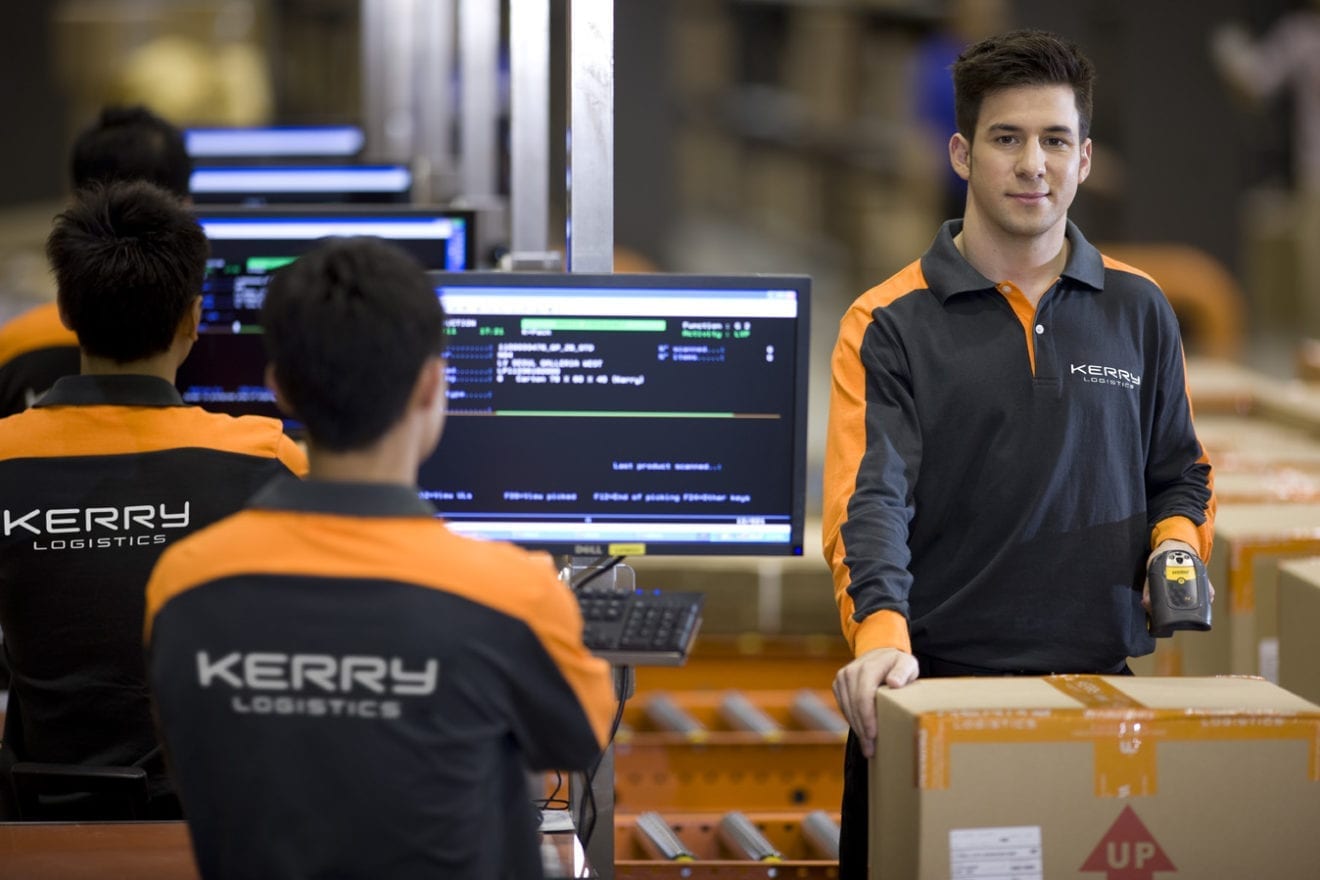
    Kerry Logistics Network Limited (‘Kerry Logistics Network’; Stock Code 0636.HK) has opened a logistics centre in the Cangzhou Lingang Economic and Technological Development Zone in Hebei province, China under Kerry IMS Chemical Logistics to capture the market potential in chemical logistics. The logistics centre was opened and commenced operation on 8 January.

    The Kerry IMS Chemical Cangzhou logistics centre was developed to strengthen Kerry Logistics Network’s service capability in the chemical sector and an important base in Northern China, consolidating the Company’s combined resources in logistics, export industries, an international-standard operating platform and transportation facilities. Located in the proximity of the Tianjin Nangang Industrial Zone, the logistics centre has a total area of 320,000 sq ft, comprising Class A warehouse, Class B warehouse, as well as office facilities, and has the capacity to handle 400,000 tonnes of Class A and Class B chemicals per year. The logistics centre was designed and built above Chinese national standards and is equipped with smart monitoring and management systems. At present, it is handling mainly industrial raw materials, mostly packaged in Intermediate Bulk Containers (IBC), drums and pails. The warehouse will store 38 types of dangerous goods, including flammable liquids and solids, oxidisers and corrosive substances.

    William Ma, Group Managing Director of Kerry Logistics Network, said, “The Kerry IMS Chemical Cangzhou logistics centre is the flagship development in Kerry Logistics Network’s expansion of its chemical logistics business, unleashing its strength as a 3PL in the chemical and dangerous goods market. With this logistics centre, Kerry Logistics Network is confident that it will greatly enhance its service capabilities in chemical and dangerous goods logistics, enriching user experience and service quality to offer growth initiatives to the industry.”

    Edwardo Erni, Managing Director – China and North Asia of Kerry Logistics Network, said, “There is enormous potential and development prospects in the chemical logistics market. The completion and opening of the Cangzhou logistics centre will allow us to provide professional chemical supply chain consolidation services to our customers in the Beijing-Tianjin-Hebei Region. It will give support to our customers’ national and regional framework and consistently optimise supply chain networks to raise the autonomy of the chemical industry supply chain.”

    Leveraging the geographical advantage of the Cangzhou Lingang Economic and Technological Development Zone, the Kerry IMS Chemical Cangzhou logistics centre is supported by Kerry IMS Chemical Logistics’ strong chemical warehousing, long-haul trucking and distribution services and network. Not only can it fulfil the warehousing and transit needs of local chemical companies, but can also provide services to the Hebei, Tianjin, Shanxi and Shandong regions, integrating regional resources and upstream and downstream industries to create a sustainable industry chain. The logistics centre is the implementation of Kerry Logistics Network’s operation strategy of synchronised distribution from the warehouses in Eastern, Southern, Northern and Southwest China, so that the logistics and distribution time nationwide is shortened, ensuring the timely delivery of goods to increase the competitiveness of its customers’ products.

  • HSBC Becomes First Foreign Fintech in China

    HSBC Becomes First Foreign Fintech in China

    HSBC furthers its expansion in mainland China with the latest launch of a fintech subsidiary based in Shanghai. The British lender announces the opening of the HSBC Fintech Services (Shanghai) Company Limited, according to a media statement, with an eye to scale up its wealth management business in the mainland.

    We believe technology can help provide better customer services, which can spur the growth of the real economy,» said Mark Wang, president, and chief executive officer for China.

    The opening of HSBC Fintech reflects HSBC’s commitment to investing in mainland China and also our support to developing technology and innovation in the financial world.

    The new entity will initially provide centralized technology and data services to the bank’s mobile financial planning offering in the mainland – HSBC Pinnacle Venture – to target customers outside the branch network. Digital tools introduced will cover financial planning, employee benefits, and wellbeing platforms for through a one-stop platform focused on corporates.

    In the future, HSBC Fintech will gradually expand the scope of its services to cover other HSBC entities.

    Through this corporate platform, we hope to provide dedicated financial services traditionally available only to high net worth customers to corporate employees on a broader basis, creating positive commercial value for companies, and bringing mutual benefits to both companies and employees, added Trista Sun, vice chair of HSBC Insurance Asia Pacific and execute director of HSBC Fintech Company.

  • Heytea unveils convenience-store-like concept in Singapore

    Heytea unveils convenience-store-like concept in Singapore

    Chinese milk-tea brand Heytea has launched a retail concept resembling a convenience store in Singapore.

    The store, which is also the brand’s first outlet in the city’s south, is located at VivoCity and features bright orange and grey striped frontage, illustrating “the fun and quirky store concept”.

    The store also has large glass windows so customers can see how staff are making their orders. Besides teas, Heytea VivoCity also offers pastries, croissants and muffins.

    An “Order On The Go” service is available for customers to avoid queues.

    Founded in 2012 in China, Heytea operates more than 260 outlets in China and four outlets in Singapore. Three other outlets are located at Ion Orchard and The Shoppes at Marina Bay Sands.

  • Tesla Hunts For Design Chief To Create Cars For China

    Tesla Hunts For Design Chief To Create Cars For China

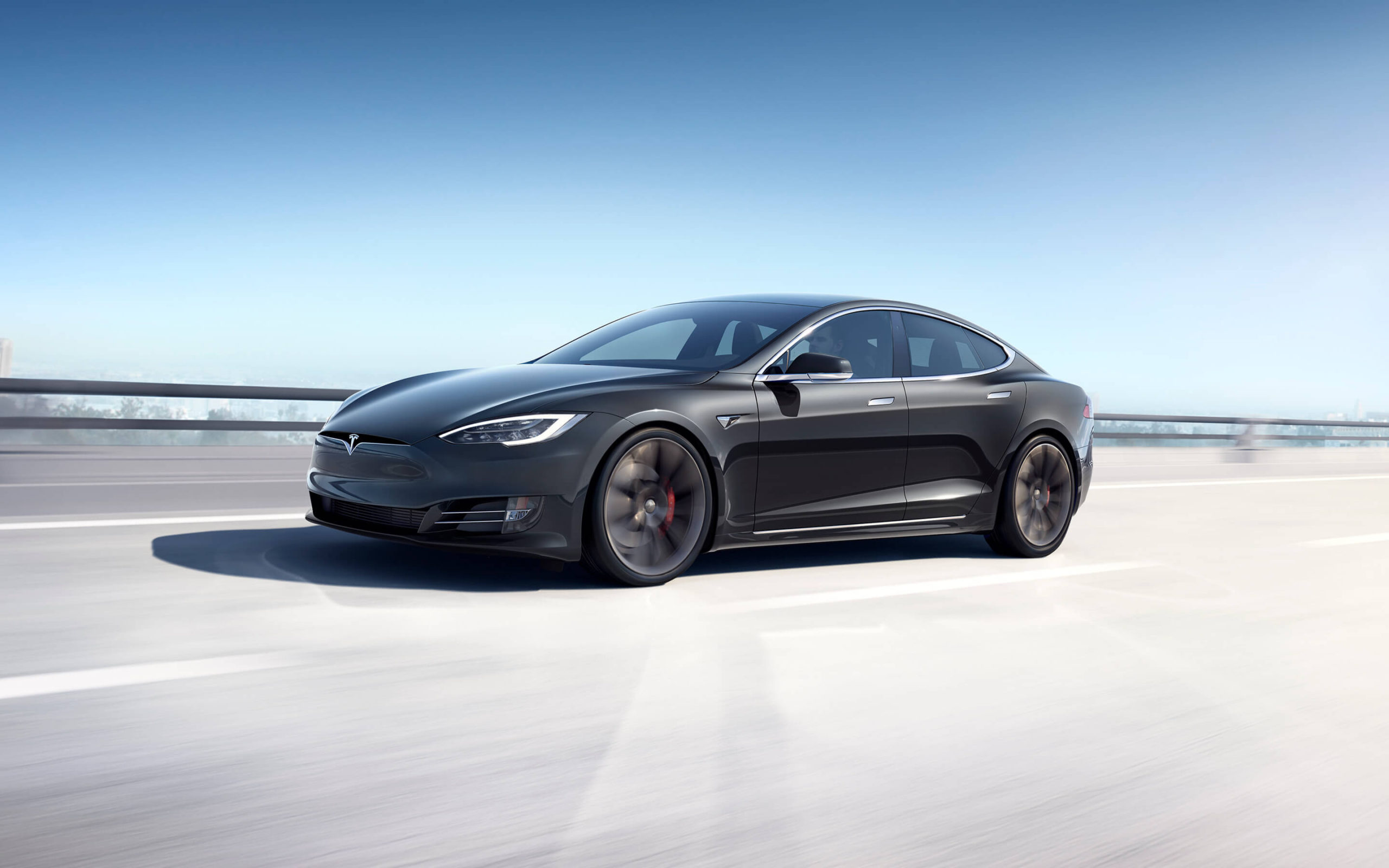
    Tesla Inc is searching for a design director in China, part of efforts to open a “full-function” studio in Shanghai or Beijing and design electric cars tailored to Chinese consumer tastes, according to three people with knowledge of the matter.

    The U.S. carmaker’s human resources managers, as well as several headhunters, have been trawling the industry over the past four months, the sources said.

    They are looking for “bi-cultural” candidates with 20 or more years of experience who are familiar with Chinese tastes and can bridge the gaps between China and the United States, they added.

    Some candidates have been interviewed by Tesla’s global design chief Franz von Holzhausen, according to the people, though it was not clear how many potential candidates had been approached by the company and recruiters.

    Tesla is also planning to set up a design studio in China but will likely wait for more clarity on strained U.S.-China relations under a new U.S. president

    China is the world’s biggest auto market, plus the largest for all-electric vehicles with sales volumes expected to reach roughly 1.5 million vehicles there this year, according to consultancy LMC Automotive. It is also Tesla’s No.2 market after the United States.

    The carmaker’s plans for the design studio are not fully developed, and the sources believe Tesla will likely wait for more clarity on strained U.S.-China relations under a new U.S. president before making a final decision on the move and all its details.

    The talent search, which the sources said was mainly focused within China, fits with comments from Tesla boss Elon Musk early last year.

    “I think something that would be super cool would be … to create a China design and engineering centre to actually design an original car in China for worldwide consumption. I think this would be very exciting,” he said at a media event in Shanghai.

    Musk’s interest in developing cars in China is part of a broader push by Tesla to boost the company’s global sales volume well past the 500,000-vehicle-a-year mark, which it came just 450 short of hitting in 2020.

    All three sources said Tesla’s search for a China studio director began around September, and that there was a flurry of activity as recently as December when a number of headhunters used LinkedIn and other means to approach candidates.

    One of the sources, who has knowledge of Tesla’s headhunting activities in China, said that once a design director was hired, Tesla would recruit the director’s team which would likely be around 20-strong and include designers plus modelers who help turn design renderings into clay models.

    All the sources said the planned center aimed to be a comprehensive design outfit, with one describing it as a “full-function studio”, which would not only help conceptualize the design of a car but also come up with the final shape – digital three-dimensional data – of a model.

    The data could then be handed over to Tesla’s vehicle engineers, who are mostly based in northern California.

    Two of the sources said Tesla’s China studio would likely also carry out research on Chinese consumer tastes, as well as work for cars expected to be produced at Tesla’s vehicle assembly plant in Shanghai, where designs are tweaked to make sure specific components fit within engineers’ specifications.

    “They want to give vehicle design a lot more bias toward China; they have already done a lot here, setting up a major manufacturing site and having sold a ton of EVs, but it seems Tesla’s ready to put roots down,” said one of the sources.

    This push might lead to a more independent Tesla China, added the person, who has spent more than a decade in the country working at design centres run by global automakers, among other places.

    Chinese consumers bought around 145,000 Tesla vehicles last year, accounting for roughly a third of the company’s overall global volumes, LMC said.

    Two of the sources said one likely “China-specific” model was a lower-cost volume generator such as a $25,000 electric car that Musk referred to at a Battery Day event in September, which he said Tesla might aim to bring to market in about three years.

    Musk said Tesla was confident it would be able to hit the market with “a very compelling $25,000 electric vehicle that’s also fully autonomous”.

    At that price, according to two of the sources as well as industry experts, it was likely to be a compact car, smaller than Tesla’s Model 3, which would be as affordable as some mainstream gasoline-fueled vehicles.

    Compact cars are not big sellers in the United States where bigger, taller vehicles such as Ford’s F-150 pickup truck and SUVs, as well as midsize sedans, rule the road.

    They account for about 10% of America’s overall vehicle market. By contrast, compacts make up 25% of sales in China, or around 5-6 million cars a year, according to consultancy LMC Automotive.

    That’s why the planned $25,000 car Musk has discussed would be better suited to the China marketplace, according to the two sources and industry experts.

    “A compact Tesla car would do well in China, as well as the rest of Asia and Europe,” said Yale Zhang, head of Shanghai-based consultancy Automotive Foresight. “It could potentially put a serious dent in sales of cars like Toyota’s Corolla and the Volkswagen Golf.”

  • Guide to Market your Products in China

    Guide to Market your Products in China

    As the largest market in the world, China has a lot of potentials to offer for enterprises and brands to expand their businesses. Knowing the market will help you to better understand the consumer’s needs and to adjust your promotion accordingly.

    Unique market habits

    China is a huge market, and Chinese consumers’ preferences vary from a city to another.

    Doing in-depth researches about the demand of your products in the local market and provinces, will help you to know the local preferences and the way you should communicate.

    The growth in the Chinese market is undoubtly enormous, it is actually one of the only countries in the world to observe an economic recovery during the pandemic, which means that standing out among your competitors and getting recognized by the local market is getting harder and harder, as the competition to “seduce” Chinese customers is aggressive.

    China is in demand of new businesses and the country is moving forward fast. Provinces tend to specialize themselves and that key for Western brands who want to enter the market.

    For instance, Guangzhou is the kingdom of the manufacturing industry (textile, electronic, apparels, toys…), Shenzhen and Beijing invested in the IT, biomedicine and communications industries while Shanghai is specialized in the financial, petrochemicals, chemicals or pharmaceutical industries.

    Communication about your products

    Needless to say, that marketing your business on the internet is the first step of all when you want to make your way in the market. Chinese consumers are highly connected, 90% of the millennials are shopping online according to KPMG and, without a strong digital strategy, selling your products in China might be difficult.

    Search engine marketing in China is different than in the West, where Google is leading the industry. Baidu is the main search engine but other companies like Sogou, Haosou (360) and Shenma are emerging, each one of them offering advertising solutions to get exposure.

    Social media and communities are also trending and dozens of networks exist to target customers who have common interests, thanks to video, live-streaming and topic-based apps.

    Therefore, under the circumstance of intense sales environment, major merchants have gradually integrated social media and other scenes into their sale process, the key being to identify the right network used by potential customers.

    In China, the most common social media platforms that companies go to are WeChat, Youku (YouTube-like) and TikTok (DouYin is the local version of the app).

    • WeChat account page functions as a website where you can list your products, set up your customer service and even link purchases to your account, from which you can withdraw the earnings to your bank account.
    • Youku works like YouTube for advertisers and allows brands to place ads in popular videos and of course, to make videos.
    • Douyin is a platform where users can create and share videos publicly, but as for companies, they are also platforms where they can promote their businesses and products. They stand out because they offer a different way for users and brands to share in a more creative and lively way, thus, it reduces the resistance of consumers to promotions and advertisements that are being displayed on the platform.

    Other platforms exist. The key is to identify your target customers, to invest in the right channels and a digital agency specialized in the Chinese marketing can help to understand the differences between, WeChat, Weibo, Red, Douyin, Toutiao, Weitao, Kuaishou.

    Best practices to sell in China

    For companies that want to quickly market a new product in China, the goal is to combine the advantages of online marketing and rapid communication to carry out new product marketing planning.

    Meanwhile, offline promotion and demographic expansions cannot be ignored either.

    Identify a city where the market is relatively vacant and hire a professional business development team to expand your business is key to understand the local market.

    The product life cycle is becoming shorter and shorter, especially in China. Manufacturers are constantly introducing new styles and materials in order to continuously satisfy the desires of consumers, which also tend to bring the end prices down for some industries. Find the right positioning and being flexible are two important factors of success in China.

    Understanding the market and the customers, having a quality website in Chinese, adapting the communication to the local habits, using the Chinese social media and search engines are crucial to be more visible in the largest market in the world.

  • China buoys Tiffany & Co holiday sales

    China buoys Tiffany & Co holiday sales

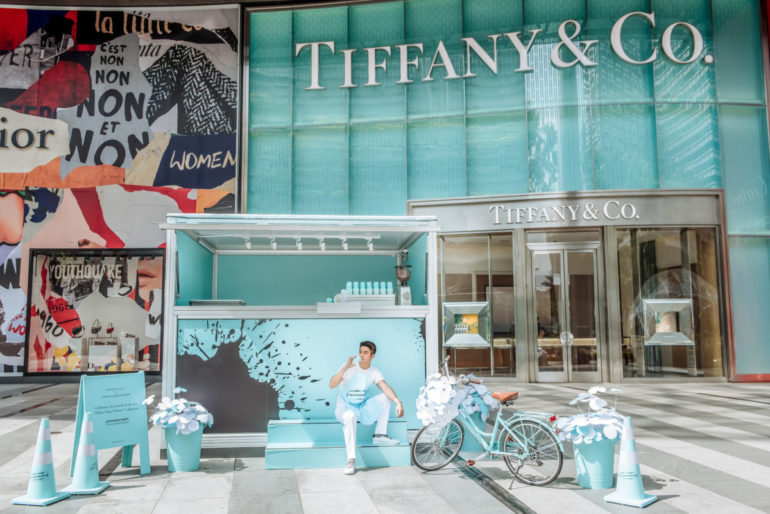
    U.S. jeweler Tiffany & Co said it reported record sales for the 2020 holiday period as consumers stuck at home shopped more online and shoppers in China spent more on jewelry.

    The company, which will soon be bought by France’s LVMH , said its overall preliminary net sales rose about 2% for the period Nov. 1 through Dec. 31, compared with a year earlier, with e-commerce sales surging more than 80% during the period.

    The 2020 holiday season was unusual as the virus outbreak upended shopping patterns, with more consumers avoiding malls and retail stores and opting to shop online.

    Tiffany, known for its engagement rings and robin’s egg blue boxes, said net sales in the Asia-Pacific region soared 20%, with mainland China posting a growth of over 50%.

    “During this period, we saw the Chinese Mainland market continue to drive our overall sales growth,” Chief Executive Officer Alessandro Bogliolo said.

    However, net sales in Americas and Europe declined as it lost out on some crucial in-store sales in certain markets.

    Last week, Tiffany’s shareholders overwhelmingly voted in favor of LVMH’s $15.8 billion deal, about $400 million lower than the European luxury giant’s first offer.

  • Chinese Payment Apps Hit by Trump Ban

    Chinese Payment Apps Hit by Trump Ban

    Ant Group’s Alipay, Tencent Holdings’ QQ Wallet and WeChat pay are among the apps banned by executive order.

    Tensions between Washington and Beijing are set to rise with the latest executive order from U.S. President Donald Trump, which bans transactions with eight Chinese software applications.

    The move is aimed at curbing the threat to Americans posed by Chinese software applications, which have large user bases and access to sensitive data, citing a senior administration official.

    According to the order, the U.S. must take «aggressive action» against developers of Chinese software applications to protect national security.

    In October 2020, the U.S. State Department submitted a proposal to add Ant Group to a trade blacklist to deter U.S. investors from taking part in its lucrative initial public offering. The proposal was ultimately rejected. Trump has also previously tried to block some U.S. transactions with WeChat and the Chinese-owned video app TikTok.

    U.S. president-elect Joe Biden is set to be inaugurated on January 20, though his stance on China is still unclear.

  • Jack Ma went missing?

    Jack Ma went missing?

    Once the poster boy for a new generation of multi-billionaire Chinese business and tech leaders, Alibaba founder Jack Ma’s fortunes have taken a serious dip in the last three months. Since a controversial speech in China in October 2020, where he lamented the country’s financial regulatory system and called for it to be reformed, the billionaire has been facing a series of actions from the Chinese authorities.

    He has faced a number of business setbacks since, including a block on his plans for a stellar listing on the stock market, actions which have in turn left the market wary of his firms.

    And he has now not been seen in public for more than two months – highlighted by his mysterious withdrawal from a scheduled appearance on his own reality TV show.

    Who is Jack Ma?

    Born in Hangzhou in eastern China, the 56-year-old came from a poor family and was once an English teacher. He bought his first computer aged 33, and in the last two decades rose to become a shining star of China’s booming economy through the success of his e-commerce giant Alibaba.

    Ma stepped down as chairman of Alibaba in 2019, but has remained in the public eye through media appearances and philanthropic work. During the Covid-19 pandemic he has donated masks and ventilators to the US – an effort that drew praise from several US politicians – and he is the face of a talent show to support young entrepreneurs.

    Where is Jack Ma?

    Ma’s removal from the good books of the Chinese authorities appears to have been even quicker than his rise to fame and fortune. The billionaire, who is known to speak freely, at a summit in October 2020 came down heavily on China’s financial regulators.

    He called for reforms in the financial system, speaking to an audience that included many officials of the regulatory organisations he was criticising.

    The response was swift. In November, a planned IPO of Ma’s Ant Group was suspended by the Chinese authorities and later, in December, the buyback plan of shares worth billions of pounds also failed to excite the investors. The authorities also opened an investigation against his firms.

    After years as the outgoing face of his companies – Ma once danced in front of tens of thousands of his company’s employees dressed in an outfit inspired by Michael Jackson – he is now conspicuously absent from the stage, without a public appearance in weeks or even a tweet in three months.

    Jack Ma net worth

    Jack Ma has various business interests. Apart from being the founder of Alibaba, he also has a stake in the online payment service Ant Group.

    It’s a dramatic change for a man who once taught English for $15 (£11) a month. He says he was rejected for 30 other jobs – including one serving at KFC – before he founded his own company.

    At one point Ma became Asia’s richest person – though he was later supplanted by another Chinese businessman.

    According to Bloomberg’s Billionaires Index, his net worth is about $50.6bn (£37bn), making him the 25th richest person in the world.

    Jack Ma and Alibaba

    Ma has said he drew the inspiration to start Alibaba from a trip to the US in 1995.  Subsequently, in 1999, Ma along with 18 people including many of his friends founded Alibaba Group from an apartment in Hangzhou, where they pooled in $60,000 (£44,000) for the venture.

    The group struggled early on and by 2002 they only had enough cash coming in to support 18 months of operation. But then came a timely intervention to connect two big markets – the US and China – ensuring that American buyers could get easier access to Chinese manufacturers, and slowly steadying the business.

    Over the years, the group became increasingly profitable and Ma and Alibaba became a force to reckon with. Ma started featuring on the covers of international business magazines – something uncommon for Chinese businessmen at that time.

    As a result, the reach of the Alibaba group, which was once rejected by funders, is now spread over 190 countries. It has become a leading platform for wholesale trade connecting millions of buyers and suppliers. It now has an estimated market cap of about $648.3bn (£474bn).

    With an estimated 100,000 employees, Alibaba now has interests in e-commerce, cloud computing, cashless payment and even movies.

    Ma stepped down from his role as chairman in 2019 and reports suggested he would focus his time and efforts on his philanthropic work.

    But as with many firms, the founder’s shadow looms large over Alibaba’s fortunes – something that the October 2020 controversy has shown. He remains an influential member of the Alibaba Partnership, for instance – a group of 36 members who can influence the nomination of the company’s board of directors.

    The company state’s that its vision is to be in operation for at least 102 years – but if the current trajectory of the crackdown on Ma continues, the dream may end much more abruptly than that.

  • Maison Margiela opens new retail concept store in Shanghai

    Maison Margiela opens new retail concept store in Shanghai

    Set to open on December 18 in Shanghai’s Reel Department Store, the new 160sq m boutique is the brand’s first store in China with the new store concept.

    Founded in 1988 and headquartered in Paris, French luxury fashion house Maison Margiela produces both haute-couture collections and ready-to-wear collections. The brand’s products include womenswear, menswear, footwear, fine jewellery, fragrance and home goods which will all be available at the new boutique.

    The new concept store has been designed by Dutch architect Studio Anne Holtrop in line with Creative Director John Galliano’s vision. The store is fitted with artisanal furnishings and hand-cast textile moulds. The ceilings and walls are painted in a dark-green gloss that creates a shimmering shine.

    This new store has been inspired by the brand’s first concept store that launched in London’s Bruton Street, this was followed by Avenue Montaigne in Paris, and Osaka Shinsaibashi Parco in Japan.

  • Bauhaus leaves all markets except Hong Kong, Macau

    Bauhaus leaves all markets except Hong Kong, Macau

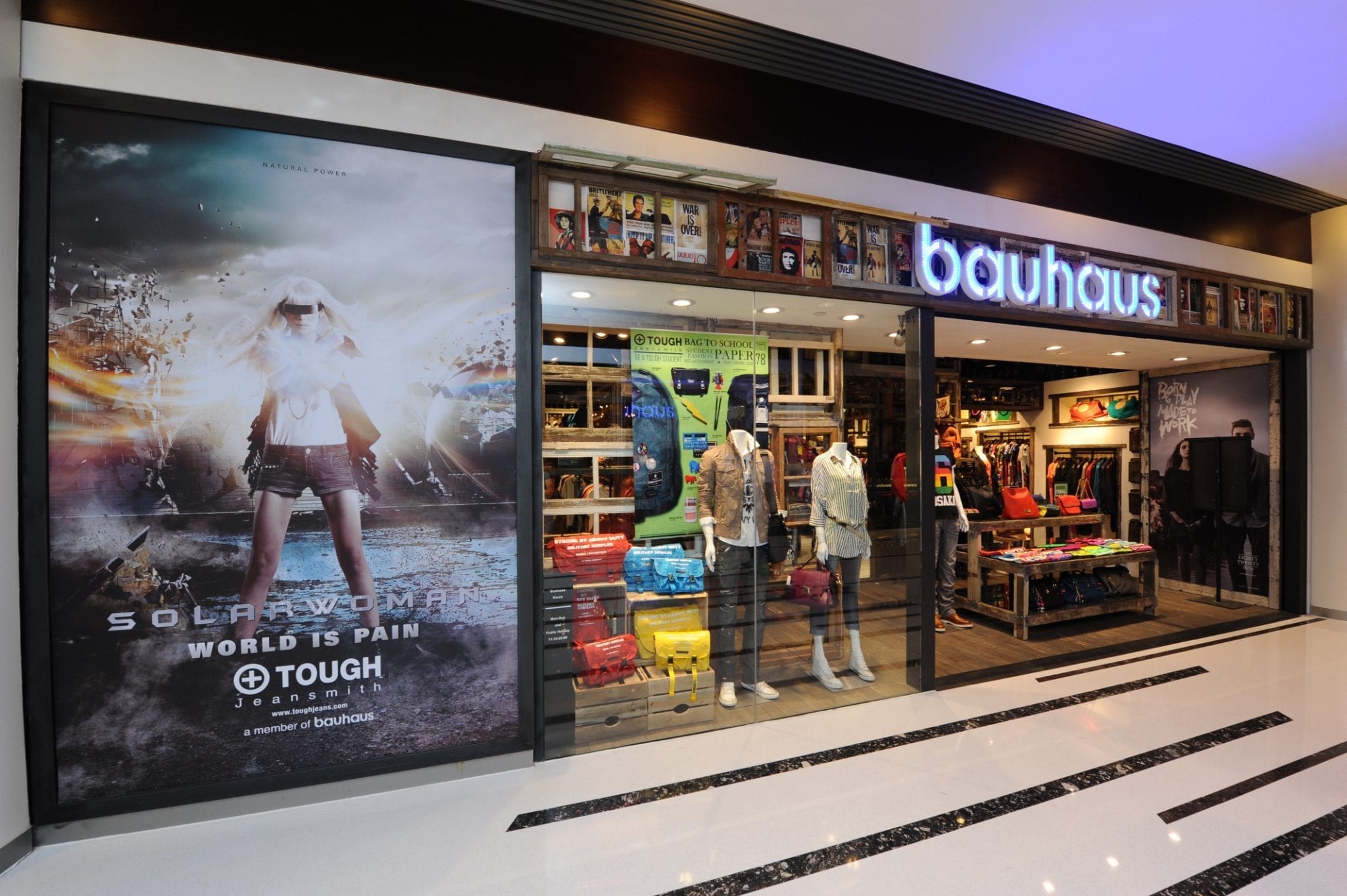
    Local apparel retailer Bauhaus International (0483) has revealed an intention to close all its retail stores outside Hong Kong and Macau by the end of March.

    The group’s loss outside Hong Kong and Macau expanded more than 13 times to HK$78.4 million in 2019 over 2018 before it narrowed to HK$68.6 million this year.

    Most of the Bauhau offline retailing operations beyond Hong Kong and Macau are in the mainland and Taiwan.

    It suffered an annual loss of HK$142.8 million this year compared with a profit of HK$2.76 million in 2019.

    The company will negotiate with landlords of the 14 stores its intends to shut down, and the precise timing of each closure will depend on how the talks go.

    About 50 employees will be laid off as a result of the closing program.

    The retailer is still looking at the possibilities of accessing the non-Hong Kong and Macau markets through centrally-managed online operations run from its Hong Kong headquarters.

    Bauhaus says more realistic economies of scope will result from the closures, which are also seen to be in the best interests of the company and its shareholders.

  • Ginza shoppers clean hands, phones with high-tech wash stations

    Ginza shoppers clean hands, phones with high-tech wash stations

    Shoppers washed their hands and sterilized their smartphones in the streets of Tokyo’s posh Ginza district on Saturday using handwashing stations that a Japanese start-up hopes will revolutionize access to clean water and better hygiene.

    WOTA Corp set up 20 of its WOSH machines near popular Ginza stores in an initiative with a district association aimed at encouraging shoppers to wash their hands to prevent the spread of the coronavirus.

    The machines don’t require connection to running water and don’t use fresh and wastewater tanks. Instead, they recycle the water through a three-stage process of membrane filtration, chlorine, and deep ultraviolet irradiation.

    They also have a device that cleans smartphones through 20-30 seconds of ultraviolet light exposure while users are washing their hands since touching a dirty smartphone would otherwise negate their handwashing efforts.

    The firm had already been developing the machine in part to alleviate long lines at restrooms when the COVID-19 crisis hit early this year, Chief Executive Yosuke Maeda said.

    “Amid the impact of COVID-19 we thought we had to implement this as soon as possible,” Maeda said. “So we sped up development and got things moving to have it in December in time for the third wave of the coronavirus.”

    On average 20 liters of water provides around 500 washes, while the filters should be changed after about 2,000, he said.

    The machine, however, needs a connection to a power supply.

    WOTA has now begun shipments within Japan of roughly 4,000 units. It aims to expand internationally next year, with many inquiries coming from the United States.

    Maeda hopes the smartphone feature in particular will transform hygiene habits.

    “We thought if it had the smartphone sterilization function, maybe people who never wash their hands will start doing so,” he said.

  • Denim brand Wrangler set the open stores in China

    Denim brand Wrangler set the open stores in China

    The global pandemic led Kontoor Brands to delay its initial plans to launch Wrangler in China earlier this year, but the day has finally come for the heritage brand.

    Kontoor announced Thursday that it has expanded Wrangler’s international reach to China by taking a digital-first approach. The initial product offering is available for consumers through Alibaba Group’s Tmall e-commerce site.

    Since becoming an independent, publicly-traded company in May last year, Kontoor has identified China as a key area of focus for its international expansion strategy. The company’s other heritage brand, Lee, has been in the region for 25 years, according to Bloomberg.

    Last fall, Kontoor Brands president and CEO Scott Baxter said Wrangler’s debut in China was on track for Q1 2020. The launch, however, was postponed shortly after Covid-19 began to spread around the world. At the time, Baxter pinpointed Fall 2020 as a time “we can more effectively optimize our go-to-market strategies, our interactive consumer engagement and better leverage our demand creation spent.”

    “One of Kontoor’s core strategic priorities includes expanding to new markets and geographies. Launching our iconic Wrangler brand in China, one of the fastest-growing consumer markets in the world is a key step toward that effort,” Baxter said. “As part of Kontoor Brands, the Wrangler brand is leveraging the collective experience that helped establish Lee as one of the leading denim brands in the Chinese market. This announcement marks an exciting milestone in the brand’s 70-plus year history.”

    Wrangler celebrated the launch with activation at Innersect, a multi-day consumer streetwear event in Shanghai. The event choice is indicative of where Kontoor sees an opportunity for Wrangler in China: among tech and pop-culture-savvy young consumers.

    “We’ve reimagined the adventurous optimism of Wrangler’s cowboy spirit for the Chinese market, developing a brand platform designed to resonate with China’s youth and young at heart,” said John Gearing, Kontoor Asia Pacific vice president and general manager.

    Kontoor plans to expand the product selection in Spring 2021 and launch additional consumer activations.

    “We are building awareness and demand for the brand through our initial digital product offerings,” Gearing added. “In the coming months, we will accelerate our focus on creating engaging and innovative experiences designed to introduce Wrangler’s best-in-class apparel products to the Chinese consumer.”

  • China’s domestic luxury market almost doubled in 2020

    China’s domestic luxury market almost doubled in 2020

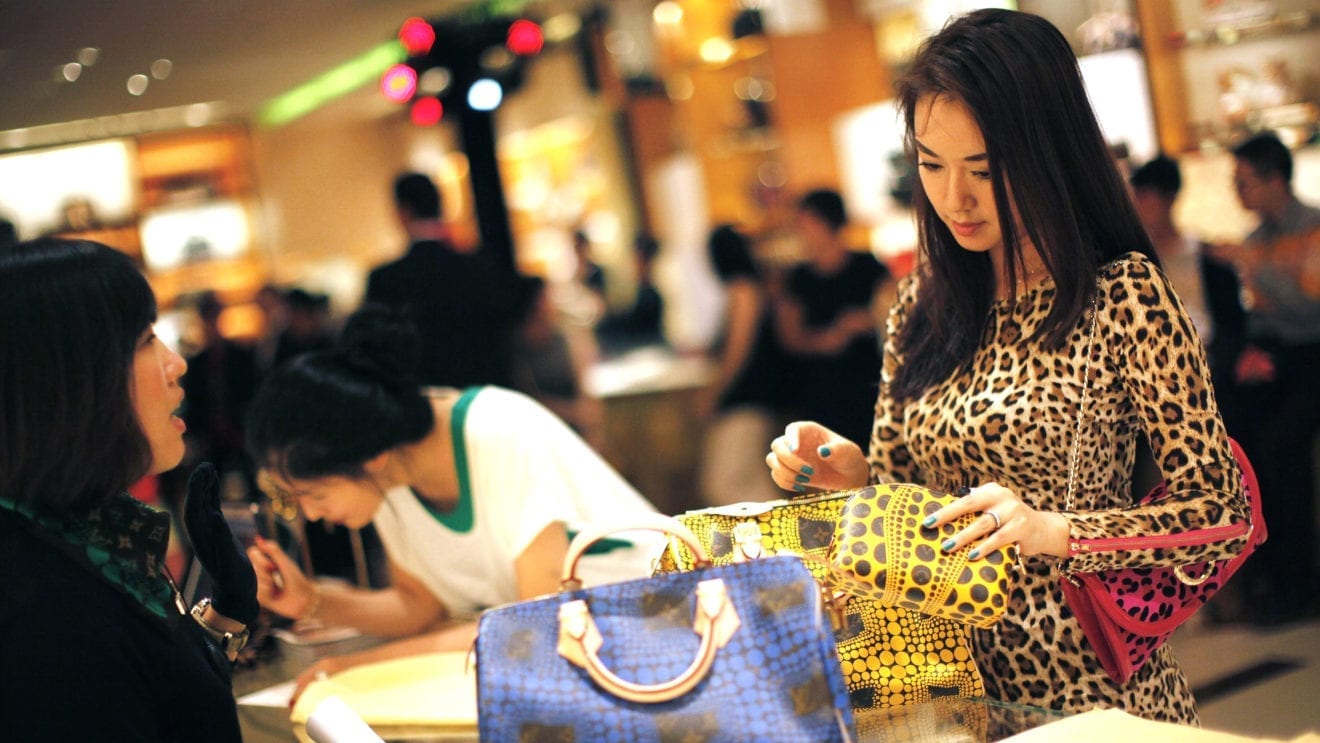
    Growth for the mainland Chinese luxury market is expected to climb by 48 percent to reach almost 346 billion yuan (around $52 billion) by the end of the year, according to Bain’s annual China luxury report released today in partnership with Tmall Luxury Division.

    This meteoric growth, driven in part by the repatriation of luxury spending and acceleration of e-commerce adoption as a result of Covid-19 and international travel restrictions, is forecasted to continue through 2025. It stands in stark contrast with the global luxury market, which the report estimates shrank by 23 percent this year due to store closures and low demand.

    To be sure, growth hasn’t occurred evenly. China’s north and northeast regions underperformed in contrast to the south, east and southwest; categories like leather goods and jewellery led the way, followed by ready-to-wear clothing and shoes, beauty and timepieces. It’s also worth noting that repatriation has only managed to offset around half of the heavy losses luxury brands are feeling in Europe and elsewhere; tourist consumption, which has fallen by an estimated 70 percent is far from fully recovered.

    Bain predicts that where global conditions are unlikely to fully recover in the next year or even two, Chinese shoppers will remain cautious about travel for at least a year, making domestic destinations like Hainan key touchpoints for brands. It also noted that shoppers from or younger than the Post-’80s generation continue to drive growth and that online shopping habits adopted mid and post-pandemic are here to stay.

  • How shoppertainment powers the growth of AliExpress

    How shoppertainment powers the growth of AliExpress

    AliExpress is Alibaba’s cross-border e-commerce platform, which facilitates trade and brings sellers and buyers together. AliExpress does not sell directly, but provides a platform for safe transactions between sellers and buyers. AliExpress was founded in 2010, and is today one of the top cross-border B2C platforms.

    AliExpress is available in more than 200 countries and regions, and recently they launched their selling program to include overseas sellers, limited to some countries. AliExpress was previously only open for Chinese sellers accessing international consumers. Now, they are exploring a change to their business model by opening its marketplace to non-Chinese sellers, which means they will be better positioned to compete against Amazon. About a year ago, AliExpress introduced the platform to international sellers from Italy, Spain, Russia and Turkey.

    To learn more about AliExpress business model and growth plans, I have interviewed Martin Wang, the director of Social Commerce & Innovation Partnership at AliExpress:

    To start off, I would like to introduce my readers to what AliExpress is and what is your future goal and mission?

    • Launched in 2010 by Alibaba Group, AliExpress is a global online retail marketplace that enables consumers around the world to buy directly from manufacturers and distributors from China and other markets. AliExpress is an important part of Alibaba Group’s globalization strategy.
    • Alibaba’s mission is to make it easy to do business anywhere. AliExpress not just serves consumers from all over the world, but also enables small and medium-sized businesses to grow locally and globally. In early 2019, AliExpress opened up its platform for merchants in several pilot markets outside of China, including Russia, Spain, Italy and Turkey. AliExpress’ vision is to leverage its commerce and lifestyle platform to enable consumers and merchants around the world.
    • Leveraging Alibaba Group’s  technology and expertise in commerce, AliExpress has built an infrastructure to provide the best experience for consumers and sellers, including three key components – a well-established platform, localized payment options and an efficient logistic network through local partnerships.
    • Currently, AliExpress operates in 18 local languages and serves more than 200 countries and regions, with strong market presence in Russia, the United States, Spain, France, Brazil, Poland, the UK, the Netherlands, Israel and Korea.

    AliExpress is currently exploring a new business model of welcoming overseas sellers onto the platform, called the overseas seller program. This means overseas sellers can leverage AliExpress as a platform to sell their products. This service is currently limited to Spain, Italy, Russia and Turkey. Any plans in the near future to expand this service to other countries? What are AliExpress global expansion plans?

    • AliExpress’s goal is not just serves consumers from all over the world, but also enables small and medium-sized businesses to grow locally and globally. We started the overseas seller program about 1 year ago, since then, we have seen a huge number of local sellers from the mentioned countries joining the platform, which gave us more confidence on continuing this direction. However, such launching involves a quite heavy investment especially in the beginning like infrastructure, language localization, regulation etc., that’s why we are doing this step by step and will expand when time is ready .

    Amazon recently announced its entrance to the Swedish market. As I live in Norway, I am interested to hear your take on AliExpress positioning in Europe.

    • Europe as a whole is a strategically important market for AliExpress, where we have established strong presence in certain countries, such as Spain, France and Poland. We will continue investing in upgrading infrastructure and user experiences and bringing more quality products and services to consumers there.

    Livestreaming in China has been growing every year, and is now estimated to account for about 9 percent of total e-commerce sales in China. Brands use livestreaming, broadcasting in real-time, as a ‘tool’ to promote products and engage with their potential customers. In Europe, this trend is also gaining traction. Does AliExpress offer merchants this tool in order to reach a bigger audience? If yes, do you have an example of a merchant using livestreaming to succeed on the platform?

    • AliExpress have been offering the livestreaming service for already more than 1 year, and the penetration keeps increasing. We have quite some merchants who have enjoyed a better result via livestreaming, for example, we do have a mobile brand, they held a livestreaming in different languages on AliExpress, and broke the sales record which is more than 400% higher than ever.

    China is the leading nation when it comes to the development of retail and e-commerce. Social Commerce is a pre-existing trend in China, the integration between social networks and commerce. This trend has been amplified during the pandemics. What are your thoughts on the development of social commerce and how are social elements integrated on AliExpress?

    • We believe social commerce is a new trend as consumers are increasingly looking for more from their shopping experience, to interact with brands in new, engaging ways. We’ve seen the tremendous growth in livestreaming sales in China, which have played an important role in driving retail transformation and e-commerce success, and have become a great source of job creation and income especially during the Covid-19 pandemics.  Taking the experiences from China and Alibaba Group, AliExpress has been working with local influencer agencies in Europe, to nurture influencer talent and create a new business approach. We also launched a brand new platform called AliExpress Connect, which is designed to create opportunity for both brands and influencers, as the world moves increasingly toward online shopping. It offers new income sources and job opportunities for influencers and content creators, helping them to scale and digitalize their business. While for brands, it opens up the opportunity to attract new customers.

    Facebook and Instagram are two popular social networks in Europe. Is AliExpress closely linked with these networks?

    • These are two of the most popular social channels where aliexpress is doing different campaigns.

    In China, Key Opinion Leaders (KOLs) and Key Opinion Consumers (KOCs) are essential in marketing to reach more consumers. In the West, we are more used to hear influencers. How is AliExpress looking to use influencers in the West?

    • We do have the AE Connect platform for influencers, both Aliexpress and our sellers will post different tasks such as content creation, livestreaming, brand awareness, new user acquisition etc., and influencers will get paid based on the performance.
    • If anyone is interested in joining the program, you could email to the following: [email protected] or go directly to: https://connect.aliexpress.com/ to check our tasks and terms right away.

    To sum up, AliExpress, among other digital marketplaces, are gaining presence in Europe and around the world. AliExpress is not just a marketplace that connects sellers and buyers, but a lifestyle app that creates unique user experiences.