Tag: China

  • Alibaba shoppers shatter Singles Day record

    Alibaba shoppers shatter Singles Day record

    Singles Day on Nov. 11 is an unofficial Chinese holiday. The holiday has surpassed Cyber Monday as the largest online shopping day of the year globally.

    What Happened: Alibaba Group Holding owns the trademark to Singles Day and is the largest participating retailer.

    Yahoo Finance reports that Alibaba has added three additional days to the 2020 Singles Day holiday shopping season. The added dates are Nov. 1, 2 and 3.

    Shoppers can also get an early look Saturday with a countdown gala.

    Alibaba had over 1.3 billion orders in the 24-hour event in 2019.

    Rival JD.com holds a similar Singles Day event. JD.com reported Singles Day sales of $29.2 billion in 2019 spread out over 11 days.

    An estimated 300 million new users are expected to participate in the shopping event in 2020. Alibaba segment Tmall Global is expected to add 2,600 new brands for the event including Prada, Cartier and Chloe.

    Alibaba adding several days could break records.

    A survey from AlixPartners suggests spending will rise, with 39% of consumers saying they would spend more than in 2019.

  • Alibaba E-commerce sales sky high

    Alibaba E-commerce sales sky high

    Alibaba Group beat third-quarter revenue estimates, driven by e-commerce growth after China emerged from coronavirus lockdowns, and said it was assessing the suspension of its affiliate Ant Group’s listing.

    China’s surprise suspension of Ant Group’s planned $37 billion Shanghai initial public offering (IPO) was seen by some analysts and investors as an attempt by Beijing to cut founder Jack Ma and his financial services empire down to size.

    Alibaba CEO Daniel Zhang said during an earnings call that added that Alibaba is “actively evaluating” the impact of the Ant Group IPO’s suspension on its business and will “take appropriate measures accordingly”.

    Ant Group said separately it would decide whether to restart its IPO after fully reviewing and evaluating relevant measures.

    Alibaba’s results also coincided with markets awaiting the outcome of the US presidential election results, with Democrat Joe Biden edging closer to victory.

    Under Donald Trump, the world’s top two economies have clashed over trade, forcing some Chinese companies to put off US IPOs and list on exchanges close to home.

    Revenue at Alibaba’s cloud computing business, a focus area for the company, jumped 60 percent to 14.9 billion yuan (US$2.25 billion), while sales from its core e-commerce business rose 29 percent to 130.92 billion yuan in the reported quarter.

    Net income fell 63 percent to 26.52 billion yuan, as Alibaba had booked a one-off gain last year from its 33-per-cent stake in Ant Group.

    Revenue rose 30 percent to 155.06 billion yuan in the quarter ended September 30, compared to estimates of 154.74 billion yuan, according to IBES data from Refinitiv.

  • JV arrives to create US$7.9bn Chinese pharmacy giant

    JV arrives to create US$7.9bn Chinese pharmacy giant

    China’s Laobaixing and Yixintang Pharmaceutical Group are in advanced talks to create the country’s biggest drugstore chain via a share swap, three people familiar with the matter said.

    Laobaixing’s founders, Xie Zilong and Chen Xiulan, are expected to have a bigger stake in the merged firm than Yixintang’s founder Ruan Hongxian, said two of the people. Shanghai-listed Laobaixing, formally known as LBX Pharmacy Chain Joint Stock Company and which boasts Tencent Holdings as a backer, has a market value of around US$4.4 billion, while Shenzhen-listed Yixintang is valued at about $3.5 billion.

    The talks have been ongoing for more than three months, the two people said. One person said the firms are aiming to finalize and announce the deal in the coming days, adding that Laobaixing would remain the listed entity.

    The sources declined to be identified as the discussions were not public. Laobaixing, Yixintang did not immediately respond to requests for comment.

    Tencent, which took a 1-per-cent stake in Laobaixing to become a strategic partner this year, has endorsed the merger and is planning to work with the combined firm to speed up implementation of a “smart retail” strategy, according to two people.

    The tech giant is looking at helping with the integration of their online and physical store businesses and will help drive traffic through its messaging service WeChat as well as other platforms, said one person.

    Laobaixing, also backed by private equity firms FountainVest Partners and Primavera Capital, had 6.7 billion yuan ($1 billion) in revenue for the first half, while Yixintang had 6 billion yuan, filings show.

    Together they exceeded the 8.6 billion yuan in first-half sales for a current industry leader, state-backed Sinopharm Holding Guoda Drugstores. Their combined number of stores at around 13,100 would also be more than double Guoda’s.

    China’s drugstore market is, however, highly fragmented. According to market research firm Qianzhan, Guoda had a market share of 2.9 percent last year, ahead of Laobaixing with 2.6 percent and Yixintang with 2.4 percent.

    Both Laobaixing and Yixintang sell pharmaceuticals, traditional Chinese medicine, nutritional supplements, and medical equipment. They also complement each other geographically with Laobaixing strong in central and eastern China while Yixintang has focused on the southwest of China, particularly it’s home province of Yunnan.

    Laobaixing, established in 2001, is 33-per-cent held by its founders. For years it counted EQT as a key backer but the Swedish private equity firm sold its 25 percent stake to FountainVest and Primavera for $557 million a year ago.

    Yixintang, founded in 1981, is 31-per-cent owned by founder Ruan.
  • Sheng Siong profit climbs but management tempers expectations

    Sheng Siong profit climbs but management tempers expectations

    Listed Singaporean supermarket chain Sheng Siong’s profit soared 54.4 percent in the third quarter to US$23.27 million, riding a wave of increased sales in the grocery sector.

    Revenue jumped 28.9 percent to $239.5 million, while gross profit grew 28.7 percent to $64.68 million, largely off the back of increased home cooking and stocking of pantries throughout, and beyond, the country’s Circuit Breaker period.

    However, with stay-at-home orders easing across Sheng Siong’s markets, this elevated demand is likely to begin to stabilize in the following months, said CEO Lim Hock Chee.

    “Competition in the supermarket industry is expected to remain keen and challenging among the traditional brick and mortar operations and e-commerce platforms, which have gained a larger share since the onset of Covid-19,” Chee said.

    “The risks to supply chain disruption because of Covid-19 and other natural disasters are still there and may lead to higher input prices.”

  • China sales rebounds for Ralph Lauren, after Covid-19

    China sales rebounds for Ralph Lauren, after Covid-19

    Luxury retailer Ralph Lauren says sales growth on the Chinese mainland returned to pre-Covid-19 rates in the second quarter, increasing by more than 30 percent year on year.

    However sales across greater Asia decreased 7 percent to US$237 million on a reported basis, with same-store sales down by 11 percent, and a 12-per-cent decline in brick-and-mortar store sales partly offset by a 32-per-cent increase in digital commerce.

    Globally, net revenue fell by 30 percent to $1.2 billion, with declines in all regions due to the impact of Covid-19 on consumer shopping behavior.

    But the company achieved a net income of $107 million, down from $182 million in the same period last year.

    Ralph Lauren, executive chairman, and chief creative officer said despite the tough time the world is experiencing he is optimistic the company can “take the great learnings and creativity that have emerged from this time to become even stronger”.

    He said the results reflected the strength of Ralph Lauren’s timeless brand “and the values that have always been our touchstone” are continuing to anchor the business through a time of change and uncertainty”.

    “Looking across the first half of the fiscal year, we continued our elevation journey while fast-tracking connected retail and our company-wide digital transformation,” said president and CEO Patrice Louvet. “We also began the hard but necessary work of simplifying our organizational and cost structures to position the company for future growth.

    “Looking ahead, we will continue to work proactively to deliver an elevated experience that inspires consumers around the world and creates value for all of our stakeholders,” concluded Louvet.

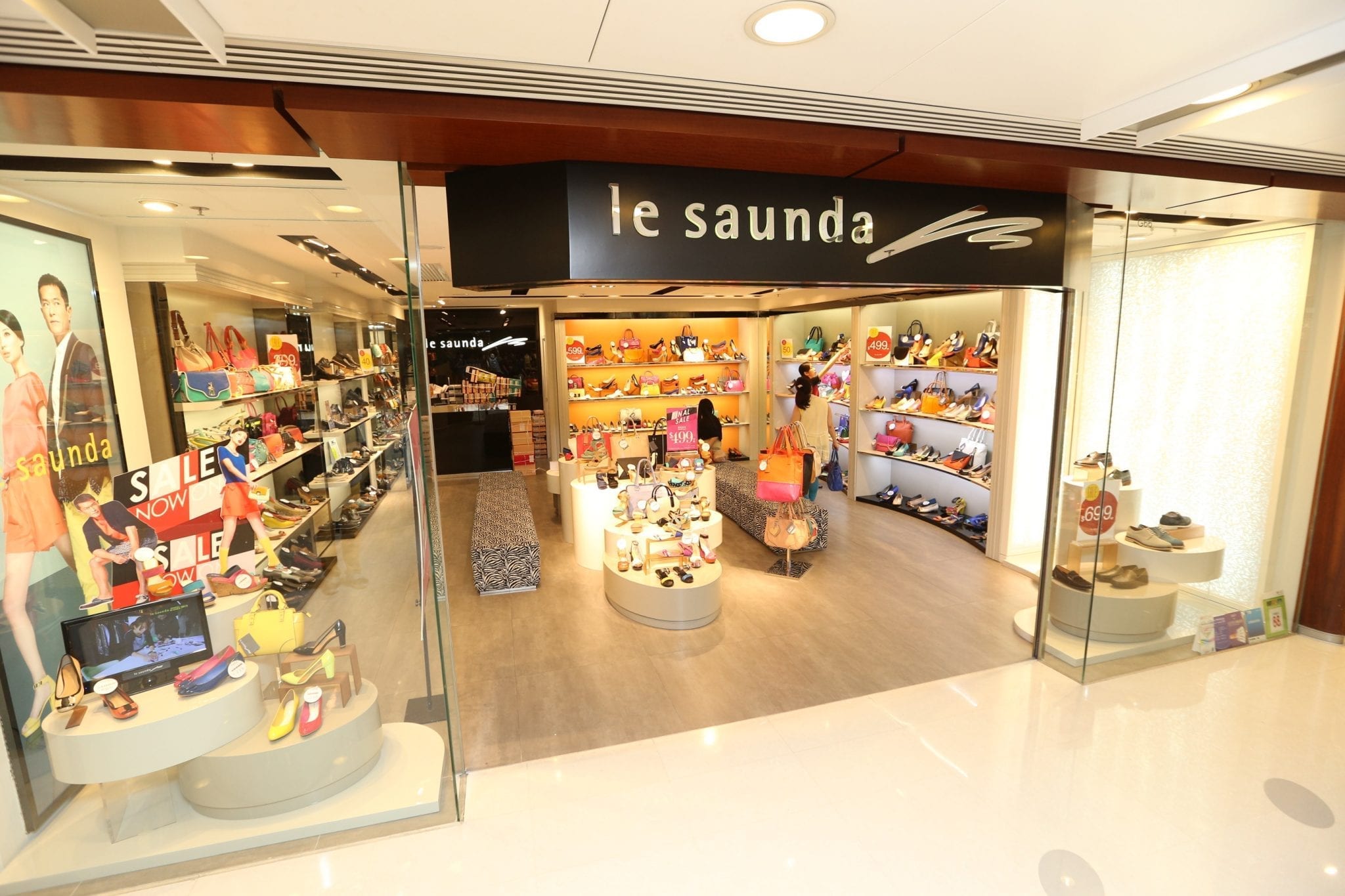
  • Le Saunda roams from profit to loss

    Le Saunda roams from profit to loss

    Chinese footwear retailer Le Saunda saw revenue and profit fall by more than 30 percent in the last six months as the impact of the Covid-19 pandemic ravaged the fashion industry.

    Revenue for the six months to August 31 fell to US$38.7 million, 30.8-per-cent lower than the same period last year, while gross profit fell 32.1 percent to $24.24 million.

    The impact of Covid-19, which severely hit Le Saunda’s main markets of Hong Kong, Mainland China and Macau, led to a $4.4 million overall loss.

    “Overall, during the first half of the financial year, the group changed from profitable to loss-making,” the business said.

    “The group made timely adjustments to its strategy to reduce daily expenses, including a 25-per-cent pay cut for all directors for a period of six months from March and … tapped into emerging Mini Programs and social-media marketing platforms to expand its online sales channels.”

    However, the business’ e-commerce revenue also took a significant hit, down 15.7 percent during the six months.

    And now, with the worst of the virus seemingly behind it, Le Saunda is looking to learn from the “new normal” that has developed – investing in the development of goods in the athleisure space, as customers become more health-conscious, as well as sales and marketing on social media to better leverage social commerce and reach a younger consumer base.

  • Profit up for Yum China despite Covid-19

    Profit up for Yum China despite Covid-19

    Yum China has reported a flat third quarter to September, with sales up 1 percent year on year to US$2.35 billion.

    The company said operations improved during the period, but sales were still impacted by reduced traffic at transportation and tourist locations, a delayed and shortened school-holiday season, and other lingering effects of the Covid-19 outbreak.

    “Dine-in volume has been recovering, while delivery and takeaway remained popular options,” the company said in a statement. “Our primary focus continues to be safety, efficiency, and driving traffic.”

    The fast-food company, which completed a secondary listing on the Hong Kong stock exchange during the quarter, said it has launched digital and membership campaigns offering strong value propositions to consumers to drive a recovery in sales post-pandemic.

    Yum China achieved productivity improvements and improved operating profits through trimming costs and improving productivity, however, the company now plans to increase staffing levels in the coming months to balance service and efficiency.

    Same-store sales declined 6 percent year on year, excluding foreign exchange, but the results included the consolidation of the Huang Ji Huang chain since April and a further 25 percent ownership of the Suzhou KFC operator since August.

    The company opened 312 new stores during the quarter taking its count to 10,150 at the end of September.

    Operating profit rose 86 percent from $300 million to $556 million (excluding foreign exchange impact), largely due to the gain from remeasuring the contribution of the Suzhou KFC business, of which Yum China now owns 72 percent. Net income increased 96 percent to $439 million.

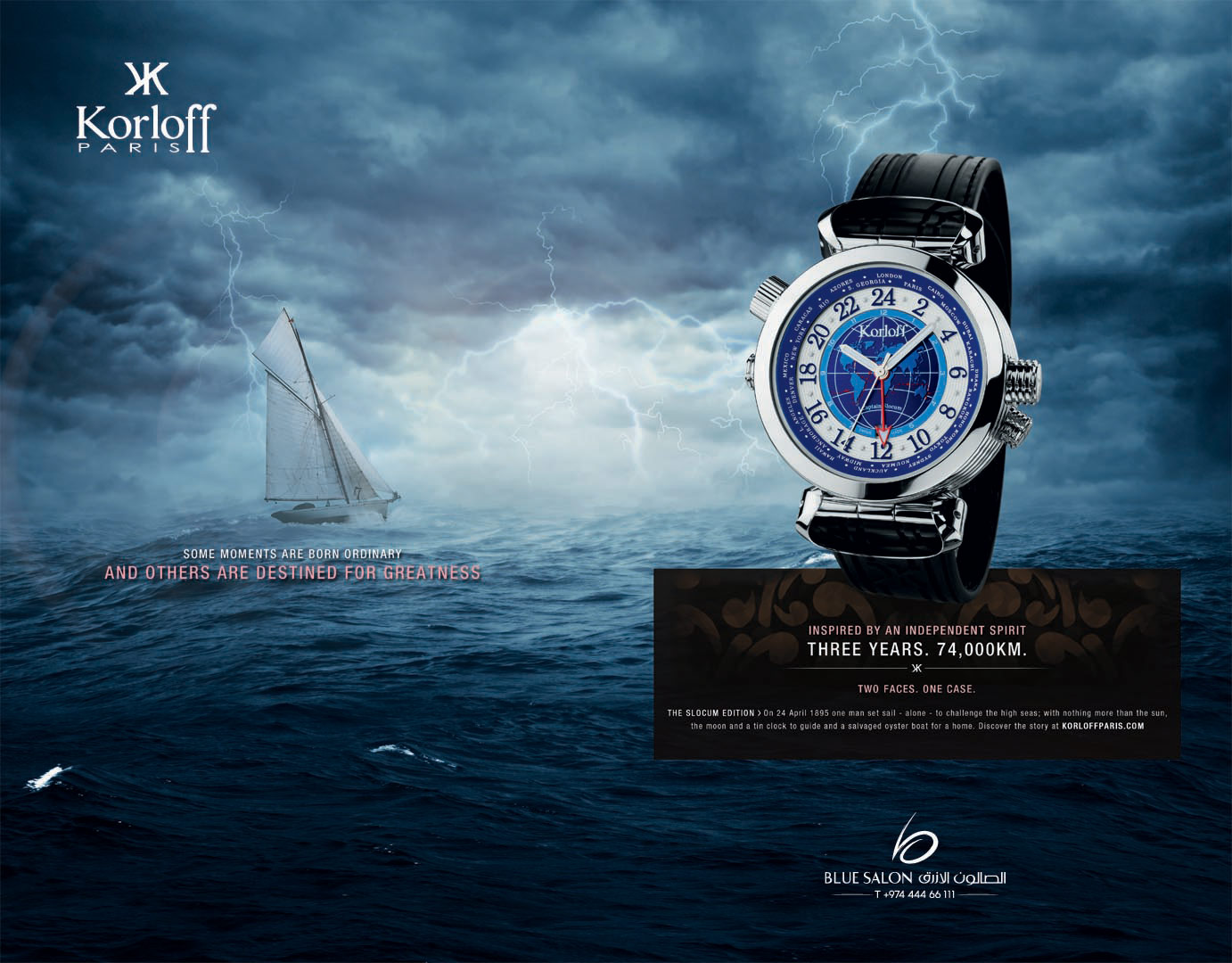
  • Korloff opens new store in Shanghai

    Korloff opens new store in Shanghai

    French jewelry house Korloff has opened its first flagship store in Shanghai.

    Located at Shanghai Avenue Mall, the store offers Korloff’s full range, including fine jewelry, bridal collection, watches, small accessories, and fragrances.

    The store’s facade features glass doors and windows highlighted with back frames. The interior uses beige and brown as its theme colors.

    The launch is part of the brand’s international expansion plan and its strategy to strengthen its presence across Asia. According to Korloff, the company aims to expand in more international markets in the coming months.

  • Puma launches crossover with Chinese streetwear brand Attempt

    Puma launches crossover with Chinese streetwear brand Attempt

    Puma has collaborated with Chinese streetwear brand Attempt to launch a “hacking the archive”-themed range.

    The Puma x Attempt Collection offers a selection of footwear, apparel, and accessories, featuring both classic Puma style and Attempt’s signature minimalist and functional designs.

    “The designs feature deconstructed elements with technical designs and the tonal color palette comes alive with bold color pops, resulting in a collection that is fresh, unexpected, and raw,” the company described.

    The collection also offers a mix of Puma footwear, including the RS-2K, Oslo Pro, and Style Rider. The apparel range features five tees and outerwear items for the warmer months. The accessories range consists of a crossbody bag and a cap.

    Founded in 2015, Attempt is known for its casual clothing featuring minimalist aesthetics with functionality and fresh styling.

  • Huawei’s breakthrough Petal Search app helps users install content banned by the U.S.

    Huawei’s breakthrough Petal Search app helps users install content banned by the U.S.

    You might remember that back in May, we told you about Huawei’s plan to work around the manufacturer’s inclusion on the U.S. Commerce Department’s Entity List. The U.S. put the company on this list because it considers the firm to be a national security threat. Placed on the Entity List, Huawei is not allowed to access its U.S. supply chain which means that it cannot license the Google Mobile Services version of Android. It also means that Google’s Android apps like Search, Maps, YouTube, the Play Store, Drive, and Gmail can not be installed on a Huawei phone. Most of Google’s apps are banned in China anyway, so only the international variant of the company’s phones are impacted.

    The Entity List placement also means that Huawei cannot work with U.S. firms including app developers. So Huawei’s phones, both inside and outside China, do not give users a selection of popular U.S. based apps to use. For example, in Huawei’s own AppGallery Android app distribution platform, you won’t find apps like Amazon, Snapchat, Speedtest.net, and AccuWeather. But as we pointed out in May, Huawei developed a new search engine called Petal Search. Petal Search will not only list “daily weather forecasts and top news; live sports scores and schedules; video, image, and music searches; and financial news and stock market updates.” When it comes to travel, it will “search millions of hotels worldwide and book rooms; and check flights and travel info for top global destinations.” Petal Search will also “look up local services and businesses with comprehensive directories.” But that isn’t the exciting cool feature.

    When you open up Petal Search and tap in the name of an app, the search engine looks for the one that you have in mind. If it finds the title in the AppGallery, it will be installed on your Huawei handset. If Petal Search can’t find a listing, it will search for it on third-party app stores. If it finds the app, a simple tap of the Install button will handle the task of downloading it on your phone.

    When we first heard about Petal Search, we told you that the idea behind it was to help Huawei customers find and install apps that are blocked due to the U.S. ban. These include Google’s own Android apps and U.S. developed social media and entertainment apps. And now, according to Forbes, Petal Search has become a full-service search engine as well. Petal even got some promotion during last week’s unveiling of the new flagship Mate 40 series.

    With the U.S. continuing to be offended by Huawei’s will to survive, the company could end up having to leave the smartphone industry and concentrate on providing an ecosystem to other phone manufacturers. Huawei created its own Mobile Services ecosystem that has over 700 million users, a 32% annual gain from last year. More importantly, the number of app developers registered by Huawei has risen 76% year-over-year to 1.6 million. This is of major importance because the larger the number of developers working on content for HMS, the more of a challenge Huawei becomes to other phone manufacturers.

    The main challenge that Huawei has at the current time is finding a foundry that can produce cutting-edge chips without using American-made technology. Back in May, the U.S. Commerce Department changed its export rules preventing foundries like TSMC from shipping chips to Huawei without a special license issued by the U.S. Recently it was discovered that the Chinese manufacturer ordered 15 million units of its 5nm Kirin 9000 chipset but received only 8.8 million of them. The new export rule started to take effect on September 15th.

  • Geely’s New EV Plant Will Build Premium Polestar Cars

    Geely’s New EV Plant Will Build Premium Polestar Cars

    An electric vehicle (EV) factory planned by the Chinese automaking group Geely will produce cars under the premium Polestar marque, two people with direct knowledge of the matter told Reuters on Monday. Zhejiang Geely Holding Group Co Ltd plans to build a plant with an annual manufacturing capacity of 30,000 premium EVs in the western city of Chongqing, run by a wholly-owned, newly registered company, showed documents on its website.

    Geely and Polestar declined to comment on the marque. The plan comes as foreign automakers including BMW AG and Tesla Inc expand EV production in the world’s biggest market, sourcing major EV components such as batteries locally and often exporting the end product.

    Hangzhou-based Geely is China’s most internationally known automaker. It owns Volvo Cars and Lotus, almost half of Proton and 9.7% of Daimler AG. Its Hong Kong-listed Geely Automobile Holdings Ltd is planning a Shanghai float.

    Through wholly-owned company Polestar, it builds low-volume Polestar 1 hybrid performance cars in the western city of Chengdu and Polestar 2 volume sedans in Taizhou in the east.

    It also plans to begin production of the Precept sedan, displayed at this year’s China auto show.

    Polestar aims to eventually offer bigger, more sporty vehicles at its showrooms, which currently span nine countries and whose number it plans to raise to 45 from 23 by year-end.

    Polestar Chief Executive Thomas Ingenlath told Reuters the firm is scouting markets in Asia-Pacific and the Middle East.

    Geely is also building a factory in China to make sport-utility vehicles under the Lotus marque, Reuters reported.

  • Panda Express calls out fake eatery in Kunming

    Panda Express calls out fake eatery in Kunming

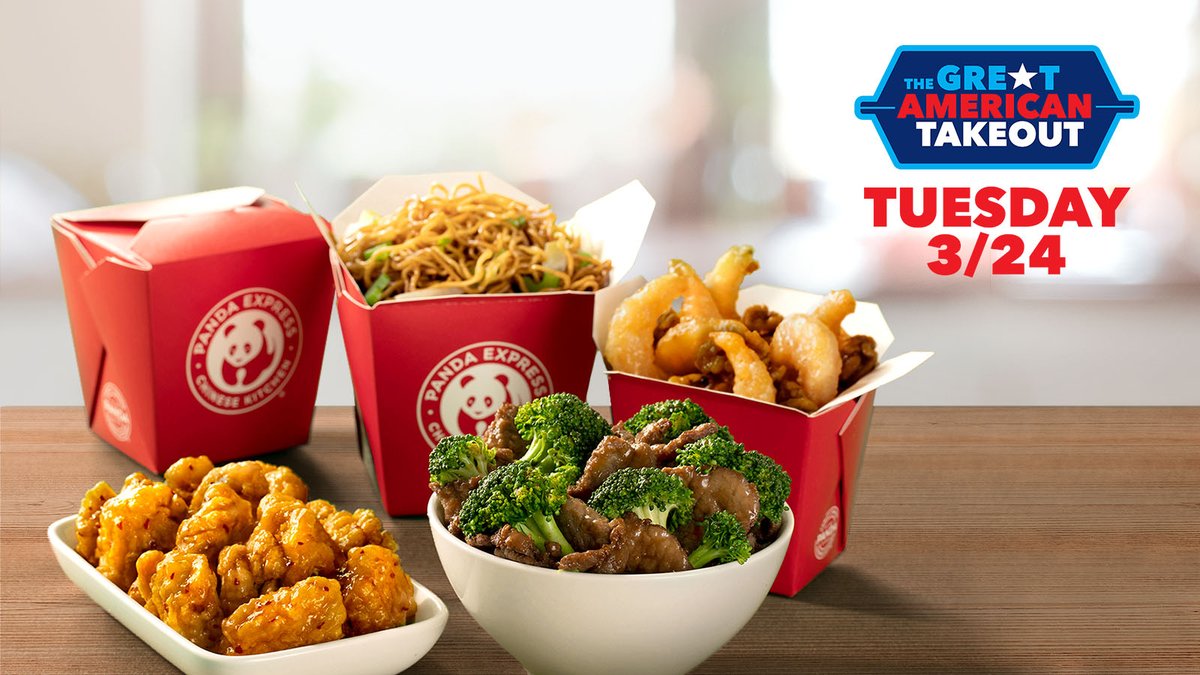
    A restaurant named Panda Express in the southwestern Chinese city of Kunming has been closed for investigation after the American chain of the same name said it was unauthorized and infringed its trademark.

    The US fast-food chain, which serves American-style Chinese cuisine, said it would consider taking legal action, while the Kunming restaurant – which has an almost identical panda logo – was closed and the management of its landlord, Chenggong Seazen Wuyue Plaza, told news portal Thepaper.cn it was reviewing the outlet’s credentials.

    The Chinese version’s listing on food review portal Dianping said its operations were suspended. The restaurant declined to take calls on Thursday from us.

    In an official statement, Panda Restaurant Group – the US company – said: “This restaurant is not affiliated in any way with Panda Express and Panda Restaurant Group. We have trademarked the Panda Express name and likeness in China for use by Panda Restaurant Group.”

    On Monday, the China Cuisine Association had issued a notice on behalf of Andrew Cherng, co-founder and co-chief executive of Panda Restaurant Group, saying the Chinese outlet was an imitation and advising the public not to be misled.

    Last week, there was excitement on Chinese social media as word spread that a Panda Express had been operating in Kunming for some time. On Dianping, some customers said they had visited it because they had enjoyed the chain’s food in the US, but others said the food was different.

    Photos posted on Dianping showed that the Chinese restaurant’s panda logo was similar to that of the US chain, but the panda’s mouth differed and it bore the words “panda theme restaurant” instead of the American company’s “Chinese kitchen” or “gourmet Chinese food”.

    Previously, management of the plaza said that the restaurant was not a fake, and that the plaza had signed a contract with an intermediary, Shenzhen Xiguifu Catering Management.

    Business information website Tianyacha showed that Shenzhen Xiguifu was established in 2018 and had a wide range of operations including investment consulting, catering equipment wholesale, catering services and beverage production.

    The Shenzhen-based intermediary did not respond to requests for comment from us.

    Founded in 1983, the real Panda Express has more than 2,000 restaurants in the US. It had revenues of US$3.5 billion last year, according to Forbes.

  • Tesla To Export China-made Model 3 vehicles to Europe

    Tesla To Export China-made Model 3 vehicles to Europe

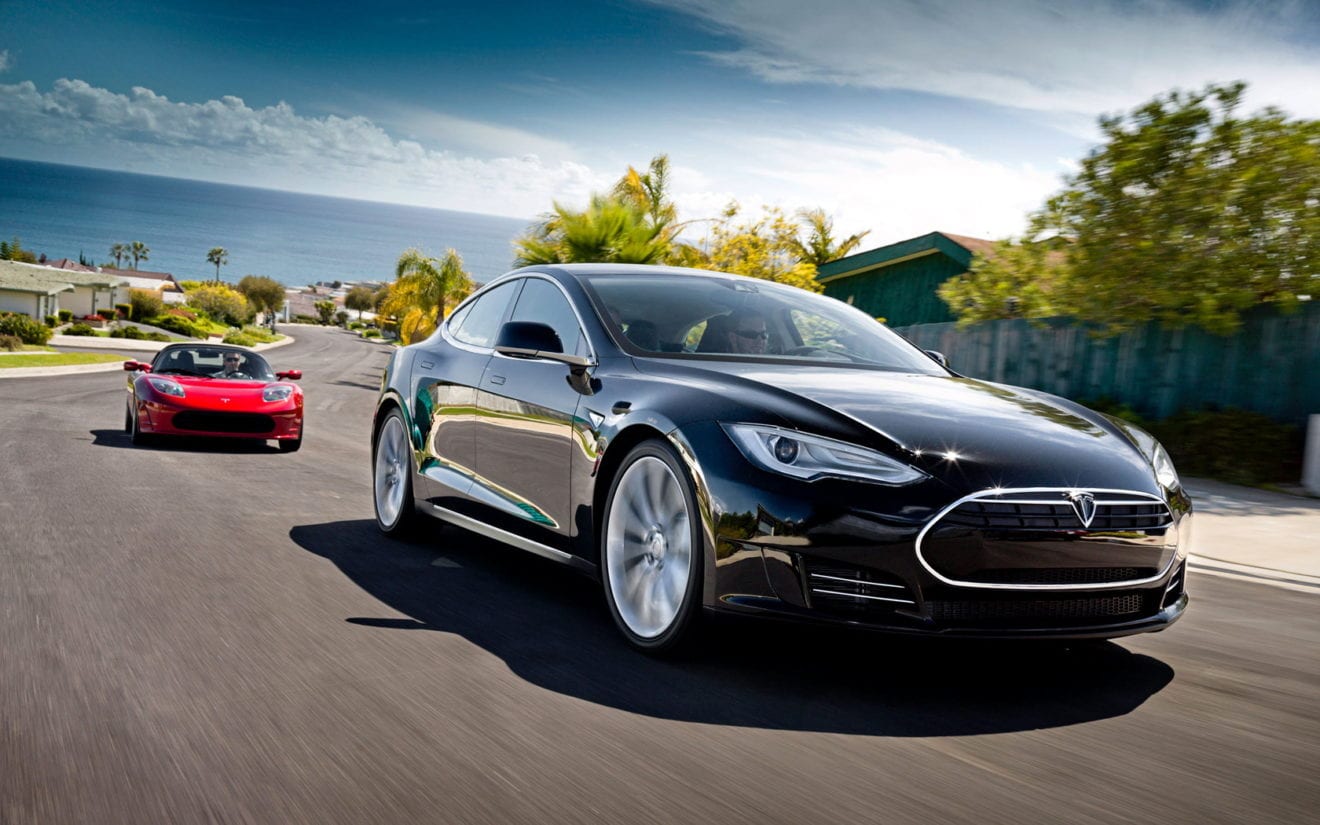
    Tesla said on Monday it would start exporting China-made Model 3 cars to more than 10 European countries this month, joining a growing number of automakers using China as an export hub for electric vehicles.

    The U.S. carmaker, which started delivering vehicles made in its Shanghai factory in December, will export China-made cars this month to countries including Germany, France, Italy and Switzerland, it said in a statement.

    Elsewhere, German rival BMW is preparing to export its electric iX3 model, made at a joint venture plant in Shenyang, China, to Europe, while Daimler is shifting production of its Smart branded city cars to Hangzhou Bay.

    Tesla has been expanding in China even as tensions between Washington and Beijing have been escalating. The Shanghai factory, Tesla’s first car plant outside of the United States, aims to build 150,000 vehicles this year.

    “Support from Chinese government towards the industry, innovative local companies and customers embracing new technologies make China the best market for smart electric vehicles,” Tesla said, adding it would expand car production, charging and sales networks in China.

    The electric vehicle maker, which sold more than 11,000 Model 3 cars last month in China, the world’s biggest auto market, is also building new car manufacturing capacity in Shanghai to make its Model Y sport-utility vehicles.

    Reuters reported in September that Tesla was planning to export Model 3 vehicles made in China to Asian and European markets, citing people familiar with the matter.

    The export of the Model 3 to Europe comes as Tesla is in the process of building a German factory on the outskirts of Berlin and after the German government announced a subsidy of up to 9,000 euros for buyers of electric cars, including the Model 3.

  • Alibaba takes control of Sun Art hypermarkets

    Alibaba takes control of Sun Art hypermarkets

    Alibaba Group Holding Ltd. will invest about $3.6 billion to double its stake in Sun Art Retail Group Ltd., taking control of China’s largest chain of hypermarts to try and fend off rivals like JD.com Inc. in e-commerce’s hottest growth arena.

    Alibaba will raise its direct and indirect stake in the grocery chain to about 72% by acquiring equity from Auchan Retail International SA, then make a general offer to shareholders to buy out the rest of Sun Art. The latter’s Hong Kong-listed stock leapt as much as 30% Monday, its biggest intraday gain since 2011. Alibaba gained as much as 1.8% to touch an intraday record.

  • Alibaba’s Taobao to exit Taiwan over political tensions

    Alibaba’s Taobao to exit Taiwan over political tensions

    Taiwan on Monday gave the domestic branch of Alibaba Group Holding Ltd’s e-commerce site Taobao six months to re-register as a Chinese investment rather than a foreign one, or leave, in the government’s latest shot against Chinese firms.

    Amid growing political tension, Taiwan has stepped up oversight of Chinese investment and the operations of Chinese tech firms on the island.

    Last week it said it planned to stop local sales of Chinese internet television streaming services, though it does not plan to block them.

    The investment commission of Taiwan’s Economics Ministry said Taobao Taiwan was operated by a British-registered company called Claddagh Venture Investment, an investment firm that was in effect controlled by Alibaba.

    The commission was also concerned about information security as user data was sent back to China, it said, adding that Taobao Taiwan had been fined T$410,000 ($13,960) and had six months to either withdraw its investment, or re-register.

    “We do not consider the company as foreign investment,” commission spokesman Su Chi-Yun told Reuters. “They will have to decide whether to disinvest or rectify their investment.”

    The company should have registered as a Chinese investment, but came in as foreign investment instead since “it’s more convenient,” he added.

    Taiwan treats investment from foreign countries differently than that from China, with far more stringent rules.

    Su said even if Taobao chose to register as Chinese investment in Taiwan, it could still fall afoul of rules barring Chinese companies from sectors vital to its business model, such as third-party payments or advertising.

    Claddagh’s Taiwan office expressed regret at the move and said it had received no formal notification from the government, but that it respected the decision and would “carry out rectification as soon as possible.” It did not give details.

    Taobao Taiwan, launched last year, has previously said it was an entirely different platform from Taobao China.