Tag: China

  • Chinese manufacturer will reportedly use Huawei’s ecosystem in case it too loses access to Google

    Chinese manufacturer will reportedly use Huawei’s ecosystem in case it too loses access to Google

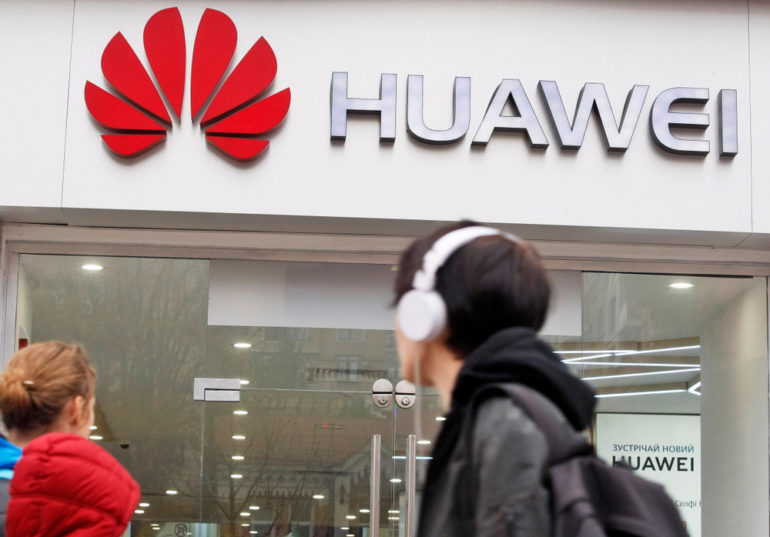
    In May 2019, the U.S. placed Huawei on the Entity List. Not only did this ban Huawei from accessing its U.S. supply chain, it also banned Huawei from using Google’s Android apps on Huawei handsets. Not that this really mattered since many of these apps such as YouTube, Search, Google Maps, Drive, and others were already banned from the Chinese versions of Huawei’s phones by the government. Google’s apps were allowed on the international versions of Huawei’s phones.

    Huawei’s Entity List placement means that Google Mobile Services is not allowed on Huawei handsets and had to be replaced. Huawei developed its own ecosystem called Huawei Mobile Service (HMS). As of last December, HMS covered 500 million monthly active users in over 170 countries; the buzz around the water cooler is that a non-Huawei handset will soon be available with HMS pre-installed (more on this below).

    Huawei also had to replace the Google-licensed version of Android with the open-source version of Android and will now switch to its homegrown HarmonyOS. The company’s first 2021 flagship, the camera-centric Huawei P50 series, could be the first smartphones to run HarmonyOS. According to Huawei staff member Akiba Ziluo, Chinese smartphone manufacturer Meizu will have the first non-Huawei handset to support HMS Core through the Huawei Mobile Service. According to Huawei, “HMS Core offers a rich array of open device and cloud capabilities, which facilitate efficient development, fast growth, and flexible monetization. This enables global developers to pursue groundbreaking innovation, deliver next-level user experiences, and make premium content and services broadly accessible.”

    Each Chinese phone manufacturer has a secret fear; they worry about becoming the next Huawei and ending up in a similar predicament. That is why many of them are looking for Chinese technology that could be used in a jiff to replace American software in case they are banned from using U.S. technology like Huawei is.

  • Targeting Tesla, China’s Geely To Launch New Premium EV Brand

    Targeting Tesla, China’s Geely To Launch New Premium EV Brand

    China’s Geely plans to roll out electric vehicles under a new marque with different branding and sales strategies, people familiar with the matter said, as the Volvo owner looks to take on its main EV rival Tesla with higher-end vehicles. The brand, positioned in the premium segment and named “Zeekr”, will be housed under Geely’s to-be-launched EV entity Lingling Technologies, according to three people, who declined to be named as the plan is not yet public. Reuters reported the plans for Lingling last month.

    Geely, the owner of Volvo Cars and 9.7% of Daimler AG, will roll out models under the new marque based on its open-source EV chassis, announced in September and called Sustainable Experience Architecture (SEA), the sources said.

    It will be a new attempt to go up-market by Geely, and backs founder and Chairman Li Shufu’s long-held ambition to make premium cars “like Mercedes-Benz” in a bid to take on EV leader Tesla Inc.

    Geely will open showrooms, or “hubs”, in city centres to sell cars at a fixed price, departing from traditions to sell cars through dealerships – marketing tactics pioneered by Tesla, which last year saw sales expand quickly in China, the world’s biggest car market.

    The plan follows a flurry of tie-ups by Geely earlier this year as the automaker pursues its goal of becoming a leading EV contract manufacturer and engineering service provider.

    “Traditional gasoline cars and electric vehicles are two race tracks of business. Geely does not have a clear advantage in electric vehicles at the moment so it appears that it wants to complete its own innovation by creating a new brand,” said Alan Kang, analyst at auto consultancy LMC Automotive.

    China’s automakers largely compete with entry-level and mass-market manufacturers including Volkswagen and Toyota, but EV maker Nio Inc sells cars with higher prices and counts BMW as a rival.

    Hangzhou-based Geely also plans a broad array of sales and marketing strategies to seek deeper relationships with the EV buyers. It will open lifestyle lines for clothing and accessories and launch a car owner’s club, tactics used by Nio, sources said.

    Zeekr is also considering rolling out a share ownership plan that allows customers to become shareholders of Lingling, which management hopes will boost sales and the relationship between brand and customers.

    Geely declined to comment. Shares of its Hong Kong-listed company Geely Automobile fell 3% on Friday as Chinese equities dropped after a rise in global bond yields prompted selling in high-priced consumer and material stocks.

    Many conventional automakers have used a new brand to launch their EV units. Geely’s rivals including Great Wall, and SAIC Motor have rolled out their respective new standalone EV brands.

    China’s government has heavily promoted new energy vehicles (NEVs) – such as battery-powered, plug-in petrol-electric hybrid and hydrogen fuel cell cars – in response to chronic air pollution and a warming climate, spurring interest from technology companies and investors alike. China forecasts NEVs will make up 20% of its annual auto sales by 2025 from around 5% in 2020.

  • Alibaba has major ambitions for Vietnamese businesses

    Alibaba has major ambitions for Vietnamese businesses

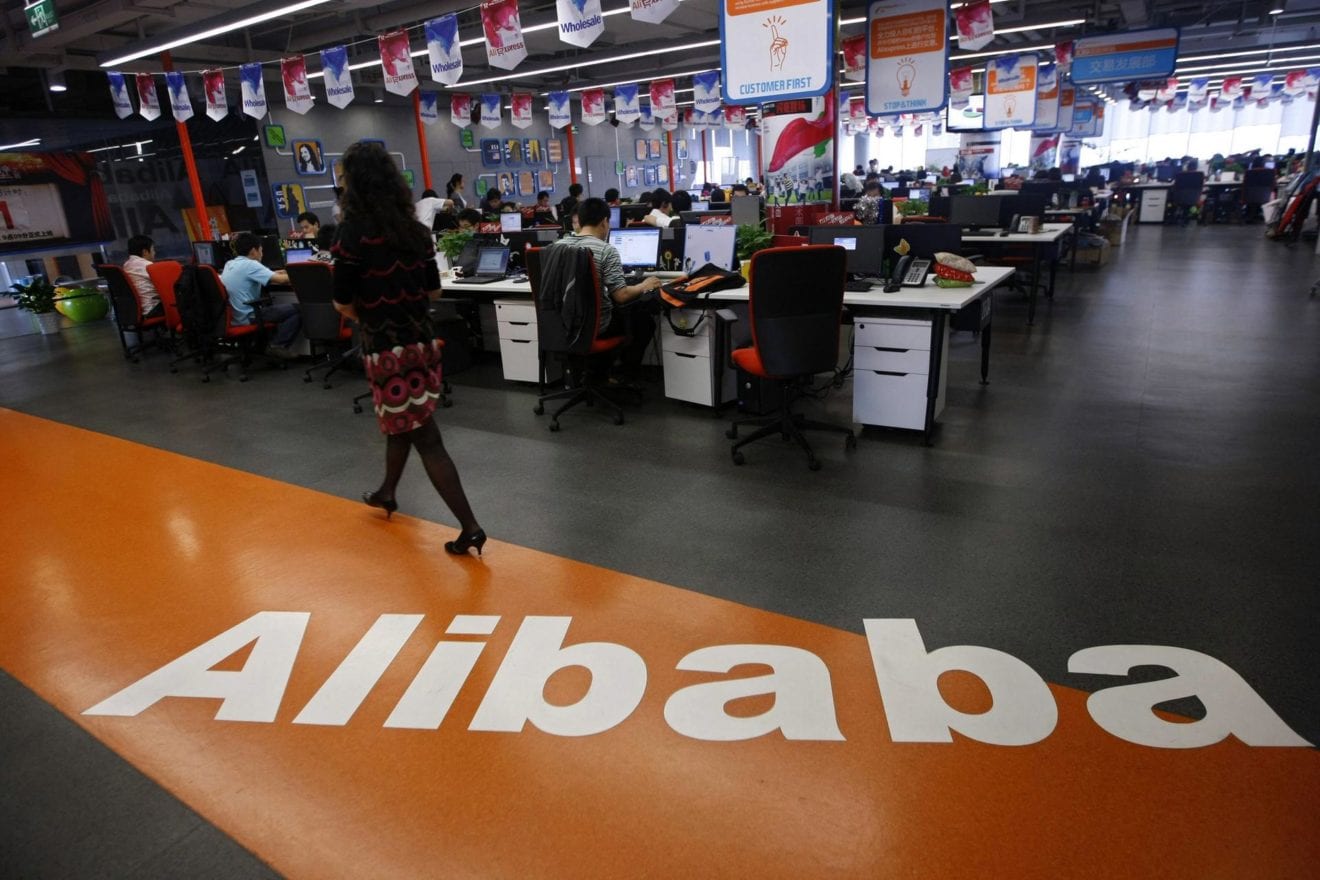
    Chinese e-commerce giant Alibaba wants to have over 10,000 Vietnamese small and medium-sized enterprises selling on its platform by 2025.

    Its government relation and business development manager, Vu The Tung, who revealed this at a ceremony to sign a memorandum of understanding with the Vietnam Trade Promotion Agency on Tuesday, said his company would help Vietnamese businesses increase their exports by promoting their products.

    The two signatories have been running a training program since August last year to enhance Vietnamese businesses’ ability to participate in global e-commerce.

    Vu Thi Minh Thuy, manager of the agency’s information technology application center, said through the training program over 300 companies have been provided consultancy in online cross-border sales.

    Fifty agriculture, aquaculture, food processing, and packaging companies became ready to sell on Alibaba’s e-commerce platform after completing training in October, she said. The two sides hope to have 1,200 Vietnamese enterprises on the platform by the end of 2021.

    Deputy Minister of Industry and Trade Do Thang Hai, who hailed Alibaba’s support, said: “The Vietnam Trade Promotion Agency and Alibaba will continue to look for enterprises to take part in the training program, and create recognition for Vietnamese brands on Alibaba’s e-commerce platform. They are also planning to create an exclusive section for Vietnamese products on the Alibaba website.”

  • China retail sales rebounds after Covid-19

    China retail sales rebounds after Covid-19

    China’s industrial output and retail sales surged in the first two months of the year, official data showed yesterday, underscoring the country’s recovery from the COVID-19 pandemic. Industrial production spiked a forecast-busting 35.1 percent on-year, the biggest bounce in decades, while retail sales also beat expectations with 33.8 percent growth.

    However, the Chinese National Bureau of Statistics said the latest surge was in part due to distortions from last year’s “low base in the same period.”

    Both indicators fell in the early months of last year after COVID-19 surfaced in central China and spread rapidly across the nation.

    However, the world’s second-largest economy became the first to bounce back globally after imposing strict lockdowns and virus control measures, clocking a full-year economic growth of 2.3 percent.

    “After removing the base effect, the growth of main indicators is stable and macro indicators are in a reasonable range,” the bureau said.

    Data for January and last month were released together to eliminate the influence of uncertainties brought about by the Lunar New Year holiday, which typically falls within this period.

    Industrial activity was likely boosted by the fact that many migrant workers were discouraged from returning to their hometowns because of COVID-19 restrictions, meaning some factories remained open through the holiday or reopened sooner.

    “We expect activity to remain strong in the near-term, as the easing of virus restrictions boosts consumption and fiscal stimulus among key trading partners should keep exports strong,” Capital Economics senior China economist Julian Evans-Pritchard said.

    Urban unemployment rose to 5.5 percent last month, up from 5.2 percent in December, data showed, but experts said the real rate might be higher owing to the high number of workers in unofficial employment.

    “Even though we do see improvement on the global economic environment, they are still very cautious,” Oversea-Chinese Banking Corp (華僑銀行) Greater China head economist Tommy Xie (謝東明) said on the issue of unemployment.

    While urban unemployment rate remains within the government’s target, the caution was likely due to another potential record number of graduates entering the job market this year, he said.

    He added that there is an “uneven recovery” ongoing as well, with smaller firms and industries, such as travel, not fully recovered from the pandemic hit.

  • Alibaba told to divest media assets

    Alibaba told to divest media assets

    Beijing has reportedly told the Chinese e-commerce conglomerate Alibaba to divest its assets in the media sector out of concern over the company’s growing public influence. Its founder, Jack Ma, the ebullient and unconventional billionaire who officially retired from Alibaba in 2019 but remains a large shareholder, has been in authorities’ crosshairs in recent months.

    In November, Chinese regulators halted a colossal $34bn stock market listing by Ant Group, an Alibaba subsidiary for online payments. The following month, regulators opened an investigation into Alibaba business practices deemed anti-competitive. Now authorities have told the tech company to drastically reduce its presence in the media sector, citing people familiar with the matter.

    Alibaba’s highest-profile media assets include Hong Kong’s leading English-language daily, the South China Morning Post, and China’s Twitter-like social media platform Weibo, and online video platform Bilibili. Officials are worried that the company has too much influence over public opinion and were reportedly appalled about the extent of its media holdings, the Journal said.

    The government did not specify whether Alibaba was requested to completely withdraw from the media or divest part of its shares.

    On Friday, the Journal reported that Alibaba risks being levied with a record fine in China for anti-competitive practices, which could exceed the $975m paid by US chipmaker Qualcomm in 2015.

    According to the article, authorities accuse Alibaba of preventing merchants who sell goods on the platform from also selling on rival websites.

  • Ant Group Issues Financial Self-Discipline Rules

    Ant Group Issues Financial Self-Discipline Rules

    The internal guidelines come amid increased scrutiny by Chinese regulators of the country’s financial technology sector.

    In a statement, Ant said it will stop issuing loans to minors on its consumer loan platforms and will prevent small business loans from flowing into stock and property markets. The group’s credit-rating service Zhima Credit will also not be available to financial institutions including microloan lenders.

    The publication of the rules on Friday comes four months after the technology giant’s scrapped $37 billion IPO. The group has since agreed with Chinese regulators to restructure itself into a financial holding company, which will make it subject to capital requirements similar to those for banks in mainland China.

    Last month, the governor of the People’s Bank of China Yi Gang suggested a listing revival was possible for Ant, saying that you just follow the standard of legal structure and you will have the result.

    However, no timeline was specified, and the restructuring is expected to take some time with the listing revival not within the scope of the high-level government agenda right now, according to a report which highlighted greater focus by Beijing on Ant’s shareholders.

  • JD.com cashes in on steady online demand, beats market expectations

    JD.com cashes in on steady online demand, beats market expectations

    JD.com Inc’s fourth-quarter revenue beat expectations on Thursday as more shoppers flocked to its website on the back of a broader shift to online shopping triggered by the COVID-19 pandemic.

    While China has largely emerged from coronavirus lockdowns with most businesses resuming production, JD.com’s domestic consumers continue to shop online for everything from daily groceries to luxury products.

    The Beijing-based company posted revenue of 745.8 billion yuan ($114.97 billion) for the year, beating analysts’ estimate of 740.81 billion yuan.

    In a pandemic-struck year, during which retail sales fell 3.9% in China, JD.com’s strategy of ramping up its in-house delivery network enabled faster deliveries.

    The company has also been working to expand into price-sensitive lower-tier cities through its shopping platform Jingxi in a bid to stave off stiff competition from rivals like Alibaba and Pinduoduo that are equally popular.

    As a result, JD.com raked in 110 million new active customer accounts during the year. Meanwhile, Jack Ma’s Alibaba added about 68 million active buyers in the same period.

    U.S.-listed shares of the company, which have been volatile as China looks to tighten scrutiny on its tech giants, were up 3% at $91.98 in early trading.

    The world’s second-largest economy has vowed to strengthen oversight of its big tech firms, which rank among the world’s largest and most valuable, citing concerns they have built market power that stifles competition, misused consumer data, and violated consumer rights.

    The long-term impact of this on JD.com’s business, though unclear, remains a threat. In late December, regulators fined the company, along with Alibaba and other e-commerce sites, 500,000 yuan for engaging in irregular pricing.

    The company’s net revenue rose 31.4% to 224.3 billion yuan in the quarter ended Dec. 31, beating analysts’ estimate of 219.73 billion yuan, according to IBES data from Refinitiv.

  • ZTE joins China Mobile in Xinfengming Group’s 5G intelligent manufacturing upgrade

    ZTE joins China Mobile in Xinfengming Group’s 5G intelligent manufacturing upgrade

    ZTE Corporation, a major international provider of telecommunications, enterprise and consumer technology solutions for the Mobile Internet, in partnership with China Mobile, has upgraded Xinfengming Group’s 5G intelligent manufacturing, following the completion of the test and verification of the “i – wireless 5G intelligent and one-stop local network” project.

    Leveraging ZTE’s NodeEngine solution, this Xinfengming 5G manufacturing platform has been upgraded to accelerate the comprehensive digital transformation. This is the first commercial deployment of NodeEngine solution by ZTE and China Mobile.

    Aiming to better serve manufacturing with 5G technologies and to offer enterprises with flexible and fast local services, ZTE, China Mobile Research Institute and the Zhejiang Branch of China Mobile have teamed up to provide industrial parks with the innovative solution, featuring functions of PRB resources reserved hard slicing, intelligent and simple local distribution, EdgeQoS service management and control, and enterprise self-service portal and more, based on the concept of i- wireless 5G intelligence and simplification. The NodeEngine solution is simple to deploy, quick to the commission, and excellent in performance and cost-effectiveness.

    In the 5G network of Xinfengming Group, most of the production equipment is dedicated to Xinfengming, such as AGV trucks, visual detection devices, and automatic assembly devices. PRB resources reserved hard slicing and local traffic offloading provide Xinfengming the 5G private network capability in a short time, enabling the access of this dedicated equipment and the local traffic offloading and clearly separating common mobile users from businesses, which ensures the access and network performance of different types of terminals. Compared with the existing solutions, this solution enables time delay improvement by 20%.

    ZTE’s NodeEngine solution also serves as an exclusive local O&M portal for enterprises, with which, the network can be dynamically adjusted to satisfy different application requirements. Meanwhile, the network performance can be viewed in real-time, thereby ensuring flexible management and control.

    In addition, ZTE’s NodeEngine solution provides sophisticated EdgeQoS management and control. With this, the QoS requirements of local services, on the one hand, can be intelligently identified and distributed through edge AI to trigger network adjustment parameters to match service requirements. On the other hand, according to the service model, the resources such as bandwidth, latency and reliability are dynamically scheduled to match and guarantee real-time requirements, thus realizing differentiated local network services.

    Through the sophisticated management and control of EdgeQoS, networks can truly be flexibly adjusted according to services, greatly improving the perception of private network services and the efficiency of network resources.

    Committed to empowering traditional industries with 5G, ZTE has made remarkable achievements in 5G industrial manufacturing. Besides the Xinfengming Group digital transformation, the Nanjing Binjiang Smart Manufacturing Base and Changsha Smart Factory, developed by ZTE also, have become the models in the industry. In addition, ZTE has built typical 5G applications together with leading manufacturers such as SANY Group and SUPCON.

    Moving forward, ZTE will be committed to helping industrial manufacturing develop towards a green ,low-carbon, digital, and intelligent future.

  • Prada bags sales boost from China rebound

    Prada bags sales boost from China rebound

    Italian fashion group Prada’s sales and profits rebounded at the end of last year from a first-half slump due to the coronavirus pandemic, boosted by a strong performance in China and elsewhere in Asia, and the positive trend has carried on into 2021.

    Luxury fashion companies have been hit hard by the impact of the crisis on tourism and travel, but an improving backdrop in China, one of the world’s biggest luxury markets, has helped some companies to bounce back.

    Milan-based Prada, famous for its luxury bags and clothes, also benefited from a surge in online sales.

    The pandemic has accelerated the luxury goods industry’s move towards digital sales. Prada’s e-commerce sales more than tripled in 2020 versus 2019 levels, the Hong Kong-listed company said.

    Last year, Prada launched e-commerce in new key markets and revamped the Prada website.

    “We are just at the beginning of our growth trajectory and there is still a huge potential to unlock,” said marketing head Lorenzo Bertelli, son of Prada’s founders Miuccia Prada and Patrizio Bertelli, who are co-CEOs.

    CEO Patrizio Bertelli said: “We have 130 stores that are still closed due to the pandemic and group’s performance in early 2021 is quite good anyway. That give us the confidence to face the upcoming rebound, as soon as the most critical phase of the pandemic will end.”

    The first months of 2021 have seen a slight growth in sales compared with the early part of 2020 and are up from 2019 levels, CFO Alessandra Cozzani said conference call after the group’s results were published on Wednesday.

    CEO Bertelli said Prada had responded quickly to market changes, strengthening the relationship with local customers whose consumption in the second half of the year almost fully offset the absence of tourists.

    “All of these initiatives led to a full recovery in the second half to pre-pandemic profitability levels,” he said in a statement.

    The recovery in retail sales, which account for around 90% of Prada’s total, was driven in the second half by mainland China (+52%), Taiwan (+61%), Korea (+22%) and also by the Americas (+4%). Japan and Europe suffered from the lack of tourists and prolonged lockdowns.

    Full-year revenues fell by 24% to 2.42 billion euros ($2.9 billion) thanks to an improvement in the second half after a 40% slump in the first six months.

    Lockdown measures to stem the spread of coronavirus led to around 18% of the group’s store network being closed on average during the year and the restrictions also hit tourism.

    Earnings before interest and taxes (EBIT) totalled 20 million euros in the full-year, following a 216 million euro EBIT in the second half, broadly in line with the same period of 2019, after a 196 million euros operating loss in the first six months.

    Analysts had expected revenues at 2.44 billion euros and an EBIT of 13.8 million, based on a Refinitiv analyst consensus.

    Analysts did not expected any dividends, but Prada’s board decide

  • Diesel Hub concept store opens in Shanghai

    Diesel Hub concept store opens in Shanghai

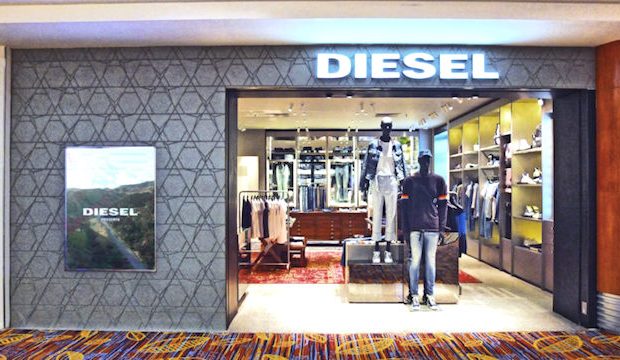
    Glenn Martens may still be prepping his debut collection for Diesel, but he’s already leaving his mark on the brand. The Belgian designer, who was tapped as the Italian brand’s creative director last October, has imagined a new store concept for Diesel, an immersive branding experience in itself.

    Painted floor-to-ceiling in the brand’s signature red color, the new concept is being introduced at two temporary pop-up stores in Amsterdam and on the outskirts of Washington, D.C., at the mall Tyson’s Corner Center.

    The company said it will be extended to other pop-up units and be flanked by experiential initiatives, and the concept will also appear in the first permanent unit, called Diesel Hub, that the brand will open in Shanghai later this year.

    “This new pop-up represents a first step toward elevating the design and brand experience of Diesel, starting from its iconicity and heritage,” said Massimo Piombini, Diesel’s chief executive officer. “It is a bridge to the new permanent store concept coming at the end of the year, starting from our Diesel Hub in Shanghai.”

    Paying homage to the brand’s DNA, Martens has had a giant Diesel logo and “For Successful Living” catchphrase brushed across the spaces’ elements, including displays and shelves, which customers will be able to read in their entirety upon entering the store, giving the impression of jumping into the brand’s tag.

    Both pop-ups will carry the spring 2021 and pre-fall 2021 assortments — which were not designed by Martens. Parent company OTB, controlled by Italian industrialist Renzo Rosso, recently said the first collection designed by Martens will bow for spring 2022.

    The Paris-based Martens arrived at Diesel nine months after Piombini, previously CEO of Balmain, was named CEO at Diesel, and amid brightening prospects for the flagship property of OTB.

    Rosso has had Martens on his radar for several years and tapped him in 2018 as a guest designer of its experimental capsule series Diesel Red Tag, one year after Martens bagged the prestigious ANDAM fashion prize, of which OTB is a historical sponsor and mentor.

  • SoftBank-backed Coupang raises $4.2 billion in US IPO

    SoftBank-backed Coupang raises $4.2 billion in US IPO

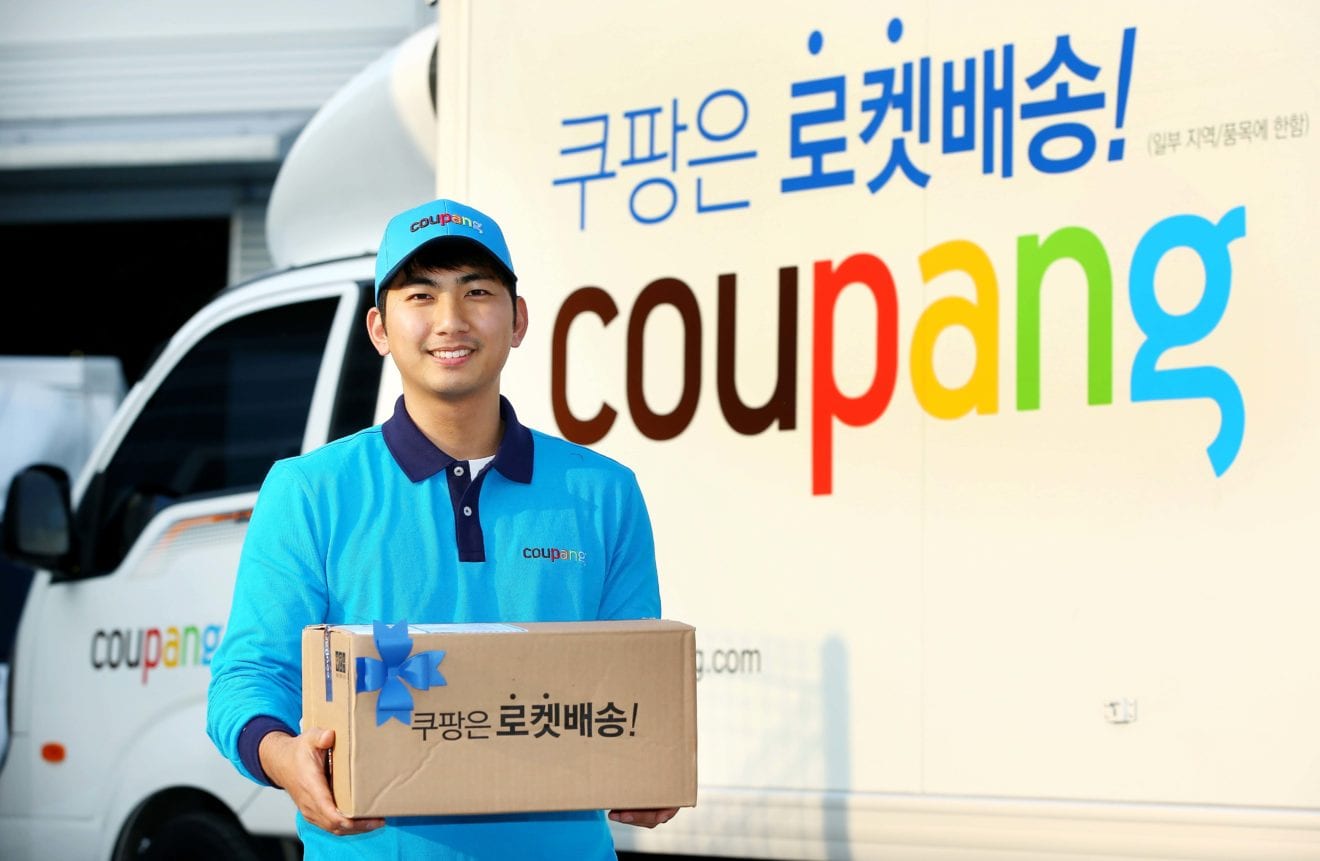
    Coupang LLC, South Korea’s largest e-commerce company, raised $4.2 billion in the biggest share offering in the United States this year after selling stocks in the IPO above its deal target range, people familiar with the matter said.

    The initial public offering price of $35 apiece, higher than the marketing range $32-$34 per share, gives Seoul-headquartered Coupang, which is backed by Japan’s SoftBank Group Corp, a market value of $60 billion.

    Coupang’s successful share offering comes as the U.S. IPO market is at its strongest in more than two decades and investors are flocking to buy shares in technology companies that have benefited during the COVID-19 pandemic.

    The IPO is the biggest in the United States this year, surpassing the $2.15 billion raised by dating app Bumble Inc. It also marks a jump in Coupang’s valuation, which was pegged at $9 billion in a fundraising round in 2018, according to Pitchbook.

    Analysts in South Korea said the strong response to Coupang’s offering was a result of its market-leader position in the country at a time when, like many other e-commerce firms, its sales have grown due to the COVID-19 pandemic.

    “Considering the high level of valuation inherent in the pricing, the market is giving a generous assessment of the company’s achieving the top spot in market share,” said Park Sang-joon, analyst at Kiwoom Securities.

    Coupang was the top-ranked South Korean e-commerce firm in 2020 with 19.2% market share, according to Euromonitor, compared to Naver Corp’s 13.6% and eBay Korea’s 12.8%. It was the 10th largest e-commerce firm in the world, based on retail value excluding sales tax.

    In 2020, Coupang’s net sales jumped 91% year-on-year to $11 billion. Net losses narrowed to $567.6 million from $770.2 million posted in the prior year.

    Founded in 2010 by Korean-American billionaire Bom Suk Kim, Coupang rose to prominence after launching its guaranteed same-day or next-day delivery service in the East Asian country. SoftBank’s $100 billion Vision Fund owns 35.1% of Coupang.

    Achieving a $60 billion valuation would add to good news for the Vision Fund, which is bouncing back from an annual loss in March. Last month, it announced record quarterly profit.

    The company’s shares will begin trading on the New York Stock Exchange on Thursday under the symbol “CPNG.”

    Goldman Sachs, Allen & Co, JPMorgan and Citigroup are the lead underwriters for the offering.

  • Ferragamo flags China-driven sales rise after massive loss last year

    Ferragamo flags China-driven sales rise after massive loss last year

    Italian luxury goods group Salvatore Ferragamo said on Tuesday that China and e-commerce had boosted sales in the year so far after the COVID-19 pandemic pushed the firm to its first full-year operating loss since it listed in Milan 10 years ago.

    Deputy Executive Chairman Michele Norsa, a long-time executive brought back by the Ferragamo family last year to steer the group through the pandemic and a brand revamp, told analysts in a call that he expected sales in China to keep growing by a double-digit percentage.

    The coronavirus emergency has hit Ferragamo hard because it is geared towards traveler spending, with many shops in airports. It has also compounded the challenge of rejuvenating a brand famous for shoes worn by Hollywood stars such as Audrey Hepburn.

    Overall sales fell 33% in 2020, one of the worst performances in an industry grappling with shop closures intended to curb the pandemic as well as a lack of tourists and travelers in general.

    Several sources told Reuters late last year that the majority owners had held informal talks with investors about selling a minority stake in their holding firm. The company denied at the time that the family planned to sell a stake or had met investors.

    Asia accounting for more than half of group revenues in 2020, when turnover in the region fell 25.5%.

    The Florence-based firm said the first nine weeks of 2021 had seen a positive trend in its retail network and an 86% jump in digital sales. China and Korea are both performing strongly, it said.

    Earnings before interests and taxes (EBIT) slumped to a 62 million euro ($74 million) loss in 2020, due also to impairment charges on assets and broadly in line with analysts’ expectations. In 2019, Ferragamo made a 150 million euro profit.

    Chief Executive Micaela Le Divelec’s term expires in April, and there is speculation that management may be overhauled.

    Two sources close to the matter said on Tuesday the situation was still uncertain in that respect.

    Norsa told analysts he could not comment on possible management changes, and that a “normal process” was taking place “in continuity and harmony” ahead of the annual meeting to appoint a new board of directors.

  • China Banking Regulator Appoints Vice Chairman

    China Banking Regulator Appoints Vice Chairman

    China’s banking and insurance watchdog has made an internal promotion for the appointment of a new vice-chairman.

    Xiao Yuanqi has been promoted to the new role, according to a Caixin report citing unnamed sources.

    Xiao was most recently the China Banking and Insurance Regulatory Commission’s (CBIRC) chief risk officer.

    In addition to banking supervision experience, Xiao previously worked for Bank of China and the People’s Bank of China. He authors dozens of academic articles and publications while also serving as a part-time professor at Tsinghua University.

  • Switzerland and China to Deepen Finance Ties

    Switzerland and China to Deepen Finance Ties

    Despite the increasing discord between China and the U.S., Switzerland wants to further deepen its cooperation in financial matters with the Far East nation.

    Swiss Finance Minister Ueli Maurer exchanged views with Chinese Vice Premier Liu He at a virtual ministerial meeting (yesterday) Wednesday, according to a statement from the Federal Department of Finance (FDF). The two politicians each had a high-ranking delegation at their side.

    Maurer and Liu He thus developed perspectives on deepening bilateral relations in the areas of stock market trading, sustainable financial services, asset management, and digital central bank money. The central banks of both countries are known to be working on projects for digital central bank money, although the respective approach differs greatly in terms of the user base.

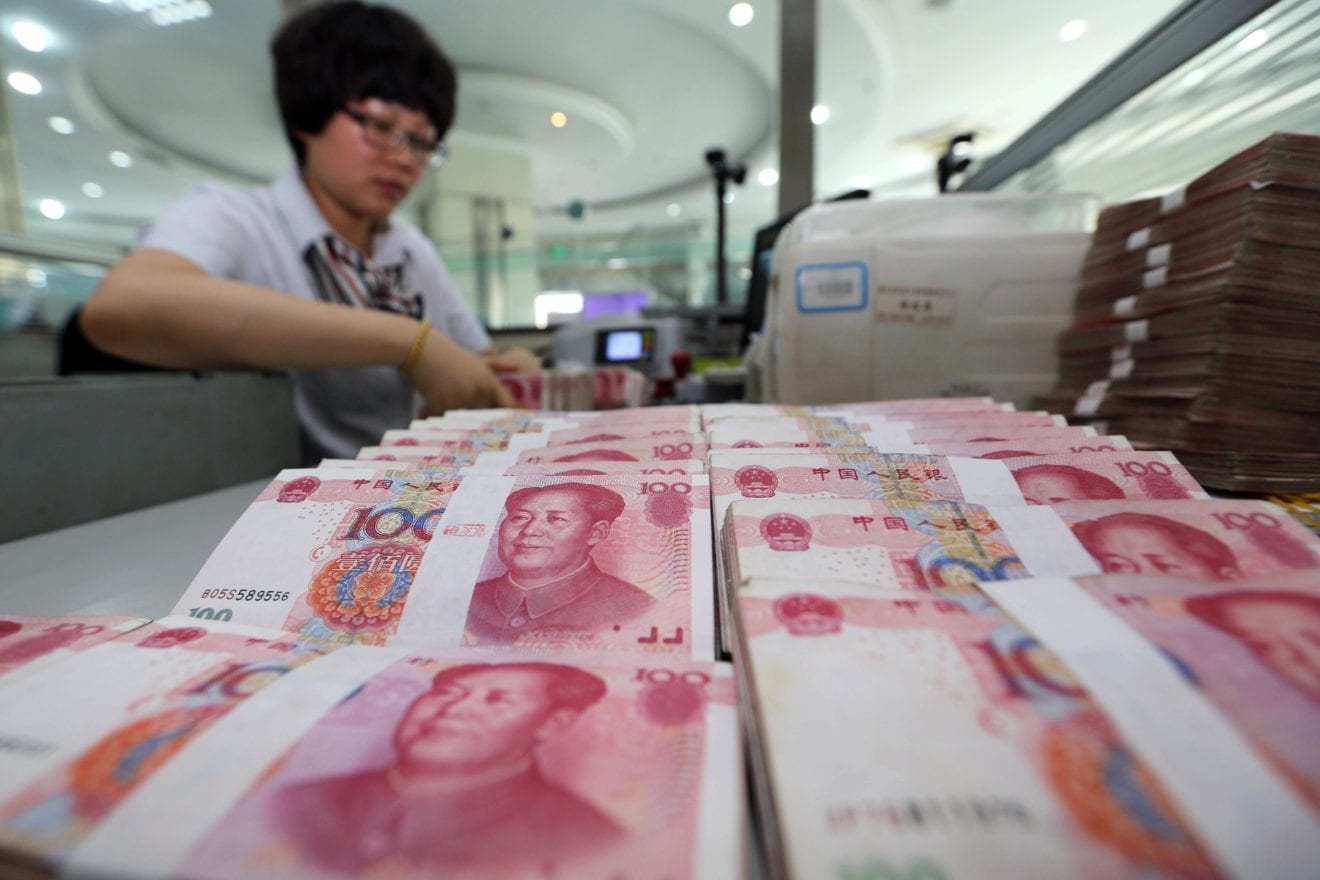
    China is working on a digital version of the yuan for everyone (the «retail» version of a digital currency), while the Swiss National Bank (SNB) is evaluating a so-called «wholesale» version, for the time being, a cryptocurrency reserved for the financial market.

    The latest meeting followed similar contacts in 2017 and 2019. The governments of Switzerland and China also want to intensify financial market relations in parallel with the existing free trade agreement. In this context, the Swiss financial center envisages using the opening steps in the Chinese financial market for concrete joint projects.

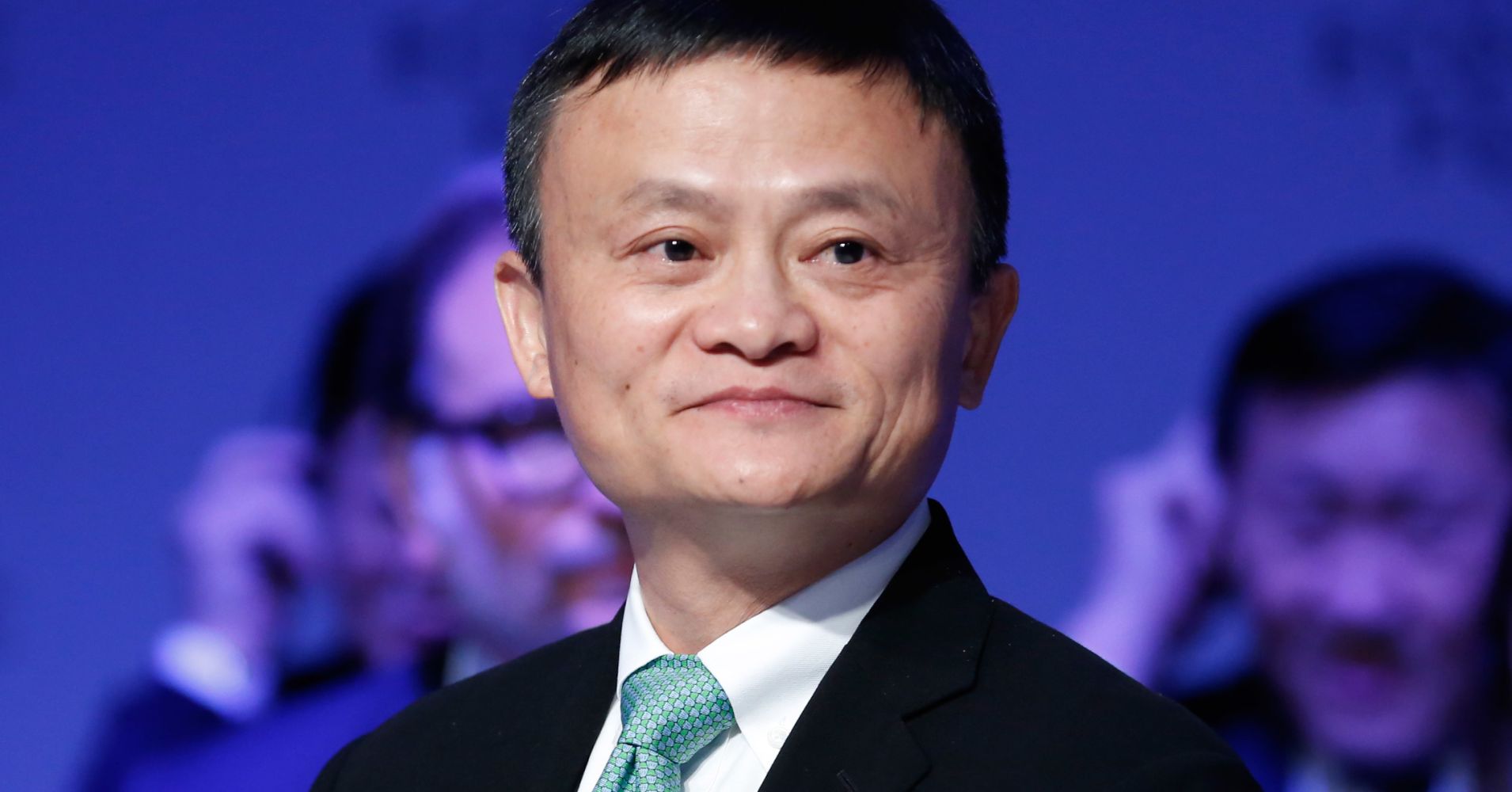
  • Jack Ma no longer China’s richest man after coming under Beijing’s scrutiny

    Jack Ma no longer China’s richest man after coming under Beijing’s scrutiny

    Alibaba and Ant Group founder Jack Ma has lost the title of China’s richest man, a list published on Tuesday showed, as his peers prospered while his empire was put under heavy scrutiny by Chinese regulators.

    Ma and his family had held the top spot for China’s richest in the Hurun Global Rich List in 2020 and 2019 but now trail in fourth place behind bottled water maker Nongfu Spring’s Zhong Shanshan, Tencent Holding’s Pony Ma and e-commerce upstart Pinduoduo’s Collin Huang, the latest list showed.

    His fall out of the top three comes “after China’s regulators reined in Ant Group and Alibaba on anti-trust issues,” the Hurun report said.

    Ma’s recent woes were triggered by an October 24 speech in which he blasted China’s regulatory system, leading to the suspension of his Ant Group’s $37 billion IPO just days before the fintech giant’s public listing.

    Regulators have since tightened anti-trust scrutiny on the country’s tech sector, with Alibaba taking much of the heat; the market regulator launched an official anti-trust probe into Alibaba in December.

    Chinese regulators also began to tighten their grip on the fintech sector and have asked Ant to fold some of its businesses into a financial holding company to be regulated like traditional financial firms.

    Ma, who is not known for shying away from the limelight, then disappeared from the public eye for about three months, triggering frenzied speculation about his whereabouts. He re-emerged in January with a 50-second video appearance.

    China’s current richest man, Zhong, made his first appearance at the top spot with a fortune of 550 billion yuan (US$85 billion), largely thanks to the share price performances of Nongfu Spring and vaccine maker Beijing Wantai Biological Pharmacy Enterprise, which he also controls.

    Tencent’s Ma saw his wealth swell 70 percent over the year to 480 billion while Pinduoduo’s Huang’s fortune grew 283 percent to 450 billion yuan, the list said. In comparison, the wealth of Ma and his family grew 22 percent, to 360 billion yuan.

    Zhang Yiming, founder of TikTok owner ByteDance, broke into the top five rankings among Chinese billionaires in Hurun’s Global Rich List for the first time, with an estimated personal wealth of $54 billion.