Tag: China

  • H&M unveils Chinese New Year collection

    H&M unveils Chinese New Year collection

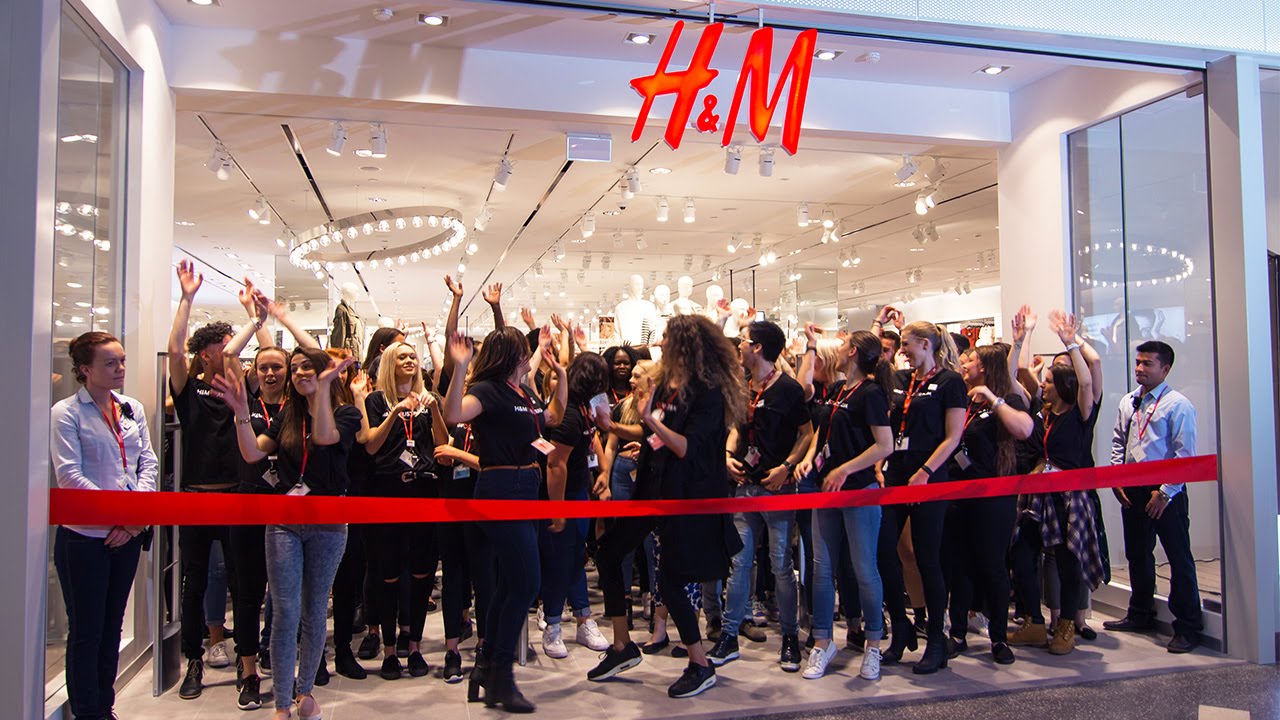
    A new H&M Chinese New Year collection has been launched, celebrating the Year of the Rat.

    The H&M Chinese New Year collection features more than 100 items including ladieswear, menswear and kidswear and special items featuring cartoon characters.

    Besides classic dresses, sweaters and wardrobe basics like denim and khaki items, the ladieswear range offer tops and accessories featuring Tom and Jerry characters and Minnie Mouse from Disney. A wide range of red and gold accessories is also included to finish off the outfit for Chinese New Year.

    Male customers can pick from quirky tees and printed hoodies for the new year festivities. In line with the athleisure trend, there is also a wide range of tracksuits and sporty accessories like bucket hats, beanies and belt bags for the fashionable go-getter. Mickey Mouse is featured in the collection together with Tom & Jerry, Mighty Mouse as well as The Itchy and Scratchy Show.

    The H&M Chinese New Year collection also features kid’s apparel and colorful prints featuring the auspicious animal of the year. There are also matching dresses from the Mini-Me collection for mums and daughters who love ‘twinning’.

  • 6ixty8ight opens first store in Mongolia as China expansion ramps up

    6ixty8ight opens first store in Mongolia as China expansion ramps up

    Hong Kong lingerie brand 6ixty8ight has launched its first outlet in Mongolia and says it aims to open 16 more outlets in China this month.

    Located in Hohhot, the Mongolia 6ixty8eight store offers the latest trends in lingerie, homewear, loungewear, casualwear and accessories.

    The lingerie label has been growing significantly since its first China store opened in Beijing, with 16 new stores opening there this month.

    Last month, 6ixty8igtht opened its flagship stores on Lazada serving Singapore, Malaysia, Thailand and the Philippines. The brand is already making another new move to launch on another online platform, Shopee, this month.

    Founded in 2002, 6ixty8ight is one of Southeast Asia’s fastest-growing fashion brands, with more than 200 stores now trading across Greater China, South Korea, Singapore and Malaysia.

  • Luckin Coffee stronger than Starbucks in China

    Luckin Coffee stronger than Starbucks in China

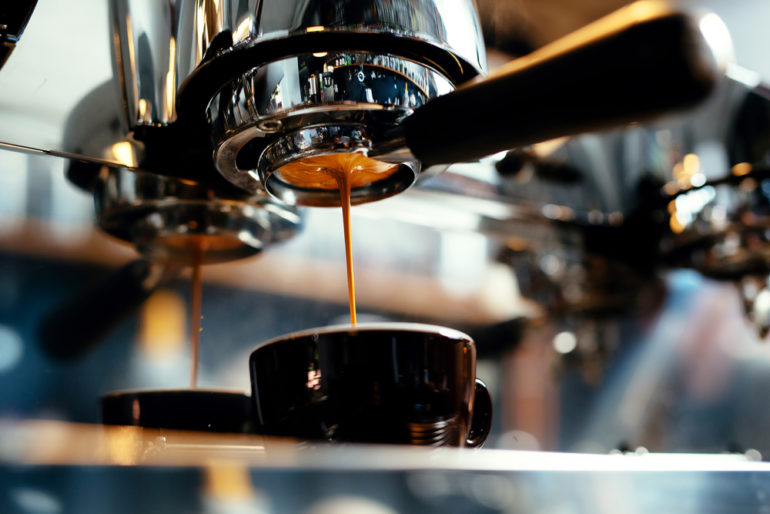
    Luckin Coffee has now become the largest coffee chain in China, surpassing Starbucks in terms of number of locations.

    The firm has launched 4500 outlets within the Chinese territory, around 200 more than its Seattle-headquartered competitor. The brand soared past Starbucks late last year and has rapidly multiplied its footprint in the market backed by strong investment from supporters such as BlackRock.

    The firm focuses primarily on the coffee delivery and pickup business, and so stores are typically smaller in size than Starbucks locations and some are without seating. Starbucks itself has responded to the challenge by entering into a partnership with Alibaba to offer a more robust delivery solution.

    Many of Luckin’s new locations are in areas not currently served by Starbucks.

  • Chinese Firms Vie for Singapore Digital Bank Licenses

    Chinese Firms Vie for Singapore Digital Bank Licenses

    Several Chinese fintech firms have submitted a bid to the Monetary Authority of Singapore to operate a digital bank in the city-state.

    By the application deadline on Tuesday, Chinese firms that submitted bids for a digital banking license in Singapore included Bytedance, which operates viral video sharing application TikTok, Yillion Group and Hande Group, which applied as part of a consortium with Singapore wealth management fintech platform iFast Corporation, and the country’s largest online financial platform Ant Financial.

    All three are applying for a digital wholesale bank license, according to several media reports this week. There are up to five licenses on offer – two for full digital banks, and three for digital wholesale banks, in which foreign firms can hold majority stakes and the capital commitment is S$100 million.

    We look forward to contributing to the development of the digital banking landscape in Singapore, Ant said, citing an emailed statement.

    For iFast, a license in Singapore would allow it to «bring solutions to the small and medium-sized enterprises (SME) market that has been underserved by bank,» CEO and chairman Lim Chung Chun told «The Business Times» reported on Thursday.

    Other firms that have entered the fray include a consortium led by Singapore gaming firm Razer and Grab, which submitted a joint bid with Singtel.

  • Chinese Firms Vie for Singapore Digital Bank Licenses

    Chinese Firms Vie for Singapore Digital Bank Licenses

    Several Chinese fintech firms have submitted a bid to the Monetary Authority of Singapore to operate a digital bank in the city-state.

    By the application deadline on Tuesday, Chinese firms that submitted bids for a digital banking license in Singapore included Bytedance, which operates viral video sharing application TikTok, Yillion Group and Hande Group, which applied as part of a consortium with Singapore wealth management fintech platform iFast Corporation, and the country’s largest online financial platform Ant Financial.

    All three are applying for a digital wholesale bank license, according to several media reports this week. There are up to five licenses on offer – two for full digital banks, and three for digital wholesale banks, in which foreign firms can hold majority stakes and the capital commitment is S$100 million

    We look forward to contributing to the development of the digital banking landscape in Singapore, Ant said, citing an emailed statement.

    For iFast, a license in Singapore would allow it to bring solutions to the small and medium-sized enterprises (SME) market that has been underserved by bank, CEO and chairman Lim Chung Chun said.

    Other firms that have entered the fray include a consortium led by Singapore gaming firm Razer and Grab, which submitted a joint bid with Singtel.

  • Tesla Says Will Start Delivering China-Made Model 3s To Public On January 7

    Tesla Says Will Start Delivering China-Made Model 3s To Public On January 7

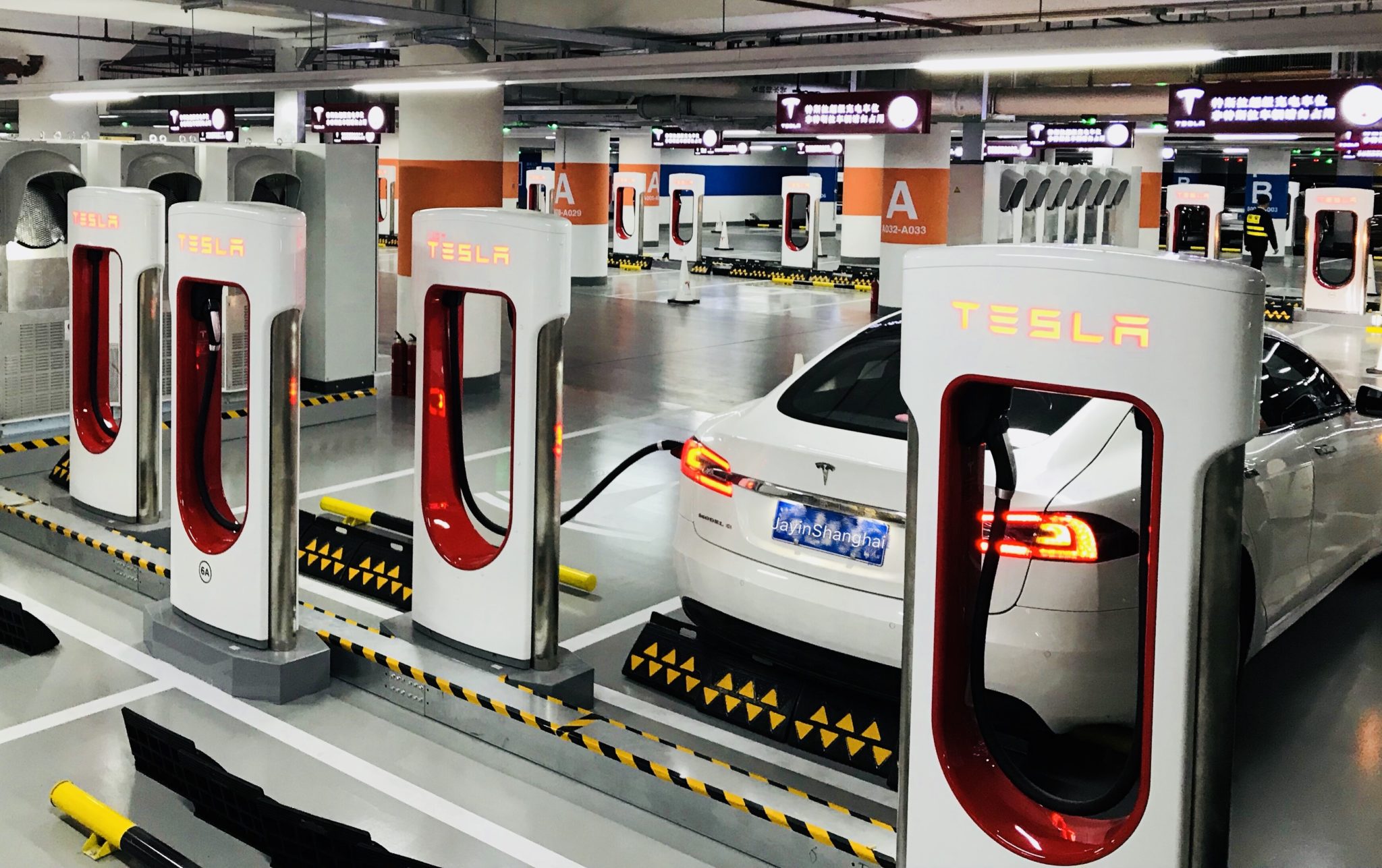
    Tesla will deliver its first Chinese made Model 3 sedans to the public on Jan. 7 at an event at its Shanghai plant, a representative for the firm told Reuters on Thursday. The Shanghai plant is part of the Silicon Valley automaker’s plans to bolster its presence in the world’s biggest auto market and minimise the impact of the U.S.-China trade war. Fifteen Tesla employees who had purchased a car were the first to receive their Model 3s on Monday after the first China-made vehicles rolled off the plant’s production line in October.

    The deliveries come a year after construction of Tesla’s only plant outside the United States began. Production started in October with a target of 250,000 vehicles a year once the Model Y is added to the line up. The Model 3 is priced at 355,800 yuan ($50,000) before subsidies. Tesla said previously that it wanted to start deliveries before the Chinese new year beginning on Jan. 25.

    Tesla’s China General Manager Wang Hao said the company plans to ramp up Model 3 deliveries in January.

    Tesla executives also told reporters the plant had achieved a production target of 1,000 units a week, or around 280 cars a day, and that sales for the China-made sedan had so far been “very good”.

  • JD wants its My Pet Profile to transform animal lives across China

    JD wants its My Pet Profile to transform animal lives across China

    Customers of JD can now store detailed profiles of their pets online and receive updates of suitable products, services and care instructions through JD’s My Pet Profile Initiative function.

    With My Pet Profile, brands can improve their product specifications and target marketing campaigns to specific pet demographics. Nestle Purina’s Pro Plan brand has piloted the initiative recently, and saw its click rate quickly double among customers who received targeted recommendations.

    “By providing insights not only on pet owners, but for the first time also on their pets, JD has taken us to the next step,” said Zoe Zuo, marketing director at Nestle Purina. “The My Pet Profile Initiative represents an expanding database of growing importance for us because it helps us improve our products and strategies. We will work on these insights to recommend products to customers with more precision, helping ensure our customers have longer and happier relationships with their beloved pets.”

    A report released by JD and Nielsen shows that Chinese pet owners are now more engaged with their animals and more interested in improving their pets’ health and longevity. In 2018 the year-on-year sales increase of imported pet brands was 118 per cent higher than that of domestic brands. Services related to pets are also on the rise, such as grooming and medical care.

    Tianyang Fan, head of pet products at JD Fast Moving Consumer Goods, said the initiative provides a better shopping experience for pet owners, while also serving brand partners who are looking to improve their products and marketing solutions based on consumer insights.

    JD also hopes to become Chinese pet owners’ one-stop destination for pet-related information and the types of high-quality pet products. Currently applicable only to cats and dogs, the initiative could be expanded to offer tailored information about other pets, such as aquatic creatures.

  • Harrods opening store in Shanghai

    Harrods opening store in Shanghai

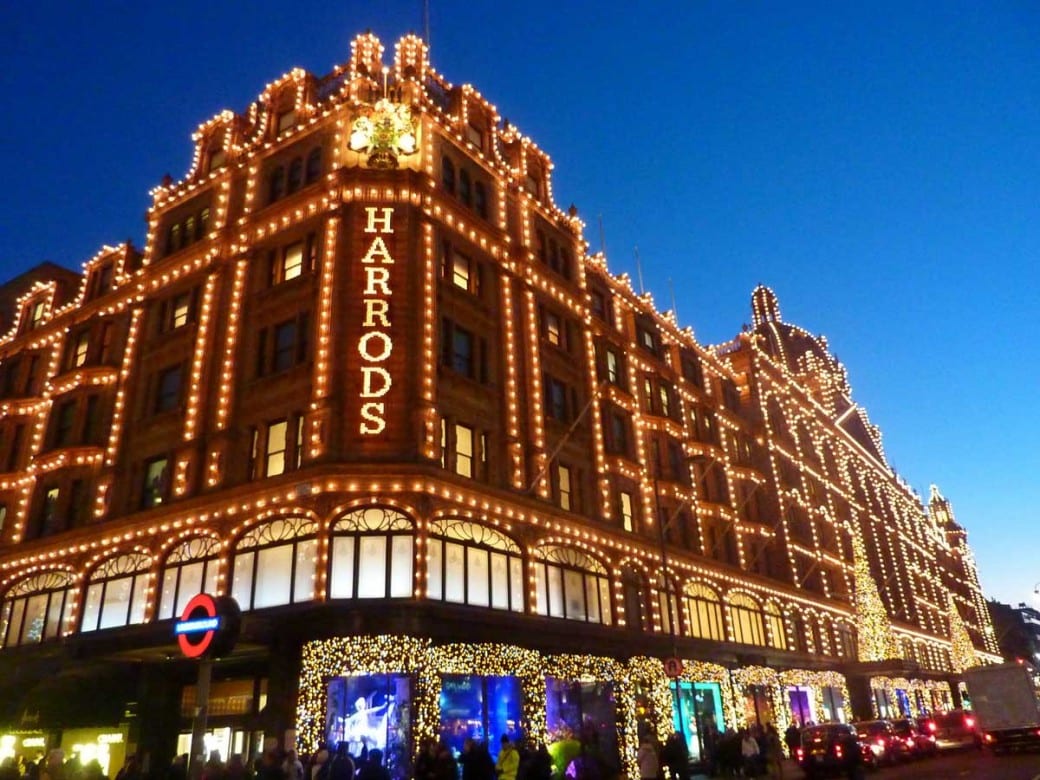
    British department store Harrods will open a location in Shanghai.

    According to Retail Gazette, the store will be the brand’s first standalone site outside the UK and will target China’s growing middle class.

    “If you look at all of the reports, they say, quite categorically that all of the growth in the next five years is going to come from Southeast Asia. And is going to come from millennials,” said Harrods MD Michael Ward. “So we’ve got to go after that. It’s very important that you follow the money. We see continued growth of China, but we see a need to be a more permanent resident in China.”

    Harrods has been making investments in China for a decade, and will launch in the Pudong area in response to strong consumer demand. The store will serve private shoppers targeting the high-end market.

  • JD’s 7Fresh launches two new concepts in Beijing

    JD’s 7Fresh launches two new concepts in Beijing

    E-commerce giant JD.com has opened a 24/7 store chain, 7Fresh Life, in Beijing.

    At the same time, the firm has launched its first Seven Fun lifestyle space in Beijing, intended to serve as a “third place” for working professionals.

    The 7Fresh Life food chain supermarket, which launched last month, offers mealtime solutions within a 300–400sqm area. The venue is located in the Huilongguan residential area in northern Beijing, one of the largest residential neighbourhoods in Asia.

    Targeting especially young mothers and kitchen owners, the chain is conceived of as a restaurant, fresh food store and convenience store combination, providing more than 3000 selected fresh items of produce, daily groceries and also ready-to-cook and ready-to-eat food, equipped with an in-store dining area.

    It also provides a location-based online channel through its app for consumers to buy from the community shop anytime and have items delivered to their doorstep within as fast as 30 minutes from the time of order. The home-delivery service covers a 1.5km radius, including 38 surrounding communities and three office areas, reaching 50,000 families and 1000 office professionals.

    As a brand under 7Fresh, Seven Fun consumers can order anything in the store from the same 7Fresh app to be delivered to their doorstep.

    In addition to the items offered in-store, a large number of products from JD’s e-commerce platform can be ordered through the chain’s online channel, such as seasonal, large-size, beauty and baby and maternal products. It also provides services such as power bank rental, 24-hour parcel pick-up lockers, bill payment, top up, courier and a dry cleaning service, among others.

    “With JD’s deep understanding of consumers and our strong supply chain providing global and local fresh produce and mealtime solutions, 7Fresh has become a trusted source for consumers buying fresh food offline,” said JD’s head of 7Fresh Jonathan Wang. “7Fresh Life will better serve the diverse and unique needs of Chinese families, providing for each person at any time for any need, online or offline.”

    Dine, drink and socialise

    The firm’s Seven Fun concept is a dining, drinking and social venue offering breakfast from sunrise and late night drinks as well as lunch, afternoon tea, snacks and daily groceries.

    Located in Galaxy Soho on the second ring road of Beijing, the roughly 1000sqm store is designed specifically to cater to working professionals aged between 26 and 45 in first-tier cities. It was designed to meet the trend of global consumers shifting from going to the store to buy products to going to the store to experience products and buy services.

    The inaugural Seven Fun outlet offers more than 3500 products such as fresh food, baked goods, fresh flowers, and groceries. It features 12 selected eateries targeting the 200,000 working professionals within a 1km radius of the store.

    “As a lifestyle retailer, Seven Fun is innovating the retail landscape in China,” said Wang. “Through this concept, JD provides an unprecedented “Solomome” (social, local, mobile and personalised) offline experience that serves as a pioneering model for future brick-and-mortar stores.”

    Future expansion of Seven Fun is expected to focus on tier-one cities, targeting working professionals with an annual income of more than RMB100,000 (US$14,360).

  • First franchised KFCs open in Chinese gas stations

    First franchised KFCs open in Chinese gas stations

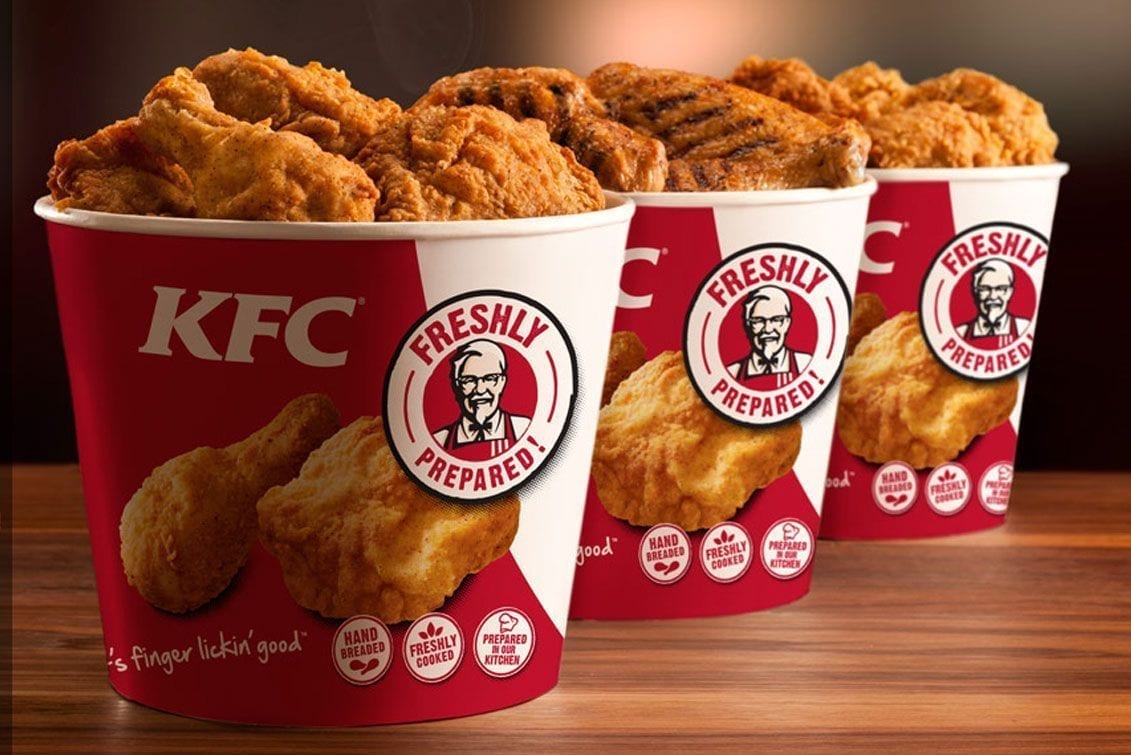
    Yum has announced the opening of its first franchised restaurants in Chinese gas stations, in collaboration with China Petrochemical Corporation (Sinopec) and China National Petroleum Corporation (CNPC).

    The first franchised KFC restaurant has been launched in a CNPC gas station in Yunnan Province while the first one in a Sinopec gas station is set to open its doors, Liaoning Province, next week.

    “The first franchised gas station restaurants represent an important milestone in our long-term strategic partnership with both companies,” said Joey Wat, CEO of Yum China. “Together with Sinopec and CNPC, we are committed to building a successful business model and creating innovation-driven growth together.”

    The partnership with Sinopec and CNPC will enable Yum China to expand its retail network into a previously underserved segment of the market as both companies collectively operate more than 50,000 Chinese gas stations.

    With the partnership, Yum China aims to open more than 100 stores in the next three years and create more opportunities to collaborate in other fields.

  • China Should Boost AI Regulation in Finance

    China Should Boost AI Regulation in Finance

    A regulatory framework specifically designed for artificial intelligence in China’s financial sector and better tech for supervision should be introduced, according to policy advisors from a leading think tank.

    We should not deify artificial intelligence as it could go wrong just like any other technology,» said Xiao Gang, senior researcher at China Finance 40 Forum and the former chief of the China Securities and Regulatory Commission.

    The point is how we make sure it is safe for use and include it with proper supervision.

    A report from the forum based in eastern China’s Qingdao city underlined that technology to regulate «intelligence finance» largely lagged development. Existing technology deployed in the sector to improve sales and investment returns, the report added, ranged from facial recognition to big data analysis.

    Onlookers not only underline the potential tech risks which China could face in the future but also recent track record, most notably a failed attempt to create a sustainable peer-to-peer financial ecosystem. What was originally intended to be a source of financing for entities that lacked access to major state-owned lenders resulted in regulators being forced to shut down large parts of the industry with recent data showing that just 427 P2P platforms remained – a 59 percent drop compared to 2018-end.

    Evaluation of emerging technologies and industry-wide contingency plans should be fully considered, while authorities should draft laws and regulations on privacy protection and data security, the report added.

  • China Carmakers Getting Ready To Build More, Much More, In India

    China Carmakers Getting Ready To Build More, Much More, In India

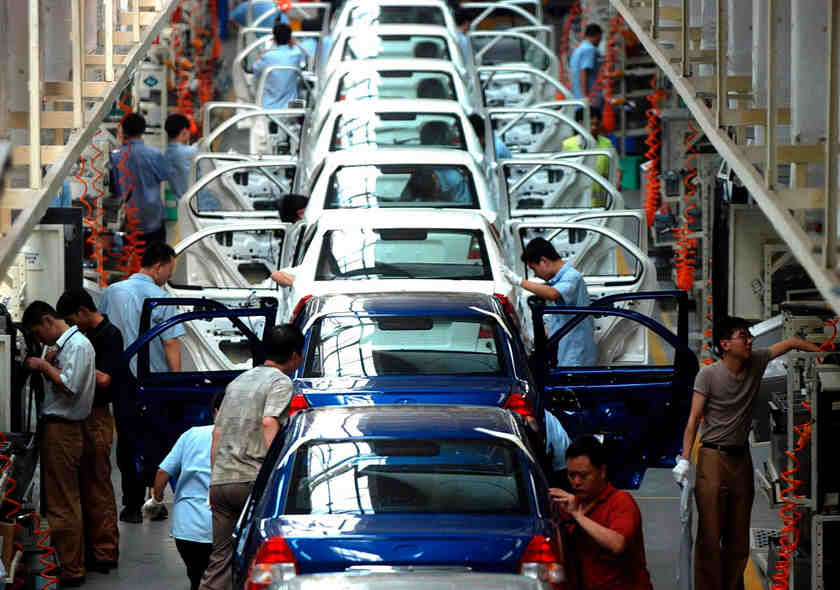
    Chinese automakers Great Wall Motor and Changan Automobile are accelerating plans to build cars in India after the initial success of rival SAIC Motor in one of the world’s biggest markets, three sources said. Great Wall, one of the biggest sellers of sports-utility vehicles (SUV) in China, expects to secure a production site in the first half of 2020, likely a General Motors plant in Maharashtra, a source familiar with Great Wall’s plans said

    Buying a factory is seen as the best way to get up and running fast and Great Wall is finalising which SUVs it plans to make in India, including whether to kick off its launch with an electric SUV, the source told Reuters. Great Wall said it would make an announcement next month about its plans for India but declined further comment.A spokesman for GM in Detroit said it was continuing to make vehicles for export at its Talegaon plant in Maharashtra state.”As we have said previously, we continue to explore options to improve utilisation of the plant

    We do not comment on speculation,” he said.Changan, too, is scouting for a production base and has held initial talks with suppliers, sources aware of its plans said

    Both automakers, which produce electric vehicles (EVs) in China, are also considering whether to set up EV battery assembly plants in India, the sources said. Changan declined to comment.The companies see India as a chance to combat slowing sales at home, which fell in November for a 17th month in a row

    While car sales in India are stuttering, the market is expected to become the world’s third biggest by 2026, behind China and the United States, according to consultancy LMC AutomotiveThe Chinese firms also hope to capitalise on gaps left by global automakers such as Fiat Chrysler , Ford Motor and GM which have scaled back plans in a market still dominated by smaller, low-cost cars made by Maruti Suzuki and Hyundai Motor. “It is an opportune time for China’s automakers to enter India. There is currently a gap in competition and it may take a couple of years for some of the established carmakers to bring new products to the market,” said LMC Automotive’s Ammar Master.

    PERCEPTION GAPGM’s retreat from India, for example, could help Great Wall get going quickly and it has been in talks to buy GM’s plant in Maharashtra, two of the sources said. GM stopped selling cars in India in 2017 and has already sold its other plant in Gujarat to SAIC, where the state-owned Chinese automaker now makes the Hector SUV it launched in June under its MG Motor brand. India is part of Great Wall’s planned global expansion into South America, South Africa, Southeast Asia and Australia, and it also plans to export from their to places such as Europe and the United States, said the source who is aware of its plans.”The plant in India is expected to be the biggest for Great Wall outside of China,” the source said.Great Wall has hired a former executive from Maruti Suzuki, India’s biggest carmaker, for its product and business planning, and appointed a former executive from SAIC’s India division as a consultant to liaise with the government

    “For global automakers, India is one of the many markets they are in but for the Chinese it is the first major market outside of home and so the level of investment and commitment will be proportionately high,” said the source.One of the biggest hurdles in India will be fighting perceptions about the quality and reliability of Chinese products and winning over brand-conscious buyers for whom cars are a prestige statement, say analysts

    Chinese smartphone makers such as Xiaomi Corp faced similar perception issues when they launched in India but they now dominate the market

    However, cars remain a significant outlay for most Indians and the Chinese brands will need to make their mark quickly.”Once the likes of Volkswagen and Ford start launching new models in India, the entrants from China could face tougher competition because a lot of buyers in India are still very brand conscious,” said LMC’s Master

    Launched at the end of June it said it had sold more than 13,000 cars by the end of November and plans to sell 24,000 next year.”SAIC has changed the perception about whether a Chinese brand can be made and sold in India,” said Santosh Pai, partner at law firm Link Legal which advises Chinese companies setting up in India

    “Fence sitters are getting in and have realised they can sell in India if the price and strategy is right.”Lessons for Great Wall and Changan from SAIC’s India launch include marketing the brand aggressively, packing the car with features to differentiate it from rivals and giving extended warranties to dispel doubts over reliability, analysts say

    Another advantage for Chinese carmakers in the coming years will be their EV expertise

    With the sale of EVs slowing in China they can deploy some of their existing capacity to India where the government is encouraging clean fuel cars. SAIC, which will soon launch an electric SUV in India, is also scouting for a second manufacturing site and is expected to make a decision in early 2020, said a source aware of its plans. SAIC did not respond to a request for comment though the head of its Indian division said in November it was working on an expansion plan and expected its total sales in India to hit 70,000 in 2021.

  • First franchised KFCs open in Chinese gas stations

    First franchised KFCs open in Chinese gas stations

    Yum has announced the opening of its first franchised restaurants in Chinese gas stations, in collaboration with China Petrochemical Corporation (Sinopec) and China National Petroleum Corporation (CNPC).

    The first franchised KFC restaurant has been launched in a CNPC gas station in Yunnan Province while the first one in a Sinopec gas station is set to open its doors Liaoning Province next week.

    “The first franchised gas station restaurants represent an important milestone in our long-term strategic partnership with both companies,” said Joey Wat, CEO of Yum China. “Together with Sinopec and CNPC, we are committed to building a successful business model and creating innovation-driven growth together.”

    The partnership with Sinopec and CNPC will enable Yum China to expand its retail network into a previously underserved segment of the market as both companies collectively operate more than 50,000 Chinese gas stations.

    With the partnership, Yum China aims to open more than 100 stores in the next three years and create more opportunities to collaborate in other fields.

  • Li Bao Ge Group to partner with Alibaba’s Freshippo

    Li Bao Ge Group to partner with Alibaba’s Freshippo

    Li Bao Ge Group is launching its food delivery service through Alibaba’s Freshippo (Hema) stores.

    The two firms have entered into a cooperation agreement under which Li Bao Ge will open in-store counters at Freshippo stores. With exclusive selling rights for Siu Mei products, Li Bao Ge will offer cooked-on-site Hong Kong-style roast meat (“Siu Mei”) under its own brand, as well as other specialties such as Cantonese-style soup, dim sum, dessert and festive delicacies. Freshippo will, in turn, make its digital platforms and on-site facilities available to Li Bao Ge and provide technical support – including marketing initiatives, online sales resources, a delivery service, potential customers, and establishment of online to offline channels.

    Li Bao Ge undertakes to set up not less than 10 counters at Freshippo’s stores on or before 15 December next year. It will leverage Freshippo’s brand awareness and high traffic to attract more young consumers and develop multi-channel sales to penetrate the Chinese takeaway and food-delivery market.

    “As online consumption gains prevalence, the competition in the food and catering industry has extended from restaurants to online order and delivery,” said Li Bao Ge Group chairman Chan Chun Kit. “With that in mind, we have decided to adopt a new business model leveraging Freshippo’s sophisticated digital management platform and big-data analysis to develop a new integrated O2O operation based on an asset-light model.

    “Going forward, Li Bao Ge will, starting from the South China region, expand into regions and cities with high purchasing power and appeal to a younger group of individual and family customers. We will gradually transform from a conventional banquet dining operator to a light meal delivery industry player. We will also explore the opportunities for the retailing of packaged food to accelerate the pace of expansion and enhance profitability.”

    Li Bao Ge currently operates eight mid-to-high-end Cantonese restaurants in Hong Kong and Shenzhen.

  • UOB Ups Stake in Troubled Chinese Lender

    UOB Ups Stake in Troubled Chinese Lender

    United Overseas Bank is buying more shares in troubled Chinese mid-sized lender Hengfeng Bank with a subscription of 1.86 billion shares for a sum of 1.86 billion yuan (S$360.4 million).

    The purchase comes as part of a capital-increase exercise undertaken by Shandong-based Hengfeng Bank through private placement to raise 100 billion yuan. The move reverses a stance taken in May, where local newspapers reported that United Overseas Bank (UOB) had wanted to sell its 13 percent stake in Hengfeng Bank, which it purchased back in 2008.

    The initial intention of UOB was to grow its presence in Shandong with more of its own branches. This time, the increased shares are in line with United Overseas Bank (UOB)’s «focus on driving regional connectivity and building ecosystem partnerships to facilitate business and investment opportunities opening up across the region,» according to a filing on the Singapore Exchange.

    Funding the subscription of additional shares in cash using internal resources, UOB said the subscription is not expected to have a material impact on earnings or net tangible assets of the group for the current financial year. Post the transaction, UOB will hold a total of 3.34 billion shares in Hengfeng Bank.

    The majority of the shares, or 96 billion, will be subscribed by Chinese state-owned investment company Central Huijin Investment and Shandong Financial Asset Management Co, to become controlling shareholders of the bank, as part of state rescue efforts to prop up floundering lenders as the Chinese economy slows.

    Concerns about private company debts in the region have risen in recent months with the default or near-default of six private companies in Shandong. Banks affected by defaults could see more capital raising exercises.

    UOB explains that the collaboration with Hengfeng Bank will help businesses benefit from Shandong’s economic progress and financial liberalization, and is in tandem with the partnership between Singapore and Shandong to promote business flows into South-east Asia with Singapore as a regional hub.