Tag: China

  • Maison Margiela opens new retail concept store in Shanghai

    Maison Margiela opens new retail concept store in Shanghai

    Set to open on December 18 in Shanghai’s Reel Department Store, the new 160sq m boutique is the brand’s first store in China with the new store concept.

    Founded in 1988 and headquartered in Paris, French luxury fashion house Maison Margiela produces both haute-couture collections and ready-to-wear collections. The brand’s products include womenswear, menswear, footwear, fine jewellery, fragrance and home goods which will all be available at the new boutique.

    The new concept store has been designed by Dutch architect Studio Anne Holtrop in line with Creative Director John Galliano’s vision. The store is fitted with artisanal furnishings and hand-cast textile moulds. The ceilings and walls are painted in a dark-green gloss that creates a shimmering shine.

    This new store has been inspired by the brand’s first concept store that launched in London’s Bruton Street, this was followed by Avenue Montaigne in Paris, and Osaka Shinsaibashi Parco in Japan.

  • Bauhaus leaves all markets except Hong Kong, Macau

    Bauhaus leaves all markets except Hong Kong, Macau

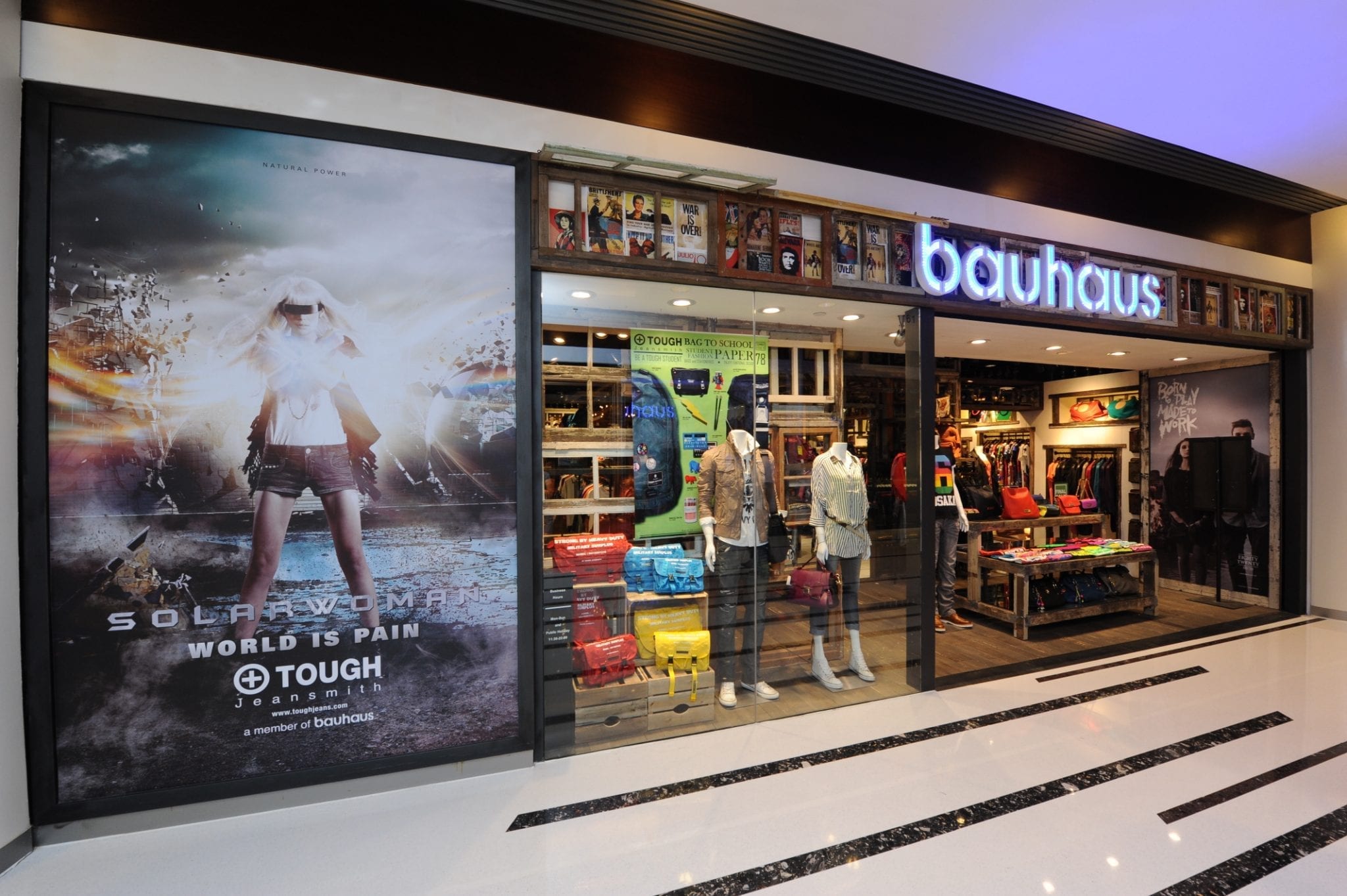
    Local apparel retailer Bauhaus International (0483) has revealed an intention to close all its retail stores outside Hong Kong and Macau by the end of March.

    The group’s loss outside Hong Kong and Macau expanded more than 13 times to HK$78.4 million in 2019 over 2018 before it narrowed to HK$68.6 million this year.

    Most of the Bauhau offline retailing operations beyond Hong Kong and Macau are in the mainland and Taiwan.

    It suffered an annual loss of HK$142.8 million this year compared with a profit of HK$2.76 million in 2019.

    The company will negotiate with landlords of the 14 stores its intends to shut down, and the precise timing of each closure will depend on how the talks go.

    About 50 employees will be laid off as a result of the closing program.

    The retailer is still looking at the possibilities of accessing the non-Hong Kong and Macau markets through centrally-managed online operations run from its Hong Kong headquarters.

    Bauhaus says more realistic economies of scope will result from the closures, which are also seen to be in the best interests of the company and its shareholders.

  • Ginza shoppers clean hands, phones with high-tech wash stations

    Ginza shoppers clean hands, phones with high-tech wash stations

    Shoppers washed their hands and sterilized their smartphones in the streets of Tokyo’s posh Ginza district on Saturday using handwashing stations that a Japanese start-up hopes will revolutionize access to clean water and better hygiene.

    WOTA Corp set up 20 of its WOSH machines near popular Ginza stores in an initiative with a district association aimed at encouraging shoppers to wash their hands to prevent the spread of the coronavirus.

    The machines don’t require connection to running water and don’t use fresh and wastewater tanks. Instead, they recycle the water through a three-stage process of membrane filtration, chlorine, and deep ultraviolet irradiation.

    They also have a device that cleans smartphones through 20-30 seconds of ultraviolet light exposure while users are washing their hands since touching a dirty smartphone would otherwise negate their handwashing efforts.

    The firm had already been developing the machine in part to alleviate long lines at restrooms when the COVID-19 crisis hit early this year, Chief Executive Yosuke Maeda said.

    “Amid the impact of COVID-19 we thought we had to implement this as soon as possible,” Maeda said. “So we sped up development and got things moving to have it in December in time for the third wave of the coronavirus.”

    On average 20 liters of water provides around 500 washes, while the filters should be changed after about 2,000, he said.

    The machine, however, needs a connection to a power supply.

    WOTA has now begun shipments within Japan of roughly 4,000 units. It aims to expand internationally next year, with many inquiries coming from the United States.

    Maeda hopes the smartphone feature in particular will transform hygiene habits.

    “We thought if it had the smartphone sterilization function, maybe people who never wash their hands will start doing so,” he said.

  • Denim brand Wrangler set the open stores in China

    Denim brand Wrangler set the open stores in China

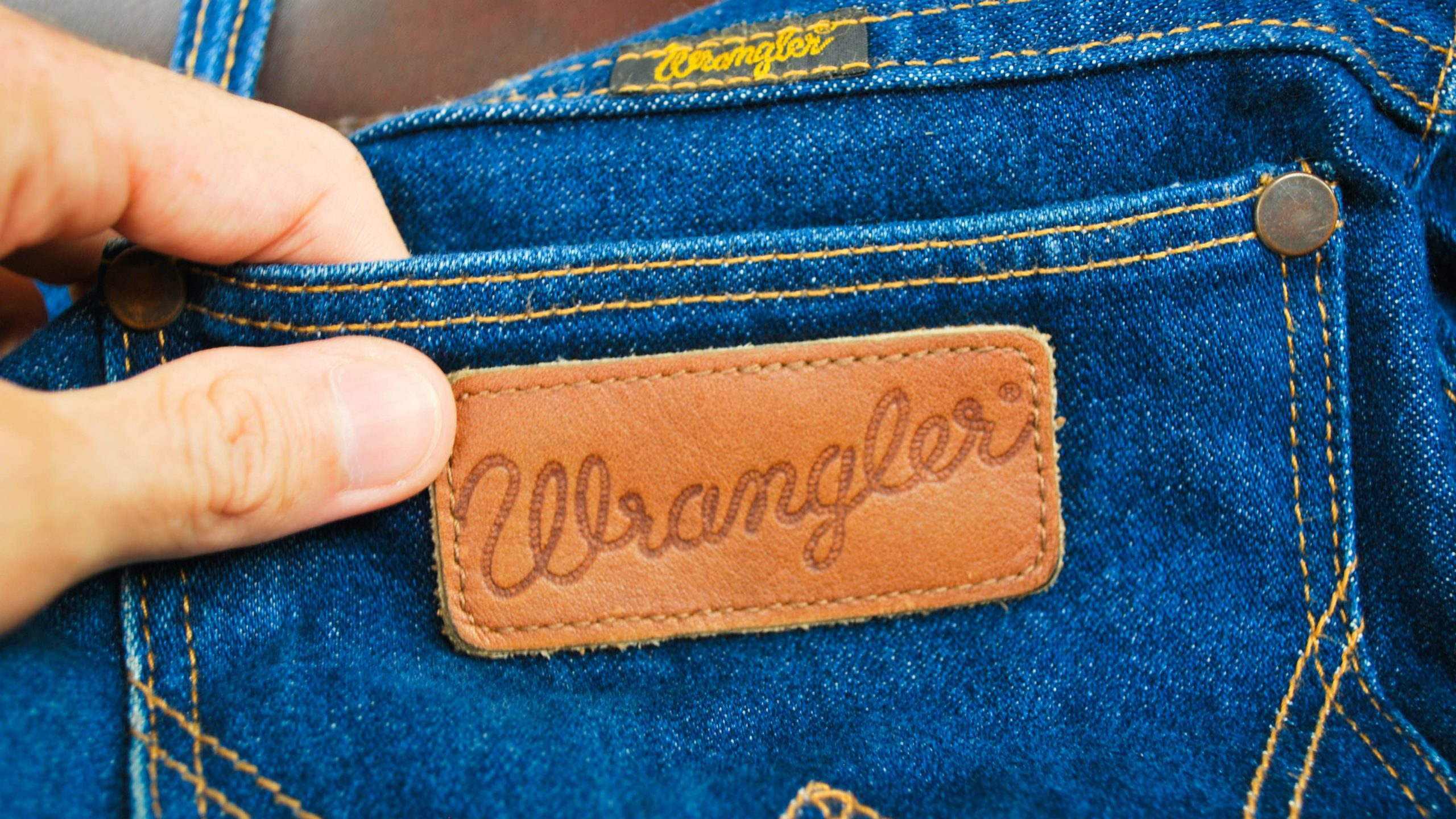
    The global pandemic led Kontoor Brands to delay its initial plans to launch Wrangler in China earlier this year, but the day has finally come for the heritage brand.

    Kontoor announced Thursday that it has expanded Wrangler’s international reach to China by taking a digital-first approach. The initial product offering is available for consumers through Alibaba Group’s Tmall e-commerce site.

    Since becoming an independent, publicly-traded company in May last year, Kontoor has identified China as a key area of focus for its international expansion strategy. The company’s other heritage brand, Lee, has been in the region for 25 years, according to Bloomberg.

    Last fall, Kontoor Brands president and CEO Scott Baxter said Wrangler’s debut in China was on track for Q1 2020. The launch, however, was postponed shortly after Covid-19 began to spread around the world. At the time, Baxter pinpointed Fall 2020 as a time “we can more effectively optimize our go-to-market strategies, our interactive consumer engagement and better leverage our demand creation spent.”

    “One of Kontoor’s core strategic priorities includes expanding to new markets and geographies. Launching our iconic Wrangler brand in China, one of the fastest-growing consumer markets in the world is a key step toward that effort,” Baxter said. “As part of Kontoor Brands, the Wrangler brand is leveraging the collective experience that helped establish Lee as one of the leading denim brands in the Chinese market. This announcement marks an exciting milestone in the brand’s 70-plus year history.”

    Wrangler celebrated the launch with activation at Innersect, a multi-day consumer streetwear event in Shanghai. The event choice is indicative of where Kontoor sees an opportunity for Wrangler in China: among tech and pop-culture-savvy young consumers.

    “We’ve reimagined the adventurous optimism of Wrangler’s cowboy spirit for the Chinese market, developing a brand platform designed to resonate with China’s youth and young at heart,” said John Gearing, Kontoor Asia Pacific vice president and general manager.

    Kontoor plans to expand the product selection in Spring 2021 and launch additional consumer activations.

    “We are building awareness and demand for the brand through our initial digital product offerings,” Gearing added. “In the coming months, we will accelerate our focus on creating engaging and innovative experiences designed to introduce Wrangler’s best-in-class apparel products to the Chinese consumer.”

  • China’s domestic luxury market almost doubled in 2020

    China’s domestic luxury market almost doubled in 2020

    Growth for the mainland Chinese luxury market is expected to climb by 48 percent to reach almost 346 billion yuan (around $52 billion) by the end of the year, according to Bain’s annual China luxury report released today in partnership with Tmall Luxury Division.

    This meteoric growth, driven in part by the repatriation of luxury spending and acceleration of e-commerce adoption as a result of Covid-19 and international travel restrictions, is forecasted to continue through 2025. It stands in stark contrast with the global luxury market, which the report estimates shrank by 23 percent this year due to store closures and low demand.

    To be sure, growth hasn’t occurred evenly. China’s north and northeast regions underperformed in contrast to the south, east and southwest; categories like leather goods and jewellery led the way, followed by ready-to-wear clothing and shoes, beauty and timepieces. It’s also worth noting that repatriation has only managed to offset around half of the heavy losses luxury brands are feeling in Europe and elsewhere; tourist consumption, which has fallen by an estimated 70 percent is far from fully recovered.

    Bain predicts that where global conditions are unlikely to fully recover in the next year or even two, Chinese shoppers will remain cautious about travel for at least a year, making domestic destinations like Hainan key touchpoints for brands. It also noted that shoppers from or younger than the Post-’80s generation continue to drive growth and that online shopping habits adopted mid and post-pandemic are here to stay.

  • How shoppertainment powers the growth of AliExpress

    How shoppertainment powers the growth of AliExpress

    AliExpress is Alibaba’s cross-border e-commerce platform, which facilitates trade and brings sellers and buyers together. AliExpress does not sell directly, but provides a platform for safe transactions between sellers and buyers. AliExpress was founded in 2010, and is today one of the top cross-border B2C platforms.

    AliExpress is available in more than 200 countries and regions, and recently they launched their selling program to include overseas sellers, limited to some countries. AliExpress was previously only open for Chinese sellers accessing international consumers. Now, they are exploring a change to their business model by opening its marketplace to non-Chinese sellers, which means they will be better positioned to compete against Amazon. About a year ago, AliExpress introduced the platform to international sellers from Italy, Spain, Russia and Turkey.

    To learn more about AliExpress business model and growth plans, I have interviewed Martin Wang, the director of Social Commerce & Innovation Partnership at AliExpress:

    To start off, I would like to introduce my readers to what AliExpress is and what is your future goal and mission?

    • Launched in 2010 by Alibaba Group, AliExpress is a global online retail marketplace that enables consumers around the world to buy directly from manufacturers and distributors from China and other markets. AliExpress is an important part of Alibaba Group’s globalization strategy.
    • Alibaba’s mission is to make it easy to do business anywhere. AliExpress not just serves consumers from all over the world, but also enables small and medium-sized businesses to grow locally and globally. In early 2019, AliExpress opened up its platform for merchants in several pilot markets outside of China, including Russia, Spain, Italy and Turkey. AliExpress’ vision is to leverage its commerce and lifestyle platform to enable consumers and merchants around the world.
    • Leveraging Alibaba Group’s  technology and expertise in commerce, AliExpress has built an infrastructure to provide the best experience for consumers and sellers, including three key components – a well-established platform, localized payment options and an efficient logistic network through local partnerships.
    • Currently, AliExpress operates in 18 local languages and serves more than 200 countries and regions, with strong market presence in Russia, the United States, Spain, France, Brazil, Poland, the UK, the Netherlands, Israel and Korea.

    AliExpress is currently exploring a new business model of welcoming overseas sellers onto the platform, called the overseas seller program. This means overseas sellers can leverage AliExpress as a platform to sell their products. This service is currently limited to Spain, Italy, Russia and Turkey. Any plans in the near future to expand this service to other countries? What are AliExpress global expansion plans?

    • AliExpress’s goal is not just serves consumers from all over the world, but also enables small and medium-sized businesses to grow locally and globally. We started the overseas seller program about 1 year ago, since then, we have seen a huge number of local sellers from the mentioned countries joining the platform, which gave us more confidence on continuing this direction. However, such launching involves a quite heavy investment especially in the beginning like infrastructure, language localization, regulation etc., that’s why we are doing this step by step and will expand when time is ready .

    Amazon recently announced its entrance to the Swedish market. As I live in Norway, I am interested to hear your take on AliExpress positioning in Europe.

    • Europe as a whole is a strategically important market for AliExpress, where we have established strong presence in certain countries, such as Spain, France and Poland. We will continue investing in upgrading infrastructure and user experiences and bringing more quality products and services to consumers there.

    Livestreaming in China has been growing every year, and is now estimated to account for about 9 percent of total e-commerce sales in China. Brands use livestreaming, broadcasting in real-time, as a ‘tool’ to promote products and engage with their potential customers. In Europe, this trend is also gaining traction. Does AliExpress offer merchants this tool in order to reach a bigger audience? If yes, do you have an example of a merchant using livestreaming to succeed on the platform?

    • AliExpress have been offering the livestreaming service for already more than 1 year, and the penetration keeps increasing. We have quite some merchants who have enjoyed a better result via livestreaming, for example, we do have a mobile brand, they held a livestreaming in different languages on AliExpress, and broke the sales record which is more than 400% higher than ever.

    China is the leading nation when it comes to the development of retail and e-commerce. Social Commerce is a pre-existing trend in China, the integration between social networks and commerce. This trend has been amplified during the pandemics. What are your thoughts on the development of social commerce and how are social elements integrated on AliExpress?

    • We believe social commerce is a new trend as consumers are increasingly looking for more from their shopping experience, to interact with brands in new, engaging ways. We’ve seen the tremendous growth in livestreaming sales in China, which have played an important role in driving retail transformation and e-commerce success, and have become a great source of job creation and income especially during the Covid-19 pandemics.  Taking the experiences from China and Alibaba Group, AliExpress has been working with local influencer agencies in Europe, to nurture influencer talent and create a new business approach. We also launched a brand new platform called AliExpress Connect, which is designed to create opportunity for both brands and influencers, as the world moves increasingly toward online shopping. It offers new income sources and job opportunities for influencers and content creators, helping them to scale and digitalize their business. While for brands, it opens up the opportunity to attract new customers.

    Facebook and Instagram are two popular social networks in Europe. Is AliExpress closely linked with these networks?

    • These are two of the most popular social channels where aliexpress is doing different campaigns.

    In China, Key Opinion Leaders (KOLs) and Key Opinion Consumers (KOCs) are essential in marketing to reach more consumers. In the West, we are more used to hear influencers. How is AliExpress looking to use influencers in the West?

    • We do have the AE Connect platform for influencers, both Aliexpress and our sellers will post different tasks such as content creation, livestreaming, brand awareness, new user acquisition etc., and influencers will get paid based on the performance.
    • If anyone is interested in joining the program, you could email to the following: aesocial@aliexpress.com or go directly to: https://connect.aliexpress.com/ to check our tasks and terms right away.

    To sum up, AliExpress, among other digital marketplaces, are gaining presence in Europe and around the world. AliExpress is not just a marketplace that connects sellers and buyers, but a lifestyle app that creates unique user experiences.

  • Chinese mystery box retailer Pop Mart rakes in millions from millennials

    Chinese mystery box retailer Pop Mart rakes in millions from millennials

    Taking pride of place in 28-year-old Beijing lawyer Wu Ge’s bedroom are dozens of small figurines displayed on clear plastic shelves with designs ranging from cherubic dolls to characters from Japan’s Pokemon series.

    Wu estimates that she has spent over 5,000 yuan ($766) in the past three years buying the pieces from Chinese toy seller Pop Mart International Group, amassing a collection of over 80 figurines.

    Millions of young Chinese toy lovers like her are behind the popularity of Pop Mart, a Beijing-based company due to list in Hong Kong on Friday after raising $676 million in an initial public offering that priced at the top of its range, valuing the decade-old firm at as much as $7 billion.

    The company’s main product is “mystery” toy boxes that each hold a single figurine such as “pool babies” from the elf-like Pucky range, which Wu says are her favorite, or different versions of its best-selling character, the large-eyed, round-faced Molly doll.

    The boxes, which cost about $9 each, have been a big hit with China’s millennials. Consumers born after 1995 spend more on mystery toys than any other hobby, including fancy shoes and esports, according to a report last year by Alibaba-backed online shopping platform Tmall.

    Pop Mart, the market leader, more than tripled its revenues last year to 1.68 billion yuan ($256.8 million), according to its prospectus.

    The IPO drew strong interest from investors, with the retail offer 356 times oversubscribed.

    “The company operates in a niche and doesn’t really have any listed comparables in the region,” said Aequitas Research partner Sumeet Singh, who publishes on the Smartkarma research platform. “In addition, it is continuing to expand its network which will continue to aid growth.”

    Pop Mart and its advisors were so confident the deal would be popular that it elected not to take cornerstone shareholders which are common in Hong Kong IPOs.

    “I think consumer concepts will be a new focus in the market,” said a banker with direct knowledge of the matter who declined to be named as he was not authorized to speak to media. “In China, consumption is the growth engine of the economy.”

    Pop Mart’s listing will make its 33-year-old founder Wang Ning, who holds a 56% share in the firm, a billionaire. Pop Mart did not respond to requests for an interview.

    Mystery toy boxes are not new and trace their origins to Japan’s vending machine capsule models, Gashapon, a cash cow for the likes of toymaker Bandai. But Pop Mart has taken the trend to new heights, teaming up with artists to design new figurines and build up a pool of trademarks.

    The company now distributes its products in 21 countries outside China. Its customers – mostly aged 18 to 35 – are 75% female, the prospectus said.

    A key attraction for shoppers who buy the toys either online, from Pop Mart’s 136 mainland China stores, or 1,001 vending machines, is the surprise element: They do not know which exact figurine they get until they open the box.

    Some have become lucrative collectibles. Wang Di, a 19-year-old university student with more than 100 figurines, said she recently sold a rare Labubu – a rabbit-like creature with monster’s teeth – for over 700 yuan, more than 10 times what she paid for it.

    But other fans say they just love the toys for themselves.

    “Working pressure is huge for young people, and when I see these beautiful figurines on my desk, I’m cheered up. Some people prefer fresh flowers on their desk, and they are flowers for me,” said Wu.

  • Volkswagen adopts new sales model in Mainland

    Volkswagen adopts new sales model in Mainland

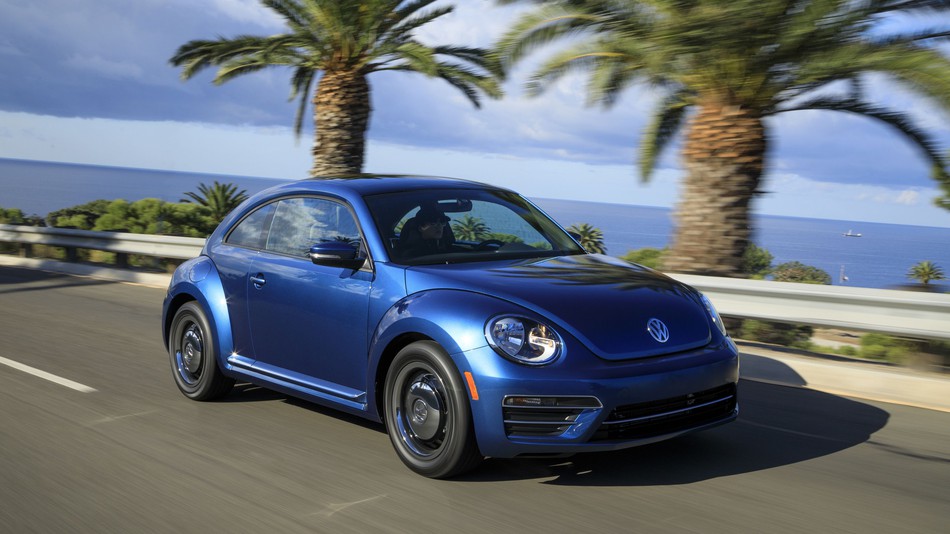
    Volkswagen AG is launching another sales model in China that will see the automaker open showrooms in city centres for electric vehicles (EV) and offer fixed prices.

    The move marks a departure from the conventional sales system used by the wider industry in China.

    Last week, Volkswagen’s joint venture with SAIC Motor opened its first showroom under this system in the eastern city of Hangzhou, according to a social media post. The store, named “ID. Store X”, sells its ID. range of family cars.

    The German automaker said customers can order vehicles at a fixed price directly through the company website, phone app or from authorized dealers. The stores are invested and operated by selected dealers, not the automaker.

    The dealers get a commission from vehicle sales and do not need to maintain the car inventory, Volkswagen said.

    Traditionally automakers including Volkswagen, GM and Toyota set the official price, but dealers are expected to keep an inventory of vehicles and often allowed to offer discounts or price them higher depending on the demand for the models.

    The German automaker’s new attempt still differs from Tesla’s direct sales model that bypasses dealers entirely. Tesla’s model allows the US carmaker to manage the process from production to pricing to sales to delivery while adding operational costs of running the wholly-owned stores.

    Showroom strength is becoming an important differentiator for EV makers in the world’s biggest auto market, as they line up model launches. Tesla currently has over 150 showrooms and service centres in China while Nio has 189 stores. Xpeng had 116 and Li Auto has 45 showrooms, as of the end of September.

    SAIC-Volkswagen said it would open 40 ID. Store X stores in 29 Chinese cities in the next 18 months. Volkswagen’s other venture with FAW Group has yet to announce a detailed sales plan for EVs.

    Volkswagen said last month that it will launch eight ID. family models in China by 2023 with its local partners SAIC and FAW.

    Sales of electric, plug-in hybrid and hydrogen-powered vehicles in China are forecast to rise to 20 percent of new car sales by 2025 from just 5 percent now, the State Council said last month.

  • JD is China’s first online platform to accept digital Yen

    JD is China’s first online platform to accept digital Yen

    Chinese e-commerce firm JD.com said it has become the first online platform to accept the country’s digital currency.

    The announcement on Saturday comes as part of another real-world major trial for the digital yuan in Suzhou, a city that’s about 65 miles west of Shanghai.

    A total of 20 million yuan ($3 million) will be up for grabs in a lottery, according to a WeChat post by JD Digits, JD.com’s fintech arm. Winners will receive a so-called “red packet” via an app containing a maximum of 200 yuan of the digital currency. A hundred thousand of these red packets will be distributed.

    Those who receive digital yuan can spend it on JD.com’s online shopping platform.

    This is not the first time that China is handing out a large sum of its digital currency. In October, a total of 10 million yuan was handed out to citizens in China’s technology hub Shenzhen in a lottery.

    The digital yuan, which is controlled and issued by the People’s Bank of China, is what’s known as a central bank digital currency (CBDC). The central bank calls its project the Digital Currency Electronic Payment or DCEP, though it has remained quite tight-lipped about its development.

    Central bank digital currencies are unlike cryptocurrencies such as bitcoin, or even the Facebook-backed digital coin Libra. That’s because they are controlled and issued by a central bank.

    Bitcoin, which recently hit a record-high price, is decentralized — that means it’s not controlled or issued by a single entity.

    Central banks are looking closely at digital currencies because they promise features such as more efficient cross-border payments as well as moving countries toward cashless societies.

    The BIS, a group of central banks, said earlier this year that 80% of the world’s central banks “had already started to conceptualize and research the potential for CBDCs.”

    China’s central bank appears to be the most advanced in its rollout of a digital currency compared to other major economies, though it has stopped short so far of a nationwide rollout and has instead focused on pilot projects.

  • Dunhill catches Chinese star Yang Yang for global ambassadorship

    Dunhill catches Chinese star Yang Yang for global ambassadorship

    Fashion brand Dunhill introduces Chinese actor Yang Yang as their newest Global Brand Ambassador. Yang and Dunhill’s creative director Mark Weston first meet at brand’s Fall Winter 2020.21 show in Paris. Chinese actor will represent Dunhill at this year’s GQ China Men of the Year Awards.

    As a British luxury House, Dunhill has always fascinated me and I am honoured to be their Global Brand Ambassador. When I met Mark in Paris at the show, it was clear to me that we hold many shared sensibilities and I am looking forward to continuing our work together. – Yang

    It’s great to work more closely with Yang Yang and I am excited for the new perspective he will bring. I was intrigued to hear about his personal and professional story and impressed by his drive and humility. His considered approach to his craft resonates with me personally. – Mark Weston.

  • British footwear brand Tricker’s to launch in China

    British footwear brand Tricker’s to launch in China

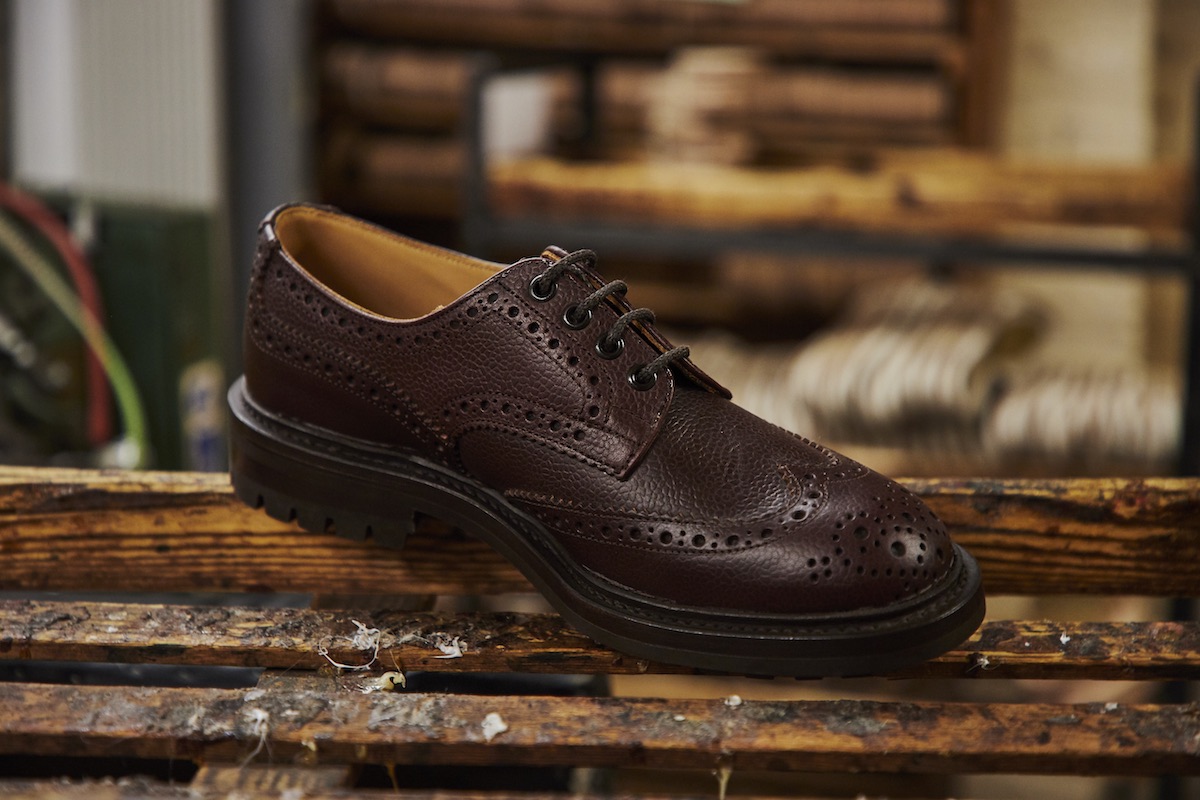
    The brand has held a Royal Warrant with Prince Charles since 1989 and was recently visited by the Prince of Wales to celebrate its 190th anniversary with a commemorative plaque. It manufactures its leather shoes and boots in a factory in Northampton, a town renowned for its shoe industry. A total of 260 individual processes are involved in the creation of each pair of shoes.

    Martin Mason, brand managing director, told BBC News that footwear made in Northampton was “revered” in Japan and that the brand’s products are seen as a luxury.

    “If you head into Tokyo, Northampton footwear has a really important place,” he said.

    Japan seems to be a big market for English footwear, with Northamptonshire shoemakers said to be exporting £20m worth of shoes to Japan each year.

    For Tricker’s, Japan helps boost international sales, which account for about 80% of the firm’s revenues. The brand is considering opening further stores in countries including South Korea and the United States.

    In a social media post, the brand said its new store located in the wealthy Aoyama neighborhood is an absolute replica of its Jermyn Street shop, which opened in the high-class destination noted for men’s tailoring in 1938.

  • China Grants Tesla Green Light To Start Selling Shanghai-Made Model Y SUV

    China Grants Tesla Green Light To Start Selling Shanghai-Made Model Y SUV

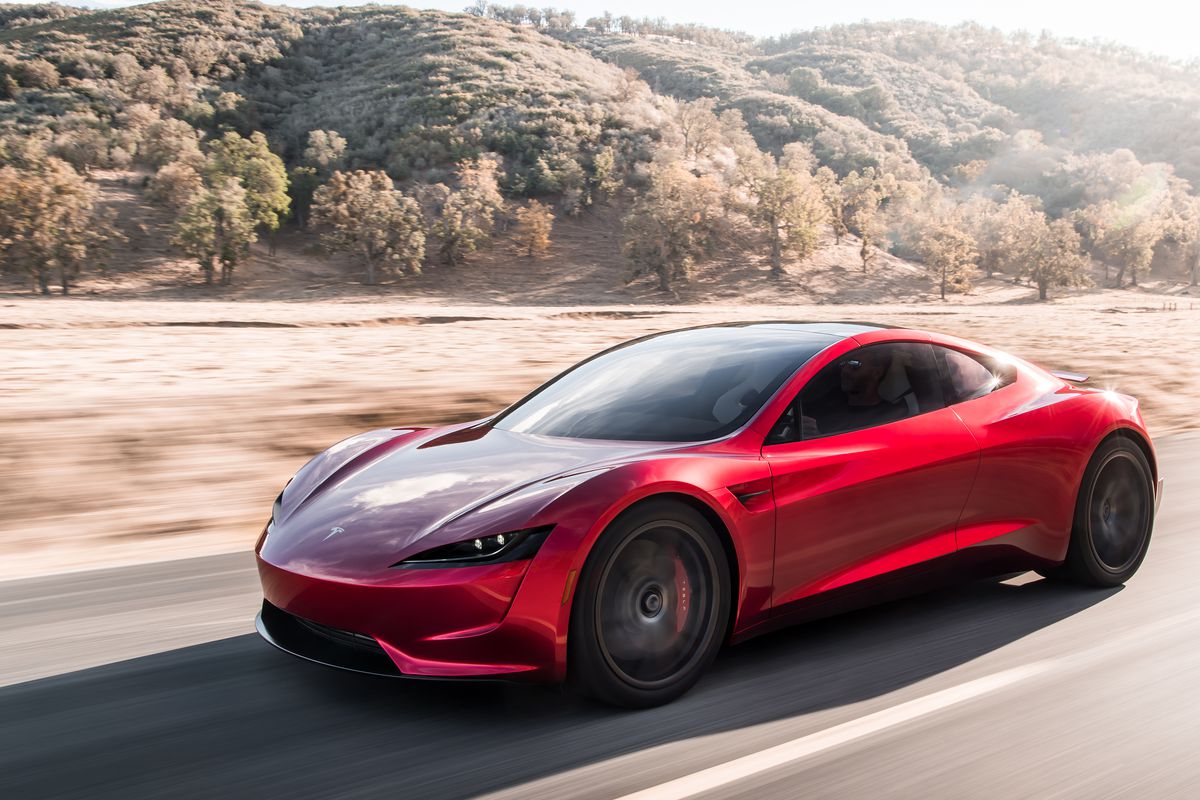
    Tesla Inc has obtained permission to start selling its Shanghai-made Model Y sports utility vehicle in China. The Ministry of Industry and Information Technology published the approval on its website on Monday.

    Tesla, now sells its Model 3 electric cars in China and has been building new car manufacturing capacity in Shanghai to make its Model Y SUVs. It applied for the Shanghai-made Model Y SUV sales permission earlier this month.

    It started delivering vehicles made in its Shanghai factory last December and sold more than 13,000 vehicles in China in October.

    The company has started exporting China-made Model 3 cars to Europe and said last week it plans to also start making electric vehicle chargers in China in 2021.

  • Tiffany beats profit estimates on soaring China demand

    Tiffany beats profit estimates on soaring China demand

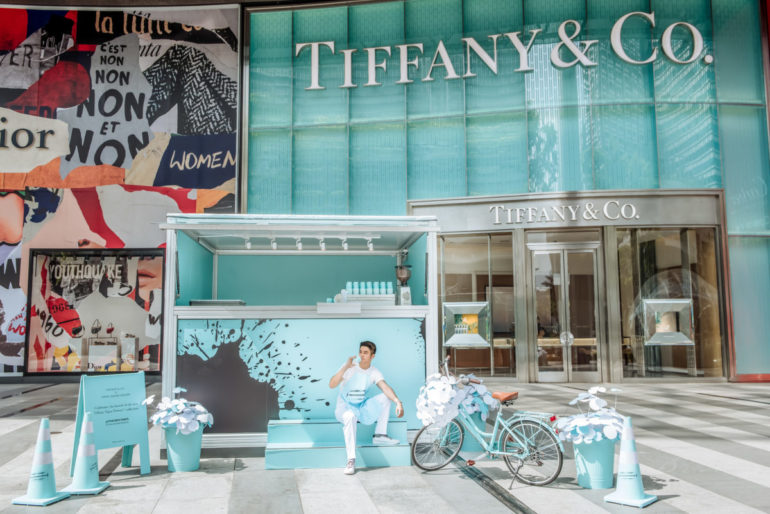
    Tiffany & Co, which is being bought by French luxury giant LVMH, beat Wall Street expectations for quarterly profit on Tuesday as the U.S. jeweler benefited from an over 70% rise in sales in China and a recovery in demand at home.

    The results bode well for the upcoming holiday season for the jeweler and other luxury retailers in general, which have been hit hard by the pandemic. They also underscore the growing importance of sales within mainland China to offset dependence on tourism, especially on Chinese tourists visiting fashion hubs like Milan and Paris.

    “We had a strong third quarter …. which speaks volumes about the enduring strength of the Tiffany brand and gives us confidence as we enter the important holiday season,” Chief Executive Officer Alessandro Bogliolo said, nodding to “the successful completion of the merger transaction with LVMH in early 2021.”

    Tiffany and LVMH ended a bitter legal battle last month and agreed to a new deal that would see the French firm buy out the U.S. jeweler at a slightly lower price of $15.8 billion, or at a discount of $425 million.

    Tiffany said sales in the Asia-Pacific region rose 30%, while sales in the Americas region declined 16% – much smaller than the 46% drop seen in the preceding quarter.

    Tiffany forecast a mid-single-digit percentage decline in holiday quarter sales, while analyst had predicted a 3% drop. It also expects a high-single-digit percentage increase in earnings for the current quarter.

    The health crisis also forced the New York-based retailer to invest in its online business and to introduce curbside pick-up at certain stores. This helped e-commerce sales surge 92% in the quarter.

    Best known for its diamond engagement rings, Tiffany could face more challenges ahead as COVID-19 cases are surging in much of the U.S. and across the world, spurring Britain and other countries in Europe, and many American states, to go into another lockdown.

    As of Oct. 31, most of Tiffany’s 320 retail stores worldwide were fully or partially opened, in accordance with local government guidelines, it said. As of Nov. 20 though, approximately 60% of Tiffany’s retail stores in Europe were temporarily closed.

    But analysts remain optimistic.

    “Q3 results also reiterate our confidence that the Tiffany brand will continue to shine through the holidays,” said CFRA analyst Camilla Yanushevsky.

    According to a CFRA site traffic analysis of Alexa Internet’s data, there is “growing traffic momentum” to tiffany.com entering the all-important holiday season, Yanushevsky added.

    Shares of the company were up marginally on low volumes in premarket trading.

    Excluding certain item, Tiffany earned $1.11 per share, surging past the average expectation of 66 cents.

    Tiffany’s net sales fell about 1% to $1.01 billion in the third quarter ended Oct.31, but beat expectations of $980.71 million, according to IBES data from Refinitiv.

  • Alibaba CEO hails China’s draft anti-monopoly rules ‘timely and necessary’

    Alibaba CEO hails China’s draft anti-monopoly rules ‘timely and necessary’

    China’s move to draft rules aimed at preventing monopolistic behavior by Internet platforms is “timely and necessary”, Alibaba Group CEO Daniel Zhang said on Monday (Nov 23).

    Speaking at the World Internet Conference, Zhang said Chinese Internet companies have moved to the forefront of the global industry with the help of government policies, but regulations need to evolve.

    The industry’s “development and government supervision is a relationship that promotes and relies on each other, so that platform enterprises cannot only develop well themselves, but also serve the sustainable and healthy development of the whole society”, he said.

    The annual event from Nov 23 to 24 organized by the Cyberspace Administration of China takes place as the country’s Internet giants including Alibaba, Tencent Holdings and Meituan face increasing government scrutiny.

    Earlier this month the planned US$37 billion share market listing of Alibaba affiliate Ant Group was suspended after regulators warned its lucrative online lending business faced tighter scrutiny.

    Alibaba’s e-commerce marketplaces and payment services are also expected to face greater oversight under the draft rules published on Nov 10 by China’s market regulator, which said it wanted to prevent platforms from dominating the market or from adopting methods aimed at blocking fair competition.

    Zhang is one of the few Chinese technology chiefs to appear publicly at the event after it was scaled down due to the COVID-19 pandemic. Other chief executives such as Qualcomm’s Steve Mollenkopf delivered remarks via video.

  • Huawei, Qualcomm, and Oppo are arguably the three most innovative firms in wireless technology

    Huawei, Qualcomm, and Oppo are arguably the three most innovative firms in wireless technology

    This might not come as a surprise to some people living in China, or to those who make a living by following the goings on of the wireless world, but there is a good case for calling Huawei the most innovative outfit in this realm. The company’s Mate series phones are traditionally one of the top technologically based smartphones in the world each year. However, the powerful 5nm chips it designed for this year’s Mate 40 line can no longer be shipped to the company because of a new U.S. export rule. The rule bans foundries like TSMC from shipping cutting-edge chips to Huawei without a license if said chips were produced using American technology.

    An industry report cited by the South China Morning Post states that from the beginning of this year through the end of October, Huawei filed 8,607 patent applications related to wireless technology. That put the firm at the top of the pack, well ahead of San Diego, California based chip designer Qualcomm; the latter sought 5,807 patents during the same January to October time period. Chinese smartphone manufacturer Oppo was third with 5,353 patent applications. Database provider incoPat, headquartered in Beijing, is responsible for the data used to compile the list.

    According to incoPat, both China and the U.S. led the way with each making up 32% of the patents filed from January through October. Japan was next with 15% followed by the 7% submitted by South Korea. IncoPat says that the information it uses comes from patent filings available to the public in the field of wireless communications. This includes patents filed to protect inventions related to 5G technology. The report issued by incoPat notes “As a key area of modern communications, wireless communication network technology has always been a very important part in the 5G research and development process. With the new technological competition and new globalisation situation, wireless communication network technology is becoming an important strategic choice for enterprises to face international competition.”

    5G is the next generation of wireless connectivity and the countries that control 5G will have an advantage economically. That is why, seeing how innovative Huawei is and not wanting to be left behind, back in June the U.S. Commerce Department amended the entity list ruling that prevents Huawei from working and doing business with U.S. based firms. Now, American tech companies are allowed to work alongside Huawei to help create global 5G standards. The U.S. feared that being left out of the meetings attended by Huawei would hold the U.S. back in terms of the development of 5G.

    Huawei is also the leader in helping the 3GPP develop standards for 5G. 3GPP (the 3rd Generation Partnership Project) is a term that covers standards organizations that help create protocols for mobile telecom. After Huawei, Ericsson and Qualcomm provide the most contributions to 3GPP for 5G standards. According to SCMP, this year 3GPP completed its next set of standards for 5G which include possible applications for 5G such as autonomous driving, smart factories, and remote surgery.

    Earlier this month, China’s Ministry of Industry and Information Technology (MIIT) said that the country has built nearly 700,000 base stations in 2020 topping its original target of 500,000 for the whole year. As the world’s leading provider of networking equipment, Huawei is also an important supplier of 5G base stations. In fact, published reports indicate that Huawei will replace Ericsson this year to become number one in 5G base stations. Ericsson is expected to see its market share decline from 30% last year to 26.5% in 2020. Huawei, on the other hand, should see its 5G base station share rise from 27.5% last year to a leading 28.5% in 2020. That is, along as it can find enough 5nm Kirin 9000 chipsets to power these base stations. As we mentioned earlier in this article, the U.S. is preventing Huawei from receiving cutting-edge chips from TSMC.