Tag: China

  • Alibaba revenue surges

    Alibaba revenue surges

    Chinese e-commerce giant Alibaba enjoyed a 40 percent rise in sales during its second financial quarter, performing beyond expectations.

    Alibaba revenue rose to RMB119.02 billion (US$16.91 billion) in the September quarter, 40 percent above the RMB85.15 billion ($12.1 billion) during the same period last year, and ahead of projected revenues of RMB116.8 billion ($16.6 billion).

    The results reflected leaps in both of the firm’s core businesses – a roughly 40-per-cent jump in e-commerce and a 64-per-cent leap in cloud computing.

    Alibaba’s net income attributable to ordinary shareholders hit RMB72.54 billion ($10.32 billion).

    Alibaba has been focusing on building its business in lower-tier Chinese cities to counter the effects of saturated markets and the US-Sino trade war.

    “Average revenue per user in lower-tier cities is not as low as people imagine,” said Alibaba CFO Maggie Wu. “I think we have addressed very well in our Taobao apps different demands and levels of consumers.”

  • E-commerce platform Suning.com boosts sales

    E-commerce platform Suning.com boosts sales

    Chinese O2O retailer Suning.com says sales from its online platforms and physical stores rose by 24.27 percent in the third quarter, reaching RMB 171.43 billion (US$24.4 billion).

    The company closed the quarter with 470 million registered members and the number of active monthly users rose by 48 percent. Suning.com now hosts 8407 self-operated and franchised stores.

    Net income attributed to shareholders was RMB 11.9 billion ($1.7 billion)

    The company expects to receive a significant boost from the acquisition of an 80-per-cent share in the Carrefour China operations in late September, adding to the previously acquired Wanda department store network. It describes the move as part of a mission to create a multi-platform retail business for China, spanning third-party marketplaces, its own physical stores and its own online offer.

    Following the Carrefour deal, Suning.com has now formed a network comprising Suning supermarkets, offline Carrefour supermarkets, SuFresh boutique supermarkets and Suning Xiaodian (neighborhood convenience stores). More than 200 Carrefour stores will launch a full upgrade by the end of the year.

    “The introduction of Carrefour’s supply-chain capabilities will effectively leverage the advantages of large-scale procurement, and help establish an efficient warehouse allocation system to promote the rapid development of Suning.com’s FMCG categories,” the company said in a statement.

    In the prior three quarters, Suning.com increased investment in logistics, technology and in building out other core capacities to lay a solid foundation for growth over the next decade.

  • Sheng Siong profits up on network expansion

    Sheng Siong profits up on network expansion

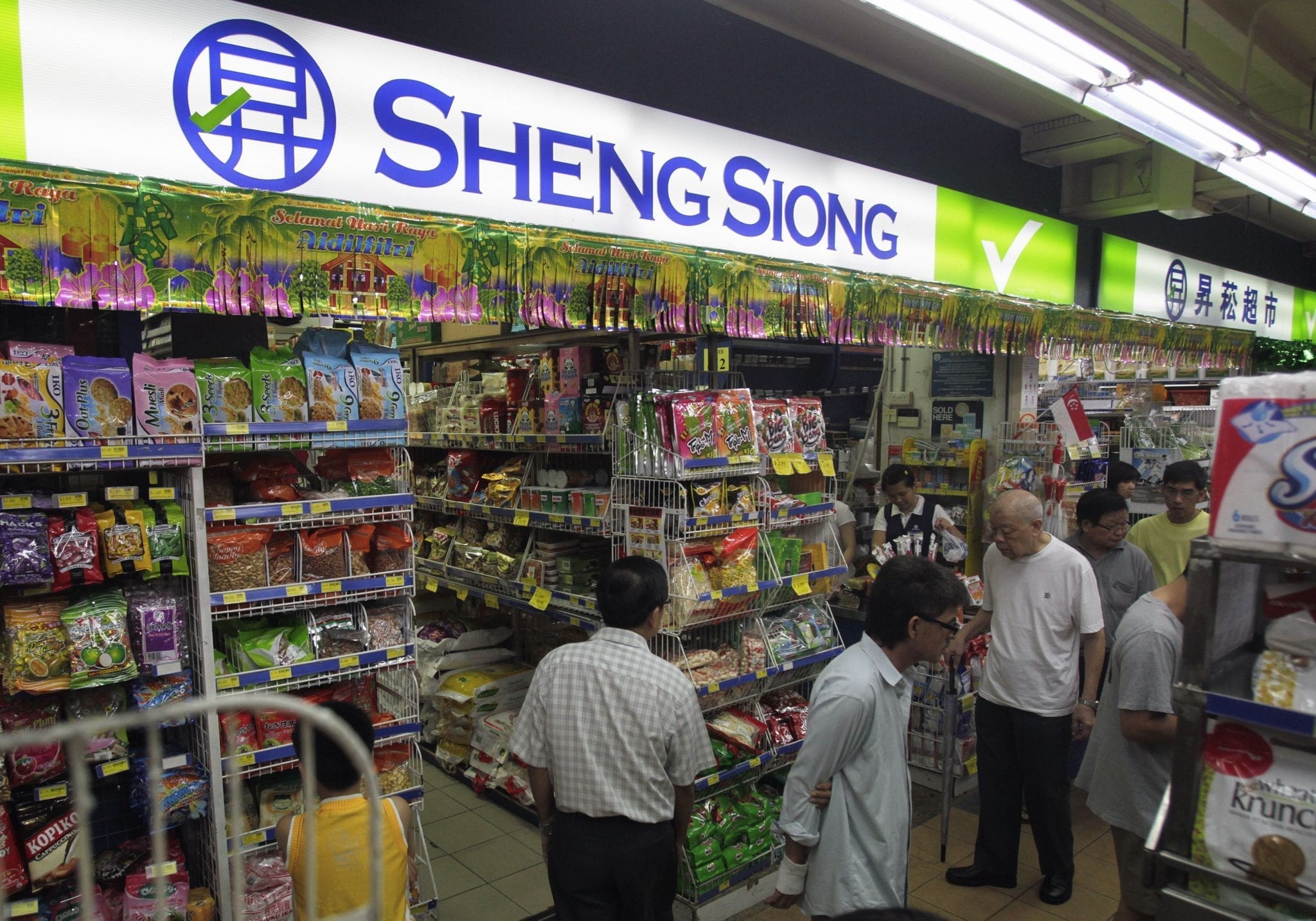
    Singaporean supermarket chain Sheng Siong has reported a 16.4-per-cent year-on-year increase in net profit to SG$20.6 million (US$15.1 million) for the third quarter.

    The increase is largely attributed to an increase in gross profit arising from the growth in revenue, slightly improved gross margin, and higher other income – but was partially offset by higher operating expenses and net finance expense.

    “We are pleased that we have opened two new stores at Block 182 Woodland Street 13 and Block 602A Tampines Ave 9 with retail areas of 8500sqft and 9000sqft respectively while another store at Block 202 Marsiling Drive which we have secured will be operational by the first quarter of next year,” said the group’s CEO Lim Hock Chee. “Going ahead, we will continue with our efforts in expanding our retail network in Singapore, especially in areas where our potential customers reside.

    “Besides placing focus on nurturing the growth of our new stores in Singapore and China, we remain committed to enhancing the gross margin and lowering input cost by improving the sales mix with a higher proportion of fresh produce and deriving more efficiency gains in the supply chain.”

  • Foodpanda Singapore expands into grocery delivery

    Foodpanda Singapore expands into grocery delivery

    Food delivery service Foodpanda is to expand into other services, including groceries, household essentials and flowers.

    The company will offer delivery service for items from more than 1000 retail partners in Singapore, including Caltex Star Mart, Eu Yan Sang, Hao Mart and Mothercare, with the guarantee of 25-minute delivery time.

    “Over the past year, from the feedback we’ve received from our customers, it was clear that they wanted to enjoy even more convenience in their everyday lives,” said Luc Andreani, MD of Foodpanda Singapore. “This new expansion is a natural extension of our goal to deliver services that bring even more convenience and experiences to Singaporeans’ everyday lives.”

    In the last three month, Foodpanda has recruited 100 engineers to manage the new platform and aims to hire up to 300 by the end of the year.

    Foodpanda has a network of more than 8000 delivery riders and more than 7000 restaurant partners in the city.

  • Galeries Lafayette Shanghai opens with three-week long festival

    Galeries Lafayette Shanghai is mid-way through a three-week-long opening celebration featuring art, technology, European brands, and celebrities.

    After a high-profile opening ceremony, the new store at L+Mall in the Pudong financial district is now hosting a campaign titled Let’s Celebrate Fashion featuring a rolling program of events, limited-edition collaborations and exclusive products.

    A spokesperson for Galeries Lafayette’s China partner I.T Group described the new store as “a piece of the romantic Paris grafted onto the modern cityscape of Shanghai … with quintessential Parisian style”.

    “The store stands out with the chic setting of a Parisian street, where customers soak up the immersive lifestyle of the City of Light as they saunter through consignment stores, alongside landmarks such as the Eiffel Tower and street-side bistros.”

    Galeries Lafayette Shanghai features ornamental patterns designed by French graffiti artist André Saraiva which boosts the dramatic setting of the space. Saraiva’s motifs include the Eiffel Tower and a French bistro.

    Galeries Lafayette Shanghai has also collaborated with French fashion house Paco Rabanne as an official partner for the opening. In an immersive, experiential journey, visitors can pose for photos in an interactive snapshot booth and share them on social media.

    A Creative Theme Park co-presented with Ryodan by Seiya Nakamura 2.24 Inc is another opening feature. Inspired by traditional children playgrounds in Paris, the pop-up exhibition draws together eight emerging designers, who were given creative carte blanche in their own renditions of current fashion trends. Brands participating in the theme park include Fumito Ganryu, We11Done, Random Identities by Stefano Pilati, Namacheko, Stefan Cooke, Koche, Feng Chen Wang and Mame Kurogouchi.

    To mark the 120th anniversary of Galeries Lafayette, the Shanghai store features a recreation of the glass walk and Art Deco dome of the Paris store where visitors can take selfies with Parisian landmarks.

    Galeries Lafayette Shanghai is open daily

  • Audi India Is Offering Attractive Discounts On Select Models

    It’s raining discounts this festive season and automakers are all buckled up to garner more footfalls. Luxury carmakers as well are offering attractive benefits on their product range to cash in the festive season demand which to an extent is likely to help them make up for lost volumes due to the prolonged slowdown. Audi India has been offering discounts on its popular models like the A3, A4 and Q5 this festive season.

    The Audi A3 is now available at a starting price of ₹ 25.99 lakh and the company is offering 57 per cent assured buyback on the model and at zero down payment. Moreover, the company is also offering exchange bonus of ₹ 1 lakh on the model and specific benefits for corporate employees and professionals. The German carmaker is also offering benefits on the A4 that has recently received a minor facelift. According to our dealer sources, there are discounts of up to ₹ 4.5 lakh on the post-facelift model while it goes up to ₹ 7.5 lakh on the pre-facelift model. The Audi Q5 which was launched last year is under a cash discount of up to ₹ 10 lakh, depending on the variant and location.

    Festive season has brought some cheers to the industry that has been under pressure for a year due to the ongoing downturn. India’s largest luxury carmaker, Mercedes-Benz too delivered 600 units in a single day on the auspicious occasion of Dhanteras. In fact, mass car makers like Maruti Suzuki delivered as many as 45,000 units on the same day while Hyundai sold 12,500 units. MG Motor alone has sold 700 units of the Hector SUV.

  • Porsche China CEO Expects Another Record Year In 2019

    Porsche China CEO Expects Another Record Year In 2019

    Porsche is looking forward to having another record year in 2019 in Chinese market, said Porsche China CEO Jens Puttfarcken ahead of the upcoming second China International Import Expo (CIIE), scheduled for November 5 to 10.

    A total of 64 countries and three international organizations have confirmed their participation in the expo in east China’s Shanghai Municipality. Porsche, which participated in last year’s CIIE, is expecting to show more at this year’s CIIE, said Puttfarcken.

    “First of all, we appreciate very much that we had the possibility to participate in the CIIE last year. It was a good possibility to show as a pure input company, what kind of products, what kind of performance we have. Yes, we do participate this year at this CIIE again. And we will have a big acquisition around electrical mobility, so we will present the new Taycan together with a lot of themes around e-mobility. We will have also the new formula e-car there in order to show that racing and also in the electrical age, something that is very convenient and does fit very well to Porsche,” said Puttfarcken.

    As China is carrying out a number of measures in boosting the consumption of goods, Puttfarcken said he believes the Chinese market is a good place to promote Porsche vehicles.

    “I think China is for us the most important market in the world. So we trust and we believe very much in the Chinese car market. We know that the government is looking into an upgrade of consumption. And that I believe fits very well to the cars and products that we are offering to the Chinese market. So I think with the right product, battery-electric car, plug-in hybrid, purely combustion engine cars, so our car which suits every purpose. And we are having the right offer to the car marketing in order to be successful also in the future,” said Puttfarcken.

  • Cebu Pacific extends China network

    Cebu Pacific extends China network

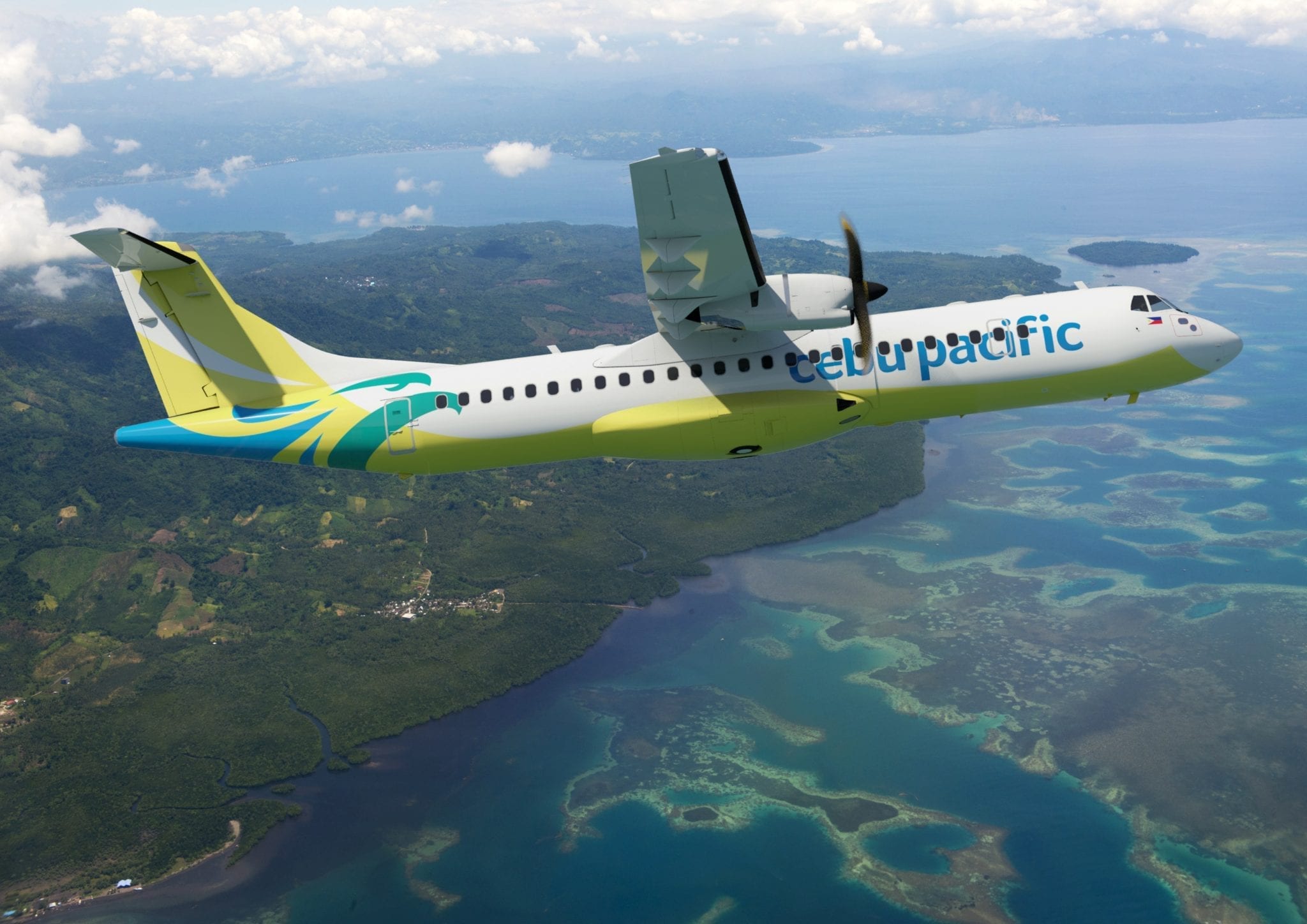
    Cebu Pacific continues to expand its reach in mainland China with two new direct services between Clark and Guangzhou, Puerto Princesa and Hong Kong, making it the first airline in the Philippines to fly these routes.

    The new routes are in line with the carrier’s plans to expand its route network in China, following the introduction of flights between Shenzen and Manila earlier this year.

    Starting from 11 November, flights between Clark and Guangzhou are scheduled to operate four times weekly (Monday, Wednesday, Friday, Saturday). The flight departs Clark at 2335 while the return flight departs at 0315 on the next day.

    Guangzhou is a wholesalers’ haven for retail and popular consumer goods, making it an ideal destination for e-commerce micro-retailers and startup business people. For leisure travelers, the city appeals to foodies eager to experience world-renowned Cantonese cuisine.

    “With direct air service between Clark and Guangzhou, it will be easier for entrepreneurs and businessmen in the e-commerce space to meet up with suppliers, said Cebu Pacific vice president for commercial Alex Reyes. “They can conveniently attend mega-trade events such as the popular Canton Trade Fair.”

    “Chinese tourists will also gain access to the attractions that Luzon has to offer. From Clark, the Mount Pinatubo adventure trek is within a few hours drive away,” Reyes added.

    Cebu Pacific currently offers 27 flights weekly between the Philippines and mainland China, with direct between Shanghai, Manila and Cebu; as well as Manila and Beijing, Guangzhou, Xiamen and Shenzhen.

    Flights between Puerto Princesa and Hong Kong will start 17 November 2019, and passengers can choose from four weekly flights (Tuesday, Thursday, Saturday, Sunday).

    Flight 5J 5306 departs Puerto Princesa at 1535 on Tuesdays, Thursdays and Sundays; and at 1605 on Saturdays. The return flight, 5J 5307 departs Hong Kong at 1930 on Tuesdays, Thursdays and Sundays; and at 2000 on Saturdays.

    On the same day, CEB will launch its previously announced Clark-Puerto Princesa flight. Together, these two new routes increase capacity to Puerto Princesa by 7%.

    Palawan has consistently made the lists compiled by renowned travel publications of the world’s best and most beautiful islands. Puerto Princesa serves as the gateway to the Puerto Princesa Subterranean River National Park, a UNESCO World Heritage, as well as pristine beaches and other natural attractions such as El Nido, San Vicente and Port Barton.

    With the new Puerto Princesa – Hong Kong service, CEB connects Hong Kong to five destinations in the Philippines, more than any other carrier. Currently, Cebu Pacific flies 55 times weekly between the Philippines and Hong Kong, with direct flights to and from four of the airline’s major hubs–Manila, Cebu, Clark and Iloilo.

  • Chinese continue to drive growth of payment platforms

    Chinese continue to drive growth of payment platforms

    More and more Chinese are using payment platforms when shopping, thanks to mainlanders’ increasing affluence and vast usage of social payments such as WeChat Pay.

    That’s according to business intelligence provider Juniper, which says that revenue from payment platforms will grow from US$106 billion in 2019 to $158 billion by 2024. And it forecasts that China will account for more than 50 percent of it.

    Banking on this forecast, California-headquartered PayPal has acquired 70 per cent equity interest in GoPay, making it the first foreign payment platform to provide online payment services in China.

    The fast growth in the payment platforms industry in China is also attributed to the increasing demand for e-commerce services. Market research company eMarketer said in June that the top global e-commerce market in 2019 will be China, with $1.9 trillion in e-commerce sales, more than three times greater than the US with $586.9 billion.

    To sustain the growth momentum, Juniper recommends payment platforms providers diversify their solutions by offering services such as store-management solutions, customer insights and merchant capital finance.

    “The market will move beyond solely offering payments in the near future by expanding to new services. These value-added services will enable payment platforms to differentiate themselves in a saturated market and build out new business models to allow vendors to generate additional revenue,” says research author Morgane Kimmich.

  • Vans, The North Face parent reports huge Chinese growth

    Vans, The North Face parent reports huge Chinese growth

    VF Corporation – parent of brands including Vans and The North Face – says sales in China soared 20 percent in the September quarter.

    Expressed in constant currency terms, they rose by 24 percent year on year.

    The China performance was a key factor in the company’s global sales rising 5 percent in the quarter to US$3.4 billion, or by 6 percent when excluding acquisitions and divestments.

    Globally, Vans led the way with sales up 14 percent and The North Face improved by 8 percent.

    “We’re pleased with the strength of our second-quarter and first-half results, driven by our two largest brands and our international and direct-to-consumer platforms,” said Steve Rendle, chairman, president, and CEO. “The quality and fundamentals of our business remain solid as a result of the focus and strategic execution of our business teams around the globe.”

    He said that despite an increasingly uncertain geopolitical and macroeconomic environment, the company is confident in the trajectory of its business.

    “We remain deeply committed to transforming VF into a more consumer-minded and retail-centric organization while delivering superior returns to shareholders.”

    Gross margin from continuing operations increased 90 basis points to 52.9 percent. Operating income on a reported basis was $579 million.

    The company still expects its full-year revenue to be about $11.8 billion, reflecting the growth of about 6 percent.

  • Chinese pharmaceutical group may bid for ailing GNC

    Chinese pharmaceutical group may bid for ailing GNC

    Chinese firm Harbin Pharmaceutical Group is poised to take over and privatize US vitamin and retailer supplier GNC.

    The firm acquired a 40-per-cent shareholding in the company last year, initiating an e-commerce business in joint venture with GNC in China. Harbin currently owns its stake as convertible preferred shares.

    The potential takeover is complicated by GNC’s heavy debt load, which four months ago stood at US$900 million, and the current political climate between China and the US. GNC has lost more than half its value over the past year.

    GNC operates more than 4800 stores in the US and has franchises in 46 international territories. It is expected to shutter 900 outlets by the end of next year.

  • China’s Tan Mujiang opens first store in USA

    China’s Tan Mujiang opens first store in USA

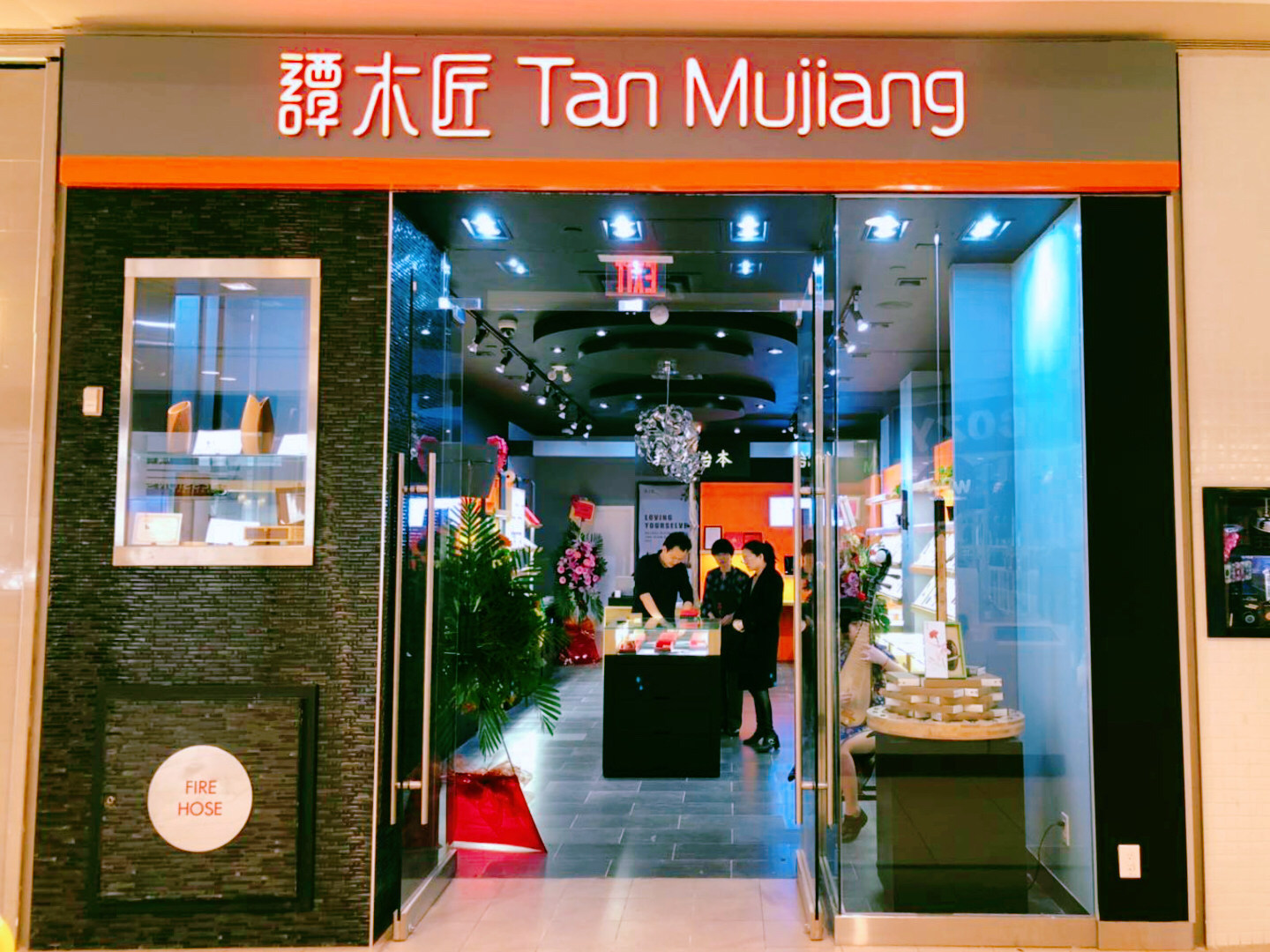
    Chinese wooden-comb manufacturer Tan Mujiang has continued its international expansion with the opening of its first flagship store in the US.

    The store dubbed as H0006 is located at Flushing Main Street in New York City and carries combs made from natural materials by traditional Chinese handicrafts with “beautiful shape, smooth lines, exquisite texture, rich colors and fine hand feel”. It is Tan Mujiang’s second store in North America after Toronto, which opened in May.

    The manufacturer said it has obtained more than 80 patents since 2013 and has been providing supplies to more than 1200 shops in China and nine flagship stores in Southeast Asia, Toronto and New York.

    The company says it plans to popularise its brand by operating franchised stores worldwide. It also plans to increase its investment in overseas market promotion by participating in grand international exhibitions and will promote products on popular social media internationally.

    Tan Mujiang also sells through Amazon and eBay.

  • Chinese travel-case maker Ninetygo planning global expansion

    Chinese travel-case maker Ninetygo planning global expansion

    Chinese travel lifestyle brand Ninetygo is eyeing global expansion as more millennials and Gen Zers travel abroad.

    As a brand owned by Anhui Korrun, the first Shenzhen Stock Exchange-listed domestic suitcase manufacturer in China, Ninetygo plans to further diversify its product lines and add new fashion elements into its designs as it races to catch up with other global players.

    “Young consumers’ demand for travel products is no longer limited to being practical and functional – personal items are regarded as the manifestation of their life taste and joy,” said Anhui Korrun founder and chairman Fan Jinsong.

    “Pushed by the fast-growing trend of globalization, more convenient visa access and transportation to other global destinations, the frequency of vacations abroad will keep rising.

    “For the next step, we will continue to raise our research and development based on multi-dimensional scenes such as pre-trip storage, travel entertainment, business travel, parent-child amusement, and hotel sleep to further enrich our product lines.”

    Ninetygo has just launched a new collection resulting from a collaboration with former Hermes designer Ludovic Alban. The new Ninetygo x L.a Nice series was launched in the Pompidou National Centre for Art and Culture in France, one of the world’s top art museums.

  • Takashimaya bullish about profit opportunities in Asia

    Takashimaya bullish about profit opportunities in Asia

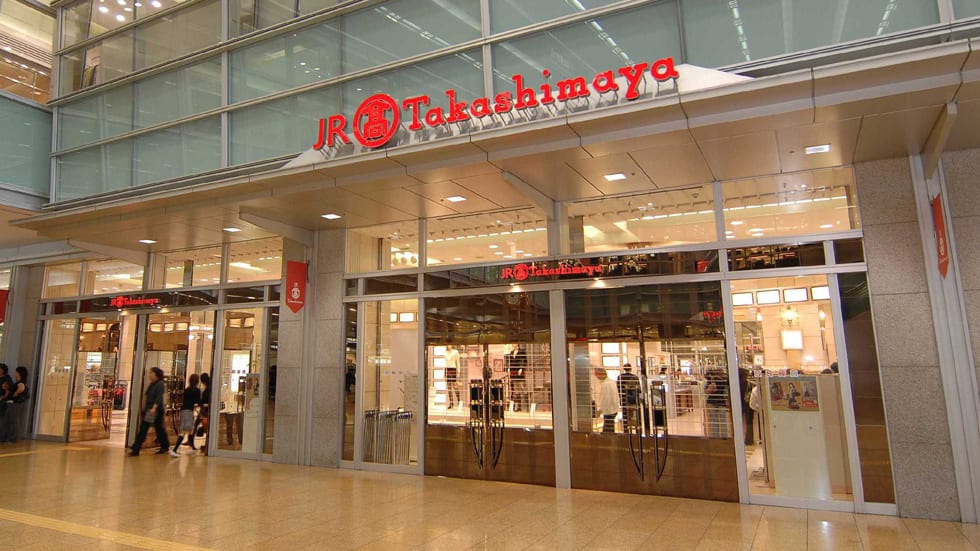
    Japanese department-store operator Takashimaya is banking on its Vietnam and Thailand flagships to drive growth this year as it seeks to achieve profitability in its Southeast Asian business.

    To date, Singapore has been the sole profitable store outside Japan, but this financial year the Takashimaya Vietnam store in the Saigon Centre in Ho Chi Minh City is expected to produce 100 million yen (US$919,000) in operating profit and the company’s president Yoshio Murata told Nikkei in an interview he sees Vietnam as “another Singapore” in the future.

    Takashimaya opened its first Southeast Asian store in 2013 in Singapore. Located in the heart of the Orchard Road precinct, that store took several years to turn into the black but now drives the retailer’s business in the region. Last year it reportedly earned 3 billion yen (US$27.2 million) and this year is reportedly on track to achieve 4.8 billion yen ($44 million) in operating profit.

    The Vietnam store opened in 2016 and struggled initially before the company refocused its offer by stocking more mid-market brands, a strategy that already seems to be working. The company is believed to be exploring an opportunity to open a second store in the capital Hanoi where it is investing in an urban-development project including a bilingual school.

    Takashimaya’s most recent store in the region is at the IconSiam shopping centre in Bangkok, which opened last November.

    In an interview with the Nikkei last week, Murata said the success of that store depended in part on the completion of a delayed BTS railway line extension which would deliver people to the centre’s front door. He expects the store will lose about 900 million yen ($8.2 million) this financial year.

    As the company learned in Vietnam, the key to its success is likely to lie in stocking more mid-range products rather than focusing purely on the luxury sector as the train will bring more middle-class shoppers.

    “Upper-middle product ranges like menswear are not satisfactory,” Murata said.

    In June of this year, Takashimaya announced it would close its Shanghai store, opened in 2012, its lone post in China. But that decision was reversed when local government authorities adjusted the rent to make the store viable. Takashimaya now expects it to turn a profit in 2021.

    Meanwhile, the company is playing down widespread reports of plans to expand into other major Asian cities, including Manila – where rival Mitsukoshi will open next year – Kuala Lumpur and Jakarta.

    Murata confirmed to Nikkei that the company had been approached to open in new markets but said its focus for now was on its existing four stores.

  • HSBC advises to avoid a Lehman Crisis in China

    HSBC advises to avoid a Lehman Crisis in China

    More easing is required in the industry not only to improve ease of business, said a senior HSBC executive, but to prevent risks similar to the Lehman crisis.

    Peter Wong, deputy chairman, and Asia Pacific chief executive of HSBC, commented at a Shanghai financial summit on the need to improve corporate governance and investor protection in China in order to manage major systematic risks akin to the trigger of the last global financial crisis. We really don’t want to have another situation similar to the Lehman crisis in China, Wong said, according to a report.

    Whilst it has suggested greater stringency in certain facets, it also lauded regulatory easing, such as the recently relaxed foreign ownership rules, and urged for more similar moves. Wong proposed more easing in the insurance industry, such as ease of expansion into new cities and provinces, and in the banking industry, including the acquiring of deposits.

    It’s very difficult for foreign banks to get deposits in China, Wong said, adding that the country should «figure out a way» to address the issue, he said. We’ve been trying for a number of years. Now we’re developing, we’re increasing our share, but the journey is not easy.