Tag: China

  • Fuelled By Volvo, China’s Geely Seeks Launchpad To Enter Auto Giant Orbit

    Fuelled By Volvo, China’s Geely Seeks Launchpad To Enter Auto Giant Orbit

    Chinese carmaker Geely plans to use a platform developed with input from Volvo to build new models in Malaysia for its partly owned Proton brand, a strategy that shows how it aims to accelerate its push to become China’s first global auto giant. The yet-to-be-finalized plans for Proton are just one strand of a Geely project to revamp factories at home and abroad using joint platforms it has been perfecting with Volvo since 2013. Geely bought the Swedish brand 10 years ago for $1.8 billion (1.4 billion pounds) – a deal that raised its international profile and sent shockwaves through the global auto trade.

    Senior Geely officials and engineers told Reuters that a project dubbed Compact Modular Architecture (CMA) will allow them to develop, design, and build different types of compact cars with similar mechanical layout faster than before – and at a lower cost.

    They said CMA, along with a platform for smaller cars known as B-segment Modular Architecture (BMA) that Geely plans to roll out for Proton, allows them to harness the Swedish automaker’s technologies and Geely’s capabilities in cost control, supply chain management, and local production.

    “CMA will be the core of Geely’s future architecture design … We learn technologies and build up talents through developing it,” said Li Li, vice president at Geely Automobile Research Institute, confirming the Proton plan during an interview in Ningbo, south of Shanghai. Li declined to disclose details of the general investment, financial targets, or a timetable for expansion plans.

    From its lowly foundation in 1986 in Taizhou on the east coast as a maker of refrigerator parts, Geely has grown into one of the biggest players in China, the world’s largest auto market accounting for nearly one in every three passenger cars sold around the planet. Geely now sells more than 2 million cars a year across all brands, ranking it not far from the world’s top 10 automakers by unit sales.

    The CMA platform in particular will allow Geely and Volvo to design vehicles more quickly and cost-effectively, Li said, providing a technological springboard towards a higher market share at a time when the auto industry must embrace a future featuring electric and autonomously driven transport.

    Like Geely – an anglicization of the Chinese word for ‘lucky’ – domestic peers Great Wall Motor and GAC have branched out with their own versions of vehicle platforms, harboring greater ambitions for selling cars in major Western markets.

    But grand plans have previously been delayed, or simply canceled, amid a lack of practical preparedness, analysts have said, against a backdrop of years of trade tensions between China and the United States that have roiled the global economy. At the same time, attention has been diverted to deal with stalling sales at home as the pace of China’s growth has slowed.

    Geely Automobile and its sister company Volvo Cars are planning to merge and list in Hong Kong and possibly Stockholm, giving Volvo access to public markets after it dropped a move to list its stock two years ago.

    In its pursuit of global automaker status, Hangzhou-based Geely is now holding talks to merge the Volvo Cars business with its Hong Kong-listed Geely Automobile – worth about $22 billion by market value, bigger then famed industry names like Fiat Chrysler Automobile and Nissan Motor.

    As well as the 49.9% stake it took in Proton three years ago, the broader Geely group – Zhejiang Geely Holding Group, led by Taizhou-born billionaire Li Shufu – now also comprises a 9.7% stake in Germany’s Daimler AG and a majority stake in British sports car brand Lotus.

    And while giants from Toyota Motor Corp to Volkswagen AG and General Motors Co have followed a similar shared platform project for their respective brands, Geely’s strategy is a first for a Chinese company.

    The automaker plans to develop all its future models for the Geely and Lynk & Co brands on CMA or other related product platforms, like BMA. It is also developing a new architecture to accelerate the launch of pure battery electric vehicles with intelligent connectivity functions, said Li, a former Ford engineer.

    In addition, Geely wants to shift the development of next generations of some popular existing models, like Borui and Emgrand sedans, to those architectures, he said. It takes around 18 months for Geely to significantly change a CMA-based car, versus 24-30 months to do so on a non-CMA-based model.

    Using CMA, plant managers can switch production of different models to maintain smooth overall capacity utilization rates at production lines, said Oskar Falk, the Volvo-trained head at Geely and Volvo’s first joint production site in Taizhou.

    The plant already exports Volvo Polestar 2 electric sedans to the United States and Europe, and is preparing to make Volvo’s first battery-powered electric vehicle, Falk said.

    Geely also plans to start exporting China-made Lynk & Co 01 SUVs to Europe this year.
  • Yum China eyes US$2 billion HK stock listing

    Yum China eyes US$2 billion HK stock listing

    Yum China – the operator of KFC, Pizza Hut, Taco Bell, and local restaurant chains – is reportedly preparing to list on the Hong Kong stock exchange as early as next month.

    The IPO, should it proceed, is likely to raise as much as US$2 billion, according to Bloomberg, which cited inside sources who asked not to be identified

    Approval for the listing will be sought from the territory’s stock exchange as early as this month.

    Yum China, controlled by its US namesake Yum! Brands, has been working with Goldman Sachs, China International Capital, Citigroup, UBS and CMB International to prepare for the listing.

    Last month, Yum China marked its 10,000-store milestone, opening a KFC in Bo’ao, Hainan province, and CEO Joey Wat said then that the Covid-19 pandemic will not impact this year’s store rollout plan.

    “With our innovation capabilities, strong digital strategy, and resilient business model, I believe we will emerge from this pandemic stronger than ever, and ready to capture the exciting long-term market opportunity in China,” she said.

    Yum China’s total sales fell 11 percent year on year to US$1.9 billion in the first quarter of this year, while net income fell 26 percent to $132 million.

    Michael Pearson, head of corporate equities at Oak Stone Limited, said the specifics of the deal such as timing and size have not yet been finalized and are likely to change in the coming weeks.

    “New York-listed Yum China is another company who join the growing wave of US-listed Chinese firms seeking a trading foothold in Hong Kong due to the deteriorating relations between the US and China,” added James Burnley, head of wealth management at Oak Stone.

    “Regulators in the US are threatening to restrict the access of Chinese companies to the American capital markets if they refuse to let authorities review their audits,” he said.

  • Adidas China sales goes flat but bright outlook

    Adidas China sales goes flat but bright outlook

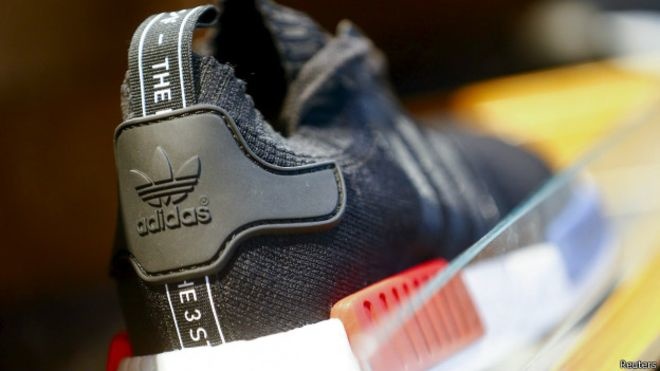
    German sportswear firm Adidas says it expected a rebound in profits in the third quarter after it plunged to a big loss in the second quarter when the majority of its stores were closed due to coronavirus lockdowns.

    Adidas reported a second-quarter operating loss of US$396 million, worse than the $344 million expected by analysts on sales down 35 percent to $4.25 billion.

    The company said its sales were flat for the second quarter in China, however it saw double-digit growth in May and June.

    But CEO Kasper Rorsted said the company expects to benefit from more people exercising and dressing down with around three-quarters of companies planning to allow staff to continue to work from home.

    “The work environment will have changed forever,” he said, noting that sales of plastic slip-on Adilette bath sandals had tripled during the crisis.

    The loss included coronavirus-related charges of around $297 million, mainly due to an increase in inventory and bad-debt allowances, as well as the impairment of retail stores and the trademark of its struggling Reebok brand.

    Adidas expects a material improvement in third-quarter sales assuming there are no new major lockdowns, but still down on last year by a mid to high-single-digit rate.

    It sees an operating profit of between $712 million and $831 million in the period. The company declined to give an outlook for the full year.

    “We are now seeing the light at the end of the tunnel as the normalization in the physical business continues,” said Rorsted in a statement.

    E-commerce sales jumped 93 percent in the quarter and remained at a very high level even as stores started to reopen, with 92 percent already back in business, albeit with reduced opening hours.

    Rivals Nike and Puma also reported quarterly losses, while Nike saw a 75-per-cent rise in online sales.

  • Honda Sees Drop In Annual Profit As Coronavirus Slams Car Sales

    Honda Sees Drop In Annual Profit As Coronavirus Slams Car Sales

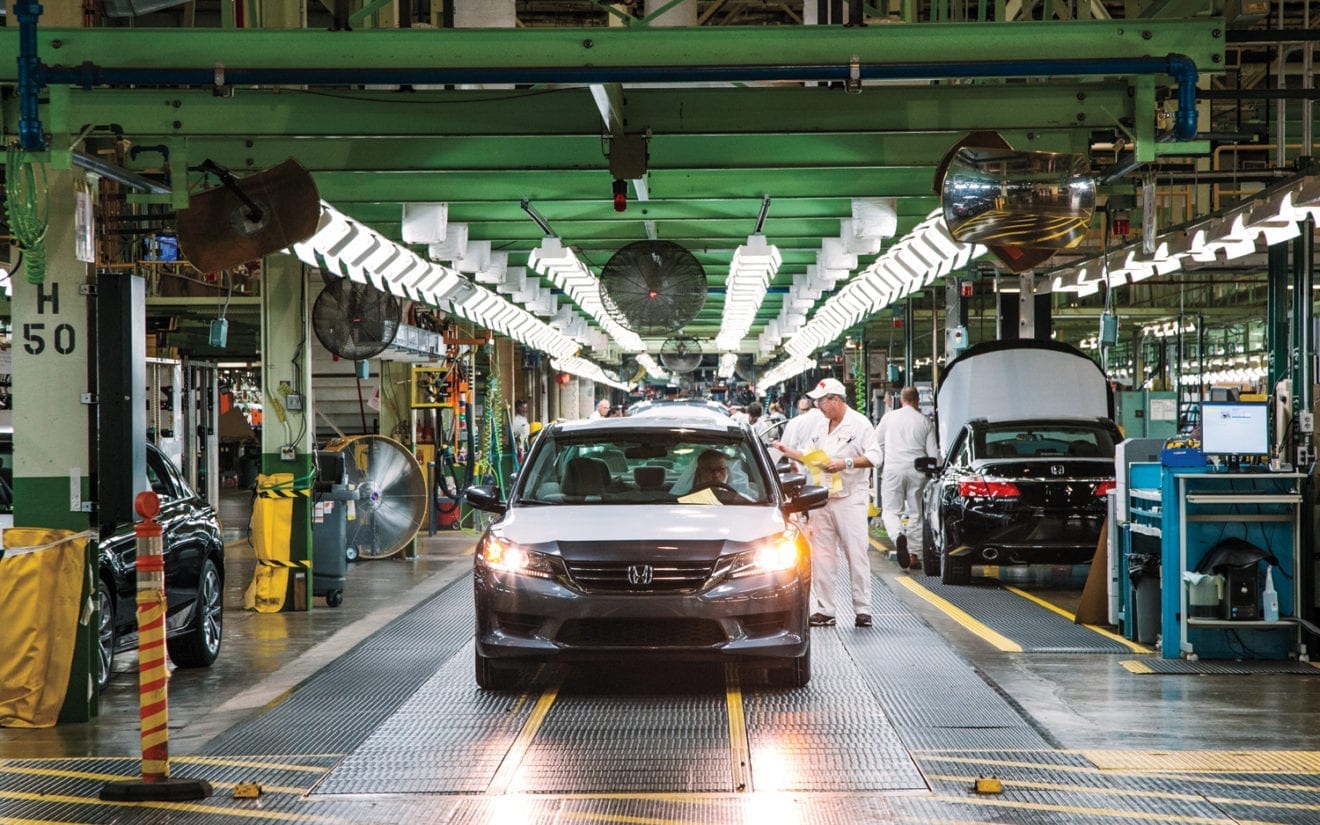
    Japan’s Honda Motor Co on Wednesday forecast a 68 percent decrease in annual operating profit to a 10-year low with global demand for cars expected to slide because of the coronavirus pandemic.

    The country’s No. 3 automaker expects profit to sink to 200 billion yen ($1.89 billion) in the year to end-March 2021, its weakest since the 2010/11 year, and undershooting analyst estimates.

    Honda is bracing for a 6 percent decrease in annual vehicle sales after a 40 percent plunge in the June quarter, which resulted in a 113.7 billion yen operating loss.

    Global automakers are taking a big hit from the coronavirus outbreak, which shuttered vehicle factories this year and has kept customers out of car dealerships.

    The maker of the CR-V SUV crossover and the Fit compact hatchback expects to sell 4.5 million vehicles this year, versus 4.79 million last year. It predicts a 16 percent sales slide in North America, a key market where the United States is struggling to control a surge in virus infections.

    “If the current situation continues as is, we think the situation will not get worse (than we saw earlier this year), but it will take time for demand to recover to pre-pandemic levels,” Executive Vice President Seiji Kuraishi told a live-streamed briefing.

    Despite weaker sales in North America, Honda expects annual sales in Asia to increase by 8 percent.

    China, one of Honda’s biggest markets, has become a rare bright spot for many global automakers, as demand in the world’s biggest car market has been recovering faster than in other countries.

    Honda sank into the red for the second straight quarter and posted its worst operating loss since the March 2009 quarter.

    Despite its dire outlook, Honda is weathering the coronavirus pandemic better than rivals Nissan Motor Co, Mitsubishi Motor Corp and Mazda Motor Corp, which last week forecast record operating losses for the year.

  • Hugo Boss China sales up again last June

    Hugo Boss China sales up again last June

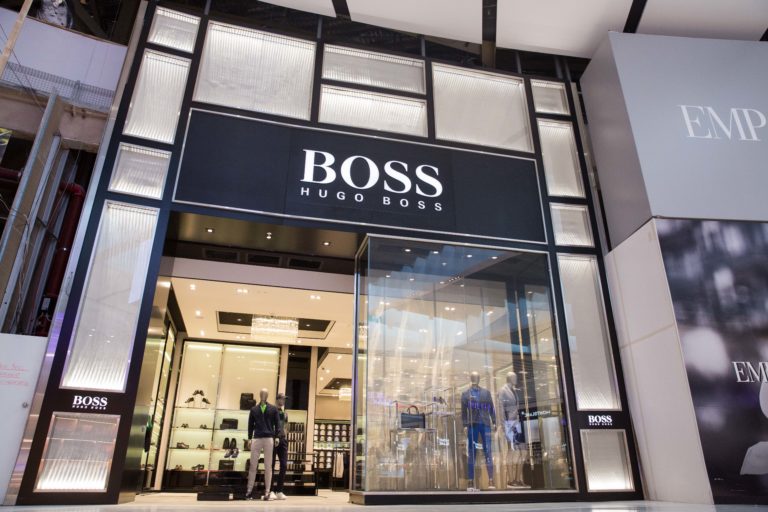
    Hugo Boss sales returned to strong growth in China in June and global online sales jumped 74 percent in the second quarter, even as the German fashion house reported an overall 59-per-cent fall in sales for the period due to lockdowns.

    Analysts at Baader Helvea noted the company was particularly exposed as people have been shifting to more casual wear during the coronavirus pandemic, cutting demand for the smart suits for which it is particularly known.

    Hugo Boss reported quarterly revenue of €275 million, missing an average analyst forecast for €288 million, while its operating loss of €124 million euros was ahead of consensus for a loss of €133 million.

    The company said it had seen a less pronounced fall in sales of casual wear and “athleisure” than in formal wear, with products like T-shirts, polo shirts, trousers and loungewear proving their resilience.

    Hugo Boss is currently led by finance chief Yves Mueller after Mark Langer stepped down as CEO. Daniel Grieder, the former CEO of Tommy Hilfiger Global & PVH Europe, is due to take over as CEO on June 1, next year.

    Hugo Boss China sales rose by 4 percent in the quarter, including double-digit growth in June, a similar trend to that reported by LVMH , the world’s biggest luxury goods group, which said last week that momentum had especially improved in China.

    By contrast, sales fell 59 percent in Europe and 82 percent in the Americas, with unrest and demonstrations in the US in May and June putting more strain on its business.

    The company expects a gradual improvement for the second half of this year, but declined to provide a full-year forecast.

  • Lawson unveils portable convenience stores in China

    Lawson unveils portable convenience stores in China

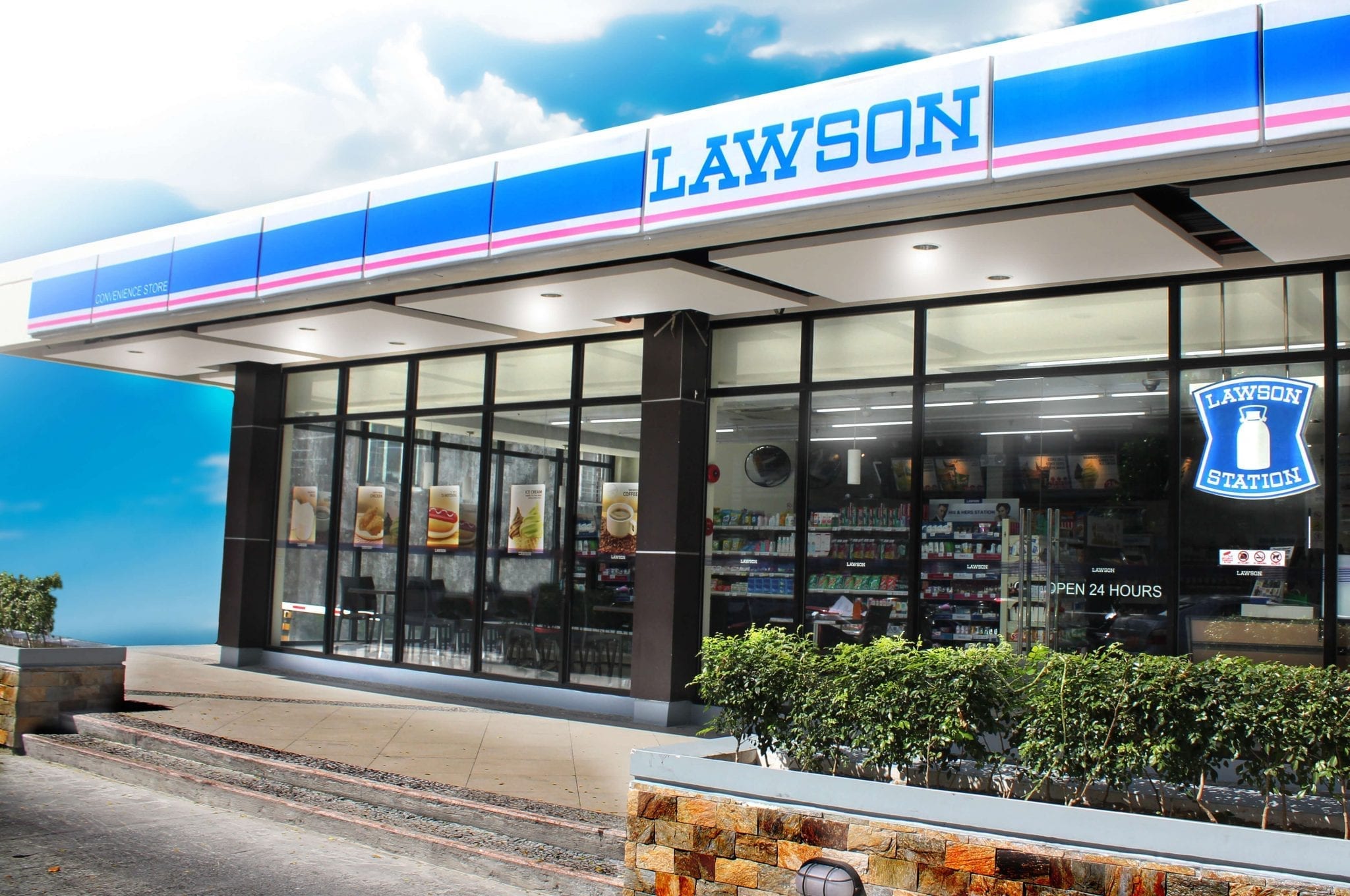
    Japanese convenience-store chain Lawson is launching a series of prefabricated stores in China.

    The brand will launch the service from this week, with the first outlet opening in Nanjing. Using the prefab structures will reduce construction costs by 40 percent and allow for flexible growth, the company says. Around 10 stores are expected to be operational by the end of the year.

    There are two varieties of Lawson’s prefab buildings, which were created in partnership with Panasonic. The stores have heat insulation to cut power costs and can be relocated to other areas if a location closes. The larger store layout is a little smaller than a regular 80sqm minimart, while the smaller is a kiosk suitable for transit stations.

    The stores may prove a viable counter to the rise of online shopping during the coronavirus era, owing to their ability to open in small areas that enjoy considerable foot traffic.

    Lawson, which operates 2700 outlets in China, has indicated plans to roll out prefab stores in Japan in the future as well.

  • Jason Wu opens first store in Shanghai

    Jason Wu opens first store in Shanghai

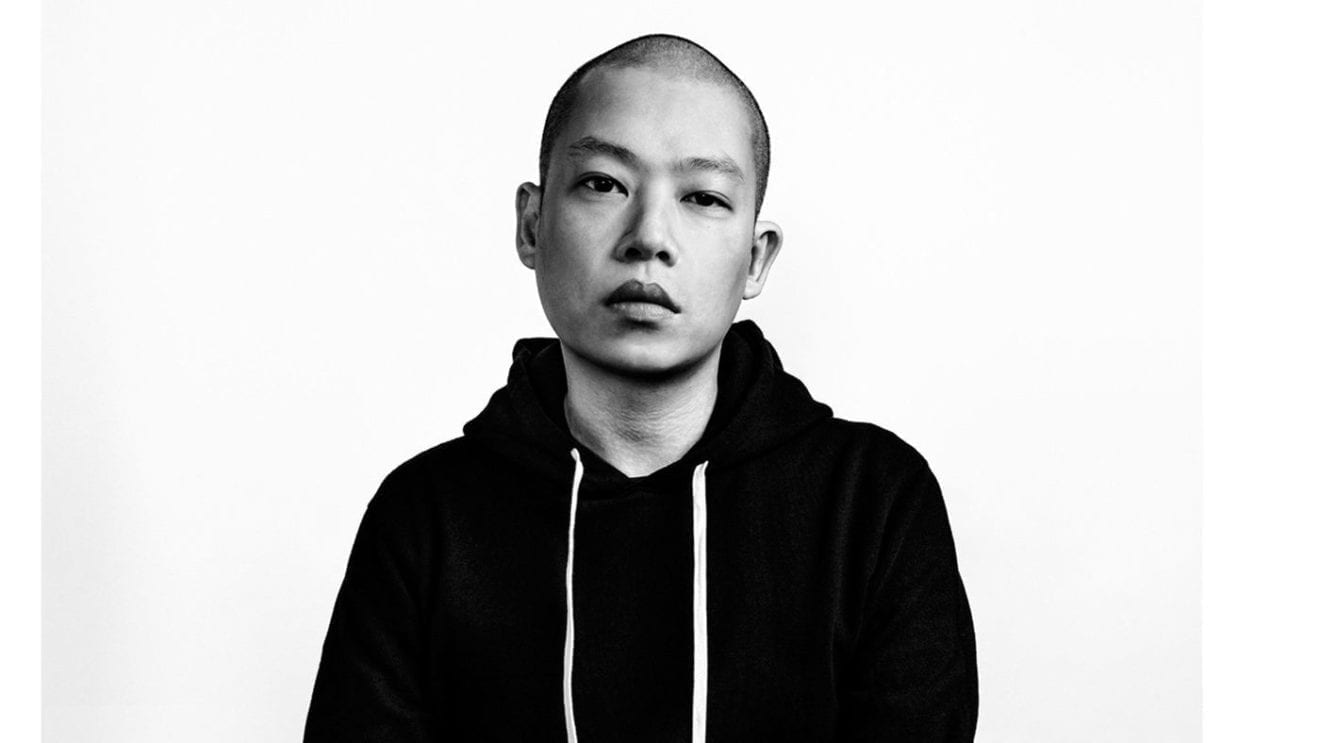
    Taiwanese-Canadian designer Jason Wu has opened his first global flagship boutique in Shanghai, China.

    Located at IFC Mall, the flagship store features a sophisticated design created by architect Andre Mellone. The studio previously designed a Jason Wu shop-in-shop at Saks Fifth Avenue in New York and the Jason Wu fragrance bottle.

    The store facade features a floor-to-ceiling glass wall and a digital screen illustrating the brand’s name. Gold color and marble patterns are used liberally in the Jason Wu boutique’s design such as gold metal racks and frames, gold rose marble walls, and marble display tables.

    A black wooden table and a large carpet are placed at the store’s center.

    The Jason Wu Shanghai boutique houses a wide range of fashion items and fragrances.

    Jason Wu is known for designing dresses worn by former First Lady Michelle Obama on several occasions, including those worn during the first and second inauguration of her husband, President Barack Obama.

  • Despite strength from Huawei, smartphone shipments are expected to drop in China

    Despite strength from Huawei, smartphone shipments are expected to drop in China

    The world’s largest smartphone market is going to report a drop in shipments during the current quarter. The report states that the Q3 decline will show up both year-over-year and month-over-month (aka sequentially) and would appear following a huge sequential second-quarter surge of 104.6%. The strong smartphone market in China during the three months covering April through June was fueled by the lessening of negative impacts from the coronavirus, economic stimulus measures, and the launch of new handset models. While the growth in second-quarter smartphone shipments was in triple digits compared to Q1 deliveries, on a year-over-year basis the Q2 growth in smartphone shipments was a puny 1.4%.

    The top five smartphone manufacturers based on shipments in the country during Q2 were Huawei, Vivo, Oppo, Xiaomi, and Apple. The top five were responsible for 98.1% of smartphone deliveries in China from April through June, up 1.4 percentage points from the previous quarter. For the current quarter, Digitimes expects smartphone shipments in China to contract 7.9% as some of the effects of the stimulus measures imposed in the country have started to fade.

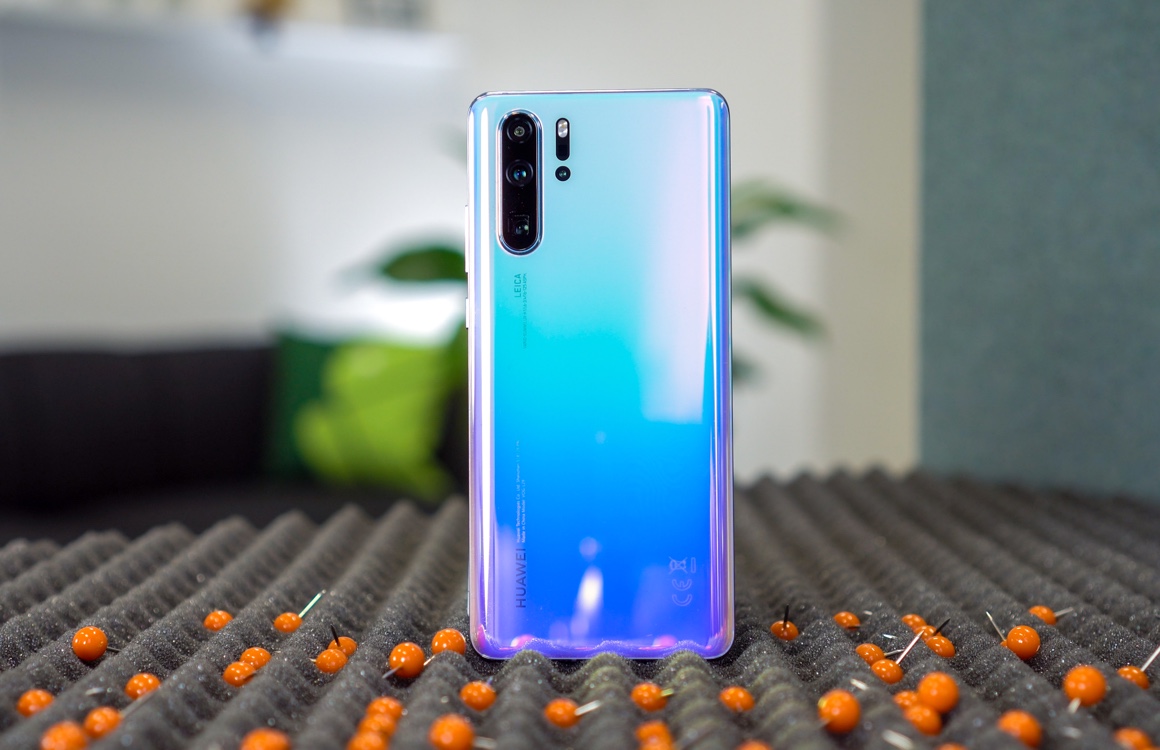
    Despite the expected decline in shipments, Huawei’s shipments are supposed to remain strong in the current quarter. During Q2, research firm Canalys said that Huawei overtook Samsung to become the largest smartphone manufacturer globally. In 2016, the head of Huawei’s consumer division, Richard Yu, predicted that Huawei would become the top smartphone manufacturer in the world by 2021. Despite losing access to its U.S. supply chain and the Google ecosystem, Huawei has become number one thanks to its own rapidly growing Huawei Mobile Services.

    700 million people are using Huawei’s ecosystem and with that number growing, Huawei is expected to own nearly half of the Chinese smartphone market during the third quarter.

  • Taobao looks to boost young entrepreneurs showing originality talent

    Taobao looks to boost young entrepreneurs showing originality talent

    Chinese social commerce platform Taobao has inaugurated a new rating system to reward deserving young creators and small enterprises with broader market exposure on the fifth anniversary of the firm’s Taobao Maker Festival.

    The exposure is designed to bring more attention to outstanding creativity and better promote products to the platform’s 840 million users.

    Taobao’s new system is the latest example of the firm’s content-driven commerce strategy that has been part of its promotional apparatus since 2016, transitioning the platform from being primarily transactionally driven to a broader social-commerce playbook.

    “The new rating system promotes and celebrates originality and creativity,” said Alibaba Group CMO Chris Tung. “It will enable merchants to leverage their participation in the Taobao Maker Festival into a source of year-round benefit for growing their business and customers.”

    “We continue to leverage our unique content-driven strength to help young entrepreneurs and small businesses win market traction and bringing a better experience to consumers,” said the head of Taobao operations Kaifu Zhang.

  • Li & Fung Partners with JD.com to Accelerate Development of Digital Supply Chain

    Li & Fung Partners with JD.com to Accelerate Development of Digital Supply Chain

    Li & Fung, today announced a strategic investment of US$100 million from JD.com , with newly issued capital to further develop its digital supply chain. The Fung Family will continue to retain control of the Company with 60% of the voting shares.

    Li & Fung has been on a journey to create the Supply Chain of the Future and the strategic cooperation with JD will accelerate this development with a proven digital partner. Li & Fung will also grow its business in China by partnering with JD on private label initiatives for the China domestic market by leveraging its global network and digital supply chain. With the strong partnership between the Fung Family and Singapore-headquartered GLP Pte Ltd., and now the addition of JD, Li & Fung will be able to leverage its scale and digital capabilities to continue its journey of creating the end-to-end digital supply chain.

    As China’s leading technology-driven e-commerce company, JD is transforming to become the leading supply chain-based technology and service provider, which fits well with Li & Fung’s goal of creating the Supply Chain of the Future. JD has been developing proprietary supply chain technologies for many years and has created digital retail and supply chain platforms that are fully integrated to support its omnichannel strategies.

    Amidst the continuing digital disruption to retail and the ongoing global trade tensions, compounded by the dramatic impact of Covid-19, the global retail supply chain has become more and more complex. With the breadth and depth of its global sourcing and production ecosystem, pan-Asia logistics network, and industry-leading digital product development capabilities, Li & Fung is helping global retailers and brands navigate a highly uncertain and ever-changing macro environment.

    Spencer Fung, CEO of Li & Fung, said: “Our goal to create the Supply Chain of the Future and to improve the lives of one billion people in our global supply chain remains more relevant than ever in this turbulent world. The partnership with GLP and the addition of JD will be instrumental in further strengthening Li & Fung.”

  • Yum China committed to fuel network growth despite Covid-19’s impact on profit

    Yum China committed to fuel network growth despite Covid-19’s impact on profit

    Not even a deadly pandemic is slowing Yum China’s rapid expansion program, with the company on track to open 850 stores this year.

    Yum China this month marked its 10,000-store milestone, opening a KFC in Bo’ao, Hainan province, and CEO Joey Wat says Covid-19 won’t impact this year’s store rollout plan.

    “With our innovation capabilities, strong digital strategy, and resilient business model, I believe we will emerge from this pandemic stronger than ever, and ready to capture the exciting long-term market opportunity in China.”

    Wat’s comments accompanied the release of second-quarter results showing Yum China sales recovered from the lockdown-hit first quarter. However, while 99 percent of stores had reopened by the end of June, sales and profit were “trending unevenly”. Sequential sales growth in April and May, was followed by softening revenues in June, impacted by reduced foot traffic at transportation and tourist locations.

    “These factors and the lingering effect of Covid-19 continue to impact operations in July,” the company said.

    Total sales fell 11 percent year on year to US$1.9 billion, or by 7 percent excluding the effect of exchange rates.

    Total system sales declined 4 percent year on year, falling 6 percent at KFC and 12 percent at Pizza Hut, while same-store sales fell by 11 percent: 10 percent at KFC and 12 percent at Pizza Hut.

    Yum China used digital channels to drive sales during the quarter as a means of adapting to a changing retail environment under the shadow of Covid-19. Delivery and takeaway sales grew strongly over the previous year and now account for more than half of all sales. Purchases by members of Yum China’s loyalty programs grew at a double-digit rate and now account for 60 percent of turnover. About 80 percent of orders were completed digitally.

    What is positive about the company’s prospects despite the pandemic concerns.

    “Our business model is resilient and adaptable. We quickly adjusted our operations and marketing campaigns to meet evolving consumer preferences and market limitations. Rapid innovation, our leading digital infrastructure, and our membership program supported product launches and value offers that were necessary to drive traffic. We protected margins through the flexible cost structure we have developed and optimized over the years. These, along with our other core capabilities such as supply chain and operations, make me confident in our ability to navigate the challenges ahead.”

    Yum Brands entered China in 1987 with a single KFC store in Beijing, later launching Pizza Hut and Taco Bell. The company also operates the East Dawning, Little Sheep, Huang Ji Huang and Coffii & Joy brands, with stores in more than 1400 cities and towns across Mainland China.

  • Starbucks sales under pressure by Covid-19

    Starbucks sales under pressure by Covid-19

    Third-quarter results for coffee giant Starbucks show a drop in sales globally as the firm continues to battle a business climate heavily impacted by the coronavirus pandemic.

    Global store sales were down 40 percent on pre-pandemic projections, driven by a 51-per-cent decrease in comparable transactions, partially offset by a 23-per-cent increase in average ticket.

    Starbucks’ performance in China compared favorably to global figures while still following identical trends. Within the market, comparable-store sales were down 19 percent, with transactions down 27 percent, although there was a 10-per-cent increase in the average ticket.

    The American market, hardest hit by the pandemic, was a significant drag on global figures, which covered a 13-week period to June 28.

    “Since the beginning of the Covid-19 outbreak in January, we have taken a principled approach to navigate the crisis, true to our mission and values,” said Starbucks President and CEO Kevin Johnson. “We are pleased to share that the vast majority of Starbucks stores around the world have reopened and our global business is steadily recovering, demonstrating the relevance of the Starbucks brand and the trust we have built with our customers.

    “As we continue to drive the recovery, we are also building resilience for the future by accelerating the transformation of our business in ways that will elevate the customer and partner experience and drive long-term growth.  We firmly believe that we are well-positioned to regain the positive business momentum we had before the pandemic began and look forward to reigniting our ‘Growth at Scale’ agenda.”

  • Loft launches in Shanghai

    Loft launches in Shanghai

    Japanese lifestyle specialty store Loft has opened its first directly owned overseas store, ‘Xujiahui Loft’ in Shanghai.

    Located at Metro City, the Xujiahui Loft Shanghai occupies a 1046sqm area. It features more than 12,000 products including Loft’s exclusive lines as well as limited-edition items commemorating the store’s grand opening and pre-sale goods.

    The Xujiahui Loft features ‘Loft Apartment’ where 18 Chinese independent designers will offer their originality in items such as stationary, mobile phone cases, and bags. Participating creators include Caro.Ni, eve.yin, Zengxiaoe, SummerBee and Square Studio.

    Moreover, there will be exclusive collaborative products based on Chinese cheese-tea brand Heytea’s popular drink “Mango Cheezo (mango cheese tea)” and Loft’s image colors, as well as a photo spot, according to the company.

    Loft in Shanghai will also house a pop-up pottery market “Hasami Porcelain Market,” displaying a wide selection of pottery items centering on Hasami porcelain from Nagasaki Prefecture, and “I’be one” pop-up store featuring Japanese characters themed products.

  • Victoria Beckham Beauty range launched on Tmall Global

    Victoria Beckham Beauty range launched on Tmall Global

    Victoria Beckham Beauty has launched a flagship store on Alibaba’s Tmall Global platform, marking the brand’s debut in China.

    The Victoria Beckham Beauty online store features a wide range of skincare and makeup products, including the brand’s exclusive skincare line Power Glow Set, on Tmall Global platform.

    To celebrate the launch, the brand has signed up one of China’s biggest influencers, Viya, to Livestream on Tmall Global.

    “You can’t be a successful global brand without a solid China business – it’s just not possible these days,” said Sarah Creal, co-founder and CEO of Victoria Beckham Beauty. “So when we began to think about expanding to China, we knew that we wanted to partner with Tmall Global because it represents the best.

    “We’re focused on building a strategic luxury beauty brand that is very modern, forward-thinking and fresh, and this is the next key step to our growth strategy,” she said

    Sarah met Victoria Beckham during a makeup collaboration with Estee Lauder in 2016 and teamed up to create the cosmetics brand last year.

  • Montblanc launches at Shanghai Plaza 66

    Montblanc launches at Shanghai Plaza 66

    Montblanc has launched a flagship boutique and a pop-up store in Shanghai, China. Located at Shanghai Plaza 66 on Nanjing Road, the store features a wide collection of Montblanc’s luxury goods, including travel bags, backpacks, watches, and accessories.

    The Shanghai Plaza 66 boutique features a modern design with black and gold elements.

    The Shanghai Plaza is also a location where Montblanc chose for its worldwide launch of M-Gram 4810 Collection. The CEO of Montblanc China, Daniel Chang, unveiled some photos of the pop-up store on his LinkedIn feed.

    Located in the main atrium, the pop-up store features a blue navy as the store’s theme color. A giant letter ‘M’ is displayed at the entrance of the store with the brand’s name in white on top. A large digital screen is installed on the side of the store, presenting videos of Montblanc’s products.

    The Montblanc’s pop up resembles a modern museum with a wide range of Montblanc items displayed on the wall.

    To promote the campaign, large banners are hung inside the mall, showing a photo of Montblanc’s global brand ambassador Chen Kun with the brand’s tagline ‘What moves you, makes you’

    The Shanghai Plaza 66 flagship’s facade was also re-designed, featuring the blue navy with ‘M’ pattern. Montblanc China also hosted the Montblanc 2020 Light Show in Hangzhou to promote the brand’s new collection.