Tag: China

  • Topsports China plans IPO

    Topsports China plans IPO

    Chinese sportswear firm Topsports International is set to proceed with an IPO in Hong Kong, despite economic uncertainties and ongoing protests in the city.

    The Belle International subsidiary is expected to launch its IPO this month, provided it qualifies for the listing. It is expected to be raising up to $1 billion from the exercise, which will see it among the few major firms to start trading on the exchange amidst continuing protests.

    The spinoff was first proposed more than a year ago by the company’s private equity owners Hillhouse Capital and CDH who took Belle private in a US$6.8 billion deal in July 2017.

    The prospectus for Topsports’ IPO says the company is China’s largest sportswear retailer in terms of retail sales value. It enjoyed a 15.9 percent market share last year.

  • Trump Prods General Motors Over Its Auto Plants In China

    Trump Prods General Motors Over Its Auto Plants In China

    U.S. President Donald Trump, who is engaged in a trade war with Beijing, said on Friday that the largest U.S. automaker, General Motors Co, should begin moving its operations back to the United States.

    “General Motors, which was once the Giant of Detroit, is now one of the smallest auto manufacturers there. They moved major plants to China, BEFORE I CAME INTO OFFICE. This was done despite the saving help given them by the USA. Now they should start moving back to America again?” Trump said in a post on Twitter.

    Trump appeared to be referring to a Bloomberg News story that reported GM’s hourly workforce of 46,000 U.S. workers has fallen behind that of Fiat Chrysler as the smallest of the Detroit Three automakers. Over the past four decades, GM has dramatically cut the size of its overall U.S. workforce, which numbered nearly 620,000 in 1979.

    GM did not directly comment on Trump’s tweet.

    “GM’s China operations are not a threat to U.S. jobs,” the company said in a fact sheet, noting that its joint ventures have sent $16 billion in equity income to GM since 2010 and that it has invested $23 billion in U.S. operations since 2009.

    GM’s U.S. hourly workforce has fallen by about 4,000 jobs since the end of 2018 to about where it was a decade ago.

    Trump’s ire with GM comes as contract talks with the United Auto Workers union with the Detroit Three automakers intensify ahead of a Sept. 14 deadline. Trump has previously attacked GM for building vehicles in Mexico and for ending production at plants in Michigan, Ohio and Maryland and threatened to cut GM subsidies in retaliation.

    GM’s decision to close four plants in the United States is a central issue in the contract talks.

    Trump has made boosting auto jobs a key priority and has often attacked automakers on Twitter for not doing enough to boost U.S. employment. His 2020 re-election bid will hinge on holding key industrial battleground states like Wisconsin, Pennsylvania and Michigan that narrowly voted for him in 2016.

    China is the world’s largest auto market, and government policy favors automakers assembling vehicles there, and not importing them from overseas.

    In response to Trump’s latest tariffs, China said last week it will reinstitute 25% tariffs on U.S.-made vehicles. The U.S. is imposing 15% tariffs on more than $125 billion in Chinese goods starting Sunday.

    GM sold 3.6 million vehicles in China last year accounting for 43% of its worldwide sales. GM booked $2 billion in equity income from its China operations last year.

    GM imports a small number of vehicles from China. In June, the Trump administration rejected a request from GM to exempt its Chinese-made Buick Envision from a 25% U.S. tariff on sport utility vehicle models.

    The midsize SUV has become a target for U.S. critics of Chinese-made goods, including leaders of the UAW members in key political swing states such as Michigan and Ohio.

  • Samsung Galaxy Fold launched

    Samsung Galaxy Fold launched

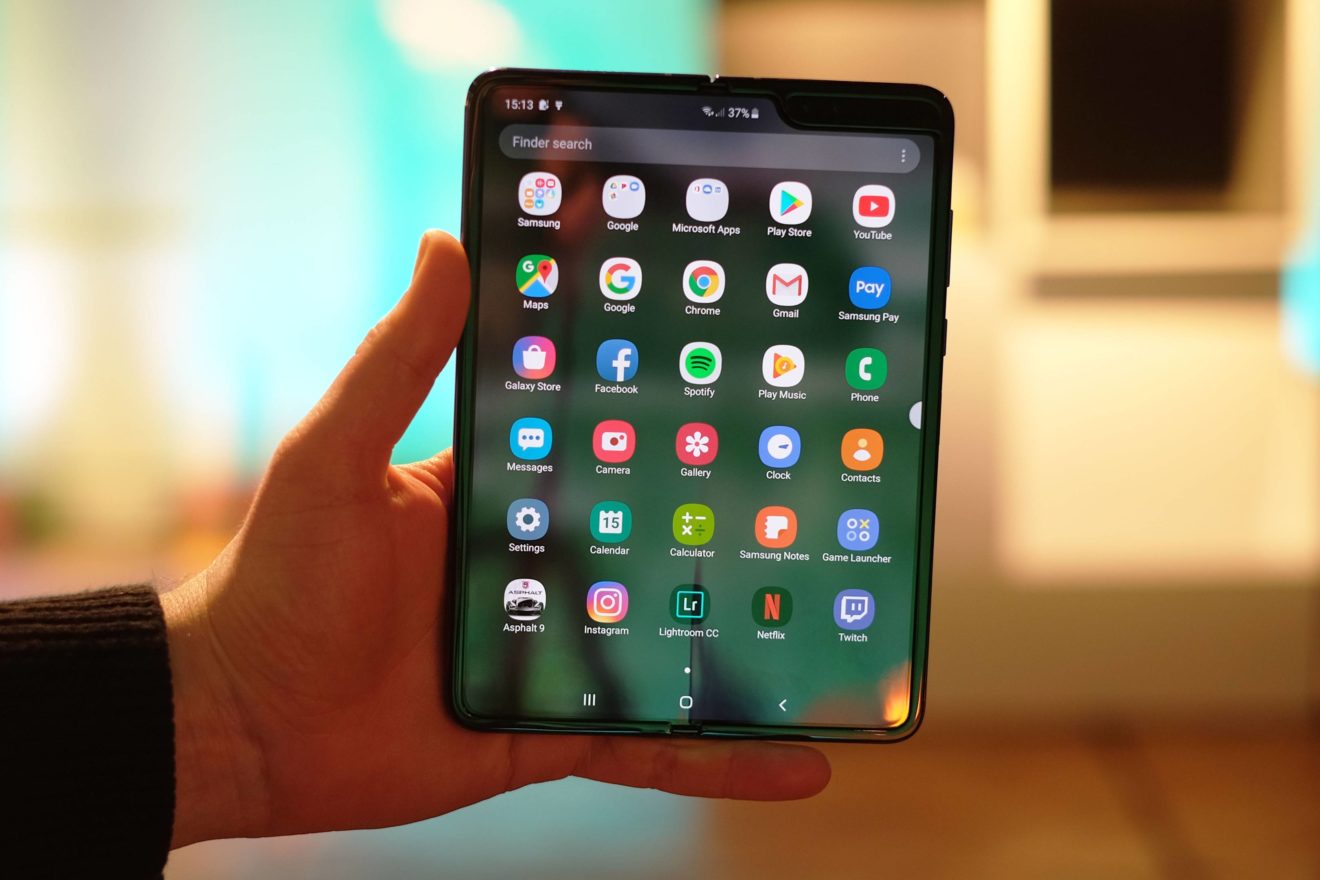
    Samsung confirmed that the Galaxy Fold will be launched on the market in September, but it didn’t reveal an exact release date. Although reports pointed to a rather late September launch, it looks like Samsung has decided to greatly advance the launch schedule.

    The Korean media reports Samsung is ready to launch the Galaxy Fold on September 6, the first day of IFA 2019 trade fair. Even though pre-registrations for the foldable smartphone recently opened in China, South Korea will be the first country to get the Galaxy Fold.

    The same report claims Samsung Galaxy Fold will be released in September in the United States and China, although an exact release date hasn’t been unveiled yet. Samsung expects to sell around 20-30,000 Galaxy Fold units in South Korea by the end of the year.

    A Samsung official responded to the report by saying that “the specific launch schedule is not yet confirmed,” but if the information is accurate, we’ll learn more about the Galaxy Fold availability in less than a week from now.

  • Is the Chinese digital sector monopolized by a few companies?

    Is the Chinese digital sector monopolized by a few companies?

    There has been quite a lot of discussion about the Chinese digital reality. Almost everybody is aware that most of the Chinese online ad revenue share is occupied by either Tencent or Baidu.

    The international commerce market is also largely dominated by companies like Alibaba, which creates the understanding that a monopoly of sorts is present in the country. However, it’s not like we can judge these Chinese enterprises based on our understanding of Western ideals.

    Things like culture are one of the main key points that need to be focused on, but as a benefit of the doubt, let’s try and look at the operations of these companies as something similar to how they’d be dealt with in the Western world.

    Examples of possible monopolies

    Let’s take Tencent as an example for the gaming and telecommunications industries. Right now, the company is poised to take 13% of the global gaming market share, which already speaks volumes about the company’s market share in China alone.

    It is currently considered that in terms of gaming, Tencent has around 60-70% of the Chinese market share. And when it comes to telecommunications all we need to do is consider WeChat, which is basically a necessity in China. With this one product, Tencent occupies around 40-50% of the market share thanks to foreign media also having a small breakthrough thanks to amended regulation.

    But the question here is whether or not this needs to be regulated. Would the government consider artificially deflating the profit capabilities of some of their best-performing companies in order to open up opportunities for newer companies, or would they much rather keep these companies in their best shape as they drive more and more innovation as well as jobs for the local population?

    We’ve already encountered similar “suggestions” in the Western world, where the government in both the United States and the European Union were considering to somehow fine Google for their alleged monopoly on the search “industry”.

    The US could not find anything resembling the issue, while the EU fined the company for prioritizing platforms that were owned by Google. For example, the research showed that the company would first display their own products in the search arch, and only later display everything else, which was a clear breach of guidelines.

    It’s hard to apply that example to industries like gaming and telecommunications, but the point is easily understood.

    How monopolies can be dealt with

    Naturally, it would not necessarily be within the interests of the Chinese government to artificially deflate their best-performing corporations in order to free up space for smaller companies. One such reason is that the Chinese market is a very attractive opportunity for foreigners, which would fill the gap immediately, thus lowering the opportunity for Chinese nationals.

    The best way to do this is to conduct nation-wide research first, to determine if the local populace would be open to more options in various industries, or if they like this centralized style of doing business. Because in most cases, these large Chinese corporations are B2B aggregates for B2C businesses.

    A great example of this would be the latest survey in Finland where, according to Сasinopånett EU, is a monopoly on the betting industry from the government itself. But we can just as easily draw a parallel between these two nations.

    In Finland’s case, it’s within the interest of the population to have a privatized industry so that the market is based on competition, which is calculated through customer satisfaction and improved consumer spending.

    In China’s case though, restricting a company like Alibaba within the ramifications of a maximum market share it could have, would lower its competence on the global market. However, restricting Tencent could indeed see more advantageous options appear for telecommunications.

    The difficulty in concocting a universal law for every industry is that exceptions will have to be made for the advantage of the economy. This is mostly because China focuses a lot on export, therefore prioritizing its performance on the global markets, rather than the local one.

    Should the universal law against monopoly be implemented, China’s GDP will most surely be damaged as these companies will start failing to perform well on a global level.

    Is China full of monopolies?

    The immediate answer would be that yes, the country has clear signs of monopolies in various industries. This is determined by how fast and effectively large corporations can “get rid” of competition by lowering prices to a point where other options aren’t even considered by the consumers.

    In a sense, controlling the Chinese monopoly requires global laws, rather than local ones, which would require years of negotiation in itself.

    Sources:

    https://casinopånett.eu/nyheter/finnene-vil-ha-slutt-pa-landets-spillmonopol/

    https://newzoo.com/insights/articles/supercell-acquisition-tencent-set-to-take-13-percent-of-the-games-market/


  • EFG Appoints New Chairwoman of APAC

    EFG Appoints New Chairwoman of APAC

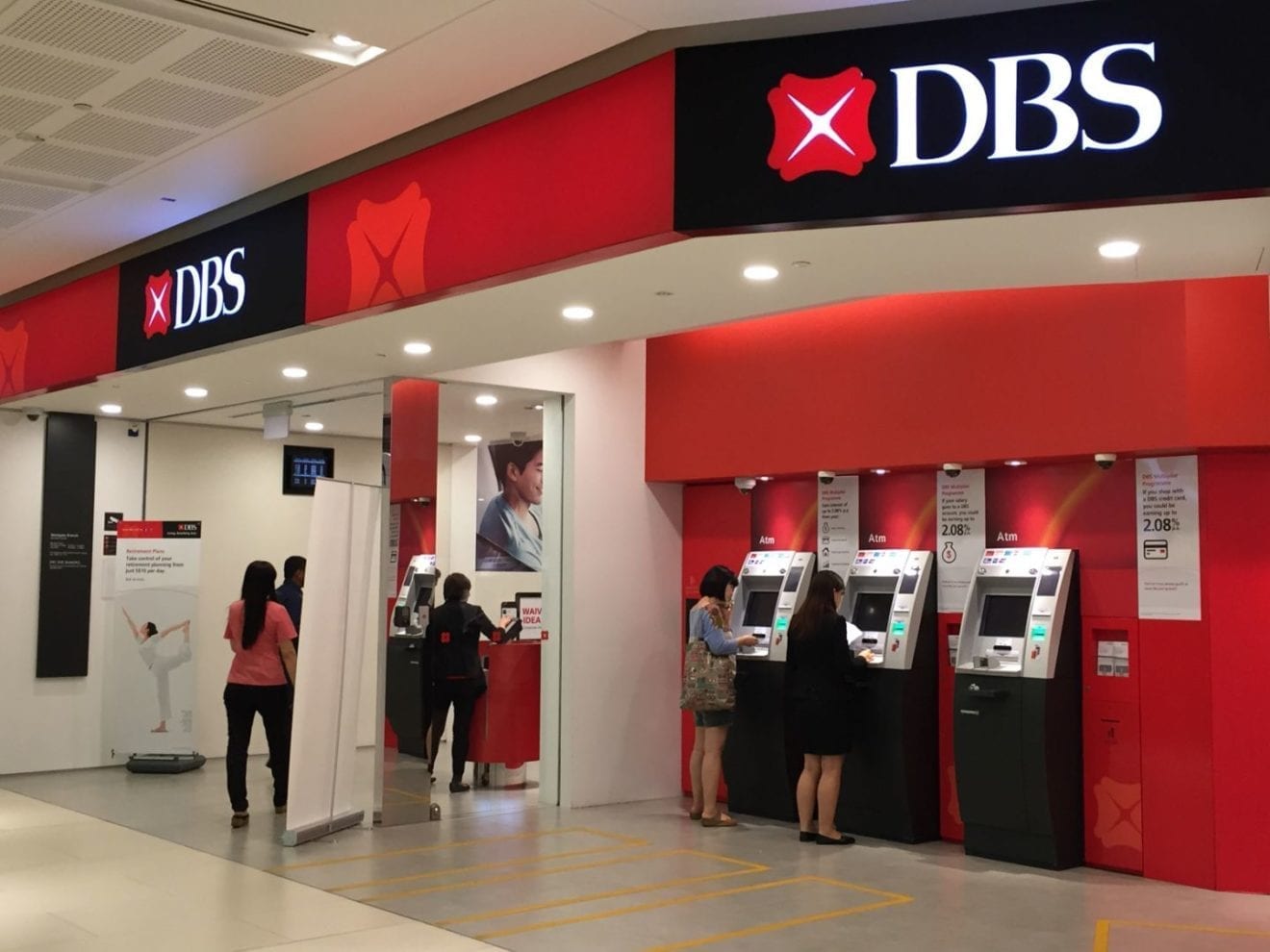
    EFG International replaces former Asia Pacific chair, Tee Fong Seng, with a 40-year veteran and ex-CEO of DBS in Hong Kong.

    Amy Yip succeeds Tee, who recently joined Pictet as its Asia CEO of private wealth management, with the intention to «help drive and oversee the further expansion of EFG’s business in Asia Pacific, in line with its 2022 strategic plan». According to EFG, its 2022 plan for sustainable profitability includes a focus on hiring relationship managers and growing its international business.

    Yip is currently a member of the Board of Directors of Fidelity International, Deutsche Boerse, Temenos and American International Group. Her vast financial sector experience includes DBS in Hong Kong, where she was CEO (2006-2010), senior roles in the Hong Kong Monetary Authority (1996-2006), J.P. Morgan, Citibank and Rothschild Asset Management. Yip is also the founding partner of investment management firm RAYS Capital Partners, which specializes in Asian markets, established since 2011.

    «I am honored to have been appointed as the new Chair of EFG’s Asia Pacific Advisory Board. I look forward to working closely with Albert Chiu (Asia Pacific executive chairman), the regional management team and the Board of Directors to successfully grow EFG’s Asia Pacific business,» Yip said in the release.

    EFG International chair, John Williamson, expressed his confidence in Yip’s hire highlighting regional development «with a strong focus on the quality of client service and risk management».

  • Sales up for Tiffany in China, other markets struggle

    Sales up for Tiffany in China, other markets struggle

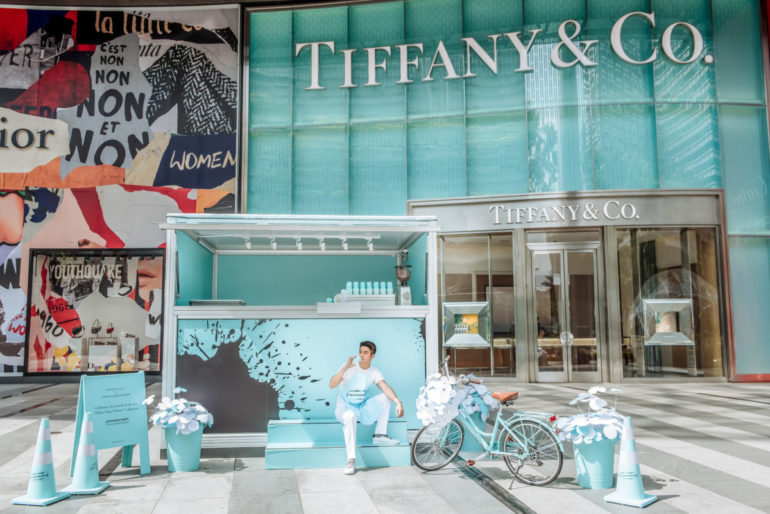
    Double-digit sales growth for Tiffany in China provided some encouragement for the US jewelry retailer in what was otherwise an unremarkable half.

    And despite the brand’s strength on the mainland, Tiffany’s CEO Alessandro Bogliolo expressed concerns about the second half, referencing the ongoing social disruption in Hong Kong.

    “As with the first quarter, we are encouraged in the second quarter by sales growth attributed to our local customer base globally, which was again led by double-digit growth in Mainland China,” he said, noting sales to tourists were softer.

    “With the tough comparison to last year’s strong performance in the first half behind us, and in spite of the headwinds of weak demand from foreign tourists, currency exchange rate pressures and continuing business disruptions in Hong Kong, we are actively managing what is in our control and positioning our brand to win – accelerating new product introductions and keeping a visible profile.”

    Across Asia-Pacific, total net sales decreased 1 per cent in both the second quarter and the first half, to US$298 million and $622 million, respectively, which included comparable sales declines of 3 per cent in the second quarter and 4 per cent in the first half, balanced by the opening of new stores and increased wholesale sales. The declines were largely due to currency changes.

    Sales performance throughout the first half reflected strong growth by Tiffany in China, softness in Hong Kong and mixed performance in other markets in the region.

    In Japan, total net sales of $155 million were unchanged in the second quarter and decreased 2 percent to $300 million in the first half, and comparable sales decreased 1 percent and 2 percent, respectively. On a constant-exchange-rate basis, sales decreased 1 percent in both quarters, while comparable sales decreased 3 percent and 2 percent, respectively.

    Neil Saunders, MD of GlobalData Retail, said that after taking into account the strong prior-year numbers the Tiffany results reflected a marked deterioration from the type of growth being achieved several quarters ago.

    “Domestic (US) demand slipped modestly, mostly among middle-income shoppers who are cutting back more on expensive, unnecessary purchases. Tiffany has not been able to entice them with its various collections in the way it was doing last year.”

    However, he said GlobalData’s research showed that while marketing efforts are not necessarily driving sales, the company is improving traction with younger shoppers.

    “From our data, brand awareness is still rising among the under 35 cohort; however, conversion among this age band has been static over the past few months, meaning that Tiffany is not doing enough to activate this group.”

    Saunders said the planned launch of a range focused on male customers provides a strong an opportunity for Tiffany, but warned it will take time before it resonates, mostly because the retailer’s overall offer remains very focused on women and men know the brand through shopping for women.

    “We do not think this initiative will be an overnight success. It will likely take a long time to change the perception of men and to get them actively shopping with the brand.”

    He concluded that while Tiffany’s sales were not yet reflecting the efforts being invested in improving the brand, it was important that the company “holds its nerve”.

    “Many of the strategies the company has put in place to refresh the brand are directionally correct and are working. There is a case for greater innovation in ranges, especially more modestly priced collections, as well as some elevated marketing over the holiday period. However, neither of these things will entirely counteract a tougher external environment – it will only take the edge off the difficulties.”

  • The success of the iPhone keeps Apple from moving production out of China

    The success of the iPhone keeps Apple from moving production out of China

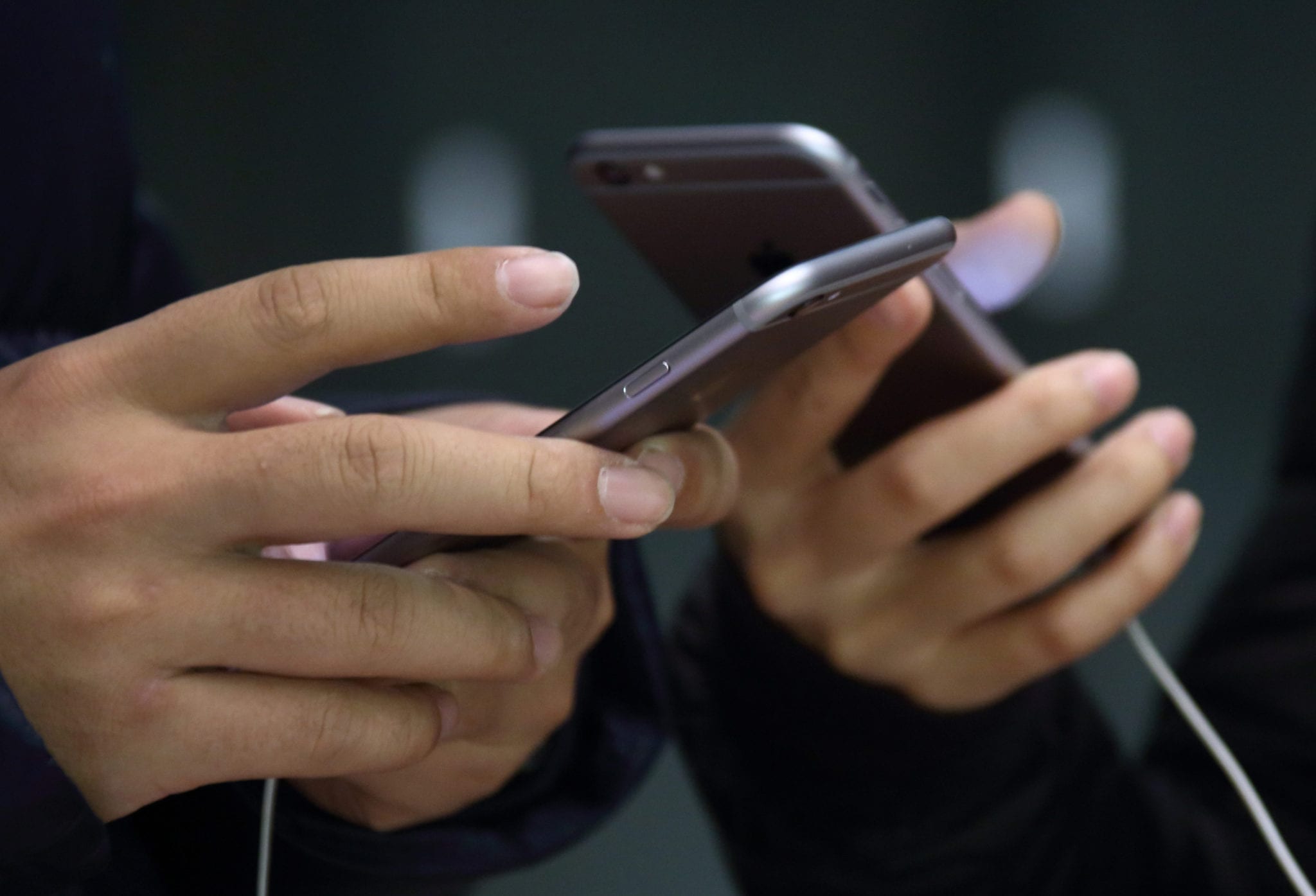
    With U.S. President Donald Trump willing to tax U.S. companies and consumers into a recession, Google apparently is ready to move the production of its Pixel handsets and smart speakers out of China and into Vietnam and Thailand respectively. Apple has yet to announce a move away from China although reports earlier this year indicated that it was looking to shift 30% of its manufacturing out of the country. And yes, Vietnam is one of the regions that many believe will end up home to some of Apple’s manufacturing facilities-eventually. But this won’t happen overnight; finding a trusted supply chain and trained workers take time.

    Apple does have an incentive to move its production out of China; starting on December 15th, the iPhone will be included in a group of products from China that will be taxed at 15% when imported into the states. Originally, the tariff was supposed to start on September 1st, but President Trump didn’t want the Christmas holiday season marred by slower growth due to the tariffs. However, the Apple Watch and the AirPods face a 15% tax starting on September 1st.

    Apple could decide to eat all or some of the tax or pass all or some of it on to consumers in the form of higher prices. Considering that 13.8% fewer iPhones were sold to consumers globally during the second quarter (year-over-year), Apple might decide to absorb the additional costs for now.

    While Apple does produce a small number of iPhones in India, this was originally done to escape an Indian import tax that might have made it hard for consumers in the country to buy an iPhone; while it is the second-largest smartphone market in the world, India is a developing country after all. But what is frightening to consumers worried about higher iPhone prices is that the tech giant is becoming more reliant on its manufacturing facilities in China. According to Reuters, Apple has added far more factories inside the country than out of it. It’s main contract manufacturer Foxconn has expanded from 19 Chinese factories in 2015 to 29 this year. And Pegatron, another company paid by Apple to assemble its products, has gone from 8 plants in the country to 12 over the same time period.

    And supply chain data calculated by Reuters shows that Apple is pretty much still committed to China. 44.9% of Apple’s suppliers were in China back in 2015, a figure that has actually risen to 47.6% this year.

    “The vast majority of our products are kind of made everywhere. There is a significant level of content in the United States, and a lot from Japan to Korea to China and the European Union also contributes a fair amount. … I think that will carry the day in the future as well.”-Tim Cook, CEO, Apple

    If you’re wondering why Google can easily shift Pixel production from China to Vietnam and Apple can’t, it is a matter of scale. Even after doubling the number of Pixel handsets to be assembled this year, Google is building only 8 to 10 million phones in 2019 which is a drop in the bucket compared to the number of iPhones that Apple churns out in the course of a year. So Apple needs a larger supply chain with companies that it can trust to deliver in the quantity and quality it needs for the iPhone. But the company might have no choice but to keep iPhone production in China. According to Dave Evans, CEO of San Francisco supply chain firm Fictiv, there are only a few places outside of China that can produce 600,000 phones a day. In other words, the success of the iPhone is what is keeping Apple in China despite the tariffs.

  • Yum China buys Chinese retail chain Huang Ji Huang

    Yum China buys Chinese retail chain Huang Ji Huang

    Yum China Holdings has entered into a definitive agreement to acquire a controlling interest in Huang Ji Huang group, a leading Chinese-style casual-dining franchise business.

    Subject to the satisfaction of closing conditions and regulatory approvals, the transaction is expected to close early next year.

    Founded in 2004 and headquartered in Beijing, Huang Ji Huang has more than 640 restaurants in China and internationally. The group operates primarily under a franchise model and its brand portfolio consists of simmer pot brand “Huang Ji Huang” as well as “San Fen Bao”, a newly launched Chinese fast food concept.

    Yum China is the largest restaurant company in China, with more than 8700 restaurants as of June 30. With the addition of Huang Ji Huang, Yum China aims to gain a stronger foothold and enhanced knowhow in the Chinese dining space, which represents a significant share of the dining market in China.

  • Chinese shoppers can now use Alipay at the Mall of Asia

    Chinese shoppers can now use Alipay at the Mall of Asia

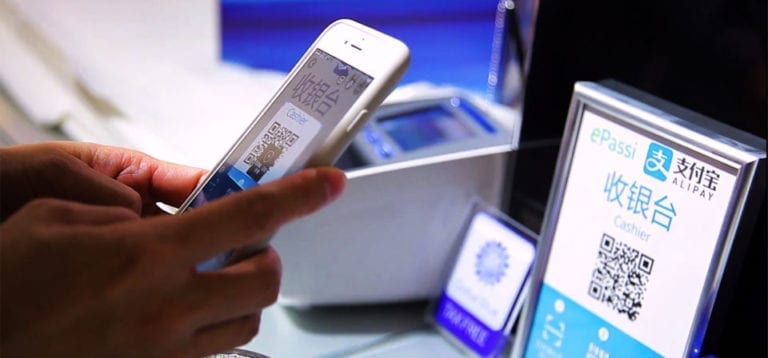
    Chinese consumers can now use Alipay at the Mall of Asia stores  thanks to a joint venture between Ant Financial Services and SM.

    Technology to allow retailers to accept Alipay has been installed at almost half the mall’s stores already, with the rest to follow within three to six months.

    Opening the way for Chinese to use Alipay at the Mall of Asia is aimed at attracting more tourists to the mall – as well as the increasing locally based Chinese population.

    “SM Mall of Asia is a must-visit shopping destination among tourists who enjoy the wide array of shopping and dining offerings and unique amenities,” said Cherry Huang, GM, cross-border business for South and Southeast Asia at Alipay.

    “We are happy to partner with SM Mall of Asia to deploy Alipay acceptance points in the mall for shoppers who are looking for the best of retail and lifestyle offerings and the same seamless shopping experiences that they enjoy at home. At the same time, we are very excited to help merchants in SM Mall of Asia connect with tourists before they’ve even arrived in the Philippines through our platform’s marketing capabilities.”

    Since Alipay entered the Philippines in 2017, the number of Alipay acceptance points has grown exponentially across retail, hospitality and entertainment attractions. Aside from Manila, Alipay acceptance points are available in six provinces frequented by Chinese tourists, including Cebu, Davao, Palawan and Boracay.

    According to the Philippines Department of Trade and Industry, international tourist arrivals to the Philippines rose by 7.7 per cent to 7.1 million visitors last year. China contributed 1.255 million of them, a growth rate of 30 per cent year on year.

    More than 3.12 million Chinese citizens have taken up residence in the Philippines since January 2016.

  • Spring City 66 in Kunming, China Opens

    Spring City 66 in Kunming, China Opens

    Spring City 66, Hang Lung Properties’ first entry into Southwest China has opened in Kunming.

    Now the single largest commercial complex in Kunming, the city’s latest landmark is the ninth Mainland China project developed by the group, following projects in Shanghai, Shenyang, Jinan, Wuxi, Tianjin and Dalian. The 432,000sqm commercial complex comprises a 160,000sqm shopping mall as well as serviced apartments and a 66-level Grade A office tower.

    “Situated at the heart of Kunming, Spring City 66 is seamlessly connected to two Metro lines, with its exceptional modern architecture infused with elements drawn from nature,” said Hang Lung’s CEO Weber Lo.

    “Upholding our customer-centric principle, we are introducing nearly 300 top international and local retail, dining, lifestyle, and entertainment brands, of which one third are making their debuts in the city. With the provision of a confluence of unique experiences, excellent customer service quality and the deployment of advanced technology to help us better understand customers’ needs, we strive to bring the one-of-a-kind Hang Lung branded experience to our customers.”

  • Tmall designers line up for New York Fashion Week

    Tmall designers line up for New York Fashion Week

    Alibaba Group’s B2C platform Tmall has announced its lineup of designers that will hit the runway at New York Fashion Week this September.

    In addition to the runway shows, Tmall will host a pop-up exhibition featuring cross-over collaborations riding the “China Cool” trend. Featured brand collaborations will include Chinese confectionery company Hsu Fu Chi and clothing brand Tyakasha; Chinese snack brand Qinqin and fashion brand Mukzin; Dove Chocolate and Hefang Jewelry; and home furniture brand Ziinlife and Chow Tai Seng jewellery.

    “The concept behind our ‘Tmall China Cool’ pop-up exhibition is a celebration of the design and creative powerhouse that China is becoming today. ‘China Cool’ is a trend we are seeing that blends the cutting-edge of fashion and innovation with a respect for authenticity and heritage,” said Tmall and Taobao marketing GM Bo Liu. “We have worked with both Chinese and international brands to pioneer new experiences and cross-over collaborations that are at the forefront of this trend and will be showcased in this New York Fashion Week exhibition.”

    The “Tmall China Cool” showcase will take place Wednesday, September 4 – the first day of NYFW: The Shows – and will feature a slate of Chinese designers including Peacebird, Threegun, RiZhuo and emerging designers Songta and I-am-chen.

    Tmall’s partnership with NYFW: The Shows aims to cultivate and showcase fashion talent and creative culture in China.

    “We are thrilled to be back at New York Fashion Week with another exciting line-up of Chinese design talent this year,” said Tmall Fashion GM Jessica Liu. “Tmall has always been a gateway to renowned international brands and retailers that are looking to access China. At the same time, we have empowered homegrown talent from China to grow their brands and develop their creativity and originality.

    “This year, we are also working with brands to leverage our new trend forecasting capabilities so they are able to strengthen their position as innovative brands and capture consumer interest. Today, the fashion scene in China is more vibrant than ever and we look forward to showcasing the spirit of innovation as well as the creative talent of our ‘Tmall China Cool’ designers at New York Fashion Week.”

  • Gong Cha secures private-equity investment to boost global expansion

    Gong Cha secures private-equity investment to boost global expansion

    International private equity company TA Associates will take an undisclosed stake in fast-growing bubble-tea chain Gong Cha.

    The investment is being made through TA Associates’ Hong Kong office, with settlement expected in early October. The value of the investment has not been revealed.

    Gong Cha’s South Korean operator will also participate in the capital raising.

    Gong Cha has more than 1000 stores in 17 countries, including South Korea, Japan, Taiwan, the Philippines, Malaysia, Mexico, Australia, Canada, Vietnam, the UK and the US. The company was founded in 2006 in Kaohsiung, southern Taiwan.

    Edward Sippel, an MD at TA Associates and co-head of Asia operations of TA Associates Asia Pacific, said his company’s involvement in the brand will help grow the Gong Cha brand in new and existing markets.

    “Gong Cha [is] a high-growth business that is among the world’s most-recognized tea brands. We are incredibly impressed with how successfully the management team has grown Gong Cha into such a profitable, global business. We will work closely with management in supporting the company’s franchise partners to further Gong Cha’s strong business model,” said Sippel.

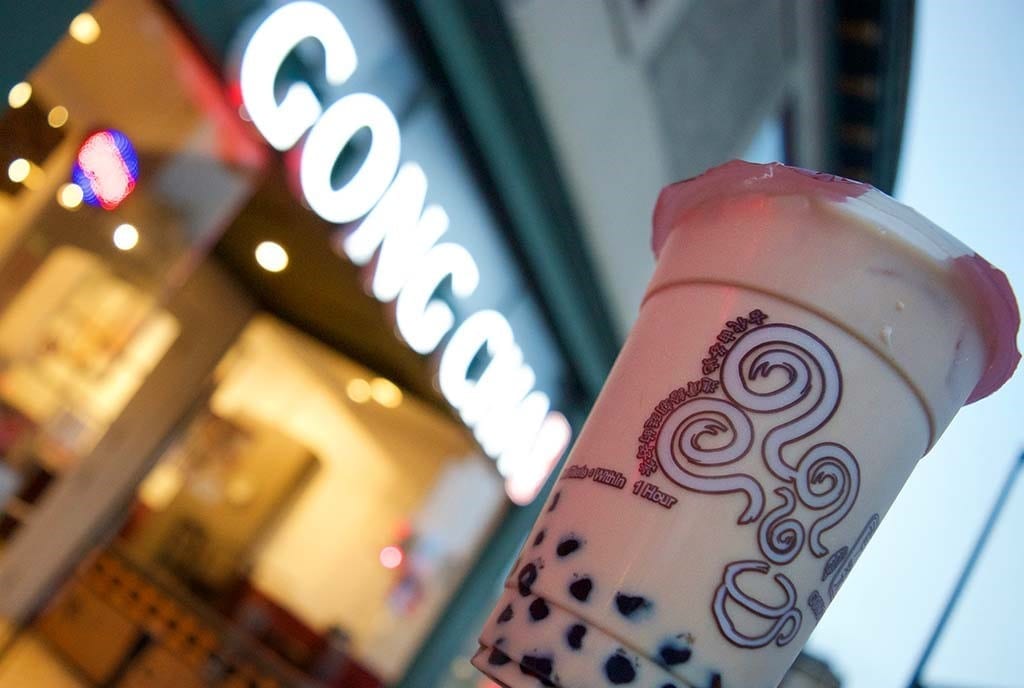
    Gong Cha’s main offering, Taiwanese-style bubble tea, is sweet milk tea infused with pearl-shaped tapioca. The company also offers a variety of seasonal and specialty tea-based drinks. Through a primarily franchise model, Gong Cha reaches consumers through a variety of retail store formats, including urban and suburban stores, as well as take-out shops, mall-based stores and kiosks, often in high traffic areas such as train and metro stations.

    “We welcome TA Associates as investors in Gong Cha,” said Euiyeol Kim, CEO of the Gong Cha Group. “With its scale, large capital base and global footprint, TA is an ideal partner for Gong Cha at this stage in our growth. TA offers the truly deep global resources and experience that will help us further strengthen our market position and allow us to even more effectively build our leading global tea brand.”

    Peter Rodwell, newly appointed executive chairman of Gong Cha, said the brand’s success was the result of the management team’s persistent customer-centric focus on quality, innovation and service.

    “I am confident that with TA’s long history of building value in growing businesses, we are poised to bring Gong Cha’s quality tea products to many more consumers around the world.”

    Rodwell joins Gong Cha with more than 30 years of retail food-and-beverage and franchising, including leading McDonald’s expansion across Asia-Pacific and the Middle East.

    Michael Berk, an MD at TA Associates, said the global tea market has enjoyed steady growth over the past several years, and milk tea, including bubble tea, remains a staple beverage across Asia and increasingly around the world.

    “Globally, the tea market is estimated to be larger than that of coffee, with continued expected growth. Given these market dynamics, we believe that Gong Cha is very well-positioned to further expand the company’s presence and brand throughout the world.”

  • Costco China opens first store in Shanghai

    Costco China opens first store in Shanghai

    US warehouse retailer Costco opened its first store in China today, against a background of an escalating trade war between the US and China and at a time the local economy is showing signs of slowing.

    The giant store will open in a suburb of Shanghai boasting a catchment of 2 million consumers and follows a four-year program by Costco to build brand awareness among local consumers through a presence on Alibaba’s Tmall Global.

    The company has a target of signing up at least 100,000 members to make the venture viable.

    Costco’s business model relies largely on the sale of memberships giving consumers the right to shop there, with tight margins on products and large pack sizes giving the brand a cost advantage over traditional supermarkets.

    Richard Zhang, Costco’s senior vice president for Asia, said the membership model was not foreign to locals.

    “Chinese consumers are ready to pay for a membership card that grants them an exclusive privilege to buy at a warehouse store, it’s not a new concept in the country,”

    Costco also takes encouragement in that – despite the failures of European hypermarket chains Carrefour, Tesco and Metro in the Chinese market – its US rival Sam’s Club, operated by Wal-Mart on a similar business model, has been trading there for 20 years.

    “A mature market saves us efforts in educating customers.”

    However Jason Yu, GM of Kantar Worldpanel China, is less bullish about Costco’s prospects there.

    “The Chinese market is very complicated and requires retailers to innovate and localise,” he said.

    Local retailers like Hema, Alibaba’s tech-enhanced food store network, are proving popular with consumers and can adapt quickly to changing consumer preferences.

    “Local retailers are reaching out to customers via all distribution channels while foreign retailers are not so flexible to adapt to new situations,” he said. “The old way of a large and all-inclusive hypermarket doesn’t work in China.”


  • China’s Car Wreckage Cries Out For Consolidation

    China’s Car Wreckage Cries Out For Consolidation

    Chinese carmakers are involved in a slow-motion wreck. Falling sales hit Geely Automobile Holdings and Great Wall Motor harder in the first half than rivals partnered with foreign marques. Both companies have started seeking JVs, too. A better route to recovery would be industry consolidation, and soon.

    Domestic manufacturers are getting crunched from every direction. The withdrawal of government incentives last year caused customers to accelerate their purchases. Geely, whose parent company owns Volvo, blamed new emissions standards for its aggressive price cuts, and by extension a 40% fall in profit through the end of June. The bottom line at $9 billion SUV maker Great Wall shrank 60% for similar reasons. Beijing is also now slashing subsidies for electric vehicles, putting even more pressure on margins.

    Some sympathy might be expected from the central government, which considers autos a “pillar” industry. Yet Beijing is also aware the country has far too many car companies, and that too many of them rely too heavily on shared revenue from overseas JVs, which has crippled their export competitiveness. Sales of BMW models, for example, made up 90% of revenue at $5 billion Brilliance China Automotive, whose profit fell just 9% in the first half; Guangzhou-based GAC relies on its relationship with Toyota to compensate for slackening demand for its unfortunately named Trumpchi sedan.

    Local manufacturers are losing market share at home. It was down to 36% in July, after they ceded 3.9 percentage points from a year earlier. Even Geely and Great Wall, which had found some market traction for their own models, have started flirting with overseas rivals. The better ones, however, are mostly taken.

    Domestic mergers make more sense. Geely and Great Wall are up against mordant state-backed giants such as FAW, along with dozens of smaller rivals and hundreds of EV startups. Local officials stubbornly prop up weak manufacturers to preserve employment, which keeps them running but weak. The long-expected combination of FAW with Dongfeng and Changan, for example, has yet to happen. It’s time to start revving up these sorts of deals.

  • Ikea China to invest billions in further expansion

    Ikea China to invest billions in further expansion

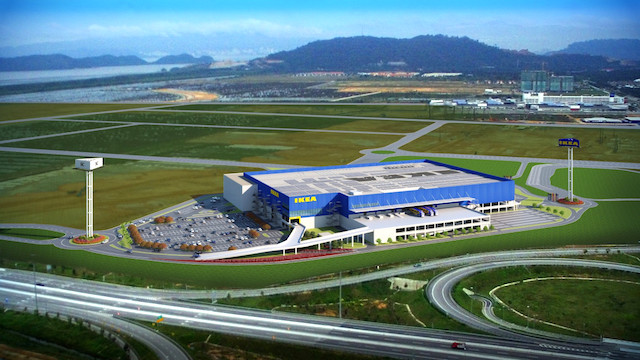
    Ikea China will invest RMB10 billion (US$1.41 billion) into the market within the next fiscal year.

    The Swedish furniture maker’s largest investment yet into the Chinese market, the funds will go towards strengthening operations over a three-year strategy to improve the customer experience and build on its business digitisation. The company’s own online sales channels will be expanded as well.

    While the move is in response to changing demands in the local furniture market and is a departure from the company’s traditional emphasis on physical stores, store upgrades and the opening of small retail outlets are expected to form part of the firm’s emerging strategy following the increasing urbanisation of Chinese retail in general.

    Ikea China plans to launch four new locations by the end of the year alongside its expanded coverage online, and will hire an additional 3000 staff as the online furniture industry picks up more competitors, including Alibaba-backed Red Star Macalline Group.

    “China’s home furnishing market is currently in a period of steady growth,” said head of Ikea China Anna Pawlak-Kuliga. “At the same time, urbanisation continues to accelerate alongside digitisation and the rise in per capita disposable income.”

    Ikea had already announced an intention to build an RMB8 billion ($1.12 million) shopping centre in Shanghai last year.