Tag: China

  • New China chief for Mary Kay

    New China chief for Mary Kay

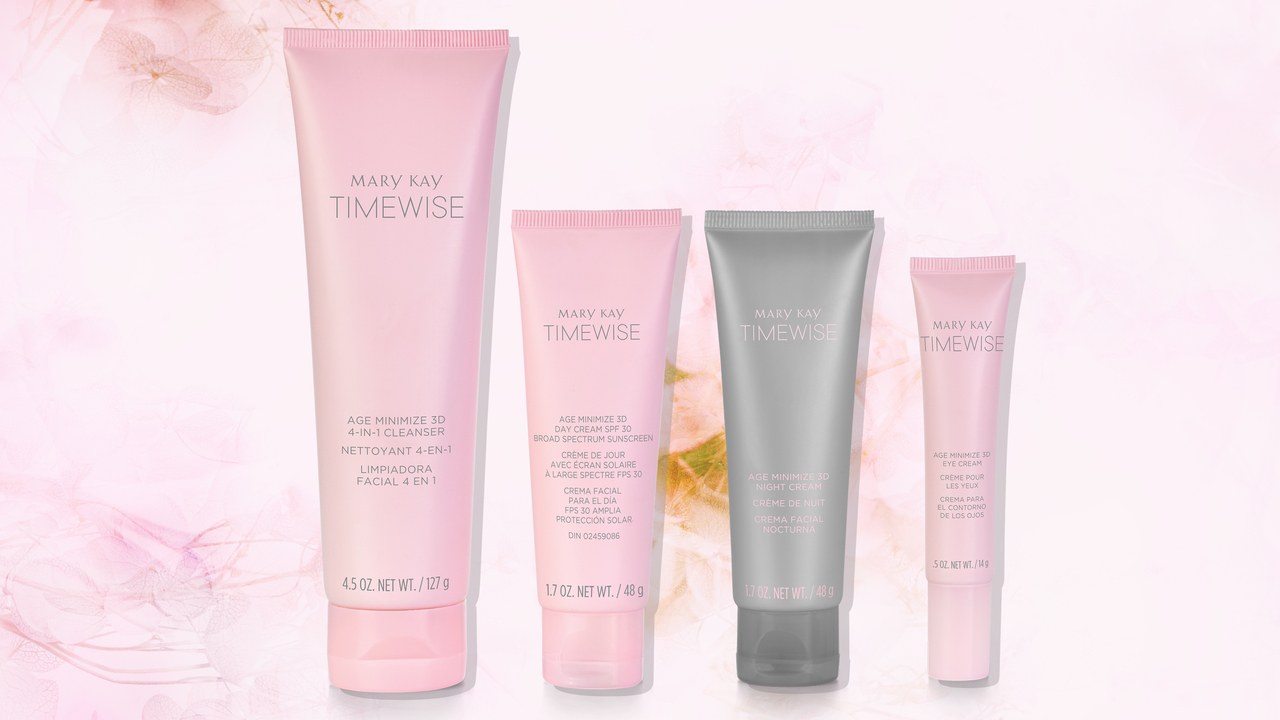
    Mary Kay in China has a new chief, Katherine Weng.  Based in Shanghai, Weng will report directly to Mary Kay Asia Pacific region president, KK Chua.

    Mary Kay began operations in China more than 20 years ago and it is now one of the beauty products company’s top three international markets.

    “Katherine’s tireless work ethic, strategic mindset, and ability to forge long-term relationships have enabled Mary Kay China to reach new heights,” said Chua. “She is passionate about our mission to enrich women’s lives. She understands our Independent beauty consultants’ needs and works hard to fulfill those needs to support their businesses. Within the company, she has successfully created a seamless link between sales, marketing and operations. We look forward to continued growth in China under her leadership.”

    “It has been a great privilege to work for a company that is dedicated to not only enriching women’s lives through a fantastic business opportunity and cutting-edge products, but also through its philanthropic and sustainability efforts,” said Weng.“I am extremely honoured to serve women and their families in China.”

    Educated in Australia, Weng started her career as a Shanghai branch and customer-service Manager for Mary Kay in China in 1995 and has held various key positions during the past 24 years, most recently as senior commercial VP.

  • Women arrested after massive haul of counterfeit cosmetics seized

    Women arrested after massive haul of counterfeit cosmetics seized

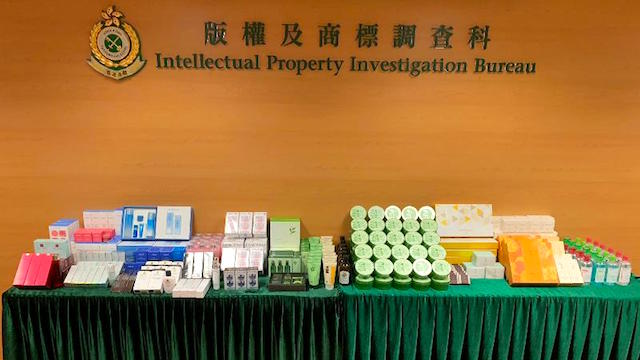
    Two women have been arrested for their suspected involvement in the importation and possession of a massive haul of counterfeit cosmetics and perfumes.

    The women, aged 21 and 23, are reported to have been in possession of more than 16,000 fake products with an estimated street value of more than SG$800,000 (US$577,360).

    On July 25, Singapore Customs inspected a consignment of more than 200 pieces of perfume and cosmetic products believed to be counterfeits, and subsequently referred the case to the Criminal Investigation Department (CID).

    During a 19-hour operation conducted on August 6, CID officers mounted raids at Tampines North Drive and Sunview Road, resulting in the arrests. Preliminary investigations revealed that these counterfeit products bearing falsely applied trademarks would be sold on online platforms. Investigations are ongoing.

    A statement issued by the Singapore authorities stated that Singapore takes a serious view on intellectual property rights infringements and will not hesitate to take action against perpetrators who show blatant disregard for the law.

    It said that anyone found guilty of importing, possessing or distributing goods with falsely applied trademarks for the purpose of trade may be fined up to SG$100,000 (US$72,165), or sentenced to five years in prison, or both.

  • Retail bankruptcies dent Li & Fung turnover

    Retail bankruptcies dent Li & Fung turnover

    Retail bankruptcies and destocking impacted Li & Fung turnover during the first half of this year, but the world’s largest supply-chain solutions provider returned to profit.

    On a like-for-like basis, turnover decreased 8.4 per cent to US$5.356 million as brands and retailers continued to face pressure on sales and margins. However, those factors were offset by growing market share for some of Li & Fung’s key customers and new customer wins.

    Core operating profit decreased 18.6 per cent to US$105 million due to a decrease in turnover and total margin in the Supply Chain Solutions business, and continued investment in digitalisation in line with the company’s long-term plan.

    However, profit attributable to shareholders swung back to positive, at US$21 million compared with a loss in the same period last year of US$86 million.

    “We are facing increasing geo-economic instability and uncertainty,” said group chairman William Fung. “Regardless of other factors, the acceleration of the migration of production out of China will continue given China’s upgrading of its industrial base from a manufacturing exporter to a high-technology service provider.”

    Fung said the company has experienced constant fluctuation in global trade over its long history and the current challenge was not entirely new.

    “That is why we continued to maintain a well-diversified sourcing network spanning more than 50 economies and avoided over-reliance on any single market, even when the environment appeared benign. This continues to be the right approach. Our ability to leverage this extensive network puts Li & Fung in the best position to help our customers optimise their sourcing and production and minimise tariff impact. The proliferation of bilateral free trade agreements has become the new norm, and this presents Li & Fung with opportunities not seen for the past 20 years.”

    Spencer Fung, group CEO of Li & Fung, said the company’s new management team has been focused on restructuring the company and all operational KPIs are now improving for both customers and suppliers.

    “We are starting to gain momentum and winning market share and new customers due to our operational excellence, global diversified network and 3D virtual-design services. As a result, turnover decline is stabilising and beginning to bottom out.”

    The new management team has been focused on accelerating the company’s turnaround and digital transformation, a strategy already producing positive results, he said.

    The digitalisation transformation has continued to make significant progress with more customers approaching Li & Fung for digital services and assistance in integrating digital product development into their work processes. The company is helping brands and retailers “take their own digital leap” into digital design and development, digital planning and assortment, and digital selling.

    Meanwhile, the logistics business continued its profitable growth momentum in the first six months of this year. In-country logistics services had strong top-line and bottom-line double-digit growth, the company said.

    China continued to lead the way, supported by an upsurge of domestic consumption, especially via e-commerce for which LF Logistics enjoyed first-mover advantage due to its early investment in e-logistics. Accelerated development in LF Logistics’ Asean operations contributed to high growth rates and the new markets of South Korea, Japan and India recorded “impressive results”.

    During the half year, Singapore’s Temasek completed a US$300 million investment to take a 21.7-per-cent stake in LF Logistics, valuing the business at $1.4 billion.
  • Goldman Sachs Seeking Control of Chinese JV

    Goldman Sachs Seeking Control of Chinese JV

    In the application submitted to regulators, Goldman said it would absorb the securities sales, trading and research operations currently sit in the business of its partner in the joint venture.

    Goldman Sachs has applied to Chinese regulators for approval to gain majority control of the firm’s investment banking joint venture in China, as part of a plan to eventually gain full control of its China business.

    A spokesman at the bank confirmed to Reuters that Goldman applied to the China Securities Regulatory Commission to increase its stakes in Goldman Sachs Gao Hua Securities to the maximum 51 percent, up from the current 33 percent.

    The other shareholder in the joint venture, which focuses on equity and debt capital markets and mergers advisory, is Beijing Gao Hua Securities, controlled by Chinese banker Fang Fenglei and Legend Holdings.

    Until recently, foreign banks weren’t allowed to hold a majority stake in a joint venture in China. If approved, Goldman would join HSBC, J.P. Morgan, Nomura and UBS in owning controlling stakes in their onshore joint ventures in the country. Morgan Stanley and Credit Suisse are currently awaiting approval for majority control.

    China in recent years has indicated its desire to speed up the liberalization of its $44-trillion financial sector. In 2018, the country’s banking regulator removed the limits on foreign ownership of Chinese lenders and bad debt managers.

    In May, China Banking and Insurance Regulatory Commission announced plans to eliminate single shareholder limits for local banks, and allow foreign financial firms to buy shares in foreign insurers in China, among other measures.

    In July, Premier Li Keqiang said the country would lift the financial sector foreign ownership cap one year ahead of schedule and allow majority stakes in insurance and securities and commodities futures businesses .

  • Hotpot-restaurant Haidilao plans to open 130 new outlets

    Hotpot-restaurant Haidilao plans to open 130 new outlets

    sales by 59.3 percent to RMB 11.7 billion (US$1.66 billion).

    The staggering expansion program saw the company’s global network grow from 466 restaurants as of December 31 to 593 at the end of June. Of those, 550 are located in 116 cities across Mainland China, the balance in Taiwan, Hong Kong and overseas locations including Singapore, South Korea, Japan, the US, Canada, the UK, Vietnam, Malaysia and Australia.

    Besides expanding its network, the company has been testing new technology including robotics and new generation machinery in its kitchens and robot waiters in 179 restaurants.

    Chairman Zhang Yong said the company was working to optimize the operational management of the business as well as enhance the dining experience of customers.

    In the first half of this year, Haidilao served more than 109 million customers with an average table turnover rate of 4.8 times per day.

    In the first half of the year, the company introduced 187 dishes across regional markets and started selling its own-brand milk tea and soft drinks.

    On the back of store openings, group revenue soared 59.3 percent. Same-store sales rose by 4.7 percent.

    Profit attributable to shareholders rose from RMB646 million to RMB911 million. (US$91,000 to $129,000).

  • Peu a Peu opens new flagship in Hangzhou

    Peu a Peu opens new flagship in Hangzhou

    Hangzhou-based Chinese design firm So Studio has created a retail space for sporting goods brand Peu a Peu featuring a system of pulleys, steel racks, and large metallic spheres.

    The store’s 70sqm interior, which was recently celebrated in a Designboom report, is inspired by the movement and interaction observed on a sports field as well as contemporary pop artist Jeff Koons’ balloon series.

    Peu a Peu, owned by JNBY, a designer brand focused on contemporary apparel, footwear and accessories.

    The retail space shows off metal finishes alongside grey coloured floors and walls, attempting to create a futuristic and industrial atmosphere. The detachable racks serve to divide up the room as well as supporting the metallic spheres that move around the shop area.

  • La Vie en Rose Swimwear launching in China

    La Vie en Rose Swimwear launching in China

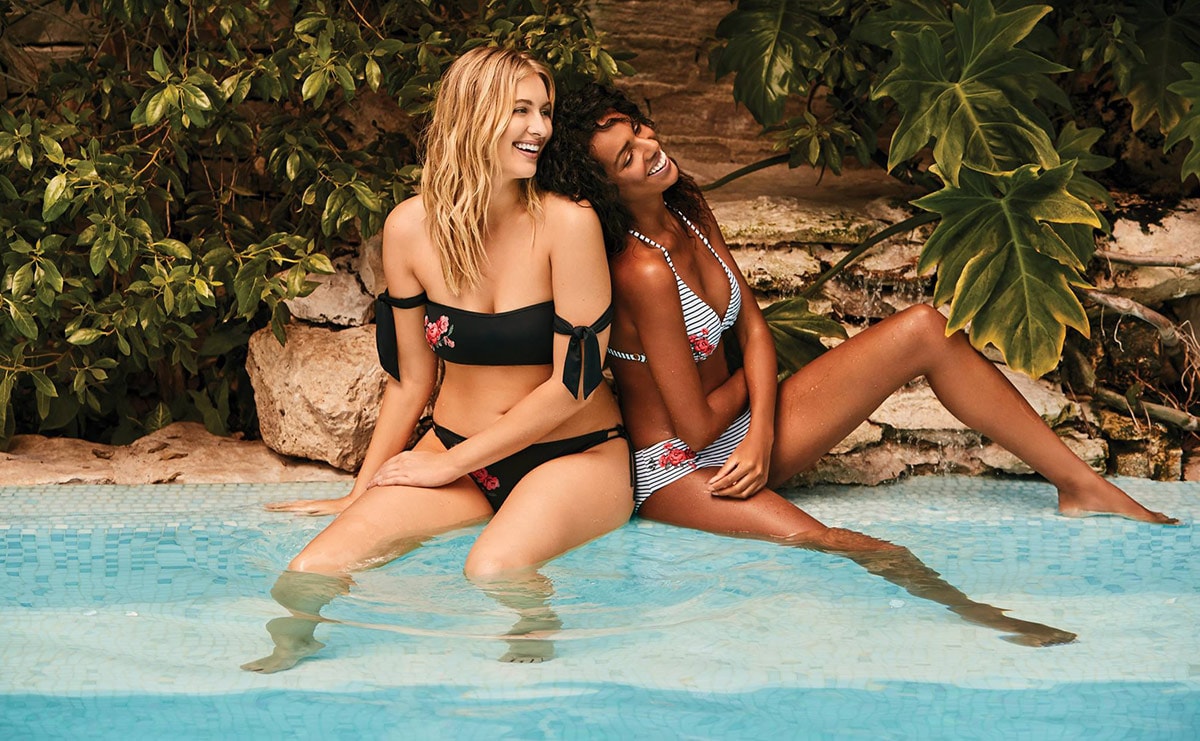
    Canadian specialty lingerie and swimwear label La Vie en Rose is expanding its business into Mainland China as part of a strategy to become twice as large and profitable within the next three years.

    The brand will launch in Guangzhou’s PO Park shopping mall later this month with further locations in Guangzhou to follow.

    “We were ready to accept the challenge of taking our first steps in China,” said La Vie en Rose president and CEO Francois Roberge. “We are looking at our first two years in the country as a real learning period. It’s very important to understand how the market works in order to build a foundation for our expansion.”

    The brand operates more than 360 stores, including 95 international locations in more than 15 countries, targeting women between 25 and 45.

    “Over the next two years, we plan on opening several physical locations in Guangzhou and continuing our expansion in China from there,” said La Vie en Rose VP of strategy and development Aurélie Daoust-Lalande.

    “We have the ambitious goal of doubling the size and profitability of the company by 2022, and our expansion outside of Canada will definitely play a major role in achieving this objective.”

    The firm’s products are also to be launched online on the Tmall online retail platform.

  • Cosmo Lady’s CEO leaves

    Cosmo Lady’s CEO leaves

    Chinese fashion label Cosmo Lady’s CEO Zheng Yaonan has resigned. The resignation took effect as of yesterday, with Zheng remaining as the chairman of the board and an executive director of the company. He is replaced by new CEO Siu Ka Lok, who has been appointed to the position with immediate effect.

    Zheng was chairman, CEO and an executive director of the company since its Hong Long Stock Exchange listing in June 2014. He voluntarily resigned his post as CEO for the purposes of improving the firm’s operating results and enhancing the corporate governance of the group, splitting the roles of chairman and CEO, according to a company stock-exchange filing.

    As CEO, Siu’s major duty will be to manage the intimate wear business of the group, responsible for planning the group’s strategic development, implementing the resultant strategies, policies and regulations, and supervising the daily work of core senior officers.

    Siu was formerly the senior VP of Adidas Greater China.

  • HSBC Slighted in China

    HSBC Slighted in China

    In a tell-tale sign that HSBC’s relations with Beijing are on the edges, the bank has been noticeably excluded from a list of 18 involved in China’s interest rate reform.

    Hong Kong’s biggest bank was not included in a list of 18 lenders that will participate in pricing for a new loan prime rate that will be unveiled by the People’s Bank of China on Tuesday. The roster includes foreign lenders such as Standard Chartered and Citigroup, which have smaller China presence than HSBC.

    The People’s Bank of China (PBOC) said in a statement  that the benchmark lending rates set by the bank will be replaced with new national Loan Prime Rates (LPRs) — which will be based on the interest rates that a basket of 18 commercial banks charge their more creditworthy borrowers — as a new reference point for lending.

    The exclusion deals a blow to HSBC, which has made Greater China a key pillar for its growth strategy. The lender is the third-largest corporate bank in the country by market penetration, according to data provider Greenwich Associates LLC.

    The recent departures of chief executive officer John Flint and the bank’s Greater China head, Helen Wong signal troubles at the bank. HSBC’s shares fell 13 percent in Hong Kong year-to-date, compared with a decline of less than 1 percent in the benchmark Hang Seng Index.

    Speculations about how the London-based bank has fallen into China’s bad books include the bank’s involvement with Huawei Technologies. According to a Financial Times report on Monday, Liu Xiaoming, China’s ambassador to the UK, summoned HSBC’s ex-CEO John Flint to the embassy earlier this year to interrogate him over the bank’s role in the arrest and prosecution of Meng Wanzhou, the chief financial officer of Huawei.

    The then-CEO told him HSBC had no option but to turn over information that helped US prosecutors build a case against Meng, the FT said.

    Wong’s departure came at a time when HSBC was facing criticism in China’s state-owned media over its role in the Huawei case. The way HSBC helped the U.S. Department of Justice acquire documents concerning Huawei was unethical, citing a source close to the matter. Hence, the bank was likely to be included in China’s first “unreliable entity” list of companies that have jeopardized the interests of Chinese firms, it said.

    An HSBC spokesman on 9 August has denied that Wong’s departure was linked to any issue involving Huawei, pointing out that she announced her resignation before Flint’s departure.

  • Alibaba Co-Founder Buys NBA Team For Record Price

    Alibaba Co-Founder Buys NBA Team For Record Price

    Alibaba co-founder, Joseph Tsai, has concluded a deal for the controlling interests in NBA team Brooklyn Nets for $2.3 billion – an all-time record-high price for any U.S. sports franchise.

    In addition to the $2.35 billion deal for the 51 percent stake, which makes Joseph Tsai the sole owner of the team, he will also pay nearly $1 billion more in a transaction for the Barclays Center.

    According to a report which cites two anonymous sources, the transaction is expected to complete by the end of September, pending approval by the NBA’s Board of Governors. Tsai purchases both the team and the stadium from Russian billionaire Mikhail Prokhorov, from whom he also already purchased a 49 percent stake from in 2018.

    Tsai’s 2018 acquisition included the option to become the sole controlling owner in four years. The team’s recent acquisition of megastars, Kevin Durand and Kyrie Irving from free agency, likely played a role in Tsai’s decision to exercise the right early and the team will undoubtedly experience an exponential boost in popularity, if not win rate.

    Chinese exposure to global assets through major acquisitions continues to increase and sports teams, specifical football in Europe, have been trending for years. Examples of stakes purchased include in Aston Villa, West Bromwich Albion, Wolverhampton Wanderers and Southampton in England; Italy’s A.C. Milan and Inter Milan; Spain’s Atletico Madrid; and Slavia Prague in the Czech Republic.

    And Tsai’s links with China through the gargantuan tech firm – in a nation where the NBA estimates one-fifth (300 million) of the population plays basketball – is likely to create synergies.

    The team is in a better place today than ever before and I know that Joe will build on that success, Prokhorov said.

  • Alibaba may buy Kaola from Netease

    Alibaba may buy Kaola from Netease

    Alibaba and Chinese tech firm Netease are in talks on the internet giant’s potential acquisition of its cross-border e-commerce platform Kaola, which would be merged with Tmall.

    According to sources from the mainland, Alibaba may offer as much as US$2 billion for the business.

    “The deal would represent a step toward market consolidation in China’s e-commerce sector,” wrote Tech Node’s Emma Lee. “A merger between the country’s top cross-border players would create a single market behemoth.”

    She said Alibaba could also use the deal to fend off rival Pinduoduo, which has also taken an interest in Kaola to expand its cross-border presence.

    Tmall was responsible for 32.3 per cent of China’s entire cross-border e-commerce takings in the first quarter, with Netease Kaola in second place with 24.8 per cent of the business.

    Alibaba rival Pinduoduo has also expressed interest in the Kaola business.

    “Netease has always been open-minded in seeking business development opportunities and strategic business partners to bring more vitality to Netease’s cross-border e-commerce and other business units,” said Netease CFO Yang Zhaoxuan.

  • Alibaba adds 20 million users but sales down

    Alibaba adds 20 million users but sales down

    Alibaba Group boosted second-quarter revenues by 42 per cent, as the number of active users on its e-commerce sites grew by 20 million.

    “Alibaba had a great quarter, expanding our user base to 674 million annual active consumers, demonstrating our superior user experience,” said Daniel Zhang, CEO.

    “We will continue to expand our customer base, increase operating efficiency and deliver robust growth. With strong cash flow from our core commerce business, we will continue to invest in technology and bring digital transformation to millions of businesses globally,” he said.

    CFO Maggie Wu said the company was pleased to see sustained user engagement and consumer spending across its platforms. “We continue to invest for long-term growth while at the same time gaining cost efficiencies in our investment areas,” she said.

    The group reported net income attributable to shareholders of RMB21.252 billion (US$3.096 billion), on total revenue of RMB114.924 billion (US$16.741 billion). The annual active consumers on the group’s Mainland China retail marketplaces reached 674 million in the year to June 30.

    The company said its Taobao marketplace was the fast-growing consumer community, adding users and strengthening engagement in less-developed areas of the mainland. “The increase in annual active consumers reflects strong user acquisition programs, such as referrals through the Alipay app and another record-breaking 6.18 Mid-Year Shopping Festival, which deepened our penetration into less-developed areas,” the company said.

    “During the quarter, more than 70 per cent of the increase in annual active consumers was from less-developed areas, demonstrating the success of our initiatives to cater to a broader base of users, such as using simpler interfaces for first-time or less-frequent users.”

    Sales on grew at 34 per cent year on year, driven by increases in the number of users and their average spend, reflecting strength in fast-moving consumer goods, apparel, consumer electronics and home furnishings.

    Alibaba’s self-owned-and-operated grocery-retail chain Freshippo (Hema) continued to achieve robust same-store sales growth, expand its footprint, optimising its stores and introducing new initiatives to improve the customer experience, the company said. As at June 30, there were 150 self-operated Freshippo stores in 17 mainland cities.

    The group’s international business also showed growth, especially in Southeast Asia where Lazada showed “solid operational improvement” after strengthening its third-party marketplace business, management team and technology infrastructure. For the third consecutive quarter, Lazada achieved more than 100-per-cent year-on-year order growth.

  • Growth rate down for China retail sales in July

    Growth rate down for China retail sales in July

    Chinese retail sales in July rose at a slower rate than in June, although the decline was largely attributed to falling sales of new motor vehicles.

    Official government retail sales figures include motor vehicles, making it difficult to assess the true trend of ‘real’ retail sales in the market.

    Chinese retail sales in July rose by 7.6 per cent year on year, compared to a 9.8-per-cent increase in June. The growth rate was slower than analysts had been forecasting.

    July marked the 13th consecutive month of decline in China’s new-car market, affected by the imposition of stricter environmental controls and a generally cooling economy.

  • JD exceeds Show Fantastic Growth Numbers

    JD exceeds Show Fantastic Growth Numbers

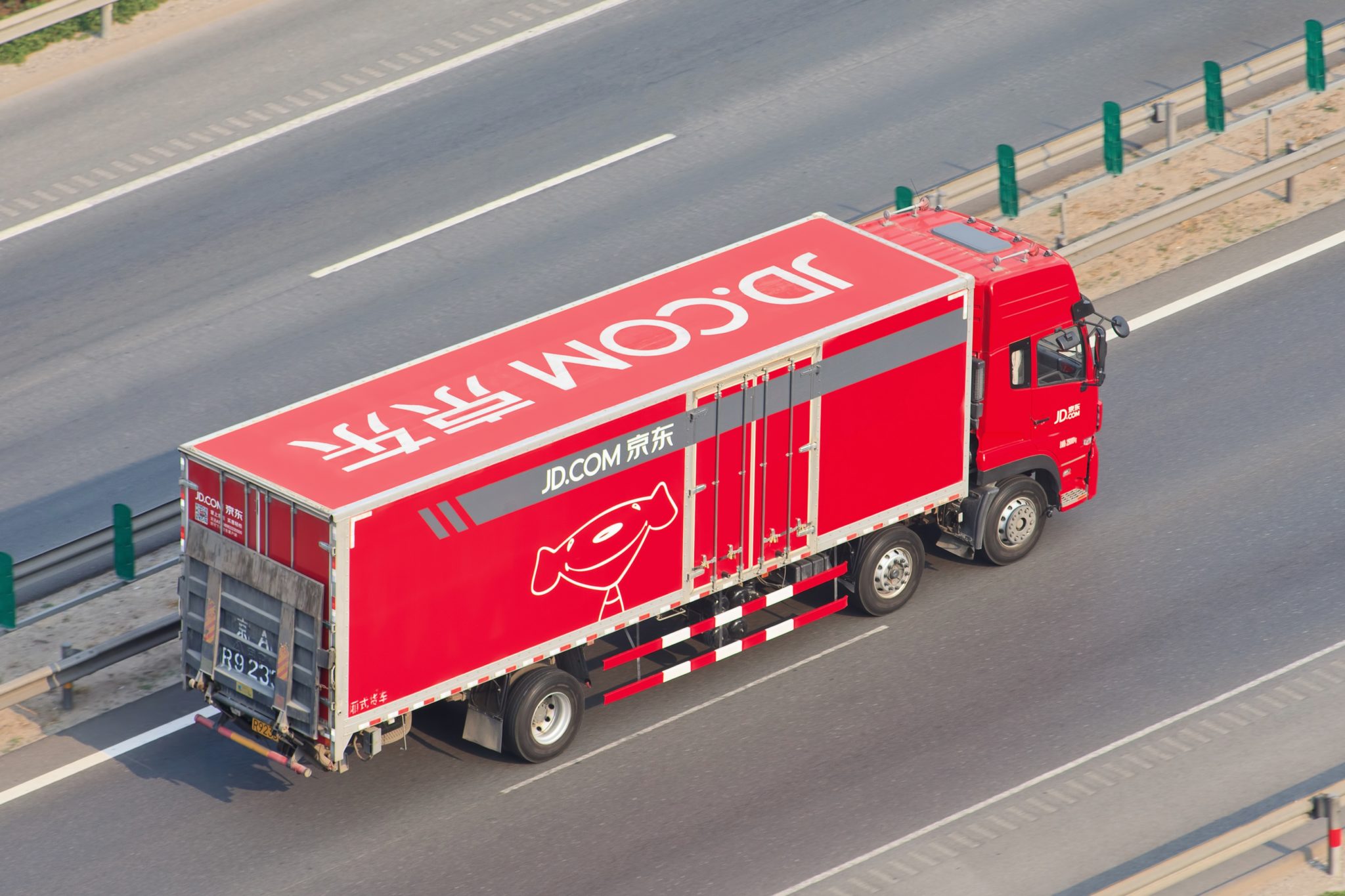
    Chinese e-commerce giant JD exceeded revenue expectations in the June quarter, net sales up by 23 per cent to 50.28 billion yuan (US$21.28 billion).

    The company has cited forays into the convenience-store sector and supermarkets, as well as the harnessing of artificial intelligence in its advertising and logistics operations for the improved result, as it tries to be less reliant on its core online retail platform for growth.

    Net income for JD reached 618.8 million yuan ($90.1 million), a significant turnaround from the 212.4 million yuan net loss of the same period last year.

    Significantly, the company’s logistics business broke even during the quarter.

    Discussing the results during an analyst briefing, a senior executive said the company was now turning its attention to lower tier Mainland China cities for growth, hoping to broaden its customer base. That strategy has been working for JD’s archrival Alibaba to date.

    Other plans afoot include developing more private-label products and improving its WeChat interface to increase customer engagement there.

  • Swarovski says sorry for ‘misleading’ communication over Chinese sovereignty

    Swarovski says sorry for ‘misleading’ communication over Chinese sovereignty

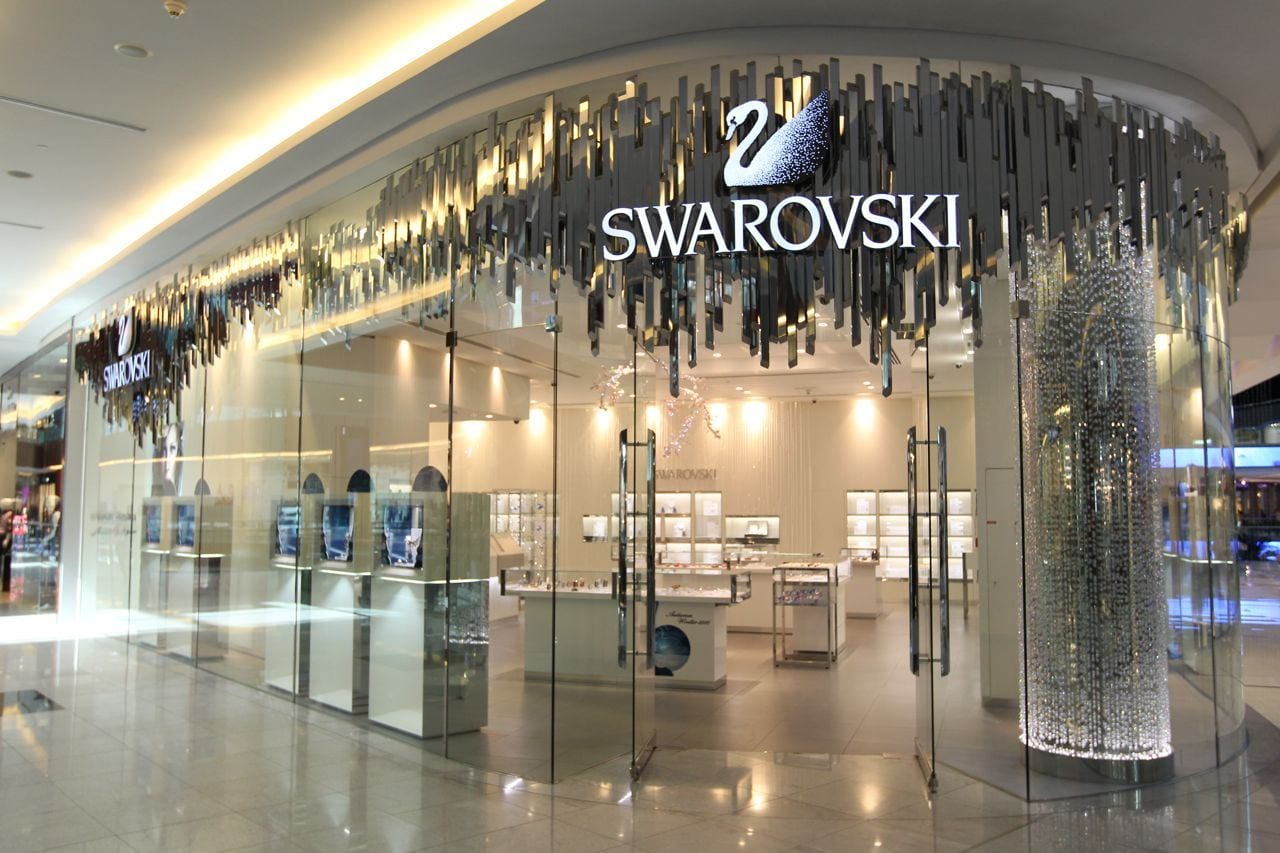
    Jewelry retailer Swarovski has issued a sweeping apology over implying Hong Kong is not part of China, the latest international brand to fall foul of rising nationalistic sentiments on the mainland.

    The apology followed the resignation of its Chinese brand ambassador Jiang Shuying and follows a string of social-media controversies in recent weeks over fashion brands differentiating Hong Kong and China, including Coach, Givenchy, and Versace.

    Instances of Hong Kong is portrayed as an independent country or market have garnered far more attention since June, coinciding with growing protests in the territory against perceived mainland encroachment on Hong Kong laws and governance.

    “Considering the recent happenings in China, Swarovski takes full responsibility and sincerely apologises to the people of China, as well as to our collaborative partners and brand ambassador, Ms Jiang Shuying, who have been deeply disappointed due to misleading communication on China’s National Sovereignty,” Swarovski wrote in a statement distributed via social media.

    “We have strengthened our global brand awareness and we will continue to review all our digital platforms globally to correct any inaccuracies,” the statement continued.

    “We abide by our commitment to act as a responsible corporate citizen, which has been embedded in the way we do business since the foundation of our company in 1895. In keeping with this tradition, Swarovski has always firmly respected China’s national sovereignty and territorial integrity, providing the Chinese market with unified worldwide services and products.

    “Swarovski will continue to support a harmonious society, together with the Chinese people.”